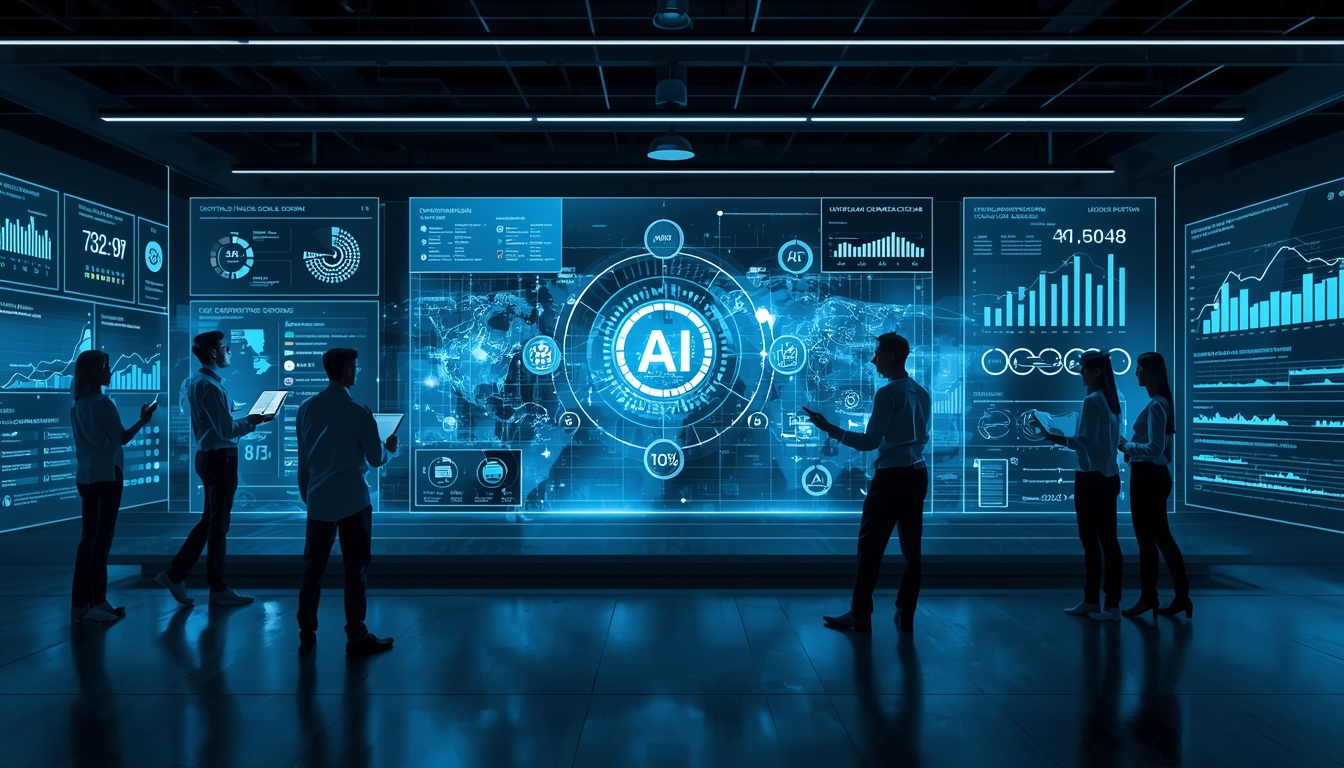

TraceLink, the world’s largest Agentic Business Network for the life sciences and healthcare supply chain, today introduced the first truly Agentic Supply Chain Control Tower, an operational intelligence platform that combines analytics, reasoning, active monitoring, and observability to power the Agentic Supply Chain Operating Model.
Traditional control towers were designed for visibility. Today’s multienterprise supply networks require operational intelligence that understands business context, enables reasoning, and coordinates work across people, enterprise systems, trading partners, and governed OPUS Agents. The Agentic Supply Chain Control Tower transforms business activity into the trusted operational understanding needed for faster decisions, coordinated execution, and continuous adaptation across the enterprise and partner network.
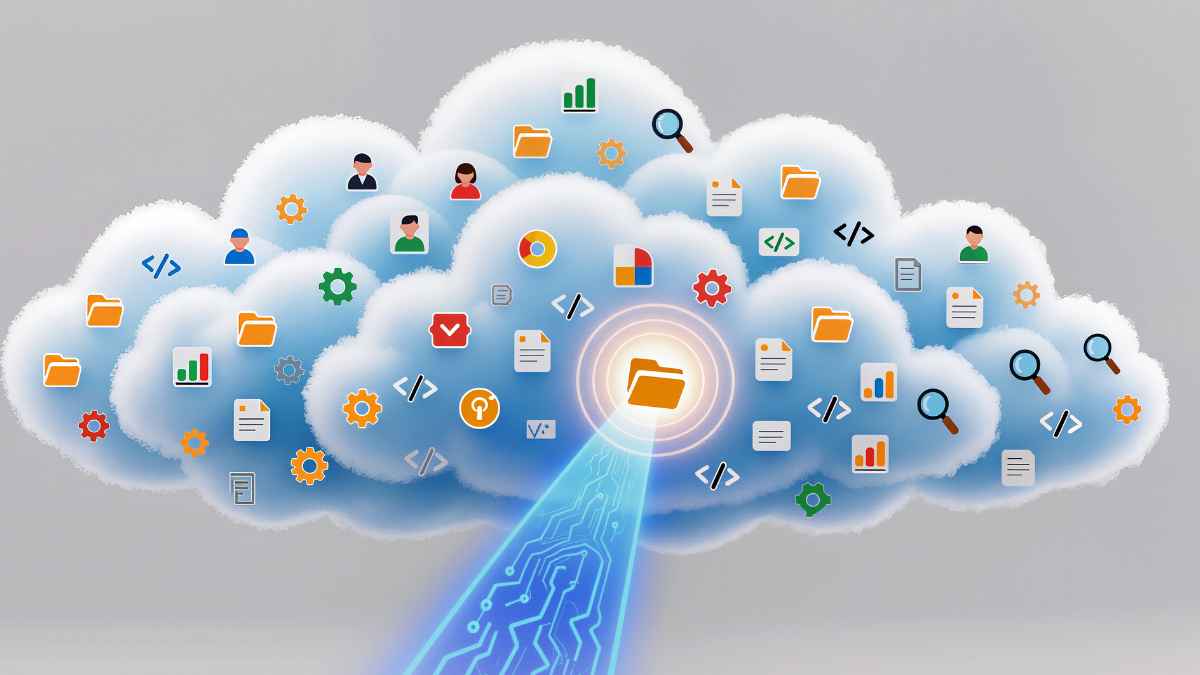
Built on the Agentic Supply Chain Operating System and powered by the world’s largest Agentic Business Network—linking more than 315,000 authenticated entities and supporting hundreds of billions of annual supply chain exchanges—the Agentic Supply Chain Control Tower enables organizations to coordinate work across people, enterprise systems, trading partners, and governed OPUS Agents with greater speed, resilience, and confidence.
“The role of the supply chain control tower is fundamentally changing,” said Shabbir Dahod, President and CEO of TraceLink. “Traditional control towers helped organizations monitor operations. As AI becomes an active participant in supply chain work, organizations need operational intelligence that provides trusted business context, enables reasoning, and coordinates work across people, enterprise systems, trading partners, and governed OPUS Agents. The Agentic Supply Chain Operating Model requires an Agentic Control Tower to power the transformation.”
The First Agentic Supply Chain Control Tower
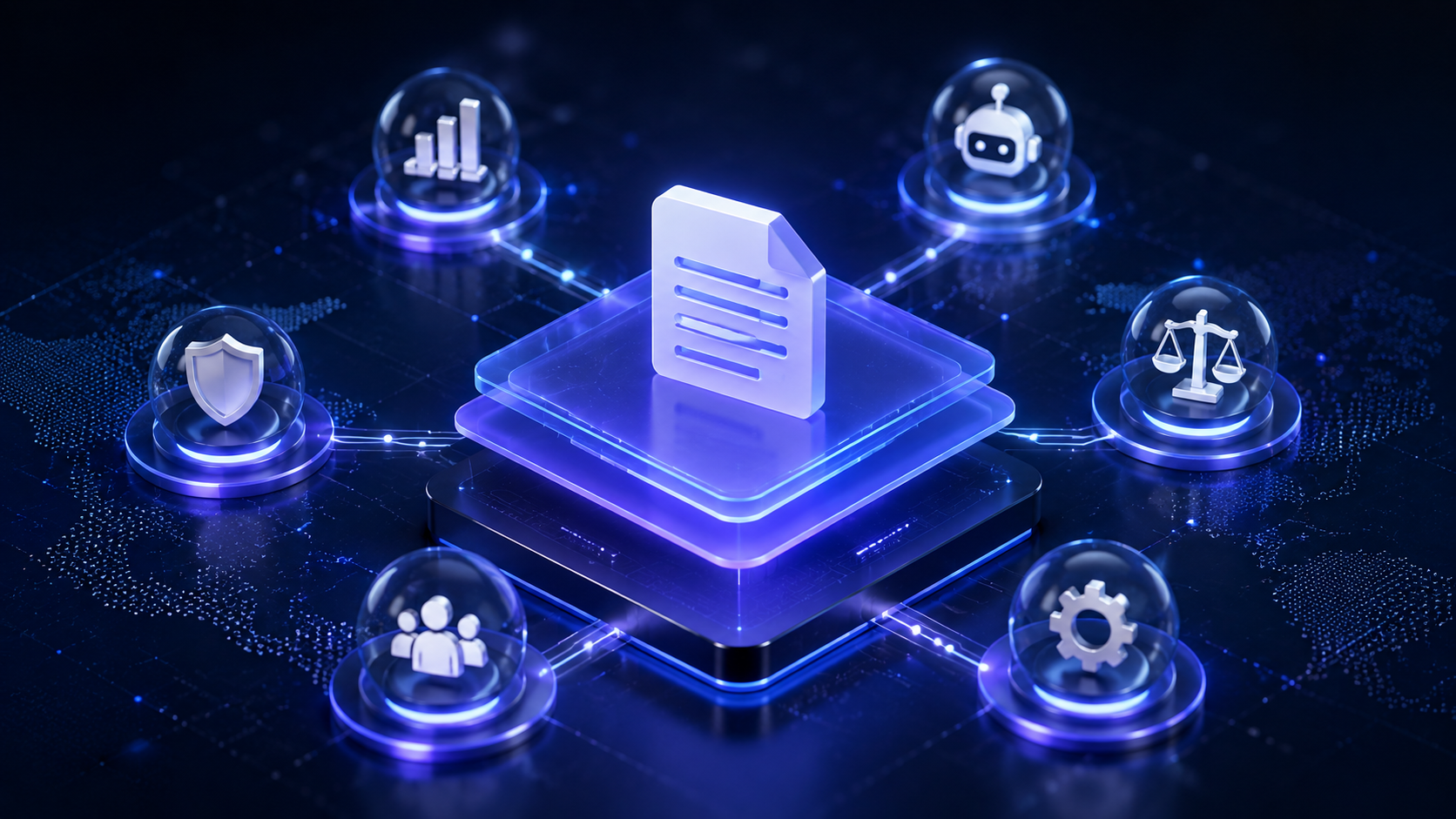
The Agentic Supply Chain Control Tower redefines the traditional control tower as the intelligence layer for the Agentic Supply Chain Operating Model. It brings together foundational OPUS Platform capabilities that transform operational data into trusted business understanding, enabling people and governed OPUS Agents to collaborate on intelligent decisions across the end-to-end supply network.
- Scalable Analytics
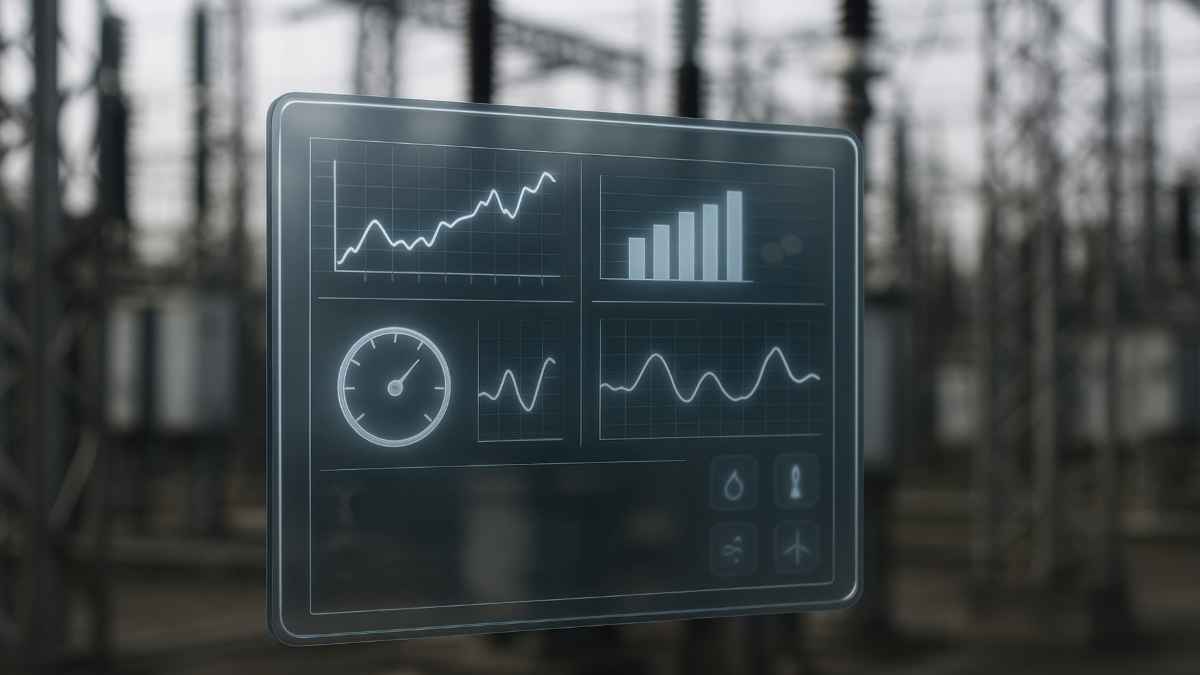
Built on a redesigned analytics architecture that supports enterprise-scale workloads, OPUS Reports and Dashboards (ORD) moves analytics beyond the scalability and performance limits of traditional reporting environments, enabling organizations to analyze dramatically larger volumes of operational data. Recent enhancements deliver at least 30% faster reporting while extending analytics from thousands of rows to datasets containing millions of rows. Organizations can transform growing volumes of operational data into trusted business understanding that accelerates decision-making, strengthens operational resilience, and improves execution across the end-to-end supply network.
- Agentic Reasoning
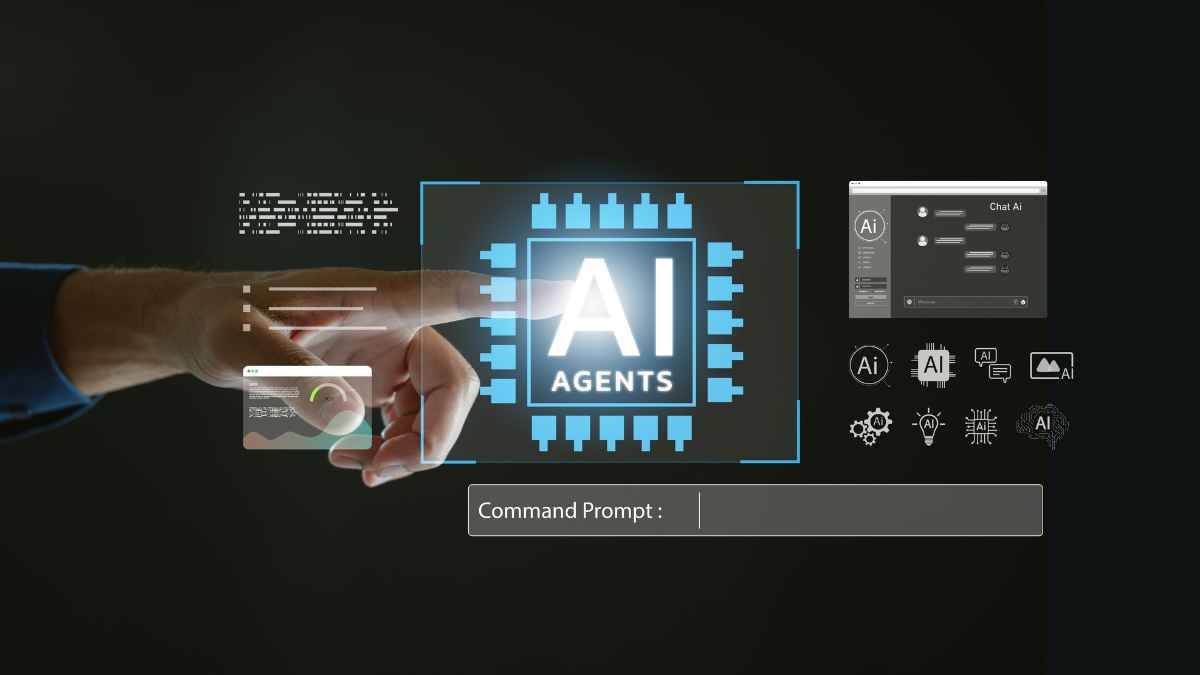
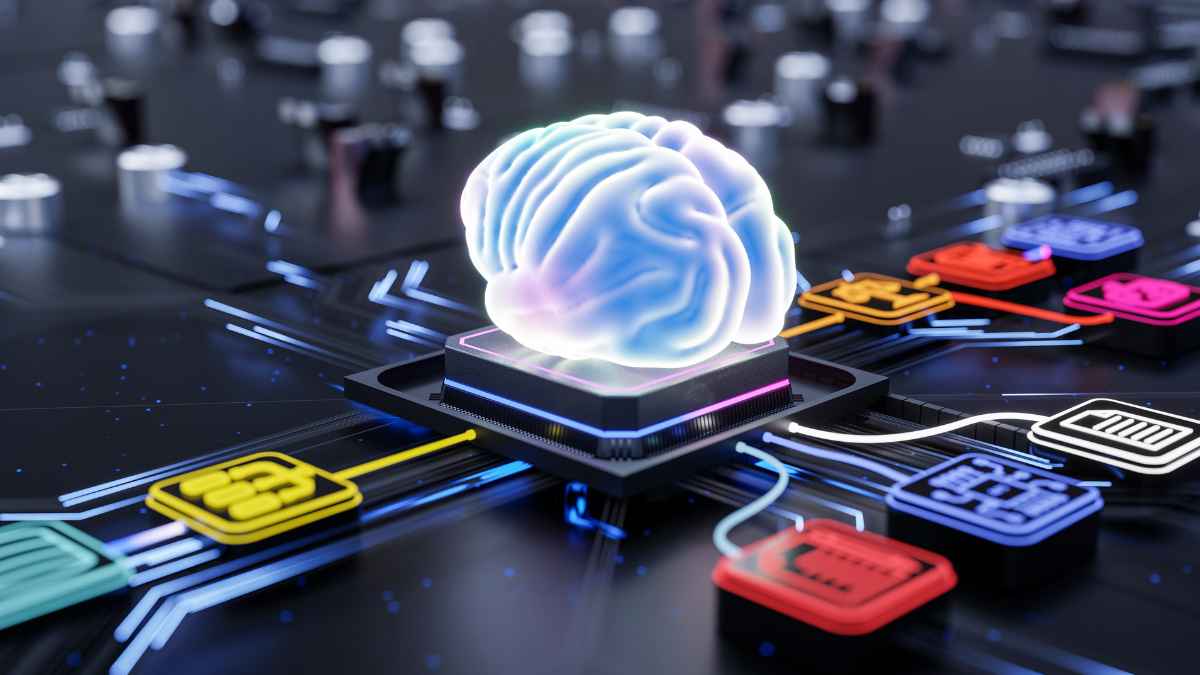
OPUS Brain—TraceLink’s agentic reasoning engine—uses reasoning artifacts, semantic search, short-term memory, and object metadata to guide OPUS Agents to perform work consistently without hallucinations. Rather than simply presenting information, it enables organizations to make more deterministic decisions, reduce dependence on manual interpretation, and confidently scale AI-assisted work under appropriate governance and human oversight.
- Event-Driven Intelligence
Object Events and Object Action Scripts continuously observe conditions and initiate governed responses as transactions and workflows progress. By sensing meaningful supply chain events as they occur, organizations can reduce response times, improve exception management, and shift from reactive issue management to proactive coordination.
- Semantic Business Context
Semantic models, canonical objects, and enhanced reference data capabilities ensure information is interpreted consistently across systems, trading partners, and processes. This shared understanding creates a common language that increases confidence in automation, AI-driven recommendations, and standardized execution.
- Continuous Observability
OPUS Metrics and Lakehouse capabilities measure performance, system activity, transaction processing, agent utilization, and outcomes to create a continuous feedback loop for improvement. With greater insight into both execution and agent performance, organizations can identify bottlenecks, optimize processes, and continuously improve supply chain performance over time.
Read Also: Nautilus Data Technologies Named NVIDIA AI Factory Infrastructure Partner