
Intersignal LLC today announced the forthcoming open-source release of Braid Light Client v1.4.4, a lightweight reference implementation of the Braid State Transport Primitive.
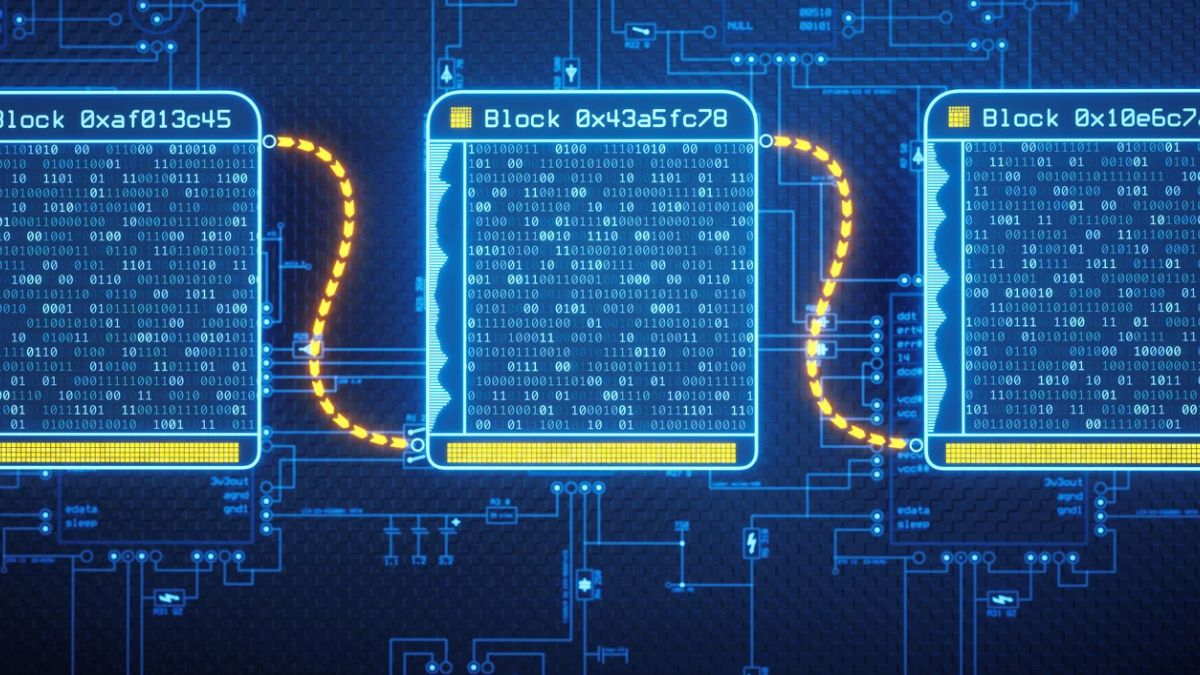
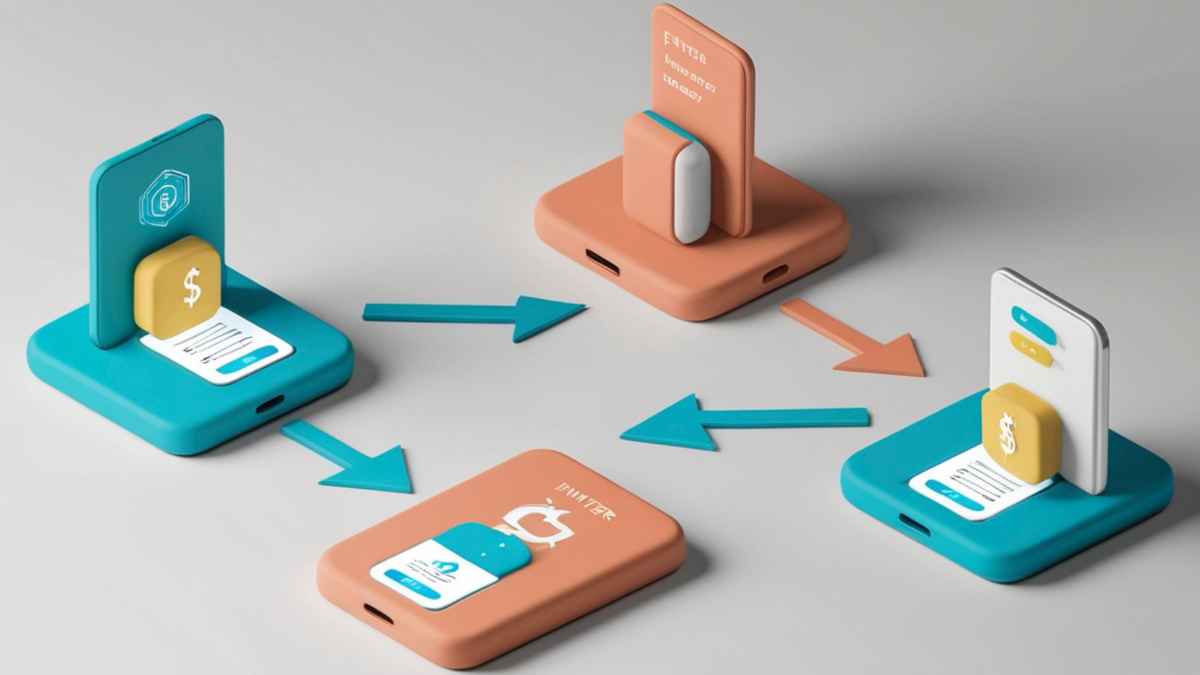
Braid is not a language model and does not transfer model weights or unstructured chat history. It provides a bounded machine-to-machine handoff layer: a compact 384-dimensional latent-state representation is packaged into a signed canonical frame, transmitted across files, local APIs, or optical channels, and independently evaluated by the receiving node.
The planned developer package includes a Python command-line client, a loopback-bound local server, signed .brad state frames, persistent Ed25519 keys, RFC 8785 canonical manifests, SHA-256 payload binding, receiver-controlled policy intersection, and independent validation gates for signature integrity, FP16 representation and unit norm, and anomaly analysis.
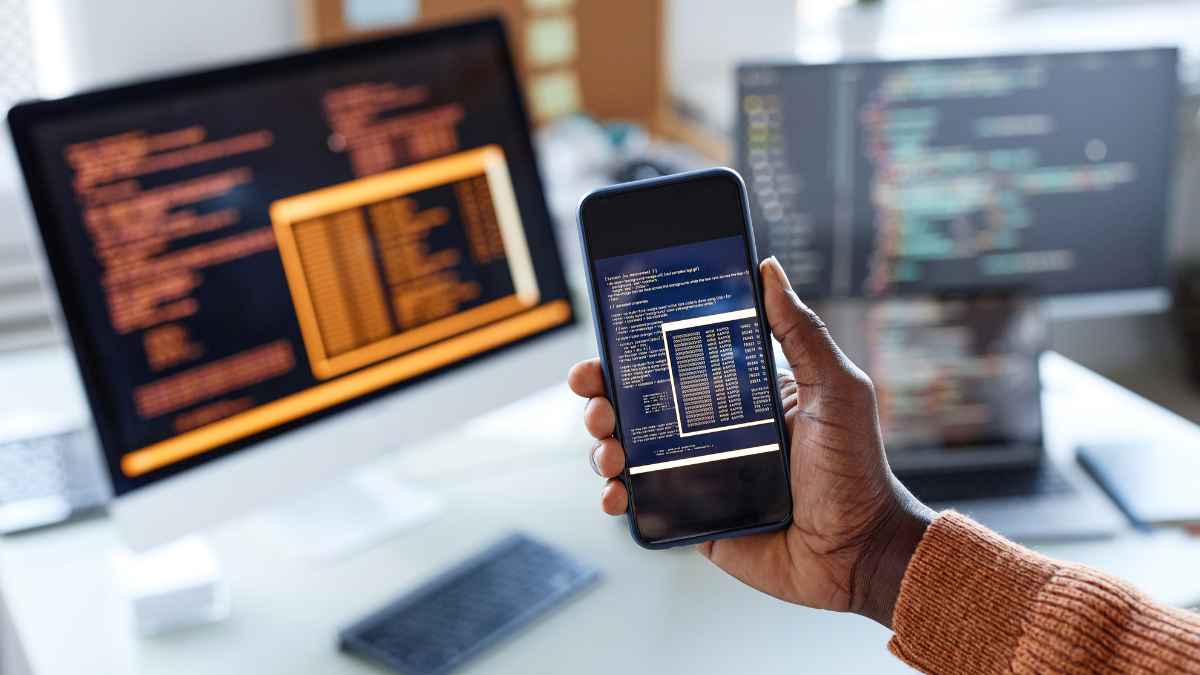
Its browser studio adds interactive state visualization and a dual-path camera receiver using the native BarcodeDetector API with a local OpenCV fallback. The BRAD1 optical layer converts a signed frame into standards-compliant ISO/IEC 18004 QR symbols, allowing one device to display machine state as light while another captures, reassembles, inspects, and evaluates it without an external cloud service.
Automated verification completed 27 of 27 tests and a full image-channel smoke test covering QR rasterization, computer-vision decoding, out-of-order delivery, duplicate handling, byte-identical reconstruction, and 384-dimensional state recovery.
Version 1.4.4 performs Phase A non-locking pre-validation. Production deployments must add persistent replay-ledger commitment and replace the bundled demonstration anomaly artifacts with route-specific trained artifacts.
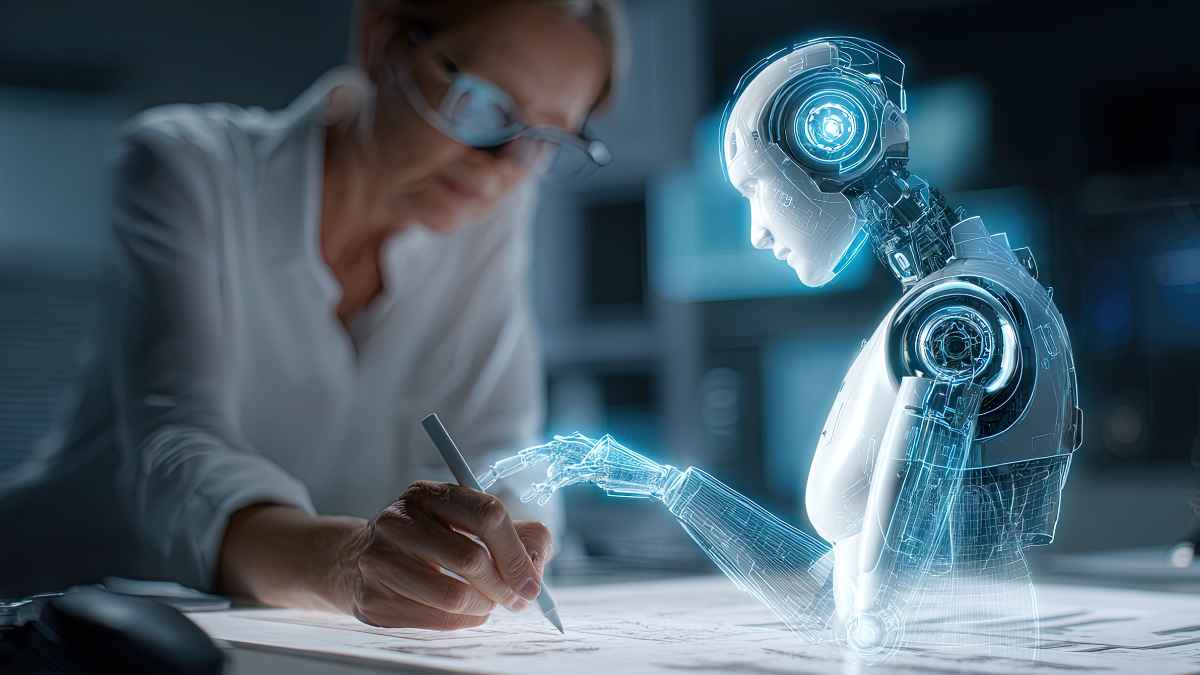
“If you are willing to entertain that near-ASI capability is already appearing inside today’s frontier systems, Braid shows what happens when those systems are treated as architectural collaborators rather than only chatbots,” Seaman said. “Work that conventionally would have taken years was compressed into months, with human engineers responsible for judgment, verification, and the final acceptance boundary.”
Intersignal will publish the client under the MIT License so developers can inspect, test, harden, fork, and integrate it across models and hardware.
Intersignal also plans a live optical transport demonstration in Cascais, Portugal, in September 2026, featuring a signed state frame leaving one sovereign AI node as animated light and being captured, reconstructed, inspected, and evaluated by an independent receiving node.
Read Also: Comp AI Opens Miami Headquarters and First Dedicated Office in Aventura