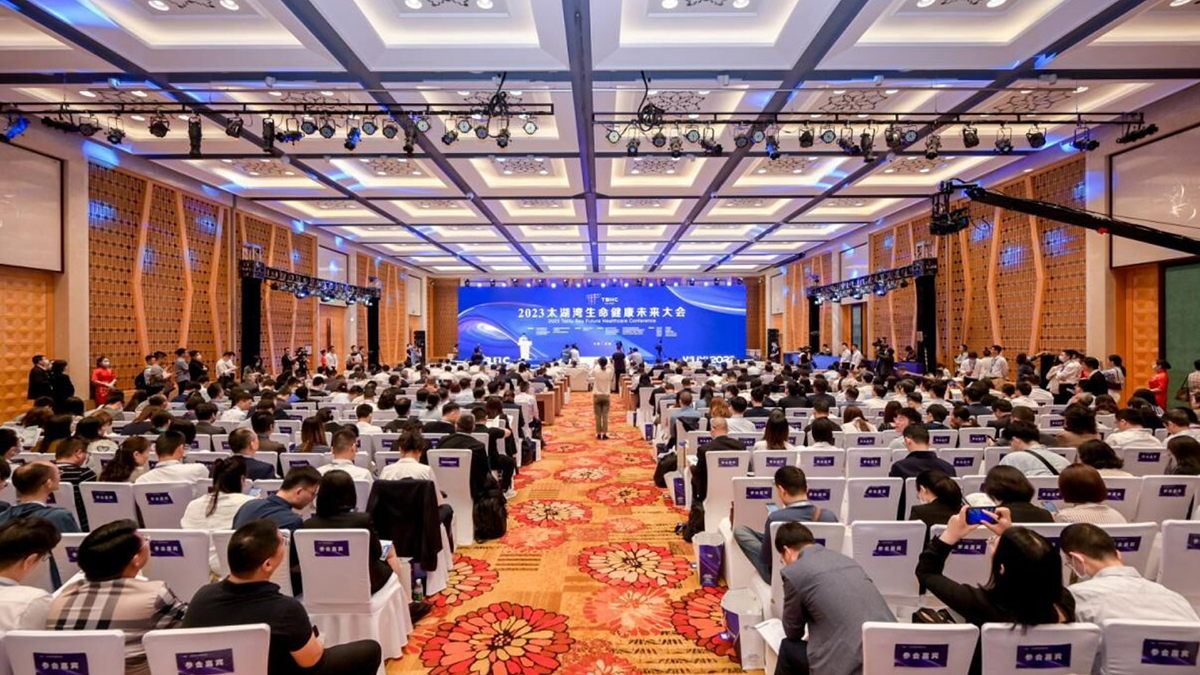

Kipu Health today released new insights from Elevate 2026, its annual customer conference, which brought together more than 300 behavioral health executives, operators, and clinical leaders from across the industry. Captured in the company’s new “Notes from the Field” white paper, the findings highlight seven defining patterns and strategies shared by industry leaders to drive growth, improve outcomes, and strengthen organizational performance.
The conclusion is clear: behavioral healthcare is no longer operating on a single trajectory. Instead, the market has split, and the organizations pulling ahead are those rebuilding their operating models across clinical, financial, operational, and technological fronts.
What Sets Industry Leaders Apart
Elevate 2026 highlighted an important evolution in behavioral healthcare. As demand for services continues to grow, leading organizations are adopting new strategies to scale operations, strengthen performance, and deliver better outcomes.
The organizations setting the pace are those with disciplined operations, diversified revenue streams, data-driven decision-making, and a clear understanding of their business performance. These capabilities are helping providers build more resilient organizations, adapt to changing market dynamics, and position themselves for long-term success.
Across the conversations at Elevate, one theme emerged consistently: the future belongs to organizations that can combine clinical excellence with operational sophistication.
The Seven Patterns Defining High-Performing Organizations
Based on extensive on-stage discussions and peer exchange, Kipu identified seven patterns emerging across the industry’s strongest organizations:
- A market split is accelerating
Top-performing operators are distinguishing themselves through strong fundamentals, disciplined operations, and sustainable growth strategies. - Diversification is becoming essential
Leading organizations are expanding across service lines, geographies, and care settings to mitigate payer and regulatory risk. - AI is a growth and retention strategy (not just a productivity tool)
Providers are using AI to reduce documentation burden, improve compliance, retain clinical staff, and increase patient capacity, turning productivity gains into measurable growth. - Admissions is the financial nerve center
High-performing organizations are treating the “front door” as a critical driver of revenue integrity, recognizing that the majority of revenue cycle errors originate at intake. - Revenue cycle is a CEO-level discipline
Executives are taking direct ownership of financial performance, with real-time visibility into cost per admission, reimbursement rates, and claims performance. - Growth depends on culture, not just capital
Successful expansion is driven by the intentional transfer of culture and operational discipline—not simply acquisition velocity. - Compliance and outcomes are becoming competitive advantages
Organizations that operationalize compliance and track outcomes rigorously are better positioned to succeed with both payers and regulators.
Together, these patterns represent a fundamental shift in how behavioral health organizations operate, and how success is measured.
A New Operating Model for Behavioral Healthcare
Elevate discussions emphasized that these patterns are not isolated initiatives, but interconnected elements of a broader operating model.
Organizations that are succeeding are:
- Integrating AI directly into clinical workflows
- Aligning admissions, revenue cycle, and finance functions
- Building continuous care models that extend beyond discharge
- Embedding compliance into daily operations rather than treating it as a periodic requirement
This integrated approach is enabling providers to improve outcomes while strengthening financial performance in a more challenging environment.
The Role of Community in Accelerating Change
Beyond formal sessions, Elevate 2026 highlighted another powerful, though less tangible, driver of progress: collaboration.
Operators openly shared both successes and setbacks with peers, accelerating the spread of effective practices across the industry.
“What stood out most was the willingness of leaders to share both what is, and what is not, actually working,” said Carina Edwards, CEO at Kipu. “That level of transparency is helping these operating models spread faster across the industry.”
The Inaugural Kipu Cup: Building Community Beyond the Conference
Elevate also created opportunities for deeper peer collaboration through executive networking experiences, including the inaugural Kipu Cup.
Looking Ahead
As the behavioral health landscape continues to evolve, the insights from Elevate 2026 point to a clear direction for the industry.
“The leaders we heard from at Elevate are focused on building high-performing organizations,” said Edwards. “They’re combining clinical excellence, operational discipline, and technology innovation to drive sustainable growth and improve outcomes.”
Read Also: SportsMed Physical Therapy Earns Best of 2026 Award