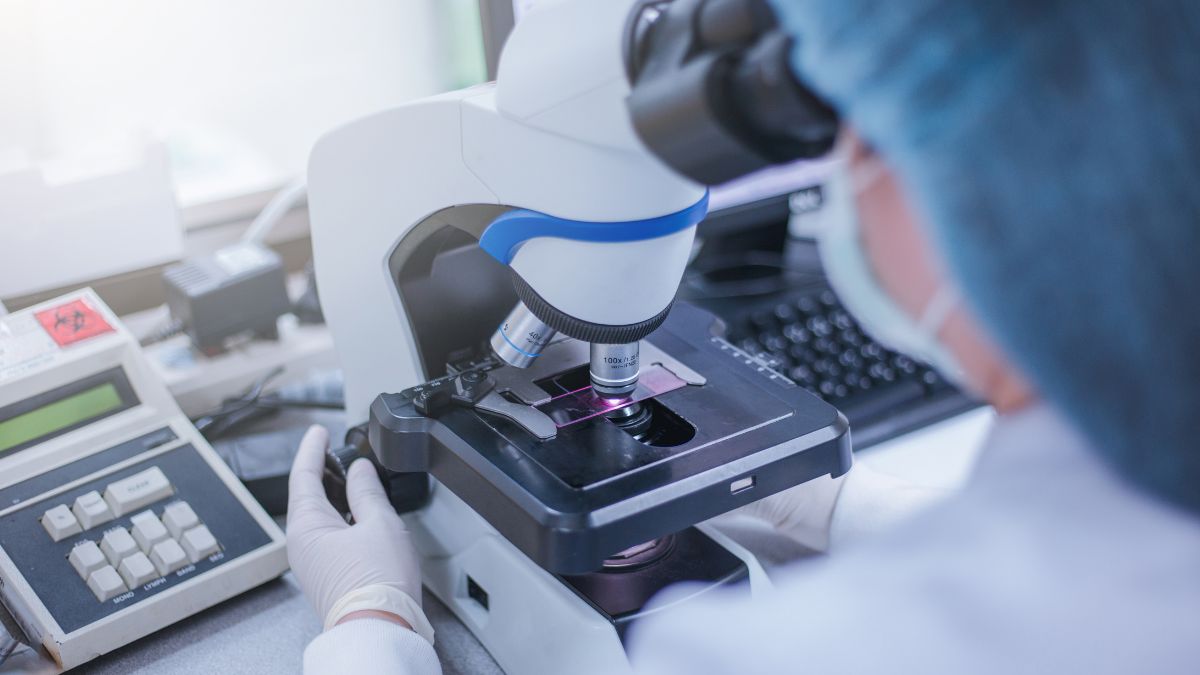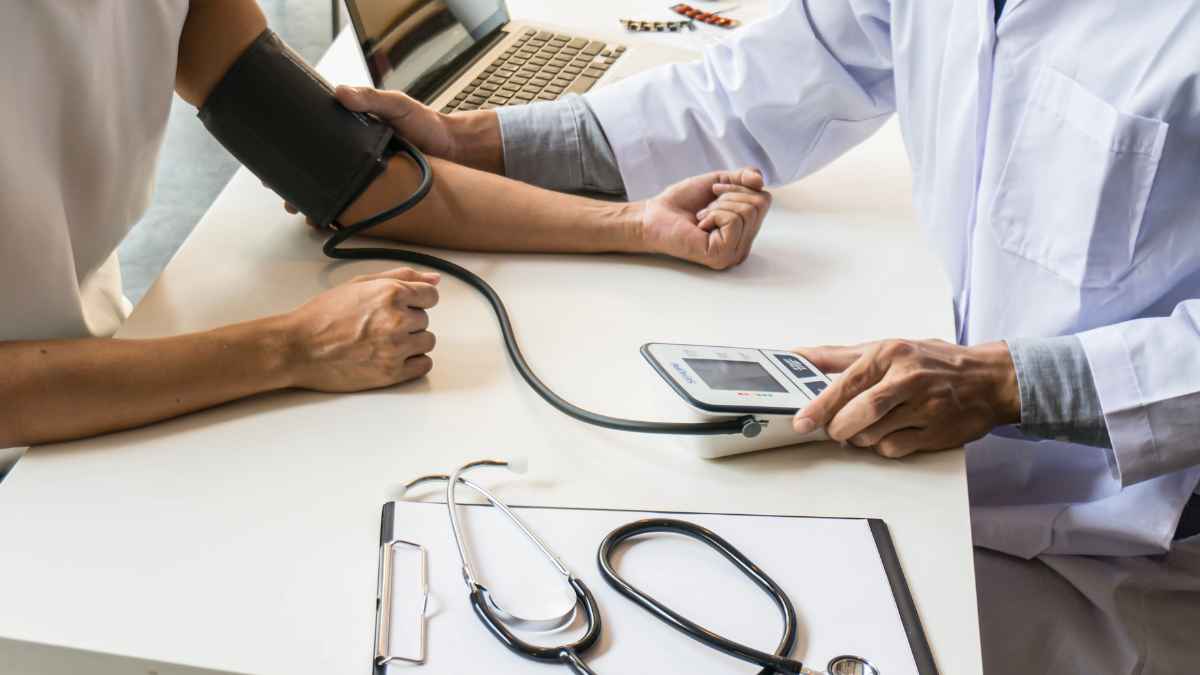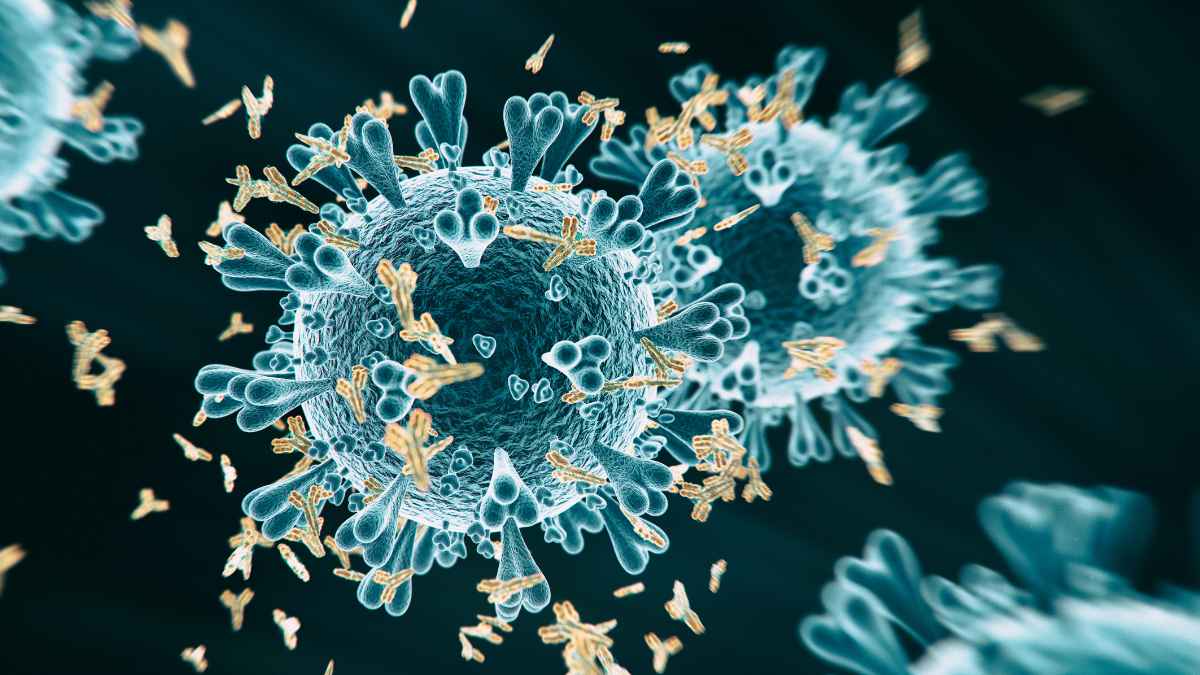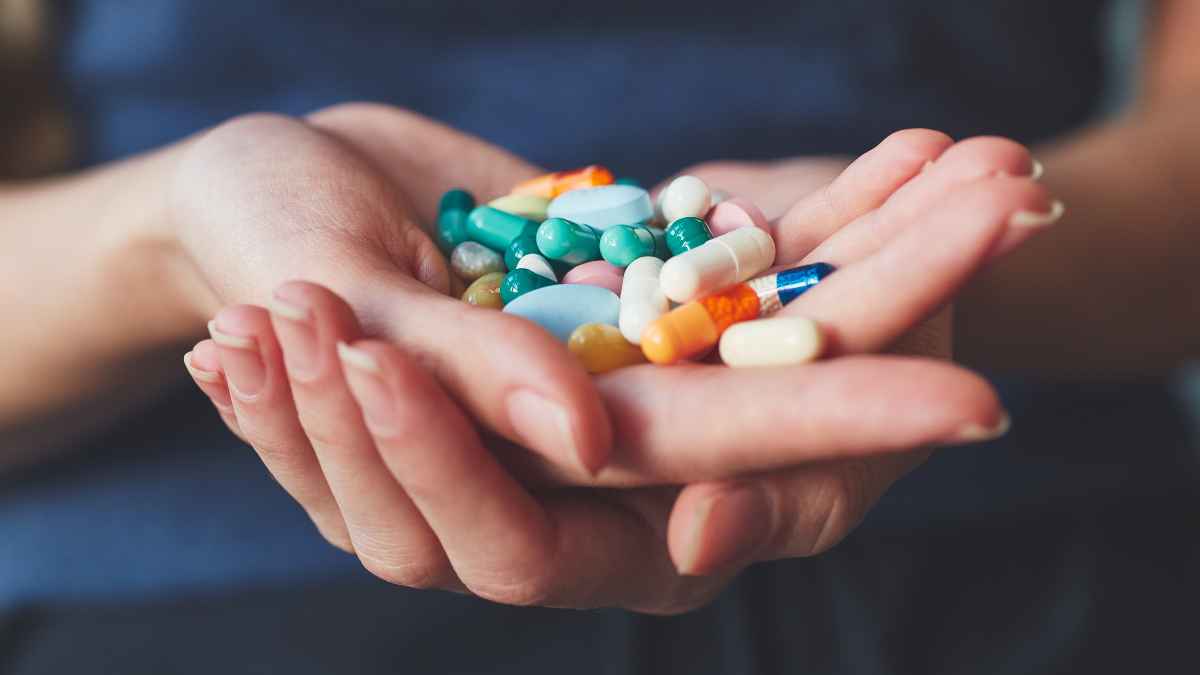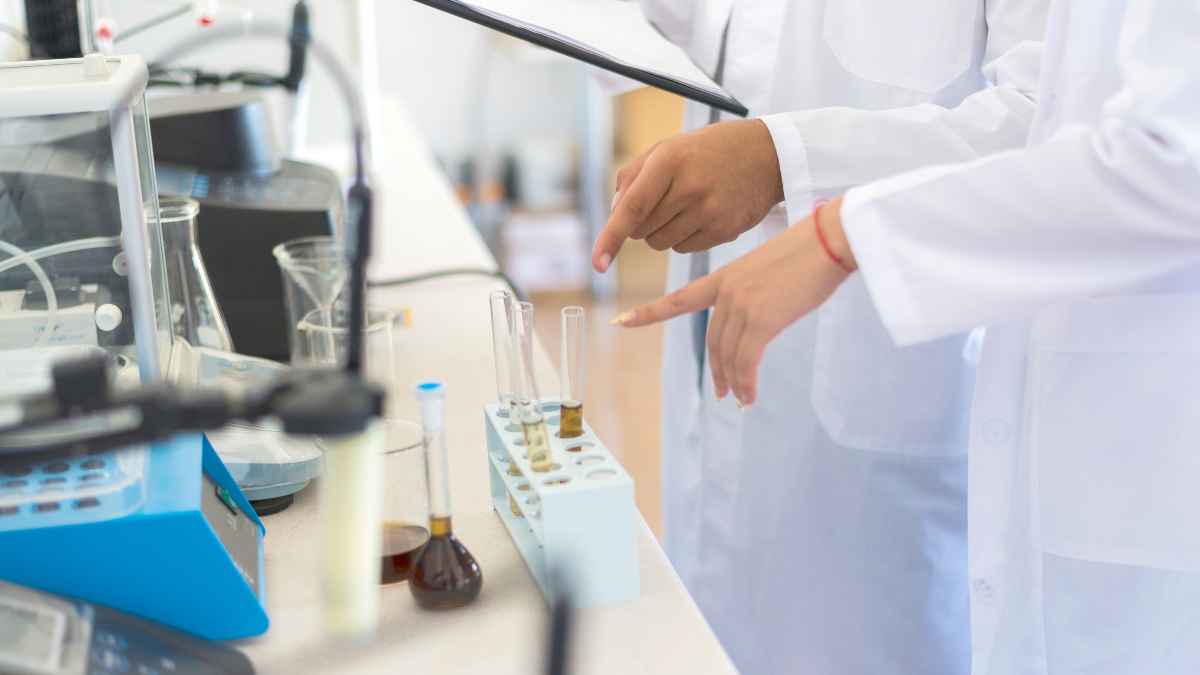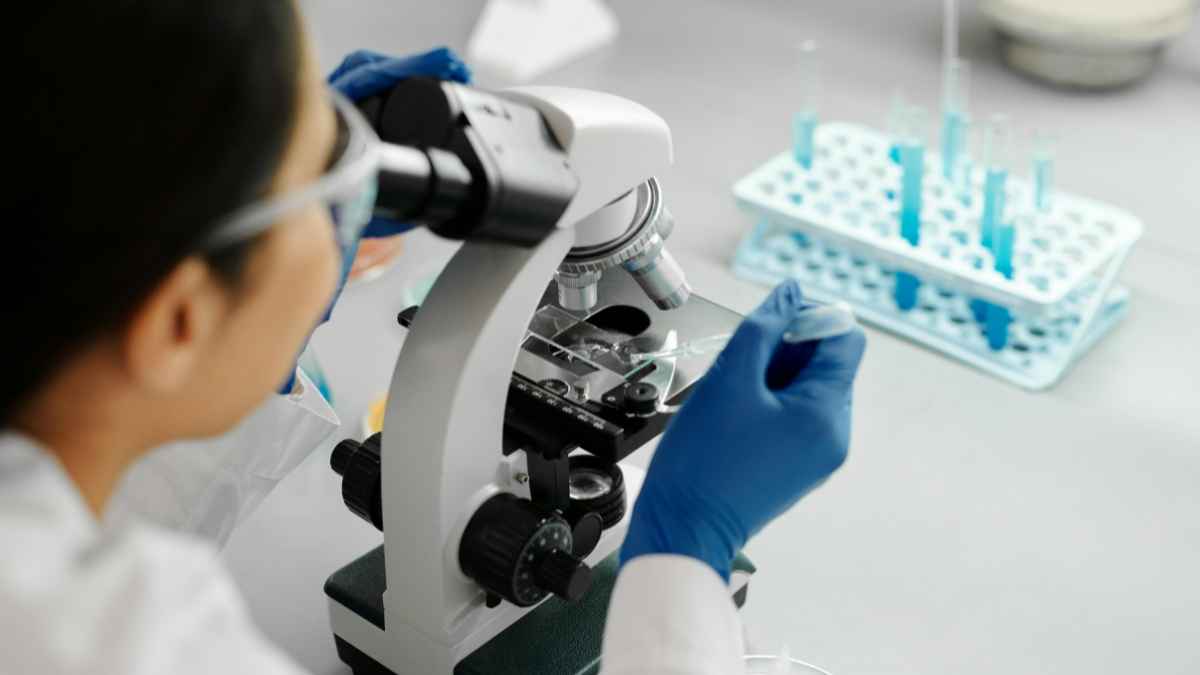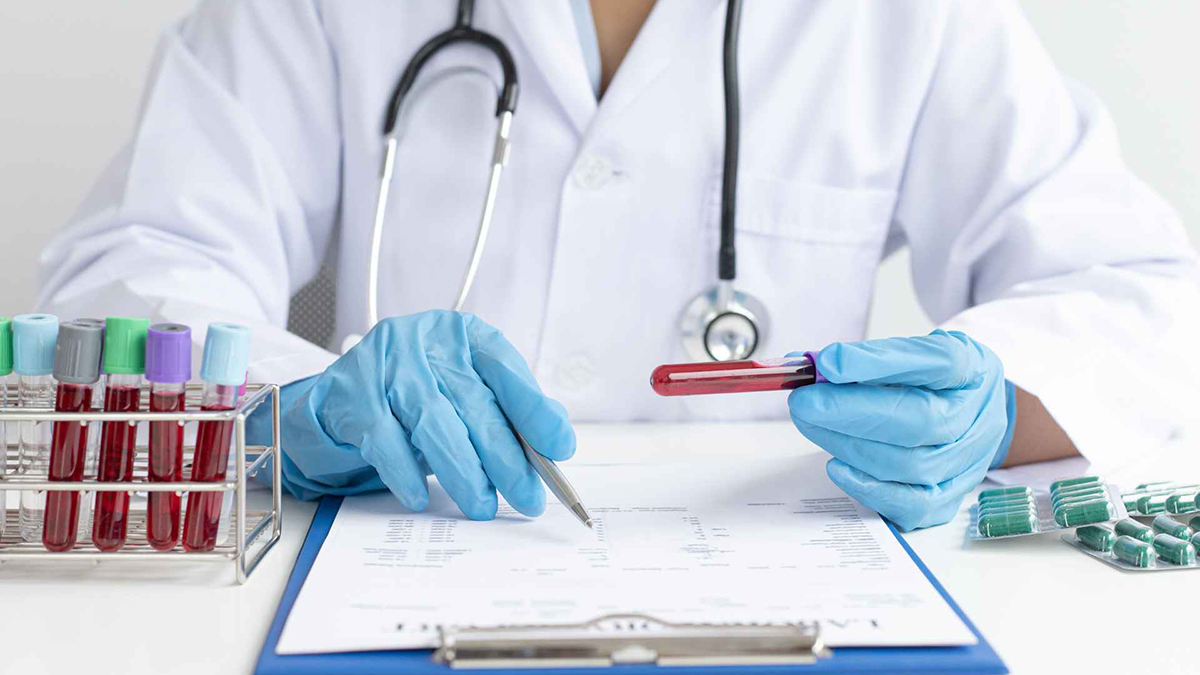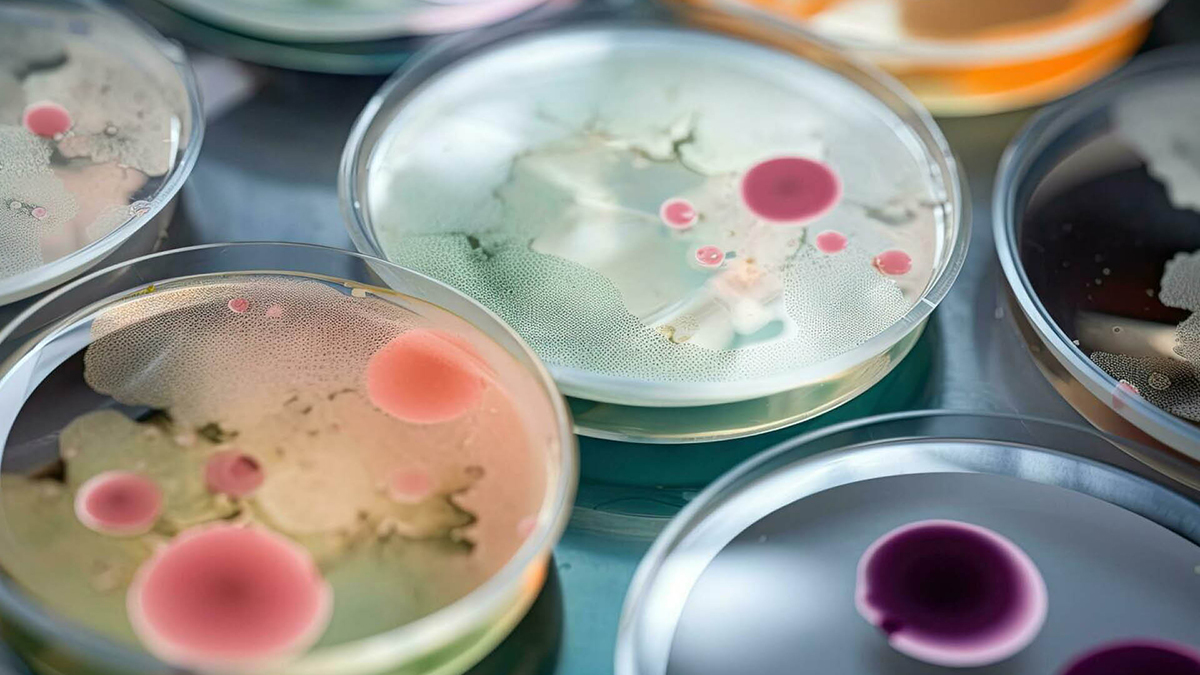
A new study by researchers at City of Hope®, one of the largest and most advanced cancer research and treatment organizations in the country and ranked among the nation’s leading cancer centers by U.S. News & World Report, suggests eating less sugar could protect the microbiome during antibiotic treatment. The study followed patients with blood cancer who were going through an intensive treatment called allogeneic hematopoietic cell transplant, a population at particularly high risk for severe gut microbiome disruption and associated side effects.
Published in Nature, the surprising findings connect to the idea of “food as medicine” during cancer care and the ways diet can help us prevent and recover from illness. The research could lead to new treatment strategies for cancer patients and potentially others taking antibiotics.
“Antibiotics disrupt the diversity of our gut bacteria, or microbiomes, which play an essential role in supporting our immune systems and overall health,” said co-senior author Marcel van den Brink, M.D., Ph.D., president of City of Hope Los Angeles and City of Hope chief physician executive. “Our research supports emerging evidence that avoiding sugary foods during antibiotic treatment may protect the microbiome. Preserving microbiome diversity has previously been linked with improved clinical outcomes for patients with cancer.”
Dr. van den Brink, a globally recognized leader in the microbiome, cell transplantation and cancer immunotherapy, collaborated on the research with Jonathan Peled, M.D., Ph.D., at Memorial Sloan Kettering Cancer Center and Jonas Schluter, Ph.D., at NYU’s Grossman School of Medicine.
A Large Clinical Study With High-Frequency Data
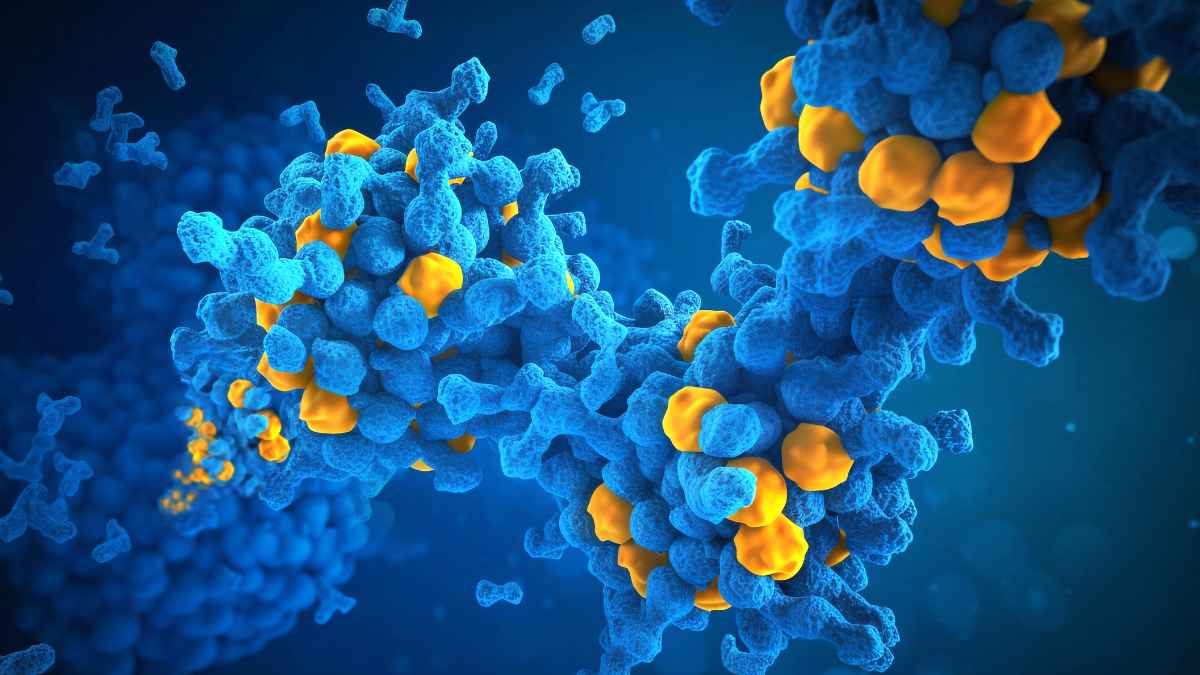
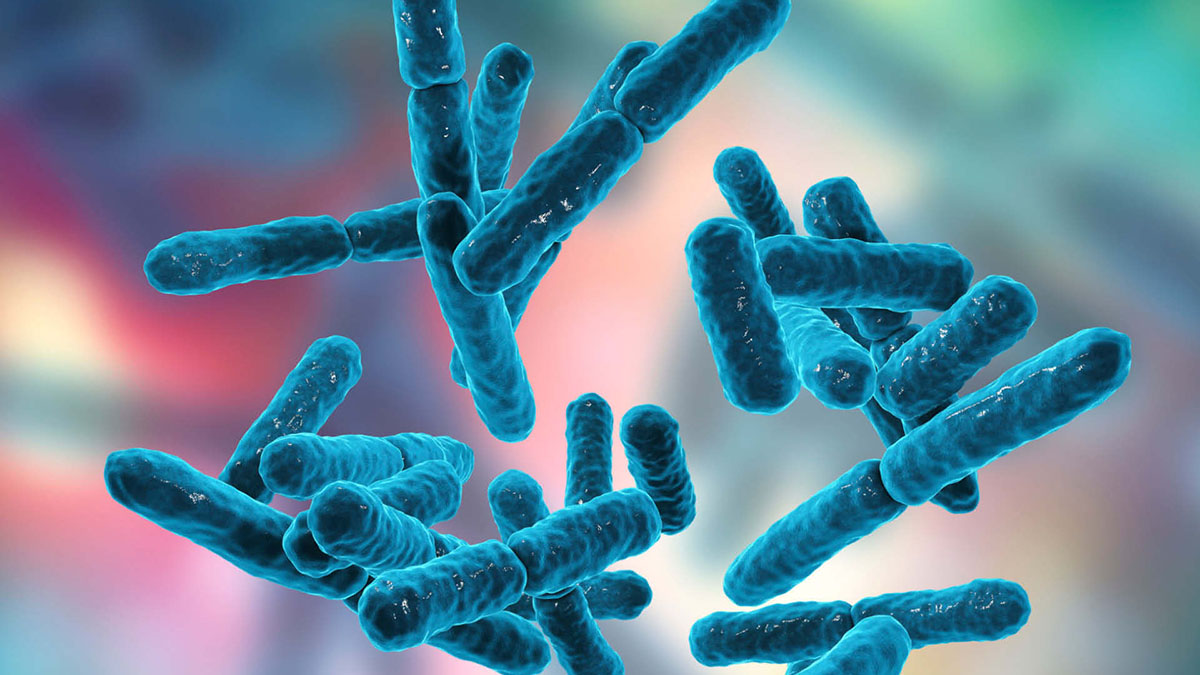
Antibiotics are used to treat infections, but they also broadly destroy good bacteria in the gut, allowing the overgrowth of harmful microbes.
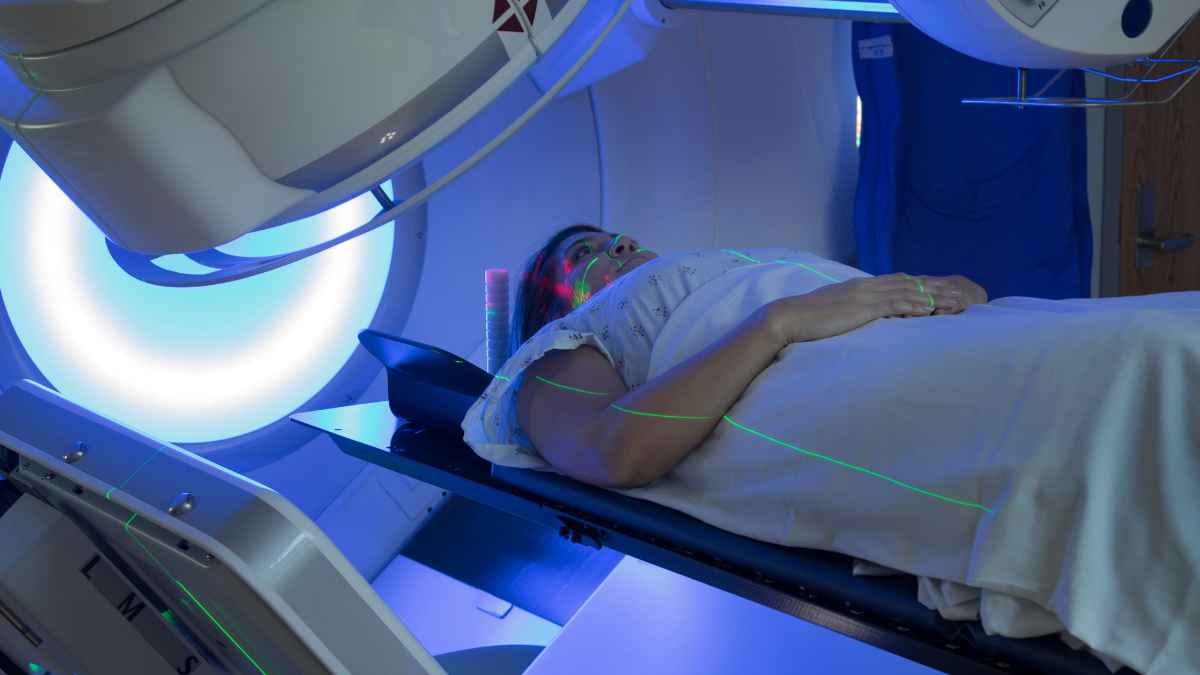
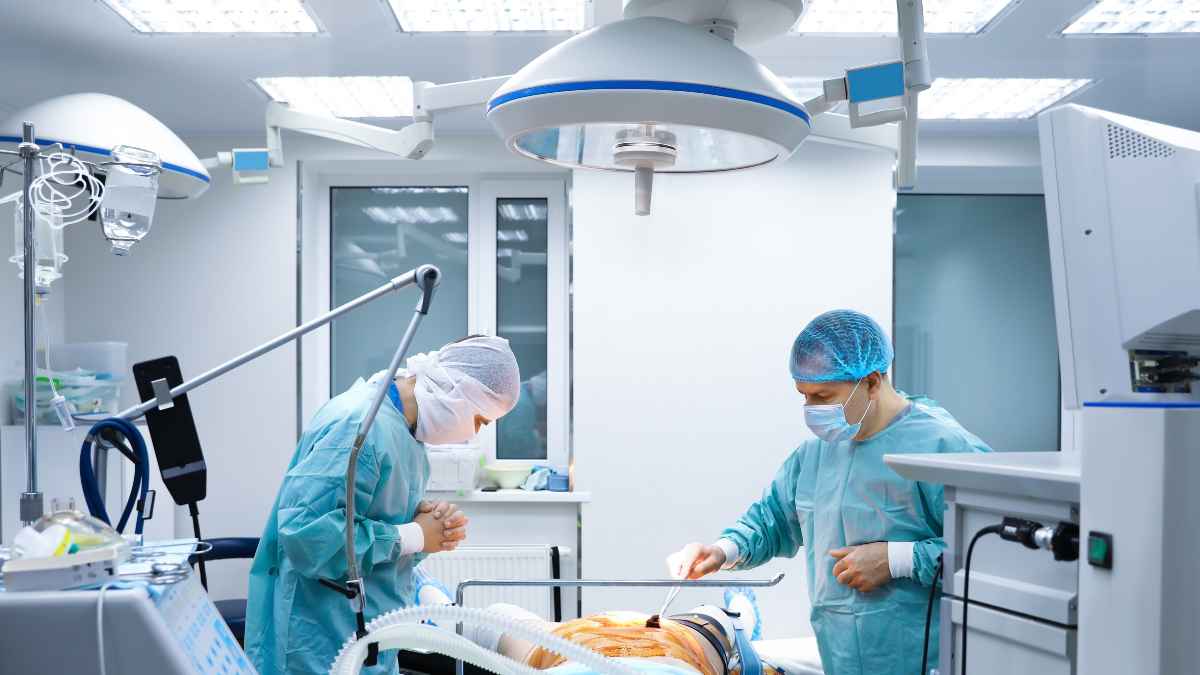
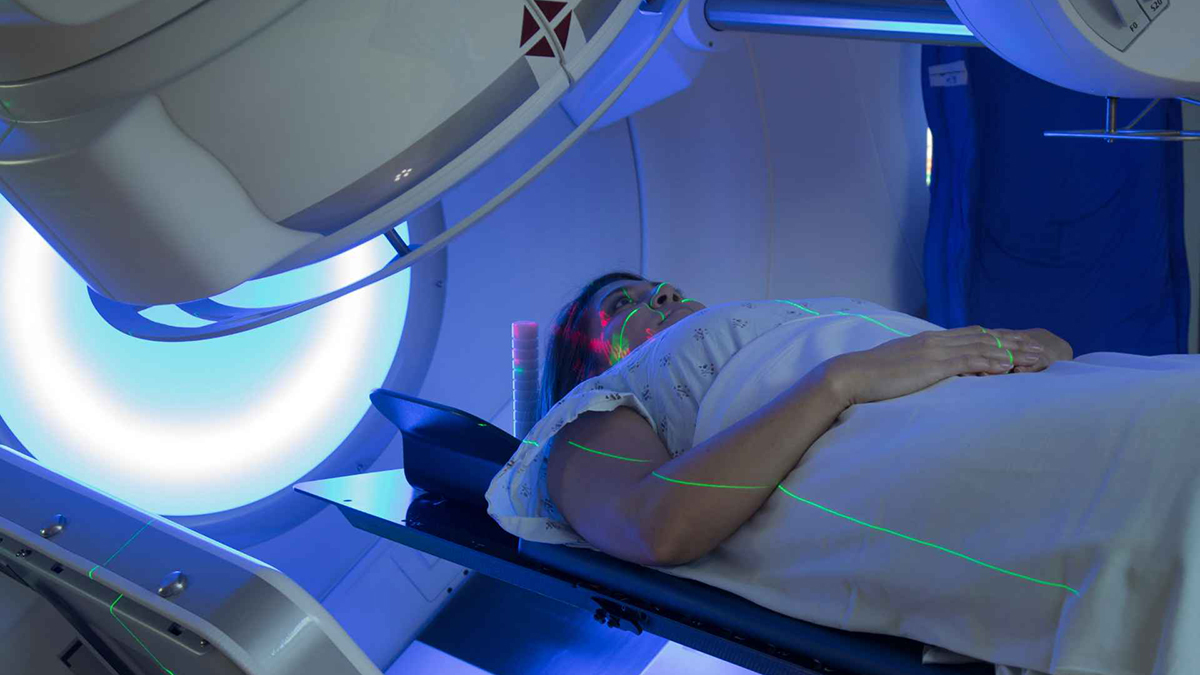
In the five-year study, one of the largest of its kind, followed patients who were hospitalized for several weeks to receive intensive chemotherapy, sometimes with radiation, to wipe out their immune systems and then undergo a stem cell transplant. To prevent and treat infections, each patient took at least one antibiotic during their hospital stay, with 80% of them taking one or more of the broad-spectrum antibiotics that exert the strongest effect on the microbiome by targeting many types of bacteria.
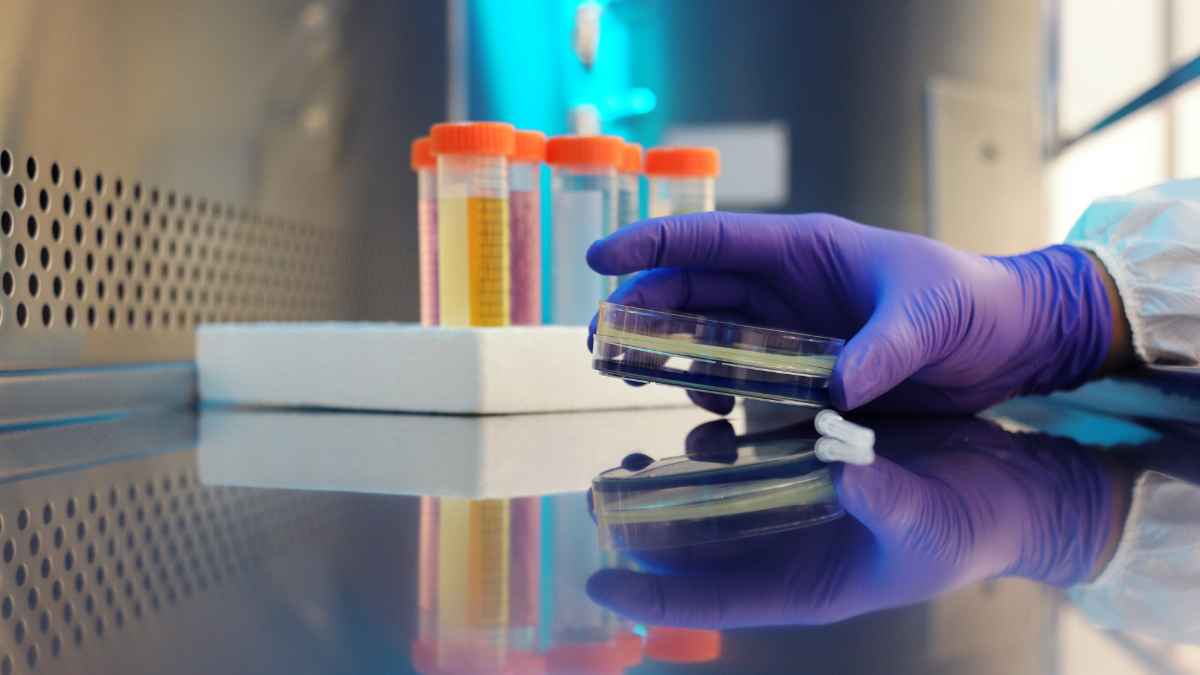
The research team tracked 9,419 meals eaten by 173 hospitalized patients and profiled the microbiome diversity in stool samples from 158 patients. Microbiome diversity is a key indicator of a healthy microbiome.
Precisely Measuring Food in Real Time and Tracking Effects in the Gut
Each time patients ordered a meal from the hospital kitchen, the tray arrived with a questionnaire asking them to record the amount of each item that they ate and drank.
With this help from the hospital kitchen to track nutritional information for all hospital meals consumed, the scientists recorded more than 40,000 food items, creating an unprecedented dataset with a level of detail that’s rarely possible in nutrition research.
For each patient, the researchers tracked between eight and 128 meals across a period ranging from 12 days before to 49 days after transplantation. The team also analyzed more than 1,000 patient stool samples to monitor changes in the gut microbiome.
“Unlike past nutrition studies that rely on patients’ memories of what they ate or other imprecise surveys, we had meticulous dietary records collected in real time,” noted Dr. van den Brink. “This enabled us to look for patterns that otherwise might be impossible to detect.”
A Striking Discovery: Sugar Upsets the Balance of Gut Bacteria
Using a variety of advanced statistical models, the researchers scoured the data in search of patterns linked to injury to the gut microbiome.
What they found surprised them.
“No matter how we analyzed the data, the same strong signal kept appearing,” observed Dr. van den Brink. “The patients who consumed more sweets while taking antibiotics were more likely to experience a loss of microbiome diversity as aggressive microbes crowded out other strains of bacteria.”
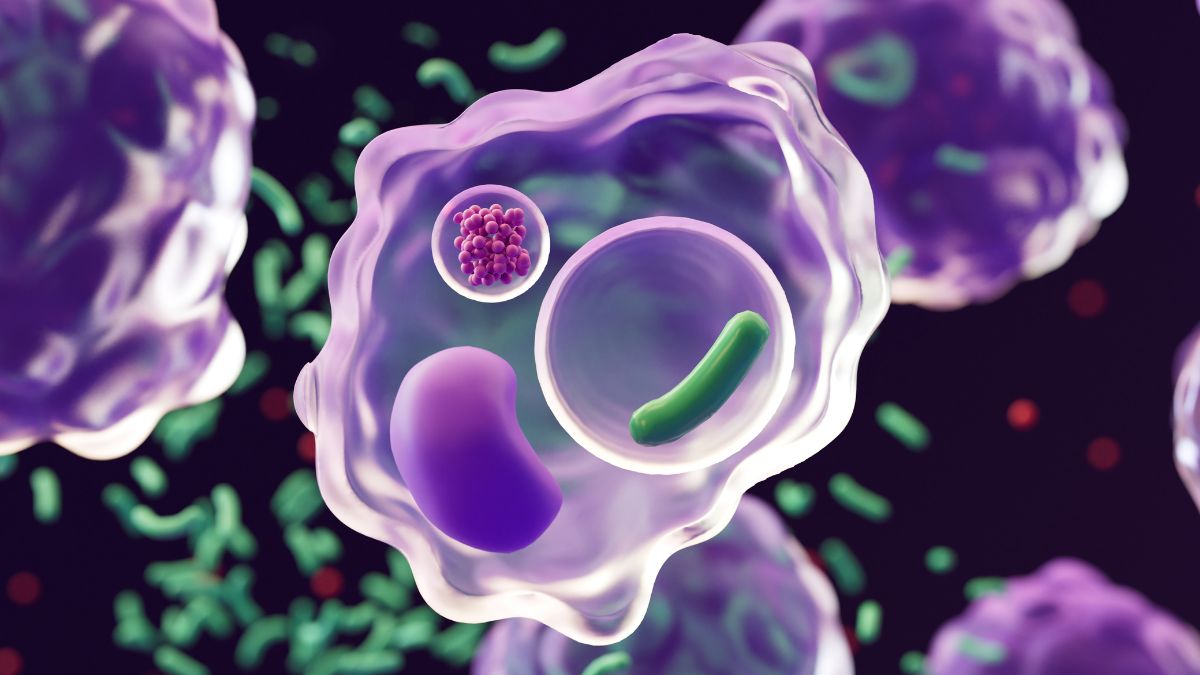
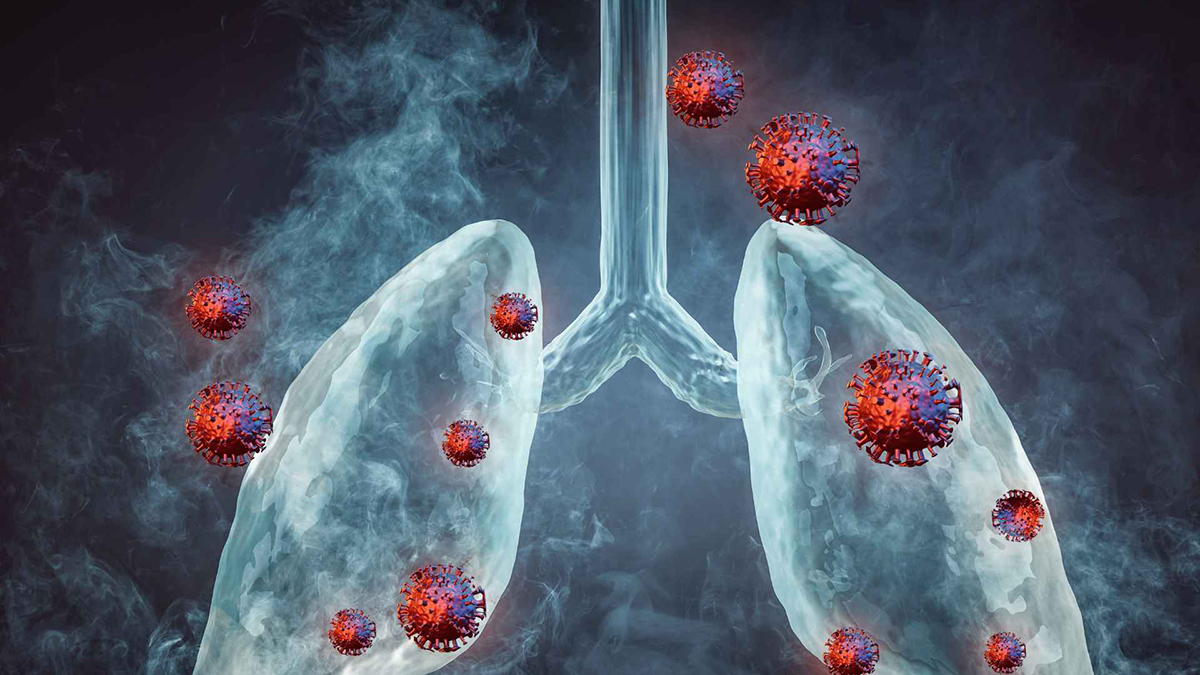
One organism stood out: Enterococcus. When it takes over the microbiome, patients undergoing transplant face a higher risk of bloodstream infections, graft-versus-host disease and other life-threatening complications.
The combination of high-sugar foods and broad-spectrum antibiotics appeared to multiply injury to the microbiome, leading to a substantial 24% drop in bacterial diversity for every 100-gram increase in sweets (equivalent in sugar content to a large milkshake).
Replicating the Results in Mice Supports Human Data
The researchers also tested their hypothesis that sugar exacerbates microbiome injury by giving broad-spectrum antibiotics to healthy mice and feeding them a variety of diets. Mice that ate a high-sucrose diet quickly developed an overgrowth of Enterococcus in their guts. Mice that ate the high-sugar diet without antibiotics, however, maintained normal bacterial diversity.
“The fact that animal studies support associations we found in patient data provides a compelling rationale for future clinical trials to evaluate whether reducing sugar intake during antibiotic use would protect the microbiome,” said Dr. van den Brink, the Deana and Steve Campbell Physician Executive Distinguished Chair and the Morgan and Helen Chu Presidential Chair.
What the Findings Could Mean for Patients
“The microbiome is emerging as an important factor in cancer care,” Dr. van den Brink said. “The better we understand what supports and disrupts it, the more opportunities we have to reduce treatment side effects while improving how patients respond to and recover from therapy.”
For cancer patients, he noted, the study results reinforce diet as a strong influence on the microbiome and as one of the most practical ways hospitals can support recovery during treatment.