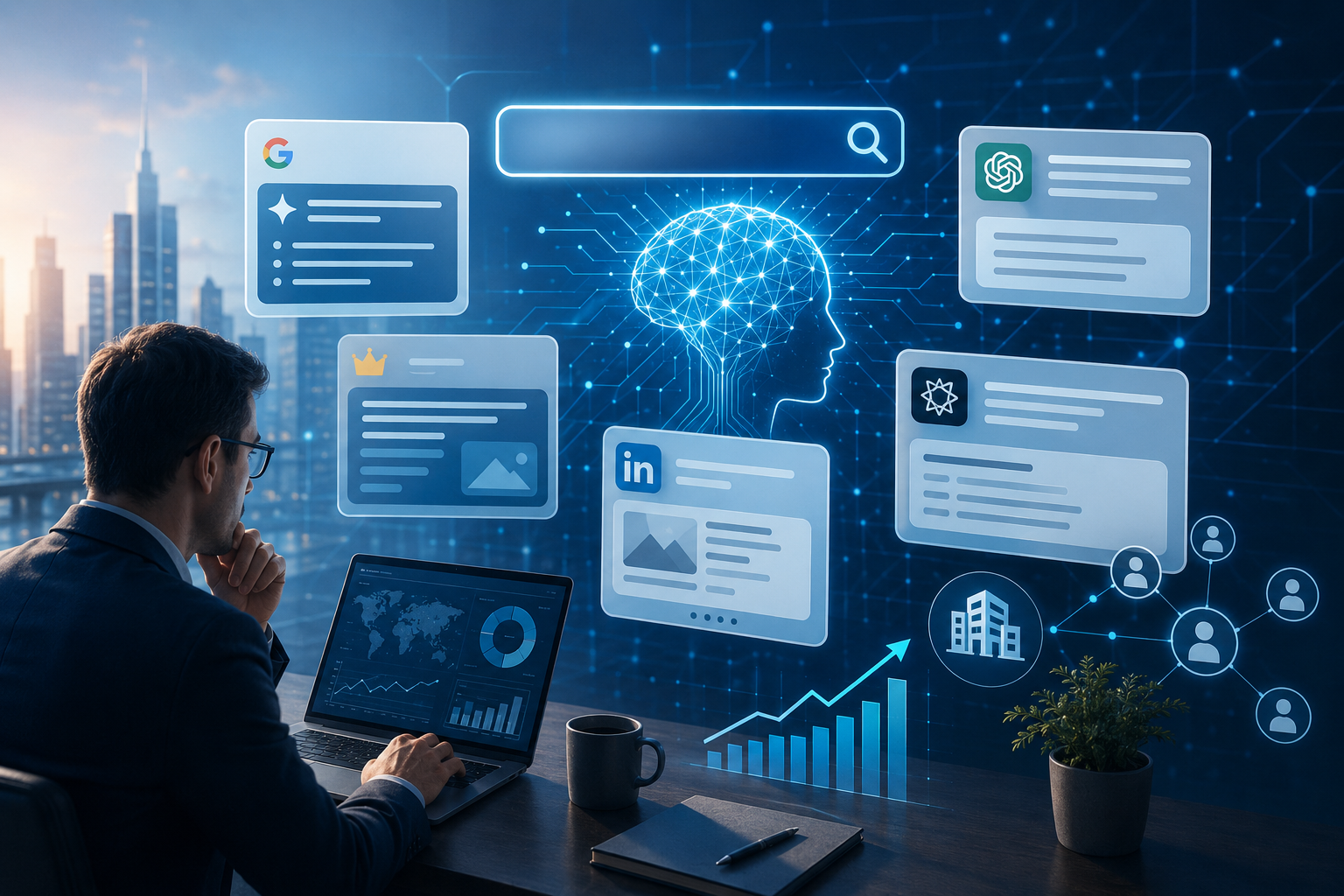
The rules of B2B SEO are changing faster than most marketing teams can adapt.
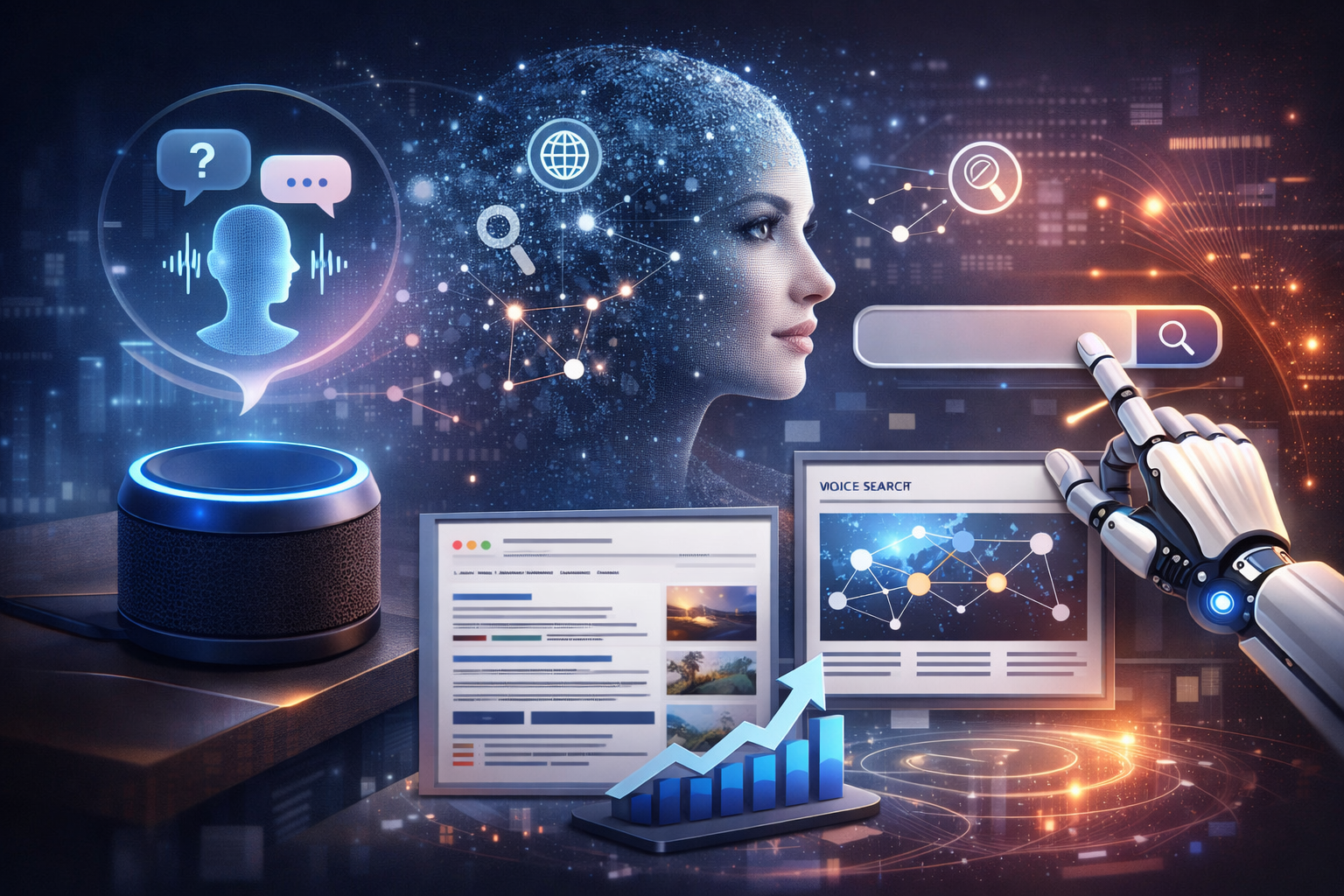
For nearly two decades, SEO success followed a predictable formula: rank on Google, earn clicks, drive traffic, capture leads. But the rise of AI-generated answers, Google AI Overviews, ChatGPT, Perplexity, and conversational search has introduced a new reality — users increasingly get answers without ever visiting a website.
This phenomenon is called zero-click search, and it is fundamentally reshaping how B2B brands earn visibility, authority, and pipeline.
According to recent industry research, click-through rates in some B2B categories have already dropped significantly due to AI-generated summaries. Meanwhile, studies suggest that a large percentage of searches now end without a click.
For B2B marketers, this is not the death of SEO.
It is the evolution of SEO from a traffic acquisition channel into a visibility and influence channel.
What Is Zero-Click Content?
Zero-click content is content designed to deliver value directly inside search engines, AI assistants, and answer engines — even if the user never visits your website.
Examples include:
- Google AI Overviews
- Featured snippets
- Knowledge panels
- AI-generated summaries
- ChatGPT responses
- Perplexity citations
- LinkedIn carousel summaries
- Reddit discussions surfaced in AI answers
Traditional SEO optimized for rankings and clicks.
Zero-click SEO optimizes for:
- Mentions
- Citations
- Entity recognition
- Brand recall
- Topical authority
- AI discoverability
The question is no longer:
“How do we get the click?”
The new question is:
“How do we become the answer?”
Why Zero-Click Search Matters More in B2B
B2B buying journeys are research-heavy, comparison-driven, and trust-sensitive.
That makes them ideal for AI-assisted discovery.
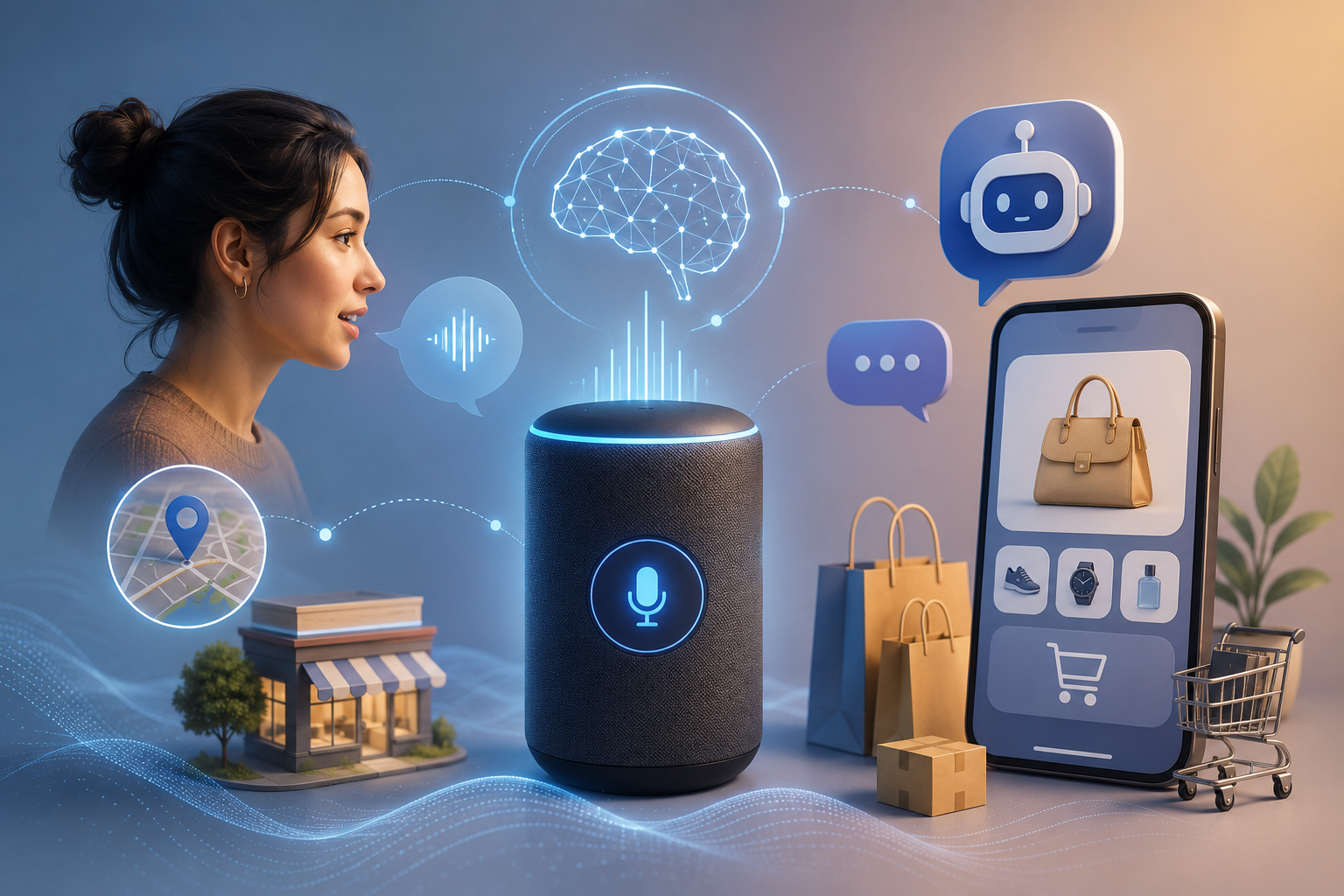
Modern buyers increasingly ask tools like ChatGPT:
- “Best CRM for enterprise SaaS”
- “SOC 2 compliance tools comparison”
- “How does headless commerce work?”
- “Top ERP vendors for manufacturing”
AI systems synthesize responses from multiple sources before a buyer ever lands on a vendor website.
This compresses the customer journey dramatically.
Research suggests that most B2B buyers already purchase from a pre-considered vendor shortlist. AI-generated answers now shape that list earlier than traditional search ever did.
In practical terms:
- Buyers do less clicking
- Buyers compare vendors faster
- Buyers arrive with stronger opinions
- Buyers may never visit several competitor websites at all
The implication is massive:
Visibility before the click becomes more valuable than traffic after the click.
The Decline of Traditional SEO Metrics
For years, SEO teams measured:
- Organic traffic
- Click-through rate (CTR)
- Sessions
- Bounce rate
- Keyword rankings
Those metrics still matter, but they no longer tell the full story.
A B2B company may now experience:
- Higher impressions
- Stable rankings
- Falling clicks
- Lower traffic
- Yet stronger pipeline influence
AI Overviews frequently satisfy informational queries without requiring a visit.
However, deeper commercial-intent searches still generate engagement:
- Comparisons
- Vendor evaluations
- Pricing analysis
- Use-case breakdowns
- Migration guides
- ROI calculators
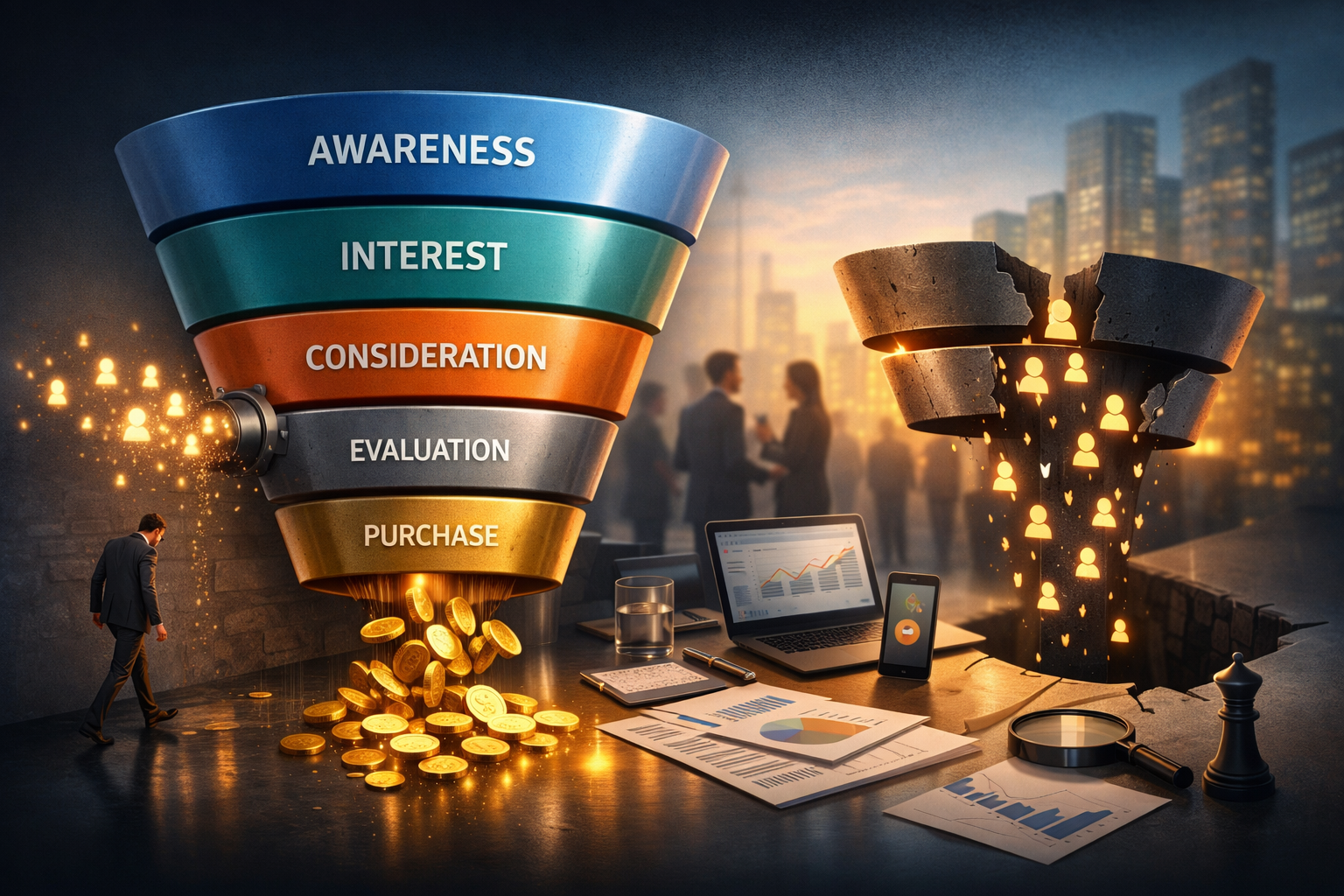
This means B2B SEO is shifting from:
- maximizing traffic volume
to:
- maximizing buying influence
The Rise of GEO: Generative Engine Optimization
A new discipline is emerging alongside SEO:
Generative Engine Optimization (GEO)
GEO focuses on making content discoverable and citable inside AI-generated responses.
Instead of optimizing only for Google rankings, B2B marketers must optimize for:
- AI readability
- Semantic clarity
- Source credibility
- Structured information
- Brand authority
- Entity associations
AI systems prefer content that is:
- Clear
- Well-structured
- Factually grounded
- Widely referenced
- Context-rich
- Written by identifiable experts
This aligns closely with Google’s broader E-E-A-T principles:
- Experience
- Expertise
- Authoritativeness
- Trustworthiness
But GEO expands the battlefield beyond Google.
Your competitors are no longer just competing for SERP rankings.
They are competing for:
- AI citations
- Inclusion in synthesized answers
- Presence across LLM ecosystems
What Winning B2B Content Looks Like Now
The zero-click era rewards a different type of content strategy.
1. Original Research Wins
AI models can summarize generic content easily.
They struggle to replicate:
- Proprietary data
- Benchmark reports
- Unique frameworks
- Internal studies
- Customer insights
- Expert commentary
That is why original research is becoming one of the most defensible SEO assets in B2B marketing.
If your company publishes unique statistics, AI systems are more likely to cite you as a primary source.
2. Entity-Based Content Matters
Search engines increasingly understand brands, products, founders, and concepts as entities rather than keywords.
This means B2B companies must build:
- Consistent topical authority
- Strong brand associations
- Cross-platform mentions
- Structured schema markup
The future of SEO is less about keyword stuffing and more about becoming a recognized authority node in the broader knowledge graph.
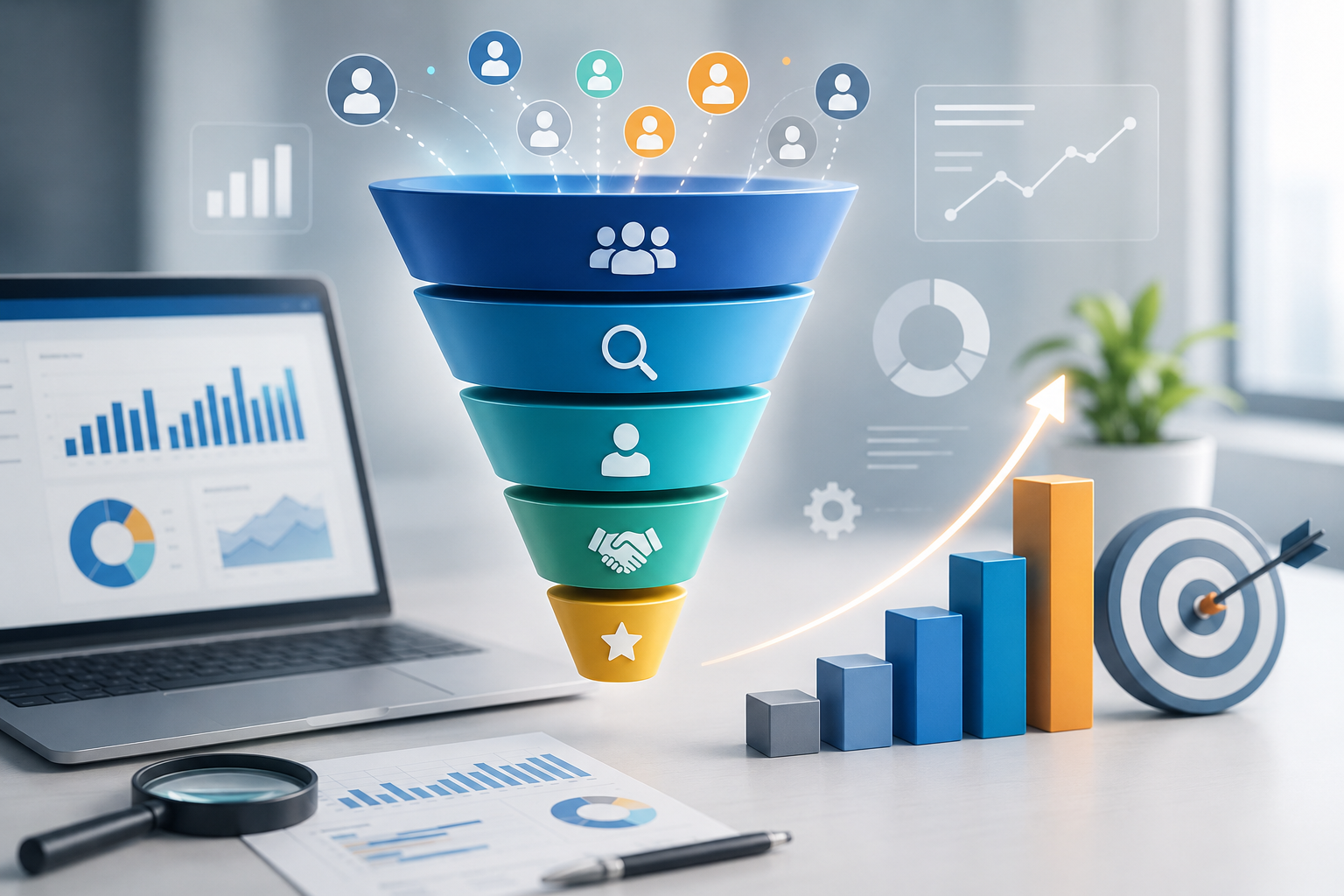
3. Bottom-Funnel Content Becomes More Valuable
Generic informational articles are highly vulnerable to zero-click extraction.
But commercial-intent content still performs because buyers need:
- Nuance
- Context
- Validation
- Decision support
Examples:
- “Best ERP software for automotive manufacturers”
- “HubSpot vs Salesforce for SaaS”
- “SOC 2 readiness checklist for startups”
- “Cloud migration ROI calculator”
AI can summarize definitions.
It struggles with complex buying decisions.
That creates opportunity for B2B brands willing to produce high-depth decision-stage content.
4. Multi-Platform Visibility Replaces Google Dependency
The future of SEO is not just Google.
Buyers now discover brands through:
- YouTube
- Slack communities
- AI assistants
- Podcasts
- Industry newsletters
- GitHub
- Analyst reports
Modern B2B SEO increasingly overlaps with:
- Brand marketing
- Thought leadership
- Community marketing
- PR
- Product marketing
Search visibility is becoming ecosystem visibility.
The New KPIs for B2B SEO
As zero-click behavior rises, B2B marketers need new measurement frameworks.
Future-facing SEO teams are starting to track:
- AI citation frequency
- Share of voice in AI answers
- Branded search growth
- Assisted conversions
- Pipeline influence
- SERP visibility
- Engagement quality
- Category authority
Traffic alone is no longer a reliable proxy for influence.
A company may lose clicks while gaining mindshare.
That distinction will define successful SEO teams over the next five years.
Will Website Traffic Continue to Decline?
Probably — at least for informational content.
AI-generated summaries are already reducing publisher traffic significantly in many industries.
But that does not mean content marketing disappears.
Instead, content evolves into:
- Brand infrastructure
- Training data for AI systems
- Authority signals
- Trust verification
- Conversion enablement
Websites become less like destinations and more like source layers powering AI-mediated discovery.
The Future of B2B SEO
The future of B2B SEO belongs to companies that understand one critical shift:
Search is moving from navigation to conversation.
Users no longer browse ten blue links.
They ask questions.
AI systems synthesize answers.
Brands compete to shape those answers.
That changes everything:
- Content strategy
- Attribution
- Measurement
- Funnel design
- Brand authority
- Distribution tactics
The winners in this new environment will not necessarily be the companies with the most traffic.
They will be the companies that:
- become trusted sources,
- earn AI citations,
- dominate category narratives,
- and influence buying decisions before the click ever happens.
SEO is not dying.
It is becoming invisible infrastructure for AI-driven discovery.
And for B2B marketers, adapting early may become one of the biggest competitive advantages of the decade.
Read Also: The Rise of AI-Native GTM Platforms