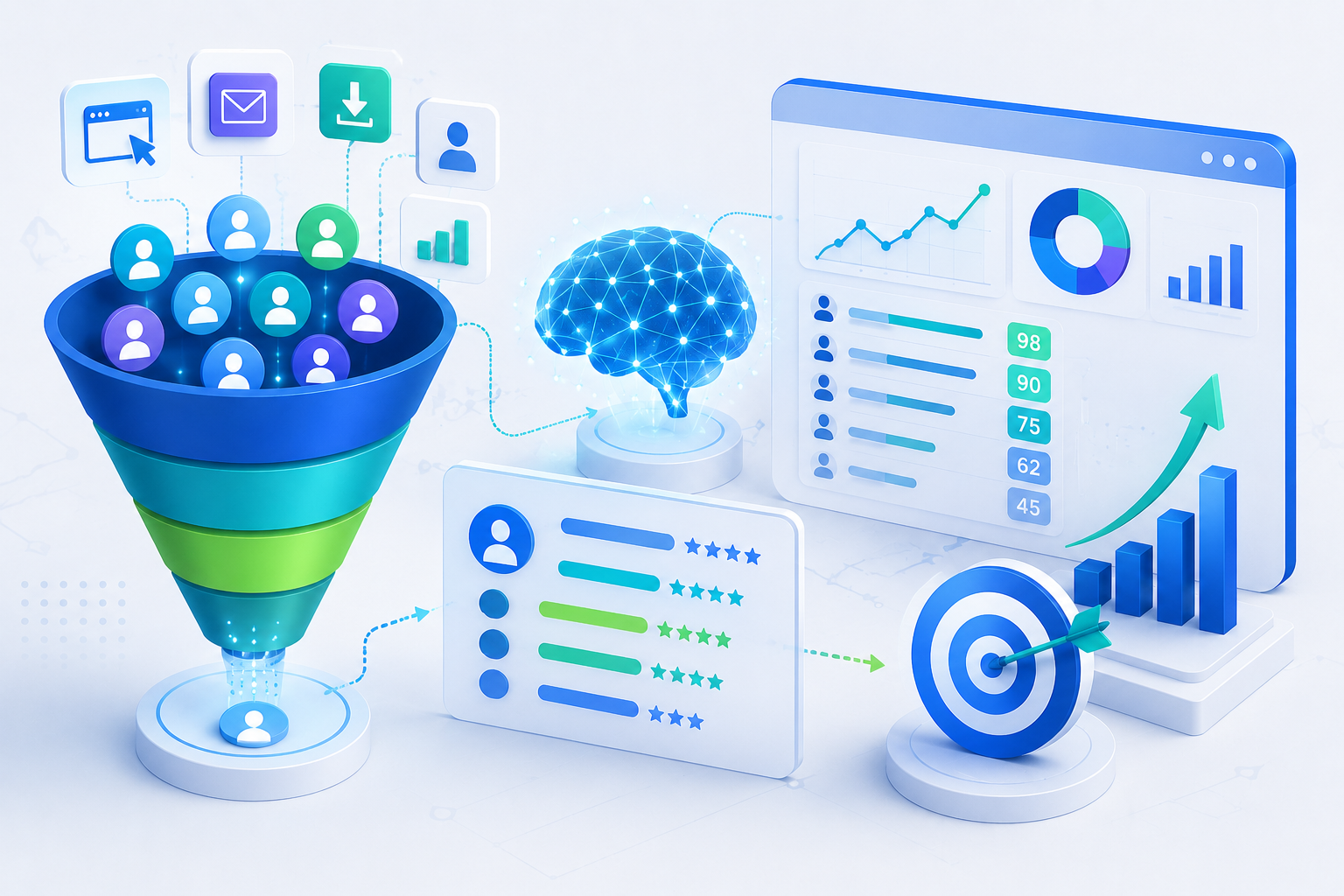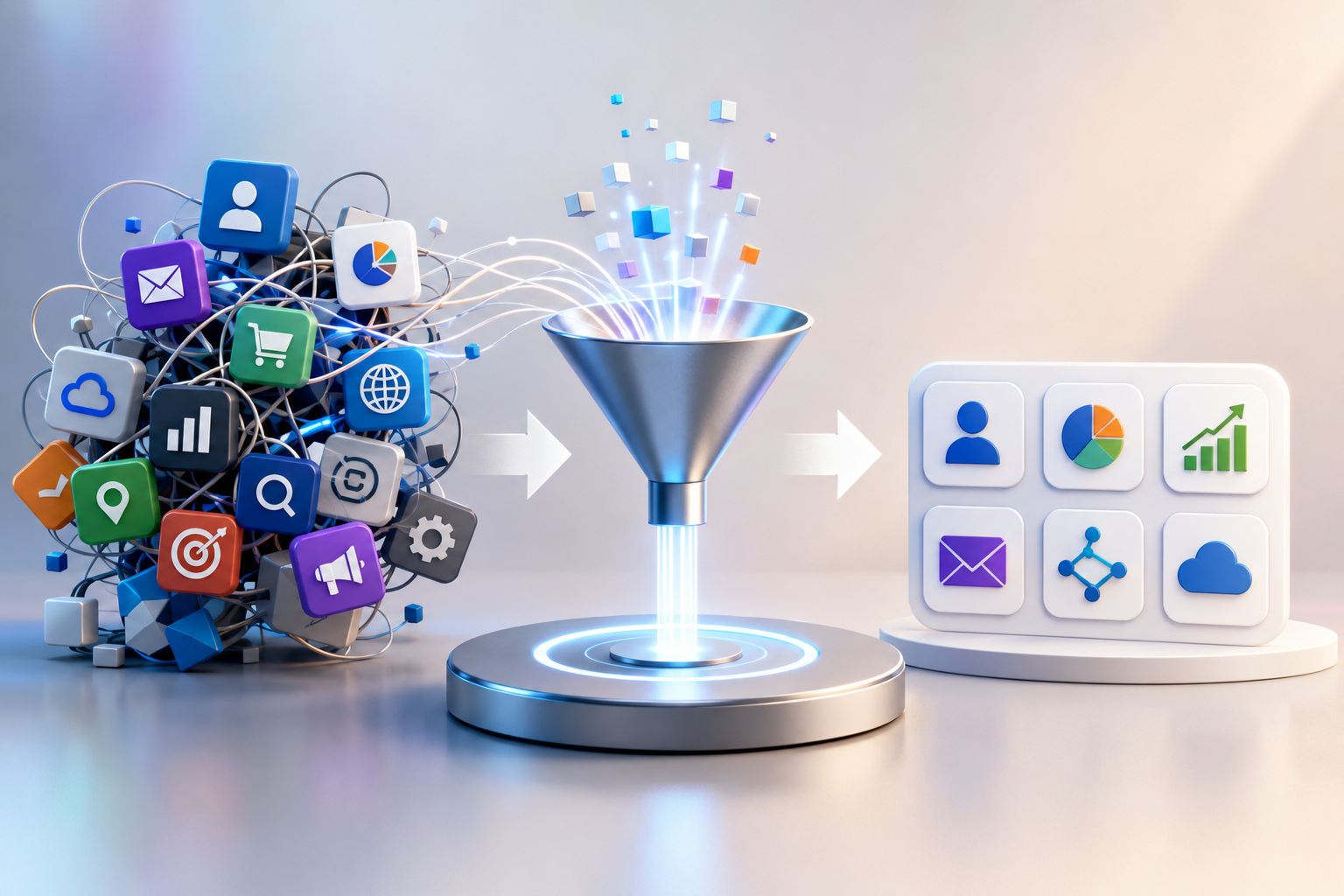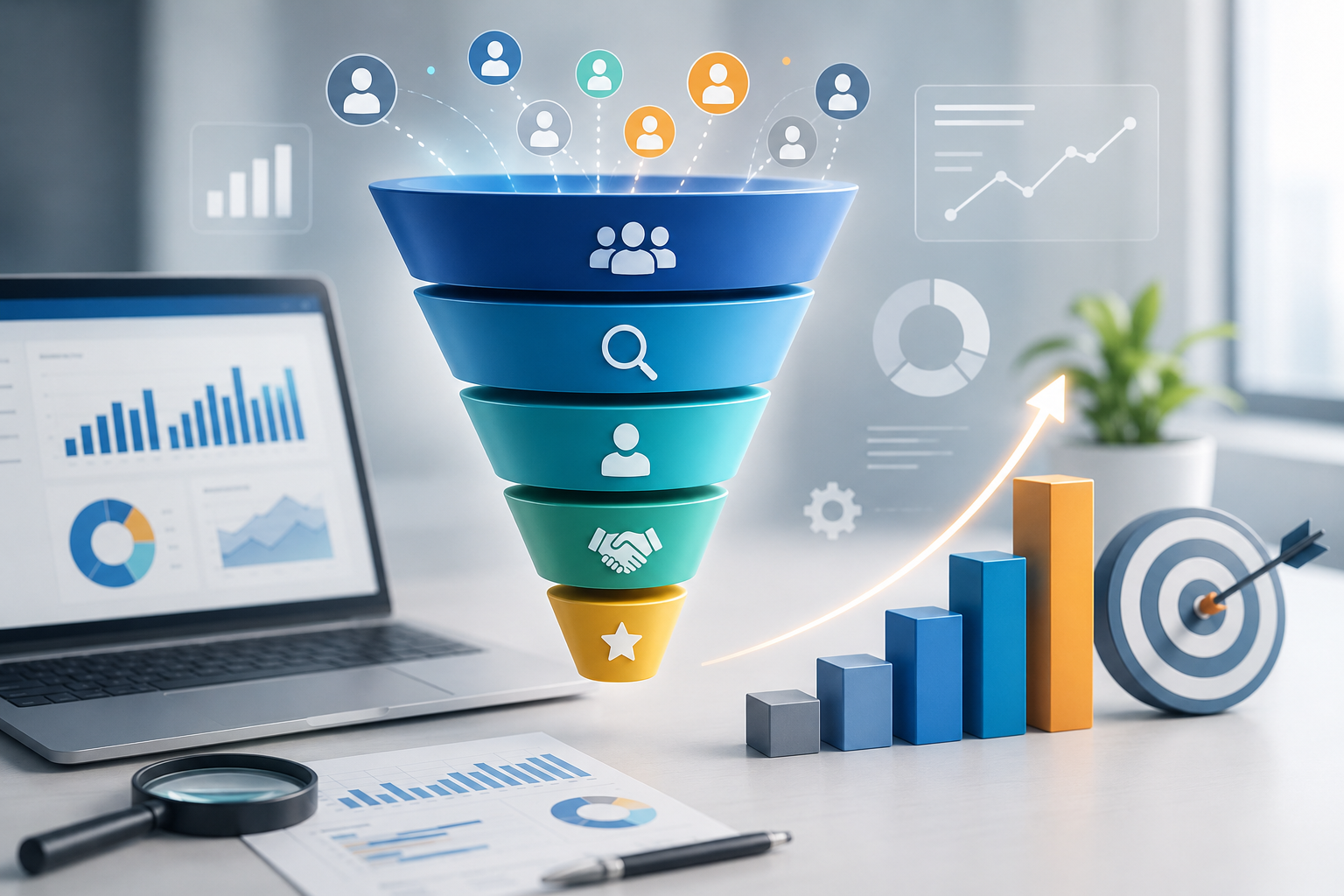

In today’s digital-first world, businesses interact with customers across multiple channels—websites, mobile apps, email, social media, online marketplaces, and physical stores. Every interaction generates valuable customer data. However, when this data is scattered across different systems, it becomes difficult to create personalised experiences or make informed business decisions.
This is where a Customer Data Platform (CDP) becomes essential.
A CDP helps organisations unify customer data from various sources into a single, comprehensive customer profile. But with numerous vendors offering different capabilities, selecting the right CDP can be challenging.
This guide explains what to look for when choosing a Customer Data Platform, the key features to evaluate, common mistakes to avoid, and a practical selection framework.
What Is a Customer Data Platform?
A Customer Data Platform (CDP) is software that collects customer data from multiple online and offline sources, cleans and unifies it, creates persistent customer profiles, and makes that information available to marketing, sales, customer service, and analytics teams.
Unlike CRMs, marketing automation platforms, or data warehouses, a CDP focuses on creating a complete, real-time view of each customer.
Why Choosing the Right CDP Matters
The right CDP helps organisations:
- Deliver personalised customer experiences
- Improve marketing campaign performance
- Increase customer retention
- Reduce data silos
- Enable better segmentation
- Improve customer journey analytics
- Support compliance with privacy regulations
- Drive better business decisions using unified customer insights
An unsuitable CDP can result in poor adoption, unnecessary costs, implementation delays, and limited business value.
Step 1: Define Your Business Objectives
Before evaluating vendors, identify why your organisation needs a CDP.
Common objectives include:
- Improving customer personalisation
- Creating a single customer view
- Increasing campaign ROI
- Supporting omnichannel marketing
- Improving customer retention
- Enhancing analytics and reporting
- Enabling AI-driven recommendations
- Meeting data governance requirements
Your objectives should guide every decision during the evaluation process.
Step 2: Assess Your Current Data Landscape
Understand where your customer data currently resides.
Typical data sources include:
- CRM systems
- Marketing automation platforms
- Websites
- Mobile applications
- Point-of-sale systems
- E-commerce platforms
- Customer support software
- ERP systems
- Email platforms
- Social media channels
- Loyalty programmes
The more complex your ecosystem, the more important integration capabilities become.
Step 3: Evaluate Data Integration Capabilities
An effective CDP should easily connect with your existing technology stack.
Look for:
- Pre-built connectors
- API integrations
- Real-time data ingestion
- Batch data processing
- Event streaming support
- Cloud storage compatibility
- Third-party application integrations
A platform with flexible integration options reduces implementation time and future-proofs your investment.
Step 4: Check Identity Resolution Features
One of the defining capabilities of a CDP is identity resolution.
Customers often interact using multiple devices and channels. A quality CDP should recognise these interactions as belonging to the same individual.
Evaluate whether the platform supports:
- Deterministic matching
- Probabilistic matching
- Device stitching
- Household profiles
- Anonymous-to-known user tracking
- Cross-channel identity management
Strong identity resolution creates accurate customer profiles that power better personalisation.
Step 5: Evaluate Real-Time Capabilities
Modern customer experiences require real-time decision-making.
Ask vendors whether their CDP supports:
- Real-time event collection
- Live audience segmentation
- Instant profile updates
- Trigger-based workflows
- Real-time campaign activation
Real-time capabilities are particularly valuable for e-commerce, banking, travel, media, and retail businesses.
Step 6: Assess Audience Segmentation
Audience segmentation determines how effectively marketers can target customers.
Look for:
- Drag-and-drop audience builders
- Behavioural segmentation
- Predictive segments
- AI-driven recommendations
- Dynamic audience updates
- Rule-based segmentation
The easier it is to create sophisticated audiences, the faster marketing teams can execute campaigns.
Step 7: Examine Data Governance and Privacy
Data privacy regulations continue to evolve globally.
Ensure the CDP supports:
- Consent management
- Role-based access control
- Data encryption
- Audit logs
- Data retention policies
- GDPR compliance
- CCPA compliance
- Regional privacy regulations
Security should never be treated as an afterthought.
Step 8: Review Analytics and Reporting
Your CDP should provide meaningful insights, not just store data.
Important capabilities include:
- Customer lifetime value analysis
- Funnel reporting
- Journey analytics
- Campaign attribution
- Cohort analysis
- Behavioural analytics
- Custom dashboards
- Executive reporting
Good reporting helps translate customer data into business decisions.
Step 9: Consider Scalability
Choose a CDP that can grow with your organisation.
Consider:
- Number of customer profiles supported
- Daily event volume
- Data storage limits
- Multi-region deployment
- Multi-brand support
- International expansion capabilities
Migrating CDPs later can be expensive and disruptive.
Step 10: Evaluate Ease of Use
A technically powerful platform isn’t valuable if teams struggle to use it.
Evaluate:
- User interface
- Dashboard usability
- Learning curve
- Documentation quality
- Training resources
- Customer support
- Implementation services
Business users should be able to build audiences and access insights without relying heavily on IT teams.
Step 11: Understand Total Cost of Ownership
Don’t focus solely on subscription pricing.
Consider:
- Licensing fees
- Implementation costs
- Integration expenses
- Professional services
- User training
- Maintenance
- Additional API costs
- Data storage charges
Understanding the full investment helps avoid budget surprises later.
Questions to Ask CDP Vendors
Before making a final decision, ask vendors:
- How long does implementation typically take?
- Which integrations are available out of the box?
- How is identity resolution handled?
- Can data be processed in real time?
- What privacy certifications do you maintain?
- How do you support scalability?
- What customer support options are available?
- What analytics capabilities are included?
- How often are new features released?
- Can you provide customer references from similar industries?
Common Mistakes to Avoid
Many organisations make avoidable mistakes during CDP selection.
These include:
- Choosing based only on price
- Ignoring future scalability
- Underestimating implementation effort
- Not involving business stakeholders
- Overlooking data quality issues
- Focusing only on marketing needs
- Ignoring governance and compliance
- Skipping proof-of-concept testing
A structured evaluation process reduces these risks.
CDP Evaluation Checklist
Before selecting a platform, ensure it offers:
- Strong integration capabilities
- Real-time data processing
- Identity resolution
- Customer profile unification
- Advanced audience segmentation
- Privacy and compliance features
- Flexible analytics
- AI-powered insights
- Scalability
- User-friendly interface
- Reliable customer support
- Transparent pricing
Read Also: How Revenue Intelligence Platforms Improve Forecast Accuracy