
The marketing landscape is evolving at an unprecedented pace. Emerging technologies, shifting consumer expectations, stricter privacy regulations, and the growing influence of artificial intelligence are reshaping how businesses connect with their audiences. In this dynamic environment, organizations need more than just a collection of marketing tools—they need a Martech strategy designed for long-term success.
A future-proof Martech strategy enables businesses to adapt to technological advancements, scale efficiently, and deliver exceptional customer experiences. Rather than constantly replacing outdated systems, organizations can build a flexible foundation that supports innovation and growth.
This guide explores the key components of a future-proof Martech strategy and provides actionable insights for modern businesses looking to stay ahead of the curve.
Understanding the Importance of Martech
Marketing technology, commonly known as Martech, refers to the tools and platforms marketers use to plan, execute, manage, and measure marketing activities. These technologies support everything from customer relationship management and email marketing to analytics, automation, and personalization.
As businesses expand their digital presence, Martech plays a crucial role in helping teams manage customer interactions across multiple channels. However, simply investing in new tools is not enough. Organizations need a strategic approach that ensures their technology investments align with business objectives and remain relevant as market conditions evolve.
Why Future-Proofing Matters
Many businesses face challenges caused by fragmented systems, disconnected customer data, and overlapping software solutions. As technology continues to evolve, these issues can become even more pronounced.
A future-proof Martech strategy helps organizations:
- Improve customer experiences through personalized engagement
- Increase operational efficiency through automation
- Reduce technology redundancies and costs
- Strengthen data management and governance
- Adapt quickly to market and consumer changes
- Support sustainable business growth
Future-proofing is about creating a Martech ecosystem that remains flexible and effective regardless of technological shifts.
Key Challenges in Today’s Martech Landscape
Rapid Technological Change
New marketing technologies emerge regularly, making it difficult for businesses to determine which solutions will provide long-term value. Artificial intelligence, machine learning, predictive analytics, and customer data platforms continue to transform marketing operations.
Organizations that build rigid systems often struggle to integrate new technologies when opportunities arise.
Data Silos and Fragmentation
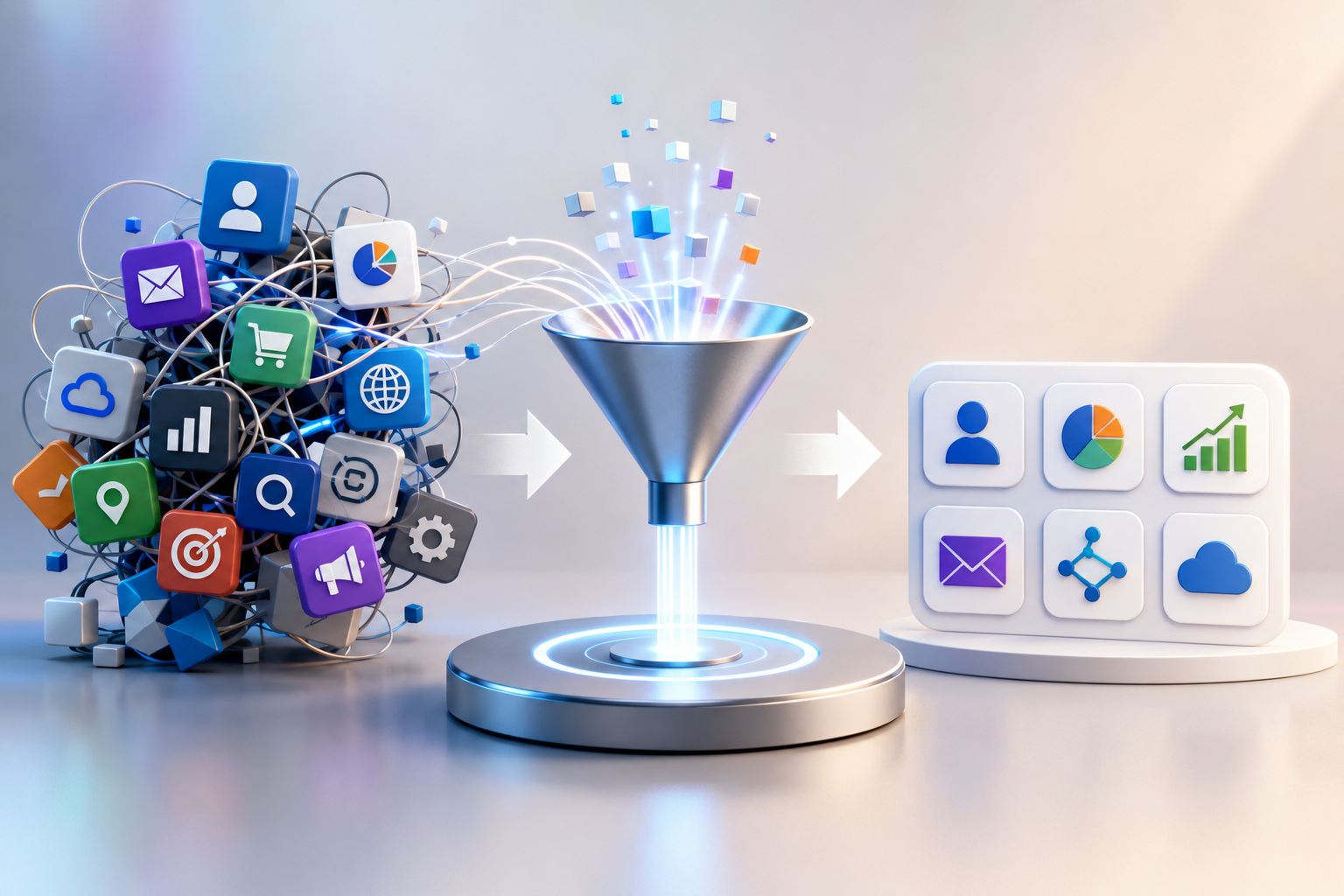
Customer information is often spread across multiple platforms, including CRM systems, social media channels, email marketing tools, and e-commerce platforms. Without proper integration, marketers lack a unified view of customer behavior.
This fragmentation can hinder personalization efforts and reduce marketing effectiveness.
Privacy and Compliance Requirements
Consumers are increasingly concerned about how their data is collected and used. At the same time, privacy regulations continue to evolve around the world.
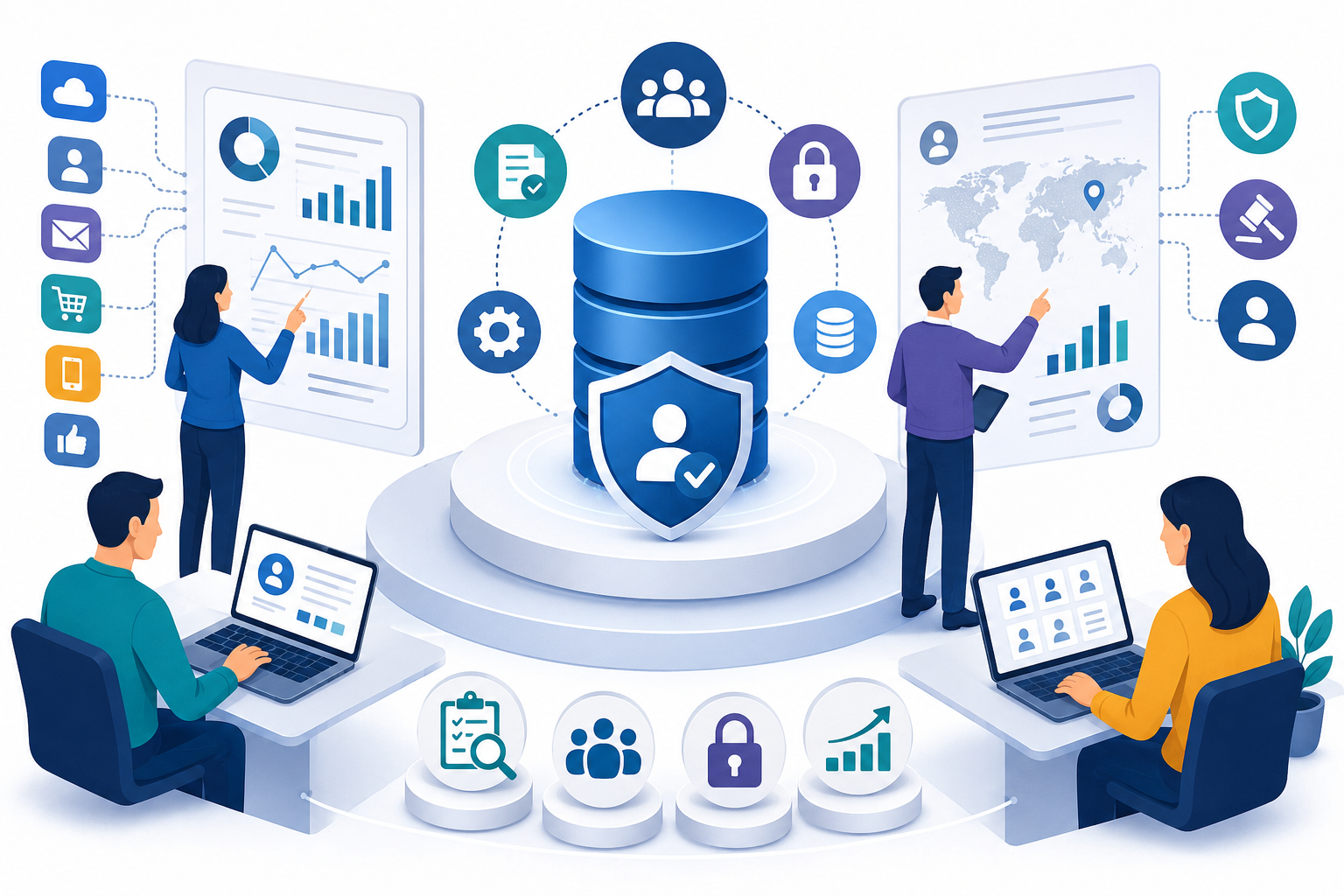
Businesses must ensure that their Martech infrastructure supports data security, consent management, transparency, and compliance without compromising customer experience.
Pressure to Demonstrate ROI
Marketing leaders are expected to justify technology investments with measurable business outcomes. Every platform and tool should contribute to revenue growth, customer engagement, or operational efficiency.
Core Principles of a Future-Proof Martech Strategy
Align Technology with Business Goals
Technology should support business objectives rather than dictate them. Before evaluating Martech solutions, organizations should identify their strategic priorities.
These may include:
- Increasing customer acquisition
- Improving customer retention
- Expanding into new markets
- Enhancing customer experiences
- Driving revenue growth
When technology decisions are tied to clear business goals, companies can avoid unnecessary investments and maximize value.
Build a Strong Data Foundation
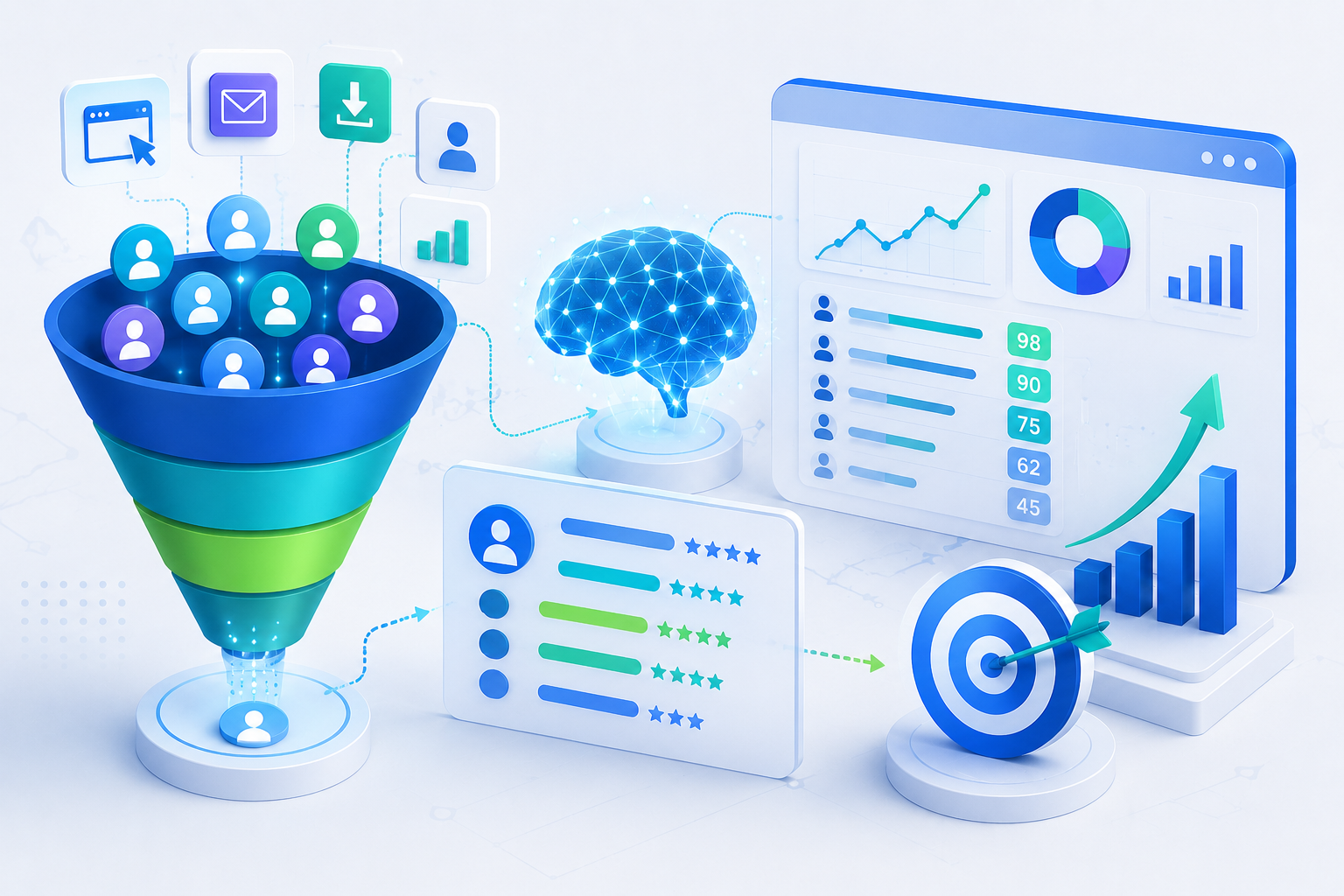
Data is the fuel that powers modern marketing. A future-ready Martech strategy prioritizes data quality, accessibility, and integration.
Businesses should focus on:
- Creating unified customer profiles
- Establishing data governance standards
- Ensuring data accuracy and consistency
- Leveraging first-party data sources
- Enabling real-time insights
A strong data foundation improves decision-making and supports more effective personalization.
Prioritize Integration and Flexibility
The best Martech ecosystems function as connected networks rather than isolated tools.
When evaluating platforms, organizations should consider:
- API capabilities
- Native integrations
- Scalability
- Vendor ecosystem support
- Ease of implementation
Flexible systems allow businesses to adopt new technologies without disrupting existing workflows.
Embrace Artificial Intelligence Strategically
AI is rapidly becoming an essential component of modern marketing. From content creation and predictive analytics to customer segmentation and automation, AI can significantly enhance marketing performance.
However, businesses should focus on solving specific challenges rather than implementing AI solely to follow industry trends.
Successful AI adoption involves:
- Identifying clear use cases
- Establishing governance policies
- Monitoring performance and outcomes
- Combining AI insights with human expertise
Design for Scalability
As businesses grow, their Martech requirements become more complex. A scalable strategy ensures that technology investments continue to support organizational needs over time.
Scalable Martech systems should accommodate:
- Increased customer volumes
- Additional products and services
- New markets and regions
- Expanding marketing teams
- Omnichannel customer engagement
Planning for growth today can prevent costly technology migrations in the future.
Essential Components of a Modern Martech Stack
Customer Relationship Management (CRM)
A CRM platform serves as the central hub for managing customer relationships, tracking interactions, and supporting sales and marketing alignment.
Key benefits include improved customer visibility, better lead management, and stronger collaboration across teams.
Customer Data Platform (CDP)
A CDP consolidates customer data from multiple sources into unified profiles, enabling businesses to deliver personalized experiences at scale.
By creating a single source of truth, organizations gain a more comprehensive understanding of customer behavior.
Marketing Automation Platform
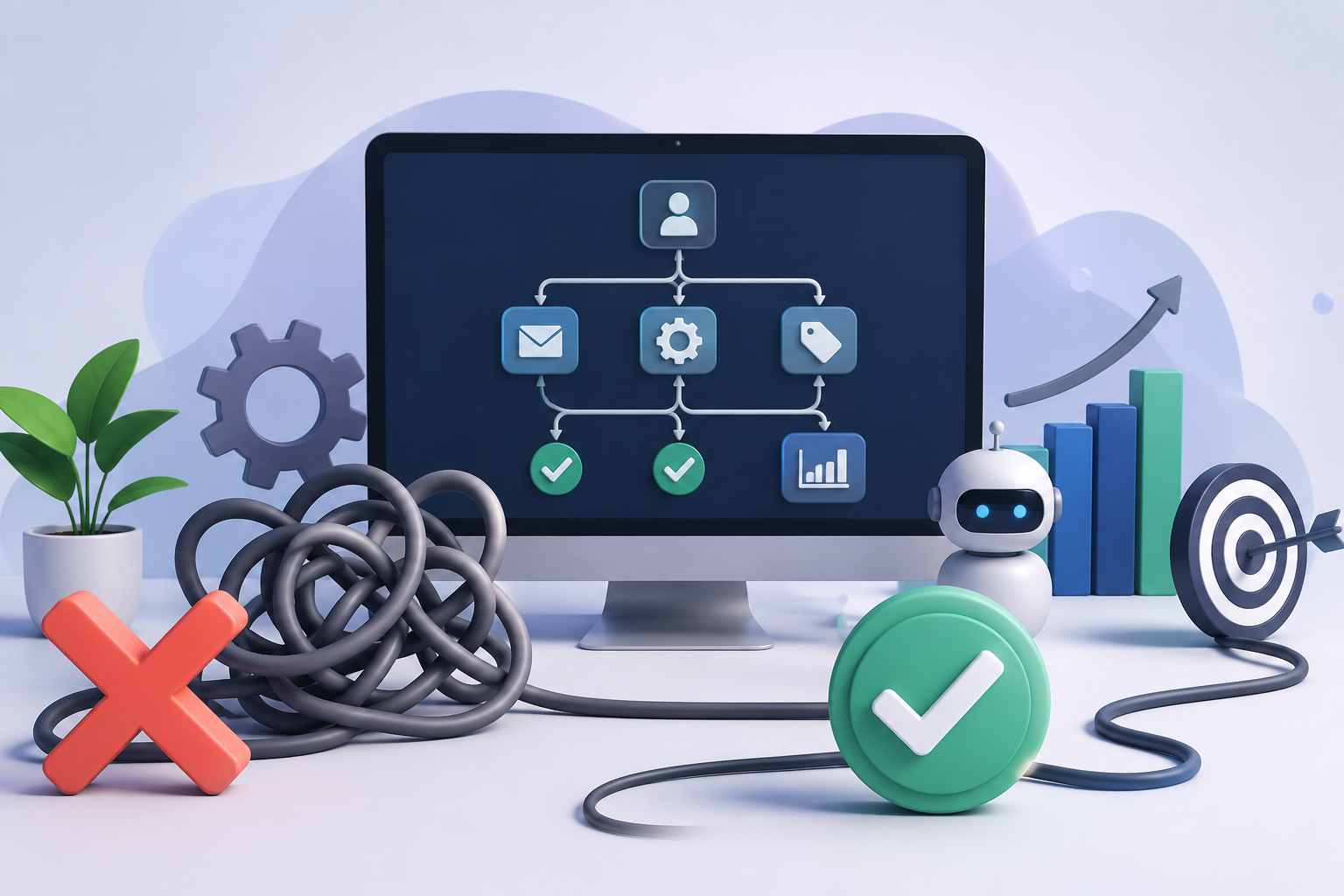
Automation platforms streamline repetitive tasks such as email campaigns, lead nurturing, customer onboarding, and campaign management.
Automation improves efficiency and allows marketers to focus on higher-value strategic initiatives.
Analytics and Business Intelligence Tools
Data-driven organizations rely on analytics platforms to measure performance, identify trends, and optimize marketing activities.
These tools help businesses understand customer behavior, evaluate campaign effectiveness, and make informed decisions.
Content and Experience Management Solutions
Modern customers expect seamless experiences across websites, mobile apps, social media platforms, and other digital channels.
Content management and personalization tools help organizations deliver relevant, engaging experiences throughout the customer journey.
The Growing Importance of First-Party Data
As privacy regulations evolve and third-party tracking becomes less reliable, first-party data is becoming increasingly valuable.
Businesses can strengthen their first-party data strategies through:
- Loyalty programs
- Customer surveys
- Preference centers
- Interactive content
- Membership programs
- Direct customer engagement initiatives
Organizations that build trusted relationships with customers and collect high-quality first-party data will gain a significant competitive advantage.
Establishing Martech Governance
Technology alone cannot guarantee success. Effective governance ensures that Martech investments remain aligned with organizational goals and industry requirements.
A comprehensive governance framework should include:
Regular Technology Audits
Organizations should periodically assess their Martech stack to identify unused tools, overlapping functionality, and opportunities for optimization.
Data Governance Policies
Clear policies help maintain data quality, security, compliance, and accountability across the organization.
Vendor Management
Strong vendor relationships can provide valuable support, product updates, and innovation opportunities. Businesses should regularly evaluate vendor performance and long-term viability.
User Training and Adoption
Even the most advanced technology delivers limited value if employees do not use it effectively. Ongoing training ensures teams can maximize the capabilities of Martech platforms.
Measuring Martech Success
To ensure long-term effectiveness, organizations should continuously monitor and evaluate their Martech performance.
Important metrics include:
Customer Experience Metrics
- Customer satisfaction scores
- Net Promoter Score (NPS)
- Retention rates
- Churn rates
Marketing Performance Metrics
- Conversion rates
- Campaign return on investment
- Lead generation effectiveness
- Customer acquisition costs
Data Quality Metrics
- Data accuracy
- Profile completeness
- Data accessibility
- Data consistency across platforms
Operational Efficiency Metrics
- Time saved through automation
- Campaign deployment speed
- Team productivity improvements
- Workflow efficiency
Revenue Impact Metrics
- Marketing-influenced revenue
- Customer lifetime value
- Pipeline contribution
- Upsell and cross-sell performance
Regular measurement allows businesses to identify areas for improvement and maximize the return on their Martech investments.
Future Trends Shaping Martech
Several emerging trends will influence the future of marketing technology:
AI-Powered Personalization
Advanced AI capabilities will enable brands to deliver increasingly relevant and individualized customer experiences.
Composable Martech Architectures
Organizations will adopt modular technology ecosystems that allow components to be replaced or upgraded without disrupting the entire stack.
Privacy-First Marketing
Transparent data practices and consent-driven marketing will become standard expectations among consumers and regulators.
Real-Time Engagement
Customers will increasingly expect immediate, context-aware interactions across every touchpoint.
Unified Revenue Operations
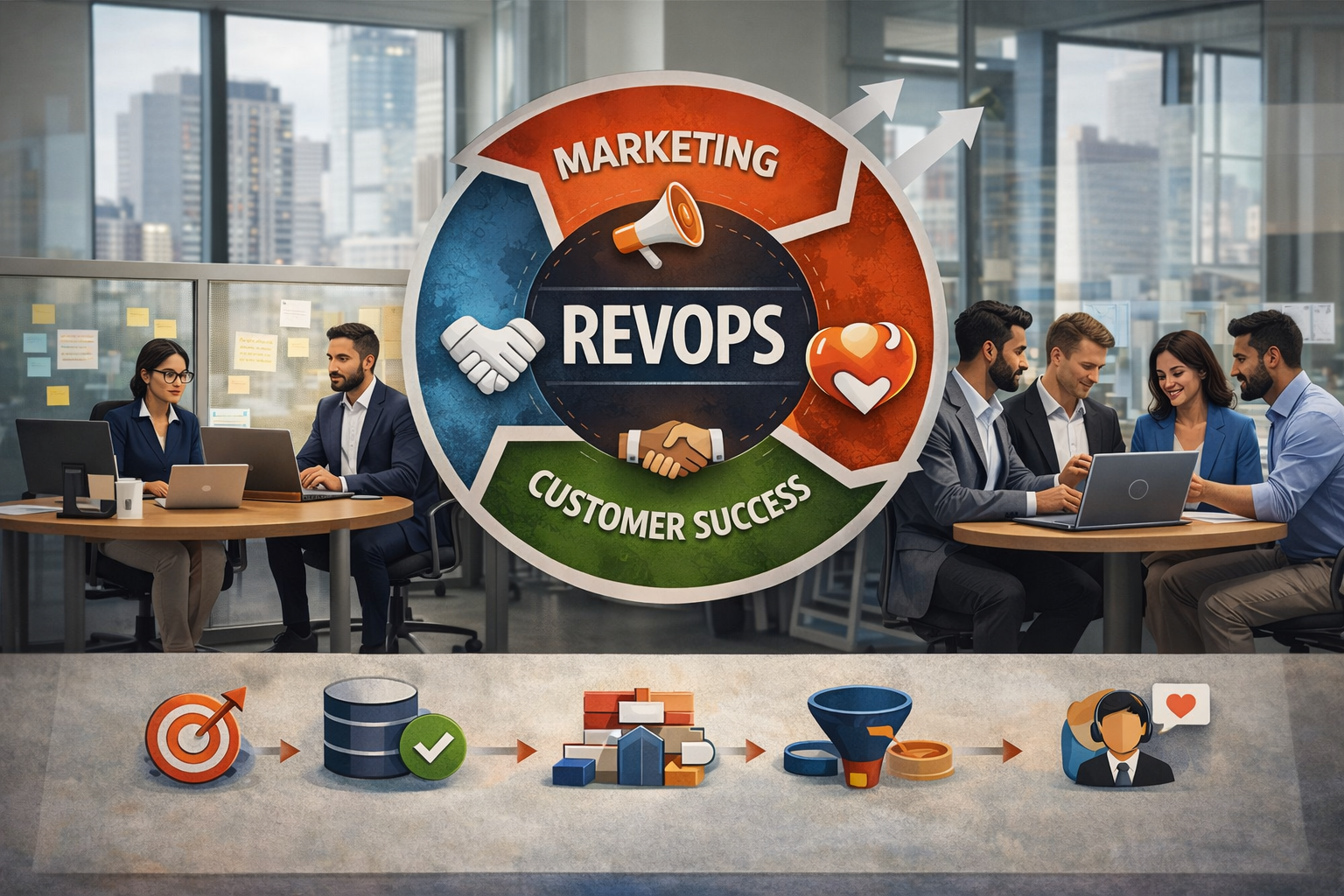
Marketing, sales, and customer success teams will become more closely integrated through shared data and technology platforms.