
The Future of Demand Generation Is Powered by Intelligent Technology
Modern marketing leaders face increasing pressure to generate measurable pipeline growth while optimizing budgets and proving return on investment (ROI). Traditional lead generation tactics alone are no longer sufficient. Today’s buyers expect personalized, seamless, and value-driven experiences across every touchpoint.
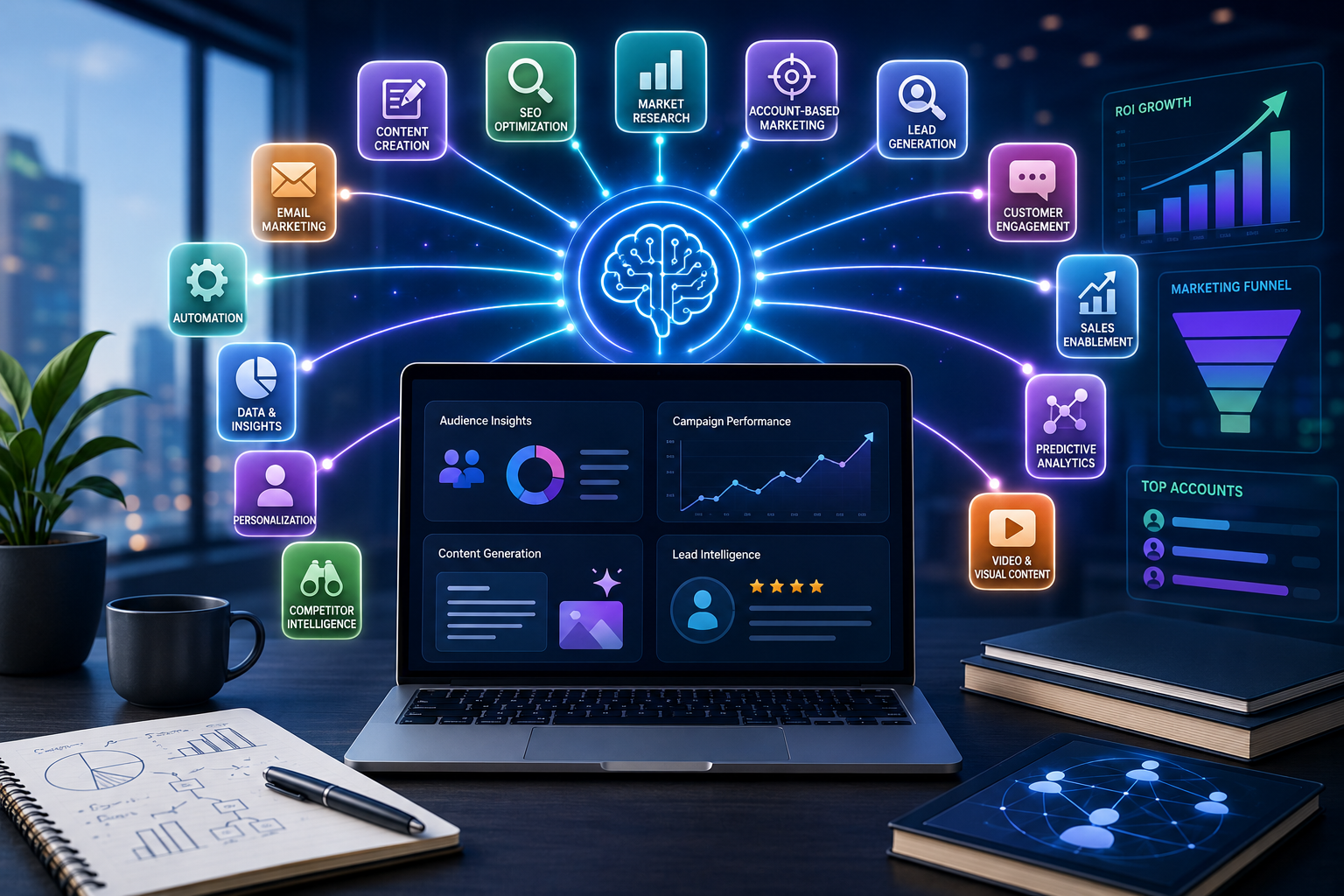
To meet these expectations, Chief Marketing Officers (CMOs) are investing in technologies that enable smarter targeting, better customer insights, automated engagement, and data-driven decision-making. Demand generation has evolved from simply filling the top of the funnel to building sustainable revenue engines powered by artificial intelligence (AI), automation, and real-time analytics.
Here are the most important demand generation technology trends every CMO should have on their radar.
1. AI-Powered Personalization at Scale
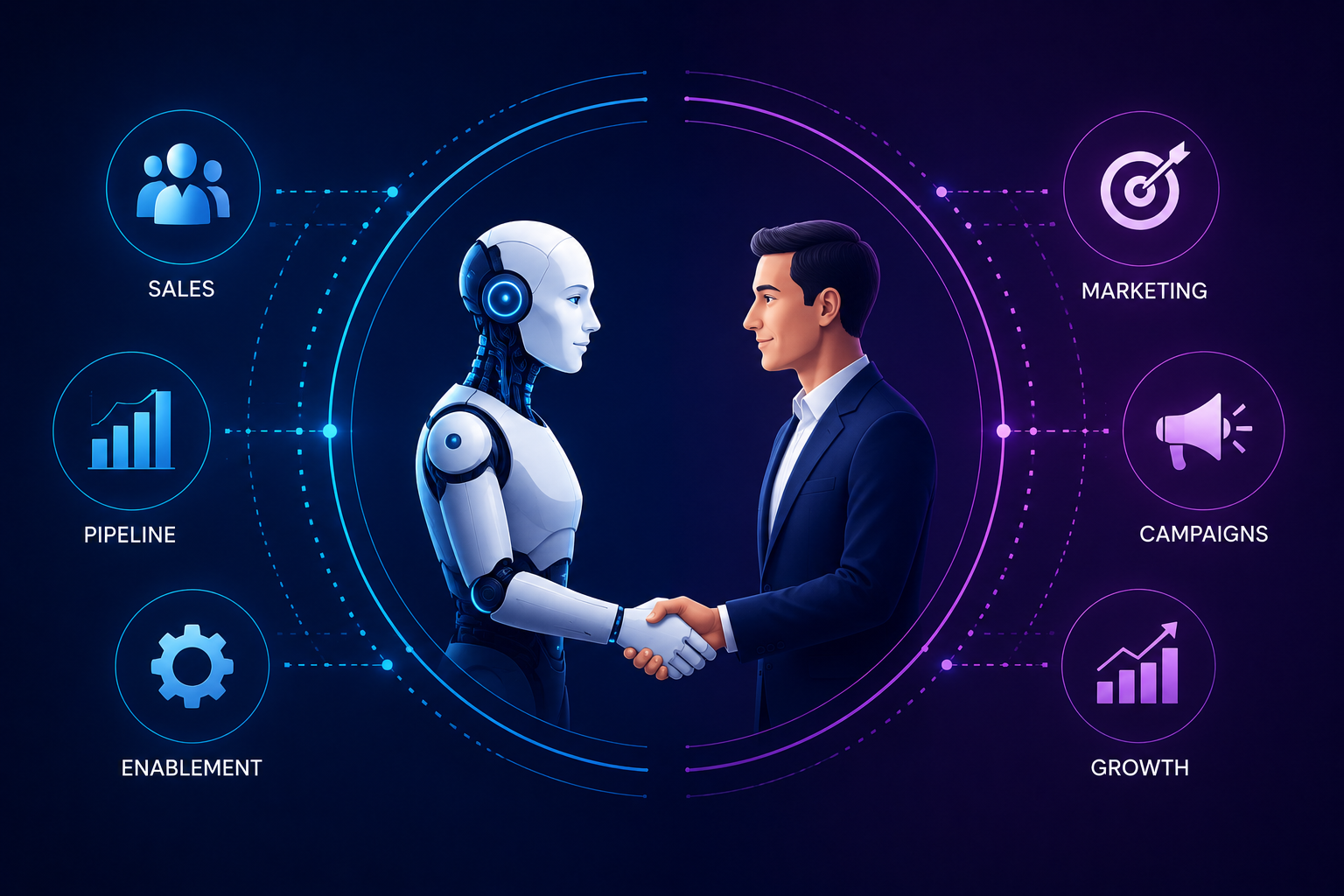
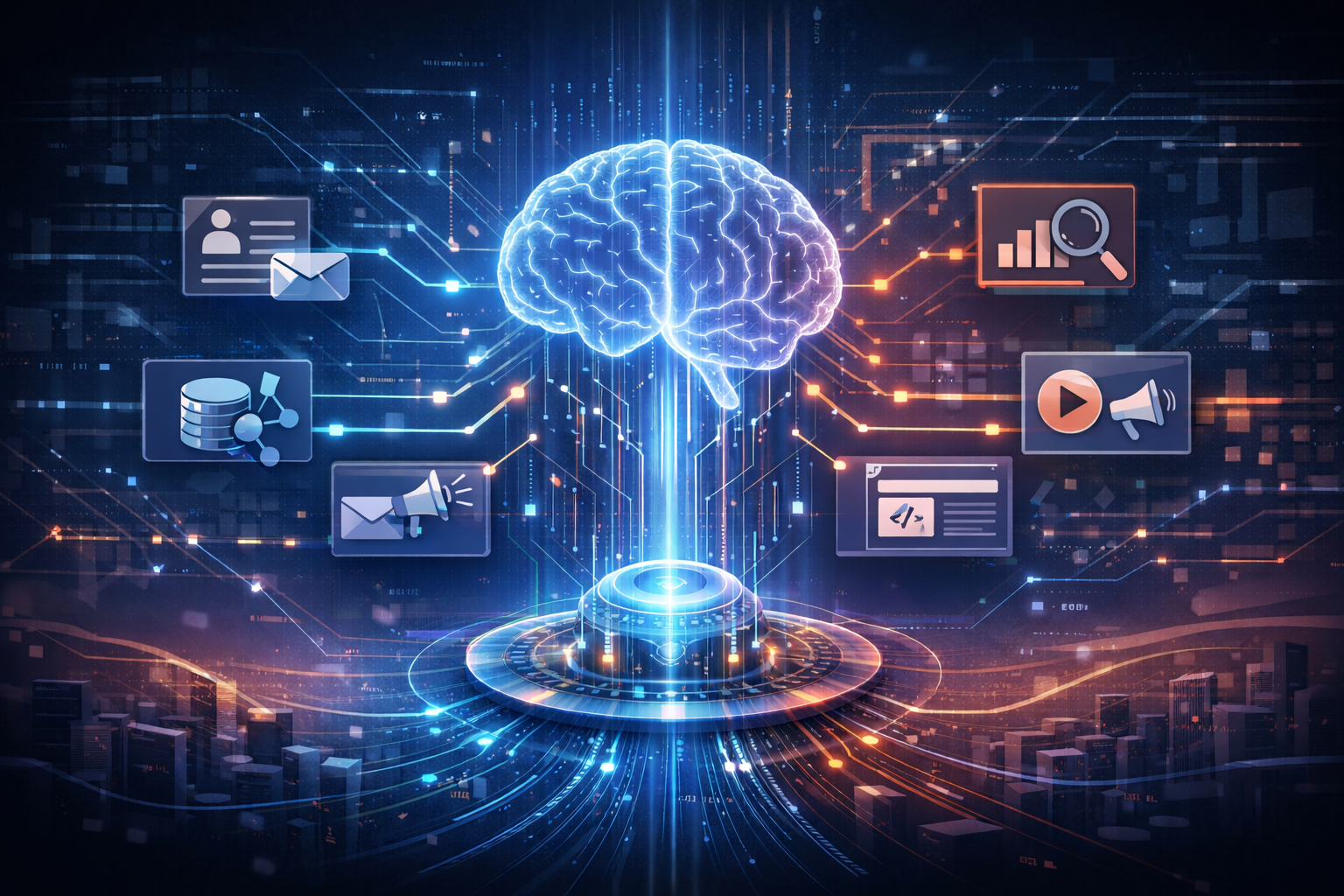
Artificial intelligence has transformed how marketers engage prospects. Instead of sending generic campaigns, AI analyzes customer behavior, purchase intent, website interactions, and engagement history to deliver highly personalized experiences.
AI can help marketers:
- Recommend relevant content based on buyer interests
- Personalize email messaging and website experiences
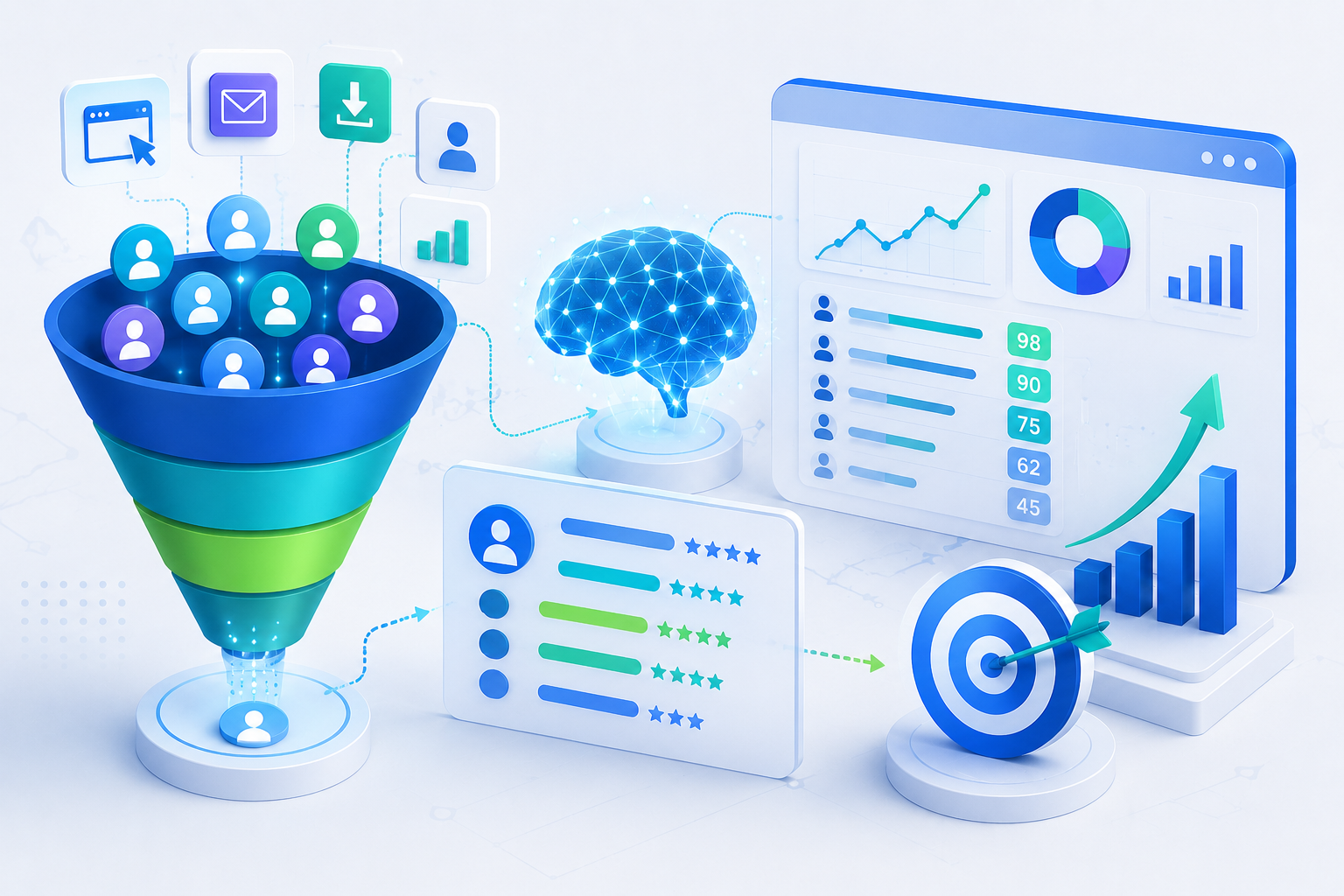
- Predict which leads are most likely to convert
- Optimize campaign timing and channel selection
The result is higher engagement, improved conversion rates, and more efficient marketing spend.
2. Predictive Analytics for Smarter Decision-Making
Predictive analytics uses historical and behavioral data to forecast future customer actions.
Instead of relying on intuition, CMOs can use predictive models to:
- Identify high-value prospects
- Forecast pipeline growth
- Detect churn risks
- Prioritize accounts for sales outreach
- Optimize campaign investments
Organizations that leverage predictive insights can allocate resources more effectively and improve marketing ROI.
3. Intent Data Is Becoming a Competitive Advantage
Buyers conduct extensive research before speaking with sales teams. Intent data helps marketers identify companies actively researching products or solutions similar to theirs.
Intent signals come from:
- Website visits
- Content consumption
- Search behavior
- Industry publications
- Third-party research platforms
With intent data, marketing teams can launch targeted campaigns before competitors engage the same prospects.
4. Marketing Automation Is Evolving Beyond Email
Marketing automation platforms have expanded far beyond email nurturing.
Today’s platforms orchestrate customer journeys across multiple channels, including:
- SMS
- Paid advertising
- Chatbots
- Web personalization
- Sales outreach
Modern automation also uses AI to optimize workflows, recommend next-best actions, and improve campaign performance continuously.
5. Revenue Intelligence Is Replacing Traditional Reporting
CMOs increasingly need visibility into how marketing activities influence revenue.
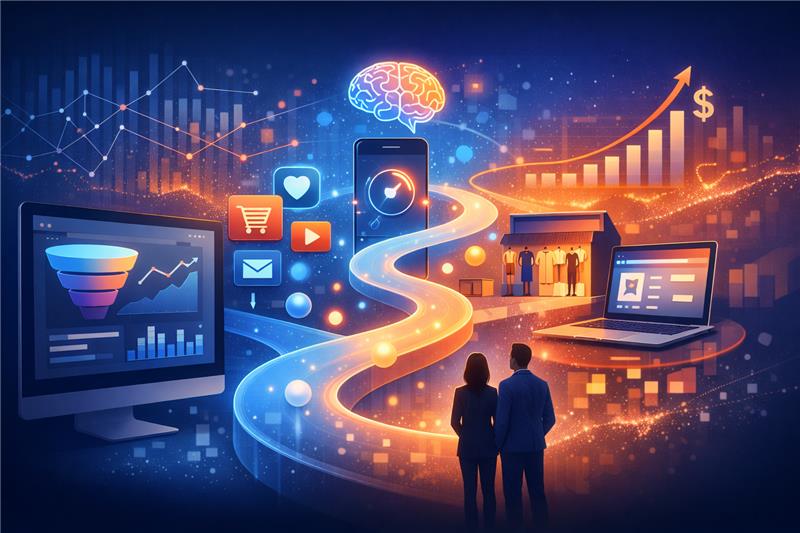
Revenue intelligence platforms combine data from CRM systems, marketing automation tools, customer interactions, and sales activities to provide a unified view of the customer journey.
Benefits include:
- Accurate attribution
- Pipeline forecasting
- Campaign performance insights
- Sales and marketing alignment
- Revenue impact analysis
This shift enables marketing leaders to demonstrate business value with confidence.
6. First-Party Data Strategies Are Becoming Essential
With increasing privacy regulations and the decline of third-party cookies, organizations are focusing on collecting and activating first-party data.
Successful first-party data strategies include:
- Progressive profiling
- Customer preference centers
- Interactive content
- Webinars
- Community engagement
- Loyalty programs
Owning customer data improves personalization while maintaining compliance with evolving privacy standards.
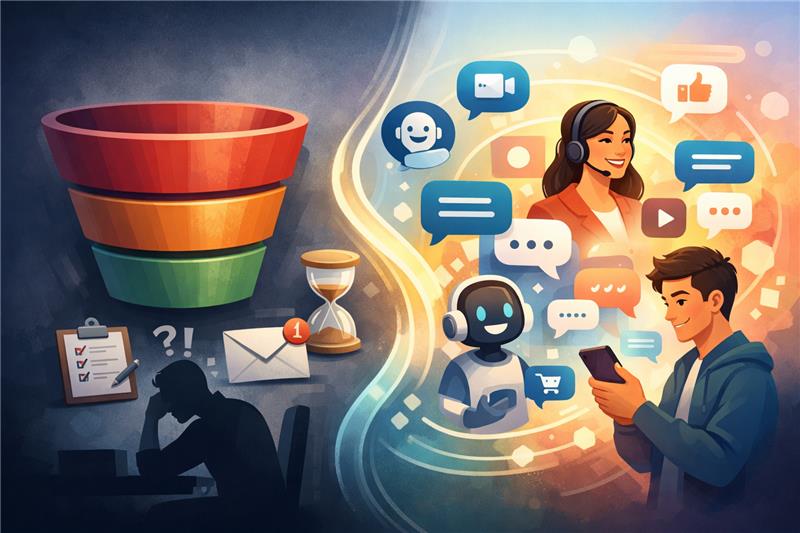
7. Conversational Marketing Continues to Grow
Buyers expect immediate responses when evaluating solutions.
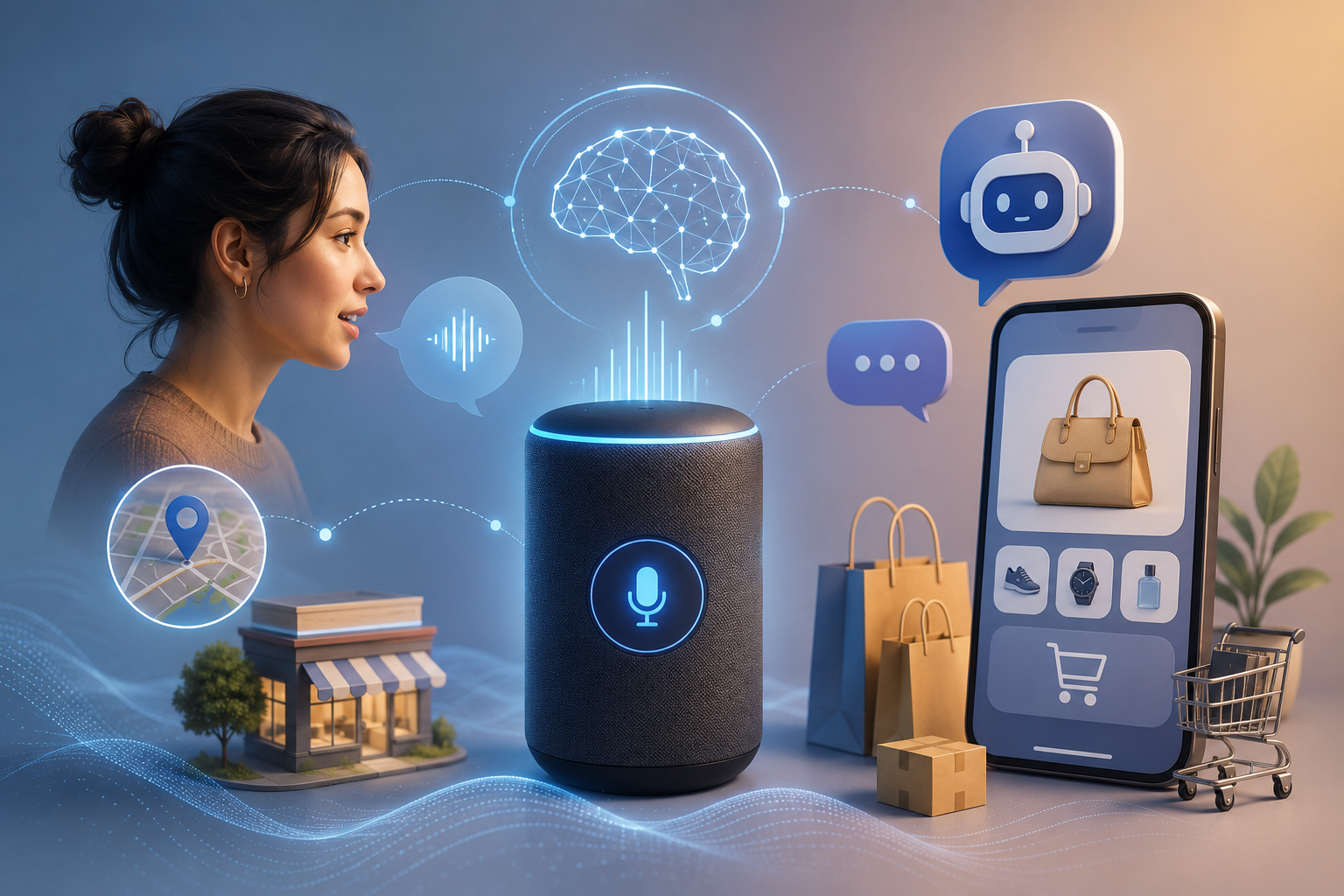
AI-powered chatbots and conversational marketing platforms enable businesses to:
- Qualify leads instantly
- Schedule meetings automatically
- Answer product questions
- Deliver personalized recommendations
- Support buyers throughout their journey
These technologies reduce friction while improving customer experiences.
8. Account-Based Marketing (ABM) Becomes More Intelligent
ABM continues to mature with AI-driven targeting and automation.
Modern ABM platforms help teams:
- Identify ideal customer profiles
- Discover buying committees
- Personalize outreach
- Track account engagement
- Coordinate marketing and sales efforts
Rather than targeting thousands of leads, organizations focus on high-value accounts with the greatest revenue potential.
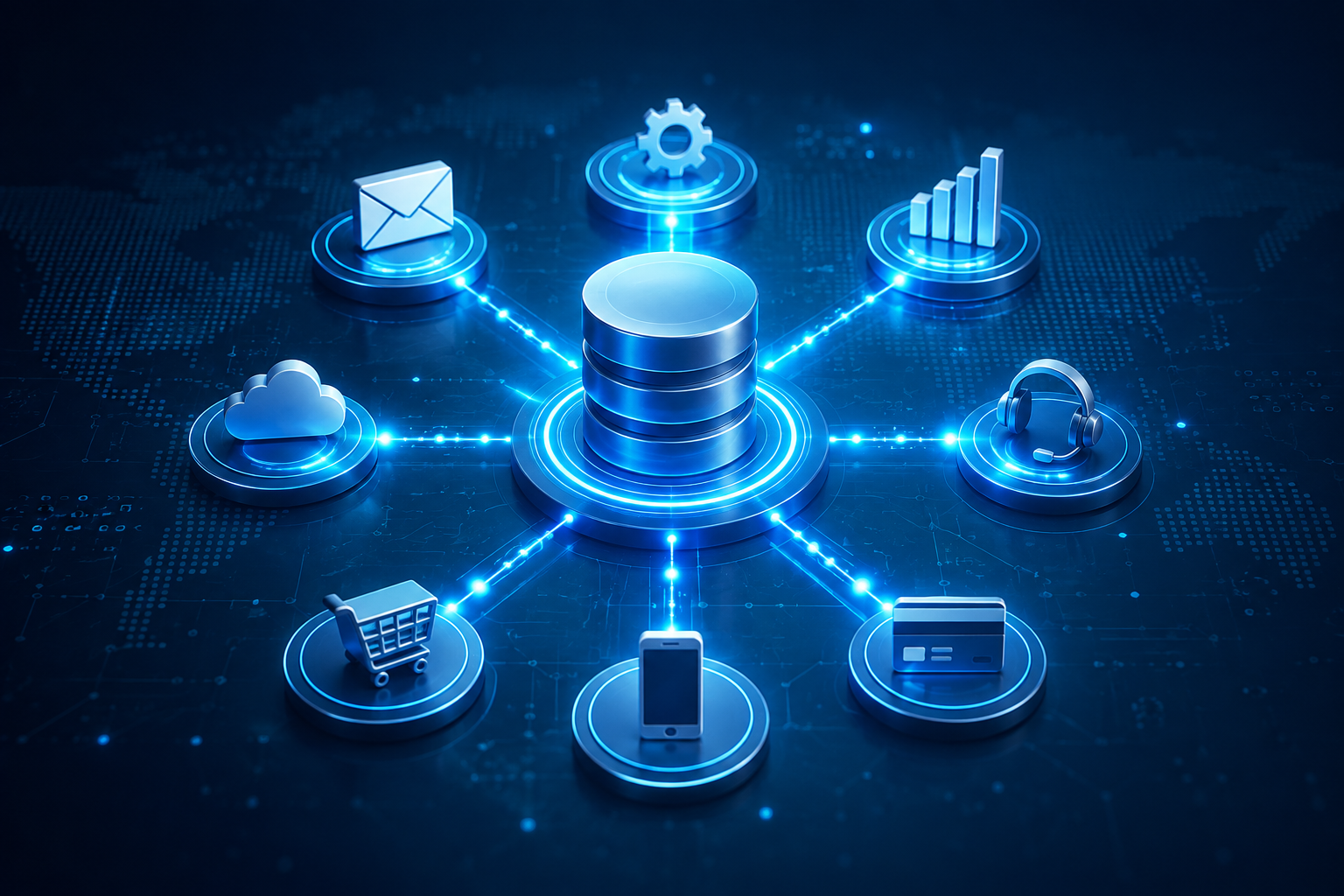
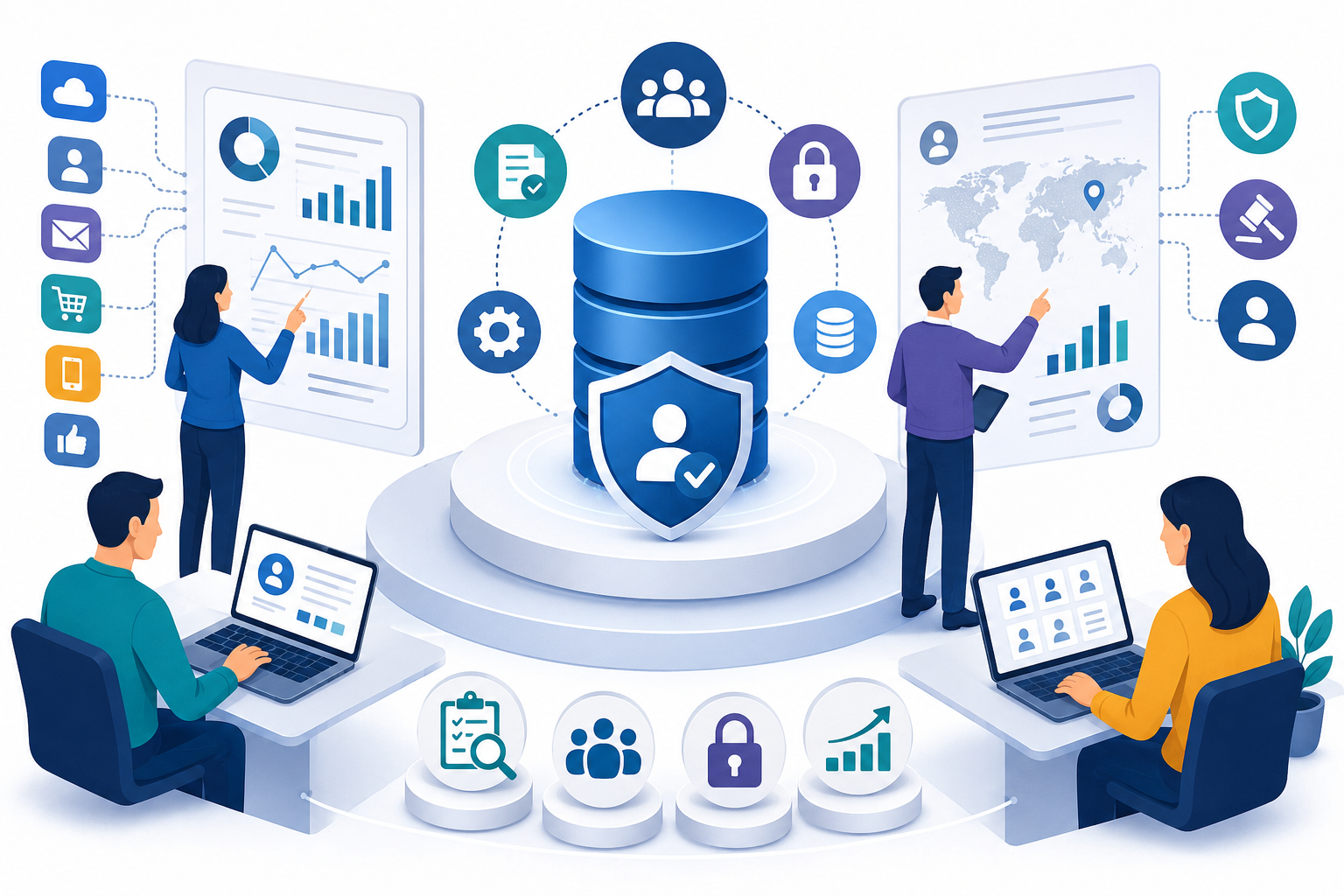
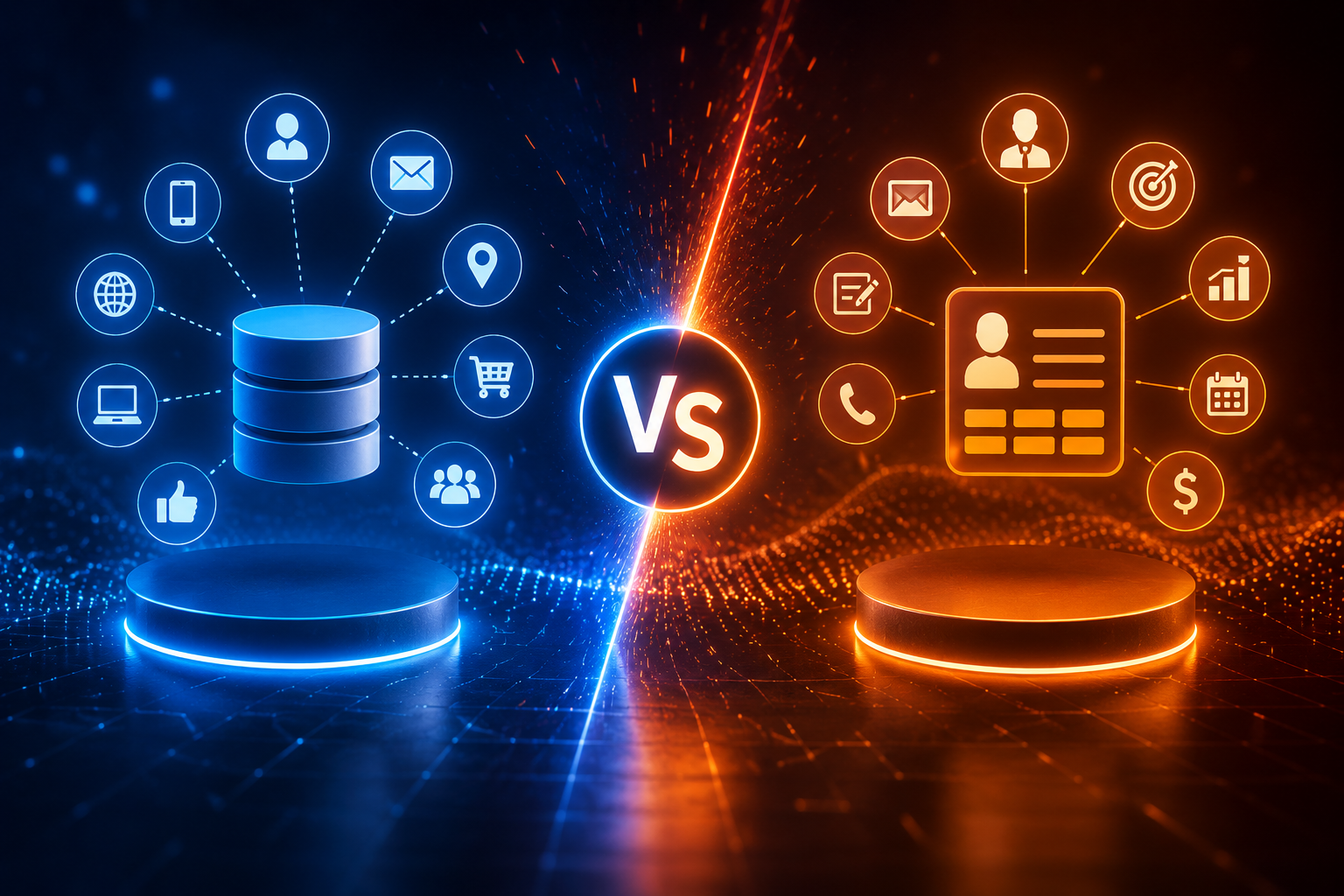
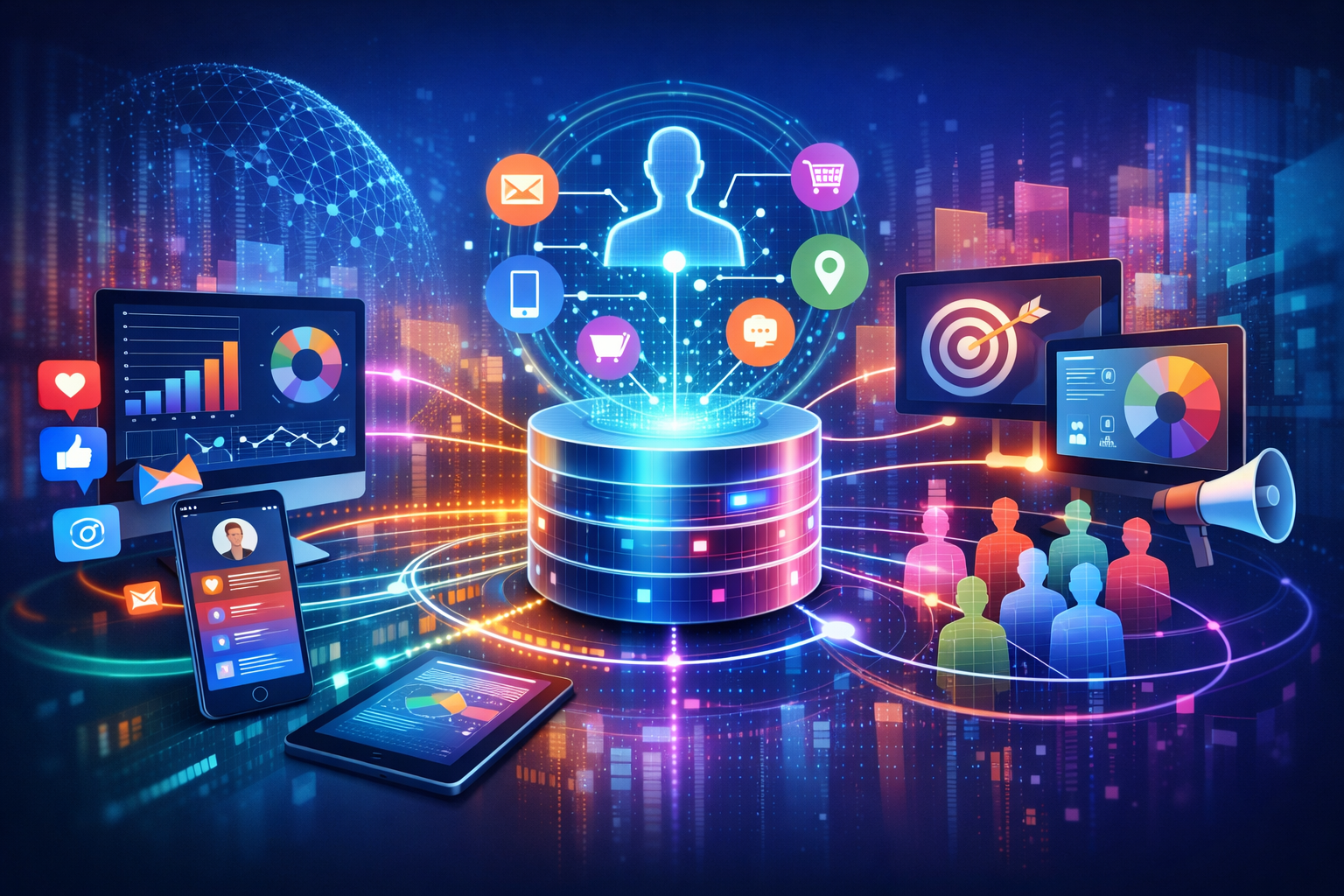
9. Customer Data Platforms (CDPs) Create a Unified Customer View
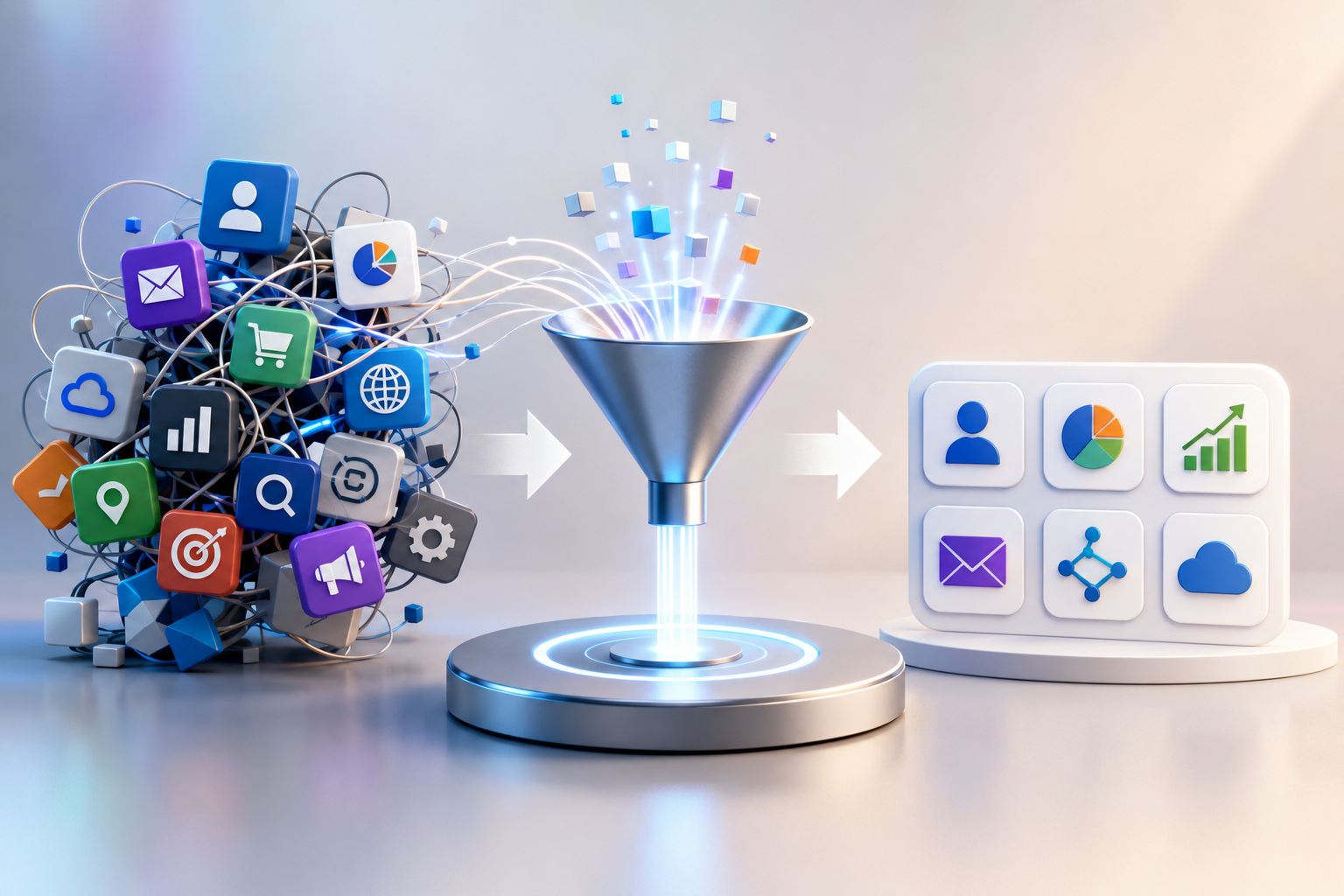
Many organizations struggle with fragmented customer information across multiple systems.
Customer Data Platforms solve this challenge by consolidating data from:
- CRM systems
- Marketing automation
- Websites
- Mobile apps
- Customer support
- Product usage platforms
A unified customer profile enables consistent messaging, accurate segmentation, and better campaign performance.
10. AI Content Generation Accelerates Campaign Execution
Content remains central to demand generation, but producing high-quality assets at scale can be resource-intensive.
Generative AI helps marketing teams create:
- Blog articles
- Email campaigns
- Social media content
- Ad copy
- Landing pages
- Webinar outlines
- Video scripts
While human oversight remains essential for quality and brand consistency, AI significantly reduces production time and enables faster campaign execution.
11. Real-Time Analytics Drive Continuous Optimization
Quarterly reporting is no longer enough. Modern marketing teams need real-time visibility into campaign performance.
Advanced analytics platforms allow CMOs to monitor:
- Lead quality
- Pipeline contribution
- Customer engagement
- Conversion rates
- Marketing attribution
- Revenue impact
Real-time insights enable rapid optimization, ensuring campaigns remain effective as market conditions evolve.
12. Sales and Marketing Technology Alignment Is Critical
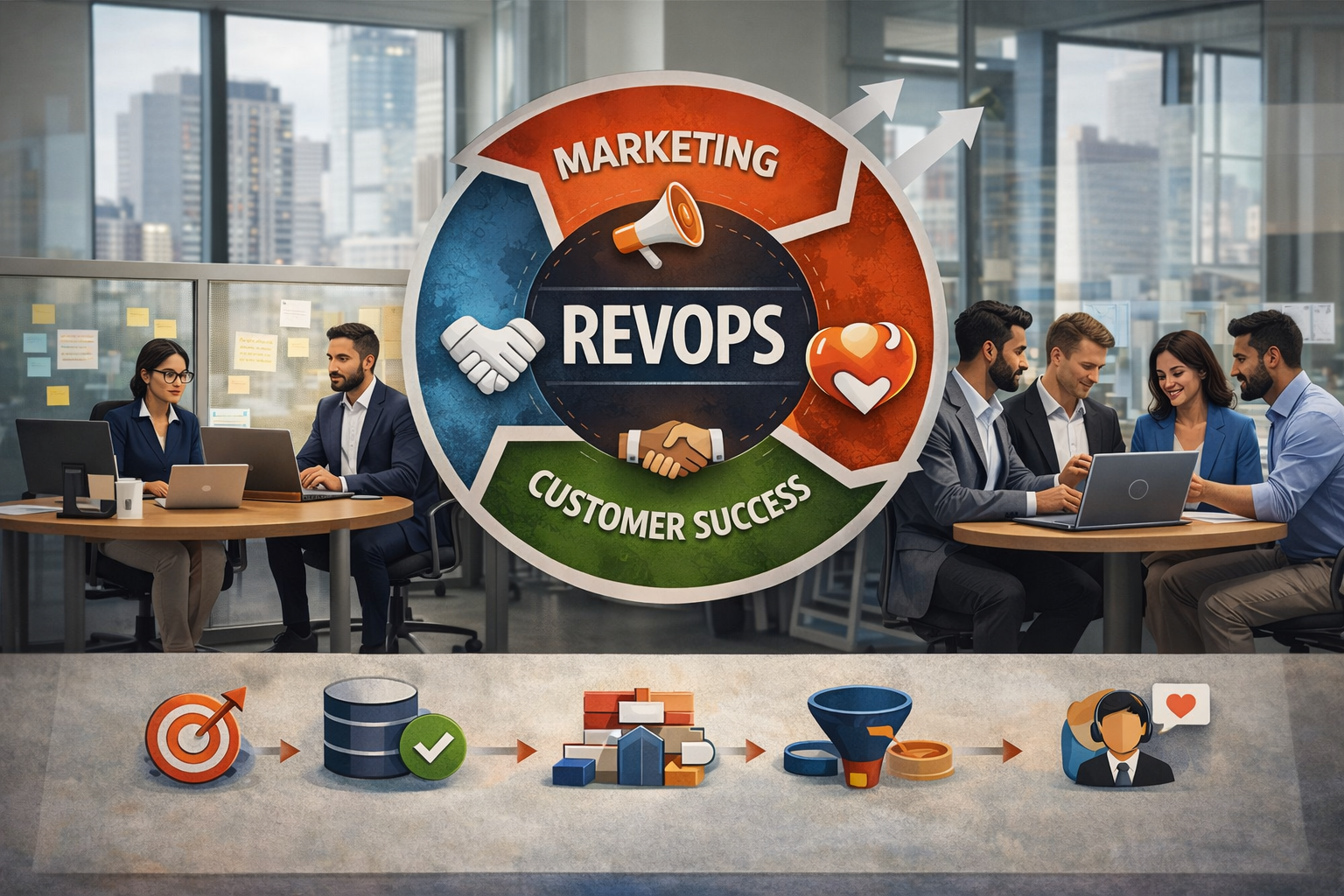
Technology is increasingly connecting marketing, sales, and customer success into a unified revenue ecosystem.
Integrated technology stacks enable:
- Shared customer data
- Unified reporting
- Automated lead routing
- Closed-loop attribution
- Collaborative account planning
When teams work from the same data, organizations improve customer experiences while accelerating revenue growth.
Building the Right Demand Generation Technology Stack
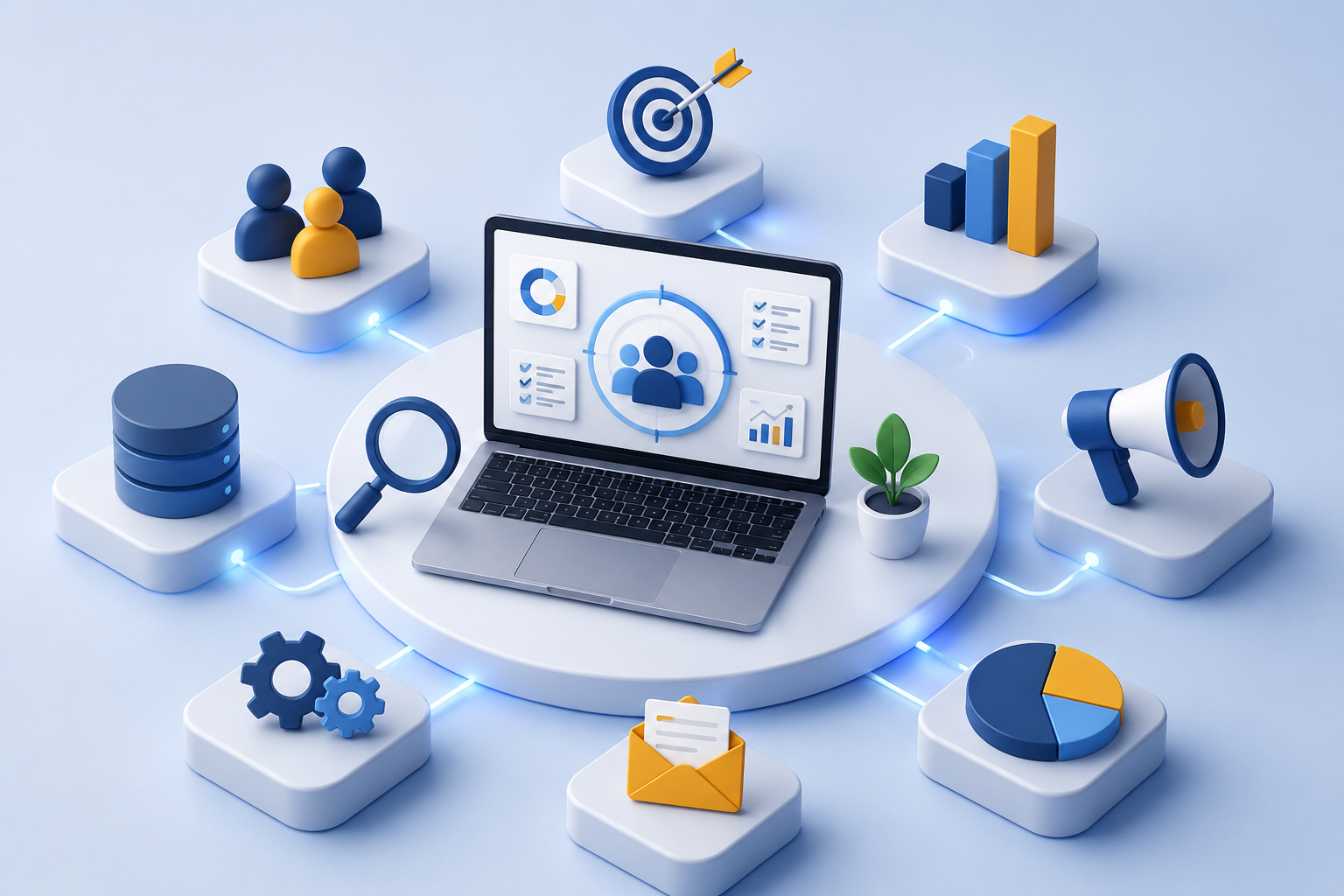
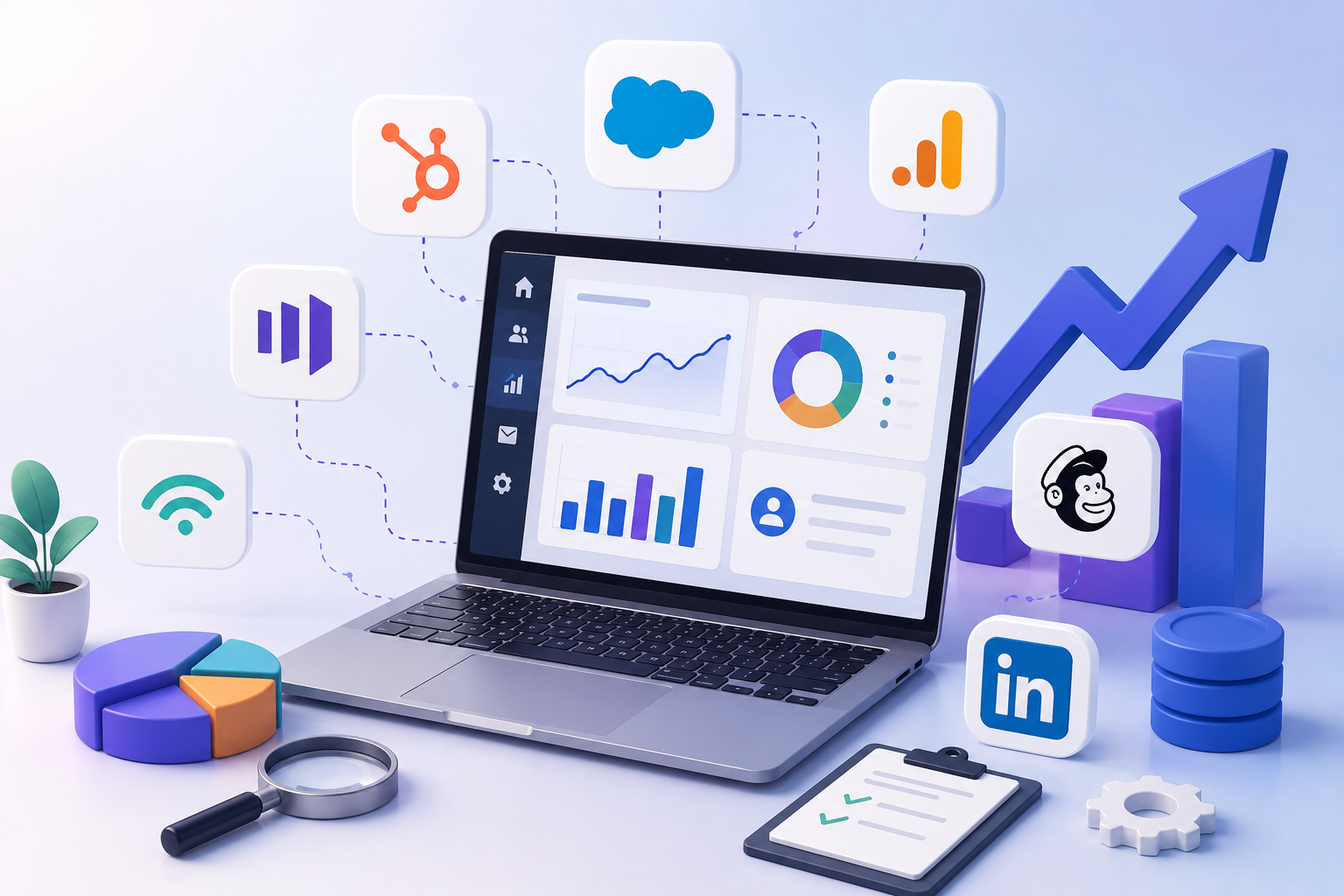
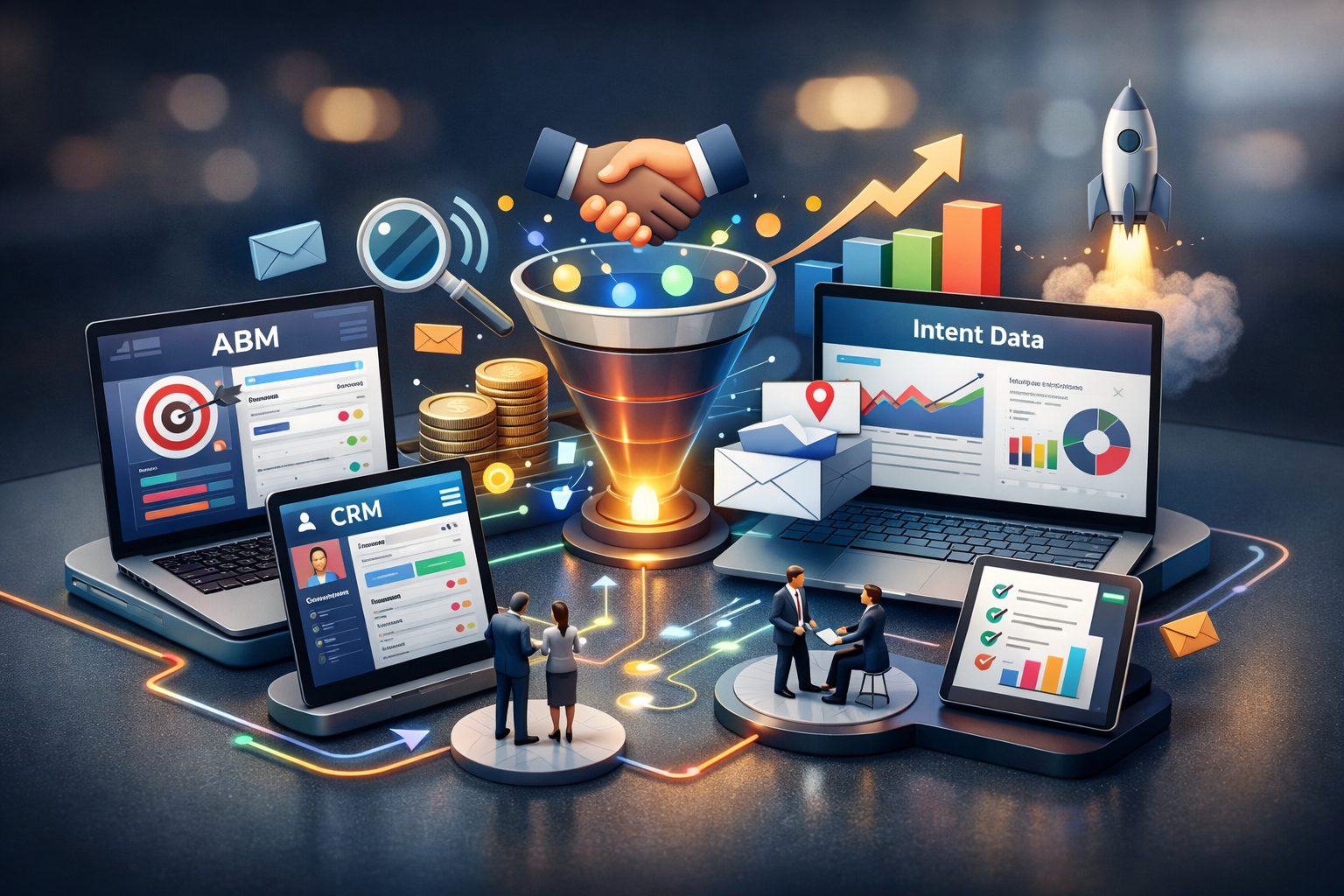
No single platform solves every demand generation challenge. The most successful CMOs build integrated technology ecosystems that align with their business objectives.
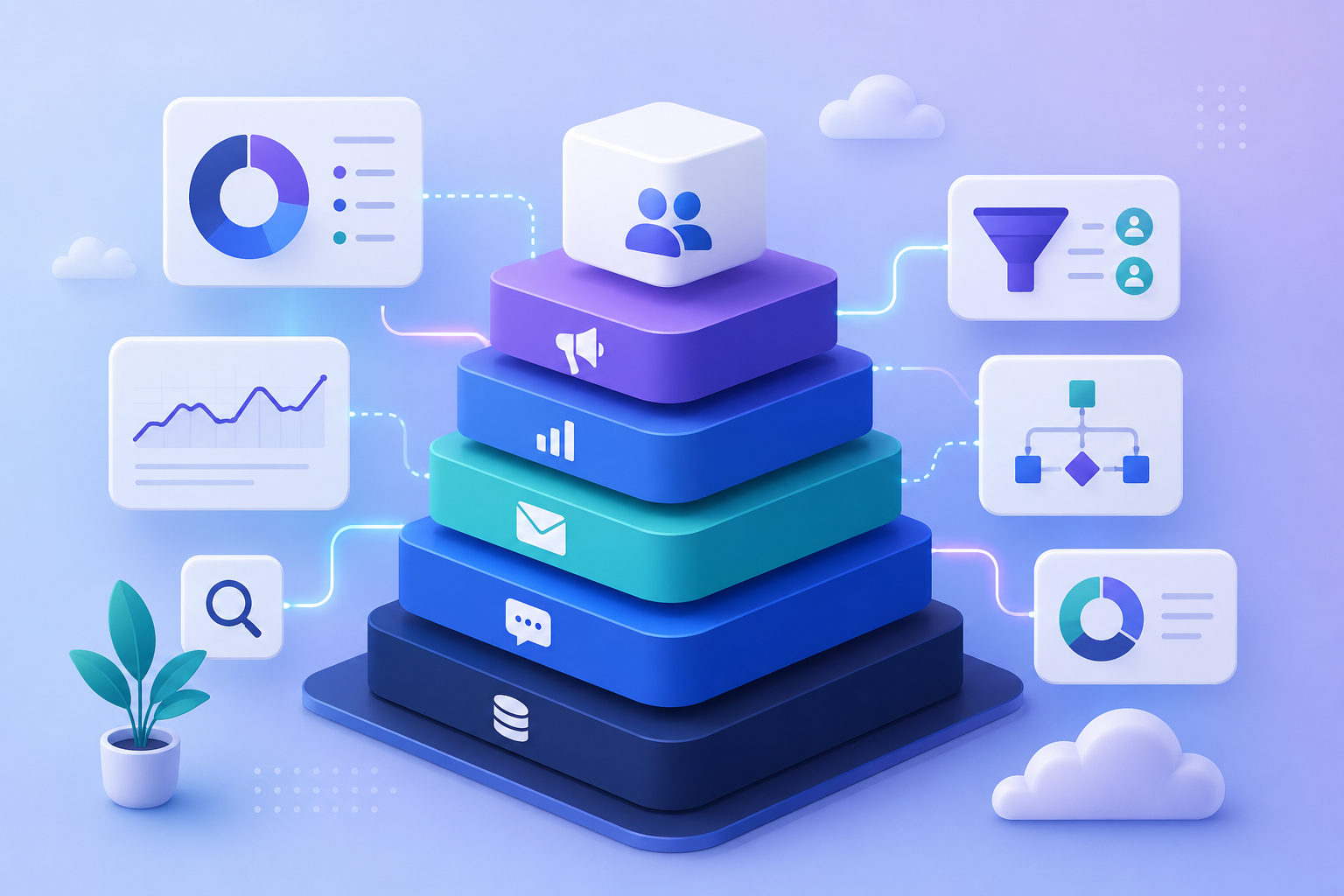
A modern demand generation stack typically includes:
- CRM platform
- Marketing automation software
- Customer Data Platform (CDP)
- Intent data solution
- AI-powered analytics
- Account-Based Marketing platform
- Content management system (CMS)
- Business intelligence and reporting tools
The key is ensuring these technologies work together to create a connected, data-driven customer journey.
Read Also: Martech Consolidation: Benefits, Risks, and Key Considerations for Modern Businesses