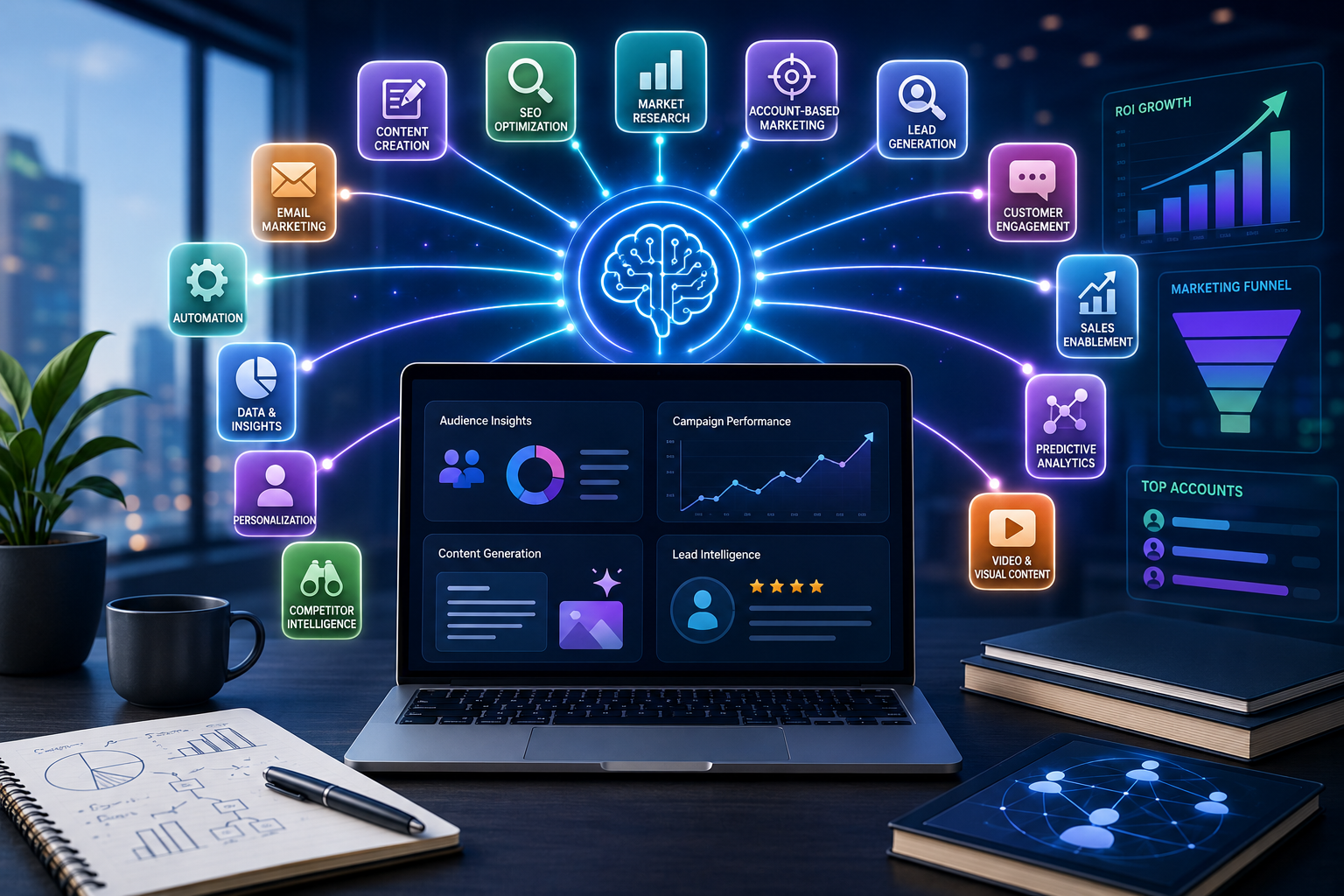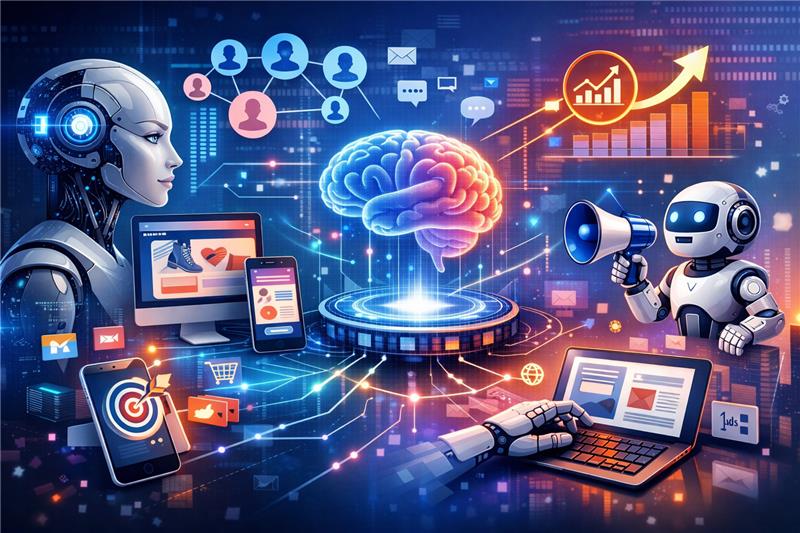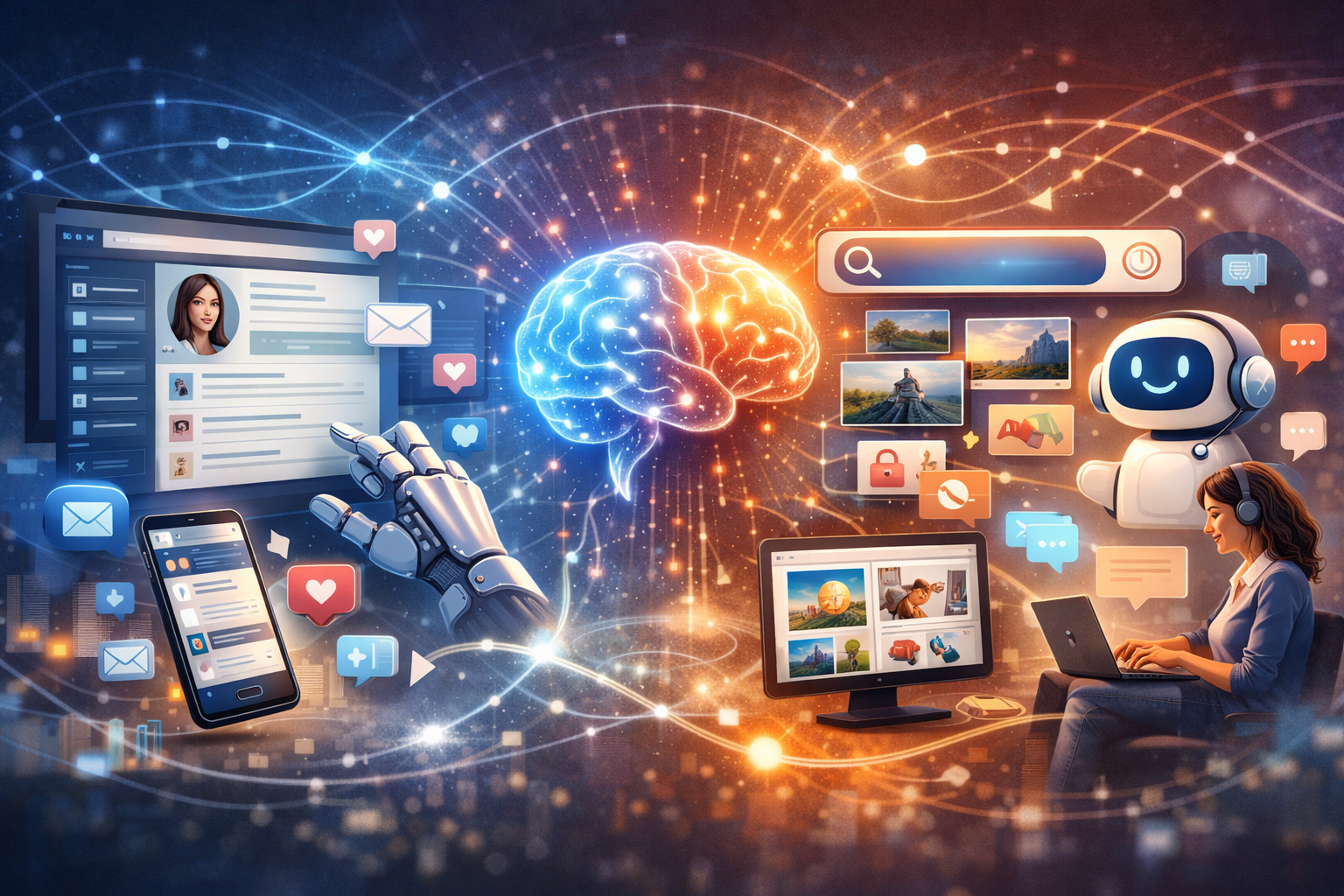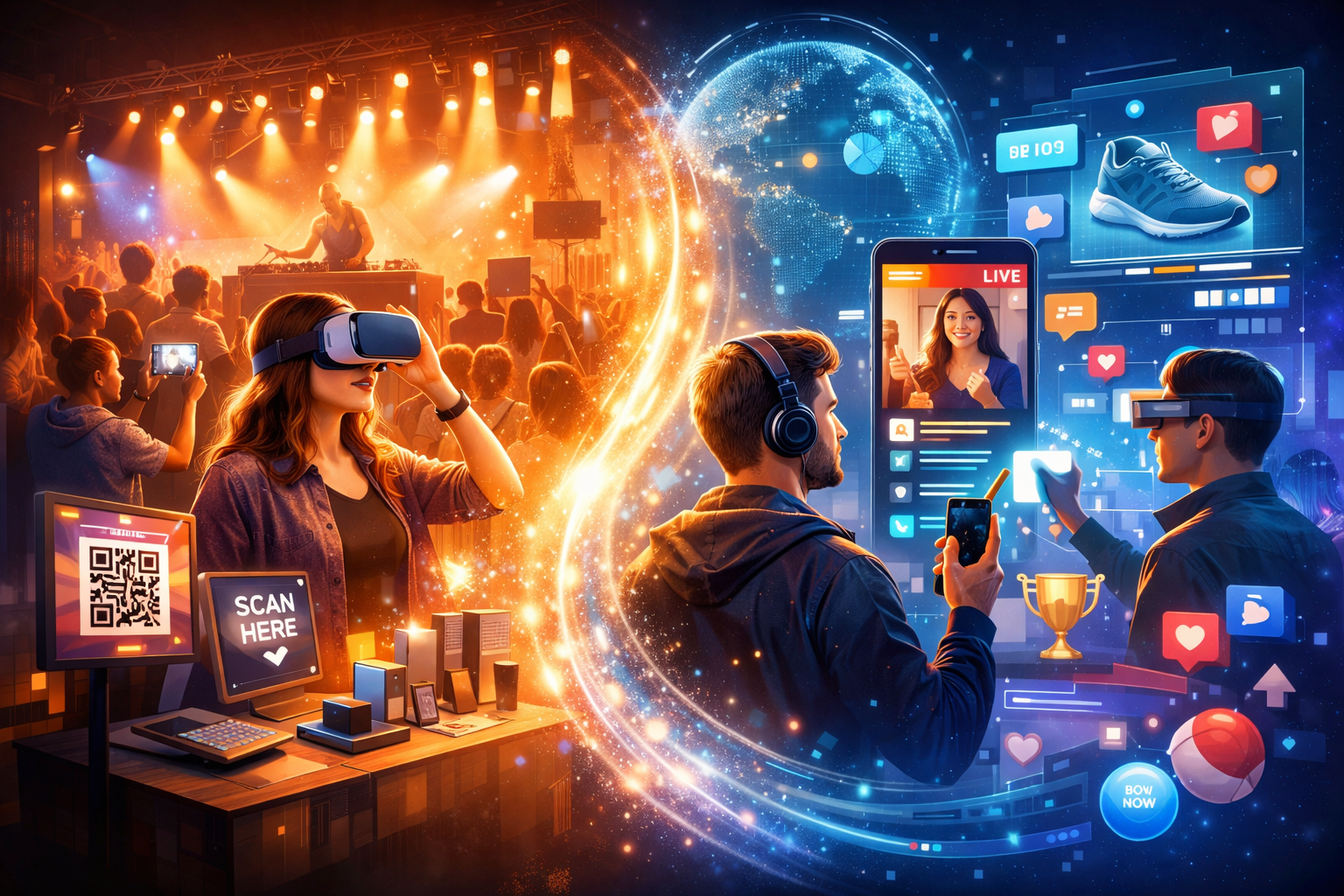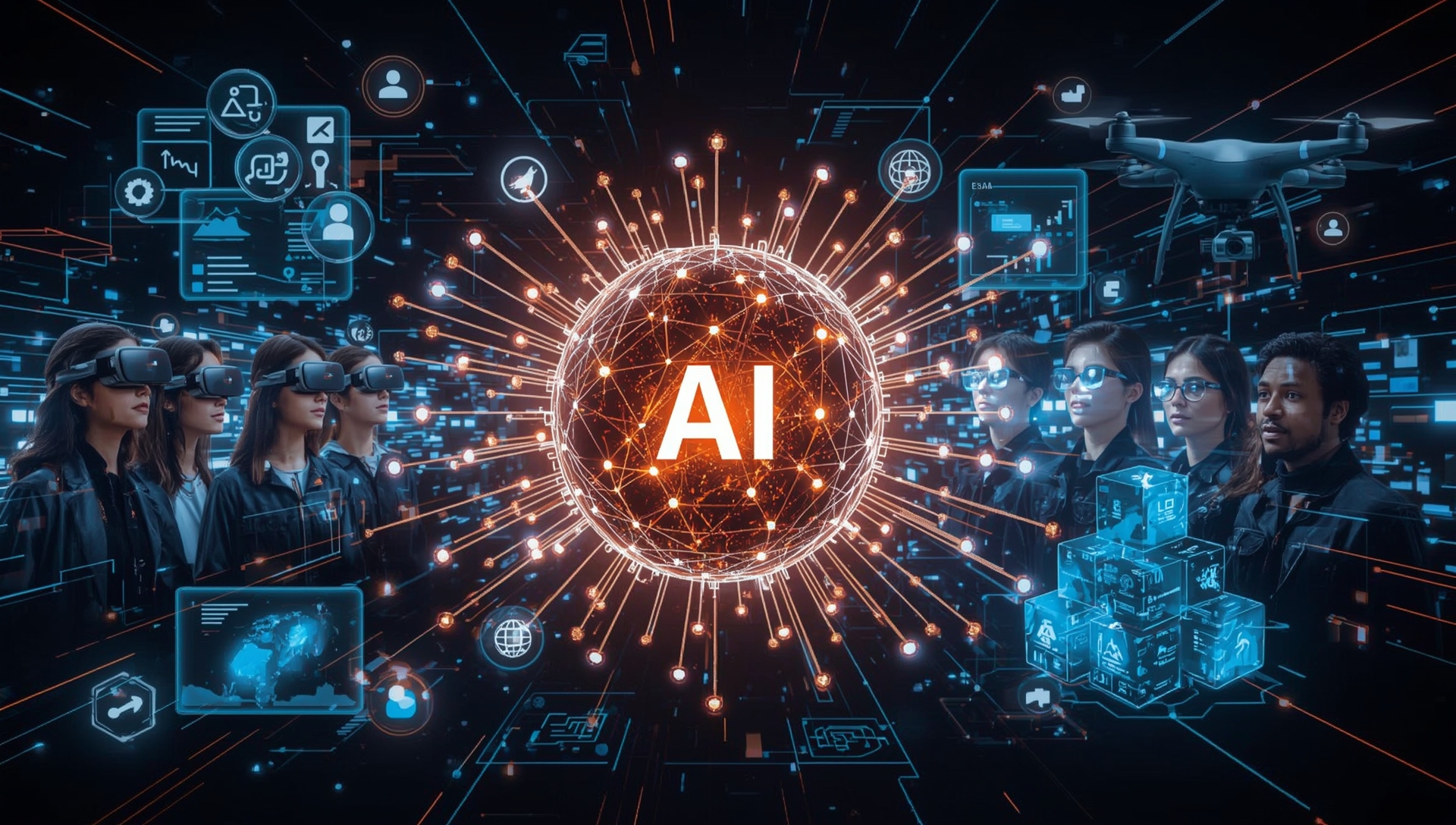

Artificial Intelligence is no longer a futuristic buzzword in marketing—it’s the engine quietly powering some of the most effective campaigns today. From predictive analytics to hyper-personalized content, AI is reshaping how brands understand, reach, and retain their customers. This deep dive explores how AI is transforming marketing at a structural level, not just as a tool, but as a strategic partner.
1. From Segmentation to Micro-Individualization
Traditional marketing relied on broad audience segments—age groups, geographies, or interests. AI changes that paradigm entirely. Machine learning models can process behavioral, transactional, and contextual data in real time to create dynamic customer profiles.
Instead of targeting “millennials interested in fitness,” AI enables brands to reach “a 29-year-old who recently searched for marathon training plans, prefers evening workouts, and responds to motivational messaging.” This shift from segmentation to micro-individualization significantly boosts engagement and conversion rates.
2. Predictive Analytics: Anticipating Customer Needs
One of AI’s most powerful capabilities is prediction. By analyzing historical data, AI can forecast future behaviors—what a customer is likely to buy, when they might churn, or how they’ll respond to a campaign.
For marketers, this means moving from reactive to proactive strategies. Instead of waiting for a customer to abandon a cart, AI can trigger timely interventions—like personalized discounts or reminders—before the decision is made.
3. Content Creation at Scale
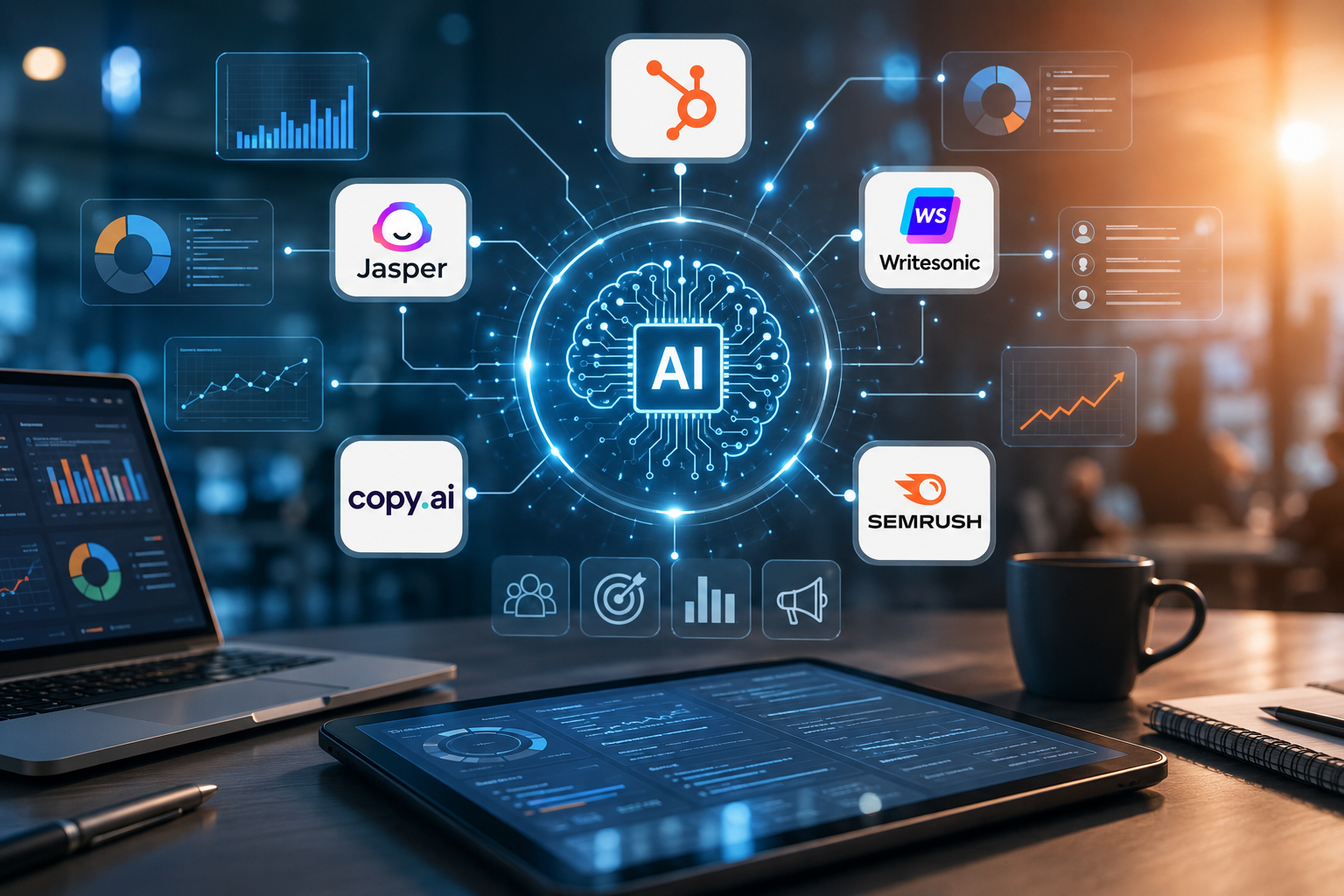
AI-driven content generation tools are redefining how marketing content is produced. Blogs, ad copy, email campaigns, and even video scripts can now be generated in seconds.
However, the real advantage isn’t just speed—it’s adaptability. AI can test multiple variations of content simultaneously, learn which performs best, and refine future outputs accordingly. This creates a feedback loop where content continuously improves based on real-world performance.
4. Conversational Marketing and AI Assistants
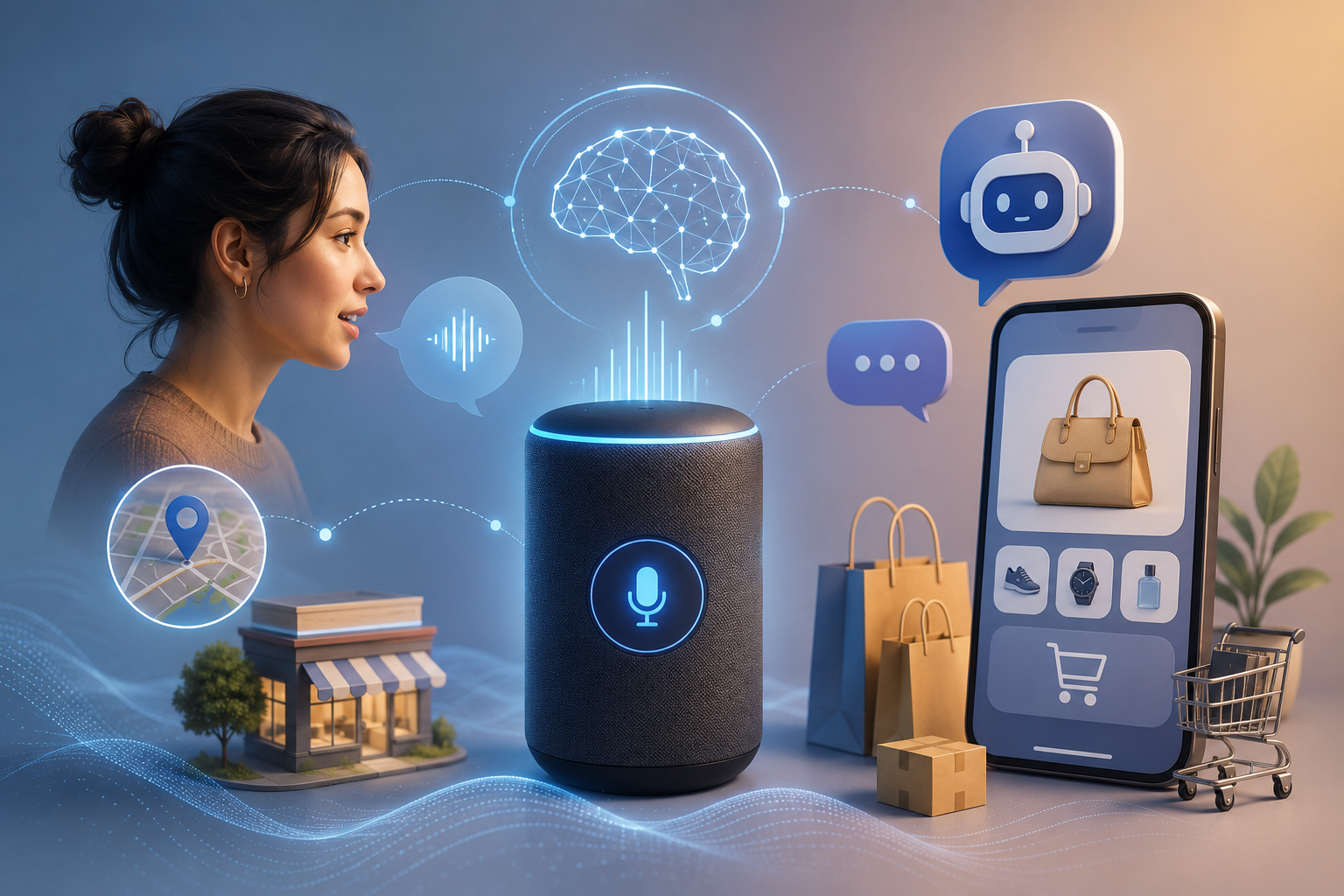
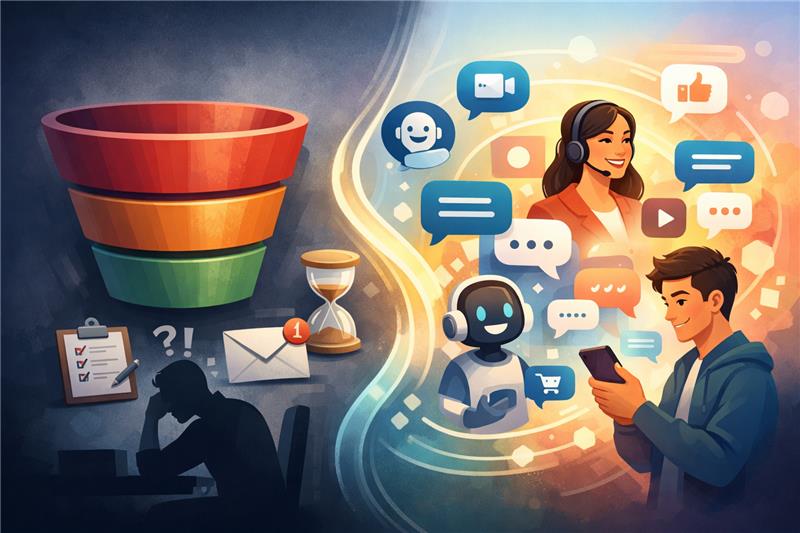
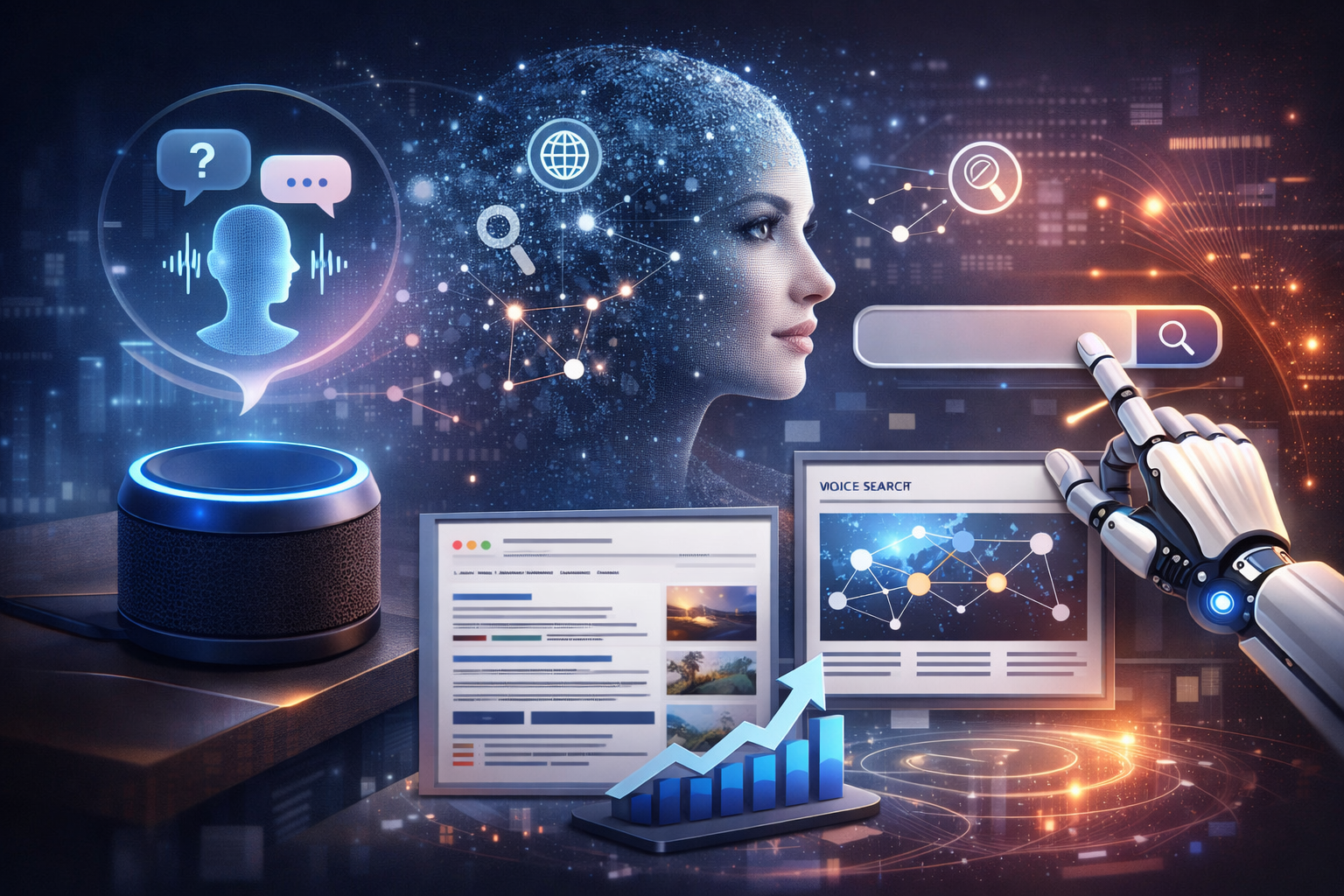
Chatbots and virtual assistants have evolved far beyond scripted responses. Modern AI systems understand context, sentiment, and intent, enabling more natural and meaningful interactions.
These systems can:
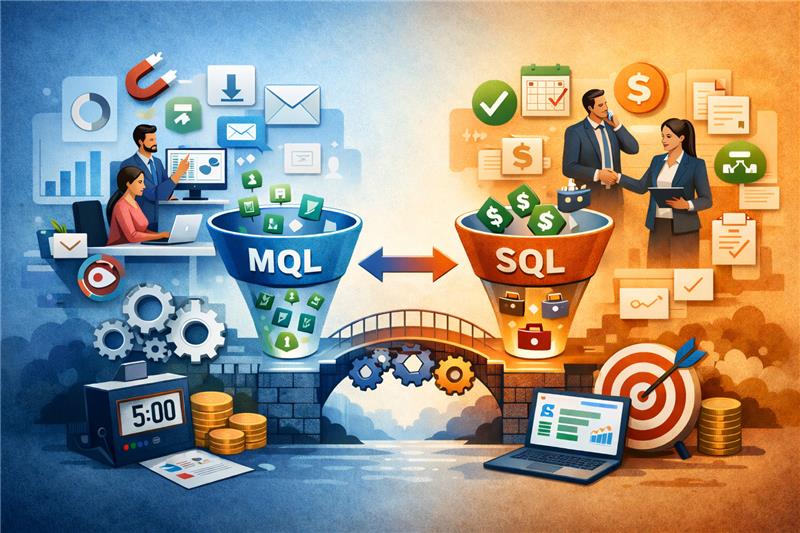
- Qualify leads in real time
- Provide personalized product recommendations
- Resolve customer queries instantly
The result is a seamless customer experience that feels both efficient and human-like.
5. Programmatic Advertising and Real-Time Bidding
AI plays a central role in programmatic advertising, where ad placements are bought and optimized in real time. Algorithms analyze user data, context, and bidding dynamics to ensure ads are shown to the right person at the right moment.
This eliminates much of the guesswork in media buying and significantly improves return on ad spend (ROAS).
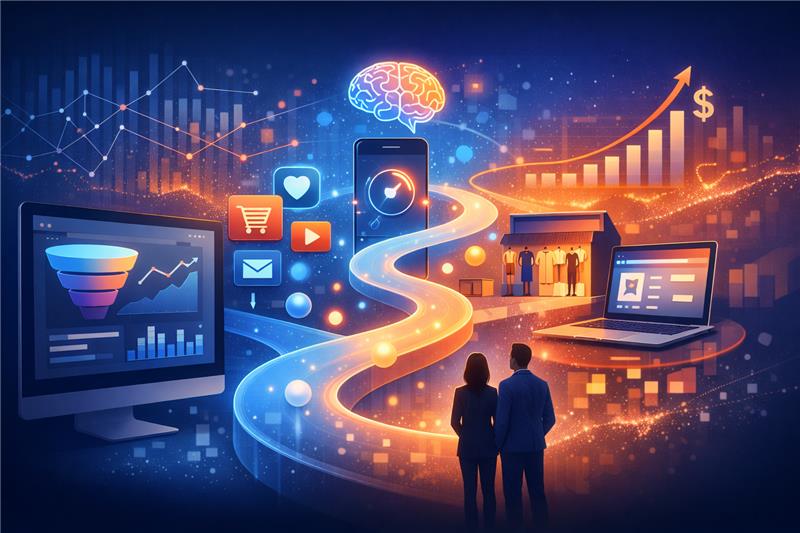
6. Customer Journey Orchestration
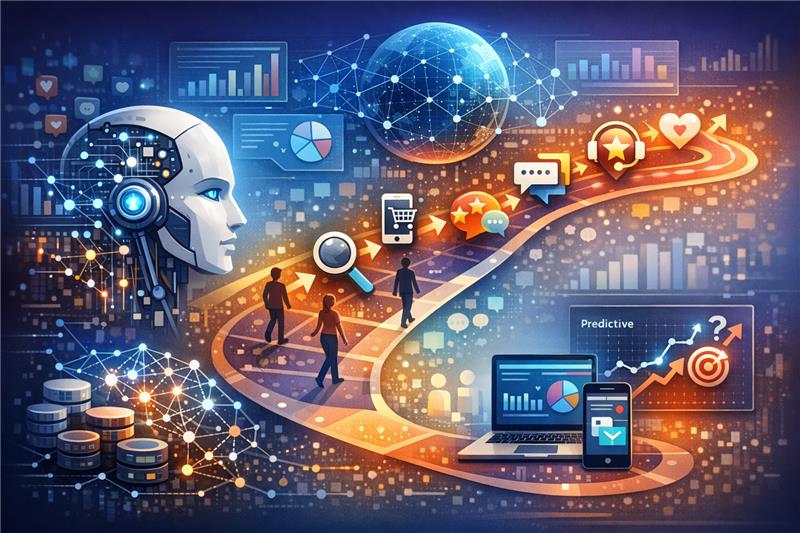
AI doesn’t just optimize individual touchpoints—it connects them. By mapping and analyzing the entire customer journey, AI can identify friction points and opportunities for engagement.
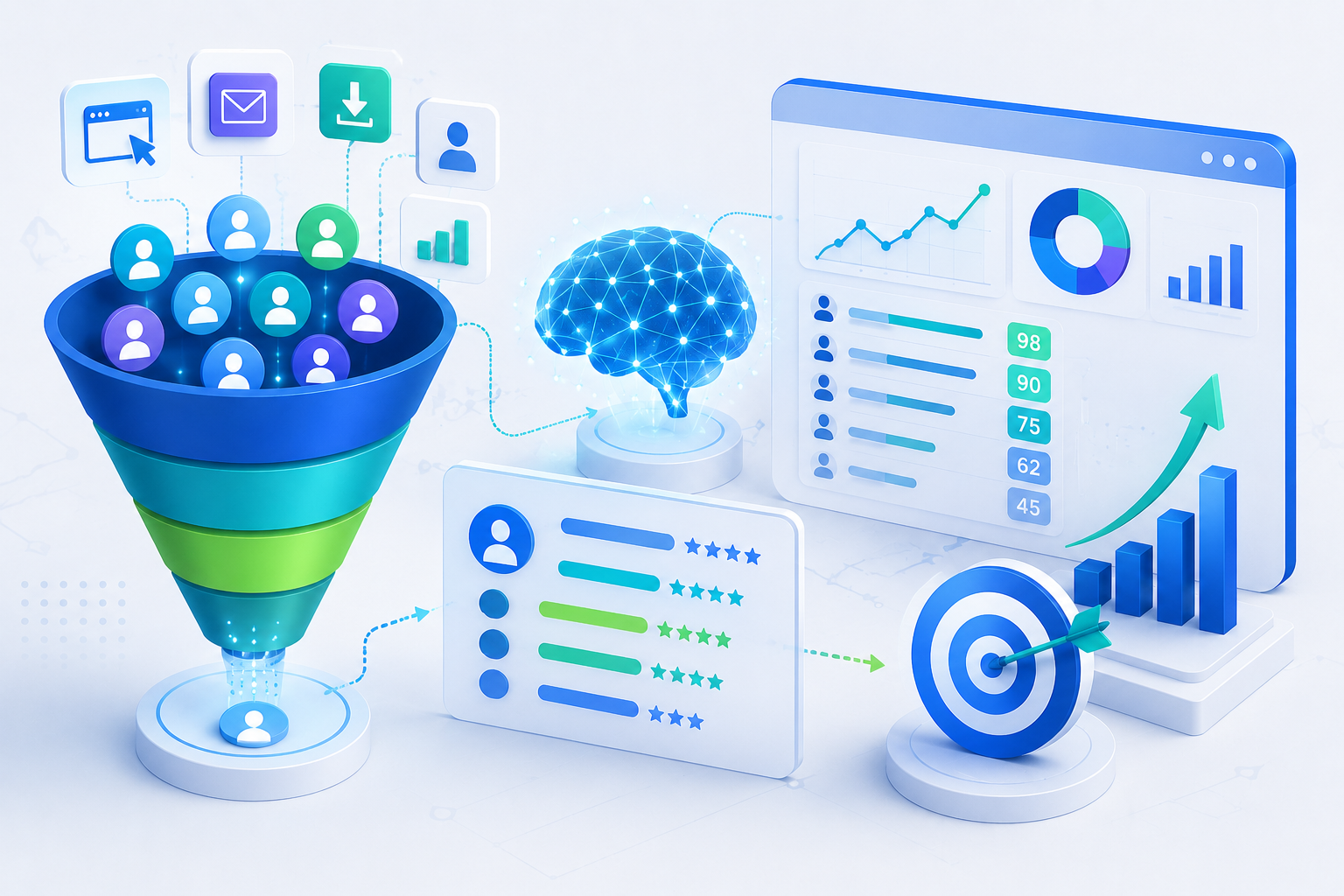
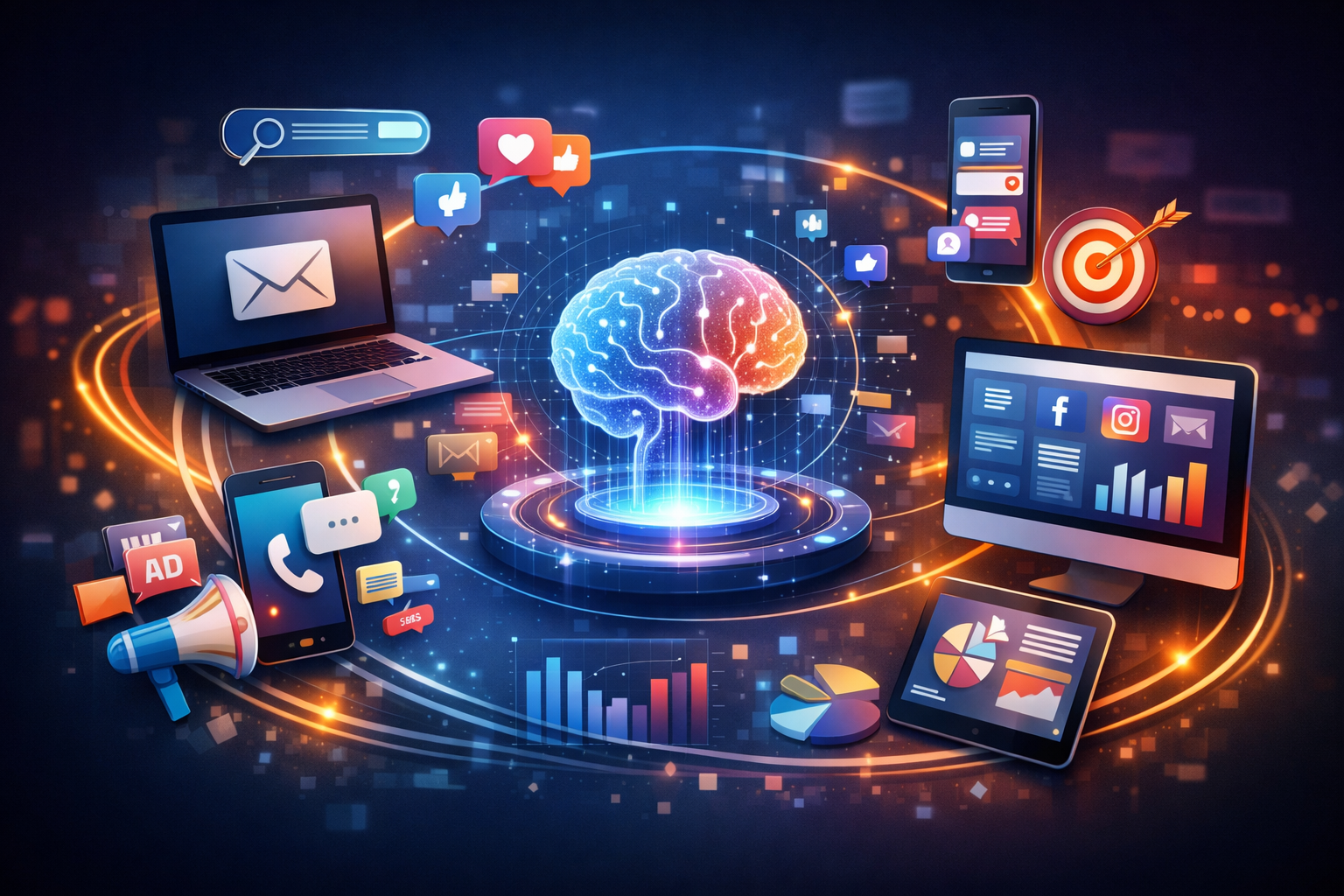
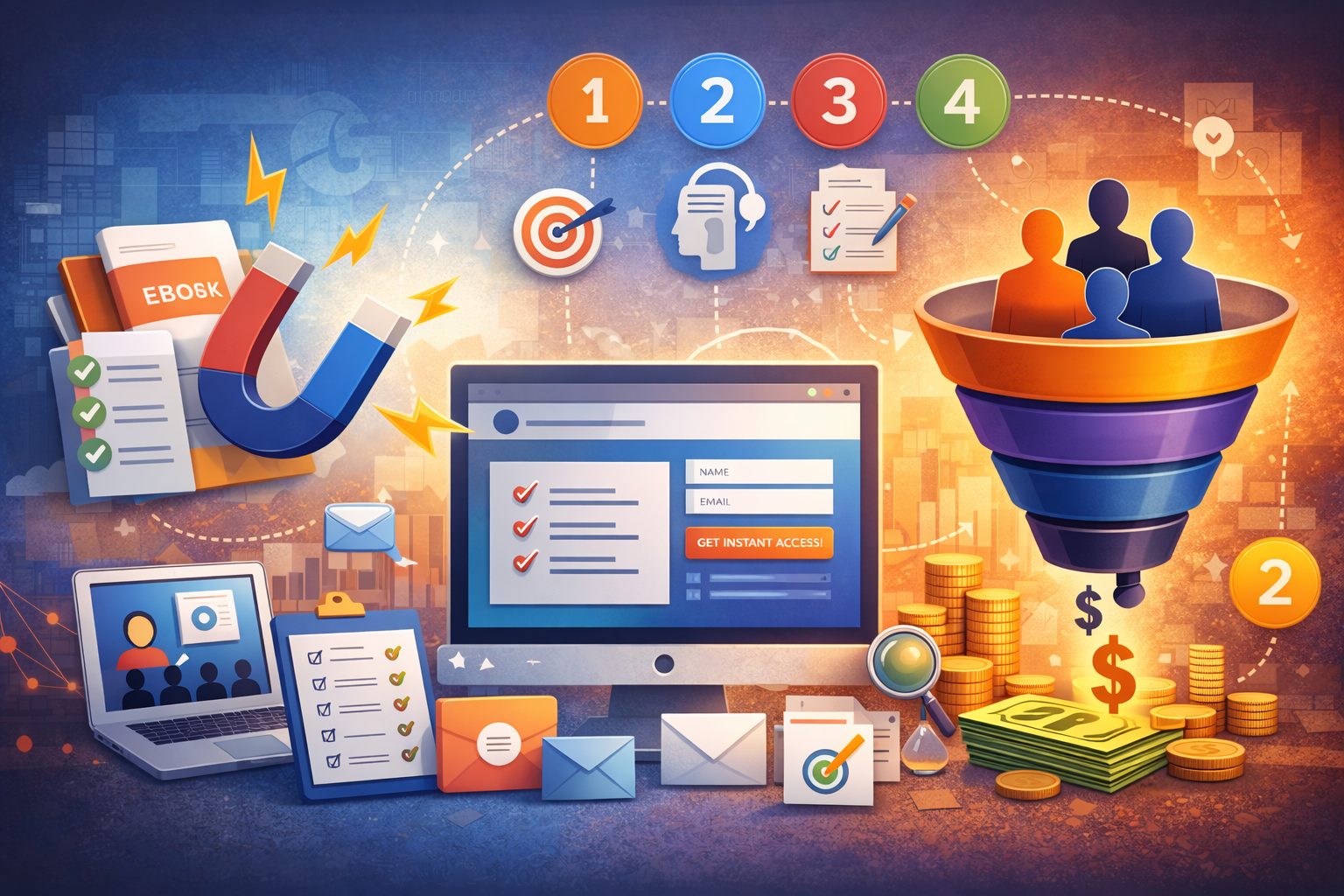
For example, if a customer interacts with a brand via social media, visits the website, and then abandons a purchase, AI can coordinate follow-ups across email, ads, and push notifications to guide them back into the funnel.
7. Ethical Considerations and Data Privacy
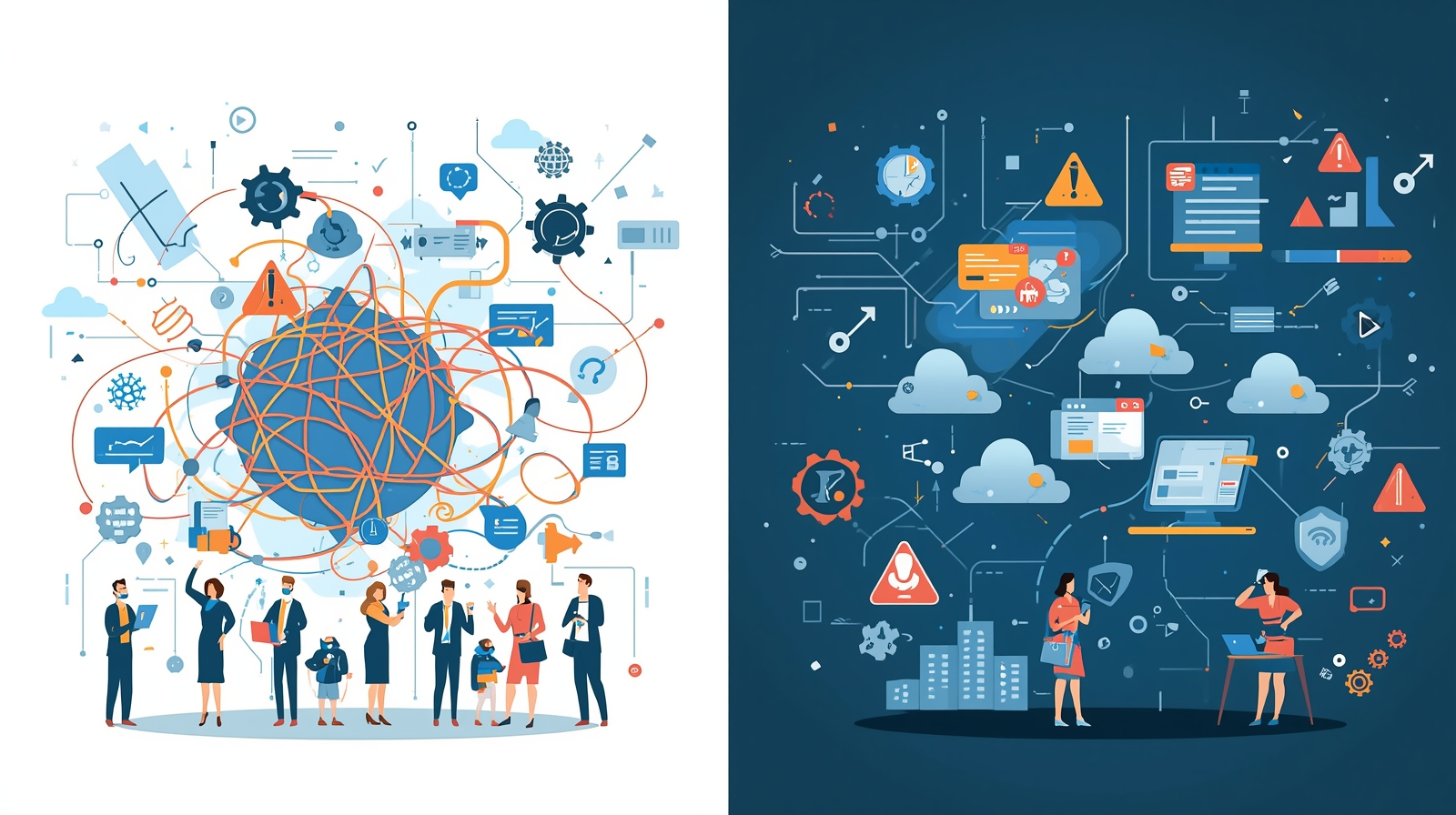
With great power comes responsibility. AI in marketing raises important questions about data privacy, consent, and transparency. Consumers are increasingly aware of how their data is used, and regulatory frameworks are evolving rapidly.
Brands must strike a balance between personalization and privacy, ensuring that AI-driven strategies are both effective and ethical.
8. The Human-AI Collaboration
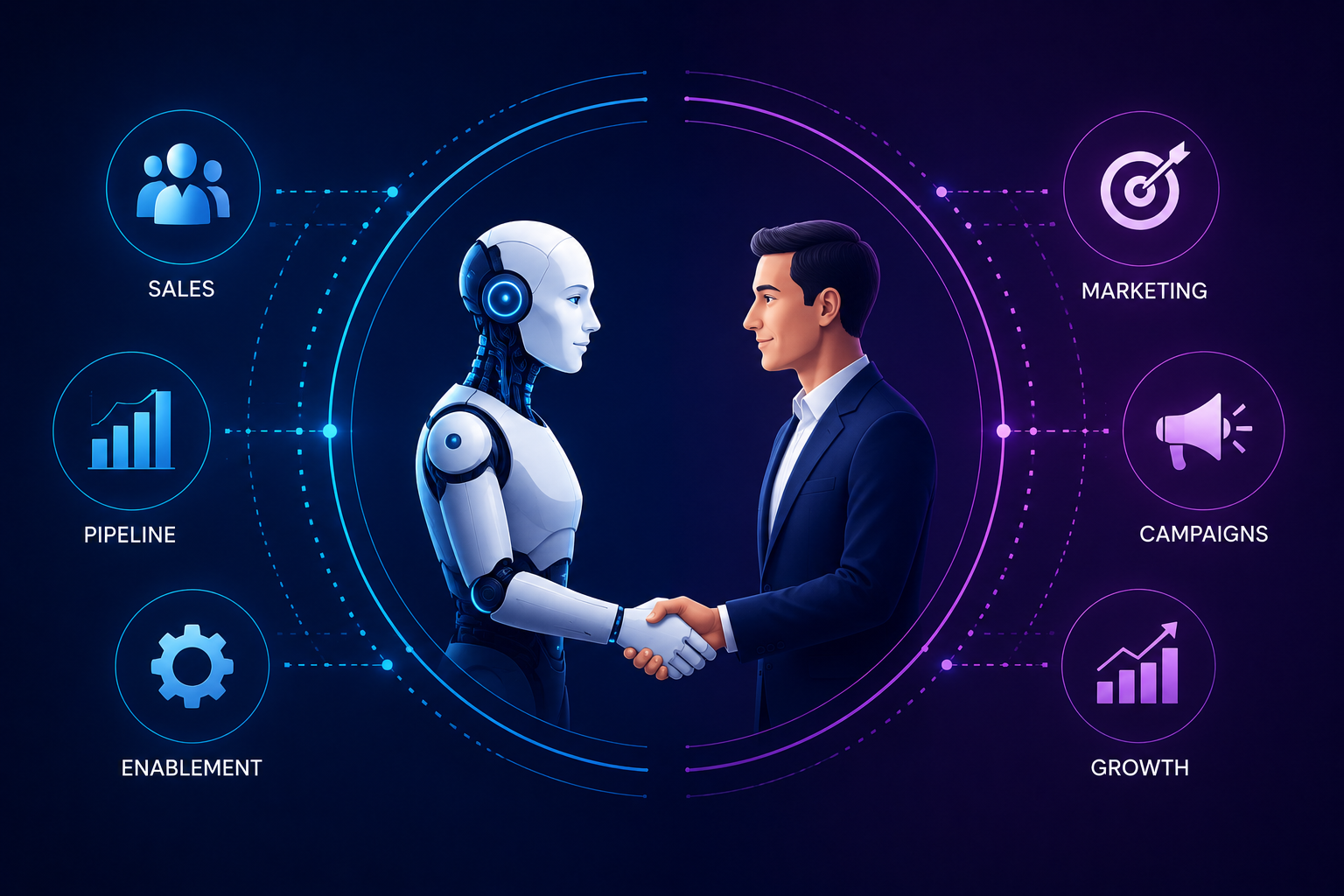
Despite its capabilities, AI is not a replacement for human creativity—it’s an amplifier. The most successful marketing strategies combine AI’s analytical power with human intuition, storytelling, and emotional intelligence.
Marketers who learn to collaborate with AI—rather than compete with it—will be best positioned to thrive in this new landscape.
Read Also: Martech ROI: Measuring What Actually Matters