
CRM Optimization Strategies for Revenue Growth: Turn Customer Data into Business Results
In today’s competitive business landscape, acquiring customers is only half the battle. The real challenge lies in nurturing relationships, improving customer experiences, and maximizing lifetime value. This is where Customer Relationship Management (CRM) optimization becomes a game-changer.
A well-optimized CRM system goes beyond storing customer information—it enables businesses to make data-driven decisions, automate workflows, improve sales efficiency, and unlock sustainable revenue growth.
In this blog, we’ll explore the most effective CRM optimization strategies that can help businesses increase conversions, strengthen customer relationships, and drive long-term profitability.
What is CRM Optimization?
CRM optimization is the process of improving the way your CRM system collects, manages, and utilizes customer data. It involves refining workflows, enhancing data quality, automating repetitive tasks, and aligning marketing, sales, and customer support teams.
The goal is simple: provide the right information to the right people at the right time, enabling better customer interactions and higher revenue.
Why CRM Optimization Matters
Businesses often invest in CRM software but fail to leverage its full capabilities. Poor data quality, inconsistent processes, and underutilized automation can reduce productivity and impact customer satisfaction.
Optimizing your CRM helps businesses:
- Improve lead conversion rates
- Increase customer retention
- Shorten sales cycles
- Enhance customer engagement
- Improve forecasting accuracy
- Boost team productivity
- Increase customer lifetime value (CLV)
Ultimately, an optimized CRM creates a unified customer journey that translates into stronger business performance.
CRM Optimization Strategies That Drive Revenue
1. Maintain Clean and Accurate Customer Data
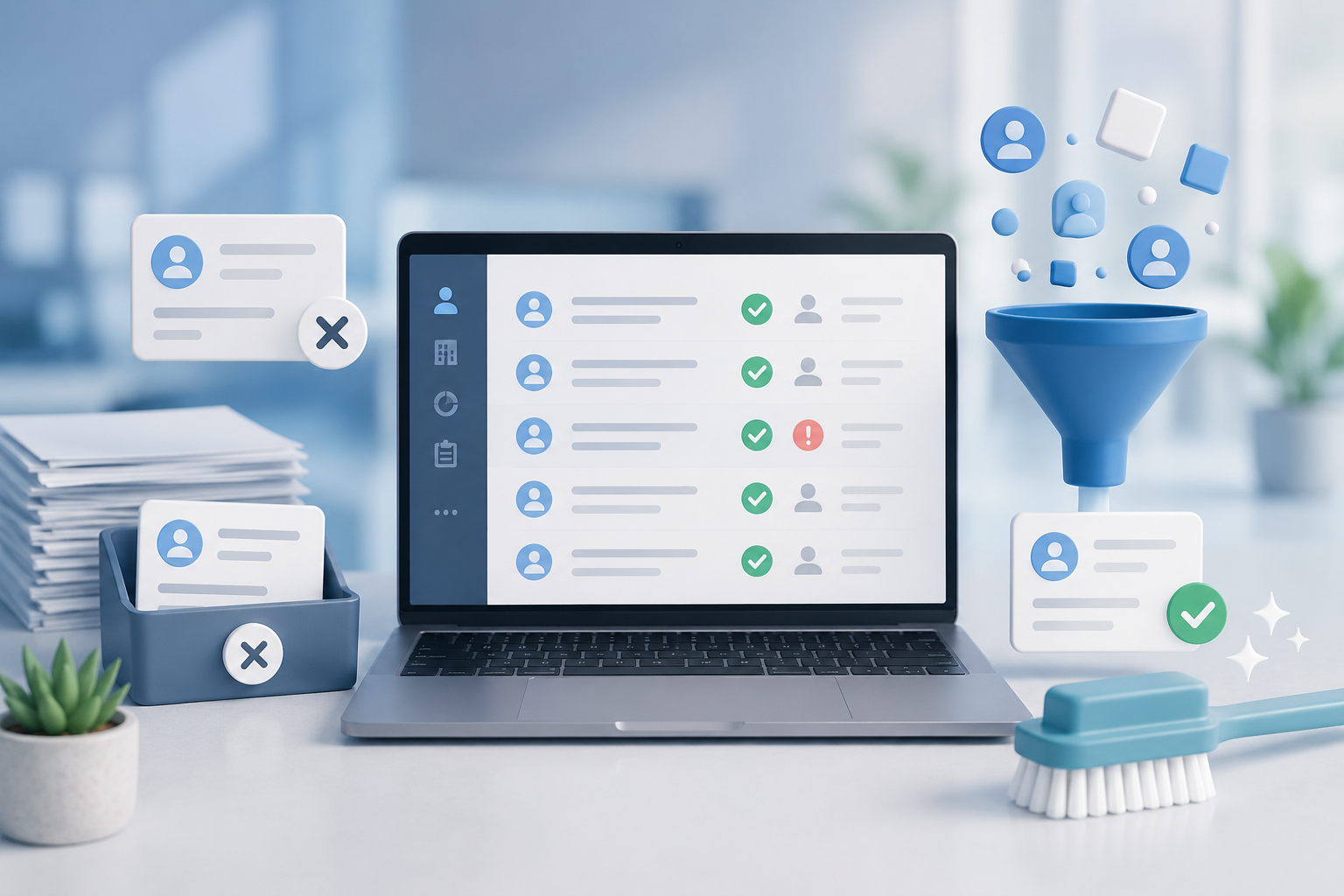
Your CRM is only as valuable as the data it contains.
Duplicate records, outdated contact information, and incomplete customer profiles lead to poor decision-making and ineffective campaigns.
Best practices include:
- Remove duplicate contacts regularly
- Standardize data entry formats
- Validate customer information
- Enrich customer profiles with behavioral and demographic data
- Schedule routine database audits
Clean data improves targeting, personalization, and reporting accuracy.
2. Segment Customers for Personalized Engagement
Not every customer has the same needs or buying behavior.
Customer segmentation allows businesses to create personalized experiences that improve engagement and conversions.
Segment customers based on:
- Industry
- Purchase history
- Company size
- Geographic location
- Customer lifecycle stage
- Product interests
- Website activity
Personalized communication consistently outperforms generic messaging because it delivers relevant content to the right audience.
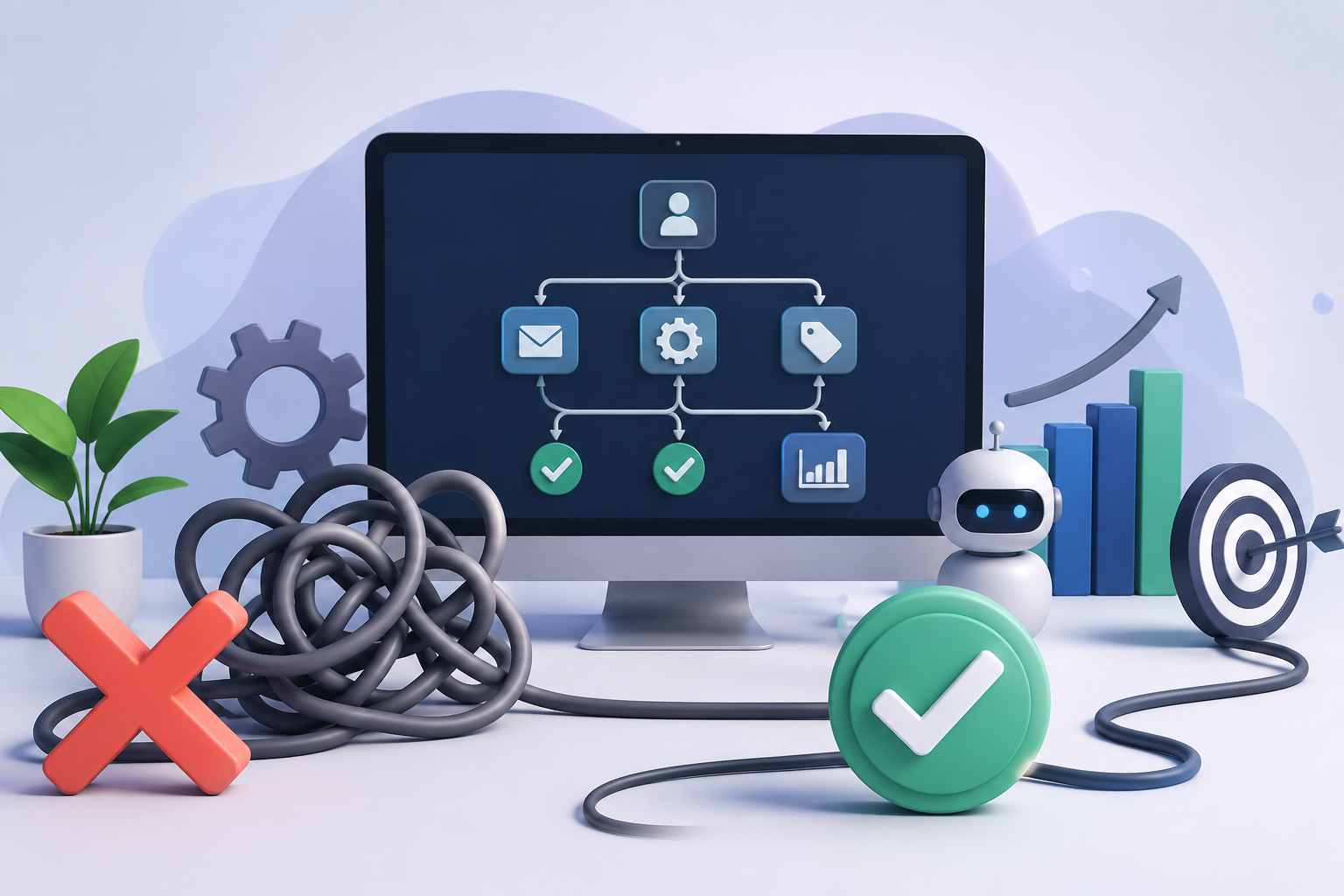
3. Automate Repetitive Workflows
Sales and marketing teams often spend valuable time on manual tasks that could easily be automated.
CRM automation can streamline:
- Lead assignment
- Follow-up emails
- Appointment scheduling
- Customer onboarding
- Renewal reminders
- Lead nurturing campaigns
- Support ticket routing
Automation allows teams to focus on building relationships instead of performing repetitive administrative work.
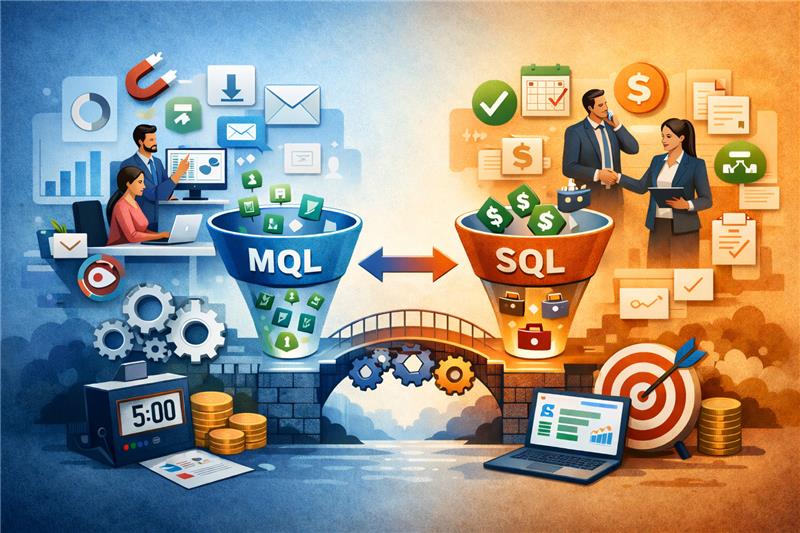
4. Improve Lead Scoring
Not every lead is ready to buy.
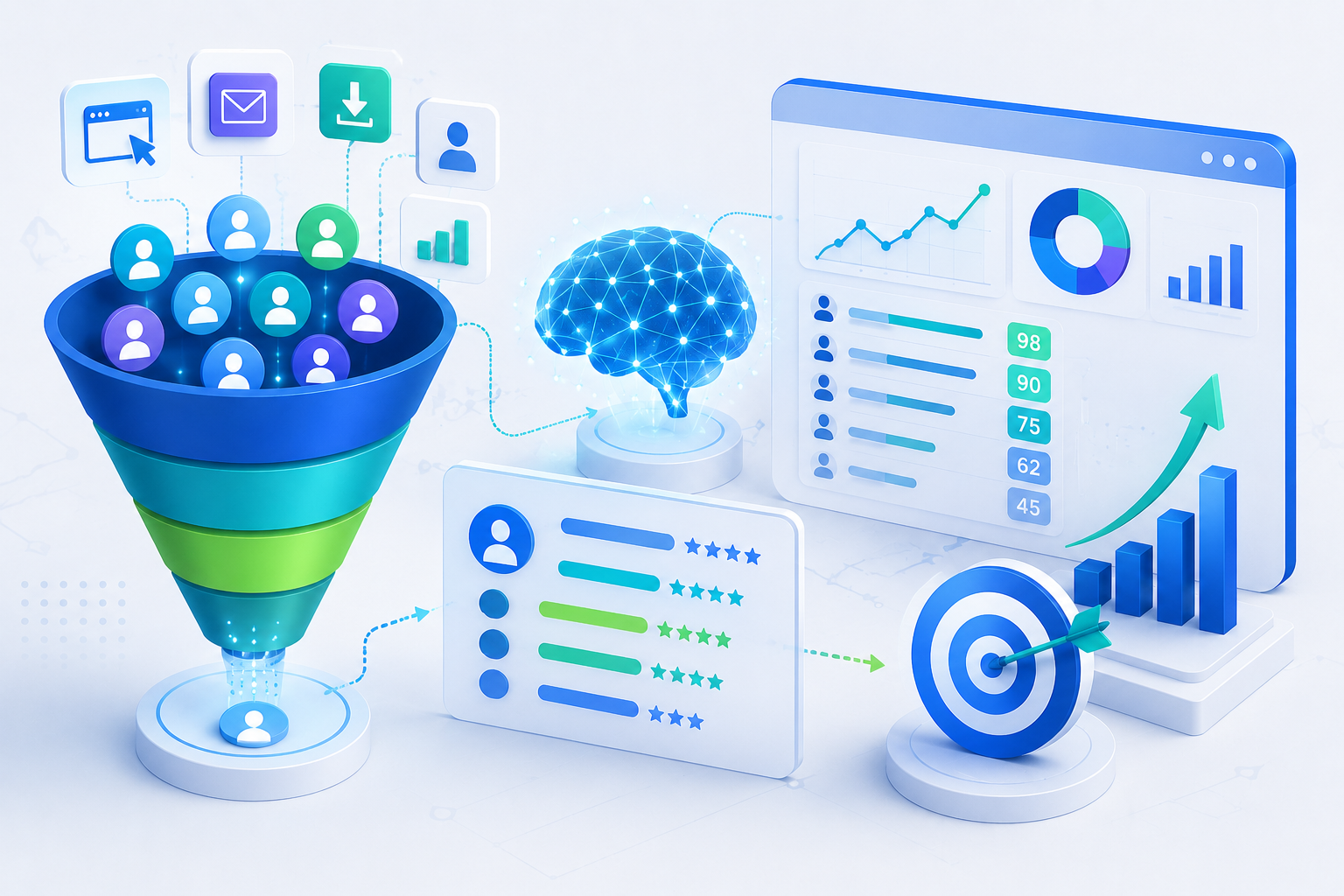
An optimized lead scoring system helps sales teams prioritize high-value prospects based on:
- Website engagement
- Email interactions
- Content downloads
- Company size
- Budget
- Decision-making authority
- Buying intent
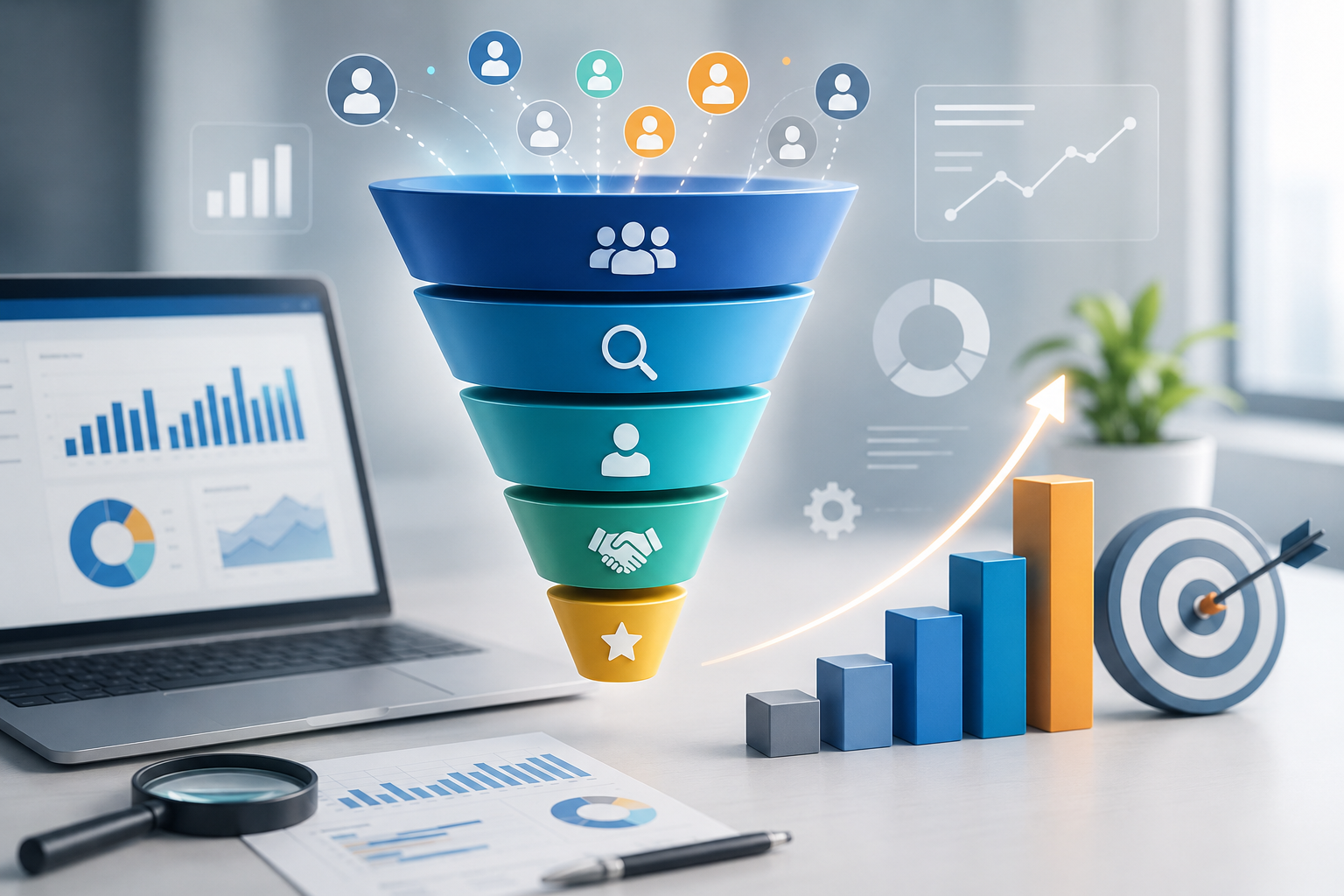
Focusing on qualified leads increases conversion rates while reducing wasted effort.
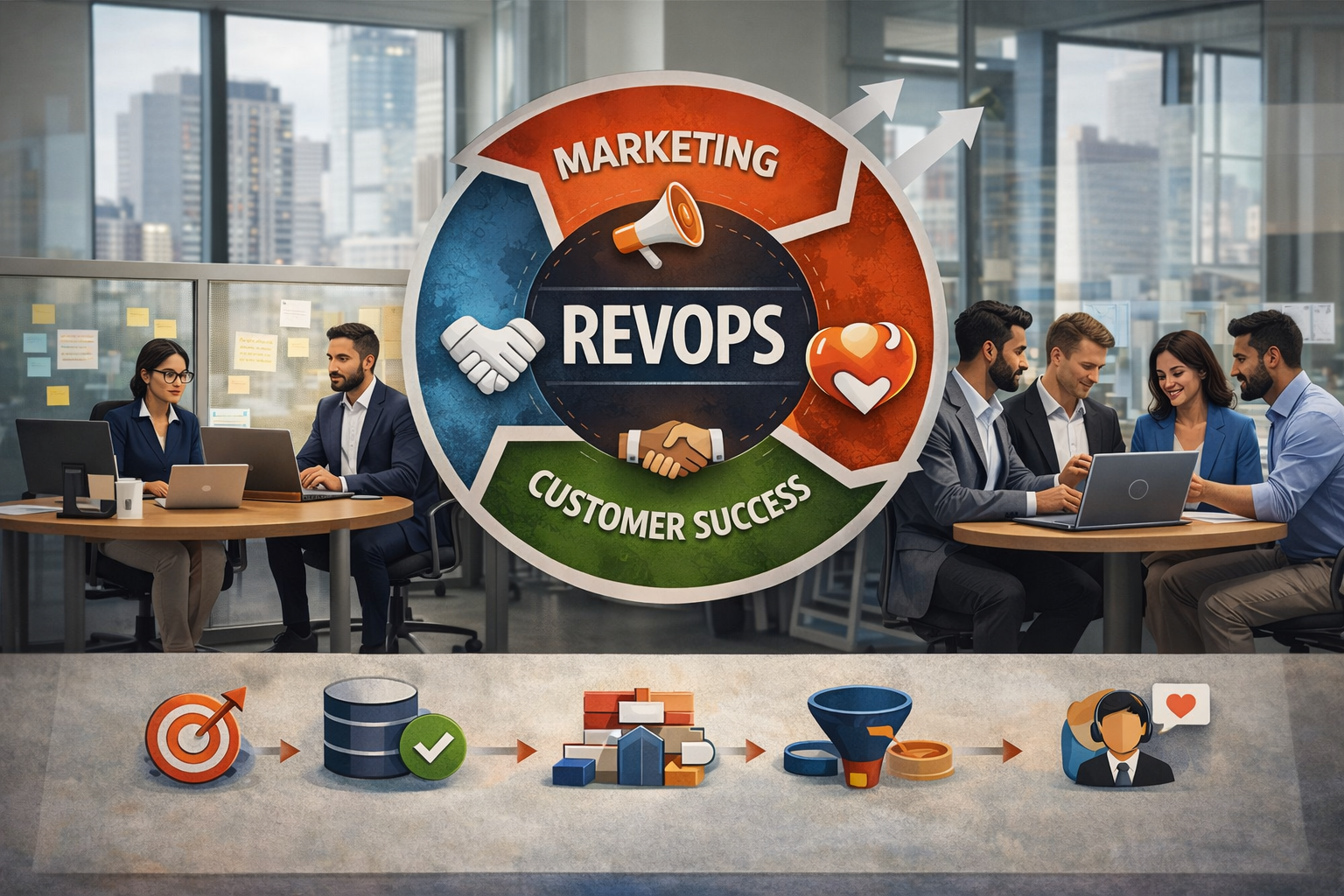
5. Align Sales and Marketing Teams
Revenue growth depends on seamless collaboration between sales and marketing.
An optimized CRM provides both teams with shared visibility into:
- Lead status
- Customer interactions
- Campaign performance
- Sales opportunities
- Customer feedback
Shared data eliminates communication gaps and creates a smoother customer journey.
6. Leverage CRM Analytics
Modern CRM platforms provide valuable insights into customer behavior and business performance.
Track metrics such as:
- Lead conversion rate
- Sales pipeline velocity
- Customer acquisition cost (CAC)
- Customer lifetime value (CLV)
- Churn rate
- Revenue by customer segment
- Campaign ROI
Regular analysis helps identify opportunities for continuous improvement.
7. Enhance Customer Retention
Retaining existing customers is often more cost-effective than acquiring new ones.
CRM optimization enables proactive retention strategies by:
- Monitoring customer satisfaction
- Tracking product usage
- Identifying at-risk customers
- Automating renewal reminders
- Launching loyalty campaigns
Happy customers are more likely to make repeat purchases and refer new business.
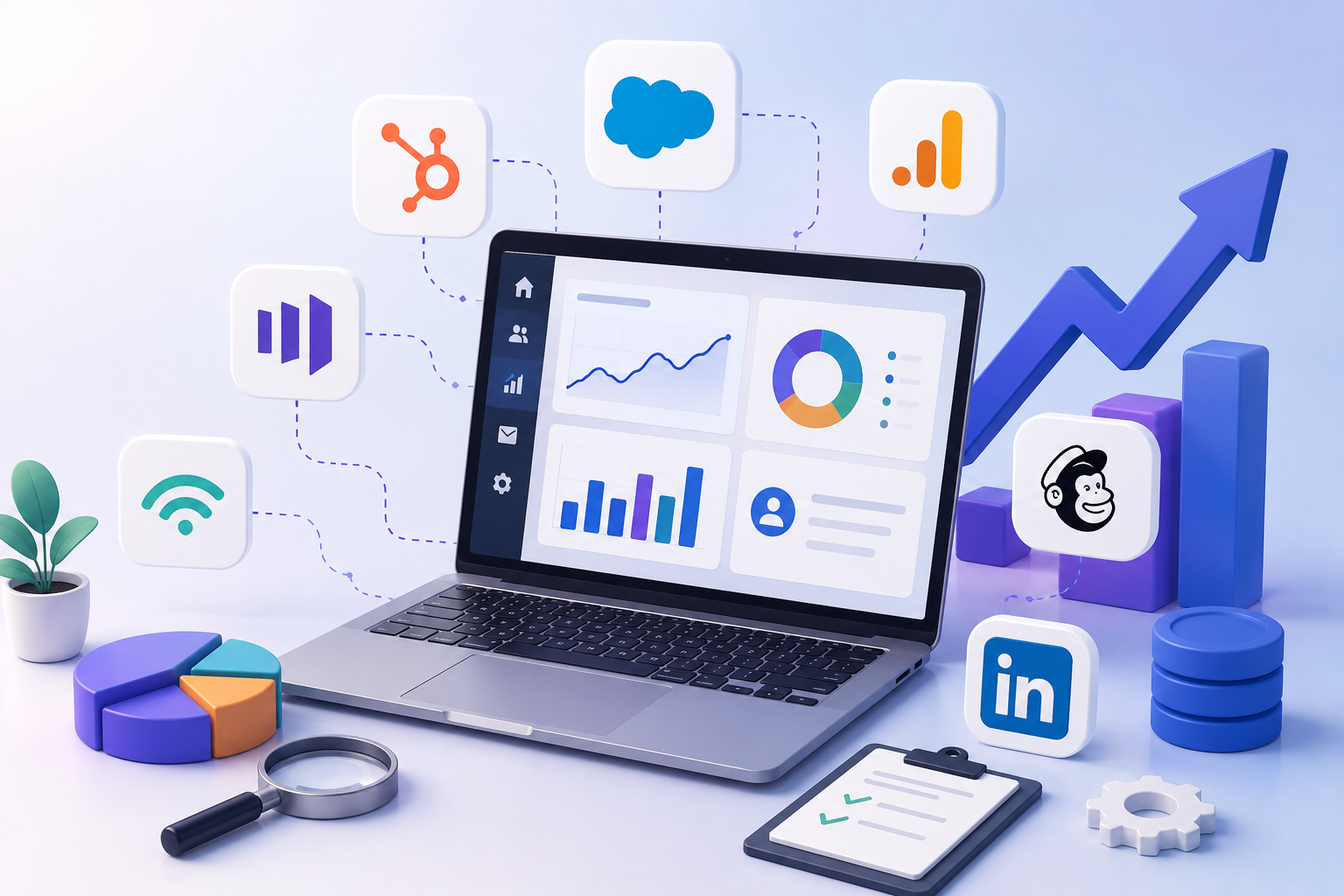
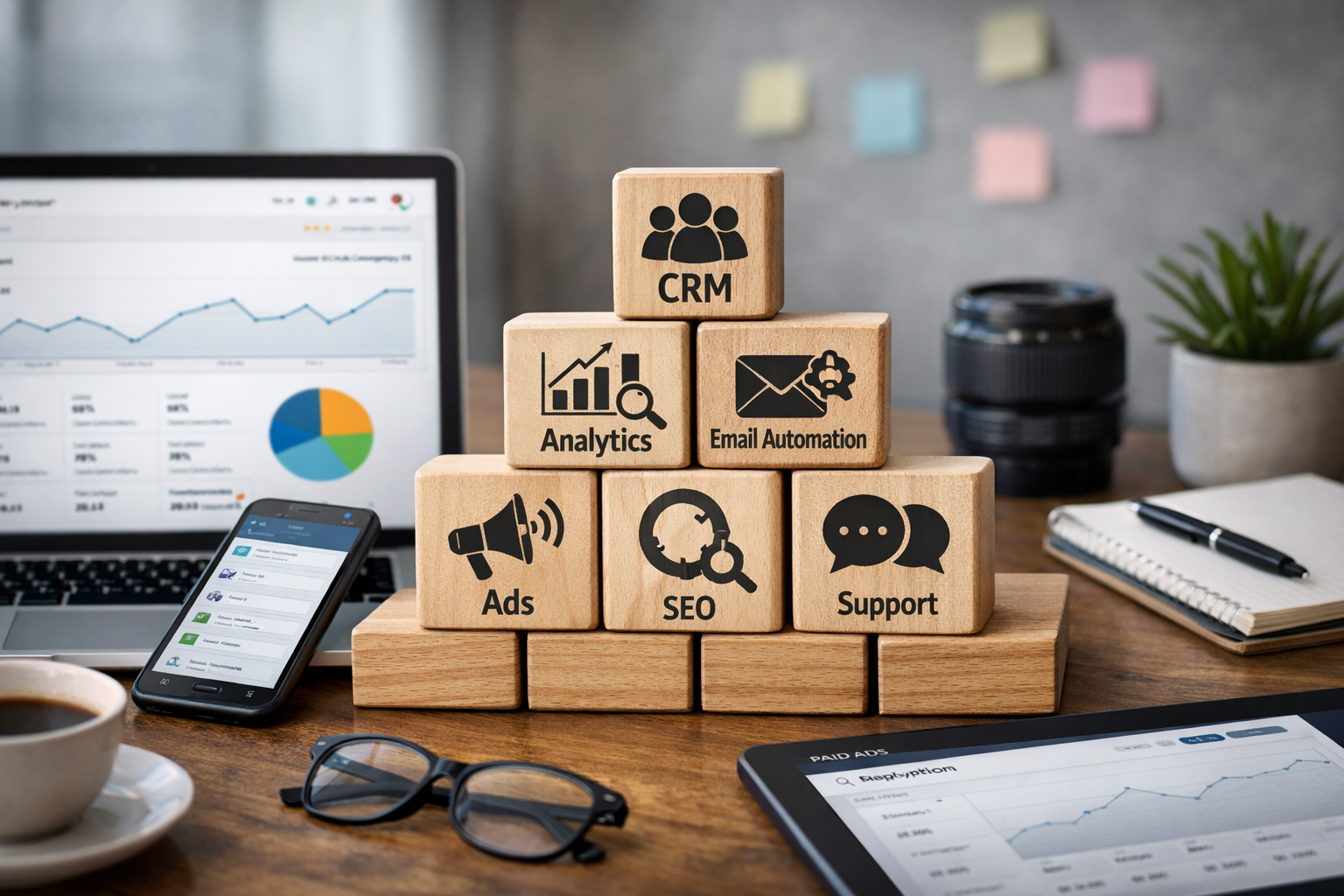
8. Integrate Your CRM with Other Business Tools
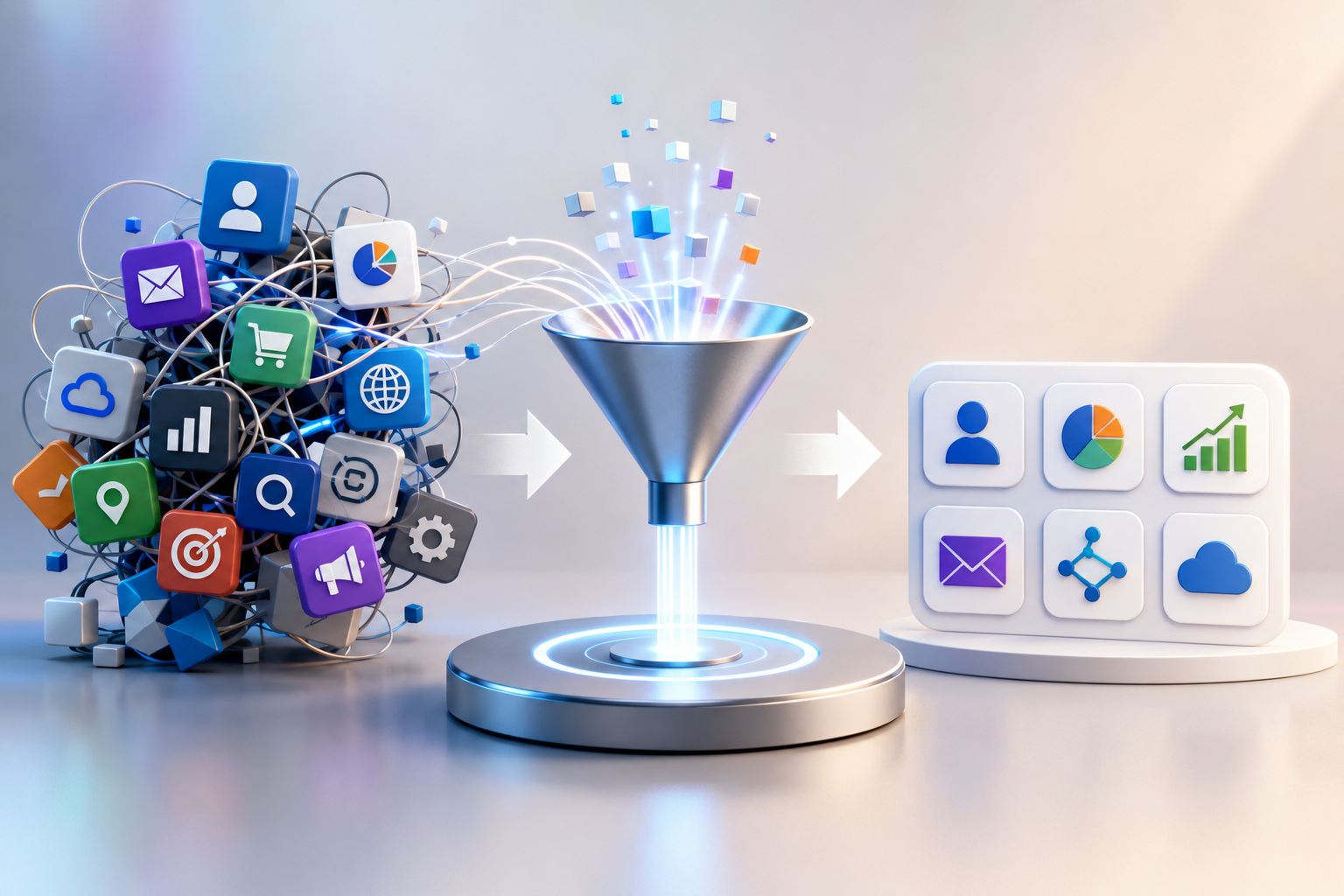
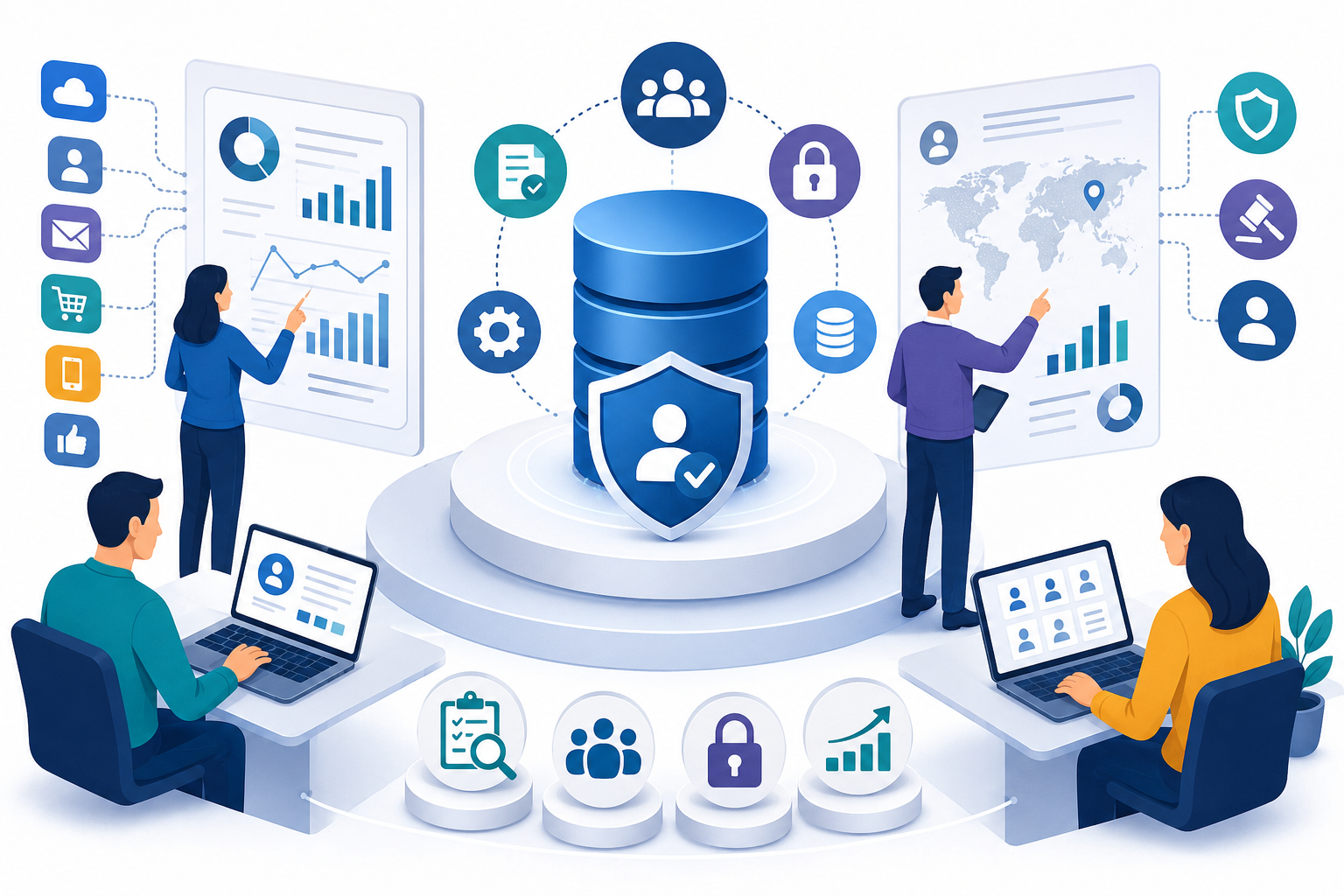
Disconnected systems create data silos that hinder productivity.
Integrate your CRM with:
- Marketing automation platforms
- Email tools
- ERP systems
- Customer support software
- Accounting platforms
- E-commerce systems
- Business intelligence dashboards
Integrated systems provide a comprehensive view of each customer and improve decision-making.
9. Train Employees Regularly
Even the most advanced CRM delivers limited value if employees don’t use it effectively.
Provide ongoing training on:
- CRM features
- Data entry standards
- Reporting dashboards
- Automation tools
- Sales workflows
- Customer communication best practices
User adoption is one of the biggest factors influencing CRM success.
10. Continuously Review and Optimize Processes
Customer expectations evolve, and so should your CRM strategy.
Regularly evaluate:
- Sales workflows
- Customer journeys
- Automation rules
- Reporting accuracy
- Team feedback
- Customer satisfaction metrics
Continuous optimization ensures your CRM remains aligned with business goals.
Common CRM Optimization Mistakes to Avoid
Many organizations struggle to realize the full value of their CRM due to avoidable mistakes, including:
- Poor data quality
- Lack of employee training
- Overcomplicated workflows
- Failure to automate repetitive tasks
- Ignoring analytics and reporting
- Infrequent system updates
- Limited integration with other tools
Addressing these issues can significantly improve CRM performance and overall business outcomes.
Measuring the Success of CRM Optimization
To evaluate the effectiveness of your CRM optimization efforts, monitor key performance indicators (KPIs) such as:
- Revenue growth
- Customer retention rate
- Average deal size
- Sales cycle length
- Lead response time
- Customer satisfaction (CSAT)
- Net Promoter Score (NPS)
- Customer lifetime value
- Sales productivity
Consistent tracking helps identify areas for improvement and supports data-driven decision-making.
Read Also: Sales Enablement Technologies That Boost Productivity