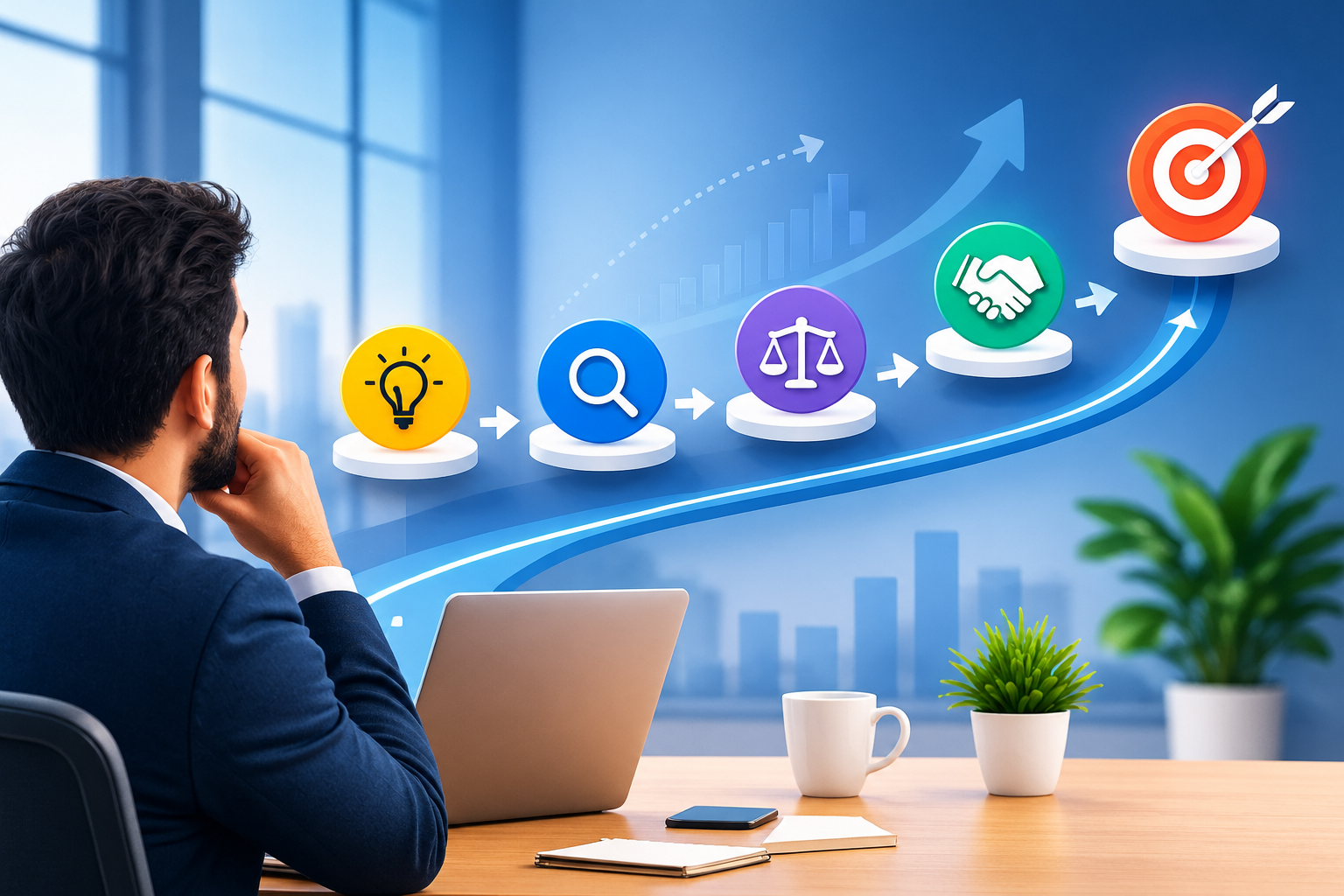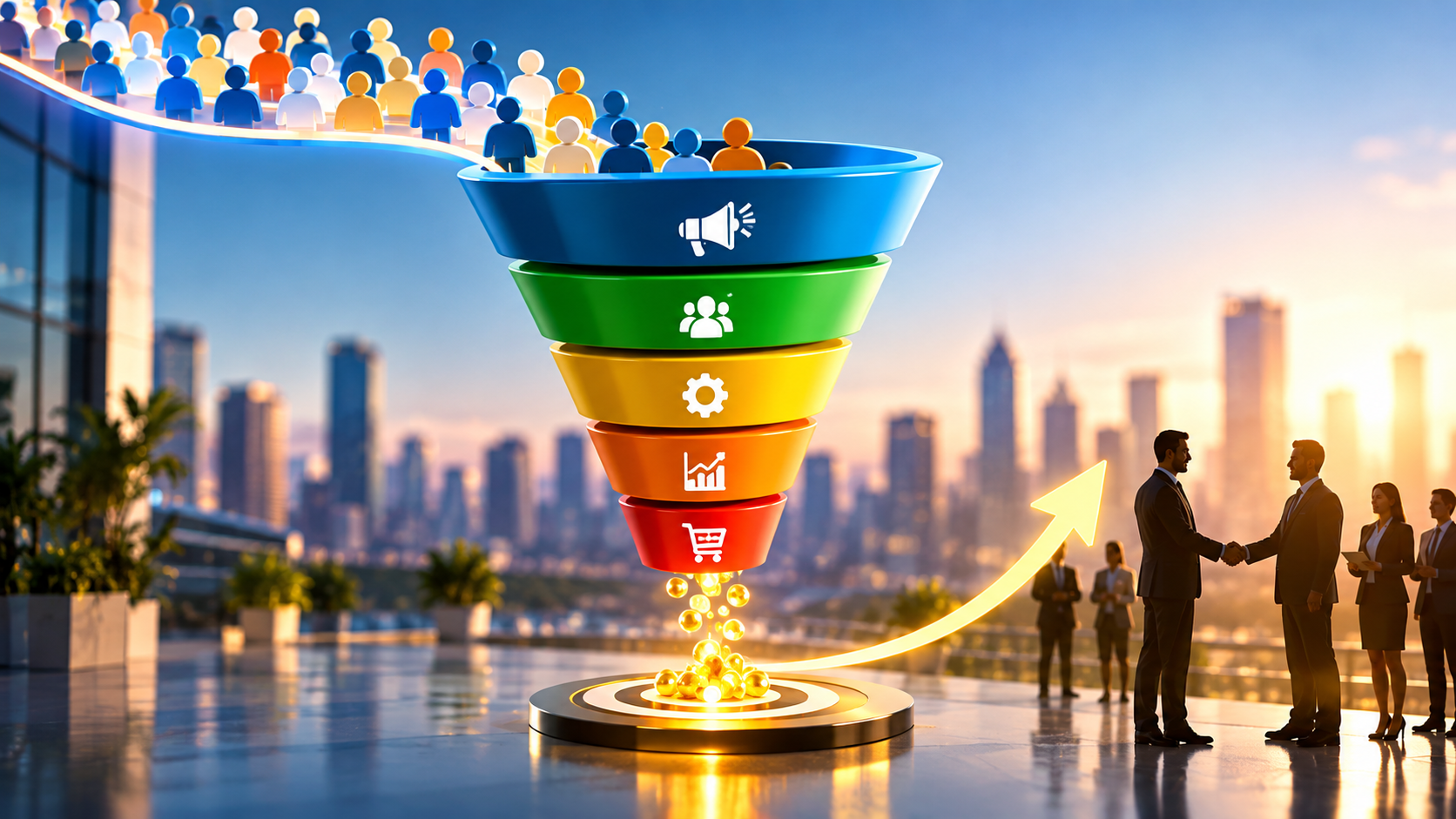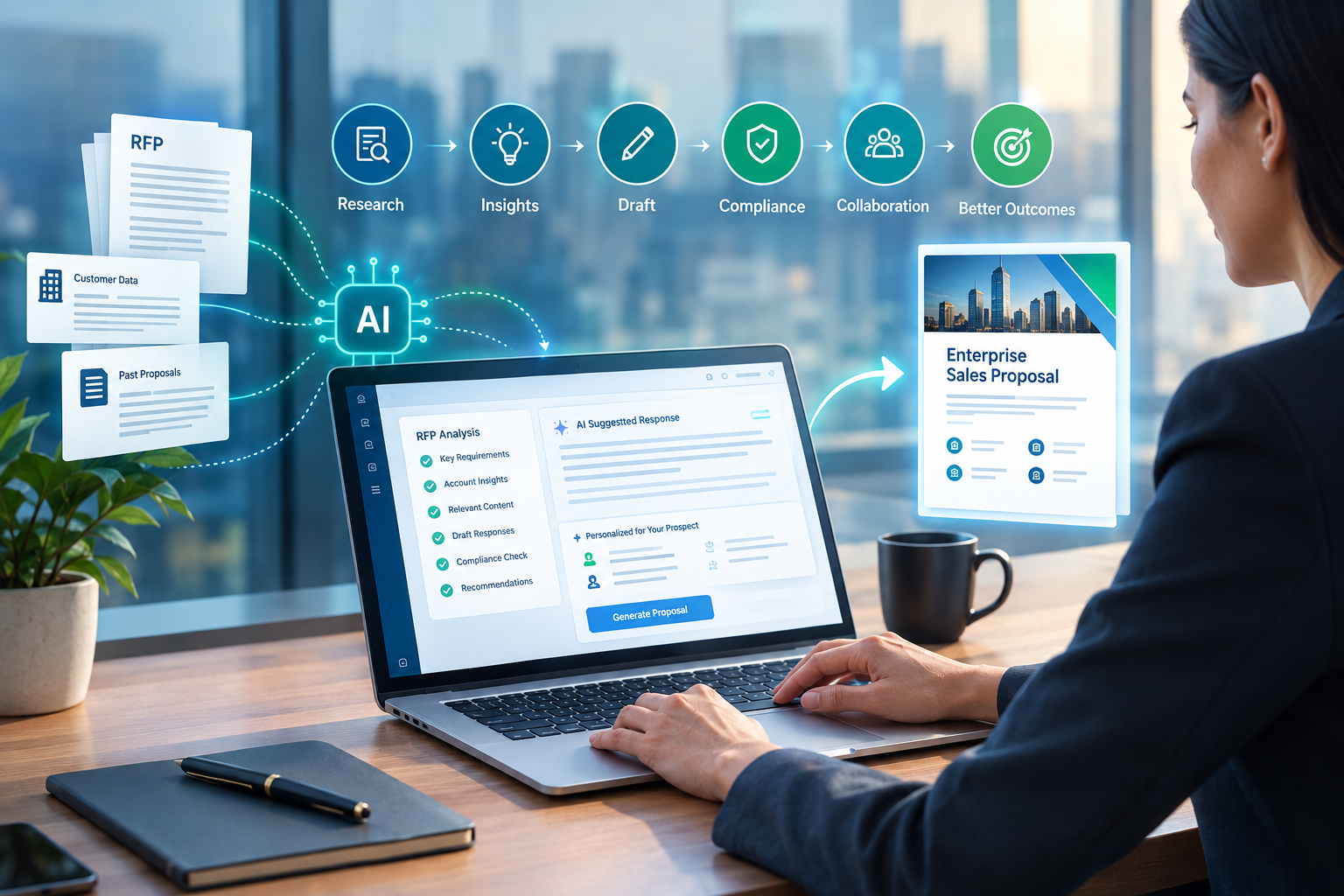

Understanding your customers is no longer enough—businesses need to understand the entire journey customers take before, during, and after making a purchase. Every interaction shapes their perception of your brand, influencing whether they become loyal advocates or choose a competitor.
Customer Journey Mapping helps businesses visualize these interactions, identify pain points, and create personalized experiences that drive engagement, conversions, and long-term customer loyalty.
What Is Customer Journey Mapping?
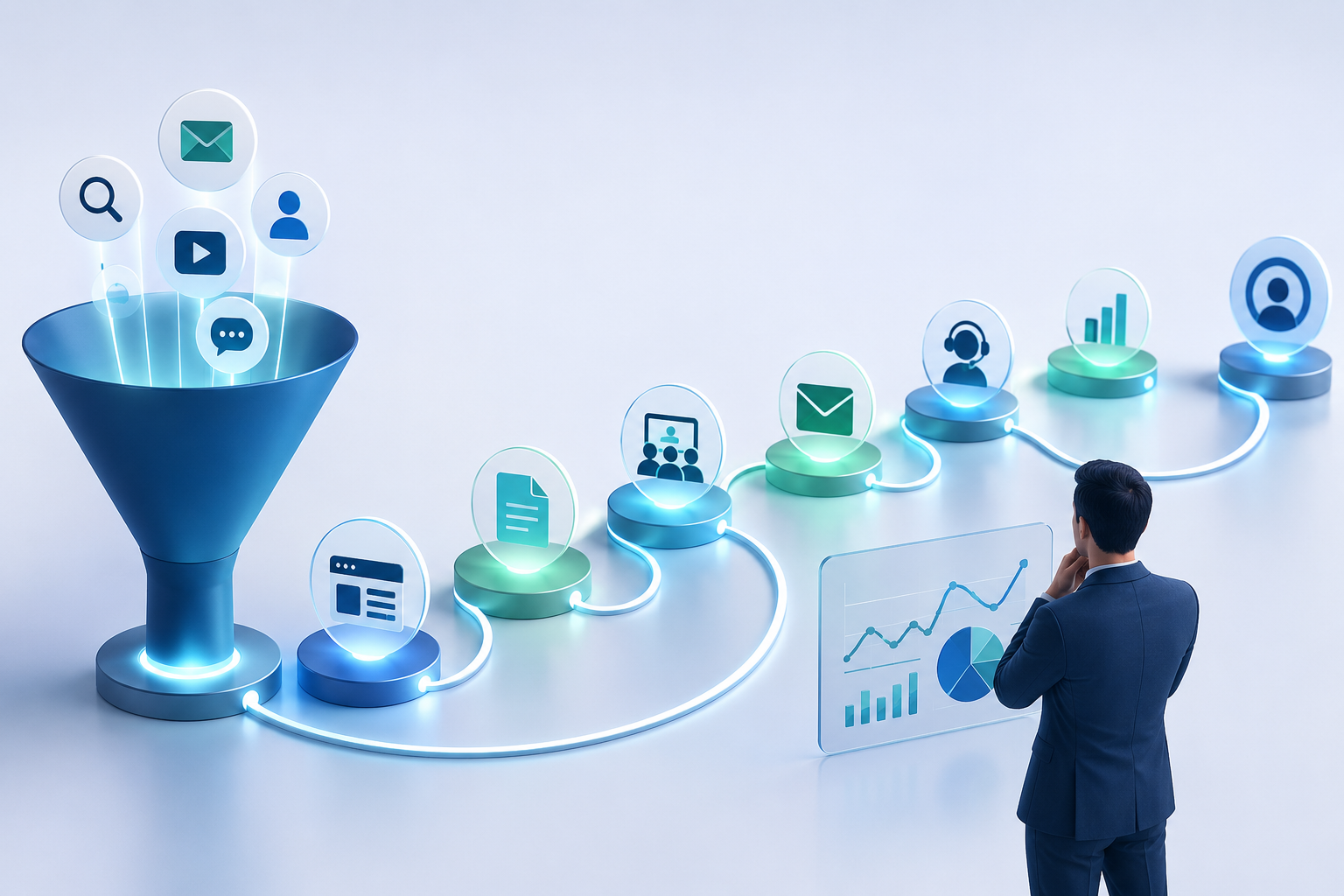
Customer Journey Mapping is the process of creating a visual representation of every touchpoint a customer experiences while interacting with your brand. It helps marketers understand customer behaviors, emotions, motivations, and challenges throughout the buying journey.
Rather than focusing solely on sales, journey mapping provides a holistic view of how customers discover, evaluate, purchase, and engage with your business over time.
Why Customer Journey Mapping Matters
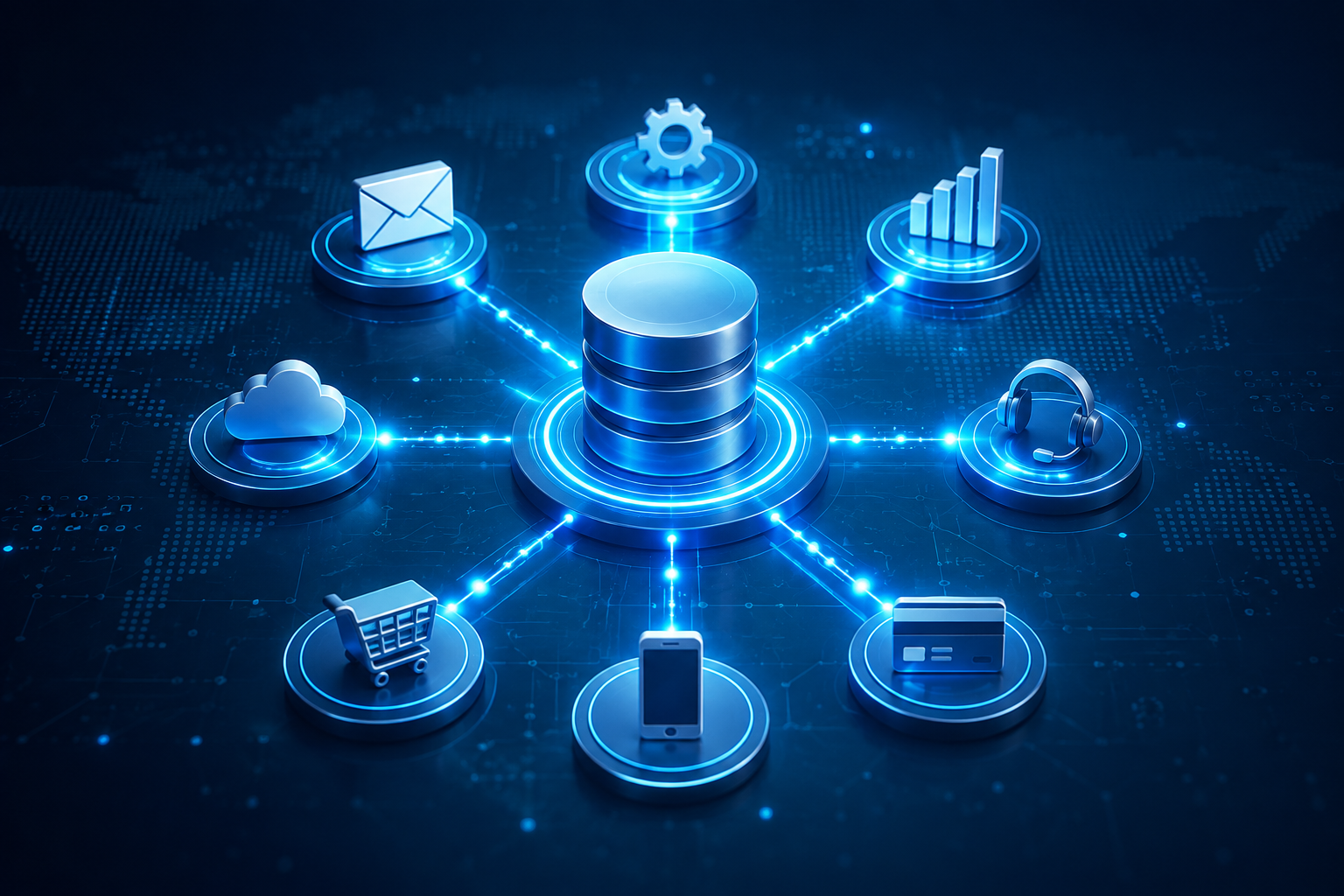
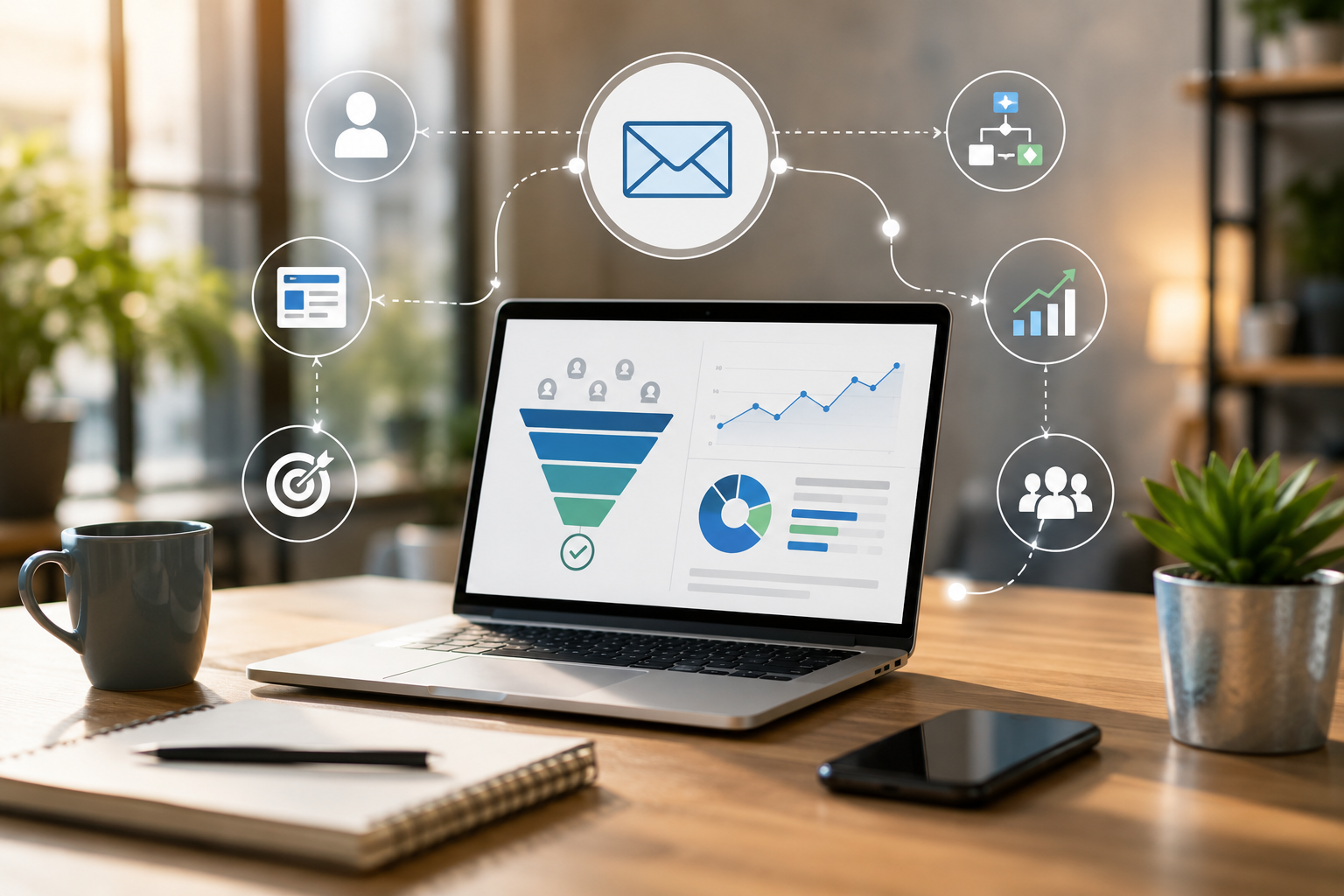
Modern customers interact with brands across multiple channels—search engines, social media, websites, emails, mobile apps, customer support, and physical stores. Without a clear understanding of these interactions, businesses risk delivering inconsistent experiences.
Effective customer journey mapping helps organizations:
- Improve customer satisfaction
- Increase conversion rates
- Reduce customer churn
- Identify friction points
- Enhance personalization
- Strengthen brand loyalty
- Optimize marketing investments
When businesses understand where customers struggle or disengage, they can implement targeted improvements that create smoother and more rewarding experiences.
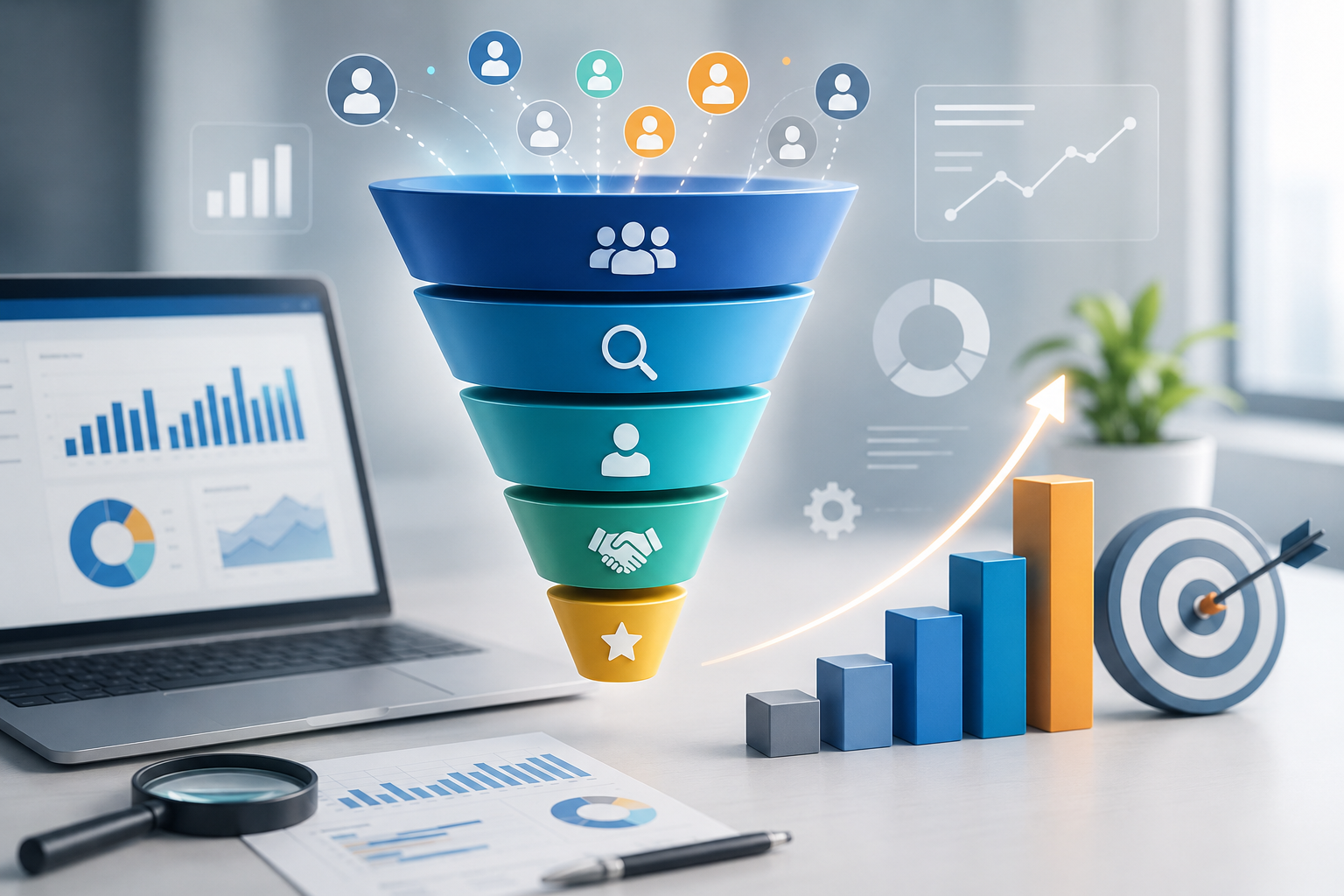
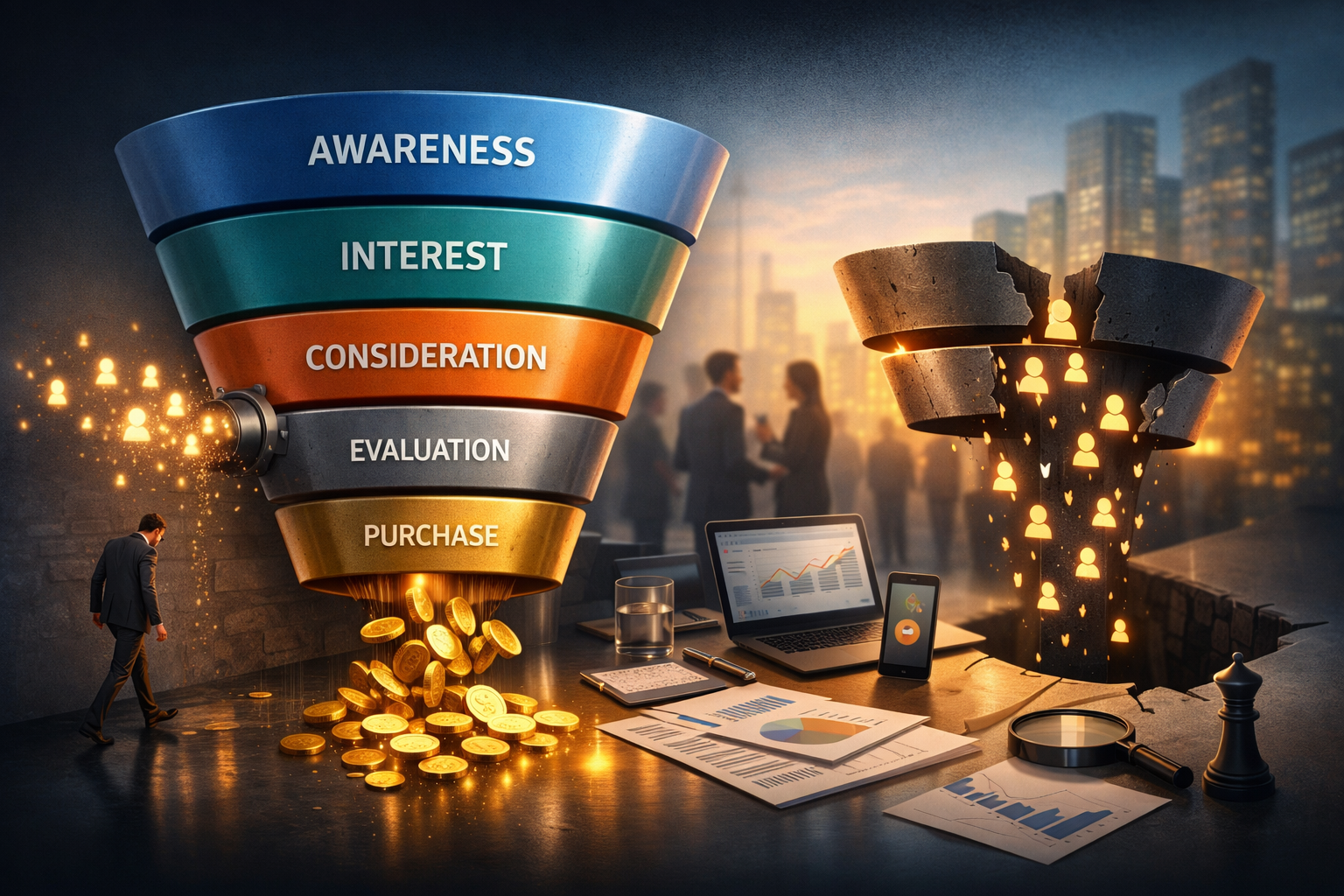
The Five Stages of the Customer Journey
1. Awareness
The customer realizes they have a problem or need and begins searching for information.
Typical touchpoints include:
- Search engines
- Blog articles
- Social media
- Online advertisements
- Word-of-mouth referrals
Marketing focus:
- Educational content
- SEO
- Brand awareness campaigns
- Social media engagement
2. Consideration
Customers compare different solutions and evaluate available options.
Common touchpoints:
- Product pages
- Reviews
- Comparison guides
- Webinars
- Email campaigns
Marketing focus:
- Case studies
- Product demonstrations
- Customer testimonials
- Comparison content
3. Decision
Customers are ready to purchase and need reassurance that they are making the right choice.
Important touchpoints:
- Pricing pages
- Sales representatives
- Live chat
- Free trials
- Special offers
Marketing focus:
- Personalized offers
- Clear pricing
- Trust signals
- Limited-time promotions
4. Retention
The journey continues after the purchase. Customer satisfaction determines whether buyers return.
Touchpoints include:
- Onboarding emails
- Customer support
- Knowledge base
- Loyalty programs
- Product updates
Marketing focus:
- Exceptional customer service
- Educational resources
- Personalized communication
- Feedback collection
5. Advocacy
Satisfied customers become brand ambassadors who recommend your business to others.
Touchpoints:
- Referral programs
- Online reviews
- Social media mentions
- Community forums
Marketing focus:
- Referral incentives
- User-generated content
- Customer appreciation campaigns
- Exclusive benefits
Key Components of a Customer Journey Map
A comprehensive journey map typically includes:
Customer Persona
Define who the customer is by identifying:
- Demographics
- Goals
- Challenges
- Buying behavior
- Preferences
Customer Goals
Understand what customers hope to accomplish at each stage.
Example:
- Learn about a product
- Compare pricing
- Solve a business problem
- Receive support
Touchpoints
List every interaction customers have with your brand, including:
- Website
- Mobile app
- Social media
- Customer service
- Sales team
Customer Emotions
Track how customers feel throughout the journey.
Examples:
- Curious
- Excited
- Confused
- Frustrated
- Satisfied
Emotional insights often reveal opportunities for improving the customer experience.
Pain Points
Identify obstacles that prevent customers from moving forward.
Common issues include:
- Slow website loading
- Complicated checkout
- Lack of product information
- Poor customer support
- Confusing navigation
Opportunities
Highlight improvements that can enhance the customer experience.
Examples:
- Simplify forms
- Improve onboarding
- Add FAQs
- Personalize email campaigns
- Enhance mobile usability
Benefits of Customer Journey Mapping for Marketing
Better Personalization
Journey maps reveal customer preferences and behaviors, allowing marketers to deliver relevant content at the right time.
Improved Customer Experience
Understanding customer frustrations enables businesses to remove barriers and create seamless experiences.
Higher Conversion Rates
Optimizing critical touchpoints reduces drop-offs and encourages customers to complete purchases.
Stronger Customer Loyalty
Positive experiences encourage repeat purchases and increase customer lifetime value.
Better Team Alignment
Journey maps help marketing, sales, customer service, and product teams work toward a common understanding of customer needs.
Smarter Marketing Decisions
Rather than relying on assumptions, marketers make data-driven improvements based on actual customer behavior.
How to Create an Effective Customer Journey Map
Step 1: Gather Customer Data
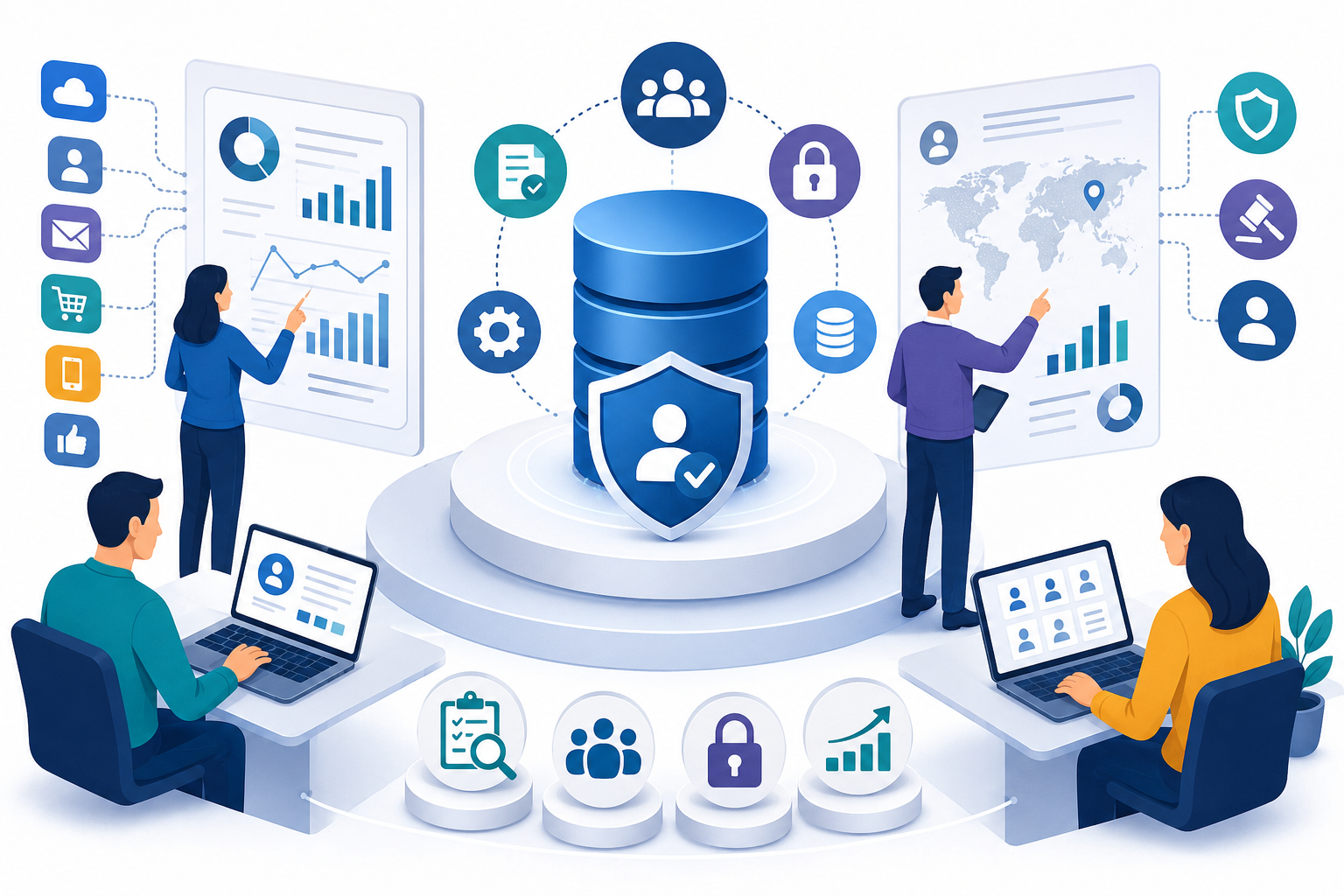
Use multiple sources, including:
- Customer interviews
- Surveys
- Website analytics
- CRM data
- Support tickets
- Social media feedback
Step 2: Build Customer Personas
Segment customers into meaningful groups with similar goals and behaviors.
Step 3: Identify Touchpoints
Document every interaction from first awareness to post-purchase engagement.
Step 4: Analyze Customer Behavior
Understand what customers are trying to accomplish at each stage and what obstacles they encounter.
Step 5: Identify Gaps
Look for:
- High abandonment rates
- Negative feedback
- Slow response times
- Poor-performing pages
- Low email engagement
Step 6: Implement Improvements
Prioritize changes that deliver the greatest impact on customer satisfaction and business outcomes.
Step 7: Continuously Update the Journey Map
Customer expectations evolve over time. Regularly review and refine your journey map using new data and customer feedback.
Common Mistakes to Avoid
- Creating journey maps based on assumptions instead of customer data
- Ignoring post-purchase experiences
- Focusing only on digital interactions
- Treating all customers the same
- Failing to update journey maps regularly
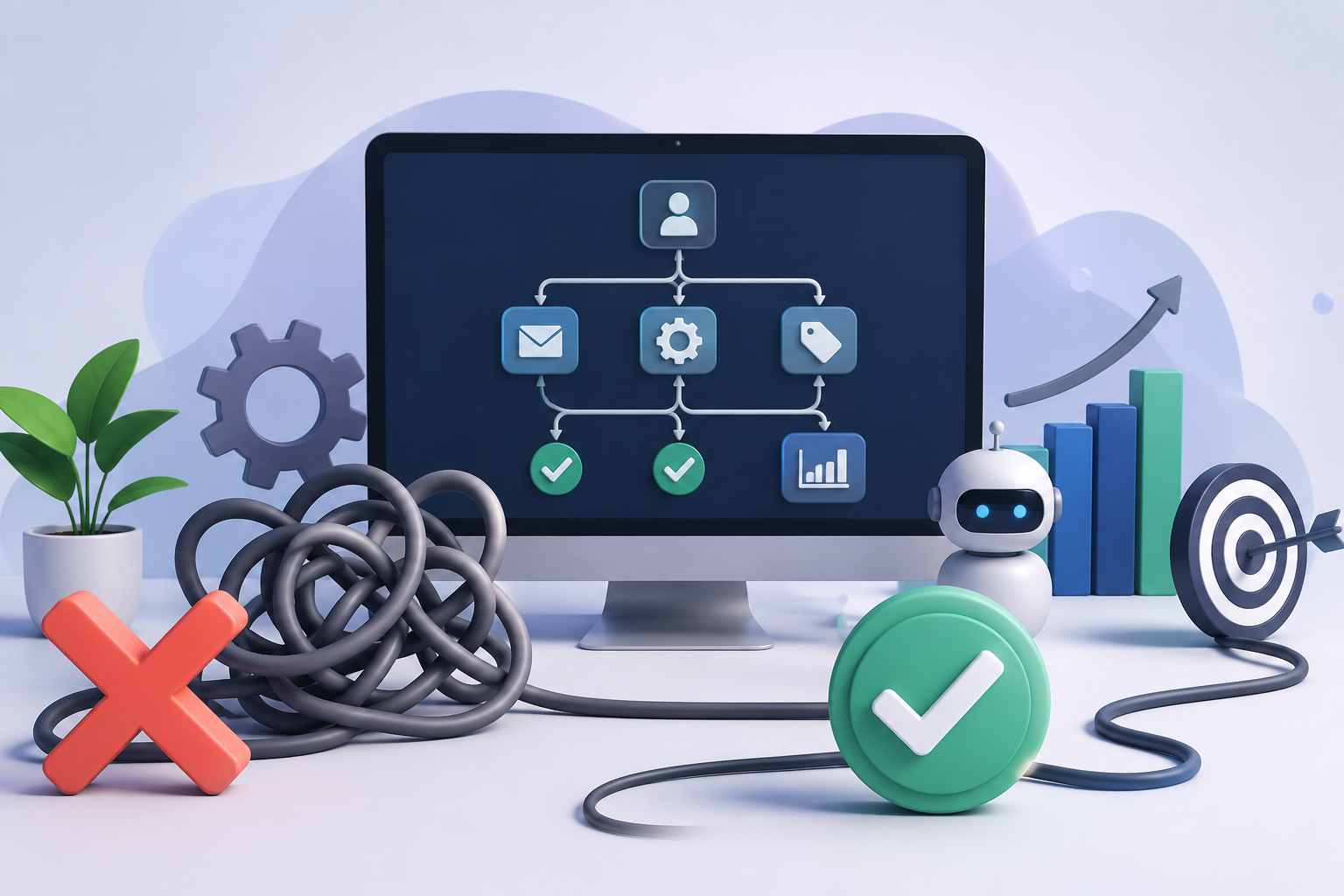
- Overcomplicating the mapping process
Best Practices
To maximize the value of customer journey mapping:
- Use real customer insights instead of internal opinions.
- Involve cross-functional teams such as marketing, sales, customer support, and product development.
- Measure key performance indicators (KPIs) like conversion rates, customer satisfaction (CSAT), Net Promoter Score (NPS), customer retention, and customer lifetime value (CLV).
- Prioritize improvements based on customer impact and business goals.
- Test changes continuously and refine the journey as customer expectations evolve.
Read Also: Conversational AI Platforms for Lead Qualification: Transforming How Businesses Convert Prospects