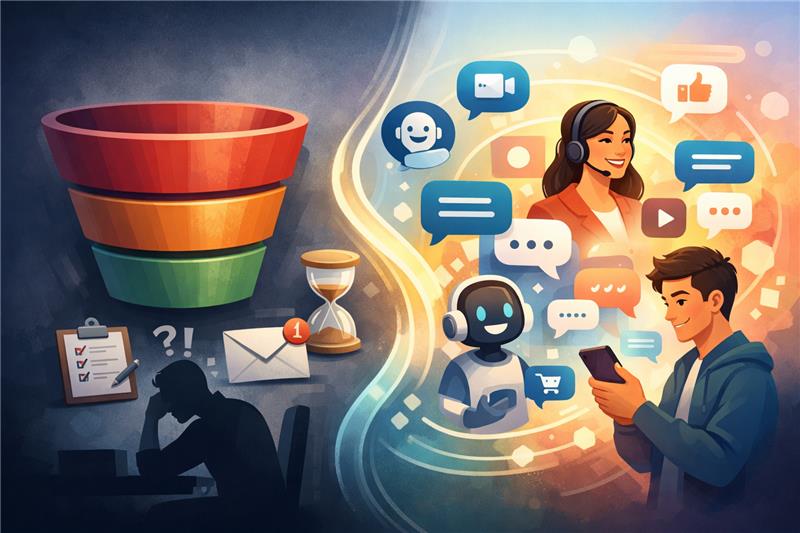

For decades, lead generation followed a predictable formula: buy a list, send cold emails, run generic ads, collect business cards at events, and pass the leads to sales teams. This approach fueled growth for countless businesses. Today, however, traditional lead generation is rapidly losing effectiveness.
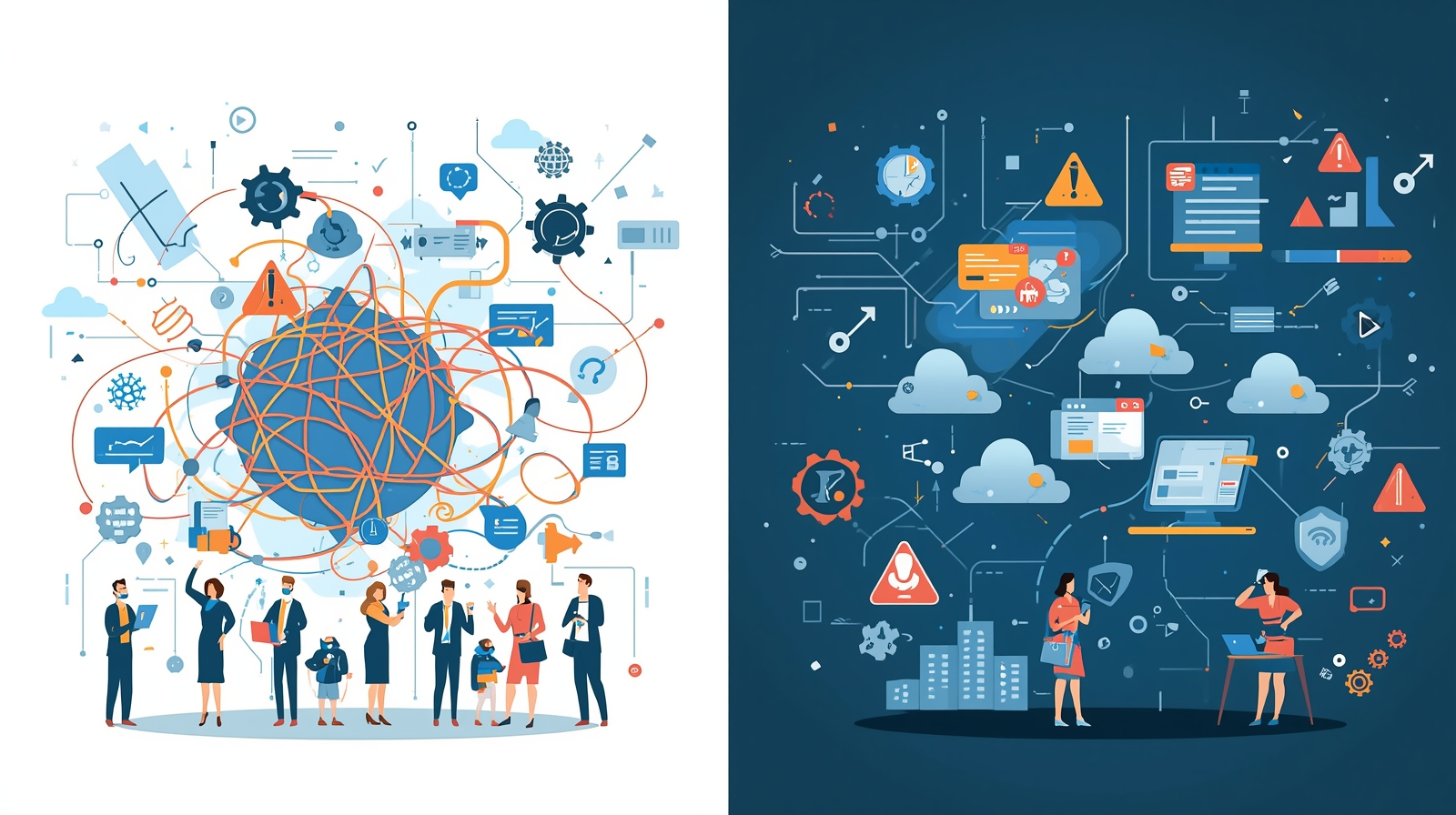
The digital landscape has fundamentally changed. Buyers are more informed, more skeptical, and more empowered than ever before. They can research solutions independently, compare competitors instantly, and avoid unwanted sales outreach with a single click. As a result, businesses relying solely on traditional lead generation tactics are experiencing declining conversion rates, rising acquisition costs, and diminishing returns.
The death of traditional lead generation isn’t the end of customer acquisition—it’s the beginning of a more customer-centric era.
Why Traditional Lead Generation Is Failing
1. Buyers Control the Journey
In the past, sales teams were often the gatekeepers of information. Prospects needed to speak with a salesperson to learn about products, pricing, and solutions.
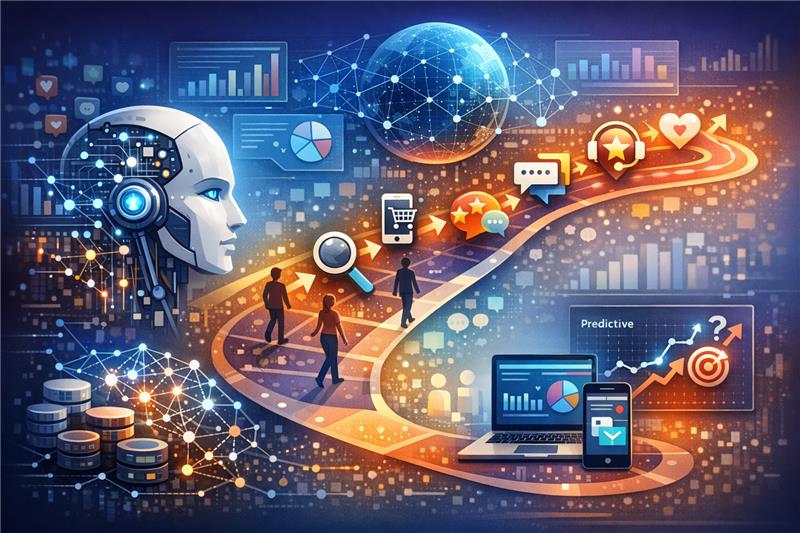
Today, buyers conduct extensive research before ever engaging with a company. They read reviews, watch videos, explore case studies, and seek recommendations from peers. By the time they contact a vendor, they may already be close to making a decision.
This shift means interruptive tactics like cold calling and mass email campaigns have significantly less influence than they once did.
2. Information Overload Creates Skepticism
Consumers and business buyers are bombarded with thousands of marketing messages daily. As a result, they have become highly selective about where they invest their attention.
Generic outreach often feels intrusive rather than helpful. Prospects quickly recognize templated messaging and are less likely to respond to communications that lack personalization or relevance.
Trust has become the new currency of lead generation.
3. Privacy Regulations Are Reshaping Marketing
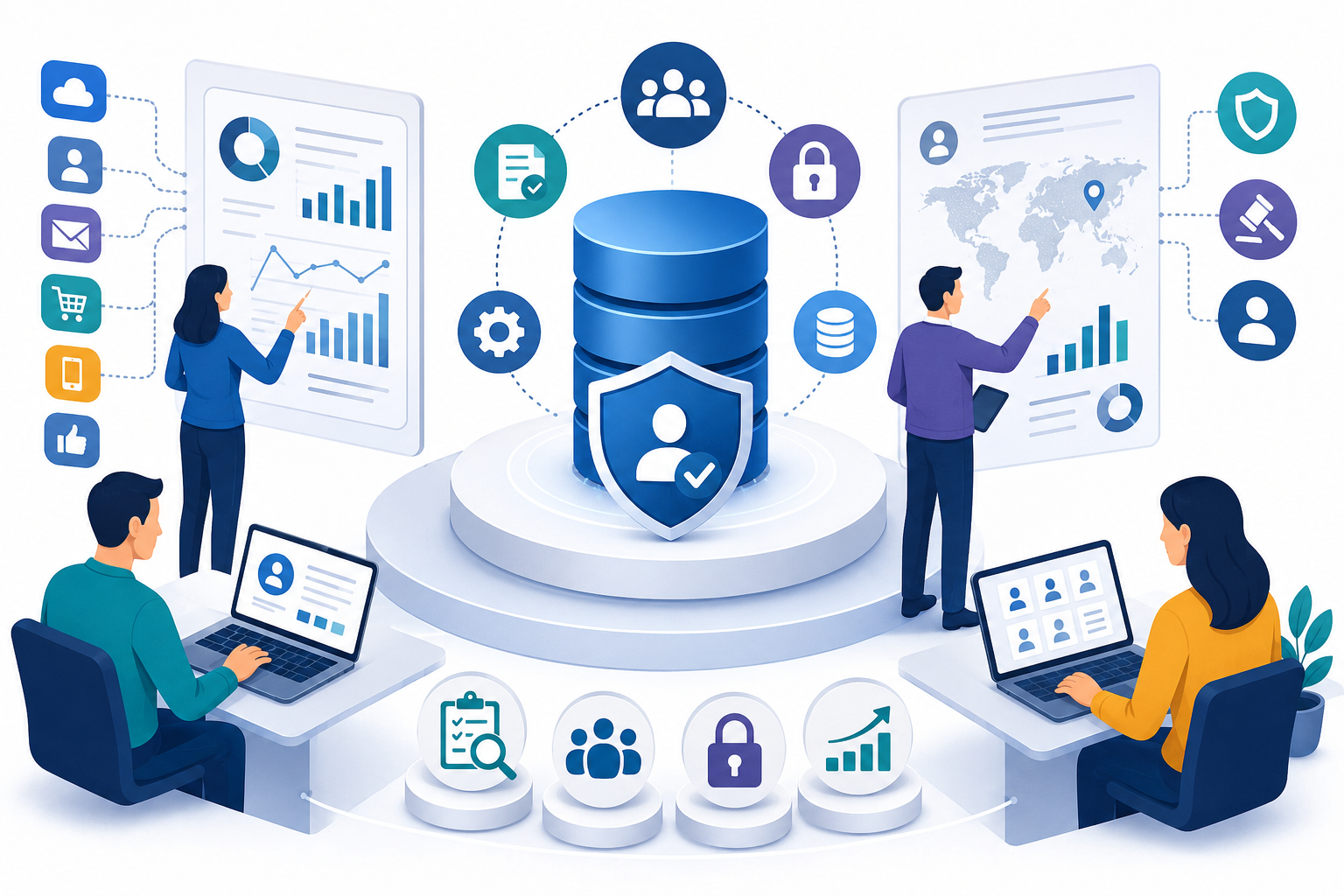
Regulations such as GDPR, CCPA, and increasing data privacy standards have limited the ability of organizations to collect and use customer data without consent.
At the same time, browser changes and the decline of third-party cookies are making traditional targeting methods less effective. Businesses can no longer rely on invasive tracking practices to identify and pursue potential customers.
4. Rising Customer Acquisition Costs
Paid advertising costs continue to increase across major digital platforms. Competition for attention has intensified, forcing companies to spend more money for the same results.
Traditional lead generation strategies often focus on volume rather than quality, creating bloated pipelines filled with unqualified prospects. This inefficiency drives acquisition costs even higher.
The Rise of Modern Demand Generation
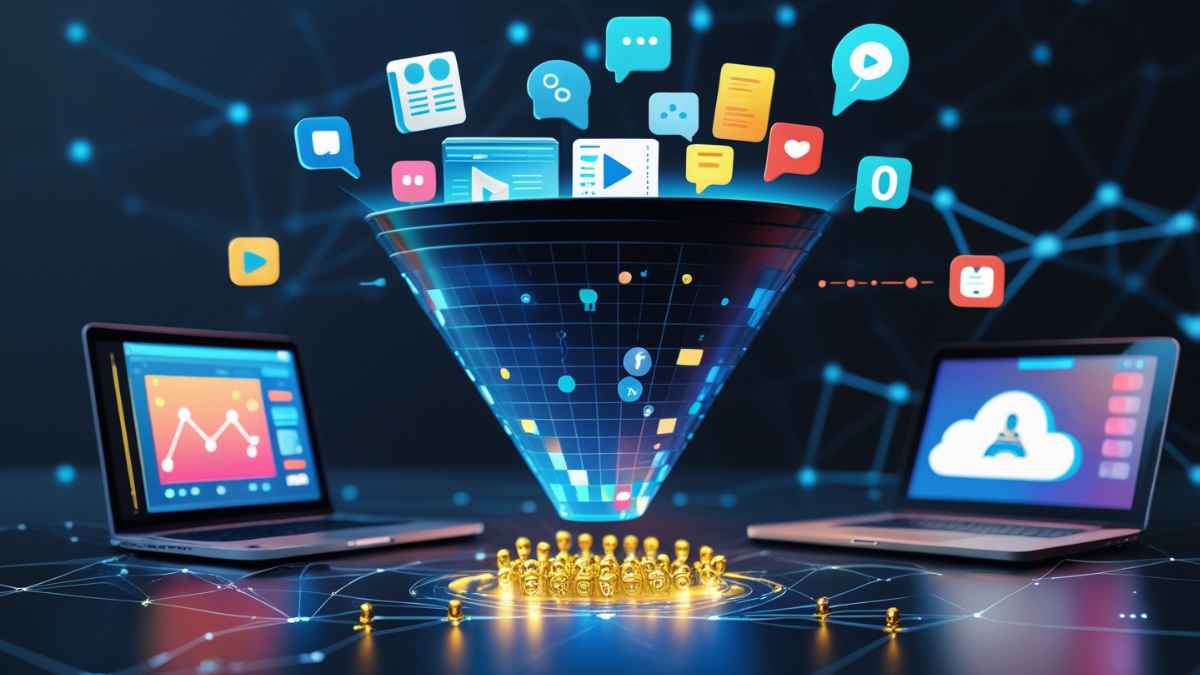
As traditional lead generation declines, demand generation has emerged as a more sustainable alternative.
Rather than chasing prospects, demand generation focuses on attracting, educating, and nurturing audiences before they enter the buying process.
Key principles include:
- Creating valuable content
- Building brand authority
- Establishing trust
- Engaging communities
- Delivering personalized experiences
The goal is not simply to collect contact information but to create genuine interest and long-term relationships.
Content Is the New Lead Magnet
Today’s buyers seek answers before they seek vendors.
Organizations that consistently publish valuable content position themselves as trusted advisors rather than aggressive sellers.
Examples include:
- Educational blog posts
- Industry research reports
- Webinars and virtual events
- Podcasts
- Video tutorials
- Case studies
- Interactive tools and calculators
When content solves real problems, prospects willingly engage with brands and often initiate contact themselves.
The Power of First-Party Data
With privacy regulations tightening, businesses are increasingly focusing on first-party data—information collected directly from customers through consent-based interactions.
Examples include:
- Newsletter subscriptions
- Community memberships
- Event registrations
- Customer surveys
- Website engagement data
First-party data provides deeper insights while maintaining trust and compliance. It also enables more meaningful personalization than purchased lead lists ever could.
Community-Led Growth Is Replacing Cold Outreach
Modern buyers trust people more than advertisements.
Online communities, industry forums, professional networks, and social platforms have become powerful drivers of demand. Organizations that foster communities around their expertise create environments where prospects naturally engage with their brand.
Community-led growth creates:
- Stronger customer relationships
- Higher retention rates
- Increased referrals
- Organic brand advocacy
In many cases, loyal customers become a company’s most effective marketing channel.
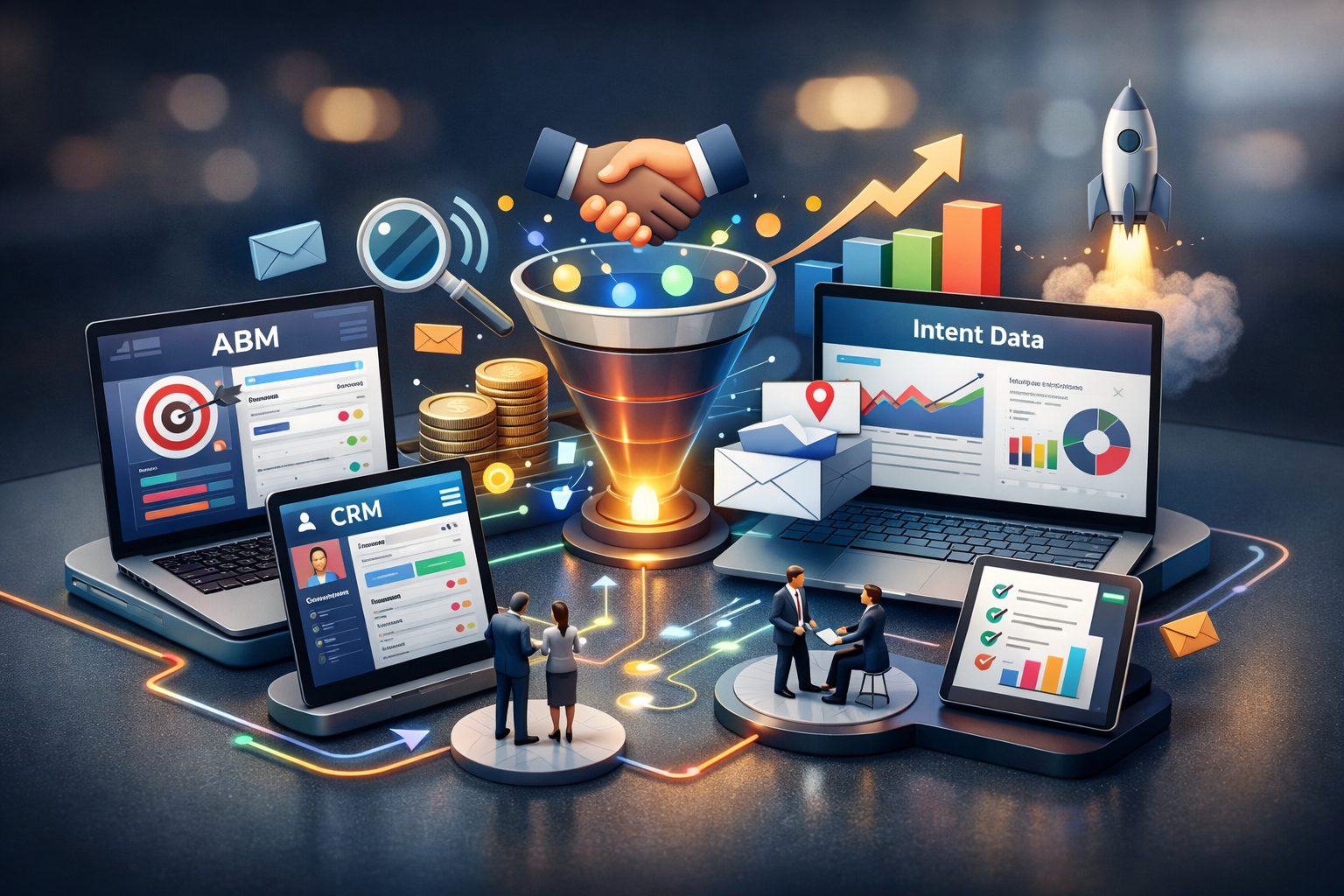
AI and Intent Data Are Changing the Game
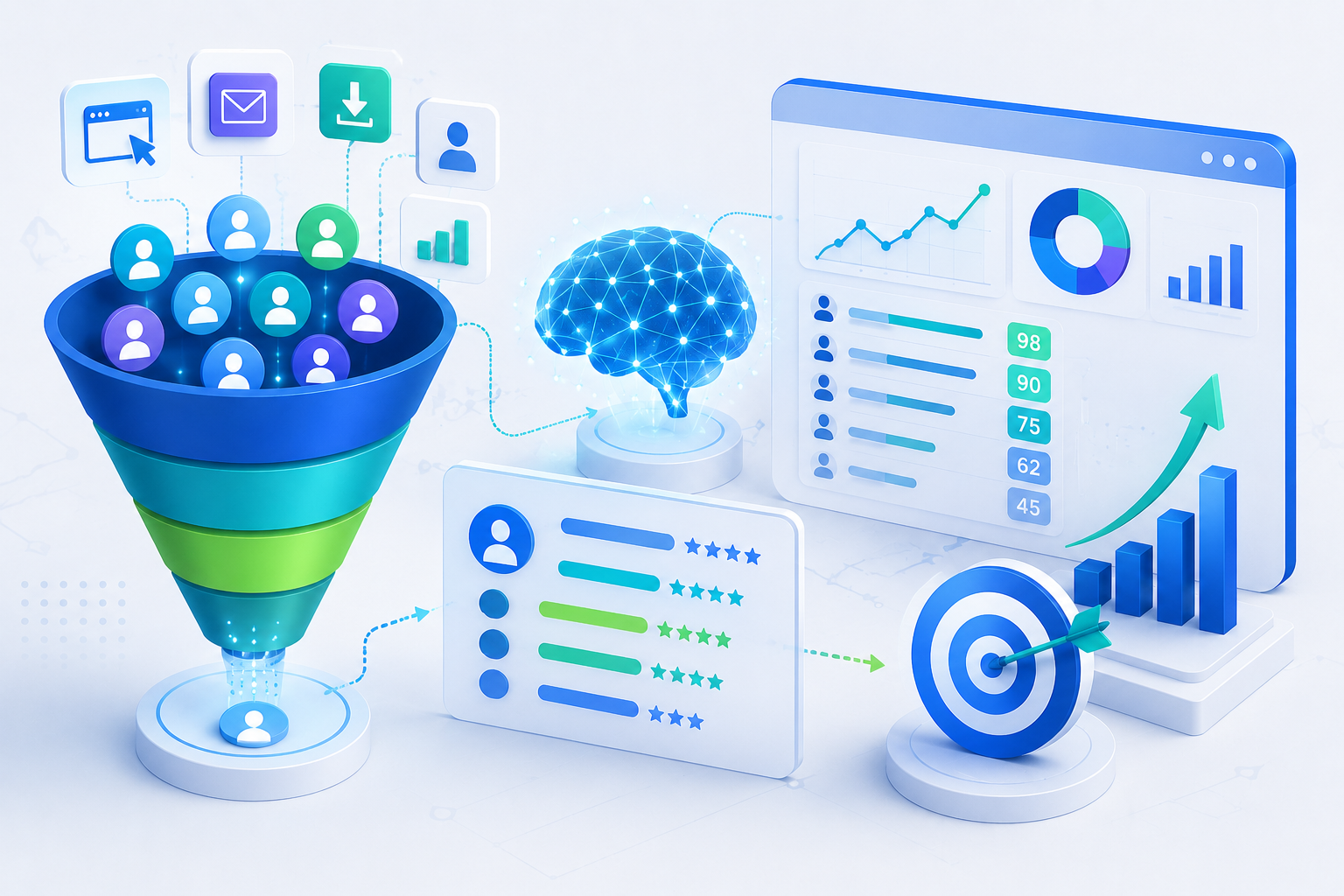
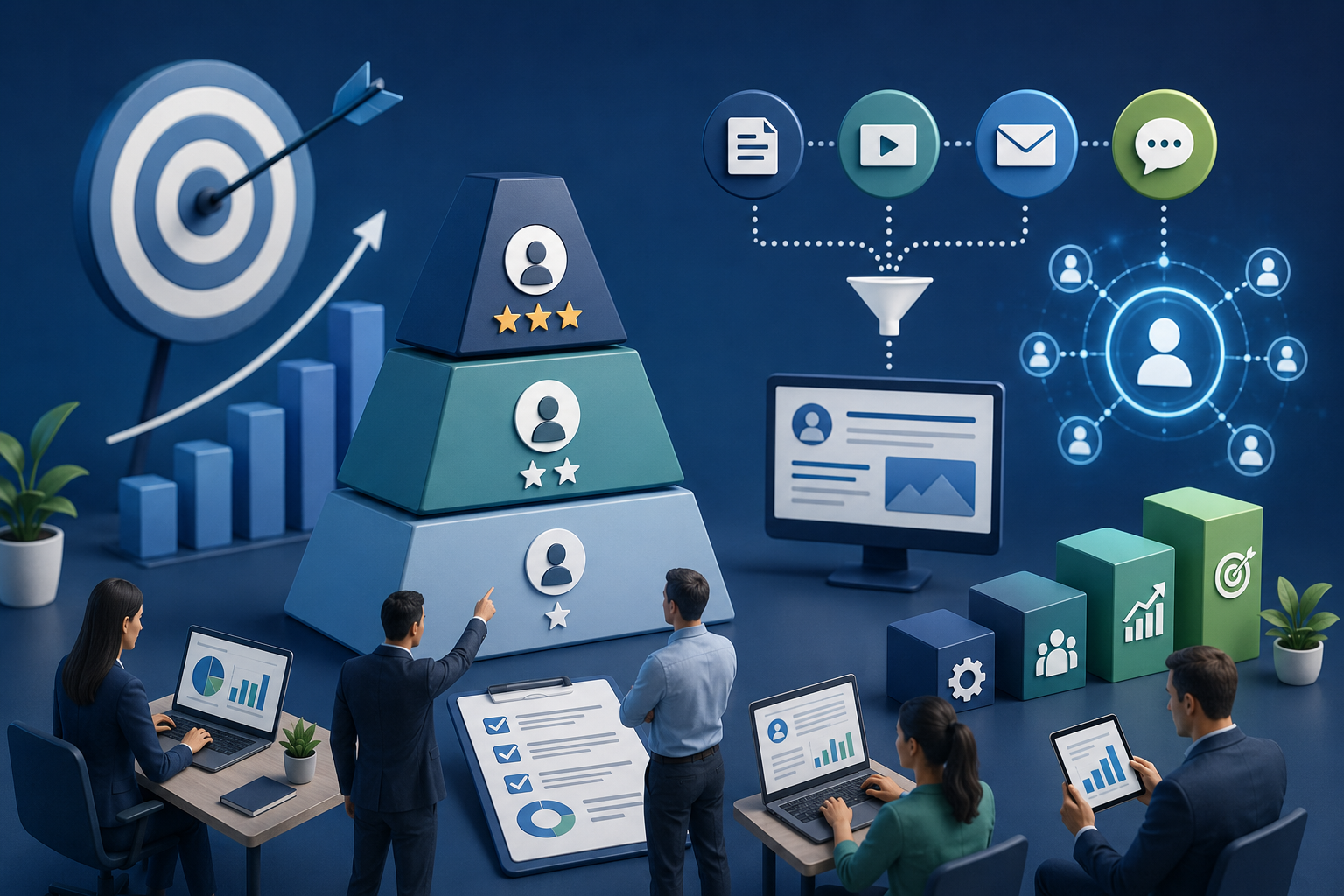
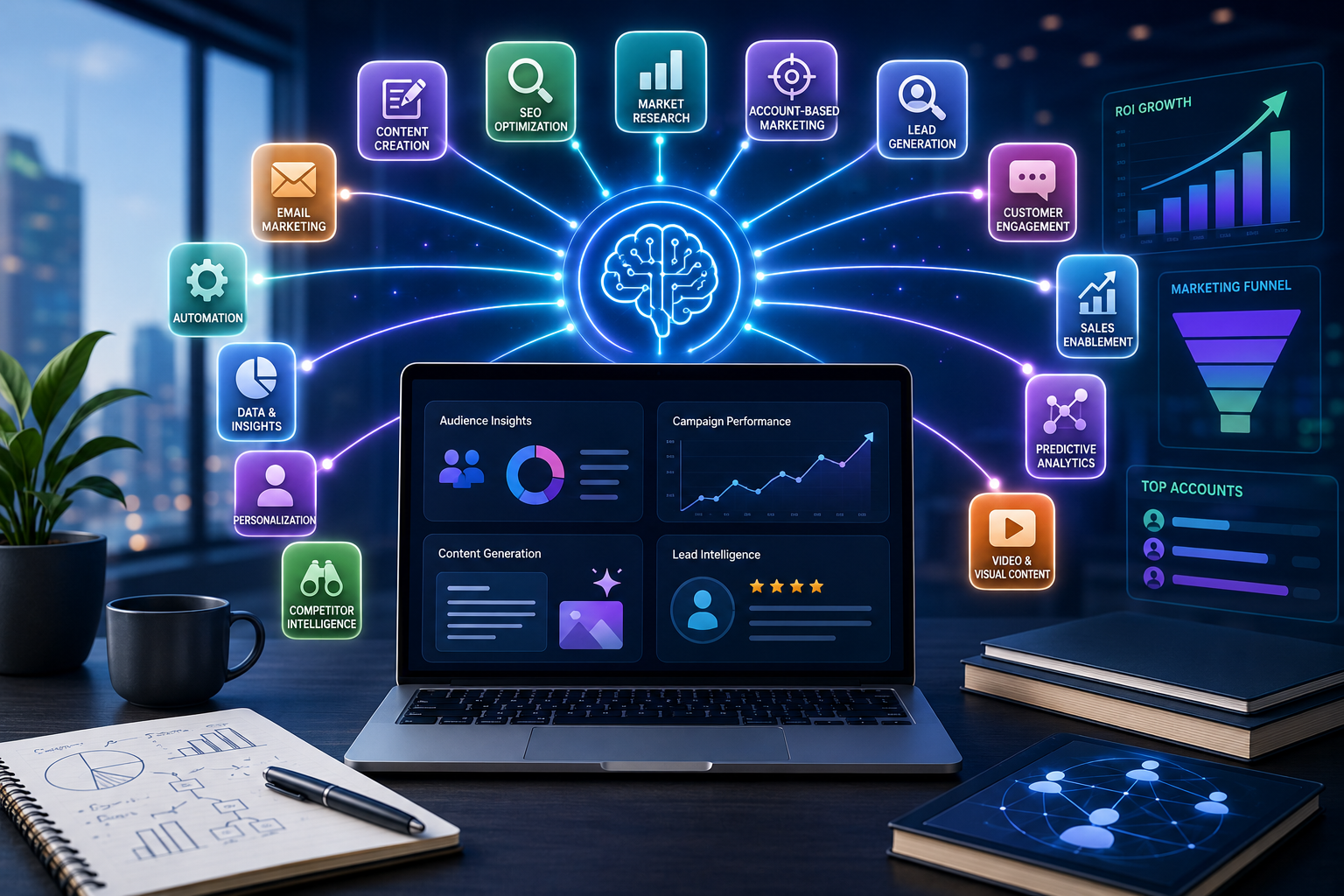
Artificial intelligence is helping businesses move beyond traditional lead scoring and demographic targeting.
Modern systems can identify buying intent by analyzing behavioral signals such as:
- Content consumption patterns
- Website engagement
- Product usage behavior
- Search activity
- Customer interactions
This enables organizations to focus resources on prospects who are genuinely interested rather than pursuing large volumes of low-quality leads.
The result is more efficient sales processes and higher conversion rates.
What Successful Companies Are Doing Differently
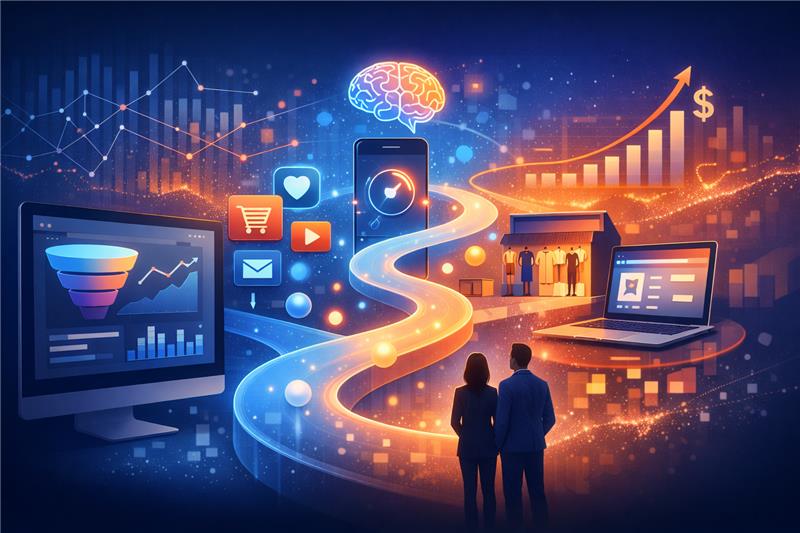
The most successful organizations are shifting from a lead-centric mindset to a customer-centric mindset.
Instead of asking:
“How can we generate more leads?”
They ask:
“How can we create more value for potential customers?”
These companies prioritize:
- Thought leadership over promotion.
- Relationships over transactions.
- Audience building over list buying.
- Trust over aggressive selling.
- Long-term customer value over short-term lead volume.
This approach creates stronger brands and more predictable growth.
The Future of Customer Acquisition
Lead generation is not disappearing entirely. Businesses will always need ways to identify and engage potential customers. However, the methods that once dominated the market are becoming increasingly ineffective.
The future belongs to organizations that:
- Educate before they sell.
- Personalize experiences responsibly.
- Build communities around shared interests.
- Leverage first-party data ethically.
- Use AI to enhance customer understanding.
- Focus on trust and value creation.
Companies that continue relying on outdated tactics risk being ignored by modern buyers. Those that adapt to changing customer expectations will build stronger pipelines, deeper relationships, and more sustainable growth.