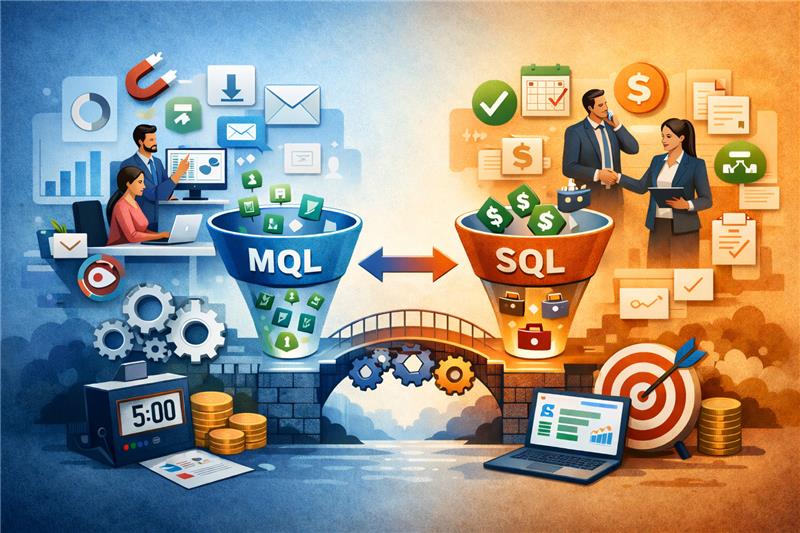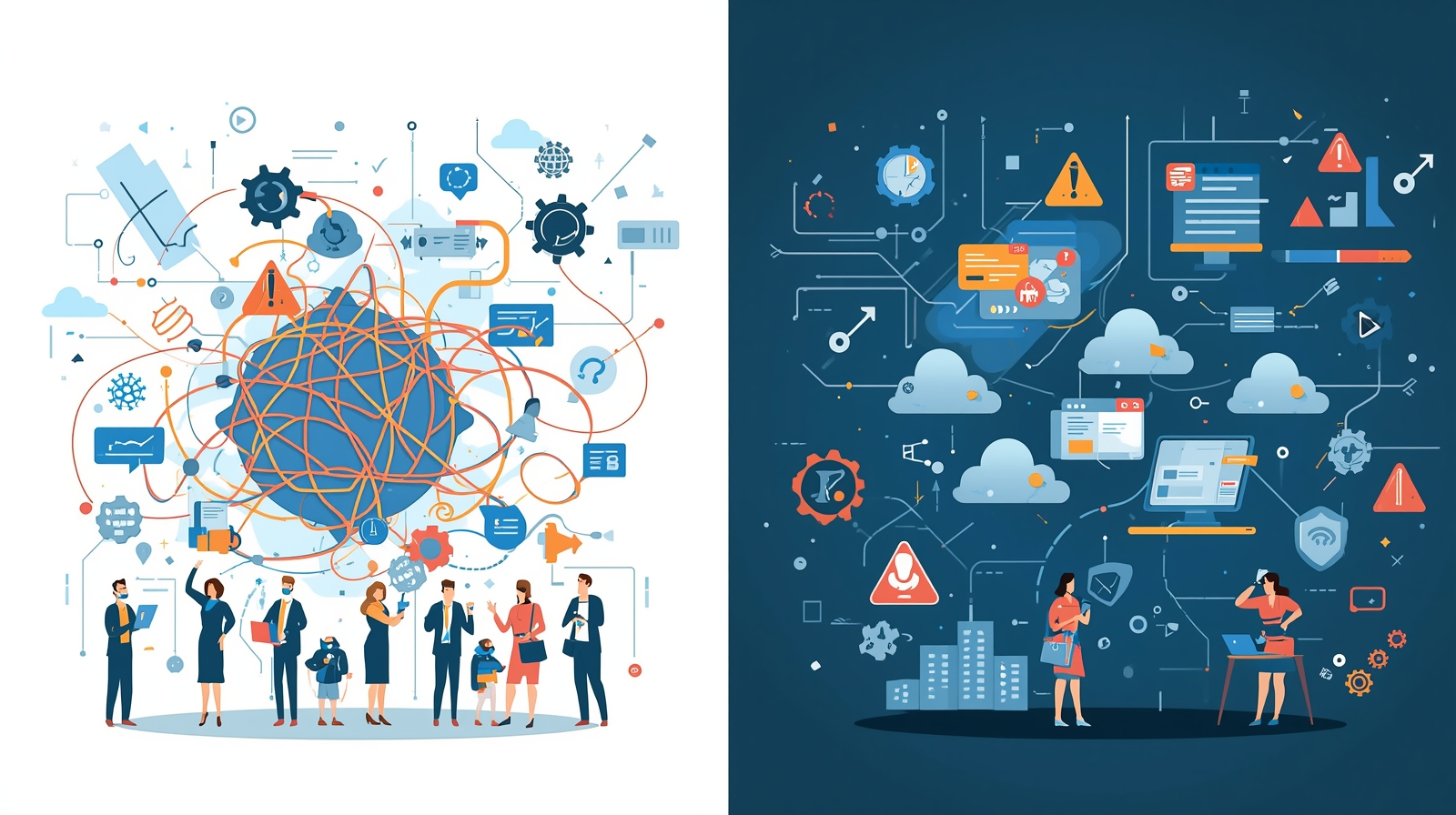

In today’s competitive business environment, data has become one of the most valuable assets for B2B companies. From understanding customer behavior to improving sales performance, businesses are increasingly relying on data-driven decisions to make smarter choices, streamline operations, and achieve sustainable growth.
Traditional business decisions often depended on experience, assumptions, and intuition. While these factors still play an important role, data analytics provides additional insights that help organizations identify opportunities, reduce uncertainty, and respond more effectively to changing market conditions.
But how exactly are data-driven decisions reshaping B2B businesses? Let’s explore the key areas where data is making a difference.
1. Understanding Customer Behavior and Expectations
Understanding customer needs is essential for building strong B2B relationships. Data analytics helps businesses gain deeper insights into customer preferences, purchasing patterns, engagement levels, and challenges.
By analyzing website interactions, customer feedback, CRM records, and sales history, companies can identify what their customers value most.
For example, a B2B software company can analyze product usage data to understand which features customers use frequently and which features may require improvement.
These insights enable businesses to personalize their communication, improve customer experiences, and develop solutions that better meet market demands.
2. Improving B2B Sales Performance
Sales teams often manage large volumes of leads, customer information, and ongoing opportunities. Without accurate data, it can be difficult to identify which prospects deserve immediate attention.
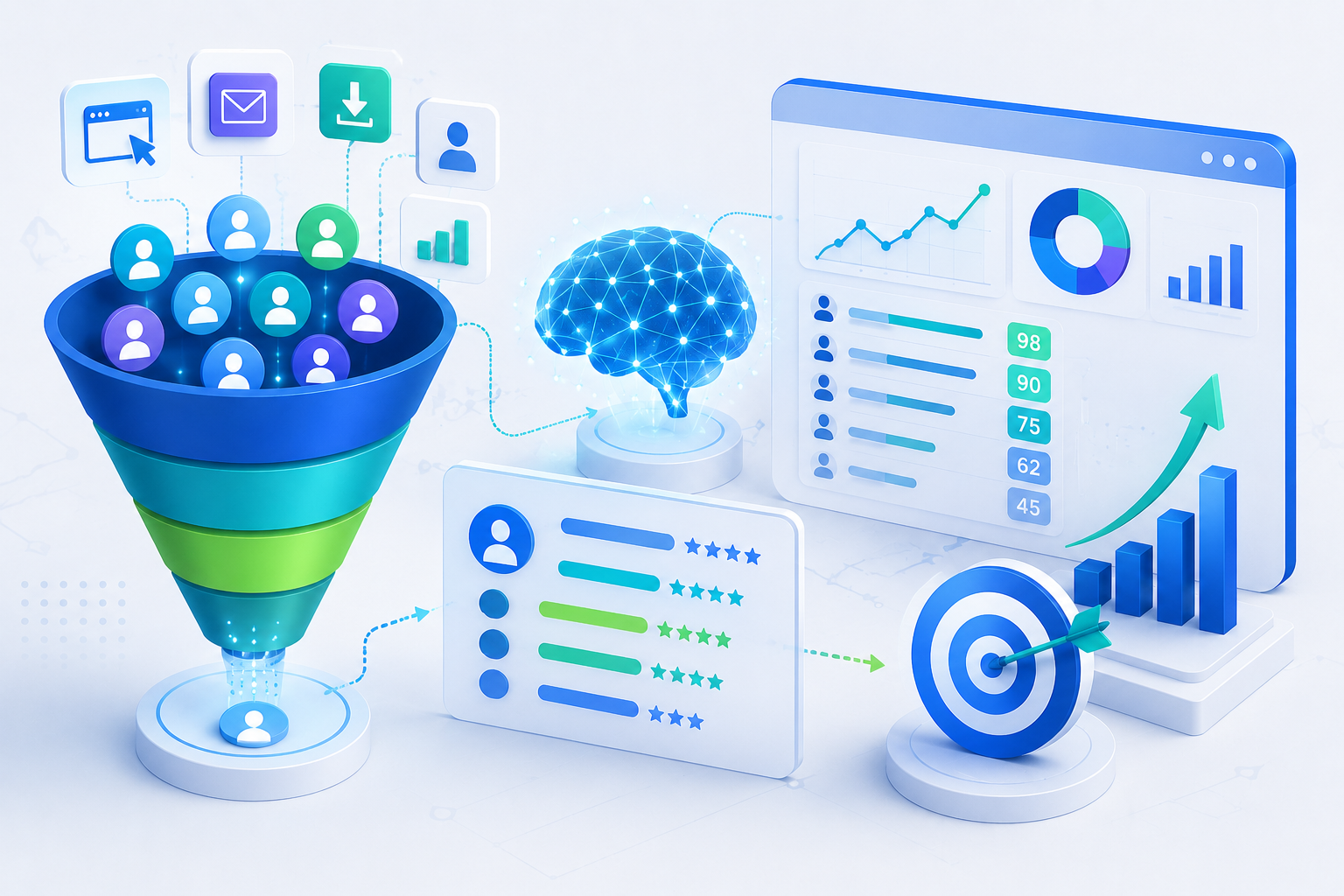
Data-driven sales strategies help teams prioritize leads based on factors such as engagement, company size, industry, previous interactions, and purchase intent.
Businesses can use sales analytics to:
- Identify high-potential leads.
- Track sales pipeline performance.
- Understand conversion rates.
- Identify bottlenecks in the sales process.
- Improve sales forecasting.
- Measure individual and team performance.
By understanding which activities generate the most valuable opportunities, sales teams can allocate their time and resources more effectively.
3. Creating More Effective B2B Marketing Campaigns
Marketing is another area where data-driven decision-making is transforming business performance.
Instead of relying entirely on broad marketing campaigns, B2B companies can use analytics to understand which channels, messages, and content formats attract their target audience.
For example, a business can compare website traffic, email engagement, lead quality, and conversion rates across different campaigns to determine which strategies contribute to its objectives.
Data-driven marketing can help companies:
- Identify relevant audience segments.
- Personalize marketing messages.
- Optimize advertising budgets.
- Improve content performance.
- Measure campaign effectiveness.
- Generate more qualified leads.
The result is a more measurable approach to marketing, where decisions are guided by actual performance rather than assumptions alone.
4. Making Smarter Business Forecasts
Accurate forecasting is essential for planning resources, managing budgets, and setting realistic business goals.
By analyzing historical performance, seasonal trends, sales pipeline data, and market conditions, businesses can develop more informed forecasts.
For example, a B2B manufacturing company can use historical order data and demand patterns to estimate future production requirements. Similarly, a technology company can analyze subscription renewals and customer acquisition trends to support revenue planning.
Although forecasts cannot eliminate uncertainty, they can help businesses prepare for different scenarios and make more informed strategic decisions.
5. Optimizing Operations and Reducing Costs
Operational efficiency directly affects profitability and customer satisfaction.
Data analytics allows B2B organizations to identify inefficiencies across supply chains, inventory management, production, logistics, and internal workflows.
By monitoring operational metrics, companies can discover recurring delays, resource utilization issues, and unnecessary expenses.
Some practical applications include:
- Monitoring inventory levels to reduce excess stock.
- Analyzing delivery performance to identify delays.
- Tracking production efficiency to minimize waste.
- Evaluating supplier performance.
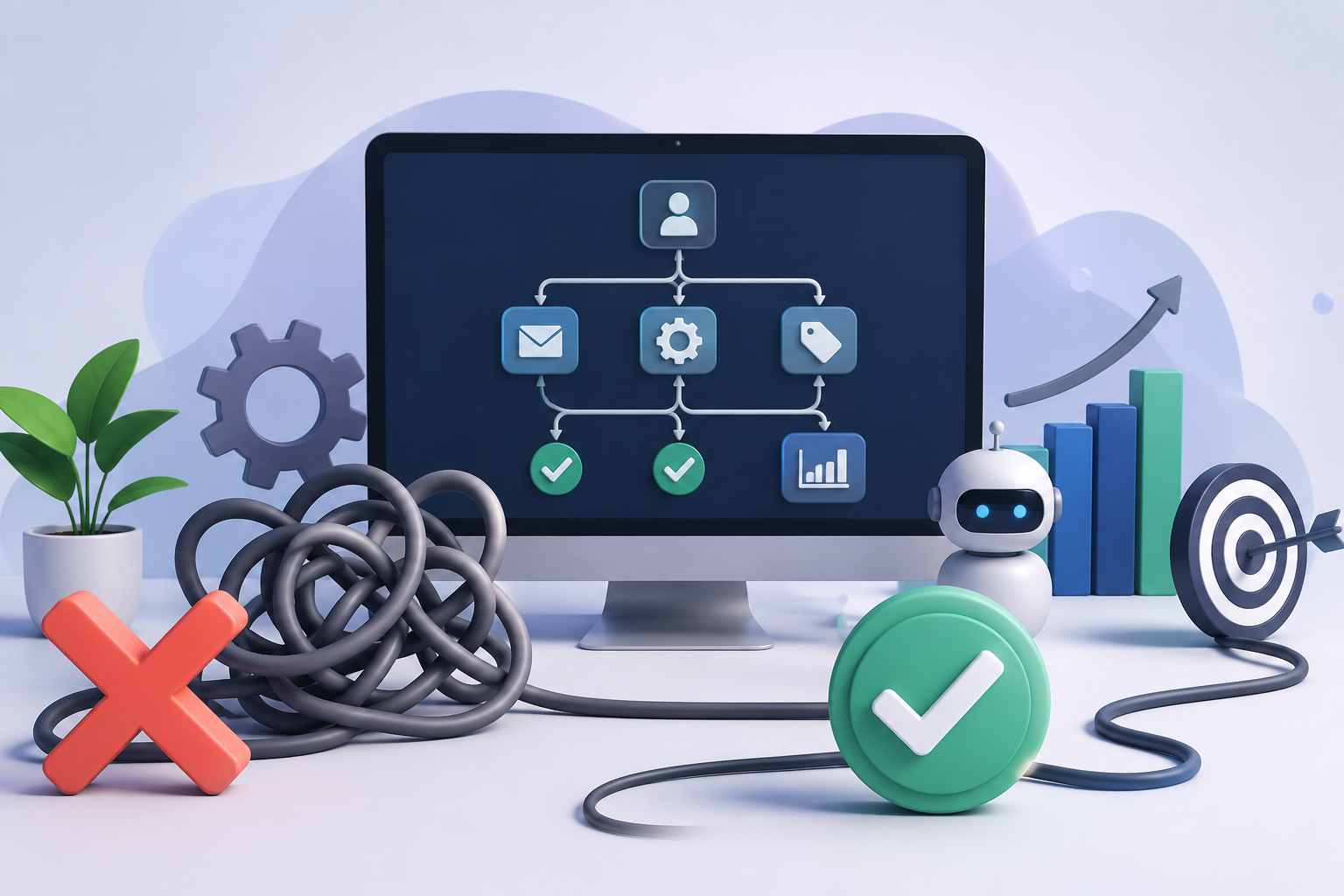
- Identifying repetitive tasks that could be automated.
These insights can support better resource allocation and more consistent business operations.
6. Strengthening Customer Retention
Acquiring new B2B customers can require significant time and resources. Maintaining existing customer relationships is therefore an important business priority.
Data-driven customer retention strategies help businesses identify early warning signs of customer dissatisfaction or declining engagement.
Companies can monitor indicators such as:
- Reduced product usage.
- Declining purchase frequency.
- Delayed payments.
- Increased customer support requests.
- Lower engagement with communications.
- Upcoming contract renewals.
When these signals are identified early, account managers can take appropriate action, such as offering additional support, resolving service issues, or discussing changing customer requirements.
This proactive approach can help businesses strengthen relationships and identify opportunities for long-term growth.
7. Using AI and Predictive Analytics
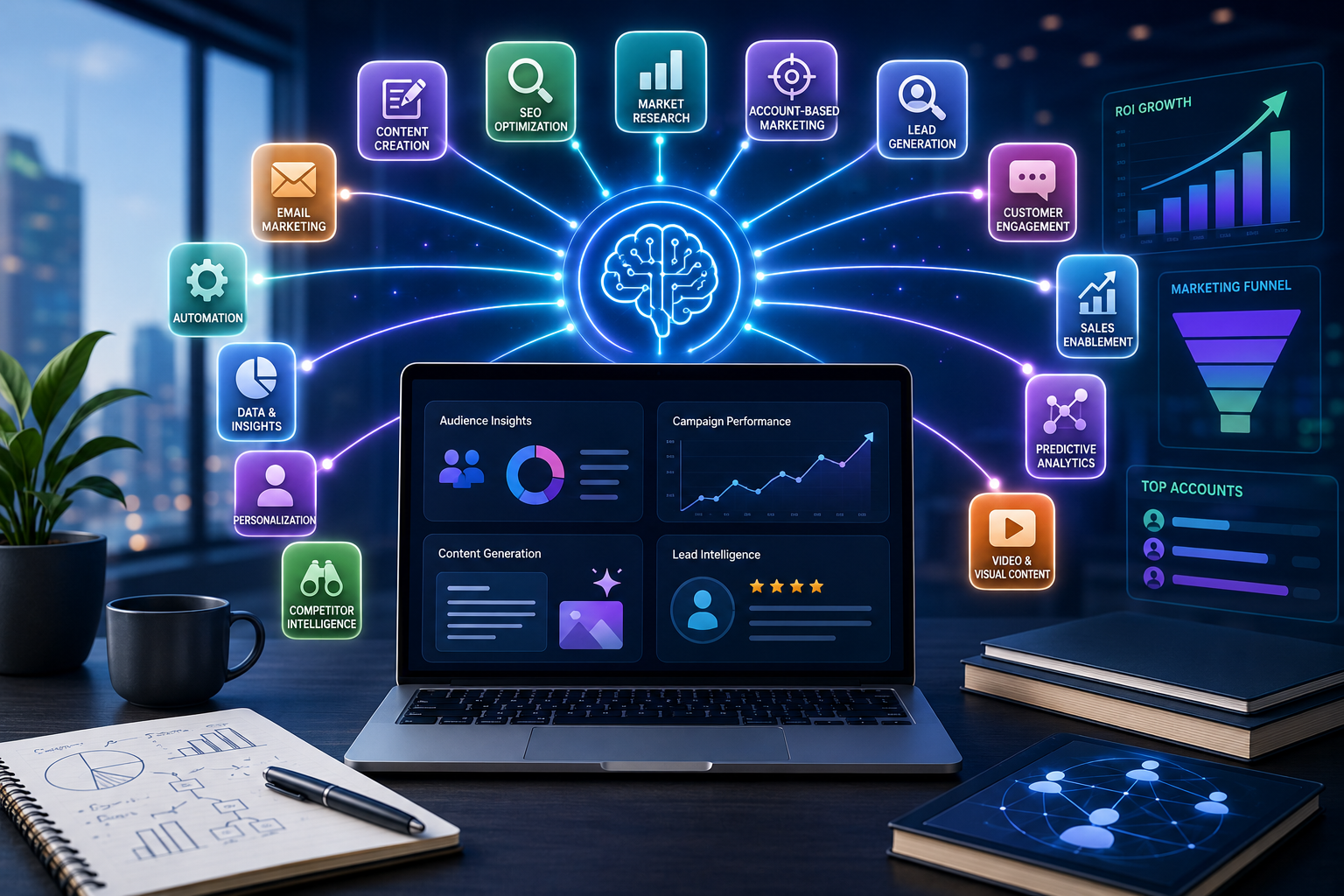
Artificial intelligence (AI) and predictive analytics are expanding the ways B2B companies use data.
While traditional analytics often explains what has already happened, predictive analytics uses historical and current data to estimate what may happen next.
B2B businesses can apply these technologies to:
- Predict customer churn.
- Estimate future demand.
- Identify potential sales opportunities.
- Detect unusual operational patterns.
- Improve inventory planning.
- Support customer segmentation.
For example, a distribution company may analyze historical orders, seasonal demand, and regional purchasing patterns to anticipate inventory requirements.
However, predictive models are only as useful as the data, assumptions, and processes behind them. Businesses should regularly validate their results and combine analytical insights with human judgment.
8. Improving Decision-Making Across Departments
One of the biggest advantages of data-driven decision-making is its ability to connect different business functions.
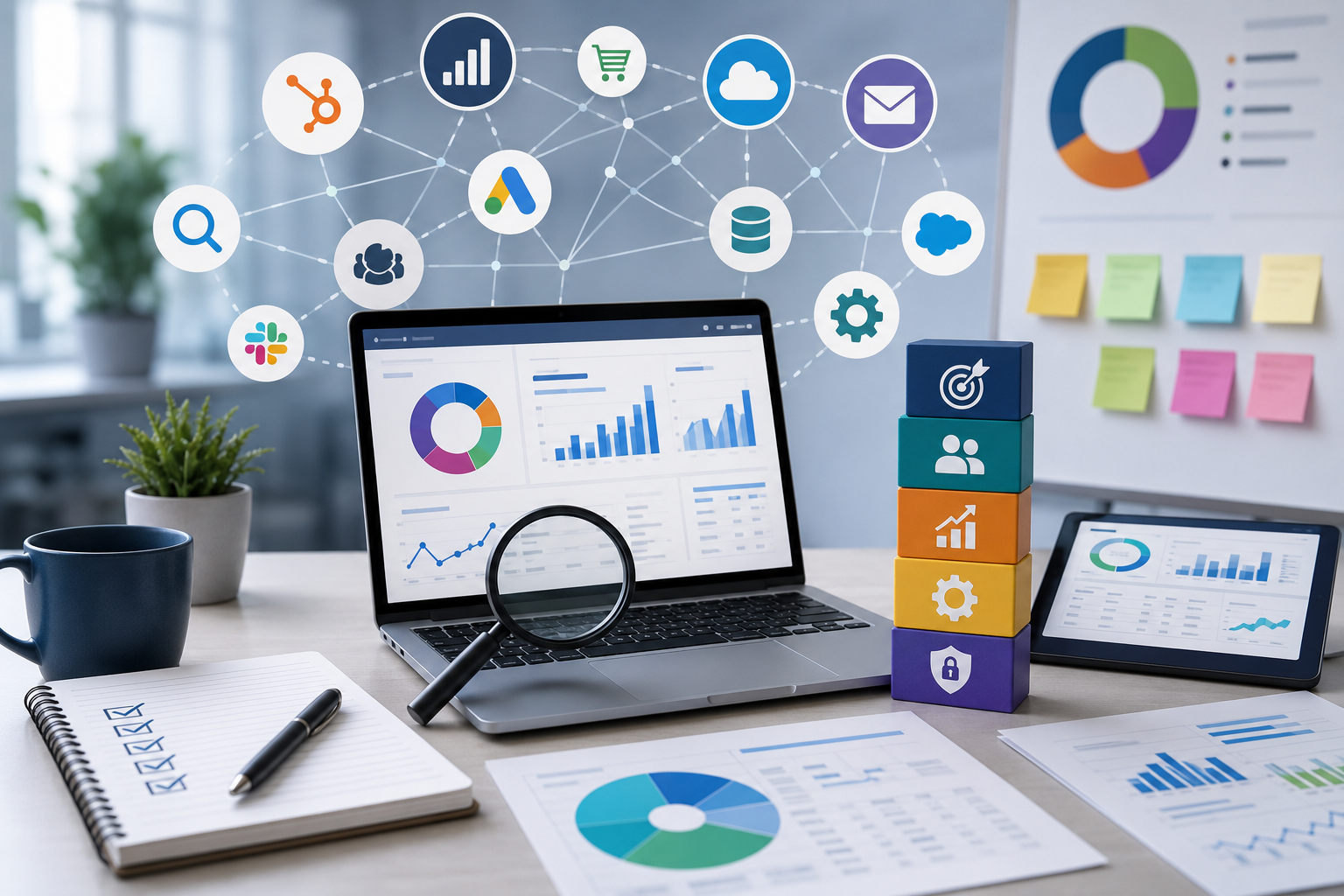
Sales, marketing, finance, operations, and customer support often work with separate systems and performance indicators. When these teams have access to consistent, relevant information, they can develop a more complete understanding of business performance.
For example, marketing teams can share lead-quality insights with sales teams, while customer support teams can highlight recurring product issues that may affect customer retention.
Integrated reporting and shared performance metrics can improve collaboration, reduce information gaps, and help departments work toward common business objectives.
9. Overcoming Common Data Challenges
Although data-driven decision-making offers significant opportunities, implementing it successfully requires careful planning.
B2B companies may face several challenges, including:
Poor data quality: Incomplete, outdated, or duplicated records can lead to inaccurate conclusions.
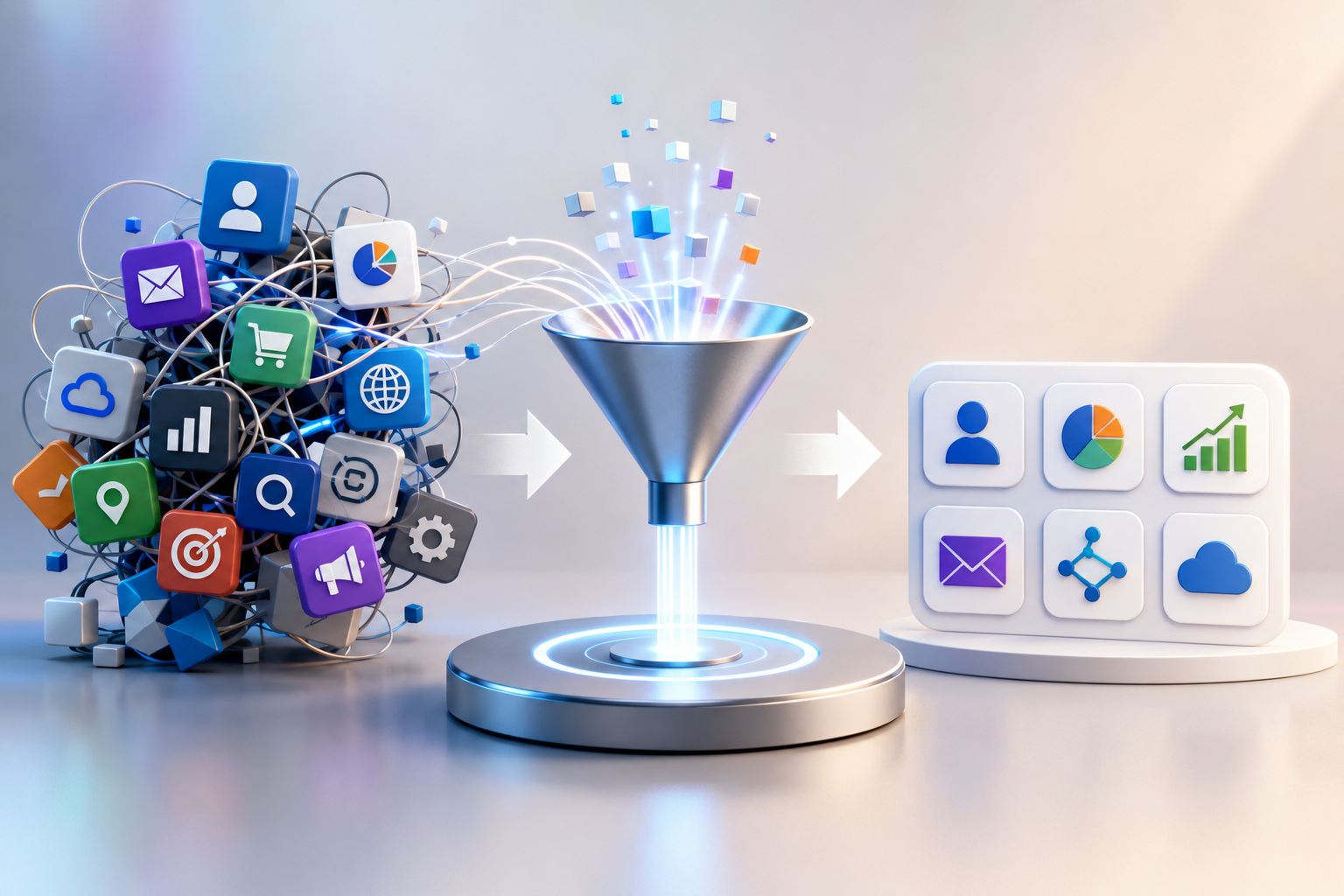
Disconnected systems: Data stored across multiple platforms can make it difficult to establish a consistent view of business performance.
Lack of analytical skills: Employees may need training to interpret reports and translate insights into practical decisions.
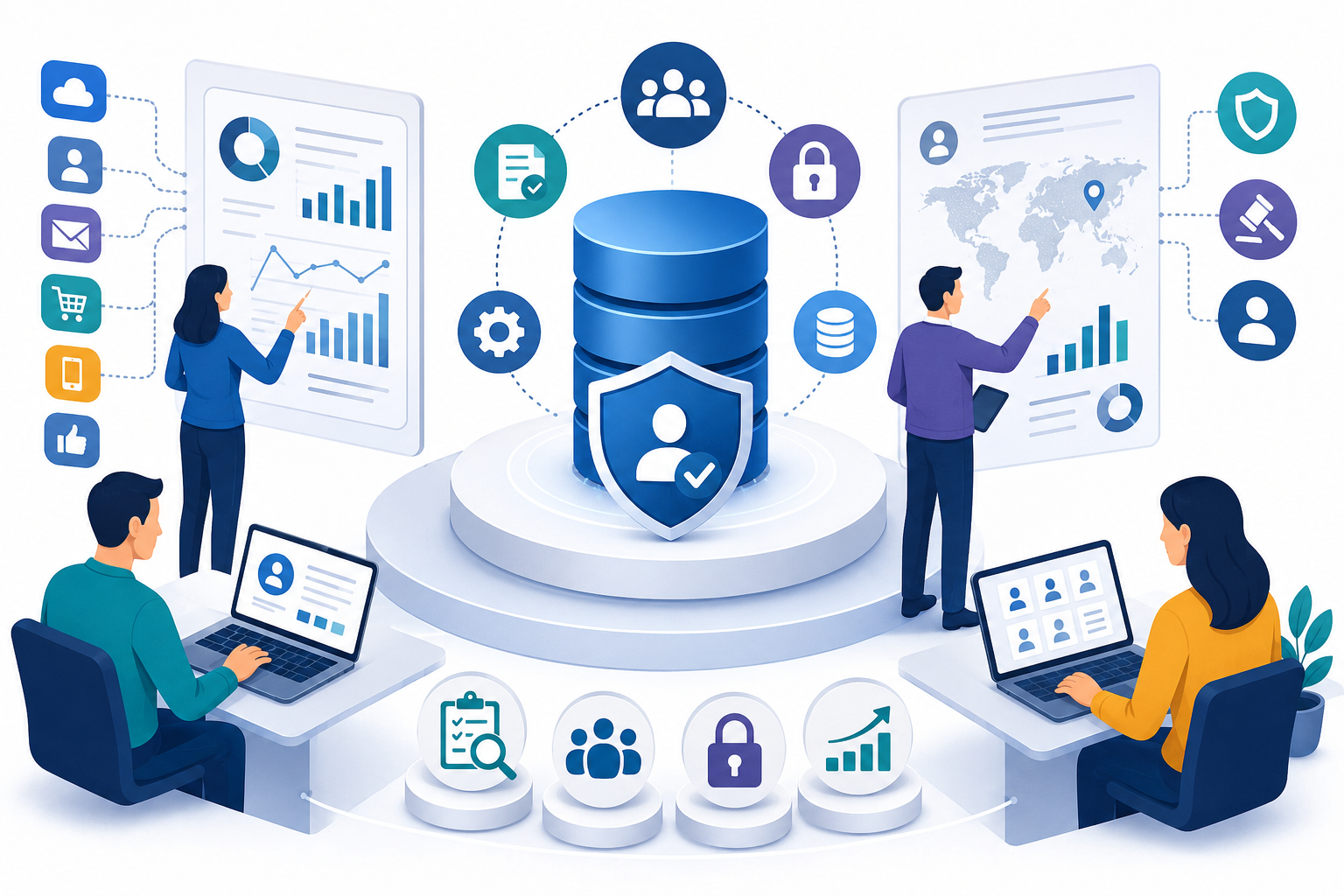
Privacy and security concerns: Businesses must handle customer and company information responsibly and follow applicable data protection requirements.
Too many metrics: Tracking every available metric can distract teams from the indicators that actually matter.
To overcome these challenges, companies should establish clear data governance practices, invest in appropriate technology, train employees, and prioritize a manageable set of meaningful business metrics.
10. Building a Data-Driven Business Culture
Technology alone cannot make an organization data-driven. Businesses also need a culture that encourages employees to question assumptions, evaluate evidence, and continuously improve their decisions.
Leaders can support this culture by defining clear business objectives, making relevant data accessible, encouraging collaboration, and reviewing performance regularly.
A practical starting point is to identify one business challenge, such as improving lead conversion or reducing customer churn, and determine which data can help address it.
Companies can then test an approach, measure the results, and refine their strategy based on what they learn.
This gradual process makes data-driven decision-making more manageable and helps demonstrate its value across the organization.
Read Also: How B2B Companies Can Build a Stronger Digital Presence