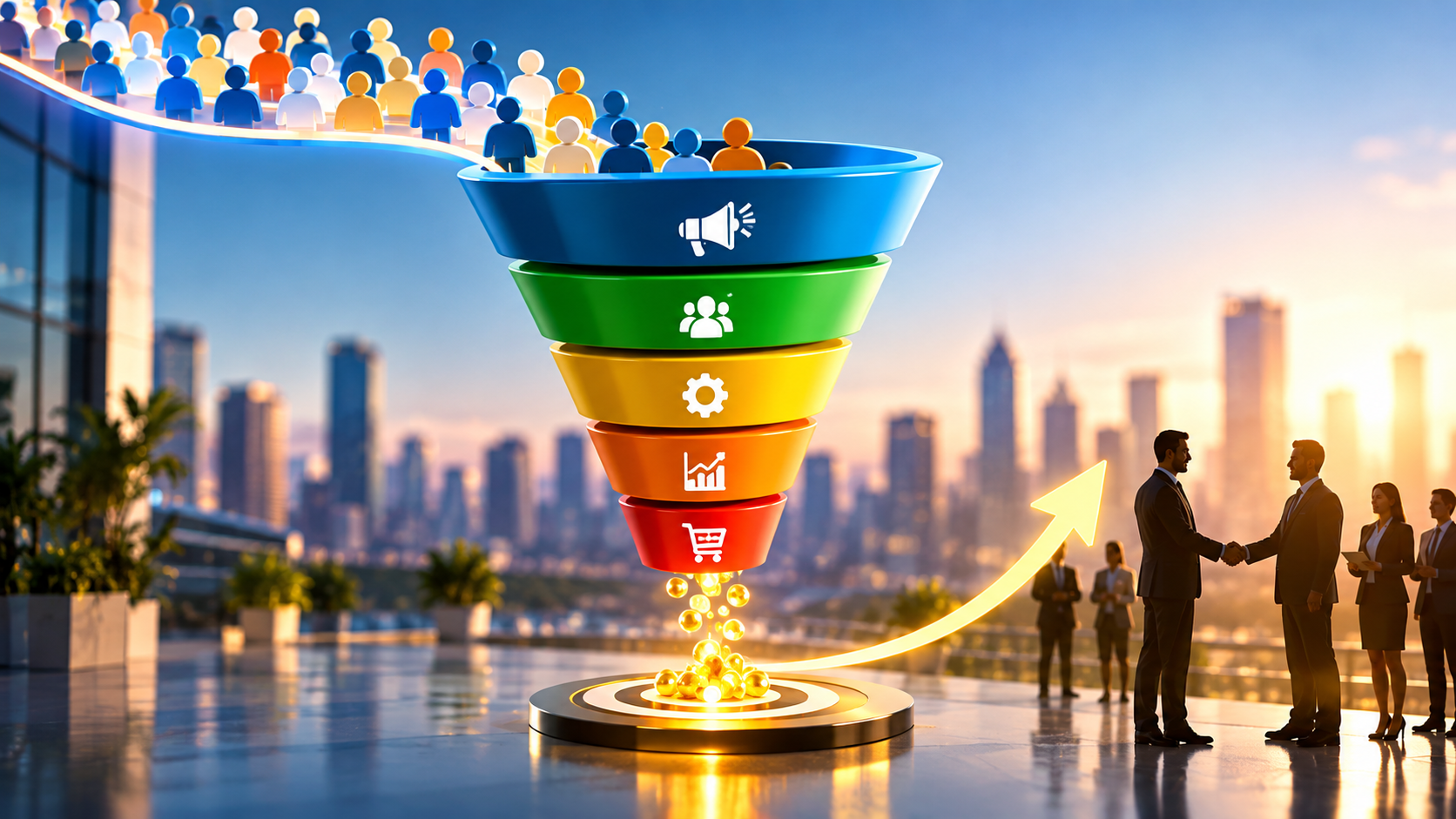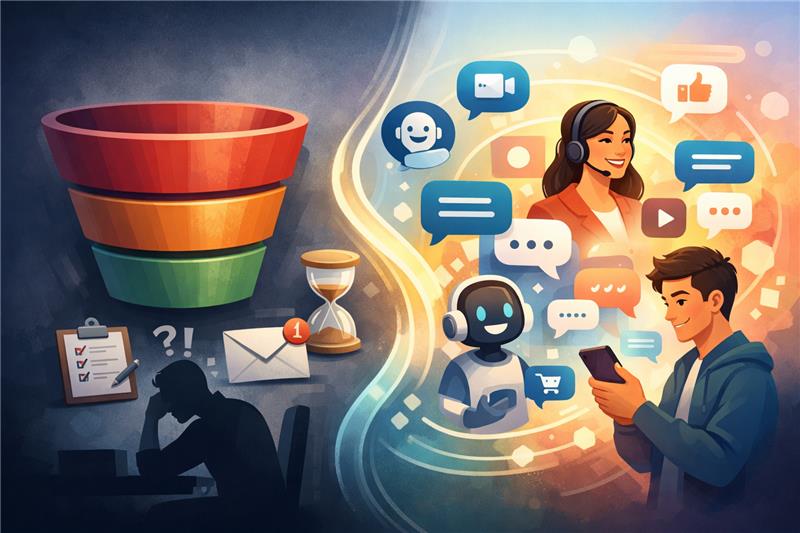

Acquiring new customers is important, but retaining existing ones is what drives sustainable business growth. Studies consistently show that keeping current customers is more cost-effective than acquiring new ones. Loyal customers not only make repeat purchases but also become brand advocates, helping businesses grow through referrals and positive word-of-mouth.
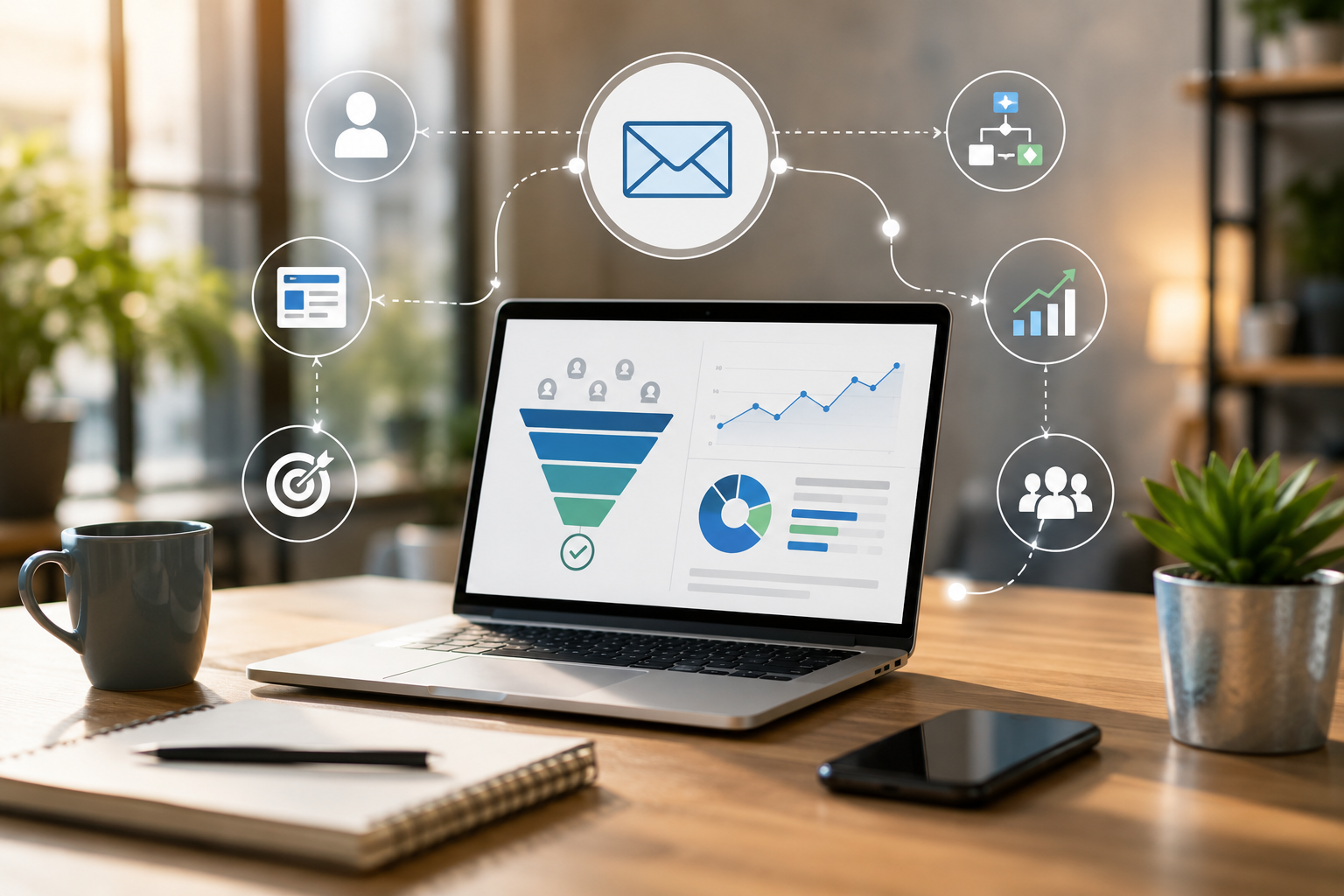
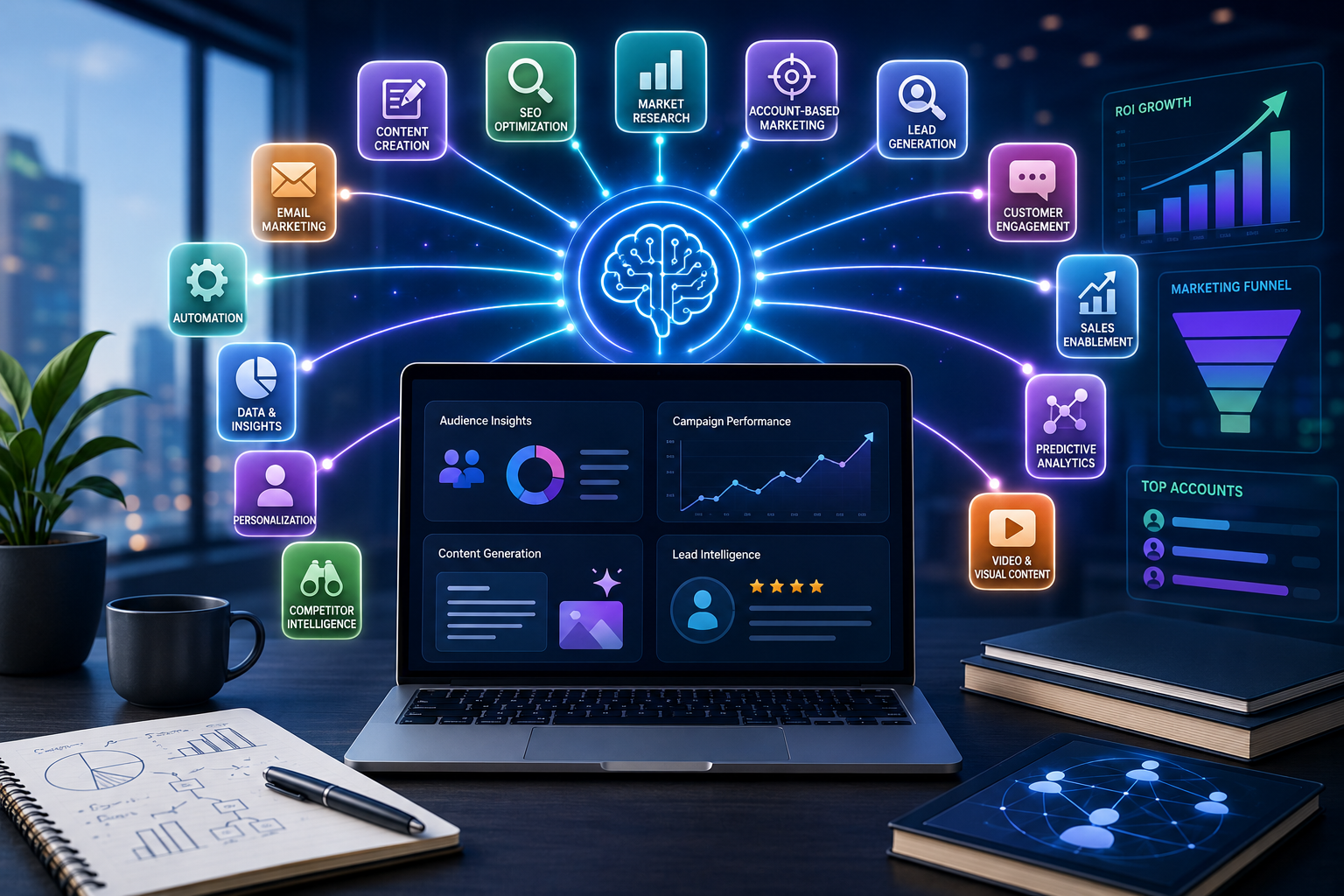
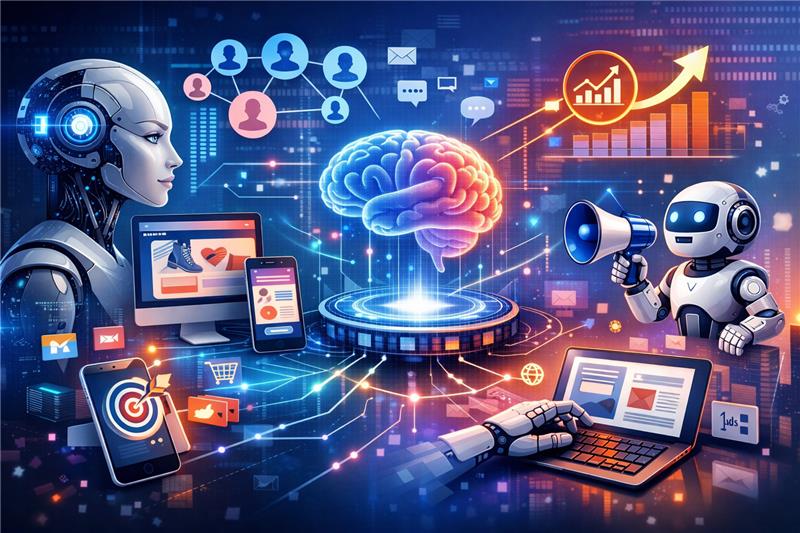
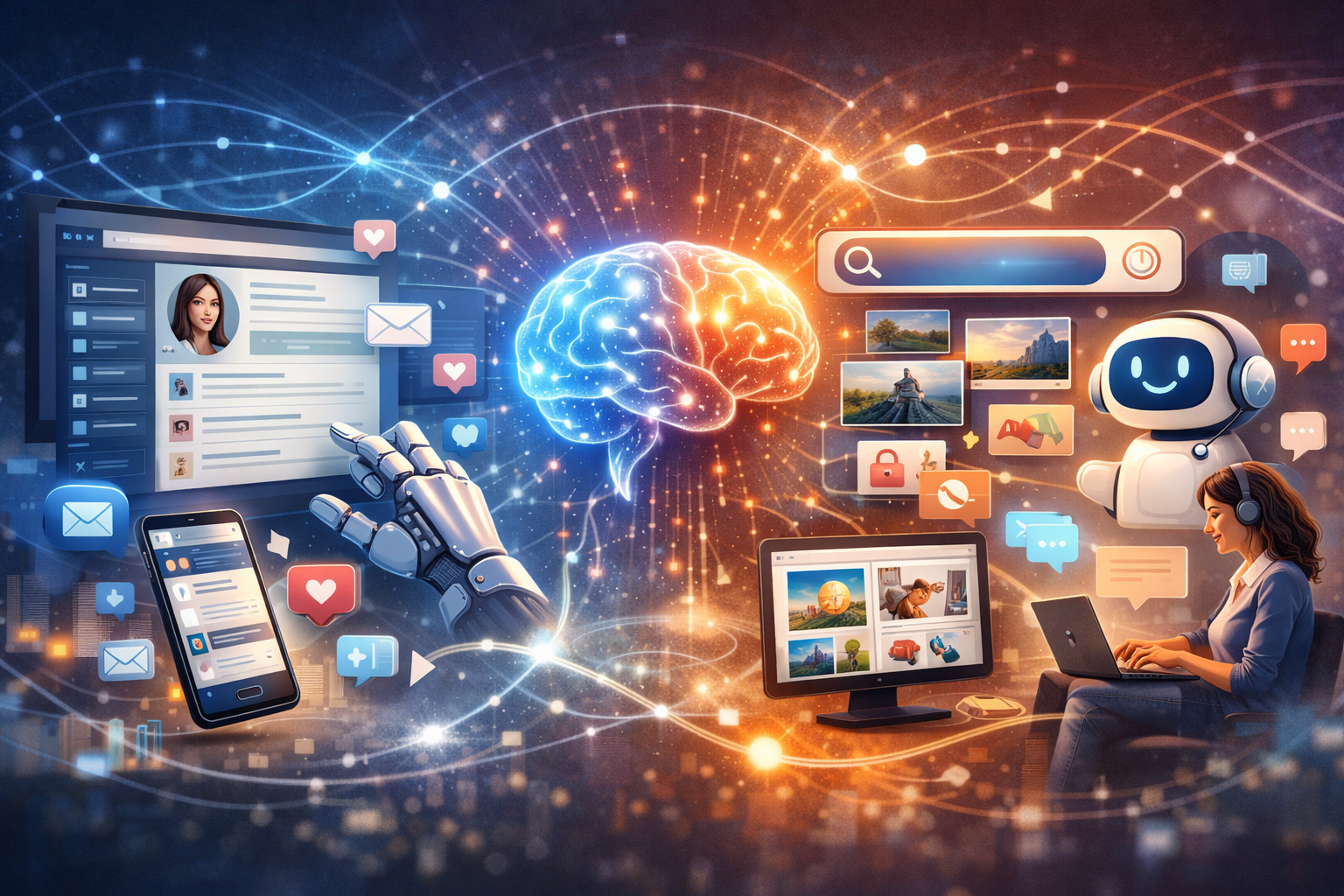
This is where Marketing Technology (MarTech) plays a transformative role. By combining data, automation, personalization, and analytics, MarTech empowers businesses to create meaningful customer experiences that encourage long-term loyalty. Instead of relying on generic marketing campaigns, organizations can leverage MarTech to understand customer behavior, anticipate needs, and engage customers at the right time with the right message.
Understanding MarTech
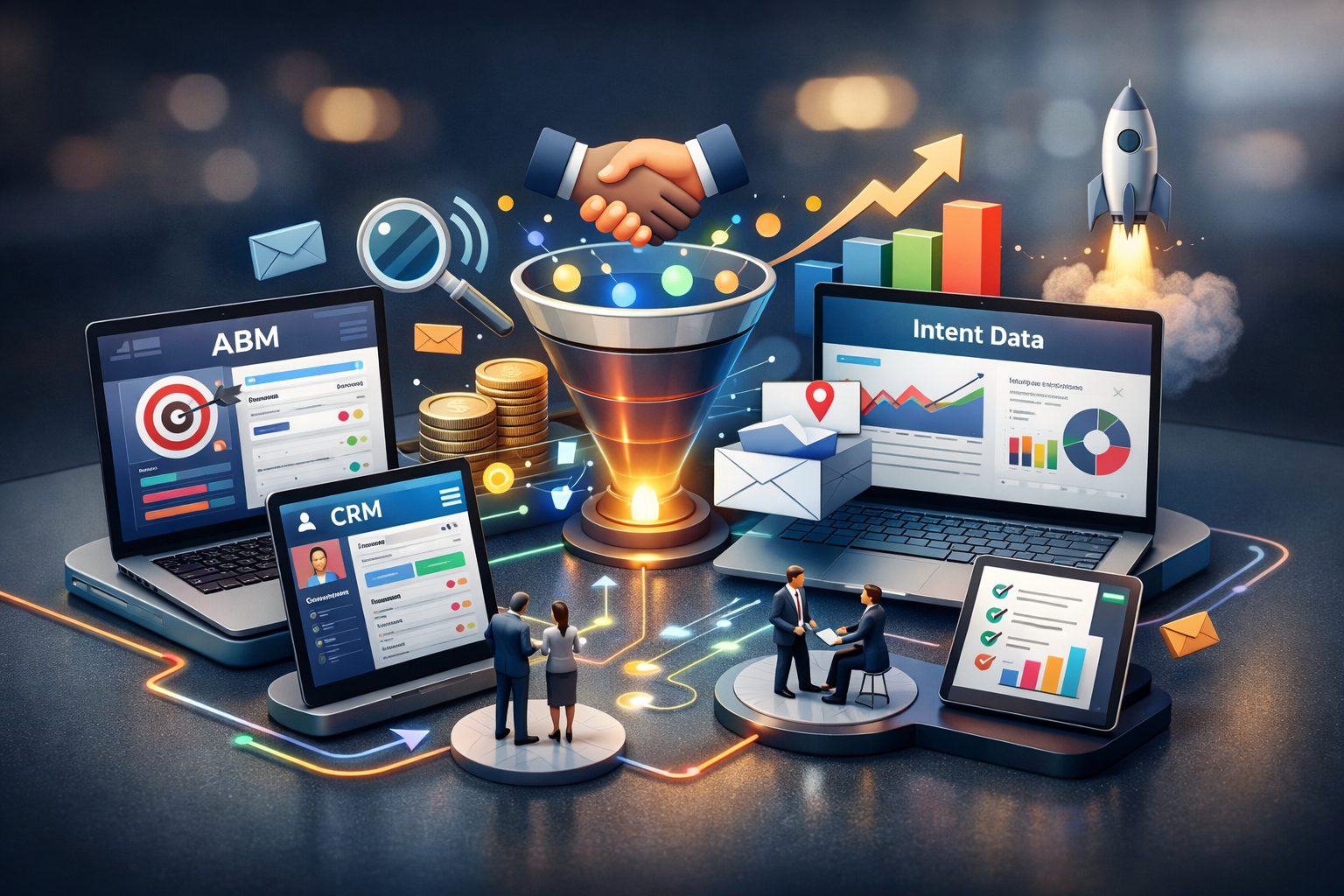
MarTech refers to the collection of software platforms and technologies that marketers use to plan, execute, manage, and measure marketing activities. These tools streamline marketing operations while providing valuable insights into customer interactions.
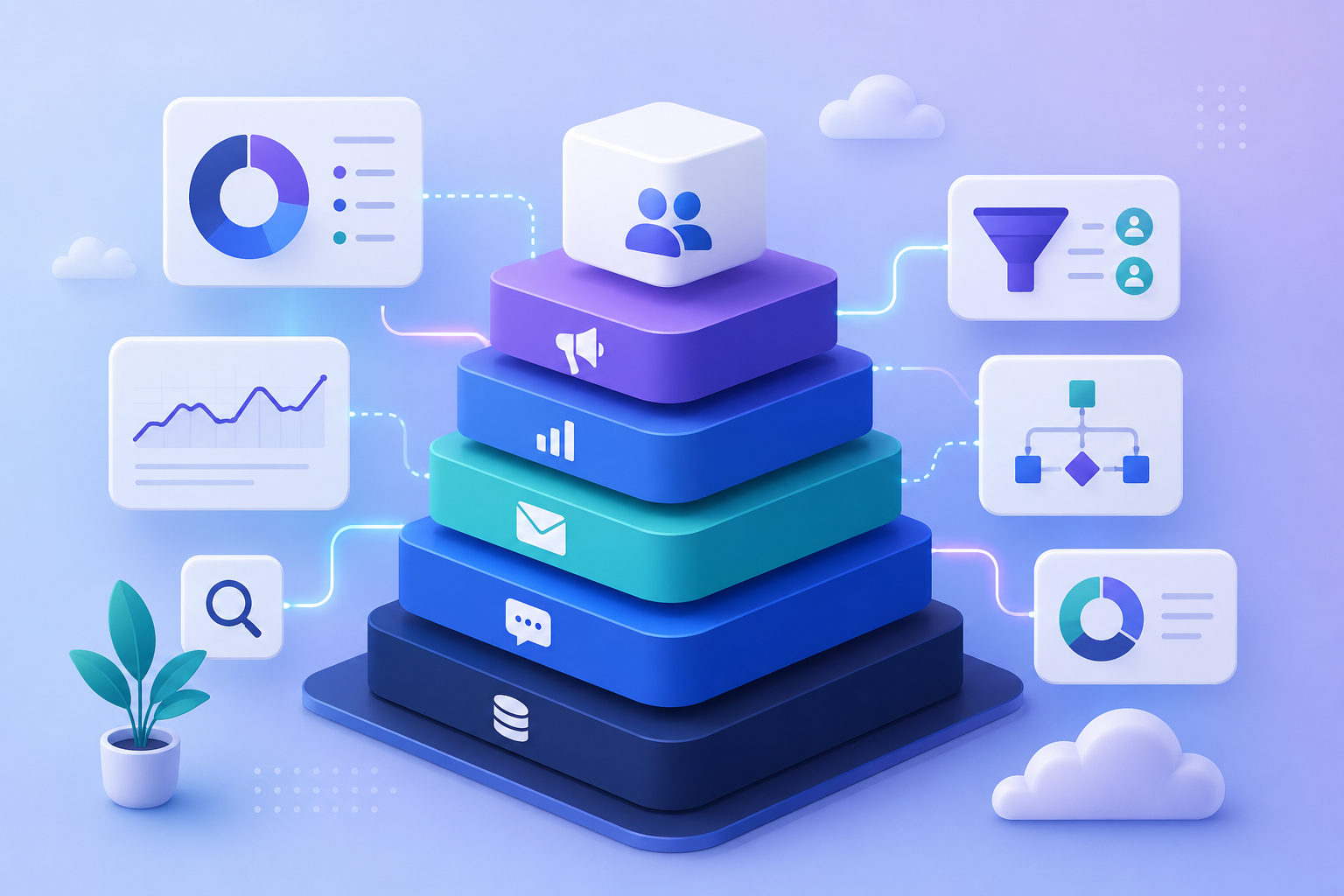
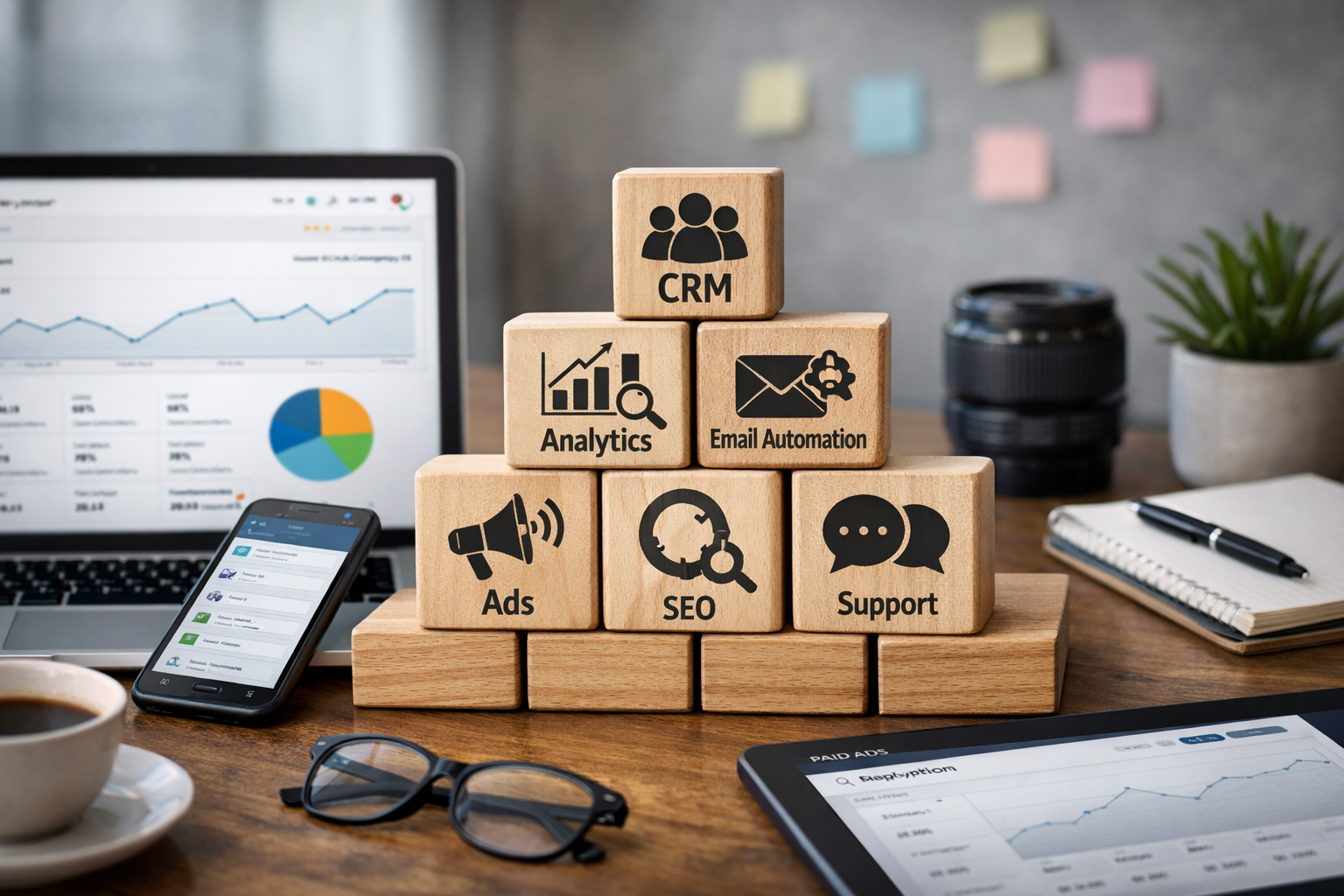
Common MarTech solutions include:
- Customer Relationship Management (CRM) platforms
- Marketing automation software
- Customer Data Platforms (CDPs)
- Email marketing tools
- Social media management platforms
- AI-powered analytics and personalization engines
- Loyalty and rewards management systems
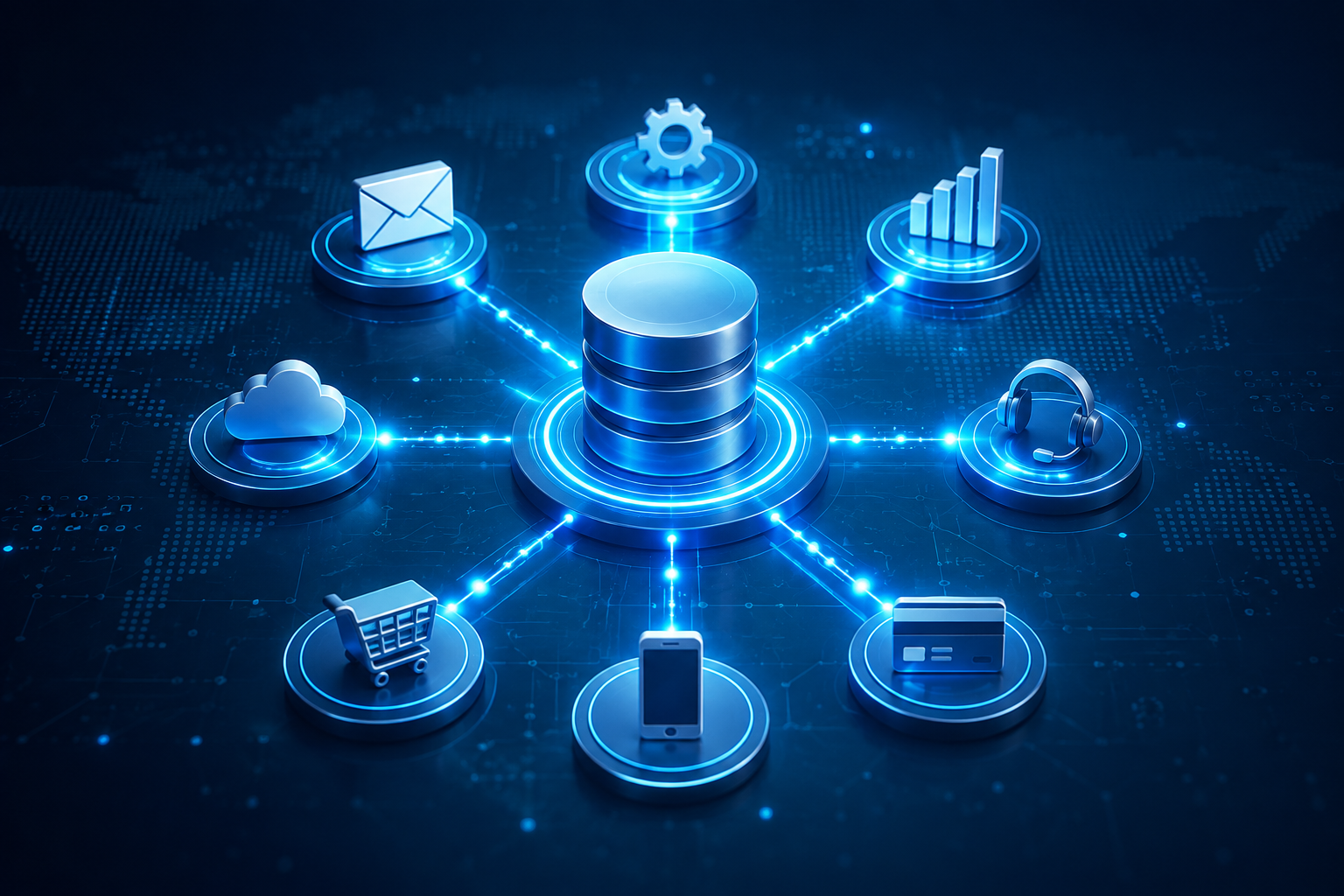
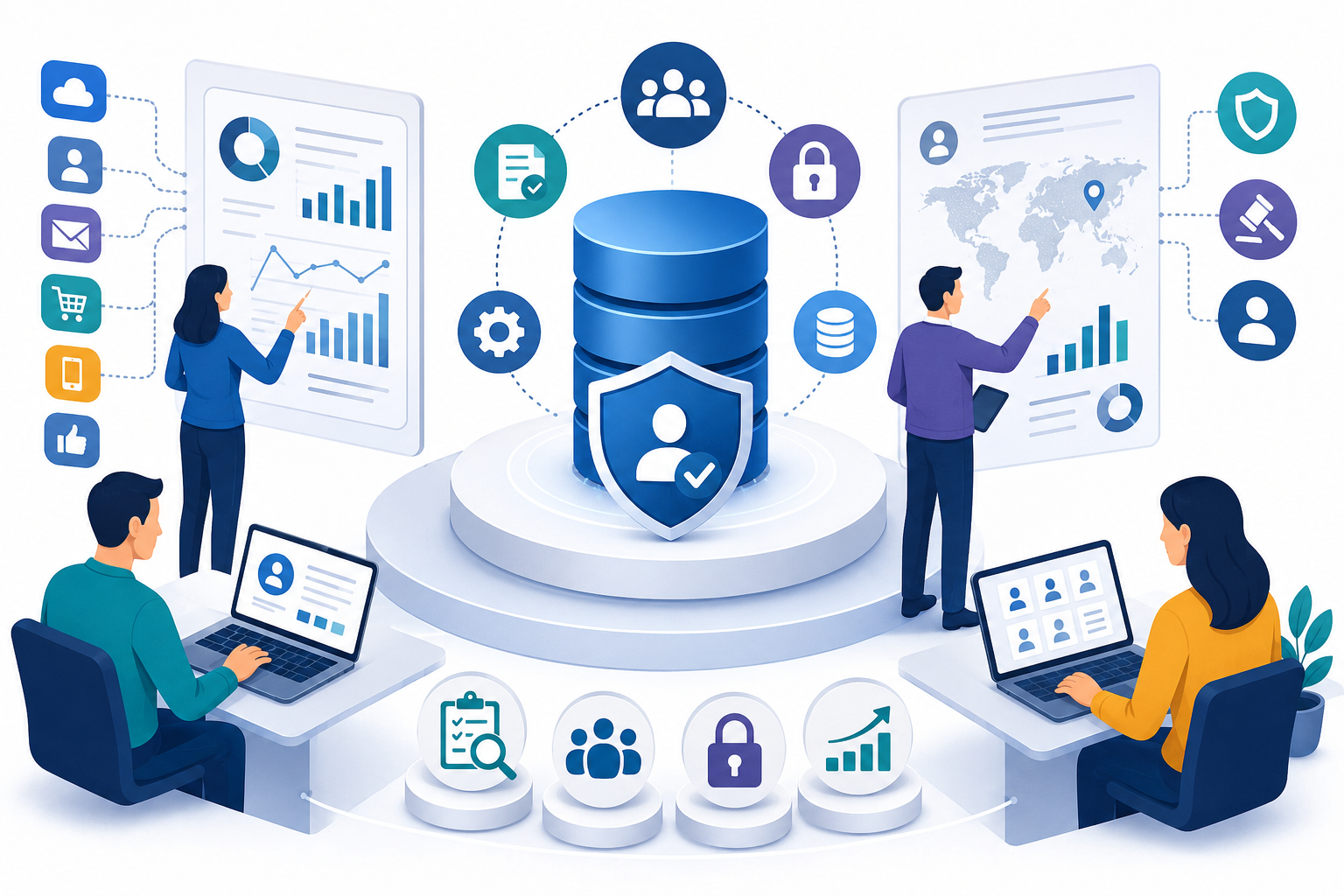
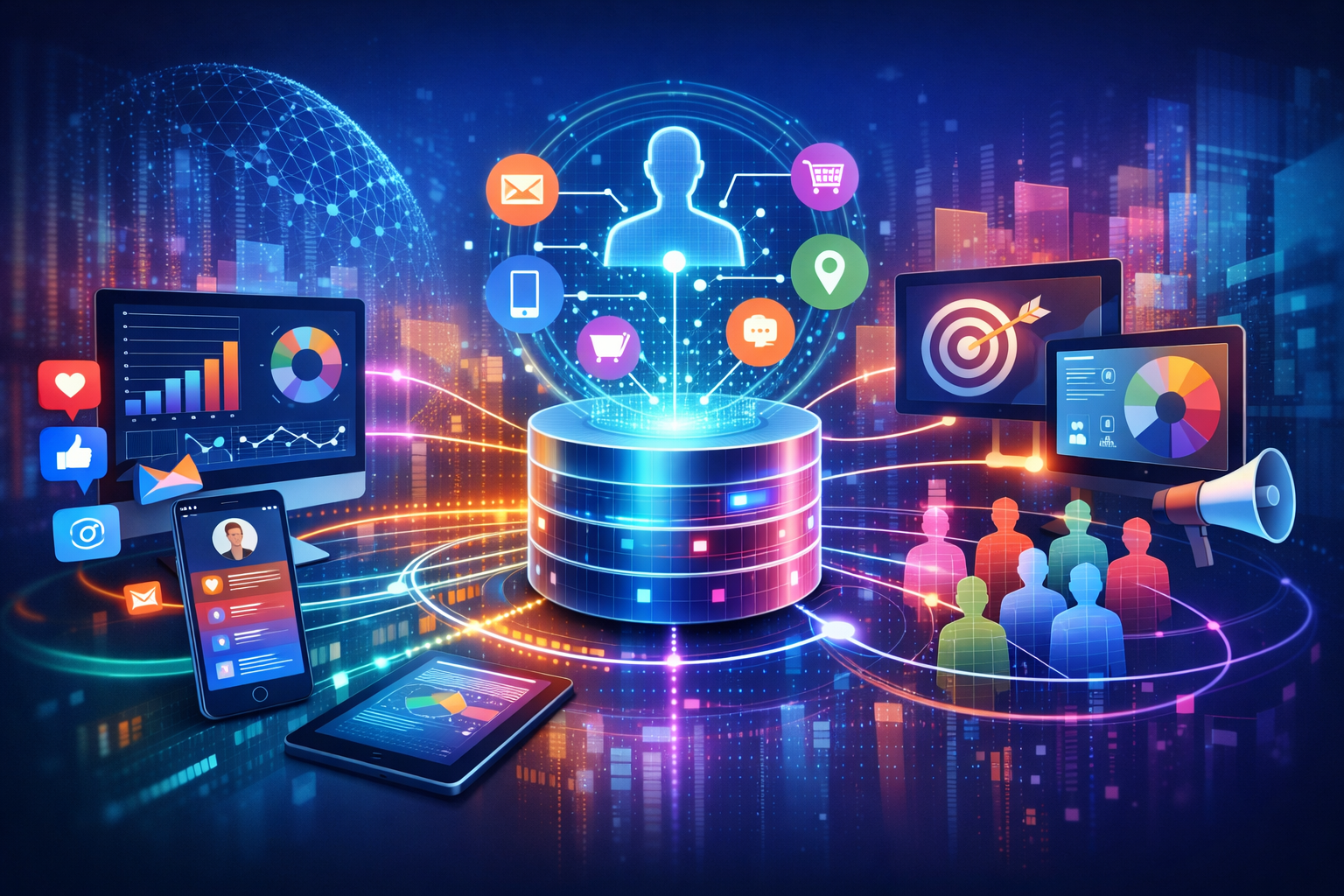
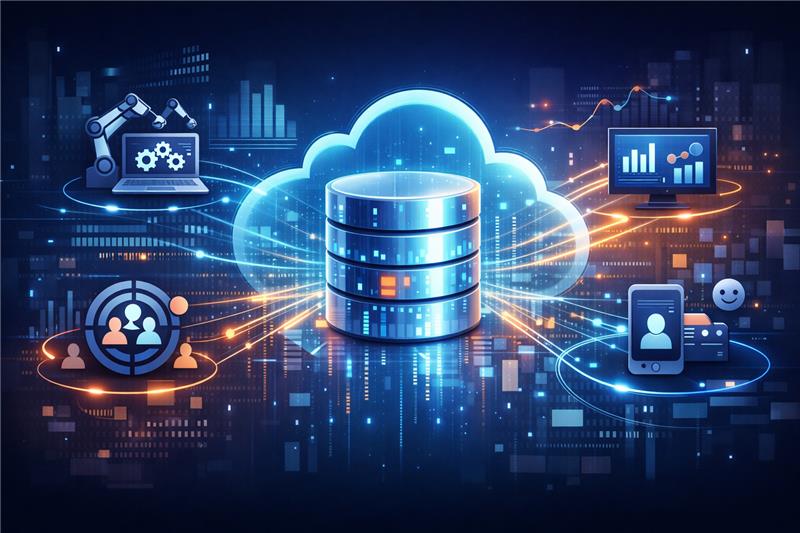
When integrated effectively, these technologies create a unified customer view that enables smarter decision-making and personalized engagement.
Why Customer Retention Matters
Customer retention is more than simply encouraging repeat purchases. It focuses on building long-lasting relationships that increase customer lifetime value (CLV). High retention rates typically result in:
- Increased revenue from repeat business
- Lower customer acquisition costs
- Stronger brand loyalty
- Higher customer satisfaction
- Positive referrals and word-of-mouth marketing
- Greater resilience during market fluctuations
Businesses that prioritize retention often outperform competitors by maintaining a loyal customer base that consistently supports their growth.
How MarTech Strengthens Customer Retention
1. Personalized Customer Experiences
Modern customers expect brands to understand their preferences and deliver relevant experiences. MarTech enables businesses to collect and analyze customer data from multiple touchpoints, allowing them to deliver personalized recommendations, offers, and communications.
Examples include:
- Product recommendations based on browsing history
- Personalized email campaigns
- Customized website experiences
- Tailored promotional offers
Personalization makes customers feel valued, increasing the likelihood of repeat engagement.
2. Marketing Automation for Consistent Engagement
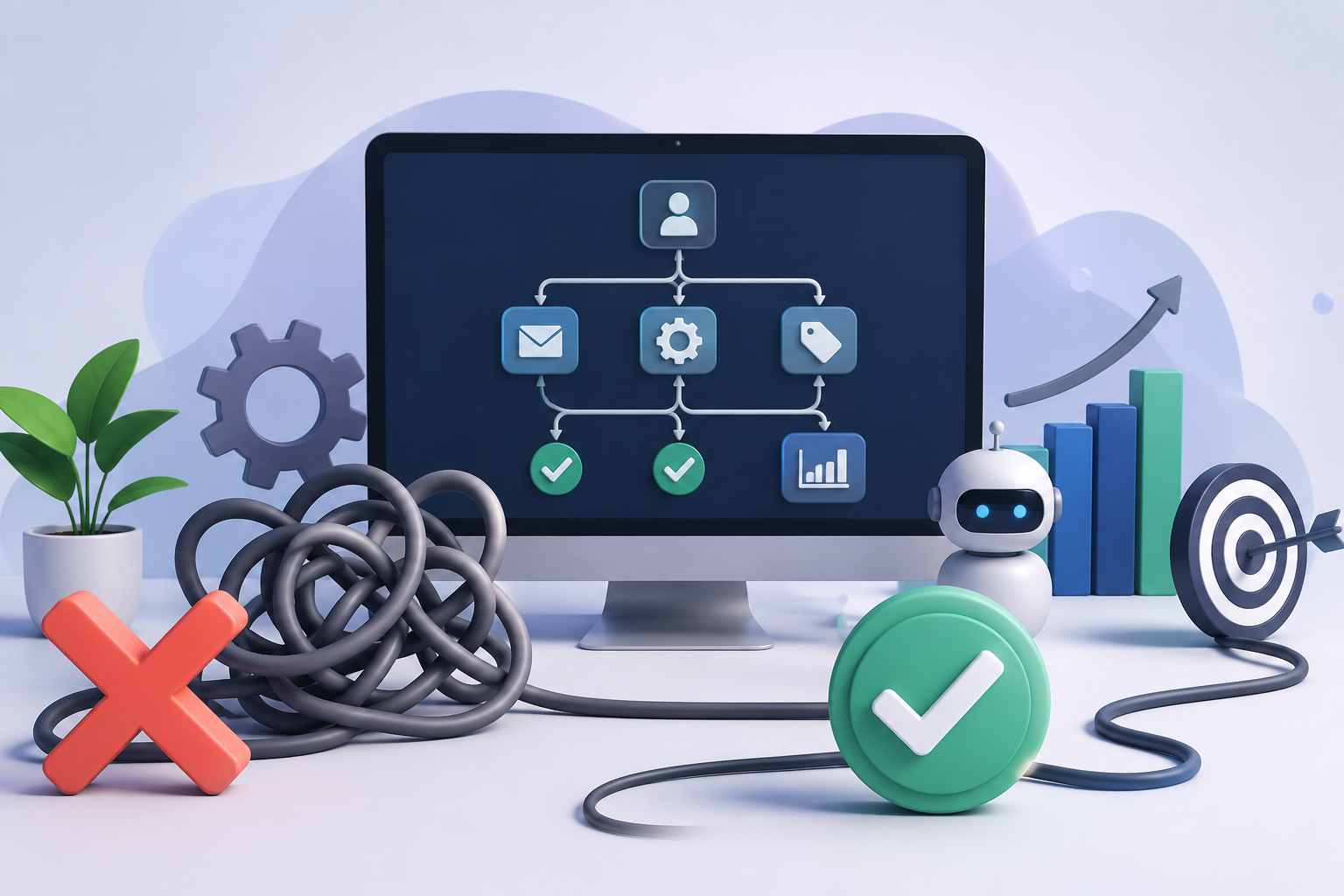
Automation ensures customers receive timely communication without requiring constant manual effort.
Businesses can automate:
- Welcome email sequences
- Birthday and anniversary offers
- Cart abandonment reminders
- Renewal notifications
- Re-engagement campaigns
- Post-purchase follow-ups
Consistent communication helps maintain customer relationships throughout the entire customer journey.
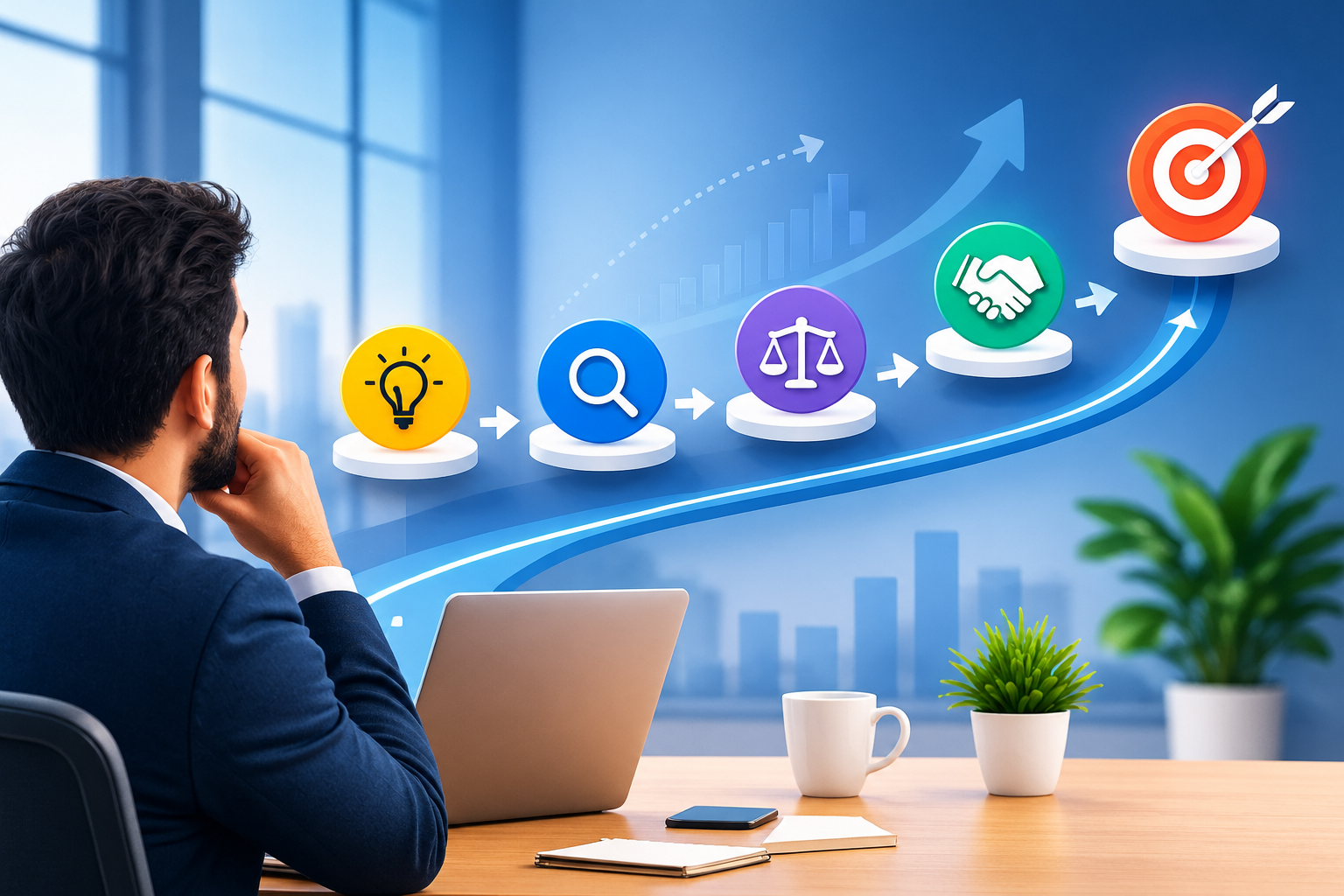
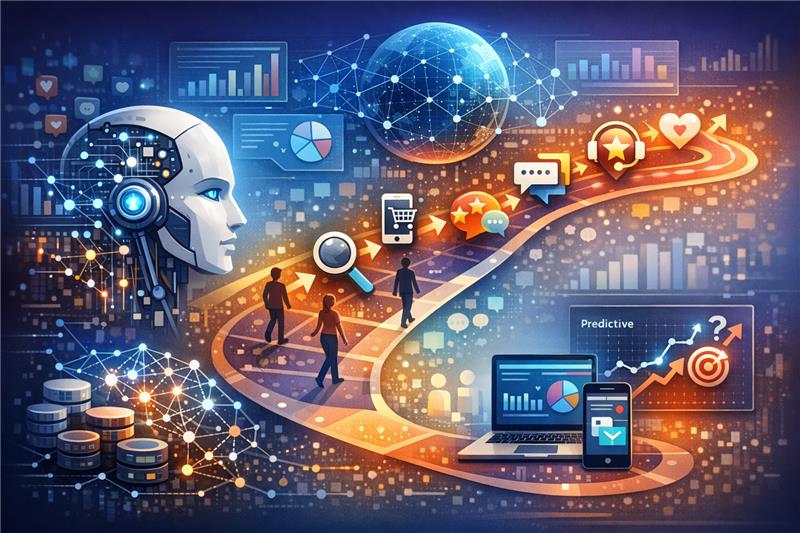
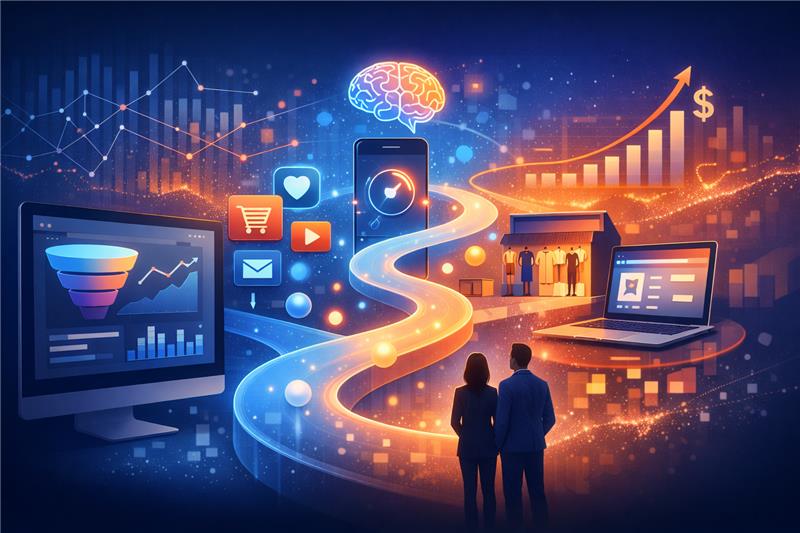
3. Customer Journey Mapping
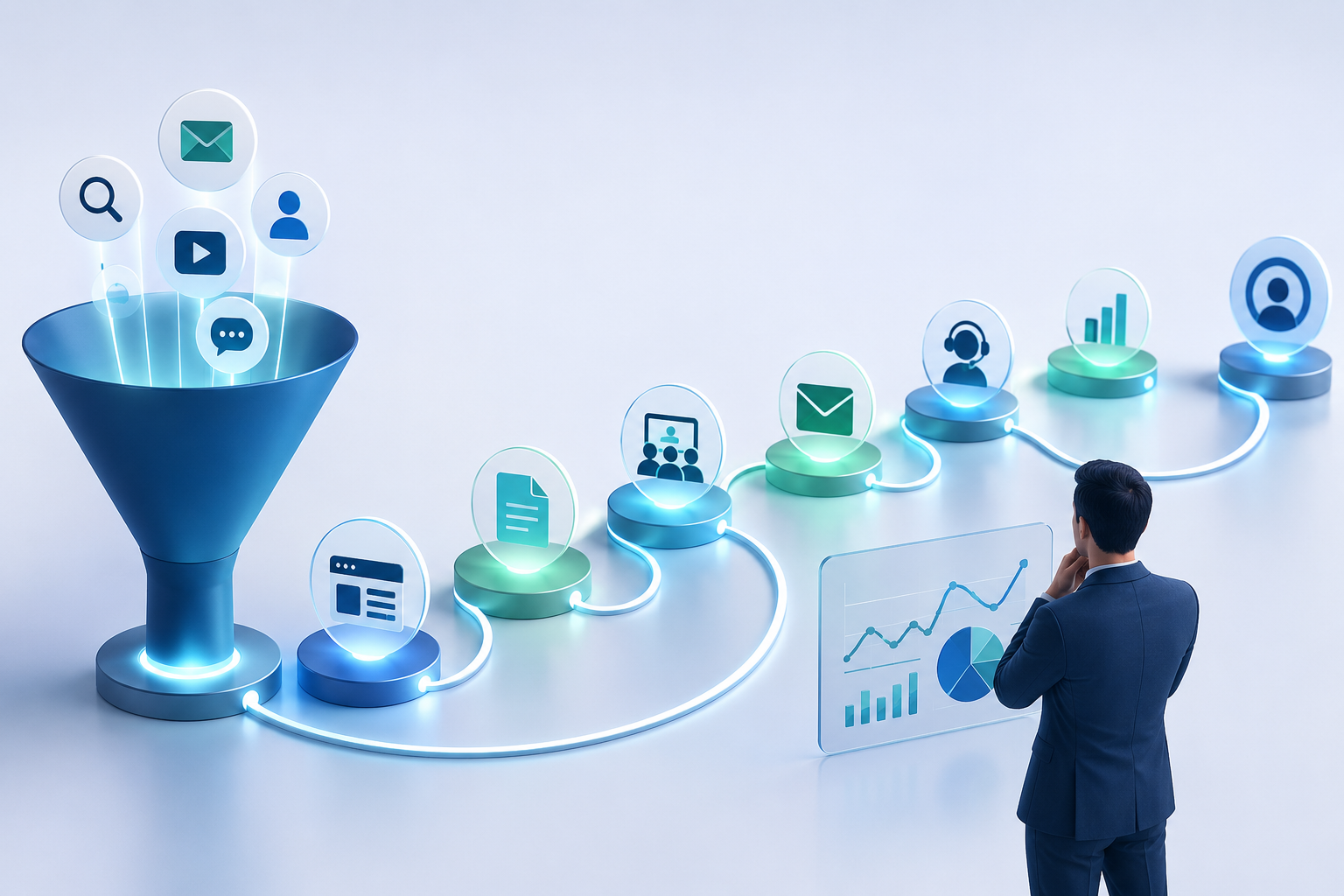
MarTech tools allow marketers to visualize and optimize every stage of the customer journey.
By understanding customer interactions across channels, businesses can identify:
- Friction points
- Drop-off stages
- High-value touchpoints
- Opportunities for proactive engagement
This enables companies to improve customer experiences before dissatisfaction leads to churn.
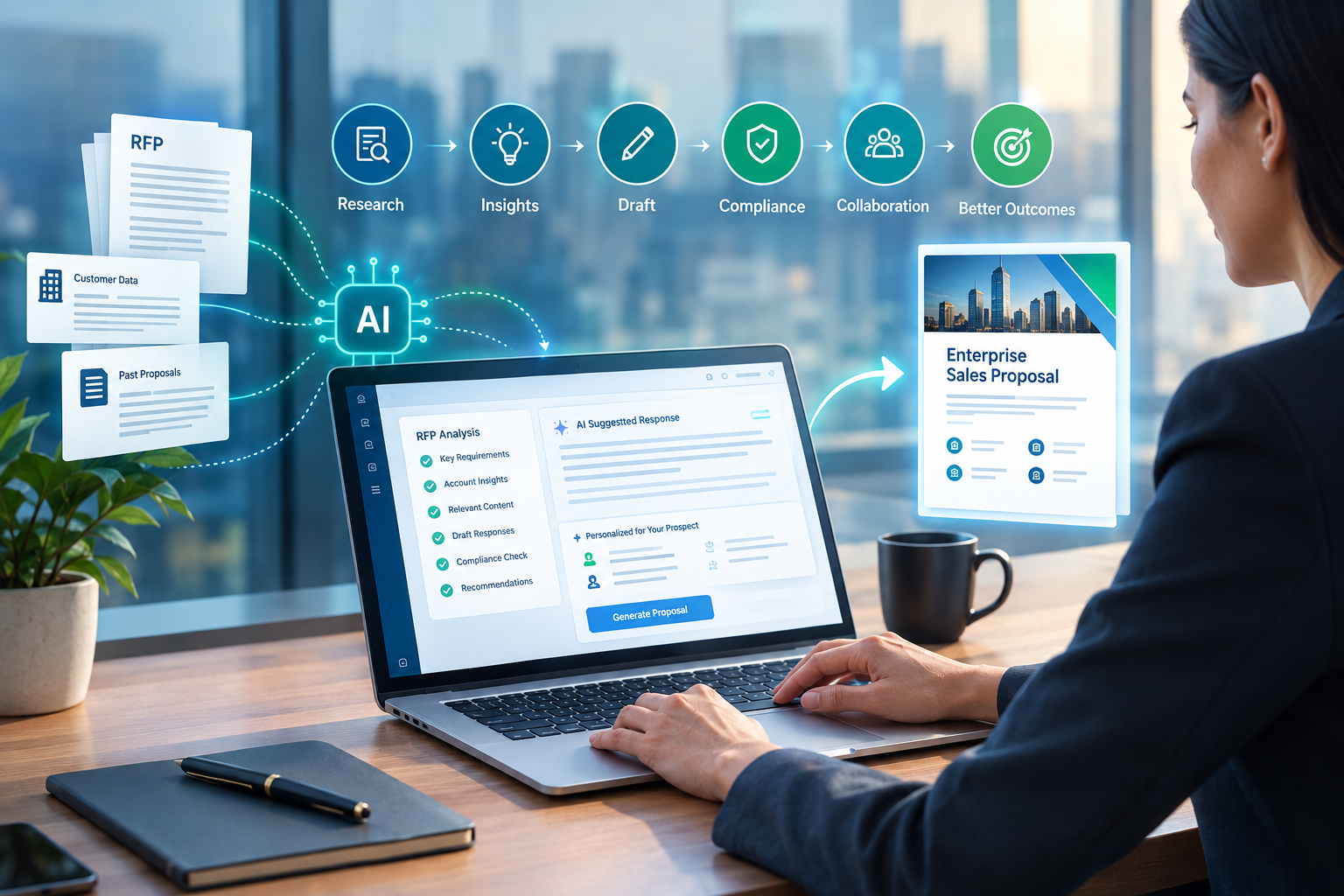
4. Predictive Analytics and AI
Artificial intelligence has become a powerful component of modern MarTech.
AI-powered analytics can:
- Predict customer churn
- Identify customers likely to make repeat purchases
- Recommend the best communication channels
- Forecast future buying behavior
- Optimize campaign timing
These insights enable businesses to take proactive measures rather than reacting after customers have already disengaged.
5. Omnichannel Customer Engagement
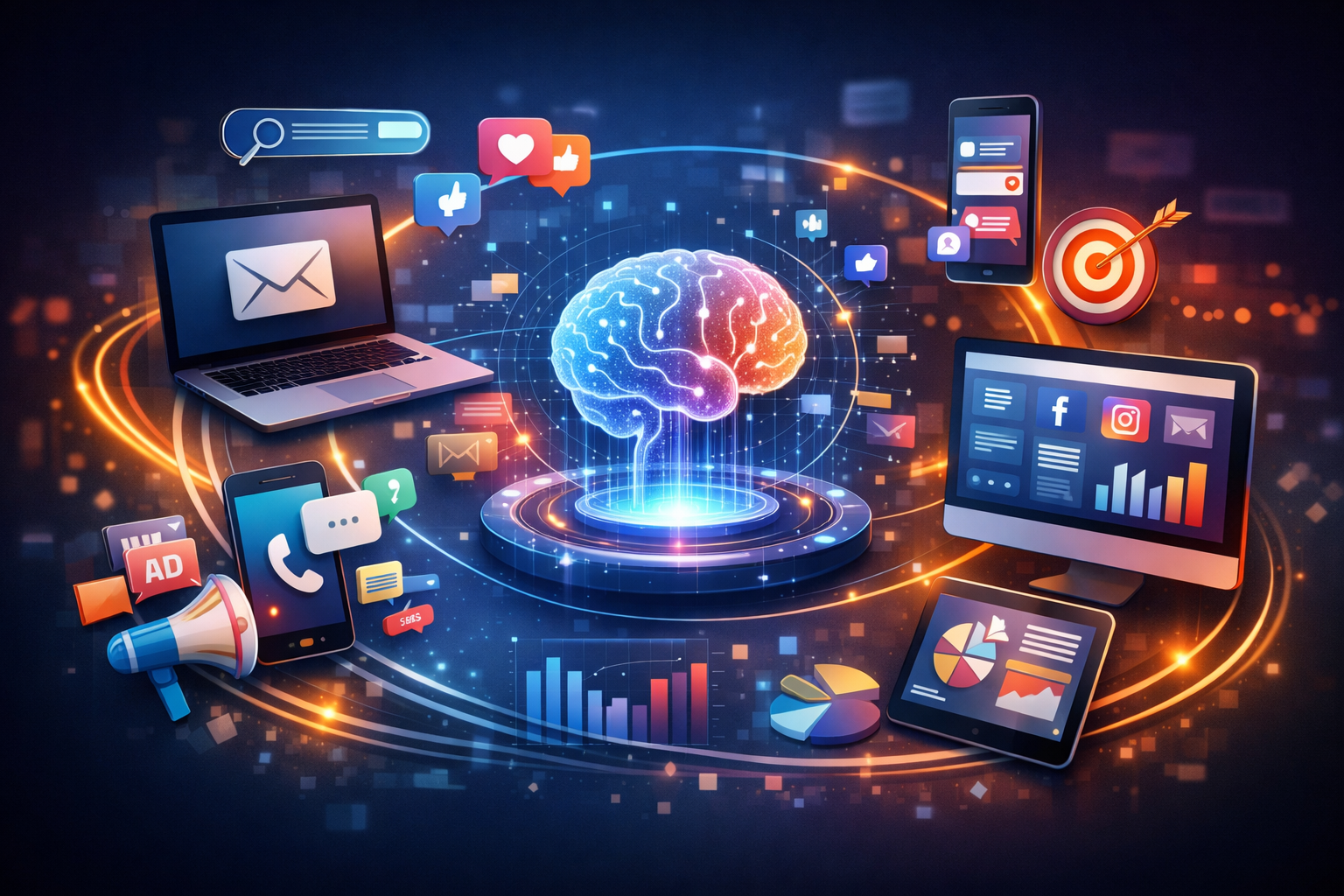
Today’s customers interact with brands across multiple channels, including websites, mobile apps, email, social media, SMS, and live chat.
MarTech platforms help create seamless experiences by ensuring messaging remains consistent regardless of the channel.
For example, a customer who browses products on a website can later receive personalized recommendations via email and exclusive offers through a mobile app.
This continuity strengthens customer relationships and improves overall satisfaction.
6. Loyalty Program Management
Loyalty programs become significantly more effective when powered by MarTech.
Technology enables businesses to:
- Track customer purchases automatically
- Award loyalty points in real time
- Personalize rewards
- Send redemption reminders
- Analyze program performance
Well-designed loyalty programs encourage repeat purchases while making customers feel appreciated.
7. Customer Feedback and Sentiment Analysis
Retention depends on understanding customer satisfaction.
MarTech solutions gather feedback through:
- Surveys
- Online reviews
- Social media monitoring
- Net Promoter Score (NPS) tracking
- Customer support interactions
Advanced analytics identify trends and recurring issues, enabling businesses to address concerns before they escalate.
Key MarTech Tools That Support Customer Retention
Several technologies contribute directly to customer retention strategies:
| MarTech Tool | Retention Benefit |
|---|---|
| CRM Platforms | Centralize customer data and interaction history |
| Marketing Automation | Deliver timely, personalized communication |
| Customer Data Platforms | Create unified customer profiles |
| AI Analytics | Predict churn and identify growth opportunities |
| Email Marketing Tools | Maintain ongoing customer engagement |
| Loyalty Platforms | Reward repeat customers |
| Chatbots & Conversational AI | Provide instant customer support |
| Social Listening Tools | Monitor customer sentiment and respond proactively |
Best Practices for Using MarTech in Retention Strategies
To maximize the impact of MarTech, organizations should:
- Maintain clean and accurate customer data.
- Integrate marketing tools for a unified customer view.
- Segment audiences based on behavior and preferences.
- Personalize communications across all channels.
- Continuously monitor customer engagement metrics.
- Use AI insights to predict customer needs.
- Regularly test and optimize campaigns.
- Ensure customer privacy and comply with data protection regulations.
Challenges to Consider
While MarTech offers significant advantages, businesses may encounter challenges such as:
- Data silos across different platforms
- Integration complexity
- High implementation costs
- Employee training requirements
- Data privacy and security concerns
- Over-automation that reduces the human touch
Addressing these challenges requires strategic planning, the right technology stack, and ongoing optimization.
The Future of MarTech in Customer Retention
Emerging technologies are reshaping customer retention strategies. Artificial intelligence, machine learning, predictive analytics, conversational AI, and hyper-personalization are making customer interactions more relevant and proactive than ever before.
Businesses are increasingly adopting real-time customer engagement, advanced behavioral analytics, and privacy-first marketing approaches. As customer expectations continue to evolve, MarTech will become even more essential for delivering seamless, personalized experiences that foster long-term loyalty.
Read Also: Agentic AI and the Future of B2B Marketing: From Automation to Autonomous Growth