Demand generation is more than attracting prospects—it’s about creating meaningful engagement that leads to revenue. While metrics like website traffic and lead volume provide valuable insights, they don’t tell the complete story. To understand whether your marketing efforts are truly driving business growth, you need to measure Return on Investment (ROI) across every stage of the demand generation funnel.
By tracking the right metrics from awareness to customer retention, businesses can identify what works, optimize campaigns, and make smarter marketing investments.
Why Measuring ROI Matters
Without proper ROI measurement, marketing teams often struggle to:
- Justify campaign budgets
- Identify high-performing channels
- Optimize marketing spend
- Align marketing efforts with sales goals
- Improve lead quality and conversion rates
A data-driven approach ensures every marketing initiative contributes to measurable business outcomes.
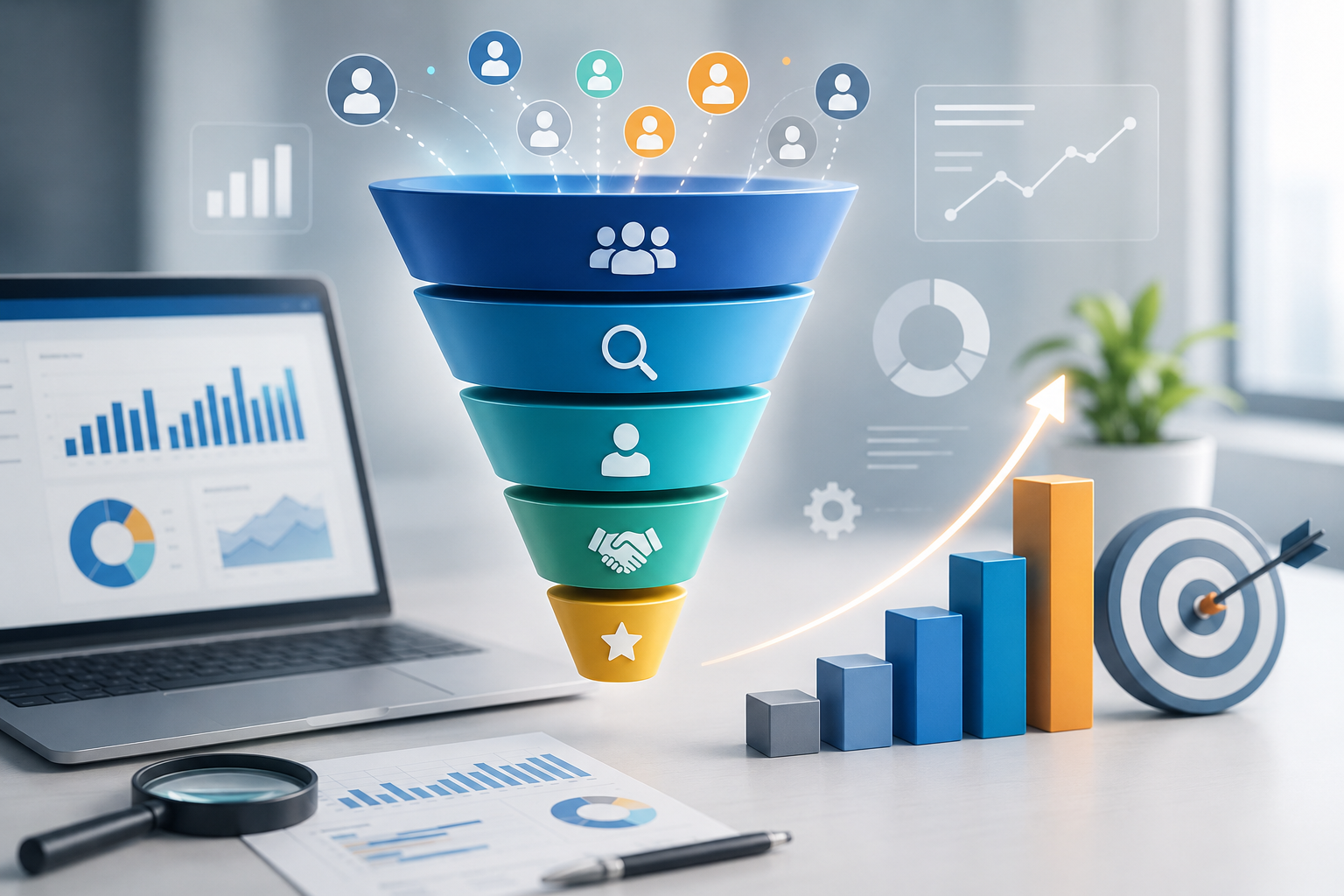
Understanding the Demand Generation Funnel
A typical demand generation funnel consists of five key stages:
- Awareness
- Interest
- Consideration
- Conversion
- Retention & Advocacy
Each stage requires different KPIs and evaluation methods.
Stage 1: Awareness
At the top of the funnel, the goal is to increase brand visibility and attract potential customers.
Key Metrics
- Website traffic
- Organic search impressions
- Social media reach
- Brand mentions
- Video views
- Cost per thousand impressions (CPM)
Although these metrics don’t directly generate revenue, they indicate whether your brand is reaching the right audience.
Stage 2: Interest
Once prospects discover your brand, the next objective is to encourage engagement.
Metrics to Track
- Click-through rate (CTR)
- Content downloads
- Webinar registrations
- Email subscriptions
- Time on page
- Returning visitors
These indicators demonstrate whether your content resonates with your target audience.
Stage 3: Consideration
At this stage, prospects evaluate your solution against competitors.
Important KPIs
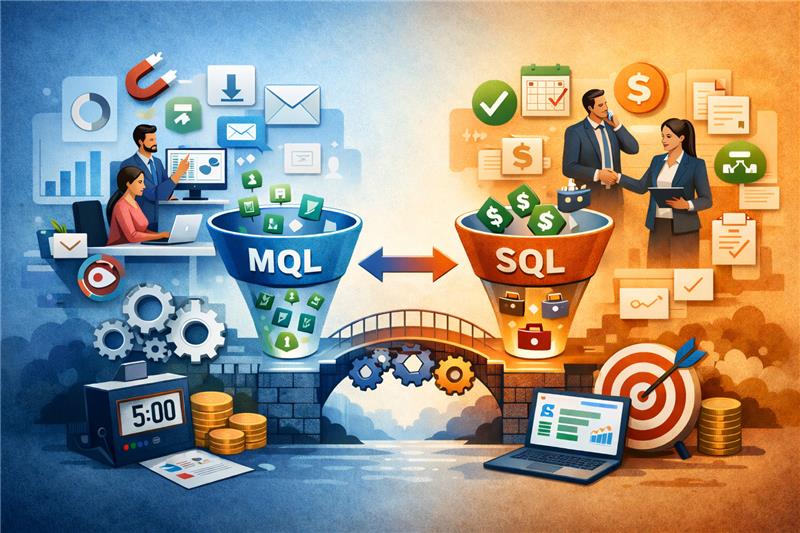
- Marketing Qualified Leads (MQLs)
- Sales Qualified Leads (SQLs)
- Lead scoring
- Demo requests
- Free trial sign-ups
- Cost per lead (CPL)
Tracking lead quality is often more valuable than simply measuring lead quantity.
Stage 4: Conversion
This is where marketing begins contributing directly to revenue.
Conversion Metrics
- Opportunity creation rate
- Sales conversion rate
- Customer Acquisition Cost (CAC)
- Average deal value
- Revenue generated
- Marketing-influenced pipeline
These metrics help determine how efficiently marketing investments turn into paying customers.
Stage 5: Retention and Advocacy
Demand generation doesn’t end after the sale.
Satisfied customers become repeat buyers and brand advocates.
Metrics
- Customer Lifetime Value (CLV)
- Customer retention rate
- Renewal rate
- Upsell revenue
- Referral conversions
- Net Promoter Score (NPS)
Long-term ROI is often significantly higher than initial acquisition returns.
Connecting Marketing to Revenue
One of the biggest challenges is attributing revenue to marketing efforts.
Organizations should implement:
- CRM integration
- Marketing automation
- Multi-touch attribution
- Campaign tracking using UTM parameters
- Lead source reporting
- Revenue attribution dashboards
These tools provide visibility into which campaigns contribute most to pipeline and revenue.
ROI Formula
The basic marketing ROI formula is:
ROI (%) = ((Revenue Generated – Marketing Investment) ÷ Marketing Investment) × 100
For example:
- Marketing Spend: ₹5,00,000
- Revenue Generated: ₹18,00,000
ROI = ((18,00,000 − 5,00,000) ÷ 5,00,000) × 100 = 260%
Common Mistakes to Avoid
Many businesses make the following mistakes when evaluating demand generation performance:
- Measuring only lead volume
- Ignoring lead quality
- Focusing solely on last-click attribution
- Tracking vanity metrics instead of revenue
- Failing to align sales and marketing data
- Not measuring customer lifetime value
Avoiding these pitfalls leads to more accurate ROI analysis and better strategic decisions.
Best Practices
To maximize demand generation ROI:
- Define clear goals for each funnel stage.
- Track metrics that align with business objectives.
- Integrate marketing and sales platforms.
- Review campaign performance regularly.
- Optimize underperforming channels.
- Invest more in campaigns with proven revenue impact.
- Continuously test messaging, creatives, and landing pages.
Read Also: Personalization Strategies That Drive ABM Success