
In the rapidly evolving world of marketing technology (martech), one format has moved from being a “nice-to-have” to an absolute necessity: video. What was once reserved for big-budget campaigns is now central to how brands communicate, engage, and convert audiences across digital channels. The rise of video is not accidental—it’s the result of shifting consumer behavior, platform evolution, and the growing demand for more immersive and authentic experiences.
The Shift in Consumer Attention
Modern audiences are overwhelmed with information. Text-heavy content often struggles to hold attention, especially in an era dominated by scrolling and short attention spans. Video, however, cuts through the noise. It combines visuals, sound, and storytelling into a format that is easier to consume and more engaging.
Studies consistently show that users retain more information from video than from text. Whether it’s a product demo, a tutorial, or a brand story, video delivers messages faster and more effectively. This makes it an invaluable tool for marketers aiming to capture attention within seconds.
Platform Algorithms Favor Video
Another driving force behind video’s dominance is the way digital platforms prioritize it. Social media networks and search engines increasingly reward video content with higher visibility and reach.
Short-form videos, live streams, and interactive formats are often pushed to the top of feeds, giving brands greater organic exposure. As a result, companies that invest in video are not just improving engagement—they’re also improving discoverability.
Personalization at Scale
Martech has always been about delivering the right message to the right audience at the right time. Video is now enhancing that capability through personalization.
With advances in data analytics and automation, marketers can create tailored video experiences for different audience segments. Personalized video emails, dynamic product recommendations, and targeted ads are becoming more common, allowing brands to connect with users on a deeper level.
Improved Conversion Rates
Video doesn’t just attract attention—it drives action. Landing pages with video content often see higher conversion rates compared to those without. Product videos help customers make informed decisions, reducing hesitation and increasing trust.
From explainer videos to customer testimonials, video content provides clarity and builds credibility. This is particularly important in competitive markets where differentiation is key.
Integration Across the Martech Stack
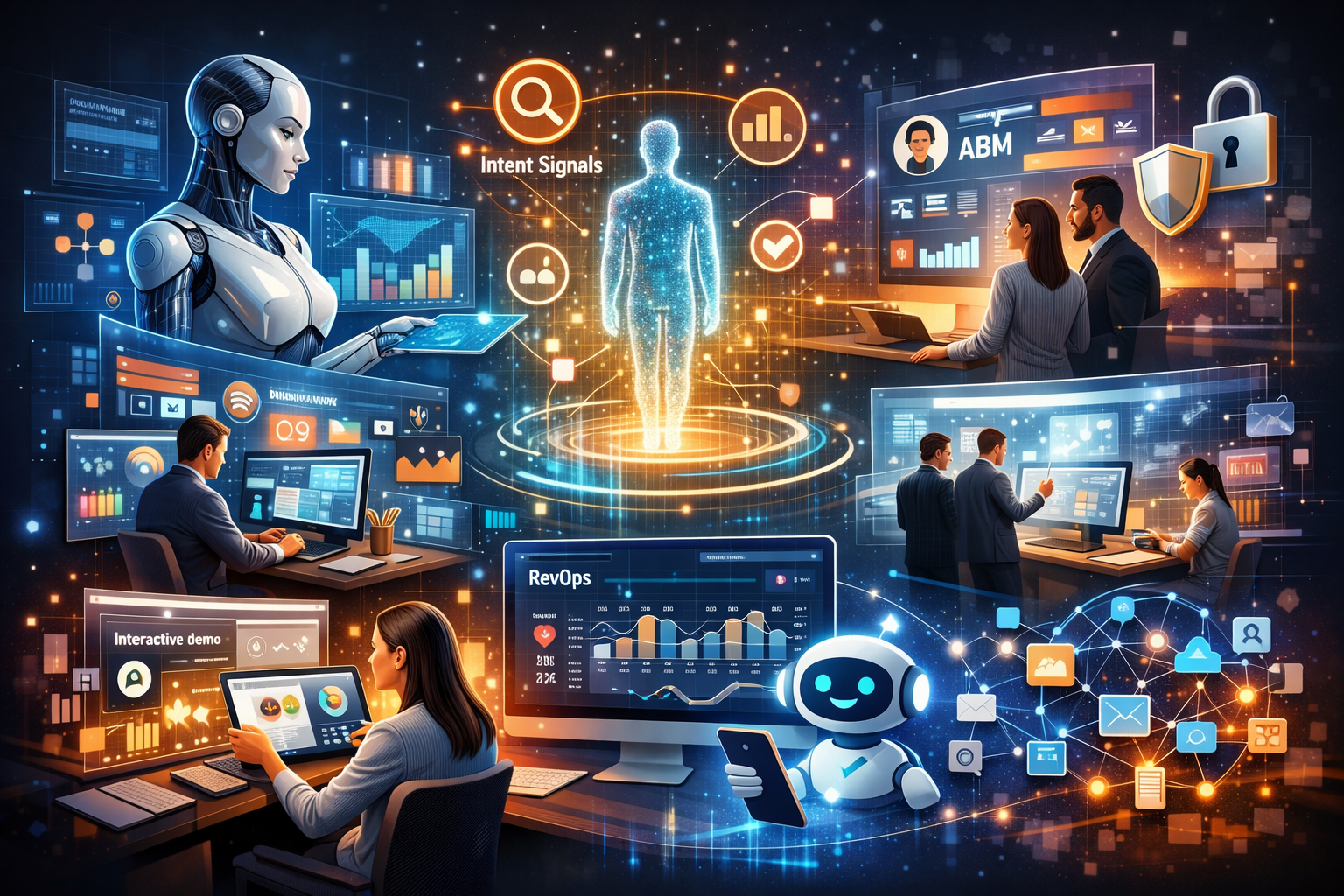
Video is no longer a standalone asset; it is deeply integrated into the broader martech ecosystem. It works seamlessly with:
- Customer Relationship Management (CRM) systems
- Marketing automation platforms
- Analytics and performance tracking tools
- Content management systems (CMS)
This integration allows marketers to track engagement metrics such as watch time, drop-off points, and click-through rates, enabling continuous optimization.
The Rise of Interactive and Shoppable Video
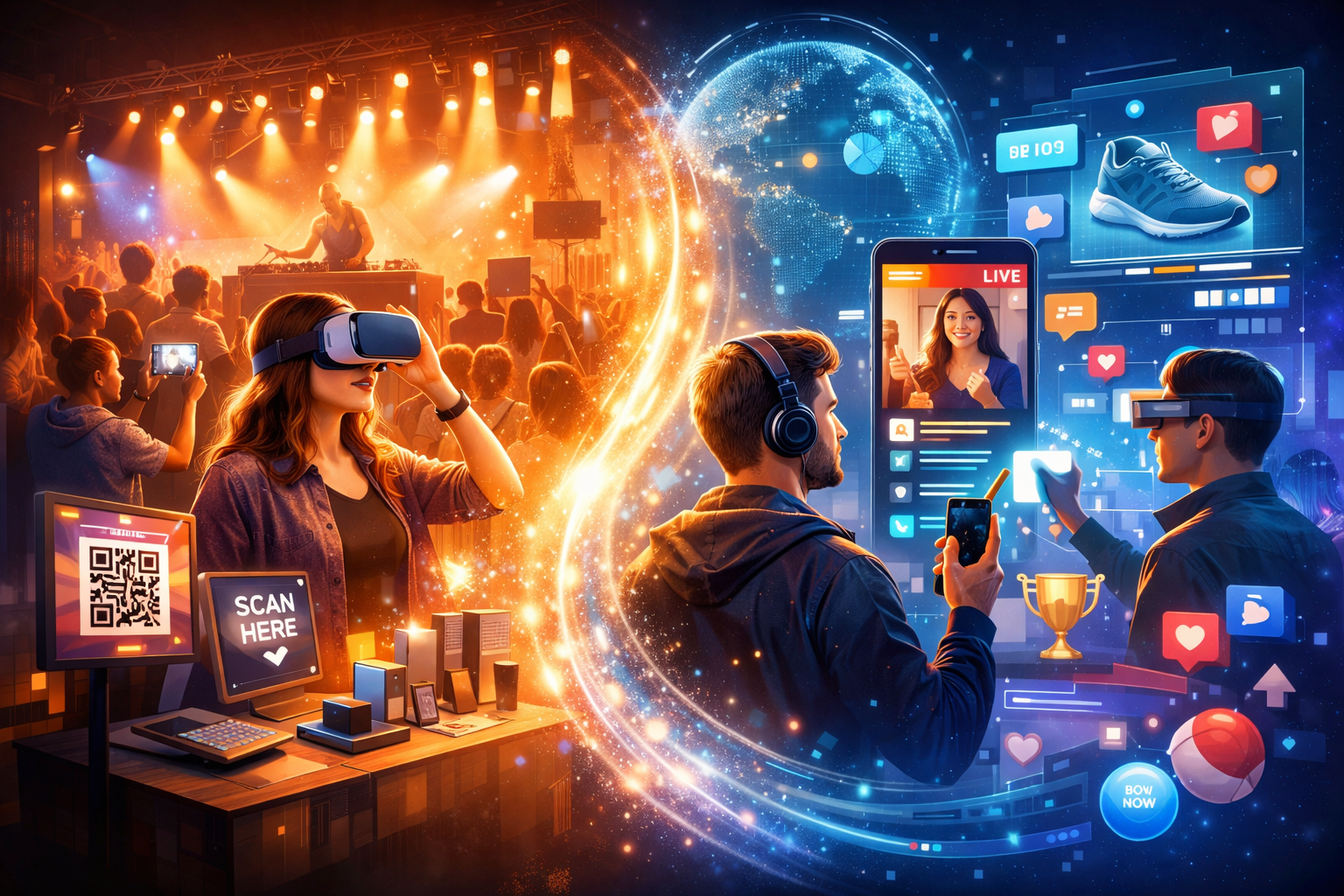
The next phase of video in martech is interactivity. Shoppable videos, clickable elements, and immersive experiences are transforming passive viewing into active engagement.
Consumers can now explore products, click on embedded links, and make purchases directly within a video. This shortens the customer journey and creates a more seamless buying experience.
Cost Efficiency and Accessibility
Creating high-quality video content is no longer prohibitively expensive. With the availability of user-friendly tools, AI-driven editing platforms, and affordable production options, even small businesses can leverage video effectively.
This democratization of video production has accelerated its adoption across industries, making it a core component of marketing strategies regardless of company size.
The Future: Video-First Marketing
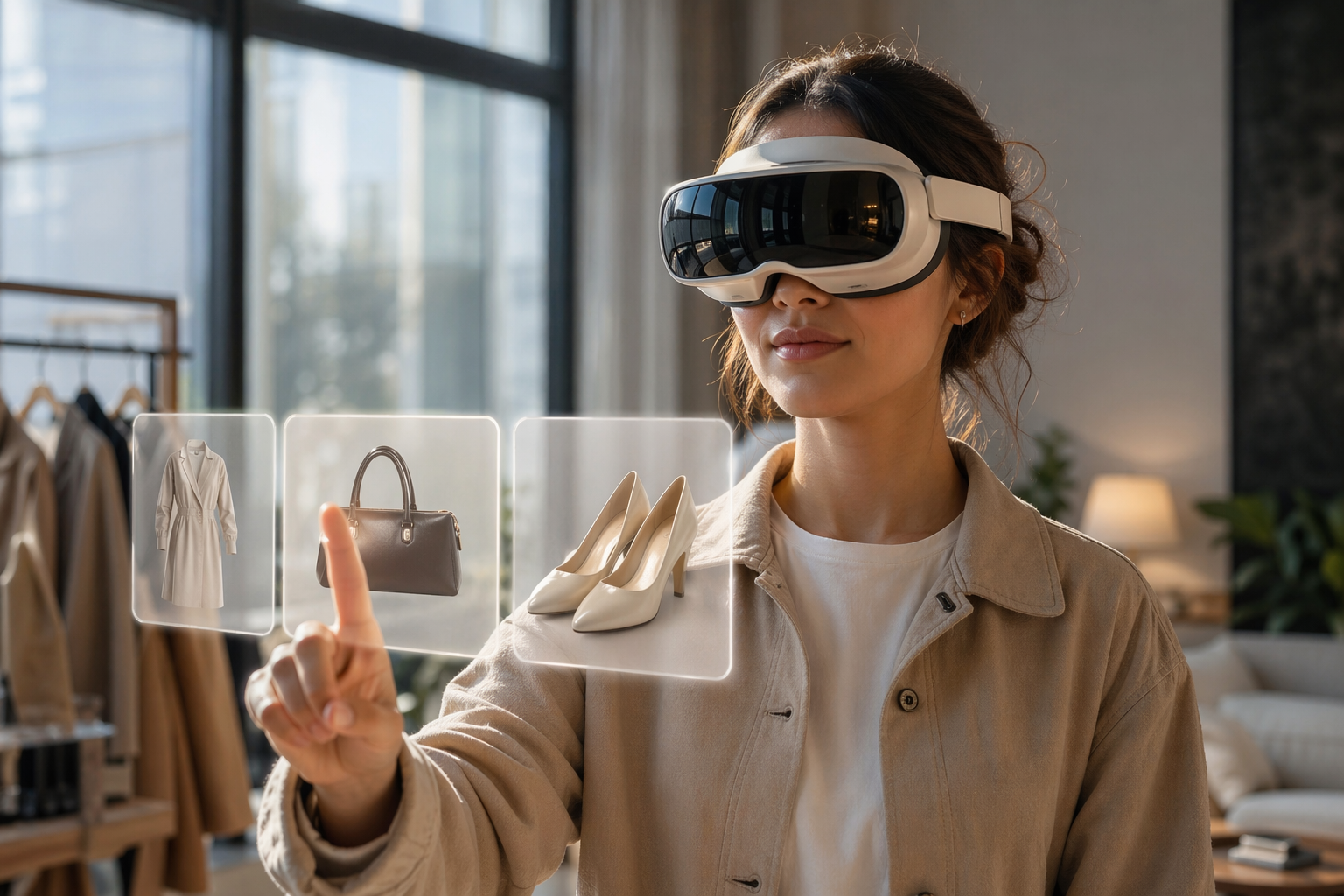
As technology continues to evolve, video is set to become even more central to martech strategies. Emerging trends such as augmented reality (AR), virtual reality (VR), and AI-generated video content will further enhance how brands communicate.
Marketers who embrace a video-first approach will be better positioned to meet customer expectations, stand out in crowded markets, and drive measurable results.
Read Also: AI in Marketing: Deep Dives into the Future of Customer Engagement