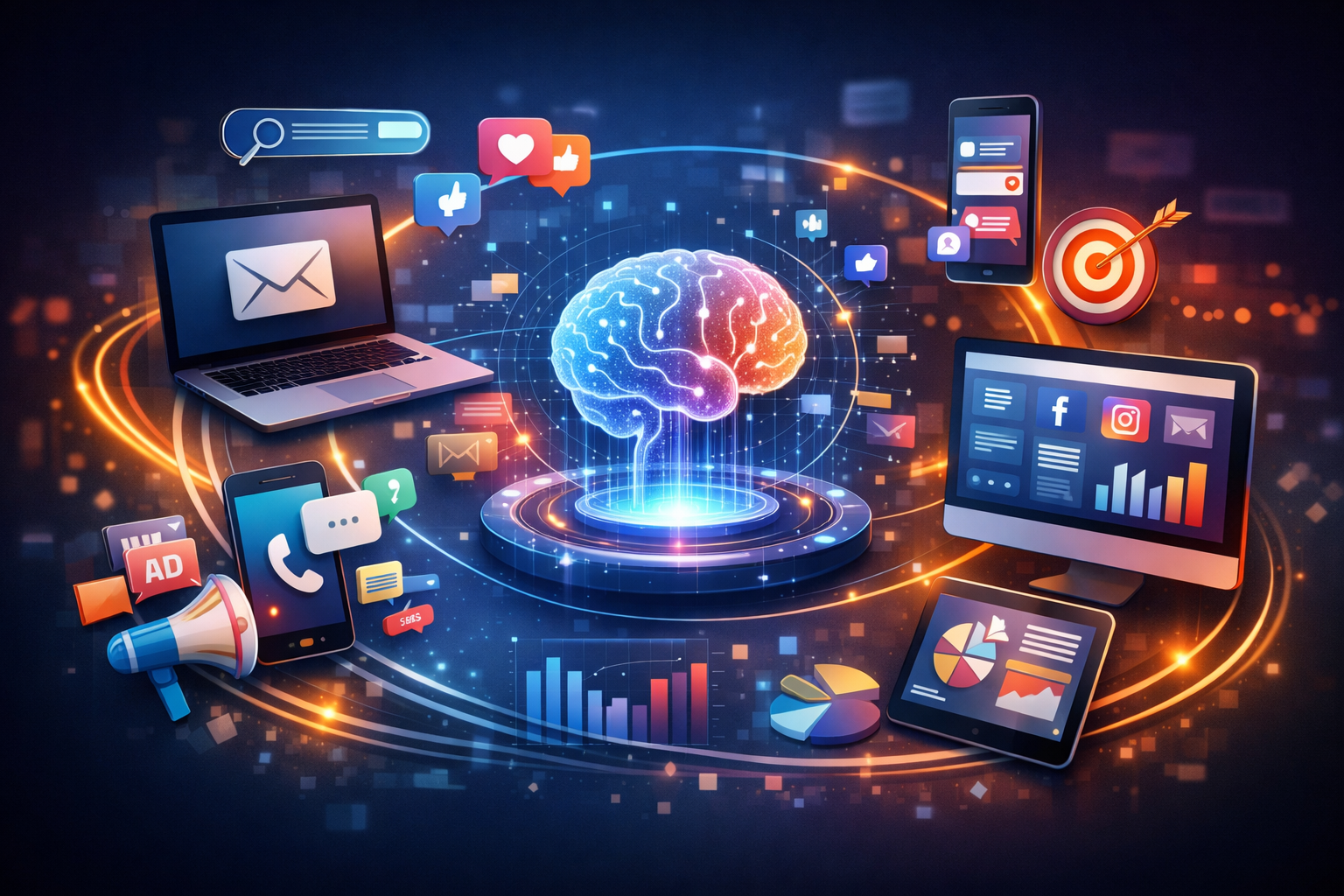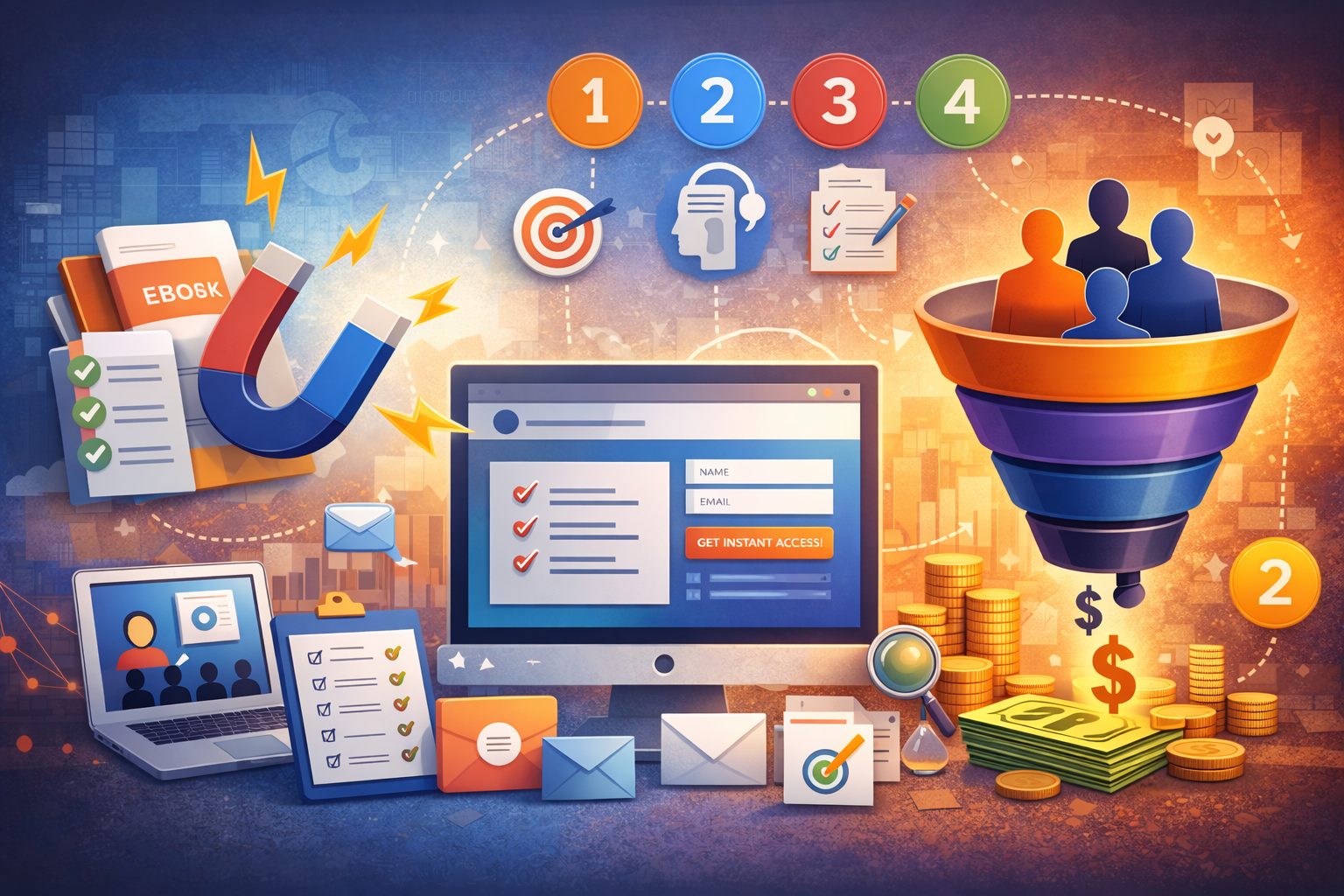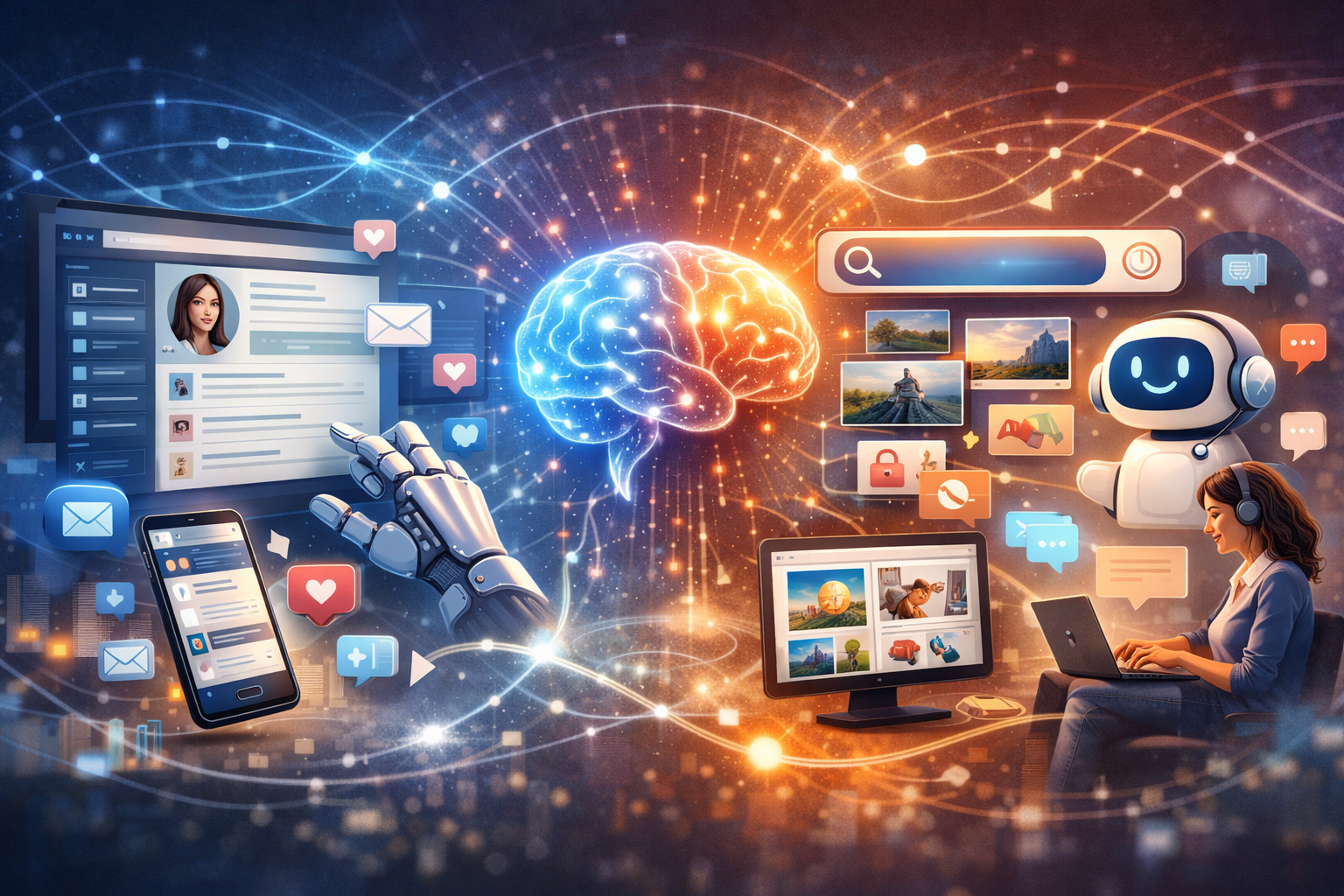

Account-Based Marketing (ABM) has always been about precision. Instead of casting a wide net, ABM focuses on identifying high-value accounts and delivering personalized experiences that move decision-makers toward purchase. In today’s rapidly evolving digital landscape, Artificial Intelligence (AI) is transforming how organizations execute ABM strategies, making campaigns smarter, faster, and more scalable than ever before.
As businesses face increasing competition and buyers demand highly relevant interactions, the future of ABM will be deeply connected to AI-driven intelligence, automation, and predictive insights.
Understanding the Evolution of ABM
Traditional ABM relied heavily on manual research, segmentation, and personalized outreach crafted by sales and marketing teams. While effective, these methods were time-consuming and difficult to scale across hundreds or thousands of target accounts.
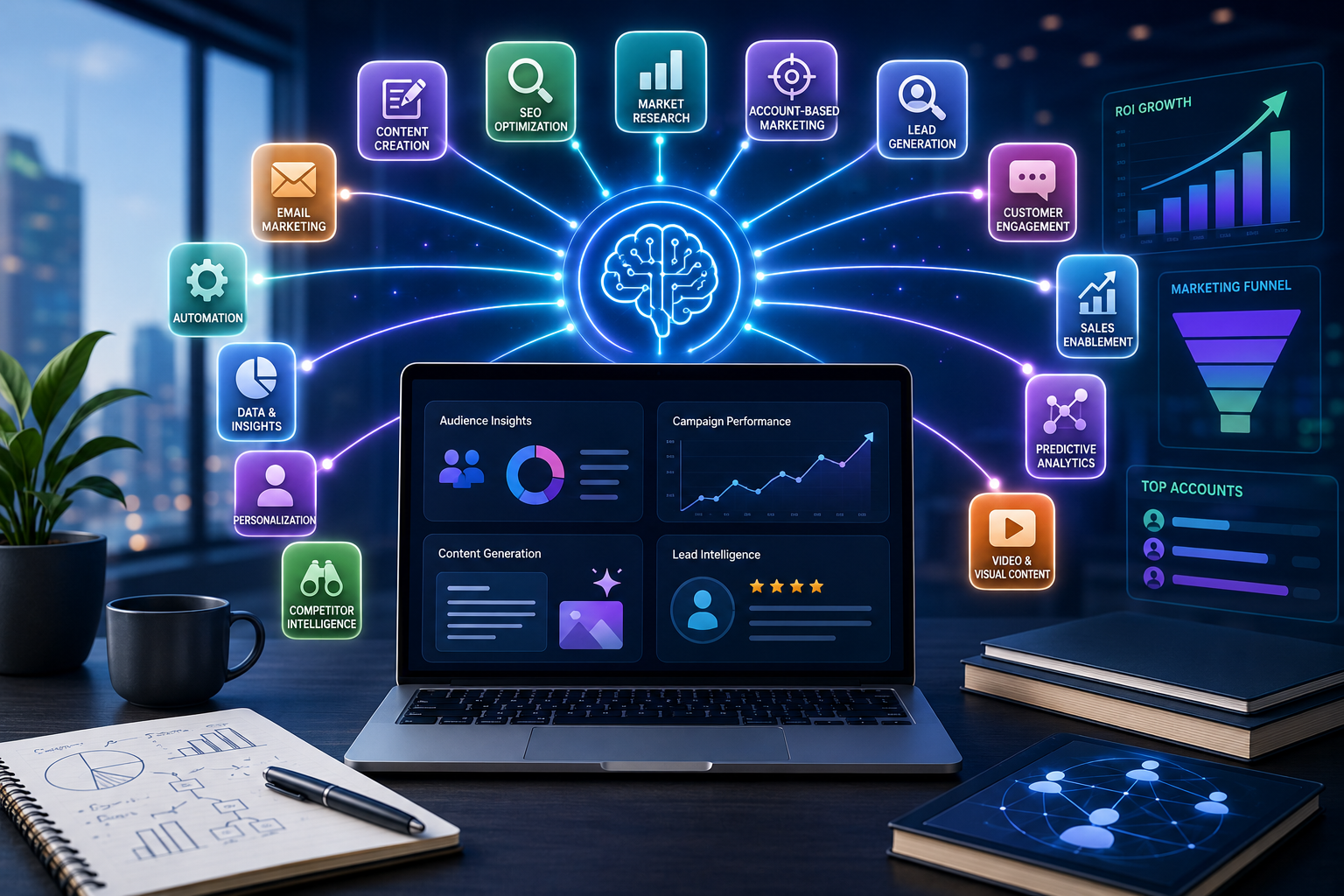
AI changes this dynamic by enabling organizations to:
- Analyze massive datasets in real time
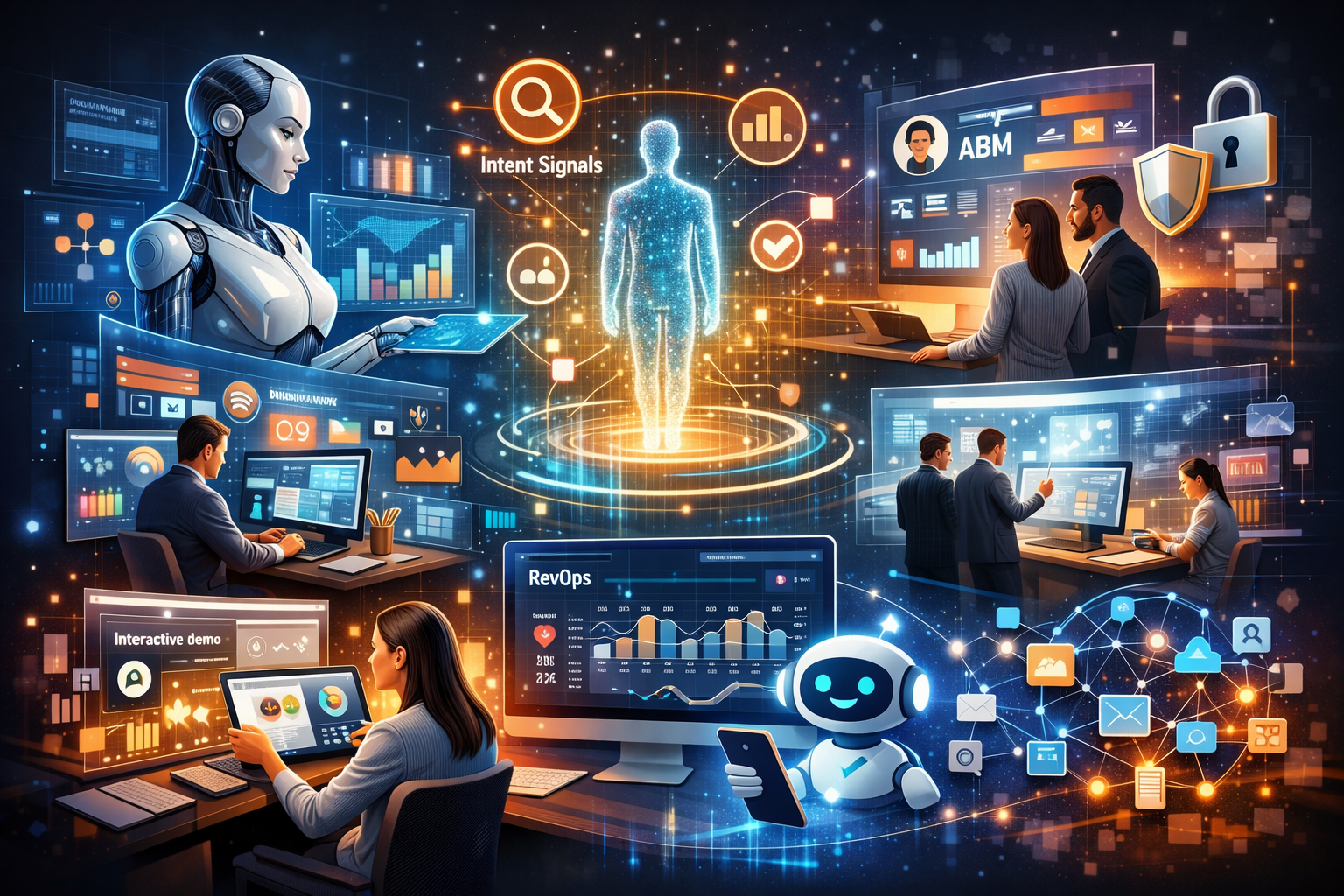
- Identify buying intent signals
- Predict account readiness
- Automate personalized engagement
- Optimize campaigns continuously
The result is a more agile and data-driven ABM ecosystem that improves conversion rates while reducing operational inefficiencies.
AI-Powered Data Intelligence
The foundation of successful ABM is accurate customer intelligence. AI enhances this by processing behavioral, transactional, and intent data at a scale impossible for humans alone.
Modern AI systems can identify patterns such as:
- Website engagement behavior
- Content consumption trends
- Social media interactions
- Technographic and firmographic changes
- Purchasing signals across channels
This allows marketing teams to prioritize accounts most likely to convert and tailor outreach based on real-time insights.
For example, if an enterprise prospect repeatedly visits pricing pages, downloads cybersecurity whitepapers, and attends webinars, AI can flag the account as sales-ready and recommend immediate engagement.
Hyper-Personalization at Scale
One of the biggest challenges in ABM has always been personalization. Buyers expect communication that feels specifically designed for their business needs, industry challenges, and growth objectives.
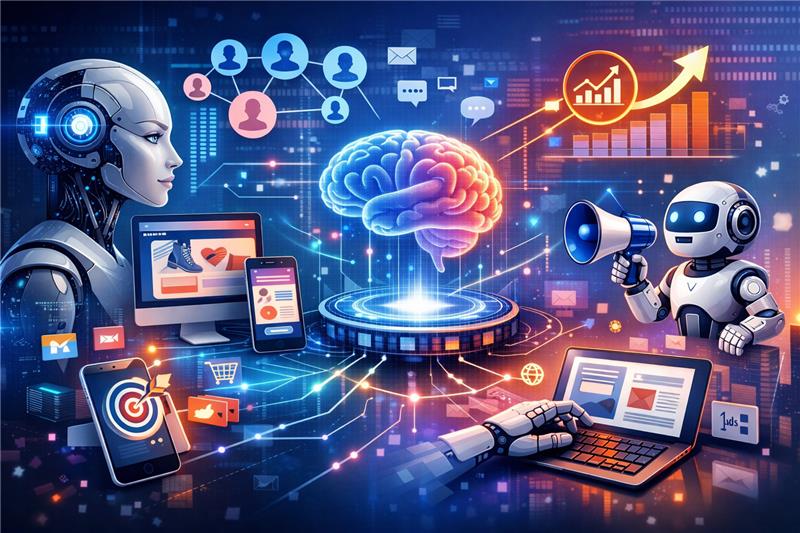
AI enables hyper-personalization by dynamically generating:
- Personalized email campaigns
- Custom landing pages
- Product recommendations
- Industry-specific messaging
- Adaptive content journeys
Instead of creating one campaign for thousands of users, companies can now create thousands of tailored experiences automatically.
Generative AI tools are accelerating this capability even further. Marketing teams can rapidly produce customized proposals, ad copy, account summaries, and nurture sequences in minutes rather than days.
Predictive Analytics and Buying Intent
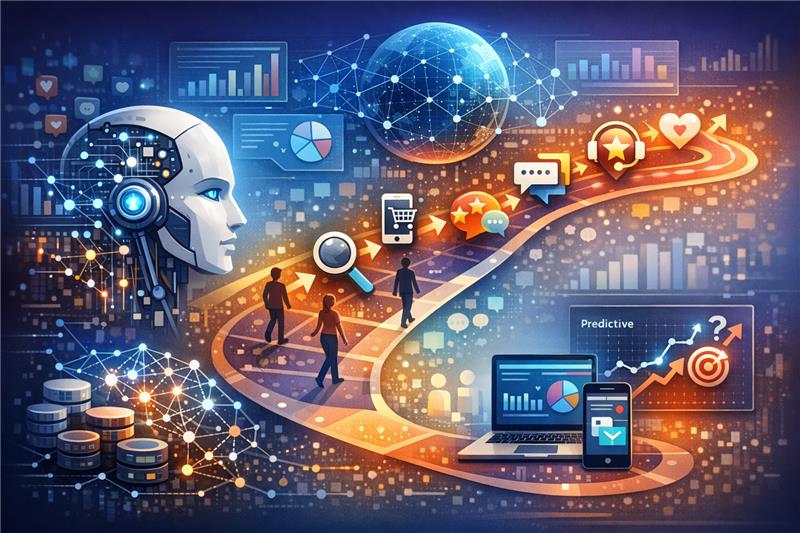
Predictive analytics is becoming a core component of future ABM strategies. AI models can evaluate historical data and current behaviors to forecast:
- Which accounts are most likely to convert
- Expected deal size
- Customer lifetime value
- Churn risk
- Optimal timing for outreach
This predictive capability improves resource allocation by helping teams focus efforts on accounts with the highest revenue potential.
Rather than relying on intuition, organizations can make decisions backed by probability models and real-time market intelligence.
AI and Sales-Marketing Alignment
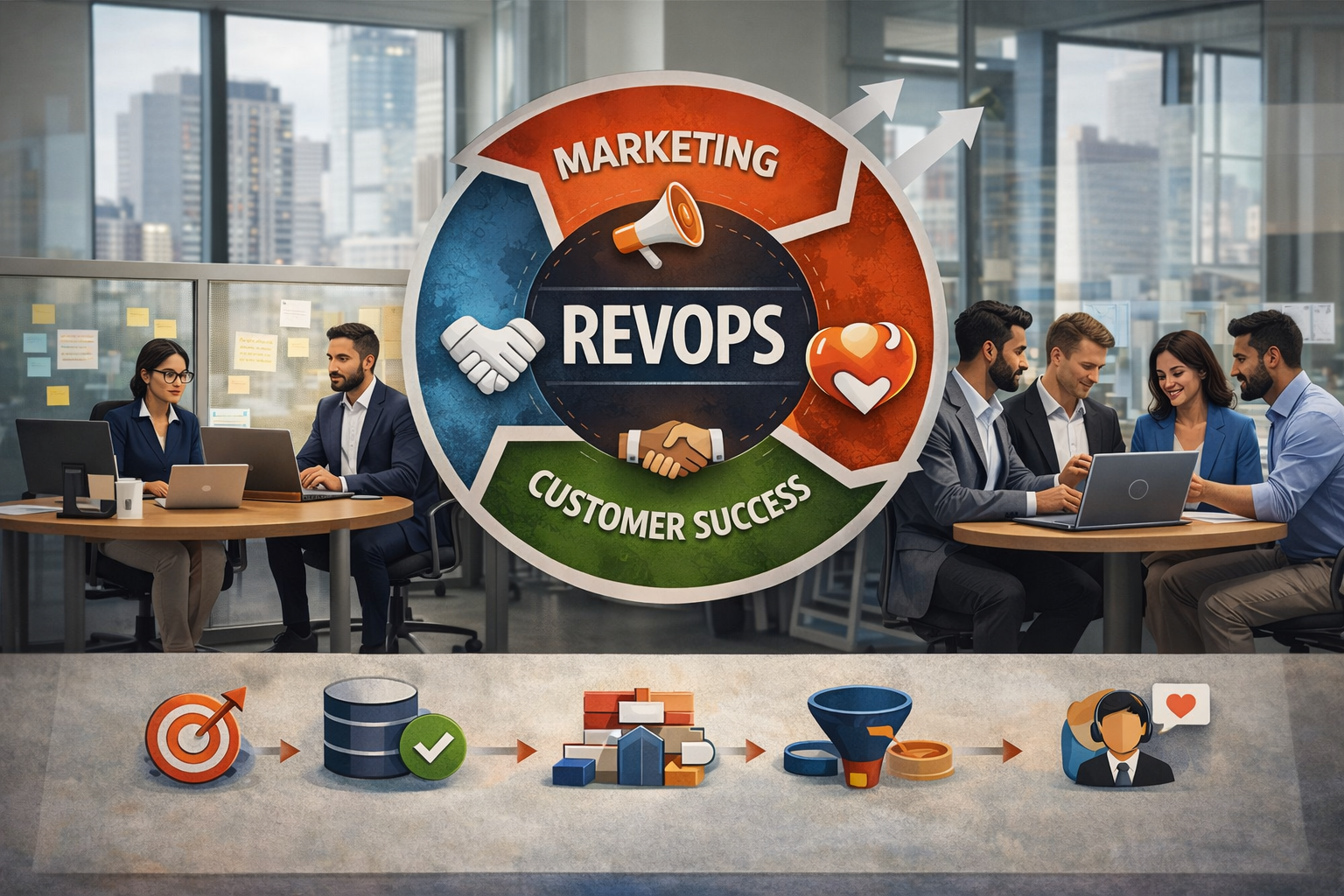
ABM succeeds when sales and marketing teams operate as a unified revenue engine. AI strengthens this alignment by creating shared visibility into account activity and engagement metrics.
Unified AI-powered dashboards can provide:
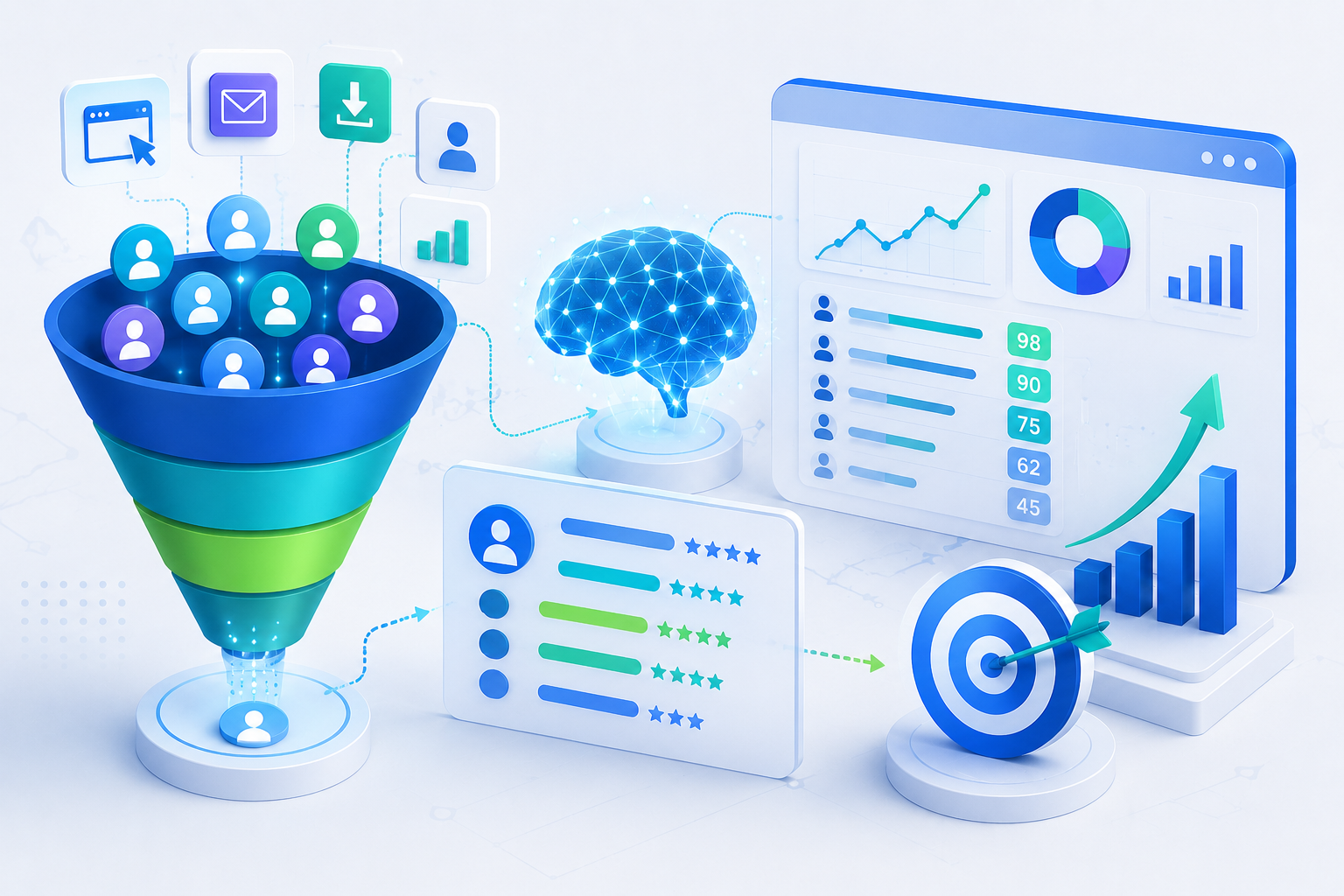
- Account engagement scoring
- Conversation intelligence
- Pipeline progression tracking
- Next-best-action recommendations
- Automated lead routing
This ensures both teams are working with the same insights and pursuing coordinated engagement strategies.
As AI systems mature, sales representatives may increasingly rely on AI copilots that recommend outreach strategies, summarize meetings, and generate personalized follow-up communication automatically.
Conversational AI and Real-Time Engagement
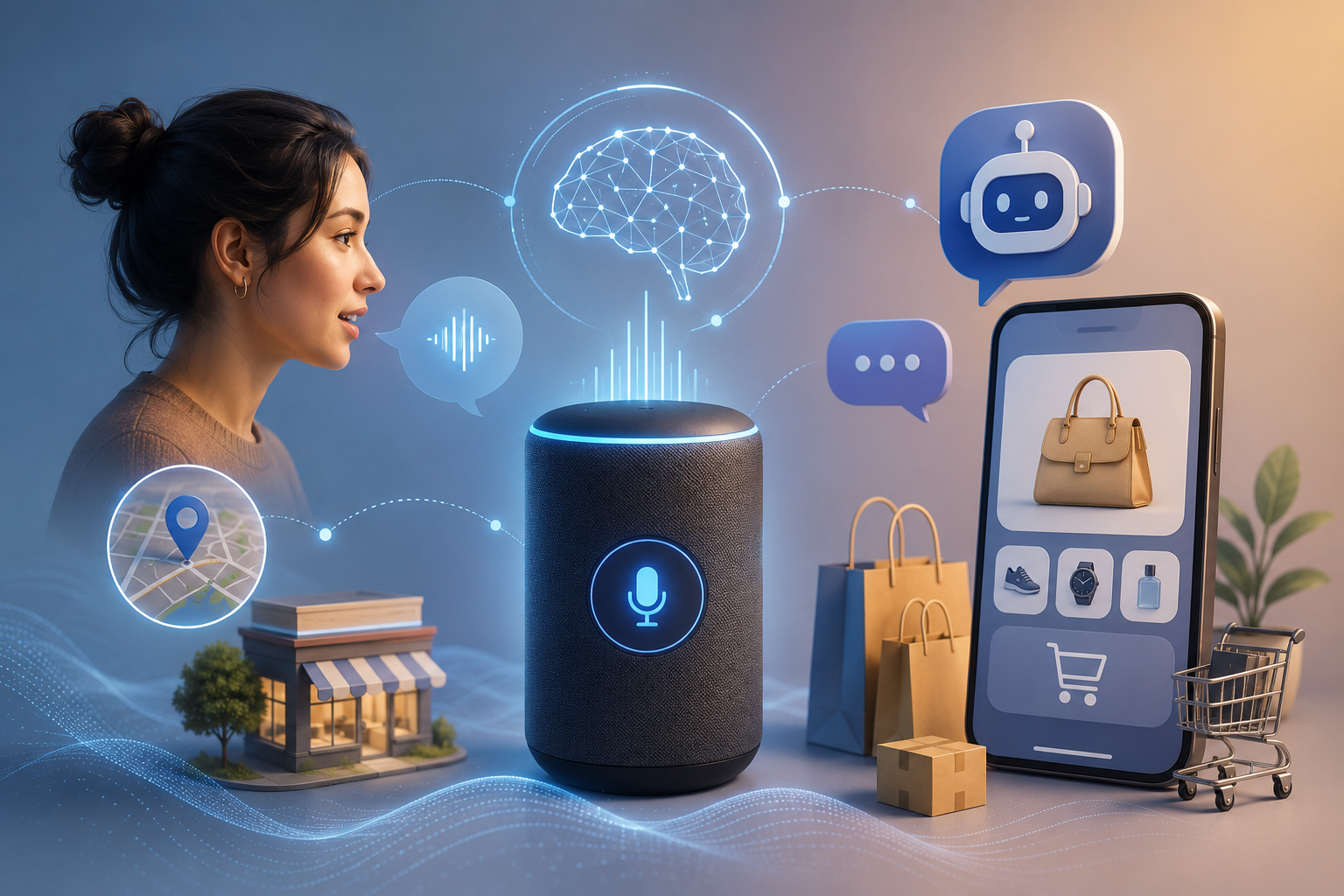
Chatbots and conversational AI are rapidly becoming critical components of ABM strategies. Future AI-driven systems will deliver highly contextual interactions tailored to each account.
Instead of generic website chat experiences, AI assistants will:
- Recognize target accounts instantly
- Access historical engagement data
- Recommend relevant products or services
- Schedule meetings automatically
- Provide personalized demos and resources
This level of intelligent engagement improves customer experience while accelerating the buying journey.
The Role of Generative AI in Content Creation
Content remains central to ABM success, but producing personalized content at scale has historically been expensive and resource-intensive.
Generative AI is reshaping content operations by helping marketers create:
- Executive briefs
- Case studies
- Industry reports
- Personalized advertisements
- Sales enablement materials
- Video scripts and presentations
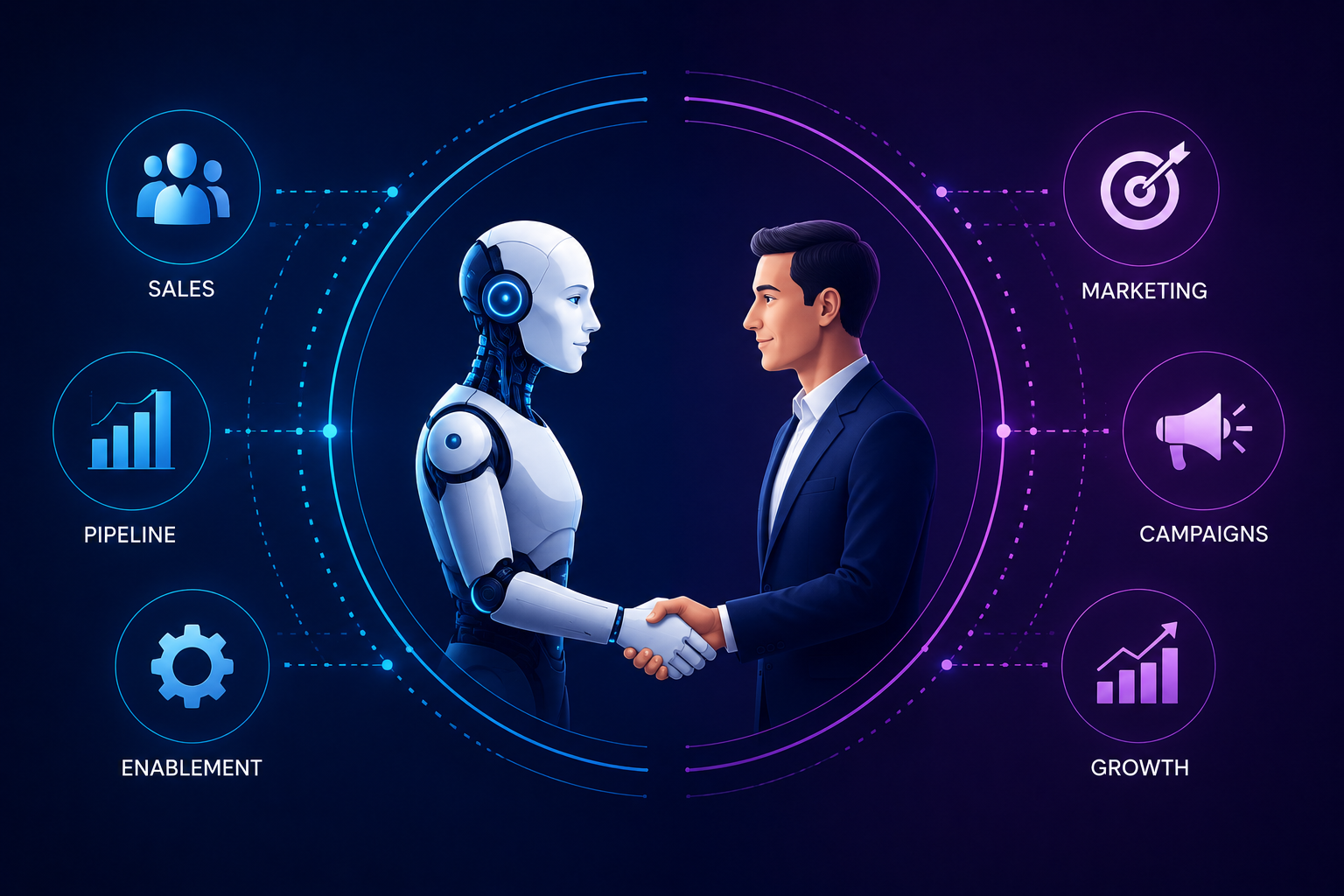
AI does not replace human creativity; instead, it enhances productivity and allows teams to focus on strategy, storytelling, and relationship-building.
Organizations that effectively combine human expertise with AI efficiency will gain a significant competitive advantage.
Ethical Considerations and Data Privacy
As AI becomes more deeply embedded in ABM, ethical concerns and privacy regulations will become increasingly important.
Businesses must ensure that AI systems:
- Use customer data responsibly
- Avoid biased targeting
- Maintain transparency in automation
- Comply with data privacy laws
- Protect sensitive business information
Trust will remain a critical factor in B2B relationships. Companies that prioritize ethical AI practices will build stronger long-term customer relationships.
The Human Element Still Matters
Despite rapid advancements in automation, the future of ABM is not fully autonomous. High-value B2B purchasing decisions still rely heavily on trust, relationships, and strategic consultation.
AI can identify opportunities and optimize engagement, but human professionals remain essential for:
- Complex negotiations
- Strategic consulting
- Emotional intelligence
- Relationship management
- Creative problem-solving
The most successful organizations will combine AI-powered efficiency with authentic human interaction.
What the Future Looks Like
The future of ABM in an AI-driven world will likely include:
- Autonomous campaign optimization
- Real-time account orchestration
- AI-generated multi-channel personalization
- Predictive revenue forecasting
- Intelligent sales assistants
- Fully integrated customer intelligence platforms
ABM will evolve from a campaign-based approach into a continuously adaptive revenue ecosystem powered by machine learning and automation.
Organizations that embrace AI early will gain advantages in efficiency, personalization, and competitive positioning.
Read Also: Zero-Click Content and the Future of B2B SEO