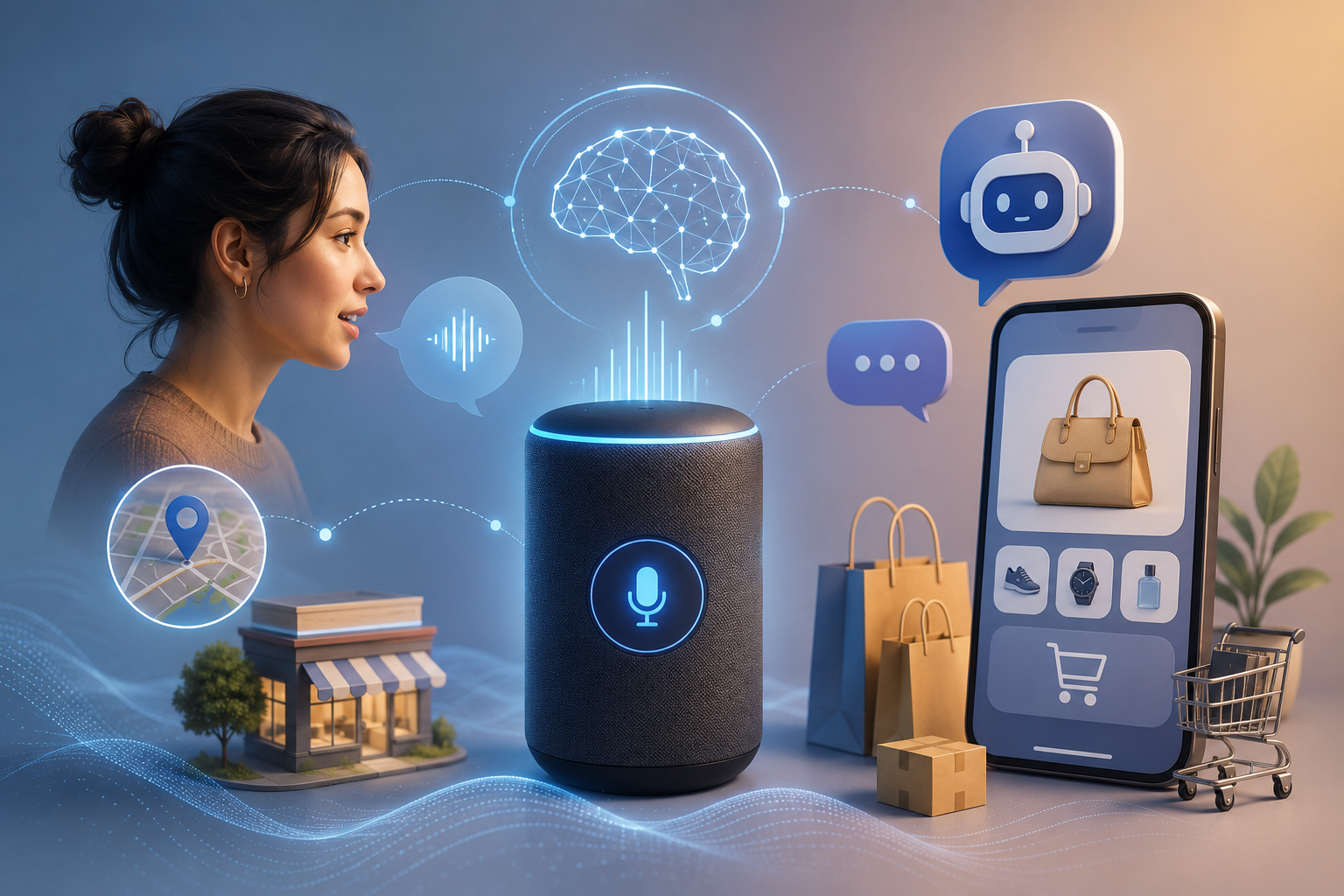

Marketing has always been about connecting with people. From print advertisements and television commercials to email campaigns and social media promotions, brands have continuously searched for better ways to engage their audiences. Today, a new chapter is transforming the marketing landscape: Conversational Marketing.
In an age where customers expect instant responses, personalized experiences, and meaningful interactions, traditional one-way communication is no longer enough. Conversational marketing enables businesses to engage prospects and customers in real-time, creating a more human, efficient, and customer-centric approach to communication.
This shift marks the beginning of a new era—one where conversations drive customer journeys, build trust, and accelerate business growth.
What Is Conversational Marketing?
Conversational marketing is a strategy that uses real-time, personalized interactions to engage customers across digital channels. These interactions may occur through:
- Live chat
- AI-powered chatbots
- Messaging apps
- Social media direct messages
- Voice assistants
- SMS and mobile messaging
Unlike traditional marketing methods that rely on broadcasting messages to large audiences, conversational marketing focuses on creating two-way communication. It allows businesses to listen, respond, and guide customers through their buying journey in a natural and interactive manner.
Why Conversational Marketing Matters
Modern consumers value convenience more than ever. They want answers immediately, personalized recommendations, and seamless support whenever they need it.
Research consistently shows that customers are more likely to engage with brands that provide fast and relevant responses. Conversational marketing addresses these expectations by eliminating delays and creating frictionless experiences.
Key Benefits Include:
1. Faster Customer Engagement
Traditional lead forms often require customers to wait for follow-up communication. Conversational tools can engage visitors instantly, reducing drop-offs and keeping prospects interested.
2. Personalized Experiences
By collecting information during conversations, businesses can tailor recommendations, offers, and content to individual customer needs.
3. Higher Conversion Rates
When customers receive immediate assistance and answers to their questions, they are more likely to move forward with a purchase or inquiry.
4. Improved Customer Satisfaction
Quick, helpful, and human-like interactions contribute to positive customer experiences and stronger brand loyalty.
5. Better Lead Qualification
Conversational platforms can automatically identify customer intent, collect relevant information, and direct high-quality leads to sales teams.
The Role of Artificial Intelligence
Artificial Intelligence (AI) has become a driving force behind conversational marketing. Modern AI-powered chatbots can:
- Understand customer intent
- Respond naturally to questions
- Provide product recommendations
- Schedule appointments
- Handle support requests
- Qualify leads automatically
Unlike earlier chatbot systems that followed rigid scripts, today’s AI solutions can maintain context and deliver more meaningful interactions.
This enables businesses to provide 24/7 customer engagement while reducing operational costs and improving efficiency.
Conversational Marketing Across the Customer Journey
One of the biggest advantages of conversational marketing is its ability to support customers at every stage of the journey.
Awareness Stage
Attract visitors through interactive content, social messaging, and website chat experiences that answer initial questions.
Consideration Stage
Provide personalized recommendations, product comparisons, and educational content that help prospects evaluate options.
Decision Stage
Address objections, offer real-time support, and guide customers toward completing purchases.
Retention Stage
Continue conversations after the sale by providing support, collecting feedback, and promoting relevant products or services.
Advocacy Stage
Encourage satisfied customers to share reviews, referrals, and testimonials through ongoing engagement.
Human Touch Remains Essential
While AI plays a significant role, successful conversational marketing is not about replacing human interaction. Instead, it combines automation with human expertise.
AI can efficiently handle routine inquiries, but complex issues, emotional concerns, and strategic discussions often require human involvement. Businesses that create a seamless transition between automated and human support are better positioned to deliver exceptional customer experiences.
The goal is not simply to automate conversations but to enhance them.
Best Practices for Effective Conversational Marketing
Focus on Customer Intent
Understand why customers are reaching out and design conversations that address their specific needs and goals.
Be Available Across Multiple Channels
Customers use websites, social media platforms, messaging apps, and mobile devices. Ensure your conversational strategy meets them where they are.
Personalize Every Interaction
Use customer data responsibly to deliver relevant responses and recommendations.
Keep Conversations Simple
Avoid overwhelming users with excessive information. Clear, concise communication leads to better engagement.
Measure and Optimize
Track metrics such as response times, engagement rates, customer satisfaction, and conversion rates to continuously improve performance.
Challenges to Consider
Despite its advantages, conversational marketing comes with challenges:
- Maintaining conversation quality at scale
- Protecting customer privacy and data
- Avoiding overly robotic interactions
- Integrating multiple communication channels
- Ensuring consistent brand messaging
Businesses must balance automation with authenticity to maintain trust and credibility.
The Future of Conversational Marketing
The future of marketing will be increasingly conversational. Advances in AI, natural language processing, voice technology, and predictive analytics will enable brands to create even more intelligent and personalized experiences.
Customers will expect conversations that are proactive rather than reactive. Businesses will use data and AI to anticipate needs, provide timely recommendations, and deliver support before issues arise.
As technology evolves, conversational marketing will become less about tools and more about creating meaningful customer relationships at scale.
Read Also: Why First-Party Data Is Reshaping Martech