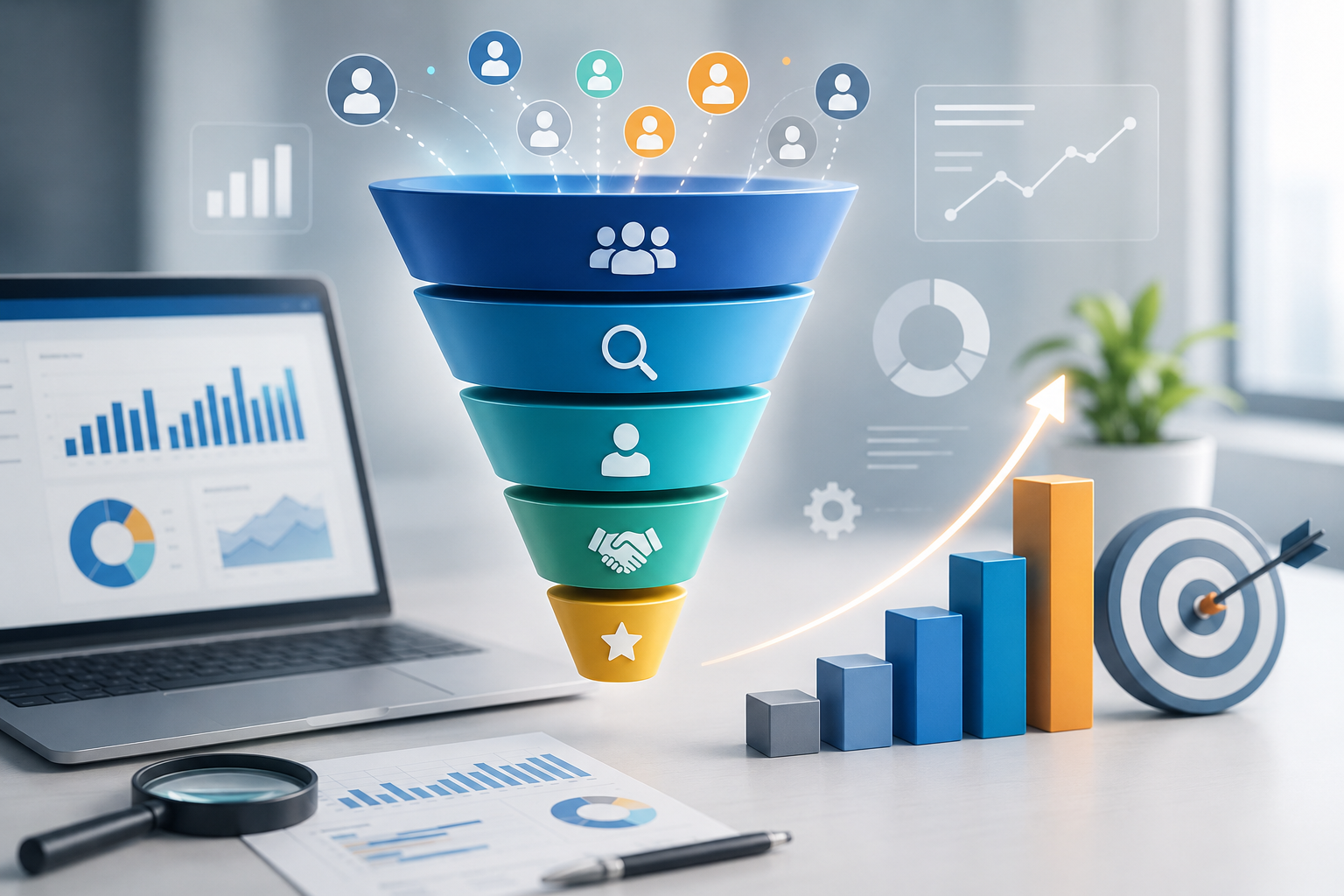
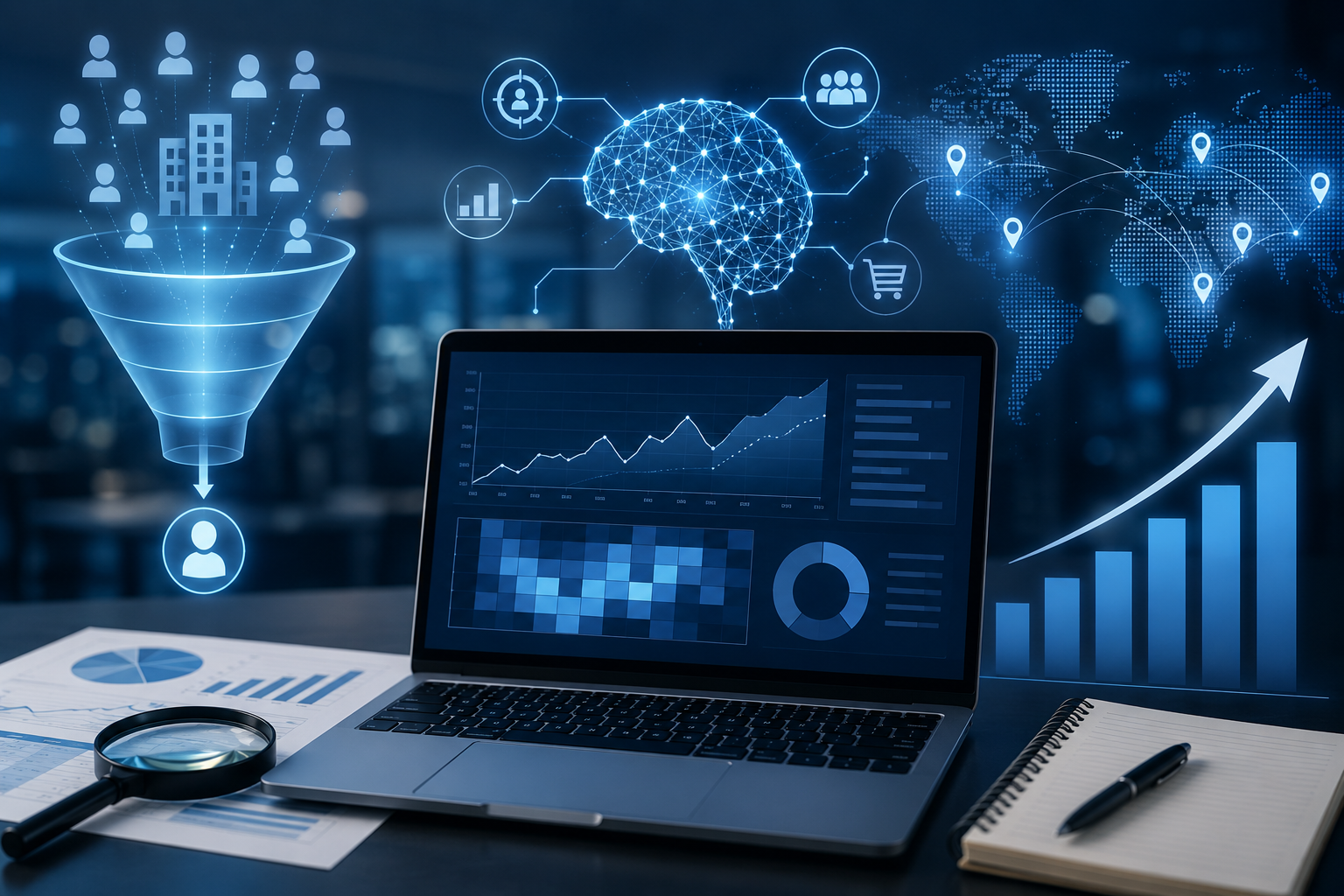
In today’s competitive B2B landscape, generating high-quality leads is no longer enough. Marketing and sales teams must identify which prospects are most likely to convert, understand buying intent, and allocate resources efficiently. This is where predictive analytics has emerged as a game-changing capability in B2B demand generation.
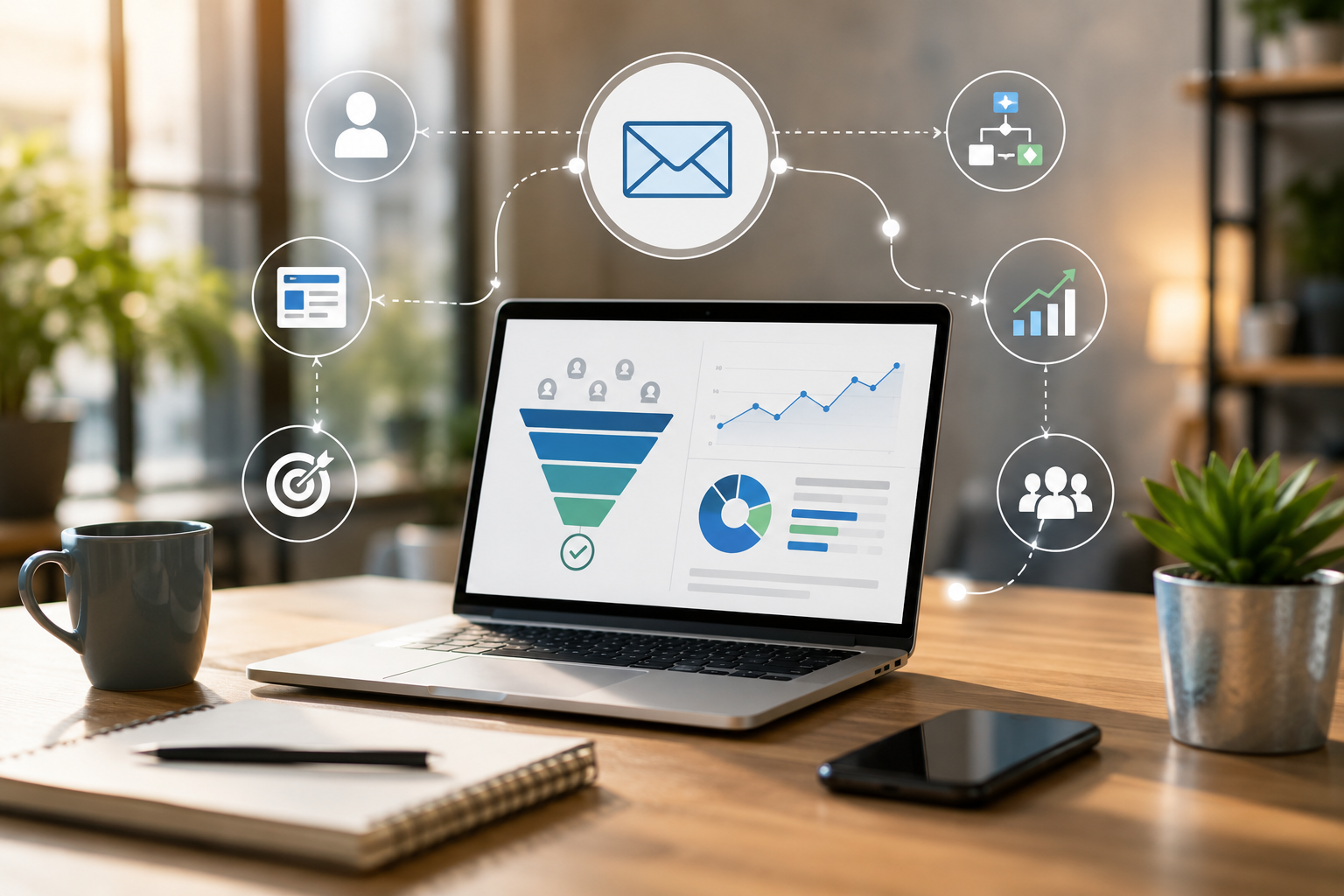
By leveraging historical data, machine learning, and statistical modeling, predictive analytics helps organizations forecast customer behavior, improve lead quality, and drive more effective marketing campaigns. Instead of relying solely on intuition or broad demographic targeting, businesses can make data-driven decisions that accelerate pipeline growth and improve return on investment (ROI).
What Is Predictive Analytics?
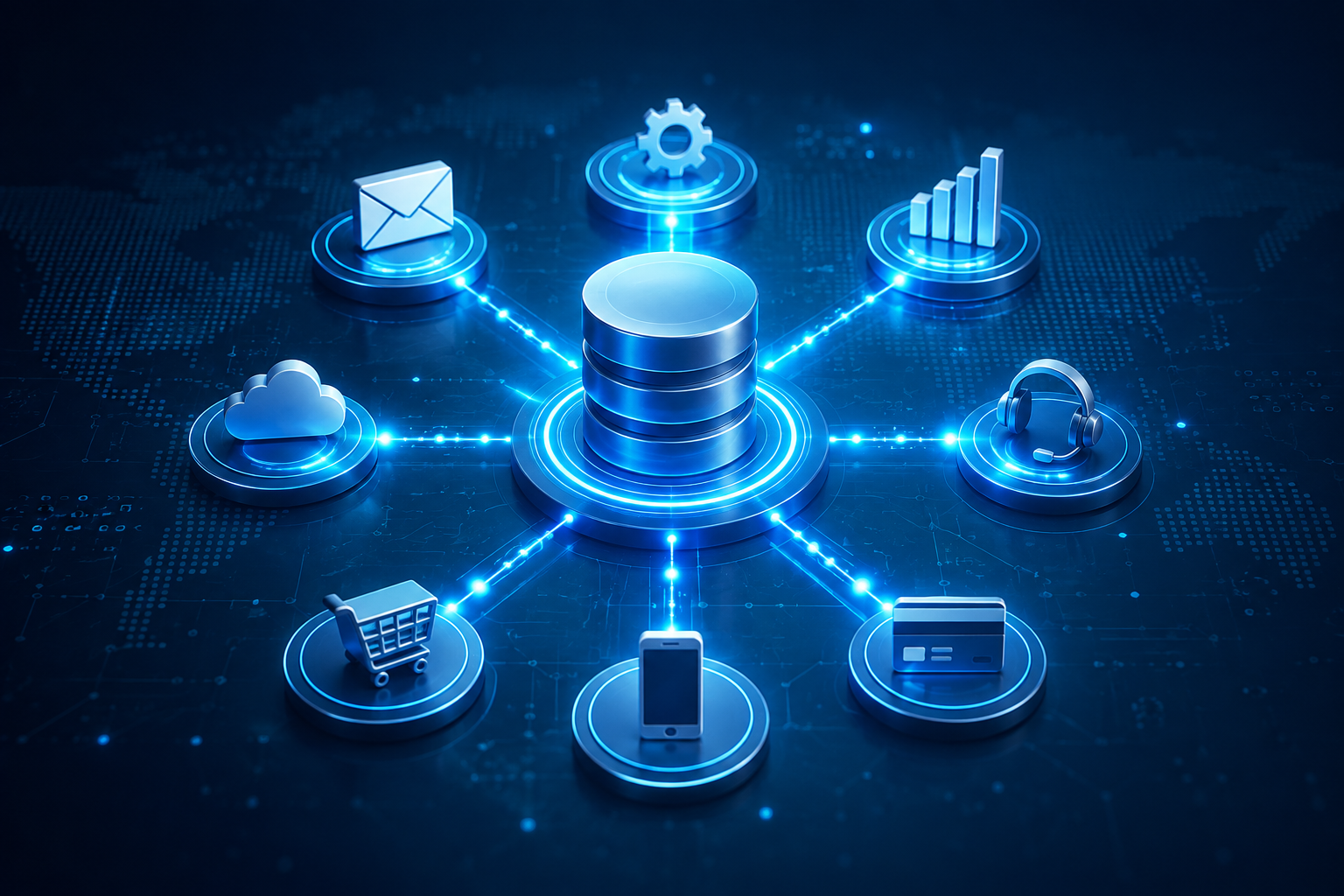
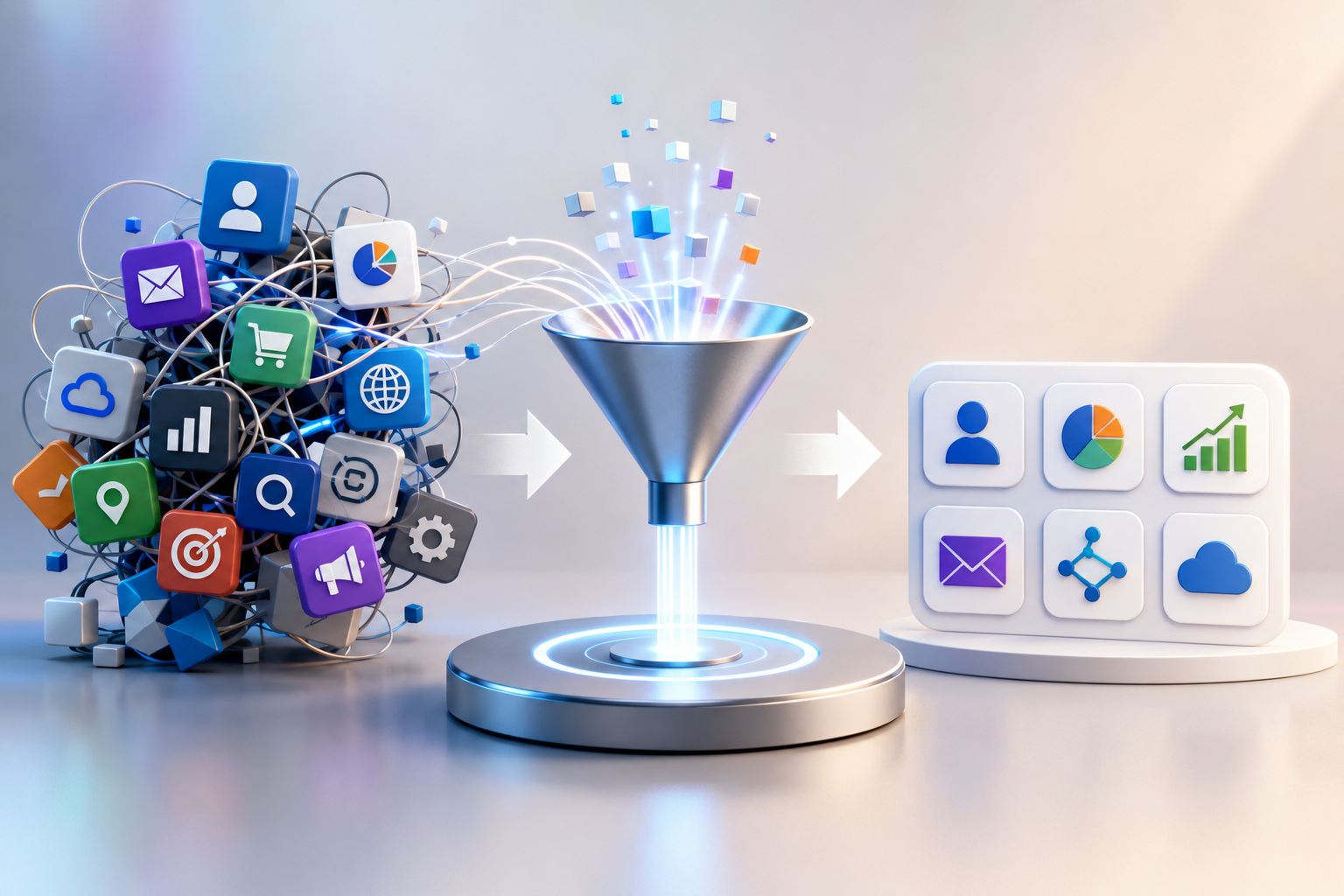
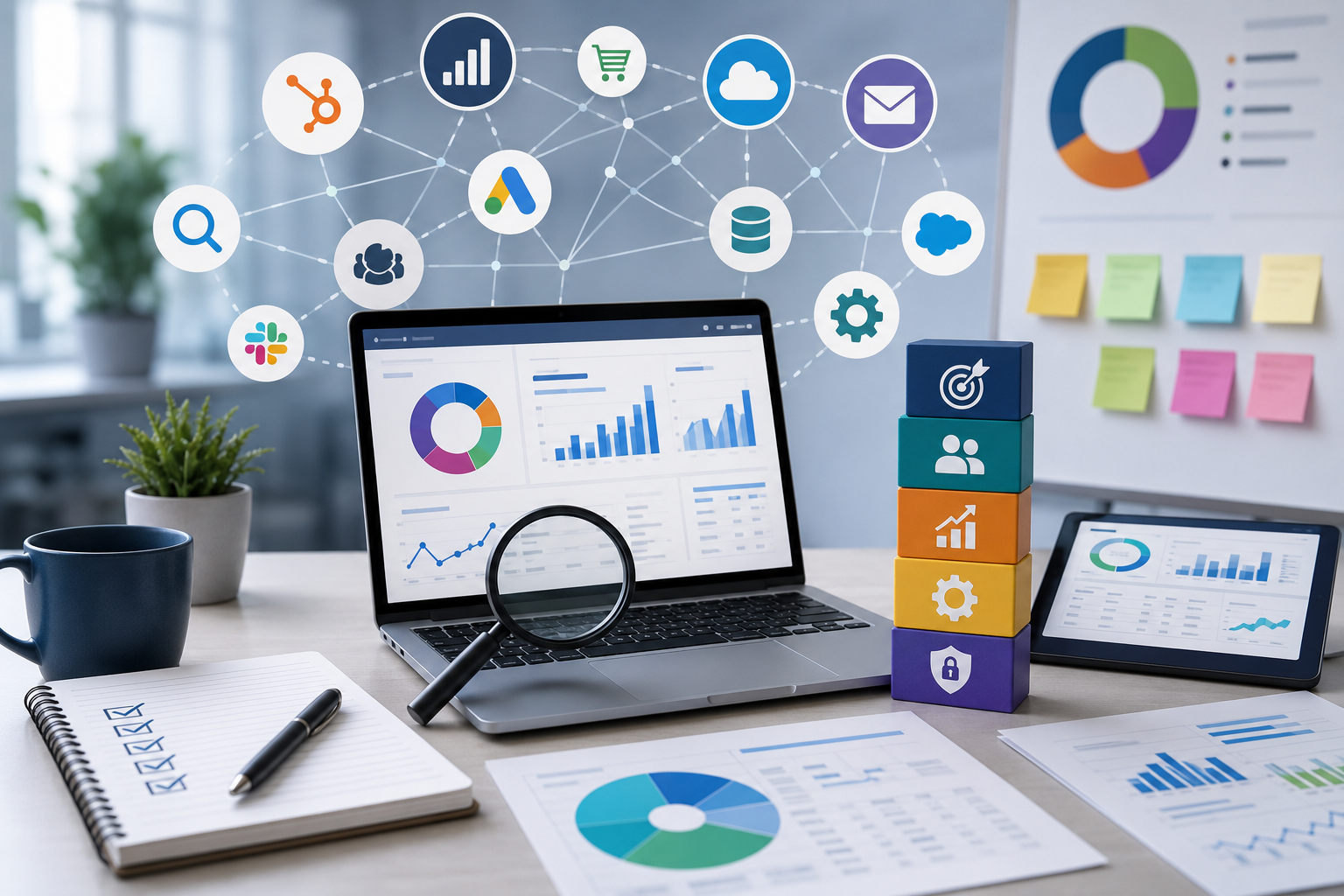
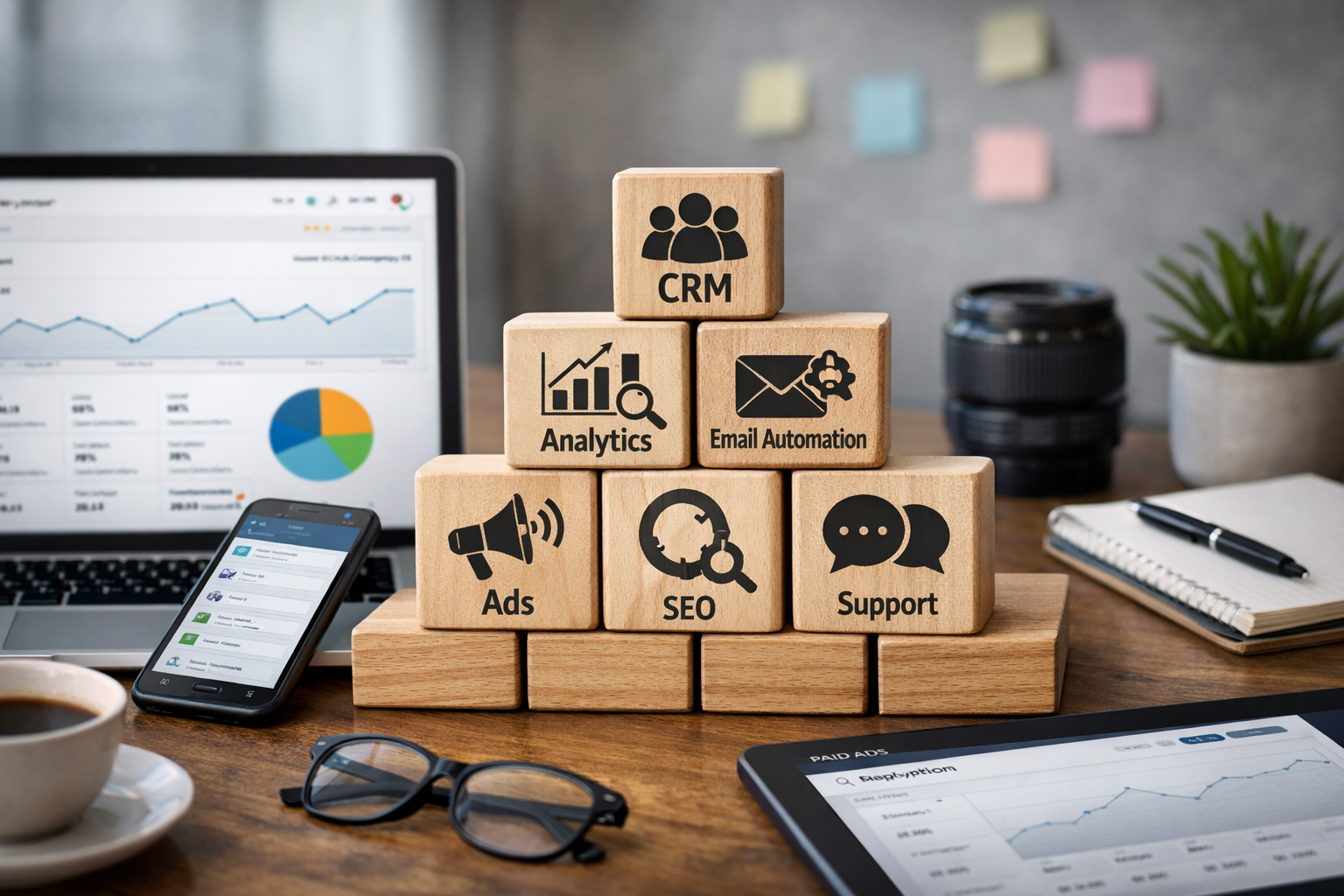
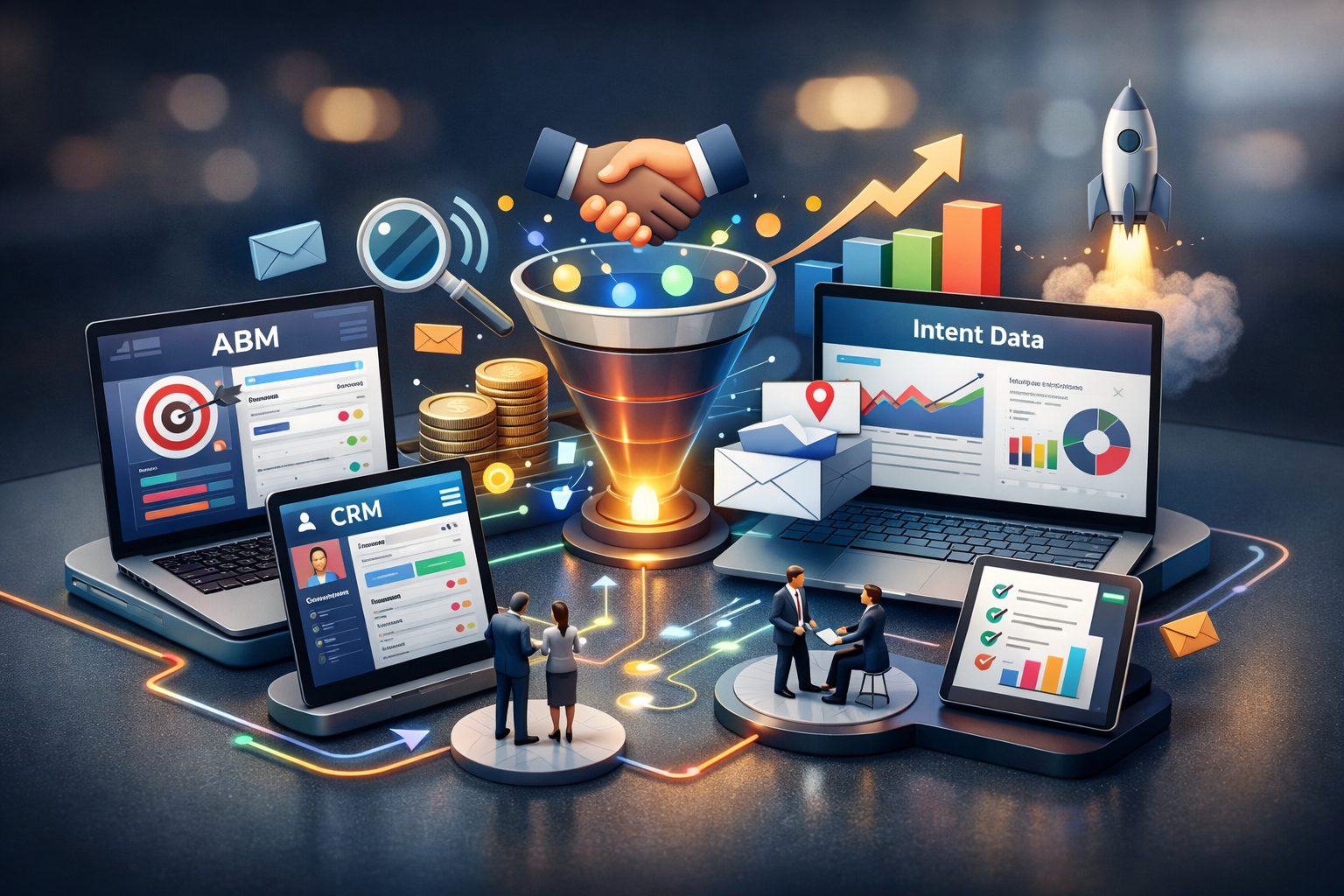
Predictive analytics is the process of analyzing historical and current data to forecast future outcomes. In B2B demand generation, it uses data from multiple sources—including CRM systems, marketing automation platforms, website interactions, email engagement, and firmographic information—to predict which prospects are most likely to become customers.
The objective is simple: identify opportunities before competitors do and focus efforts on prospects with the highest likelihood of conversion.
Why Predictive Analytics Matters in B2B Demand Generation
Traditional demand generation often relies on broad segmentation and manual lead qualification. While these methods can be effective, they frequently result in:
- Low lead-to-opportunity conversion rates
- Misalignment between sales and marketing teams
- Wasted advertising and outreach budgets
- Longer sales cycles
Predictive analytics addresses these challenges by providing actionable insights that help organizations:
- Prioritize high-value leads
- Improve campaign targeting
- Optimize marketing spend
- Increase sales productivity
- Forecast pipeline performance more accurately
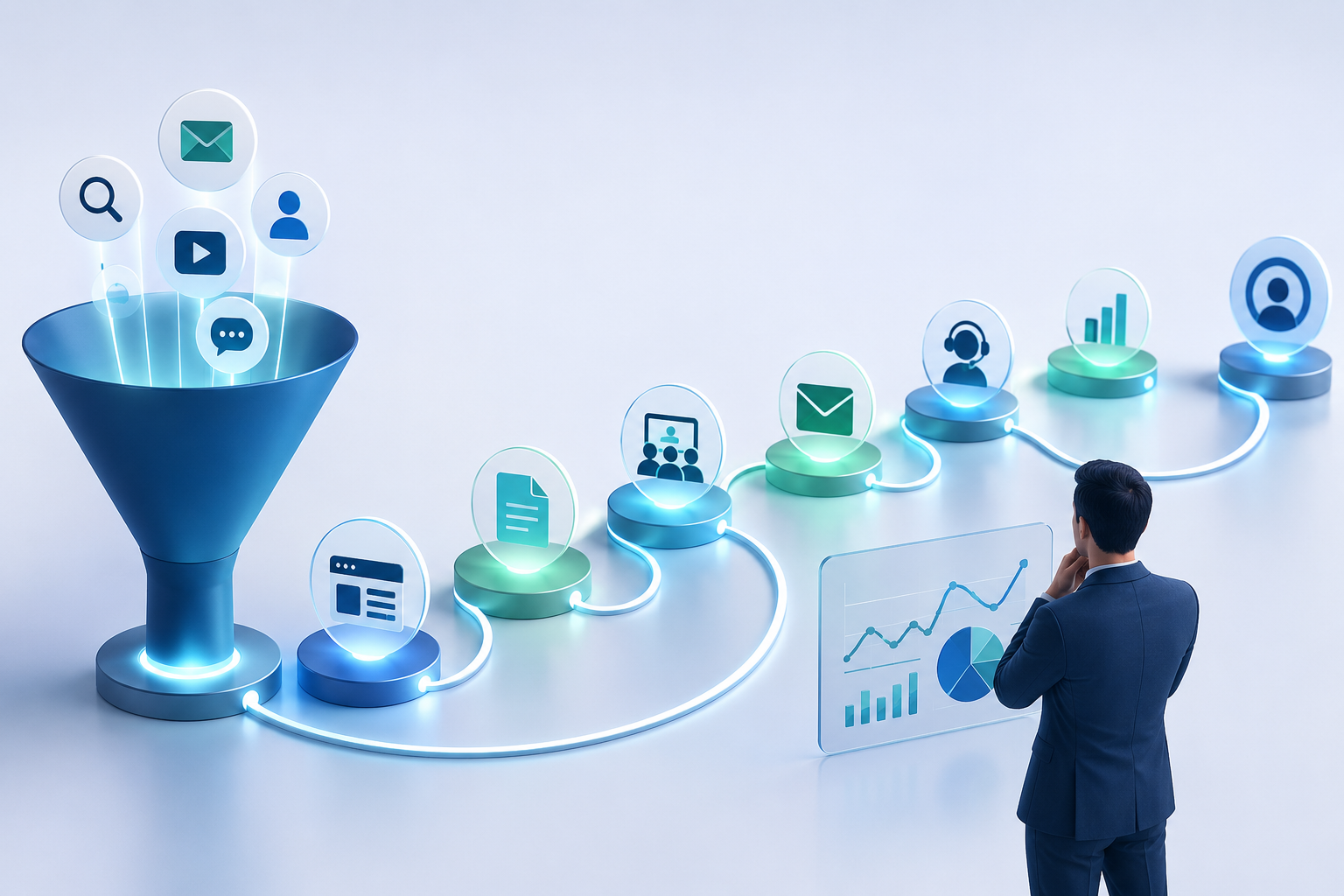
As B2B buying journeys become increasingly complex, predictive analytics enables organizations to stay ahead by understanding customer intent and behavior patterns at scale.
Key Applications of Predictive Analytics in Demand Generation
1. Predictive Lead Scoring
One of the most common applications is predictive lead scoring.
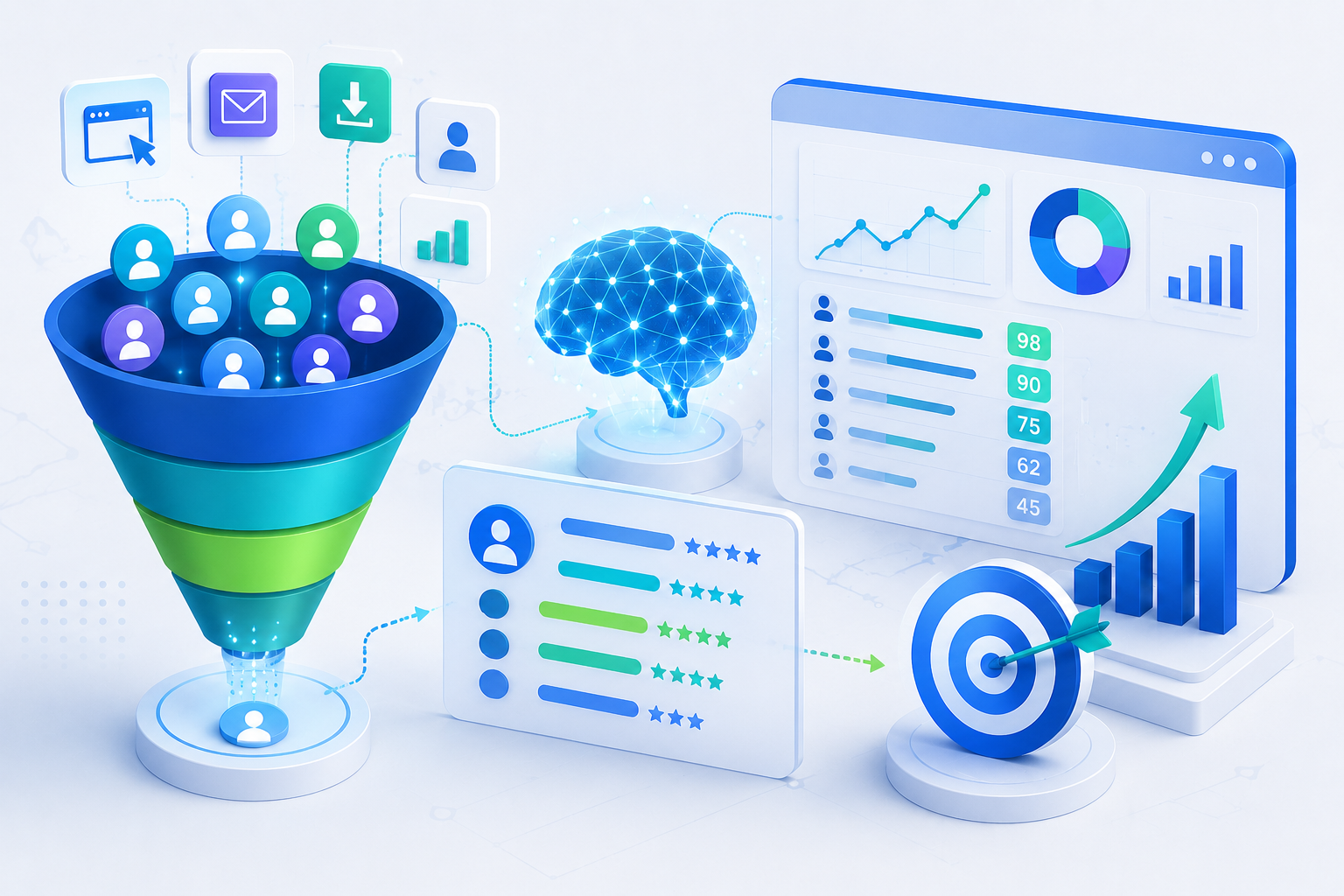
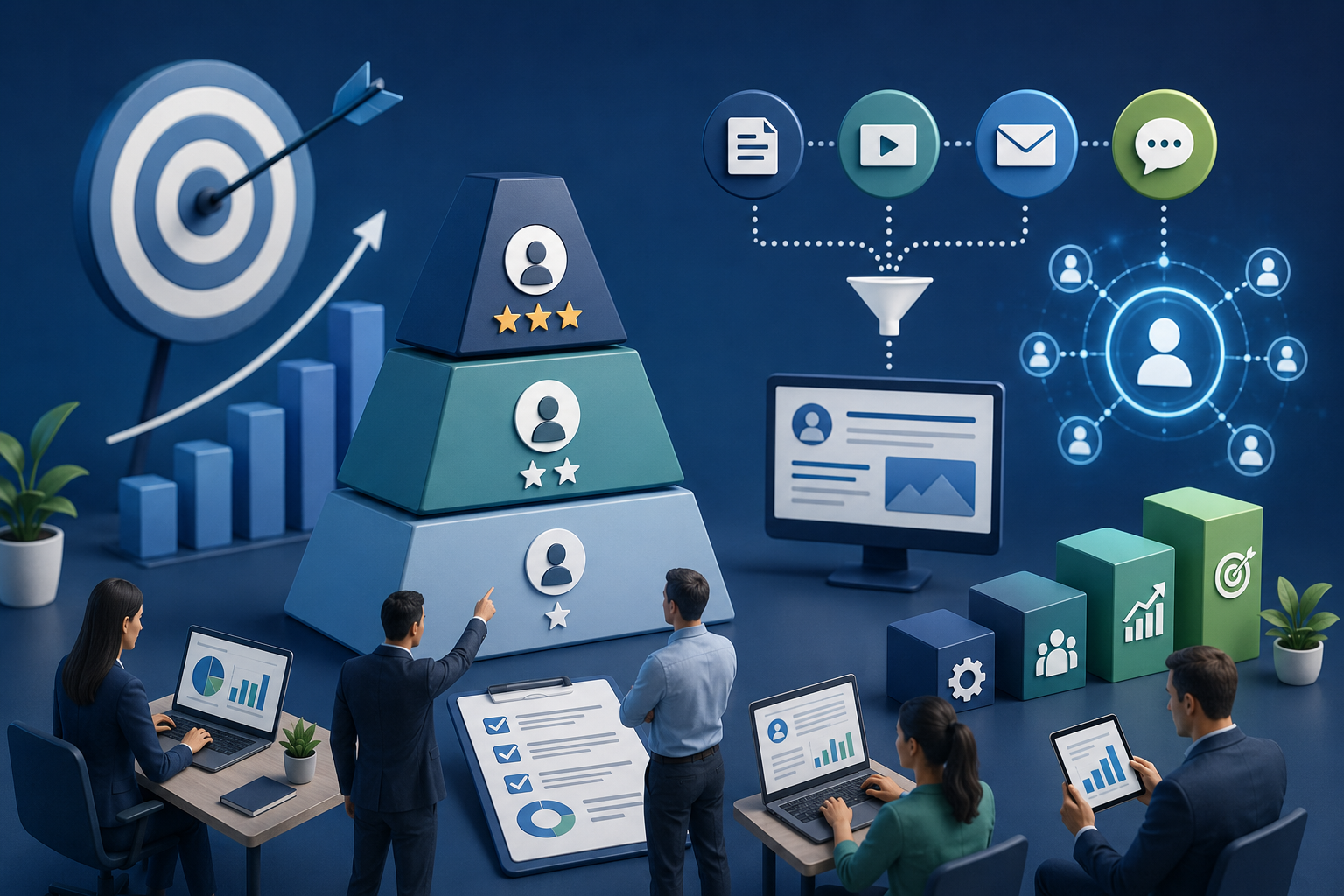
Traditional lead scoring assigns points based on predefined criteria such as job title, company size, or website visits. Predictive lead scoring goes further by analyzing historical conversion data to identify patterns among successful customers.
The system automatically evaluates factors such as:
- Engagement history
- Industry
- Company growth indicators
- Content consumption behavior
- Buying intent signals
As a result, sales teams can focus on leads with the highest probability of becoming customers.
2. Account-Based Marketing (ABM) Optimization
Predictive analytics strengthens account-based marketing strategies by identifying target accounts that closely resemble existing high-value customers.
Organizations can:
- Discover lookalike accounts
- Prioritize outreach efforts
- Personalize messaging
- Improve account engagement
This data-driven approach increases the effectiveness of ABM campaigns and helps teams focus on accounts with the greatest revenue potential.
3. Buyer Intent Analysis
Not every prospect is ready to buy. Predictive models analyze behavioral signals to determine purchase readiness.
Examples of intent indicators include:
- Website visits
- Product page engagement
- Content downloads
- Webinar attendance
- Email interactions
- Third-party intent data
Marketing teams can use these insights to deliver timely and relevant content that moves prospects through the buying journey.
4. Customer Segmentation
Predictive analytics enables more sophisticated segmentation than traditional demographic methods.
Organizations can segment audiences based on:
- Likelihood to convert
- Expected deal size
- Industry trends
- Engagement levels
- Buying cycle stage
This allows marketers to create highly targeted campaigns that resonate with specific audience groups.
5. Sales Forecasting and Pipeline Prediction
Accurate forecasting remains one of the biggest challenges in B2B organizations.
Predictive analytics helps businesses:
- Estimate future revenue
- Identify pipeline risks
- Predict deal closure probabilities
- Improve resource planning
By analyzing historical sales patterns, organizations gain greater visibility into future business performance.
Data Sources That Power Predictive Analytics
The effectiveness of predictive analytics depends heavily on data quality. Common data sources include:
CRM Data
- Customer profiles
- Sales history
- Opportunity records
- Contact information
Marketing Automation Data
- Email engagement
- Campaign interactions
- Lead nurturing activities
Website Analytics
- Page visits
- Session duration
- Conversion events
Intent Data
- Search behavior
- Content consumption
- Topic research activity
Firmographic Data
- Industry
- Revenue
- Employee count
- Geographic location
Combining these datasets creates a comprehensive view of prospects and customers, enabling more accurate predictions.
Benefits of Predictive Analytics in B2B Demand Generation
Improved Lead Quality
Predictive models identify prospects that match ideal customer profiles, helping teams focus on leads with higher conversion potential.
Higher Marketing ROI
By targeting the right audience at the right time, organizations reduce wasted spending and improve campaign performance.
Better Sales and Marketing Alignment
Both teams gain access to the same predictive insights, creating a shared understanding of lead quality and pipeline priorities.
Faster Sales Cycles
When sales representatives engage prospects at the optimal stage of the buying journey, deals move through the pipeline more efficiently.
Enhanced Personalization
Predictive insights enable personalized messaging, content recommendations, and engagement strategies that improve customer experiences.
Challenges and Considerations
While predictive analytics offers significant benefits, organizations should be aware of potential challenges:
Data Quality Issues
Incomplete, outdated, or inaccurate data can lead to unreliable predictions.
Integration Complexity
Data often exists across multiple platforms and systems, requiring effective integration strategies.
Privacy and Compliance
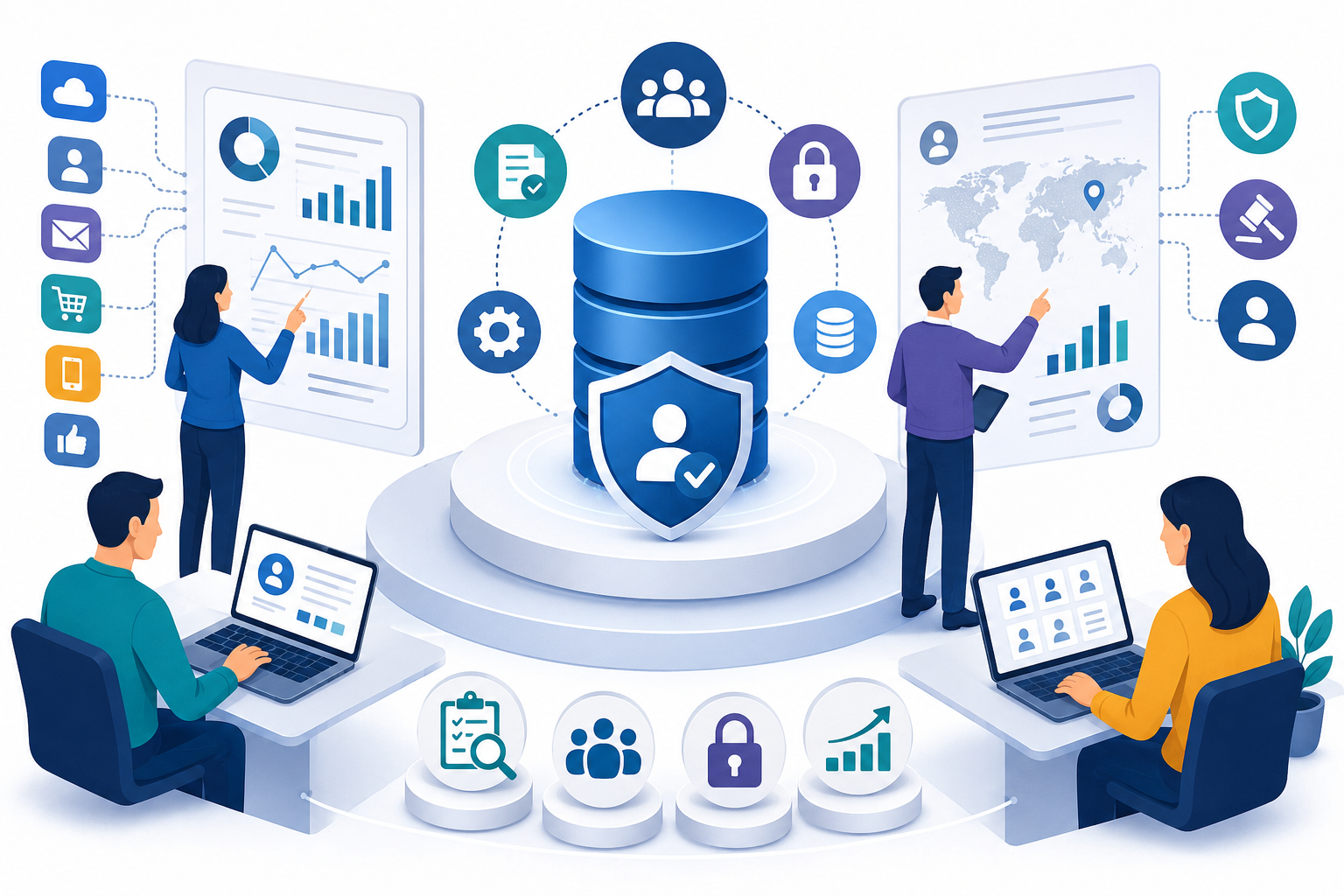
Organizations must ensure compliance with data privacy regulations and maintain transparent data governance practices.
Model Maintenance
Predictive models require ongoing monitoring and refinement to remain accurate as market conditions and customer behaviors evolve.
Best Practices for Successful Implementation
To maximize the value of predictive analytics in demand generation:
- Establish clear business objectives before selecting tools or models.
- Invest in data quality management to ensure reliable inputs.
- Align sales and marketing teams around shared performance metrics.
- Start with a pilot program and scale gradually.
- Continuously measure outcomes and optimize predictive models.
- Combine predictive insights with human expertise for better decision-making.
The Future of Predictive Analytics in B2B Marketing
The future of B2B demand generation will increasingly rely on artificial intelligence and predictive technologies. As machine learning models become more sophisticated, organizations will gain deeper insights into customer behavior, buying intent, and market opportunities.
Emerging capabilities such as real-time prediction, automated campaign optimization, and AI-driven personalization will further transform how businesses identify, engage, and convert prospects.
Companies that embrace predictive analytics today will be better positioned to create efficient, scalable, and revenue-focused demand generation strategies in the years ahead.
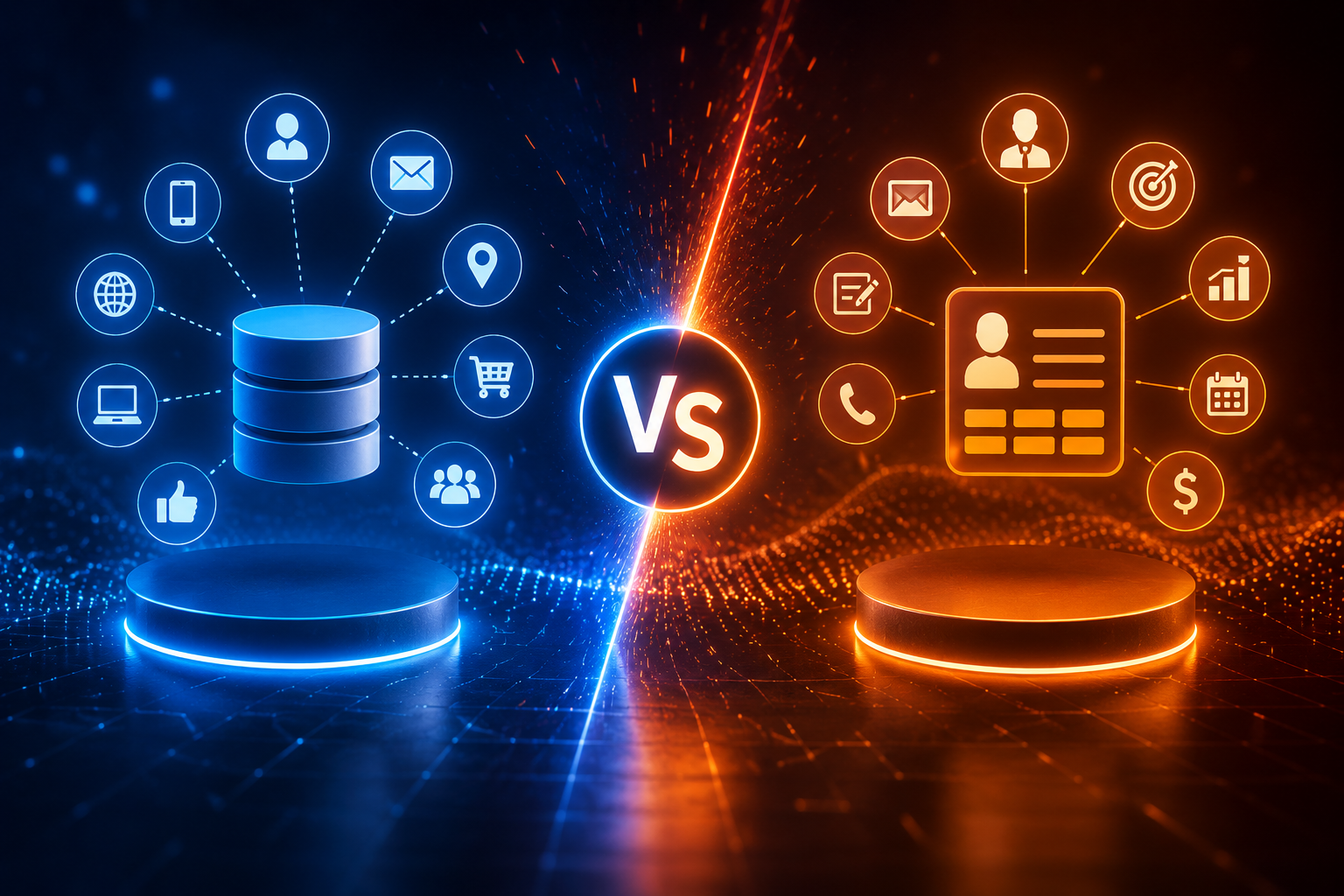
Read Also: CDPs vs CRMs: The MarTech Battle Explained