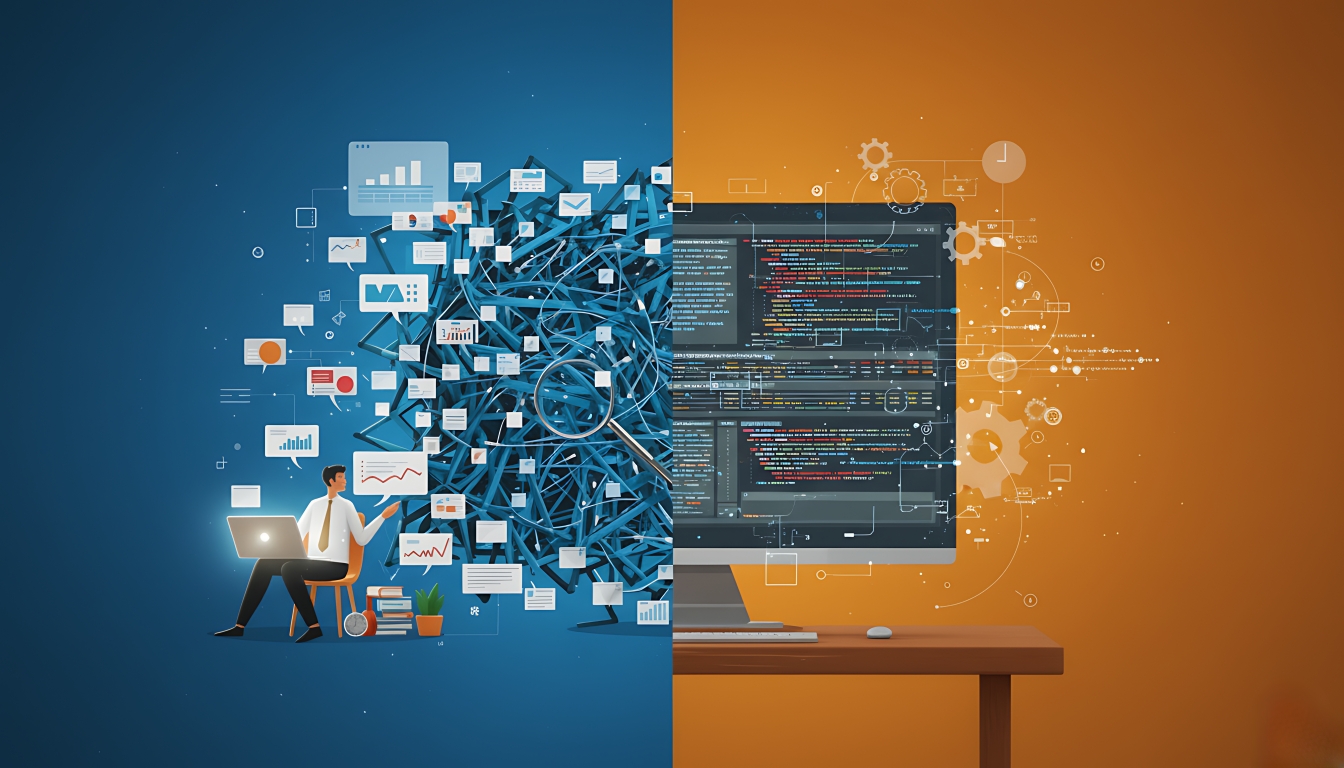
In today’s customer-centric digital economy, businesses are flooded with customer data from websites, mobile apps, social media, email campaigns, sales interactions, and customer support channels. Yet many organizations struggle to turn this data into meaningful customer experiences.
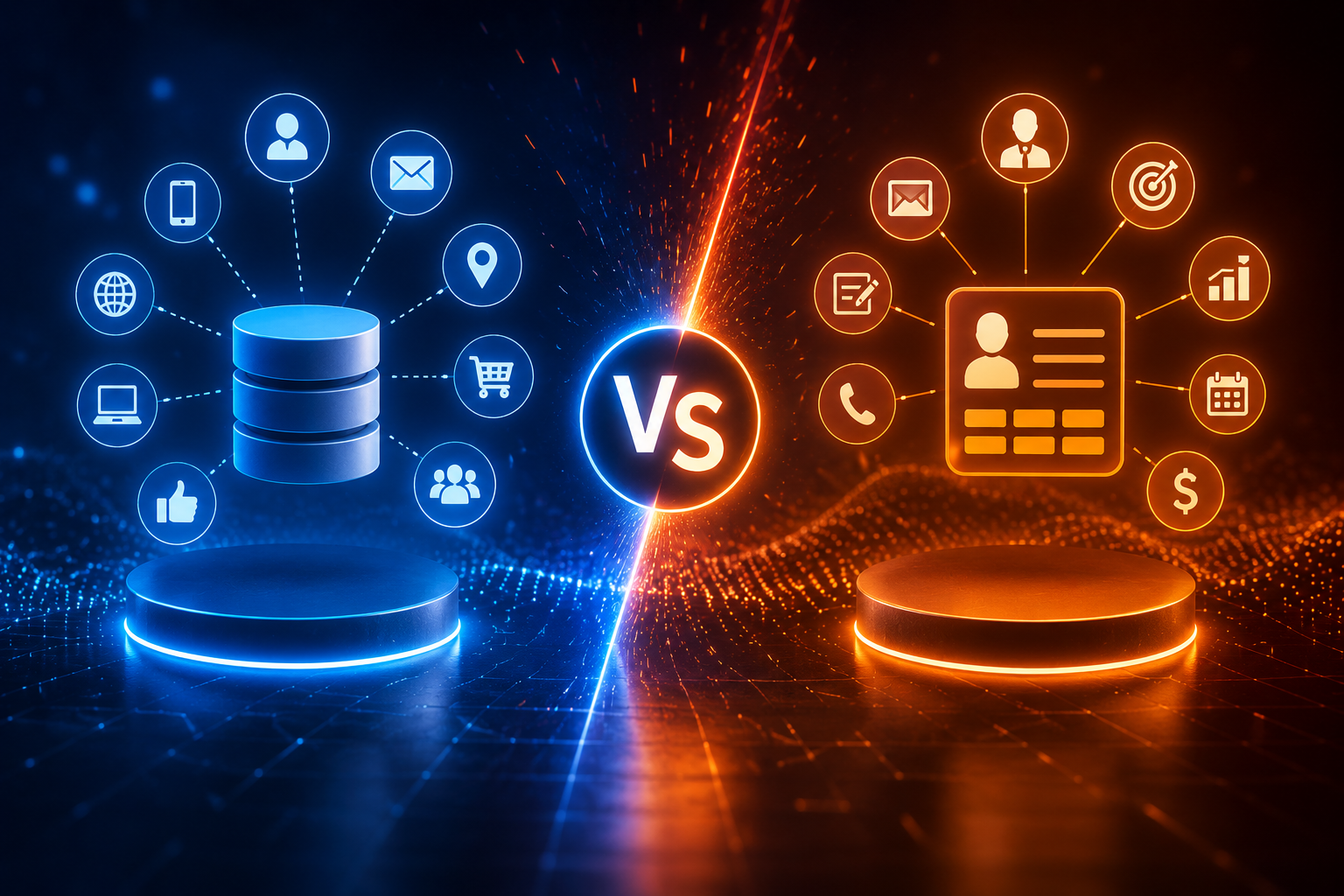
Two technologies often sit at the center of this challenge: Customer Data Platforms (CDPs) and Customer Relationship Management (CRM) systems.
While they are frequently mentioned together, CDPs and CRMs serve fundamentally different purposes. Understanding these differences is crucial for marketers, sales teams, and business leaders looking to build a modern customer engagement strategy.
What Is a CRM?
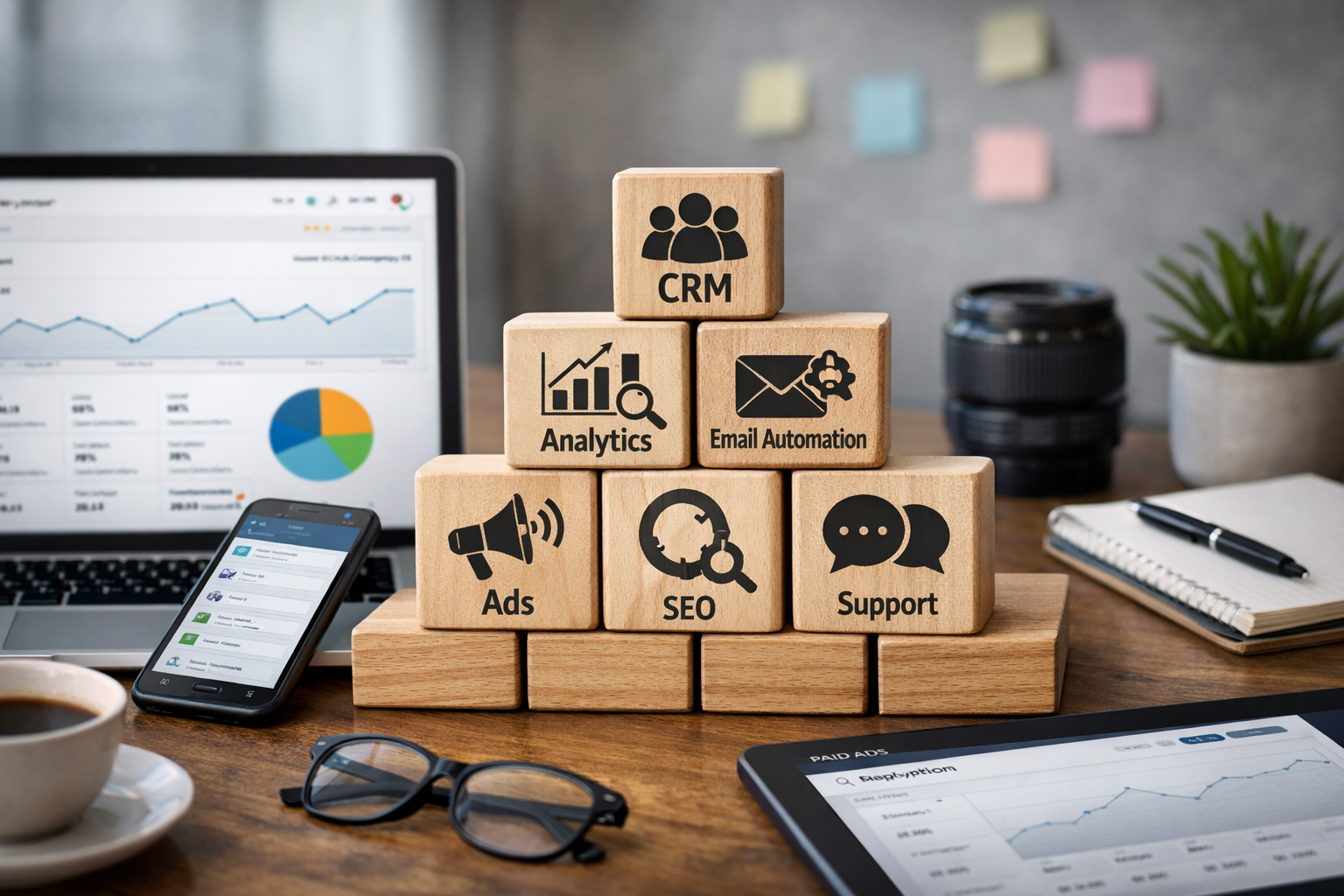
A Customer Relationship Management (CRM) system is designed to manage interactions between a business and its customers or prospects. Traditionally, CRMs have been the primary tool for sales, customer service, and account management teams.
A CRM stores information such as:
- Contact details
- Purchase history
- Sales opportunities
- Customer service interactions
- Account notes
- Email communications
The primary goal of a CRM is to help teams manage relationships and improve customer retention, sales productivity, and customer service performance.
Key CRM Benefits
- Centralized customer records
- Improved sales pipeline management
- Better customer support tracking
- Enhanced team collaboration
- Forecasting and reporting capabilities
Common CRM Platforms
Popular CRM solutions include:
- Salesforce
- HubSpot CRM
- Microsoft Dynamics 365
- Zoho CRM
What Is a CDP?
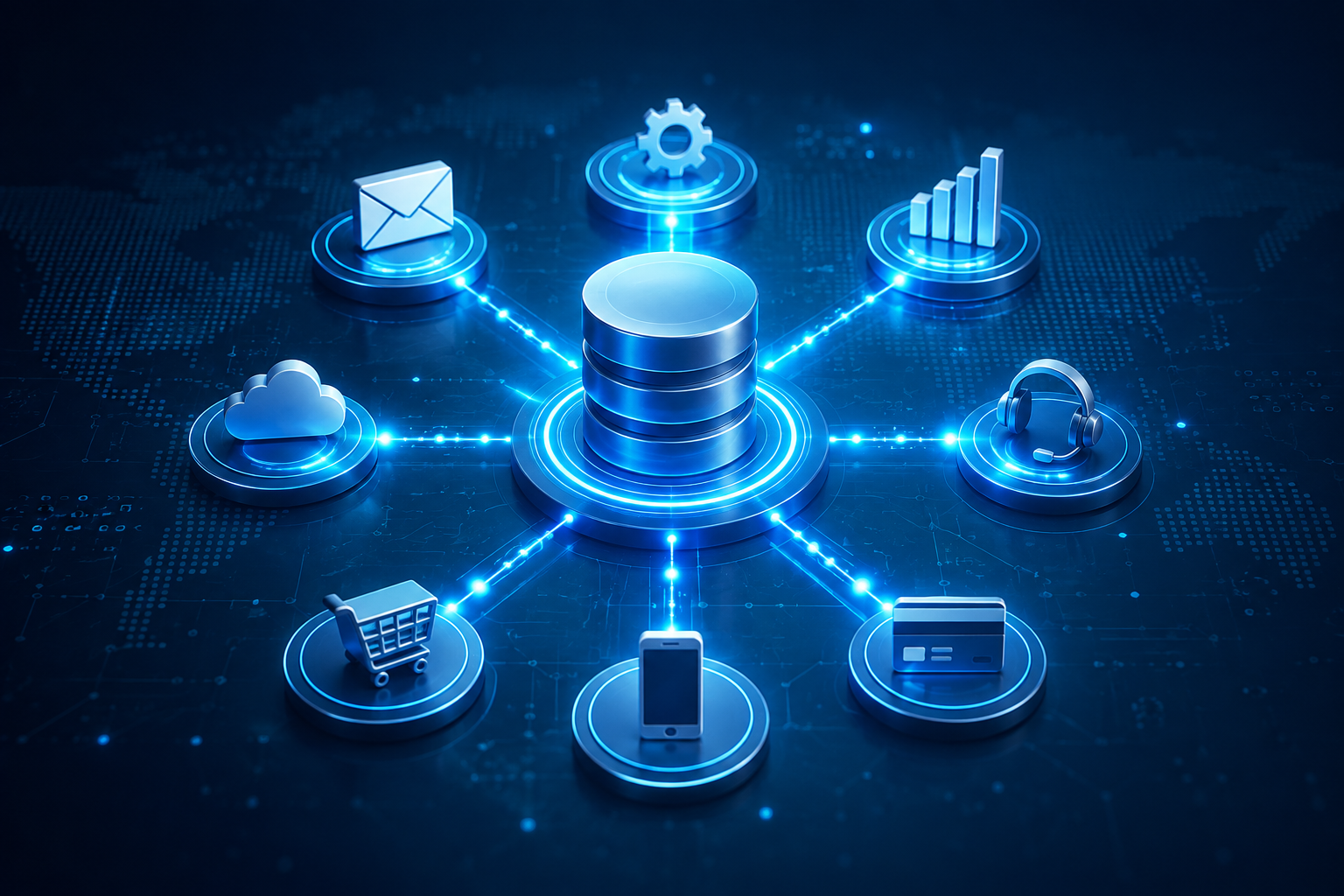
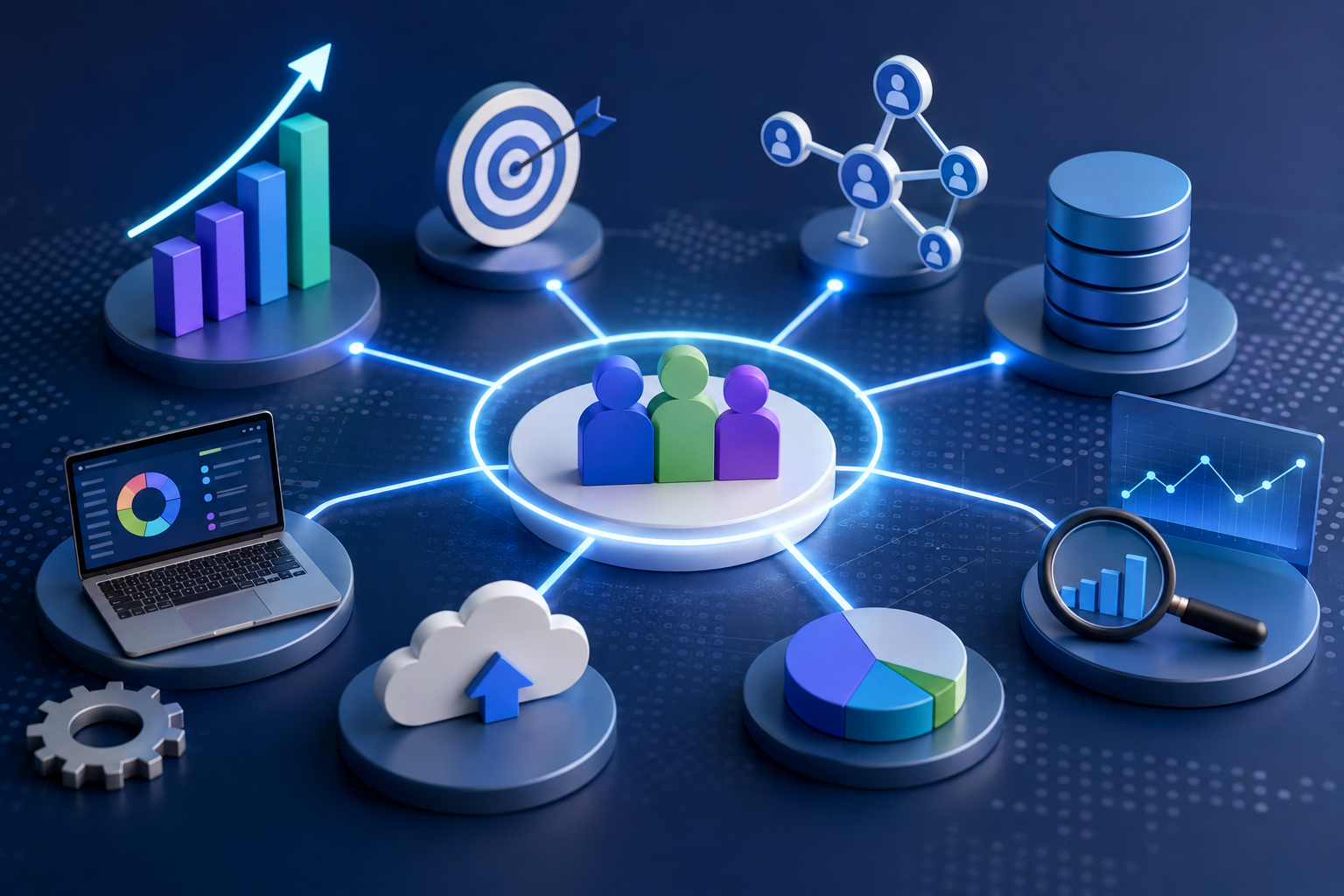
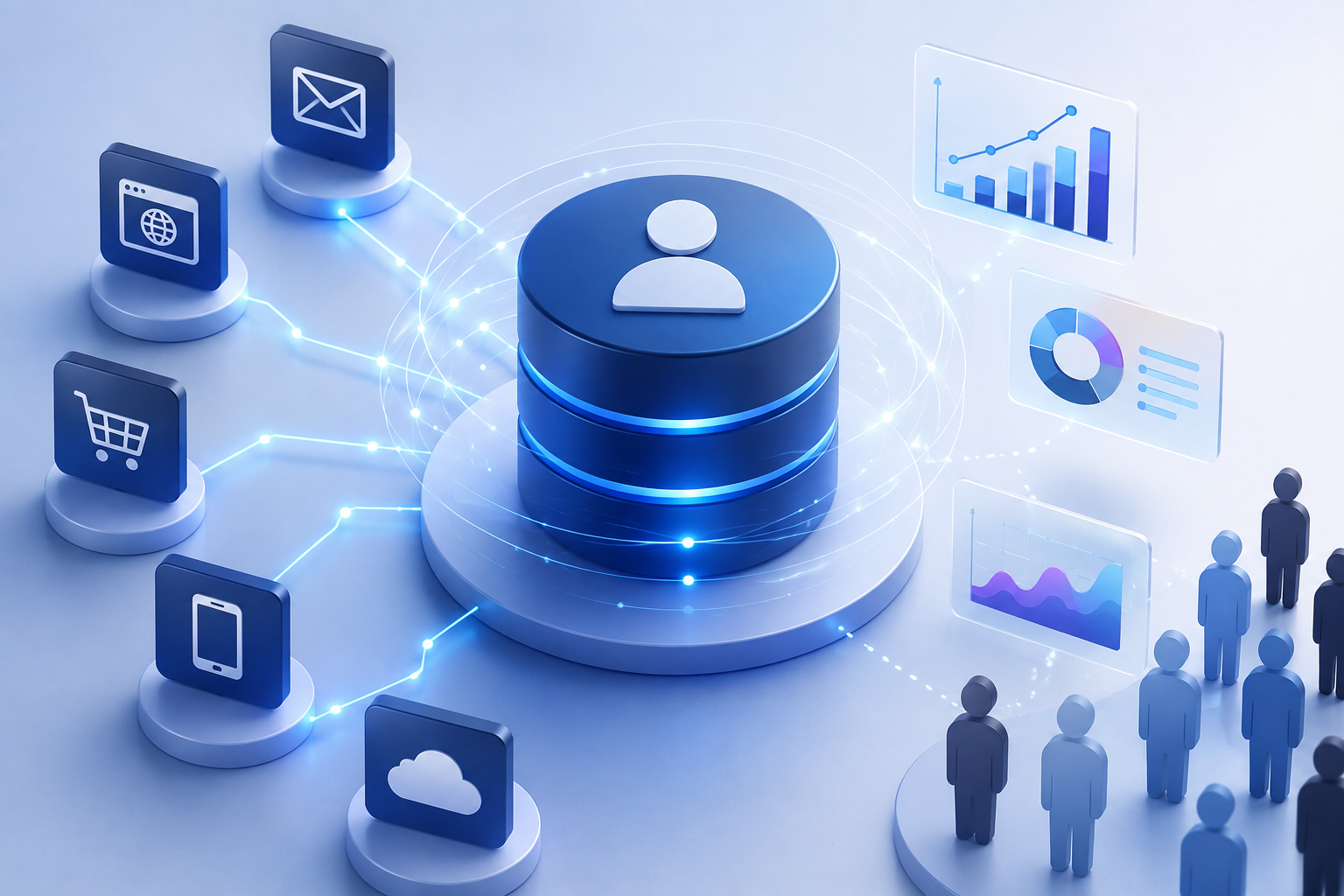
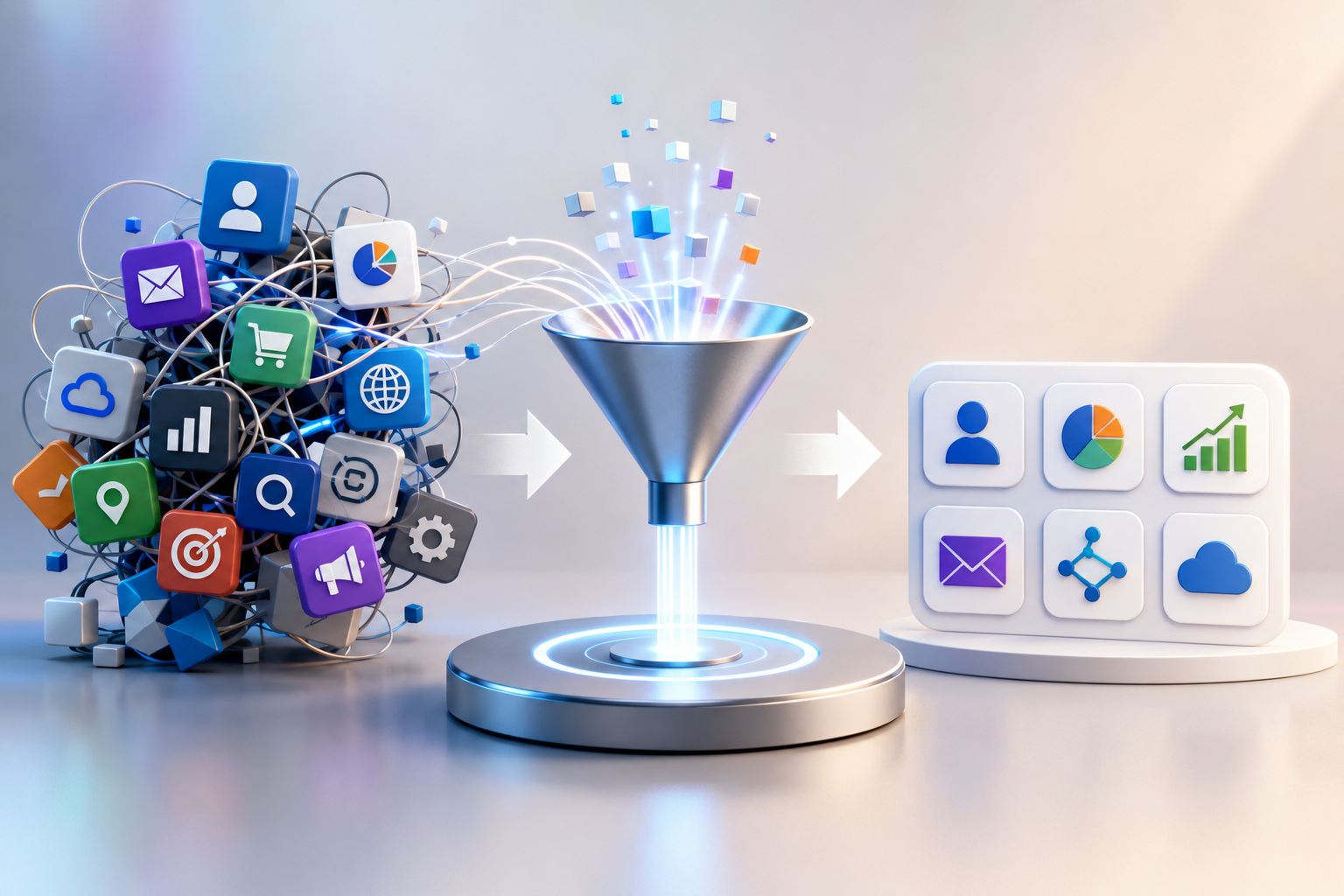
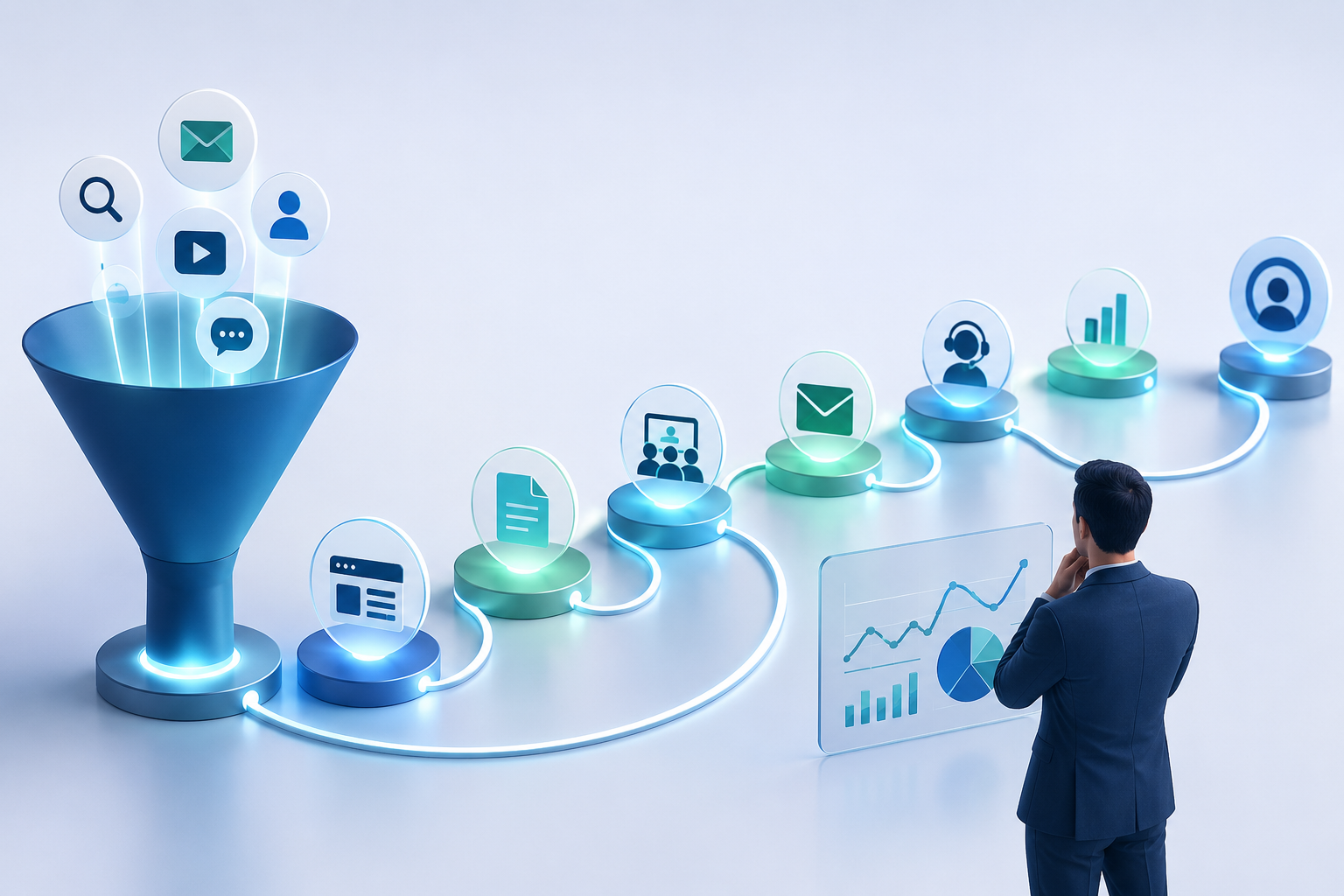
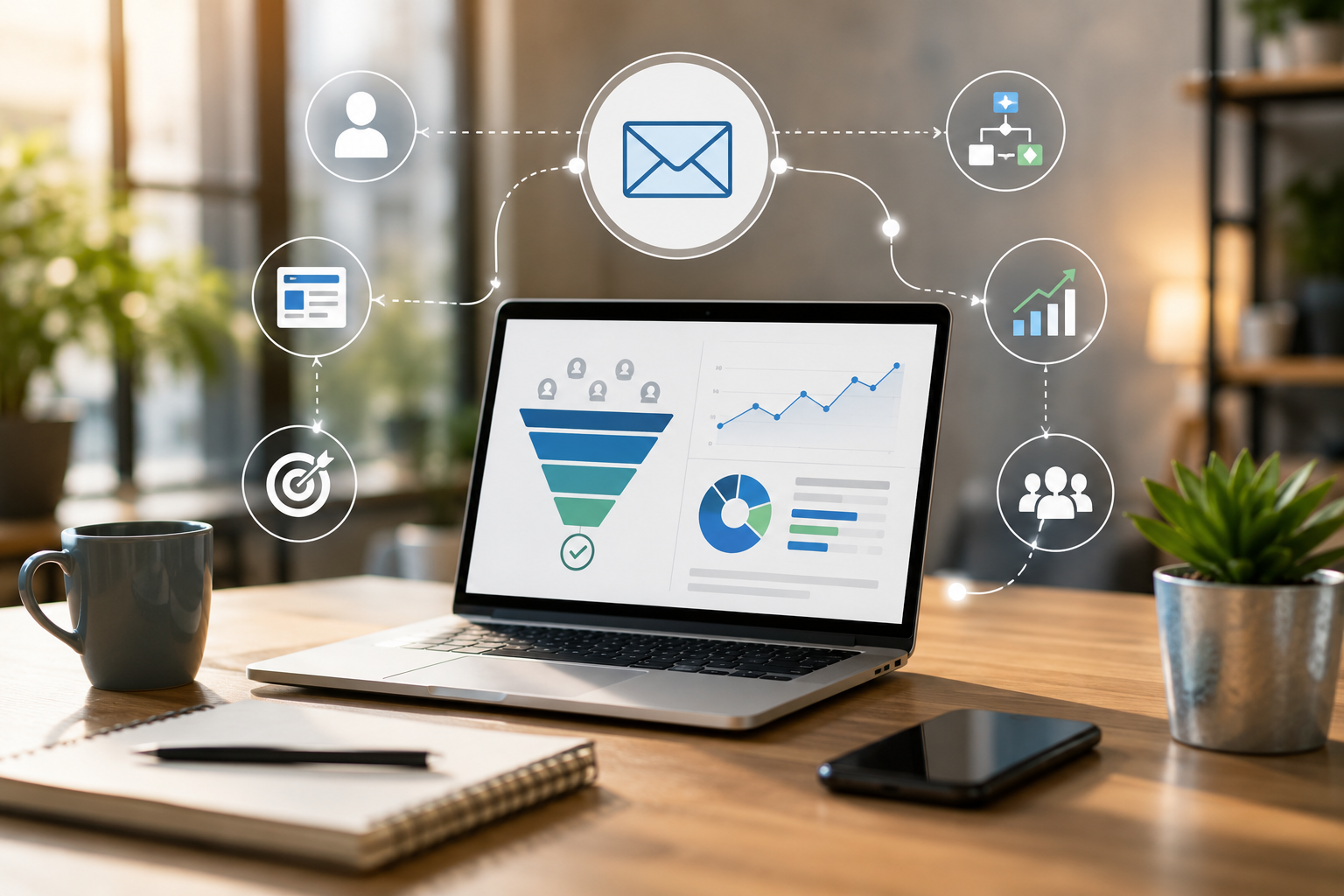
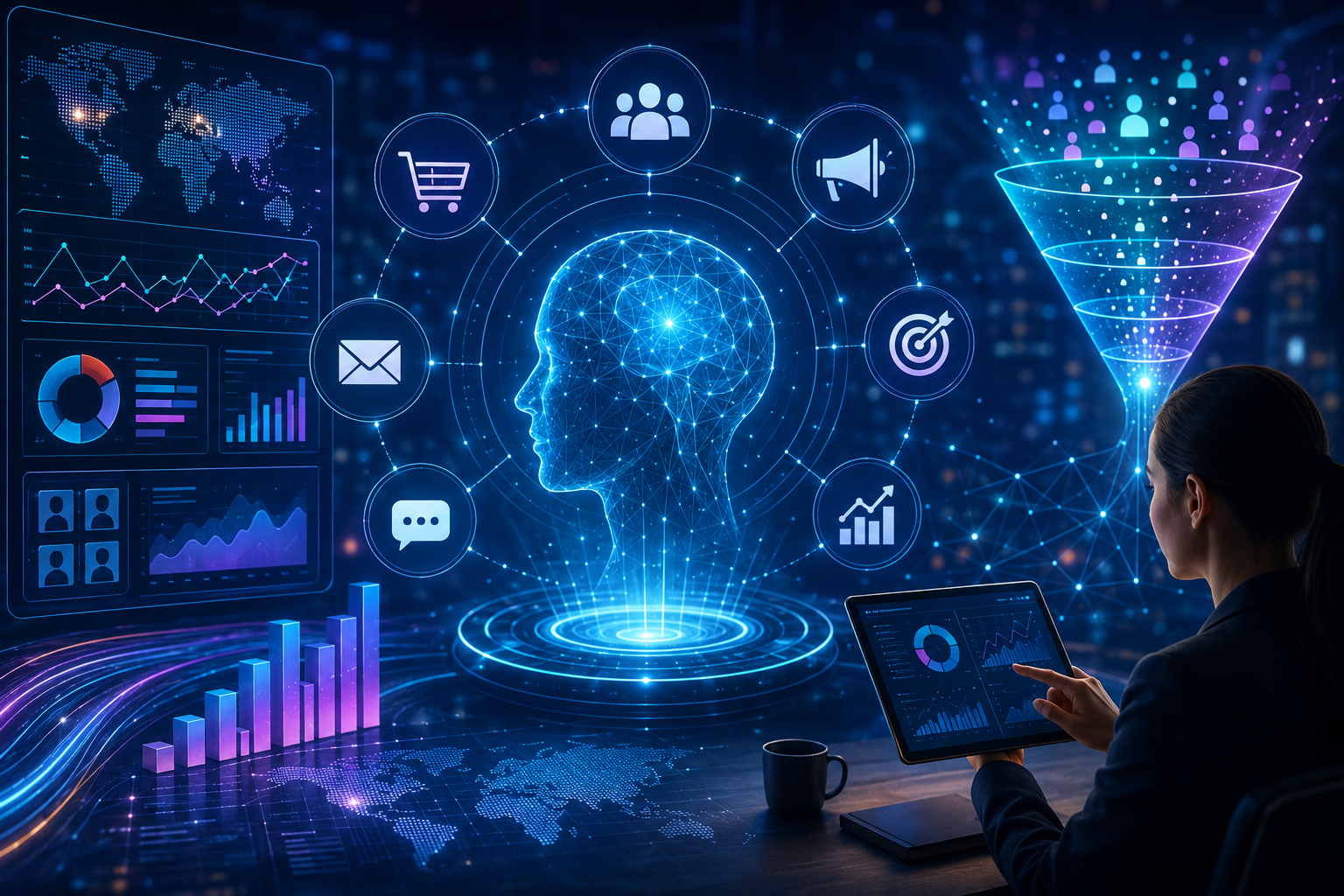
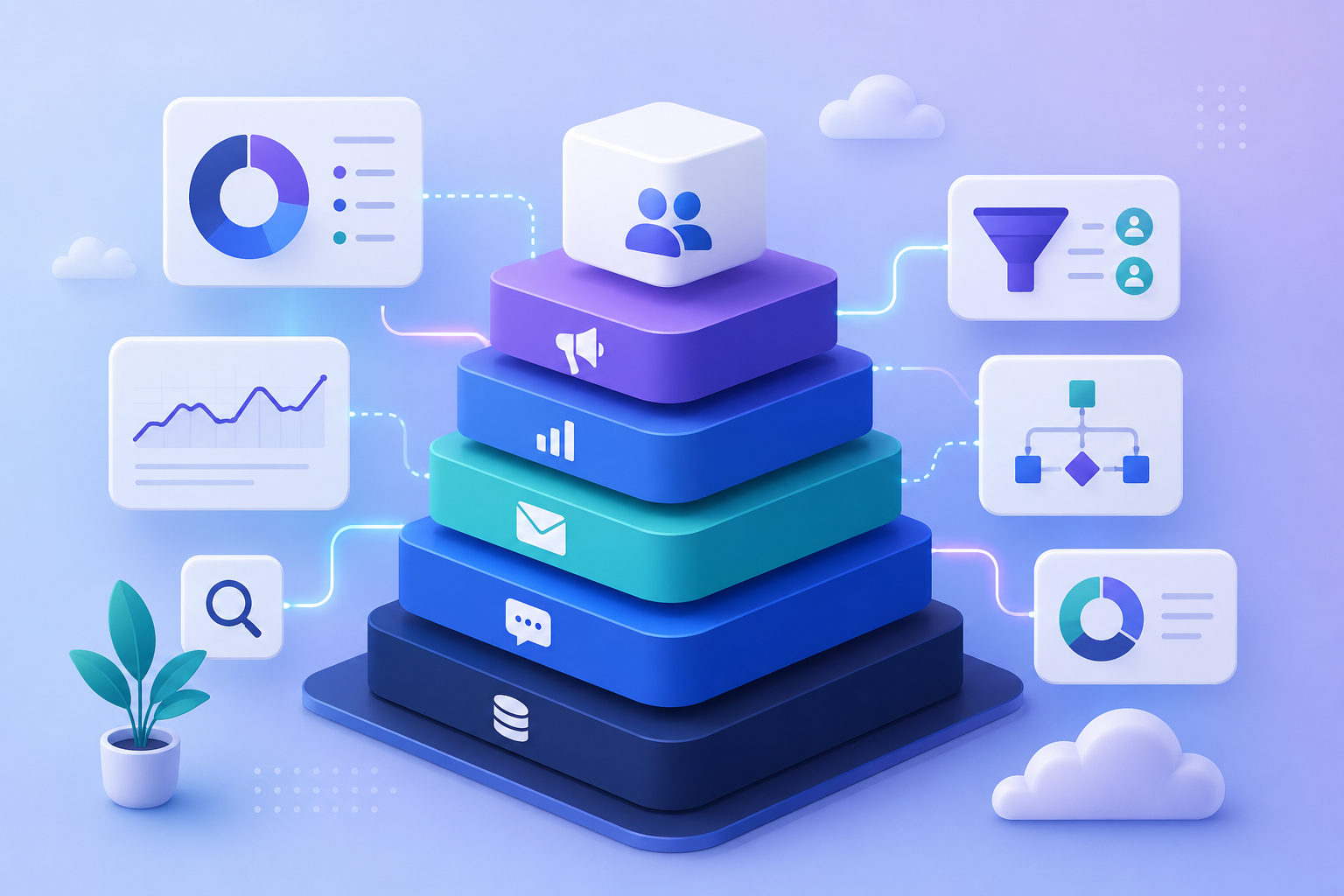
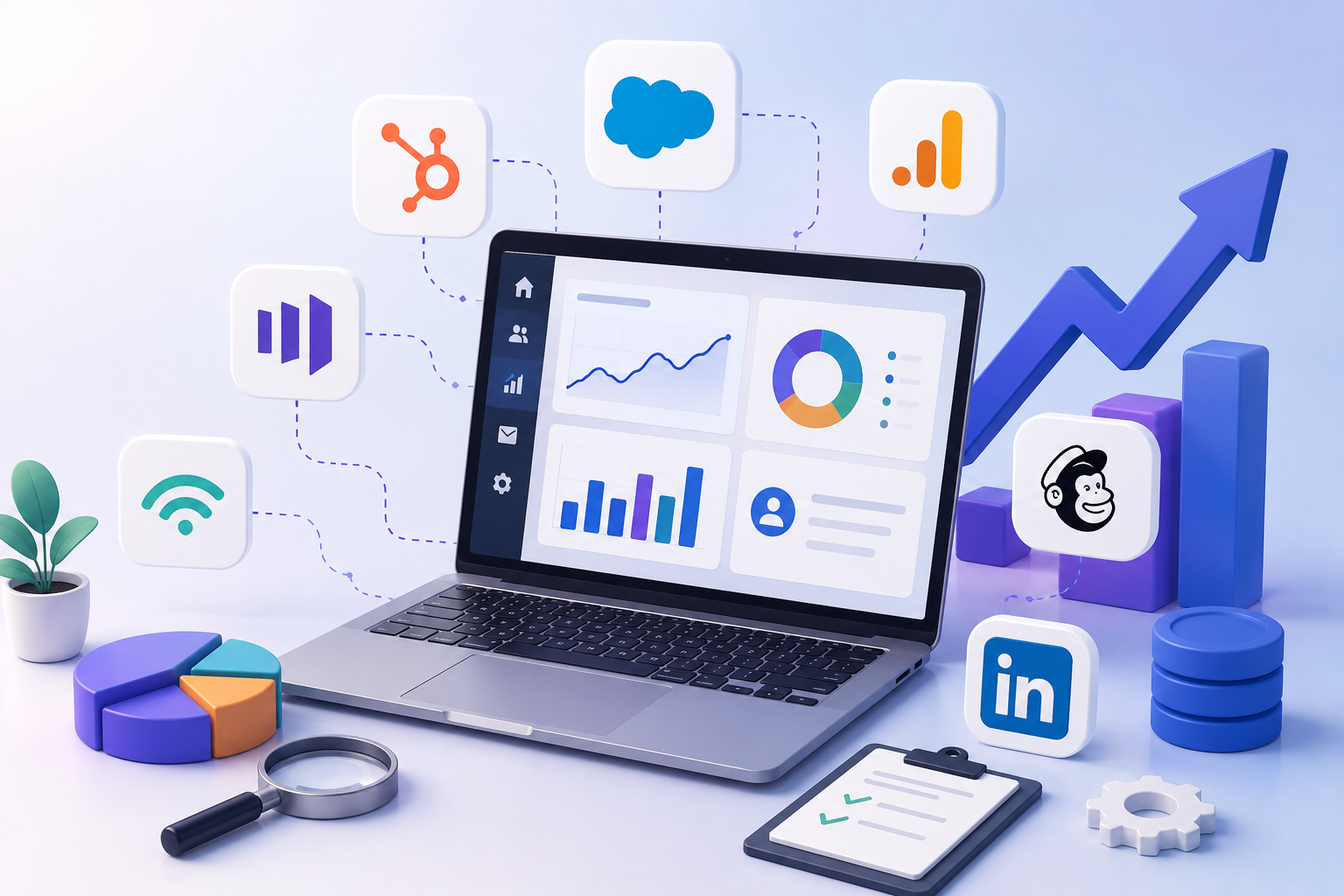
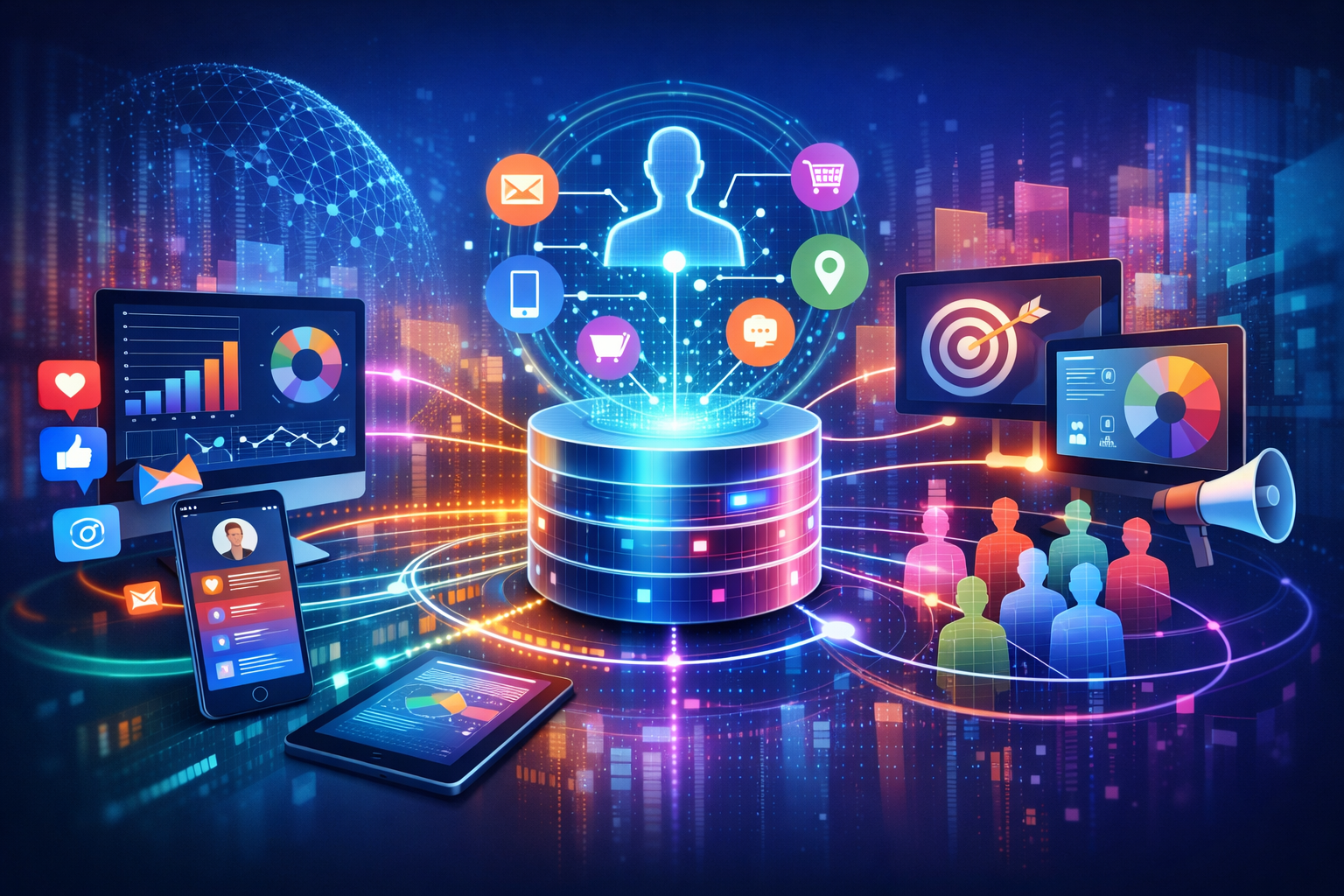
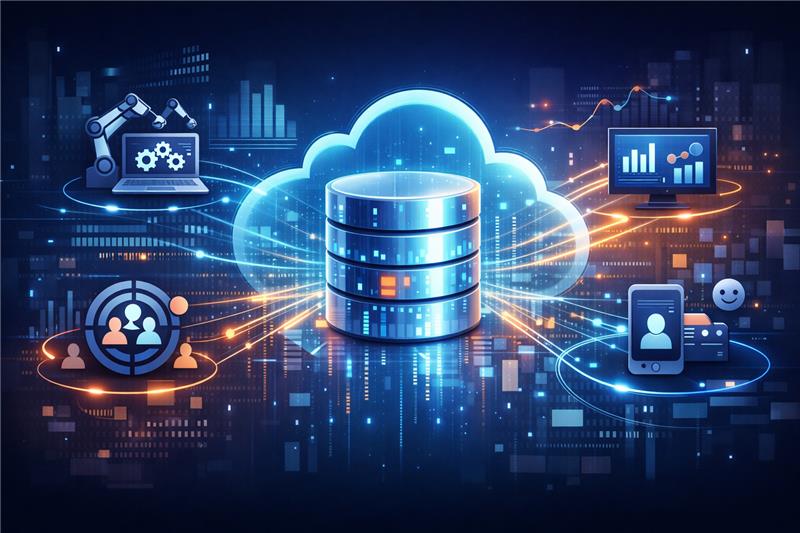
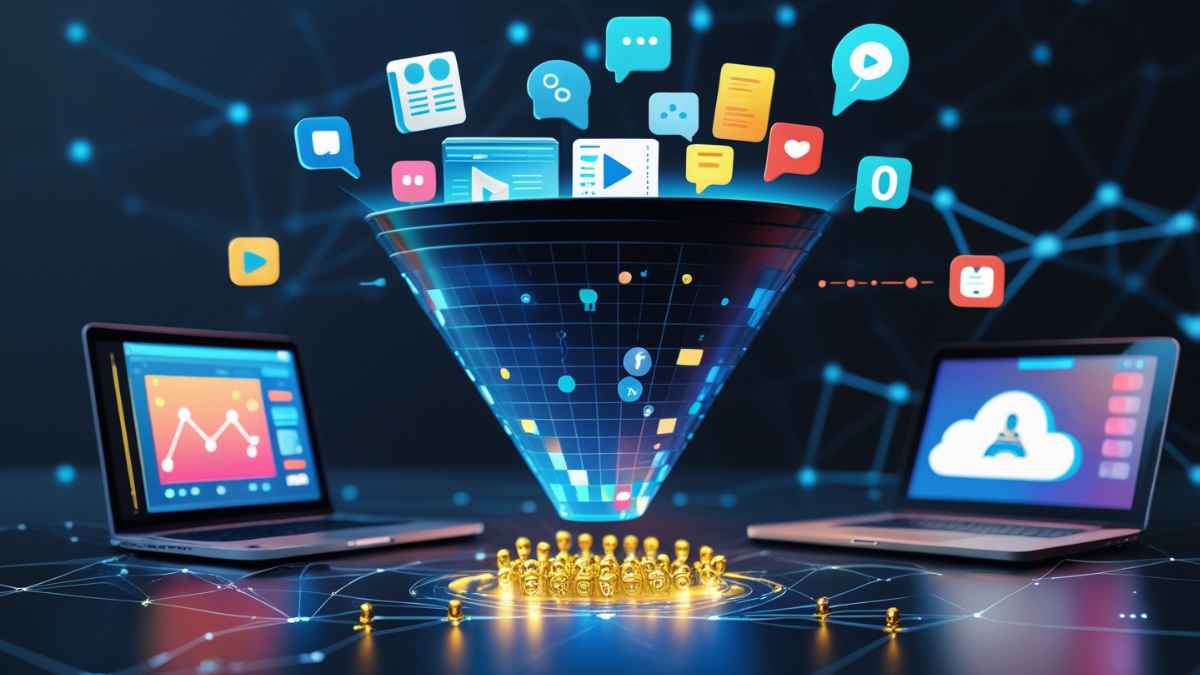
A Customer Data Platform (CDP) is a technology designed specifically to collect, unify, and activate customer data from multiple sources.
Unlike a CRM, which primarily stores customer information entered by employees or generated through customer interactions, a CDP automatically gathers data from various channels and creates a persistent, unified customer profile.
A CDP can combine data from:
- Websites
- Mobile applications
- Email platforms
- Advertising networks
- E-commerce systems
- Customer support platforms
- Offline interactions
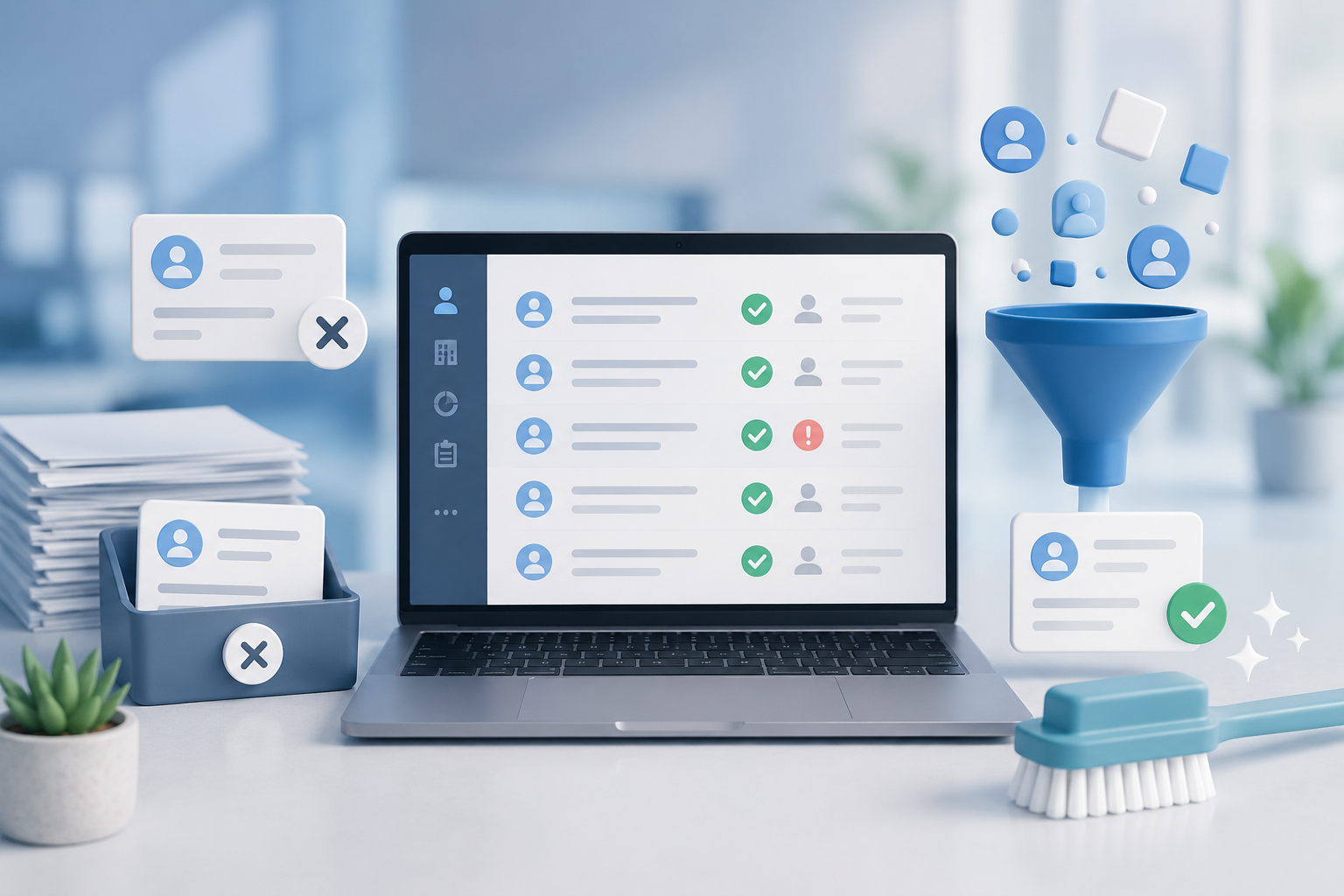
The result is a single, comprehensive view of each customer.
Key CDP Benefits
- Real-time customer profiles
- Cross-channel data integration
- Advanced audience segmentation
- Personalized marketing campaigns
- Improved customer journey orchestration
- Better attribution and analytics
Common CDP Platforms
Leading CDP solutions include:
- Segment
- Treasure Data
- mParticle
- Tealium AudienceStream
- Adobe Real-Time CDP
CDP vs CRM: The Core Differences
| Feature | CRM | CDP |
|---|---|---|
| Primary Purpose | Manage customer relationships | Unify customer data |
| Main Users | Sales, support, account teams | Marketing, analytics, customer experience teams |
| Data Collection | Mostly manual and transactional | Automated and behavioral |
| Data Sources | Customer interactions and sales activities | Multiple online and offline sources |
| Customer View | Relationship-focused | 360-degree customer profile |
| Real-Time Data | Limited | Extensive |
| Audience Segmentation | Basic to moderate | Advanced |
| Personalization | Limited | Highly sophisticated |
Why the Confusion Exists
The confusion stems from the fact that both systems deal with customer information. Modern CRM platforms have added marketing capabilities, while many CDPs now offer customer engagement features.
As a result, the boundaries between the two categories have become increasingly blurred.
However, the key distinction remains:
CRMs help teams manage customer relationships. CDPs help organizations understand customers by unifying data across every touchpoint.
A Real-World Example
Imagine an online fashion retailer.
CRM Scenario
The sales and support teams use a CRM to:
- View customer purchase history
- Track customer service tickets
- Record conversations
- Manage loyalty program interactions
The CRM helps employees interact effectively with customers.
CDP Scenario
The marketing team uses a CDP to:
- Track website browsing behavior
- Capture abandoned carts
- Analyze app usage
- Combine email engagement data
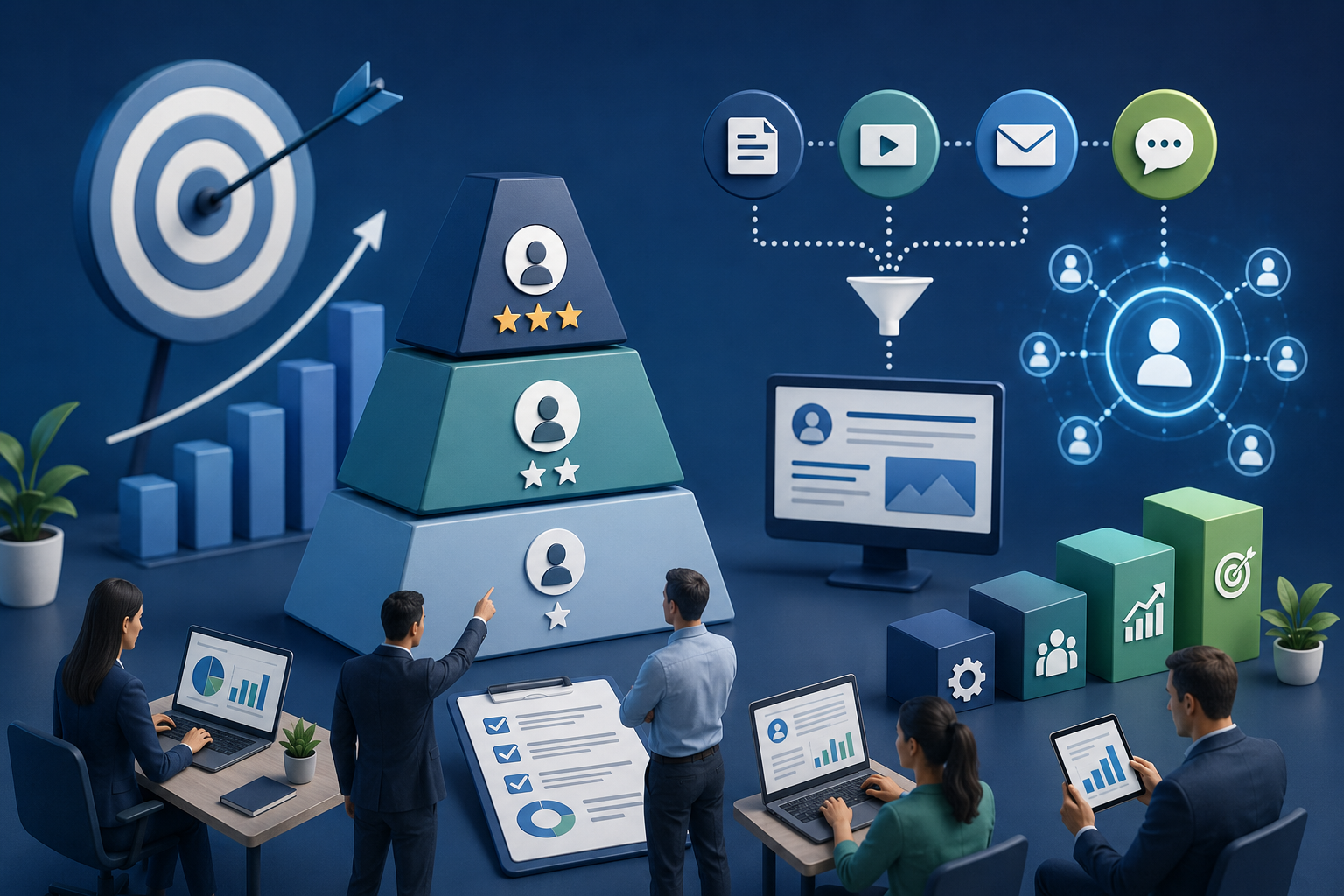
- Build personalized audience segments
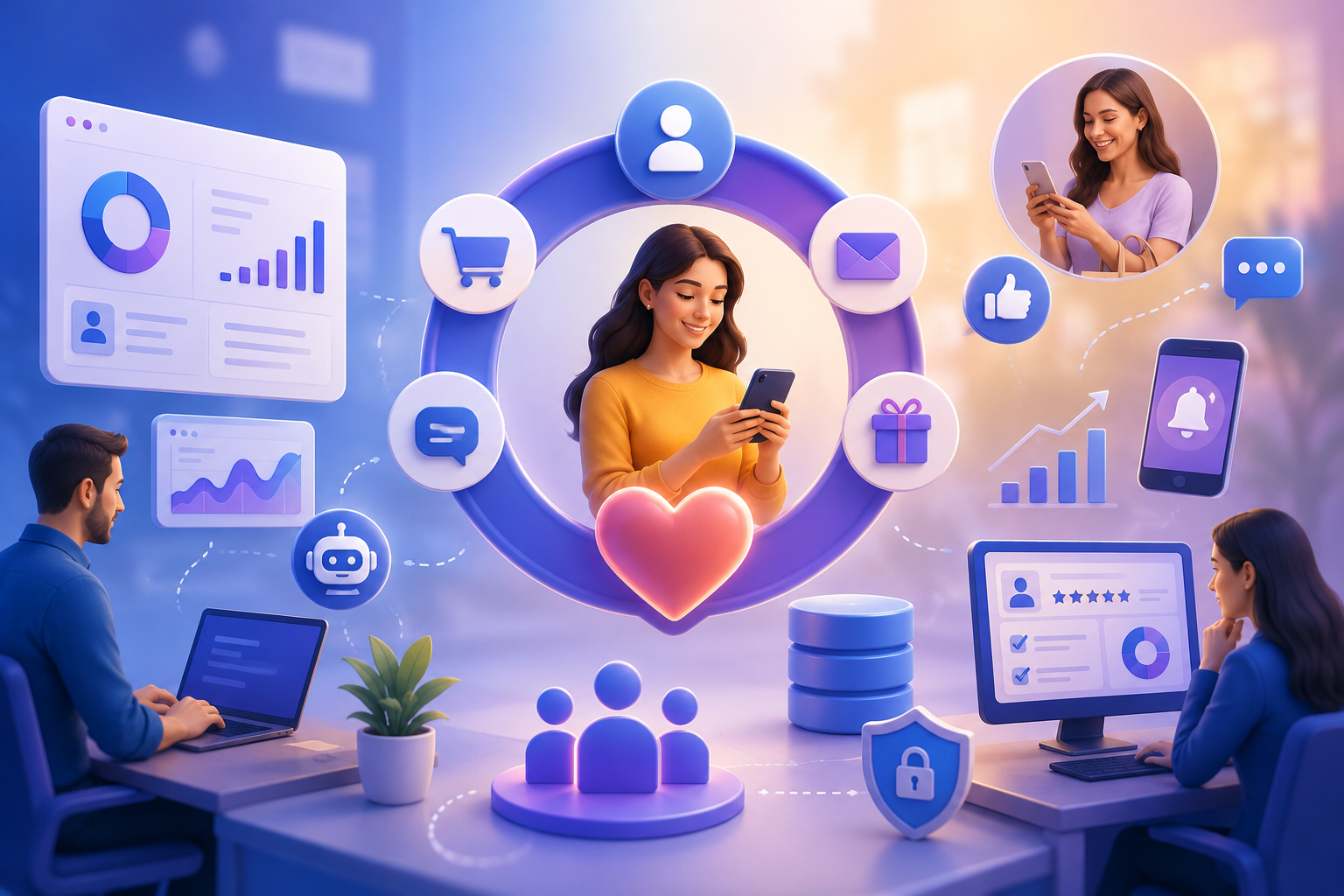
The CDP helps marketers understand customer behavior and deliver personalized experiences.
Together, both systems create a seamless customer experience.
Do You Need a CDP If You Already Have a CRM?
For many businesses, the answer is yes.
A CRM is excellent for managing known customer relationships, but it often struggles to:
- Integrate large volumes of behavioral data
- Track anonymous visitors
- Create unified customer identities across channels
- Power advanced personalization initiatives
As customer journeys become increasingly digital, businesses often adopt a CDP to fill these gaps.
A CRM tells you who your customer is and what interactions they’ve had with your team.
A CDP tells you how your customer behaves across every channel and touchpoint.
When a CRM Alone Is Enough
A CRM may be sufficient if:
- Your business has a relatively simple sales process
- Customer interactions happen through a limited number of channels
- Personalization requirements are minimal
- Your focus is primarily sales and customer service management
Small and mid-sized businesses often start with a CRM before investing in a CDP.
When You Should Consider a CDP
A CDP becomes valuable when:
- Customer data exists in multiple disconnected systems
- Marketing personalization is a priority
- You operate across web, mobile, email, and advertising channels
- Customer journeys are complex
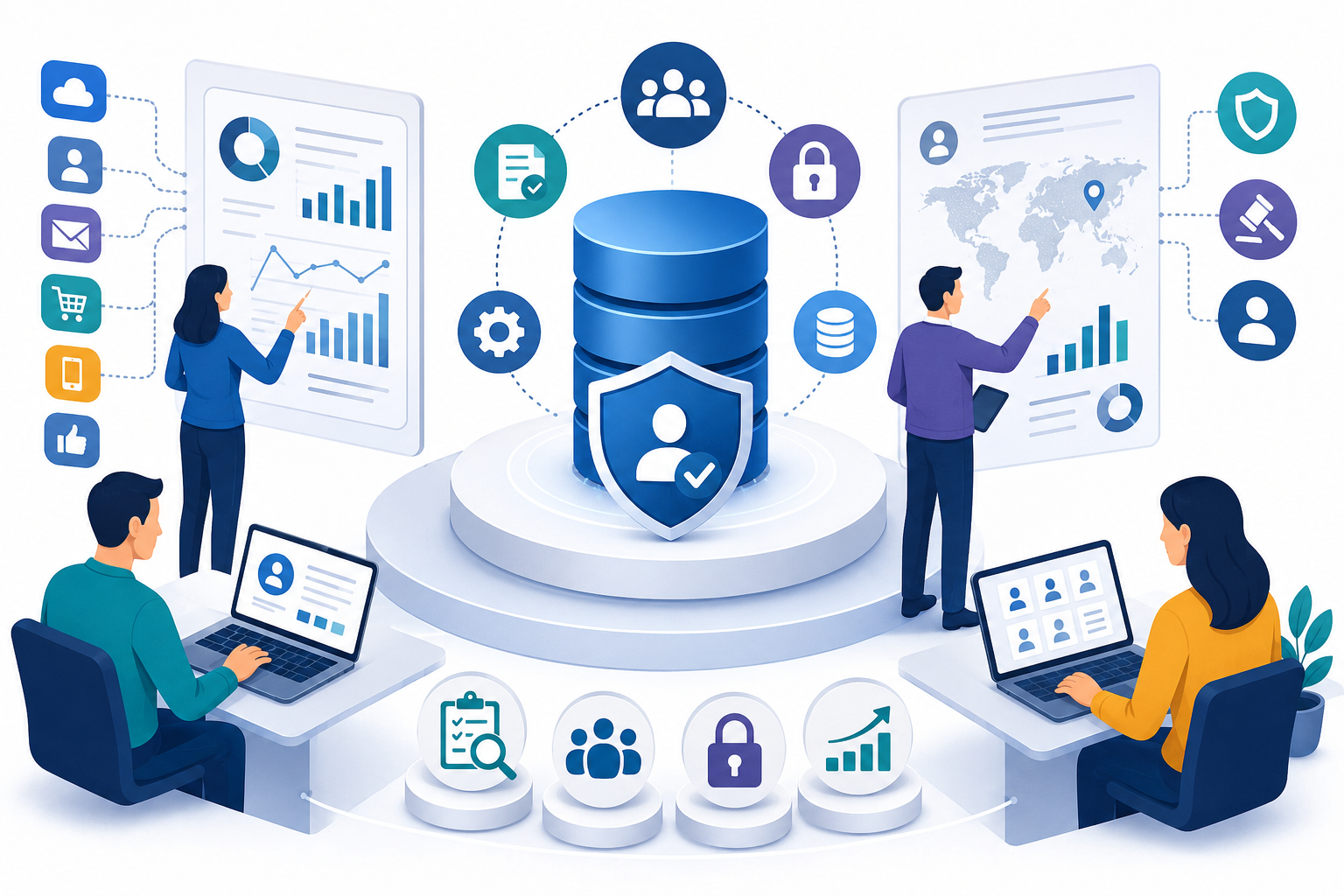
- Data privacy and governance require centralized management
- You want real-time audience activation
Large enterprises and digitally mature organizations increasingly view CDPs as a critical part of their marketing technology stack.
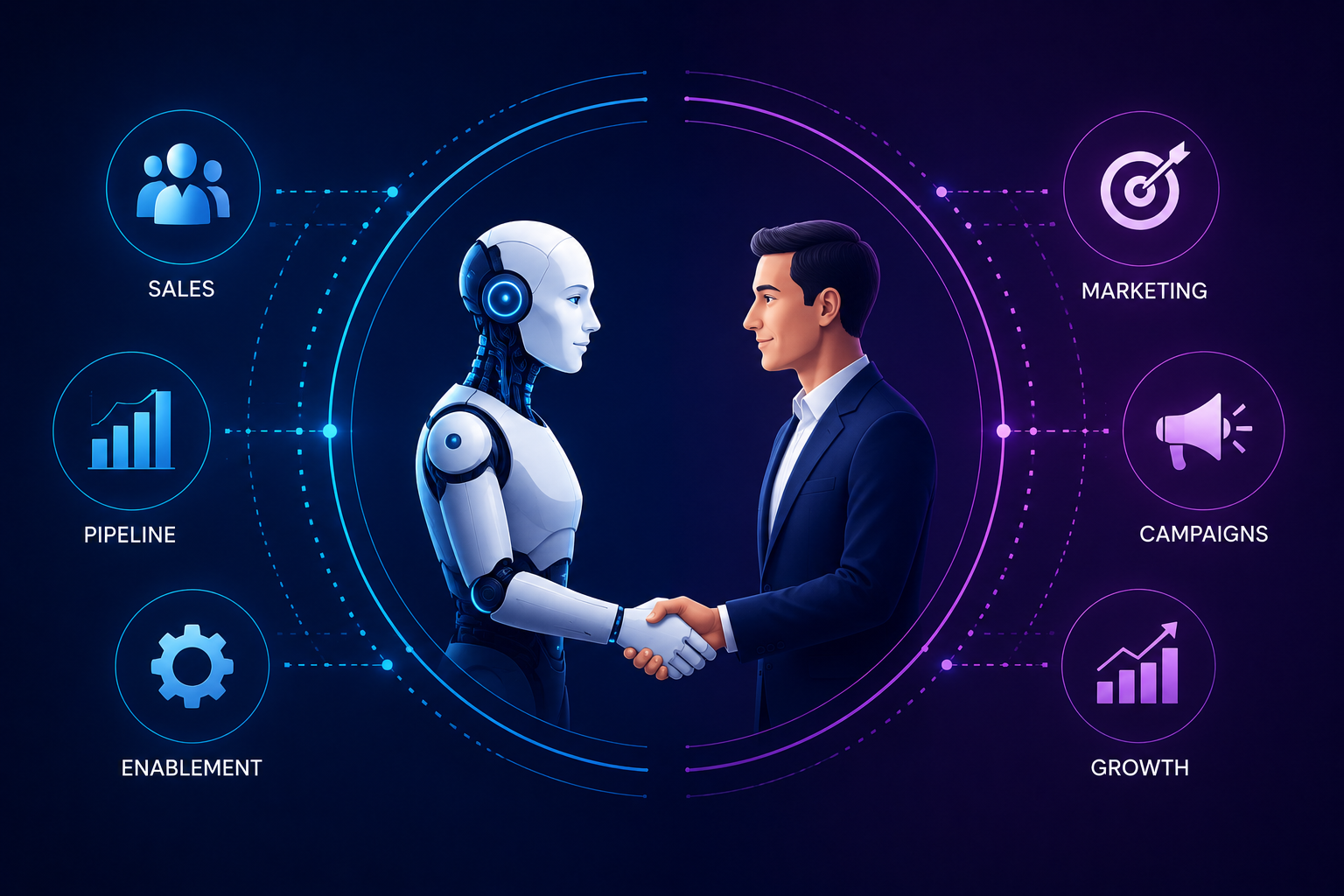
The Future: CRM + CDP, Not CRM vs CDP
The debate should not be framed as “CDP versus CRM.”
The most successful organizations use both technologies together.
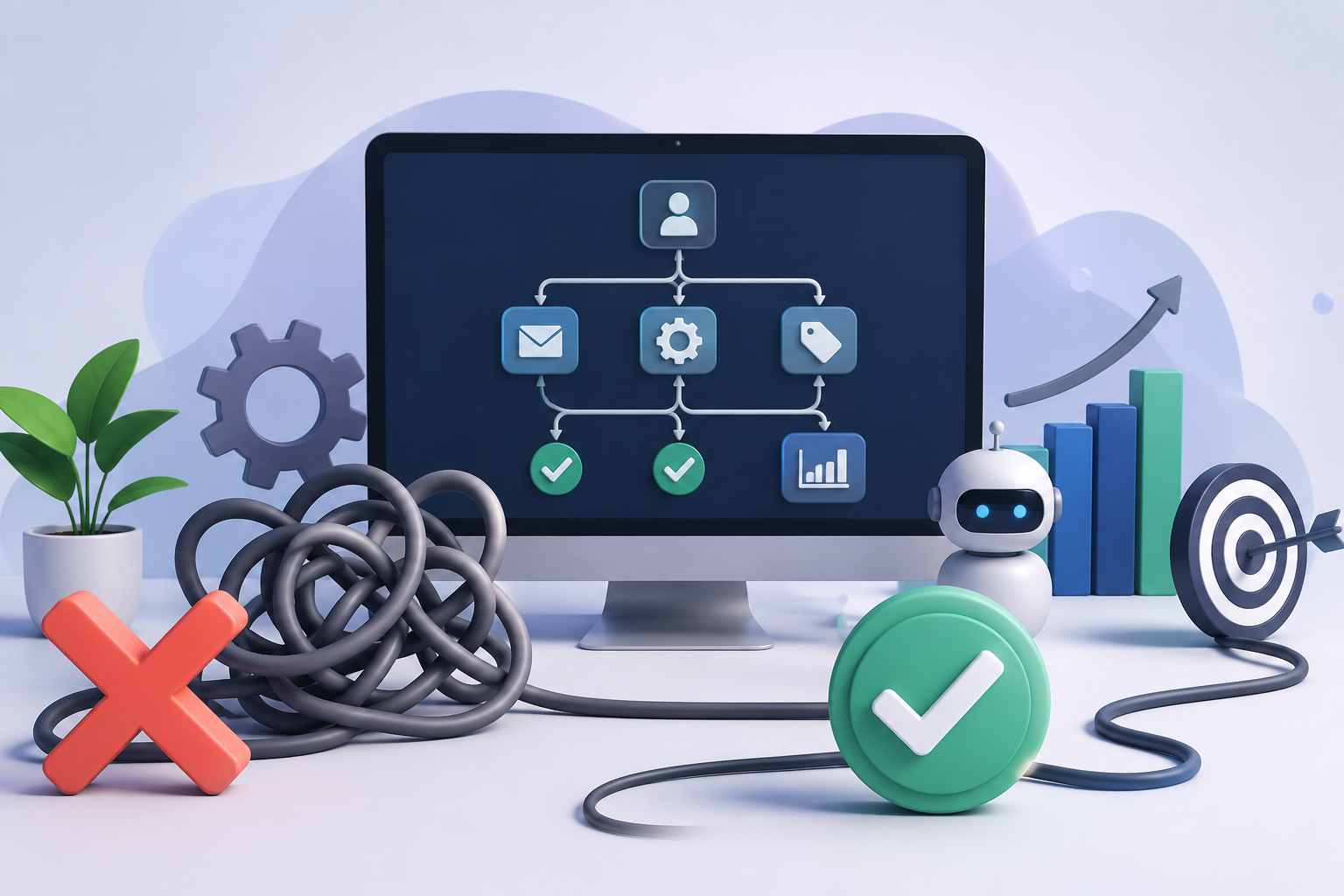
A CRM provides the operational system of record for customer relationships, while a CDP serves as the intelligence layer that unifies and enriches customer data.
When integrated effectively, the combination enables:
- Better customer insights
- More personalized experiences
- Improved marketing performance
- Stronger customer retention
- Increased revenue growth
Read Also: Personalization at Scale in Enterprise Marketing: Turning Customer Data into Meaningful Experiences