Generating leads is only half the battle in today’s competitive business environment. The real challenge lies in identifying which prospects are most likely to become paying customers. Traditional lead scoring methods often rely on manual rules and assumptions, making them time-consuming and less effective. This is where predictive analytics transforms the sales and marketing process.
By leveraging historical data, machine learning, and statistical models, predictive analytics enables businesses to prioritise high-quality leads, personalise customer engagement, and significantly improve conversion rates. Instead of relying on guesswork, organisations can make data-driven decisions that maximise revenue while reducing customer acquisition costs.
What is Predictive Analytics?
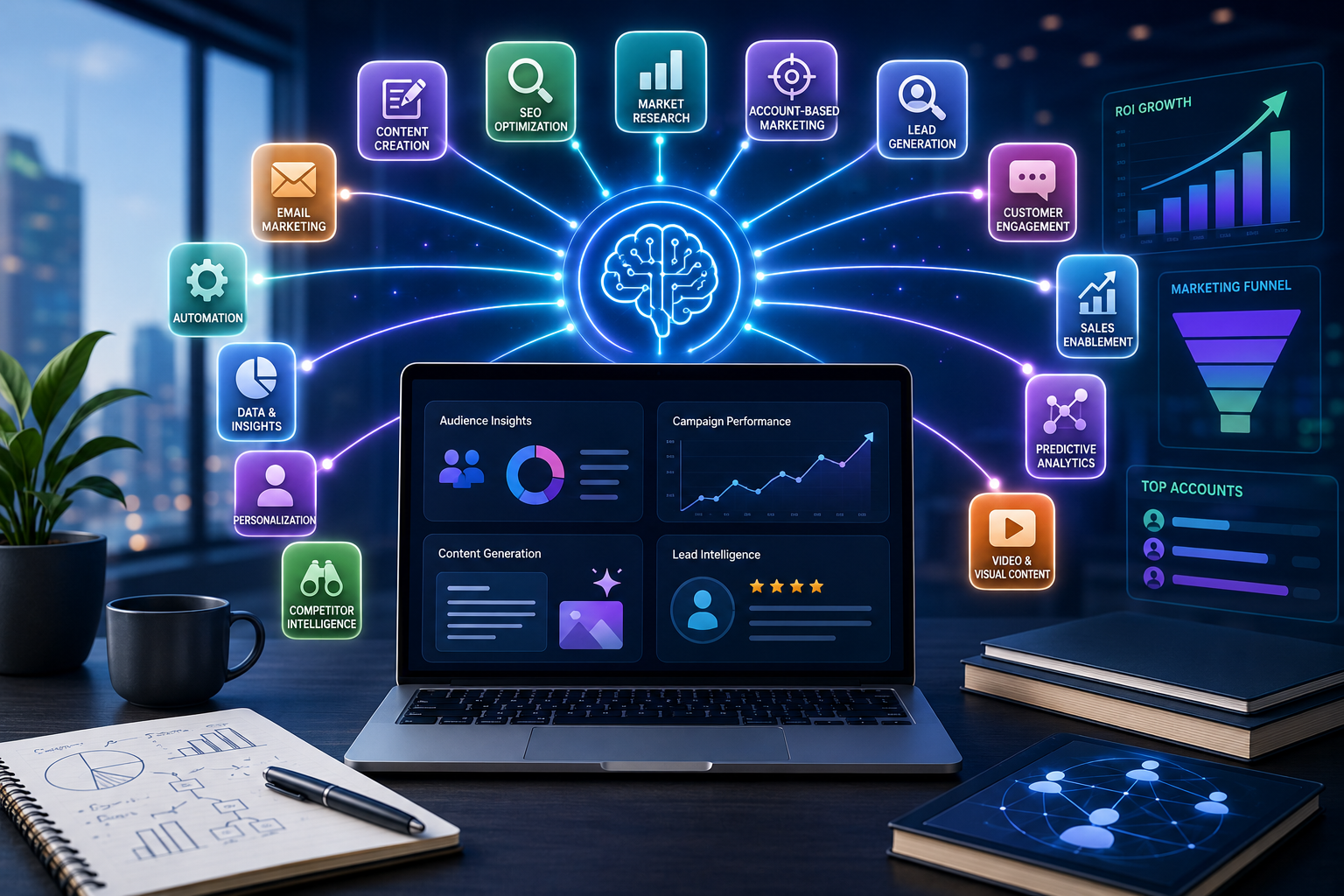
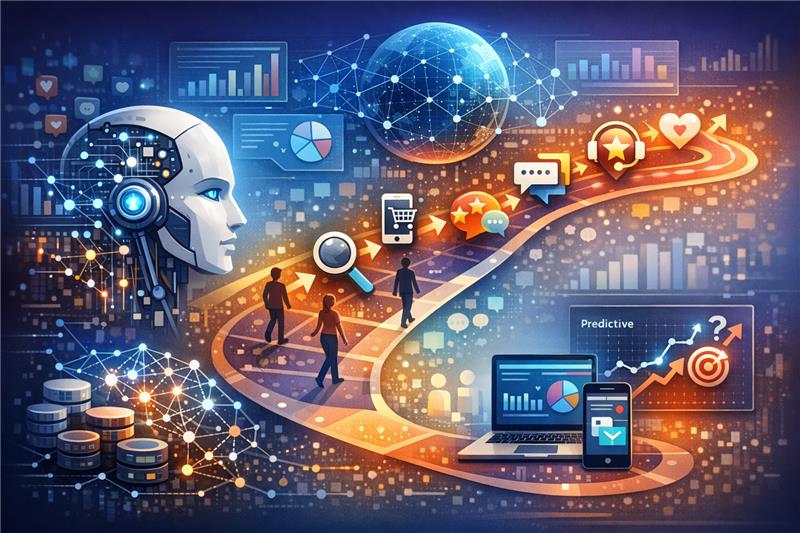
Predictive analytics is the process of analysing historical and real-time data to forecast future outcomes. It uses advanced algorithms, artificial intelligence (AI), and machine learning to identify patterns that indicate the likelihood of a particular event—such as whether a lead will convert into a customer.
In lead management, predictive analytics evaluates multiple factors, including:
- Website interactions
- Email engagement
- Demographic information
- Purchase history
- Social media activity
- CRM data
- Customer behaviour patterns
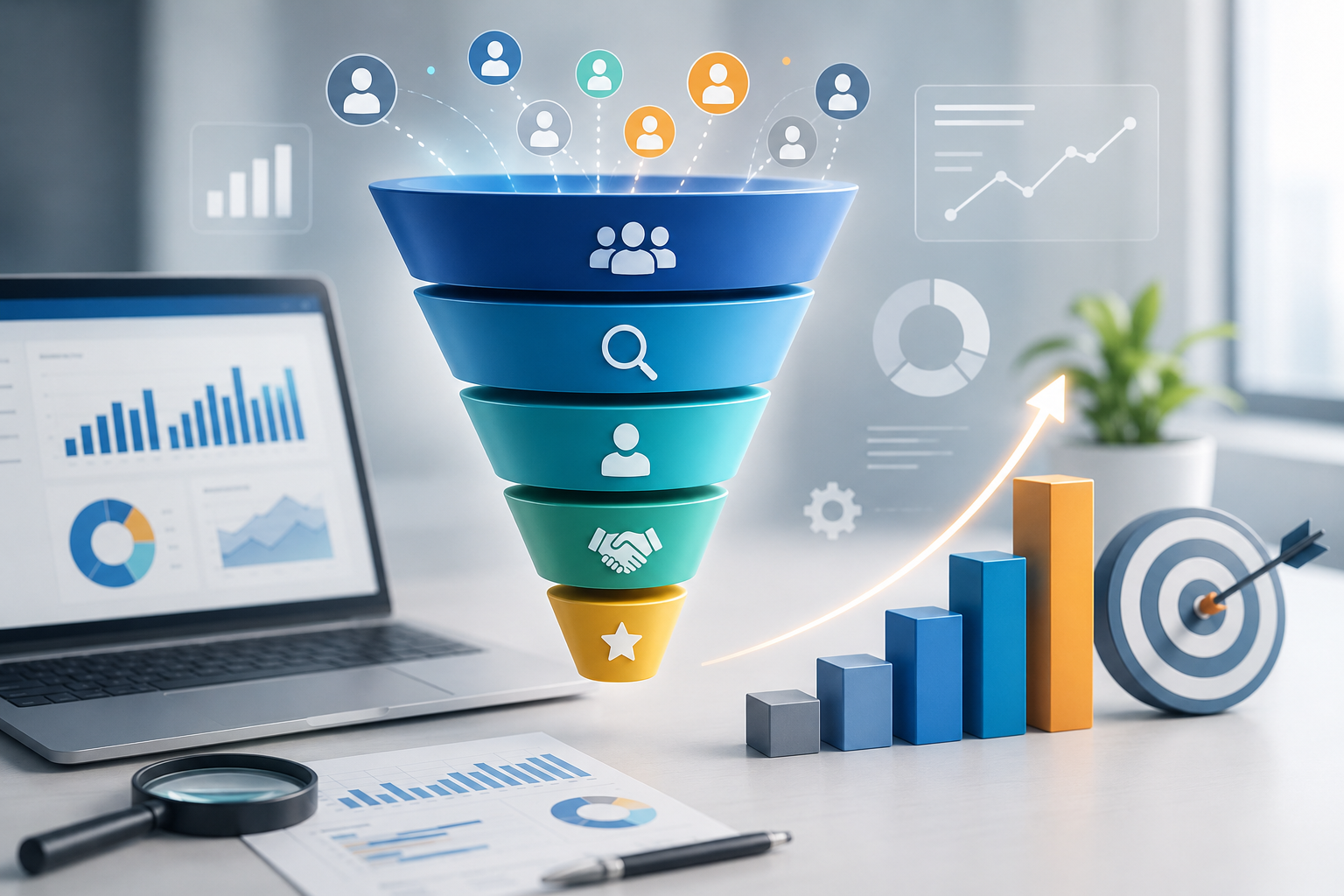
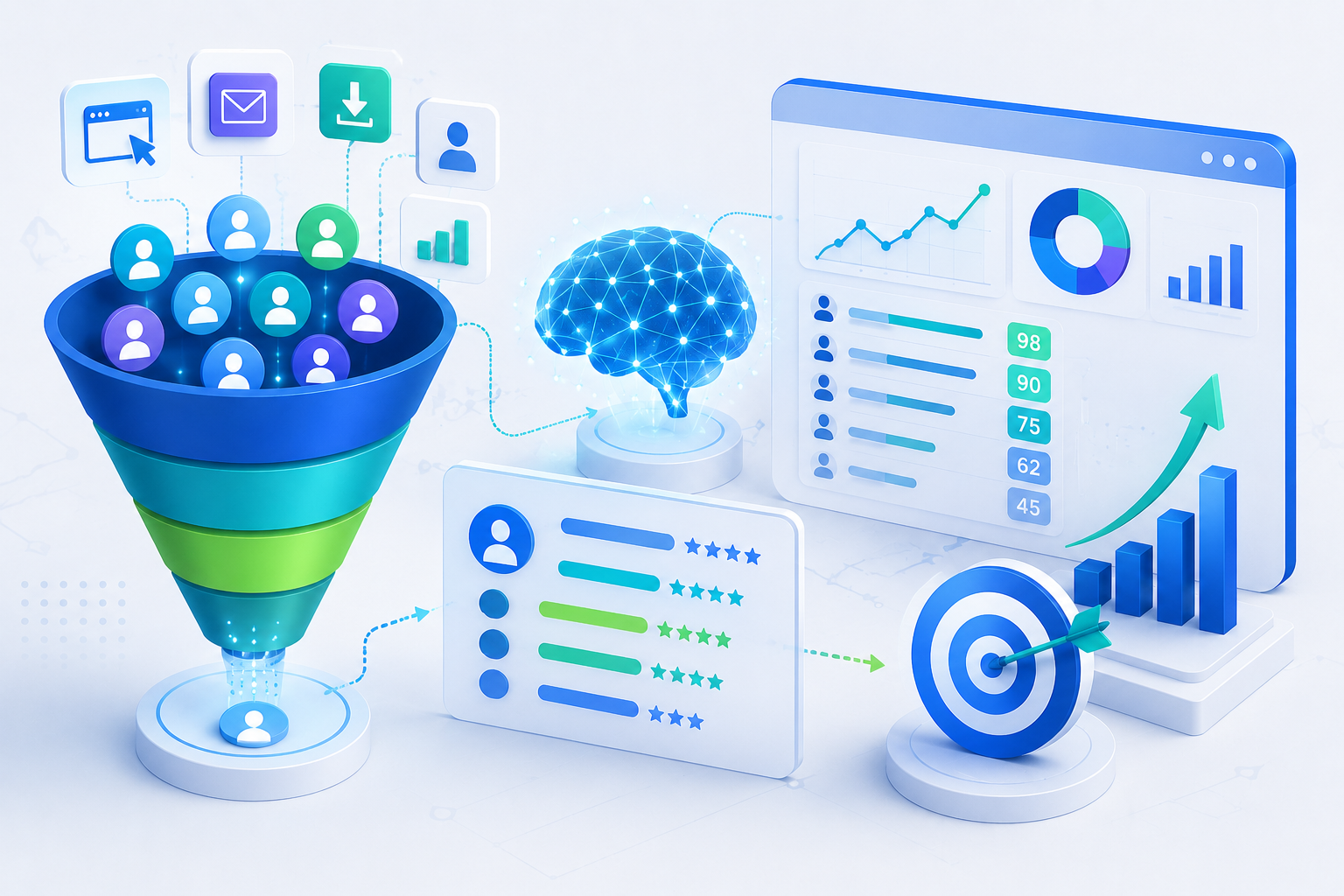
The system then assigns a predictive score that helps sales teams focus on the most promising opportunities.
Understanding Lead Scoring
Lead scoring is the practice of assigning numerical values to leads based on their likelihood of becoming customers.
Traditional lead scoring typically uses fixed rules such as:
- Downloaded an eBook: +10 points
- Visited the pricing page: +15 points
- Opened an email: +5 points
- Job title matches decision-maker: +20 points
While these rules are useful, they often overlook complex relationships between customer behaviours and conversion outcomes.
Predictive lead scoring goes a step further by analysing thousands of data points simultaneously to determine which combinations of actions truly indicate purchase intent.
How Predictive Analytics Improves Lead Scoring
1. Identifies High-Quality Leads
Predictive models analyse previous successful customers and identify common characteristics among them.
For example, the model may discover that customers who:
- Visit the pricing page twice
- Download a case study
- Attend a webinar
- Work in companies with more than 200 employees
have an 85% probability of making a purchase.
Sales representatives can then prioritise these leads instead of spending equal time on every prospect.
2. Reduces Manual Work
Traditional scoring requires marketing teams to constantly update scoring rules.
Predictive analytics automatically learns from new customer data and continuously improves scoring accuracy without requiring manual intervention.
3. Improves Sales Productivity
Sales teams often waste valuable time pursuing leads that are unlikely to convert.
Predictive lead scoring helps sales representatives:
- Focus on qualified prospects
- Shorten sales cycles
- Increase win rates
- Improve follow-up timing
This allows teams to close more deals with less effort.
4. Personalises Customer Engagement
Predictive analytics provides insights into customer interests and buying behaviour.
Marketing teams can create personalised campaigns based on:
- Industry
- Buying stage
- Previous interactions
- Product preferences
- Engagement history
Personalised communication significantly increases customer engagement and trust.
5. Enables Better Marketing ROI
Marketing budgets are limited.
Predictive analytics helps businesses invest more in campaigns that generate high-quality leads while reducing spending on low-performing channels.
This leads to improved return on investment (ROI) and more efficient resource allocation.
Key Data Sources Used in Predictive Lead Scoring
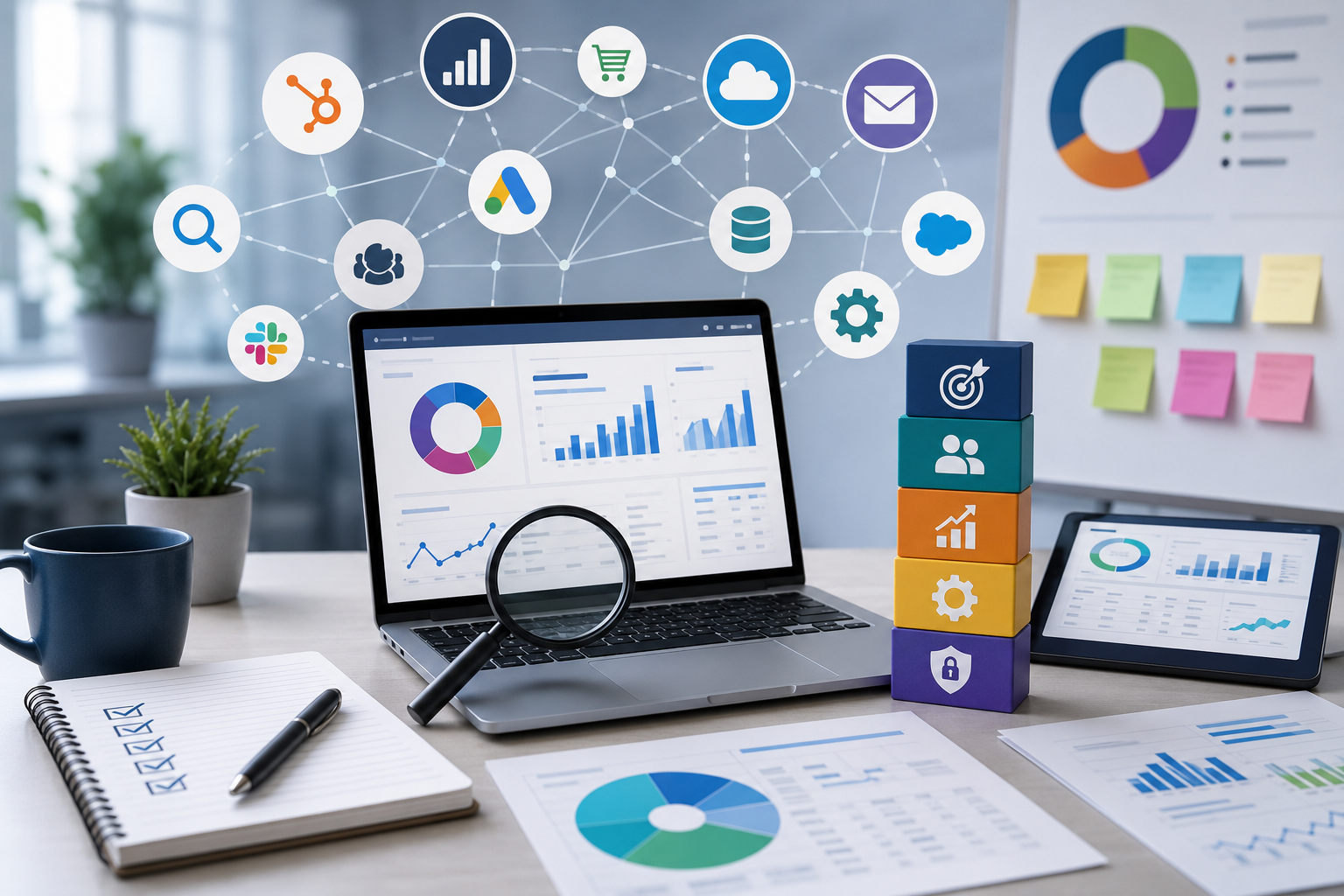
Successful predictive models combine data from multiple sources:
CRM Data
- Previous purchases
- Sales history
- Customer lifecycle
- Contact information
Website Behaviour
- Pages visited
- Session duration
- Bounce rate
- Product views
Email Marketing
- Open rates
- Click-through rates
- Responses
- Unsubscribes
Social Media
- Content engagement
- Brand mentions
- Followers
- Ad interactions
Third-Party Data
- Company size
- Industry
- Revenue
- Technology stack
- Market trends
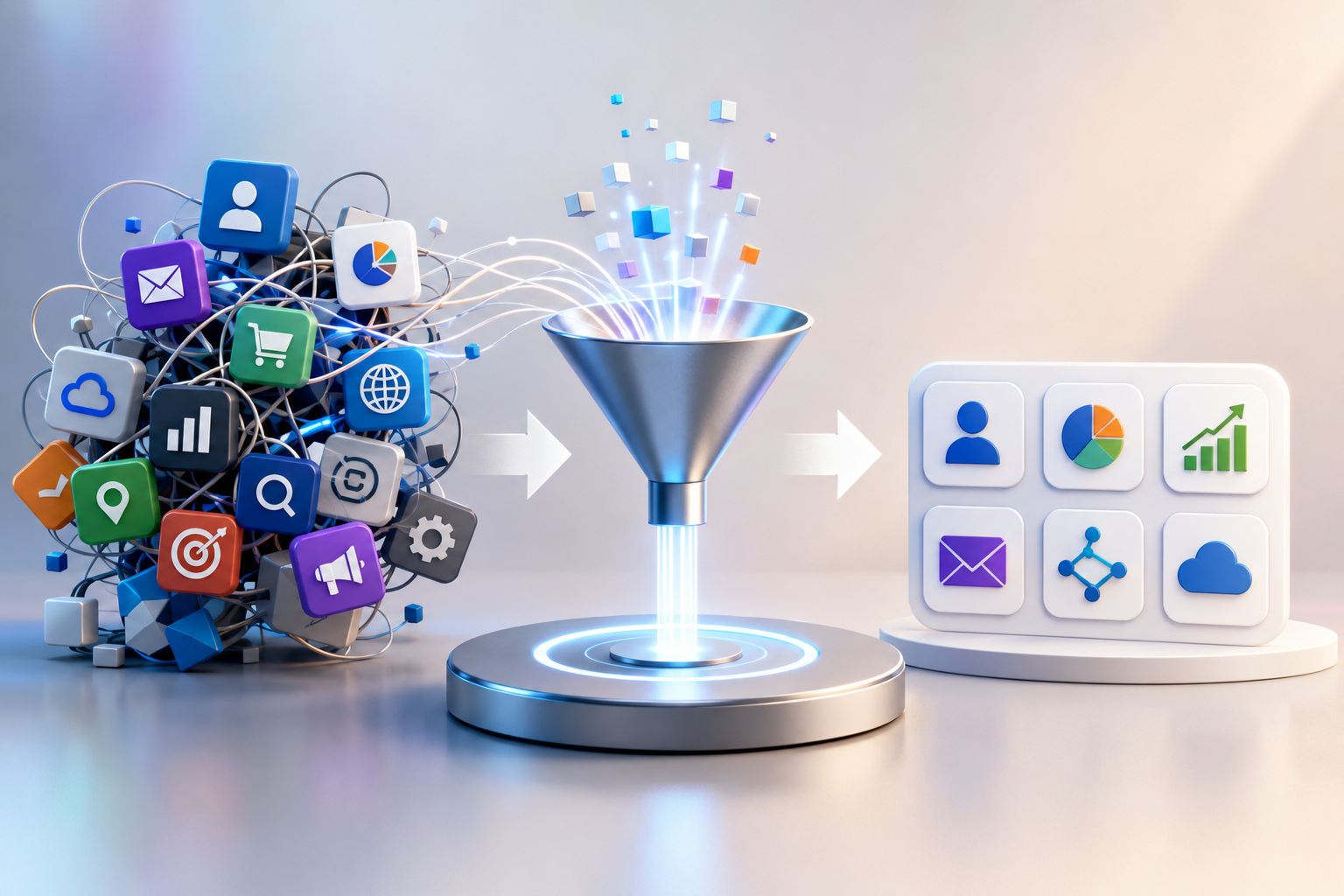
Combining these data sources creates a complete picture of each lead.
Benefits of Predictive Lead Scoring
Higher Conversion Rates
Businesses engage with leads that are statistically more likely to purchase, improving conversion performance.
Faster Sales Cycles
Sales teams spend less time qualifying prospects and more time closing deals.
Improved Customer Experience
Relevant communication at the right time enhances the buyer journey.
Better Sales and Marketing Alignment
Both teams work from the same data-driven insights, improving collaboration and reducing friction.
Increased Revenue
Prioritising high-value opportunities leads to more successful sales and sustainable business growth.
Best Practices for Implementing Predictive Analytics
Maintain High-Quality Data
Accurate predictions depend on clean, consistent, and up-to-date customer data.
Integrate Multiple Systems
Connect CRM platforms, marketing automation tools, website analytics, and customer support systems to create a unified data ecosystem.
Continuously Monitor Performance
Regularly evaluate model accuracy and retrain algorithms as customer behaviour evolves.
Combine AI with Human Expertise
Predictive analytics should support—not replace—sales and marketing professionals. Human judgement remains essential for building relationships and understanding unique customer needs.
Respect Data Privacy
Ensure compliance with data protection regulations and be transparent about how customer information is collected and used.
Common Challenges
Despite its advantages, predictive analytics comes with challenges:
- Poor data quality
- Incomplete customer profiles
- Integration issues across platforms
- Model bias
- Resistance to organisational change
Addressing these challenges requires strong data governance, cross-functional collaboration, and ongoing optimisation.
The Future of Predictive Lead Scoring
As artificial intelligence continues to advance, predictive lead scoring will become even more sophisticated.
Emerging capabilities include:
- Real-time lead scoring
- AI-powered customer intent detection
- Predictive customer lifetime value analysis
- Automated sales recommendations
- Conversational AI integration
- Hyper-personalised marketing campaigns
Businesses that embrace these innovations will gain a competitive advantage by responding faster to customer needs and making smarter sales decisions.
Read Also: How to Select the Right Customer Data Platform (CDP): A Complete Guide