
The B2B buying process has evolved significantly in recent years. Today’s business buyers are more informed, digitally connected, and independent than ever before. Before speaking with a sales representative, they often research solutions, compare vendors, read customer reviews, and evaluate alternatives online.
For B2B companies, understanding this changing behavior is essential to building stronger relationships, generating qualified leads, and driving sustainable business growth.
In this blog, we’ll explore the modern B2B buyer journey, its key stages, the factors influencing purchasing decisions, and strategies businesses can use to create a seamless buying experience.
What Is the Modern B2B Buyer Journey?
The modern B2B buyer journey refers to the series of steps business decision-makers take when identifying a problem, researching potential solutions, evaluating vendors, and making a purchase decision.
Unlike traditional buying processes, which often relied heavily on sales representatives, today’s journey is largely digital and self-directed. Buyers use multiple channels to gather information, including search engines, social media, industry publications, webinars, review platforms, and company websites.
The journey is also rarely linear. Buyers may revisit earlier stages, compare new alternatives, consult additional stakeholders, or delay decisions as business priorities change.
For marketers and sales teams, this means delivering the right information at the right time is just as important as presenting the right product or service.
Why Understanding the B2B Buyer Journey Matters
A clear understanding of buyer behavior enables businesses to align their marketing and sales activities with the needs of potential customers.
1. Better lead generation: Understanding buyer intent helps marketers attract prospects who are actively looking for solutions rather than simply increasing website traffic.
2. More personalized experiences: When businesses understand buyers’ challenges, goals, and preferences, they can deliver more relevant content and communication.
3. Improved sales and marketing alignment: Mapping the journey helps both teams agree on lead qualification, follow-up processes, and the information buyers need before making a decision.
4. Shorter sales cycles: Relevant educational resources and timely engagement can reduce uncertainty and help buyers move forward with confidence.
5. Higher customer retention: The buyer journey does not end at purchase. A strong onboarding and customer success experience can encourage renewals, expansion, and long-term loyalty.
The Five Key Stages of the Modern B2B Buyer Journey
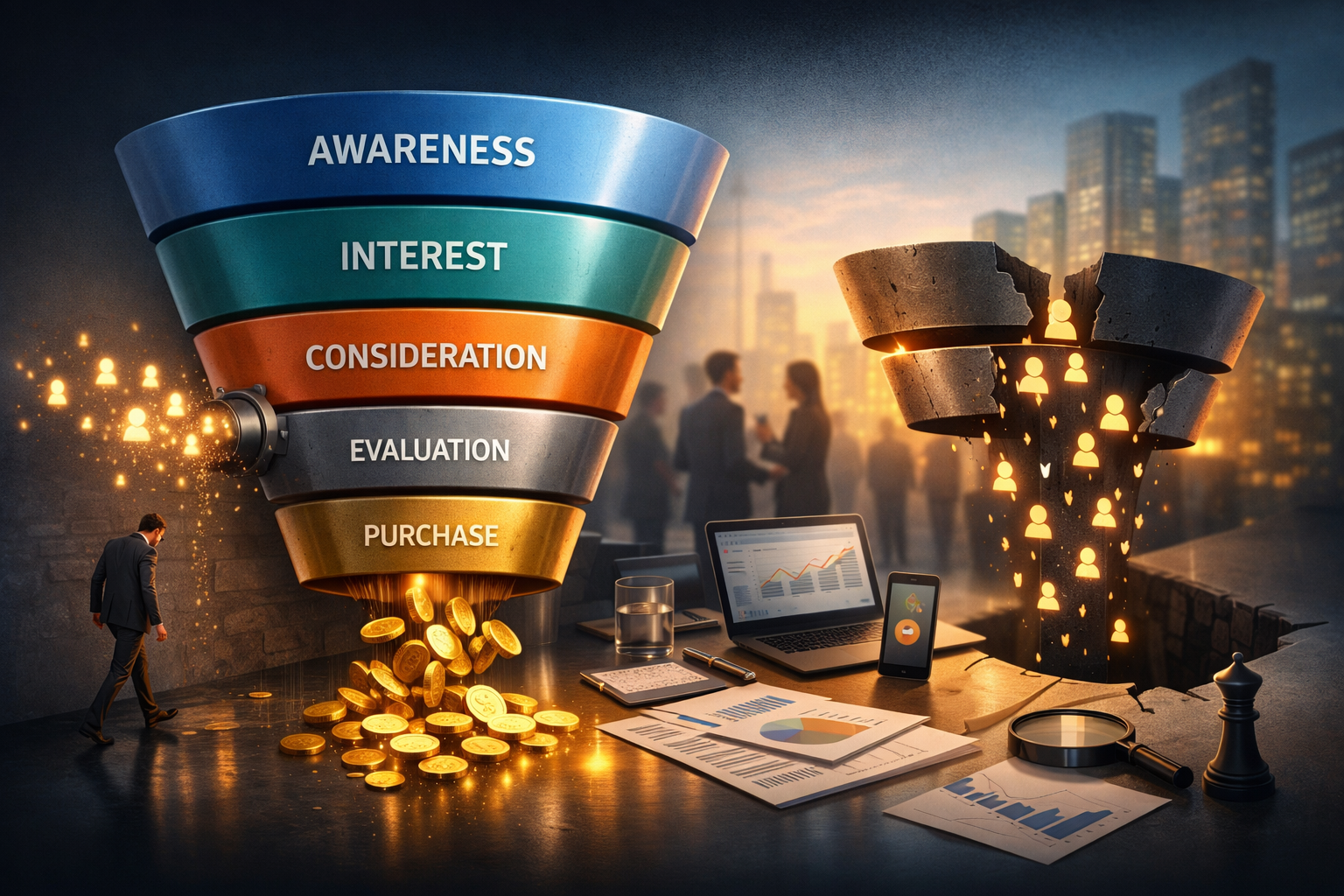
Although every organization follows a different purchasing process, the modern B2B buyer journey can generally be divided into five key stages.
1. Awareness: Identifying a Business Challenge
The journey begins when a buyer recognizes a problem, operational inefficiency, or opportunity for improvement.
For example, a marketing manager may notice declining lead quality, while an IT leader may identify security gaps in existing systems.
At this stage, buyers are primarily looking to understand the problem and explore its potential causes. They may not yet know which product or service can help them.
Common buyer activities:
- Searching for industry challenges and potential solutions.
- Reading educational blogs and industry reports.
- Exploring professional discussions on LinkedIn.
- Watching introductory videos and expert presentations.
Effective marketing strategies:
Create informative content that answers buyers’ initial questions. Blog posts, educational guides, industry insights, and introductory videos can help your brand become a trusted source of information.
The goal is not to push a product immediately. It is to demonstrate expertise and help potential customers understand their challenges.
2. Consideration: Exploring Potential Solutions
Once buyers understand their challenges, they begin exploring possible approaches and evaluating which solutions might work for their organization.
They may compare different methodologies, software categories, service providers, or implementation options.
For instance, a company experiencing poor lead conversion may consider marketing automation, CRM optimization, sales enablement, or a combination of these solutions.
Common buyer activities:
- Comparing different solution categories.
- Downloading whitepapers and detailed guides.
- Attending webinars and virtual events.
- Reading case studies and expert reviews.
- Consulting colleagues and industry peers.
Effective marketing strategies:
Provide detailed resources that help buyers evaluate their options. Comparison articles, webinars, case studies, product explainers, and practical guides are particularly useful.
Focus on explaining the advantages, limitations, and business applications of different approaches. Helpful, transparent content builds credibility and encourages prospects to consider your solution.
3. Decision: Evaluating Vendors and Selecting a Solution
At the decision stage, buyers have a clearer understanding of their needs and are ready to evaluate specific vendors.
However, B2B purchasing decisions rarely depend on one individual. A buying committee may include department heads, end users, IT teams, procurement professionals, finance leaders, and senior executives.
Each stakeholder may have different priorities. Finance may focus on cost and return on investment, while IT may prioritize security, integration, and scalability.
Common buyer activities:
- Requesting product demonstrations.
- Comparing pricing and contract terms.
- Reviewing customer testimonials.
- Assessing vendor capabilities and support.
- Evaluating implementation requirements and expected ROI.
Effective marketing and sales strategies:
Make it easy for buyers to assess your offering with confidence. Provide clear pricing information where appropriate, detailed product documentation, customer success stories, ROI calculators, and tailored demonstrations.
Sales teams should understand each stakeholder’s priorities and address concerns directly. Transparent communication and evidence of measurable business value can help differentiate your company from competitors.
4. Purchase: Finalizing the Buying Decision
Once a preferred vendor has been selected, the process moves toward approval, negotiation, and purchase.
Even when buyers are convinced that a solution meets their needs, internal processes can introduce delays. Budget approvals, legal reviews, procurement requirements, and contract negotiations may all influence the final decision.
Common buyer activities:
- Obtaining internal budget approval.
- Reviewing contracts and service-level agreements.
- Negotiating pricing and implementation terms.
- Confirming timelines and resource requirements.
Effective marketing and sales strategies:
Reduce friction by providing accurate proposals, clear contracts, implementation plans, and responsive communication.
Help stakeholders build a strong internal business case by supplying relevant documentation, financial justification, risk assessments, and implementation details.
The objective is to make the final decision straightforward and give buyers confidence that they are choosing a reliable long-term partner.
5. Post-Purchase: Driving Adoption and Long-Term Value
The modern B2B buyer journey continues after the purchase. Customers need to implement the solution, achieve meaningful results, and determine whether the investment delivers the expected value.
A poor onboarding experience can undermine even the strongest sales process. Conversely, effective customer support and ongoing engagement can turn satisfied customers into advocates.
Common customer activities:
- Completing onboarding and implementation.
- Training employees to use the solution.
- Measuring performance against business goals.
- Reviewing support quality and product adoption.
- Evaluating renewal or expansion opportunities.
Effective customer success strategies:
Develop structured onboarding programs, provide accessible training resources, and establish clear success metrics. Regular check-ins, proactive support, and customer education can help organizations realize value faster.
Satisfied customers may also contribute testimonials, referrals, reviews, and case studies that influence future buyers.
Key Factors Influencing the Modern B2B Buyer Journey
Understanding the stages is only part of the picture. Several factors shape how business buyers research, evaluate, and select solutions.
1. Digital Self-Service
Buyers increasingly expect to find useful information independently before engaging with sales. They want access to product details, educational content, pricing guidance, and customer proof without unnecessary barriers.
Businesses should therefore build informative websites and resource centers that support independent research.
2. Multiple Decision-Makers
B2B purchases often involve several stakeholders with different responsibilities and priorities. A solution must satisfy not only the end user but also the people responsible for budgets, technology, risk, and strategic outcomes.
Marketing content should address these different perspectives rather than focusing on a single buyer persona.
3. Trust and Credibility
Business buyers are making investments that can affect operational performance, revenue, and professional reputations. They need confidence that a vendor can deliver on its promises.
Customer testimonials, verified reviews, detailed case studies, transparent communication, and clear evidence of expertise can help establish credibility.
4. Personalization and Relevance
Buyers expect communication that reflects their industry, business challenges, and stage of evaluation.
Relevant content can improve engagement, but personalization should be useful rather than intrusive. Businesses should use customer-provided information and appropriate behavioral insights responsibly.
5. Return on Investment
B2B purchases are often evaluated in terms of measurable business outcomes. Buyers may consider cost savings, productivity improvements, revenue growth, risk reduction, and total cost of ownership.
Marketing and sales teams should connect product capabilities to tangible business benefits wherever credible evidence is available.
The Role of Content Marketing in the B2B Buyer Journey
Content marketing supports buyers at every stage by providing the information they need to make informed decisions.
During the awareness stage, blogs, educational articles, and industry reports help build awareness and educate potential customers.
During consideration, webinars, comparison guides, and whitepapers help buyers evaluate different solutions.
At the decision stage, case studies, product demonstrations, ROI tools, and product documentation build confidence and demonstrate value.
During the purchase stage, proposals, implementation plans, and frequently asked questions help remove purchasing barriers.
After the purchase, onboarding guides, tutorials, and customer education resources support adoption and retention.
The key is consistency. Buyers should be able to move from an introductory article to a detailed guide, then to a product demonstration, without encountering disconnected messages or unnecessary friction.
How to Optimize Your B2B Buyer Journey
Businesses can improve the buying experience by combining customer insights, relevant content, and coordinated sales and marketing activities.
1. Develop Detailed Buyer Personas
Identify your ideal customers, their business objectives, common challenges, purchasing responsibilities, and evaluation criteria.
Go beyond job titles. Understand what success means to each stakeholder and what concerns could prevent them from moving forward.
2. Map Buyer Questions to Each Stage
Document the questions prospects are likely to ask throughout the journey.
For example, during awareness, buyers may ask what problem they need to solve. During consideration, they want to know which solutions fit their requirements. At the decision stage, they compare vendors and assess overall value. During purchase, they focus on implementation and approvals. After purchase, they want to determine whether the solution is delivering the expected results.
Use these questions to guide your content strategy and sales conversations.
3. Strengthen Your Digital Presence
Optimize your website for search visibility, usability, and clarity. Make important information easy to find, improve page performance, and create clear pathways to relevant resources.
Search engine optimization, useful landing pages, and well-structured content can help your brand reach buyers while they are researching solutions.
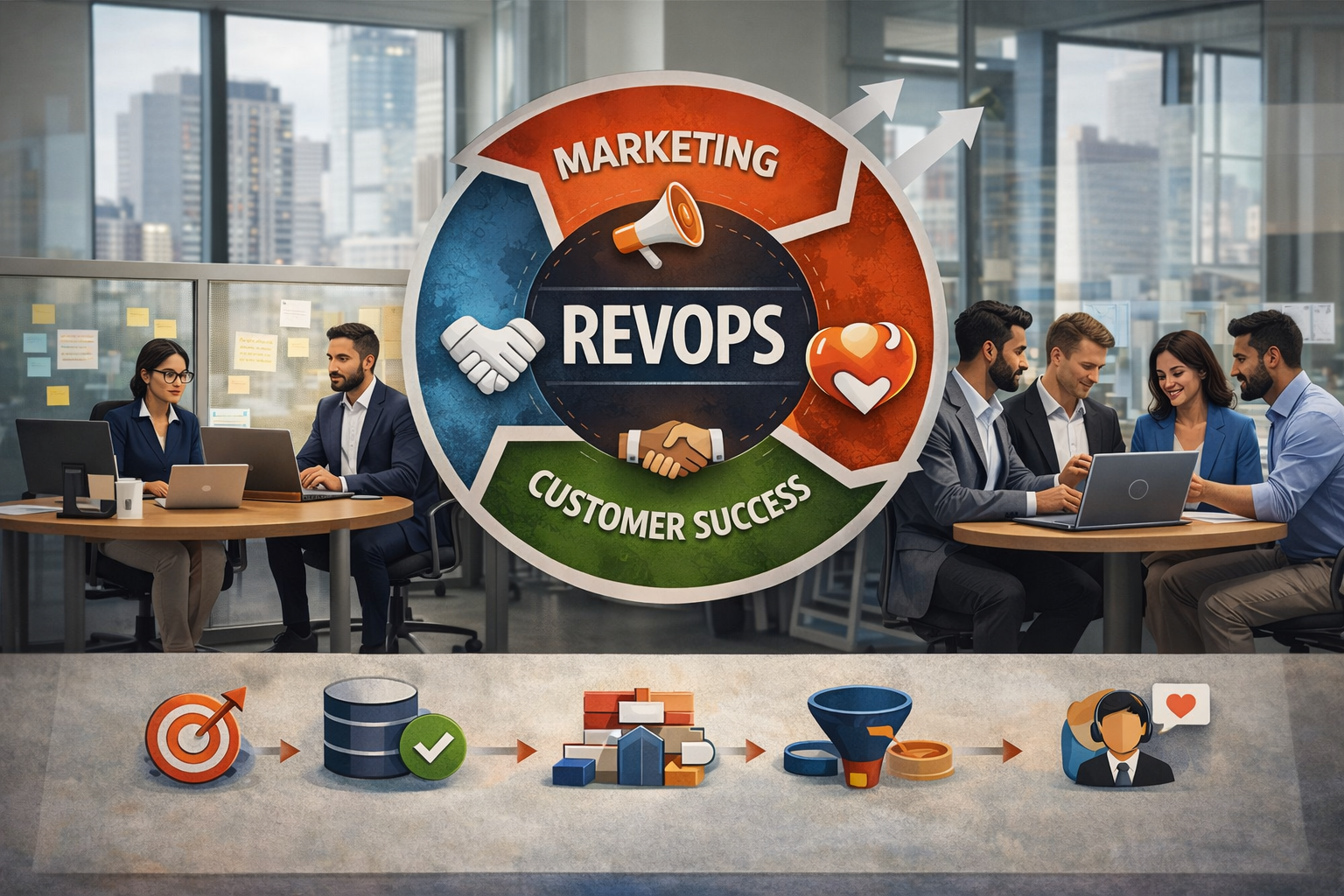
4. Align Sales and Marketing Teams
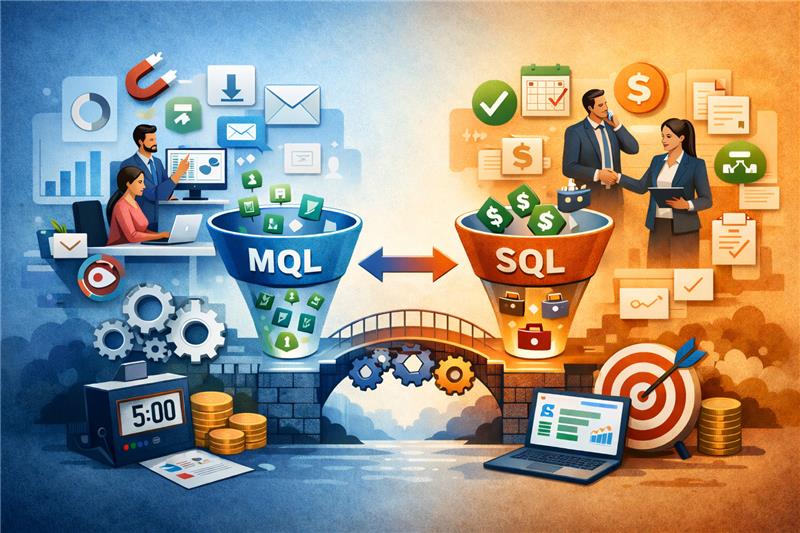
Establish shared definitions of qualified leads, clear handoff processes, and consistent messaging.
Marketing teams can share engagement insights with sales, while sales teams can provide feedback about buyer objections, competitive alternatives, and recurring questions.
This collaboration helps ensure prospects receive relevant information throughout the process.
5. Use Data to Understand Buyer Intent
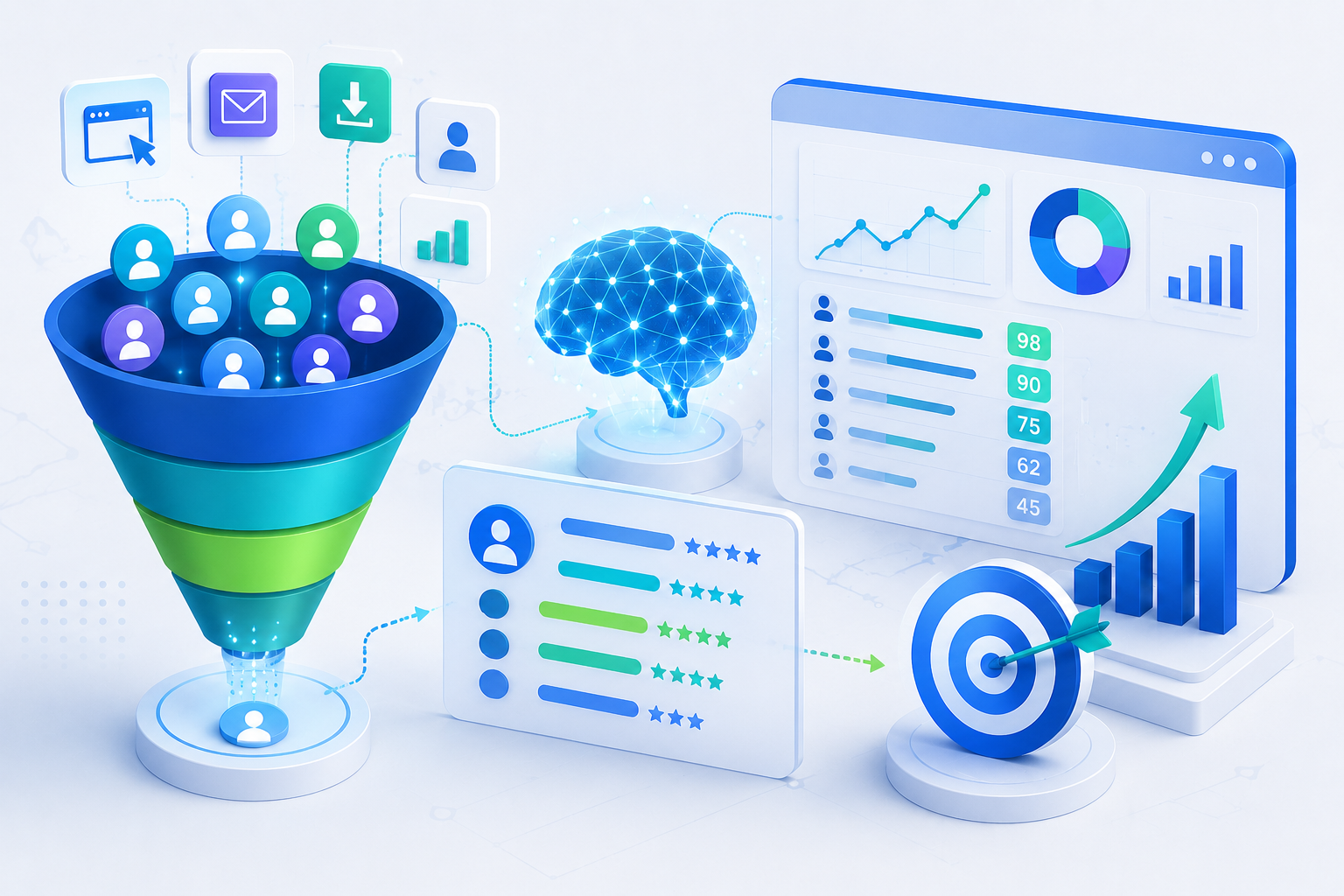
Monitor meaningful engagement signals, such as visits to product pages, repeat interactions with high-value content, webinar participation, and demo requests.
No single activity guarantees purchase intent. Evaluate signals in context and combine them with direct conversations, qualification criteria, and account-level information.
6. Measure Performance at Every Stage
Track metrics that reveal whether buyers are progressing and receiving value.
Useful indicators include organic traffic, relevant content engagement, marketing-qualified leads, sales-qualified leads, lead-to-opportunity conversion rates, opportunity-to-win rates, sales cycle length, customer acquisition cost, product adoption, retention, and renewal rates.
Use these insights to identify friction points and continuously improve the experience.
Common Mistakes to Avoid
Even well-developed B2B marketing strategies can fail when businesses overlook the actual needs of buyers.
Treating the journey as linear: Buyers often revisit earlier stages, involve new stakeholders, or pause their evaluation. Build flexible engagement paths rather than assuming every prospect follows the same sequence.
Focusing only on lead generation: Generating leads is important, but buyers also need support during evaluation, purchase, onboarding, and renewal.
Creating overly promotional content: Buyers seek useful information, not constant sales pitches. Prioritize education, evidence, and transparency.
Ignoring the buying committee: Content designed exclusively for one decision-maker may not address the concerns of finance, IT, procurement, or executive leadership.
Failing to measure outcomes: Traffic and downloads alone do not establish business impact. Connect marketing performance to qualified opportunities, revenue contribution, and customer outcomes.
The Future of the B2B Buyer Journey
The B2B buying experience will continue to evolve as technology, customer expectations, and business priorities change.
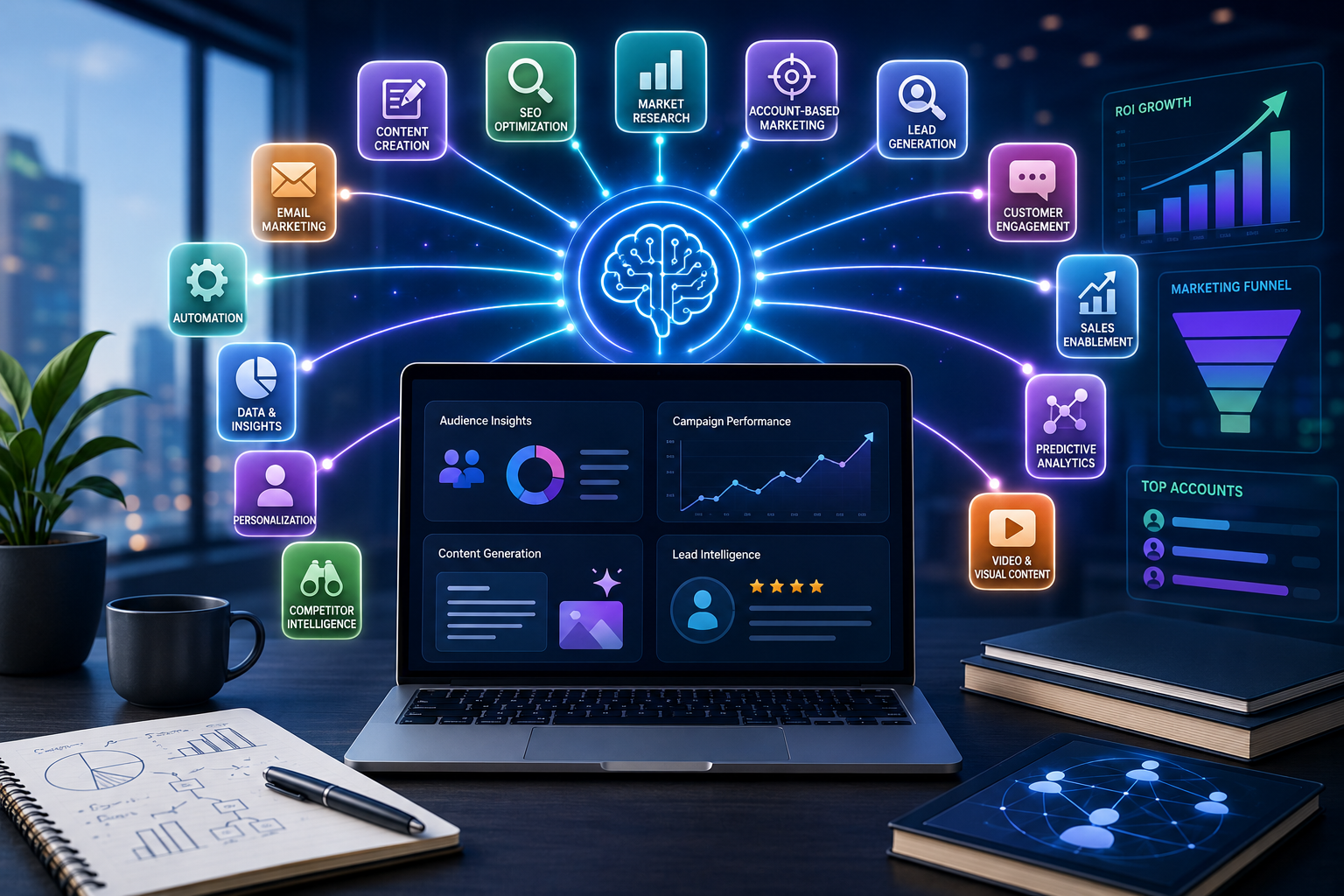
Artificial intelligence is helping buyers research topics, summarize information, and explore potential vendors. At the same time, marketers are using AI-enabled tools to analyze engagement patterns, support personalization, and improve campaign efficiency.
Omnichannel experiences are also becoming increasingly important. Buyers may discover a company through a search engine, engage with its content on LinkedIn, attend a webinar, and later speak with a sales representative. A consistent experience across these touchpoints can strengthen trust.
Another important trend is the growing importance of measurable customer value. Buyers increasingly want evidence that a solution can deliver meaningful results, not simply an impressive list of features.
Businesses that combine technology with human expertise, transparent communication, and relevant customer experiences will be better positioned to adapt to these changes.
Read Also: The Complete B2B Sales Funnel Explained: Stages, Strategies, and Best Practices