
In the last decade, marketing technology evolved around one dominant assumption: data could be collected almost everywhere. Third-party cookies, cross-site tracking, mobile identifiers, and external audience marketplaces powered personalization, attribution, and ad targeting at massive scale.
That era is ending.
Today, brands are entering a new phase where trust, privacy, and direct customer relationships matter more than unrestricted tracking. As browsers phase out third-party cookies, regulations tighten globally, and consumers demand transparency, first-party data has become the foundation of modern martech strategy.
The companies adapting fastest are not simply replacing old tracking methods. They are redesigning their marketing ecosystems around customer-owned relationships and consent-driven intelligence.
What Is First-Party Data?
First-party data is information a company collects directly from its audience through owned channels and interactions.
Examples include:
- Website activity
- Purchase history
- CRM records
- Loyalty program engagement
- Email interactions
- App usage behavior
- Customer service conversations
- Survey responses
- Subscription preferences
Unlike third-party data, first-party data comes directly from customer relationships. That makes it more accurate, more compliant, and significantly more valuable over time.
Why Martech Is Shifting Toward First-Party Data
1. The Decline of Third-Party Cookies
Browsers like Apple and Mozilla introduced aggressive privacy protections years ago. Meanwhile, Google has continued evolving its privacy initiatives around advertising and tracking.
This has fundamentally disrupted traditional audience targeting.
Marketers can no longer depend on invisible tracking systems to understand customer behavior across the web. As signal loss increases, businesses are realizing that direct customer relationships are the only sustainable source of long-term insight.
2. Privacy Regulations Are Changing the Rules
Global privacy frameworks such as GDPR in Europe and CCPA in California transformed how organizations collect and use customer data.
Consumers now expect:
- Explicit consent
- Data transparency
- Preference control
- Responsible personalization
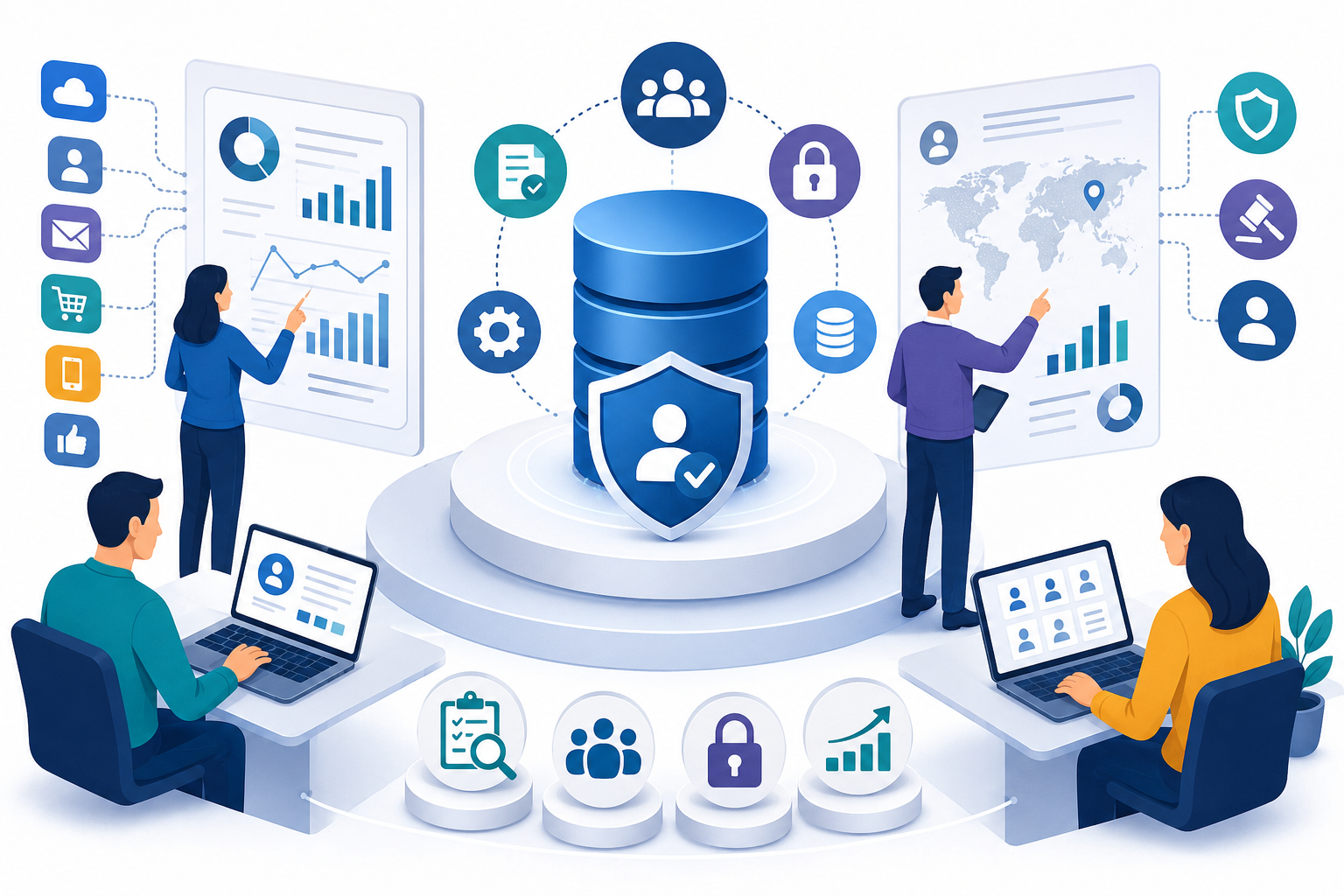
This shift has elevated privacy from a legal issue to a brand trust issue.
Organizations with strong first-party data strategies are better positioned because their data collection is rooted in direct engagement and customer permission.
3. First-Party Data Is More Accurate
Third-party data is often fragmented, outdated, or probabilistic.
First-party data is behavior observed directly from real customer interactions.
That means better:
- Audience segmentation
- Personalization
- Lifecycle marketing
- Retention analysis
- Product recommendations
- Predictive modeling
In a world increasingly powered by AI, data quality matters more than data volume. Clean, consented customer data produces stronger models and better marketing outcomes.
How Martech Platforms Are Evolving
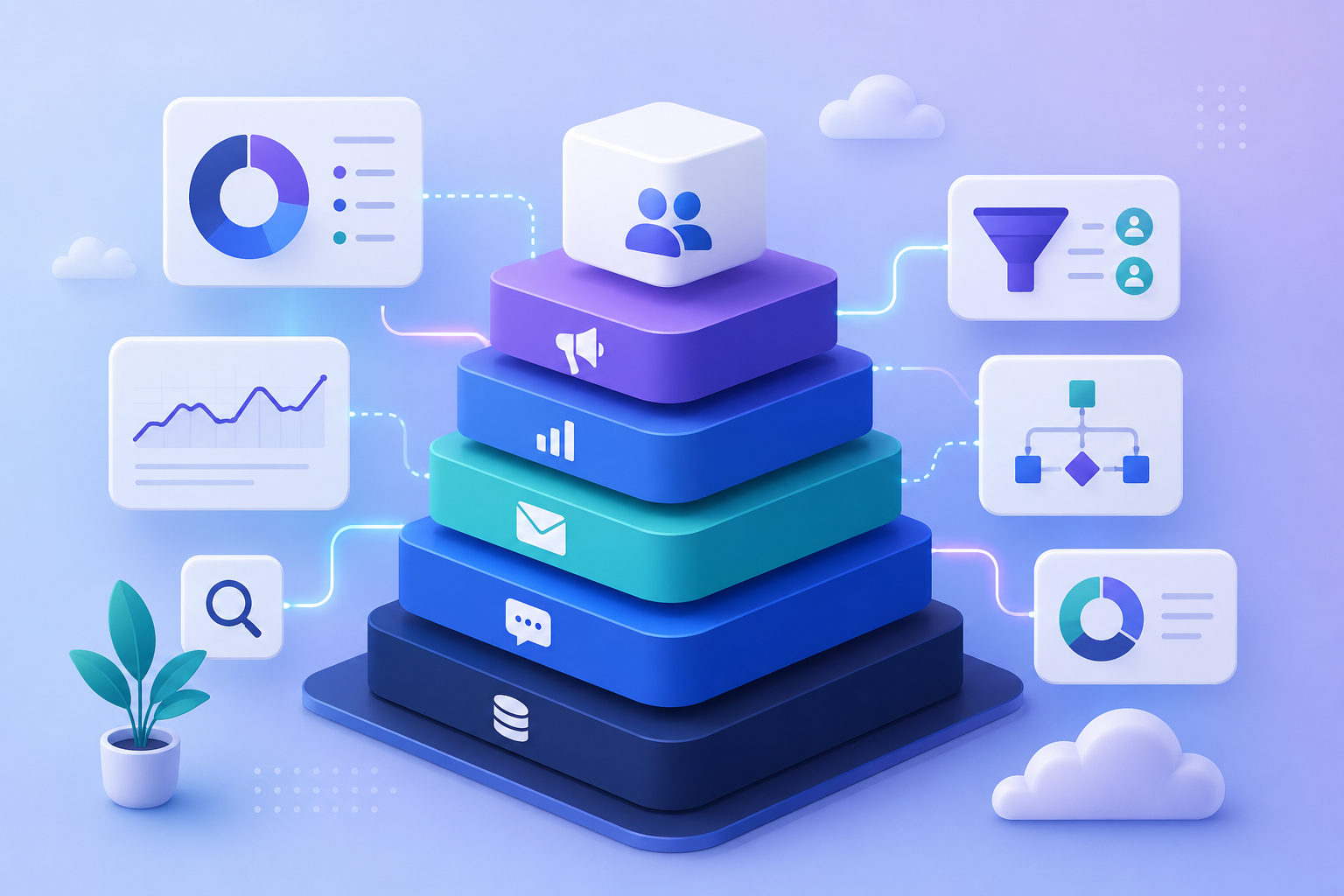
The rise of first-party data is reshaping the architecture of martech itself.
Customer Data Platforms (CDPs) Become Core Infrastructure
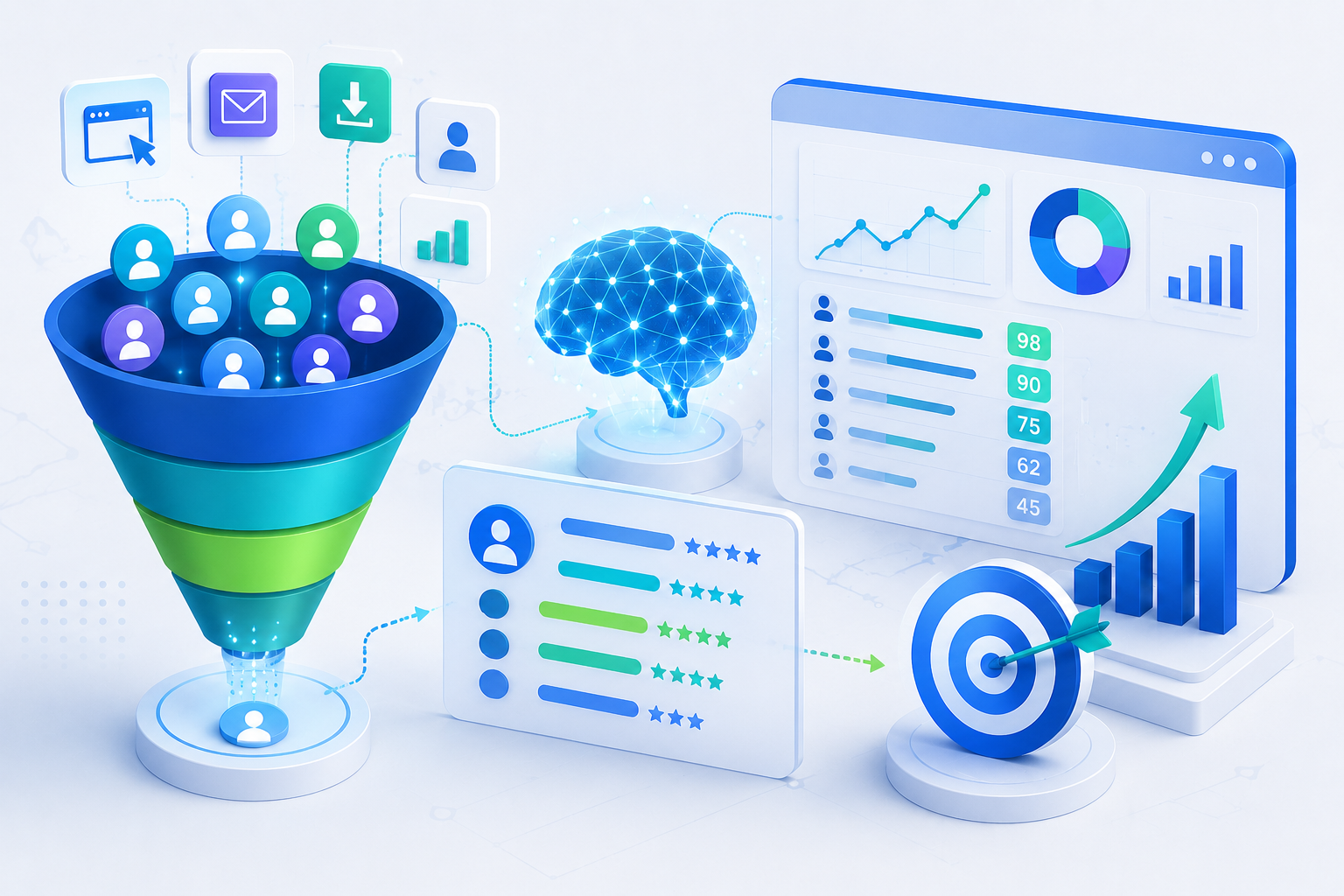
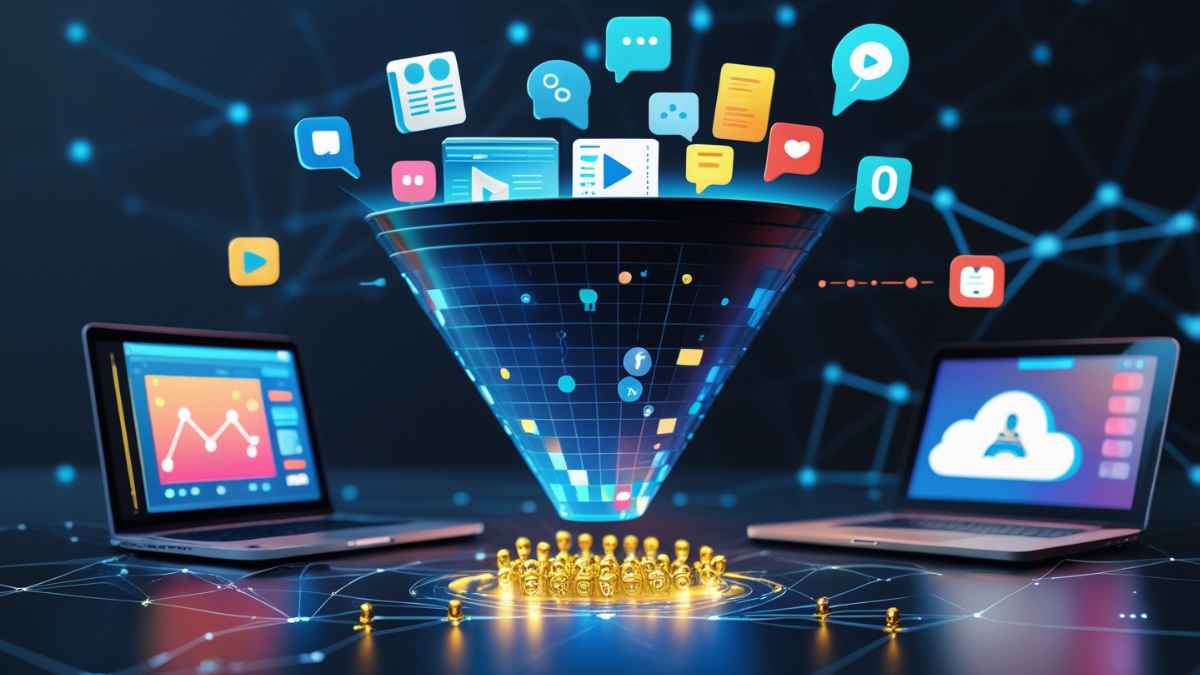
Modern CDPs unify customer interactions across channels into persistent profiles.
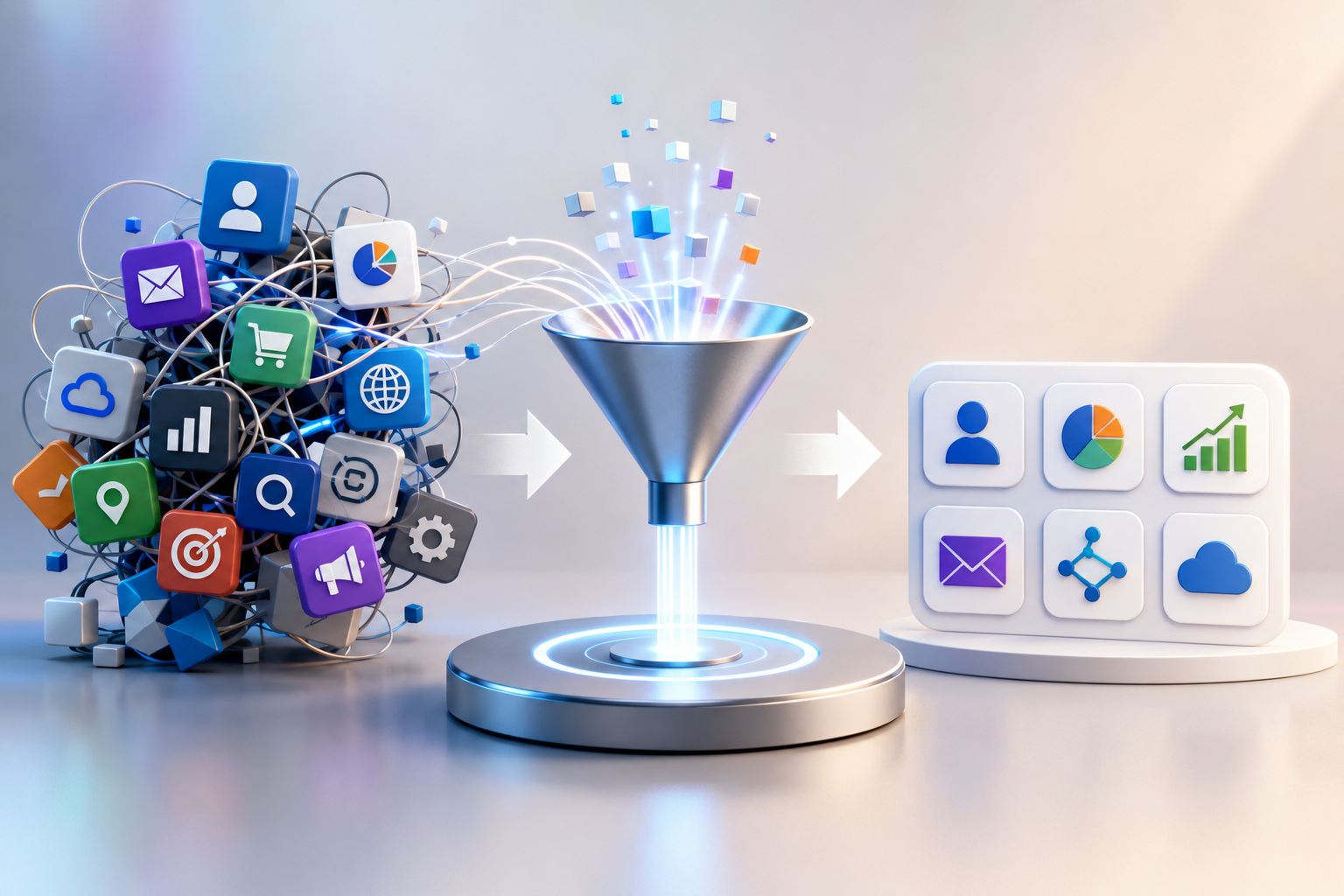
Instead of scattered tools operating independently, organizations are building centralized customer intelligence layers that support:
- Real-time personalization
- Omnichannel campaigns
- Identity resolution
- Predictive analytics
- Consent management
Platforms like Salesforce, Adobe, and HubSpot are increasingly positioning unified customer data as the center of their ecosystems.
AI Depends on Proprietary Data
Generative AI and predictive marketing systems are only as effective as the data powering them.
As AI adoption accelerates, first-party data becomes a competitive moat.
Why?
Because every company can access similar AI models. But no competitor can replicate another brand’s customer relationships, transaction history, engagement signals, or behavioral insights.
The future advantage lies in proprietary datasets.
Identity Resolution Is Becoming Critical
With fewer external identifiers available, brands are focusing on authenticated relationships.
That includes:
- Logged-in experiences
- Loyalty memberships
- Subscription ecosystems
- Email-based engagement
- Mobile app ecosystems
Identity is shifting from anonymous tracking to known customer relationships.
This transition is fundamentally changing how attribution, targeting, and personalization work across digital channels.
The Business Benefits of a First-Party Data Strategy
Better Customer Experiences
Customers expect relevance — but not intrusion.
First-party data allows brands to personalize experiences using information customers intentionally shared.
That creates more trustworthy interactions and stronger engagement.
Improved Marketing Efficiency
As ad targeting becomes less precise on external platforms, businesses with strong owned data ecosystems can reduce waste and improve campaign performance.
Email marketing, loyalty programs, and owned audience channels are becoming more valuable because they rely on direct customer access rather than rented audiences.
Stronger Long-Term Resilience
Platform policies change constantly.
Algorithms shift. Tracking methods disappear. Advertising costs rise.
But companies with strong first-party relationships maintain stable access to customer intelligence regardless of external disruptions.
That resilience is becoming a strategic advantage.
Challenges Companies Still Face
Despite its advantages, building a first-party data strategy is not simple.
Organizations often struggle with:
- Fragmented systems
- Poor data governance
- Siloed customer records
- Inconsistent consent management
- Limited analytics maturity
- Internal ownership conflicts
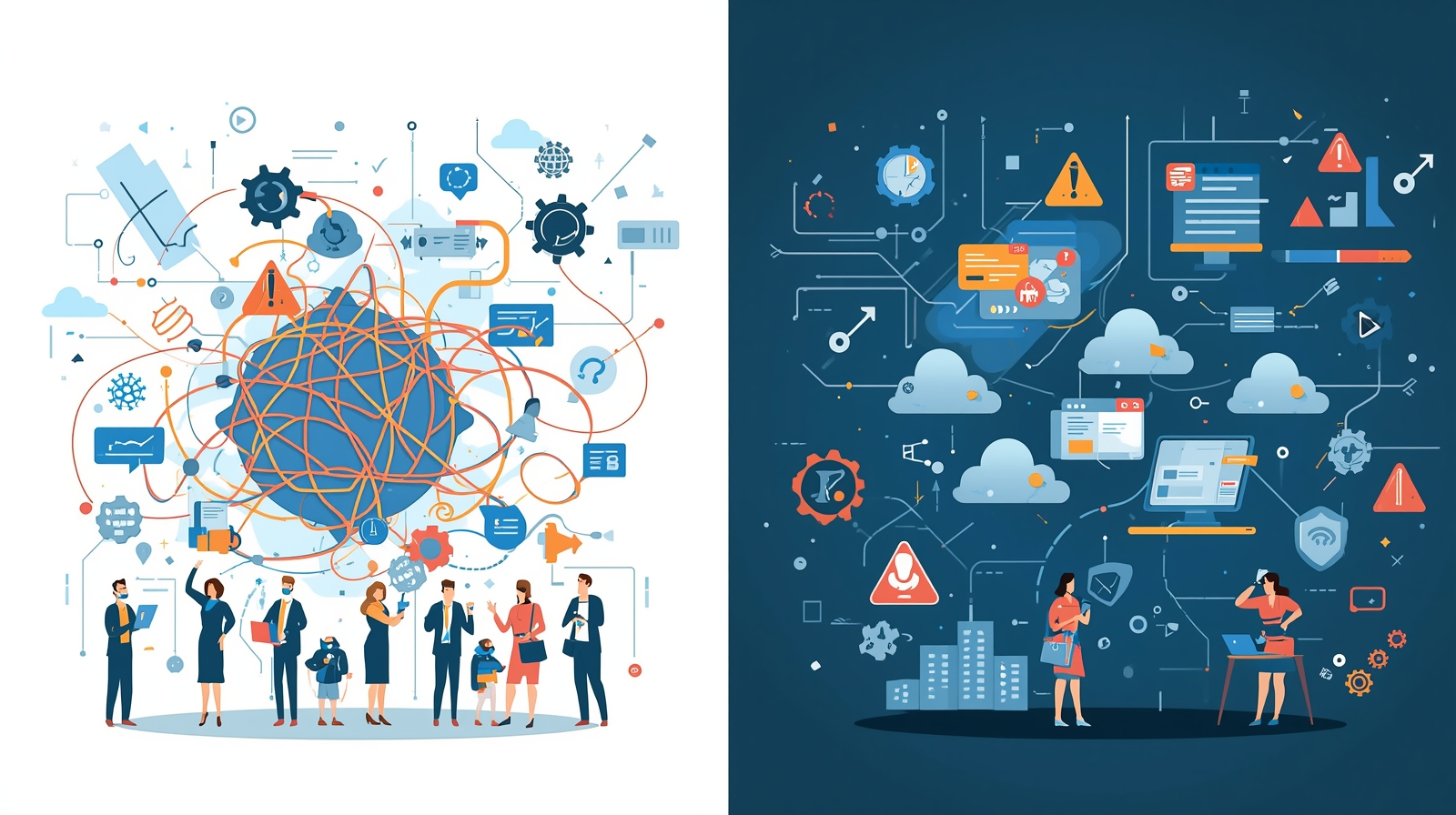
Many enterprises still operate with disconnected martech stacks that were never designed for unified customer intelligence.
Modernization requires both technology investment and organizational alignment.
What the Future of Martech Looks Like
The next generation of martech will likely center around five major principles:
- Privacy-first architecture
- Consent-driven personalization
- AI powered by proprietary data
- Unified customer identity
- Real-time customer intelligence
In this environment, first-party data is no longer just a marketing asset. It becomes a core business capability.
The companies that succeed will be those that earn customer trust while building intelligent systems around direct relationships.
Read Also: How AI Has Enabled My Marketing Team to Automate 80% of Its Work