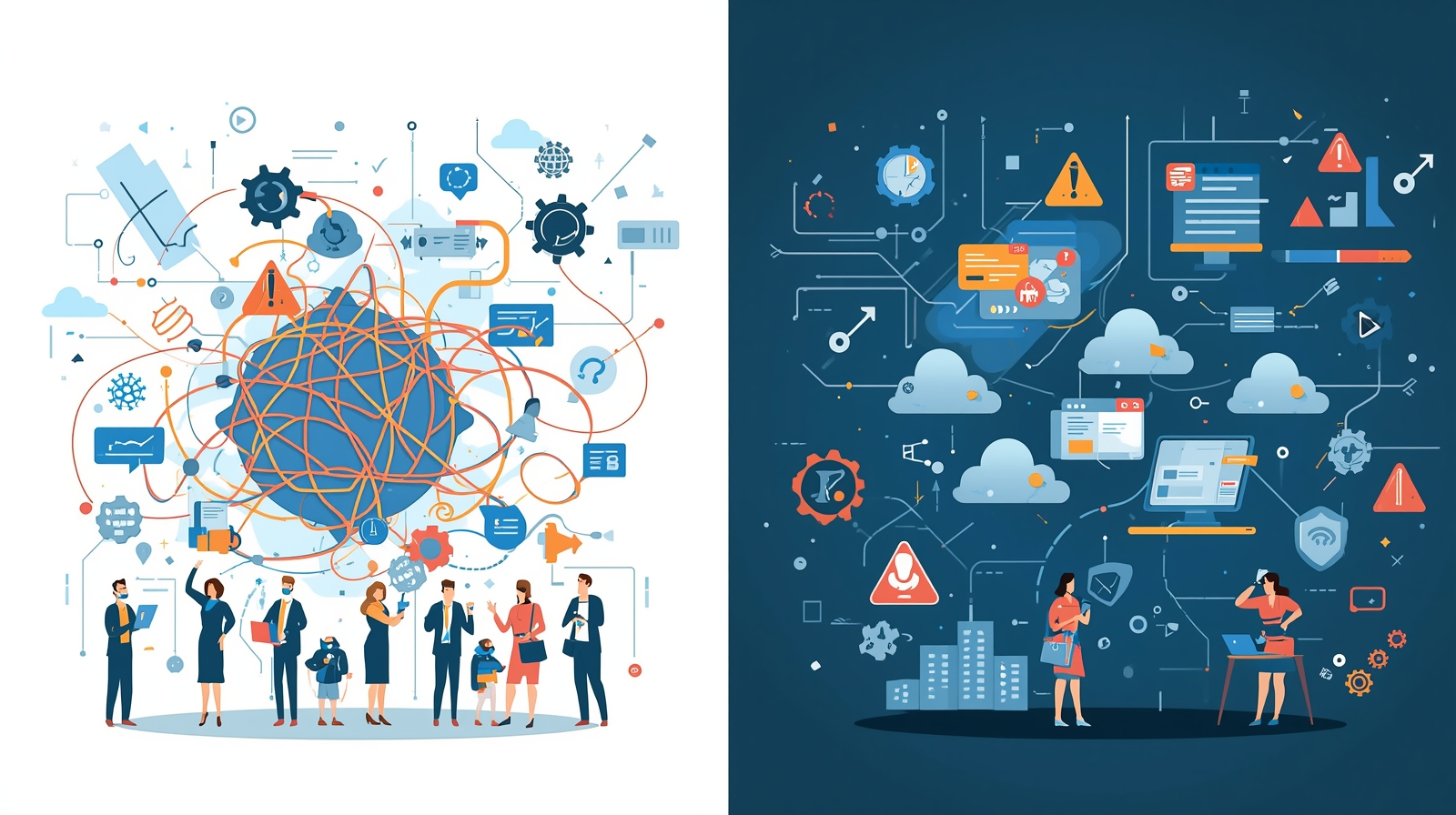

The B2B buying process has undergone a dramatic transformation over the past two decades. What was once a relatively straightforward journey—moving from awareness to consideration and finally to purchase—has evolved into a complex, non-linear experience shaped by digital channels, self-service research, and multiple stakeholders.
Today’s B2B buyers are more informed, independent, and demanding than ever before. They expect personalized experiences, immediate access to information, and seamless interactions across every touchpoint. For organizations seeking to drive growth, understanding the evolution of B2B buyer journeys is no longer optional—it’s essential.
The Traditional B2B Buyer Journey
Historically, B2B purchasing followed a predictable path:
- Awareness – Buyers identified a business challenge or need.
- Consideration – They researched potential solutions and vendors.
- Decision – They engaged with sales teams, evaluated proposals, and made a purchase.
During this era, sales representatives served as the primary source of information. Buyers relied heavily on vendor-provided materials, product demonstrations, and direct interactions to make informed decisions.
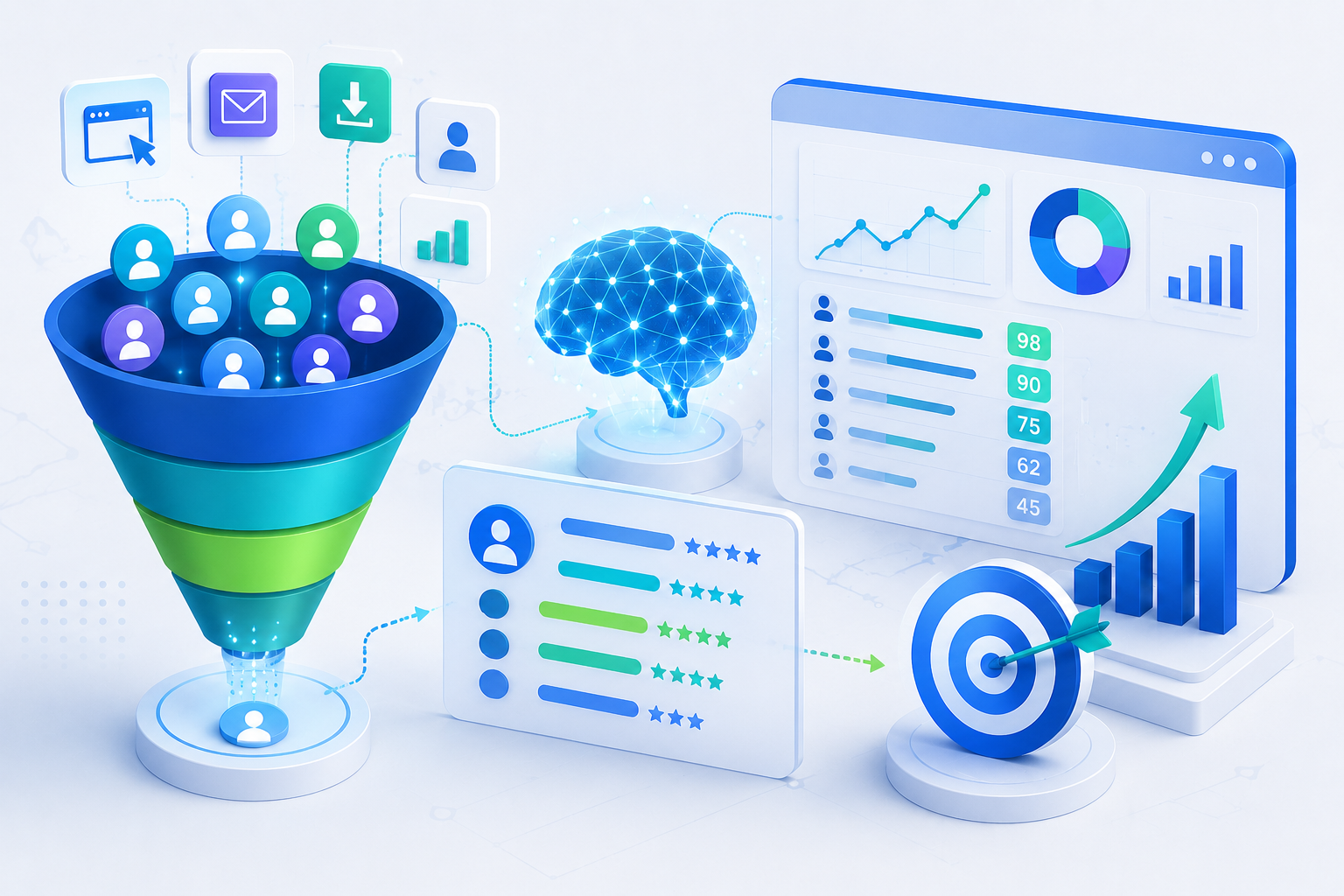
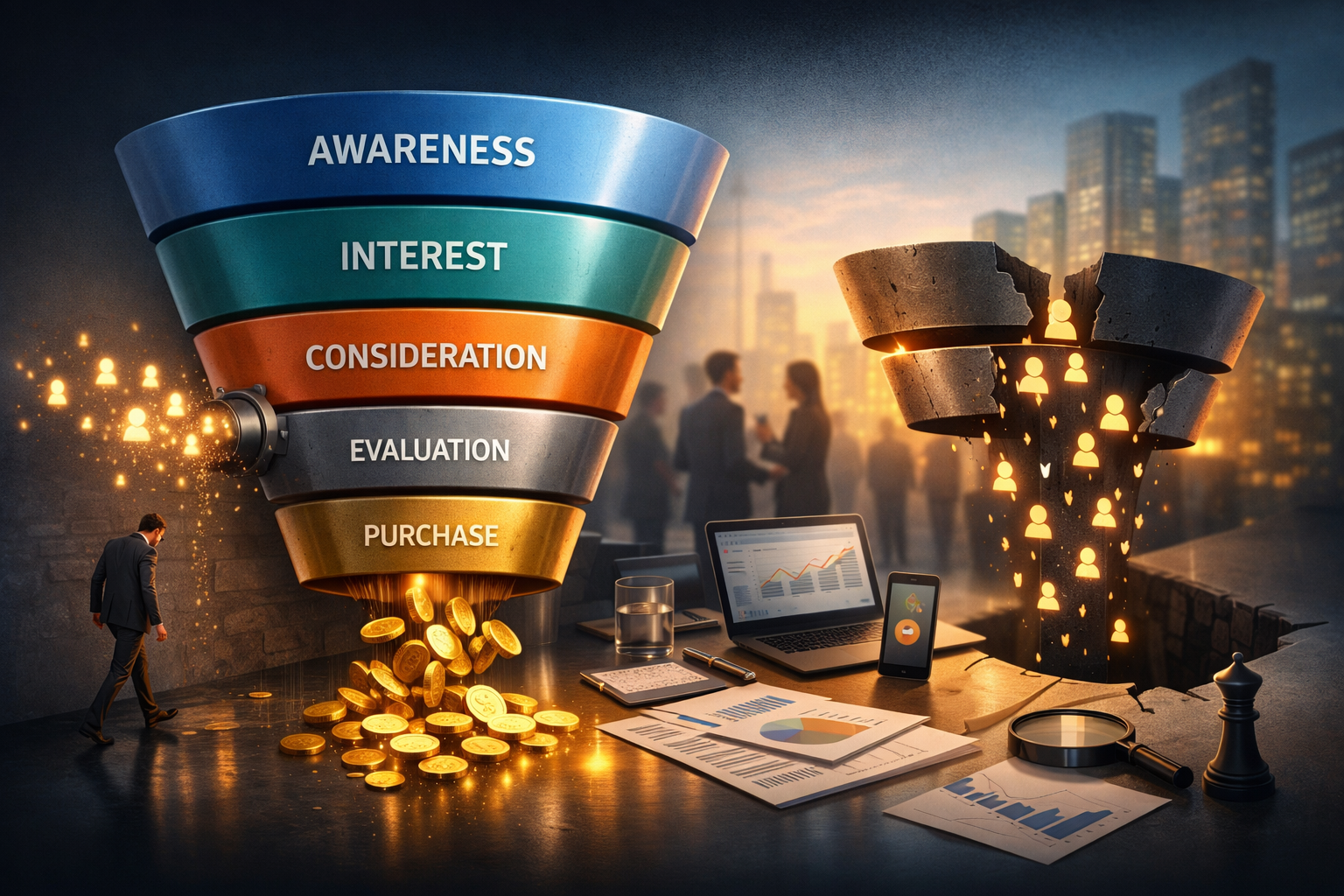
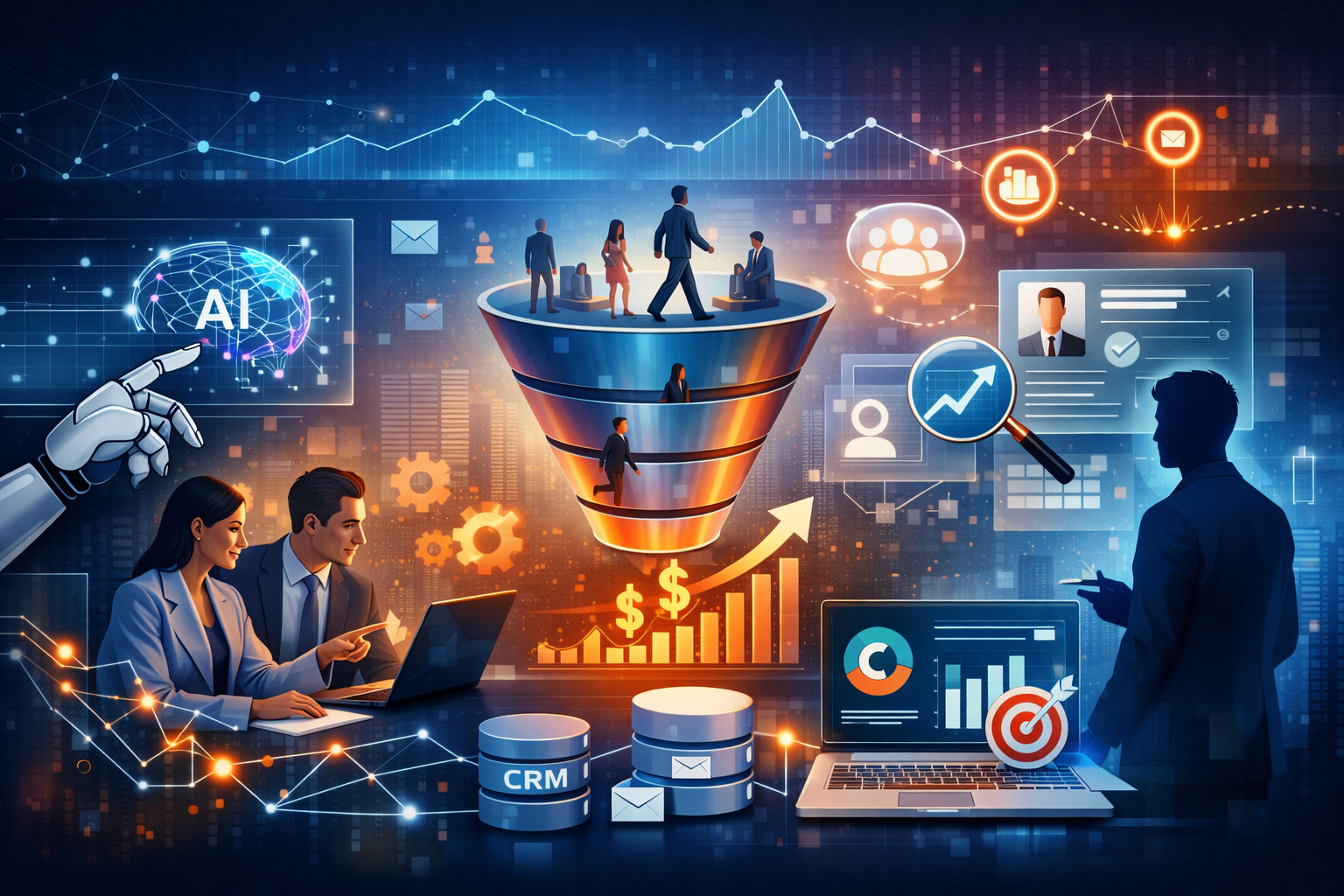
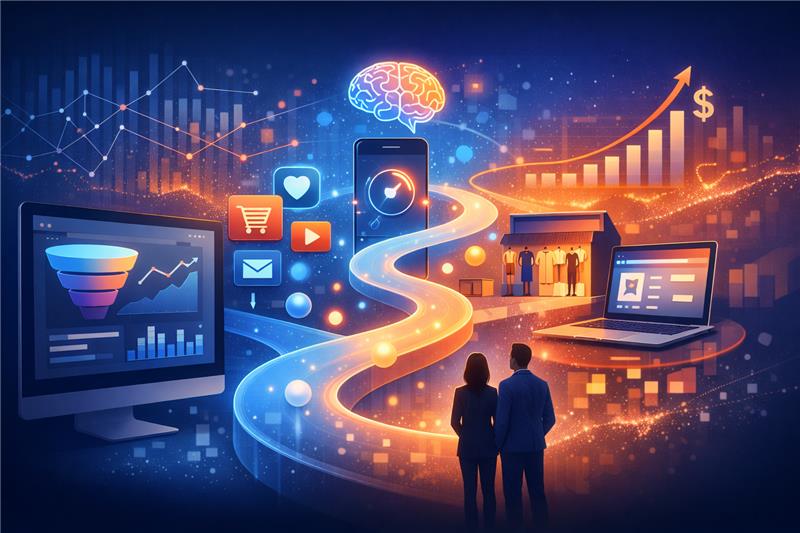
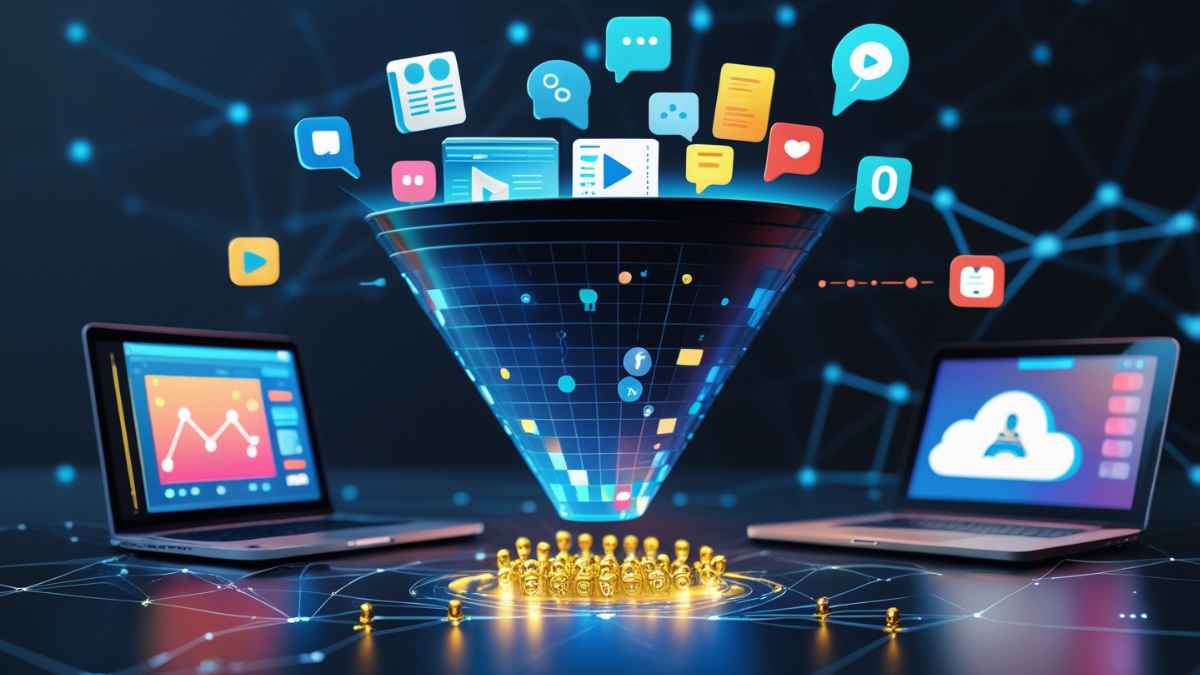
The buyer journey resembled a funnel, with prospects moving steadily through each stage until conversion.
Key Characteristics of Traditional Journeys
- Limited access to information
- Sales-led interactions
- Fewer decision-makers
- Longer but more structured buying cycles
- Predictable progression through the funnel
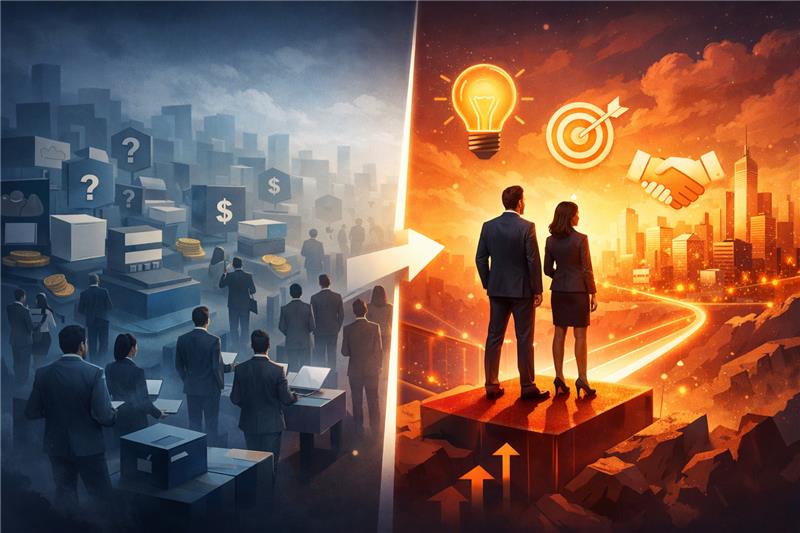
While effective for its time, this model no longer reflects how modern B2B purchasing decisions are made.
The Digital Revolution and Buyer Empowerment
The rise of the internet fundamentally changed the balance of power between buyers and sellers.
Today, buyers can access:
- Industry reports
- Product reviews
- Competitor comparisons
- Analyst insights
- Customer testimonials
- Social media discussions
Research consistently shows that buyers complete a significant portion of their evaluation before speaking with a sales representative.
As a result, sales teams are no longer the gatekeepers of information. Instead, they must add value through expertise, consultation, and strategic guidance.
Impact on Buyer Behavior
Modern buyers:
- Conduct extensive independent research
- Expect personalized content
- Compare multiple vendors simultaneously
- Seek peer validation
- Demand transparency in pricing and capabilities
This shift has transformed the buyer journey from a seller-controlled process into a buyer-driven experience.
The Rise of Multi-Stakeholder Decision Making
One of the most significant changes in B2B purchasing is the growing number of stakeholders involved in decisions.
A typical B2B purchase may involve:
- Department heads
- End users
- Procurement teams
- Finance leaders
- IT specialists
- Executive sponsors
Each stakeholder has unique priorities, concerns, and success metrics.
Why This Matters
Vendors must now address multiple perspectives simultaneously:
| Stakeholder | Primary Concern |
|---|---|
| Finance | Cost and ROI |
| IT | Security and integration |
| Operations | Efficiency and implementation |
| Executives | Strategic business impact |
| End Users | Usability and adoption |
Successful organizations create content and experiences tailored to each audience throughout the buying process.
From Funnels to Decision Networks
The traditional funnel assumes a linear progression. Modern buyer journeys are far more dynamic.
Buyers often:
- Move back and forth between stages
- Revisit research after vendor meetings
- Add new stakeholders mid-process
- Pause evaluations due to changing priorities
- Explore alternatives throughout the journey
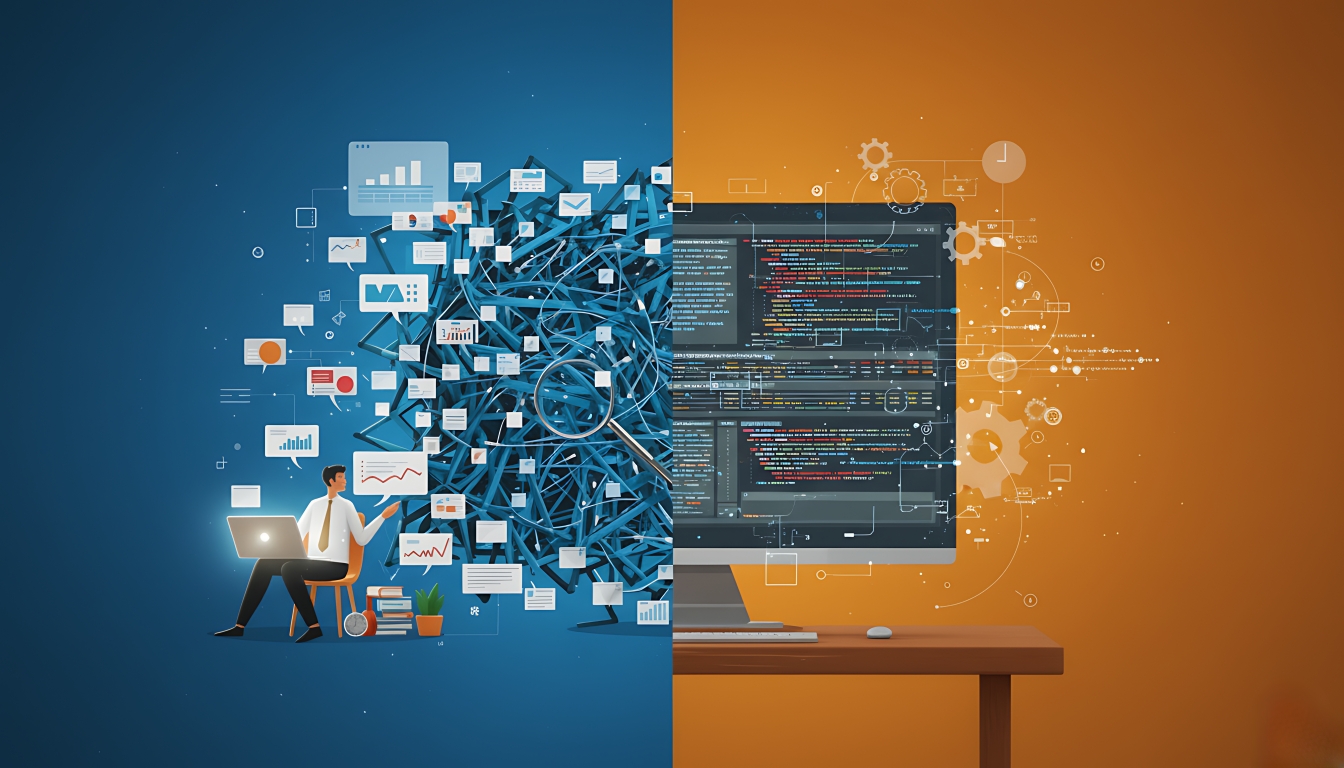
This reality has led to the concept of a decision network rather than a funnel.
Characteristics of Modern Decision Networks
- Non-linear pathways
- Multiple information sources
- Continuous evaluation
- Digital-first engagement
- Stakeholder collaboration
Rather than guiding buyers through a predetermined path, organizations must support them wherever they are in their decision-making process.
The Growing Importance of Content
Content has become one of the most influential drivers of B2B buying decisions.
Today’s buyers expect access to valuable resources that help them understand problems and evaluate solutions.
High-Impact Content Types
- Thought leadership articles
- Industry research reports
- Case studies
- White papers
- Product comparison guides
- Webinars
- ROI calculators
- Customer success stories
Effective content builds trust, demonstrates expertise, and helps buyers progress confidently through their journey.
Content Must Match Intent
Different stages require different content:
Awareness Stage
- Educational blogs
- Industry trends
- Problem-focused resources
Consideration Stage
- Solution guides
- Comparison content
- Expert webinars
Decision Stage
- Case studies
- Product demos
- Pricing information
- ROI assessments
Organizations that align content with buyer intent are more likely to influence purchasing decisions.
The Role of Data and Personalization
Modern buyers expect experiences tailored to their specific needs.
Advances in analytics, marketing automation, and artificial intelligence enable businesses to understand buyer behavior at a deeper level than ever before.
Personalization Strategies
- Customized email campaigns
- Industry-specific content recommendations
- Behavioral targeting
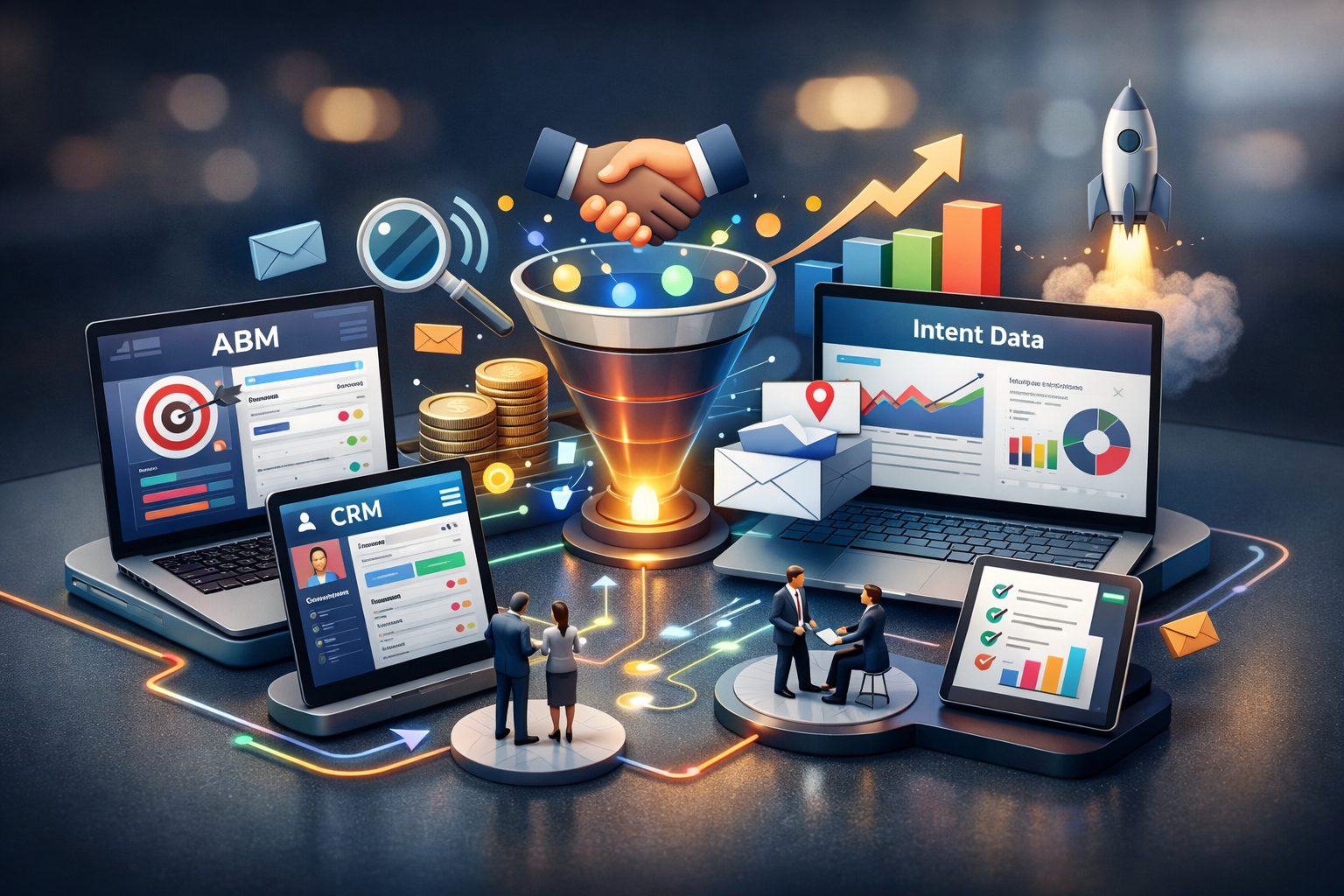
- Account-based marketing (ABM)
- Dynamic website experiences
Personalized engagement helps organizations remain relevant and build stronger relationships throughout the buyer journey.
AI and the Future of B2B Buying
Artificial intelligence is accelerating the evolution of buyer journeys.
AI-powered tools now assist buyers by:
- Recommending solutions
- Summarizing research
- Comparing vendors
- Forecasting outcomes
- Answering product questions instantly
At the same time, businesses use AI to:
- Predict buyer intent
- Score leads more accurately
- Automate nurturing campaigns
- Deliver hyper-personalized experiences
The future buyer journey will likely become even more self-directed, data-driven, and intelligent.
Emerging Trends
- Conversational AI assistants
- Predictive buying signals
- Real-time personalization
- Automated decision support
- Enhanced customer journey analytics
Organizations that embrace these technologies will gain a competitive advantage in attracting and converting modern buyers.
Best Practices for Modern B2B Organizations
To succeed in today’s environment, organizations should:
1. Focus on Buyer Needs
Prioritize customer challenges rather than product features.
2. Create Omnichannel Experiences
Ensure consistency across websites, email, social media, webinars, and sales interactions.
3. Invest in High-Quality Content
Provide valuable resources that support decision-making at every stage.
4. Align Sales and Marketing
Develop shared goals, messaging, and customer insights.
5. Leverage Data Effectively
Use analytics to understand behavior and optimize engagement strategies.
6. Support Multiple Stakeholders
Address the concerns of everyone involved in the buying decision.
Read Also: Adobe Introduces AI Agents to Help B2B Marketers Navigate Long Buying Cycles