
Marketing operations teams are under constant pressure to prove the impact of every campaign, optimize marketing spend, and provide actionable insights to leadership. Traditional reports that simply display clicks, impressions, and conversions are no longer enough. Modern marketing organizations need advanced reporting techniques that transform raw data into strategic intelligence.
This article explores the most effective reporting methods that help marketing operations teams improve decision-making, increase efficiency, and demonstrate measurable business value.
Why Advanced Reporting Matters
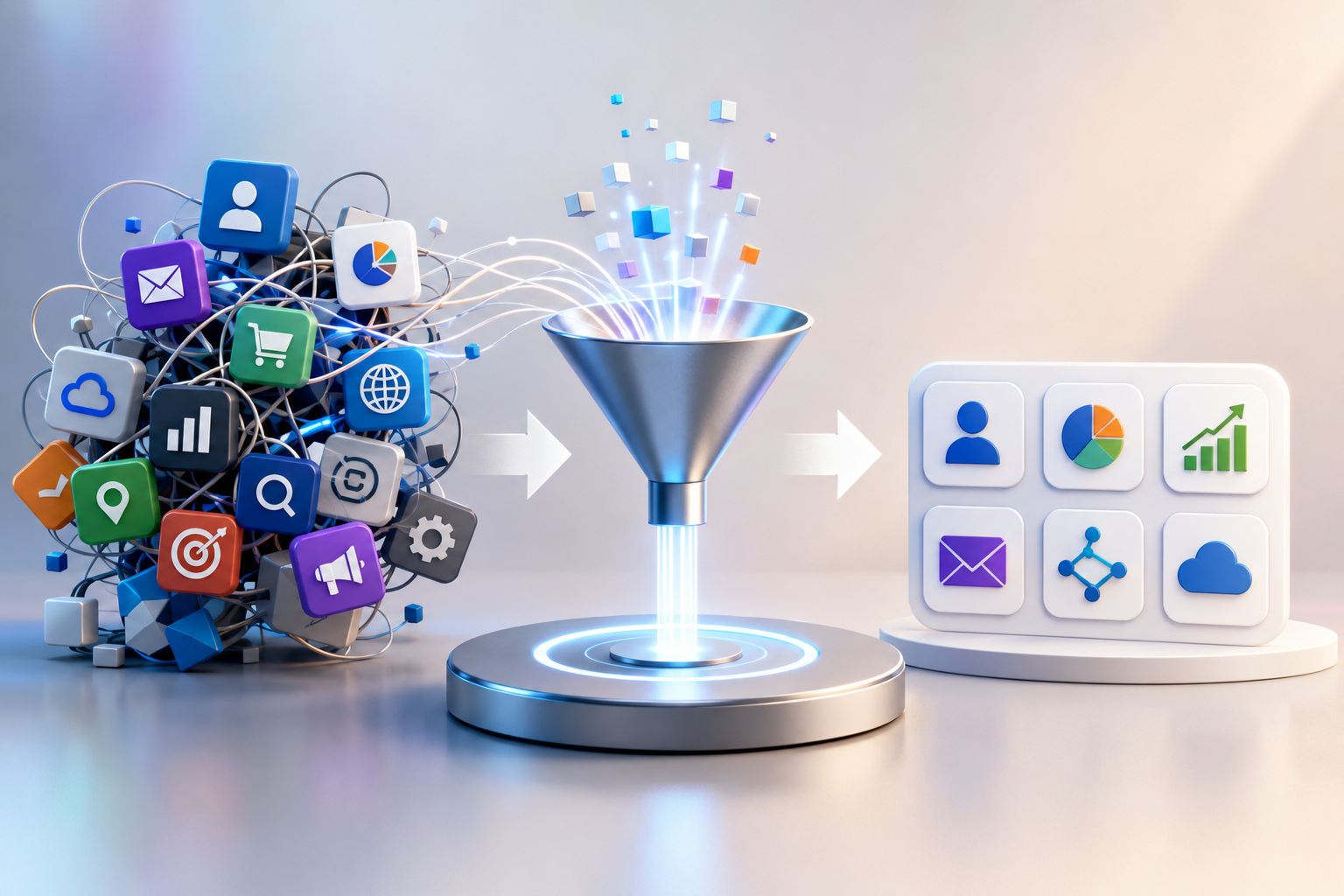
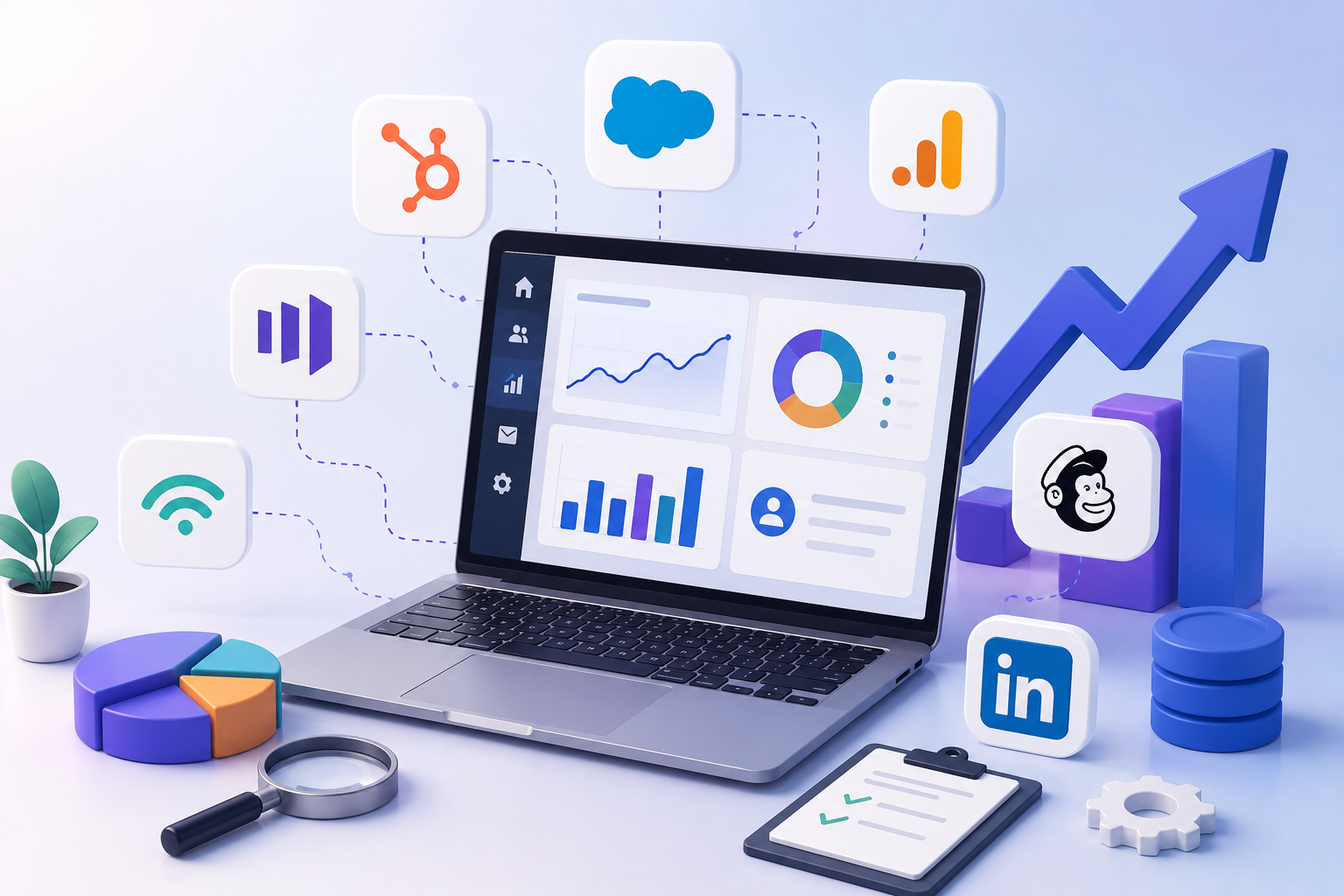
Marketing generates data from dozens of platforms—CRM systems, marketing automation tools, advertising platforms, social media, websites, and customer support systems. Without advanced reporting, these data sources remain disconnected, making it difficult to understand the complete customer journey.
Advanced reporting enables teams to:
- Measure marketing’s contribution to revenue.
- Identify campaign performance trends.
- Improve budget allocation.
- Detect bottlenecks in the marketing funnel.
- Forecast future performance.
- Support data-driven business decisions.
Instead of reporting what happened, advanced reporting explains why it happened and what should happen next.
1. Build Reports Around Business Objectives
Many organizations focus on marketing metrics instead of business outcomes. Effective reports should align with company goals.
Rather than emphasizing metrics like email open rates, social media likes, or website visits, focus on outcomes such as:
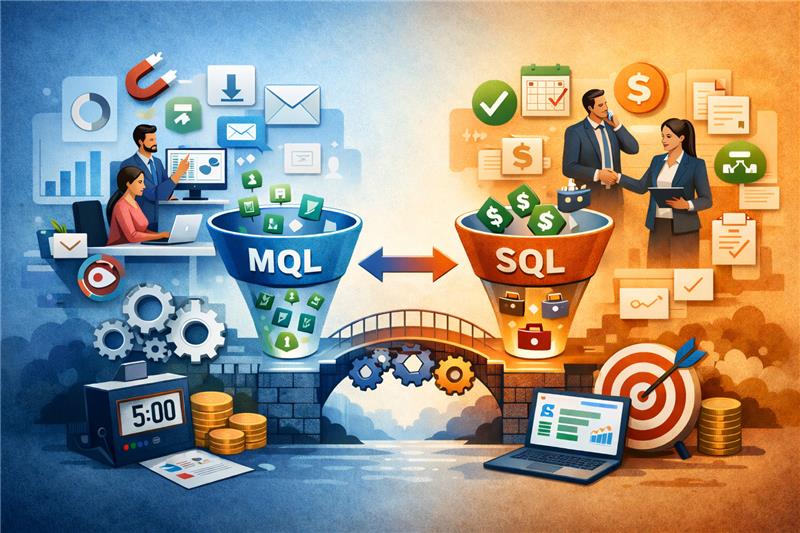
- Marketing Qualified Leads (MQLs)
- Sales Qualified Leads (SQLs)
- Pipeline generated
- Revenue influenced
- Customer Acquisition Cost (CAC)
- Customer Lifetime Value (CLV)
- Return on Marketing Investment (ROMI)
Executives care more about revenue impact than campaign-level engagement metrics.
2. Create Multi-Touch Attribution Reports
Customers rarely convert after interacting with only one marketing channel. They may discover a brand through social media, download an eBook, attend a webinar, and finally request a product demo.
Multi-touch attribution helps marketers understand how different channels contribute throughout the buyer journey.
Popular attribution models include:
- First-touch attribution
- Last-touch attribution
- Linear attribution
- Time-decay attribution
- Position-based attribution
- Data-driven attribution
These reports provide deeper insights into channel effectiveness and improve budget optimization.
3. Develop Marketing Funnel Dashboards
Rather than analyzing isolated campaigns, visualize the complete customer funnel.
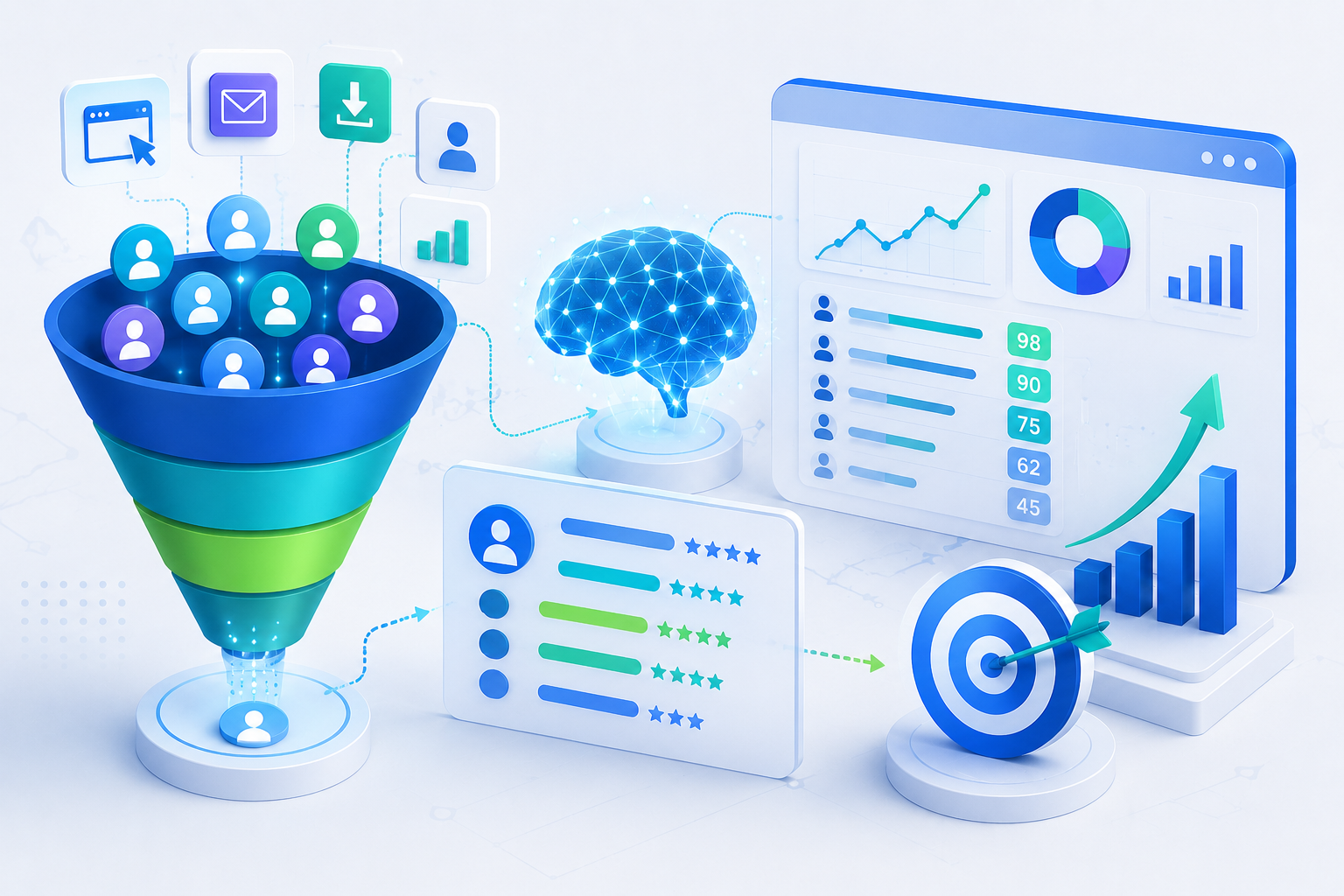
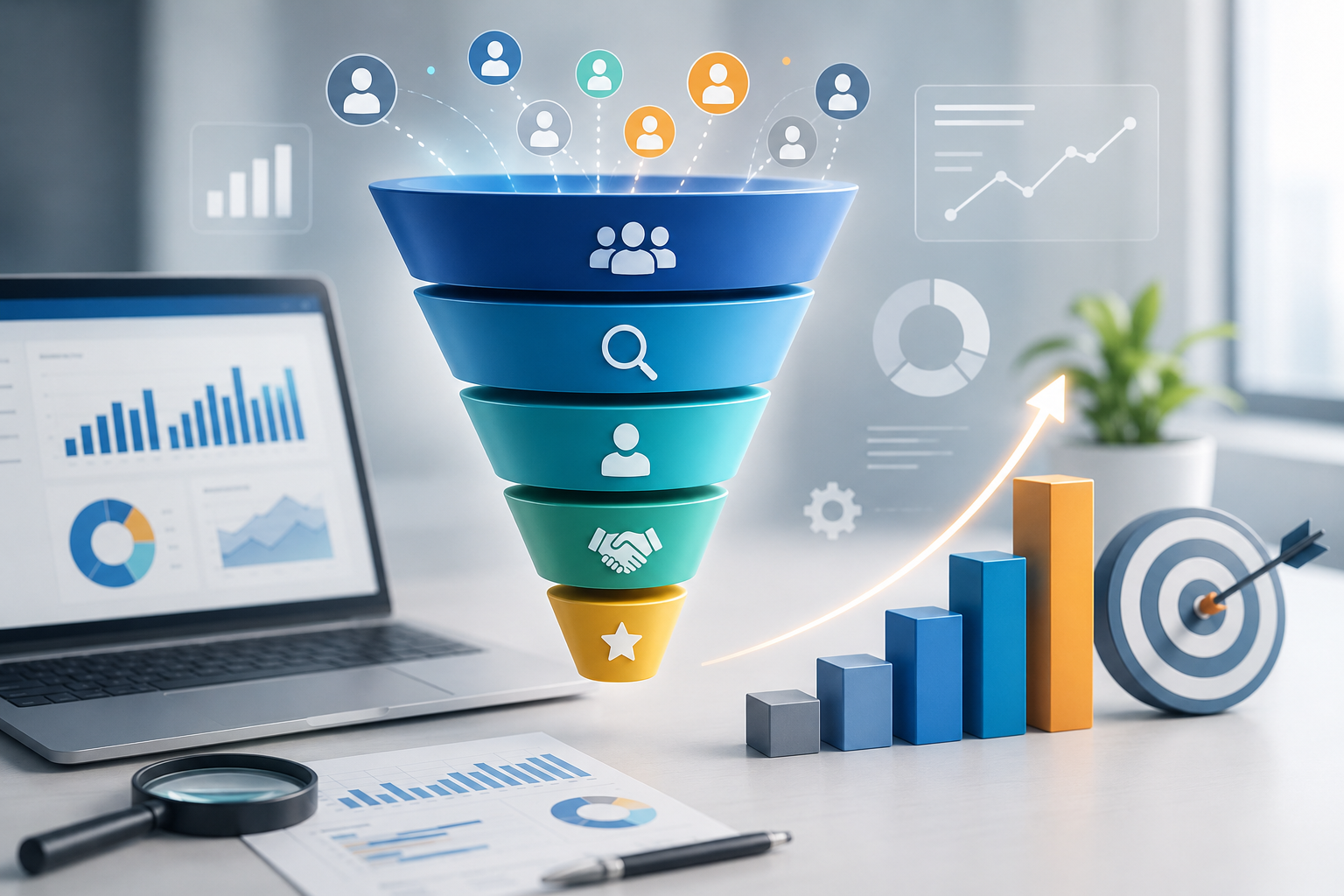
A comprehensive marketing funnel dashboard should monitor:
- Awareness: Reach, impressions, and website traffic
- Engagement: Click-through rates (CTR), session duration, and content downloads
- Consideration: Marketing Qualified Leads (MQLs) and content engagement
- Intent: Demo requests and free trial signups
- Conversion: Sales Qualified Leads (SQLs) and closed deals
- Retention: Renewal rates and repeat purchases
- Advocacy: Customer referrals, Net Promoter Score (NPS), and online reviews
Monitoring every stage helps identify where prospects drop off and where optimization efforts should be focused.
4. Segment Data for Better Insights
Aggregate reports often hide valuable trends.
Advanced reporting should segment data by:
- Geography
- Industry
- Company size
- Customer type
- Marketing channel
- Device
- Campaign
- Product line
- Sales region
- Buyer persona
For example, an email campaign may show a 20% conversion rate overall, but segmentation might reveal that enterprise customers convert at 35% while SMB customers convert at only 15%. These insights help marketers tailor messaging and allocate budgets more effectively.
5. Use Cohort Analysis
Cohort analysis groups customers based on shared characteristics or acquisition periods.
Examples include:
- Customers acquired in January
- Webinar attendees
- Paid search leads
- Organic search visitors
Instead of evaluating all customers together, cohort reporting helps identify:
- Retention trends
- Engagement over time
- Revenue growth
- Changes in customer behavior
Marketing operations teams can determine which acquisition channels consistently produce the highest-value customers.
6. Incorporate Predictive Analytics
Modern reporting increasingly includes predictive insights instead of historical summaries.
Predictive reports use machine learning and historical data to estimate:
- Future lead volume
- Expected revenue
- Customer churn
- Campaign performance
- Budget requirements
- Pipeline growth
These insights enable proactive planning instead of reactive reporting.
7. Automate Dashboard Reporting
Manual reporting consumes valuable time and increases the risk of errors.
Marketing teams should automate reporting using business intelligence platforms and marketing analytics tools.
Automation provides several benefits:
- Real-time updates
- Consistent metrics
- Reduced manual effort
- Improved data accuracy
- Faster decision-making
Automated dashboards also allow stakeholders to access insights whenever they need them.
8. Monitor Marketing Operational Efficiency
Marketing operations is responsible for more than campaign performance.
Operational dashboards should monitor:
- Campaign production time
- Workflow completion rates
- Approval turnaround times
- Asset utilization
- Service Level Agreement (SLA) compliance
- Marketing automation health
- Lead routing accuracy
- Database growth
- Duplicate records
- Data quality scores
These operational metrics help improve internal efficiency and overall marketing productivity.
9. Visualize Trends Instead of Static Numbers
A single metric provides limited context.
Instead of simply reporting revenue or conversions, visualize:
- Monthly growth trends
- Quarter-over-quarter comparisons
- Year-over-year performance
- Seasonal fluctuations
- Rolling averages
- Forecast projections
Trend-based reporting makes it easier to identify patterns and support strategic planning.
10. Build Executive-Level Dashboards
Executives need concise, high-level insights rather than detailed operational metrics.
An executive dashboard should highlight:
- Marketing-attributed revenue
- Pipeline contribution
- ROI by channel
- Campaign performance summaries
- Lead conversion rates
- Customer acquisition cost
- Budget utilization
- Forecast versus actual performance
Avoid overwhelming leadership with excessive charts. Focus on KPIs that directly influence business decisions.
11. Integrate Data Across Platforms
Marketing data is often spread across multiple systems, including:
- CRM platforms
- Marketing automation tools
- Web analytics platforms
- Advertising platforms
- Social media channels
- Customer support systems
- Data warehouses
Integrating these data sources provides a complete view of the customer journey and enables more accurate reporting.
12. Establish Data Governance
Advanced reporting is only as reliable as the underlying data.
Marketing operations teams should implement governance practices such as:
- Standardized campaign naming conventions
- Consistent UTM parameters
- Data validation rules
- Regular data cleansing
- Duplicate management
- Clearly defined KPIs
- Role-based access controls
Strong governance improves reporting accuracy and builds stakeholder confidence.
Best Practices for Advanced Marketing Reporting
To maximize the value of reporting:
- Define business objectives before building dashboards.
- Focus on actionable insights instead of vanity metrics.
- Standardize KPIs across departments.
- Automate dashboard refreshes.
- Use interactive filters for deeper analysis.
- Validate data regularly.
- Keep visualizations clean and easy to interpret.
- Review reports periodically to ensure ongoing relevance.
- Combine historical, real-time, and predictive insights.
- Encourage collaboration between marketing, sales, finance, and operations.
Common Mistakes to Avoid
Even sophisticated reporting systems can fall short if common pitfalls are overlooked.
Avoid:
- Tracking too many metrics without clear priorities.
- Relying on a single attribution model.
- Presenting raw data without context or recommendations.
- Ignoring data quality issues.
- Building overly complex dashboards.
- Misaligning reports with business objectives.
- Updating reports manually when automation is available.
- Neglecting collaboration across departments.
The Future of Marketing Operations Reporting
As artificial intelligence and machine learning continue to evolve, marketing reporting is becoming more intelligent and proactive. Future reporting platforms will automatically identify anomalies, recommend optimization opportunities, forecast outcomes, and generate natural-language summaries for stakeholders.
Organizations that embrace advanced reporting techniques will be better positioned to improve marketing efficiency, demonstrate ROI, and make faster, evidence-based decisions in an increasingly competitive landscape.
Read Also: Multi-Touch Attribution Models Explained for B2B Marketers