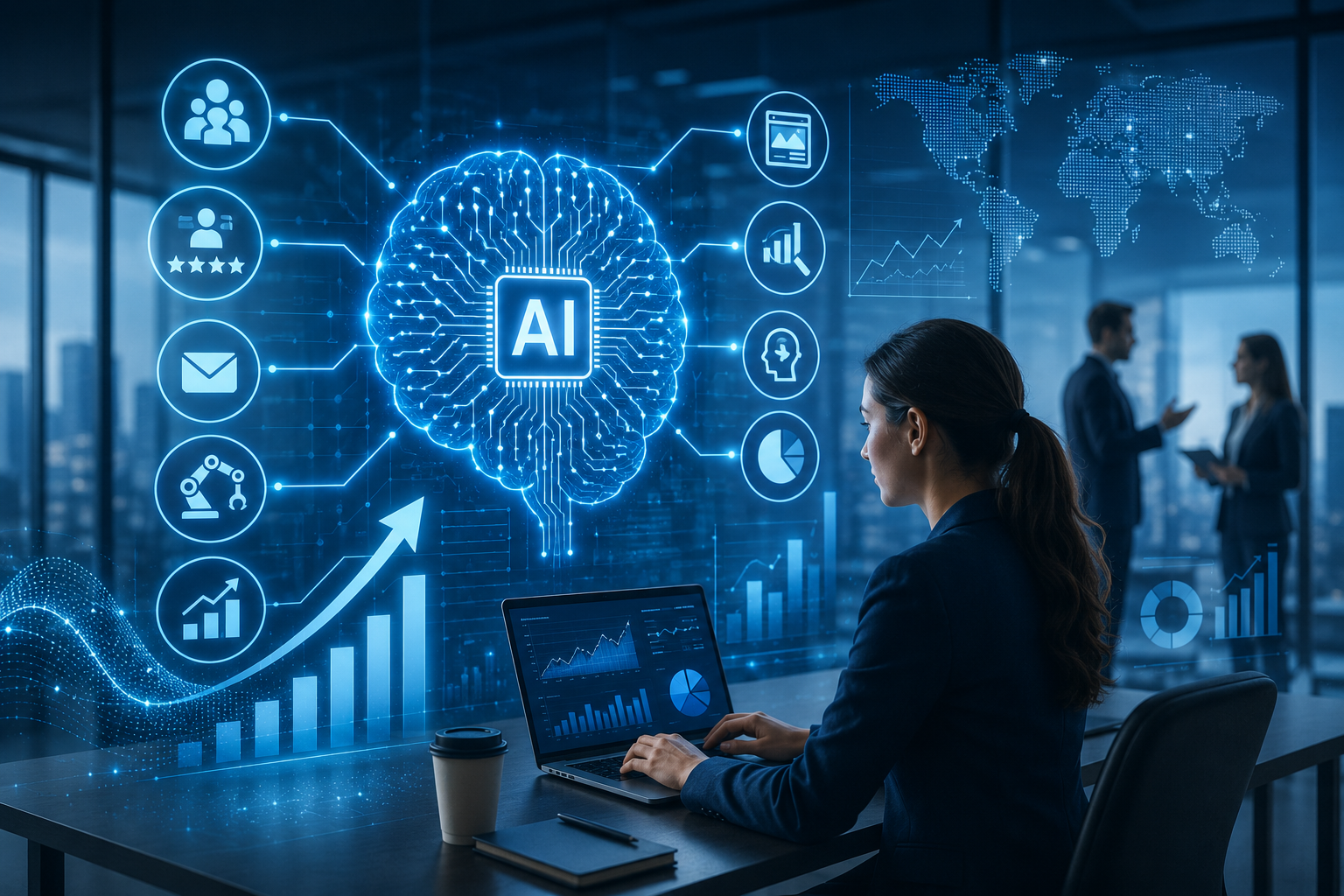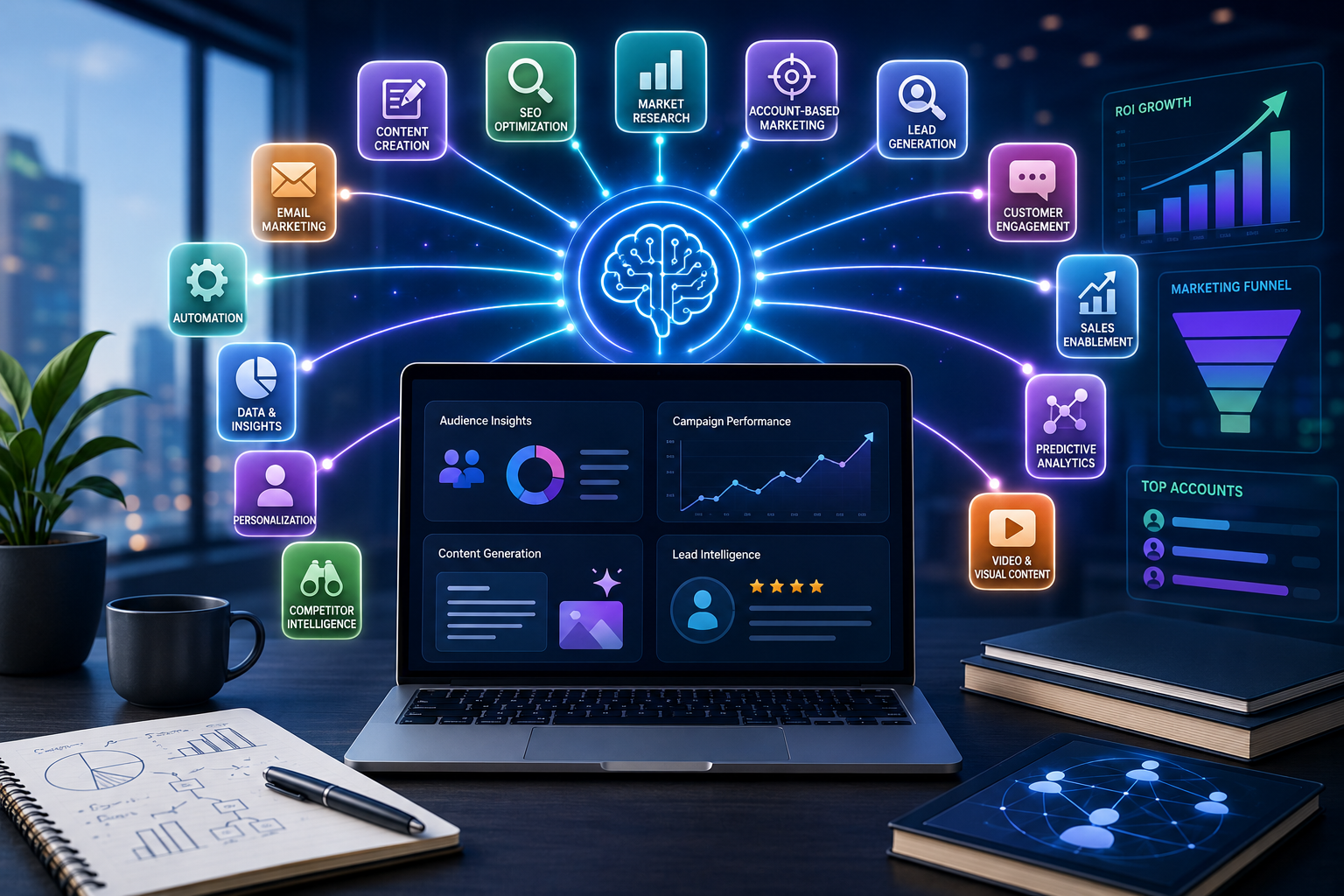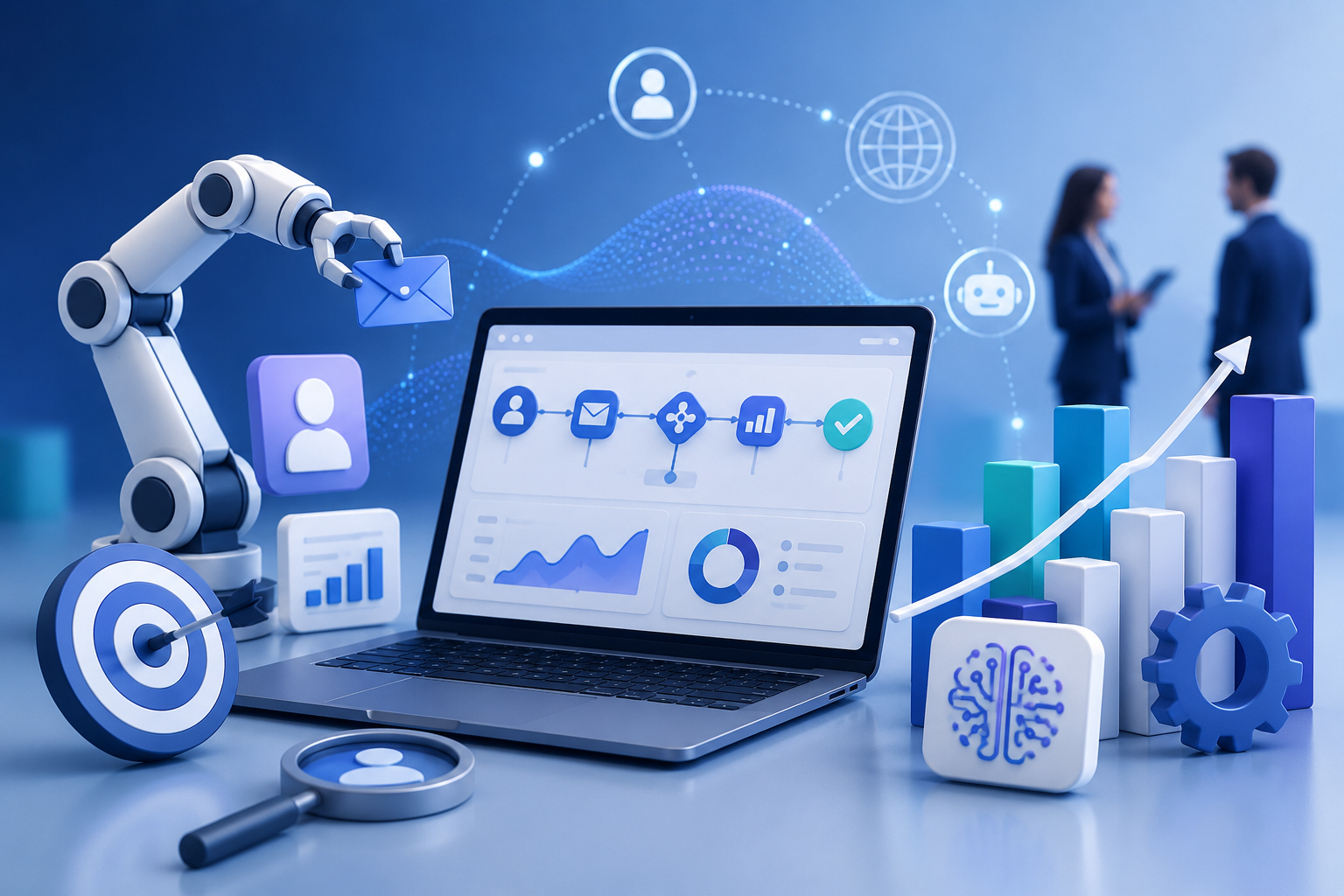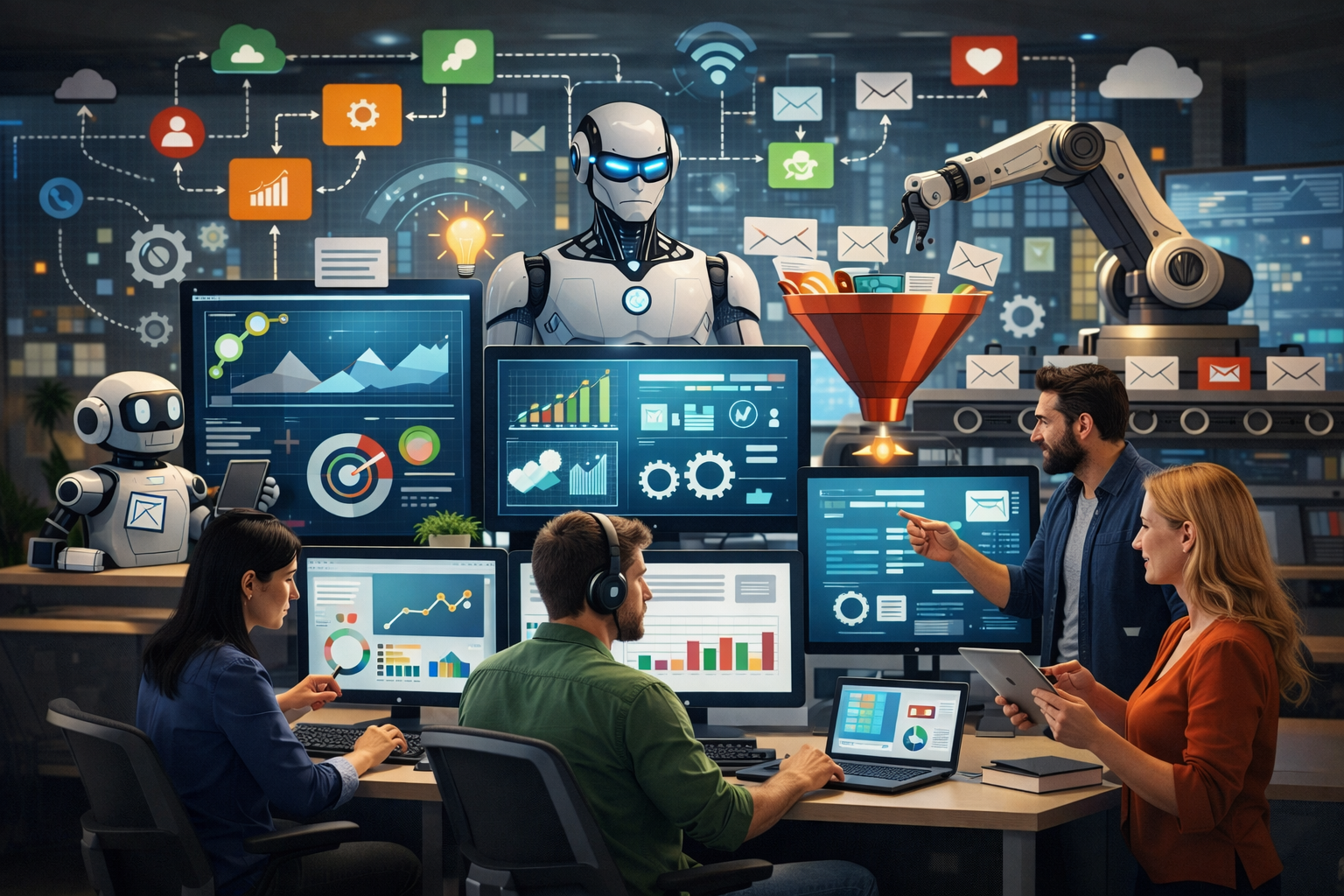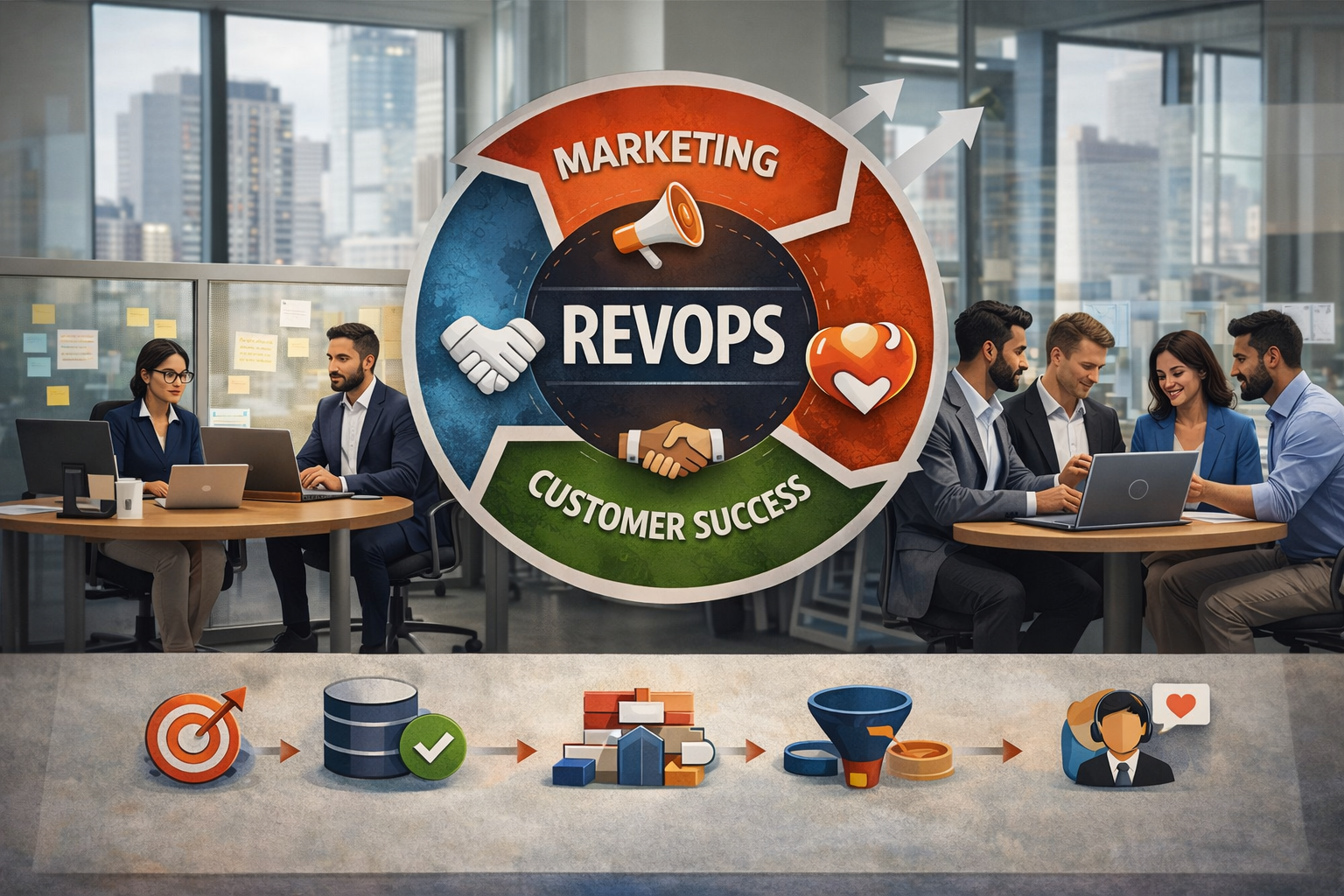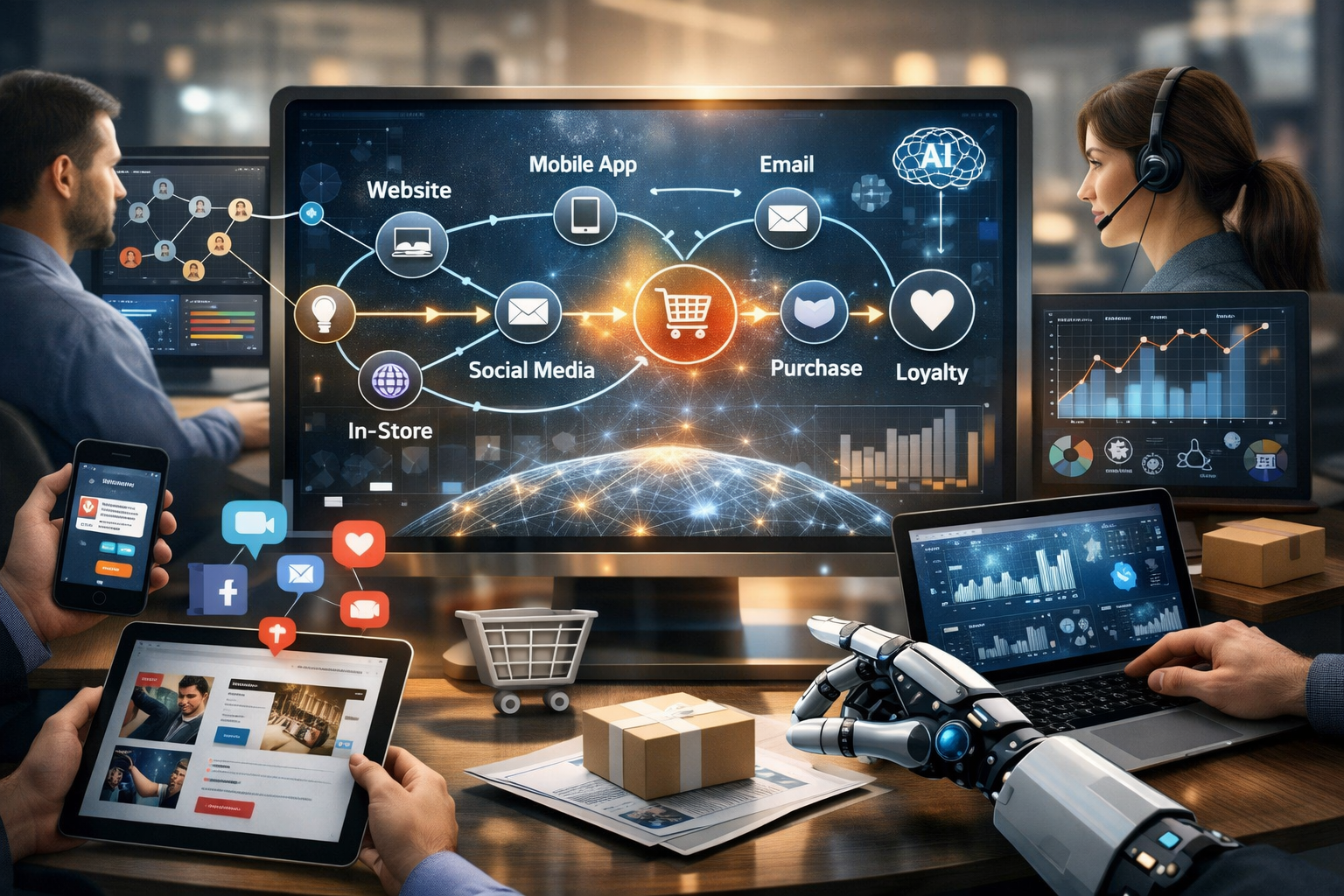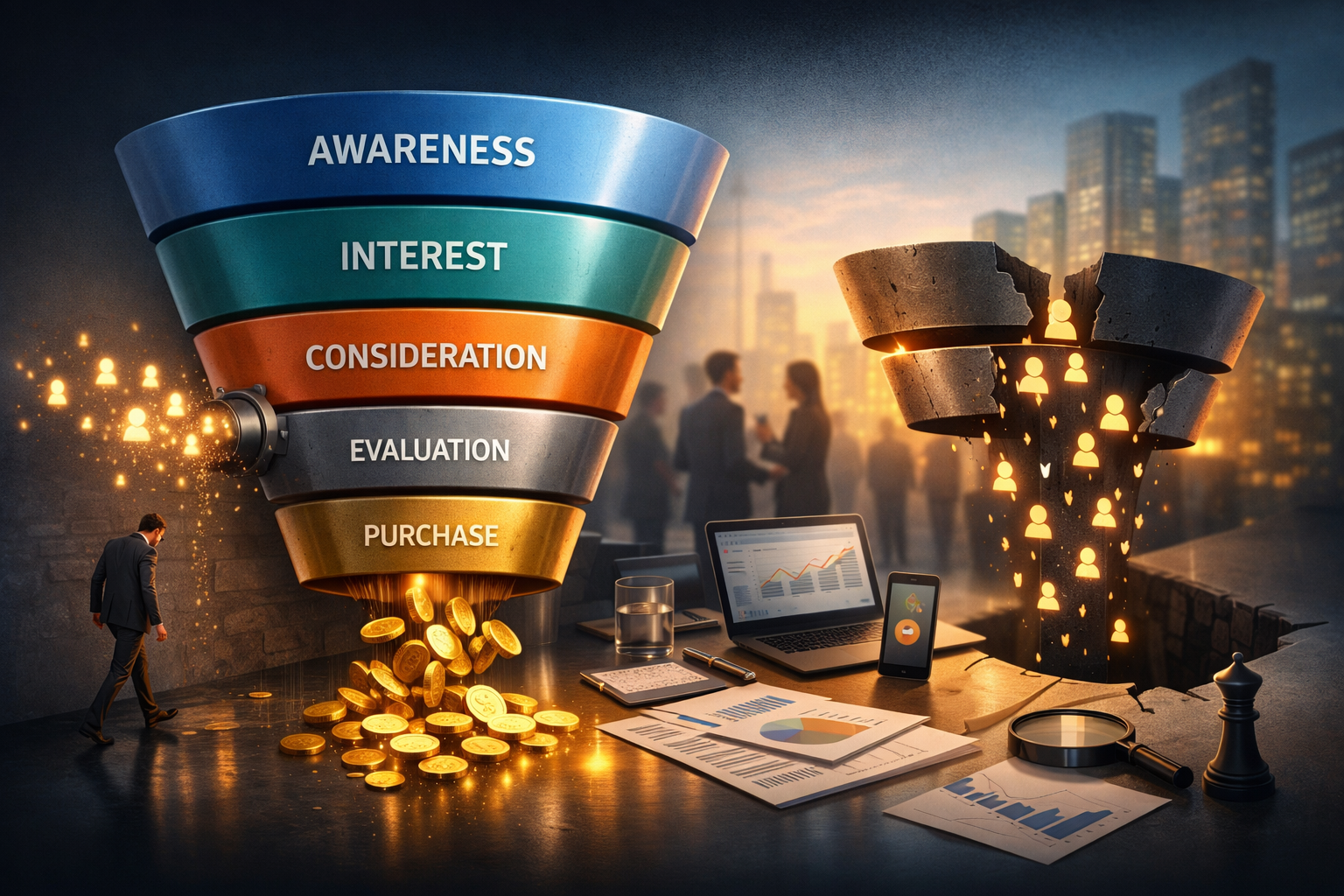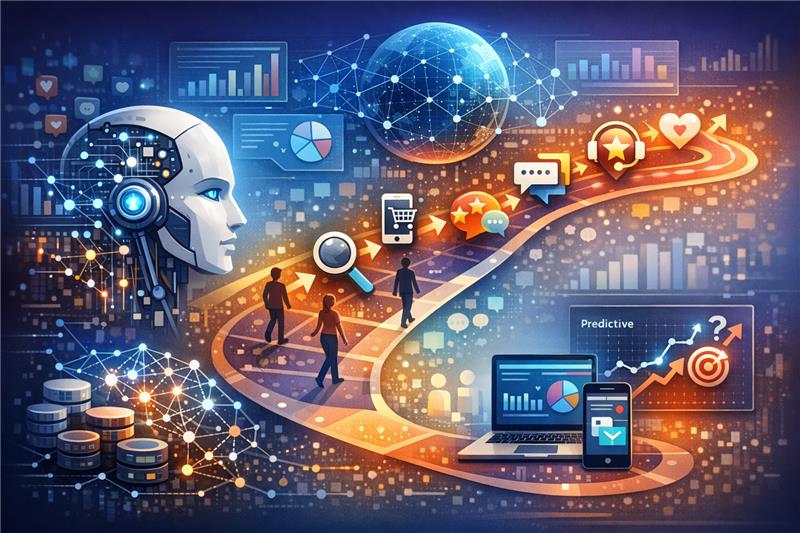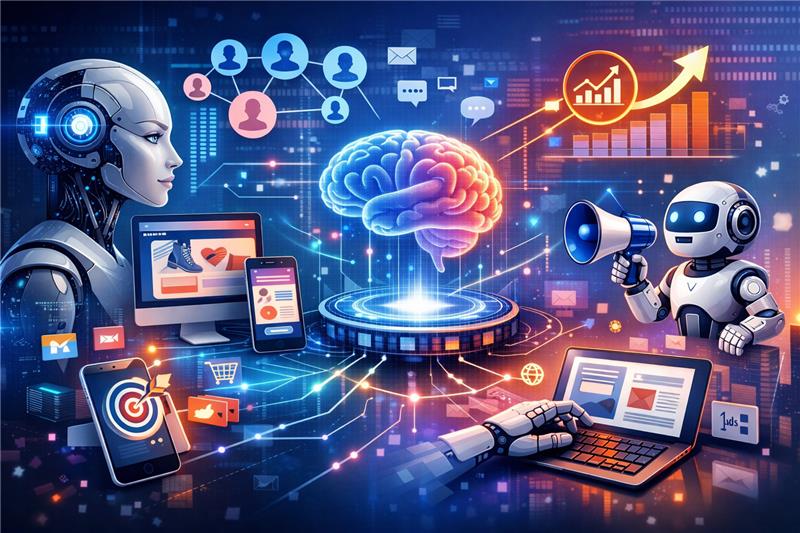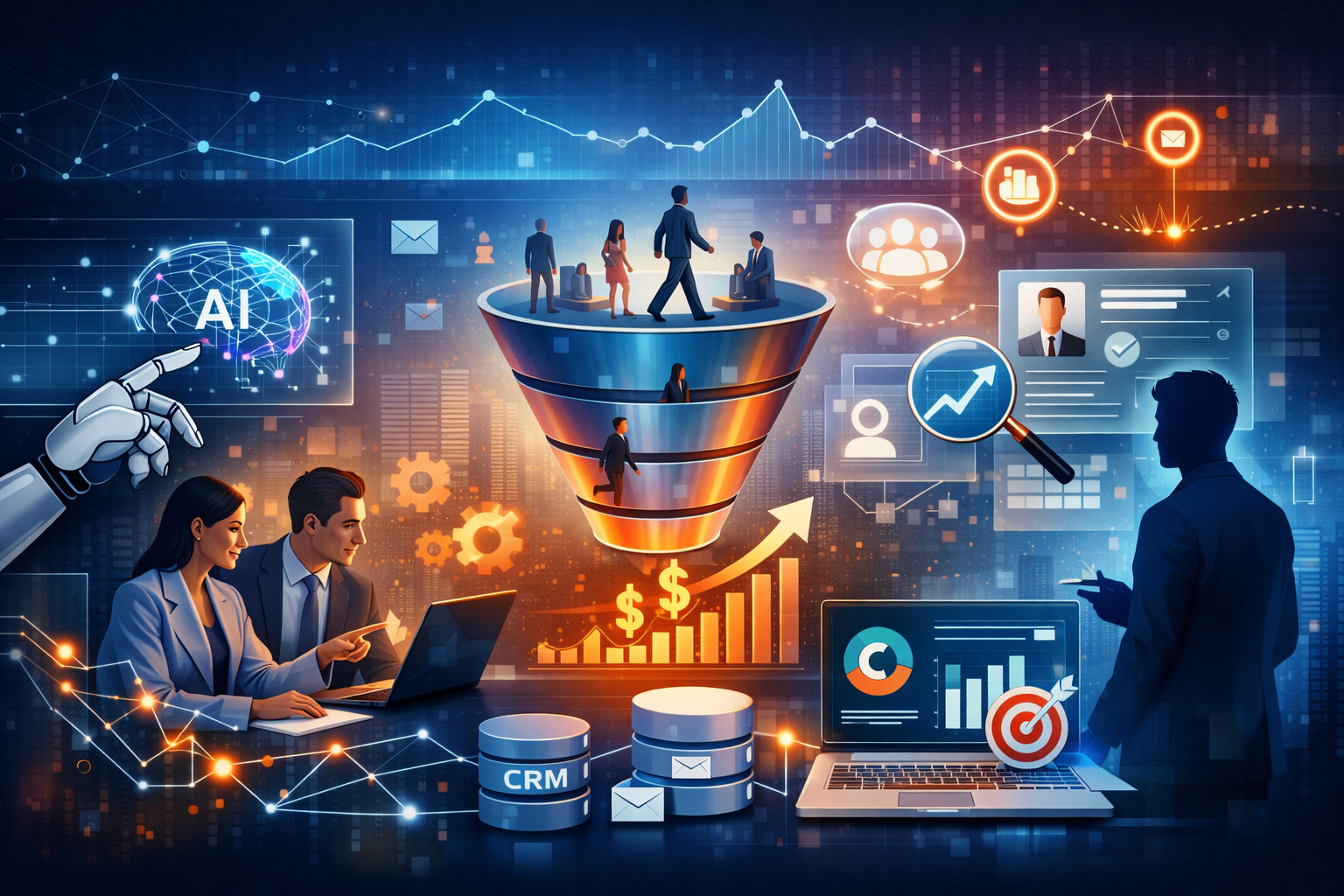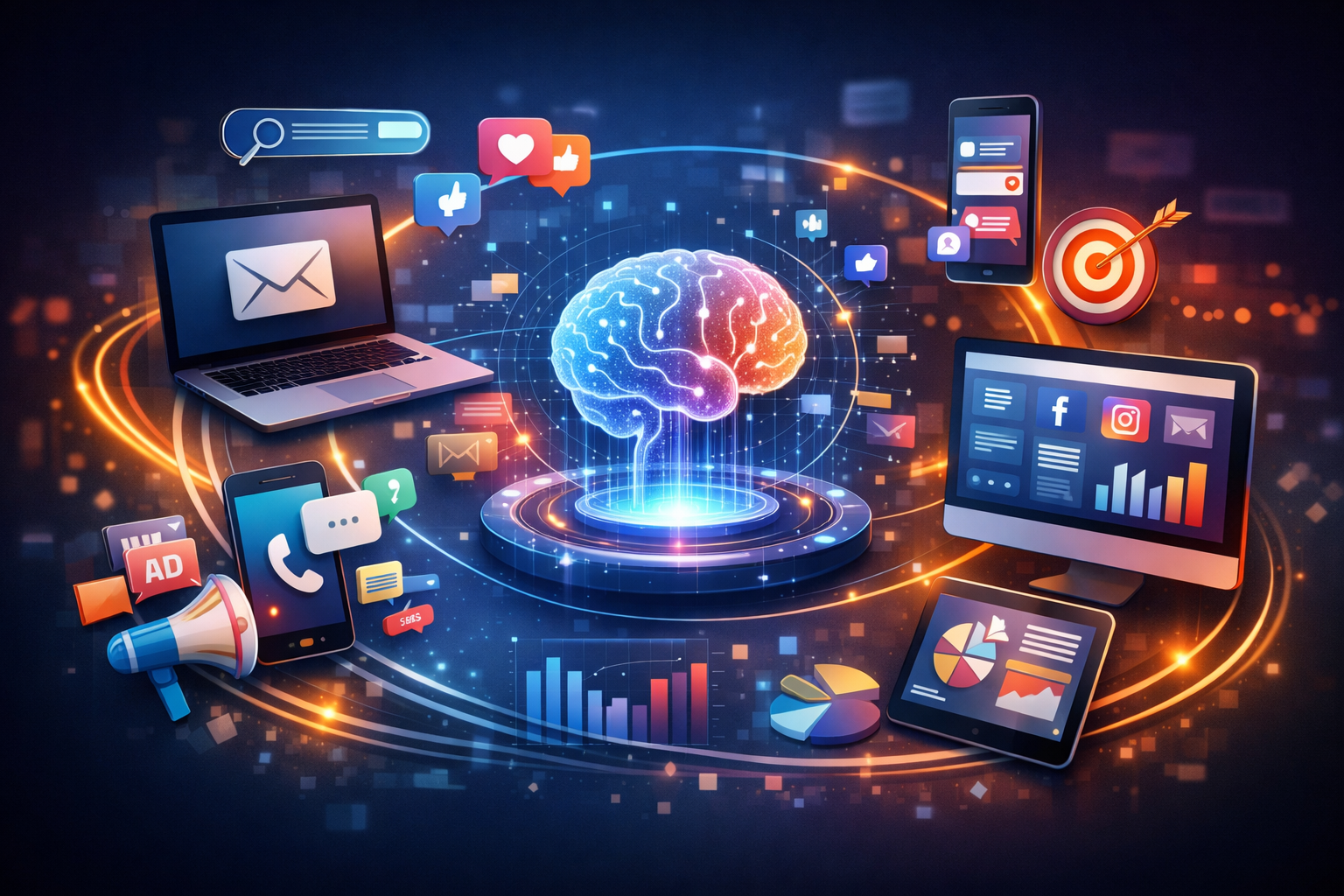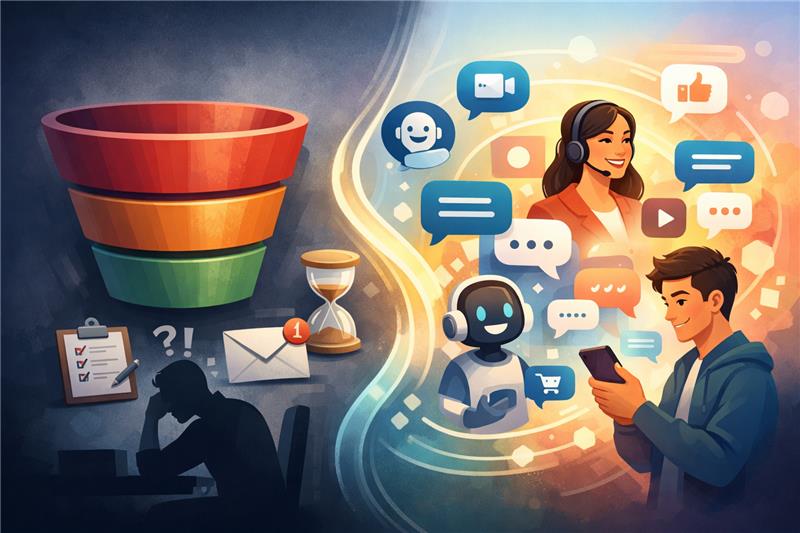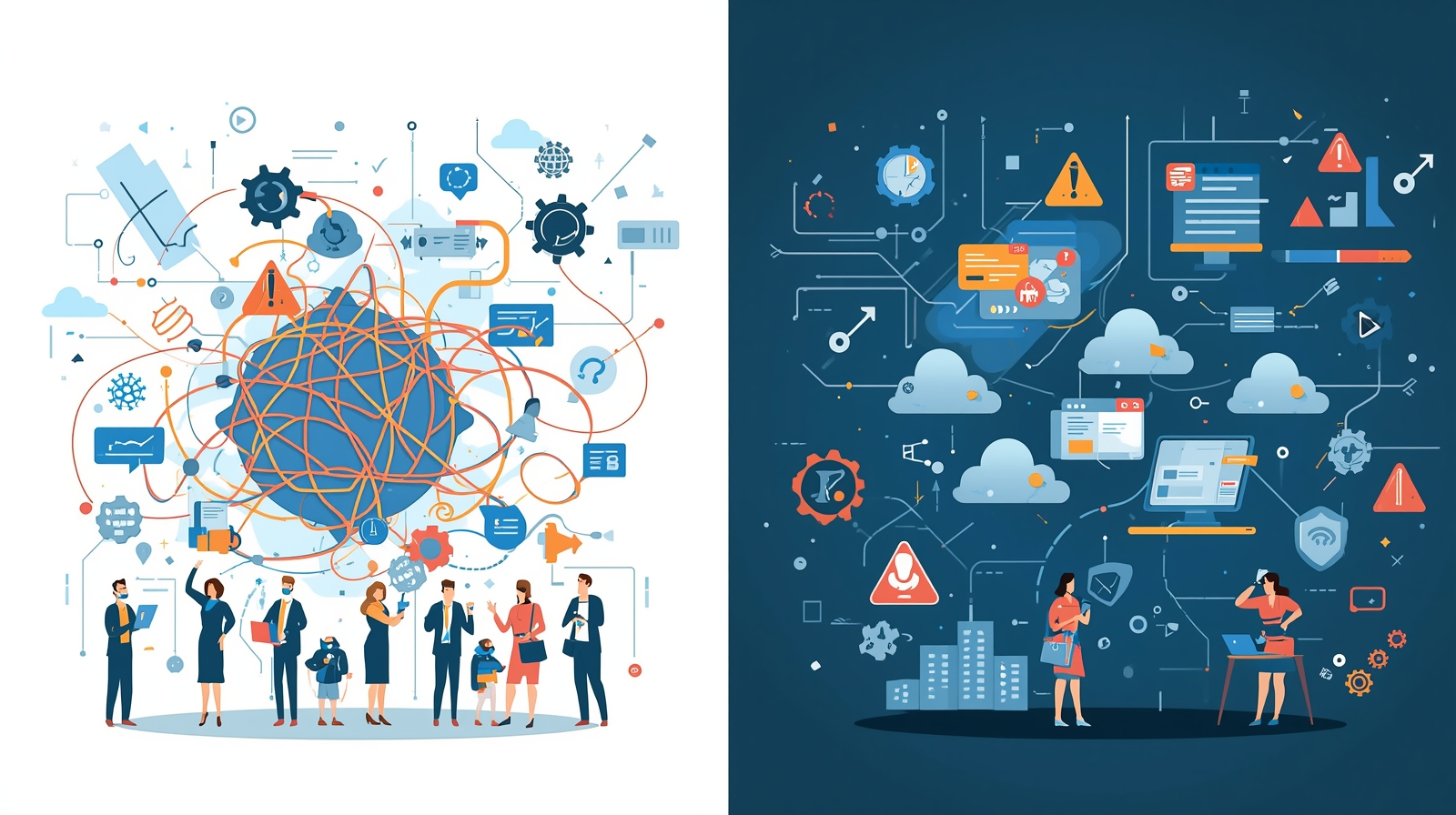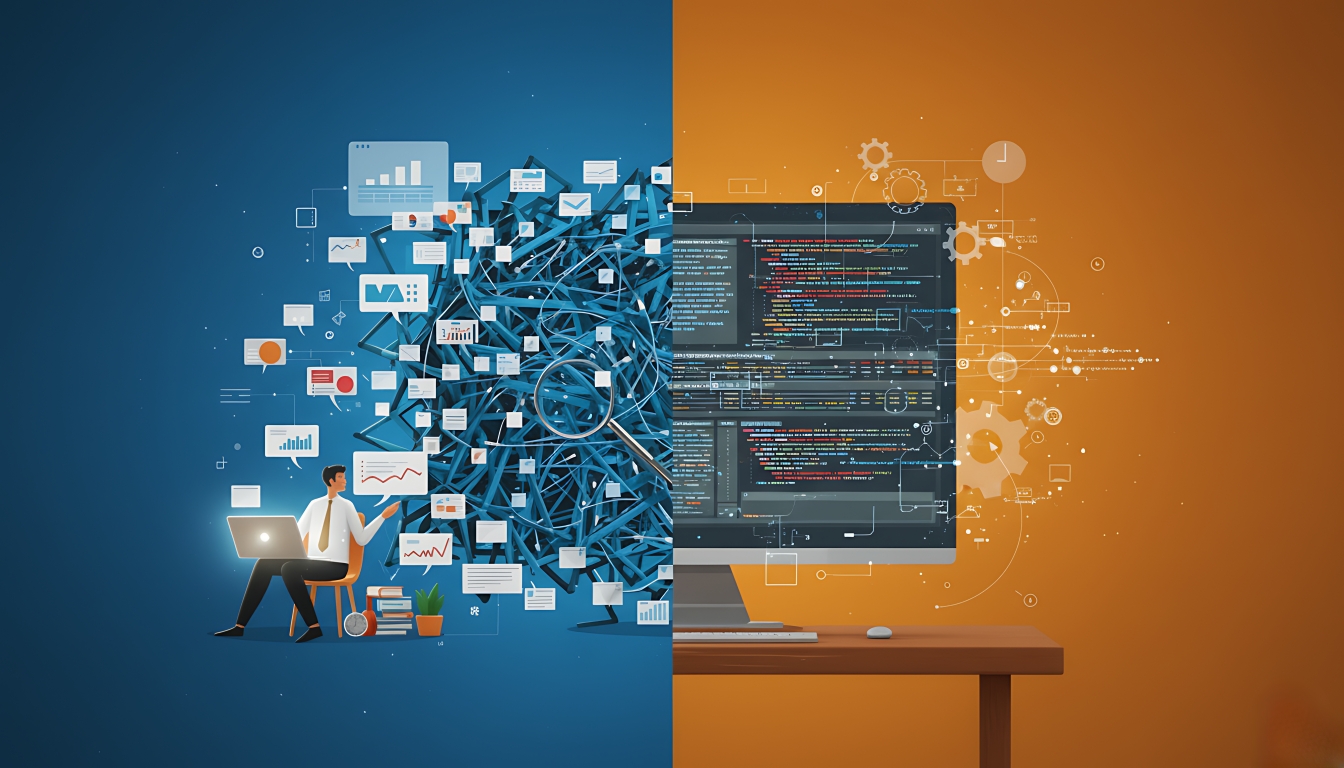

A few years ago, our marketing team was drowning in repetitive tasks. Campaign reports took hours to prepare, social media scheduling consumed entire afternoons, email personalization was inconsistent, and content production struggled to keep pace with demand.
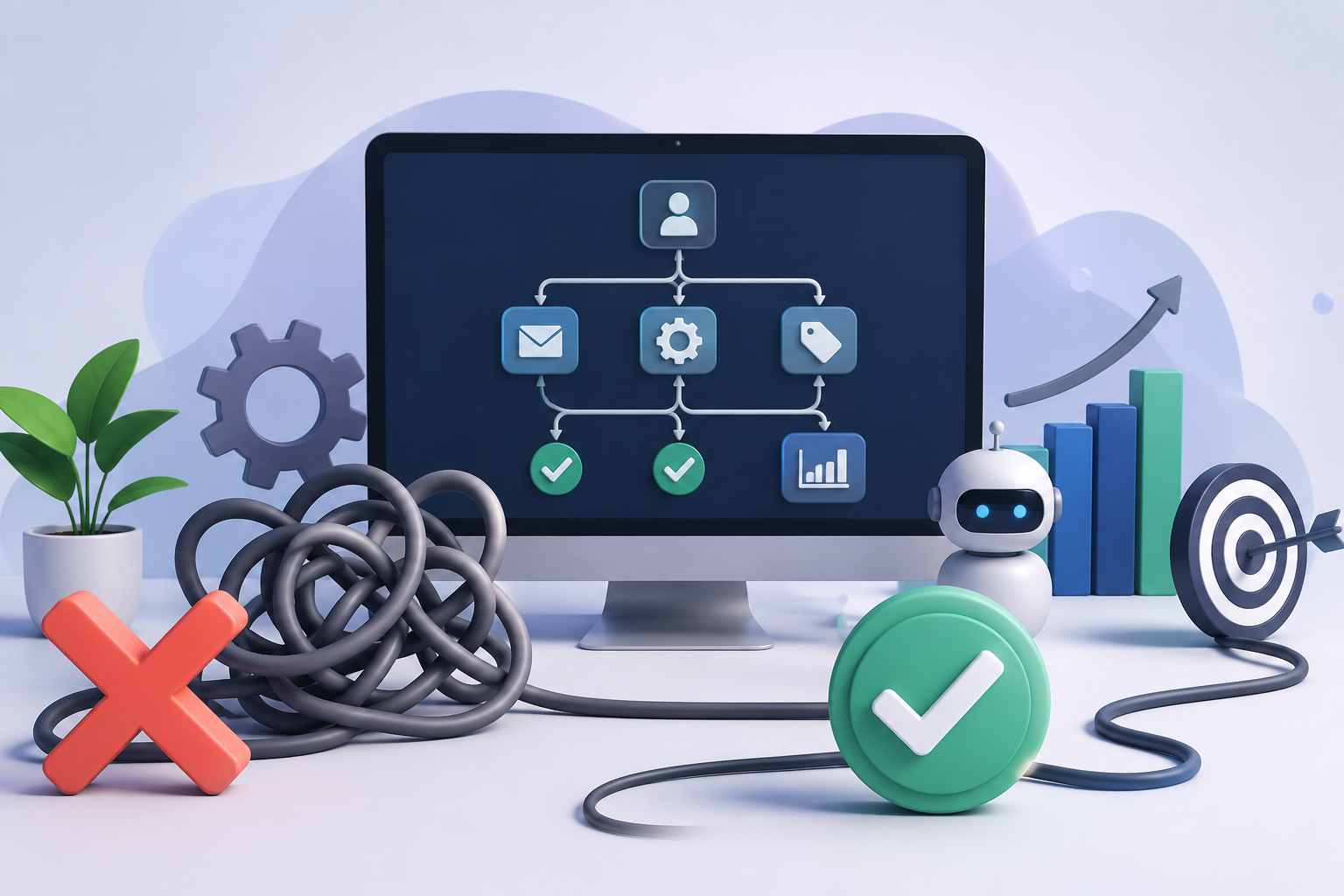
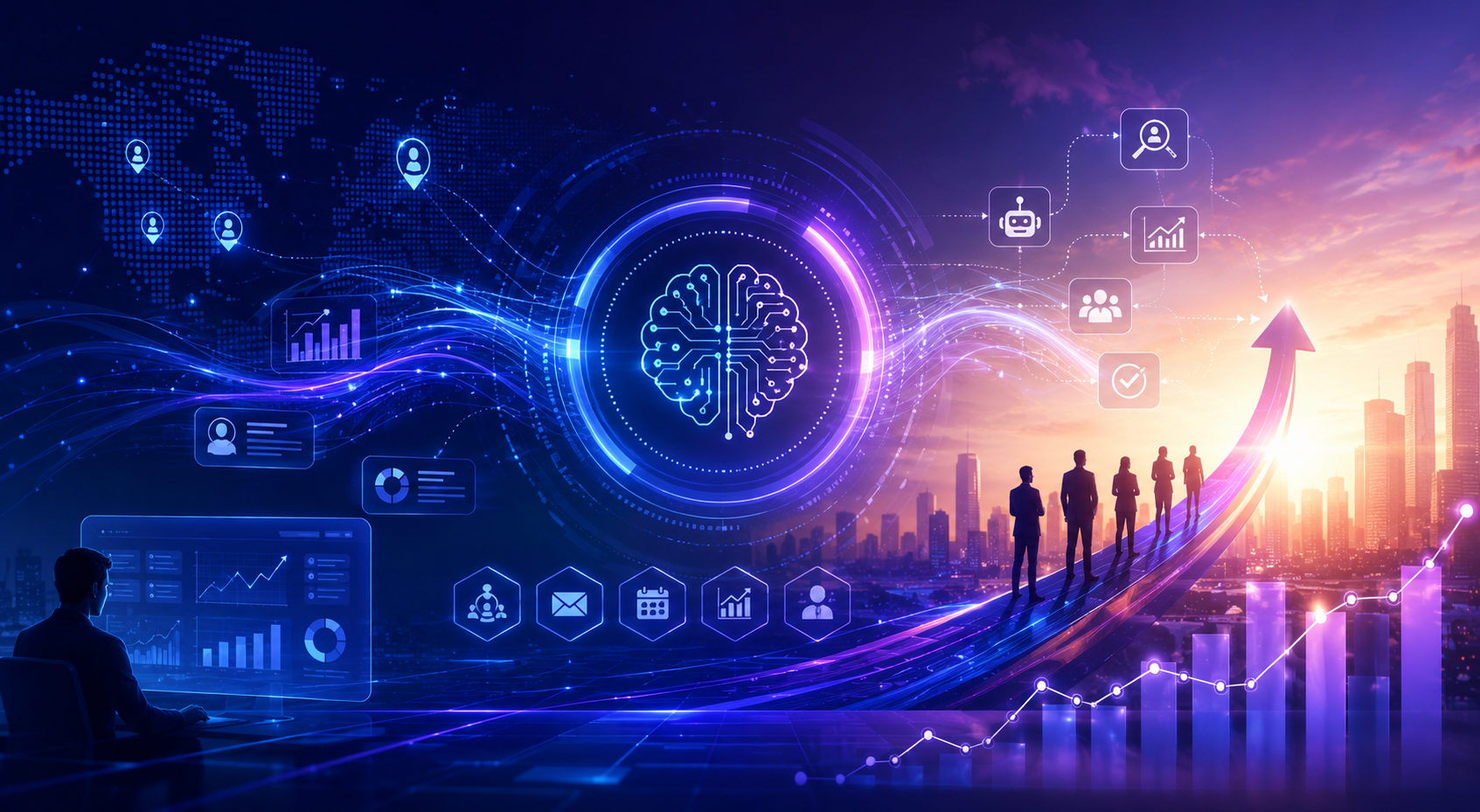
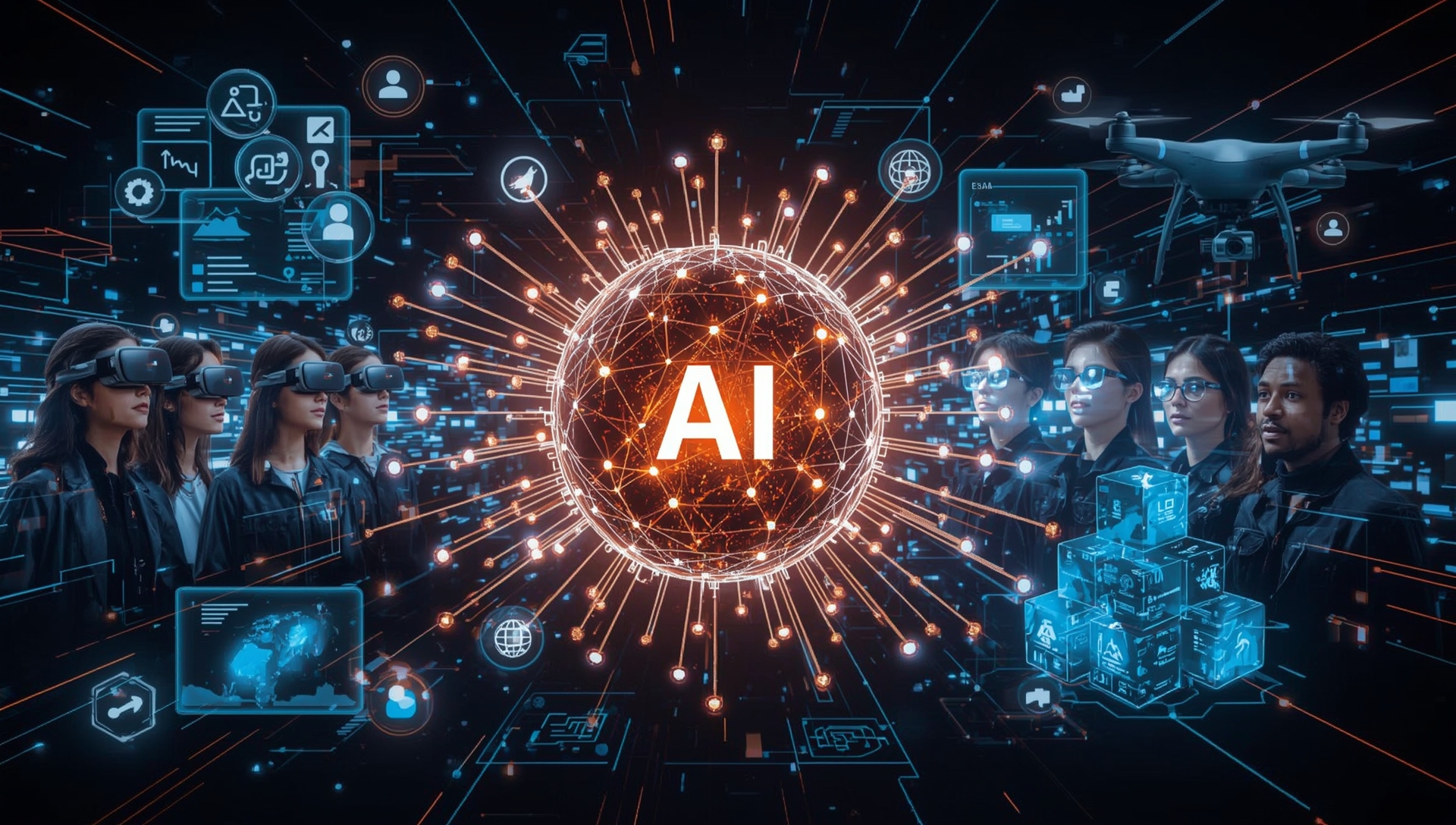
Today, nearly 80% of those operational tasks are automated through AI-powered workflows.
This transformation did not replace our marketing team. It made the team faster, more creative, and significantly more strategic.
Here’s how AI changed the way we work.
The Problem: Marketing Teams Spend Too Much Time on Repetitive Work
Modern marketing teams are expected to:
- Create content constantly
- Manage multiple channels
- Analyze campaign performance
- Personalize customer experiences
- Respond to leads quickly
- Track trends in real time
The challenge is that most of these responsibilities involve repetitive processes.
Before implementing AI, our team spent countless hours on:
- Writing first drafts of emails
- Creating social media captions
- Pulling analytics from multiple dashboards
- Segmenting audiences manually
- Scheduling campaigns
- Responding to routine customer inquiries
As the workload increased, productivity started slowing down.
We realized we needed a smarter system rather than simply hiring more people.
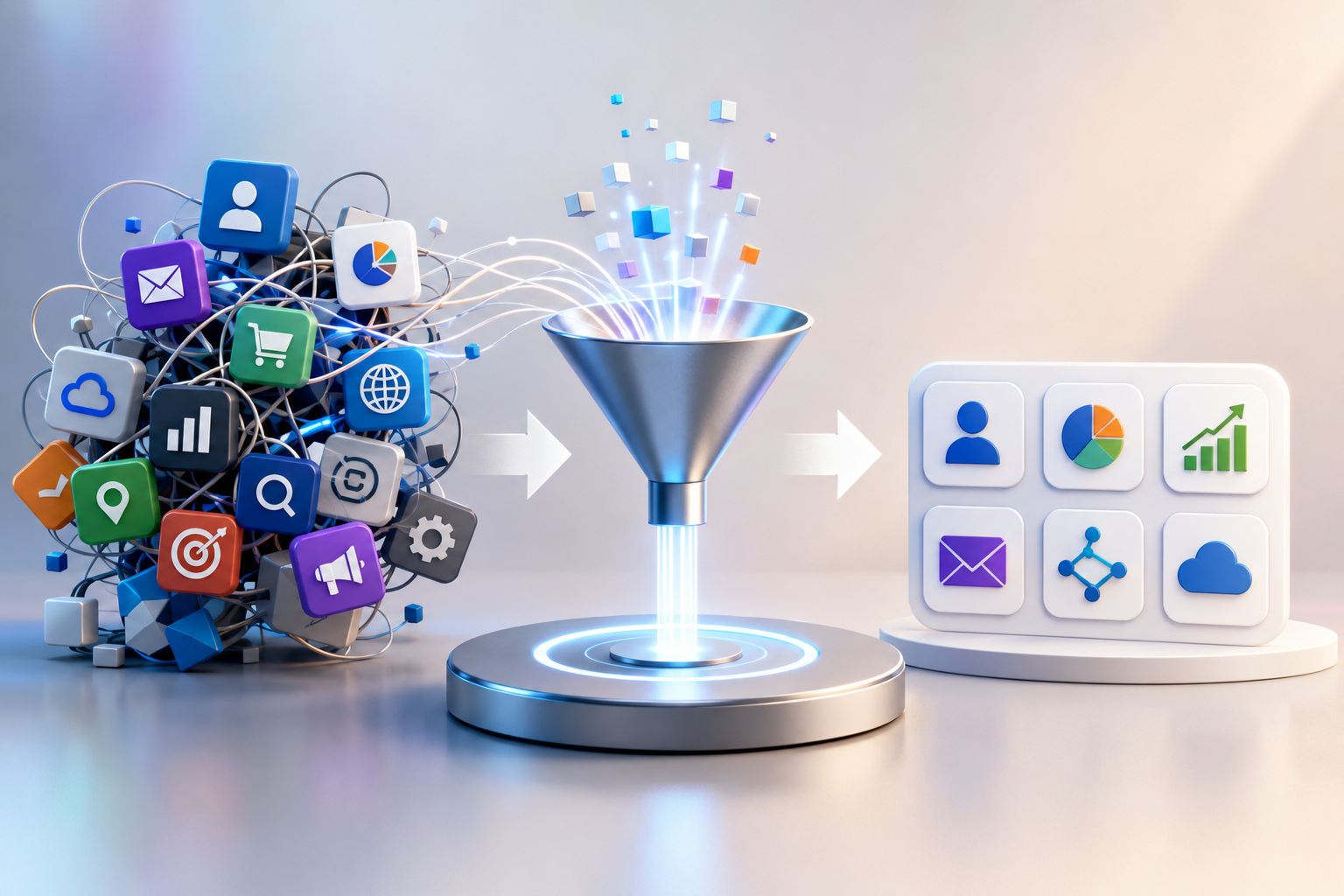
The Shift Toward AI Automation
The turning point came when we began integrating AI into our daily workflows instead of treating it as a separate tool.
Rather than asking:
“Can AI replace marketers?”
We asked:
“Which marketing tasks do not require human creativity or strategic thinking?”
That question changed everything.
We identified repetitive, rule-based, and time-consuming activities that could be automated without sacrificing quality.
1. AI Content Creation Reduced Drafting Time by 70%
Content marketing was one of the biggest bottlenecks for our team.
Creating:
- Blog outlines
- Email sequences
- Product descriptions
- Social media captions
- Ad copy
required significant manual effort.
AI writing tools now help us:
- Generate first drafts instantly
- Create multiple headline variations
- Repurpose long-form content into short-form posts
- Optimize content for SEO
- Maintain consistent brand tone
Our writers no longer start from a blank page.
Instead, they focus on:
- Refining messaging
- Adding brand personality
- Improving storytelling
- Fact-checking and strategy
The result is faster production without compromising quality.
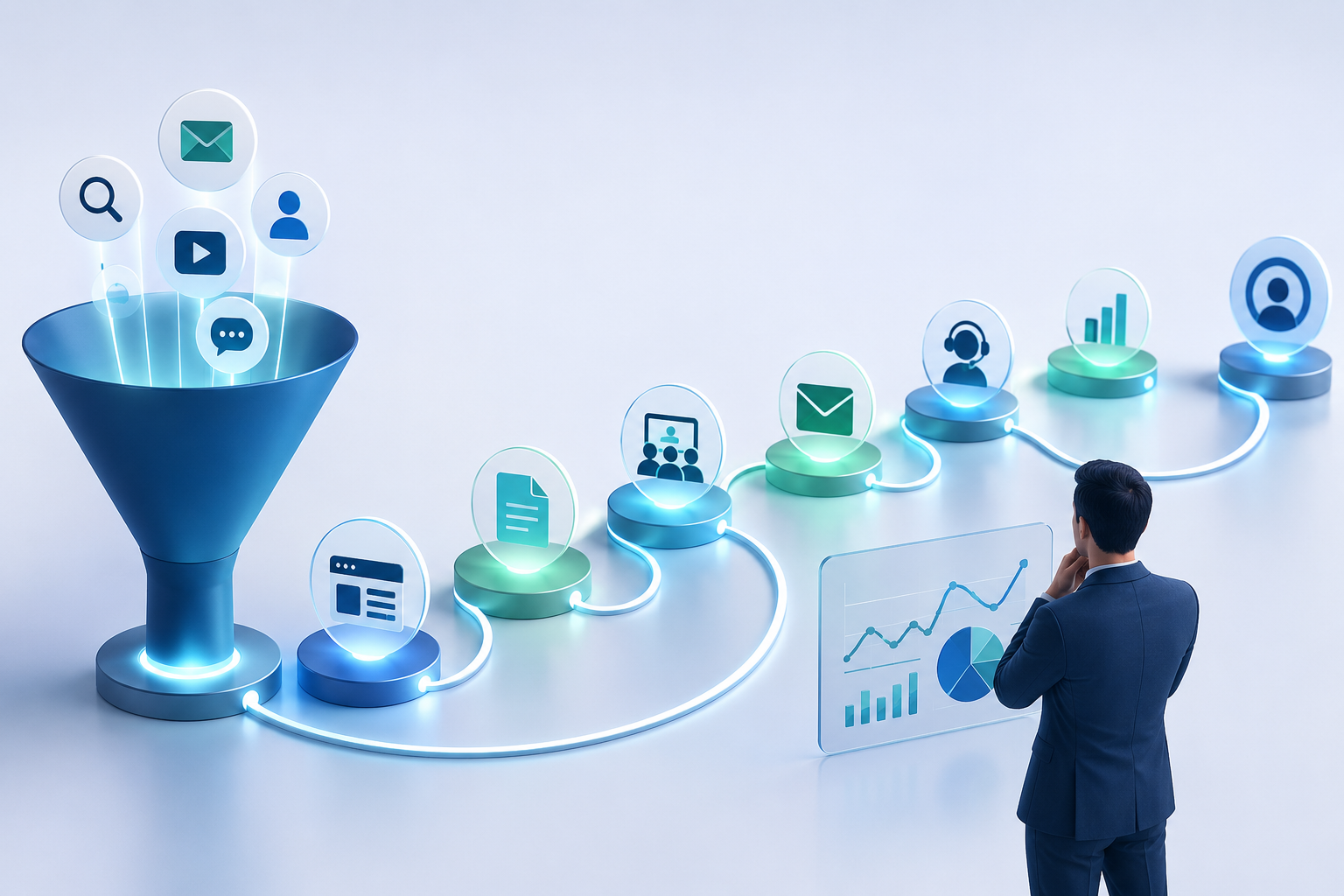
2. Automated Email Marketing Improved Personalization
Email marketing used to involve manual segmentation and static campaigns.
AI completely changed this process.
Now our systems automatically:
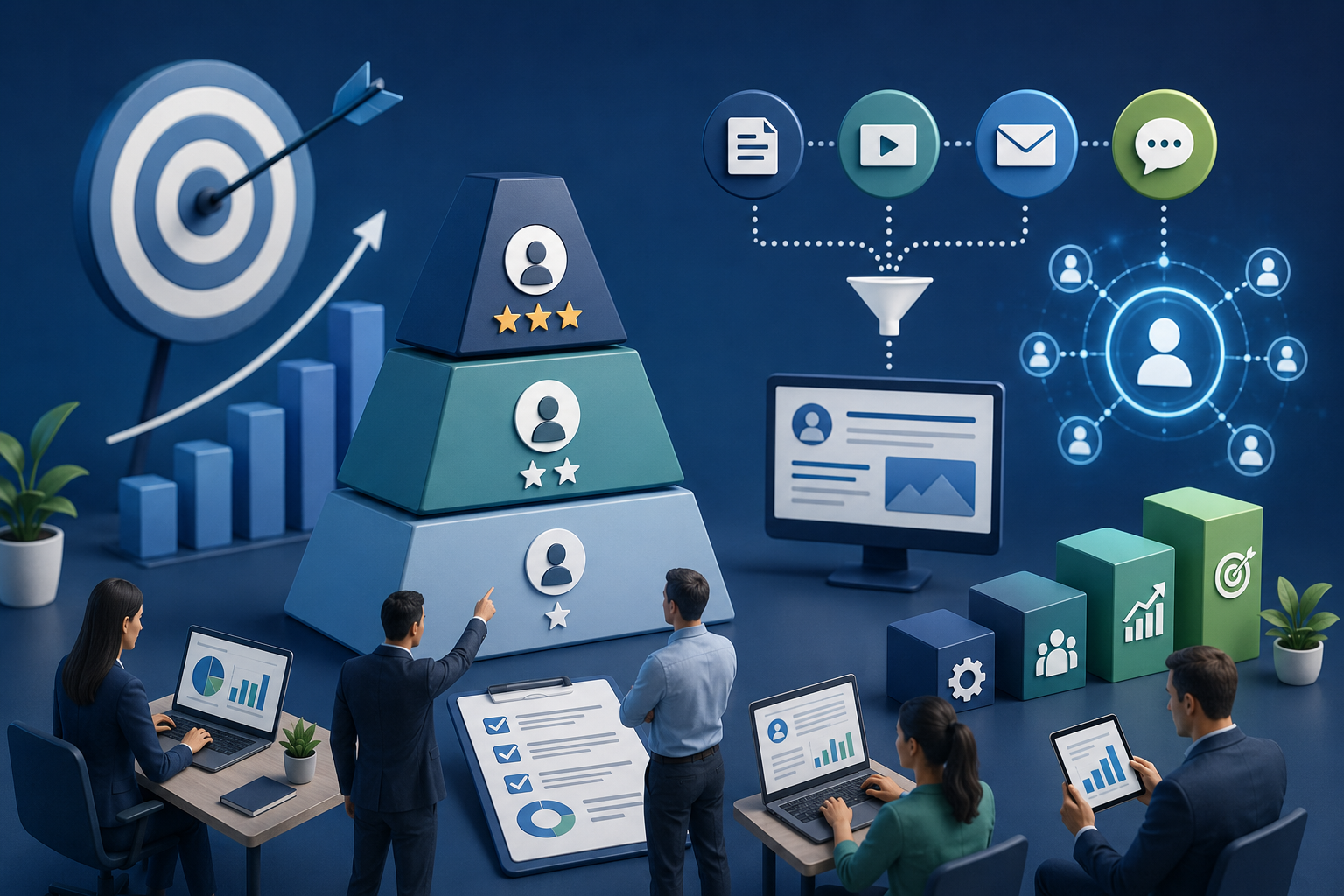
- Segment users based on behavior
- Predict customer interests
- Personalize subject lines
- Optimize send times
- Recommend products dynamically
Instead of sending one campaign to thousands of people, AI allows us to create individualized experiences at scale.
Open rates increased.
Click-through rates improved.
Most importantly, engagement became more meaningful.
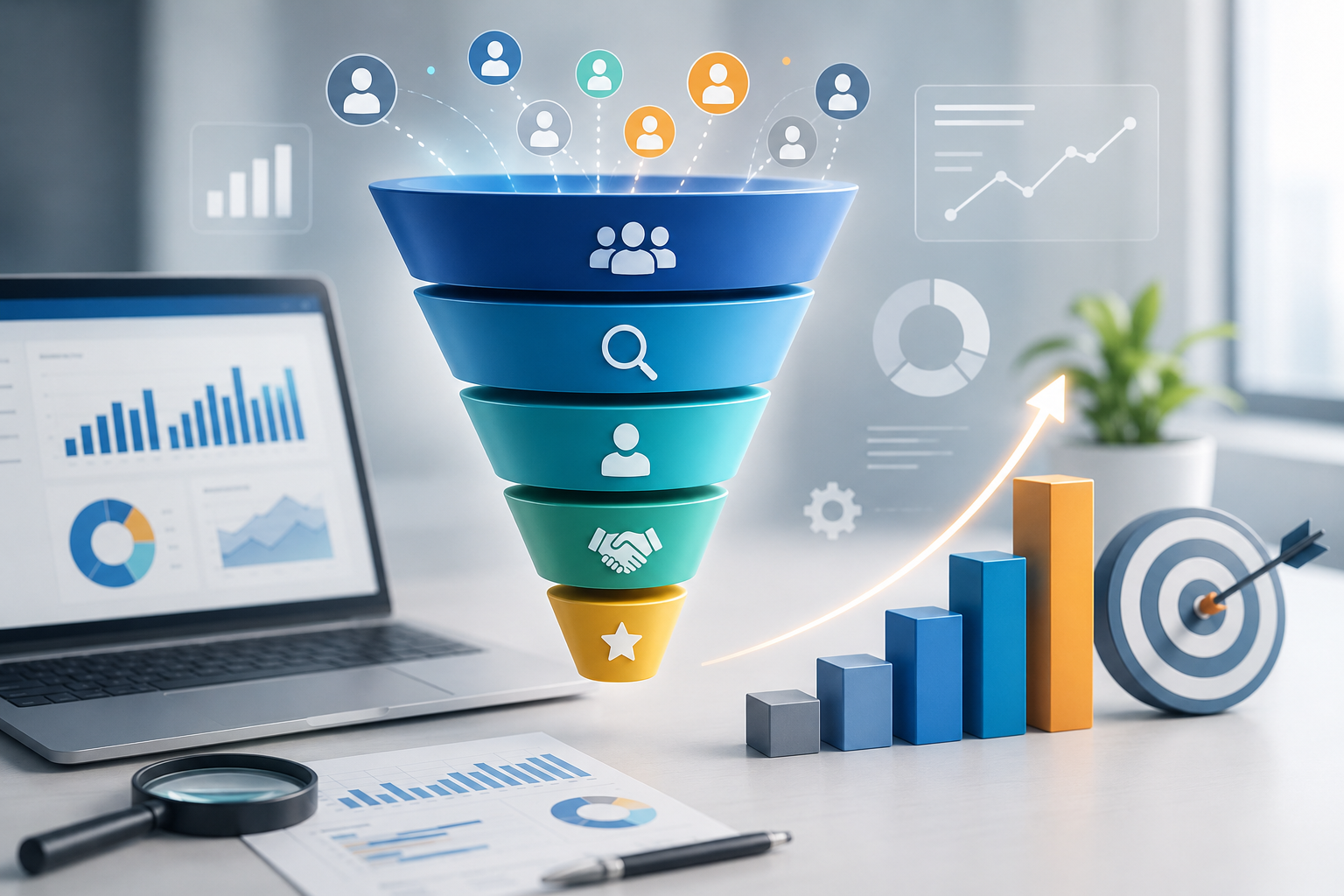
3. AI Analytics Eliminated Hours of Reporting
Weekly reporting once consumed an entire day for our marketing analysts.
Data had to be collected from:
- Ad platforms
- CRM systems
- Social channels
- Website analytics tools
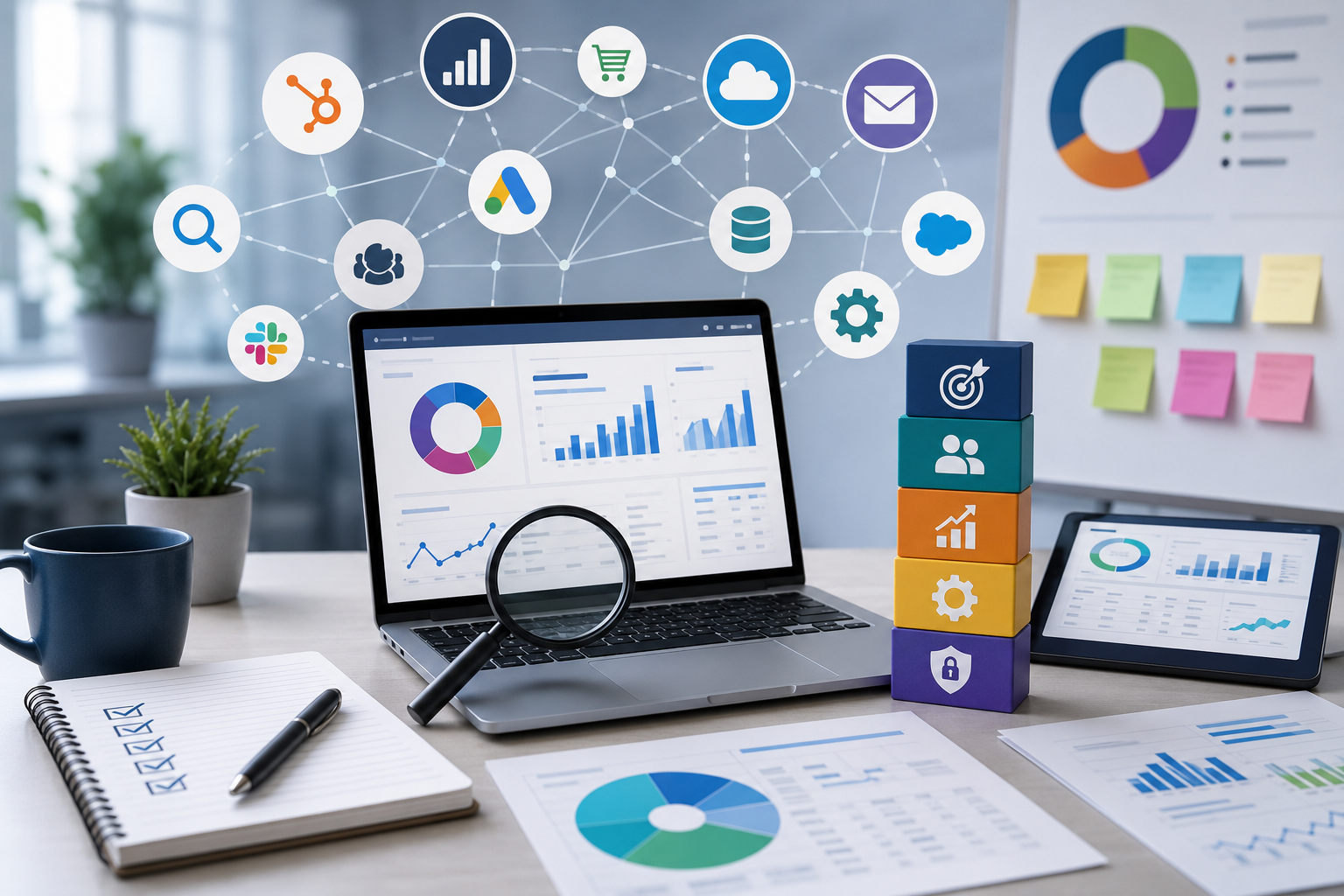
AI-powered dashboards now automate:
- Data collection
- Trend detection
- Performance summaries
- Forecasting
- KPI alerts
Instead of manually building reports, the team focuses on interpreting insights and making decisions.
This alone saved dozens of work hours every month.
4. Social Media Automation Increased Consistency
Managing social media manually is exhausting.
AI tools now help us:
- Generate captions
- Suggest hashtags
- Schedule posts automatically
- Identify optimal posting times
- Monitor engagement trends
The biggest benefit was consistency.
Our brand now maintains a continuous online presence without requiring someone to manually publish content every few hours.
The team spends less time posting and more time building campaigns that matter.
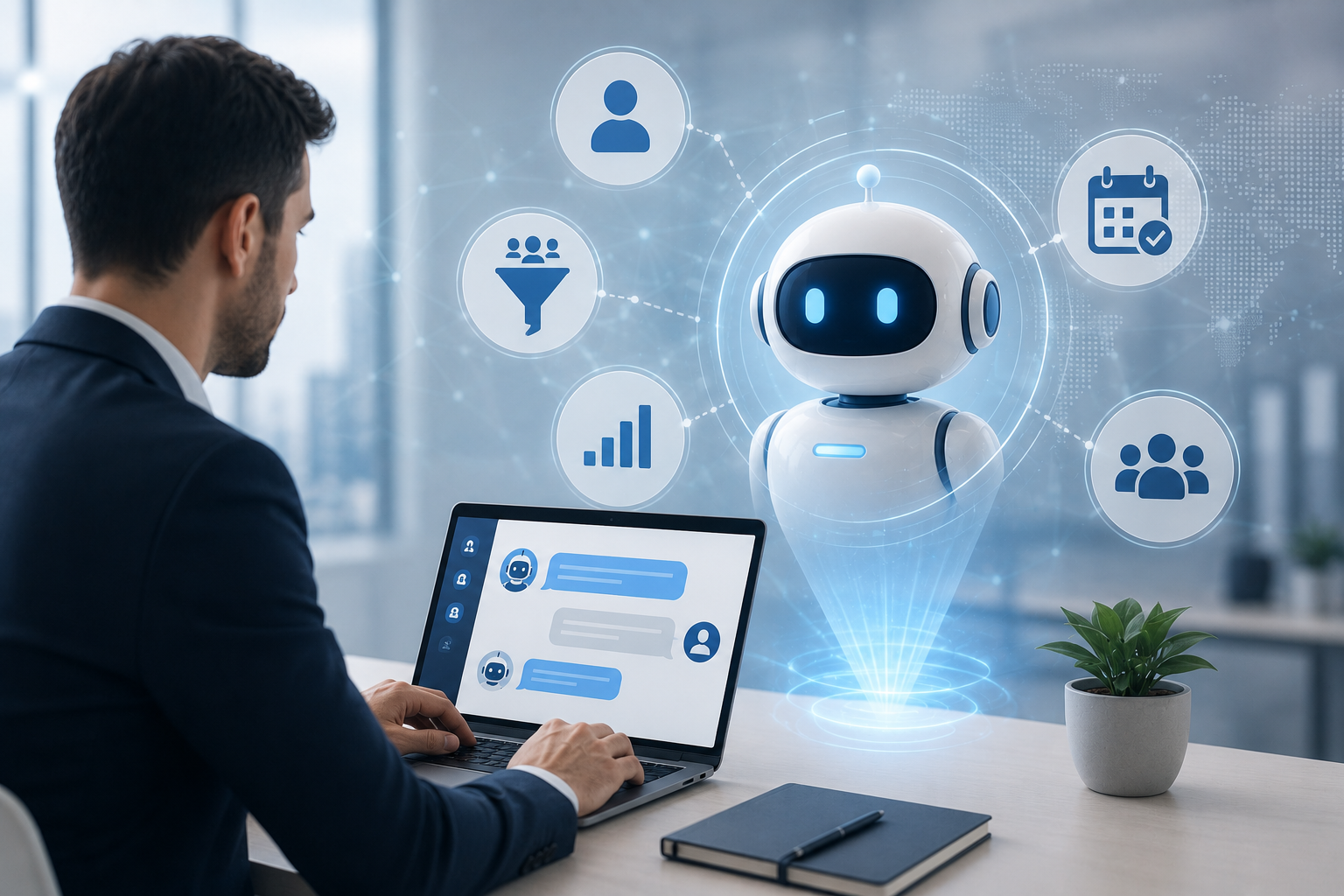
5. AI Chatbots Improved Lead Response Time
Speed matters in marketing and sales.
Before AI automation, leads often waited hours for responses.
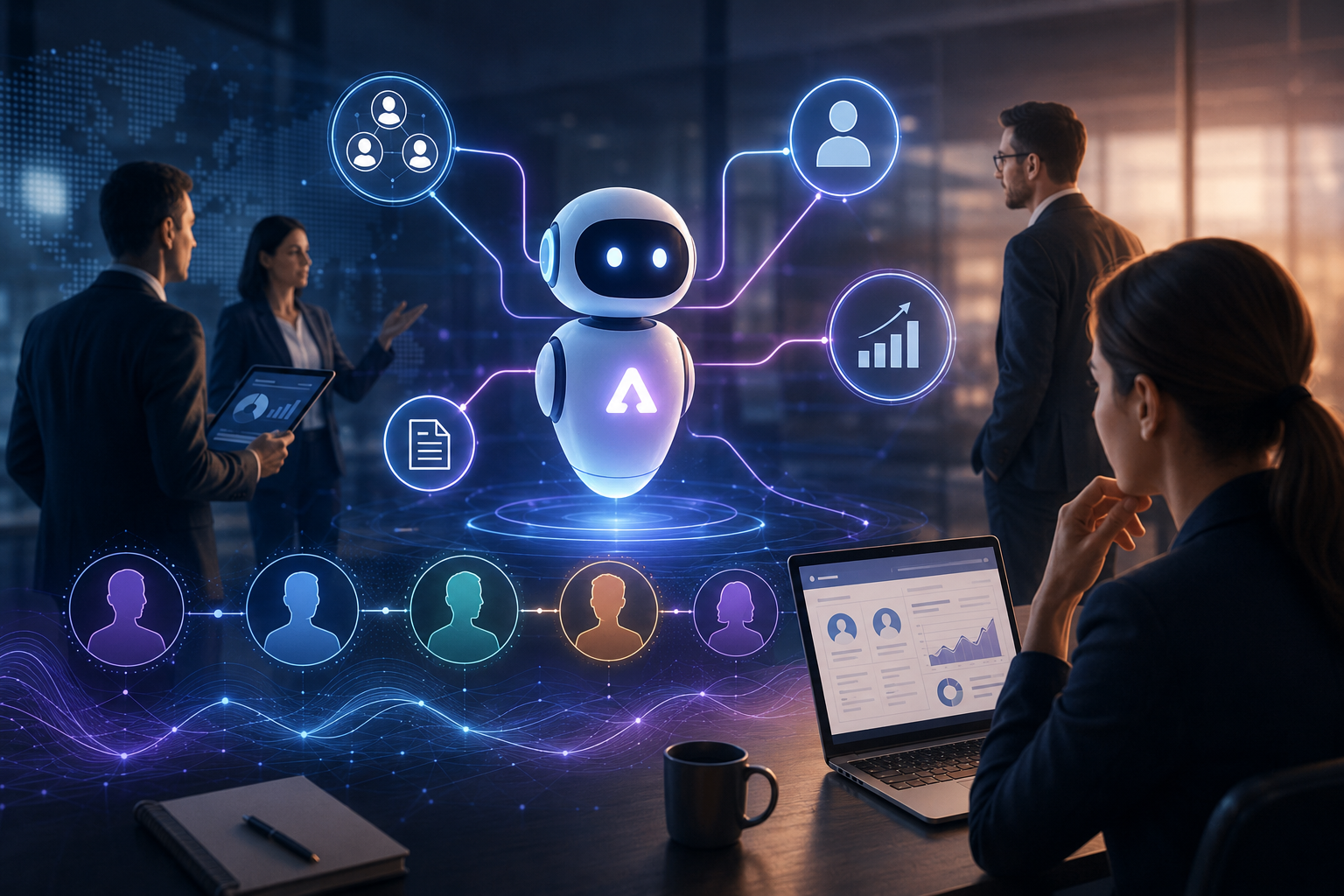
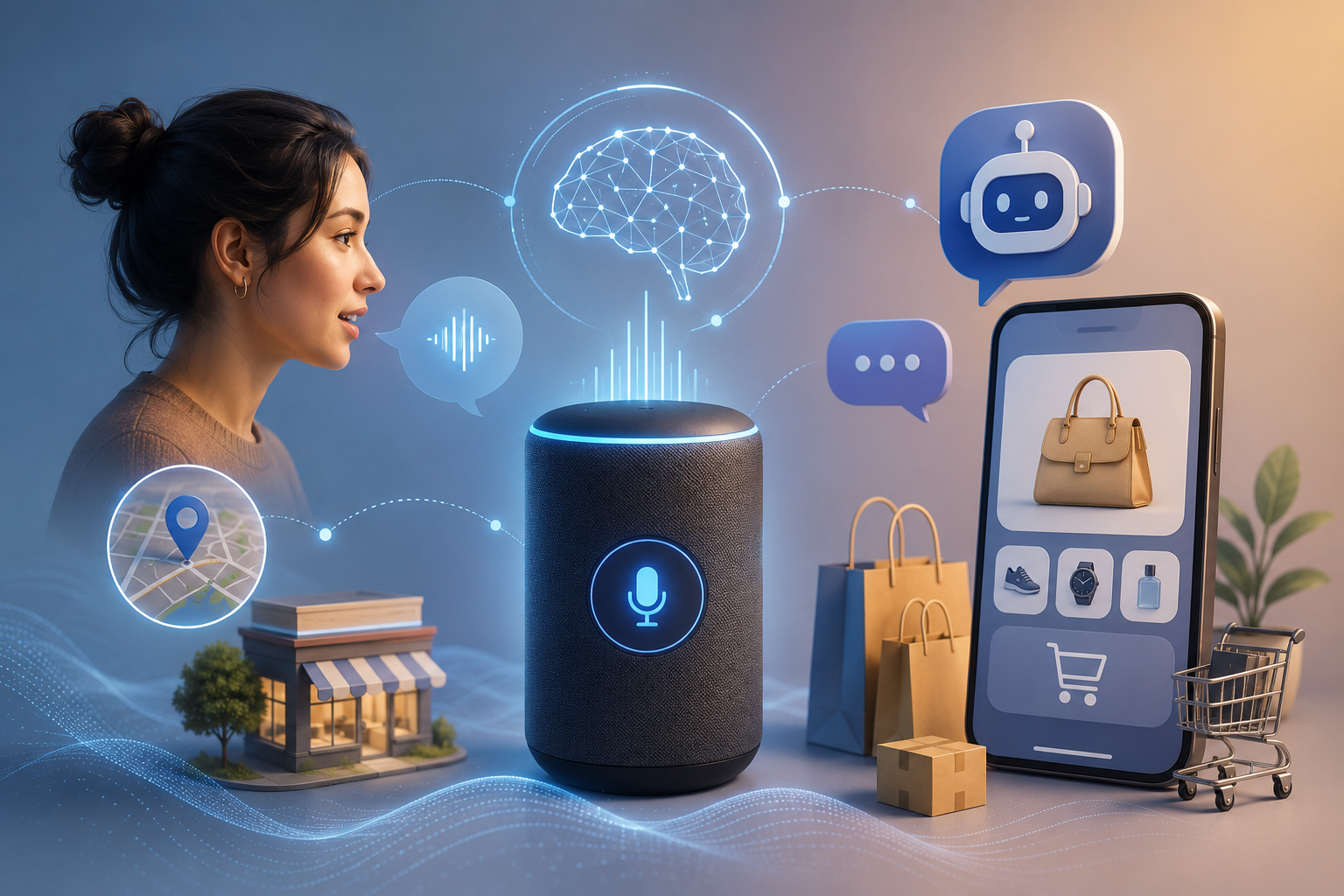
Now AI-powered chatbots:
- Answer common questions instantly
- Qualify leads automatically
- Route conversations to the right department
- Capture customer data 24/7
This significantly improved customer experience while reducing pressure on support and marketing teams.
Human representatives still handle complex conversations, but AI filters and manages routine interactions efficiently.
6. Predictive Analytics Helped Us Make Better Decisions
One of the most powerful uses of AI has been predictive marketing.
AI systems analyze customer behavior patterns to help us:
- Predict churn
- Forecast campaign performance
- Identify high-converting audiences
- Recommend budget allocation
Instead of reacting to performance after campaigns fail, we can now optimize campaigns proactively.
This has improved both marketing efficiency and ROI.
What Still Requires Human Creativity
Despite the automation, humans remain central to our marketing strategy.
AI can accelerate execution, but it cannot fully replace:
- Brand storytelling
- Emotional intelligence
- Strategic decision-making
- Creative direction
- Relationship building
- Cultural understanding
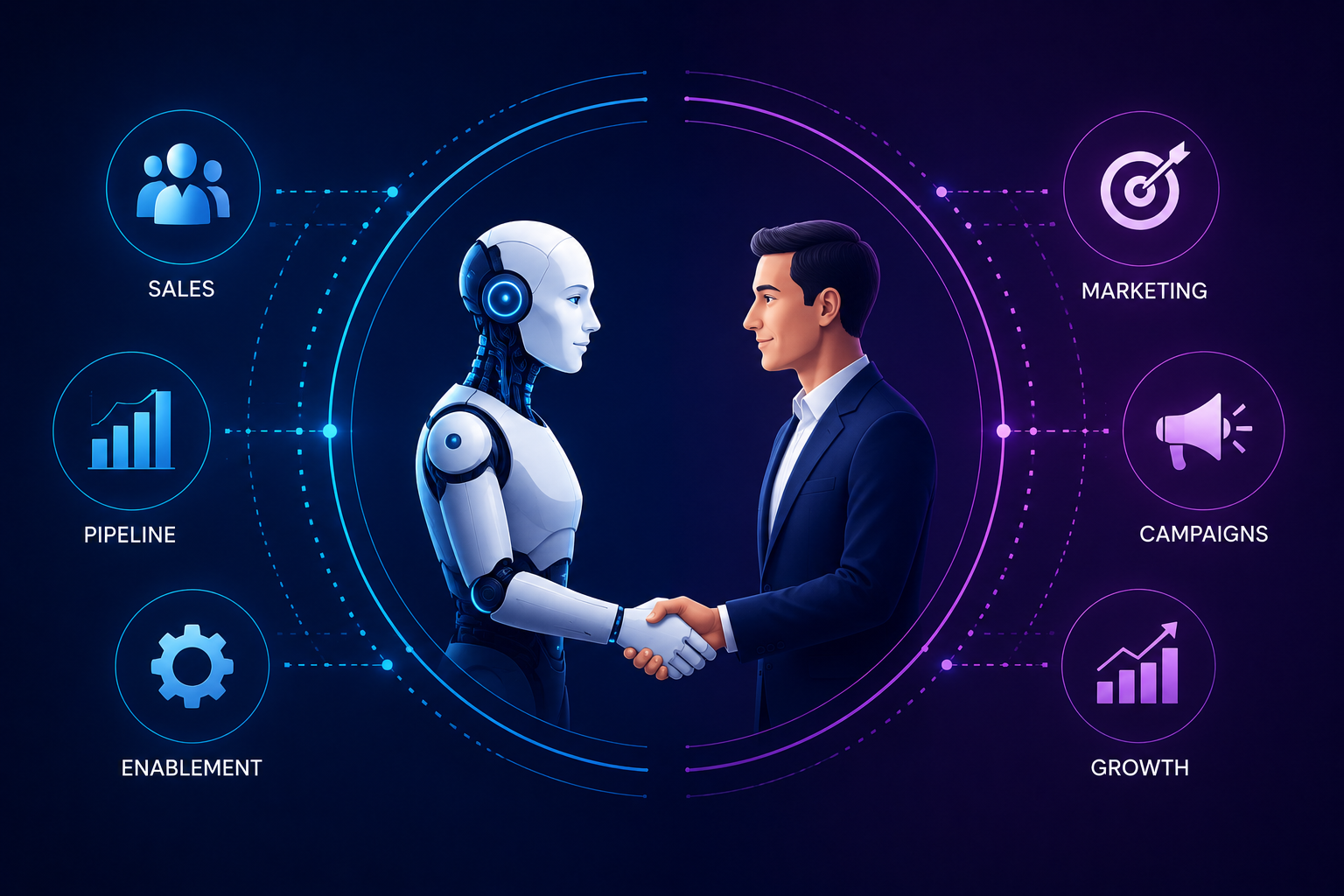
The most successful marketing teams are not replacing humans with AI.
They are combining human creativity with machine efficiency.
Lessons We Learned During AI Adoption
Our AI journey taught us several important lessons:
Start Small
Automating one workflow at a time is more effective than trying to overhaul everything simultaneously.
Focus on Repetitive Tasks First
The biggest wins come from eliminating manual, repetitive work.
Train Teams Properly
AI tools are only effective when teams understand how to use them strategically.
Human Oversight Still Matters
AI-generated content and insights always require review and refinement.
Automation Should Support Creativity
The goal is not to remove humans from marketing. The goal is to remove unnecessary friction.
The Results After One Year
After integrating AI across our marketing operations:
- Roughly 80% of repetitive tasks became automated
- Content production speed nearly doubled
- Reporting time dropped dramatically
- Campaign personalization improved
- Team productivity increased significantly
- Marketing ROI became easier to optimize
Most importantly, our team now spends more time thinking strategically instead of performing repetitive administrative work.
Read Also: AI Search Optimization for B2B Brands