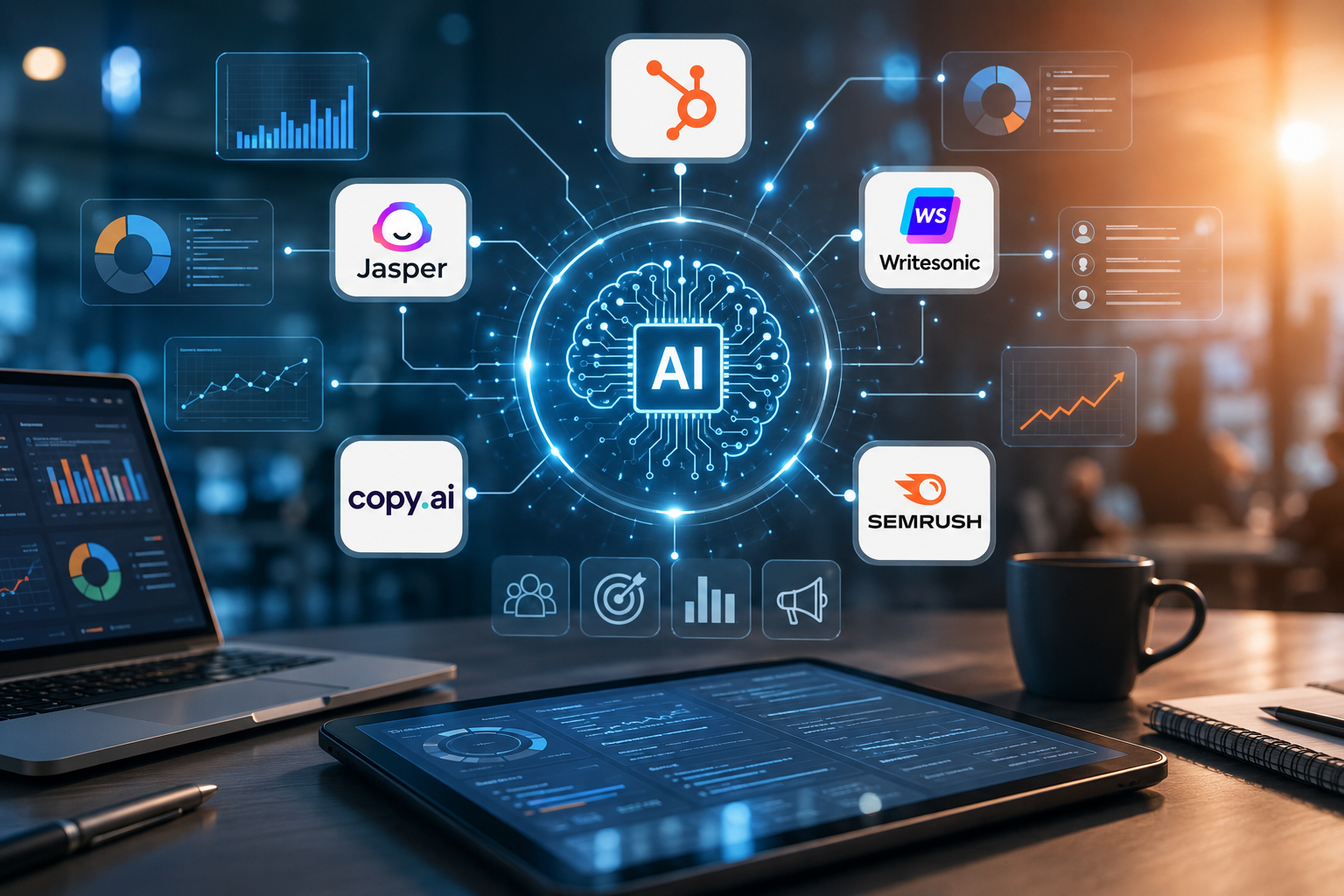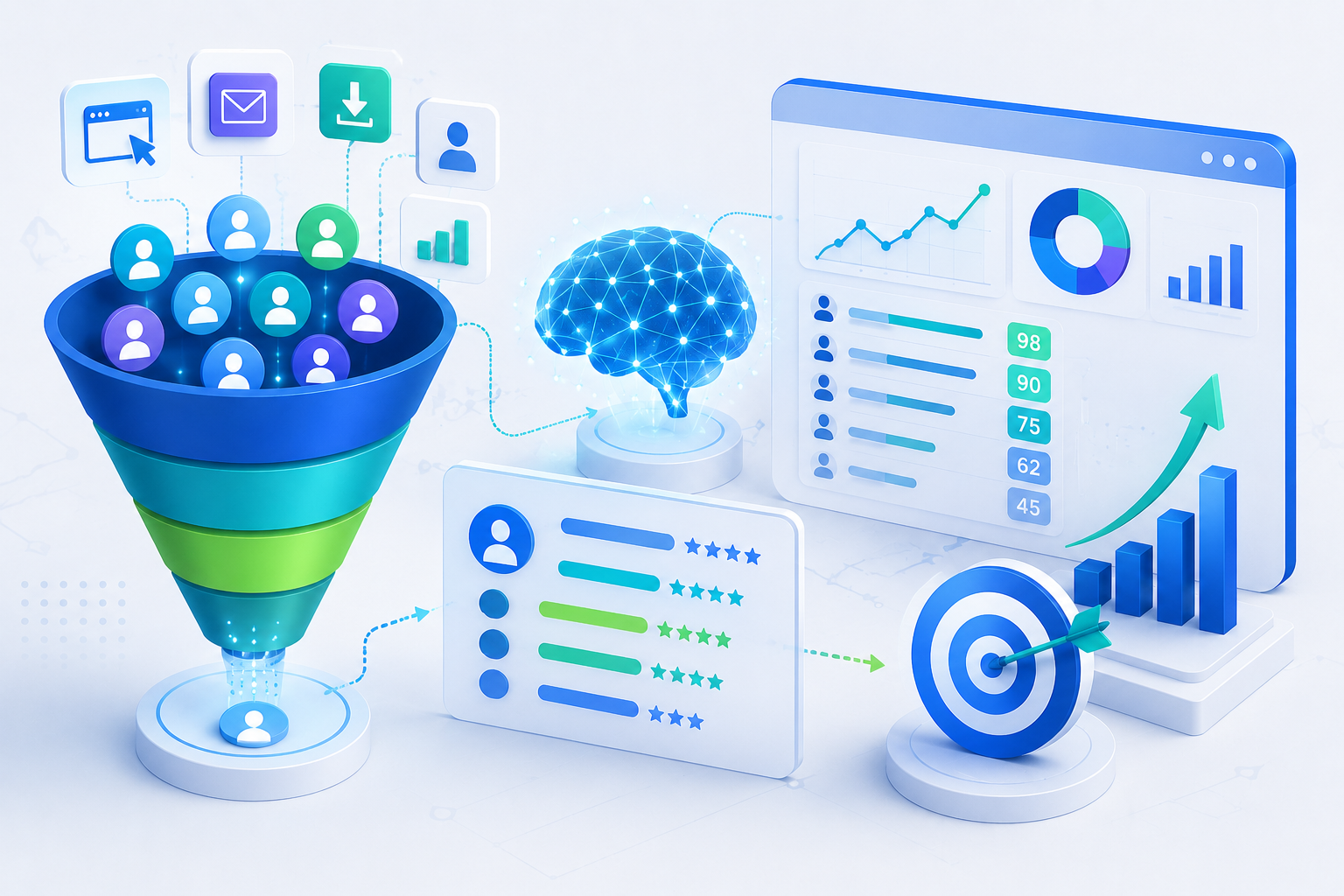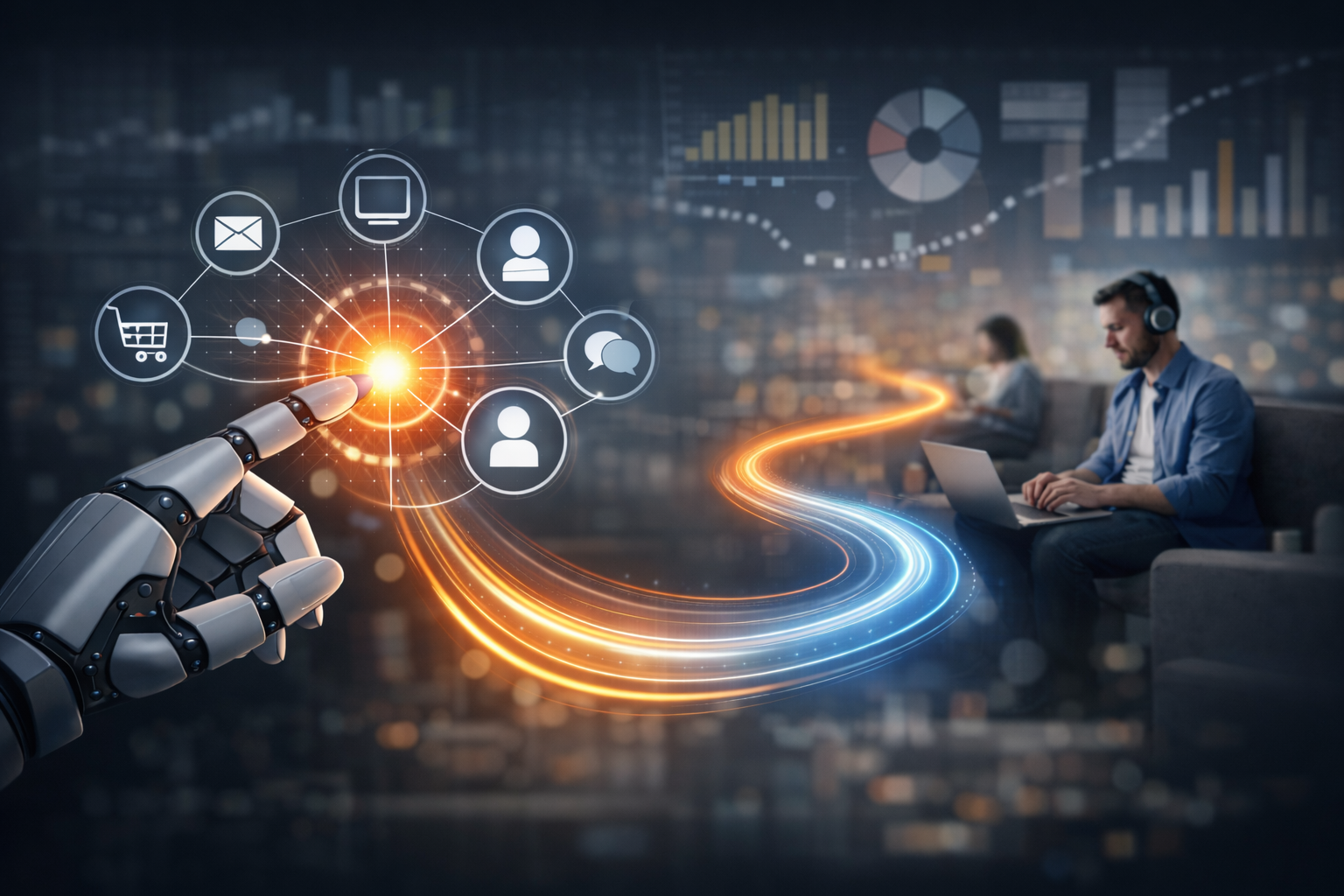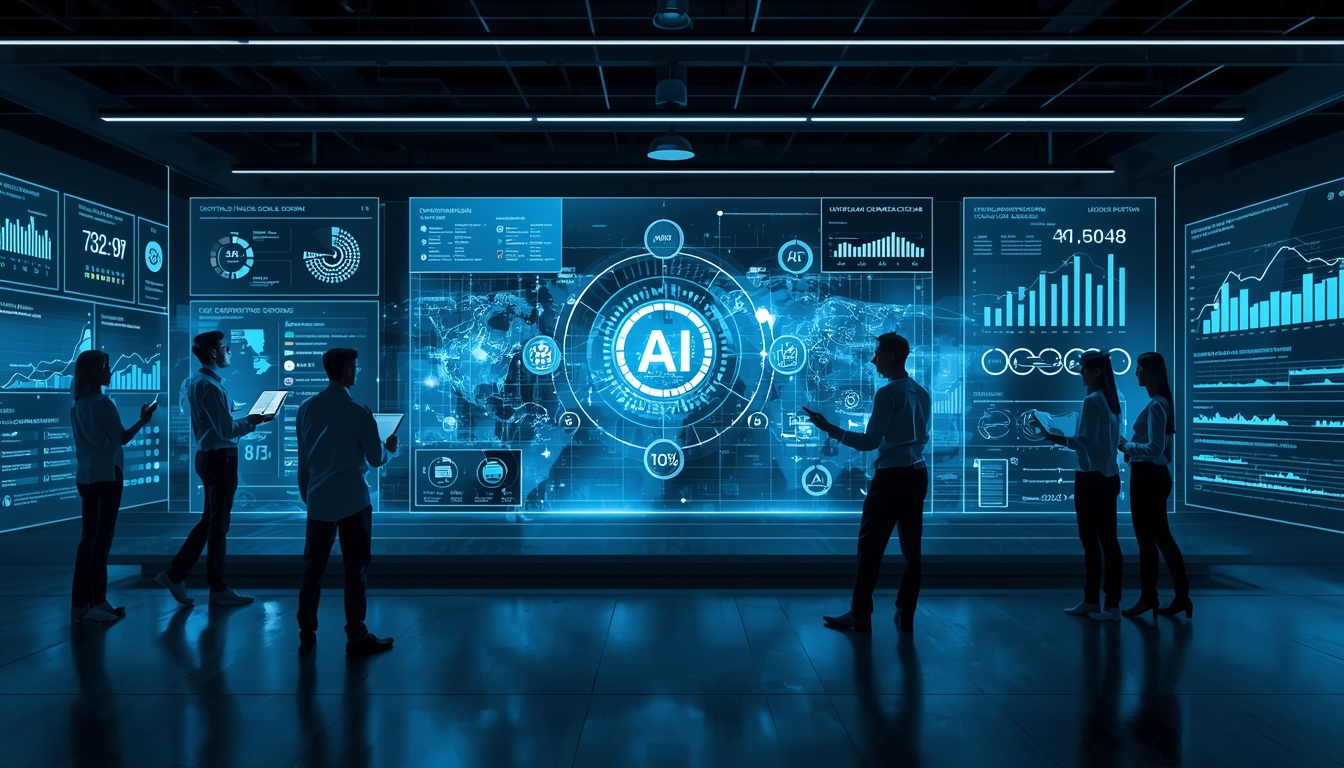

Search engine optimization has always been about adapting to new algorithms, ranking factors, and user behavior. In 2025, artificial intelligence (AI) is no longer just part of the algorithm—it’s shaping the entire SEO ecosystem. From search intent analysis to content creation and personalized results, AI is redefining how websites are discovered and ranked.
1. AI-driven search engines are smarter than ever
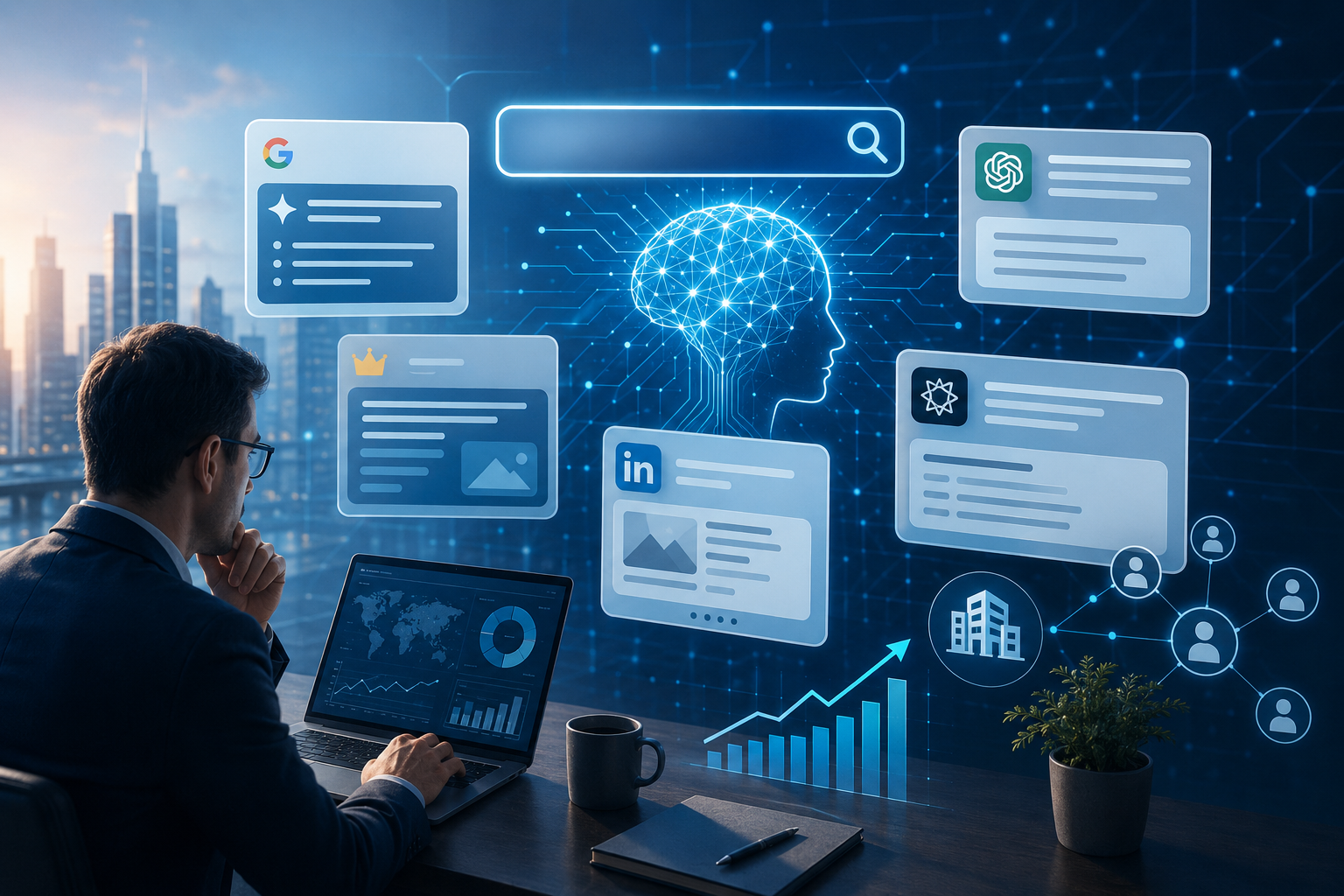
Search engines like Google, Bing, and even emerging AI-native search platforms are leveraging advanced large language models (LLMs). Instead of just matching keywords, they:
- Interpret intent more accurately (even for vague or complex queries).
- Generate answers directly (zero-click searches are growing).
- Blend structured + unstructured data to provide contextual results.
For SEO professionals, this means optimizing for answers, not just rankings. Your content needs to be structured, authoritative, and context-rich.
2. Content creation powered by AI
AI content generation tools are mainstream, but in 2025 the winners are those who:
- Use AI for scale (drafting outlines, FAQs, and schema at speed).
- Add human expertise for credibility, trust, and depth.
- Optimize for E-E-A-T (Experience, Expertise, Authoritativeness, Trustworthiness), since AI alone can’t replace authentic human insights.
Search engines are also improving at detecting low-quality, purely machine-generated content. Hybrid workflows (AI + human editing) dominate.
3. Personalization and dynamic search results
AI makes search hyper-personalized:
- Search results vary more based on user behavior, history, and preferences.
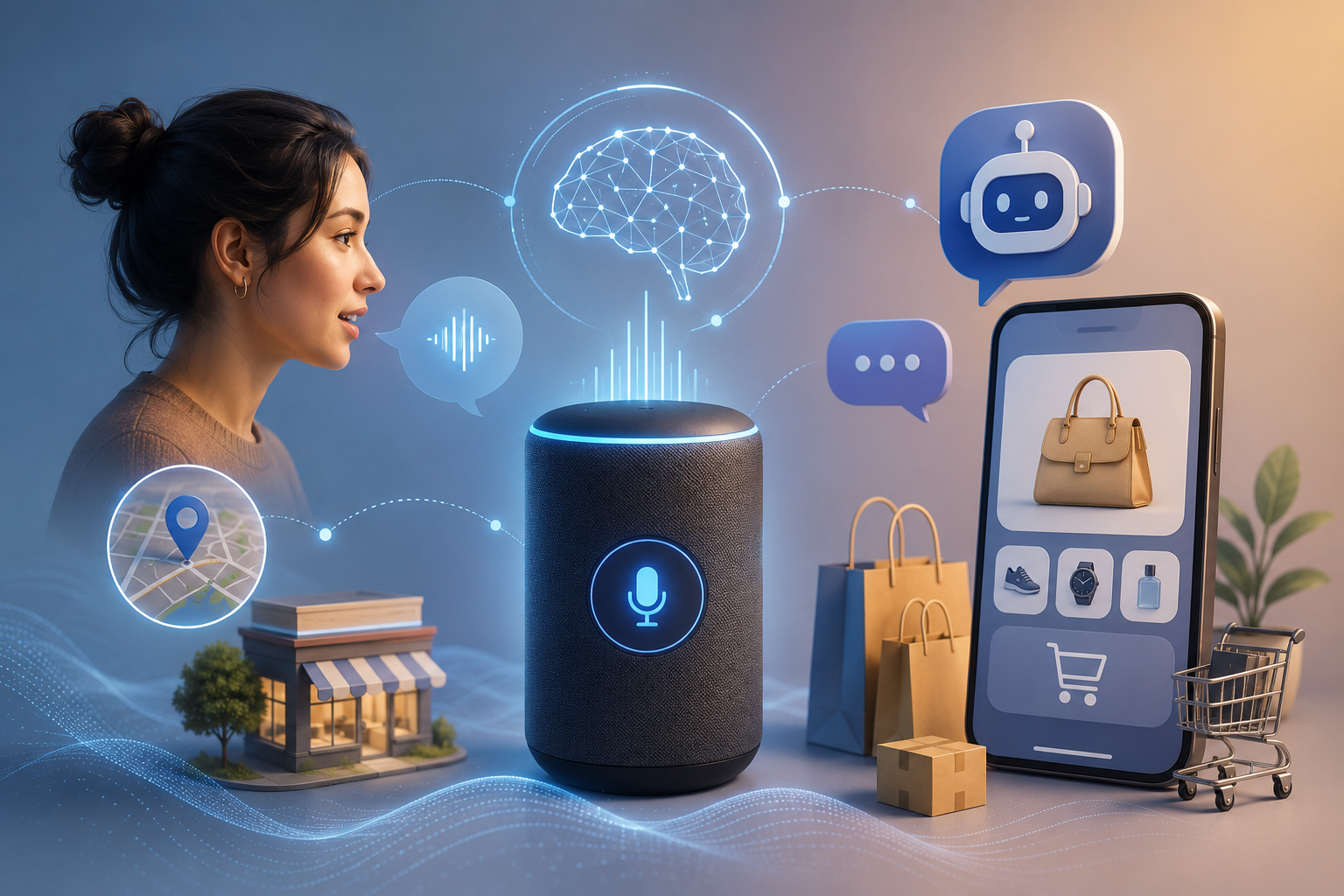
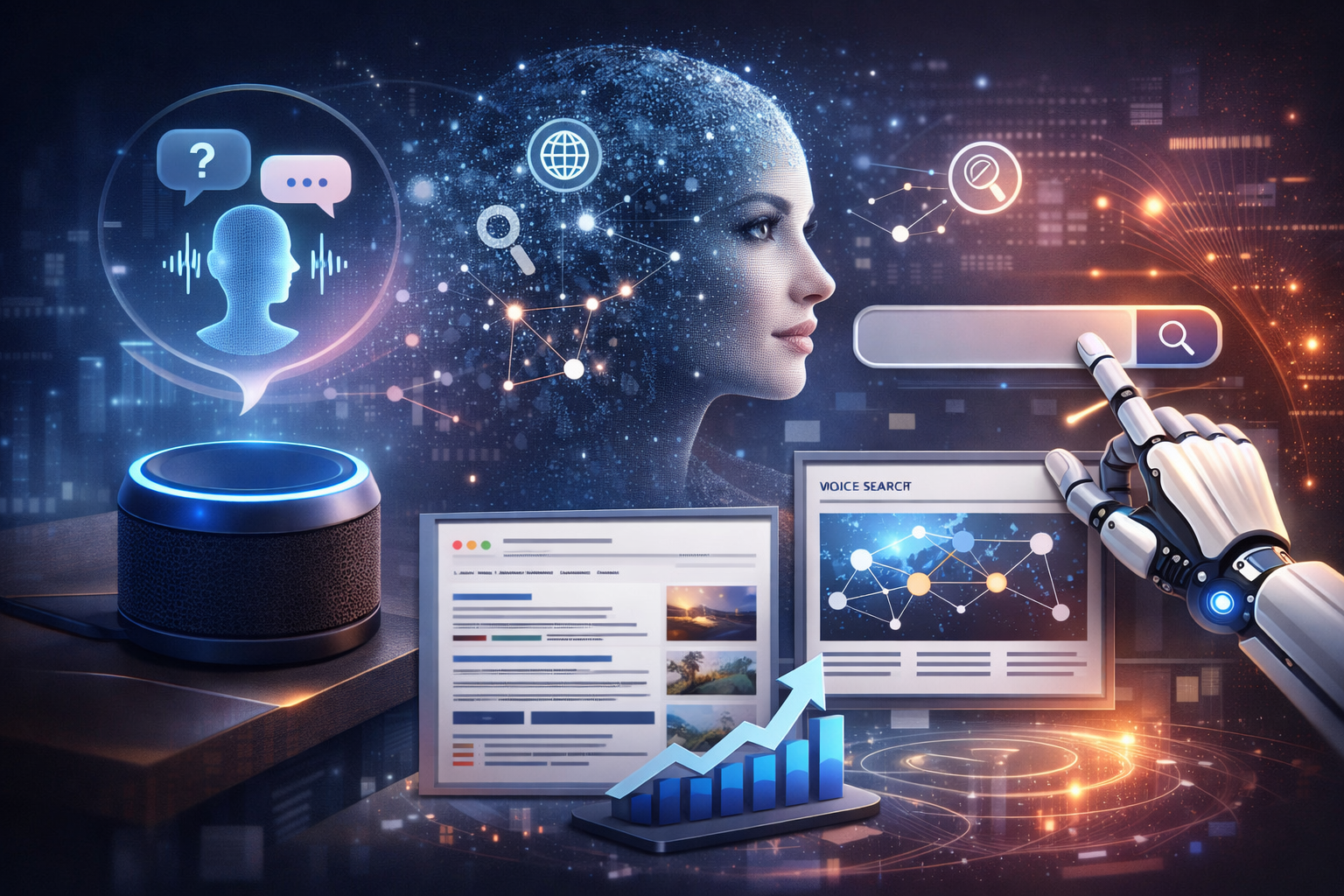
- Voice and visual search powered by AI computer vision and NLP are mainstream.
- Local and contextual factors (time, device, location) carry more weight than ever.
SEO in 2025 means optimizing not just for “the keyword” but for audience segments, search contexts, and modalities.
4. Predictive SEO with AI insights
AI tools now:
- Forecast trending topics before they spike.
- Suggest keyword opportunities from real-time data.
- Model how algorithm updates may affect rankings.
Instead of reactive strategies, brands are using predictive SEO to stay ahead of competitors.
5. Technical SEO enhanced by AI
AI isn’t just about content—it’s transforming site audits and optimization:
- Automated crawlers flag indexing, schema, and accessibility issues.
- AI tools recommend fixes and even generate optimized code snippets.
- Real-time monitoring helps prevent SEO issues before they impact rankings.
The SEO role is shifting from manual checks to strategic oversight of AI-driven automation.
6. Ethical and compliance challenges
AI-driven SEO raises new ethical considerations:
- Over-automation risks: flooding the web with low-value content.
- Data privacy laws: tighter regulations on tracking and personalization.
- Transparency: users want to know if content is AI-assisted.
Brands that balance AI efficiency with authenticity will build long-term trust.
Key Takeaways
- AI is deeply integrated into search engines and SEO tools in 2025.
- SEO strategies must evolve toward intent, context, and trust over raw keywords.
- Hybrid AI + human workflows are the new gold standard.
- Predictive, personalized, and ethical SEO practices are winning the rankings.
Final Word
AI isn’t killing SEO—it’s transforming it. Success in 2025 means embracing AI as a strategic partner, not a replacement for human expertise. The future belongs to teams who combine data-driven insights with creativity and authenticity.
Read Also: Top Trends in Marketing Automation (2025)