
The marketing technology (Martech) landscape has evolved rapidly over the past decade. Organizations now leverage sophisticated platforms for customer relationship management, personalization, analytics, advertising, automation, and customer engagement. While these technologies enable businesses to deliver highly targeted and personalized experiences, they also raise significant concerns regarding data privacy.
Consumers today are more aware of how their personal information is collected, stored, and used. At the same time, governments worldwide have introduced stricter regulations to protect individual privacy rights. As a result, organizations face growing pressure to balance effective marketing strategies with responsible data management practices.
This blog explores the key data privacy challenges in modern Martech and discusses strategies organizations can adopt to build trust while remaining compliant.
The Growing Importance of Data Privacy in Martech
Modern Martech platforms rely heavily on data to understand customer behavior, predict preferences, and optimize marketing campaigns. Data points such as browsing history, purchase behavior, location information, device usage, and social interactions help marketers create personalized experiences.
However, the extensive collection and processing of personal data can lead to concerns such as:
- Unauthorized data collection
- Lack of transparency
- Data breaches
- Consumer mistrust
- Regulatory violations
As privacy expectations increase, organizations must treat data privacy not merely as a compliance requirement but as a core component of customer experience.
Major Data Privacy Challenges in Modern Martech
1. Managing Customer Consent
One of the most significant challenges is obtaining and managing user consent effectively. Consumers increasingly expect organizations to clearly explain:
- What data is being collected
- Why it is being collected
- How it will be used
- Who will have access to it
Many organizations struggle with maintaining accurate consent records across multiple marketing channels, including websites, mobile apps, email campaigns, and social media platforms.
Key Risks:
- Incomplete consent records
- Consent fatigue among users
- Inconsistent consent management across systems
2. Third-Party Data Dependency
For years, marketers have relied on third-party data sources to enhance audience targeting and campaign performance. However, growing privacy concerns and regulatory changes have reduced the availability of such data.
The deprecation of third-party cookies by major browsers has forced organizations to rethink their data strategies. Companies now face challenges in maintaining personalization and attribution capabilities without extensive third-party tracking.
Key Risks:
- Reduced audience visibility
- Lower targeting precision
- Difficulty measuring campaign effectiveness
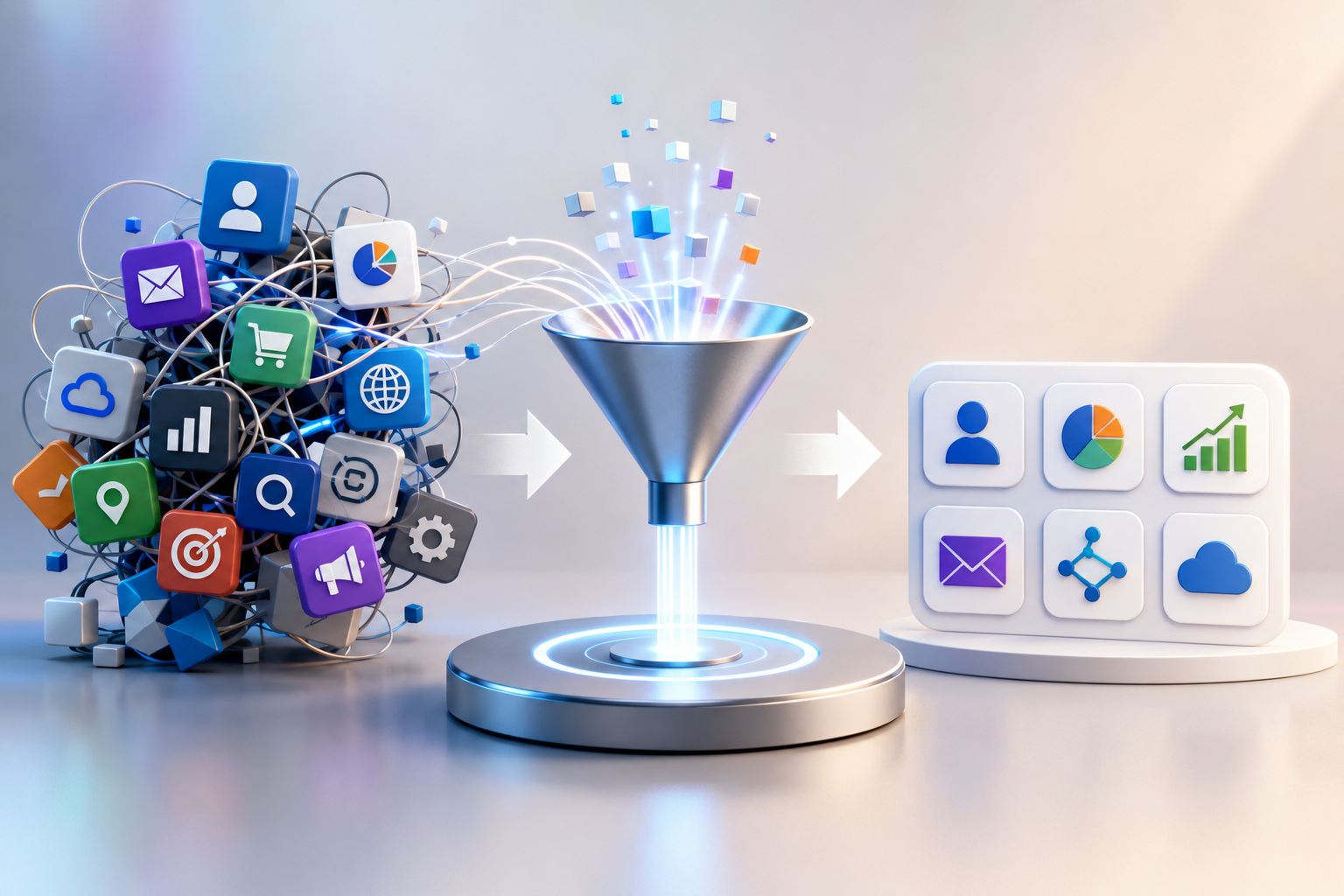
3. Data Silos Across Martech Platforms
The average organization uses numerous Martech tools for customer relationship management, email marketing, analytics, advertising, content management, and customer support.
When these systems operate independently, customer information becomes fragmented across multiple platforms. This creates difficulties in:
- Tracking consent preferences
- Maintaining data accuracy
- Responding to customer privacy requests
- Ensuring consistent data governance
Key Risks:
- Duplicate customer records
- Inconsistent privacy controls
- Increased compliance complexity
4. Regulatory Compliance Complexity
Data privacy regulations continue to evolve across different regions and jurisdictions. Organizations operating globally must navigate varying legal requirements regarding:
- Data collection
- Storage practices
- Cross-border transfers
- Consumer rights
- Breach notification procedures
Compliance becomes particularly challenging when customer data is processed through multiple vendors and cloud-based Martech platforms.
Key Risks:
- Regulatory penalties
- Legal liabilities
- Operational disruptions
5. Data Security and Breach Risks
Martech ecosystems often involve large volumes of sensitive customer information distributed across multiple systems and vendors. Each integration introduces potential security vulnerabilities.
Cybercriminals increasingly target marketing databases because they contain valuable personal information that can be exploited for fraud, phishing, or identity theft.
Common Threats:
- Unauthorized access
- API vulnerabilities
- Misconfigured cloud environments
- Insider threats
- Ransomware attacks
A single breach can significantly damage customer trust and brand reputation.
6. Balancing Personalization and Privacy
Consumers appreciate relevant and personalized experiences, but they also expect privacy and control over their data.
This creates a delicate balance for marketers. Excessive personalization can feel intrusive, causing customers to question how much information a company possesses about them.
Challenges Include:
- Avoiding “creepy” personalization
- Respecting user preferences
- Limiting unnecessary data collection
- Maintaining transparency
Organizations must adopt a privacy-first approach while still delivering meaningful customer experiences.
7. Vendor and Third-Party Risk Management
Modern Martech stacks often include dozens of vendors, each with access to varying levels of customer data.
Organizations remain accountable for customer information even when third-party providers process that data. Ensuring that vendors follow appropriate privacy and security standards is a significant challenge.
Key Concerns:
- Inadequate vendor security practices
- Unclear data-sharing agreements
- Insufficient oversight
- Cross-border data transfer issues
Regular vendor assessments and contractual safeguards are essential for mitigating these risks.
Emerging Privacy Trends Shaping Martech
First-Party Data Strategies
As third-party tracking declines, organizations are increasingly focusing on collecting data directly from customers through:
- Loyalty programs
- Customer portals
- Surveys
- Subscription services
- Interactive content
First-party data is generally more reliable, transparent, and privacy-compliant.
Privacy-Enhancing Technologies (PETs)
Organizations are adopting technologies that enable data analysis while minimizing privacy risks, including:
- Data anonymization
- Differential privacy
- Secure data clean rooms
- Encryption technologies
- Federated learning
These solutions help organizations derive insights without exposing sensitive information.
Privacy by Design
Privacy considerations are increasingly being integrated into Martech implementations from the beginning rather than added later as compliance fixes.
This approach ensures that privacy protections are embedded into:
- Product development
- Marketing workflows
- Data governance processes
- Technology procurement decisions
Best Practices for Addressing Martech Privacy Challenges
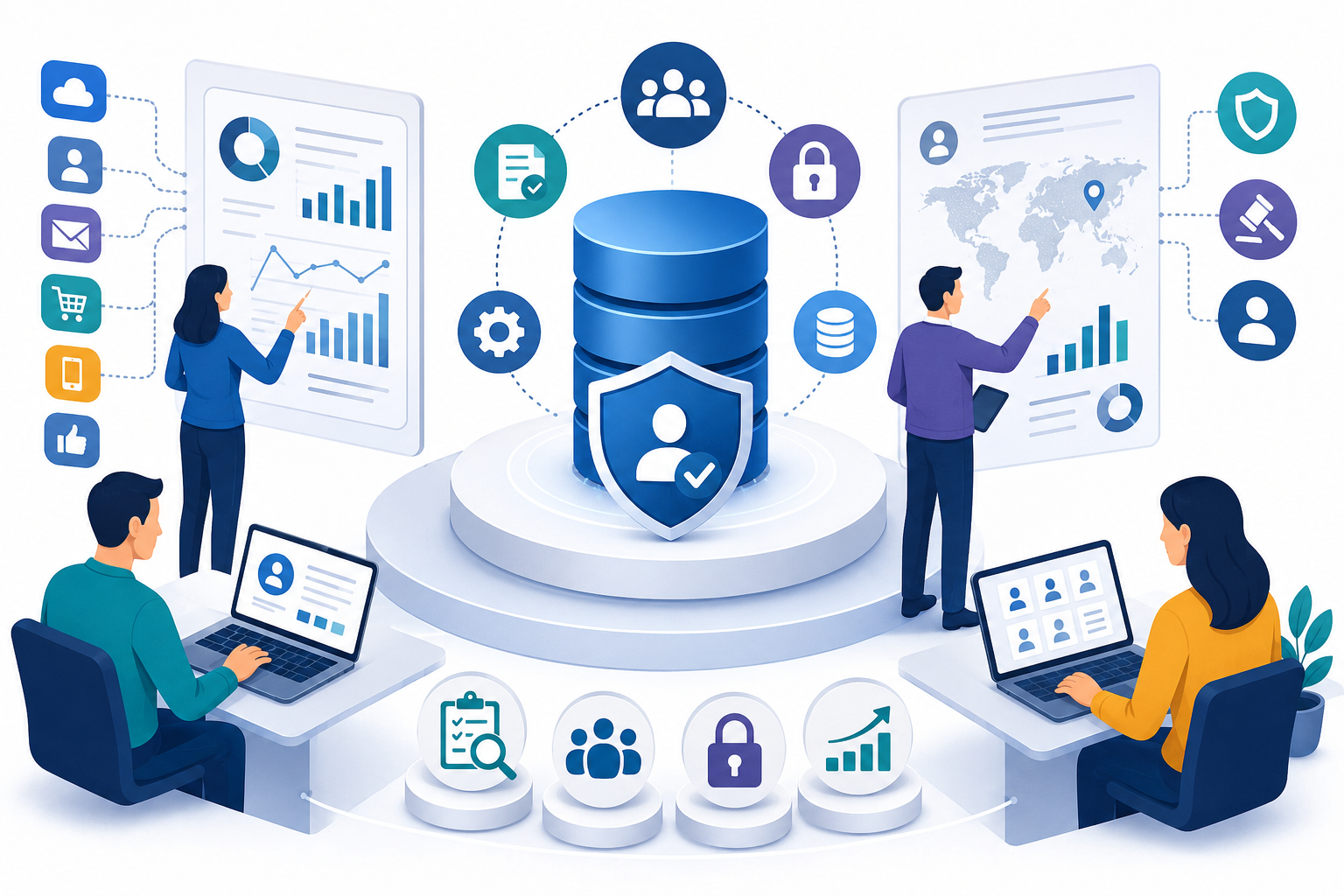
1. Build a Strong Data Governance Framework
Organizations should establish clear policies for:
- Data collection
- Access management
- Retention periods
- Data sharing
- Incident response
2. Prioritize Transparency
Provide customers with clear, understandable privacy notices and consent options. Transparency builds trust and strengthens customer relationships.
3. Adopt Data Minimization
Collect only the information necessary to achieve specific business objectives. Reducing unnecessary data lowers both privacy and security risks.
4. Conduct Regular Privacy Audits
Periodic assessments help identify compliance gaps, security vulnerabilities, and outdated data management practices.
5. Strengthen Vendor Oversight
Evaluate third-party providers based on:
- Security certifications
- Compliance standards
- Data handling practices
- Incident response capabilities
6. Invest in Employee Training
Human error remains a leading cause of privacy incidents. Regular training ensures employees understand their responsibilities regarding customer data.