
In the ever-evolving landscape of digital marketing, Search Engine Optimization (SEO) remains a cornerstone of online visibility. However, as Artificial Intelligence (AI) becomes increasingly integrated into search technologies, the rules of SEO are undergoing a fundamental transformation. From content creation to user intent modeling, AI is reshaping how search engines work—and how businesses must adapt to remain competitive.
1. AI’s Impact on Search Engine Algorithms
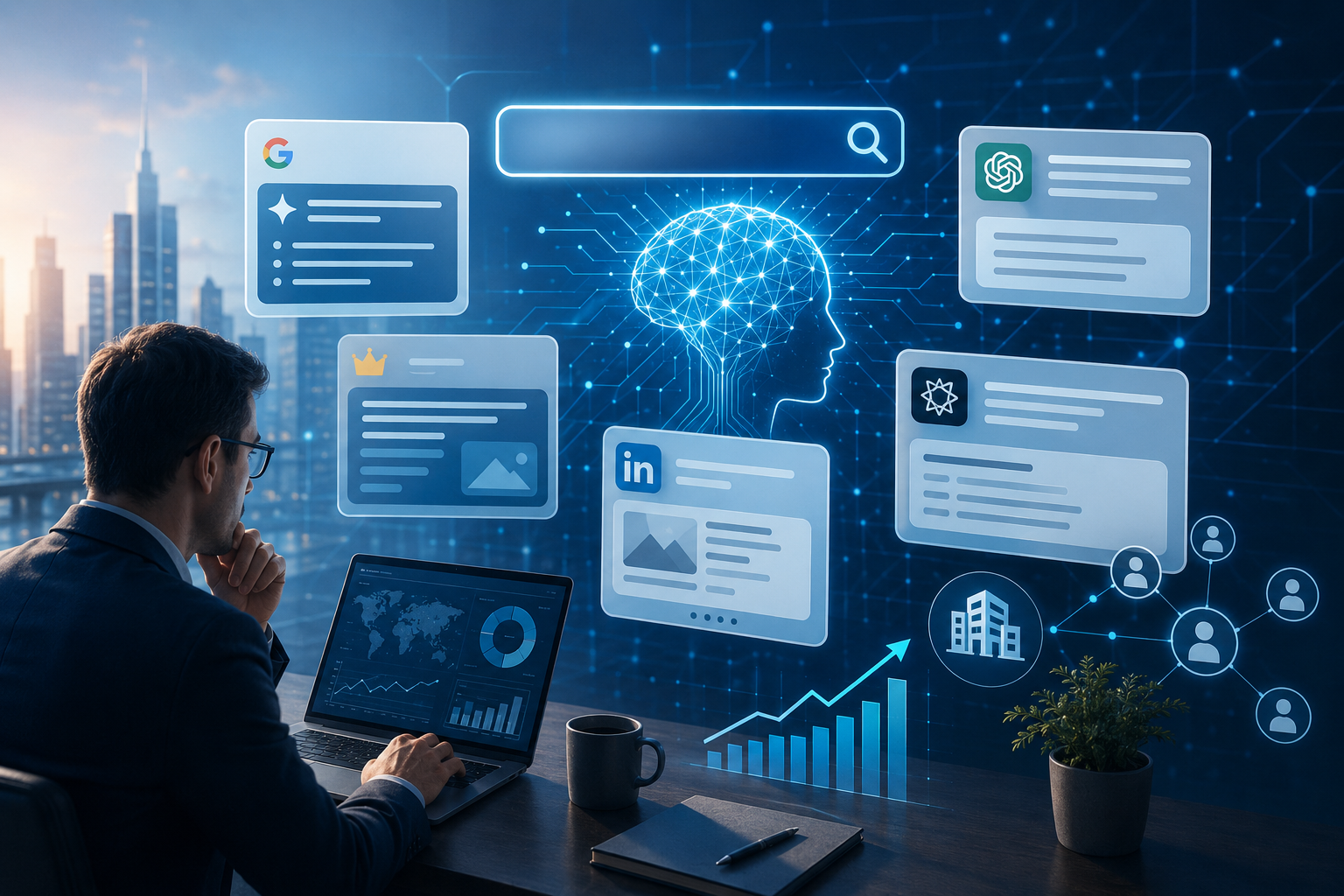
Modern search engines like Google, Bing, and emerging AI-native platforms are now powered by sophisticated AI models. Google’s RankBrain, BERT, and MUM are prime examples. These models analyze queries not just by keywords but by understanding natural language and semantic context.
This means:
- Keyword stuffing is obsolete.
- Context, relevance, and intent are more important than ever.
- AI can interpret voice, image, and multimodal queries with increasing precision.
What This Means for SEO:
- SEO strategies must evolve from keyword optimization to topic clustering and semantic SEO.
- Content creators need to focus on user intent and query satisfaction, not just word count.
2. AI-Generated Content: Friend or Foe?
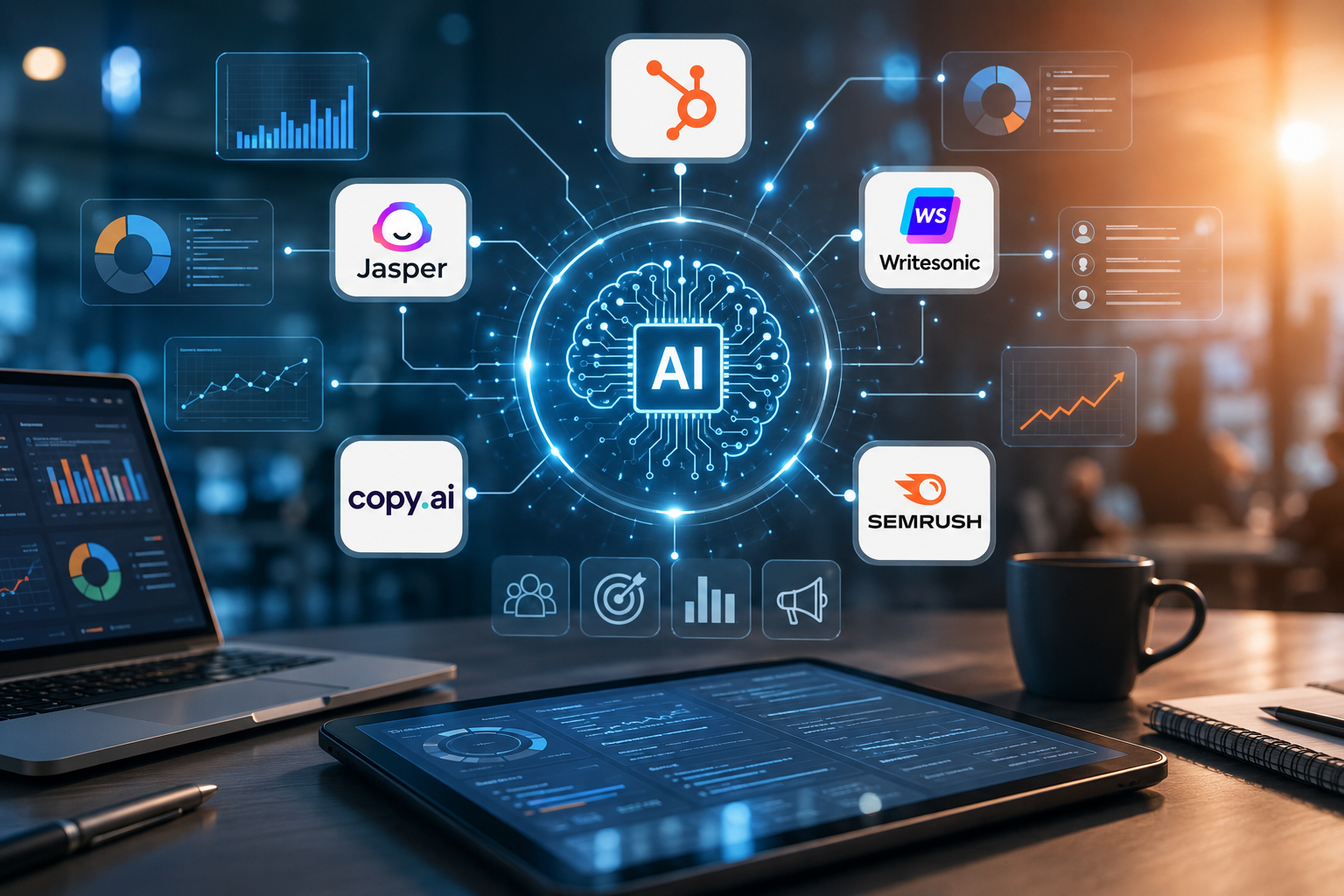
AI tools like ChatGPT, Jasper, and others can now generate entire blog posts, product descriptions, and metadata. While this revolutionizes content scalability, it also raises concerns about content originality, quality, and search penalties.
How to Stay Ahead:
- Use AI for ideation and drafting, but always apply human oversight.
- Combine AI efficiency with editorial integrity, brand voice, and EEAT principles (Experience, Expertise, Authoritativeness, Trustworthiness).
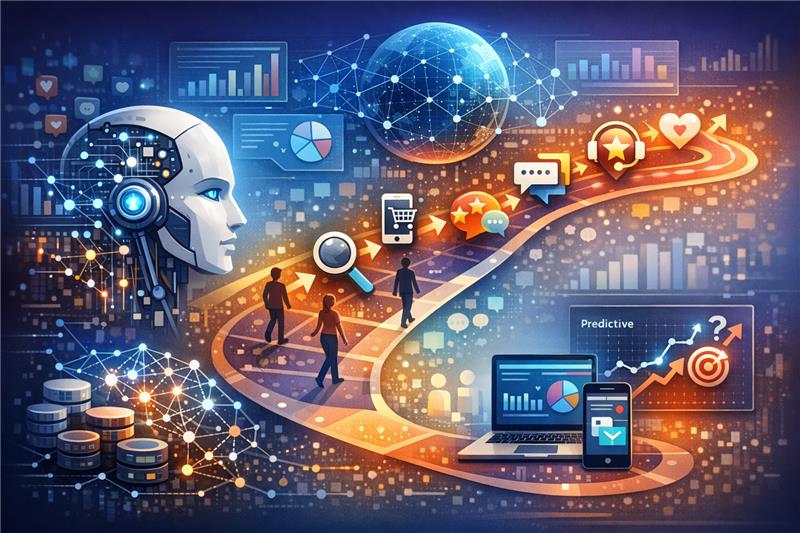
3. Personalized and Predictive Search
AI enables hyper-personalized search experiences. Search engines increasingly factor in:
- User behavior
- Location
- Device type
- Search history
- Social signals
As a result, two users searching the same query may get different results.
SEO Implications:
- Local and mobile SEO become crucial.
- Structured data and schema markup help AI understand and surface your content.
- Brands must develop persona-based content strategies to align with varying user needs.
4. The Rise of Voice and Visual Search
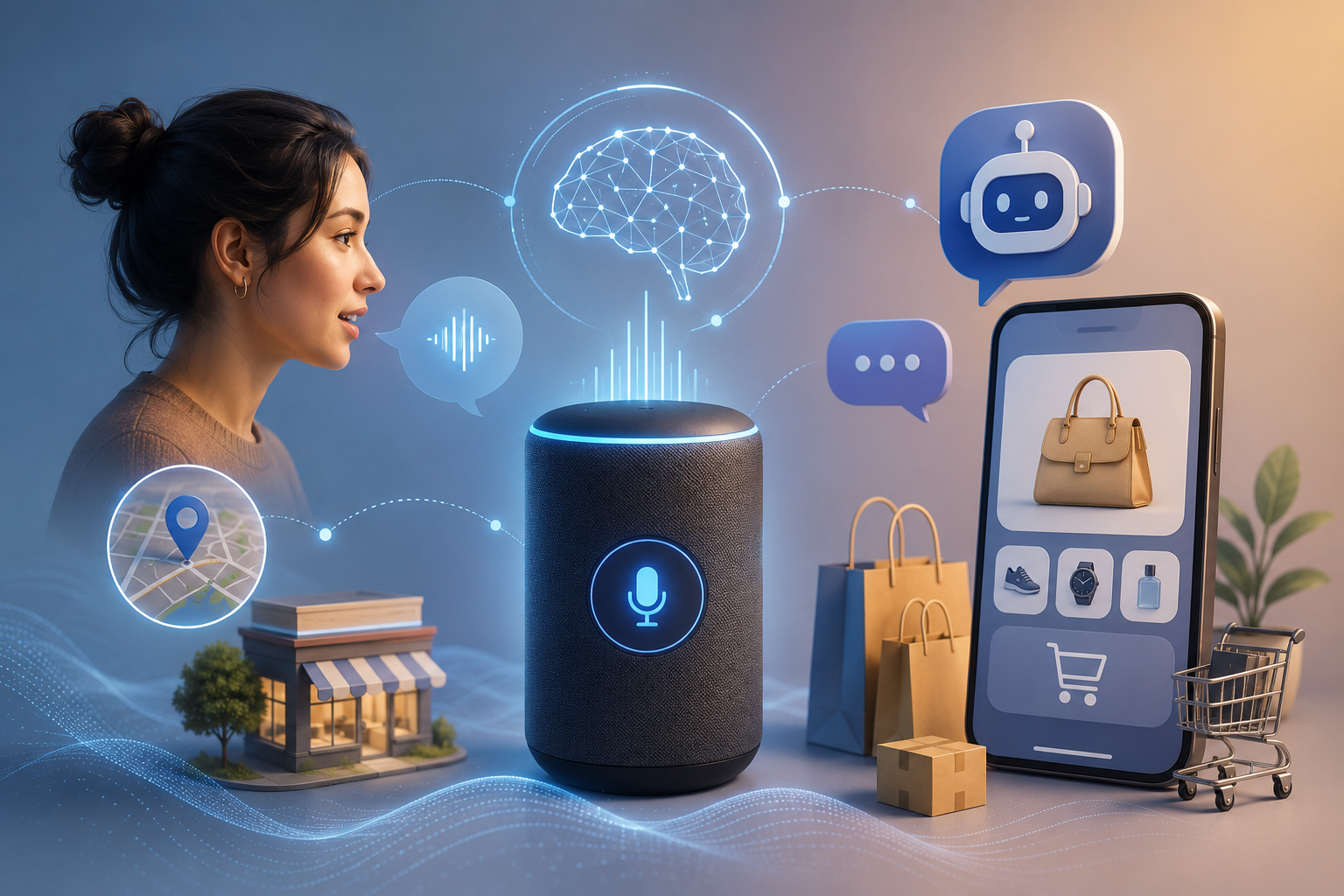
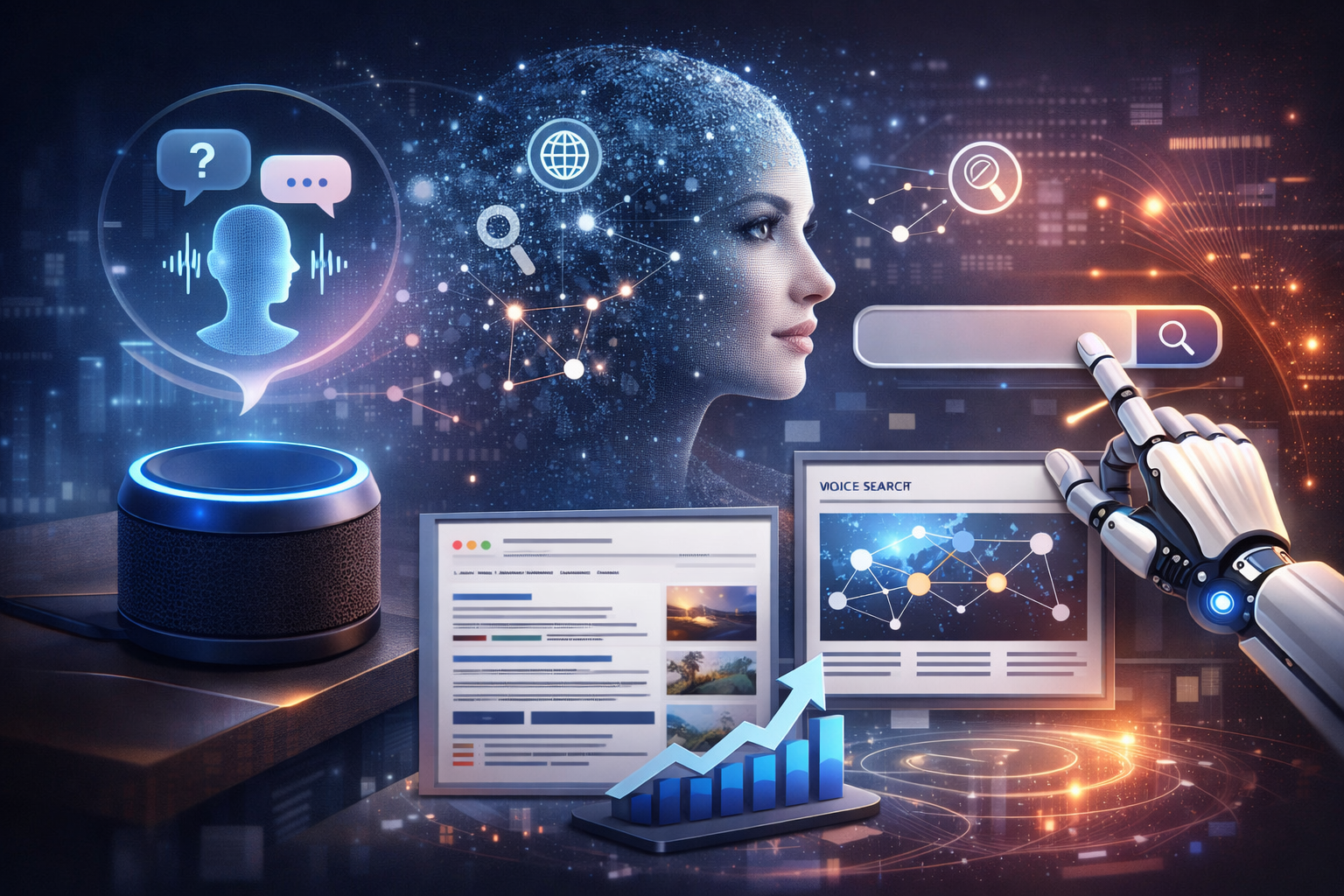
With the proliferation of voice assistants (Alexa, Siri, Google Assistant) and visual platforms (Google Lens, Pinterest), search is no longer text-only. AI enables these searches to understand context and deliver accurate results.
How to Optimize:
- Focus on conversational queries for voice search (long-tail, natural language).
- Implement image SEO: alt tags, file names, image compression, and visual schema.
- Use FAQs, How-Tos, and featured snippet strategies.
5. AI-Powered Search Engines: A New Paradigm
AI-native search engines like Perplexity AI, You.com, and even ChatGPT’s web browsing capabilities mark a shift from traditional indexing models to generative answer engines.
These platforms:
- Aggregate and summarize content in real-time.
- Prioritize relevance over ranking.
- May reduce click-through rates to original websites.
Strategies to Adapt:
- Create content that is citable, data-rich, and authoritative.
- Monitor emerging platforms and optimize for new SERP layouts.
- Focus on brand building and direct traffic, not just organic ranking.
6. AI in Technical SEO
AI is streamlining technical SEO tasks, such as:
- Log file analysis
- Crawl optimization
- Site architecture recommendations
- Core Web Vitals monitoring
AI tools can quickly diagnose issues, predict impact, and suggest solutions—saving SEOs countless hours.
7. Ethical Considerations and Algorithm Transparency
With AI’s growing influence, issues of bias, algorithm transparency, and content authenticity become central. As search engines evolve, so too must regulations and ethical standards to ensure fair access and accountability.
Conclusion
The fusion of AI and SEO represents both an opportunity and a challenge. Success in this new era requires a shift from mechanical tactics to strategic, human-centered approaches that prioritize quality, relevance, and user satisfaction.
The future belongs to those who understand not just how search works, but why people search—and how AI helps bridge the gap.
Read Also: The Role of Circular Economy Models in B2B Industries