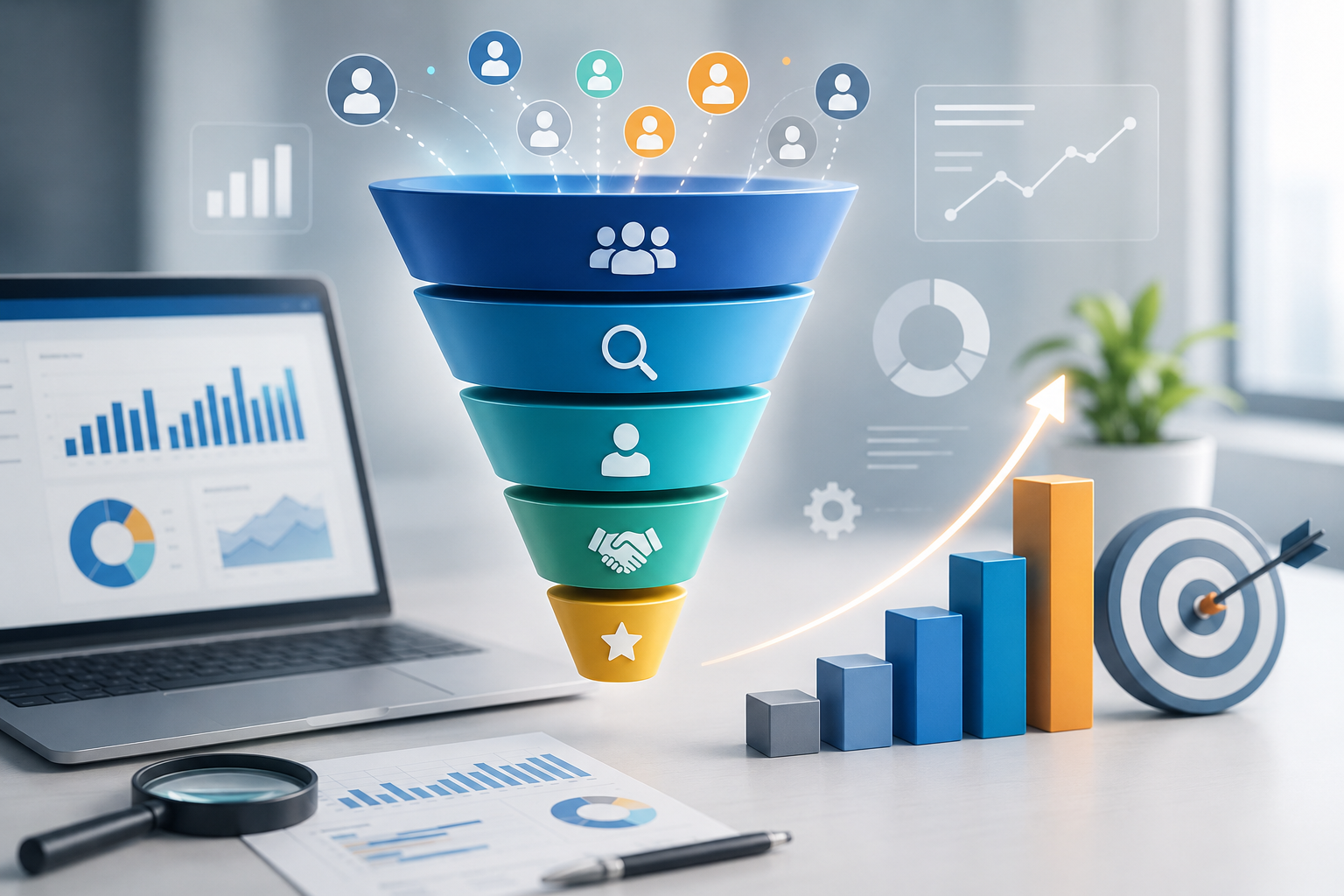

In today’s highly competitive B2B landscape, finding the right prospects is no longer just about building a large database—it’s about identifying the accounts that are most likely to convert. Traditional account identification relied on firmographic data such as company size, industry, and location. While these metrics remain valuable, they often fail to capture buyer intent, business priorities, and evolving market dynamics.
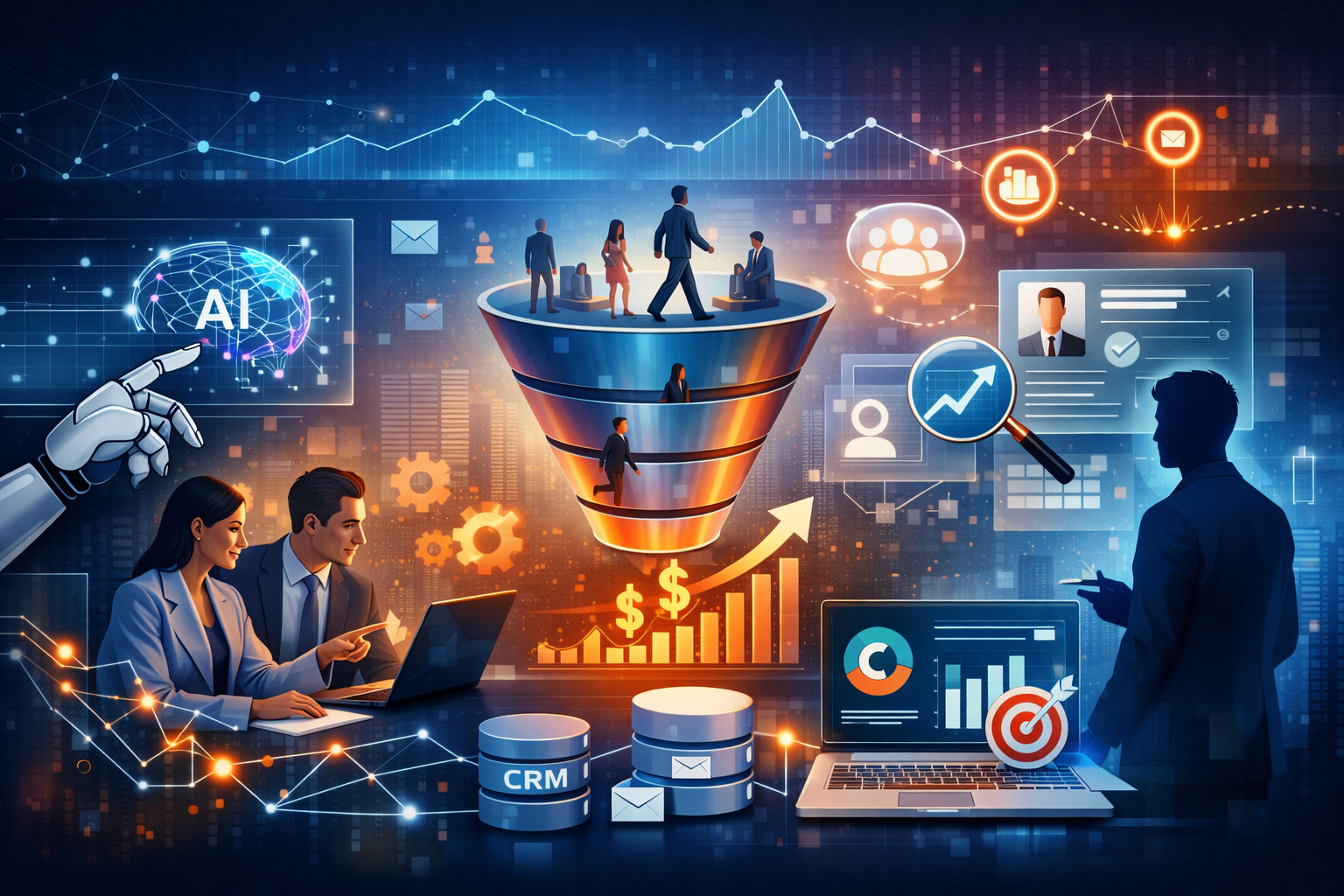
Artificial Intelligence (AI) is transforming account identification and targeting by enabling businesses to uncover high-value opportunities with greater speed, precision, and confidence. From predictive analytics to intent-based insights, AI is helping sales and marketing teams focus their efforts where they matter most.
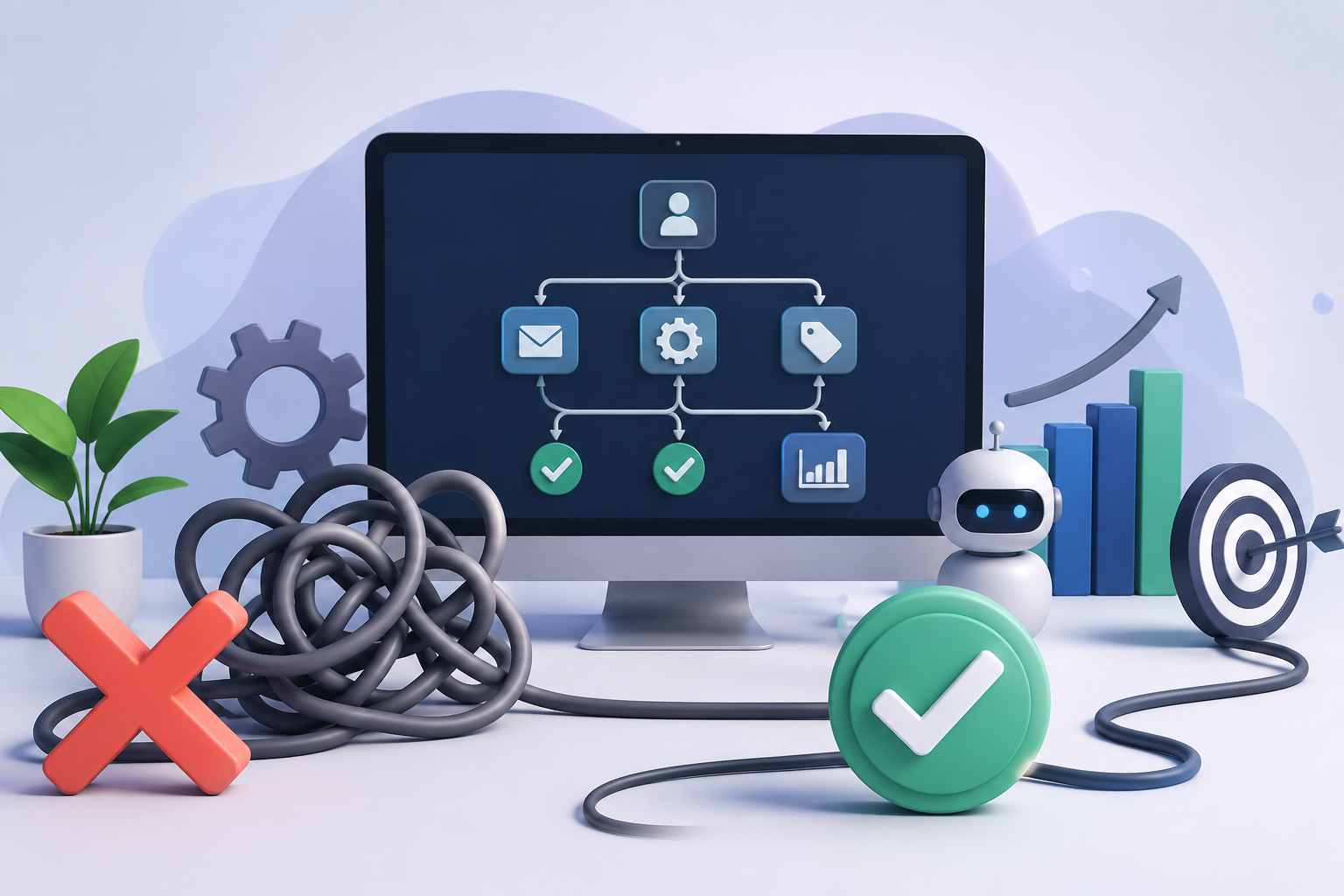
The Challenges of Traditional Account Targeting
Many organizations still face common obstacles when identifying target accounts:
- Incomplete or outdated customer data
- Manual research that consumes valuable time
- Generic segmentation based on broad demographics
- Difficulty identifying buying intent
- Low conversion rates due to poor lead quality
These challenges often result in wasted resources and missed revenue opportunities.
How AI Is Revolutionizing Account Identification
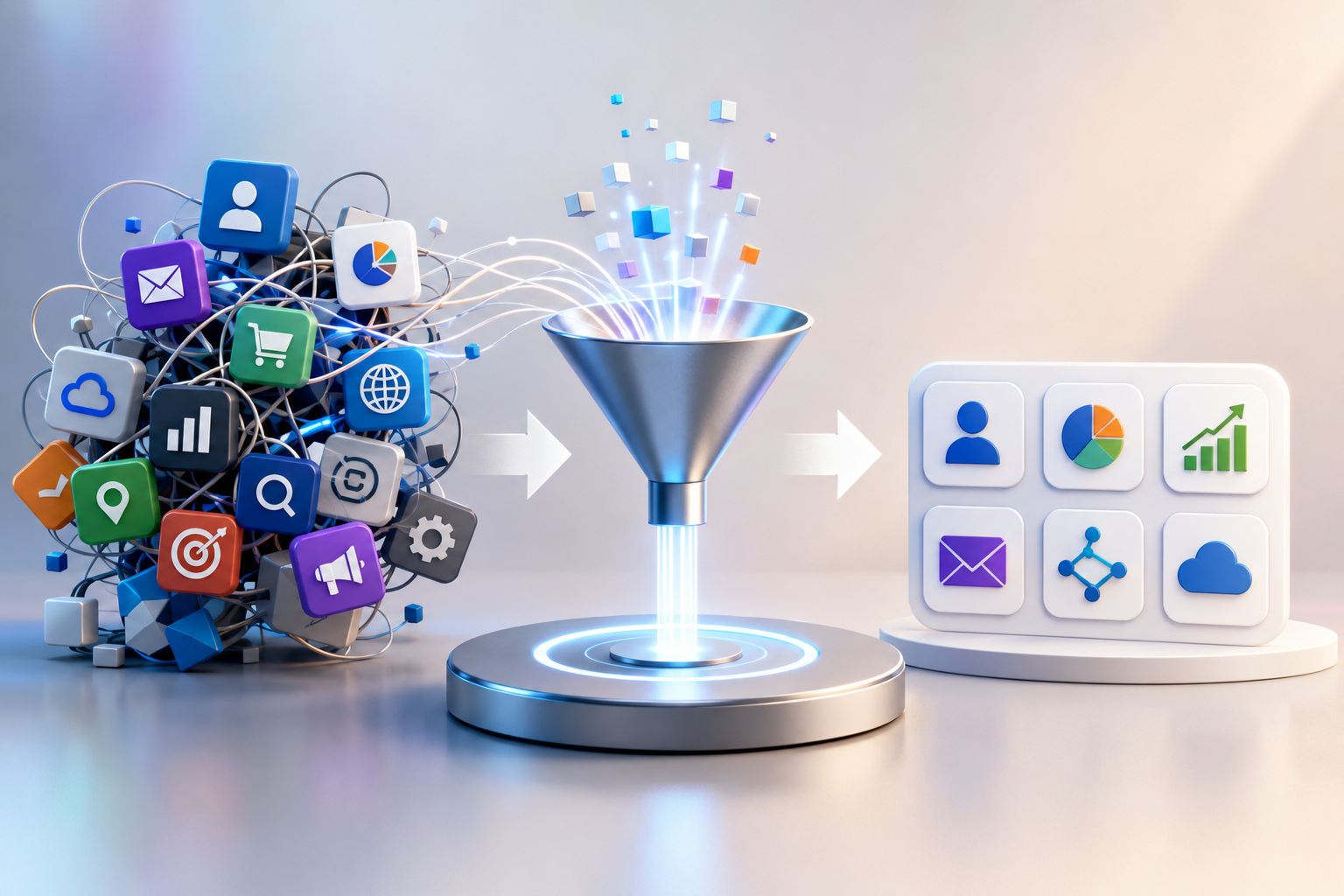
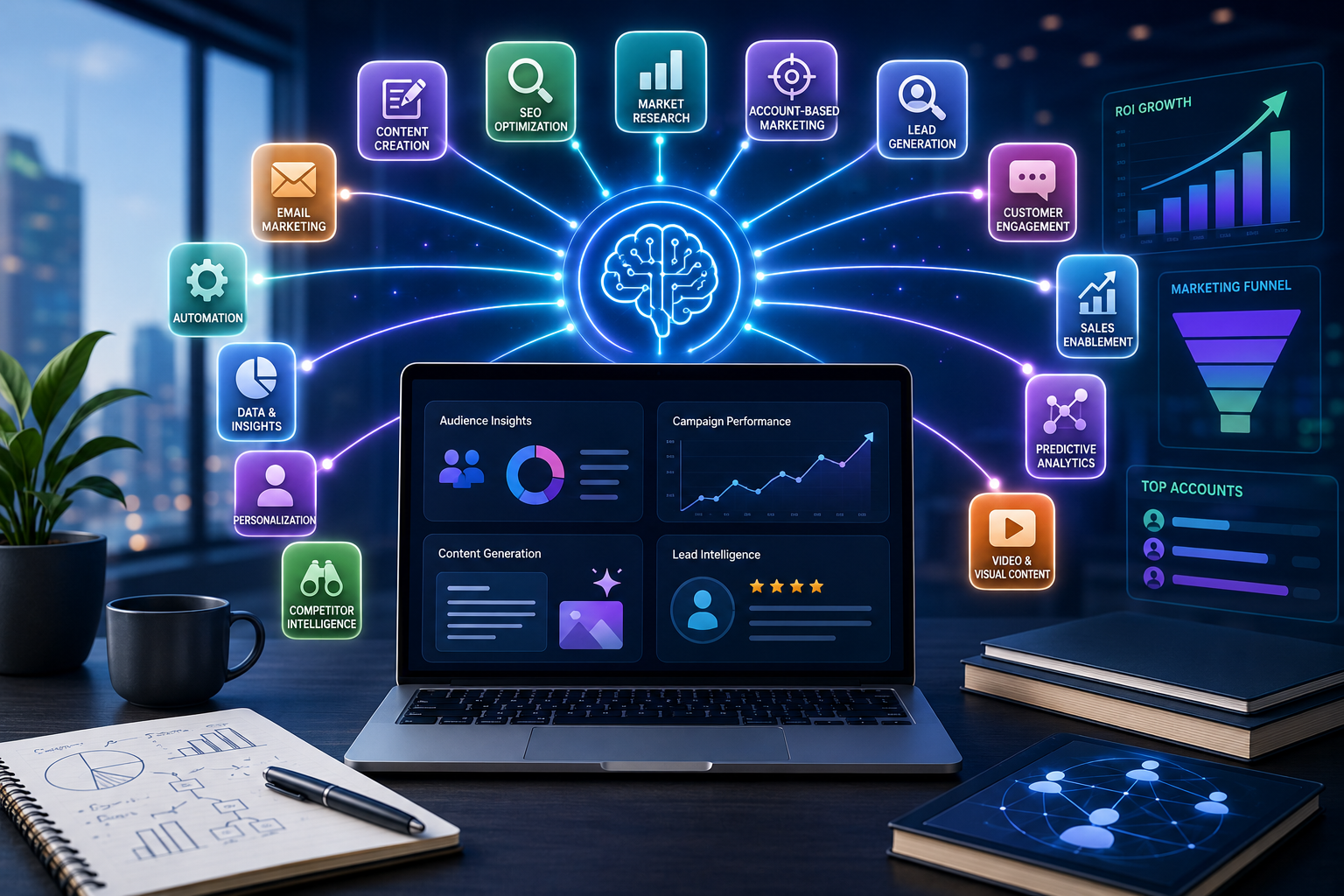
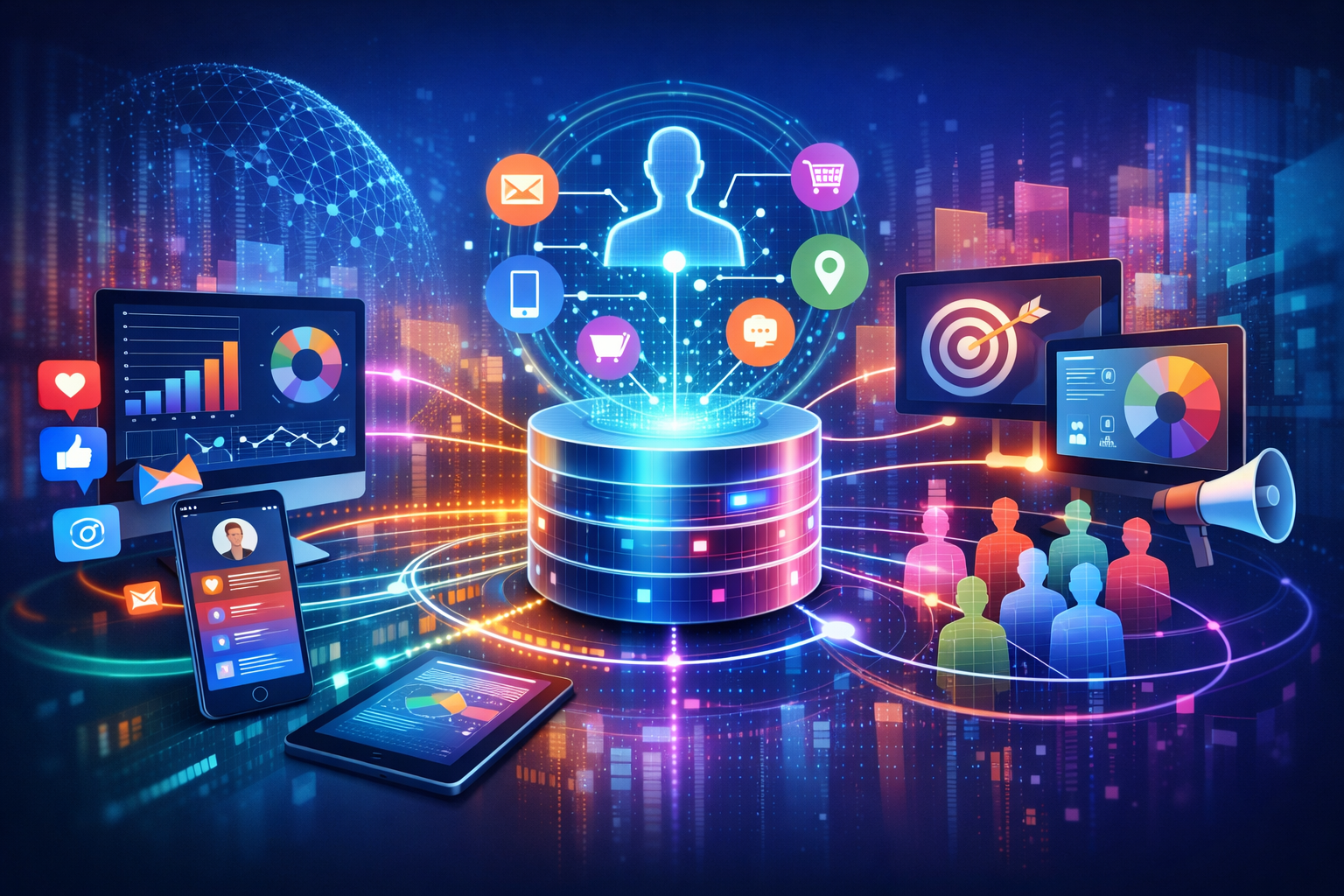
AI leverages machine learning, natural language processing (NLP), and predictive analytics to analyze vast amounts of structured and unstructured data. This enables organizations to identify accounts with a much higher likelihood of becoming customers.
Here are some of the key ways AI is making an impact.
1. Predictive Account Scoring
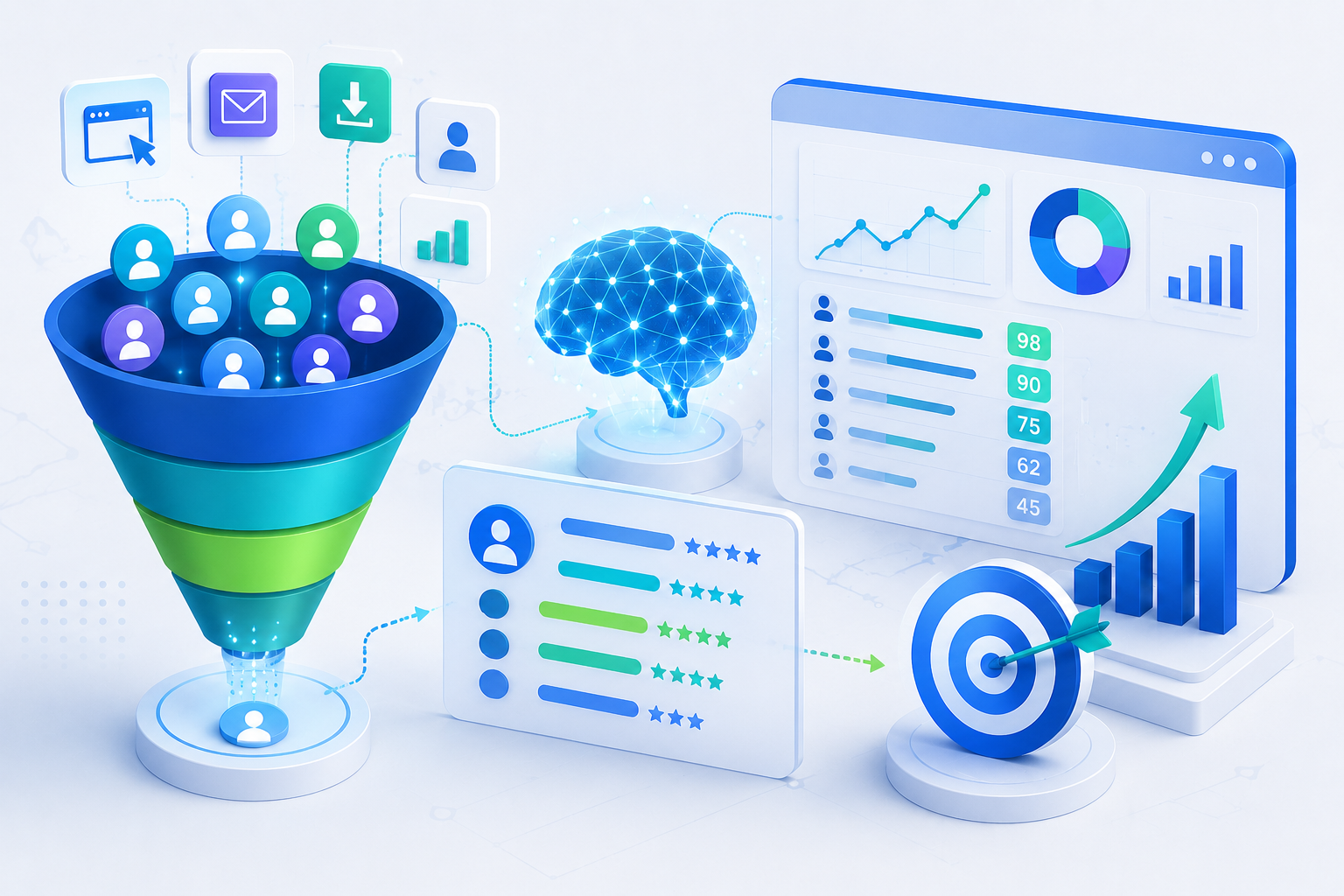
Instead of treating every prospect equally, AI evaluates multiple data points—including historical wins, engagement patterns, firmographics, technographics, and behavioral signals—to rank accounts based on their likelihood to convert.
Benefits include:
- Prioritized sales outreach
- Improved pipeline quality
- Higher conversion rates
- Better resource allocation
Sales teams can spend less time chasing low-potential prospects and more time engaging accounts with genuine buying potential.
2. Intent Data Analysis
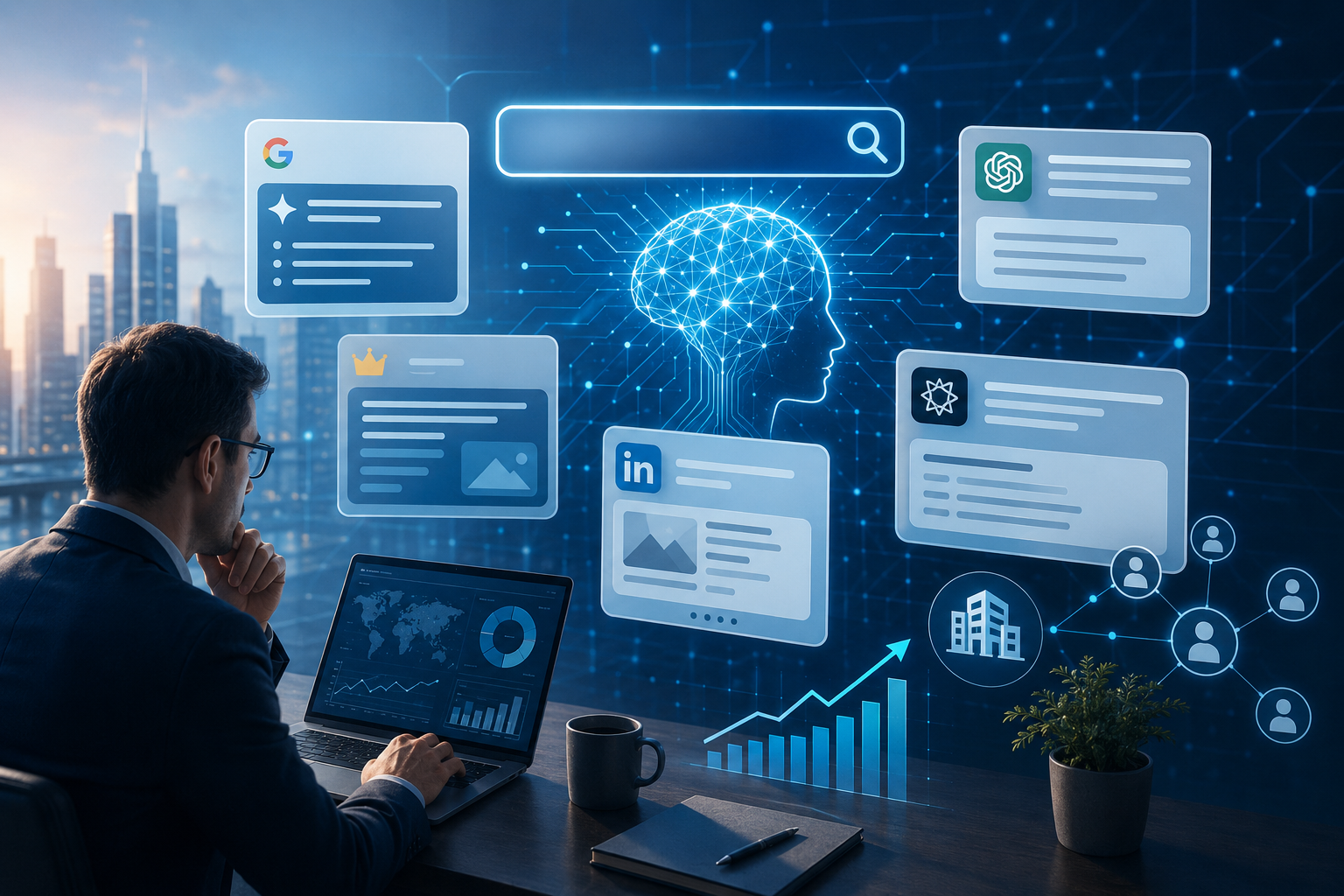
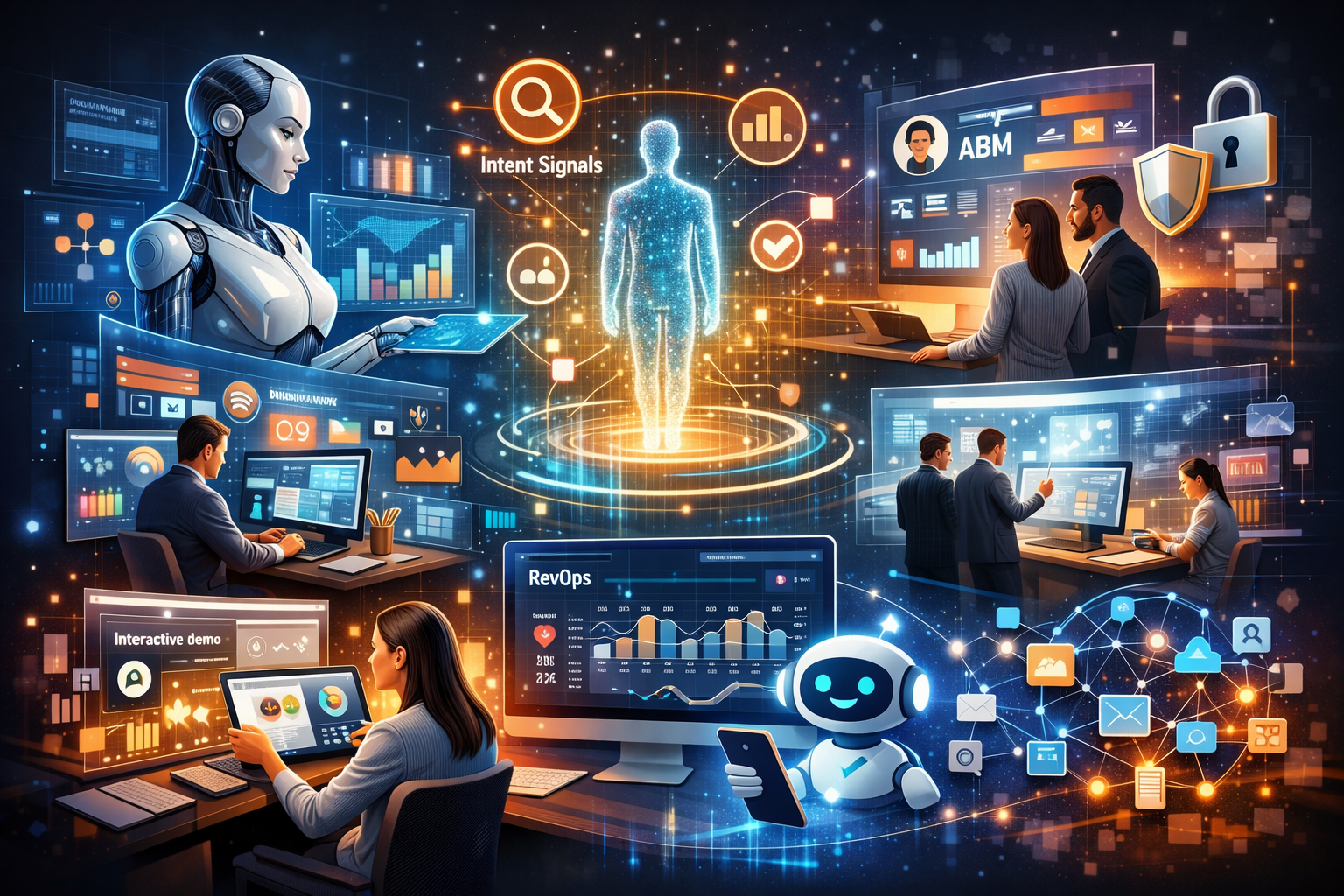
AI continuously monitors digital signals such as:
- Website visits
- Content consumption
- Search behavior
- Product research
- Industry discussions
By analyzing these behaviors, AI can identify companies actively researching solutions related to your products or services.
This allows businesses to engage prospects at the right moment—often before competitors recognize the opportunity.
3. Intelligent Customer Segmentation
Traditional segmentation relies on static categories like company size or industry.
AI creates dynamic segments based on:
- Purchase behavior
- Technology adoption
- Business growth patterns
- Engagement history
- Buying stage
These intelligent segments enable highly personalized campaigns that resonate with each audience.
Smarter Targeting Through Personalization
AI helps marketers move beyond one-size-fits-all messaging.
Using customer data and behavioral insights, AI can recommend:
- Personalized email campaigns
- Industry-specific messaging
- Relevant product recommendations
- Customized landing pages
- Tailored advertising campaigns
Personalized experiences increase engagement while improving customer satisfaction and conversion rates.
Real-Time Data Improves Decision Making
Markets change quickly.
Companies grow, adopt new technologies, hire executives, receive funding, or enter new markets.
AI continuously updates account profiles using real-time data sources, ensuring that sales teams always work with the latest information.
Instead of relying on outdated CRM records, organizations gain a current view of every target account.
Identifying Hidden Opportunities
One of AI’s biggest advantages is its ability to uncover opportunities that humans may overlook.
AI can identify:
- Similar companies to existing customers
- Emerging businesses with high growth potential
- Accounts showing early buying signals
- Cross-sell opportunities
- Upsell opportunities
This expands the addressable market while improving overall sales efficiency.
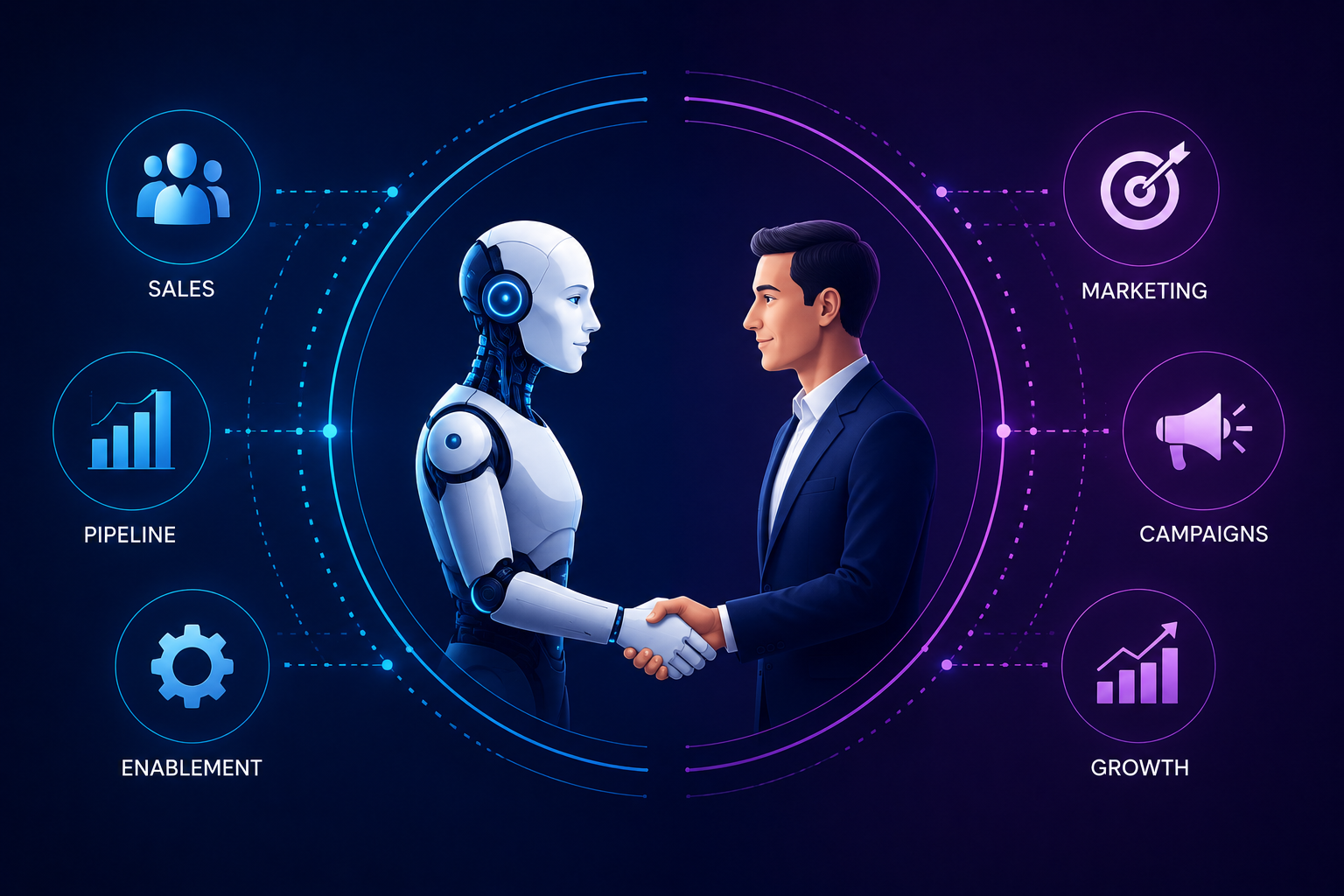
Better Sales and Marketing Alignment
AI creates a shared understanding of which accounts deserve immediate attention.
Marketing teams can:
- Build campaigns around high-priority accounts
- Generate better-qualified leads
- Improve account-based marketing (ABM) strategies
Sales teams can:
- Focus on high-intent prospects
- Personalize conversations
- Shorten sales cycles
- Increase win rates
The result is stronger collaboration and improved revenue performance.
AI-Powered Account-Based Marketing
Account-Based Marketing has become one of the most effective B2B growth strategies.
AI strengthens ABM by helping organizations:
- Identify ideal target accounts
- Predict purchase likelihood
- Personalize outreach at scale
- Recommend the next best action
- Measure campaign effectiveness
Rather than relying on guesswork, businesses can use AI to make data-driven targeting decisions throughout the customer journey.
Benefits of AI in Account Identification and Targeting
Organizations adopting AI-driven account targeting often experience:
- Higher-quality leads
- Faster prospect identification
- Increased marketing ROI
- Better customer engagement
- Improved sales productivity
- More accurate forecasting
- Shorter sales cycles
- Higher conversion rates
These benefits contribute directly to sustainable business growth.
Best Practices for AI-Driven Targeting
To maximize the value of AI, businesses should:
- Maintain clean and accurate customer data.
- Combine AI insights with human expertise.
- Continuously monitor and refine AI models.
- Integrate AI with CRM and marketing automation platforms.
- Track performance metrics and optimize campaigns regularly.
AI delivers the best results when paired with a thoughtful sales and marketing strategy.
The Future of AI in Account Identification
As AI technologies continue to evolve, account targeting will become even more predictive and personalized. Advanced capabilities such as generative AI, autonomous sales assistants, and real-time customer intelligence will help organizations anticipate buyer needs before they are explicitly expressed.
Businesses that embrace AI today will be better positioned to build stronger customer relationships, improve operational efficiency, and stay ahead in an increasingly competitive marketplace.
Read Also: How Marketing Automation Is Transforming B2B Lead Nurturing