
Forecast accuracy has become one of the most important indicators of a company’s sales health. Leaders rely on accurate forecasts to make informed decisions about hiring, budgeting, inventory, product development, and investor communication. Yet, many organisations continue to struggle with forecasts built on outdated spreadsheets, subjective sales rep inputs, and incomplete CRM data.
This is where Revenue Intelligence (RI) platforms make a significant difference. By combining CRM data, customer interactions, pipeline activity, and AI-driven analytics, these platforms provide a more reliable view of future revenue. Instead of relying on intuition, businesses gain data-backed insights that improve forecasting precision and help sales teams achieve predictable growth.
In this blog, we’ll explore how revenue intelligence platforms improve forecast accuracy and why they have become essential for modern sales organisations.
Why Traditional Revenue Forecasting Falls Short
Many sales organisations still depend on manual forecasting methods. While experienced sales managers can provide valuable insights, traditional forecasting often suffers from several challenges:
- Inconsistent CRM updates
- Human bias and overly optimistic forecasts
- Limited visibility into customer engagement
- Lack of real-time pipeline analysis
- Difficulty identifying at-risk deals
As a result, forecasts frequently miss targets, leading to poor strategic decisions and unexpected revenue shortfalls.
What Is a Revenue Intelligence Platform?
A Revenue Intelligence platform is software that collects and analyses sales data from multiple sources, including:
- CRM systems
- Emails
- Calendar meetings
- Phone conversations
- Video conferencing platforms
- Marketing automation tools
- Customer engagement platforms
Using artificial intelligence and machine learning, the platform identifies buying signals, measures deal health, detects risks, and predicts future revenue with greater accuracy.
Rather than simply displaying pipeline data, revenue intelligence solutions explain why deals are progressing—or stalling—and recommend actions that improve outcomes.
How Revenue Intelligence Platforms Improve Forecast Accuracy
1. Centralised Data Collection
Forecast accuracy begins with clean, complete data.
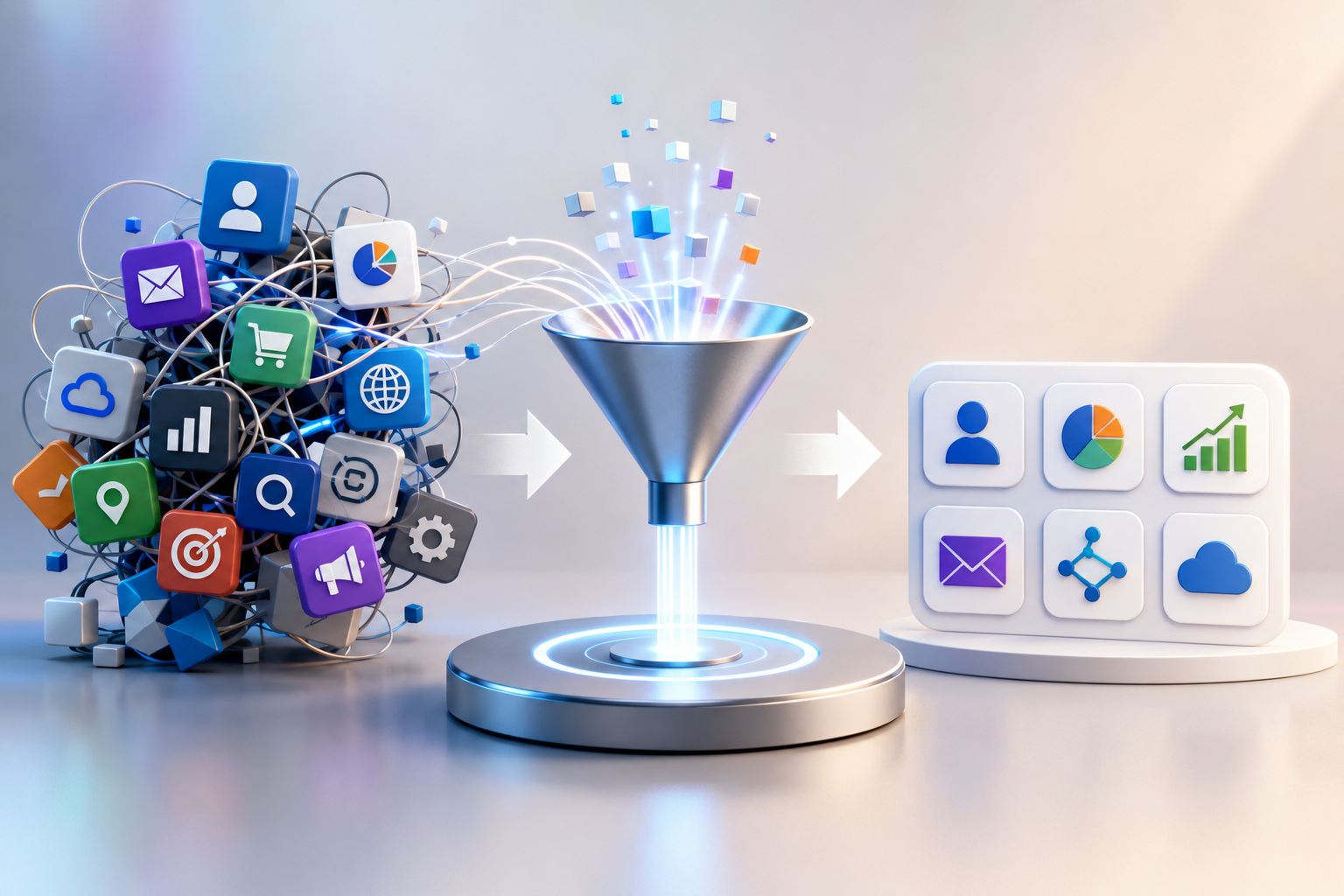
Revenue intelligence platforms automatically capture customer interactions across multiple channels, reducing the need for manual updates. Sales representatives spend less time entering data and more time selling.
Because information is collected automatically, managers gain confidence that forecasts reflect actual customer activity instead of incomplete CRM records.
Key benefits:
- Reduced manual data entry
- Improved CRM accuracy
- Complete customer interaction history
- Better visibility into sales activity
2. AI-Powered Deal Health Analysis
Not every deal in the pipeline has the same probability of closing.
Revenue intelligence platforms analyse hundreds of deal signals, including:
- Customer response frequency
- Meeting engagement
- Decision-maker participation
- Buying committee involvement
- Sales cycle progression
- Historical win rates
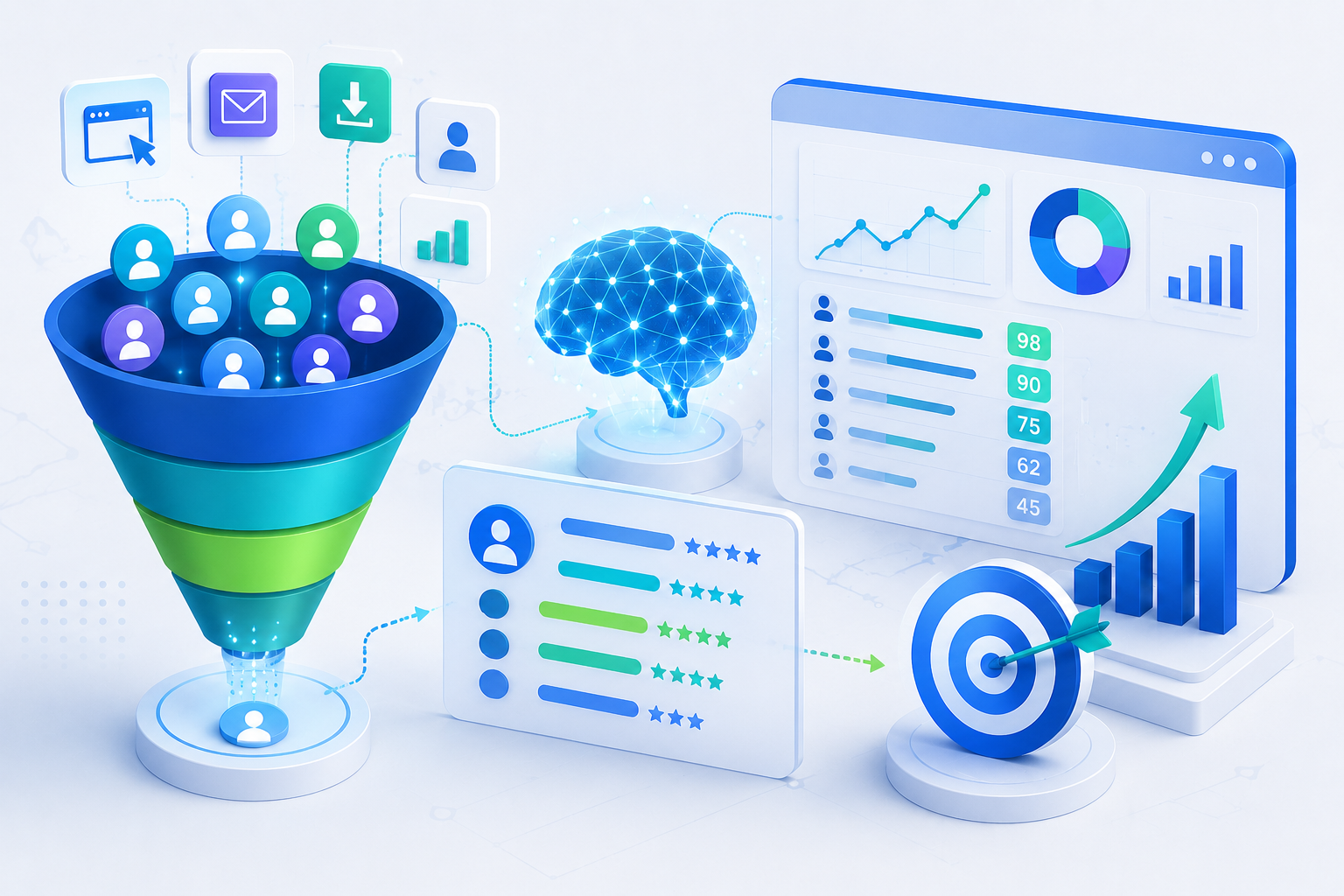
AI assigns health scores to opportunities, helping managers distinguish between healthy deals and those likely to slip.
Instead of relying solely on salesperson confidence, forecasts become grounded in objective data.
3. Real-Time Pipeline Visibility
Sales pipelines change daily.
Traditional forecasting often relies on weekly or monthly updates, leaving leadership with outdated information.
Revenue intelligence platforms continuously monitor:
- Pipeline growth
- Stage movement
- Deal velocity
- Opportunity creation
- Customer engagement
This enables organisations to adjust forecasts instantly when significant changes occur.
Real-time visibility reduces surprises at the end of each quarter.
4. Identification of Forecast Risks
Revenue intelligence platforms proactively identify deals that may negatively impact forecasts.
Common warning signals include:
- Long periods without customer engagement
- Missing executive stakeholders
- Declining email responses
- Missed meetings
- Delayed next steps
- Stalled pipeline stages
Early identification allows managers to intervene before deals are lost or delayed.
This proactive approach significantly improves forecast reliability.
5. Historical Pattern Recognition
AI models learn from previous sales performance.
Revenue intelligence platforms analyse:
- Past wins
- Lost opportunities
- Average deal size
- Sales cycle duration
- Seasonal buying trends
- Rep performance
These historical insights help predict future outcomes more accurately than manual forecasting methods.
The system continually improves as more data becomes available.
6. Reduced Human Bias
One of the biggest forecasting challenges is optimism bias.
Sales representatives naturally believe deals will close.
Revenue intelligence platforms balance subjective opinions with objective behavioural data.
Rather than relying exclusively on rep judgment, managers receive independent AI-generated forecasts based on customer engagement and historical trends.
This reduces overly optimistic revenue projections.
7. Better Sales Coaching
Forecast accuracy improves when sales execution improves.
Revenue intelligence platforms identify coaching opportunities such as:
- Weak discovery conversations
- Missing follow-up activities
- Poor stakeholder engagement
- Low meeting quality
- Incomplete sales processes
Managers can coach sales representatives using real deal insights instead of assumptions.
Better execution ultimately leads to more predictable revenue.
8. Accurate Revenue Predictions Across Teams
Revenue forecasting isn’t just valuable for sales leaders.
Accurate forecasts support:
- Finance planning
- Marketing budget allocation
- Customer success staffing
- Inventory management
- Executive reporting
- Investor communication
Revenue intelligence creates a single source of truth that aligns multiple departments around consistent revenue expectations.
Key Metrics Revenue Intelligence Platforms Monitor
Modern revenue intelligence platforms analyse numerous performance indicators, including:
- Pipeline coverage ratio
- Win rate
- Sales velocity
- Average deal size
- Forecast accuracy
- Customer engagement score
- Opportunity ageing
- Pipeline movement
- Conversion rates
- Sales cycle length
Together, these metrics provide a comprehensive picture of revenue health.
Business Benefits of Improved Forecast Accuracy
Organisations using revenue intelligence platforms often experience measurable improvements, including:
- More predictable revenue
- Faster decision-making
- Increased sales productivity
- Higher CRM data quality
- Reduced forecast variance
- Better executive confidence
- Stronger cross-functional planning
- Improved quota attainment
- Enhanced customer engagement
Accurate forecasting also builds credibility with investors, board members, and executive leadership.
Choosing the Right Revenue Intelligence Platform
When evaluating revenue intelligence solutions, consider features such as:
- AI-powered forecasting
- CRM integration
- Conversation intelligence
- Pipeline analytics
- Deal risk detection
- Revenue dashboards
- Automated activity capture
- Sales coaching recommendations
- Forecast scenario planning
- Custom reporting capabilities
The right platform should integrate seamlessly into existing workflows while delivering actionable insights rather than just additional data.
The Future of Revenue Forecasting
As artificial intelligence continues to evolve, revenue forecasting will become increasingly predictive rather than reactive.
Future revenue intelligence platforms are expected to provide:
- Prescriptive next-best actions
- Predictive buying intent analysis
- Automated pipeline optimisation
- Advanced forecasting simulations
- Real-time executive recommendations
Companies adopting these technologies early will gain a significant competitive advantage through more reliable planning and stronger revenue performance.
Read Also: Demand Generation Technology Trends Every CMO Should Know