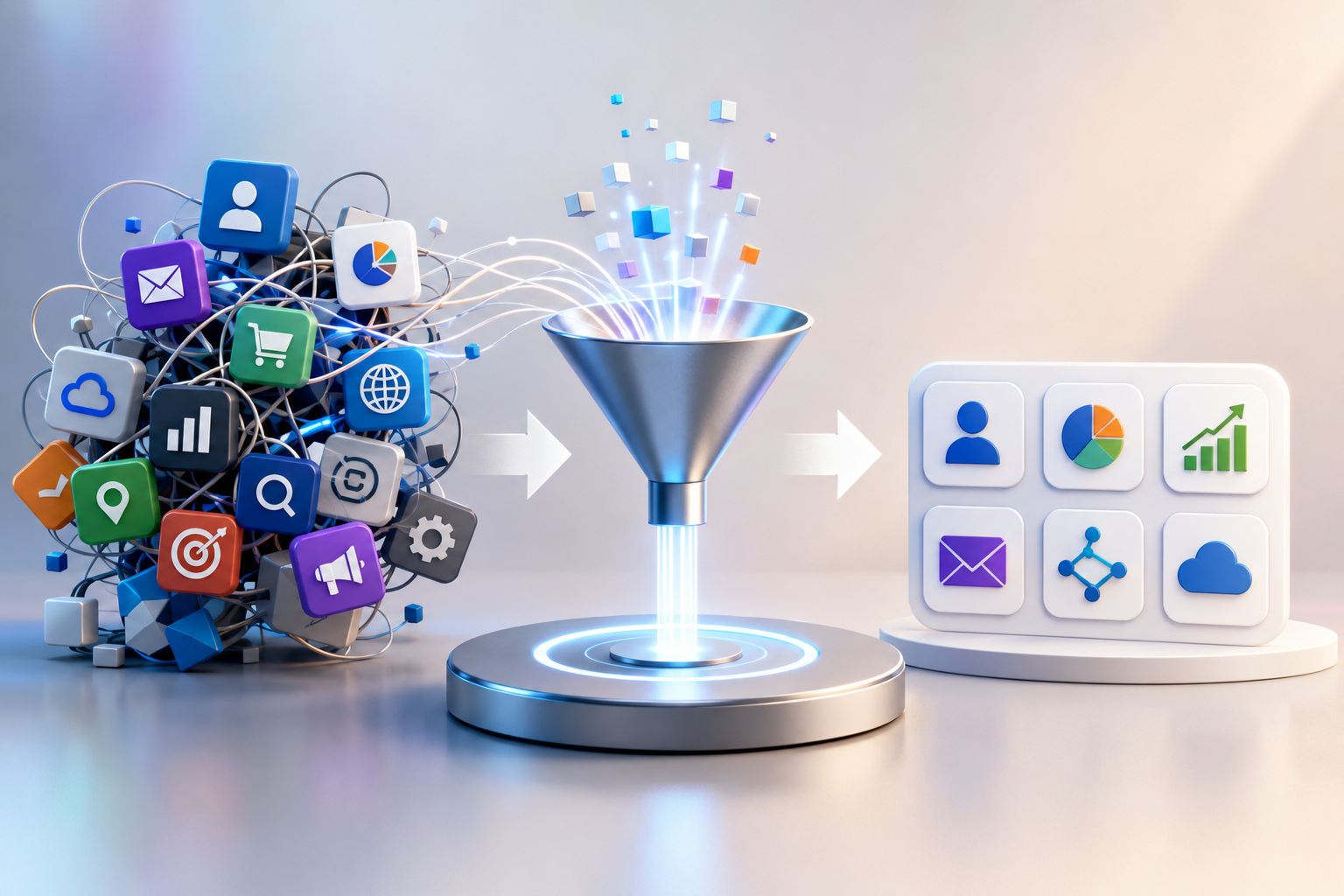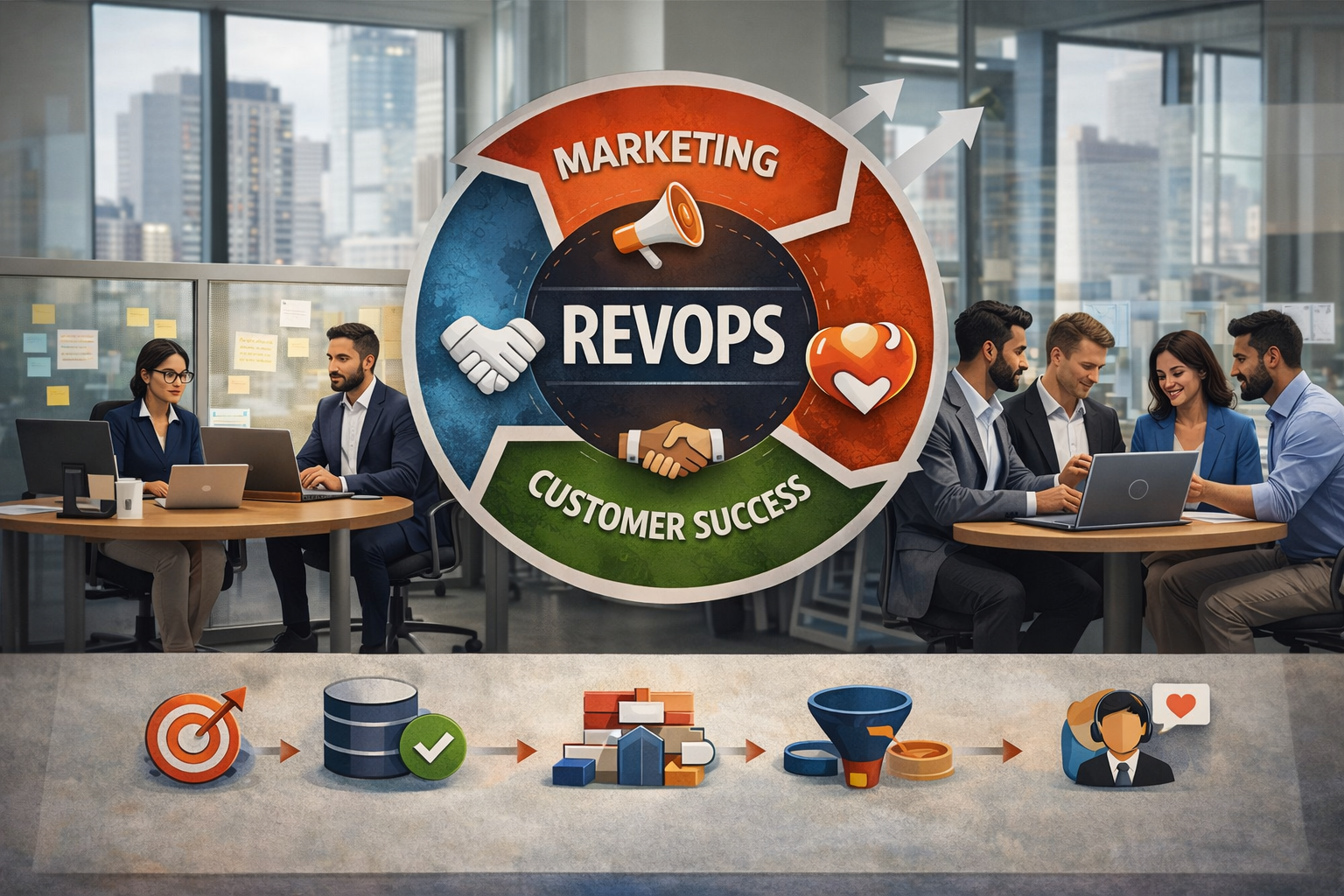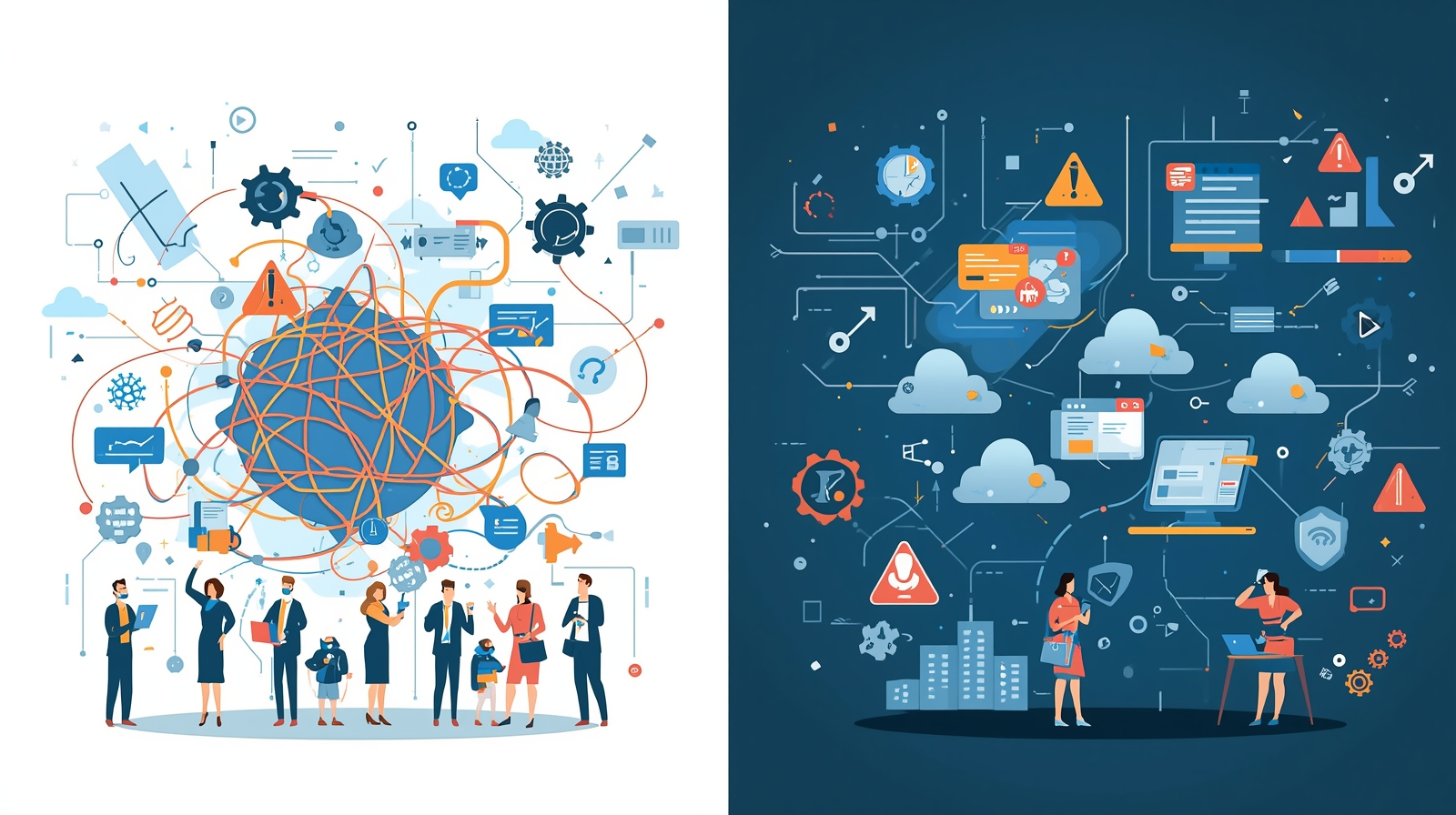

For more than a decade, go-to-market (GTM) teams operated through a patchwork of disconnected tools. Marketing used one platform, sales another, customer success a third, and RevOps spent countless hours stitching together dashboards, workflows, and reports. The result was often a fragmented revenue engine driven by manual coordination instead of intelligence.
That model is rapidly changing.
A new generation of AI-native GTM platforms is redefining how businesses attract, convert, and retain customers. Unlike traditional SaaS tools that simply bolt AI features onto existing systems, AI-native GTM platforms are designed around intelligence from the ground up. They automate decision-making, orchestrate workflows across teams, and continuously learn from customer interactions in real time. Industry analysts increasingly describe AI as becoming the “operating system” for modern GTM execution.
What Are AI-Native GTM Platforms?
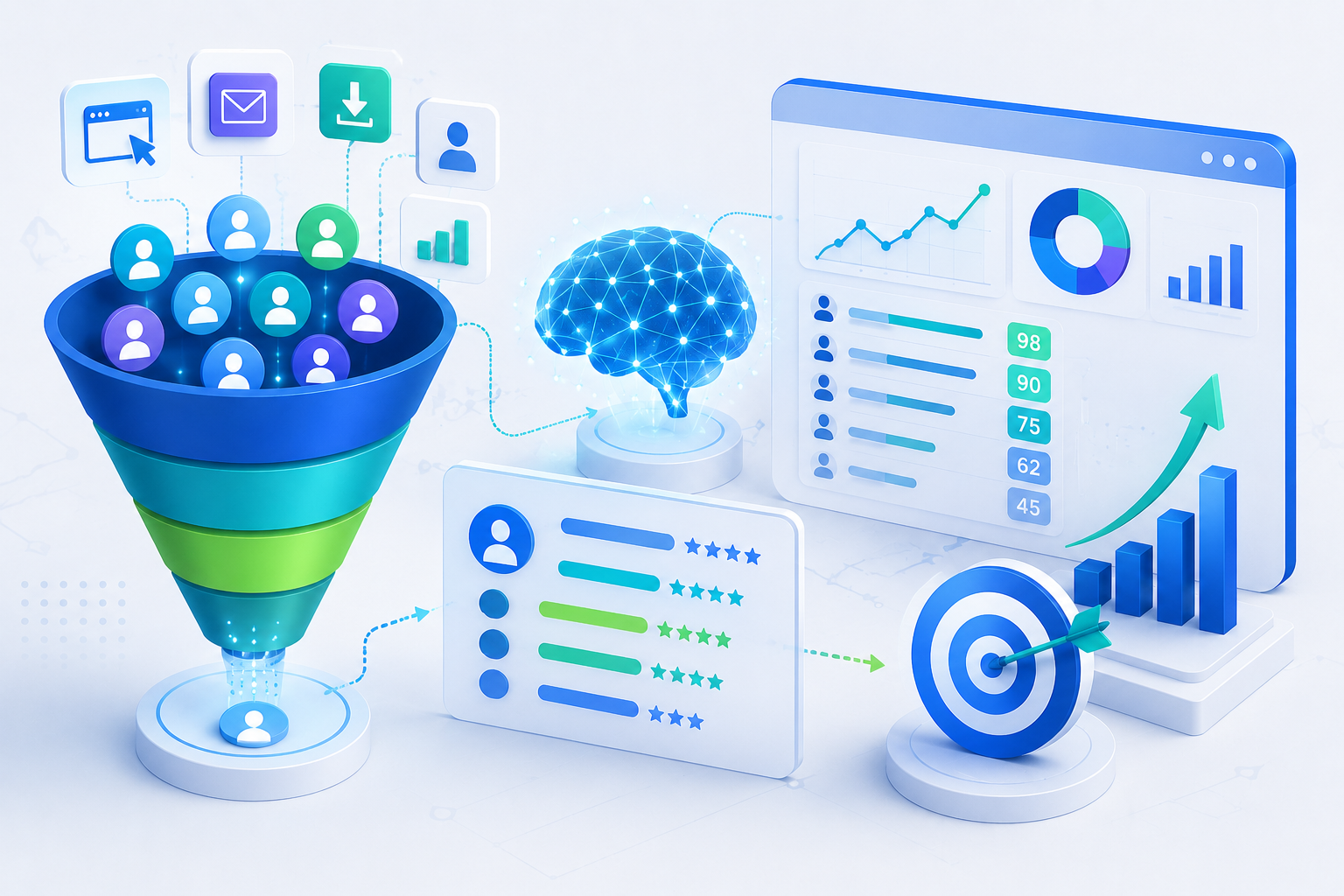
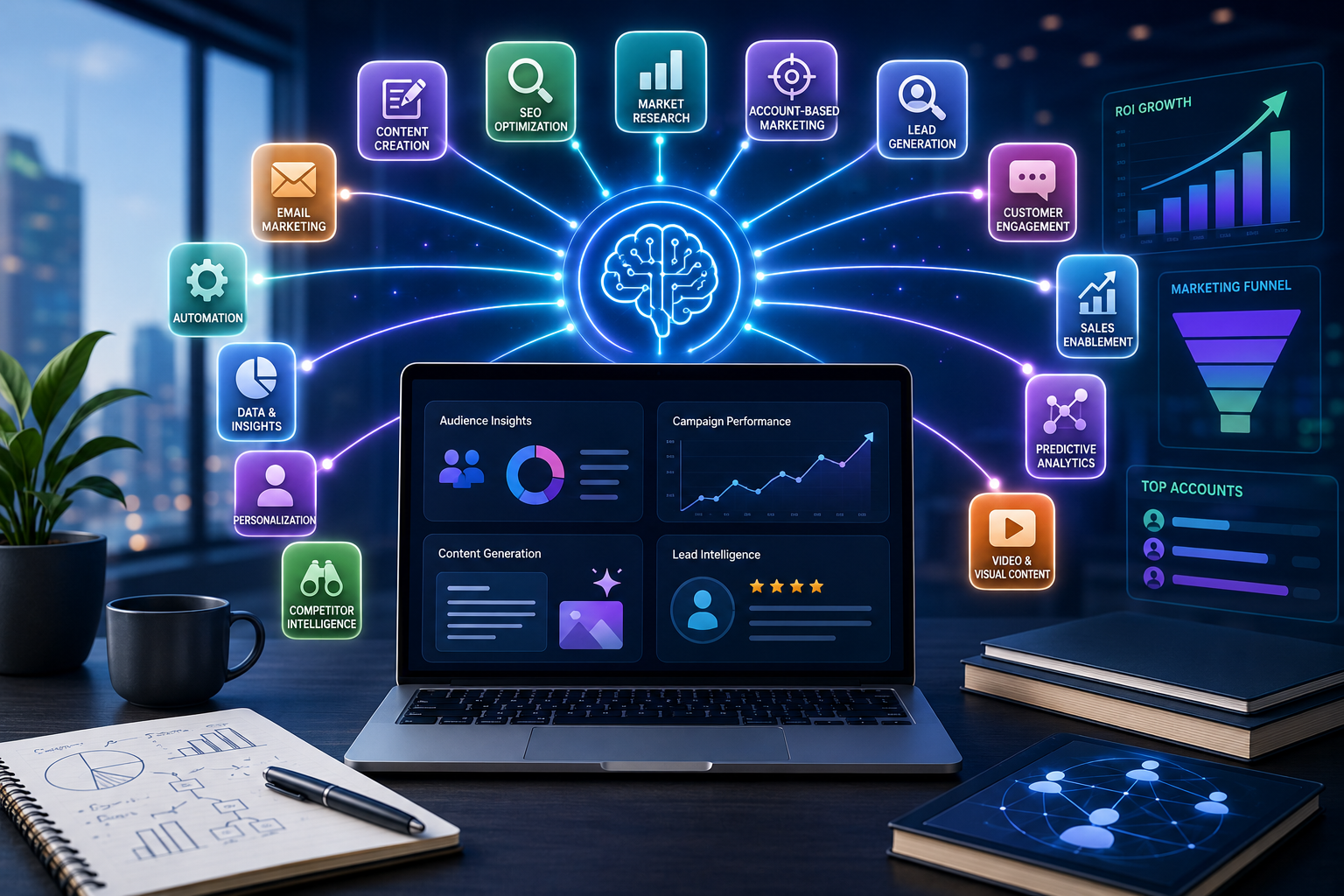
AI-native GTM platforms are software ecosystems where artificial intelligence is not an add-on feature but the core architecture. These platforms integrate customer data, intent signals, outreach workflows, analytics, and automation into a unified intelligence layer.
Traditional GTM stacks relied heavily on human-operated workflows:
- Sales reps manually researched prospects
- Marketers segmented audiences by hand
- RevOps teams cleaned CRM data
- Customer success teams monitored churn reactively
AI-native systems automate much of this work.
Modern platforms can:
- Predict buying intent
- Generate personalized outreach
- Recommend next-best actions
- Score leads dynamically
- Automate follow-ups
- Forecast pipeline performance
- Detect churn risks before customers leave
Research across the GTM industry shows AI-native organizations are outperforming peers in growth efficiency and revenue alignment.
Why the Shift Is Happening Now
Several forces are accelerating the rise of AI-native GTM systems.
1. Explosion of GTM Complexity
Modern revenue teams operate across email, LinkedIn, webinars, communities, paid ads, product-led growth channels, outbound sales, and customer success platforms simultaneously. Buyers also move unpredictably between channels before making decisions.
This complexity has made traditional workflows difficult to scale. GTM organizations now rely on sprawling ecosystems involving CRMs, enrichment tools, sales engagement platforms, analytics layers, forecasting systems, and workflow automation software.
AI-native platforms reduce this fragmentation by acting as orchestration layers across the entire customer lifecycle.
2. Buyers Have Changed
Today’s B2B buyers are more informed than ever. Many conduct extensive research independently before speaking to sales. AI-powered search assistants and conversational systems are increasingly becoming the first touchpoint in the buyer journey.
This means GTM teams must deliver highly personalized, context-aware engagement at scale — something impossible through manual processes alone.
3. Advances in Generative AI
Large language models (LLMs) have transformed what software can do. AI systems can now write sales emails, summarize calls, analyze intent data, qualify leads, and generate customer insights with near-human fluency.
The result is the emergence of “agentic GTM” — systems where AI agents autonomously execute significant portions of the revenue workflow while humans focus on strategy and relationship building.
Core Capabilities of AI-Native GTM Platforms
Intelligent Prospecting
AI-native tools analyze signals such as hiring trends, website visits, social engagement, funding announcements, and CRM activity to identify high-intent prospects automatically.
Rather than static lead lists, sales teams receive continuously refreshed opportunity recommendations.
Hyper-Personalized Outreach
Modern AI platforms generate customized messaging tailored to individual personas, industries, and buying stages.
This enables businesses to scale one-to-one communication without dramatically increasing headcount.
Revenue Intelligence
AI-native systems synthesize data from calls, emails, meetings, CRM records, and customer behavior to surface insights in real time.
Examples include:
- Predicting which deals are likely to close
- Identifying at-risk accounts
- Recommending upsell opportunities
- Flagging pipeline gaps
Workflow Orchestration
Traditional automation tools trigger workflows from isolated events. AI-native platforms increasingly use composite signals — patterns across multiple data sources — to make more accurate decisions.
This shift toward multi-signal orchestration is becoming one of the most meaningful innovations in modern GTM systems.
The Rise of Agentic GTM
One of the most important developments in this space is the emergence of AI agents.
Instead of simply assisting users, AI agents can independently:
- Research accounts
- Draft outreach
- Route replies
- Update CRM systems
- Trigger campaigns
- Schedule meetings
- Generate forecasts
This evolution has major implications for organizational structure. Revenue teams may increasingly shift from executing repetitive workflows to supervising AI-driven systems.
Challenges Facing AI-Native GTM Platforms
Despite the momentum, several challenges remain.
Data Quality Problems
AI systems are only as effective as the data they consume. Poor CRM hygiene, fragmented systems, and inconsistent enrichment can degrade performance significantly.
Data synchronization and identity resolution remain persistent weak points for many organizations.
Governance and Trust
As AI systems gain autonomy, organizations must establish guardrails around:
- Messaging accuracy
- Brand consistency
- Data privacy
- Compliance
- Human oversight
Trust and explainability are becoming essential competitive differentiators.
Tool Saturation
The AI GTM ecosystem is growing rapidly. Hundreds of startups now compete across sales automation, enrichment, personalization, forecasting, and orchestration categories.
This creates a new risk: replacing yesterday’s fragmented software stack with another disconnected AI stack. The long-term winners will likely be platforms that consolidate workflows into unified intelligence systems.
The Business Impact
Organizations adopting AI-native GTM systems are already seeing measurable benefits:
- Faster pipeline generation
- Lower customer acquisition costs
- Improved personalization
- Better forecasting accuracy
- Reduced operational overhead
Investor enthusiasm also reflects this momentum, with AI-powered GTM startups attracting major funding and growing enterprise demand.
What the Future Looks Like
The future of GTM is unlikely to be defined by isolated tools. Instead, it will revolve around intelligent systems capable of orchestrating the entire revenue lifecycle autonomously.
Several trends are likely to shape the next phase:
- Multi-agent GTM systems
- Real-time buyer intent modeling
- AI-generated campaign execution
- Conversational revenue operations
- Autonomous pipeline management
- Predictive customer lifecycle orchestration
In the future, AI-native GTM platforms may not simply support revenue teams — they may become the central infrastructure powering how companies grow.
Read Also: How RevOps Became the Backbone of B2B Growth