
Account-Based Marketing (ABM) has become a powerhouse strategy for B2B marketers, laser-focused on targeting high-value accounts rather than casting a wide net. But while pipeline creation often steals the spotlight as the primary measure of ABM success, there’s a richer story behind the numbers. If you’re leading an ABM program, understanding the metrics that truly matter beyond just the pipeline can elevate your strategy—and your results.
So, let’s dive into the world of ABM metrics that go deeper than dollars and deals, and reveal how they help build lasting relationships, sharpen targeting, and fuel long-term growth.
Why Look Beyond Pipeline Creation?
Pipeline creation is critical—it’s the heartbeat of revenue generation. But ABM is about more than just immediate sales. It’s about cultivating engagement with the right people at the right companies, aligning marketing and sales efforts, and creating a seamless customer experience that drives loyalty and expansion. Focusing solely on pipeline can mask these important dimensions.
Key ABM Metrics Beyond Pipeline
- Account Engagement: Track how your target accounts interact with your content, events, emails, and website. Metrics like time spent, frequency of visits, and content downloads show if your messaging is resonating and moving the account along the journey.
- Account Penetration: Measure how deeply you’re connecting across an organization. Are you reaching multiple stakeholders, influencers, and decision-makers? The broader your footprint within an account, the stronger your chance to influence purchase decisions.
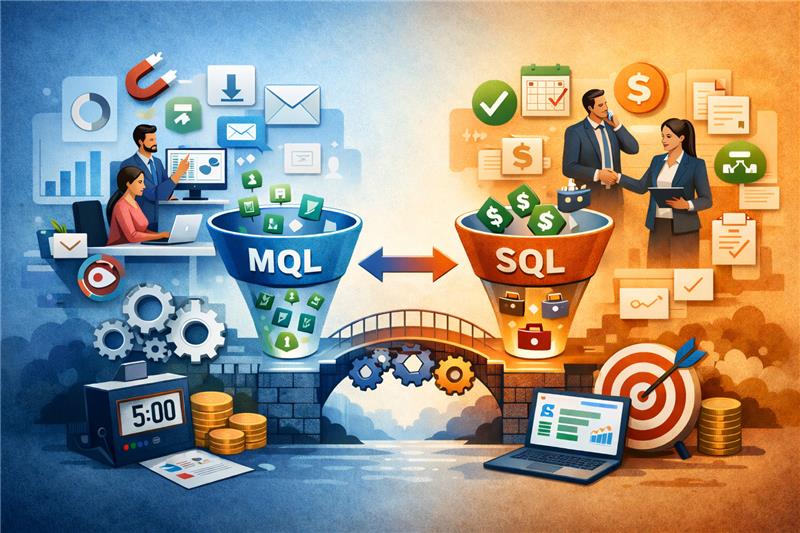
- Marketing Qualified Accounts (MQAs): Just as leads have MQLs, accounts can be scored for readiness based on engagement signals. This metric helps prioritize sales outreach and reflects the quality of marketing efforts beyond volume.
- Sales and Marketing Alignment: Monitor shared account planning, communication frequency, and joint activities. Alignment scores or surveys can quantify how well teams collaborate, which is a vital enabler for ABM success.
- Customer Lifetime Value (CLV): For existing accounts, ABM aims at expansion and retention. Measuring CLV growth over time reveals the long-term impact of your targeted marketing efforts beyond initial wins.
- Influence on Deal Velocity: How quickly do targeted accounts move through the sales funnel compared to non-targeted ones? Faster deal velocity often signals effective messaging and engagement strategies.
- Brand Awareness and Sentiment: ABM can elevate your brand’s presence in key accounts. Conducting surveys or social listening can provide insights into how your brand is perceived, which influences buying decisions.
Putting These Metrics Into Practice
Tracking these metrics requires a thoughtful combination of technology and collaboration. CRM and marketing automation platforms often provide account-level insights, but qualitative feedback from sales teams is just as crucial. Regularly review these metrics together to adjust campaigns, refine messaging, and ensure your ABM program stays tightly aligned with business goals.
Remember, ABM is about building relationships, not just closing deals. When you measure what really matters, you create a strategy that’s sustainable, adaptable, and truly impactful.
Read Also: Hyper-Personalization in B2B Marketing: Reality vs. Hype