
In today’s competitive business landscape, sales teams are expected to close more deals, build stronger customer relationships, and deliver personalized experiences—all while managing increasing workloads. Achieving these goals requires more than talent and determination; it demands the right technology.
Sales enablement technologies empower sales professionals with the tools, insights, and resources they need to work smarter, not harder. By automating repetitive tasks, streamlining communication, and providing actionable data, these solutions significantly improve productivity and sales performance.
This blog explores the key sales enablement technologies that help organizations maximize efficiency and drive revenue growth.
What Is Sales Enablement?
Sales enablement is the process of providing sales teams with the content, technology, training, and analytics they need to engage prospects effectively throughout the buyer’s journey.
The primary objectives of sales enablement are to:
- Improve sales productivity
- Shorten the sales cycle
- Enhance customer engagement
- Increase win rates
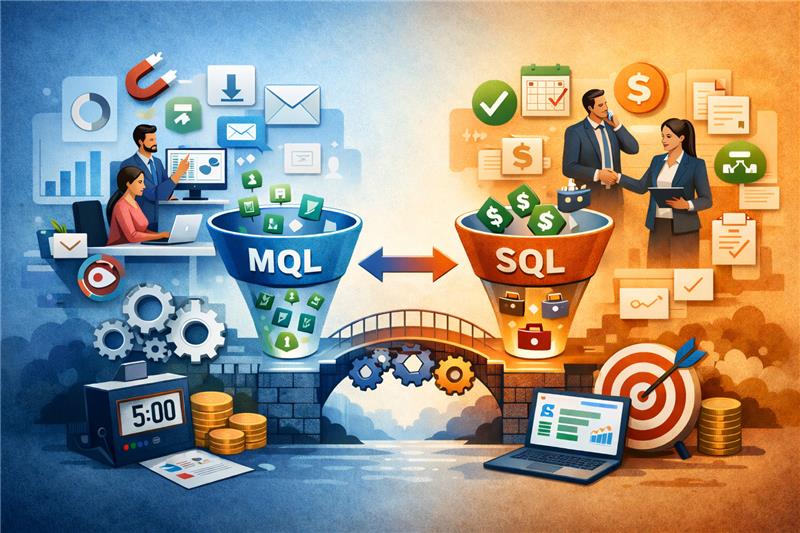
- Align sales and marketing efforts
Technology plays a central role in achieving these objectives.
Why Sales Enablement Technology Matters
Without the right tools, sales representatives often spend valuable time on administrative work instead of selling. Modern sales enablement platforms help eliminate inefficiencies by:
- Automating routine activities
- Centralizing sales content
- Providing customer insights
- Improving collaboration
- Supporting data-driven decision-making
The result is more selling time and higher revenue potential.
Essential Sales Enablement Technologies
1. Customer Relationship Management (CRM) Systems
A CRM platform serves as the foundation of any sales enablement strategy. It organizes customer information, tracks interactions, manages opportunities, and provides a complete view of the sales pipeline.
Key benefits include:
- Centralized customer data
- Lead tracking
- Pipeline visibility
- Forecasting capabilities
- Activity management
A well-managed CRM helps sales teams prioritize opportunities and maintain stronger customer relationships.
2. Sales Automation Tools
Sales automation software reduces manual work by handling repetitive processes such as:
- Follow-up emails
- Task reminders
- Lead assignments
- Data entry
- Meeting scheduling
Automation allows sales representatives to spend more time engaging with prospects instead of performing administrative tasks.
3. Sales Content Management Platforms
Sales teams rely on presentations, proposals, brochures, videos, case studies, and product documents. A content management platform ensures representatives can quickly access the latest approved materials.
Benefits include:
- Easy content discovery
- Version control
- Content performance analytics
- Personalized customer presentations
Using the right content at the right time improves buyer engagement and increases conversion rates.
4. Conversation Intelligence Tools
Conversation intelligence platforms record, transcribe, and analyze sales calls and virtual meetings.
These tools help organizations:
- Identify successful sales techniques
- Improve coaching
- Understand customer objections
- Track competitor mentions
- Monitor compliance
Managers gain valuable insights that improve team performance over time.
5. AI-Powered Sales Assistants
Artificial intelligence is transforming sales enablement by providing intelligent recommendations and predictive insights.
AI capabilities include:
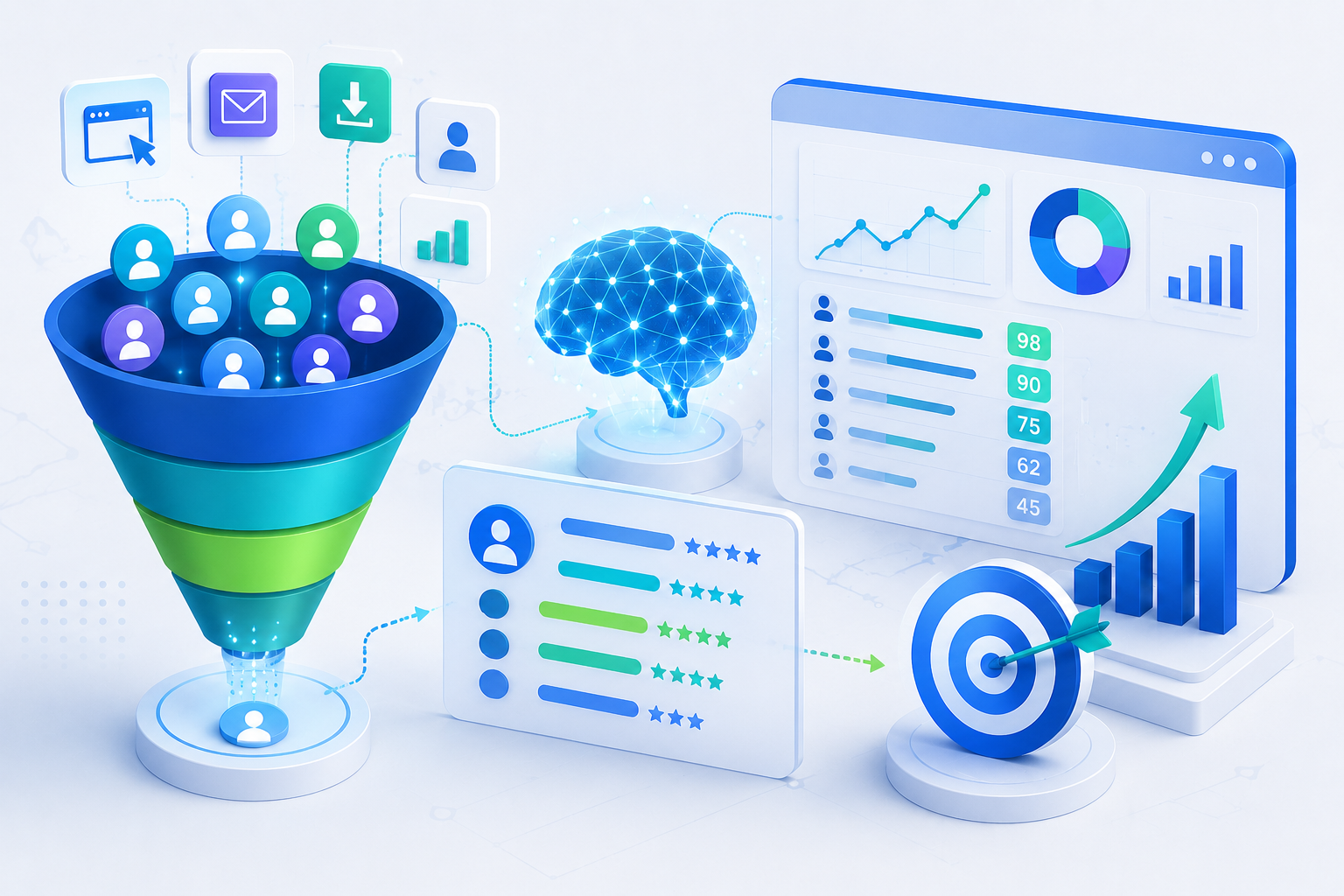
- Lead scoring
- Opportunity prioritization
- Email drafting
- Meeting summaries
- Next-best-action recommendations
- Sales forecasting
AI helps sales professionals make faster, more informed decisions while reducing manual effort.
6. Sales Analytics and Business Intelligence
Data-driven organizations consistently outperform competitors. Analytics platforms provide visibility into:
- Sales performance
- Pipeline health
- Conversion rates
- Customer engagement
- Revenue forecasts
Interactive dashboards enable leaders to identify trends, address bottlenecks, and optimize sales strategies.
7. Learning and Coaching Platforms
Continuous learning is essential for high-performing sales teams.
Modern coaching platforms offer:
- On-demand training
- Role-play simulations
- Performance tracking
- Personalized learning paths
- Certification programs
These solutions help new hires ramp up faster while supporting ongoing skill development.
8. Communication and Collaboration Tools
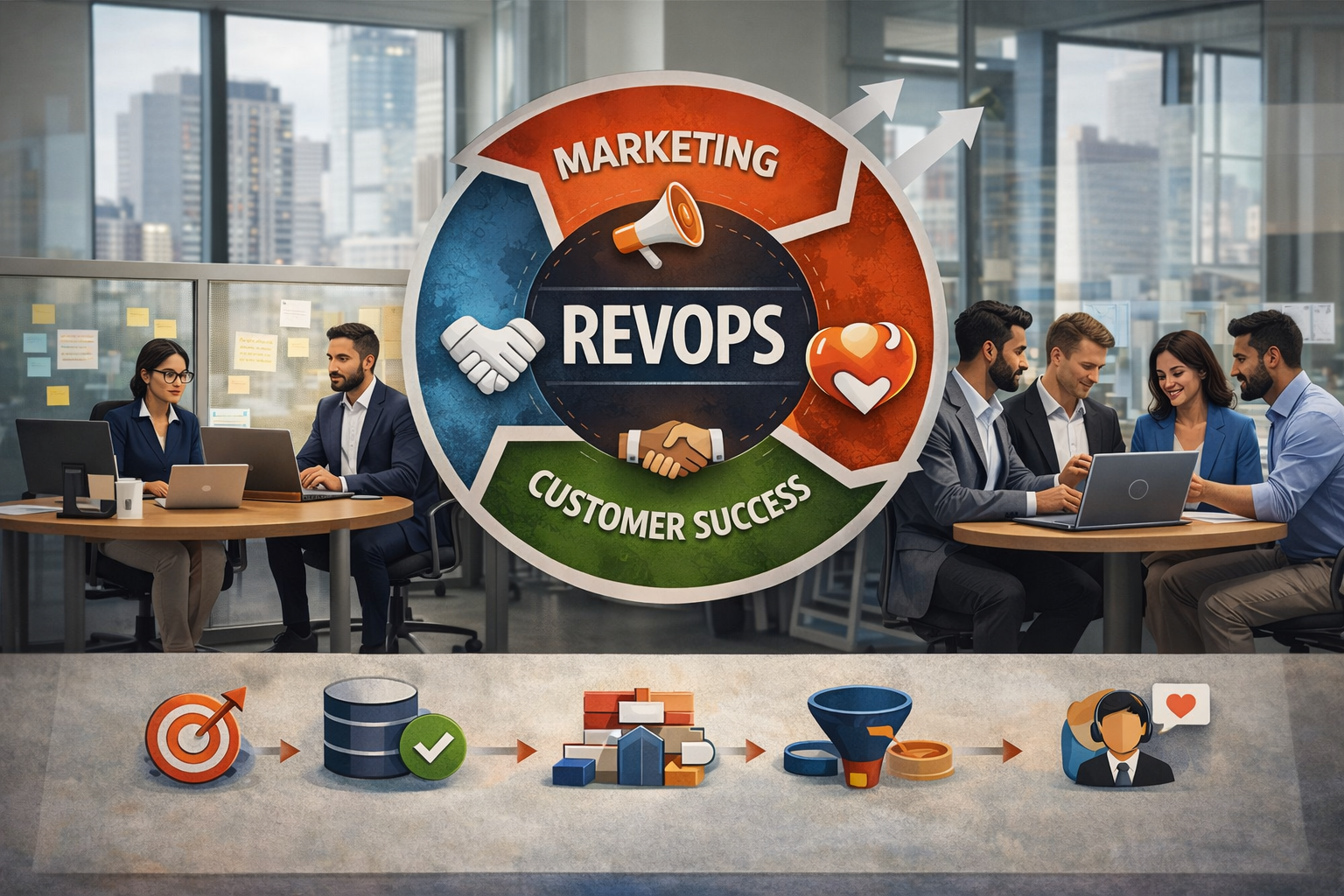
Sales often involves collaboration across marketing, customer success, finance, and product teams.
Collaboration platforms improve productivity by enabling:
- Instant messaging
- Video meetings
- Shared workspaces
- Document collaboration
- Faster internal communication
Better collaboration leads to quicker decision-making and improved customer experiences.
Benefits of Implementing Sales Enablement Technologies
Organizations that invest in sales enablement technologies often experience measurable improvements, including:
- Increased sales productivity
- Faster response times
- Higher lead conversion rates
- Improved sales consistency
- Better customer engagement
- Shorter sales cycles
- Increased revenue growth
- Enhanced forecasting accuracy
By reducing administrative burdens and providing real-time insights, these technologies allow sales teams to focus on what matters most—building relationships and closing deals.
Best Practices for Successful Adoption
Technology alone does not guarantee success. Organizations should follow these best practices:
Define Clear Objectives
Identify specific business challenges before selecting technology.
Integrate Existing Systems
Ensure new tools connect seamlessly with CRM, marketing automation, and customer support platforms.
Train Your Team
Provide ongoing education so employees understand how to maximize each platform’s capabilities.
Monitor Performance
Track adoption rates, productivity improvements, and revenue impact using measurable KPIs.
Continuously Optimize
Regularly review processes and update technology based on evolving business needs.
Future Trends in Sales Enablement
The future of sales enablement will be shaped by continued advances in artificial intelligence and automation. Emerging trends include:
- Generative AI for personalized sales content
- Predictive analytics for opportunity forecasting
- Intelligent customer journey mapping
- Automated proposal generation
- Real-time coaching during customer interactions
- Advanced conversational analytics
Organizations that embrace these innovations will be better positioned to compete in increasingly digital markets.
Read Also: Generative AI Use Cases Every B2B Marketer Should Explore