
A New Era of AI-Powered B2B Marketing
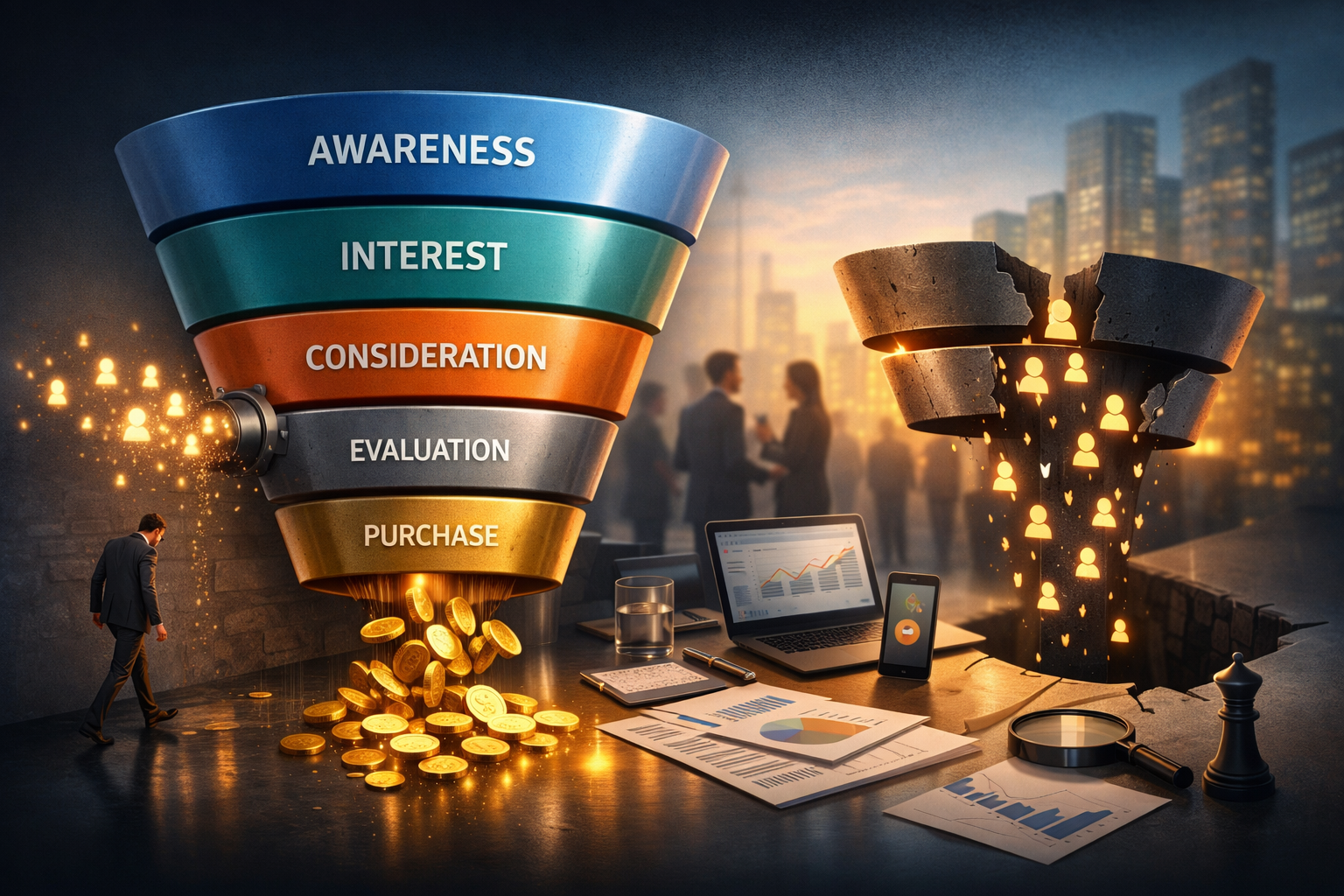
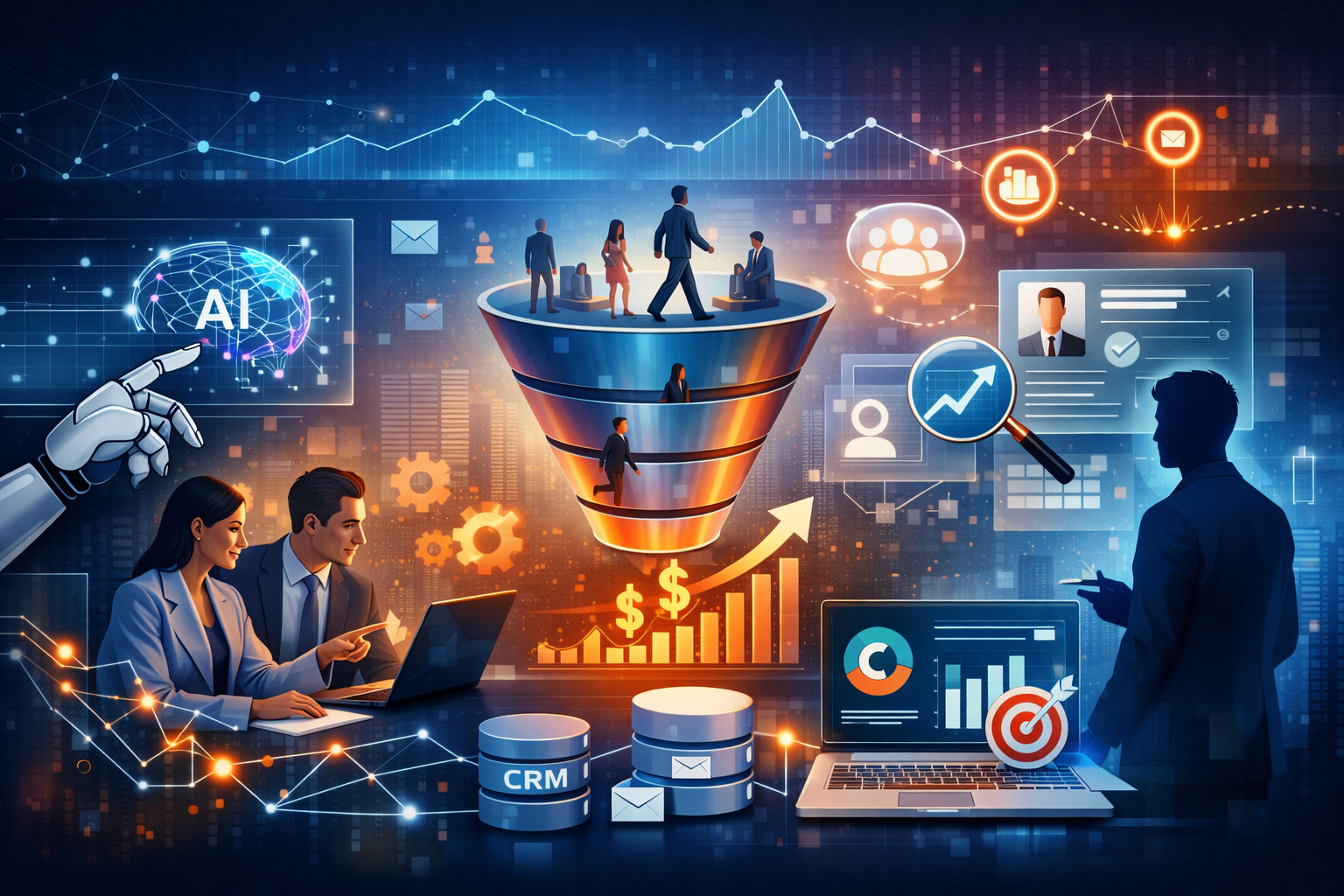
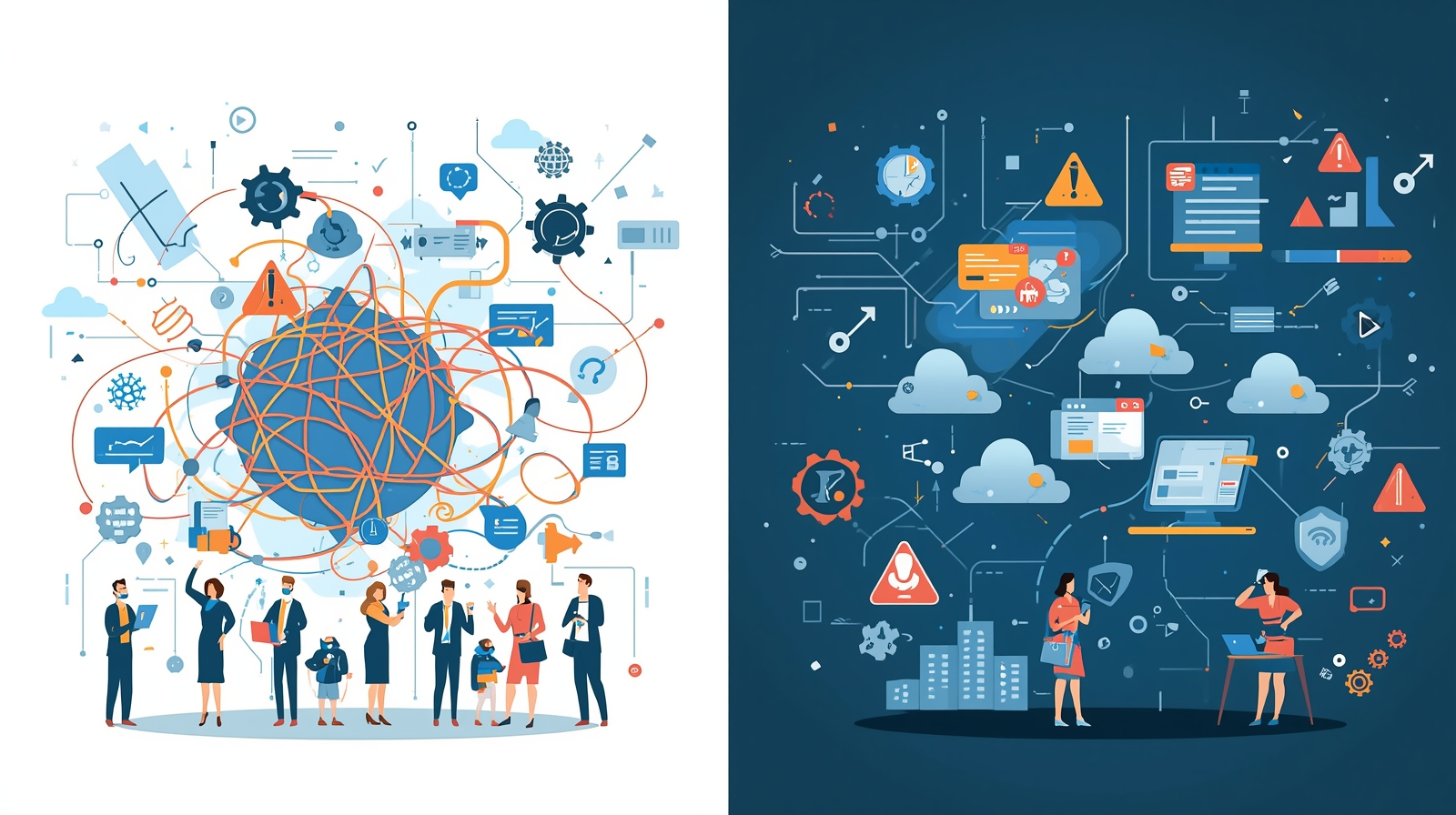
Business-to-business (B2B) marketing has always been more complex than consumer marketing. Unlike a simple online purchase, enterprise buying decisions often involve multiple stakeholders, lengthy evaluation periods, and extensive internal discussions. These factors can stretch sales cycles across months—or even years—creating challenges for marketing and sales teams trying to maintain engagement throughout the journey.
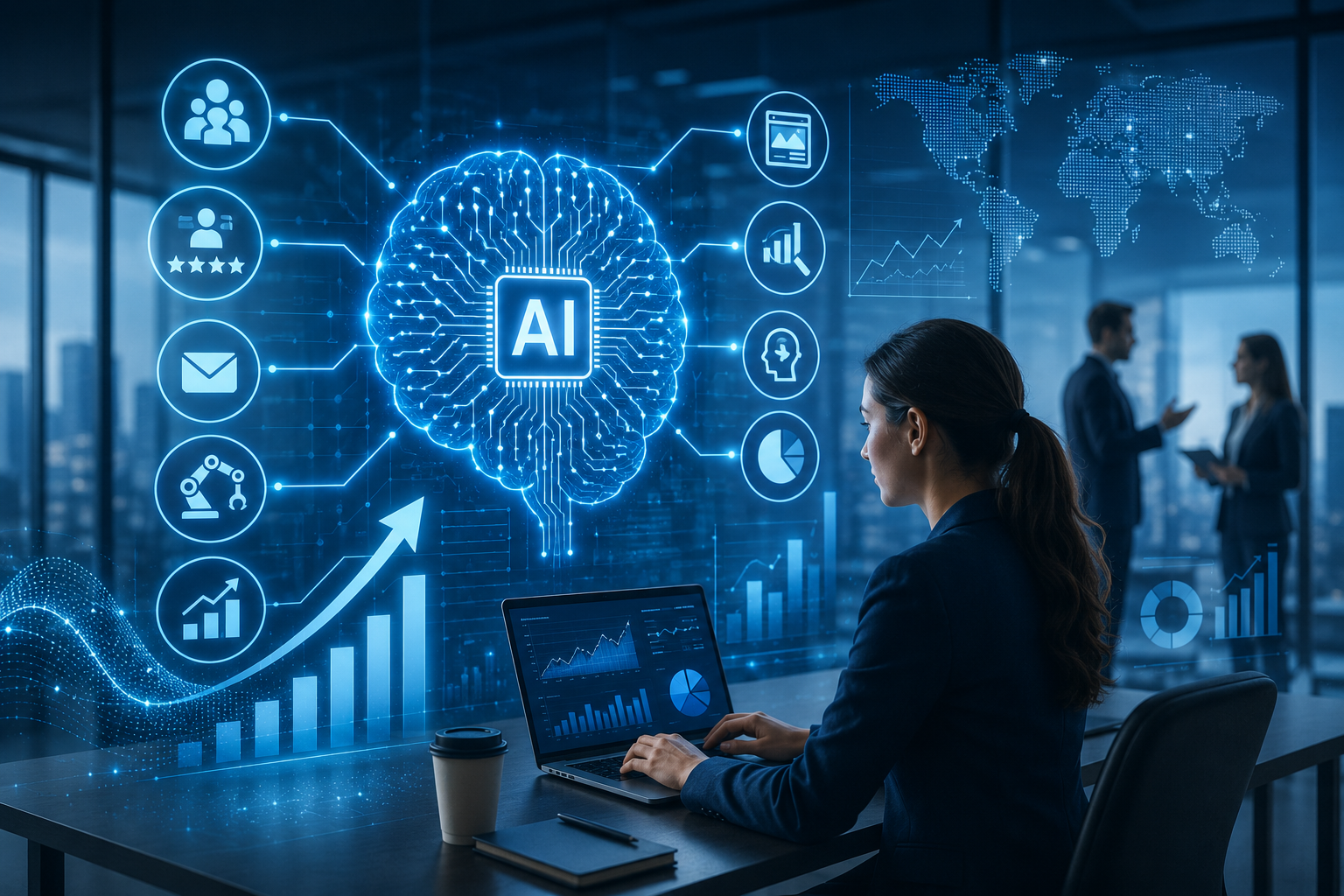
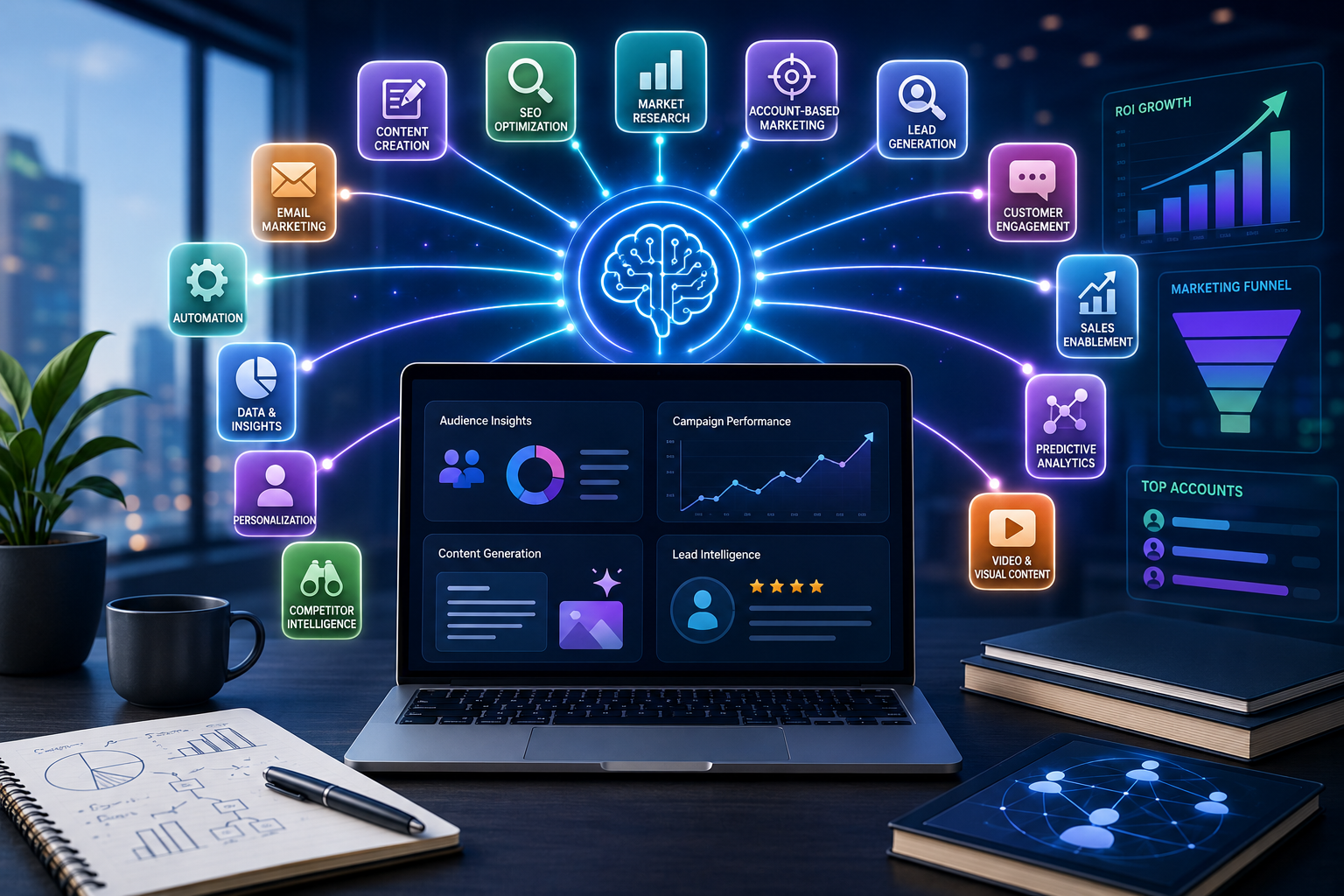
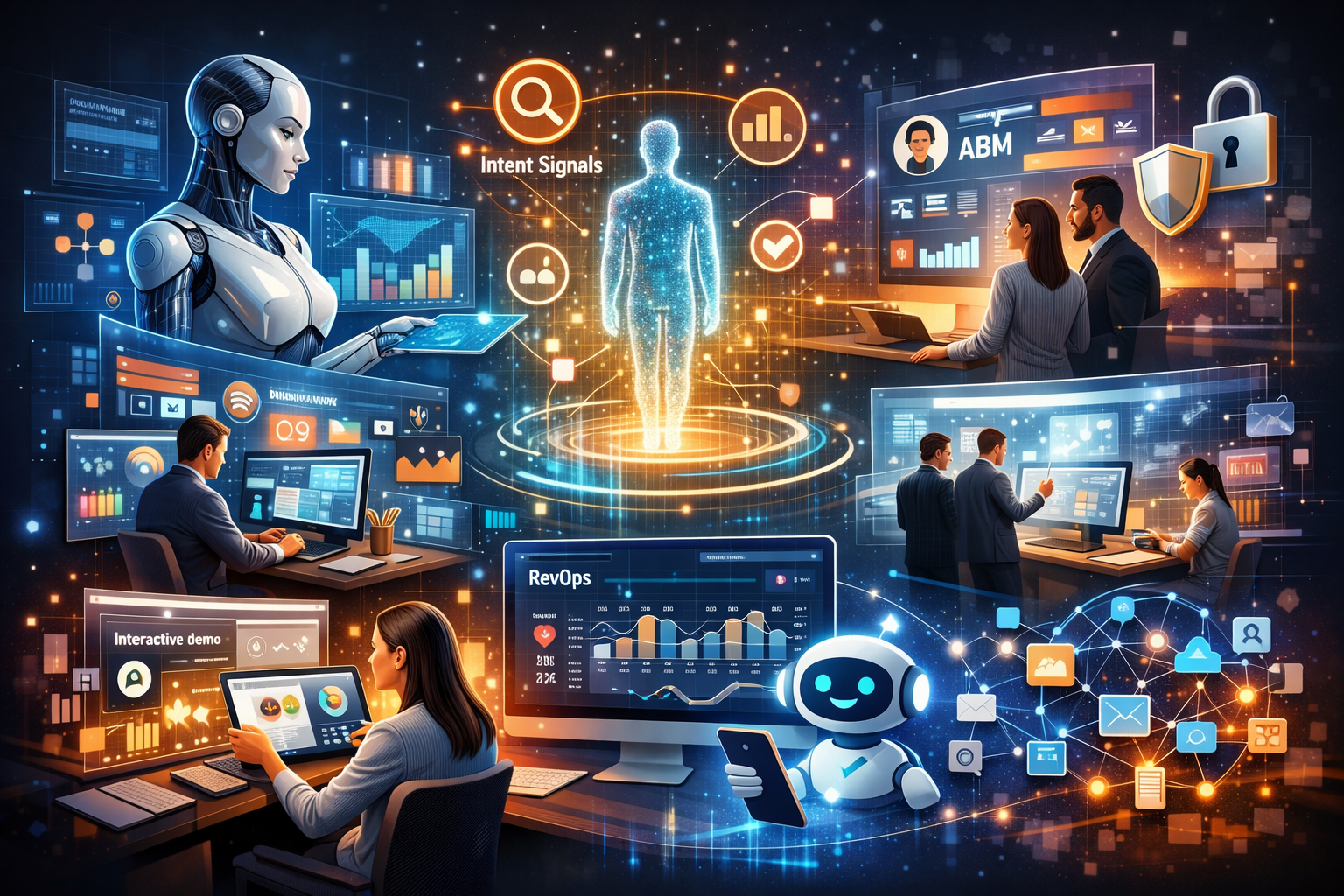
To address this challenge, Adobe has introduced a suite of AI-powered agents designed specifically for B2B organizations. The new capabilities aim to help marketers identify decision-makers, personalize engagement across buying groups, streamline collaboration between sales and marketing teams, and accelerate revenue growth. The initiative represents a significant step forward in Adobe’s broader vision of agentic AI for customer experience management.
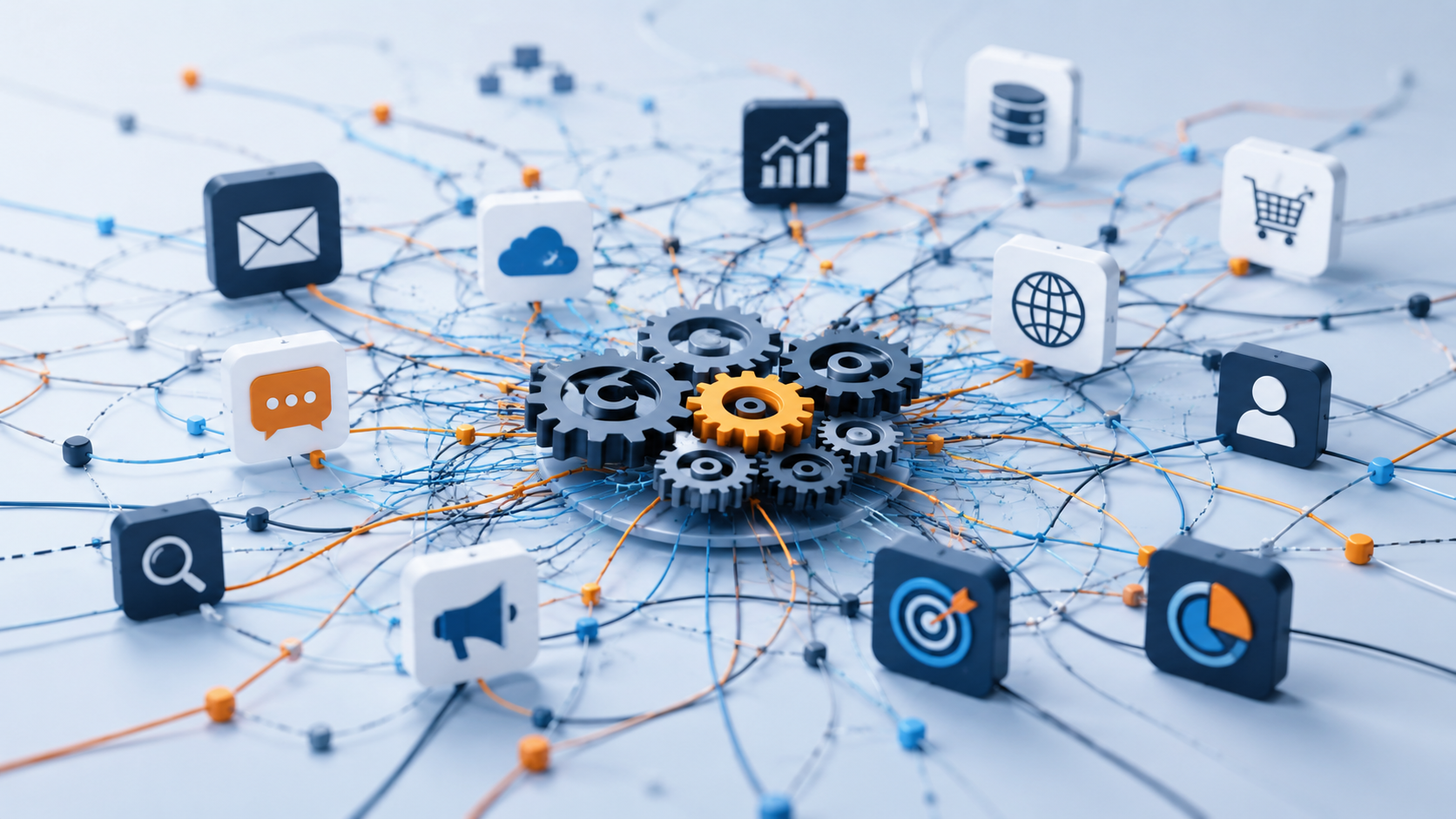
Why Long B2B Buying Cycles Remain a Challenge
Modern B2B purchases rarely depend on a single decision-maker. Large investments in software, hardware, cloud infrastructure, and business services typically require approval from committees consisting of executives, technical evaluators, procurement teams, and end users.
This complexity creates several challenges:
- Identifying the right stakeholders within an organization.
- Maintaining engagement across multiple touchpoints.
- Delivering personalized content to different buyer personas.
- Aligning sales and marketing efforts around the same account.
- Tracking buying intent throughout a lengthy decision process.
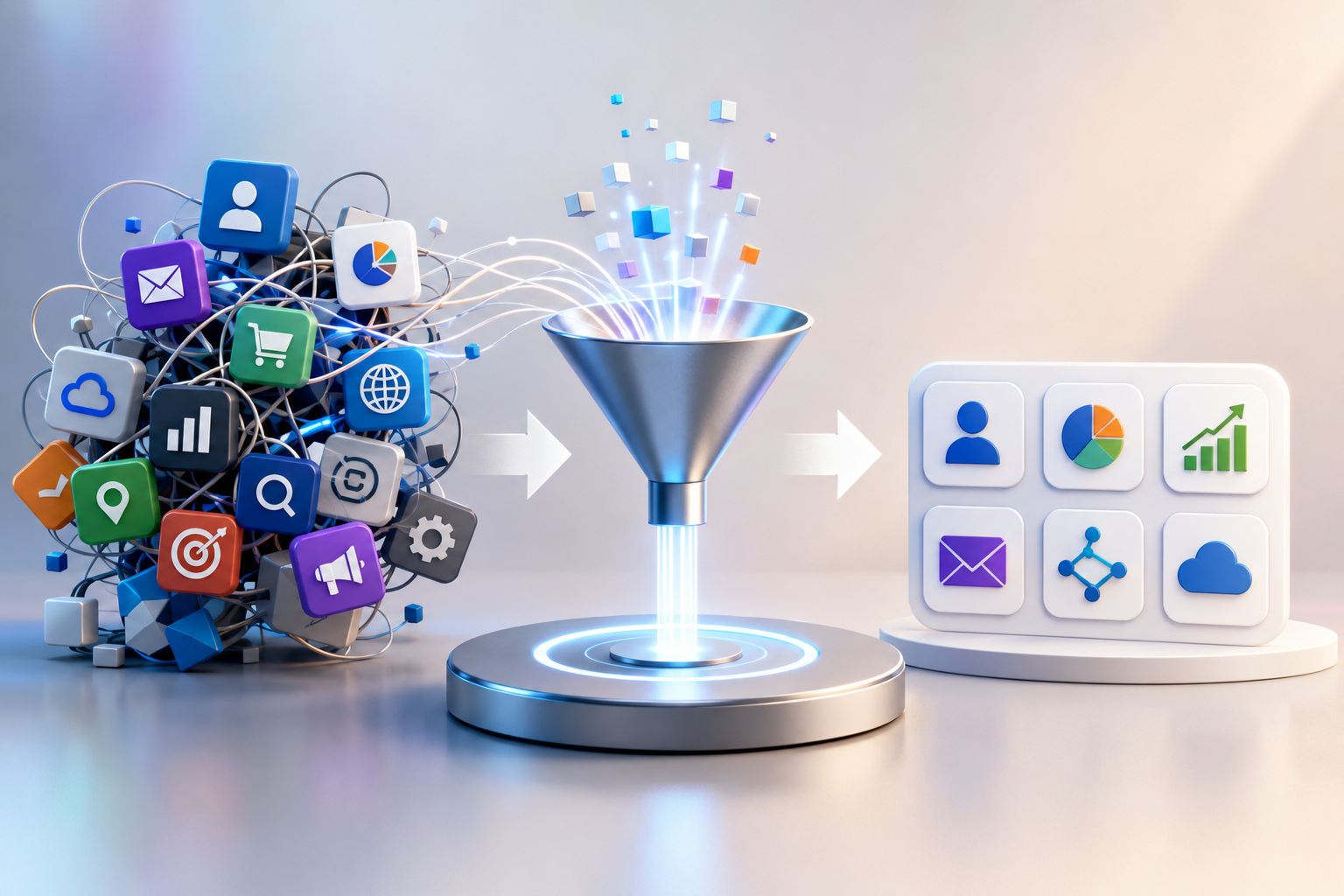
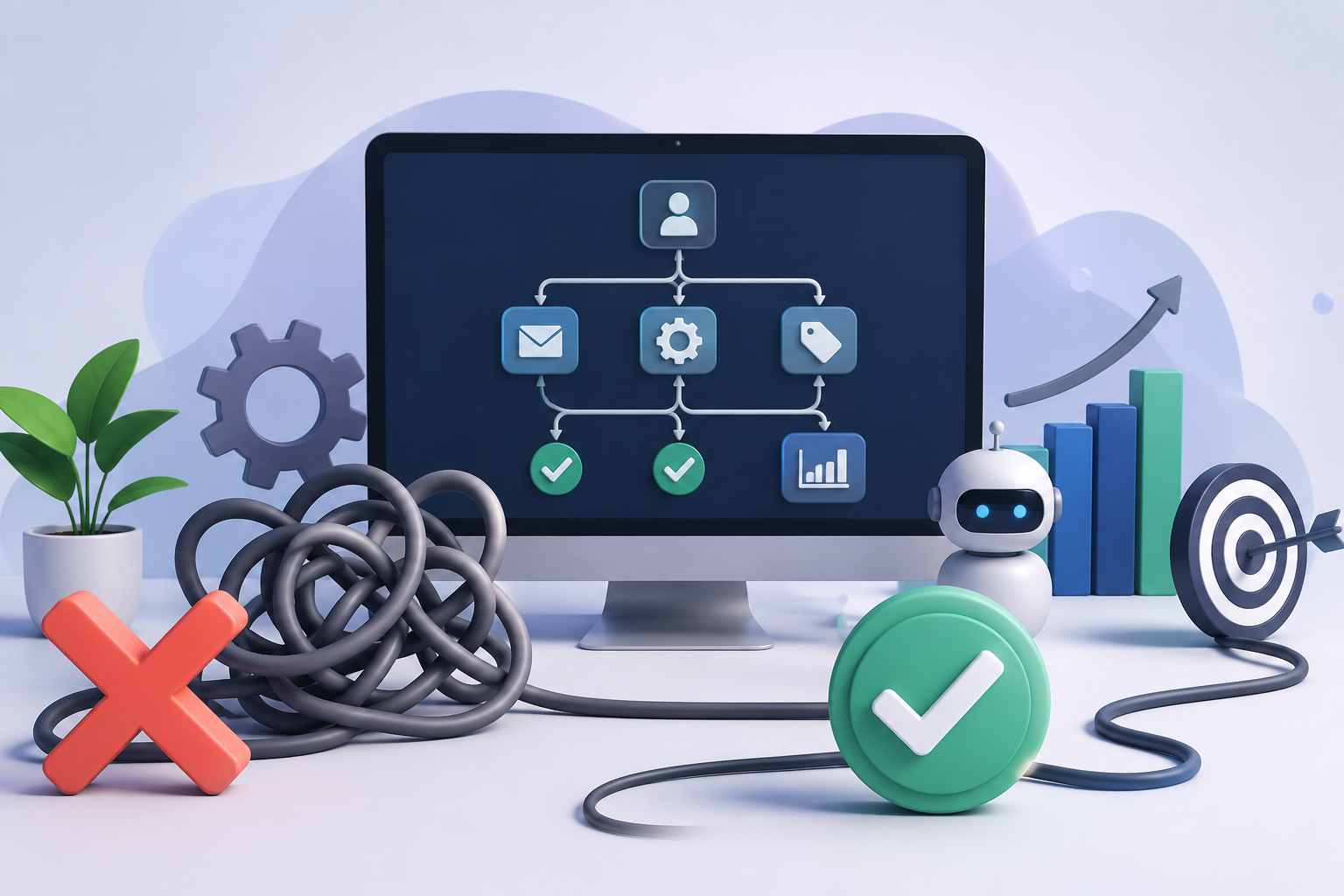
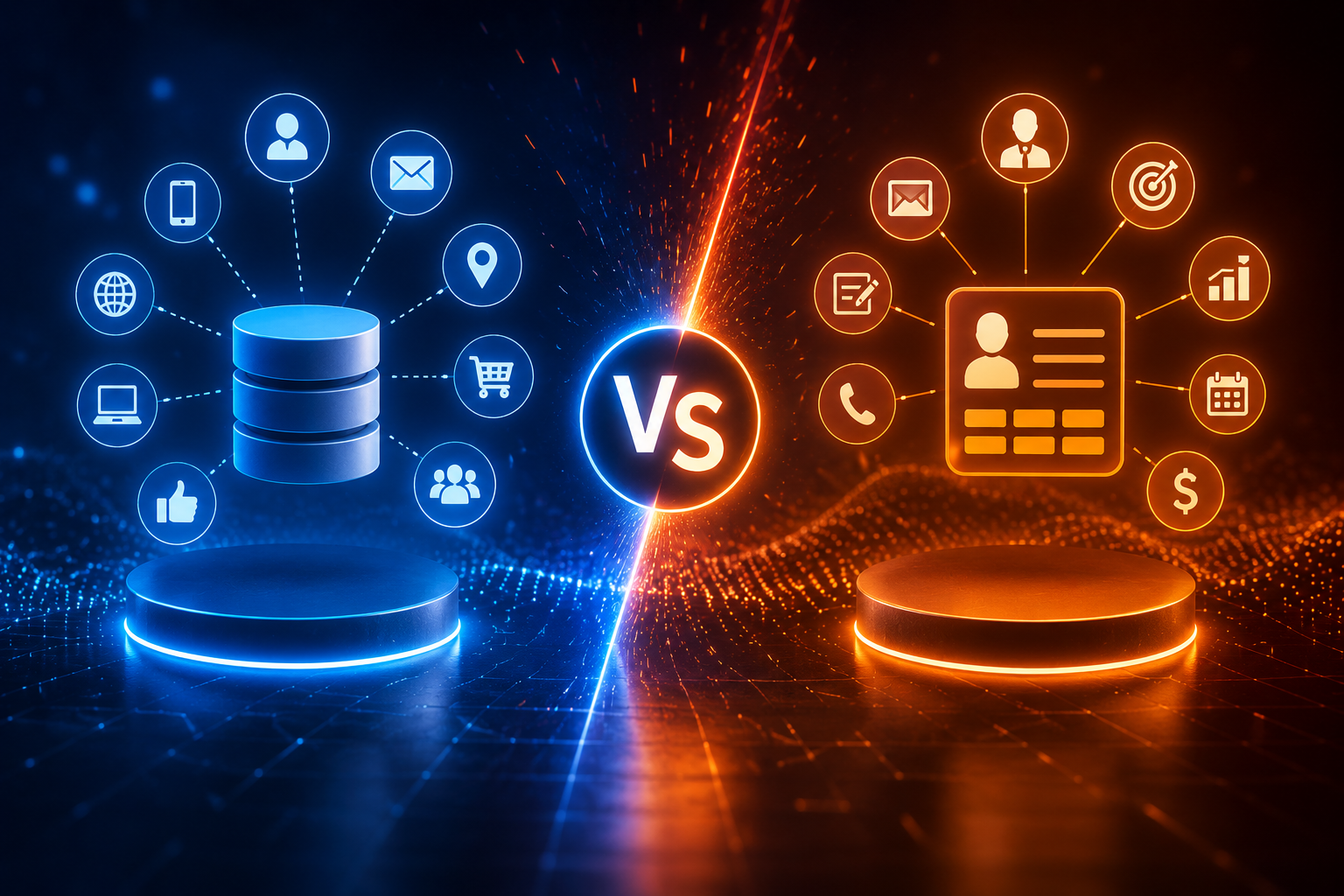
Traditional marketing automation tools often struggle to manage these interconnected relationships, leading to missed opportunities and slower deal progression. Adobe’s AI agents are designed to fill this gap.
How Adobe’s AI Agents Work
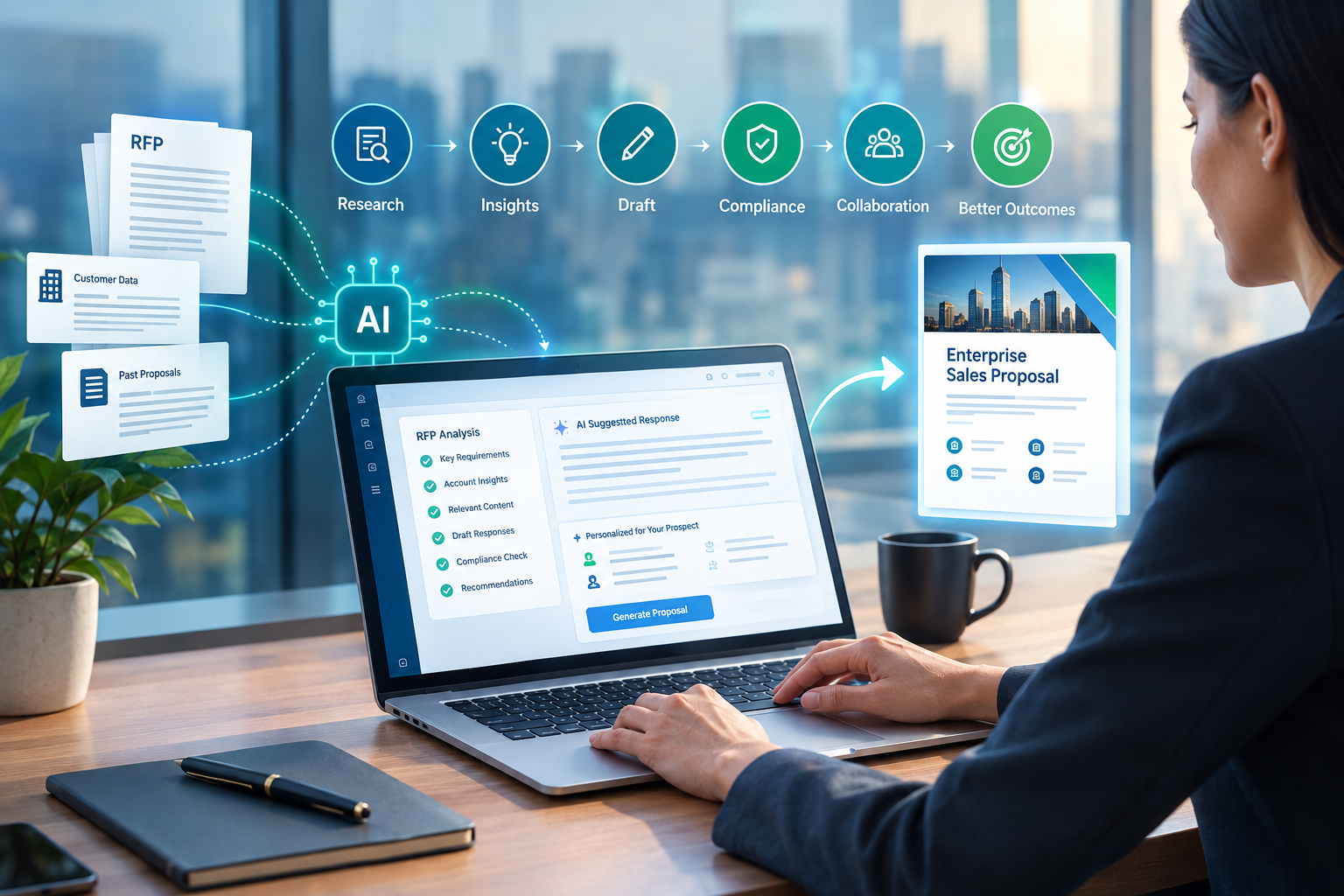
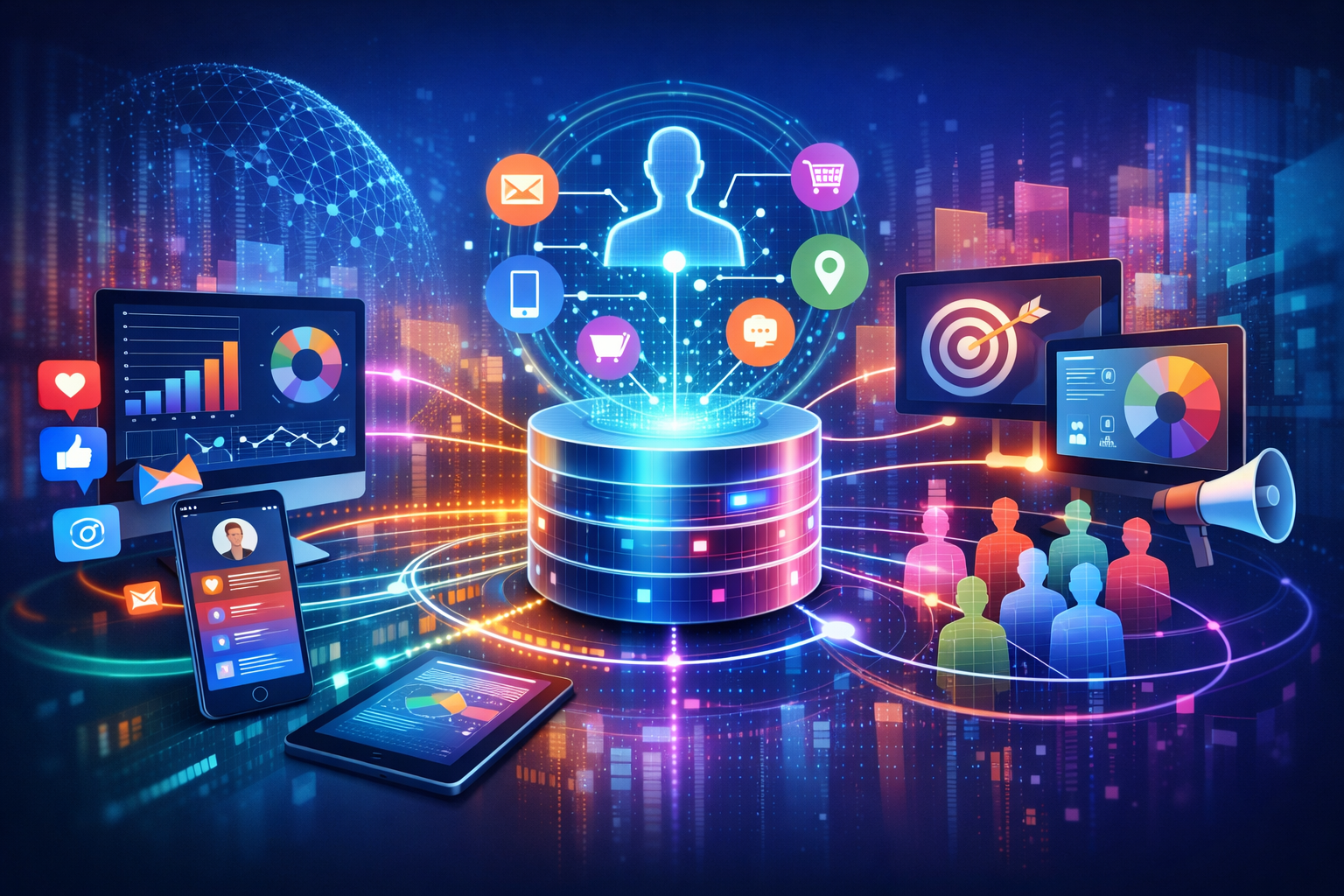
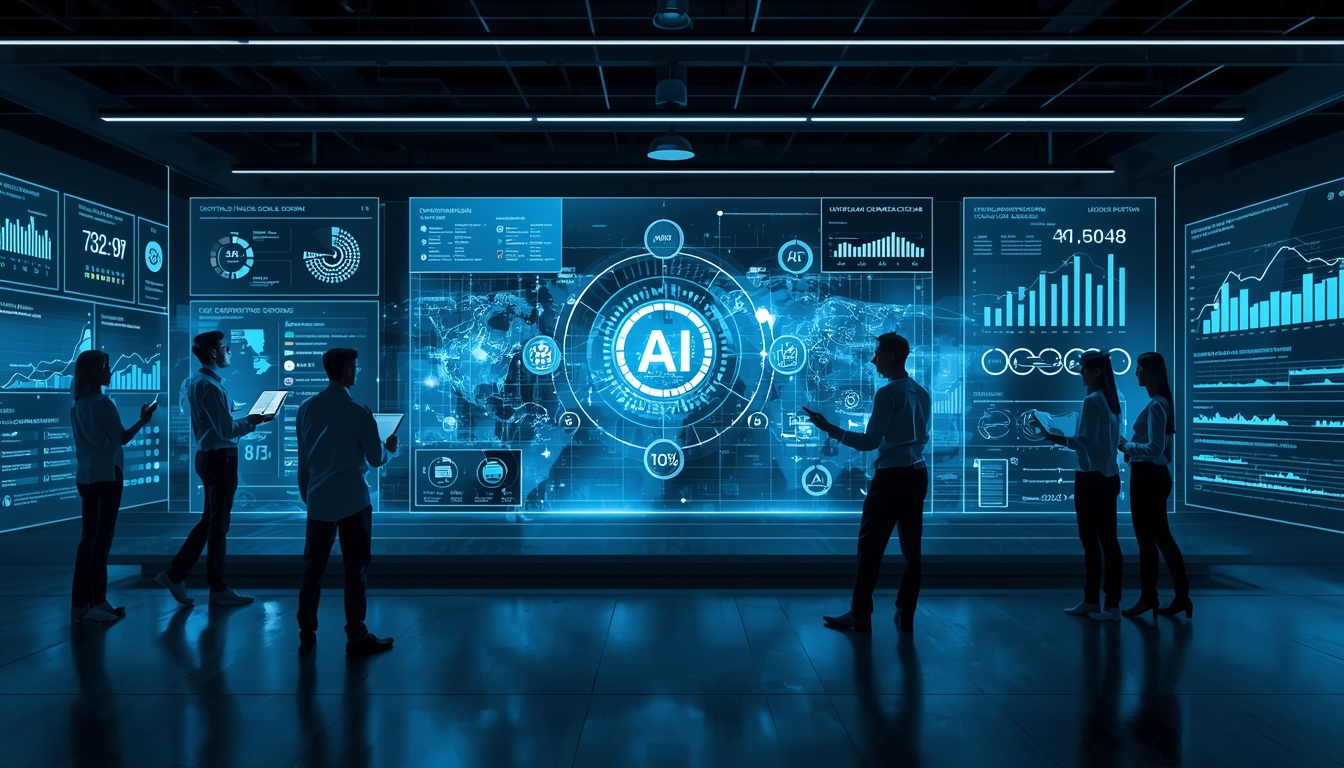
Adobe’s new AI agents are powered by the Adobe Experience Platform Agent Orchestrator, a framework that enables intelligent agents to collaborate, analyze customer data, and execute multi-step workflows. Rather than simply automating repetitive tasks, these agents can reason through complex customer journeys and recommend next-best actions.
1. Buying Group Identification
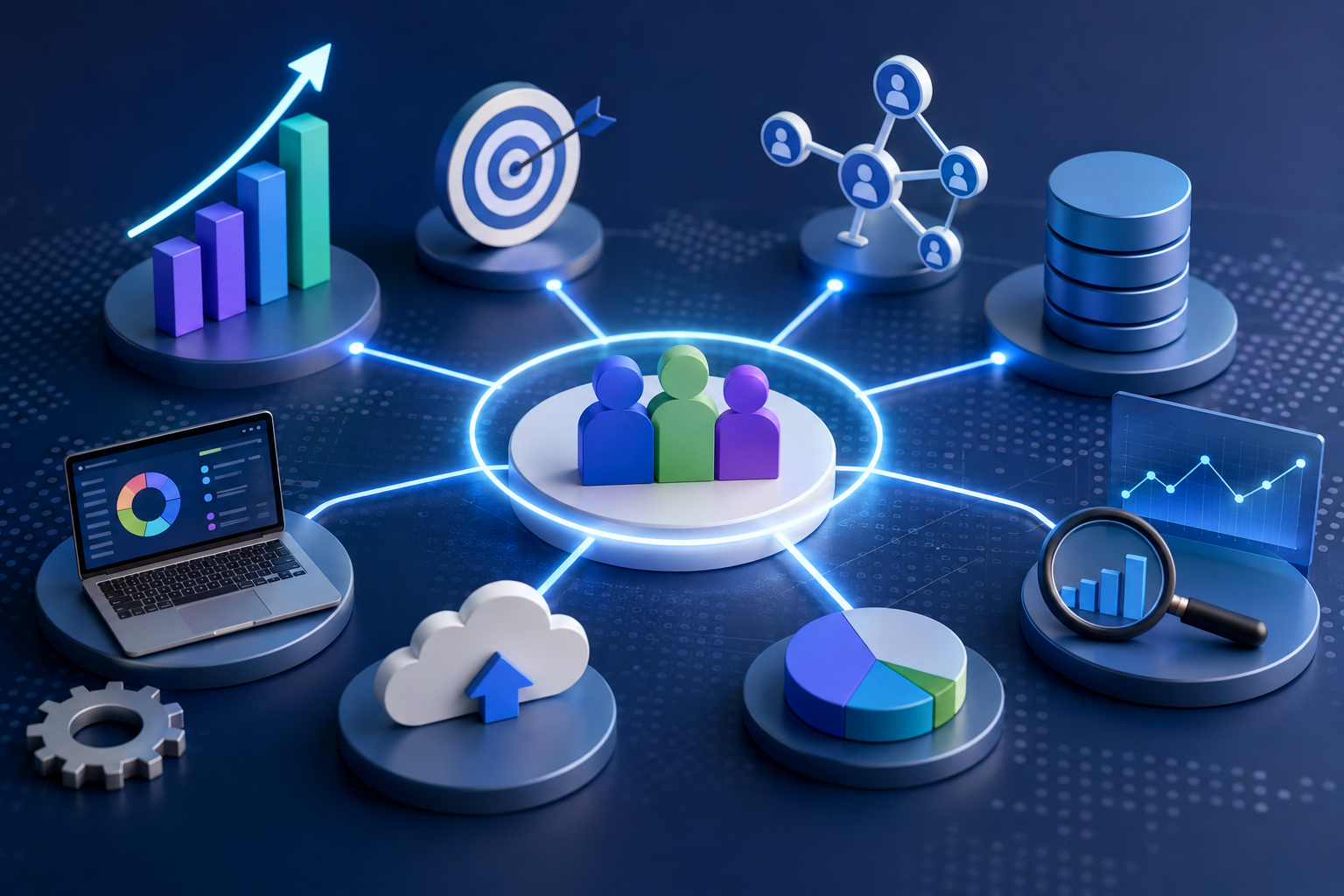
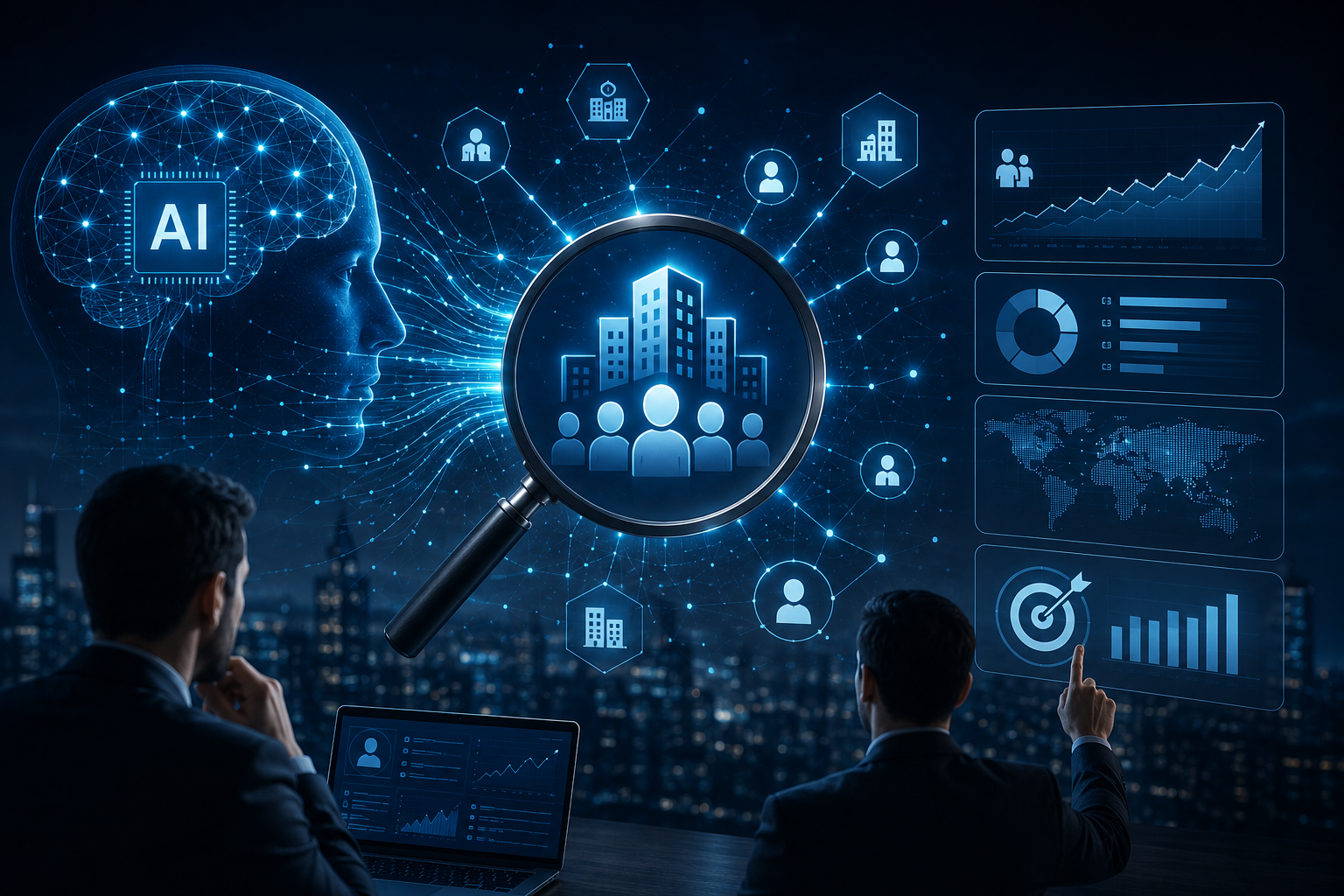
One of the biggest obstacles in B2B marketing is understanding who influences purchasing decisions. Adobe’s AI agents can analyze first-party sales and marketing data to identify buying groups, assign stakeholder roles, and highlight missing decision-makers who may need engagement before a deal can progress.
2. Personalized Customer Journeys
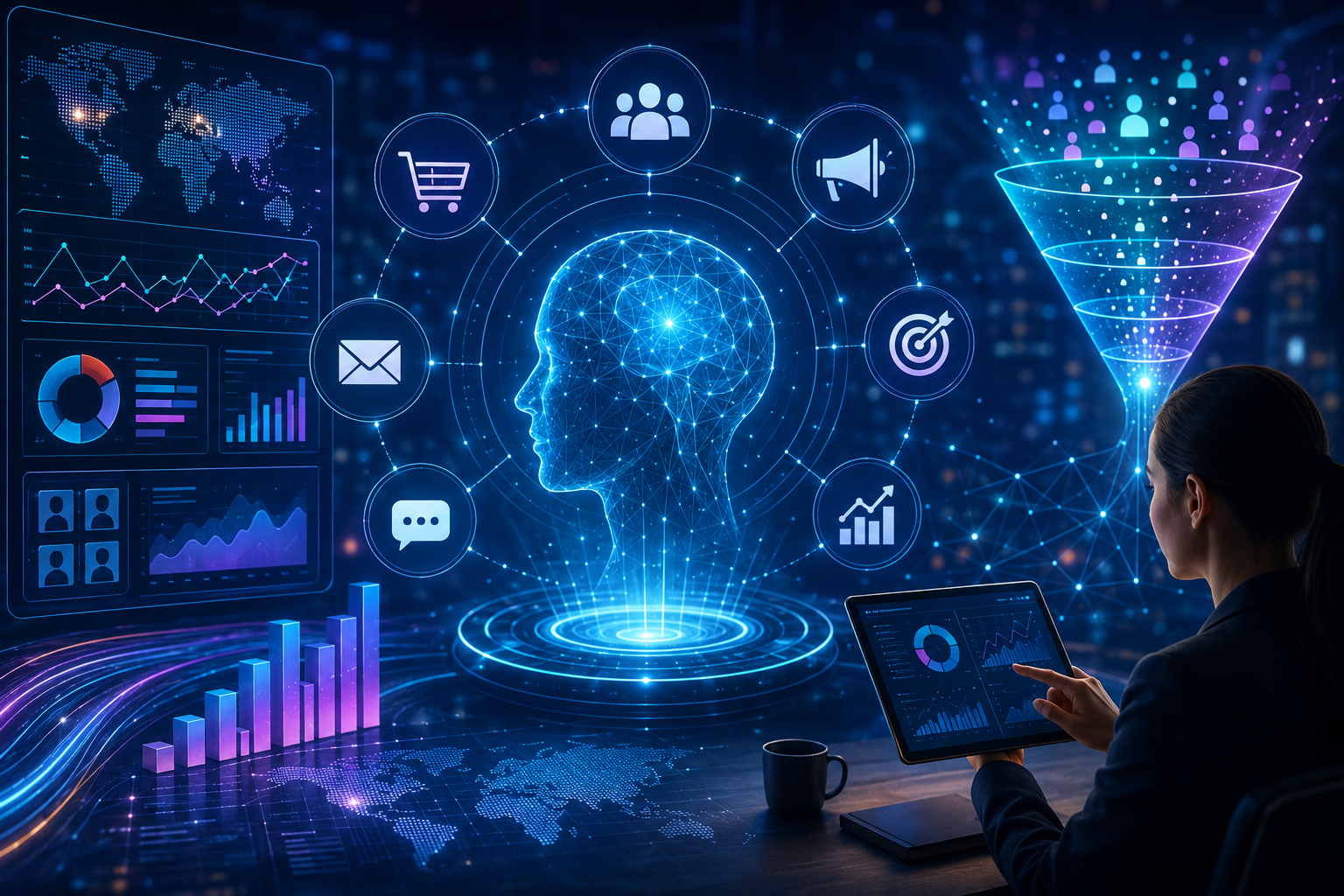
The agents can create customized engagement strategies for different members of a buying committee. Instead of sending generic messages, marketers can deliver content tailored to individual roles, interests, and stages of the buying journey. This helps improve relevance and engagement throughout the sales cycle.
3. Sales and Marketing Alignment
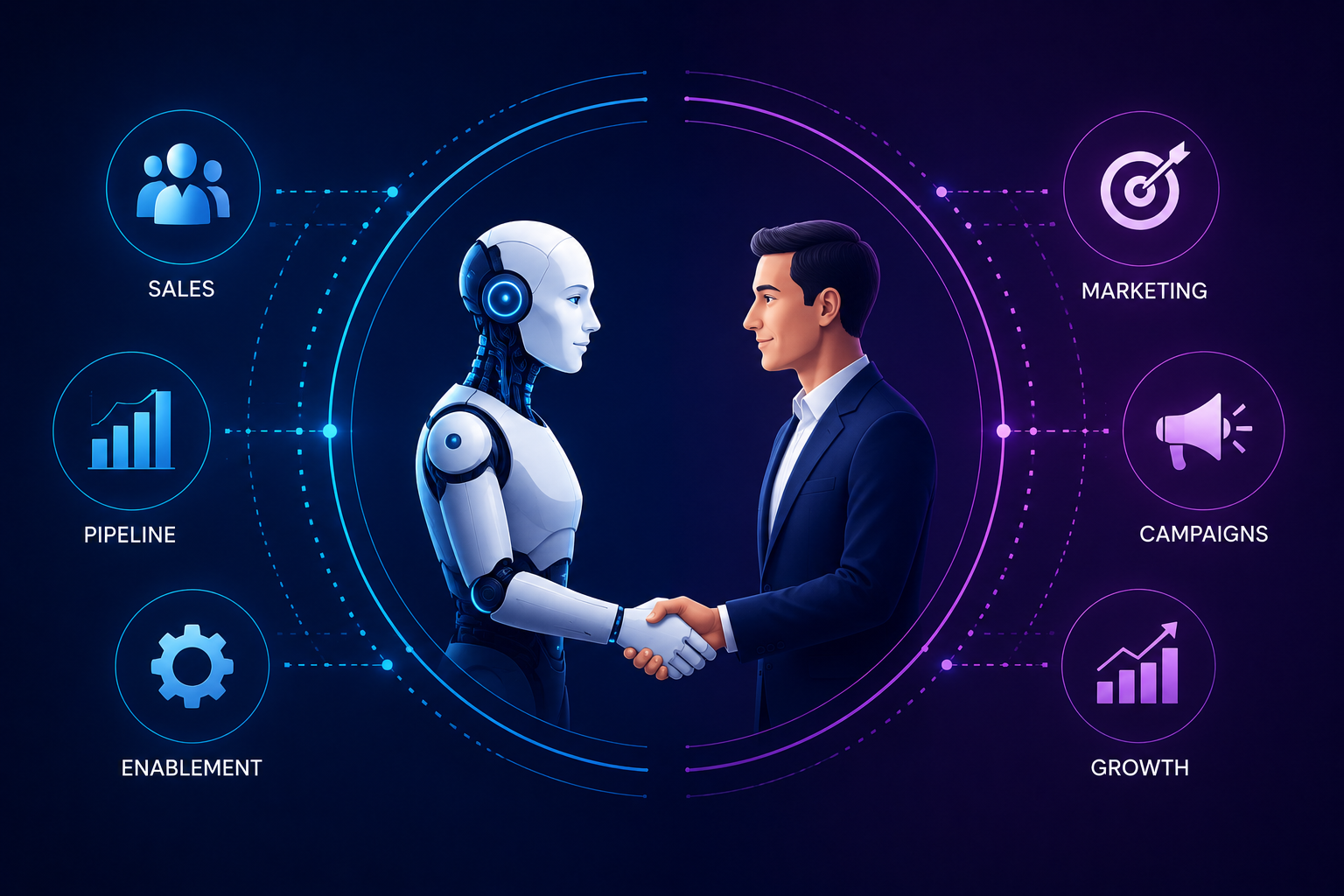
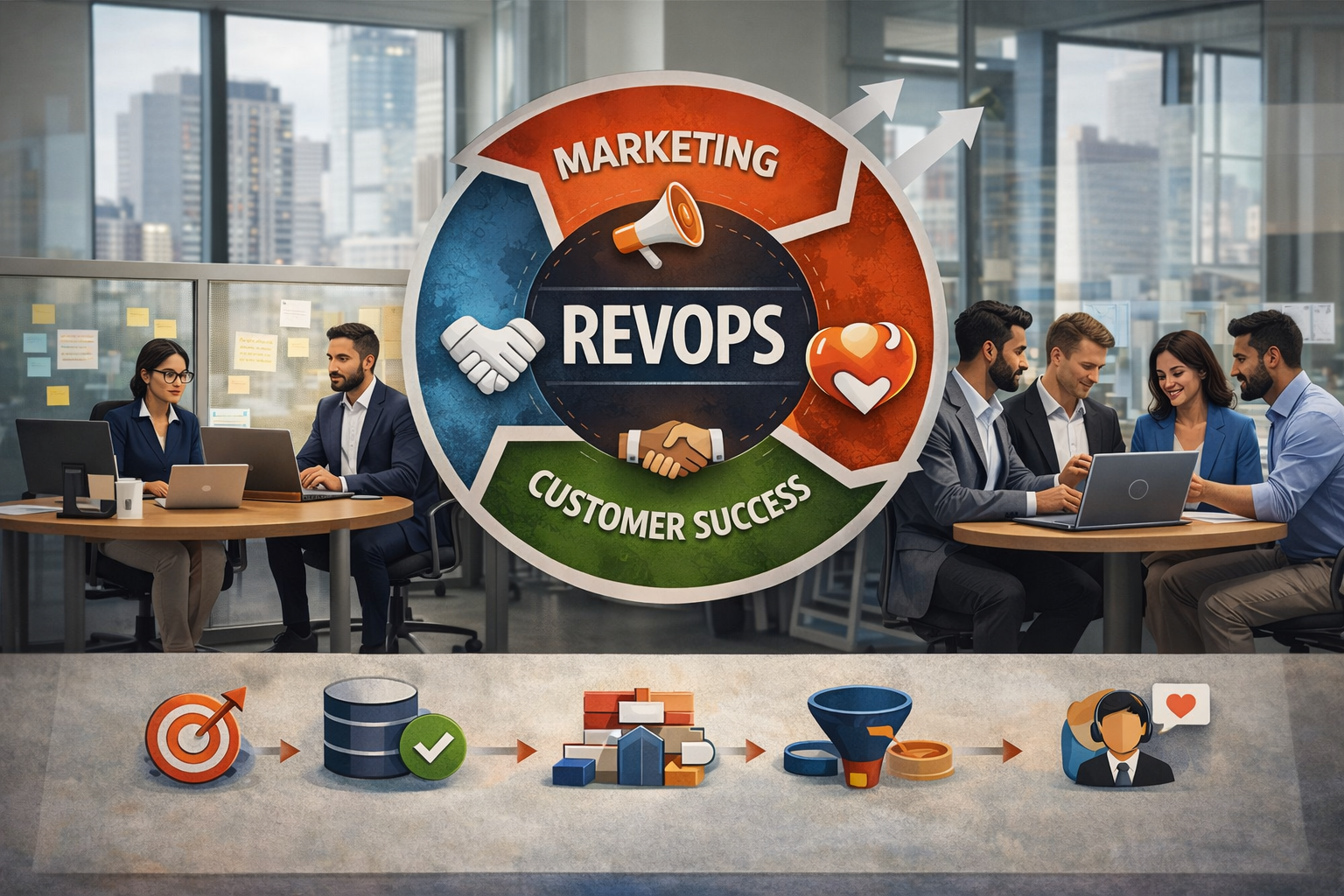
Adobe’s AI agents also support internal collaboration. By summarizing buying-group activity, preparing customer briefings, and surfacing engagement insights, the technology helps sales and marketing teams stay aligned on account priorities and opportunities.
4. Opportunity Qualification
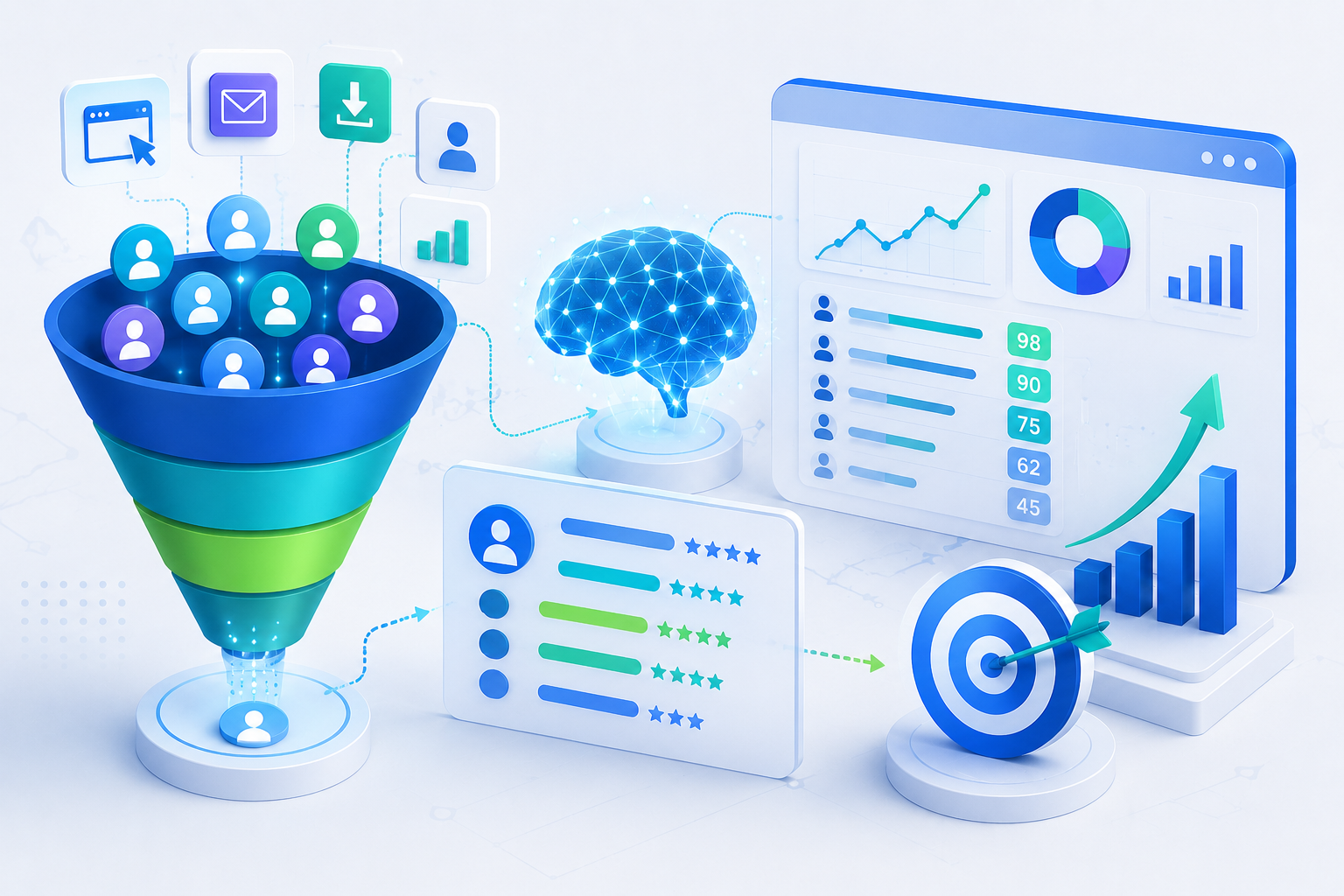
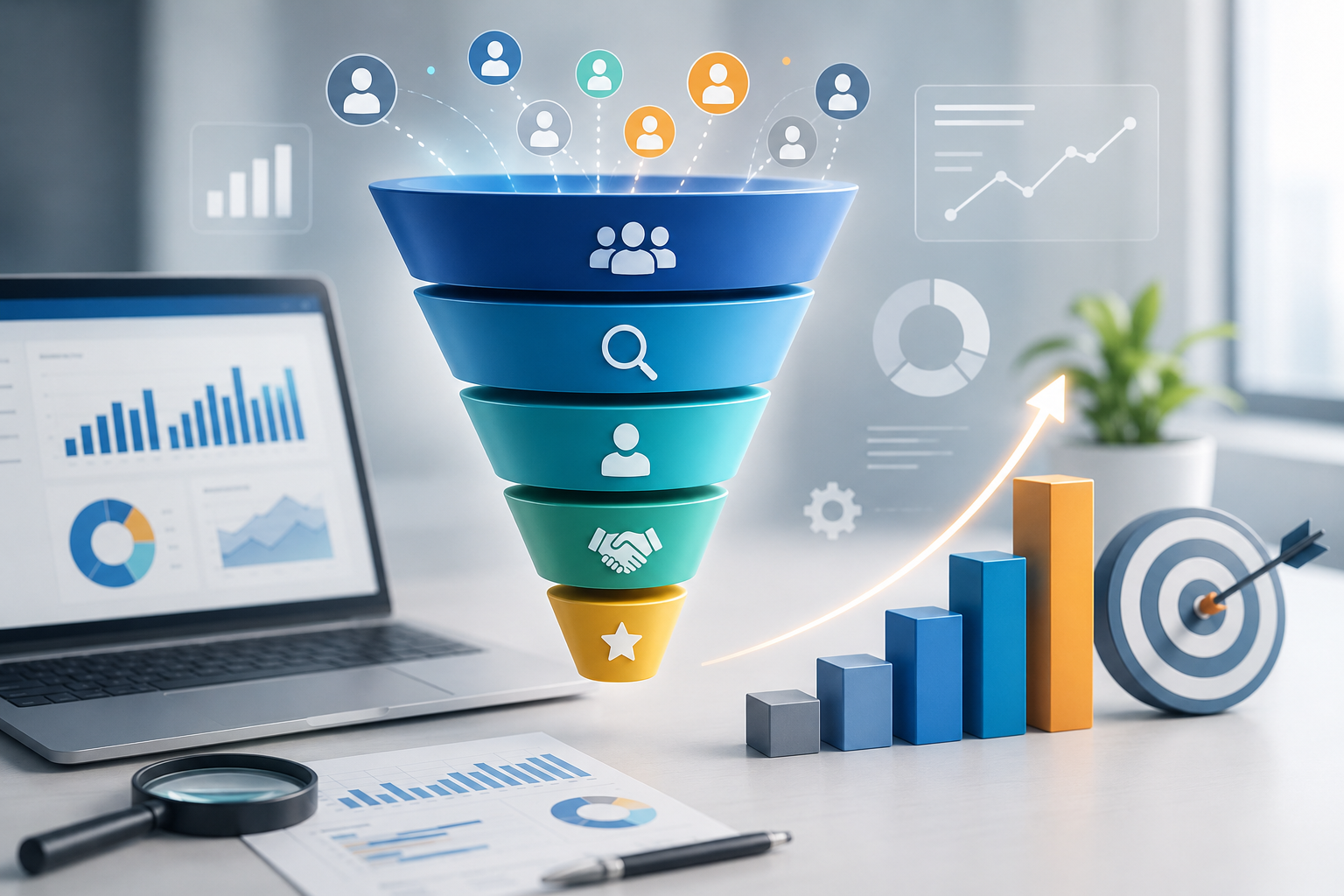
The Account Qualification Agent evaluates new opportunities and identifies accounts with strong purchase intent. By automating qualification tasks, organizations can focus resources on the most promising prospects and improve pipeline efficiency.
The Strategic Importance of Agentic AI
Adobe’s announcement reflects a broader industry shift toward agentic AI—systems capable of acting autonomously while collaborating with human teams. Rather than serving solely as analytical tools, AI agents are becoming active participants in marketing operations.
For B2B organizations, this shift could be transformative. AI agents can continuously monitor account activity, identify engagement signals, recommend actions, and automate routine processes, enabling teams to focus on strategy, creativity, and relationship building.
Benefits for B2B Marketers
Organizations adopting Adobe’s AI agents may experience several advantages:
- Faster identification of high-value opportunities.
- Better visibility into complex buying committees.
- More personalized customer experiences at scale.
- Improved coordination between sales and marketing teams.
- Reduced manual workload through automation.
- Higher deal velocity and improved conversion rates.
These benefits become increasingly important as customer expectations for personalized experiences continue to rise across digital channels.
Looking Ahead
The introduction of AI agents marks another milestone in the evolution of B2B marketing technology. As buying journeys become more complex and customer expectations continue to grow, organizations will need intelligent systems capable of understanding relationships, coordinating actions, and delivering personalized experiences at scale.
Adobe’s latest innovation suggests that the future of B2B marketing may not be driven solely by automation, but by collaborative AI agents working alongside marketers and sales professionals to navigate the intricacies of modern purchasing decisions. By helping organizations identify key stakeholders, personalize engagement, and accelerate deal progression, these AI agents could significantly reshape how businesses approach long and complex buying cycles.
Read Also: Predictive Analytics in B2B Demand Generation: Turning Data into Revenue Growth