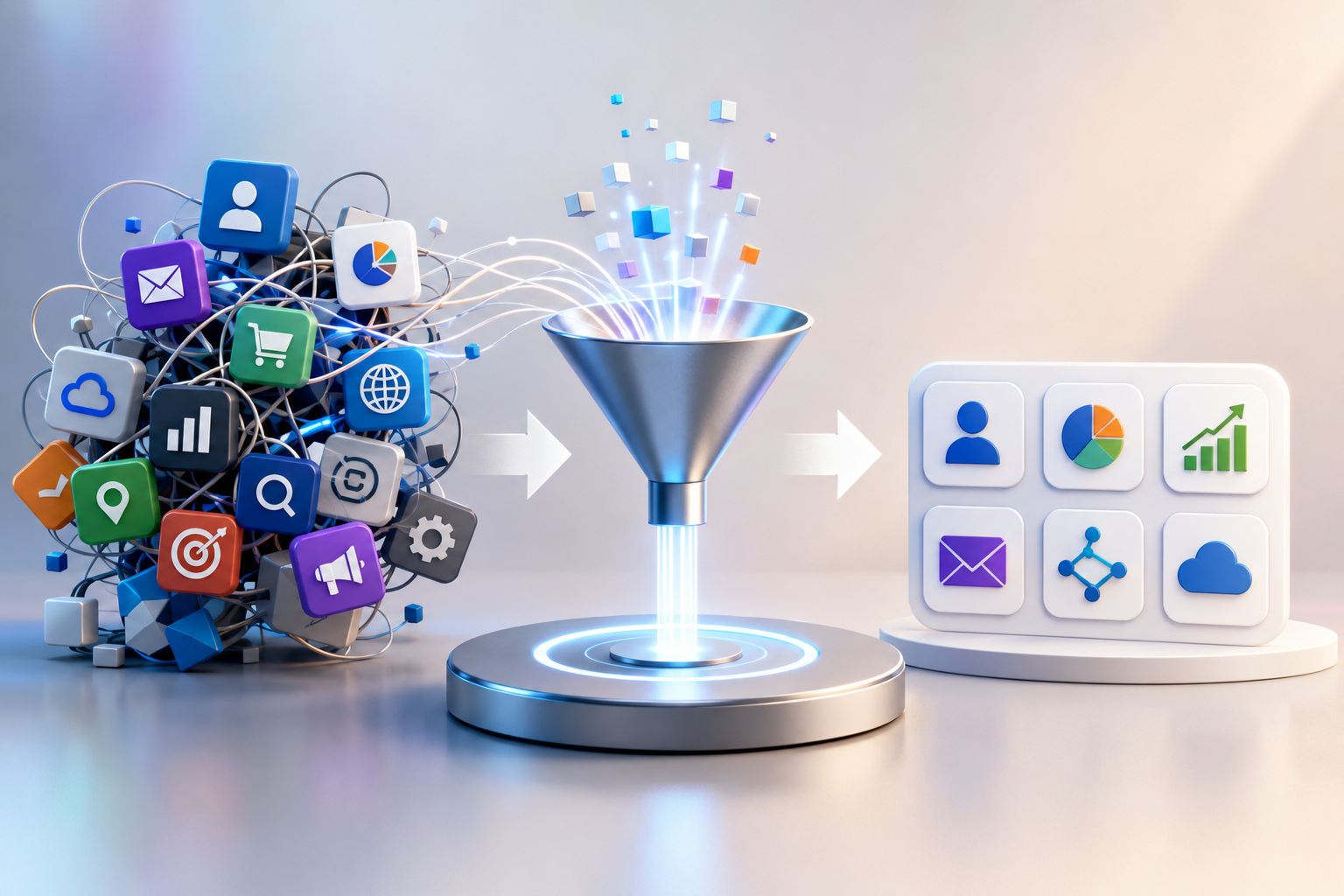

In today’s hyper-competitive digital economy, high-growth startups don’t just rely on great products—they rely on smart marketing technology (Martech) to scale faster, optimize costs, and deliver personalized customer experiences.
With thousands of Martech tools available globally, startups are no longer asking “Which tool is best?” but rather “Which combination of tools drives growth?”
This blog explores the most commonly used Martech tools by high-growth startups, categorized by function, along with real-world stack examples.
🔑 Why Martech Matters for Startups
High-growth startups operate under constraints—limited budgets, small teams, and aggressive targets. Martech helps them:
- Automate repetitive marketing tasks
- Track user behavior and optimize funnels
- Personalize communication at scale
- Measure ROI across channels
The right Martech stack acts as a growth engine—not just a toolkit.
🧰 Core Martech Categories & Tools
1. Customer Relationship Management (CRM)
Purpose: Manage leads, sales pipelines, and customer interactions
Popular tools:
- HubSpot CRM
- Salesforce
- Zoho CRM
💡 Why it matters: CRM is the backbone of any Martech stack, helping startups centralize customer data and improve conversions.
2. Analytics & Data Tracking
Purpose: Understand user behavior and campaign performance
Popular tools:
- Google Analytics 4 (GA4)
- Mixpanel
- Looker Studio
💡 Why it matters: Data-driven startups rely heavily on analytics to optimize acquisition and retention strategies in real time.
3. Marketing Automation & Email
Purpose: Automate email campaigns, nurture leads, and improve engagement
Popular tools:
- Mailchimp
- Customer.io
- Netcore
💡 Why it matters: Automation allows startups to scale communication without scaling teams.
4. Product & User Engagement Tools
Purpose: Improve onboarding, retention, and in-app engagement
Popular tools:
- MoEngage
- CleverTap
- WebEngage
💡 Why it matters: These tools are essential for product-led growth (PLG) startups focusing on user experience and retention.
5. Content & SEO Tools
Purpose: Drive inbound traffic and organic growth
Popular tools:
- Jasper AI
- Surfer SEO
- Contentful / Ghost
💡 Why it matters: Content-led growth is a major driver for B2B and SaaS startups.
6. Social Media & Ad Tools
Purpose: Manage campaigns and paid acquisition
Popular tools:
- Buffer
- AdEspresso
- Meta Ads Manager
💡 Why it matters: Paid and organic social channels are key acquisition drivers, especially in early stages.
7. Integration & Automation Tools
Purpose: Connect tools and automate workflows
Popular tools:
- Zapier
- Segment
- Notion AI
💡 Why it matters: High-growth startups avoid siloed systems by integrating tools into a unified ecosystem.
🧩 Real Martech Stacks Used by High-Growth Startups
🔹 1. Bootstrapped Startup Stack
- Website: Webflow / WordPress
- CRM: Zoho CRM
- Email: Mailchimp
- Analytics: GA4
- Social: Buffer
👉 Best for: Early-stage startups with limited budgets
🔹 2. Product-Led Growth (PLG) Stack
- CDP: Segment + HubSpot
- Analytics: Mixpanel
- Engagement: CleverTap / MoEngage
- A/B Testing: Optimizely
👉 Best for: SaaS, fintech, and app-based startups
🔹 3. AI-Powered Growth Stack
- CRM: HubSpot
- Automation: Zapier
- Content: ChatGPT, Writesonic
- Data: BigQuery + Looker Studio
👉 Best for: AI-first and global startups
🔹 4. Scale-Stage Startup Stack
- CDP: Salesforce
- Automation: WebEngage
- Attribution: AppsFlyer / Branch
- Data Warehouse: Snowflake
👉 Best for: Series A+ startups scaling rapidly
📈 Key Trends in Startup Martech (2025–2026)
1. AI-First Marketing
Startups are increasingly using AI tools for:
- Content generation
- Ad creatives
- Customer segmentation
2. Composable Stacks
Instead of one platform, startups prefer flexible, integrated tools that can evolve with growth.
3. Focus on ROI & Efficiency
Startups are prioritizing lean stacks with measurable outcomes instead of bloated toolsets.
⚠️ Common Mistakes to Avoid
- Using too many tools without integration
- Choosing tools based on trends, not needs
- Ignoring data tracking and attribution
- Over-investing before product-market fit
Read Also:Blockchain in Marketing: Use Cases You Should Know