
In today’s competitive business landscape, generating high-quality leads is essential for sustainable growth. For B2B companies, lead generation is more than collecting contact details — it involves identifying the right prospects, building meaningful relationships, and guiding potential customers toward a purchase decision.
However, with changing buyer behaviors, increasing competition, and evolving digital marketing trends, traditional lead generation methods may no longer deliver the desired results.
So, how can businesses consistently attract qualified prospects and convert them into customers?
In this guide, we’ll explore 15 proven B2B lead generation strategies that can help your business reach decision-makers, improve conversion rates, and build a predictable sales pipeline.
What Is B2B Lead Generation?
B2B lead generation is the process of identifying and attracting potential business customers who may be interested in your products or services.
Unlike business-to-consumer (B2C) marketing, which targets individual consumers, B2B lead generation focuses on businesses, professionals, and decision-makers such as CEOs, marketing managers, procurement teams, and sales directors.
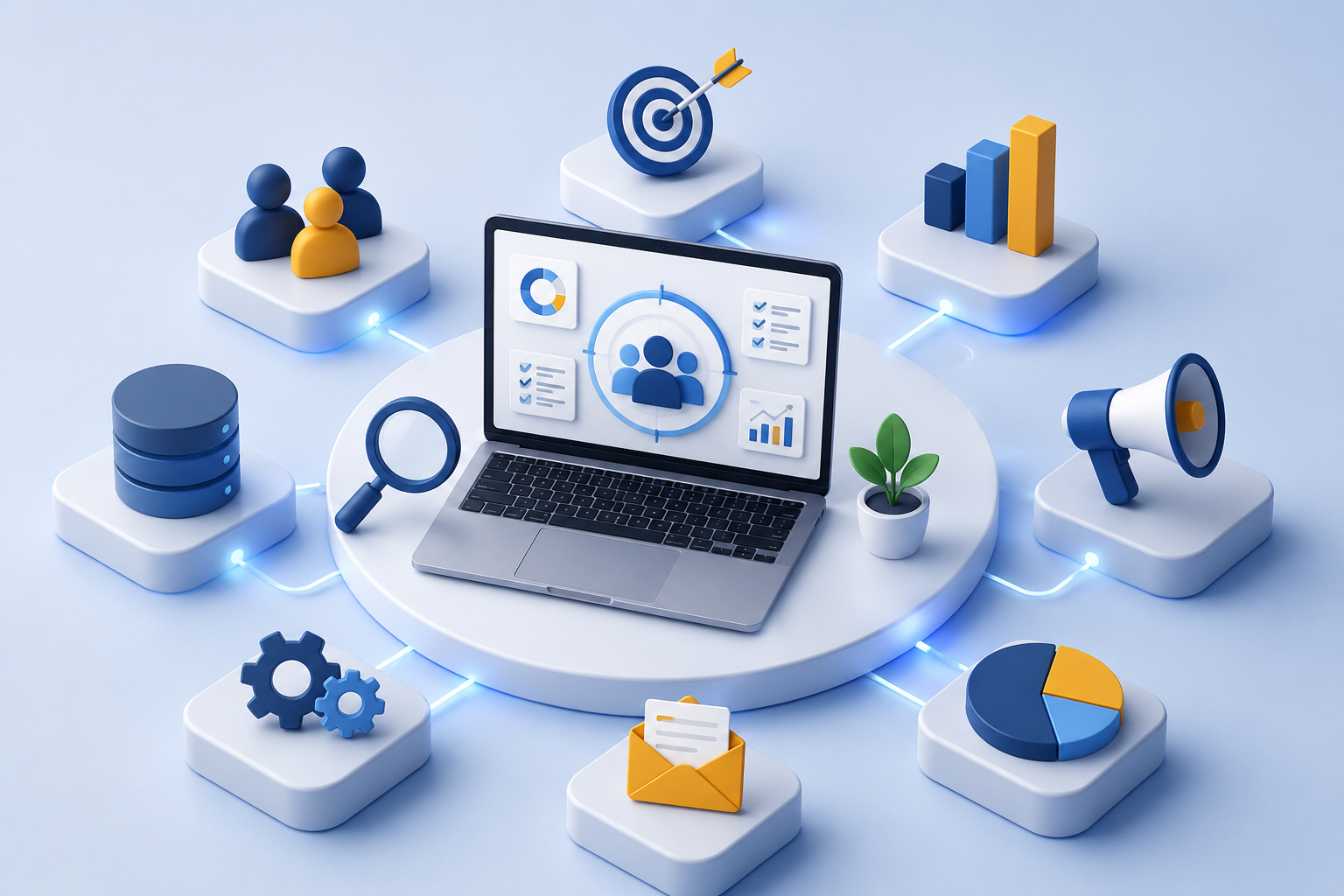
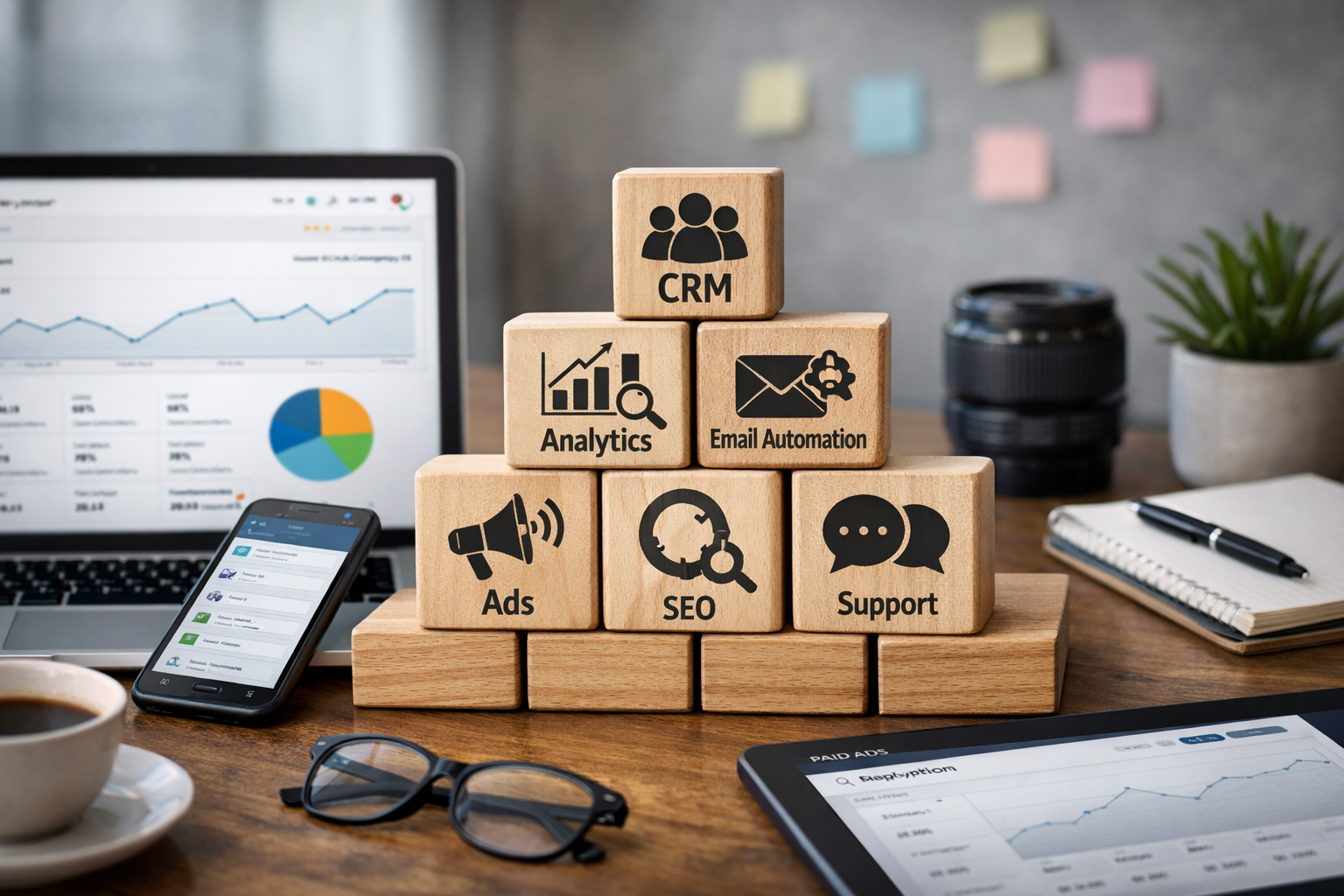
Common B2B lead generation channels include SEO, content marketing, email marketing, LinkedIn marketing, paid advertising, webinars, account-based marketing, and referral marketing.
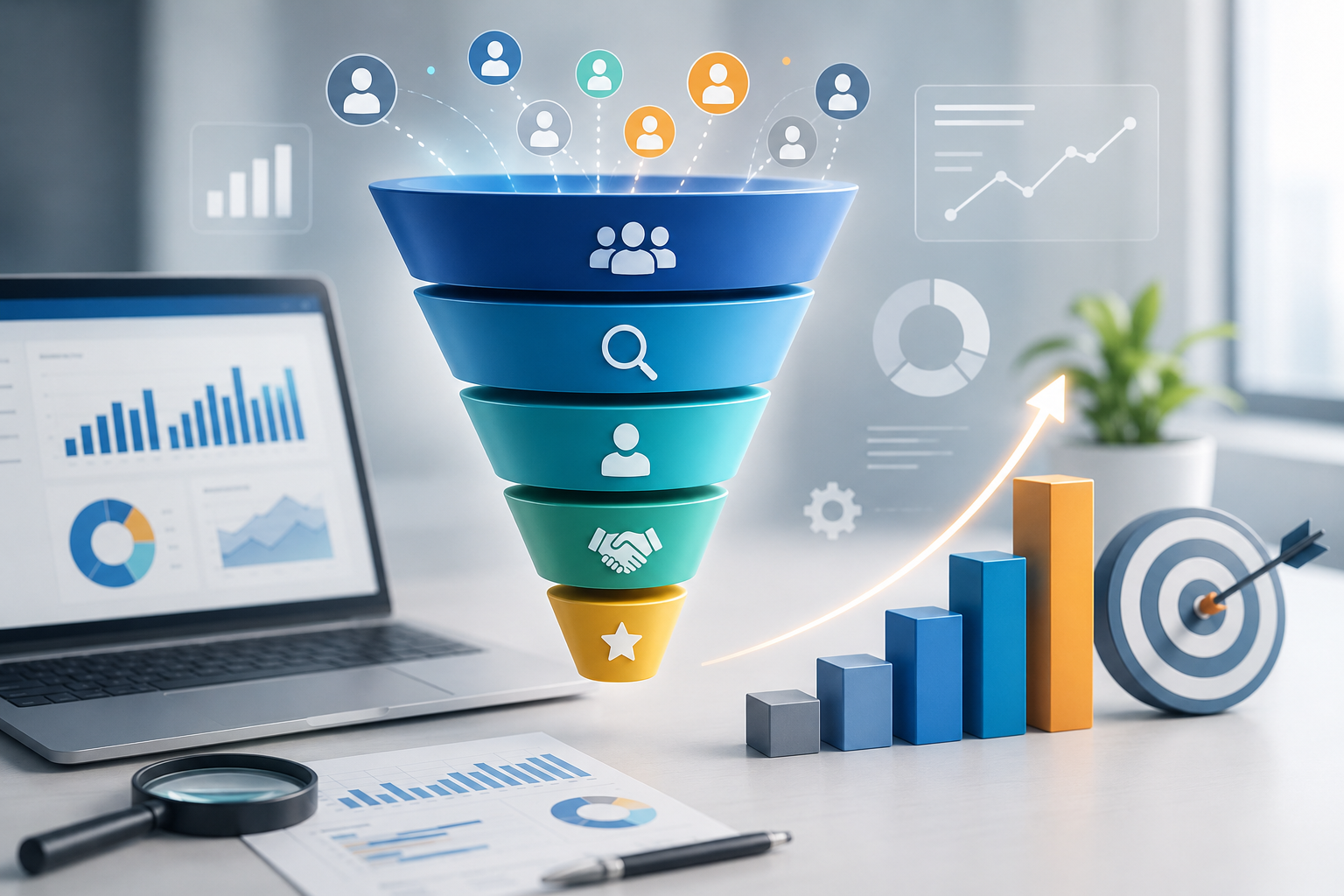
The ultimate goal is to attract relevant prospects, qualify their needs, and move them through the sales funnel.
Why Is B2B Lead Generation Important?
A well-planned B2B lead generation strategy helps businesses create consistent opportunities for growth.
Key benefits include:
- Increased sales opportunities: Connect with businesses actively looking for solutions.
- Better targeting: Focus marketing efforts on prospects who match your ideal customer profile.
- Improved marketing ROI: Allocate resources to channels that generate qualified leads.
- Stronger customer relationships: Build trust through relevant content and personalized communication.
- Predictable business growth: Develop a repeatable process for filling your sales pipeline.
With the right combination of marketing and sales activities, businesses can generate leads more efficiently and improve their chances of closing deals.
15 Proven B2B Lead Generation Strategies
1. Define Your Ideal Customer Profile (ICP)
Before investing in lead generation, identify the businesses most likely to benefit from your offering.
An ideal customer profile describes the type of company that is the best fit for your product or service.
Consider factors such as industry, company size, annual revenue, geographic location, technology stack, business challenges, and purchasing authority.
You should also identify buyer personas, including the decision-makers and influencers involved in purchasing decisions.
Pro tip: Analyze your existing customers to identify common characteristics among your most profitable and loyal accounts. Use these insights to refine your targeting.
2. Invest in Search Engine Optimization (SEO)
SEO helps potential customers discover your business when they search online for solutions to their problems.
For example, a company looking for marketing support may search for terms such as “B2B lead generation services,” “enterprise marketing agency,” or “lead generation strategies for SaaS.”
To improve your organic visibility:
- Research keywords relevant to your audience.
- Create helpful, search-optimized landing pages.
- Publish informative blog posts and industry guides.
- Optimize page titles, meta descriptions, and internal links.
- Improve website speed and mobile usability.
- Build relevant, high-quality backlinks.
Focus on keywords that reflect commercial intent, especially searches related to services, solutions, comparisons, and pricing.
Why it works: SEO can attract prospects who are already researching a solution, making it a valuable long-term source of inbound leads.
3. Create Valuable Content Marketing Assets
Content marketing helps establish your business as a trusted source of industry knowledge while attracting potential buyers.
Instead of focusing exclusively on promotional content, address the questions, challenges, and priorities of your target audience.
Effective B2B content formats include:
- Educational blog posts
- Industry reports and research
- Case studies
- Whitepapers and ebooks
- Practical templates and checklists
- Comparison guides
- Customer success stories
For example, a marketing agency could publish a guide on reducing customer acquisition costs and offer a downloadable lead generation checklist.
You can then invite readers to subscribe to your newsletter, download additional resources, or request a consultation.
Pro tip: Create content for different stages of the buyer journey, from awareness and research to evaluation and purchase.
4. Leverage LinkedIn for Prospecting
LinkedIn is a valuable platform for B2B lead generation because professionals use it to build networks, share expertise, and research potential business partners.
To generate leads through LinkedIn:
- Optimize your personal and company profiles.
- Identify relevant decision-makers using industry, job title, company size, and location filters.
- Share useful insights and practical advice consistently.
- Engage with posts published by target accounts.
- Send personalized connection requests.
- Start conversations around relevant business challenges.
Avoid sending generic sales pitches immediately after connecting. Instead, focus on building credibility and understanding the prospect’s needs.
Why it works: LinkedIn allows you to combine professional networking, targeted outreach, and thought leadership in one channel.
5. Build a Targeted Email Marketing Campaign
Email marketing remains a practical way to nurture prospects, share useful information, and generate sales conversations.
The key is to send relevant messages to the right audience rather than sending the same campaign to everyone.
A successful B2B email campaign should include a clearly defined target audience, a compelling subject line, personalized messaging, a specific business benefit, a clear call to action, and follow-up emails based on prospect engagement.
For example, you could create a short email sequence that introduces a common industry challenge, shares a useful resource, presents a relevant case study, and offers a discovery call.
Always use appropriate consent, identify your business accurately, and follow applicable email marketing and data protection requirements.
Pro tip: Measure qualified replies, booked meetings, conversions, and revenue — not just email opens.
6. Use Account-Based Marketing (ABM)
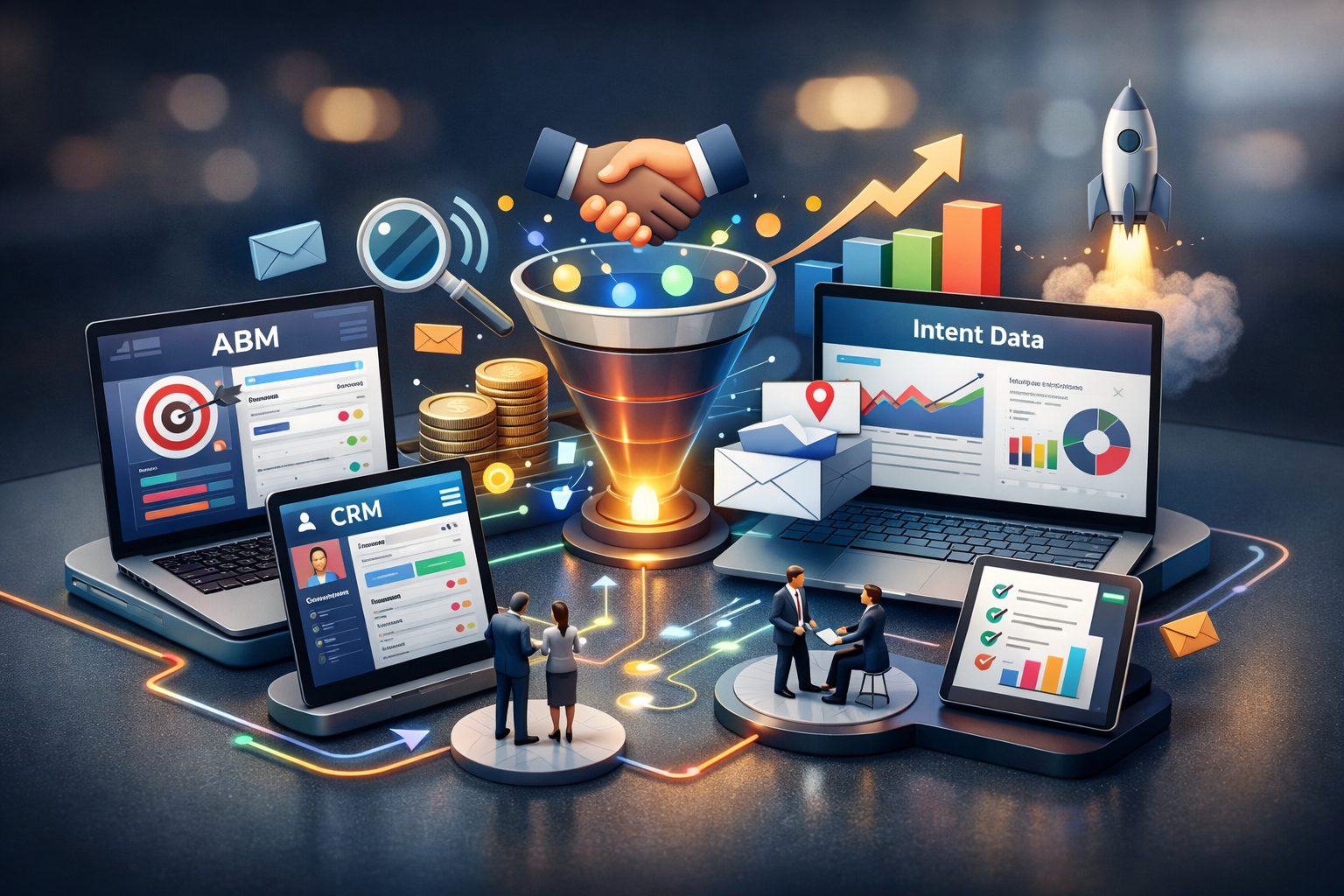
Account-based marketing is a focused strategy that targets specific high-value companies rather than pursuing a broad audience.
It works particularly well for businesses with high-value offerings, longer sales cycles, or multiple decision-makers involved in purchasing.
To implement ABM:
- Identify your highest-priority target accounts.
- Research their business objectives and challenges.
- Map key decision-makers and stakeholders.
- Develop personalized campaigns for each account.
- Coordinate marketing and sales outreach.
- Track engagement and sales opportunities at the account level.
For example, a cybersecurity provider might create tailored content for financial institutions based on their industry-specific security challenges.
Why it works: ABM aligns marketing resources with the accounts that have the greatest potential business value.
7. Run Paid Advertising Campaigns
Paid advertising can help B2B companies reach relevant audiences and generate leads more quickly than organic channels alone.
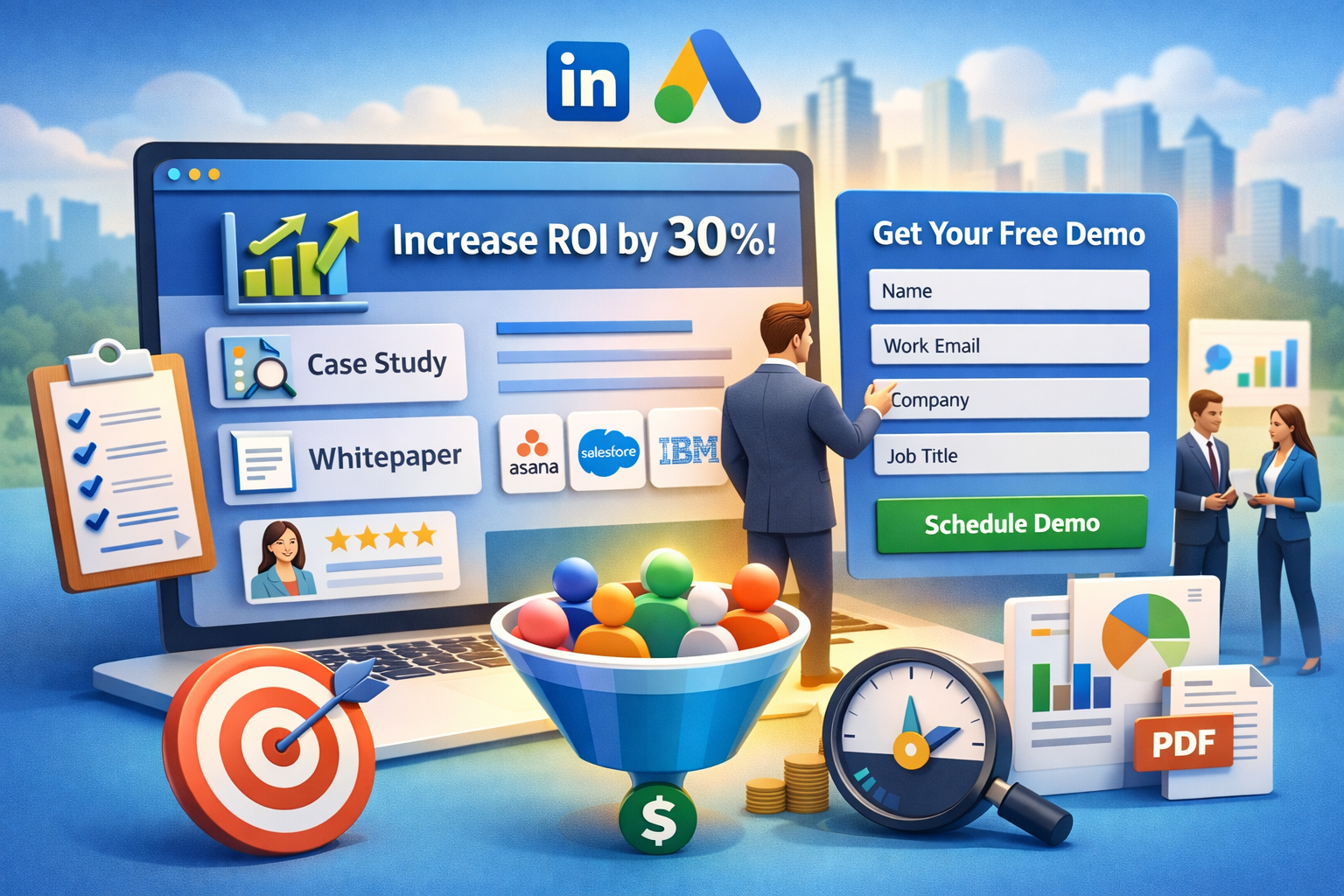
Popular options include Google Ads, LinkedIn Ads, and other platforms that support business-oriented audience targeting.
Consider these approaches:
- Use search ads to target high-intent keywords.
- Promote valuable resources through LinkedIn campaigns.
- Retarget website visitors with relevant offers.
- Test dedicated landing pages for different audiences.
- Optimize campaigns based on qualified lead and customer acquisition costs.
Avoid sending every visitor to your homepage. A focused landing page with a clear value proposition and relevant call to action often provides a better experience.
Pro tip: Start with a defined budget and test different audience segments, ad creatives, and offers before scaling your campaigns.
8. Host Webinars and Online Events
Webinars allow businesses to educate potential customers, demonstrate expertise, and engage directly with interested prospects.
They are particularly useful when your product or service requires explanation, comparison, or consultation before purchase.
Potential webinar topics include industry trends, common operational challenges, product demonstrations, expert panel discussions, customer success stories, and practical implementation workshops.
Promote the event through email, LinkedIn, partner networks, and relevant website pages.
After the event, follow up with attendees based on their interests. Share the recording, provide additional resources, and offer relevant next steps.
Remember that webinar registrations alone do not indicate purchase intent. Qualify leads based on their fit, engagement, and business needs.
9. Optimize Your Website for Lead Conversion
Attracting traffic is only part of the process. Your website must make it easy for visitors to take the next step.
Review your website for opportunities to improve conversions.
Important elements include:
- Clear headlines that communicate business value
- Prominent calls to action
- Simple and relevant contact forms
- Testimonials and customer case studies
- Trust signals and security information
- Dedicated service or product landing pages
- Fast loading times and mobile-friendly design
For example, instead of using a generic “Submit” button, try a more descriptive call to action such as “Book a Free Consultation” or “Request a Product Demo.”
Test different page layouts, form lengths, and calls to action to understand what works best for your audience.
Why it works: A well-optimized website turns more of your existing traffic into meaningful sales opportunities.
10. Use Lead Magnets to Capture Prospects
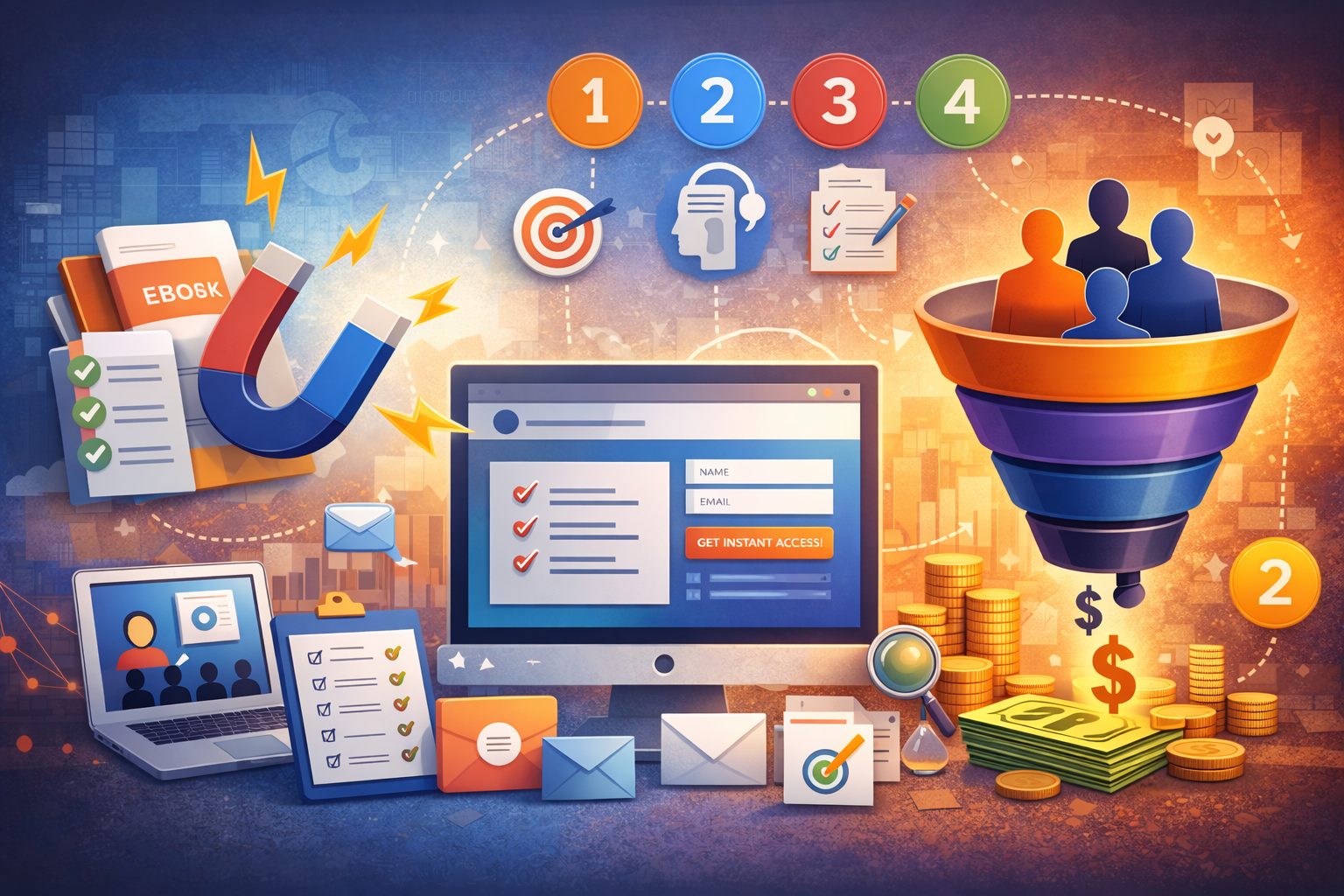
A lead magnet is a valuable resource offered in exchange for a prospect’s contact information or another appropriate action.
Effective B2B lead magnets solve a specific problem and provide immediate value.
Examples include industry-specific reports, ROI calculators, free assessments, downloadable templates, buying guides, benchmarking tools, and product comparison checklists.
For instance, a business consulting firm could offer a free operational efficiency assessment to attract companies looking to reduce costs.
Place lead magnets on relevant blog posts, landing pages, and campaign pages.
Make sure the resource matches the audience’s needs and the service you ultimately want to sell.
Pro tip: Track how many leads progress from downloading a resource to becoming qualified opportunities. A large number of downloads does not necessarily mean a high-quality pipeline.
11. Implement Lead Scoring and Qualification
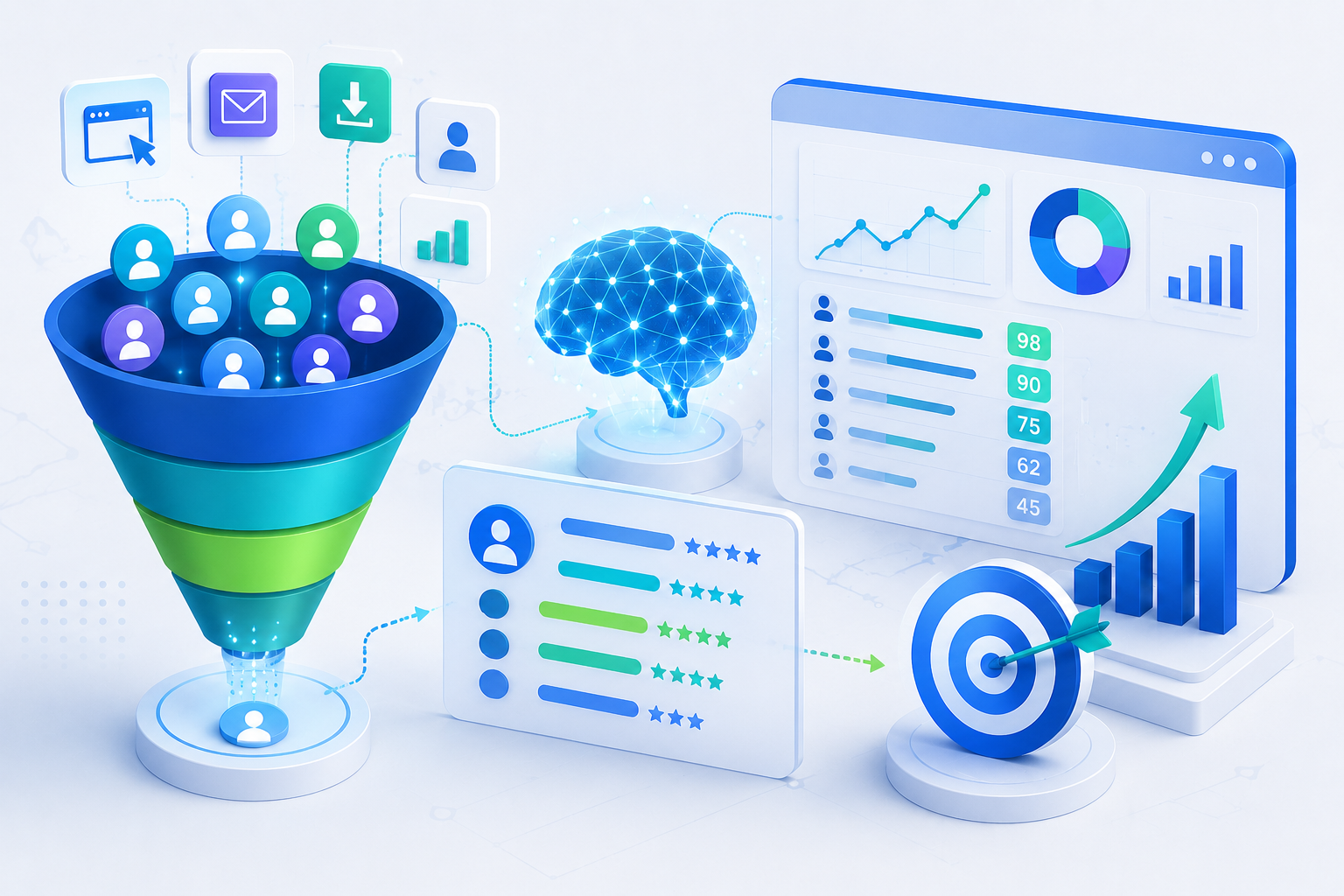
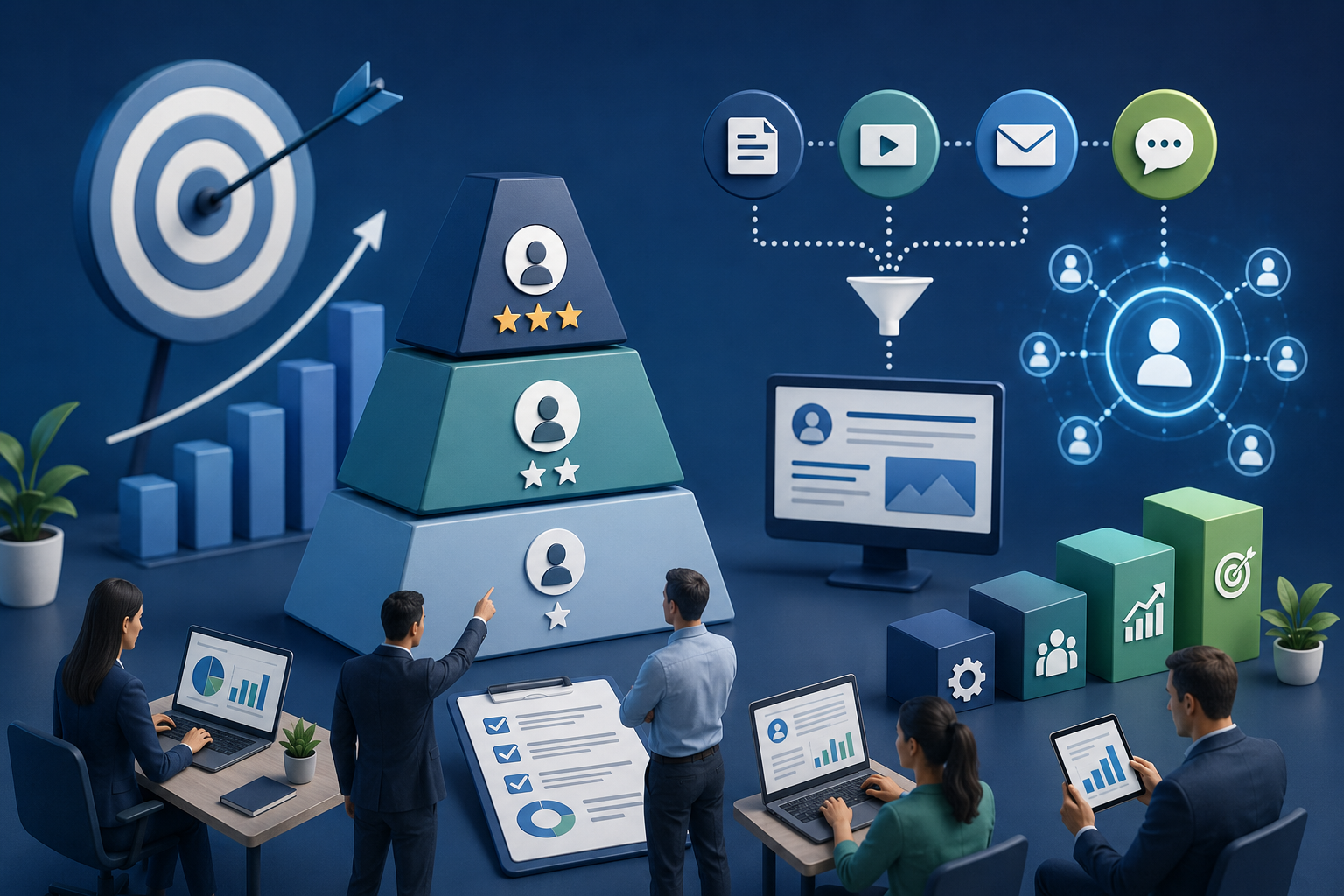
Not every lead is ready to speak with your sales team. Lead scoring helps prioritize prospects based on their fit and level of engagement.
You can assign scores using two main categories.
Profile fit:
- Industry and company size
- Job role and seniority
- Business requirements
- Budget and purchasing authority
Engagement:
- Visiting pricing or product pages
- Requesting a demonstration
- Attending a webinar
- Replying to outreach
- Downloading relevant resources
Combine these signals to determine whether a prospect should enter a nurturing sequence or receive direct sales attention.
You can also use qualification frameworks such as BANT — Budget, Authority, Need, and Timeline — where appropriate.
Why it works: Lead scoring helps sales teams focus on promising opportunities while marketing continues nurturing prospects who need more time.
12. Develop a Referral and Partnership Program
Referrals can introduce your business to prospects through trusted relationships.
Potential referral sources include existing customers, complementary service providers, technology partners, industry consultants, professional communities, and business associations.
Build a structured program that explains who makes a suitable referral, how introductions should happen, and whether any incentives apply.
You can also establish partnerships with businesses serving the same audience without directly competing with you.
For example, a CRM implementation agency could partner with a sales training consultancy to exchange relevant referrals or collaborate on educational events.
Pro tip: Make referrals easy by providing a clear description of your ideal customer, the problems you solve, and the value you deliver.
13. Use Marketing Automation to Nurture Leads
B2B buyers often need multiple interactions before making a purchasing decision. Marketing automation helps maintain consistent communication throughout this process.
With an appropriate marketing automation platform, you can create workflows based on prospect behavior and preferences.
Examples include:
- Sending a welcome sequence after newsletter sign-up
- Sharing related resources after a content download
- Following up after webinar registration
- Notifying sales when a prospect requests a demo
- Re-engaging inactive leads with relevant content
Keep your messages useful and appropriately timed. Avoid sending repetitive emails simply because an automation sequence allows it.
Review performance regularly and ensure your sales and marketing teams agree on when a lead is ready for direct outreach.
Why it works: Automation reduces repetitive work while helping prospects receive relevant information throughout the buying journey.
14. Participate in Industry Events and Communities
Industry conferences, trade shows, professional groups, and business communities create opportunities to connect with potential customers.
These environments are particularly valuable when trust, expertise, and personal relationships influence purchasing decisions.
To generate leads effectively:
- Attend events where your ideal customers participate.
- Identify relevant speakers, exhibitors, and attendees.
- Schedule meetings with priority prospects when possible.
- Share insights rather than relying on aggressive pitches.
- Follow up with relevant information after conversations.
- Track introductions and opportunities in your CRM.
Online communities can also help you understand recurring industry problems and identify potential collaboration opportunities.
Always respect community rules and avoid unsolicited promotional messages.
15. Measure Performance and Continuously Optimize
The final strategy is to measure results and improve your lead generation process over time.
Without clear performance metrics, it is difficult to know which channels generate valuable leads and which consume resources without meaningful returns.
Track metrics such as:
- Lead volume: Number of leads generated within a defined period.
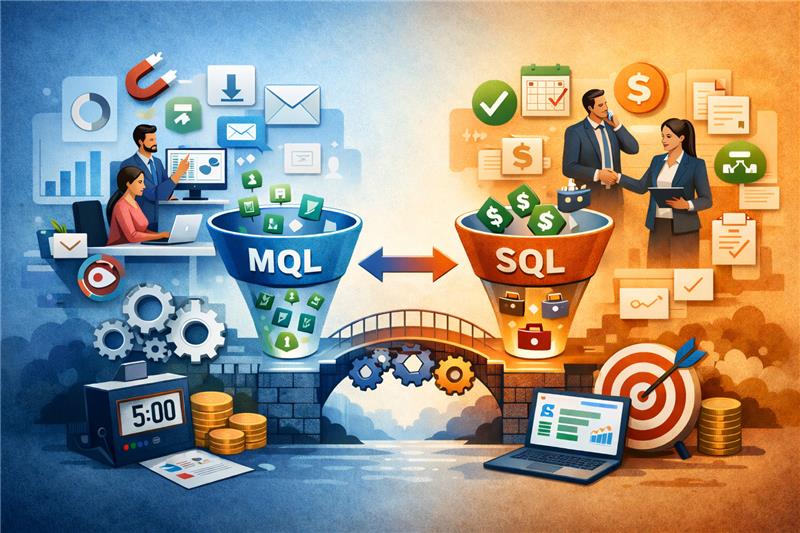
- Marketing-qualified leads (MQLs): Leads meeting your marketing qualification criteria.
- Sales-qualified leads (SQLs): Leads accepted by sales as suitable for further evaluation.
- Lead-to-customer conversion rate: Percentage of leads that become customers.
- Cost per lead (CPL): Total lead generation spend divided by the number of leads generated.
- Customer acquisition cost (CAC): Total acquisition costs divided by the number of new customers acquired.
- Pipeline value: Potential revenue associated with qualified opportunities.
- Lead response time: Time taken to respond to an incoming lead.
Review results by channel, campaign, audience, and lead quality. Use the findings to adjust your budget, targeting, messaging, and follow-up process.
Pro tip: Prioritize qualified pipeline and revenue contribution over raw lead volume. A campaign that generates fewer but better-fit leads may deliver stronger business results.
How to Build an Effective B2B Lead Generation Strategy
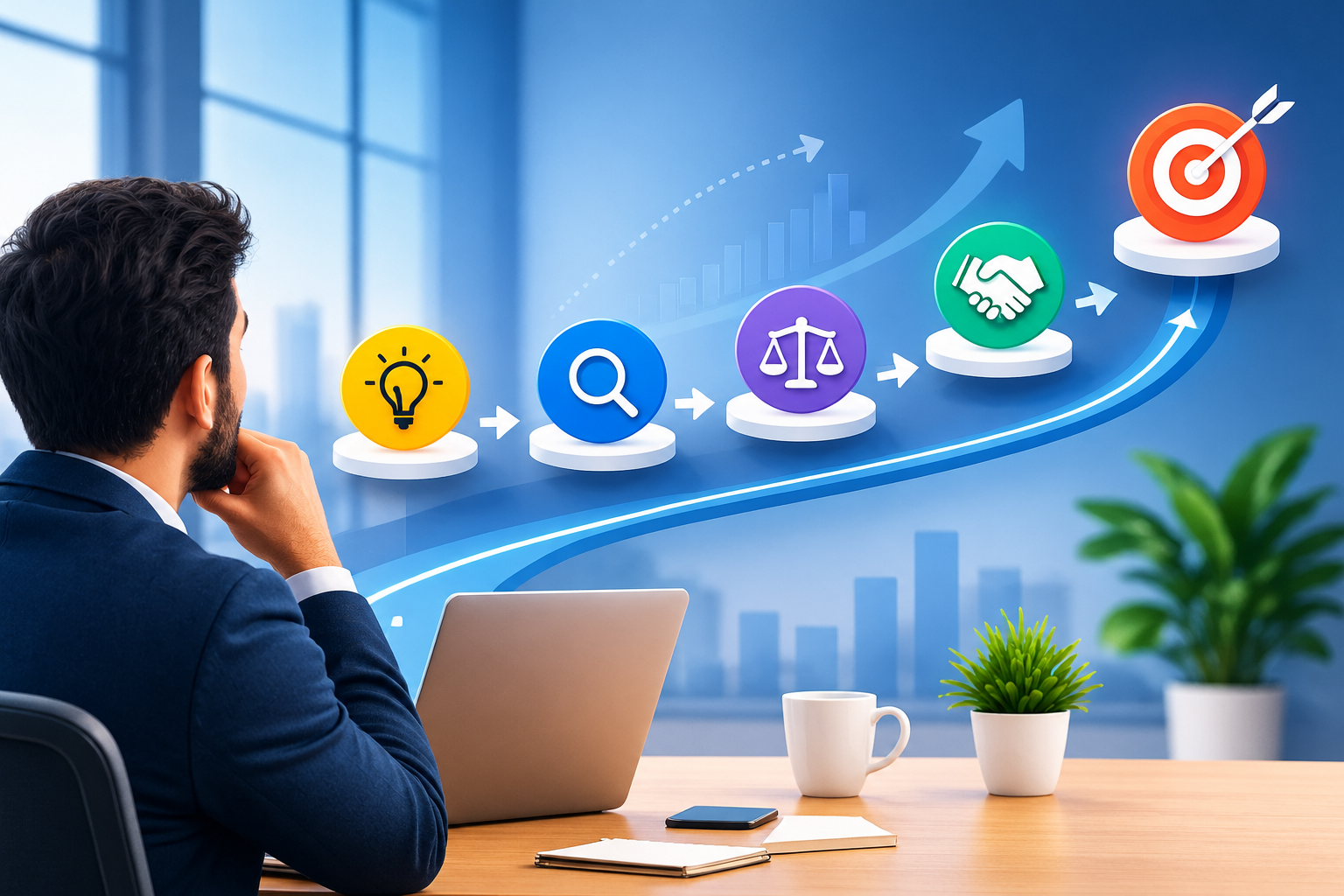
Implementing all 15 strategies at once can stretch your team and budget. A more effective approach is to build a focused plan and expand as you learn what works.
Step 1: Define your audience. Document your ideal customer profile, buyer personas, and key business challenges.
Step 2: Choose your primary channels. Select two or three channels that align with your audience, budget, and sales cycle.
Step 3: Create a compelling offer. Develop useful content, a consultation offer, a demo, or another relevant reason for prospects to engage.
Step 4: Optimize your conversion process. Ensure your landing pages, forms, CRM, and lead routing are working correctly.
Step 5: Establish a follow-up process. Set expectations for lead response, qualification, and nurturing.
Step 6: Measure and improve. Review lead quality, conversion rates, pipeline contribution, and acquisition costs regularly.
Consistency is more important than using every available marketing channel. Build a repeatable process first, then scale the strategies that demonstrate measurable results.
Common B2B Lead Generation Mistakes to Avoid
Even well-funded campaigns can underperform when the underlying process is weak.
Avoid these common mistakes:
- Targeting an audience that is too broad
- Prioritizing lead quantity over lead quality
- Sending generic outreach messages
- Publishing content without a clear audience or purpose
- Using landing pages with unclear calls to action
- Failing to follow up with interested prospects
- Ignoring alignment between sales and marketing
- Measuring campaign success only by clicks or downloads
- Neglecting data quality and privacy requirements
A successful lead generation strategy combines precise targeting, relevant messaging, a smooth conversion process, and consistent measurement.