
In today’s competitive business landscape, B2B companies need more than traditional marketing strategies to attract potential customers and convert them into long-term clients. With longer sales cycles, multiple decision-makers, and increasingly complex buyer journeys, managing every prospect manually can become time-consuming and inefficient.
This is where marketing automation for B2B businesses makes a difference.
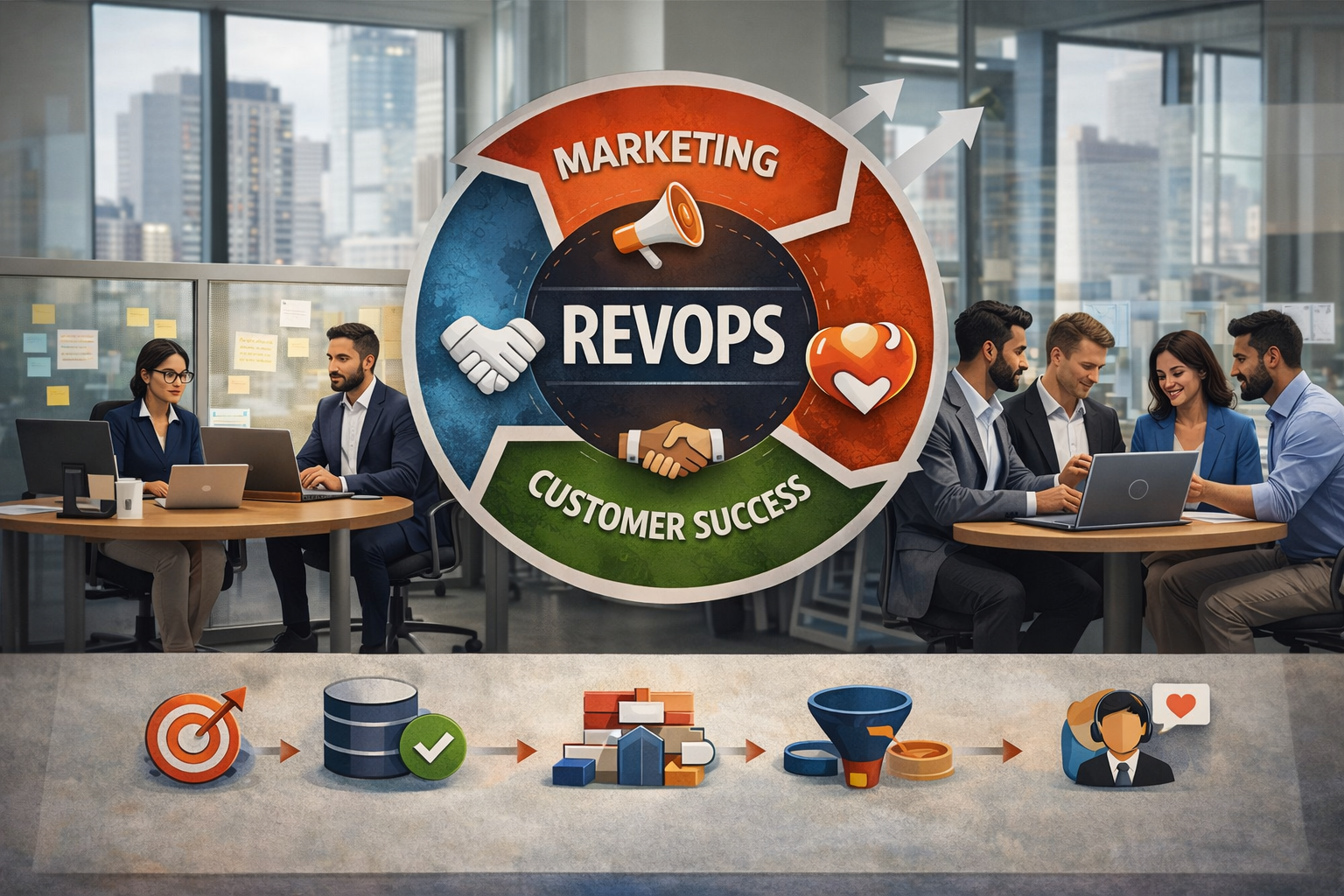
Marketing automation enables businesses to streamline repetitive marketing tasks, deliver personalized communications, nurture leads throughout the buyer journey, and improve coordination between marketing and sales teams. By combining automation technology with relevant content and customer data, companies can build more efficient marketing processes and create better customer experiences.
Whether you’re a SaaS company, a technology provider, a manufacturing business, or a B2B service provider, marketing automation can help you scale your marketing efforts while keeping your audience engaged.
What Is Marketing Automation for B2B Businesses?
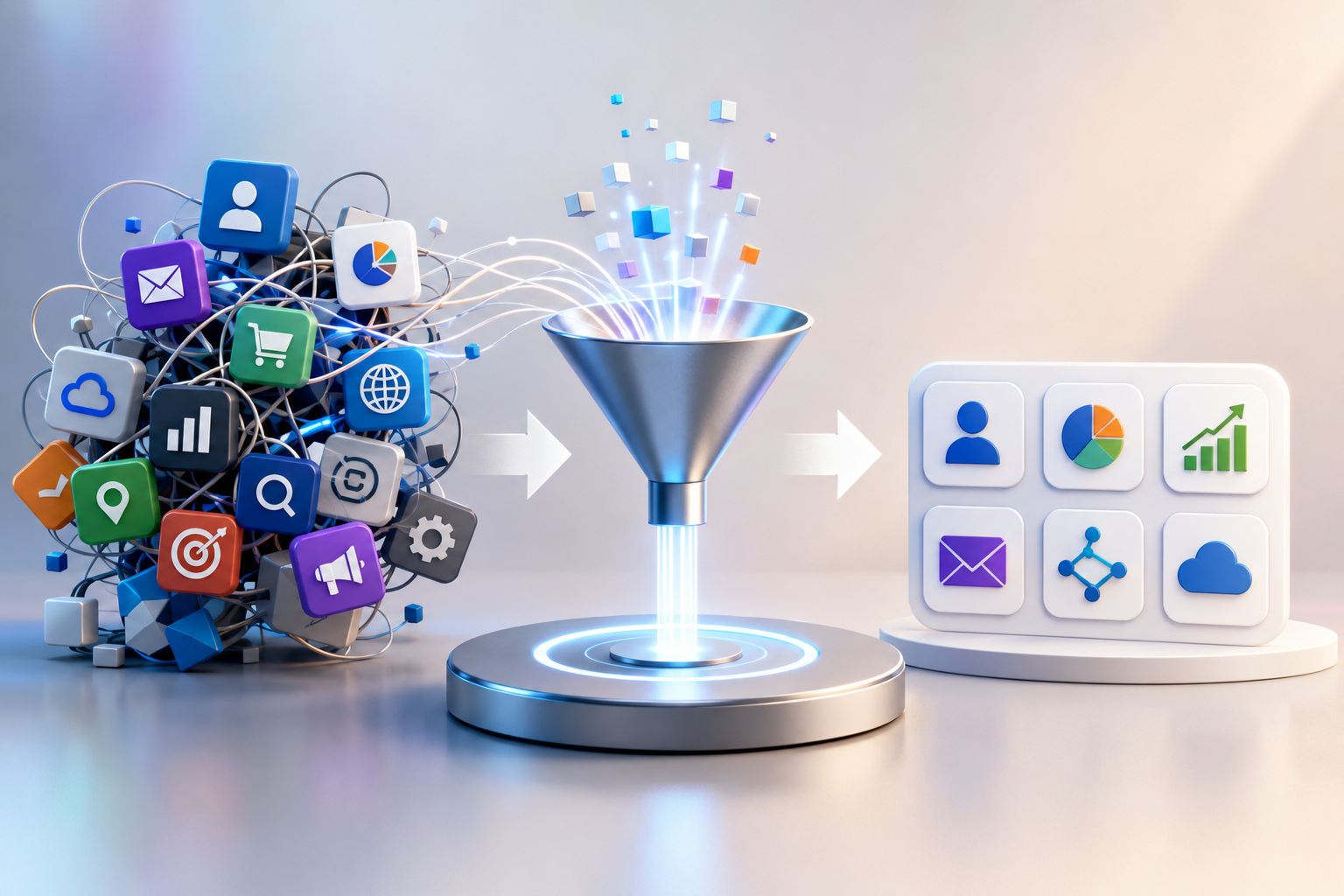
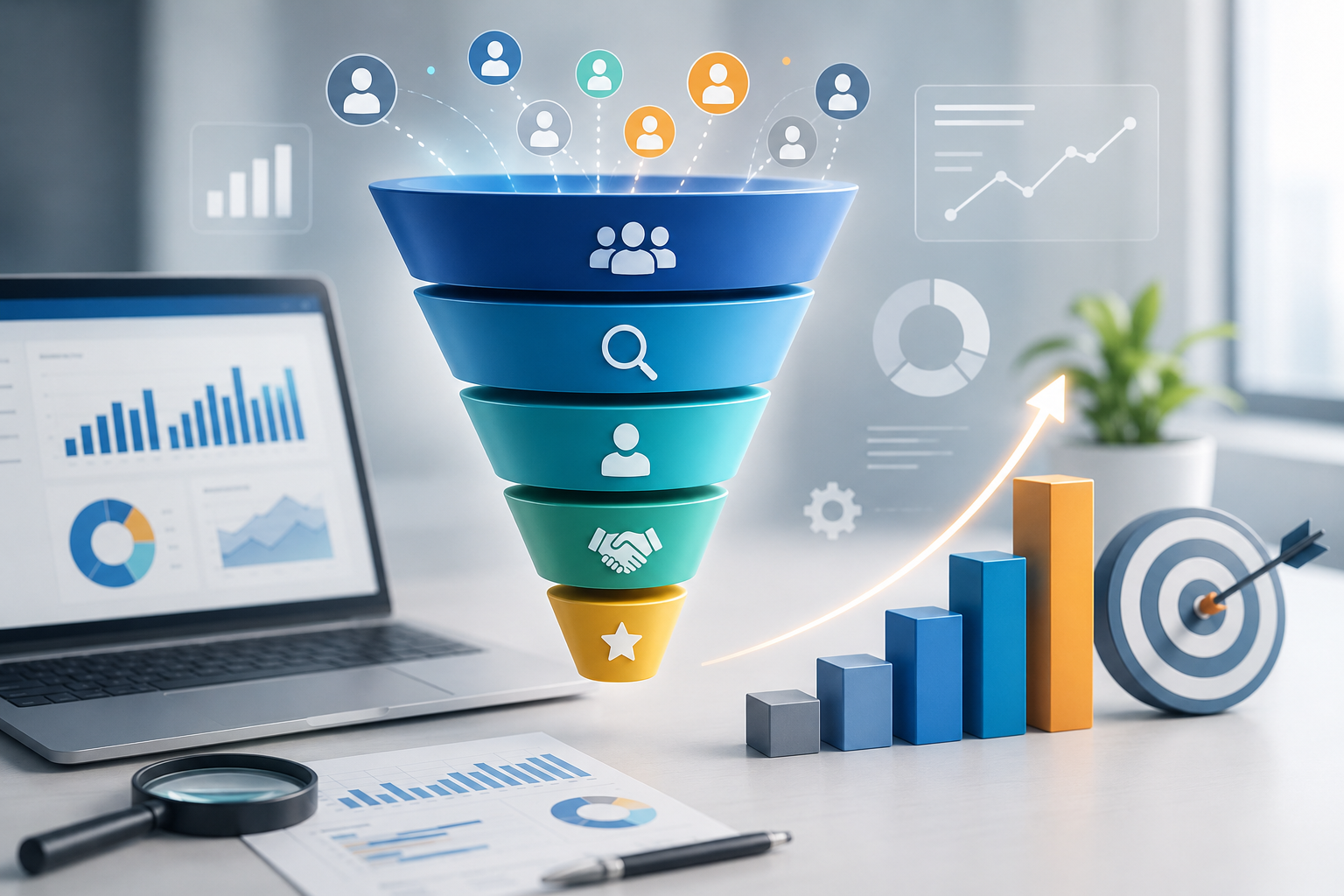
Marketing automation for B2B businesses refers to the use of software and technology to automate repetitive marketing activities, manage leads, personalize communications, and track customer interactions throughout the sales funnel.
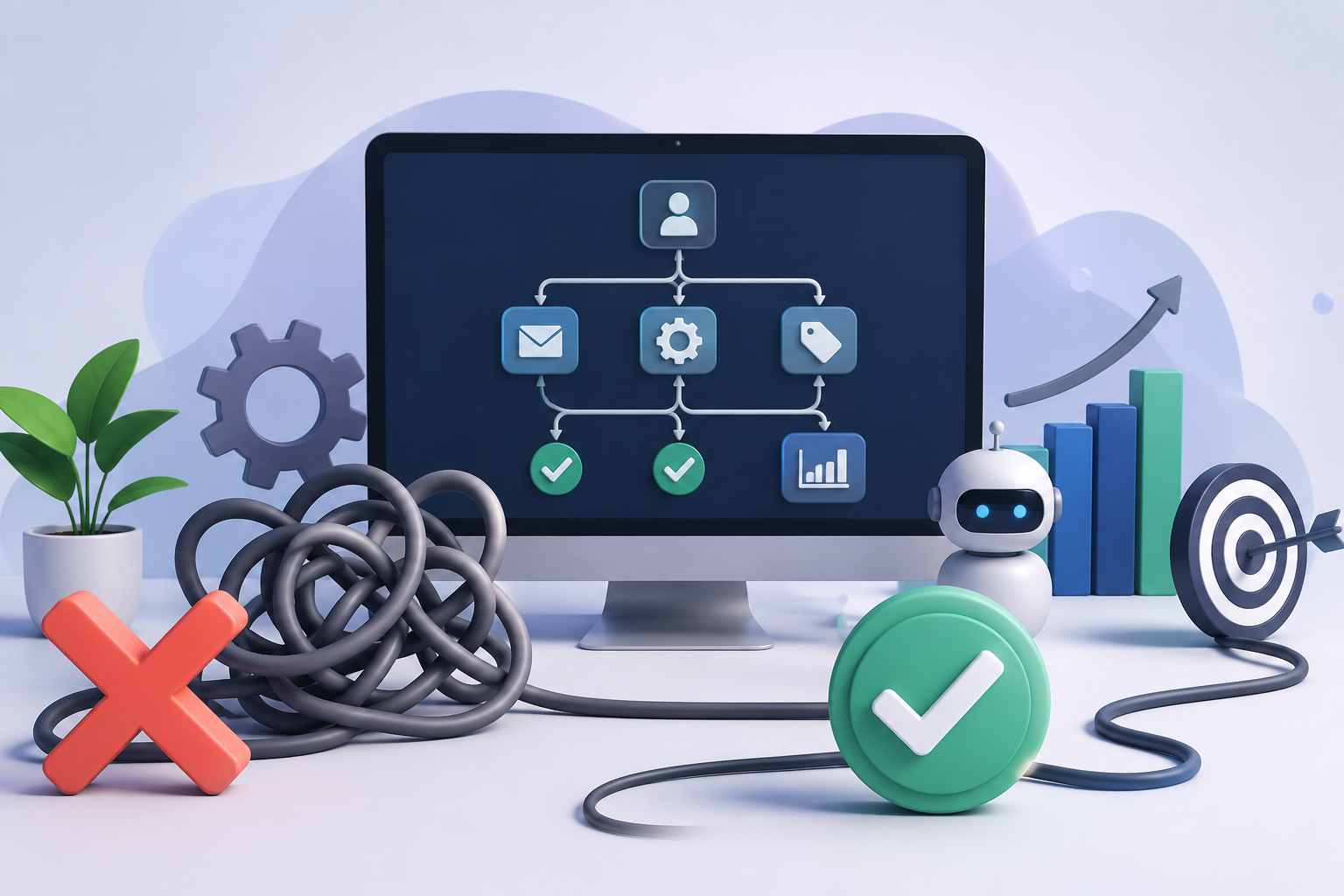
Instead of manually following up with every prospect, businesses can create automated workflows that respond to customer actions and deliver relevant information at the right time.
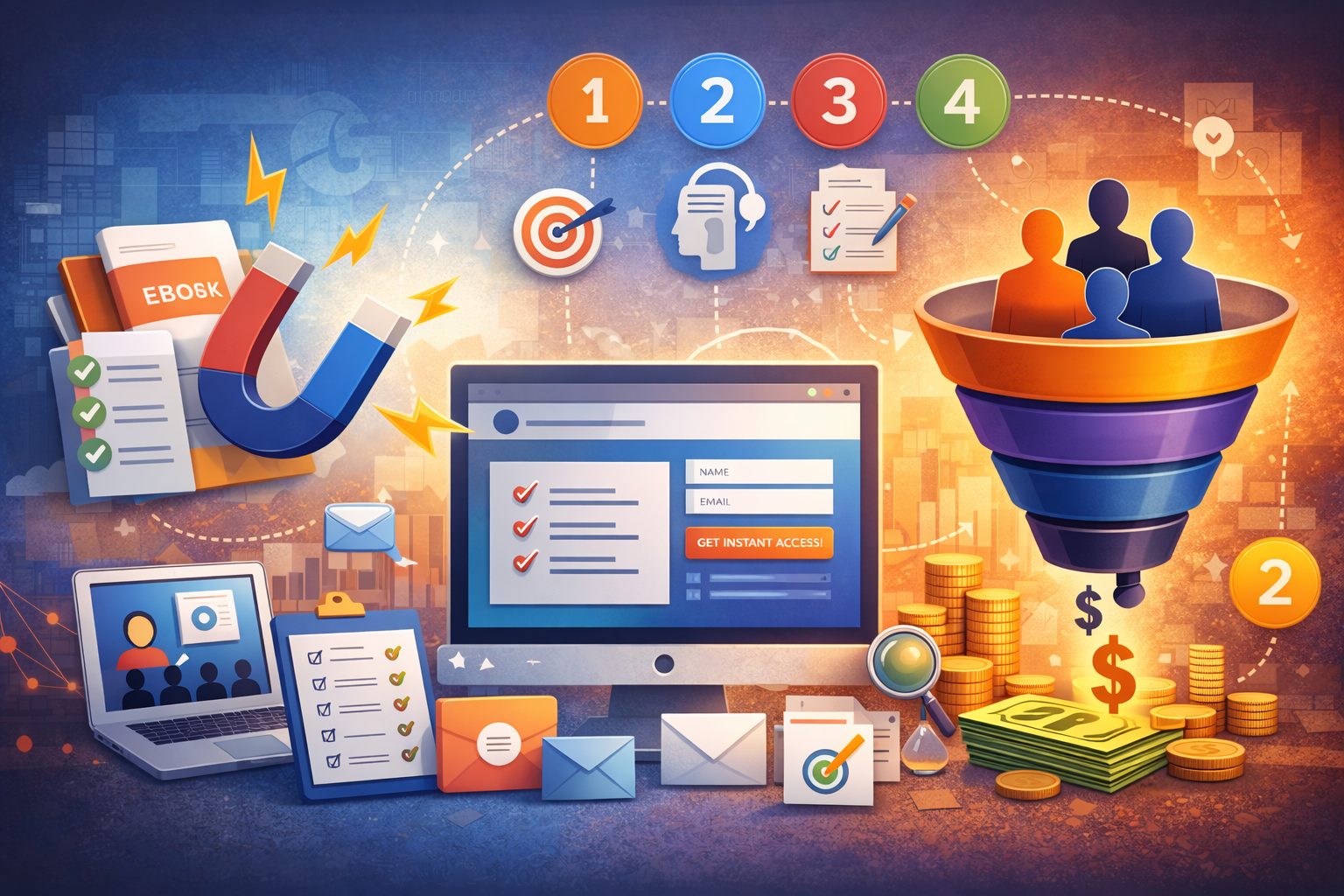
For example, when a potential customer downloads an eBook from your website, an automated system can send a thank-you email, share related resources, monitor engagement, and notify the sales team when the prospect demonstrates strong buying intent.
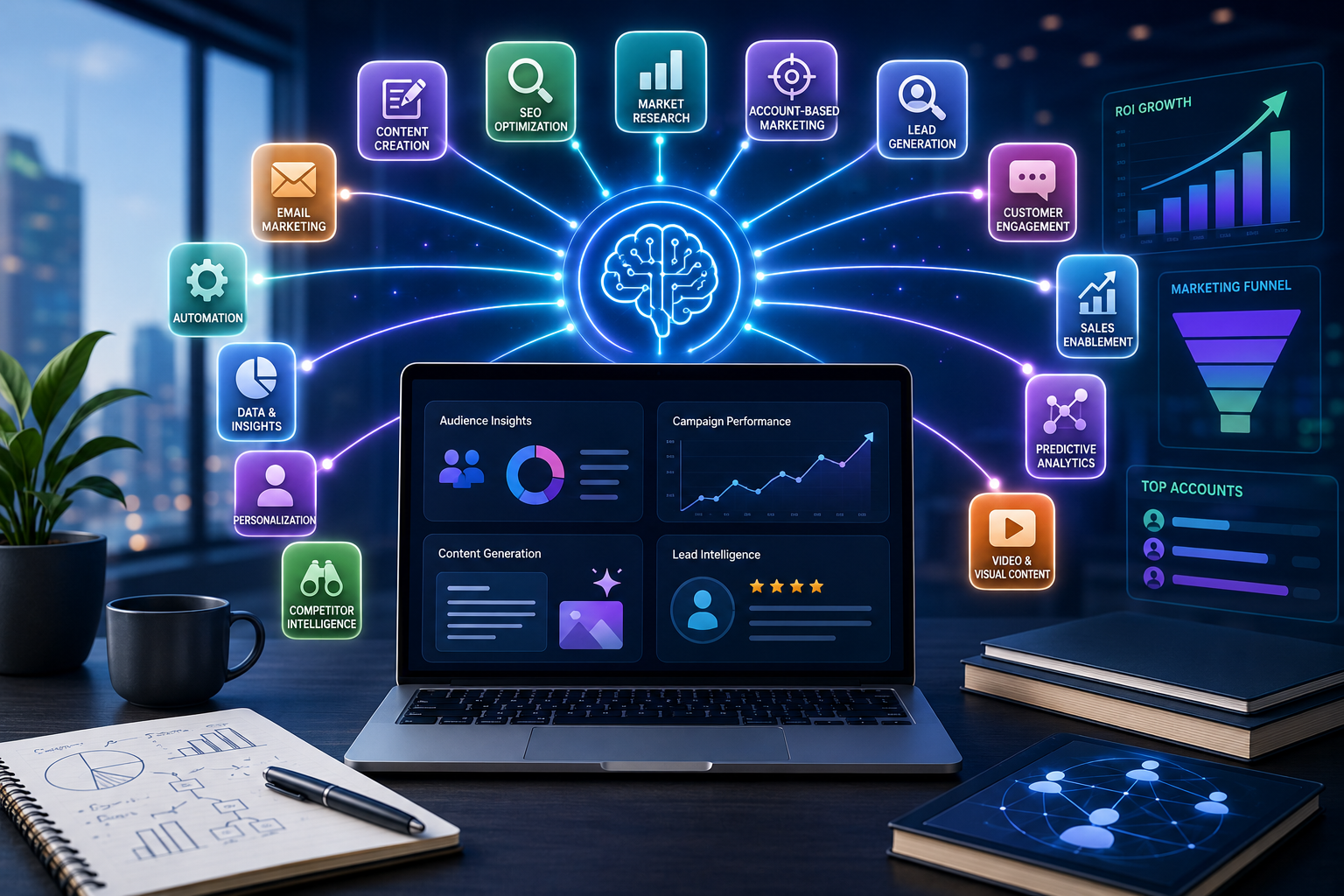
Common B2B marketing automation activities include:
- Automated email marketing and drip campaigns
- Lead generation and lead nurturing
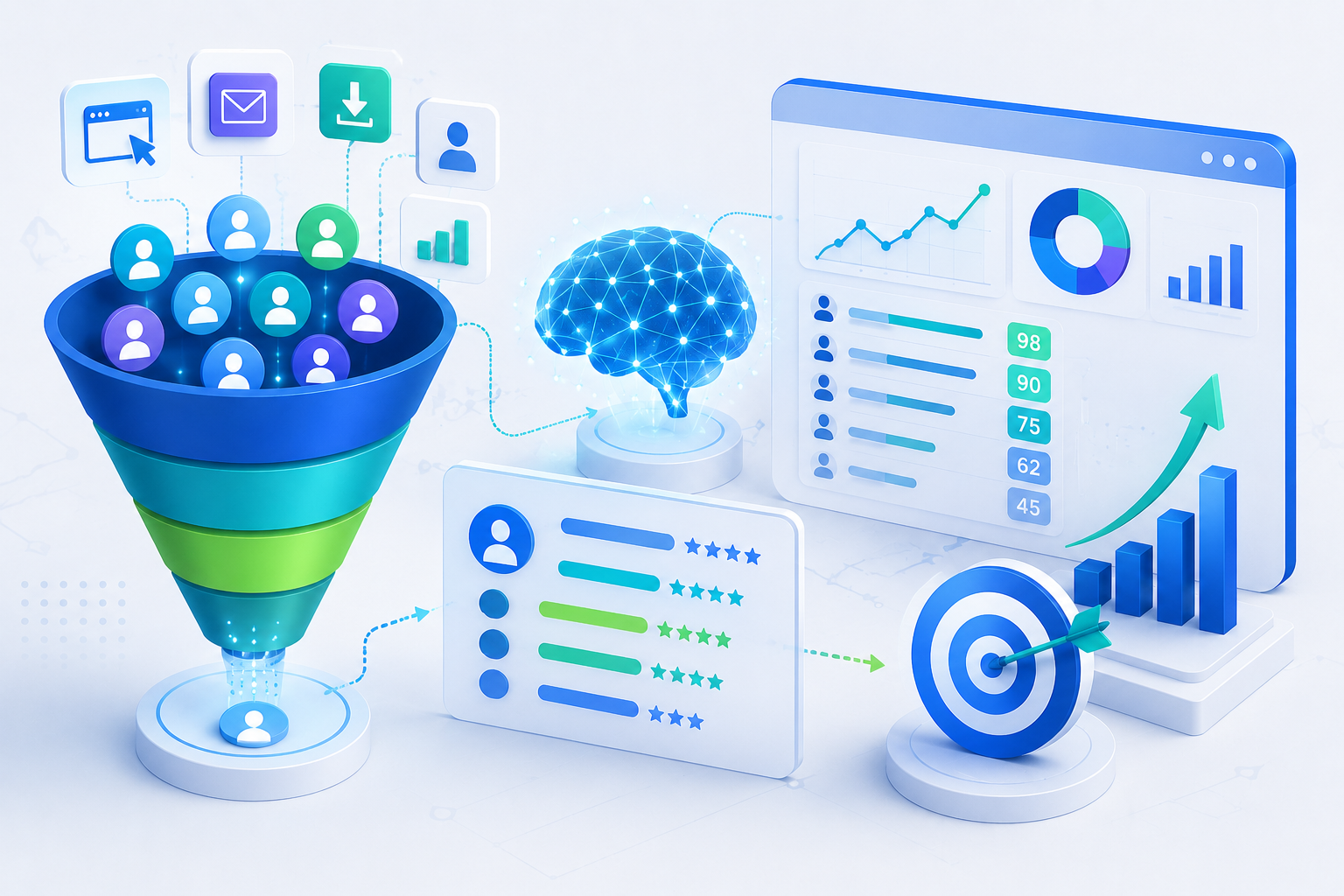
- Lead scoring and qualification
- Customer segmentation and personalization
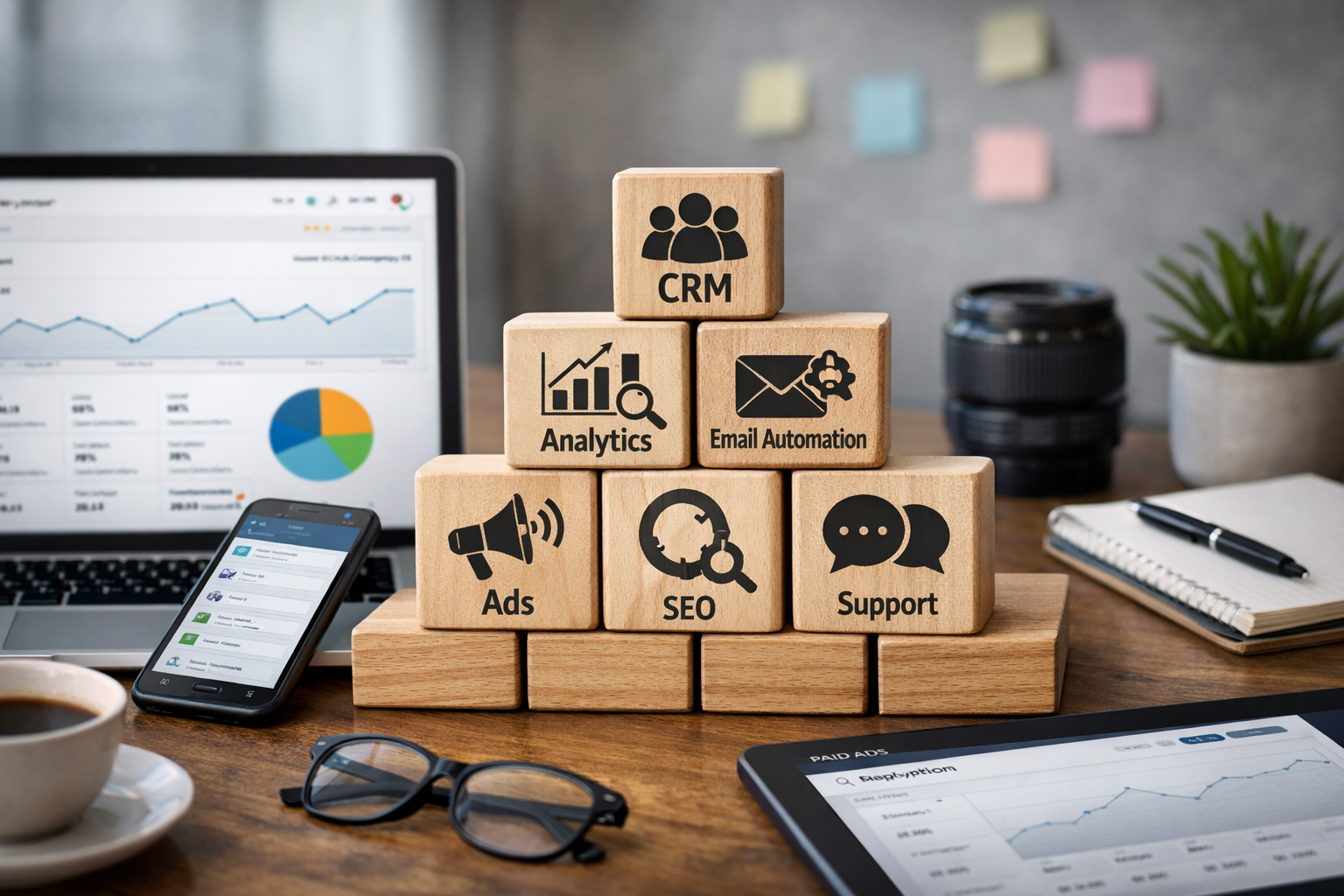
- CRM integration and sales notifications
- Webinar registration and follow-up
- Account-based marketing campaigns
- Marketing performance tracking and reporting
The primary objective is to make marketing more consistent, measurable, and scalable without sacrificing the personal touch that B2B relationships require.
Why Is Marketing Automation Important for B2B Companies?
B2B purchasing decisions often involve several stakeholders, detailed research, budget approvals, and multiple interactions before a deal closes. Marketing automation helps businesses manage these complexities more effectively.
1. Improves Lead Generation
Marketing automation helps businesses capture and organize leads from multiple channels, including website forms, landing pages, email campaigns, webinars, and downloadable resources.
Once a prospect enters the system, automated workflows can initiate relevant follow-ups and guide them toward the next step.
This creates a more structured lead generation process and helps marketing teams manage a growing volume of prospects.
2. Enables Effective Lead Nurturing
Not every prospect is ready to make a purchasing decision immediately. Some need additional information, while others require case studies, product comparisons, or demonstrations before engaging with sales.
Automated lead nurturing keeps your business connected with these prospects through targeted email sequences and relevant content.
For example, a prospect interested in business software might receive:
- An introductory guide explaining the problem your solution addresses
- An educational article highlighting industry challenges
- A case study demonstrating measurable business value
- A product overview explaining key features
- An invitation to schedule a consultation or product demo
This approach helps build trust and keeps your business visible throughout the decision-making process.
3. Improves Marketing and Sales Alignment
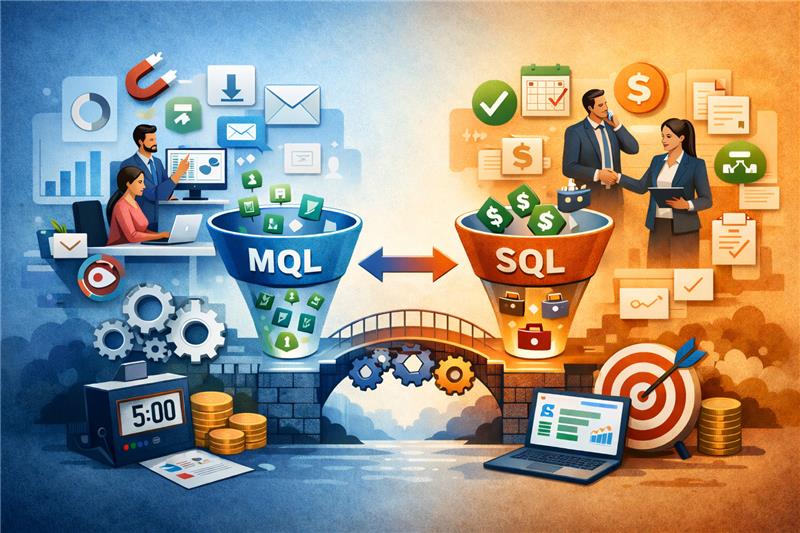
One of the biggest challenges for B2B organizations is ensuring that marketing-qualified leads reach the sales team at the right time.
Marketing automation can assign lead scores, update CRM records, route qualified leads to the appropriate salesperson, and trigger notifications when prospects show strong purchase intent.
As a result, sales teams can prioritize relevant opportunities instead of spending valuable time manually sorting through every lead.
4. Personalizes Communication at Scale
B2B audiences have different needs depending on their industry, company size, job role, and stage in the buying journey.
Marketing automation allows businesses to segment their audiences and deliver content tailored to these differences.
For instance, a technology company might send different email campaigns to IT managers, procurement professionals, and business executives because each audience evaluates solutions from a different perspective.
Personalized communication makes marketing messages more relevant and helps improve engagement.
5. Saves Time and Improves Efficiency
Marketing teams often spend significant time performing repetitive activities such as sending follow-up emails, updating contact records, assigning leads, and preparing campaign reports.
Automation reduces this manual workload by executing predefined tasks automatically.
This allows marketing professionals to focus more on strategy, content development, campaign optimization, and customer relationships.
Key Marketing Automation Strategies for B2B Businesses
Implementing marketing automation successfully requires more than choosing a software platform. Businesses need a clear strategy that connects automation workflows with their marketing and revenue objectives.
1. Build Automated Email Marketing Campaigns
Email marketing remains a valuable channel for B2B communication, particularly when messages are relevant to the recipient’s interests and business challenges.
Automated email campaigns can welcome new subscribers, share educational resources, follow up after webinars, and re-engage inactive leads.
Best practice: Create email sequences based on audience segments and user behavior rather than sending the same message to every contact.
2. Implement Lead Scoring
Lead scoring assigns values to prospects based on their suitability and engagement.
A scoring model might consider:
- Job title and decision-making authority
- Industry and company size
- Visits to important website pages
- Downloads of relevant resources
- Webinar attendance
- Requests for pricing or product demonstrations
For example, a prospect from your ideal customer profile who requests a demo may deserve immediate sales attention, while someone who downloads an introductory guide may benefit from additional nurturing.
Review scoring criteria regularly with the sales team and validate them against actual conversion outcomes.
3. Use CRM Integration
A customer relationship management (CRM) system helps businesses manage contacts, sales opportunities, and customer interactions.
Integrating marketing automation with your CRM allows marketing and sales teams to access more consistent prospect information and engagement histories.
With a properly configured integration, businesses can automate lead assignment, synchronize contact records, track campaign interactions, and monitor progress through the sales pipeline.
This creates a clearer connection between marketing activities and sales outcomes.
4. Develop Account-Based Marketing Campaigns
Account-based marketing (ABM) focuses on engaging selected high-value companies rather than treating every lead as an equally important opportunity.
Marketing automation supports ABM by coordinating targeted campaigns, delivering relevant content to different stakeholders, and tracking engagement across target accounts.
For example, a B2B technology provider targeting a large enterprise could develop tailored campaigns for its IT leadership, finance team, and procurement department.
This approach helps marketing and sales teams coordinate their efforts around the accounts most relevant to business growth.
5. Automate Webinar and Event Follow-Ups
Webinars, online demonstrations, and industry events are useful for generating B2B leads and educating prospective customers.
Marketing automation can simplify event management by sending registration confirmations, reminders, follow-up emails, and relevant resources.
It can also help differentiate between attendees, people who registered but did not attend, and prospects who requested additional information.
Each group can receive a different follow-up sequence based on its level of engagement.
6. Create Behavior-Based Workflows
Behavior-based automation responds to specific actions taken by a prospect.
For example, when someone visits a pricing page, downloads a case study, or returns to a product page multiple times, the system can trigger an appropriate next step.
That action might be a relevant email, a task for the sales team, or an adjustment to the prospect’s lead score.
The key is to use meaningful buying signals rather than treating every interaction as evidence that a prospect is ready to purchase.
How to Build a B2B Marketing Automation Workflow
A well-designed workflow moves prospects through the buyer journey with timely, relevant communication.
Consider this example for a B2B software company:
Step 1: Capture the lead. A prospect fills out a website form to download an industry report.
Step 2: Segment the contact. The automation system categorizes the prospect based on company information, industry, role, and stated interests.
Step 3: Send a welcome email. The prospect receives the requested report and a brief introduction to relevant resources.
Step 4: Nurture the lead. Over the following days, the prospect receives educational content, a relevant case study, and an explanation of potential business benefits.
Step 5: Monitor engagement. The system tracks meaningful interactions and updates the prospect’s engagement score.
Step 6: Qualify the lead. When the prospect meets agreed-upon qualification criteria, the system alerts the sales team and assigns the lead to the appropriate representative.
Step 7: Continue the journey. If the prospect is not ready to speak with sales, they can remain in a suitable nurture program. If they become a customer, promotional lead-nurturing messages should stop and relevant onboarding communication can begin.
This workflow creates a consistent experience while allowing sales representatives to focus on prospects with stronger buying intent.
Best Marketing Automation Tools for B2B Businesses
Choosing the right marketing automation platform depends on your business size, budget, existing technology, campaign complexity, and integration requirements.
Here are several platforms worth evaluating:
HubSpot Marketing Hub
Suitable for businesses looking for integrated marketing tools, lead nurturing, contact management, and CRM-connected workflows.
Adobe Marketo Engage
A potential fit for larger B2B organizations that need advanced lead management, complex nurturing programs, and sophisticated campaign operations.
Salesforce Marketing Cloud
Worth considering for organizations that require broader marketing capabilities and integration with their Salesforce ecosystem.
Zoho Marketing Automation
An option for businesses looking for campaign automation and customer journey management, particularly when they already use Zoho applications.
LeadSquared
Worth evaluating for businesses that need marketing automation combined with lead management and structured sales processes.
Before selecting a platform, compare integration capabilities, usability, reporting, scalability, implementation effort, and the total cost of ownership. The most feature-rich tool is not necessarily the best fit for your organization.
Best Practices for Successful B2B Marketing Automation
To achieve meaningful results, businesses should follow a structured implementation approach.
Start with clear objectives. Identify whether your immediate priority is generating qualified leads, shortening response times, improving conversion rates, or increasing marketing efficiency.
Maintain clean data. Inaccurate contact information, duplicate records, and inconsistent CRM fields can undermine automation workflows.
Create valuable content. Automation works best when every message offers useful information that helps prospects solve a business problem or make an informed decision.
Coordinate marketing and sales. Establish shared definitions for qualified leads, lead ownership, follow-up expectations, and sales-readiness criteria.
Test and optimize campaigns. Experiment with subject lines, calls to action, email timing, segmentation, and workflow logic.
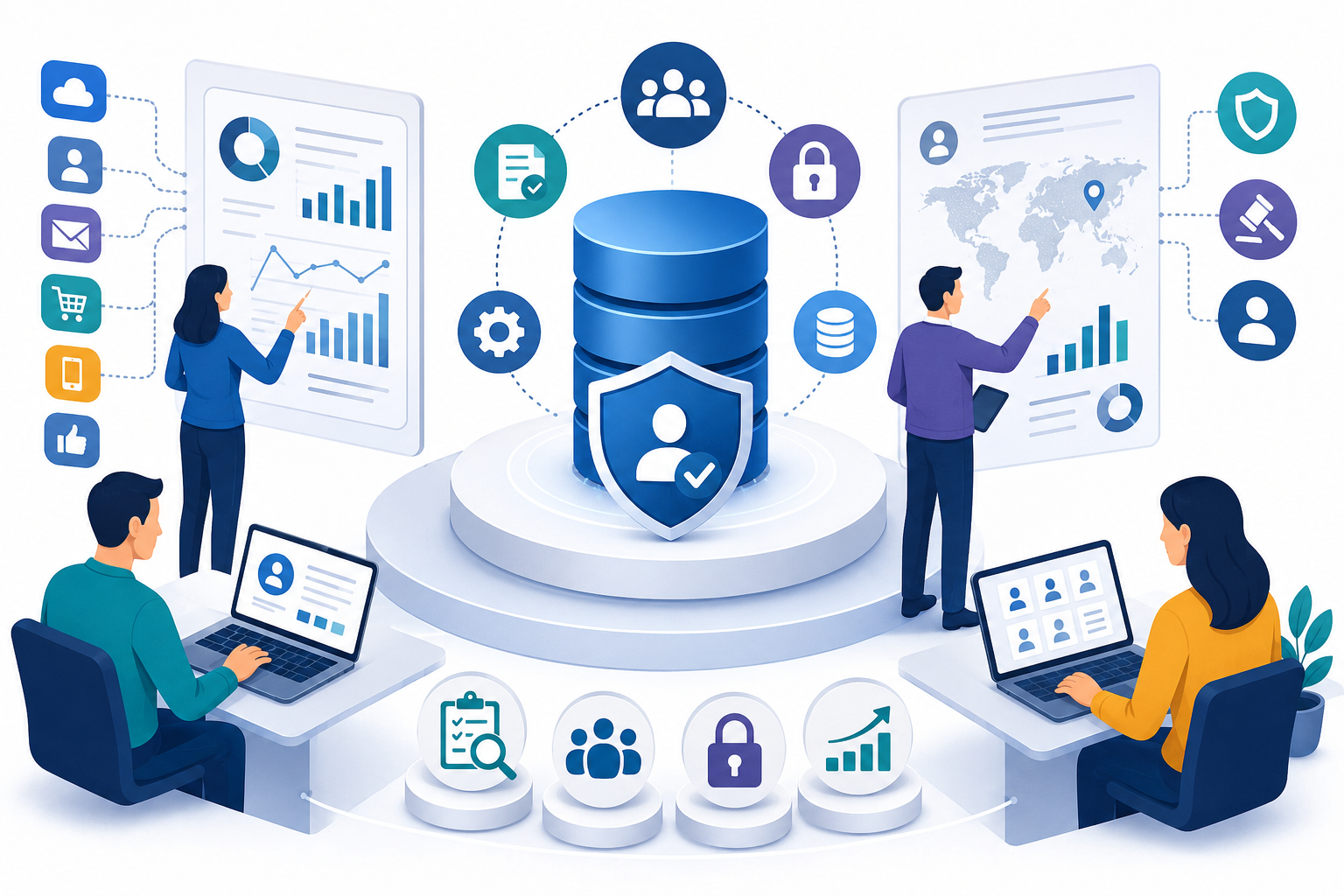
Respect consent and privacy. Maintain appropriate consent records, honor unsubscribe requests, and follow applicable data protection and electronic communications requirements.
Keep human interaction available. Automation should support meaningful conversations, not replace personal communication when a prospect needs expert advice or a tailored solution.
How to Measure the Success of Marketing Automation
Marketing automation should be evaluated using business outcomes rather than activity metrics alone.
Important performance indicators include:
- Lead conversion rate: The percentage of leads progressing to the next funnel stage.
- Marketing-qualified lead (MQL) to sales-qualified lead (SQL) conversion: How effectively marketing identifies prospects suitable for sales engagement.
- Lead response time: How quickly sales follows up when a lead meets qualification criteria.
- Email engagement: Click-through rates, meaningful replies, and conversions from email campaigns.
- Sales pipeline contribution: The value of opportunities associated with marketing campaigns, using a clearly defined attribution method.
- Customer acquisition cost (CAC): The cost of acquiring customers through your marketing and sales efforts.
- Return on marketing investment: The revenue or gross profit generated relative to the costs of the marketing program.
- Campaign efficiency: The time and resources saved through automation.
Establish a baseline before implementation and compare performance over time. Where possible, use controlled tests or comparison groups to distinguish the impact of automation from other changes in your marketing strategy.
Common Marketing Automation Mistakes to Avoid
Even a capable automation platform can underperform when its workflows are poorly designed.
Common mistakes include:
- Automating campaigns before defining the target audience
- Sending excessive emails that overwhelm prospects
- Using generic messaging for every industry and buyer role
- Relying on lead scores that do not reflect actual sales readiness
- Failing to integrate marketing tools with the CRM
- Ignoring inactive leads and customer lifecycle changes
- Measuring email opens without connecting activity to conversions
- Launching too many workflows before the team can maintain them
The solution is to begin with a small number of well-defined workflows, measure their effectiveness, and expand gradually as your processes mature.
The Future of Marketing Automation for B2B Businesses
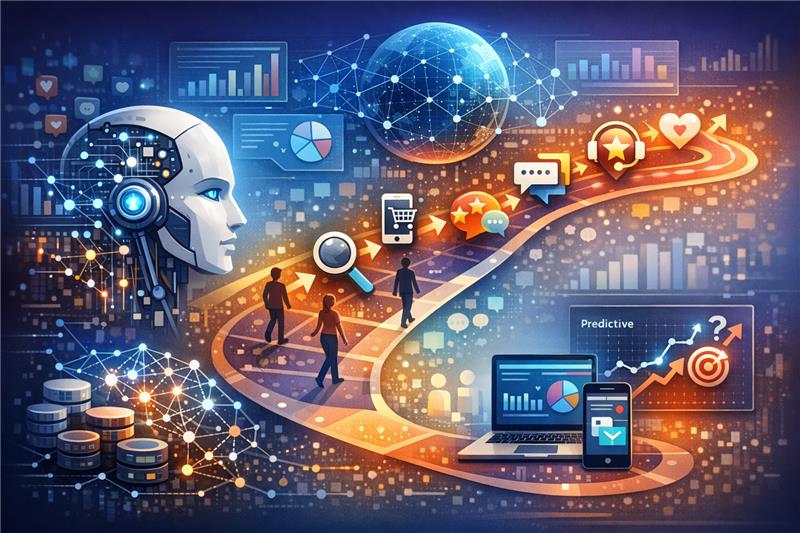
Marketing automation continues to evolve as businesses adopt artificial intelligence, predictive analytics, and more sophisticated customer journey tools.
AI-assisted systems can help marketers analyze engagement patterns, identify potential content opportunities, generate initial content drafts, and support audience segmentation. Predictive models may also help prioritize accounts or identify prospects showing patterns associated with purchase readiness.
However, these capabilities depend on data quality, suitable configuration, and human oversight.
For B2B businesses, the strongest approach combines automation technology with industry expertise, useful content, transparent data practices, and meaningful sales relationships. Technology can improve the speed and consistency of engagement, but it cannot compensate for an unclear value proposition or a product that fails to address customer needs.
Read Also: B2B Lead Generation: 15 Proven Strategies to Generate High-Quality Leads