
For years, sales and marketing teams have worked toward the same goal but often operated in separate worlds.
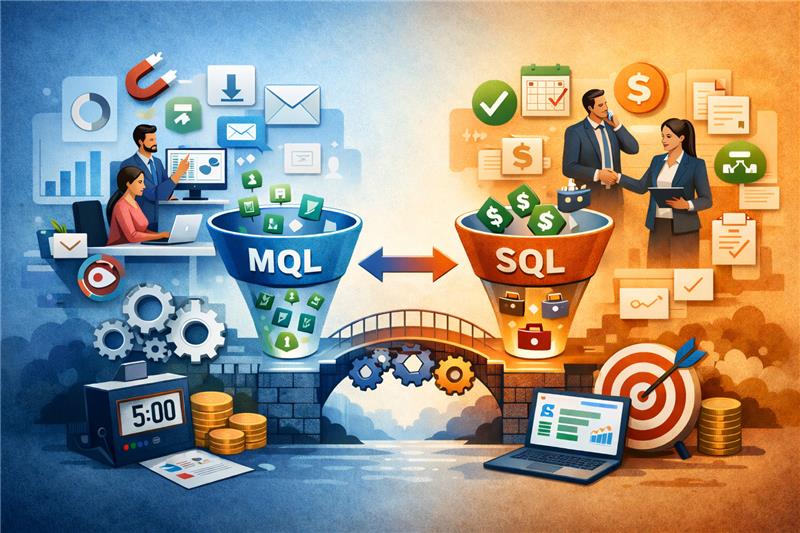
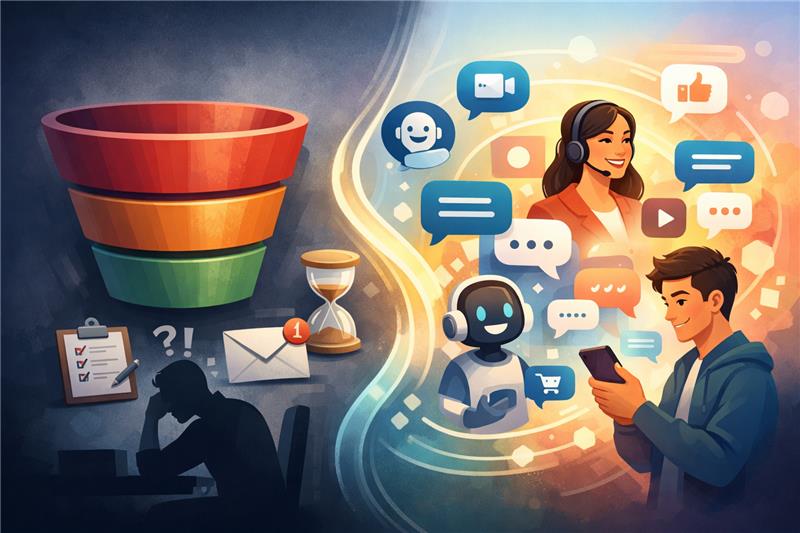
Marketing generates awareness, attracts leads, and builds campaigns. Sales engages prospects, closes deals, and manages customer relationships. Yet the gap between the two teams can lead to miscommunication, duplicated efforts, inconsistent messaging, and missed opportunities.
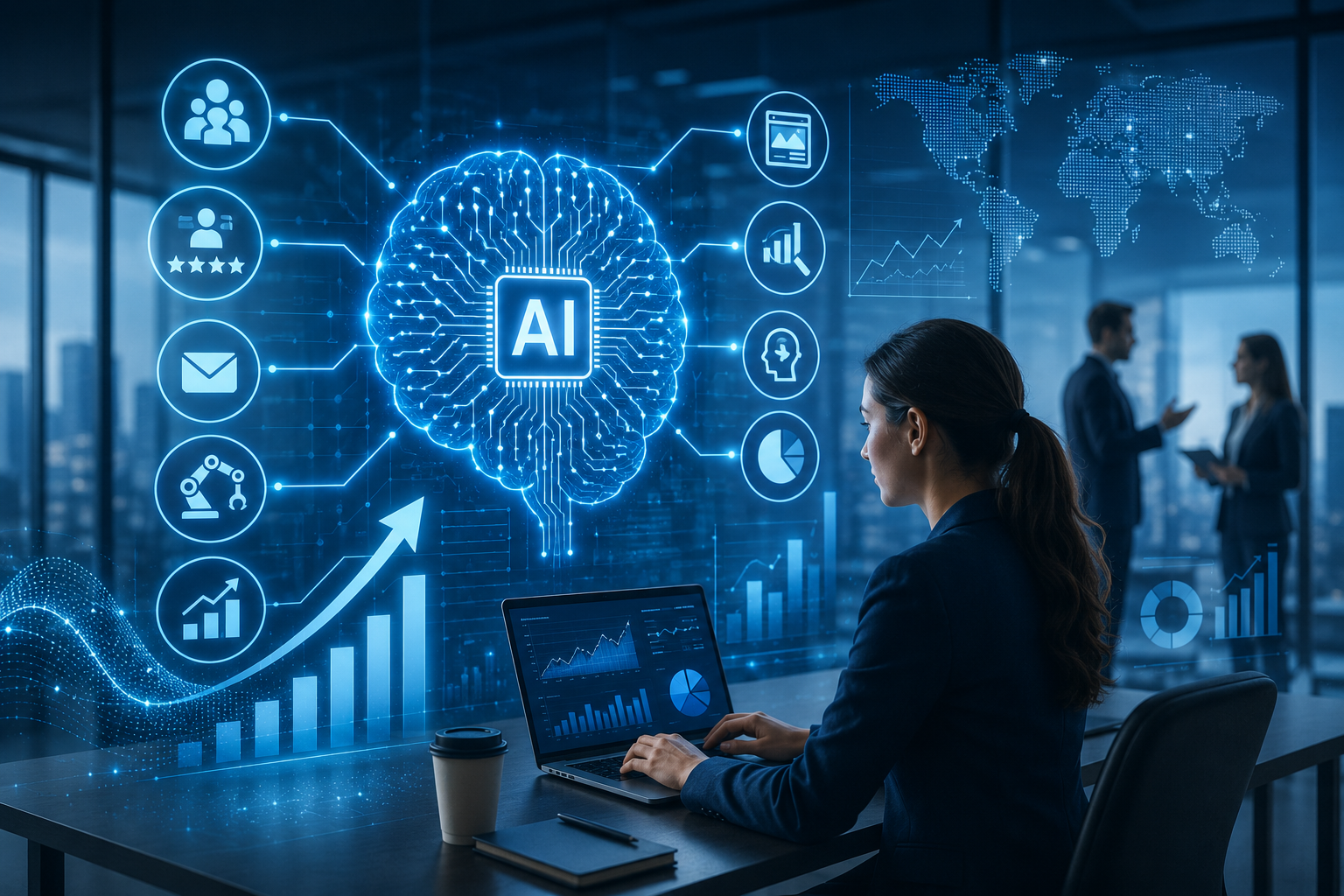
Artificial intelligence (AI) is changing that dynamic.
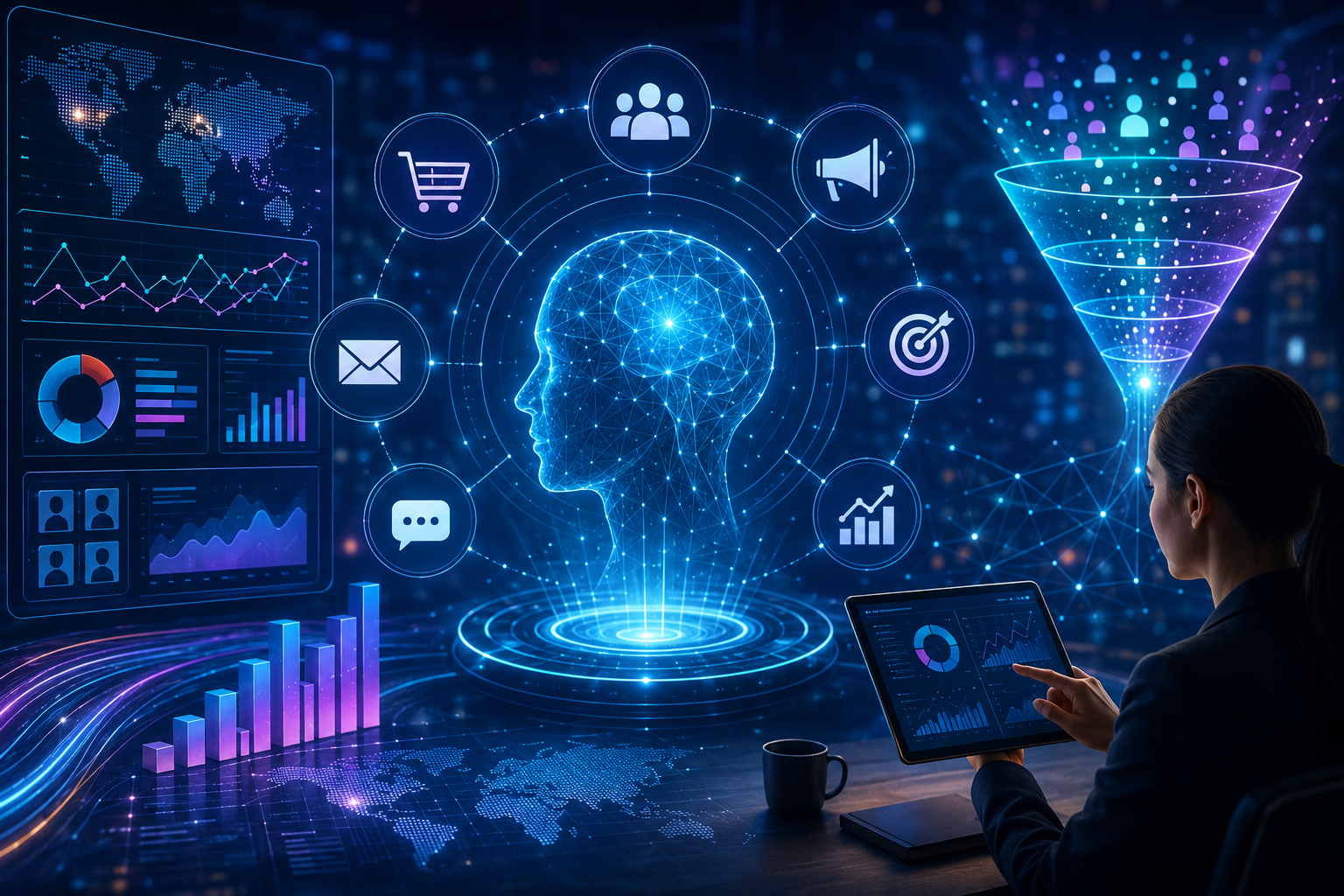
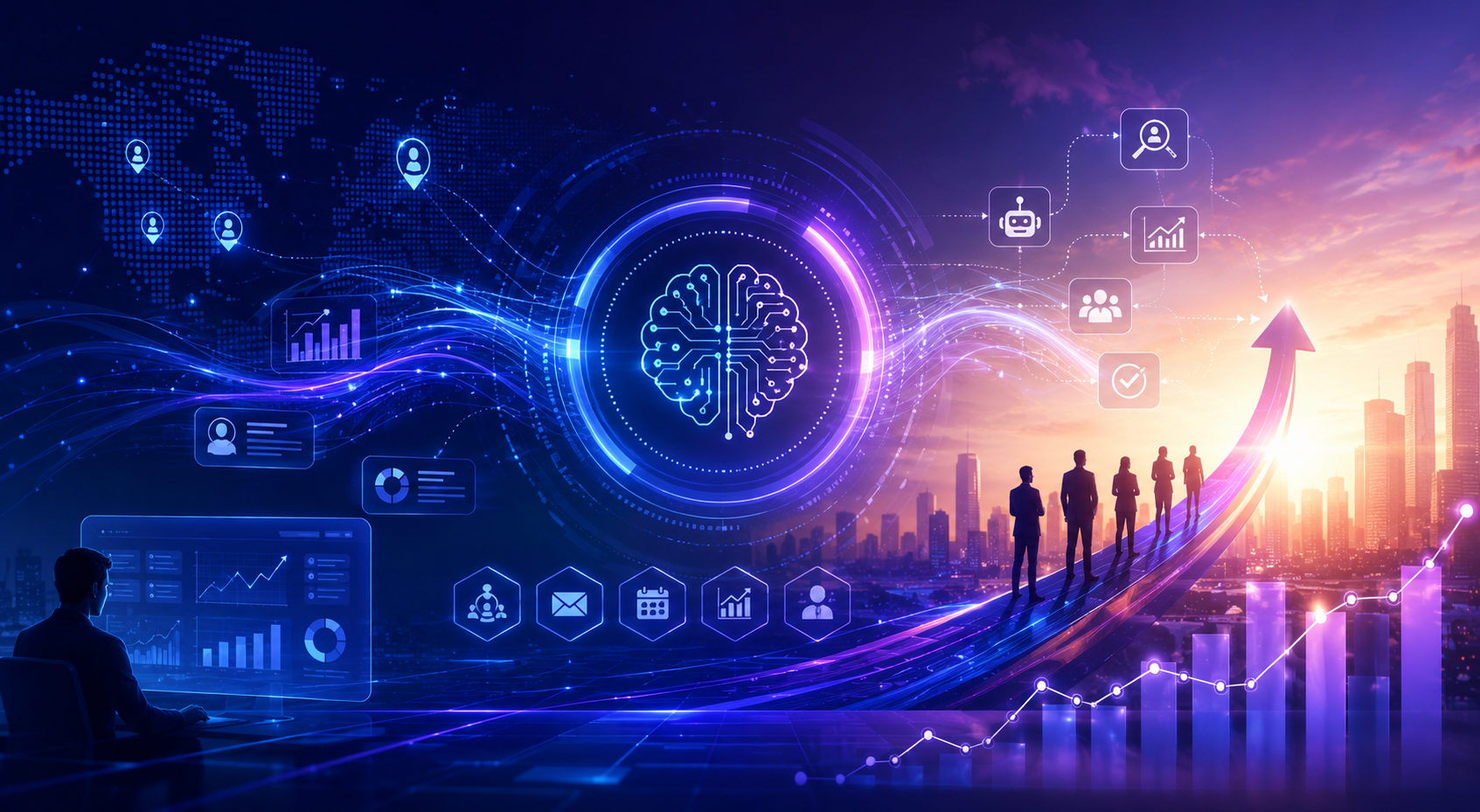
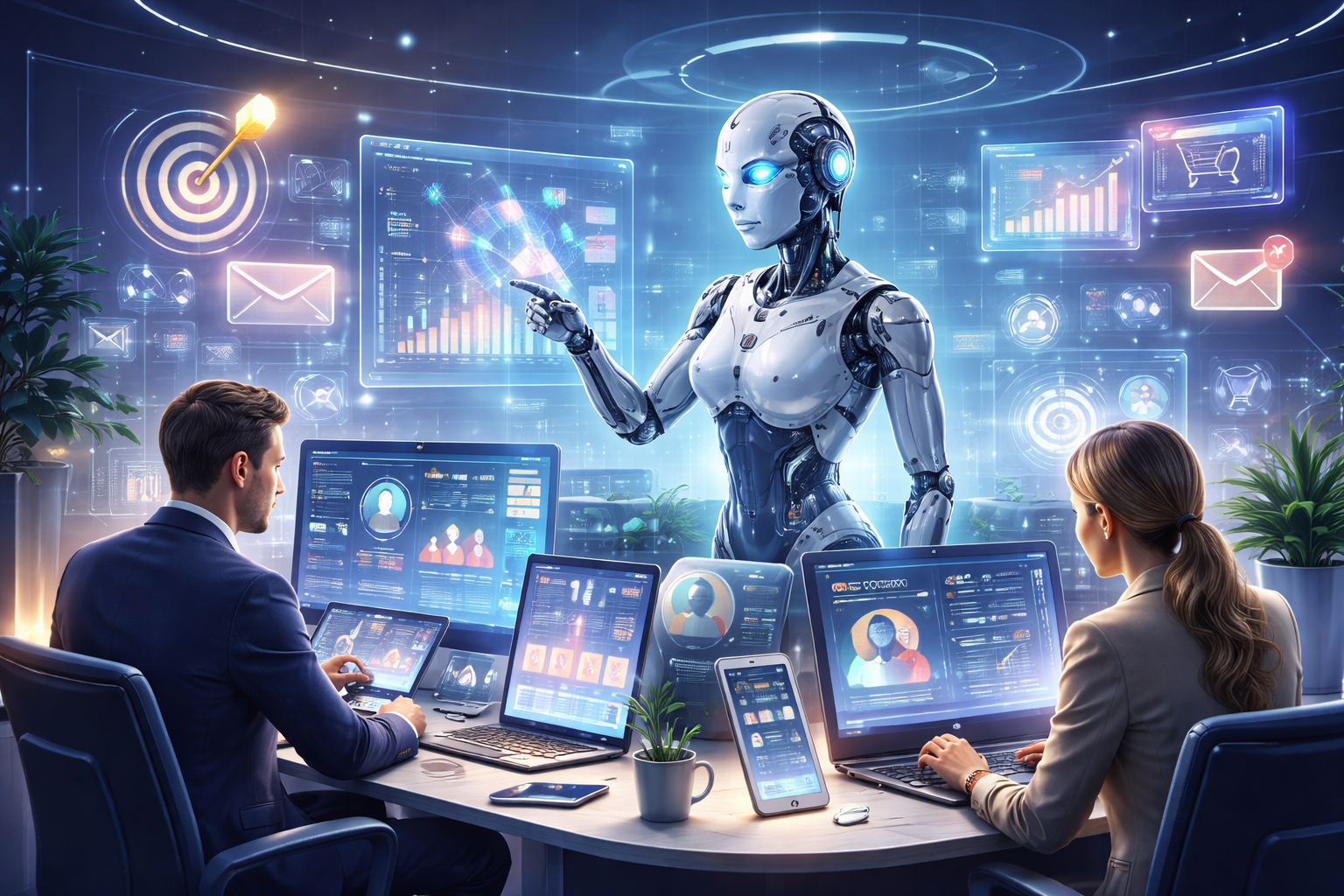
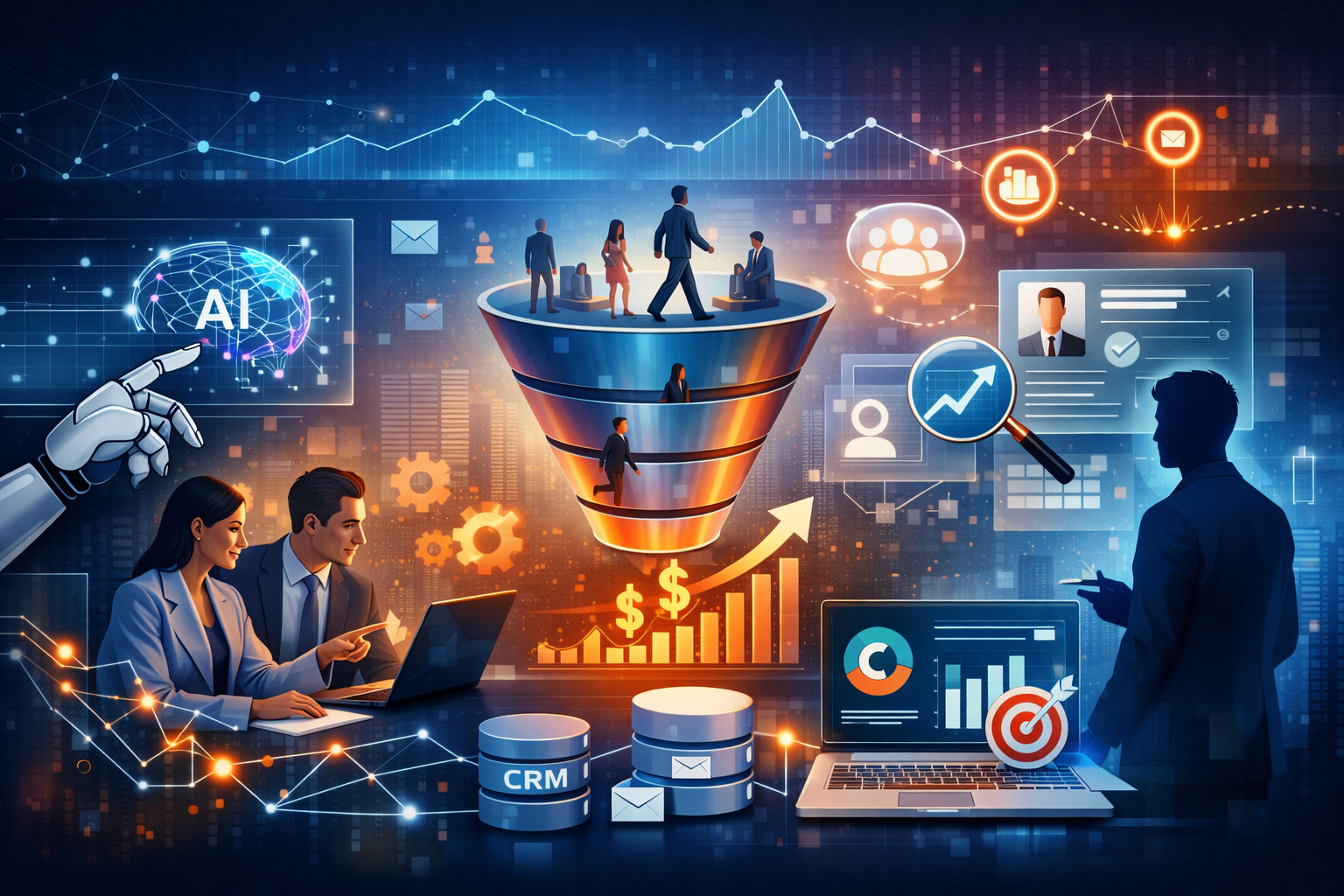
With AI-powered tools helping teams share data, understand customers, automate routine tasks, and generate actionable insights, sales and marketing are becoming more connected than ever. Instead of working as separate functions, they can now collaborate around a shared view of the customer and a common set of business goals.
The Traditional Gap Between Sales and Marketing
Sales and marketing alignment has always been challenging.
Marketing may focus on generating a high volume of leads, while sales may prioritize lead quality. Marketing campaigns can be designed around broad audience segments, while sales representatives need detailed information about individual prospects.
This disconnect can create familiar problems:
- Marketing generates leads that sales considers unqualified.
- Sales teams lack visibility into how prospects interacted with marketing content.
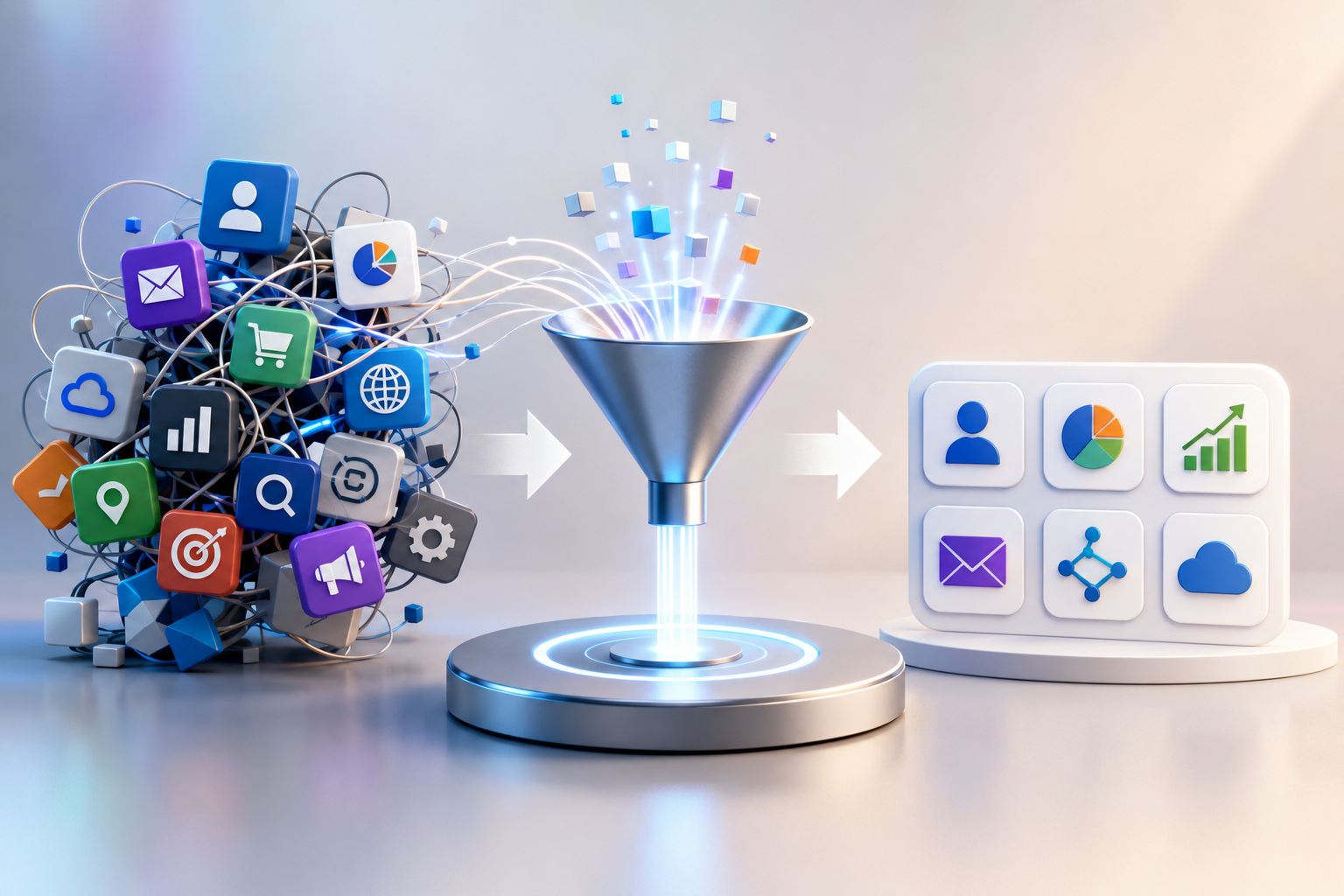
- Customer data is spread across multiple platforms.
- Teams use different definitions of a qualified lead.
- Follow-ups happen too late.
- Valuable customer insights remain trapped within individual departments.
AI is helping address many of these challenges by turning disconnected data into shared, actionable intelligence.
1. AI Creates a Shared View of the Customer
One of the biggest advantages of AI is its ability to analyze large amounts of customer data.
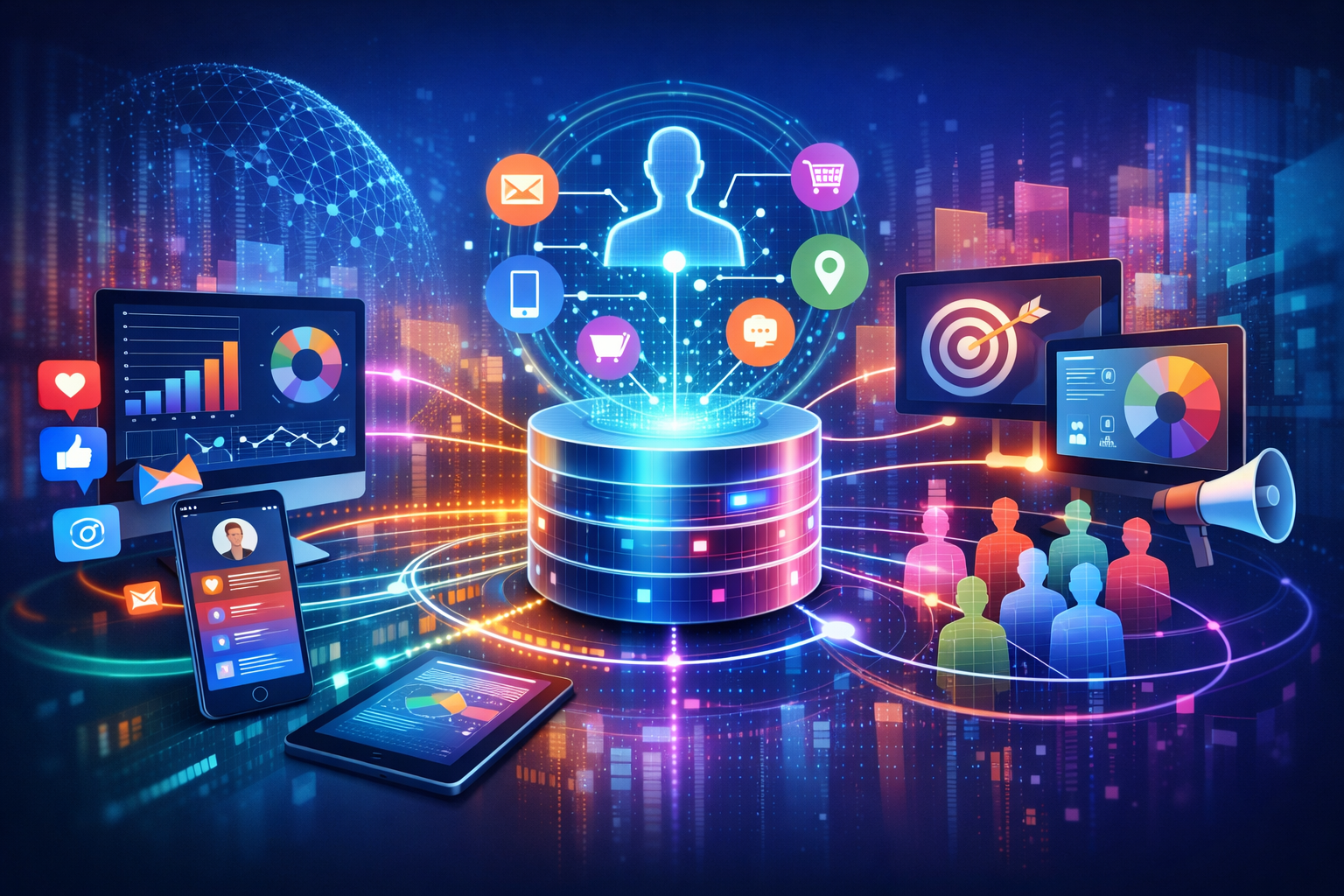
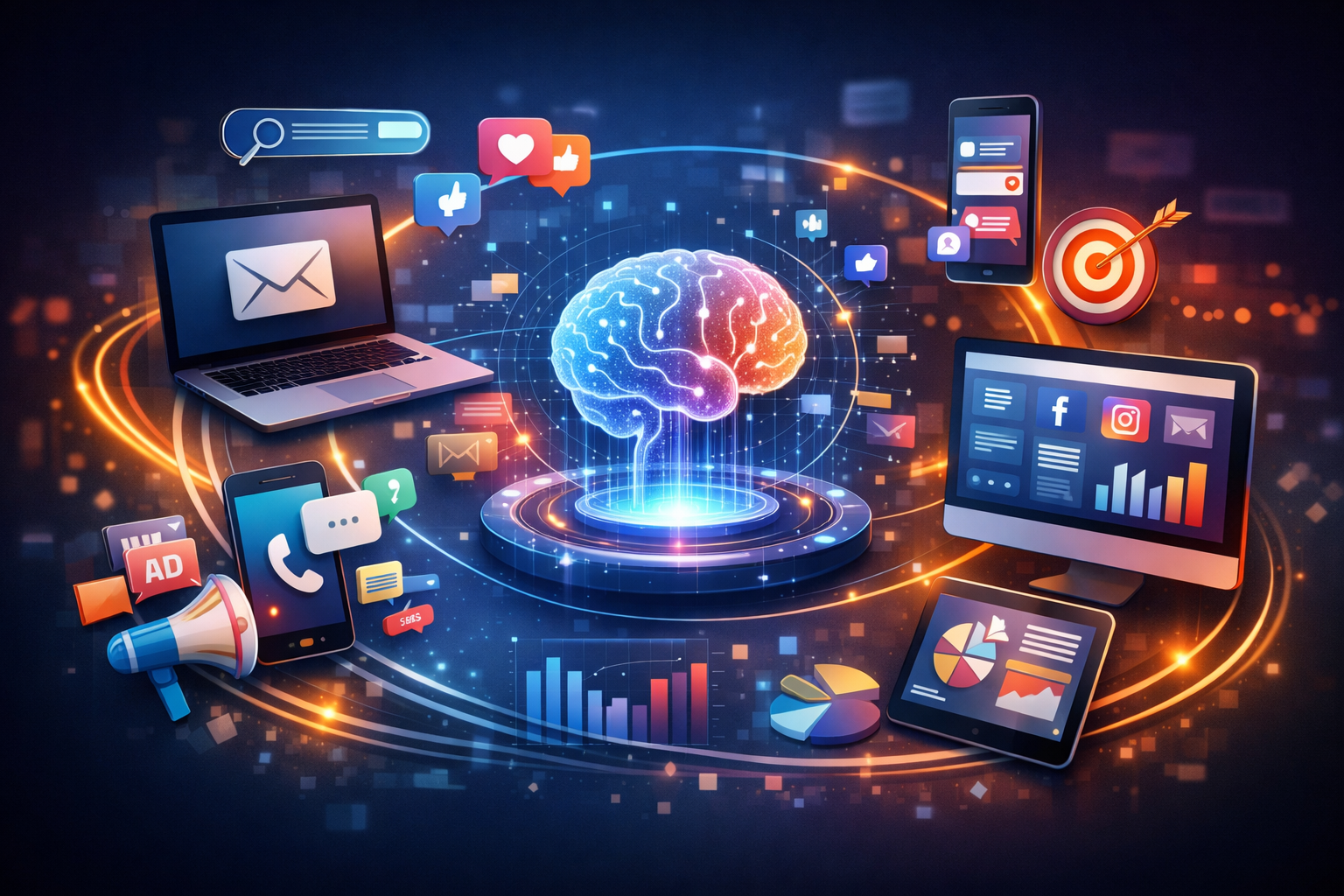
Modern businesses collect information from websites, emails, CRM platforms, social media, advertising campaigns, customer support interactions, and other channels. AI can help organize and analyze these signals to create a more complete picture of a prospect or customer.
For marketing teams, this can reveal which campaigns and content attract specific audiences.
For sales teams, it can provide context about a prospect’s interests, interactions, and position in the buying journey.
Instead of marketing and sales working with different pieces of information, both teams can work from a more unified customer view.
2. Smarter Lead Scoring Improves Collaboration
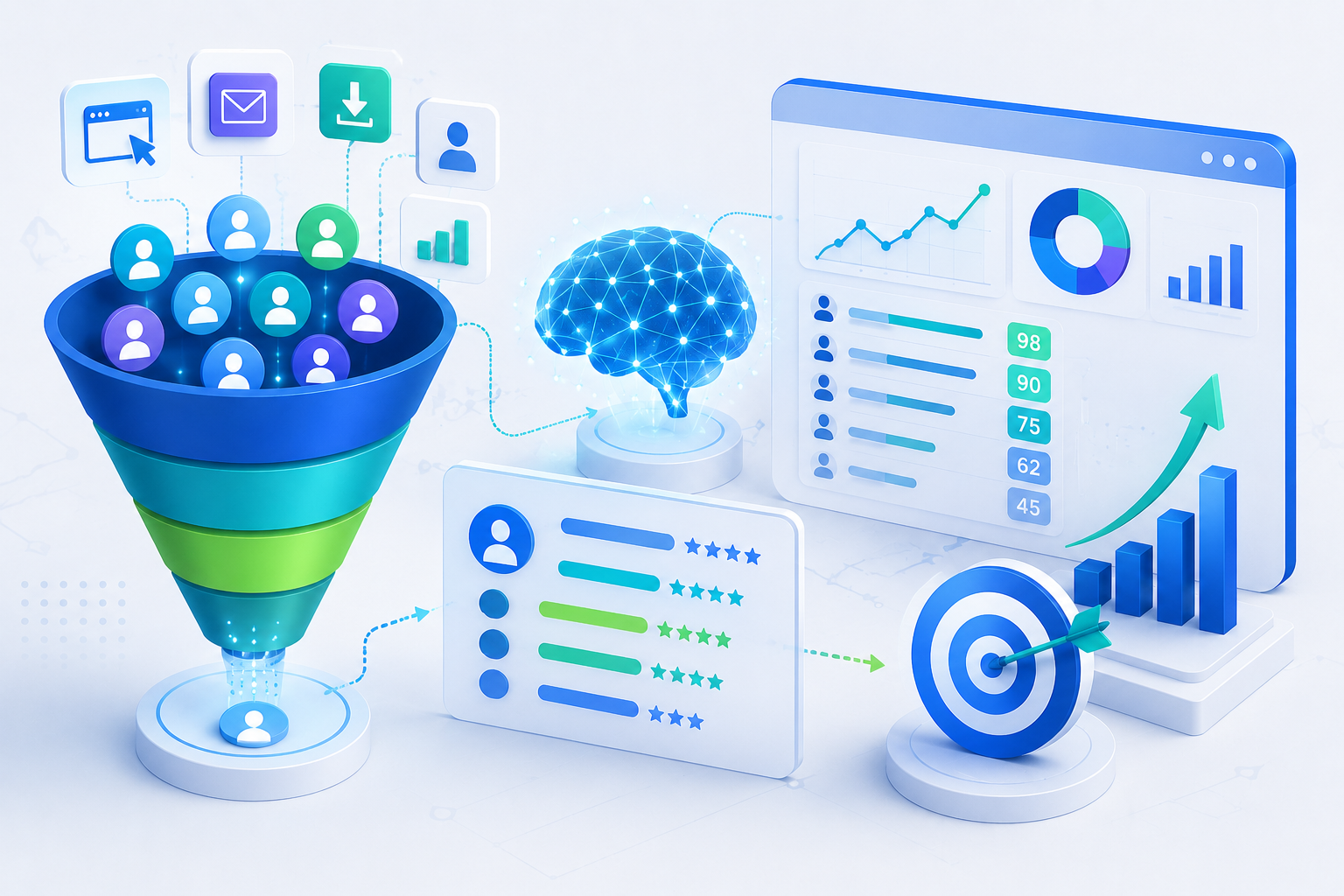
Lead scoring has traditionally relied on predefined rules, such as job title, company size, website activity, or email engagement.
AI can take this process further by identifying patterns across historical and real-time data.
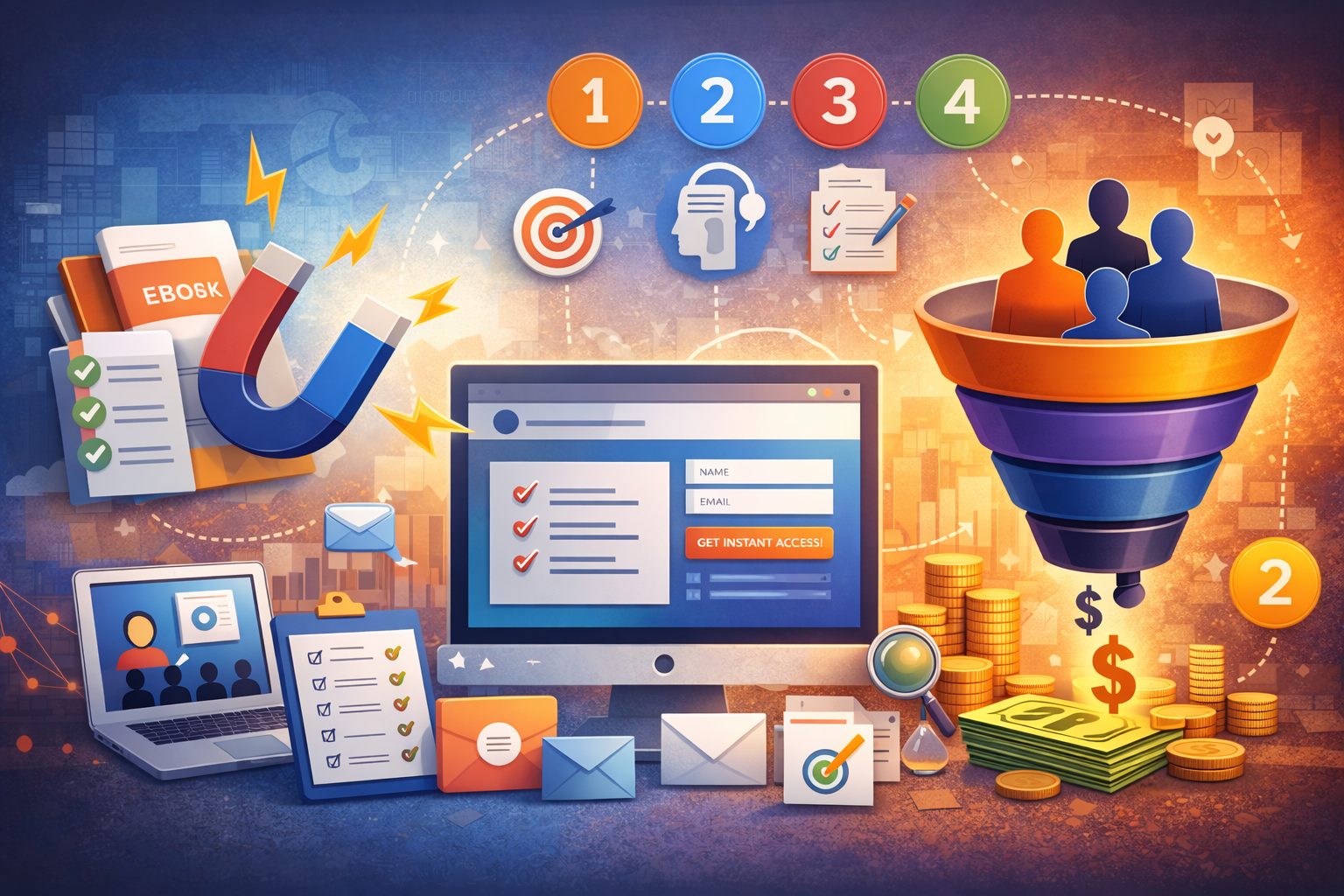
An AI-powered system can help determine which leads demonstrate behaviors associated with stronger purchase intent. It can then prioritize those prospects for sales follow-up.
This creates a stronger connection between the two teams.
Marketing can focus on attracting and nurturing prospects with relevant characteristics, while sales can spend more time engaging leads that show meaningful buying signals.
The result is not simply more leads — it is a more coordinated approach to deciding which opportunities deserve attention.
3. AI Helps Personalize Marketing and Sales Outreach
Today’s customers expect relevant experiences.
Generic emails and one-size-fits-all campaigns are increasingly less effective in a crowded digital environment. AI can help teams personalize communication at scale.
Marketing teams can use AI to create audience segments, recommend content, personalize campaigns, and identify relevant messaging.
Sales representatives can use similar technology to generate personalized emails, summarize account information, and prepare for prospect conversations.
Because both teams can draw on the same customer insights, their messages can become more consistent.
A prospect who receives an educational marketing email, for example, can receive a sales follow-up that reflects the same topic rather than starting the conversation from scratch.
4. AI Gives Sales Teams Better Marketing Insights
Sales representatives often have valuable information about customer needs, objections, and market trends.
Historically, much of that knowledge stayed within sales conversations.
AI can help capture and organize these insights.
Conversation intelligence tools can analyze sales calls and meetings to identify recurring questions, objections, competitor mentions, and customer concerns. Those insights can then inform marketing campaigns and content strategies.
For example, if sales teams repeatedly hear prospects asking about implementation costs, marketing can develop content that addresses pricing considerations, implementation expectations, and common questions.
In this way, customer conversations can directly influence marketing strategy.
5. Marketing Can Better Understand What Happens After Lead Generation
Marketing performance is often measured using metrics such as impressions, clicks, website traffic, and leads.
But generating a lead is only part of the customer journey.
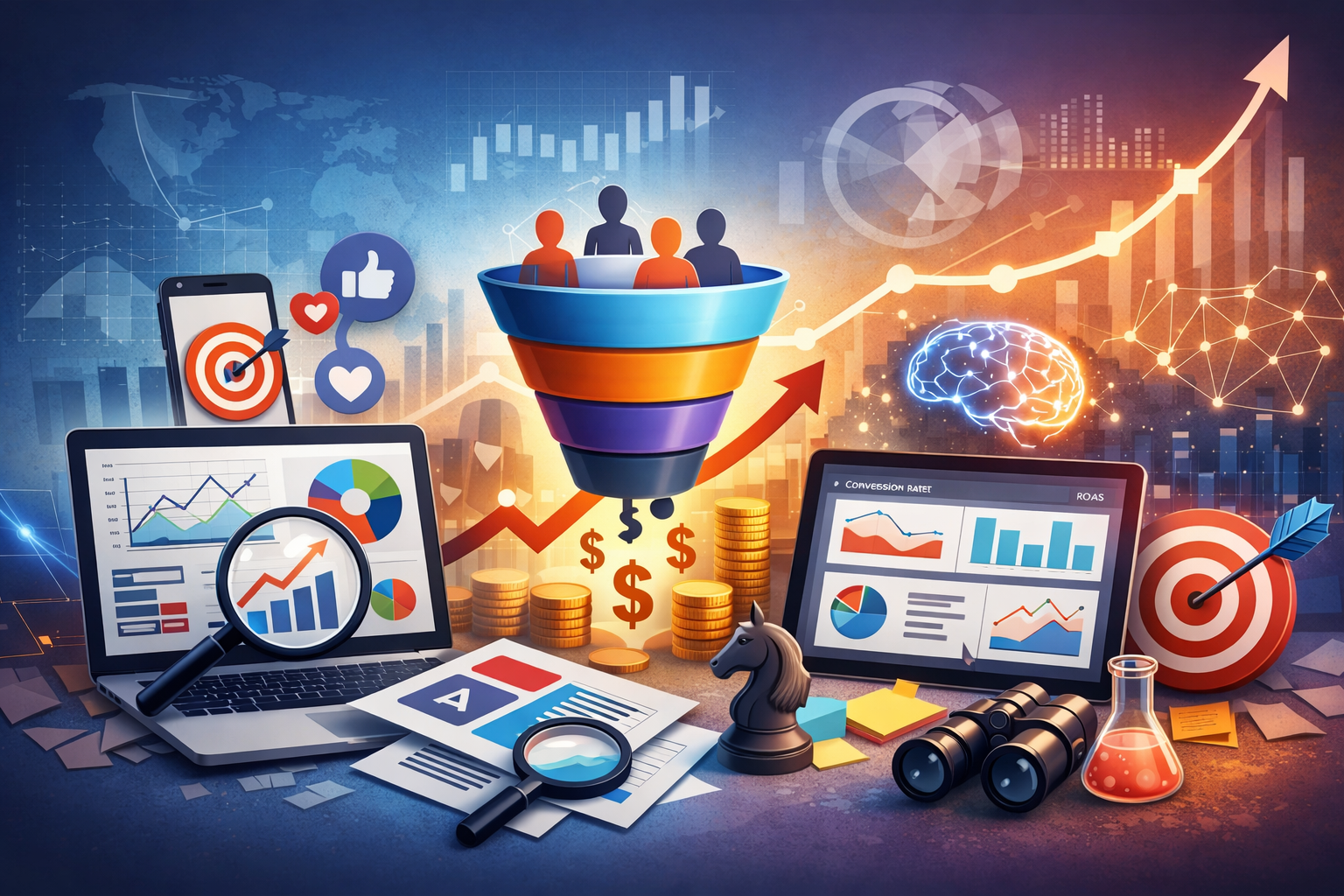
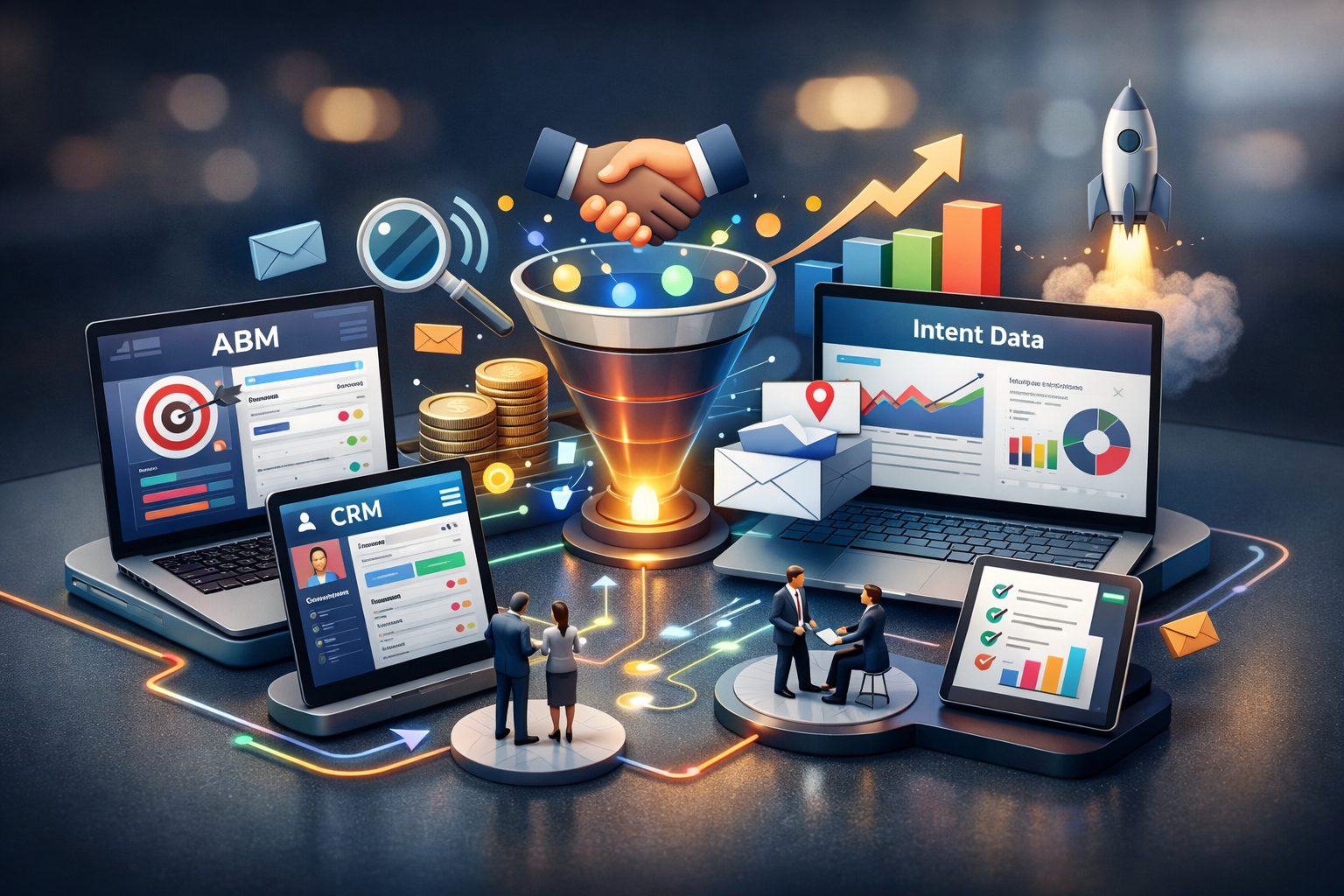
AI can help connect marketing activity with downstream sales outcomes. By combining campaign data with CRM and revenue information, organizations can gain greater visibility into which marketing activities contribute to qualified opportunities and customers.
This allows marketing teams to move beyond simply asking:
“How many leads did we generate?”
They can also ask:
“Which activities contributed to meaningful sales opportunities?”
That creates a much stronger foundation for collaboration between marketing and sales.
6. AI Automates Repetitive Work for Both Teams
Another reason AI is bringing sales and marketing closer together is simple: it reduces administrative work.
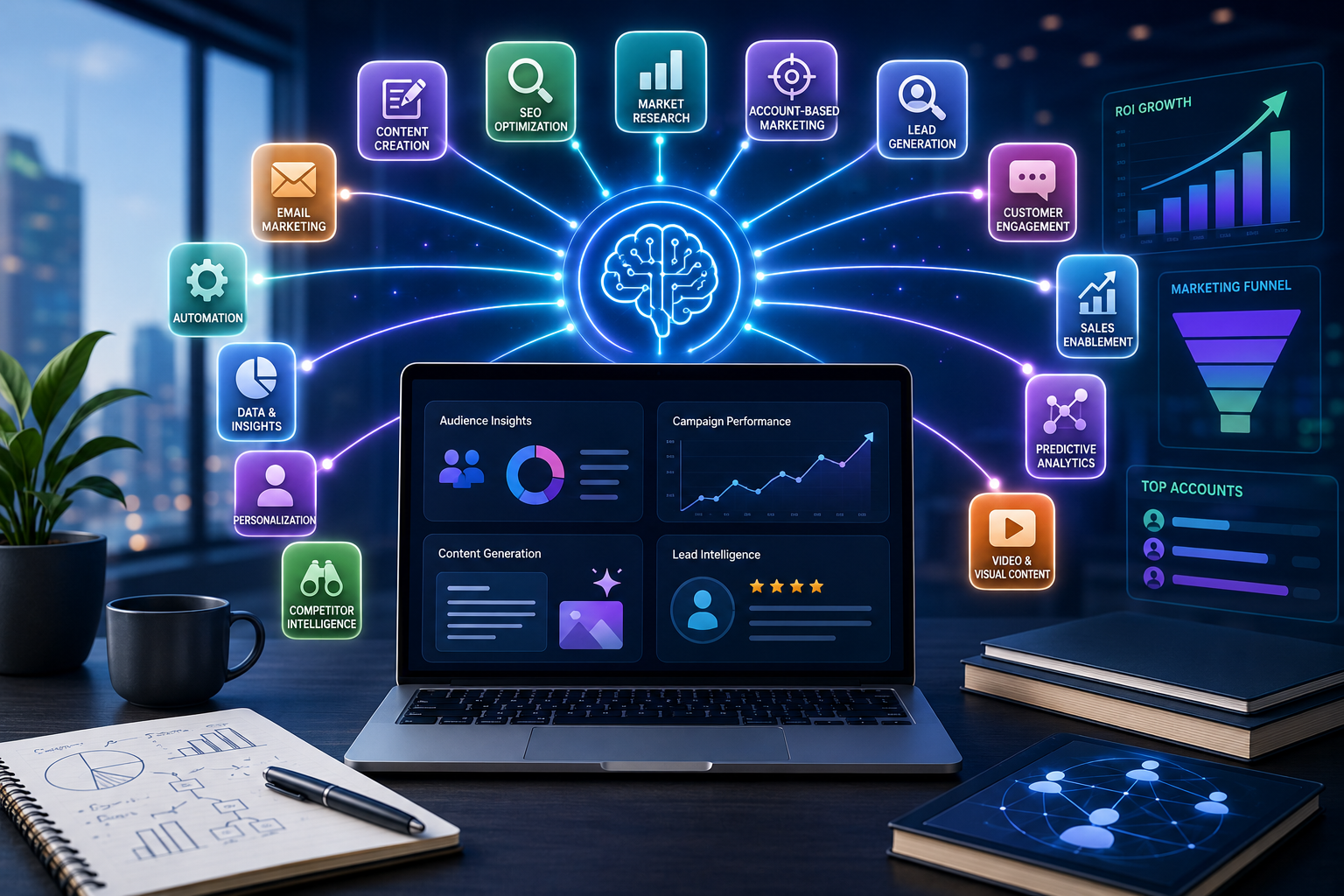
Marketing teams can use AI to assist with:
- Content creation
- Campaign variations
- Audience research
- Customer segmentation
- Performance analysis
- Email personalization
Sales teams can use AI to assist with:
- Prospect research
- Meeting summaries
- Email drafting
- CRM updates
- Follow-up reminders
- Sales forecasting
- Account research
When routine tasks require less manual effort, teams have more time for activities that require human judgment — such as building relationships, developing strategies, and understanding customers.
7. AI Enables Faster Feedback Loops
Strong sales and marketing alignment depends on communication.
AI can shorten the feedback loop between the two teams.
Suppose a marketing campaign generates a large number of responses but sales representatives notice that prospects consistently have a particular objection. That information can be captured, analyzed, and used to adjust messaging or targeting.
Likewise, if sales identifies a new customer segment showing strong interest, marketing can quickly create campaigns and content tailored to that audience.
Instead of waiting for quarterly meetings or manual reports, teams can increasingly respond to customer signals in near real time.
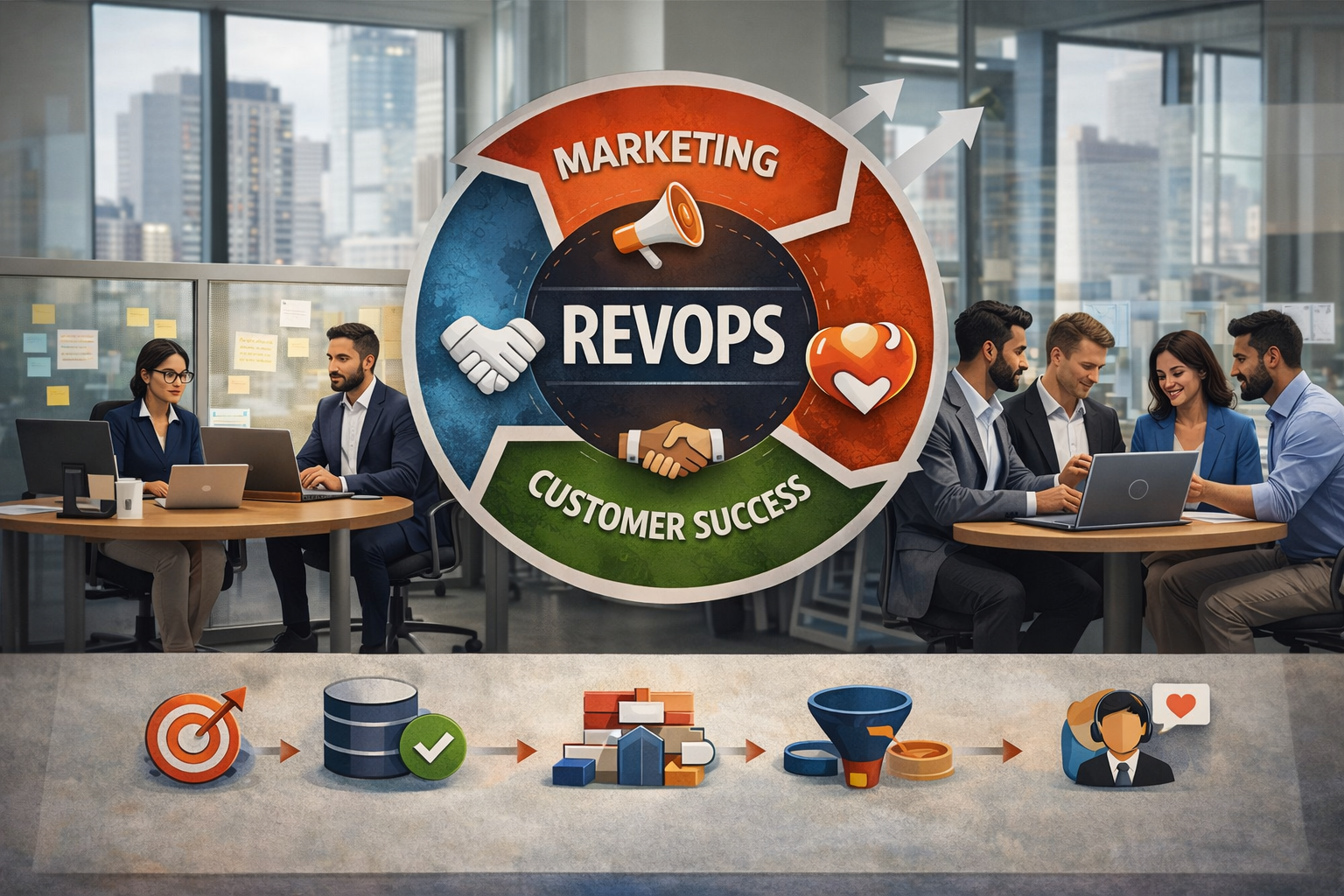
8. AI Is Turning Sales and Marketing Into a More Connected Revenue Team
Perhaps the biggest change is organizational.
AI makes it easier for sales and marketing to work toward shared objectives rather than optimizing isolated metrics.
Marketing can focus more closely on qualified pipeline and revenue contribution. Sales can gain better visibility into marketing interactions and customer intent.
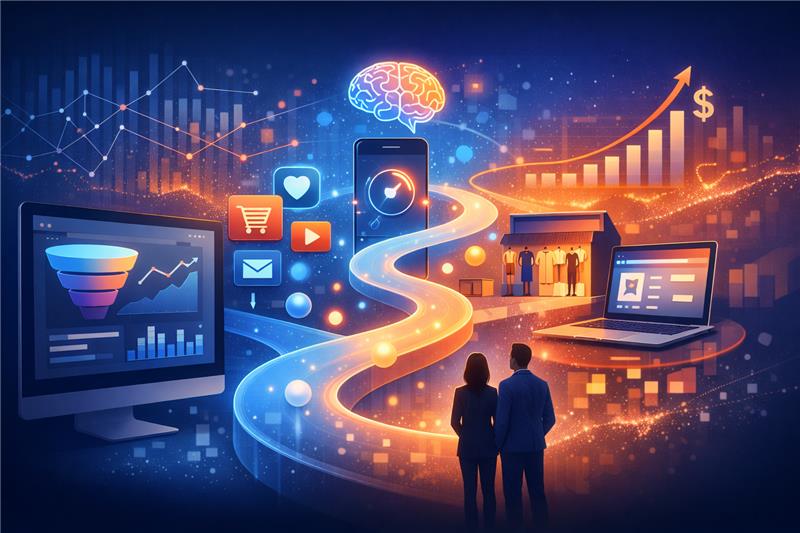
This encourages both teams to think about the complete customer journey:
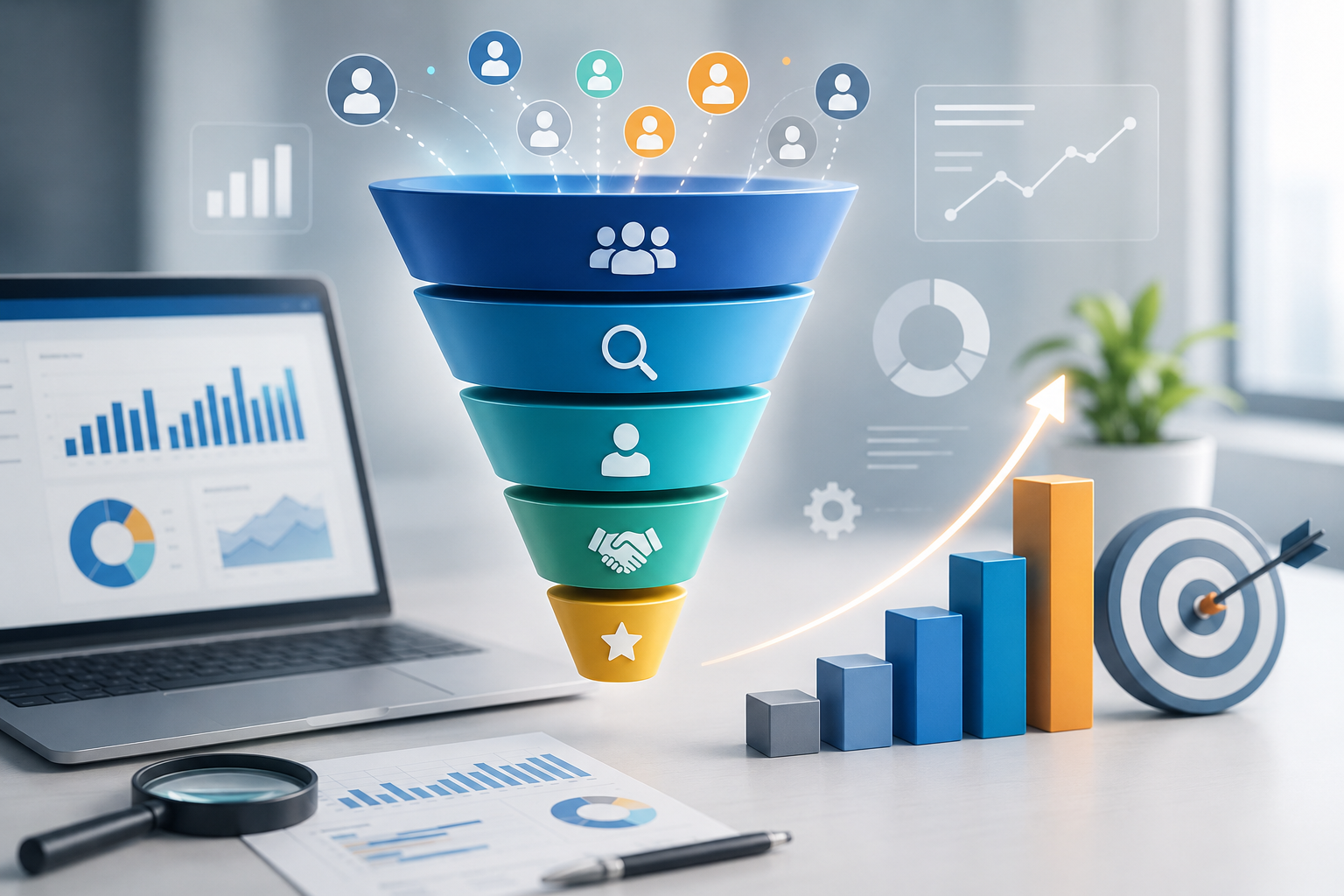
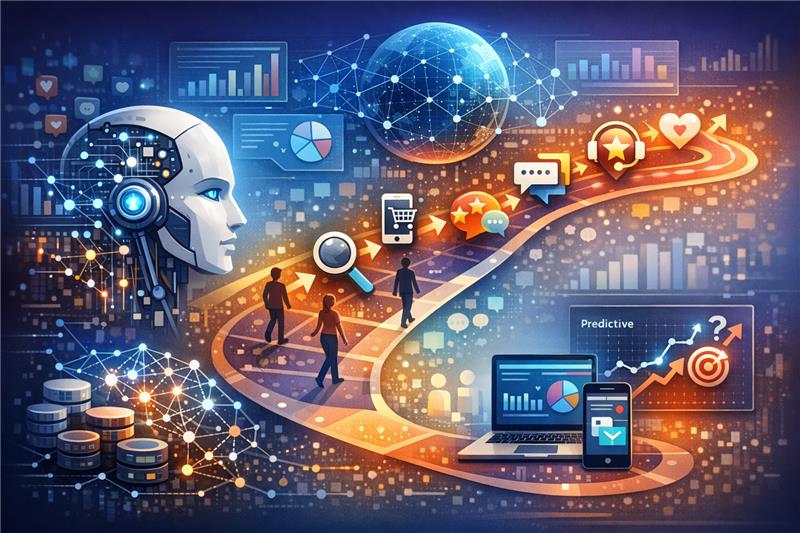
Attract → Engage → Qualify → Nurture → Convert → Retain
AI can support each stage by connecting data and identifying patterns across the journey.
The technology itself does not create alignment. But it can provide the infrastructure needed for people and teams to collaborate more effectively.
The Human Element Still Matters
Despite its capabilities, AI is not a replacement for sales or marketing professionals.
AI can identify patterns, automate processes, summarize information, and generate content. But people still need to decide what those insights mean and how to act on them.
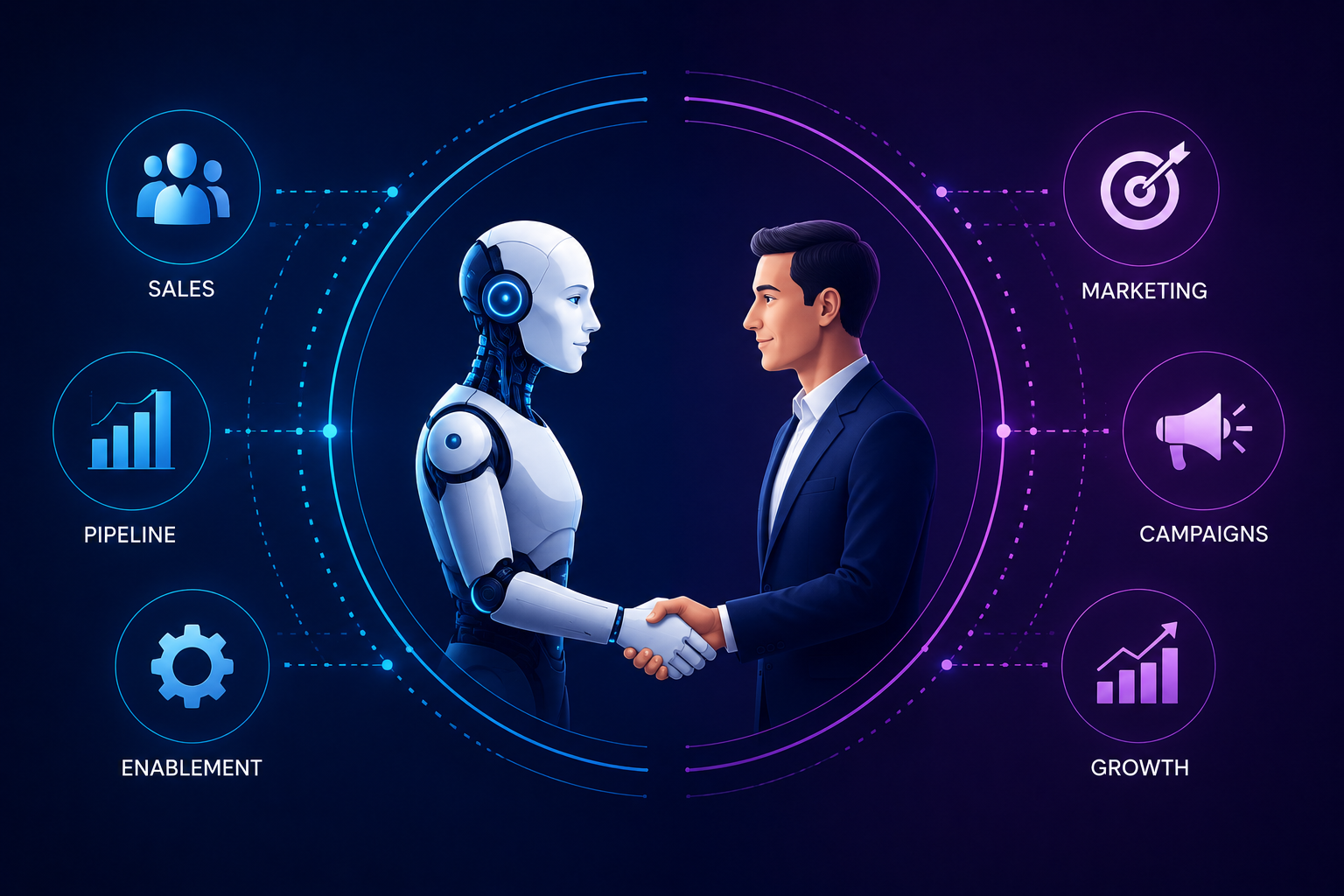
Successful organizations will therefore treat AI as a collaboration tool rather than a substitute for human expertise.
Sales professionals bring relationship-building skills and firsthand customer knowledge. Marketing professionals bring creativity, positioning, audience understanding, and strategic thinking.
AI can connect these strengths.
What the Future Looks Like
The future of sales and marketing is likely to be less about two departments working alongside each other and more about one connected revenue organization.
AI will continue to make customer data more accessible, automate repetitive processes, improve personalization, and provide faster insights.
As these capabilities mature, the distinction between “marketing-owned” and “sales-owned” customer information may become less important.
What matters more is whether the organization can understand the customer, deliver relevant experiences, and respond quickly to changing needs.
Read Also: How Marketers Can Adapt When Customer Data Becomes Limited