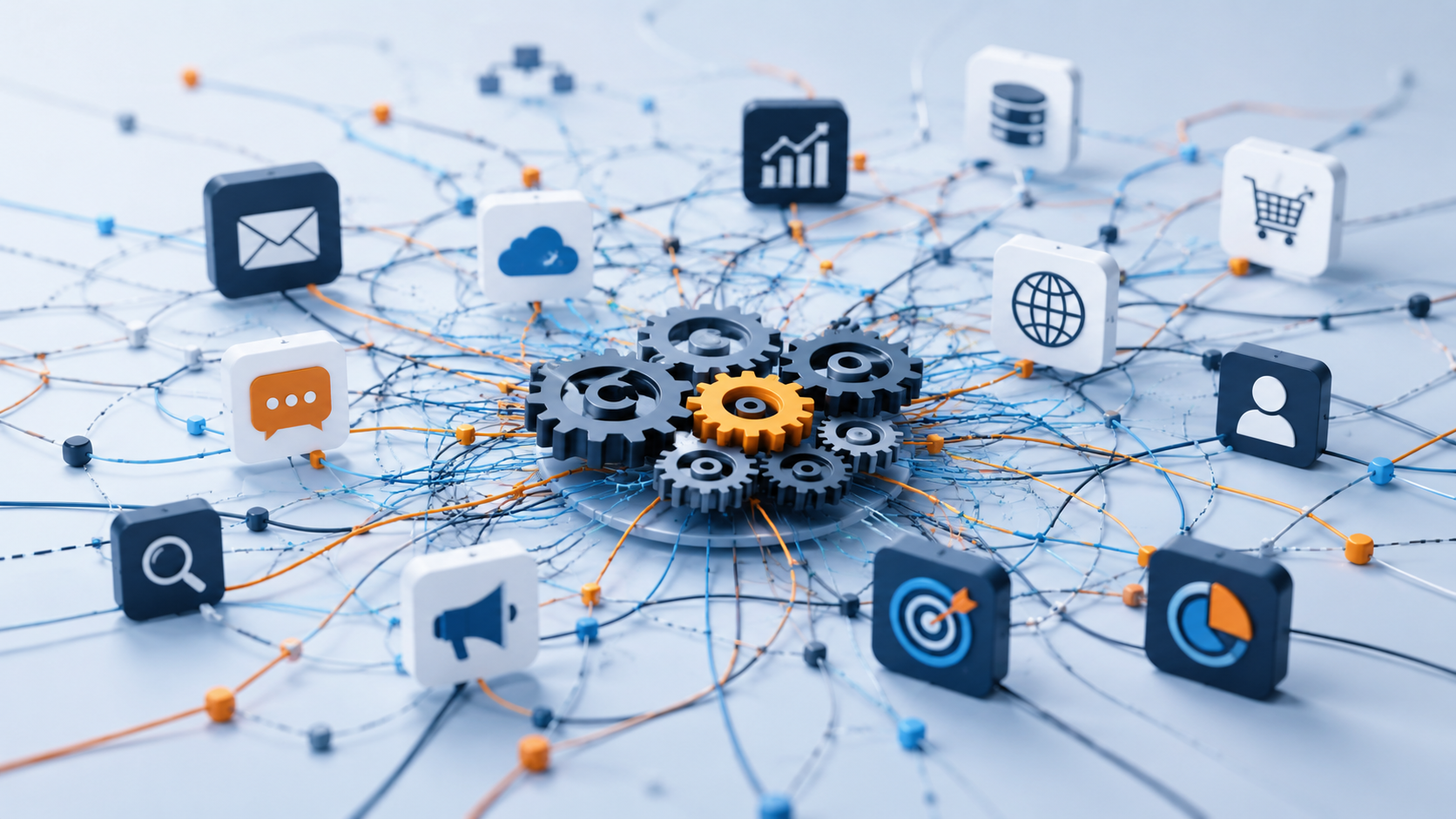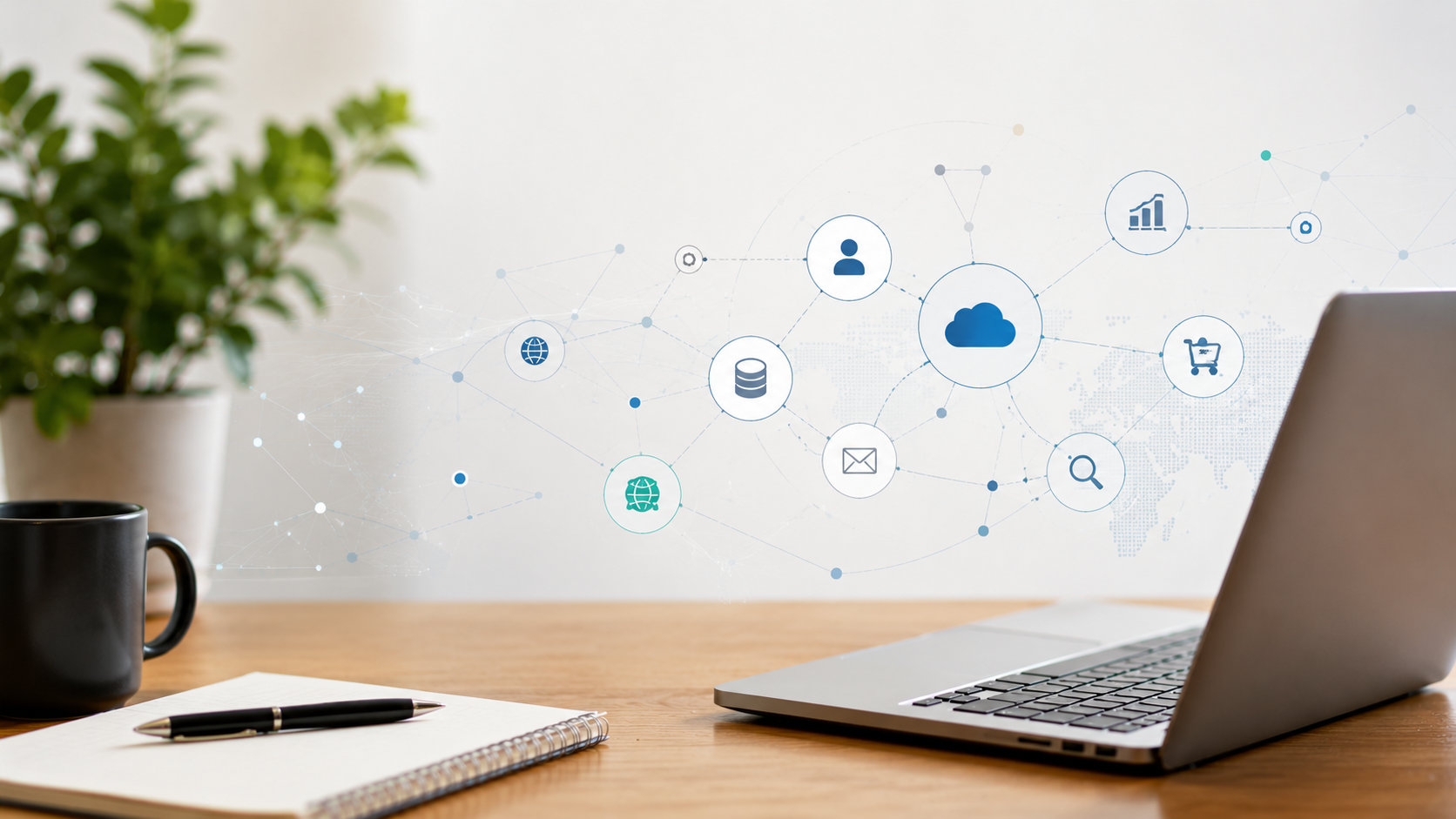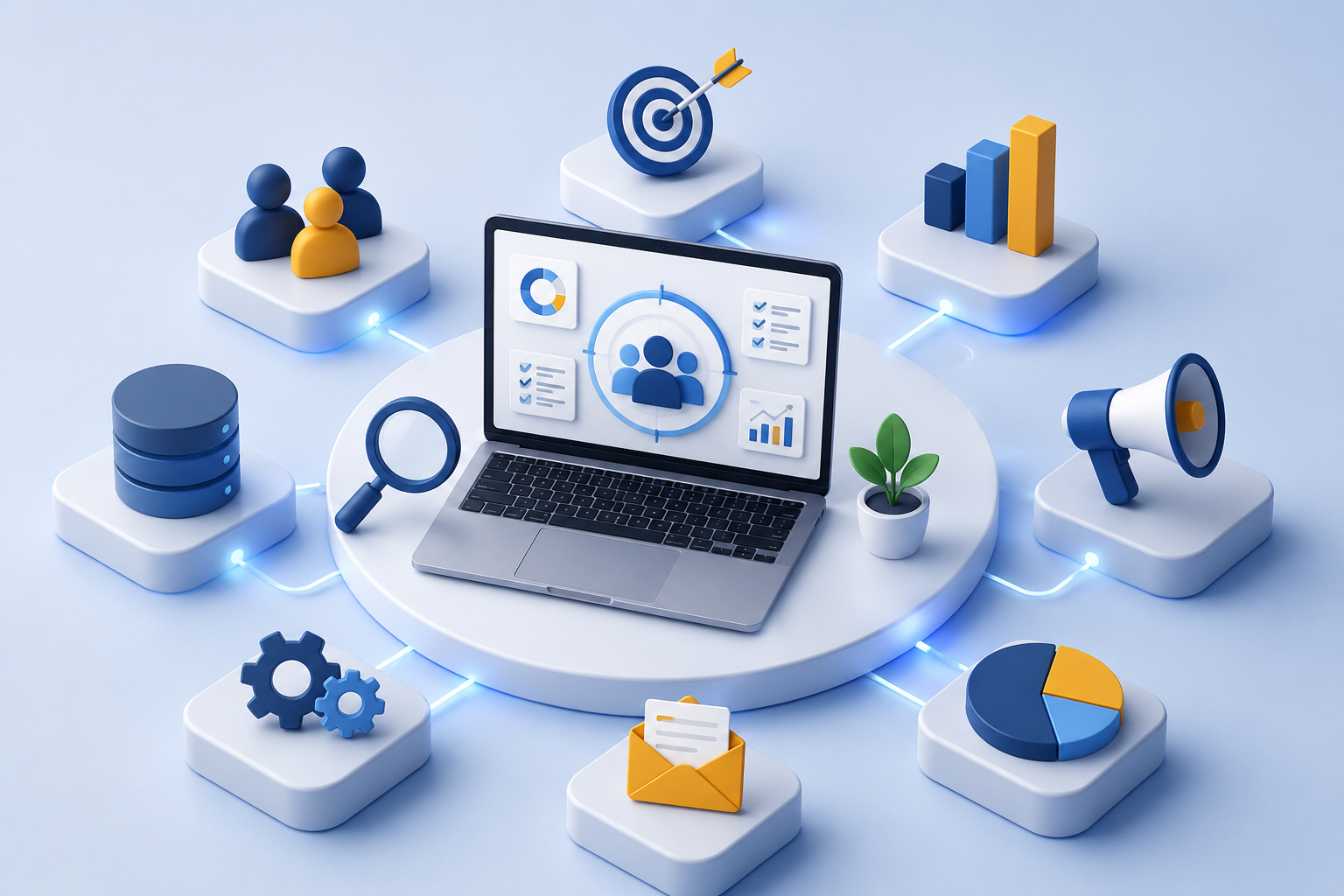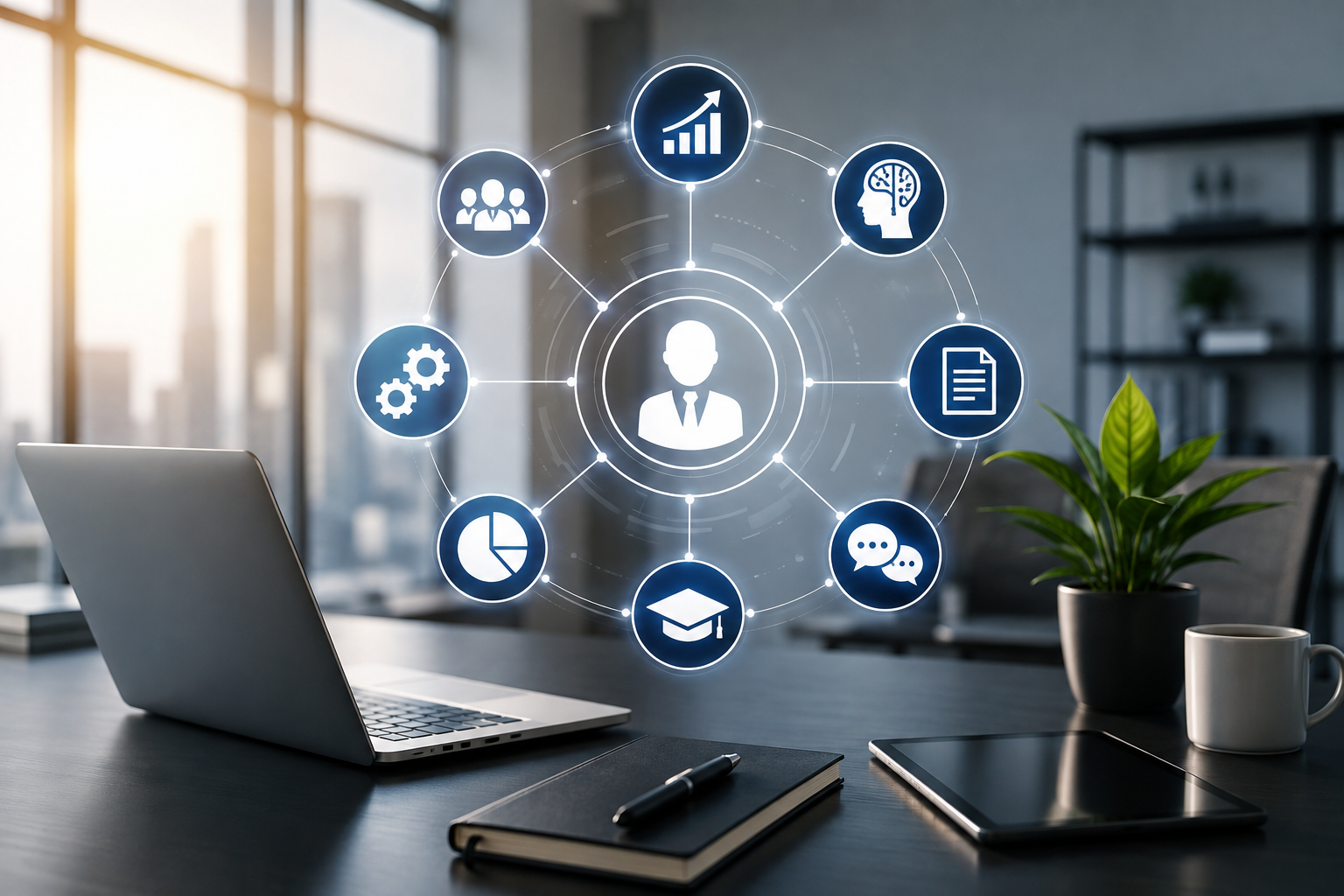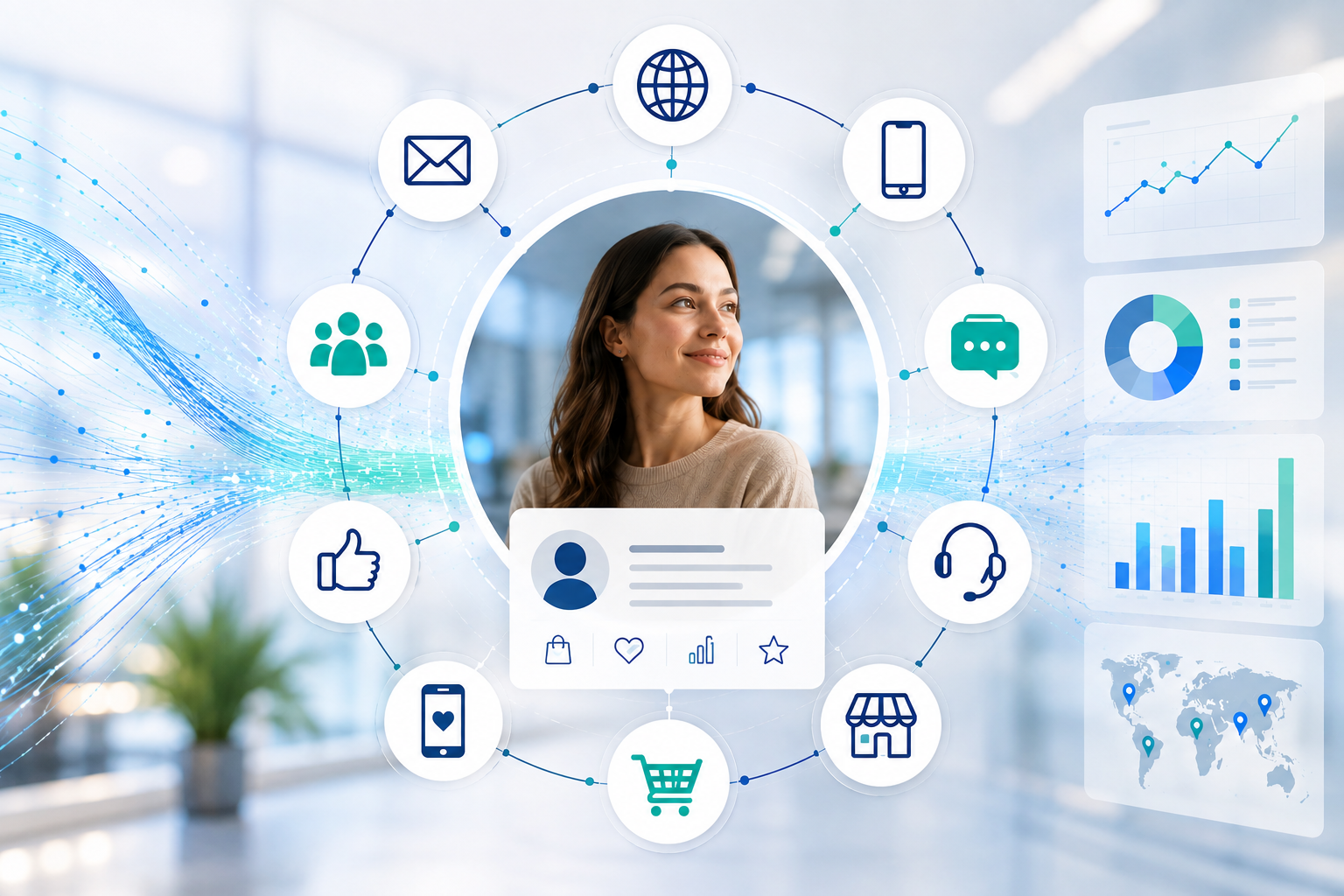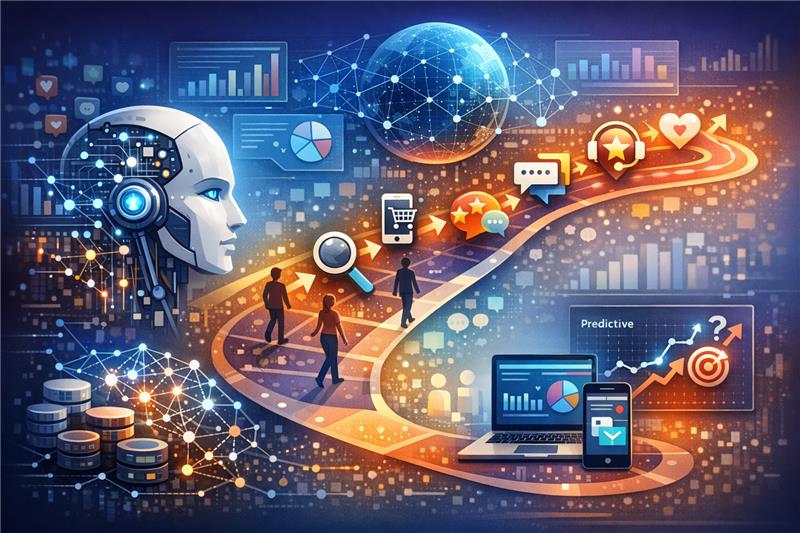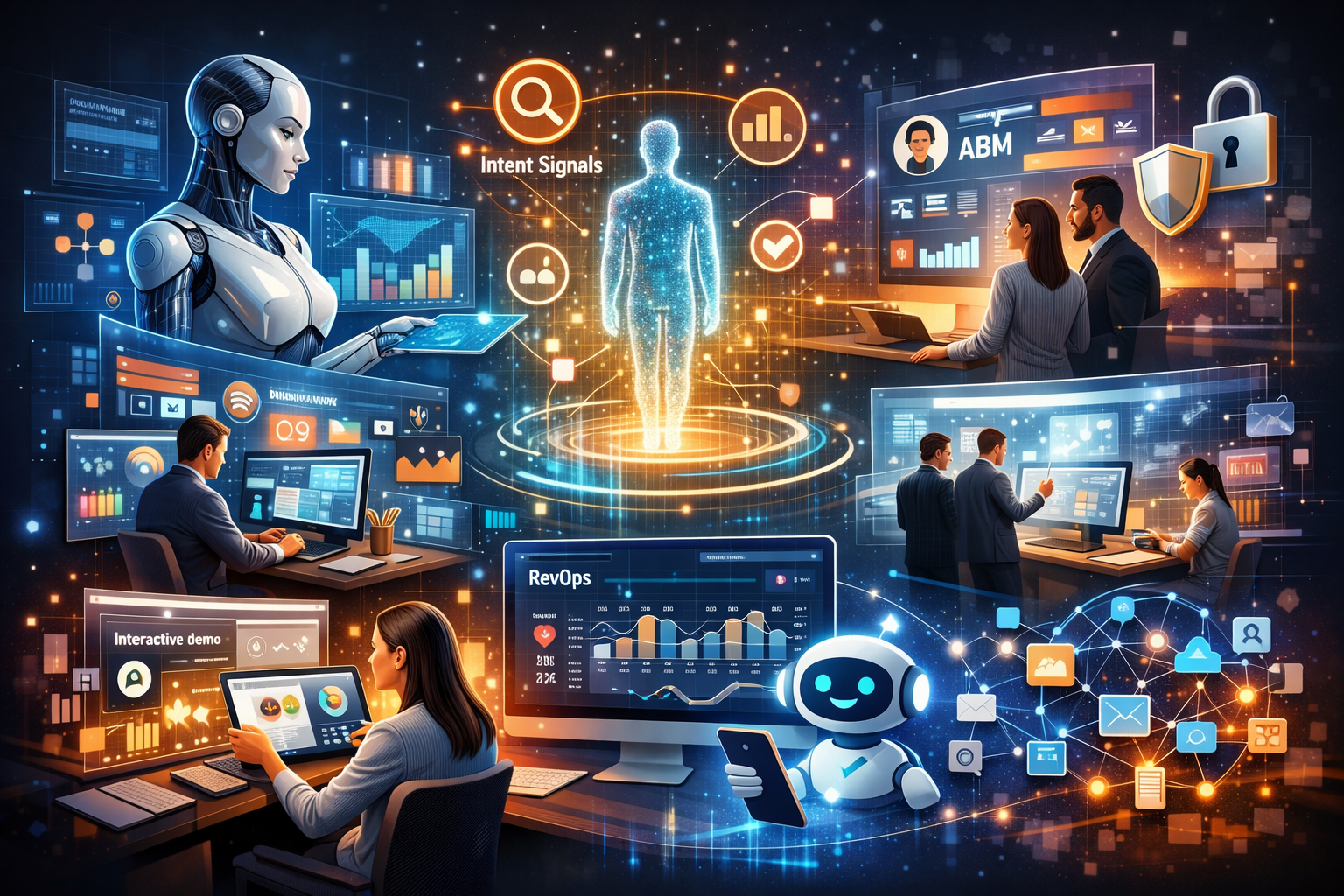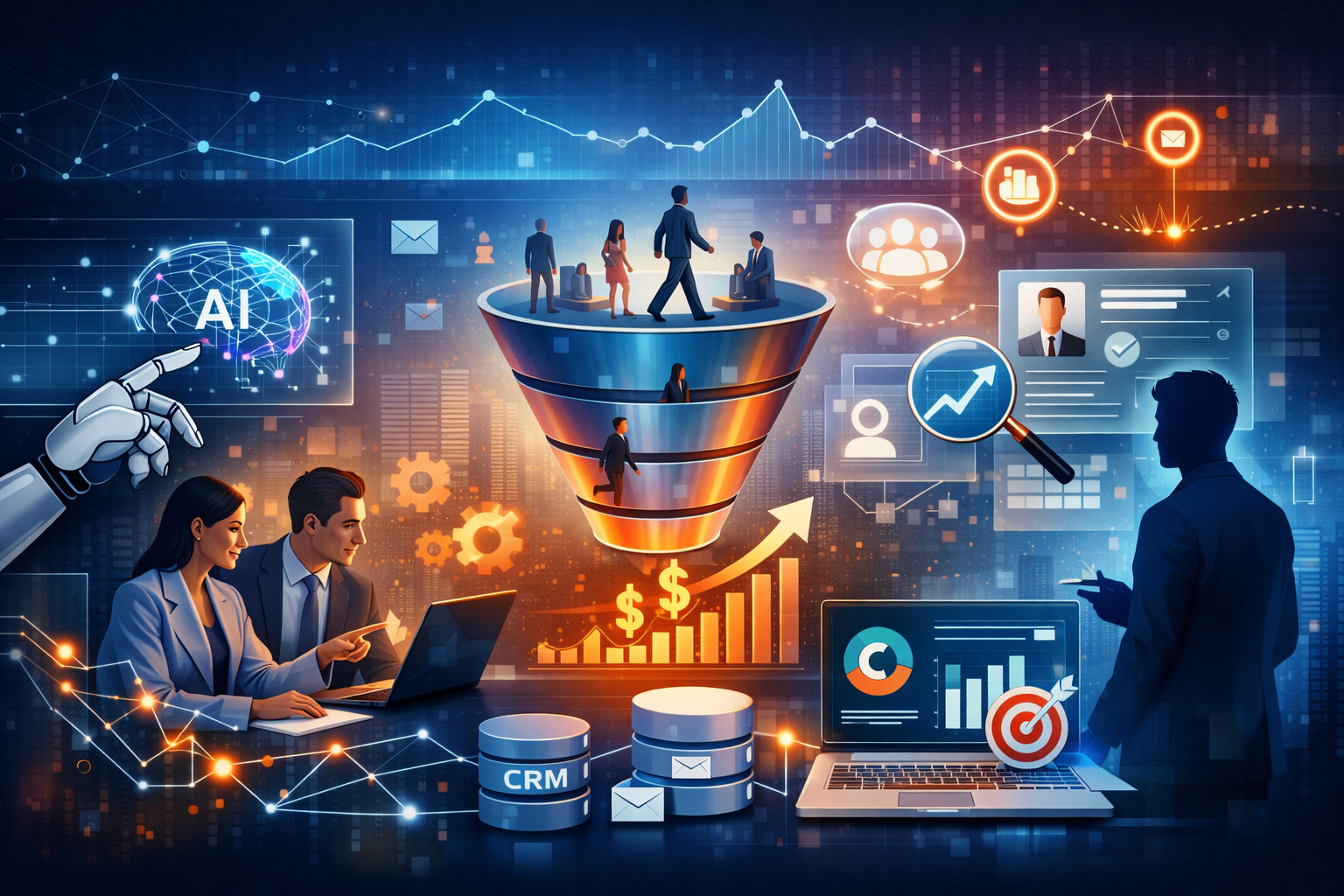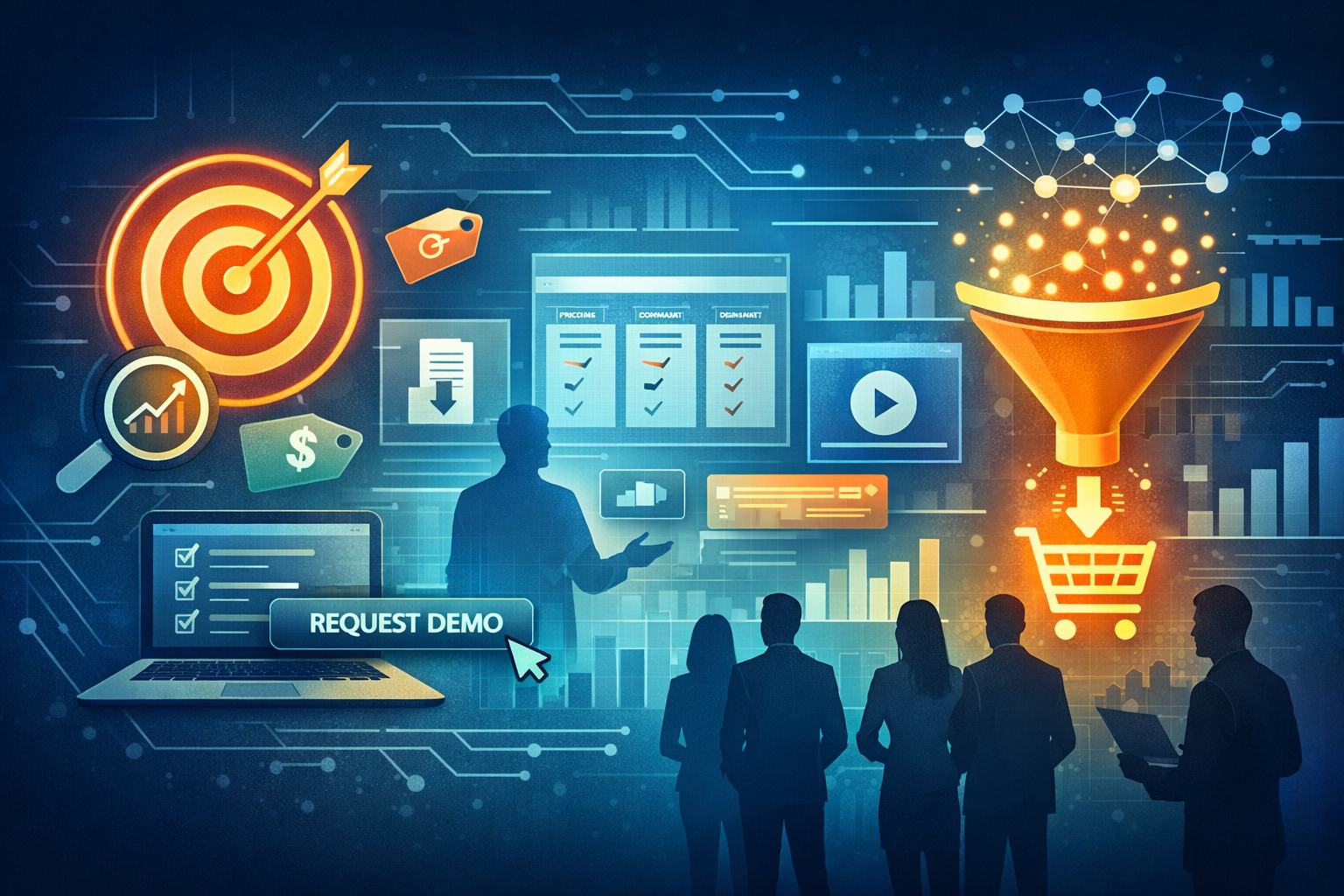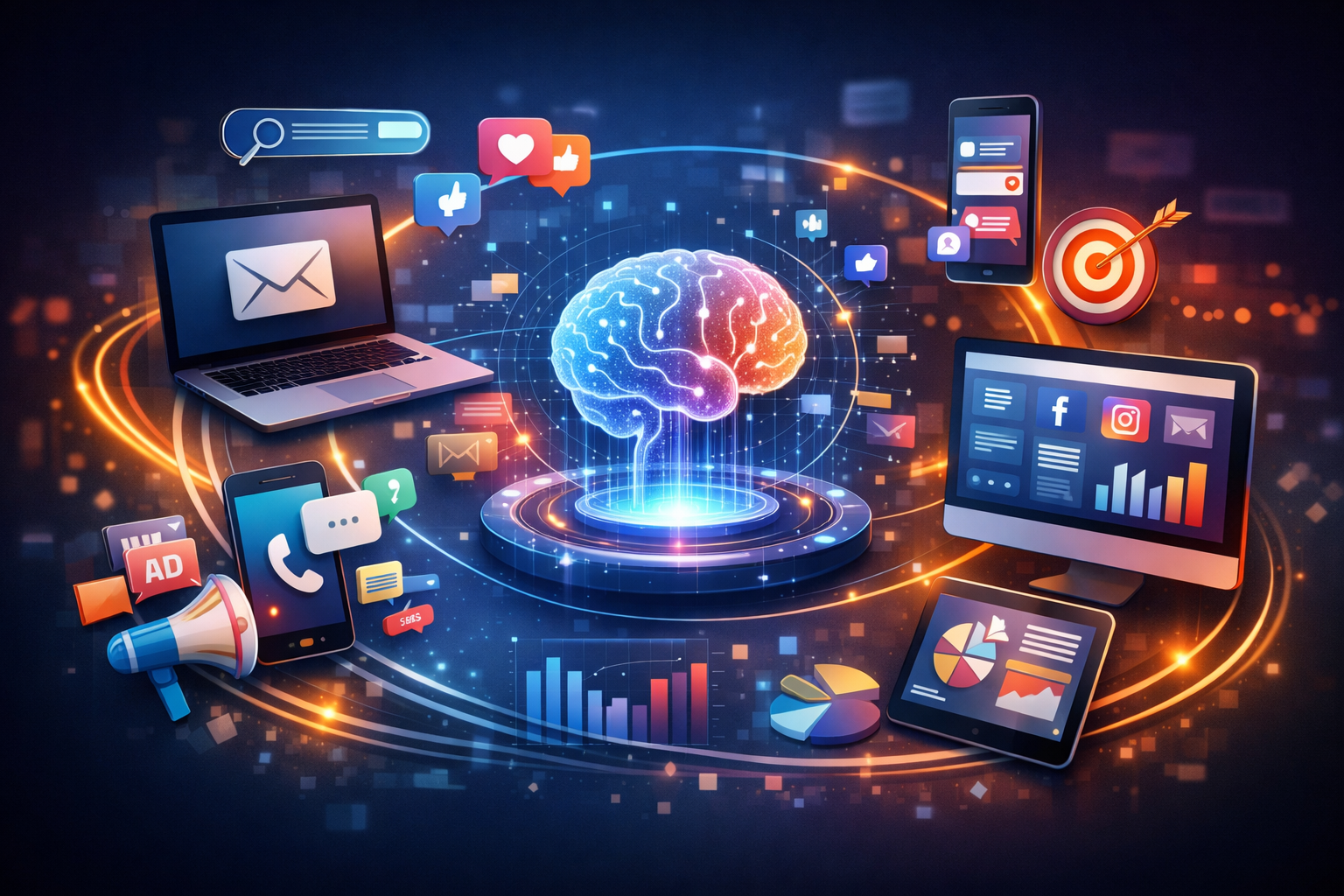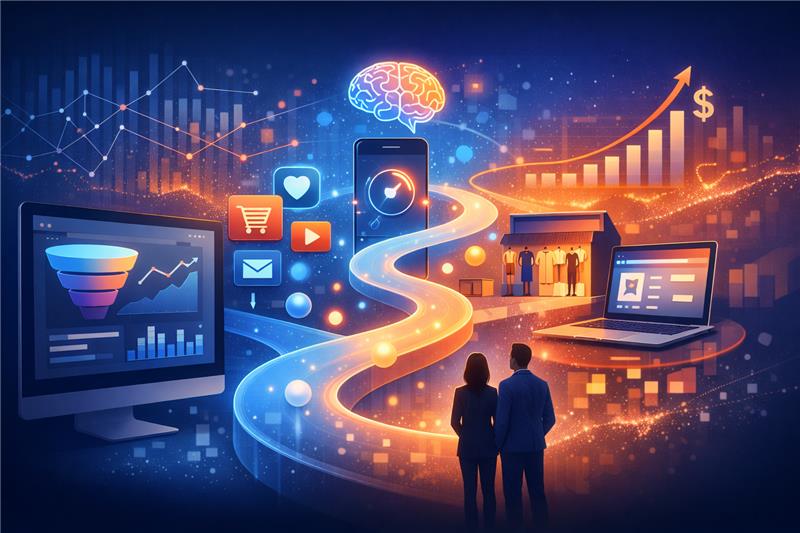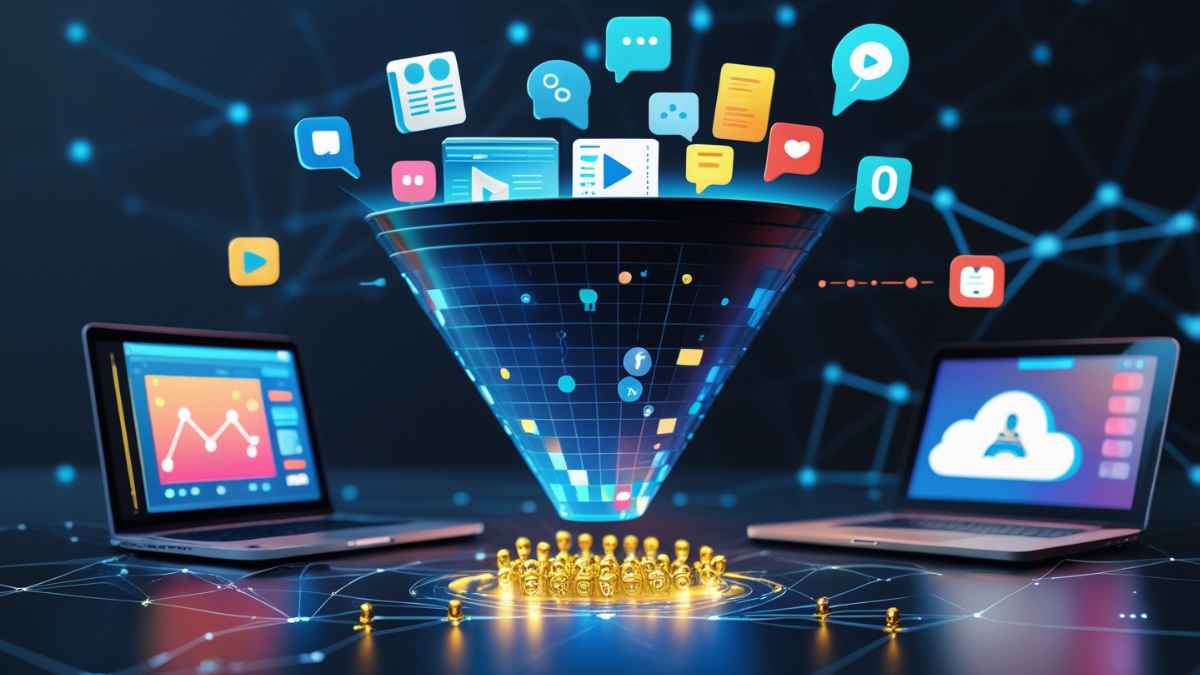

B2B buying has changed dramatically. Today’s customers no longer follow a simple journey from marketing campaign to sales call to purchase. They may discover a supplier through search, compare products on a website, attend a webinar, speak with a sales representative, request a quote by email, purchase through an e-commerce portal, and seek support through a mobile app or customer service team.
The important part is that buyers do not think of these as separate channels. They experience them as one relationship with a company.
This is the foundation of an effective omnichannel customer experience in B2B markets.
What Is an Omnichannel B2B Customer Experience?
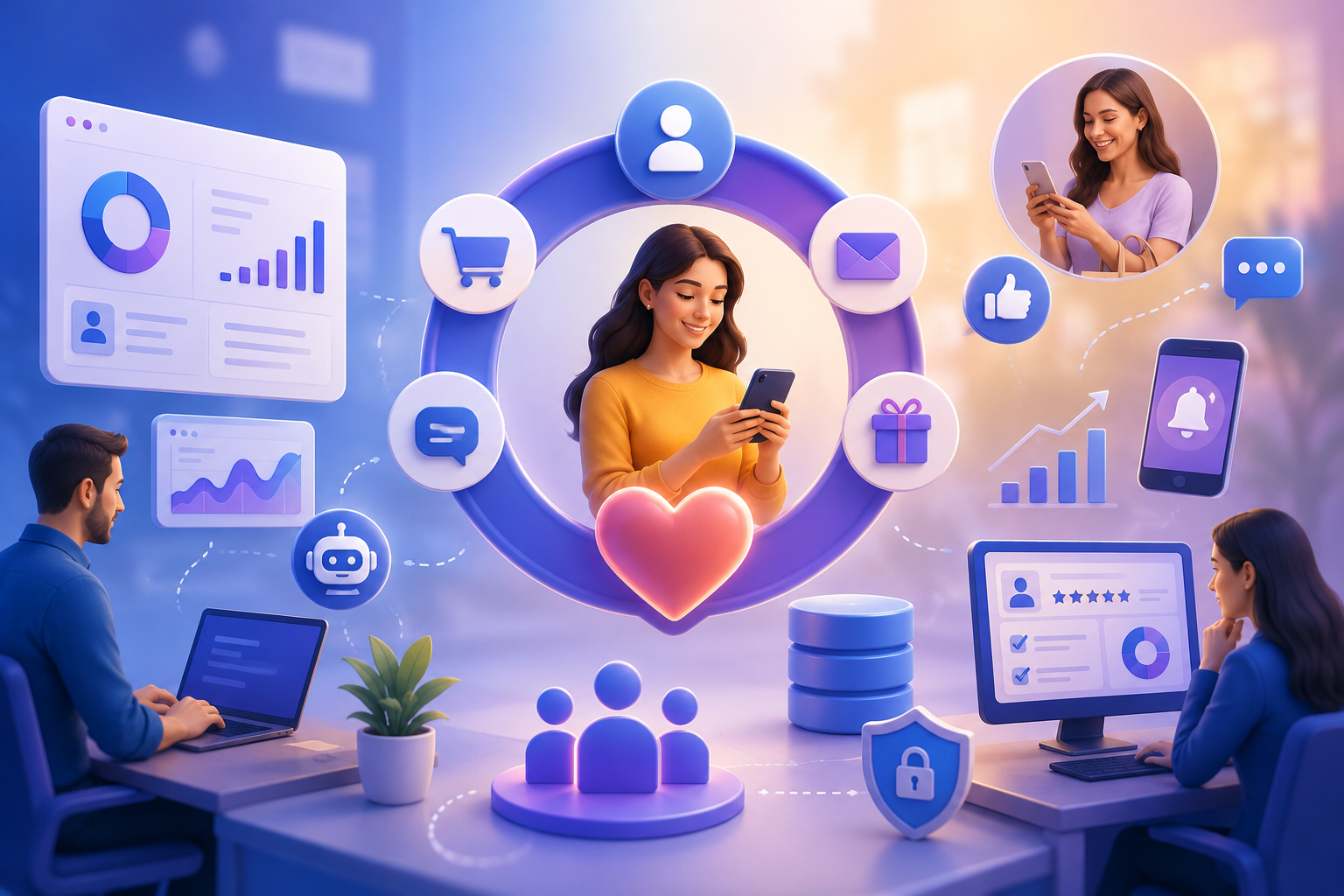
An omnichannel customer experience means creating a connected and consistent experience across every customer touchpoint.
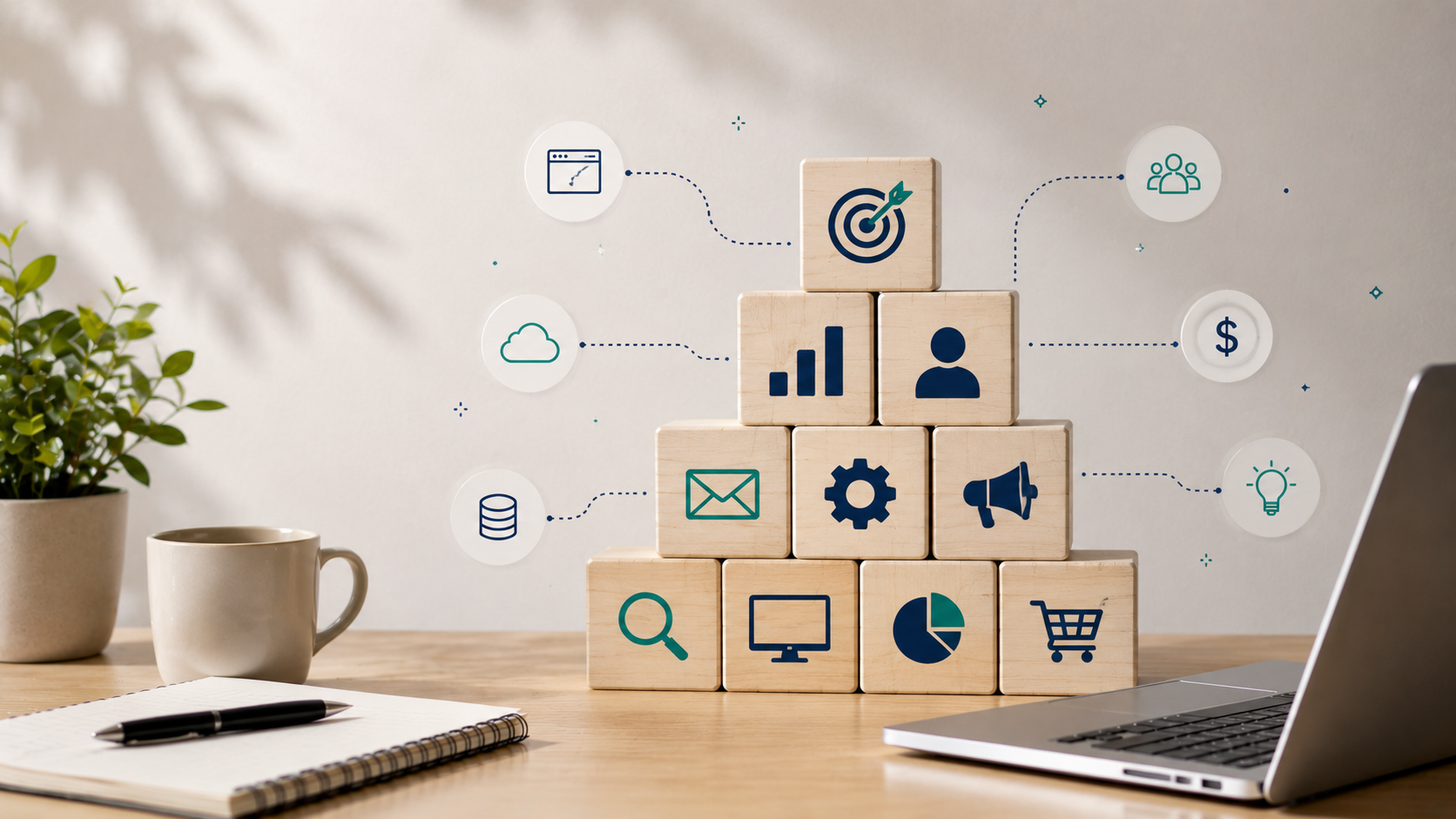
These touchpoints can include:
- Company websites and product portals
- E-commerce and self-service platforms
- Email and marketing automation
- Sales representatives
- Video meetings and phone calls
- Social media and online communities
- Webinars and virtual events
- Physical offices and trade shows
- Customer service and technical support
- Mobile applications
- Partner and distributor networks
- E-procurement platforms
Multichannel and omnichannel are not the same thing.
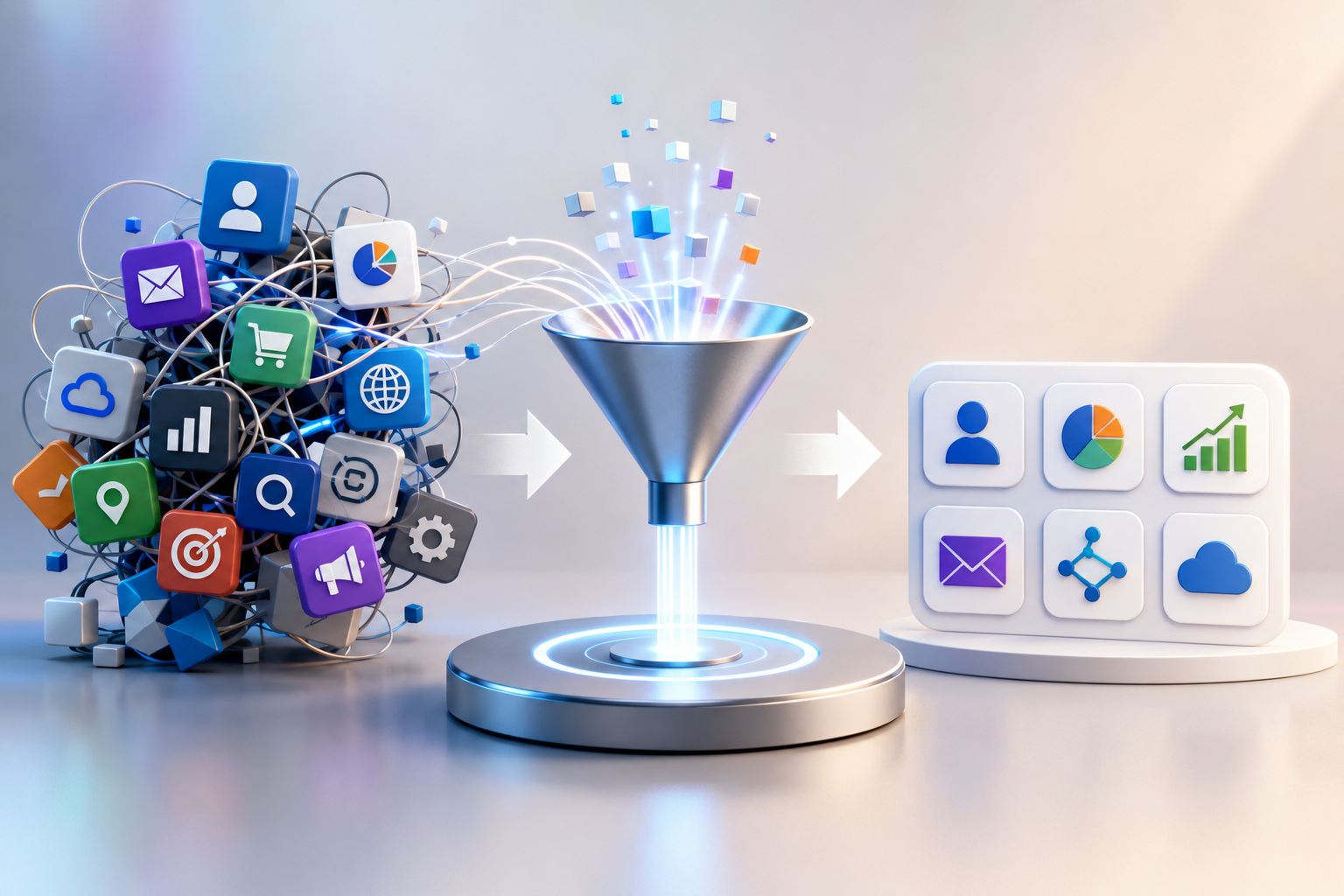
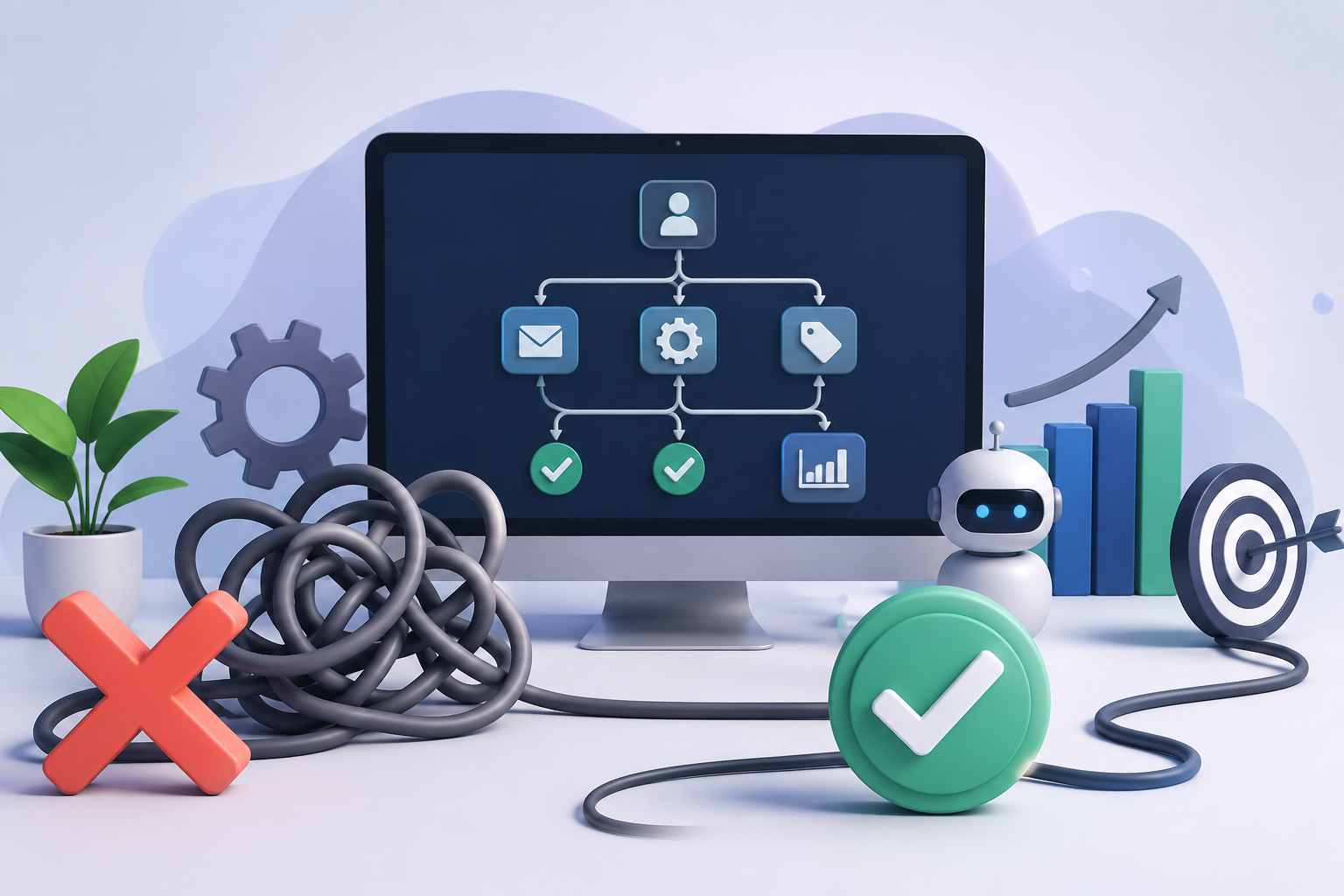
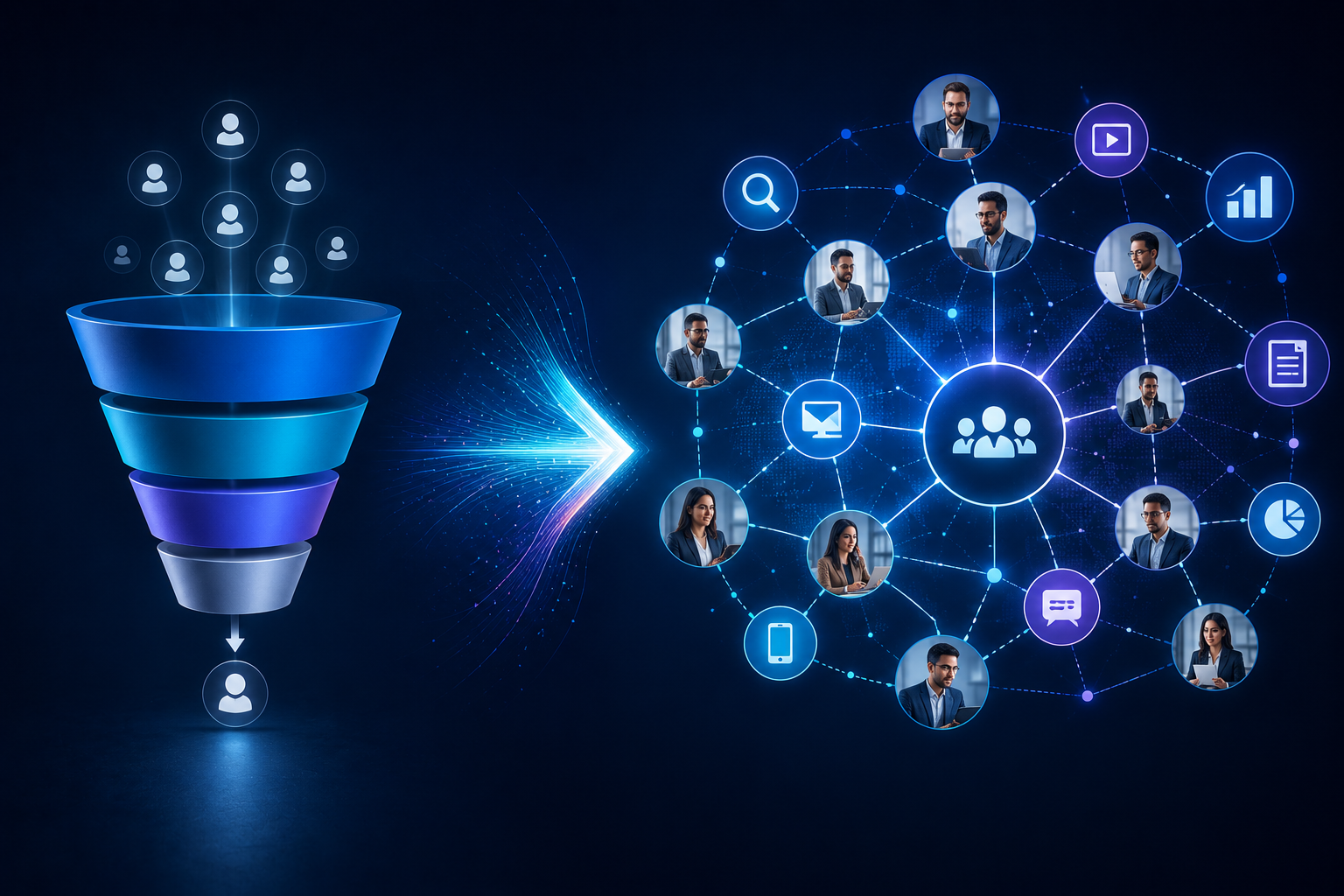
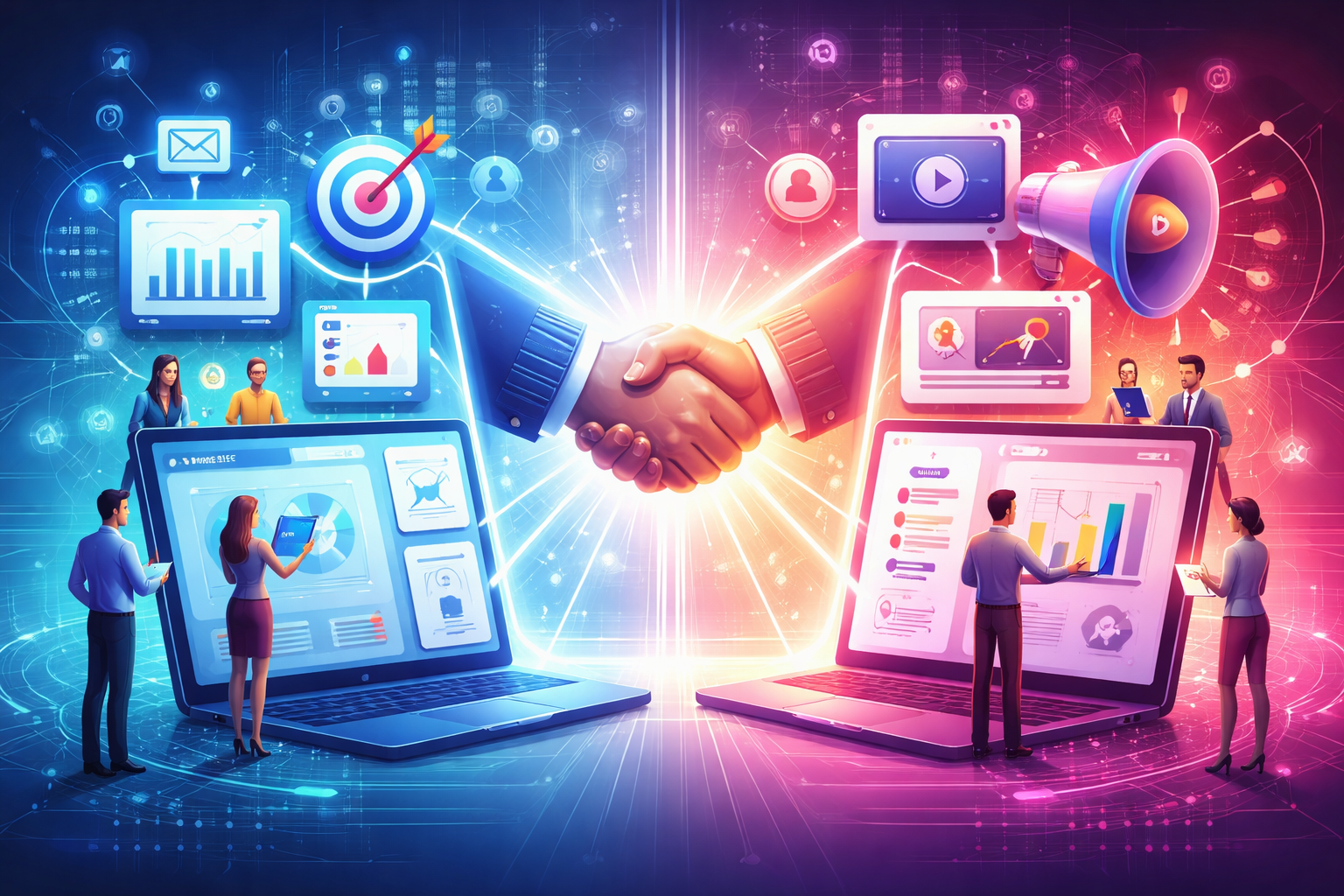
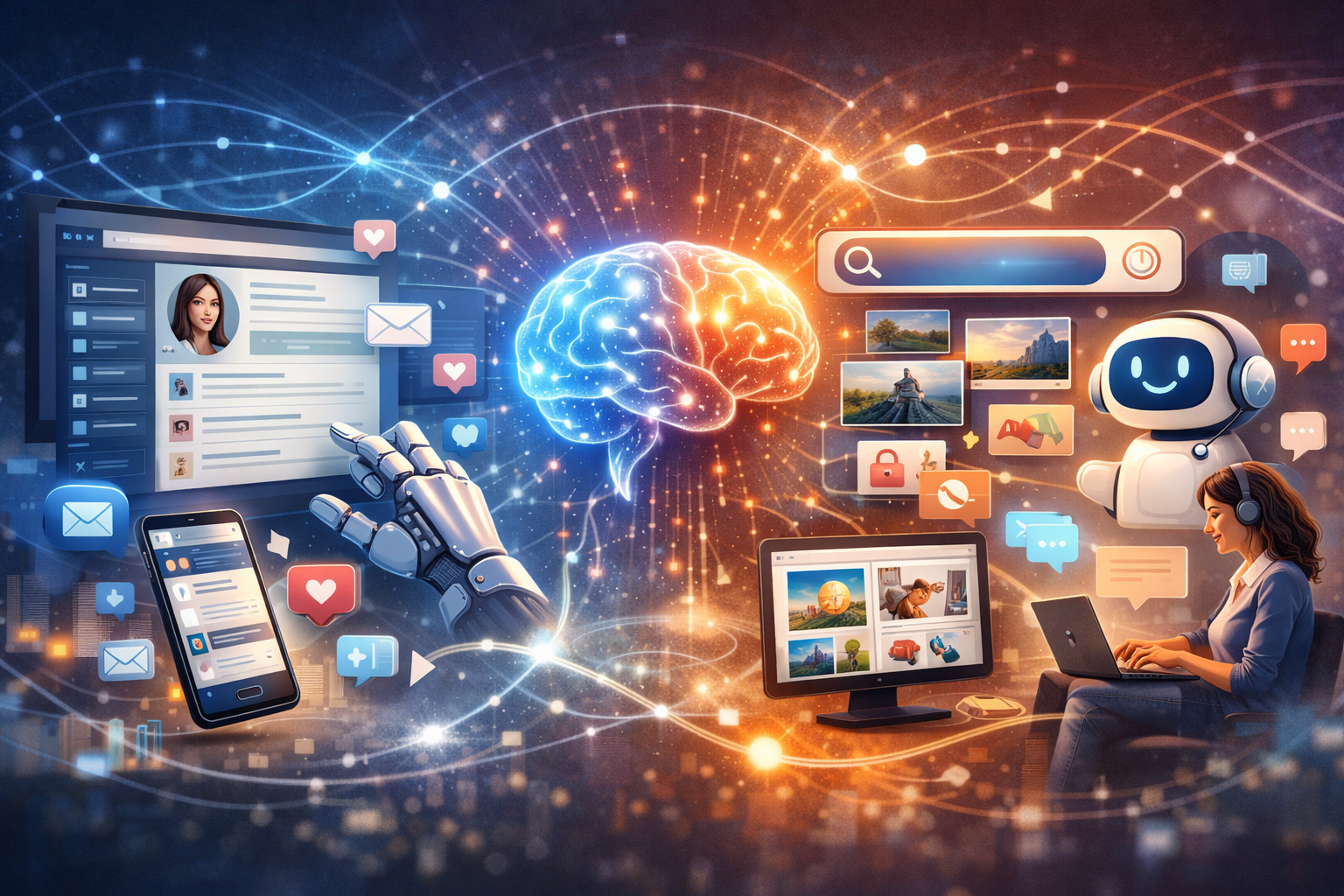
A multichannel business may offer customers many ways to interact with it. An omnichannel business connects those channels so that the context, information, customer history, and next steps travel with the buyer.
For example, imagine a procurement manager who researches a product online, downloads a technical document, speaks with an account executive, requests a customized quotation, and later places an order through an online portal.
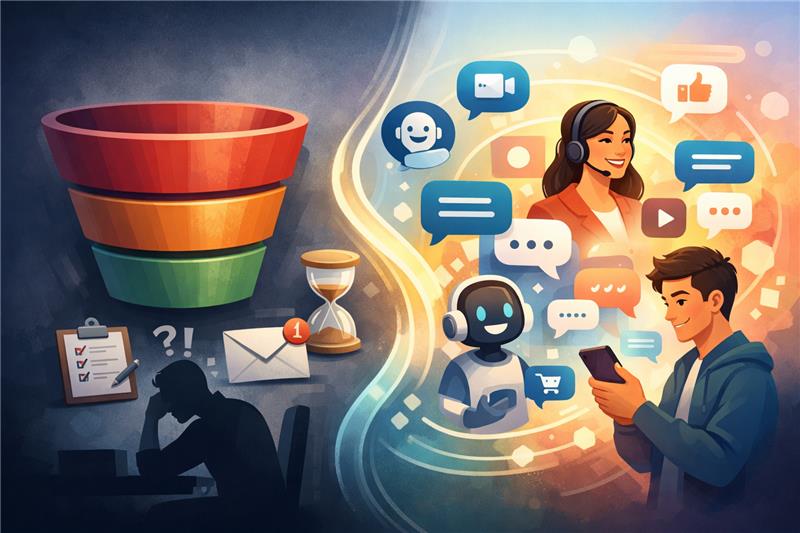
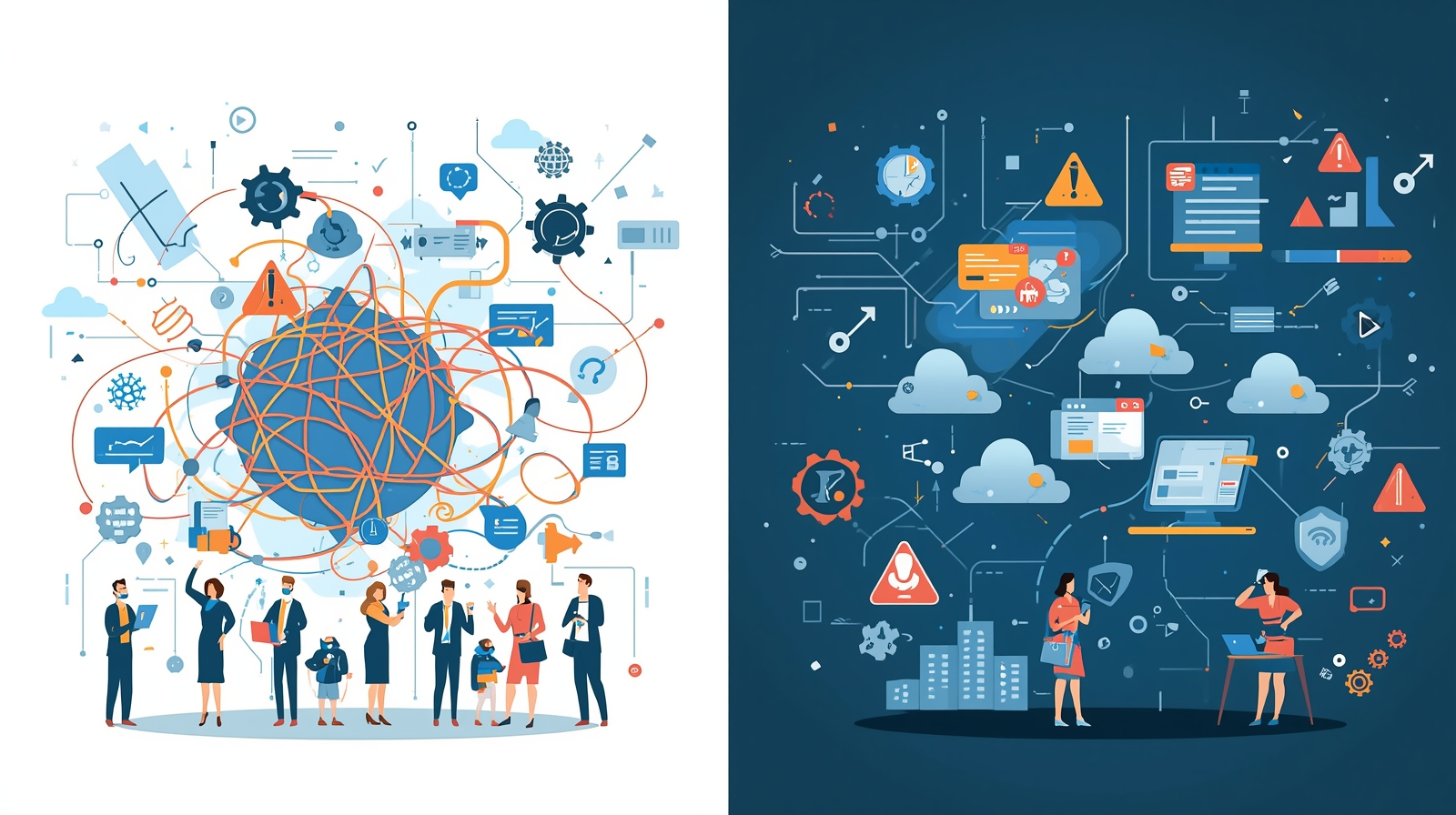
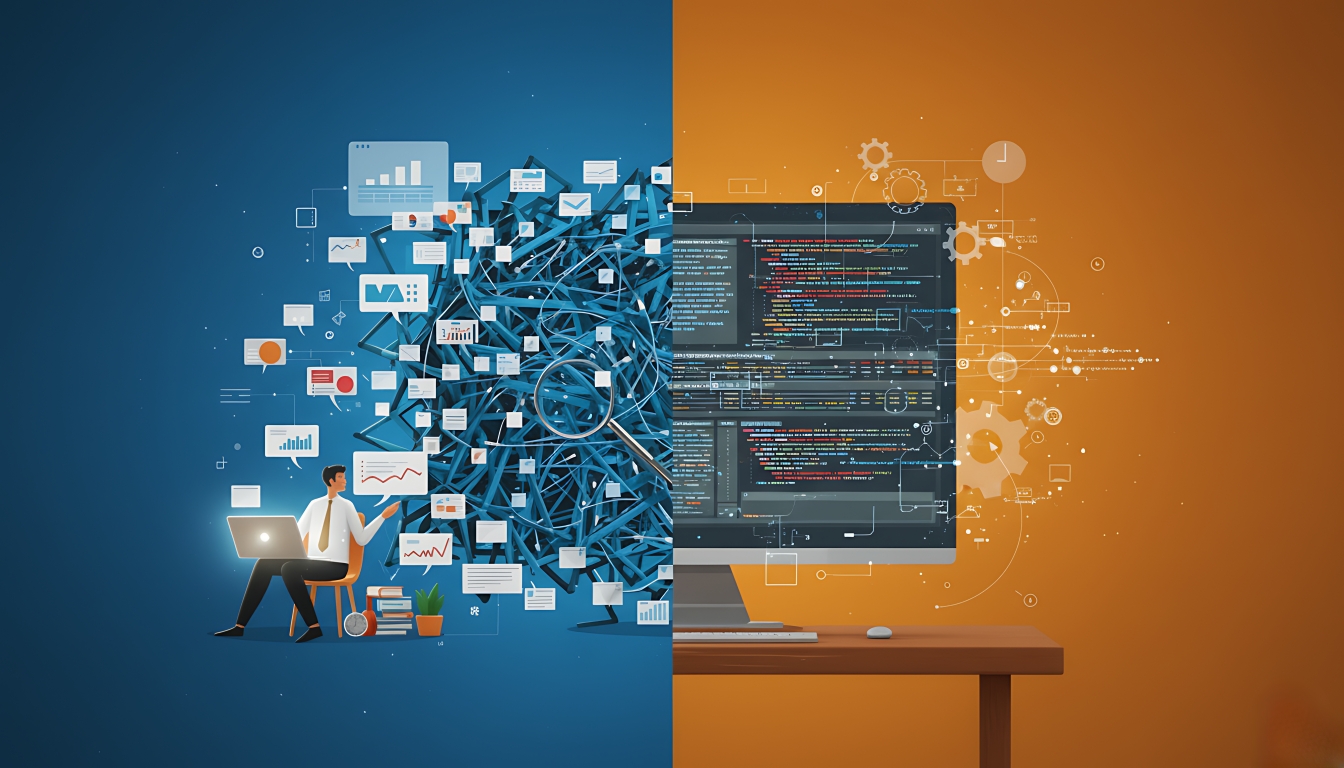
In a fragmented organization, the buyer may have to repeat information at every stage.
In an omnichannel organization, the sales representative already understands the buyer’s interests, the quotation reflects previous conversations, and the e-commerce portal recognizes the account and relevant terms.
The difference is not the number of channels. It is the continuity between them.
Why Omnichannel Matters in B2B
B2B buyers increasingly expect convenience, speed, transparency, and personalization.
Modern buyers research independently before speaking with sales teams. They want easy access to product information, pricing, documentation, reviews, demonstrations, and support. At the same time, they still value human expertise when purchasing decisions become complex.
This creates a new expectation: businesses must provide both digital convenience and human expertise.
An effective omnichannel strategy allows customers to choose how they interact with a company at different stages of the buying journey.
For simple activities, customers may prefer self-service. For complex requirements, they may want to speak with a specialist. The transition between the two should be smooth.
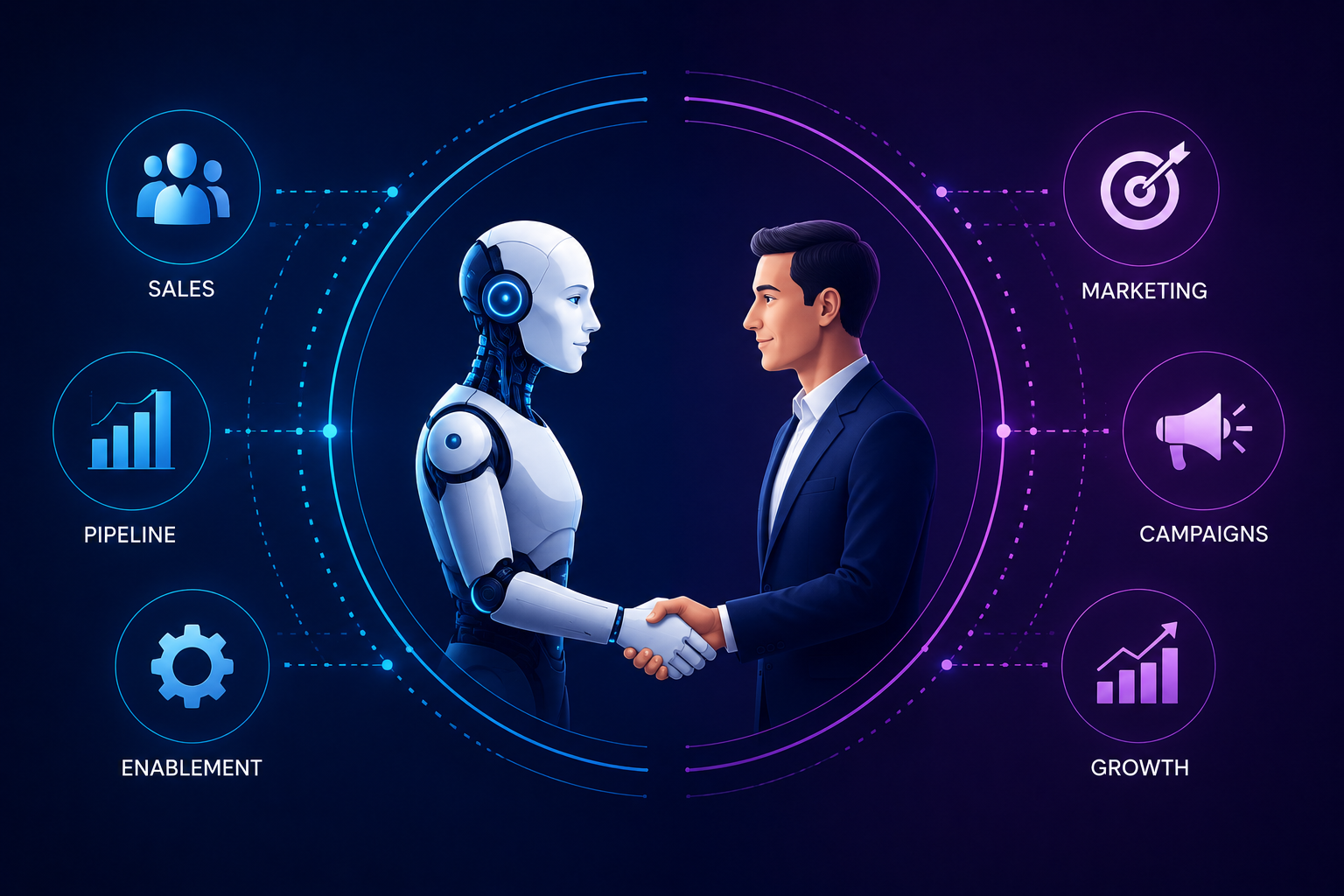
The winning model is therefore not digital versus human.
It is digital plus human, working together as one experience.
The New B2B Buyer Journey
Traditional B2B buying journeys were often relatively linear:
Marketing → Sales → Negotiation → Purchase → Support
Modern journeys are much less predictable:
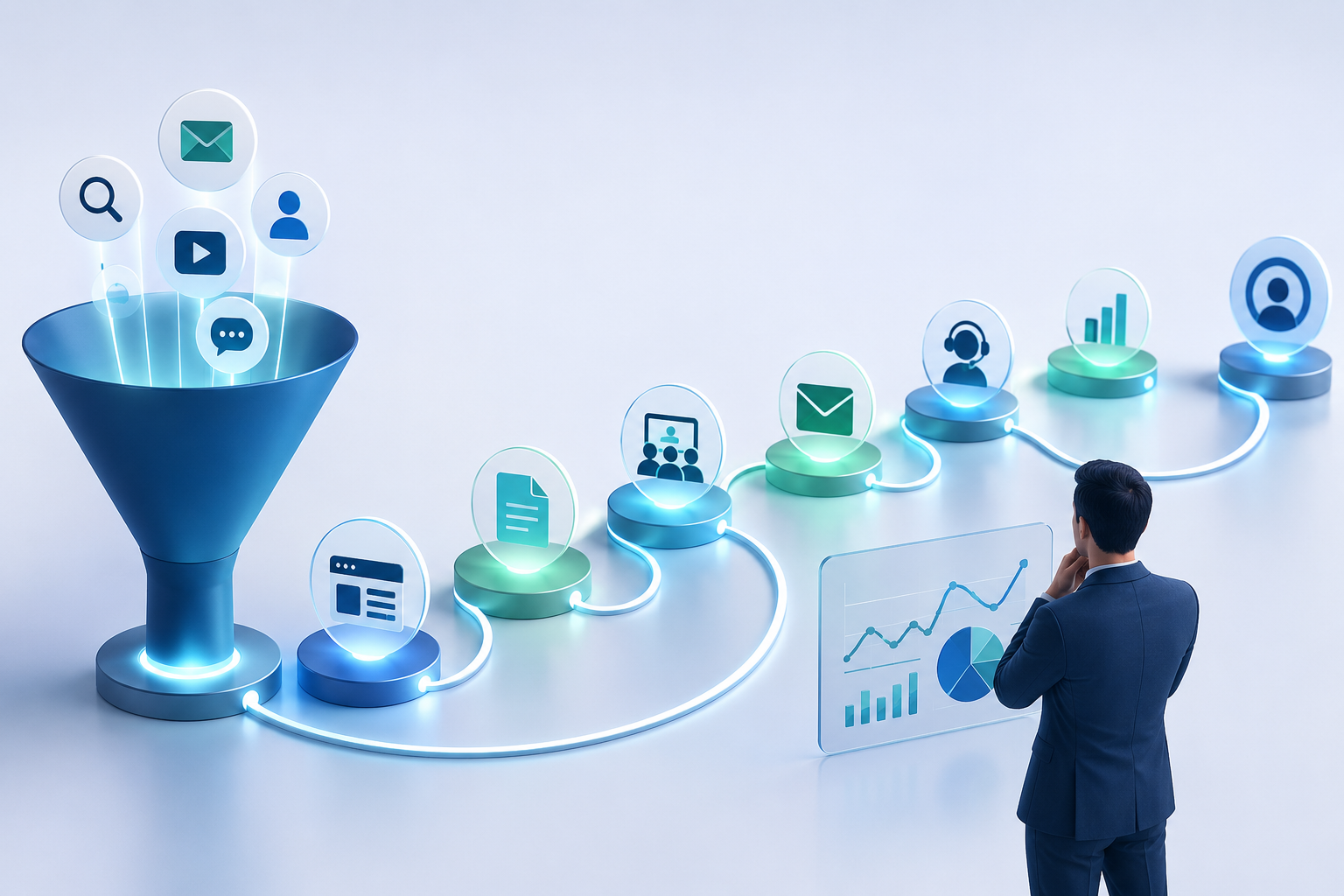
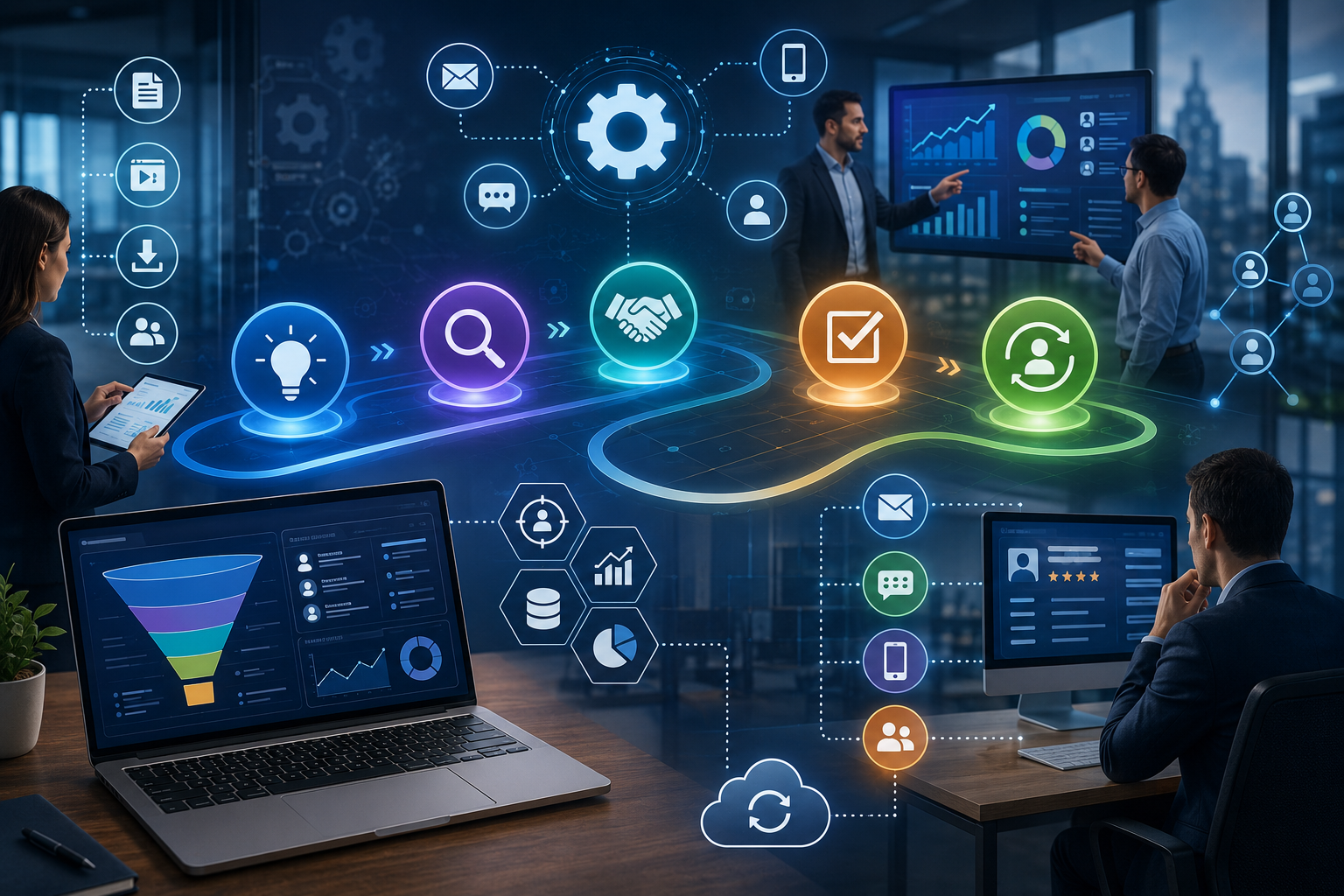
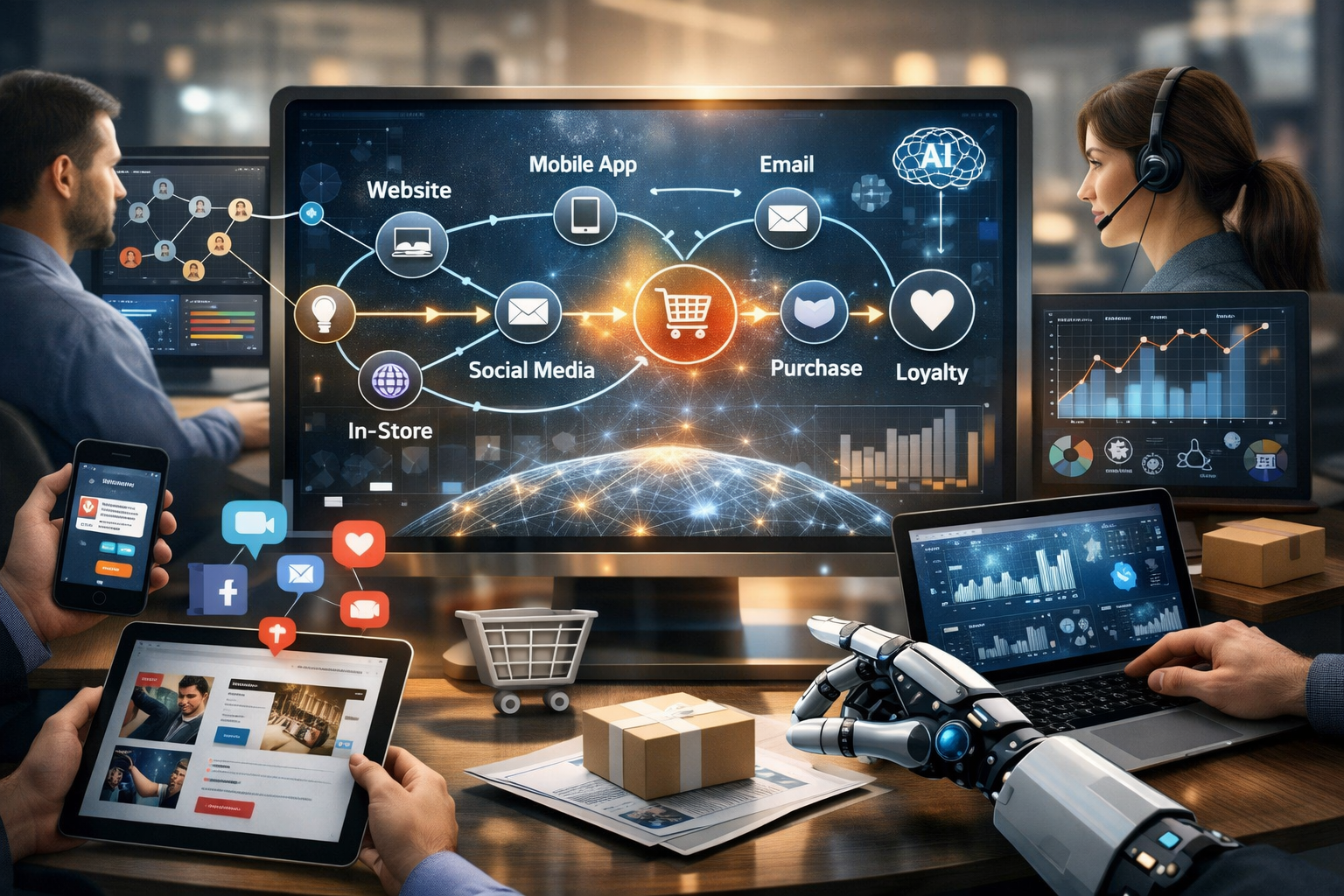
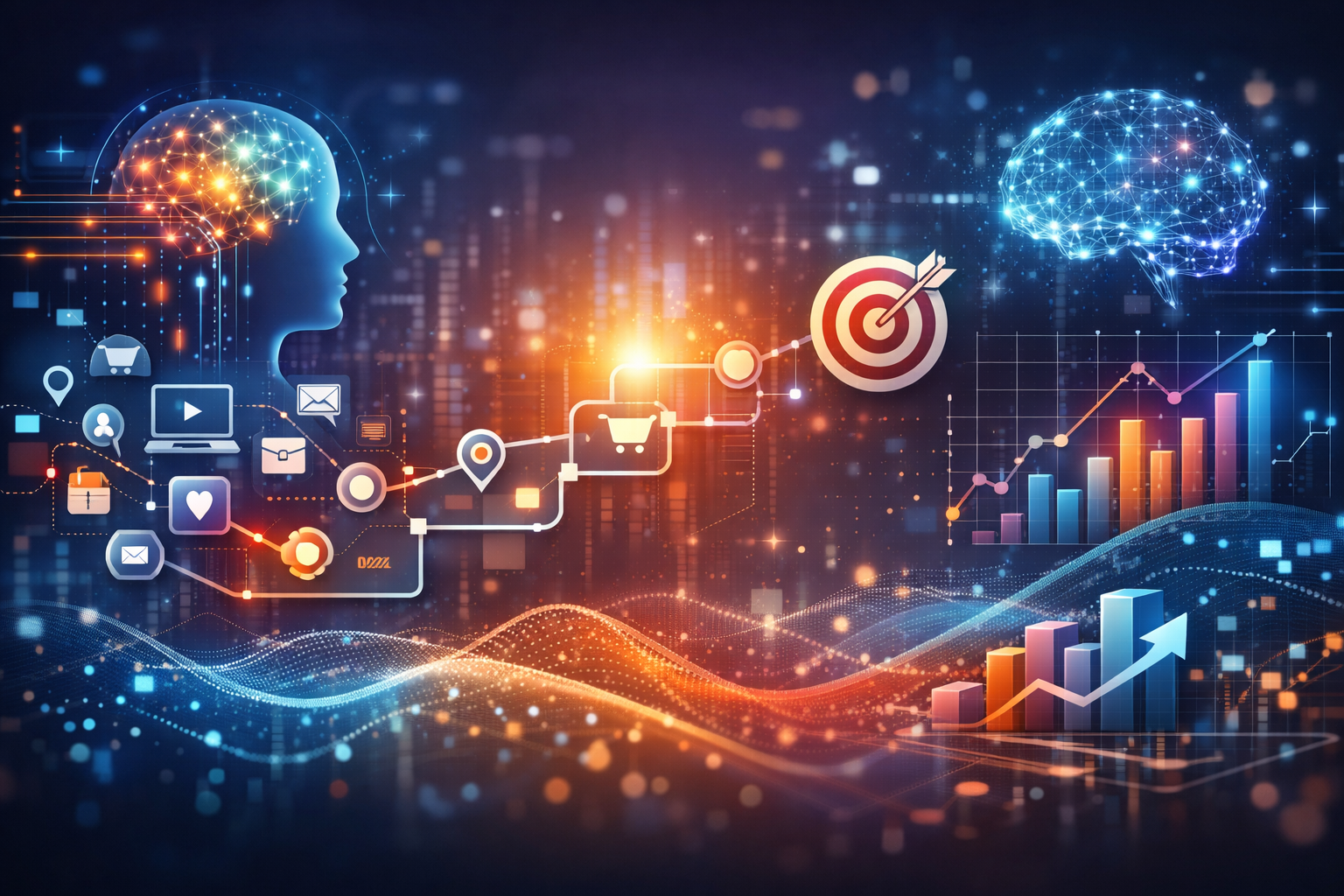
Search → Website → Webinar → Sales → Email → Product Demo → Self-Service → Sales → E-Commerce → Support
A buyer can enter or exit the journey at almost any point.
This creates a major challenge for B2B companies: the organization must be able to recognize the customer regardless of where the interaction begins.
For example, if a prospective customer spends several weeks researching products on a website before contacting sales, the sales team should have enough context to understand that activity.
Likewise, if an existing customer begins a support interaction after purchasing through an e-commerce platform, the service team should be able to access the relevant account, orders, contracts, and previous interactions.
The objective is to make the journey feel continuous rather than fragmented.
Five Pillars of an Effective B2B Omnichannel Strategy
1. Create a Single View of the Customer
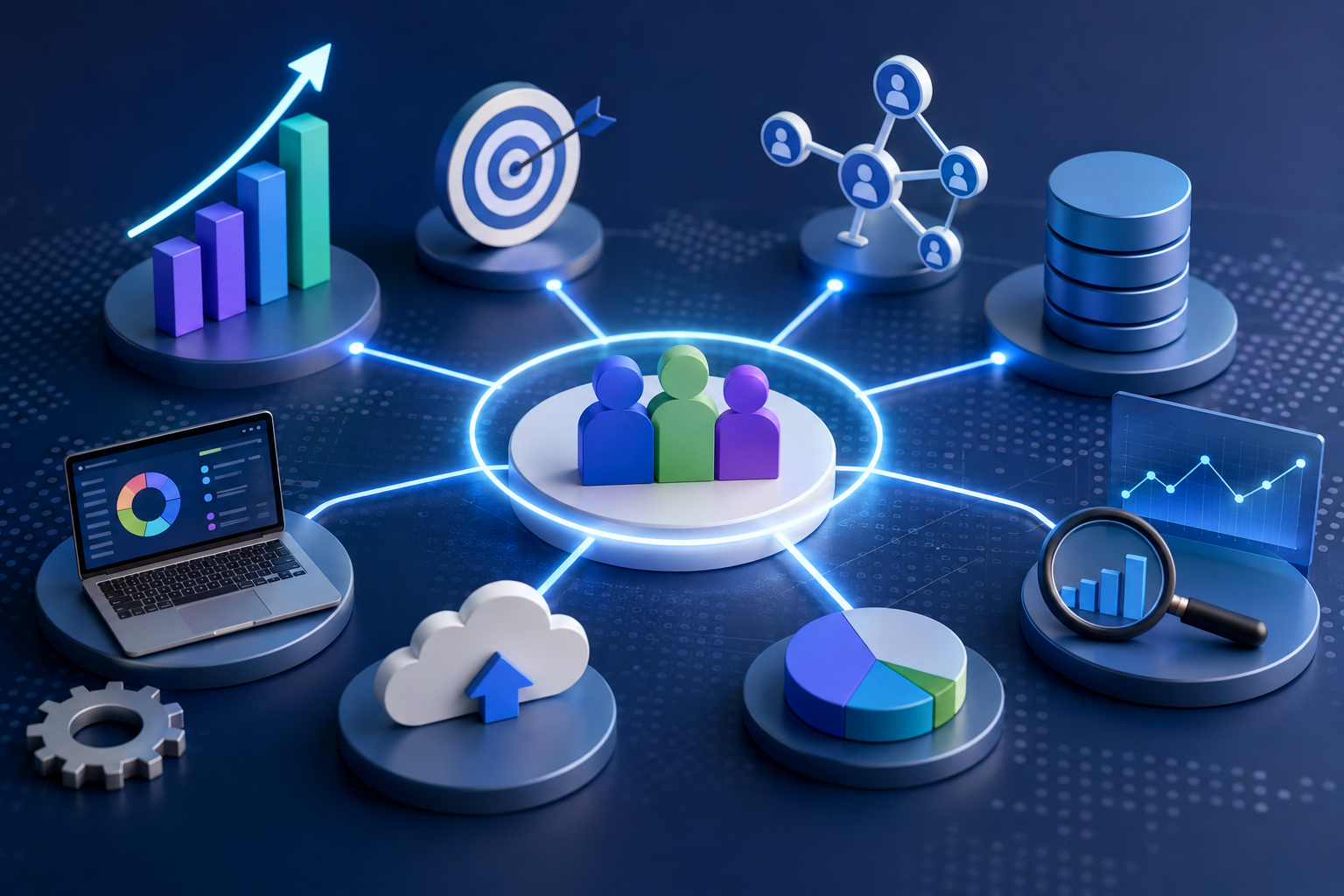
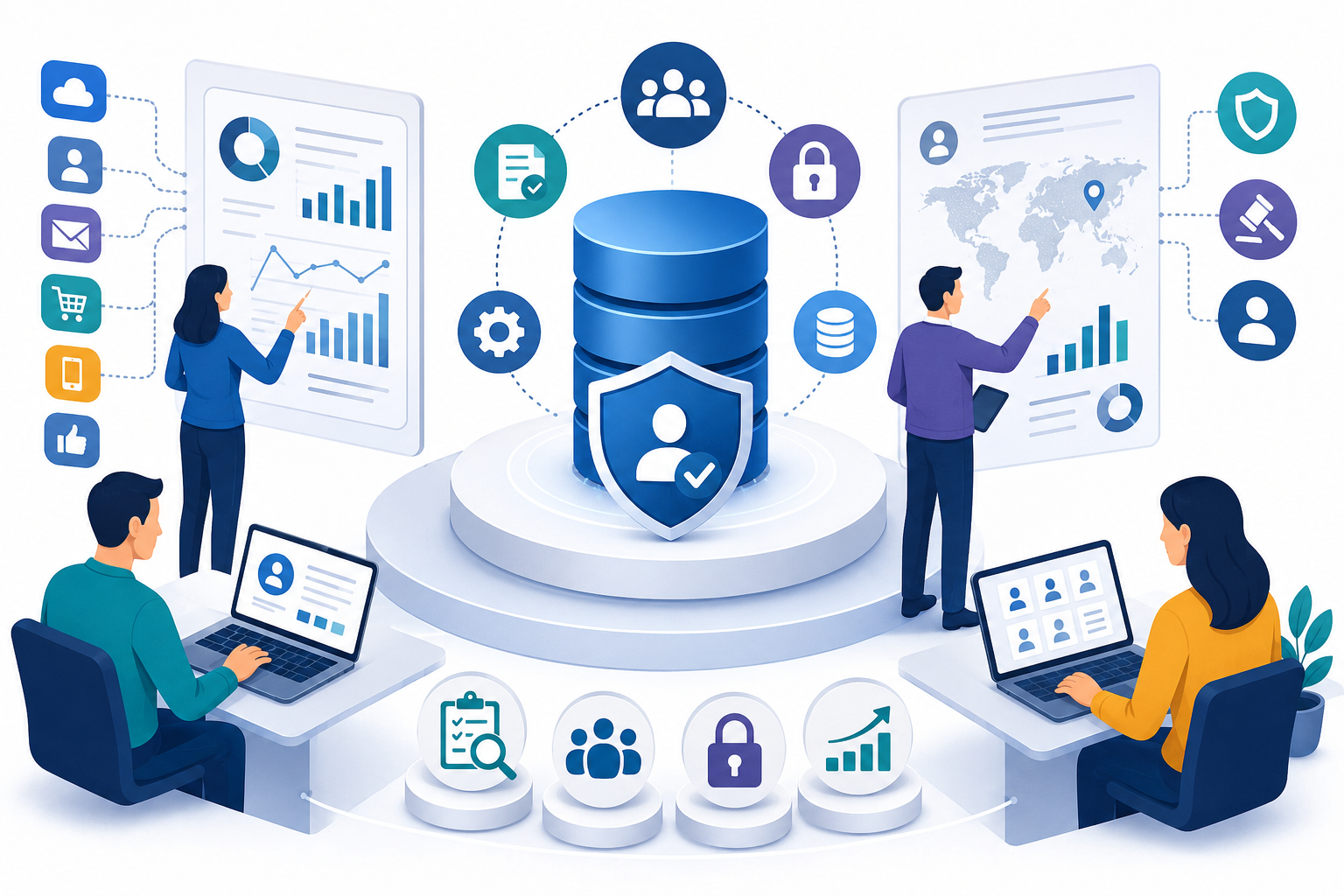
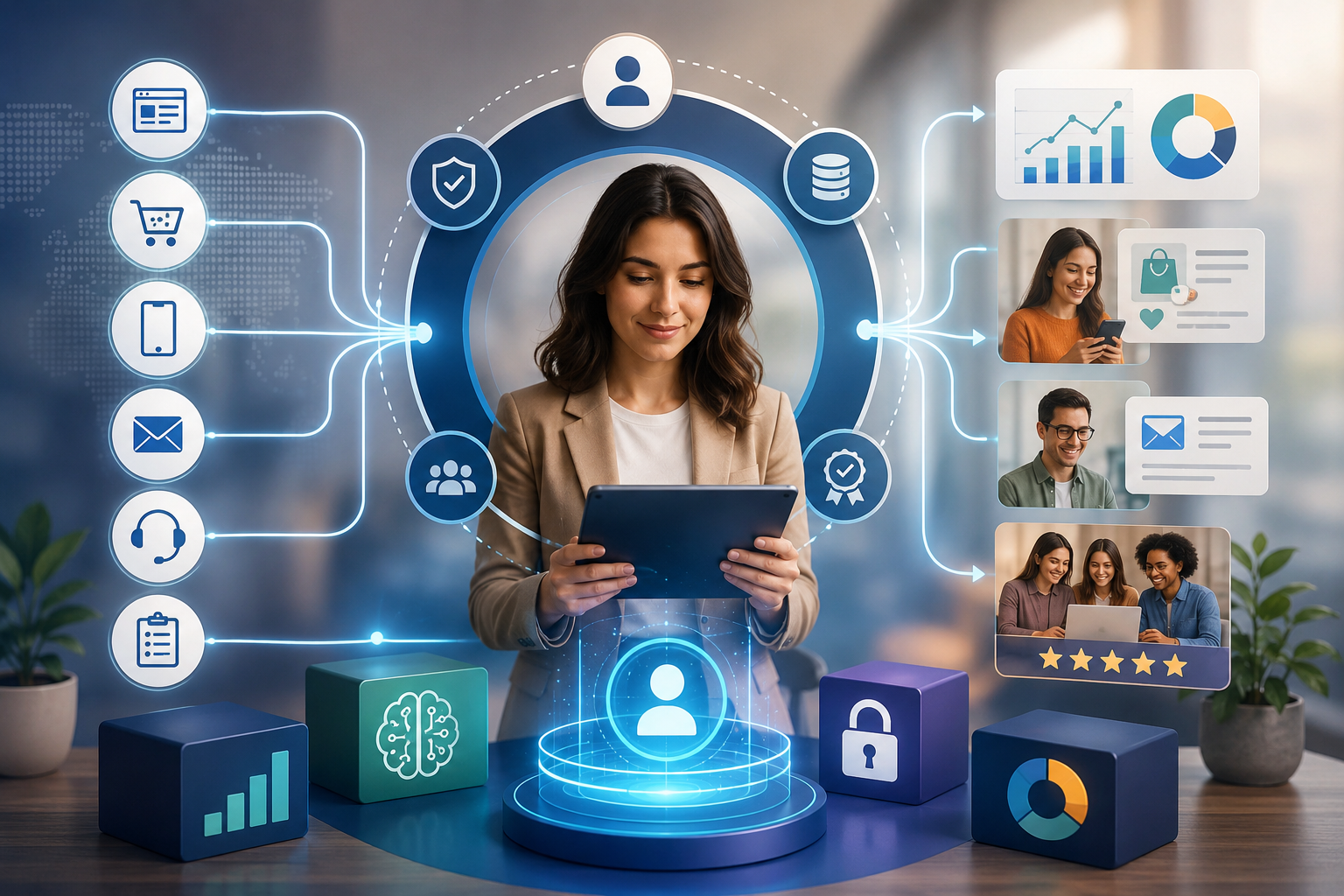
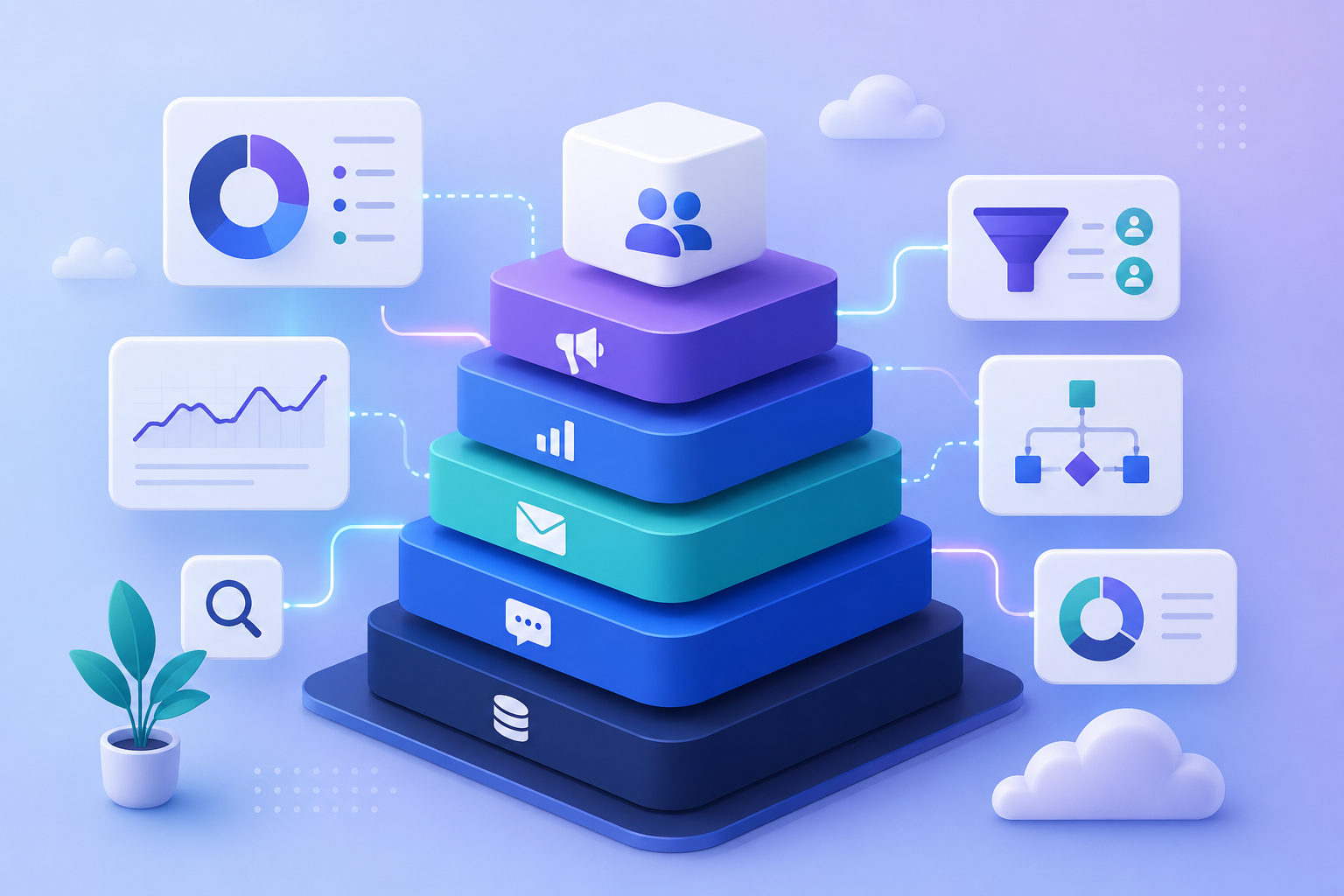
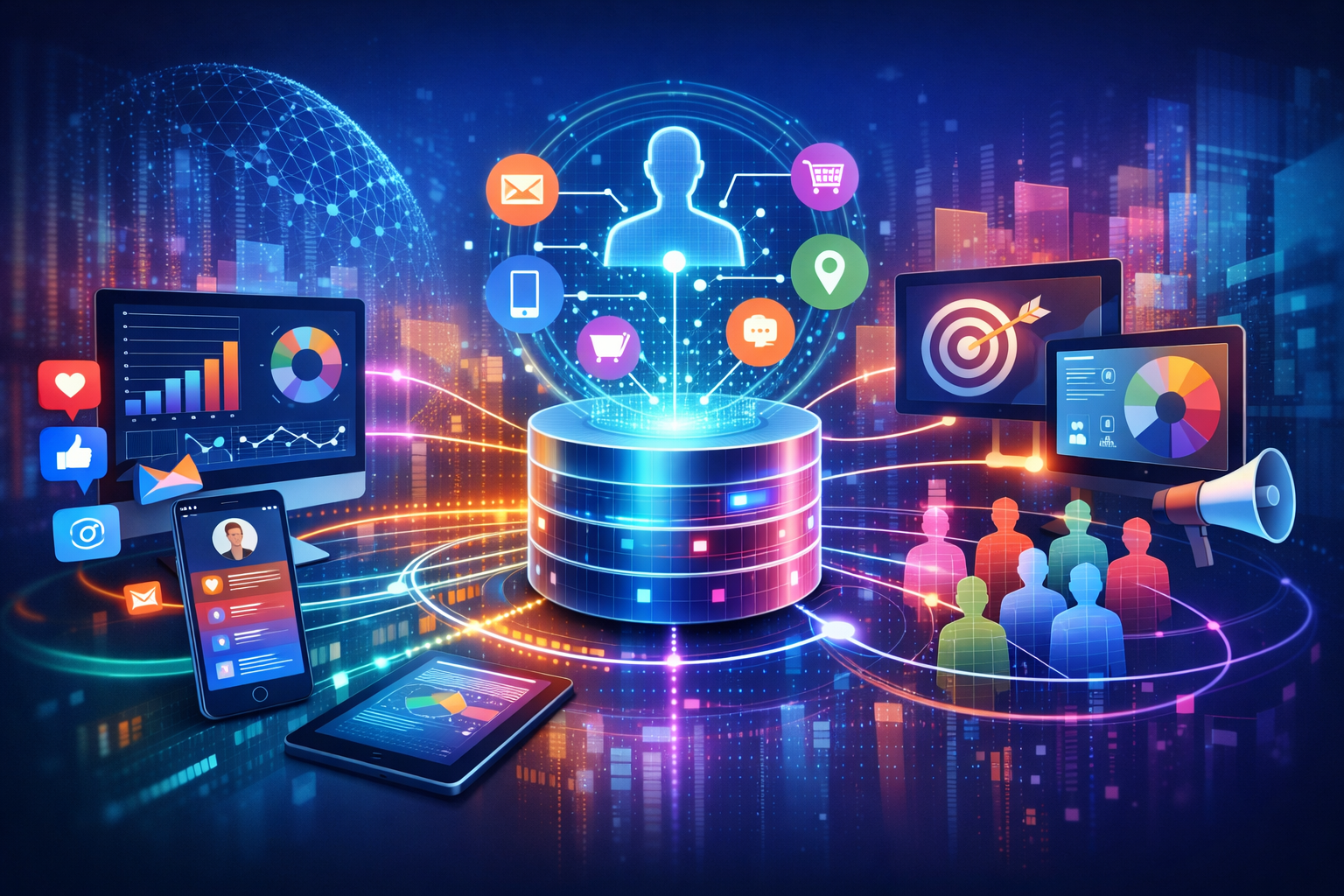
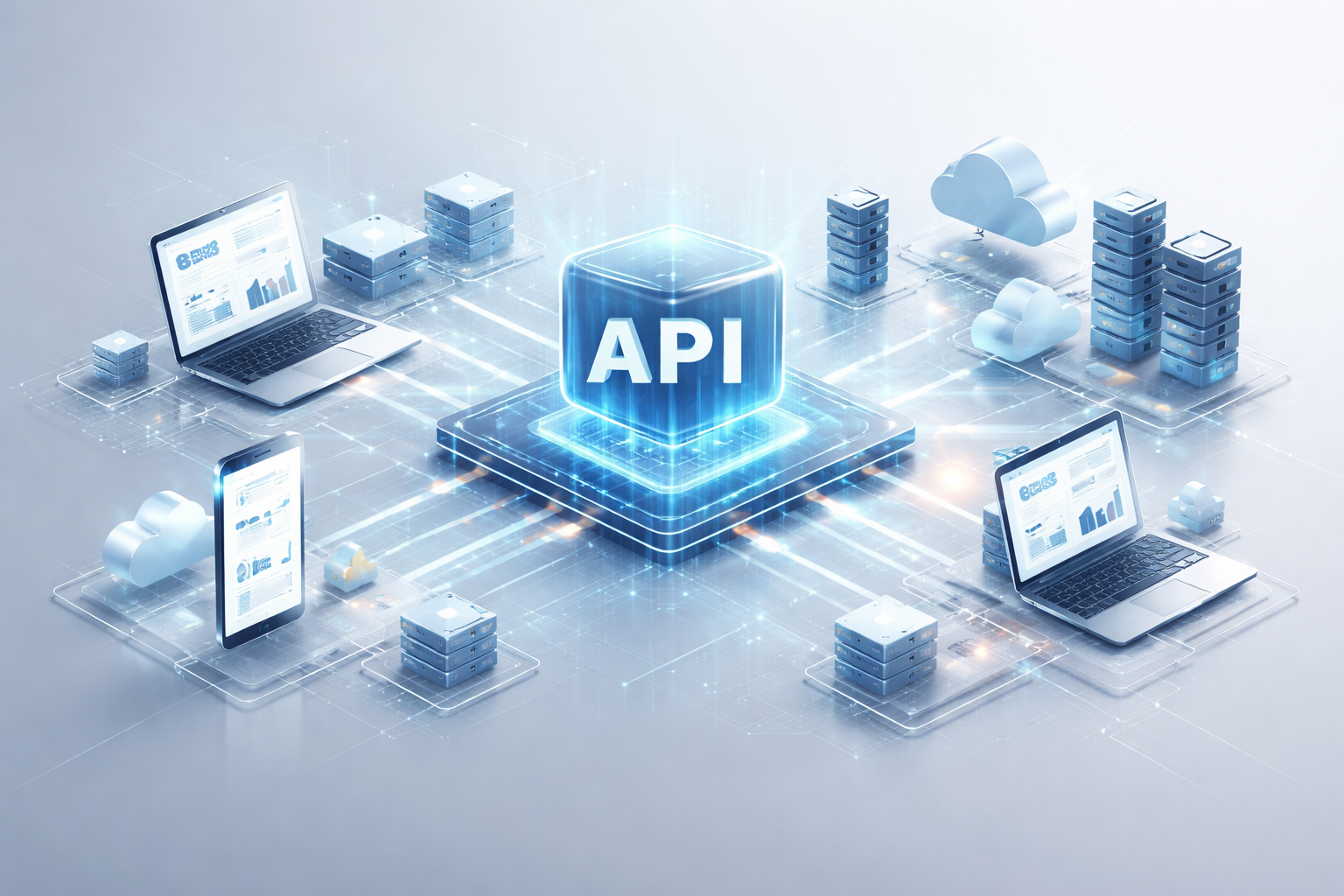
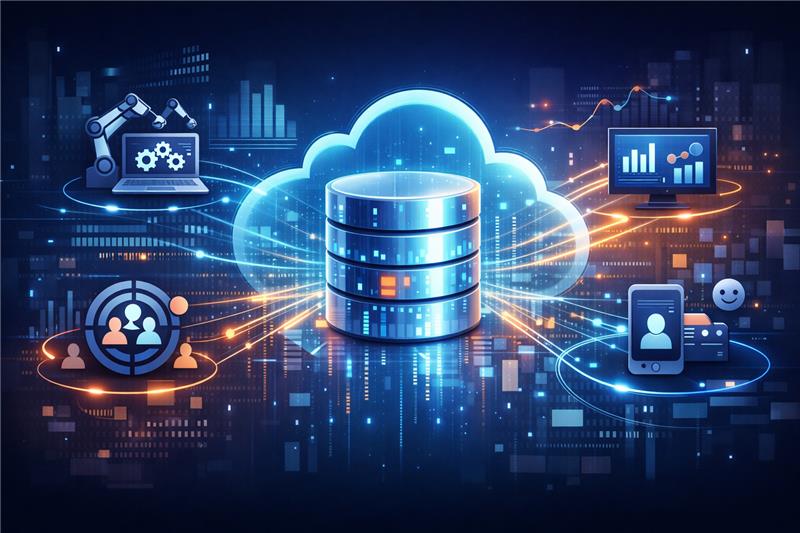
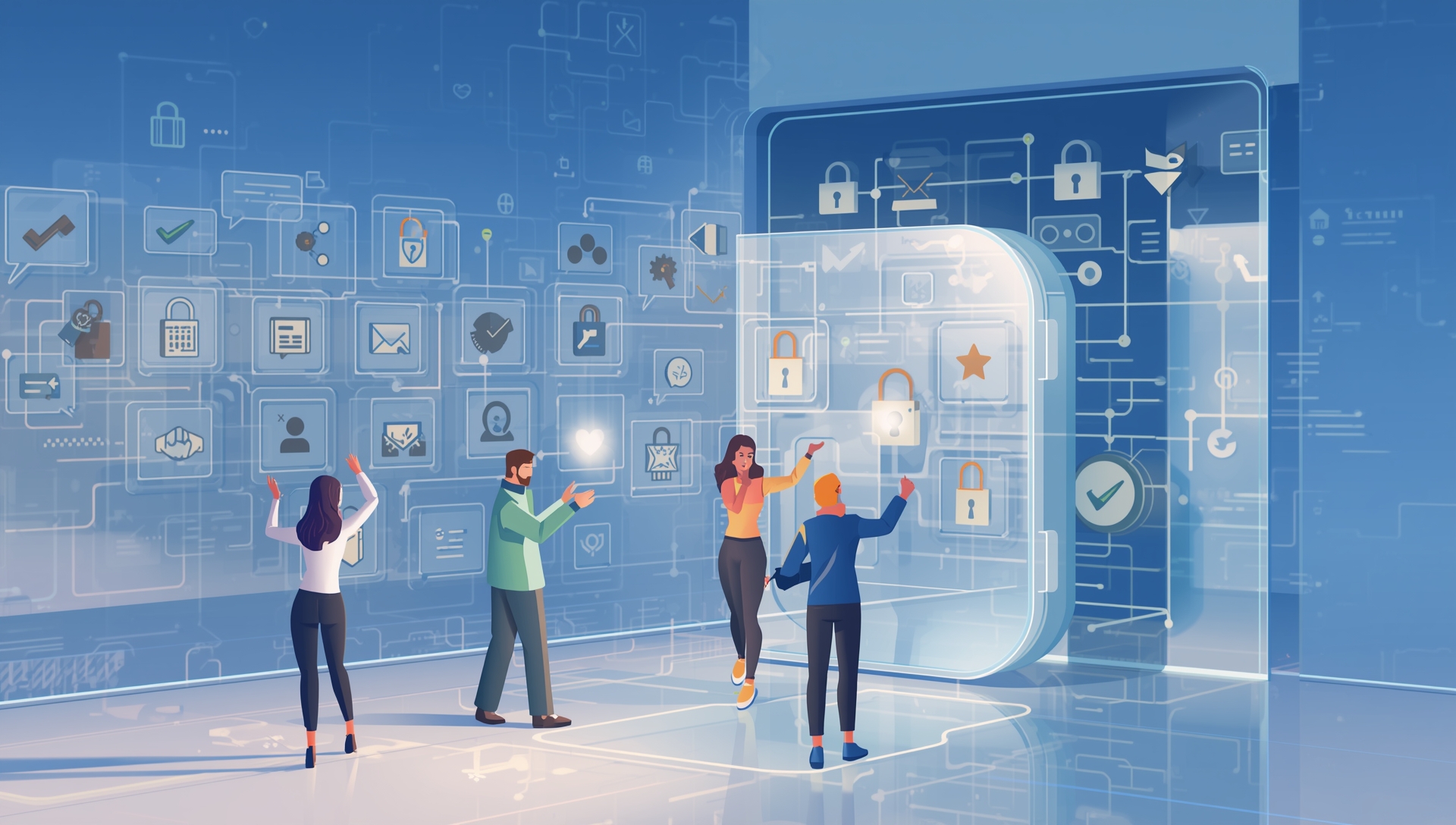
An omnichannel experience requires customer information to be connected.
CRM systems, e-commerce platforms, marketing automation, customer service software, product usage data, and account information should work together wherever practical.
A sales representative should not have to search multiple systems to understand an account.
A customer service agent should not ask a customer to explain an issue that another department has already documented.
A unified customer view allows organizations to understand:
- Who the customer is
- What products they own
- What they have purchased
- What interactions they have had
- What problems they have reported
- What content they have consumed
- Where they are in the buying journey
- What their likely next need is
This data foundation is one of the most important building blocks of omnichannel CX.
2. Make Digital Self-Service Excellent
B2B buyers increasingly want to find information without waiting for a salesperson.
A strong self-service experience should make it easy to:
- Search products
- Compare solutions
- Check availability
- Access pricing where appropriate
- Download technical specifications
- Request quotations
- Track orders
- Manage invoices
- Open support cases
- Find documentation
- Reorder products
However, self-service should not become a dead end.
Customers should be able to move from self-service to human assistance whenever the situation becomes complex.
3. Connect Sales and Digital Channels
One of the biggest mistakes companies make is treating e-commerce and sales as competing channels.
In reality, they can reinforce each other.
A buyer might use a website to research a solution, consult a sales representative for customization, and then complete the transaction online.
Another customer may start with e-commerce but require a salesperson for a complex enterprise contract.
The channel should adapt to the customer’s needs rather than forcing the customer into a predefined sales process.
Sales teams can focus more heavily on activities where human expertise adds value, while digital channels handle routine information gathering and transactions.
4. Personalize the Experience
B2B personalization goes far beyond putting a customer’s name in an email.
Effective personalization can involve:
- Industry-specific recommendations
- Account-specific pricing
- Relevant product suggestions
- Personalized content
- Role-based experiences
- Recommendations based on purchase history
- Proactive service notifications
- Relevant educational resources
For example, a manufacturing customer should not necessarily receive the same digital experience as a software company if their needs, products, buying processes, and service requirements are fundamentally different.
The goal is to use customer data to make every interaction more relevant without making it intrusive.
5. Make the Experience Consistent
Consistency does not mean making every channel identical.
A website, sales meeting, mobile app, and customer service call have different purposes.
Instead, consistency means that the underlying experience is coherent.
Customers should not encounter:
- Different product information on different channels
- Conflicting prices
- Repeated requests for the same information
- Inconsistent account details
- Different service policies
- Contradictory messages from marketing and sales
The customer should feel that every department represents the same company.
The Role of AI in Omnichannel B2B CX
Artificial intelligence is adding another layer to omnichannel experiences.
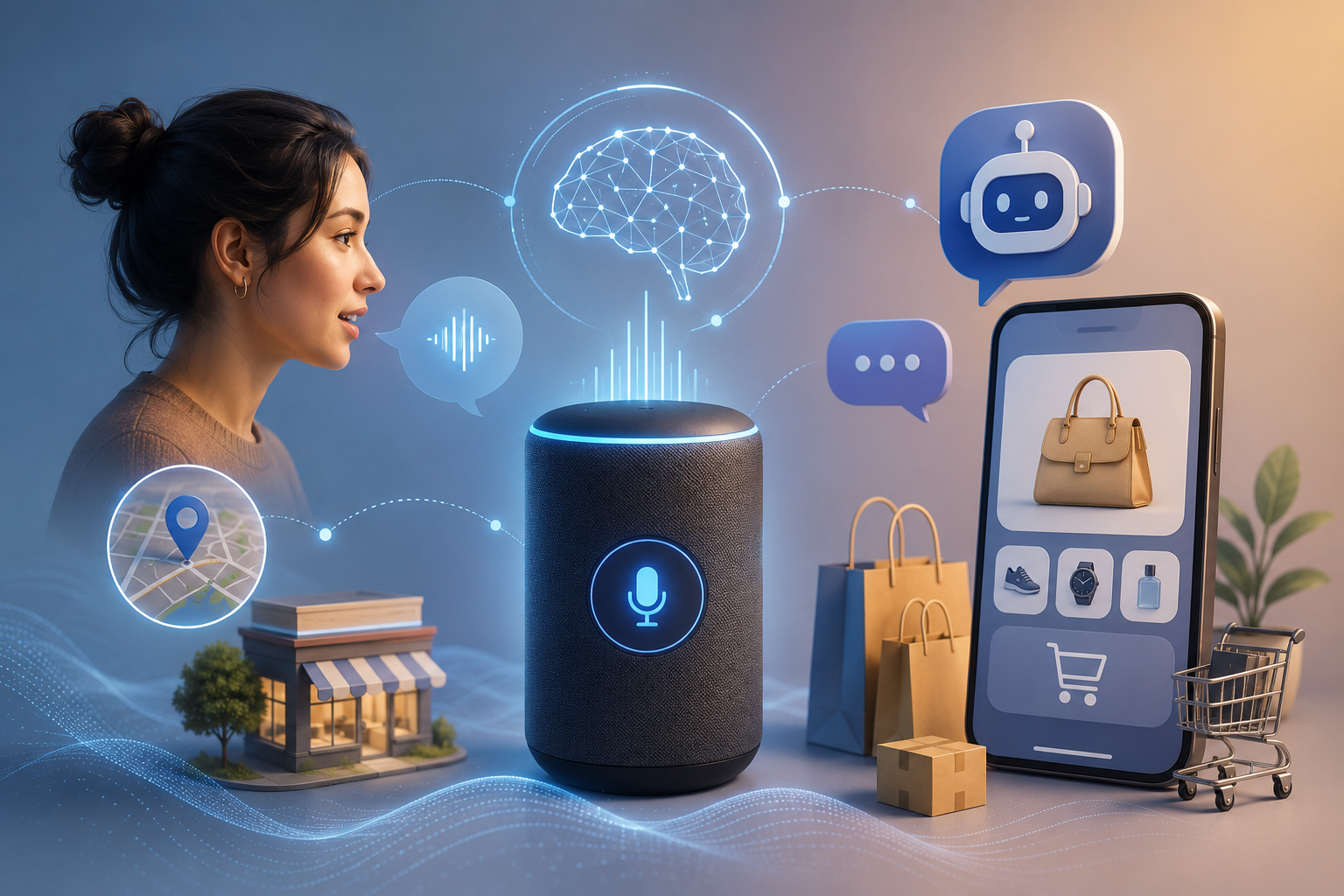
AI can help organizations analyze customer behavior, recommend relevant content, summarize account histories, answer routine questions, identify customer intent, and support sales and service employees.
It can also help customers navigate complex product portfolios through conversational interfaces.
However, AI should not simply be added as another channel.
The more important question is:
How does AI improve the customer’s overall journey?
For example, an AI assistant that answers questions but cannot access order information creates another silo.
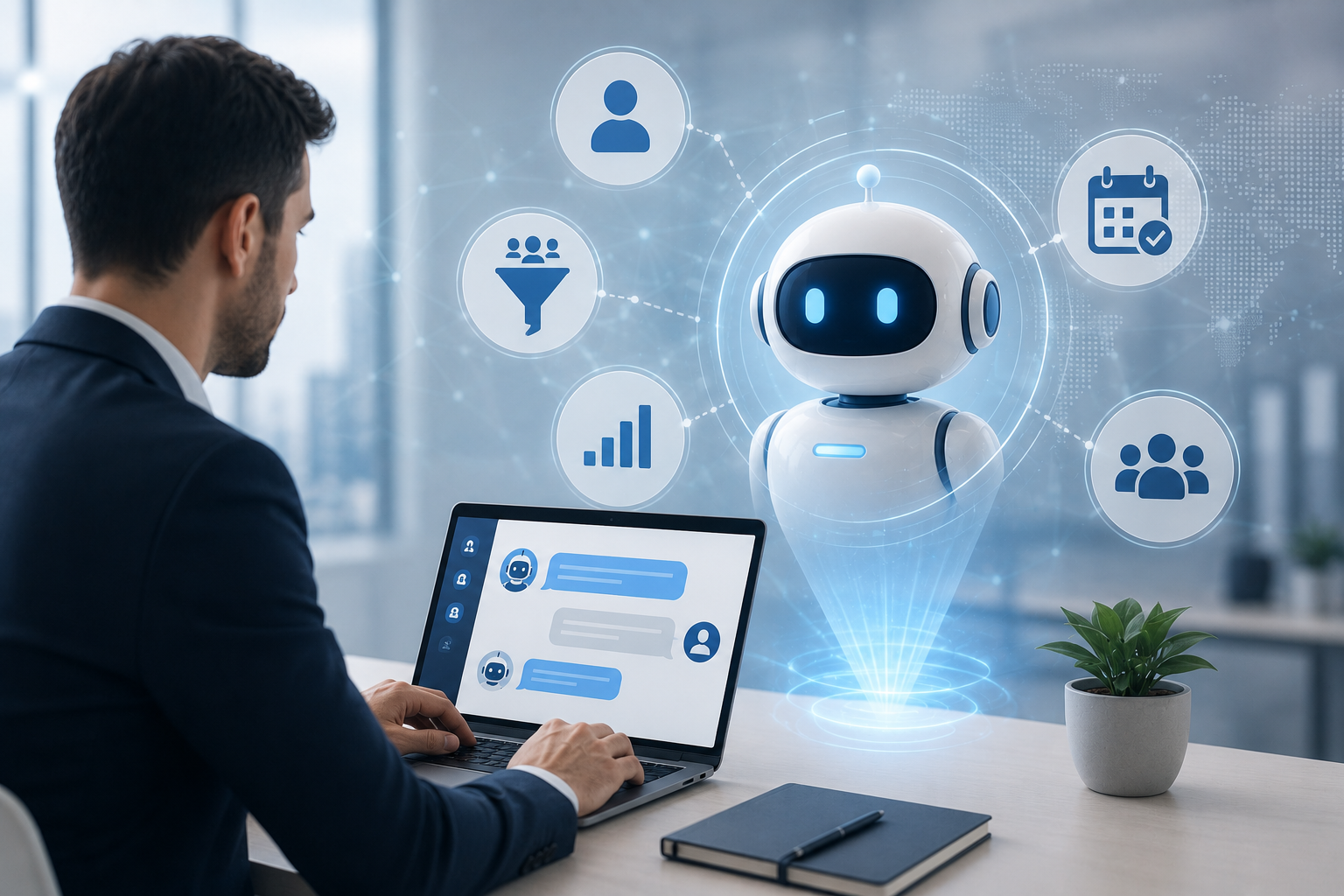
An AI assistant that understands the customer’s account, identifies the relevant product, retrieves documentation, checks order status, and seamlessly hands a complex issue to a human employee can become a genuine part of the omnichannel experience.
Common Challenges in Building Omnichannel B2B Experiences
Data Silos
Customer information is often distributed across CRM, ERP, marketing, e-commerce, support, and partner systems.
Without integration, customers experience the consequences of those internal silos.
Organizational Silos
Marketing may own the website, sales may own customer relationships, e-commerce may own digital transactions, and customer service may operate independently.
Customers, however, do not care which department owns which channel.
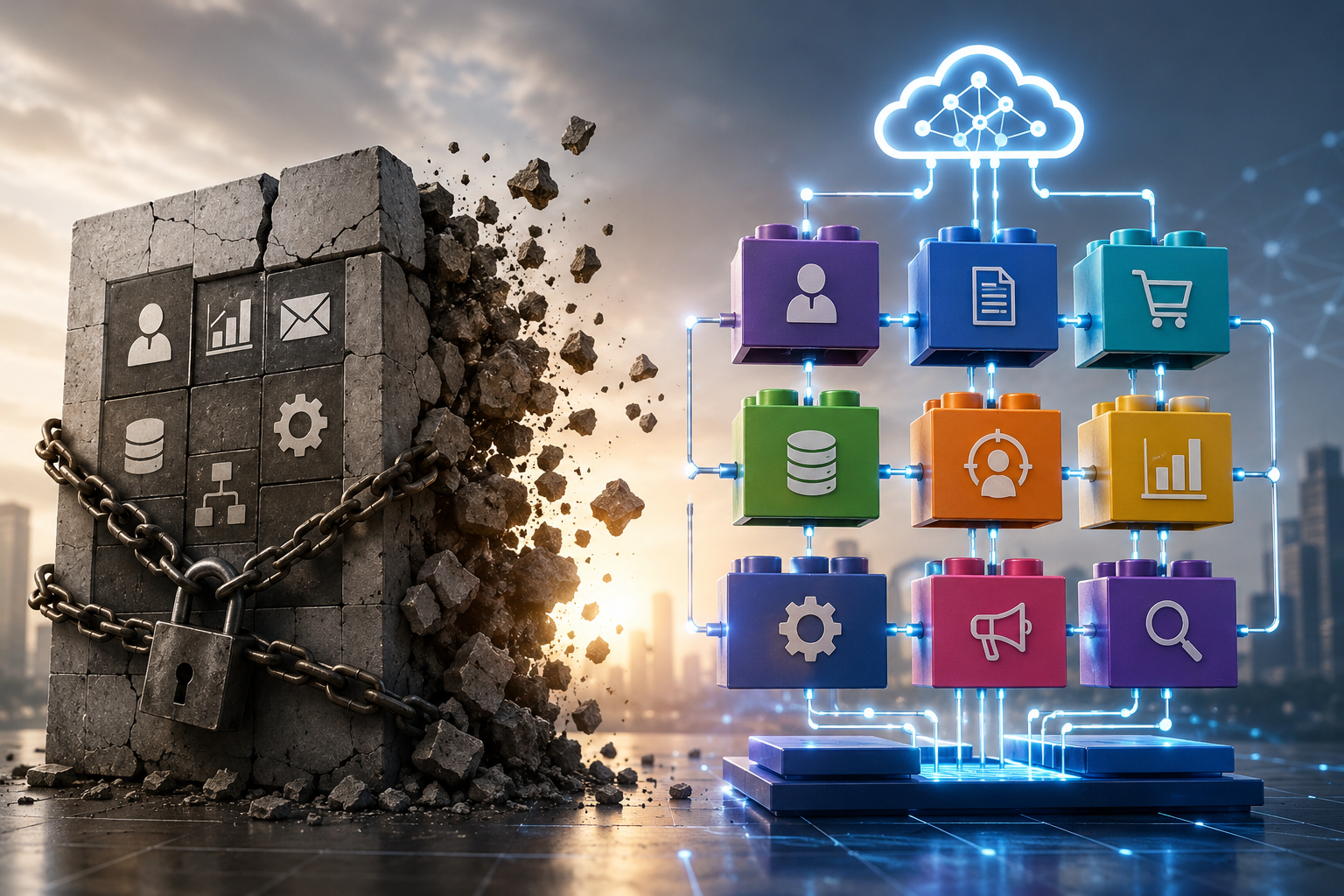
Legacy Technology
Many B2B companies operate on complex technology stacks that were built over years or decades. Replacing everything at once is rarely practical.
A phased integration strategy is usually more realistic.
Channel Conflict
Sales teams may worry that e-commerce will reduce their role, while digital teams may struggle to obtain cooperation from sales.
Leadership must establish clear rules for channel ownership, incentives, customer handoffs, and revenue attribution.
Inconsistent Content
Product information, pricing, technical specifications, and promotional messages can become inconsistent across channels.
Strong content governance is therefore essential.
How Companies Can Build an Omnichannel Strategy
A successful transformation does not necessarily require rebuilding the entire customer experience at once.
A practical approach is to begin with the customer journey.
Step 1: Map the Journey
Identify the major stages:
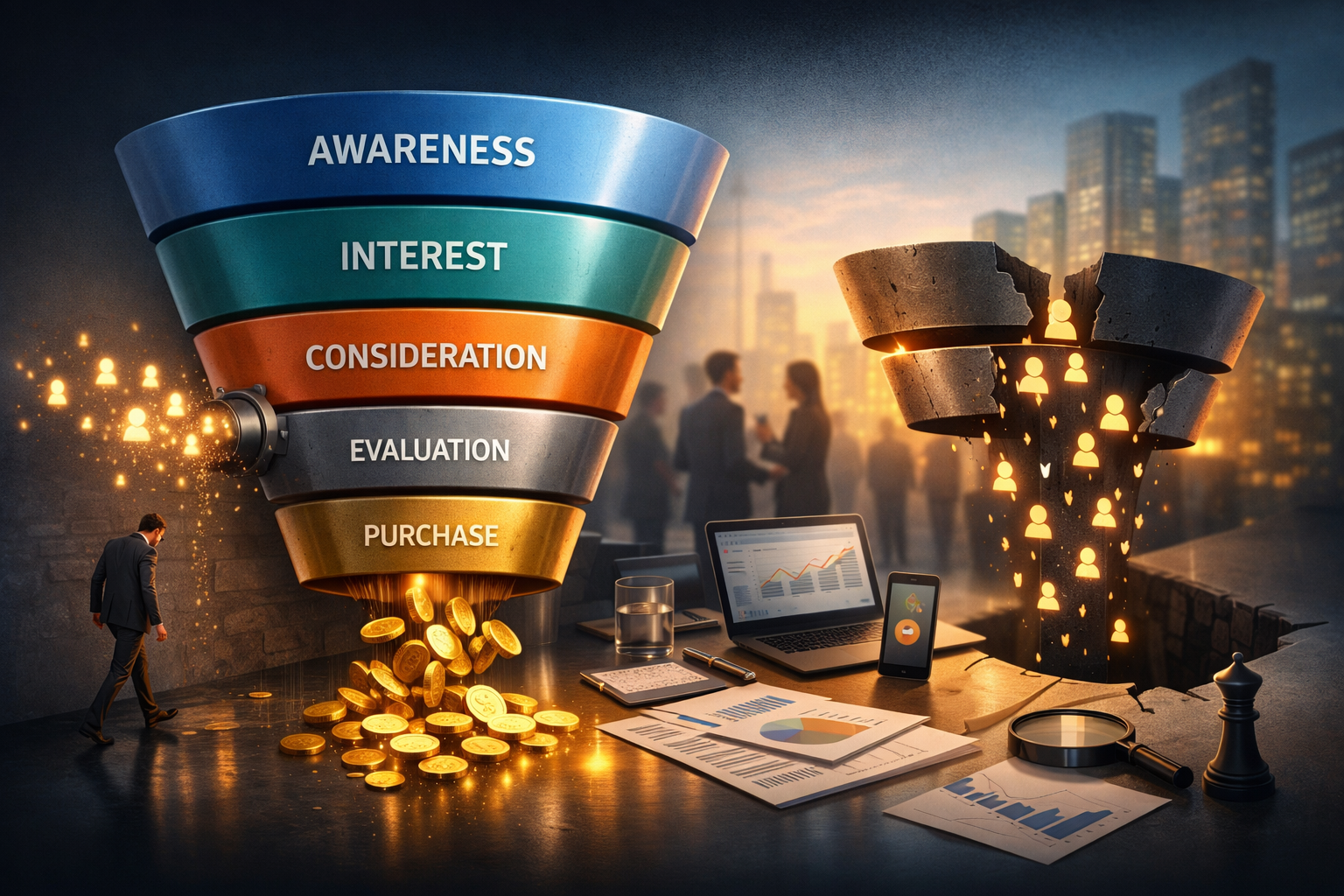
Awareness → Research → Evaluation → Purchase → Onboarding → Usage → Support → Renewal/Expansion
Then identify every customer touchpoint at each stage.
Step 2: Identify the Friction Points
Look for moments where customers:
- Repeat information
- Wait too long
- Switch channels unnecessarily
- Cannot find information
- Receive inconsistent answers
- Need to contact sales for simple tasks
- Cannot easily reach an expert for complex tasks
These are high-value opportunities for improvement.
Step 3: Prioritize High-Impact Journeys
Do not try to optimize every interaction simultaneously.
Focus on the journeys that have the greatest effect on revenue, retention, customer satisfaction, or operational efficiency.
Step 4: Connect the Data
Create a common customer identity and connect the systems required to support the priority journeys.
Step 5: Redesign Human and Digital Roles
Determine which activities should be self-service, which require automation, and which benefit from human expertise.
Step 6: Measure and Improve
Track the experience continuously rather than treating omnichannel transformation as a one-time technology project.
Measuring Omnichannel Customer Experience
Organizations can evaluate their omnichannel strategy through a combination of customer, commercial, journey, and operational metrics.
Important customer metrics include:
- Customer satisfaction
- Net Promoter Score
- Customer effort
- Customer retention
- Customer churn
Commercial metrics can include:
- Conversion rate
- Average order value
- Digital revenue
- Cross-sell and upsell revenue
- Renewal rate
- Customer lifetime value
Journey metrics can include:
- Time to purchase
- Time to resolution
- Channel switching
- Digital adoption
- Self-service completion rate
- Sales handoff rate
Operational metrics can include:
- First-contact resolution
- Cost to serve
- Response time
- Employee productivity
- Data completeness
The most useful measurement approach connects these metrics to specific customer journeys rather than evaluating channels in isolation.
The Future of B2B Customer Experience
The future of B2B customer experience is not about choosing between traditional sales and digital commerce.
It is about creating an environment where customers can move effortlessly between both.
A buyer may want to research independently in the evening, speak to an expert the next morning, negotiate a complex contract with an account executive, place an order digitally, and receive proactive support afterward.
An effective omnichannel organization makes that journey possible without making the customer think about the underlying channels.
The broader shift is clear: B2B buyers increasingly expect more control over when and how they interact with suppliers, while still valuing expert support when they need it.
This means the competitive question for B2B companies is no longer:
“How many channels do we offer?”
It is:
“How seamlessly can our customers move across those channels?”
Read Also: The Hidden Costs of Martech Stack Complexity