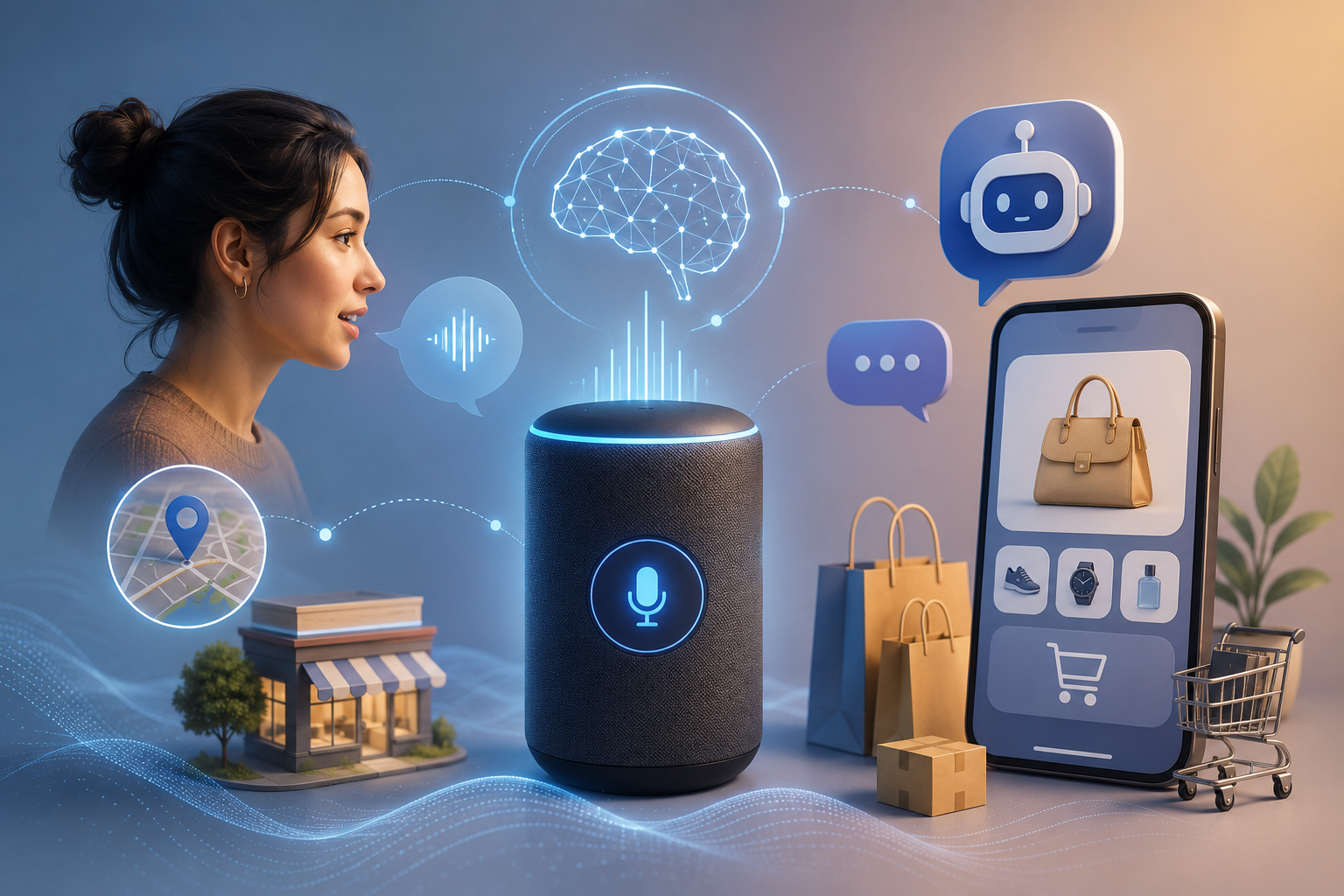

Today’s customers interact with brands through multiple touchpoints—websites, mobile apps, social media, email, live chat, phone calls, and physical stores. They expect every interaction to be seamless, personalized, and consistent, regardless of the channel they choose.
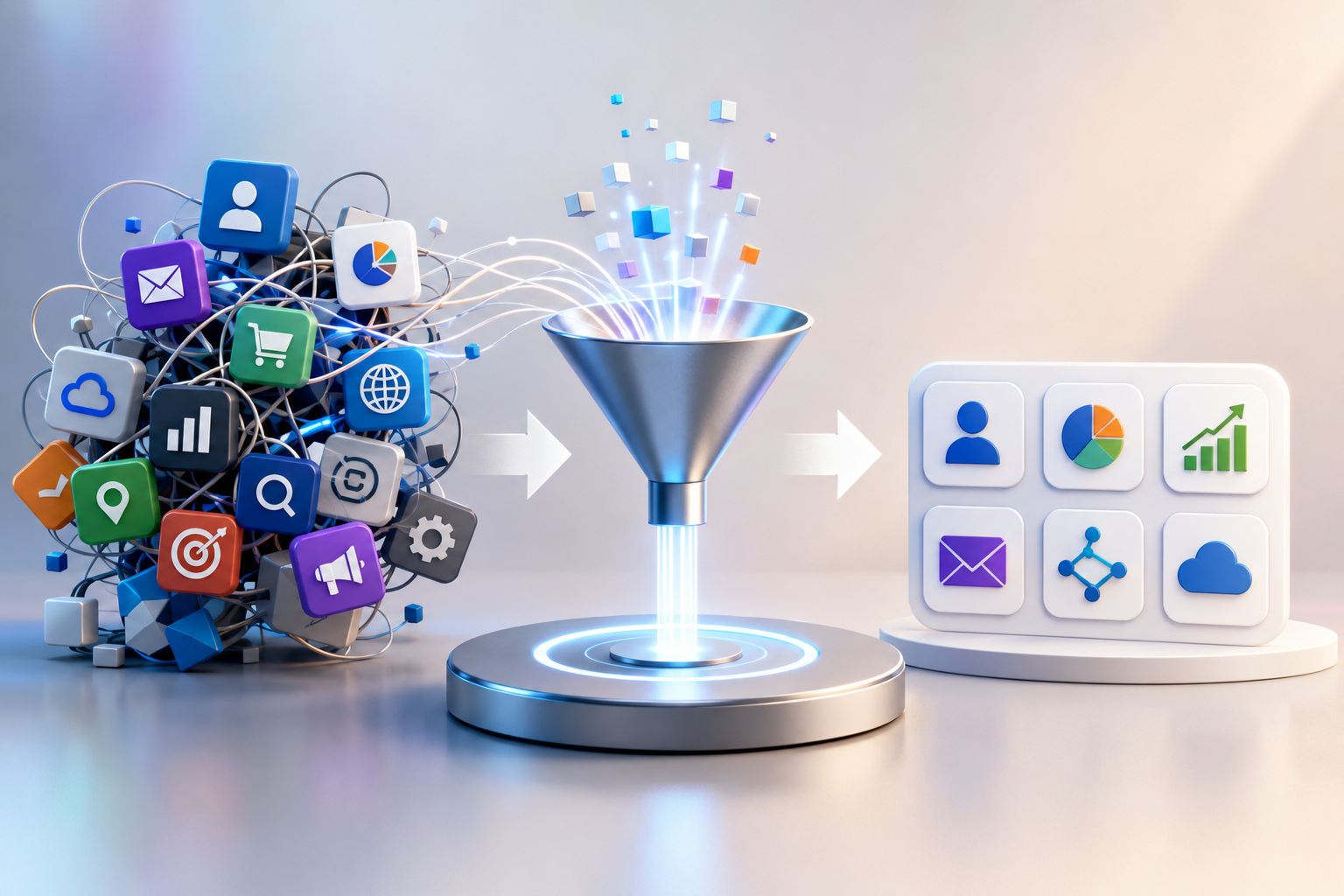
However, many businesses struggle because customer data is scattered across different systems. Marketing platforms, CRM software, support tools, eCommerce platforms, and social media analytics often operate independently, making it difficult to understand the complete customer journey.
A unified customer view solves this challenge by bringing together data from every interaction into a single, comprehensive customer profile. This enables businesses to deliver personalized experiences, improve customer satisfaction, and make more informed decisions.
In this blog, we’ll explore what a unified customer view is, why it matters, and how you can build one across multiple channels.
What Is a Unified Customer View?
A unified customer view is a centralized profile that combines customer data from every available touchpoint into one accessible record. Instead of maintaining separate information in different systems, businesses can see:
- Customer demographics
- Purchase history
- Website activity
- Mobile app interactions
- Email engagement
- Customer support tickets
- Social media interactions
- Loyalty program participation
- Product preferences
- Communication history
This complete profile gives every department—from marketing and sales to customer support—a consistent understanding of each customer.
Why Is a Unified Customer View Important?
1. Better Customer Experience
Customers dislike repeating information every time they contact a business. A unified view allows teams to access previous interactions instantly, making conversations smoother and more efficient.
2. Improved Personalization
When businesses understand customer preferences, browsing behavior, and purchase history, they can deliver relevant recommendations, personalized offers, and targeted messaging.
3. Higher Customer Retention
Consistent and personalized experiences build trust. Customers who feel understood are more likely to remain loyal and continue purchasing.
4. More Accurate Analytics
Instead of analyzing disconnected datasets, organizations gain a complete picture of customer behavior, leading to better forecasting and decision-making.
5. Increased Revenue
Businesses can identify upselling, cross-selling, and engagement opportunities based on comprehensive customer insights rather than isolated data points.
Common Challenges
Creating a unified customer view isn’t without obstacles.
Data Silos
Different departments often use separate software systems that don’t communicate with one another.
Inconsistent Data
Customers may use different email addresses, phone numbers, or usernames across platforms, making identity matching difficult.
Duplicate Records
Without proper data governance, multiple profiles may exist for the same customer.
Privacy Regulations
Organizations must comply with regulations such as GDPR, CCPA, and other regional privacy laws while collecting and processing customer data.
Real-Time Synchronization
Keeping customer information updated across all systems requires robust integration and automation.
Steps to Create a Unified Customer View
Step 1: Identify All Customer Data Sources
Start by listing every platform that collects customer information, including:
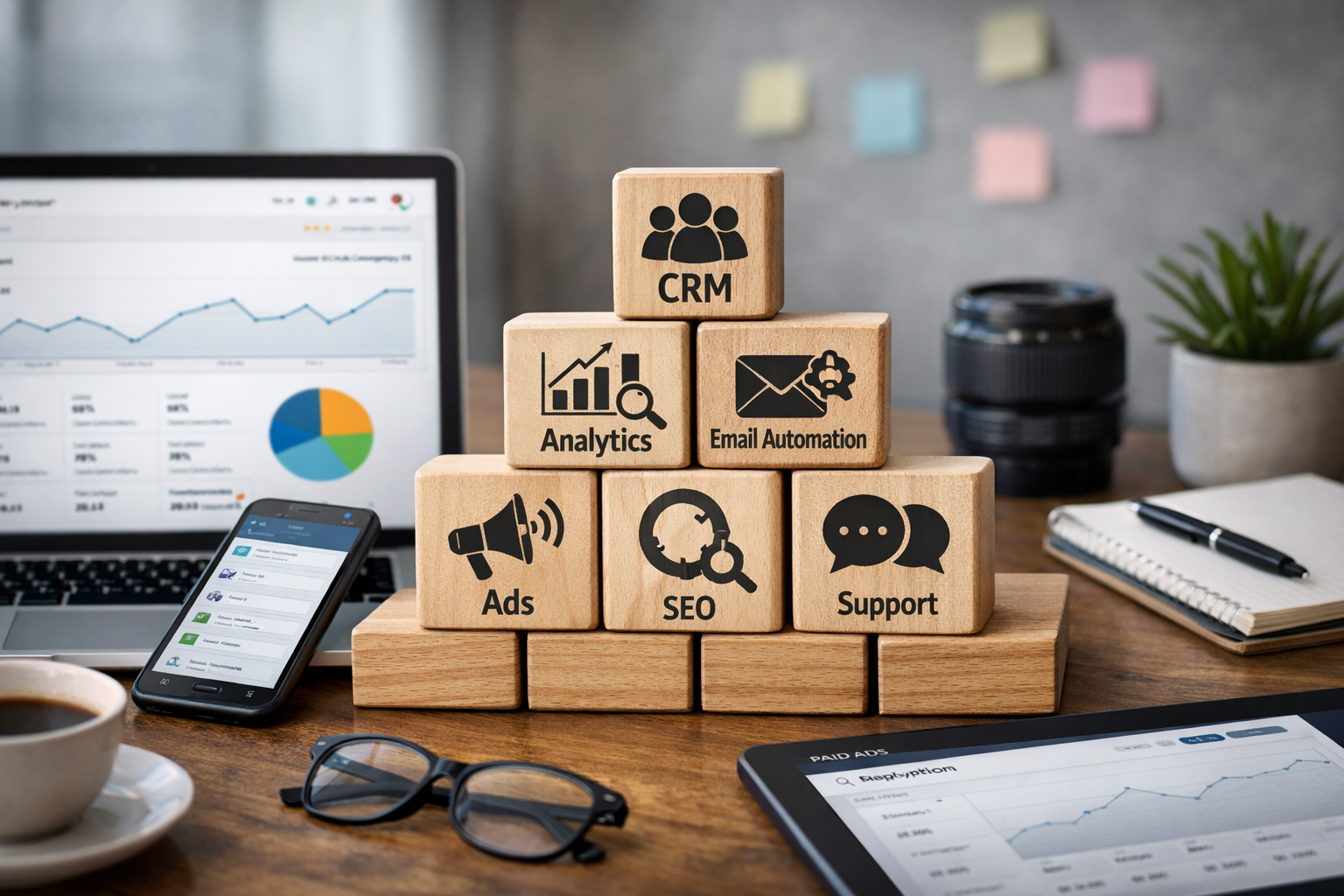
- CRM systems
- eCommerce platforms
- Marketing automation tools
- Email platforms
- Customer support software
- Website analytics
- Mobile applications
- Social media platforms
- Point-of-sale systems
Understanding where data resides is the first step toward integration.
Step 2: Define a Single Customer Identity
Create a strategy for identifying customers consistently across channels.
Common identifiers include:
- Email address
- Phone number
- Customer ID
- Loyalty number
- Account login
- Device identifiers (where appropriate)
Identity resolution helps merge fragmented records into one profile.
Step 3: Integrate Your Data Sources
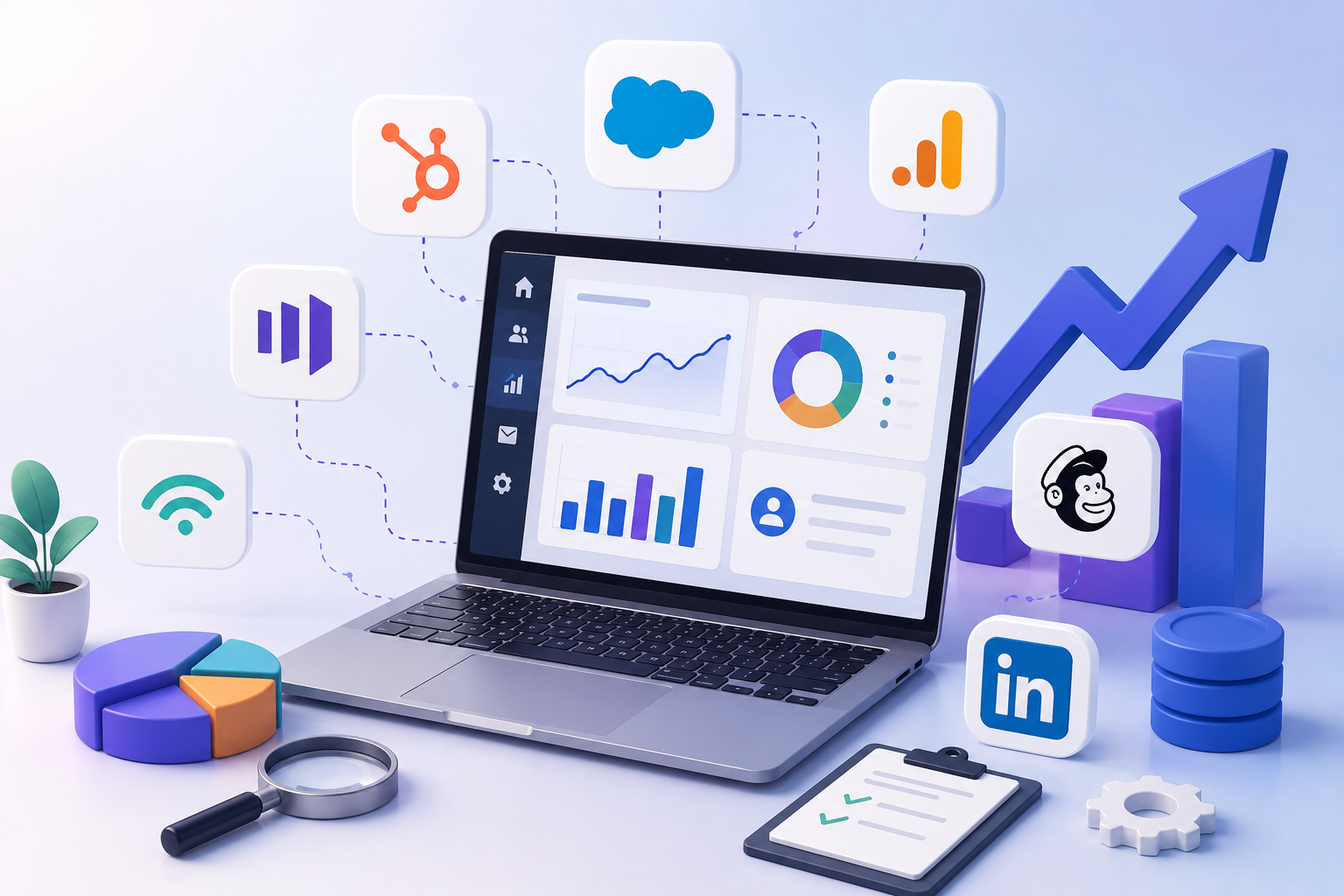
Use APIs, data integration platforms, or Customer Data Platforms (CDPs) to connect systems and synchronize customer information automatically.
The objective is to eliminate isolated datasets and enable seamless data sharing.
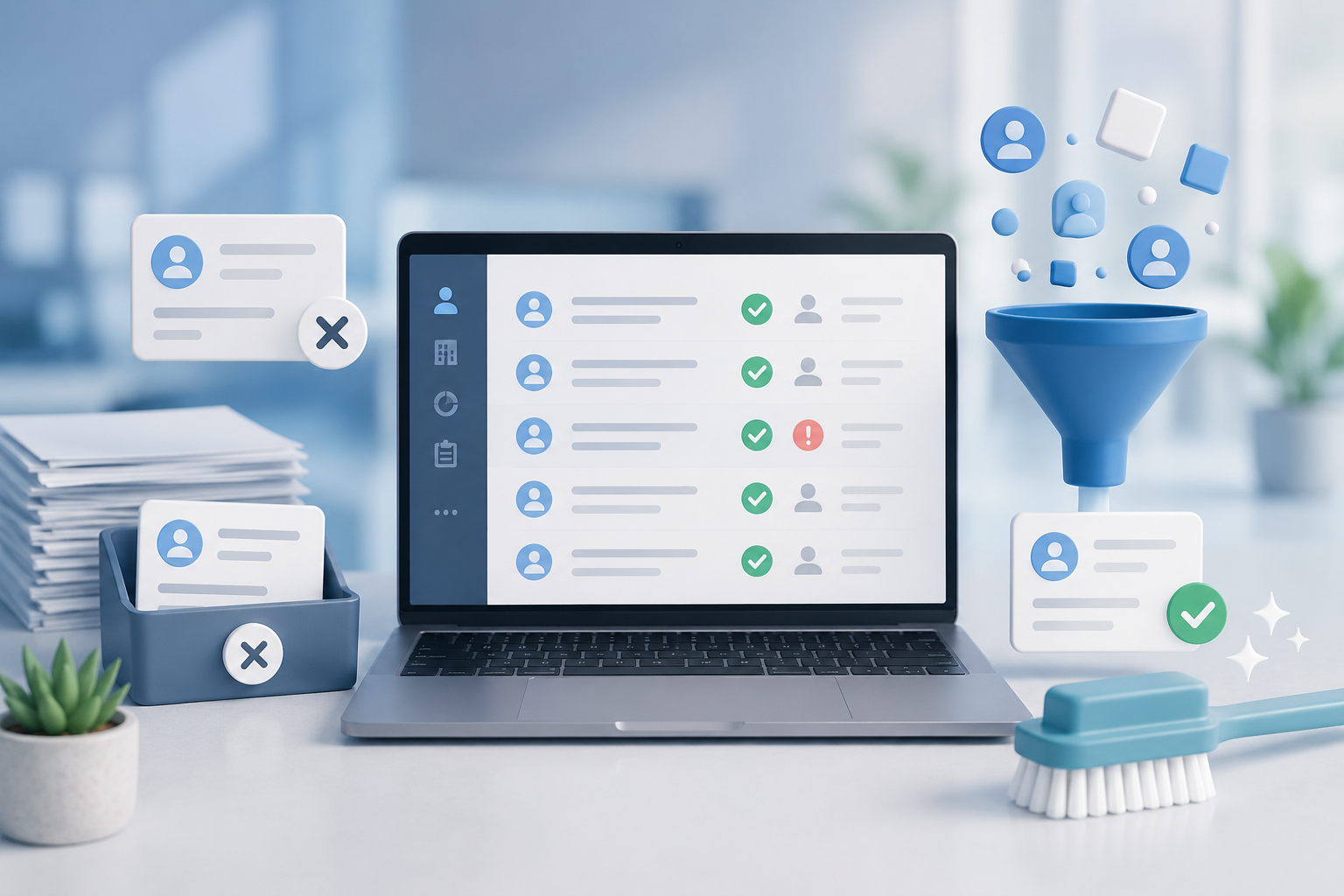
Step 4: Clean and Standardize Data
Before combining datasets:
- Remove duplicate records
- Standardize formats
- Validate contact information
- Correct incomplete records
- Normalize naming conventions
Clean data improves analytics accuracy and customer experiences.
Step 5: Build a Centralized Customer Profile
Combine all customer interactions into one comprehensive profile that includes:
- Personal information
- Behavioral data
- Transaction history
- Marketing engagement
- Support interactions
- Product preferences
- Customer lifetime value
- Loyalty status
Every department should access the same updated information.
Step 6: Enable Real-Time Updates
Customer behavior changes constantly.
Ensure your systems synchronize data continuously so teams always work with the latest information.
Real-time updates allow businesses to respond quickly to customer needs.
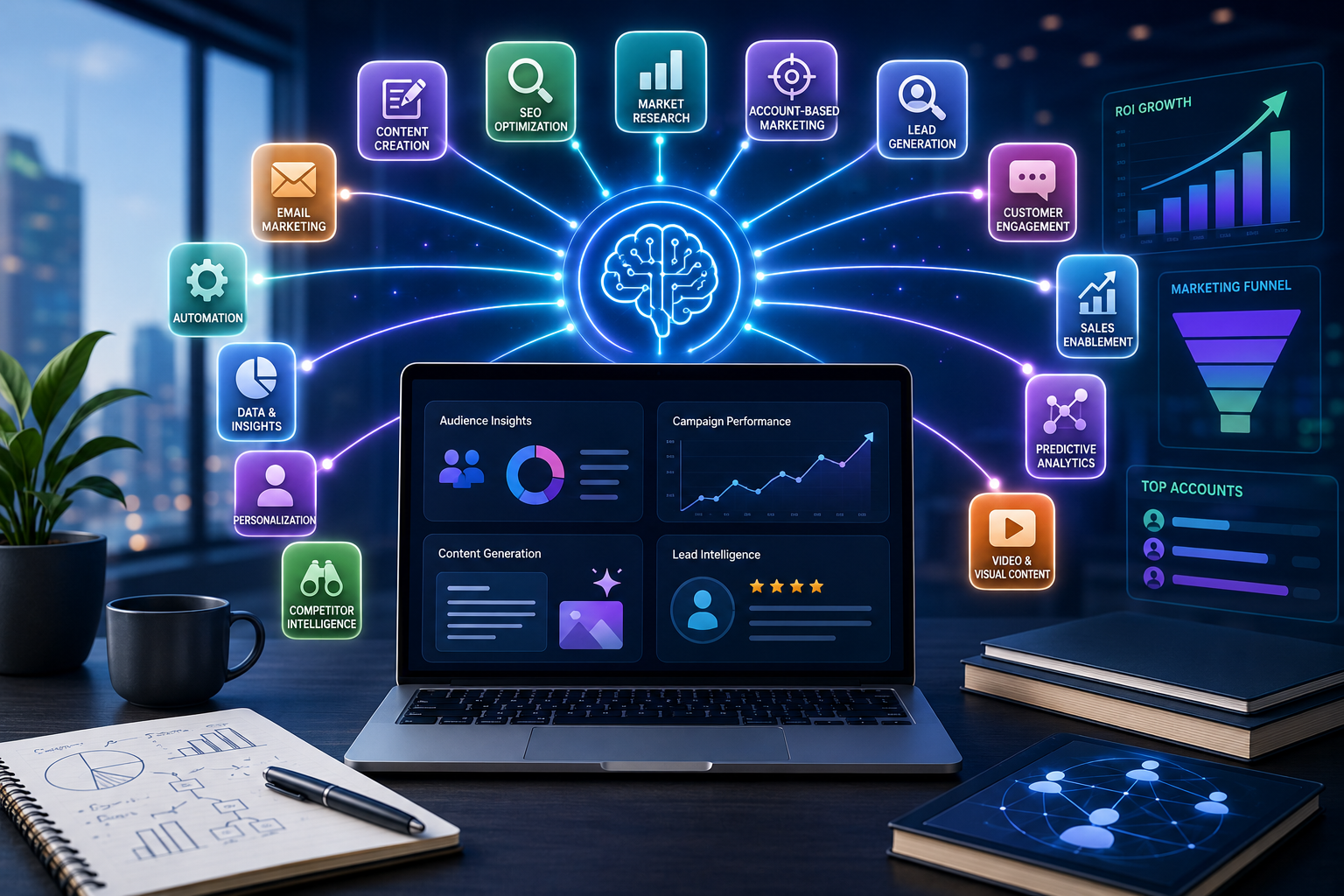
Step 7: Use AI and Analytics
Once data is unified, apply analytics and artificial intelligence to:
- Predict customer behavior
- Recommend products
- Detect churn risks
- Identify high-value customers
- Personalize marketing campaigns
- Optimize customer journeys
AI becomes significantly more effective when powered by complete customer data.
Best Practices
Prioritize Data Quality
Poor-quality data leads to inaccurate insights and ineffective personalization.
Ensure Privacy Compliance
Clearly communicate how customer data is collected, stored, and used. Obtain appropriate consent and provide transparency.
Break Down Departmental Silos
Encourage collaboration among marketing, sales, customer support, and IT teams to maintain a consistent customer view.
Automate Data Integration
Manual imports increase errors and delay updates. Automation ensures consistency and efficiency.
Continuously Monitor Performance
Regularly audit customer records, integration processes, and data quality metrics to maintain accuracy over time.
Benefits Across Departments
Marketing
- Better audience segmentation
- Personalized campaigns
- Higher conversion rates
- Improved ROI
Sales
- Complete customer history
- Smarter lead qualification
- Better cross-selling opportunities
- Faster deal closures
Customer Support
- Faster issue resolution
- Personalized assistance
- Reduced customer frustration
- Improved satisfaction scores
Executive Leadership
- Reliable business intelligence
- Better forecasting
- Data-driven strategic planning
- Enhanced operational efficiency
Measuring Success
Track key performance indicators (KPIs) to evaluate the effectiveness of your unified customer view initiative:
- Customer retention rate
- Customer lifetime value (CLV)
- Net Promoter Score (NPS)
- Customer Satisfaction Score (CSAT)
- First Contact Resolution (FCR)
- Conversion rate
- Average order value
- Marketing campaign performance
- Data accuracy rate
These metrics help quantify improvements in customer experience and business outcomes.
Future Trends
As customer expectations continue to evolve, unified customer views will become even more intelligent through:
- AI-driven personalization
- Predictive customer journey mapping
- Real-time behavioral analytics
- Privacy-first data management
- Cookieless identity resolution
- Hyper-personalized omnichannel experiences
Organizations that invest in unified customer data today will be better positioned to deliver exceptional customer experiences tomorrow.