In today’s competitive B2B landscape, generating leads is no longer enough. Modern marketing teams are expected to deliver qualified pipeline, measurable revenue impact, and sustainable growth. This shift has made data-driven demand generation the cornerstone of high-performing organizations.
Instead of relying on intuition or isolated campaigns, successful companies build demand generation engines that continuously collect, analyze, and act on customer data. The result is smarter targeting, better engagement, higher conversion rates, and predictable revenue growth.
What Is a Demand Generation Engine?
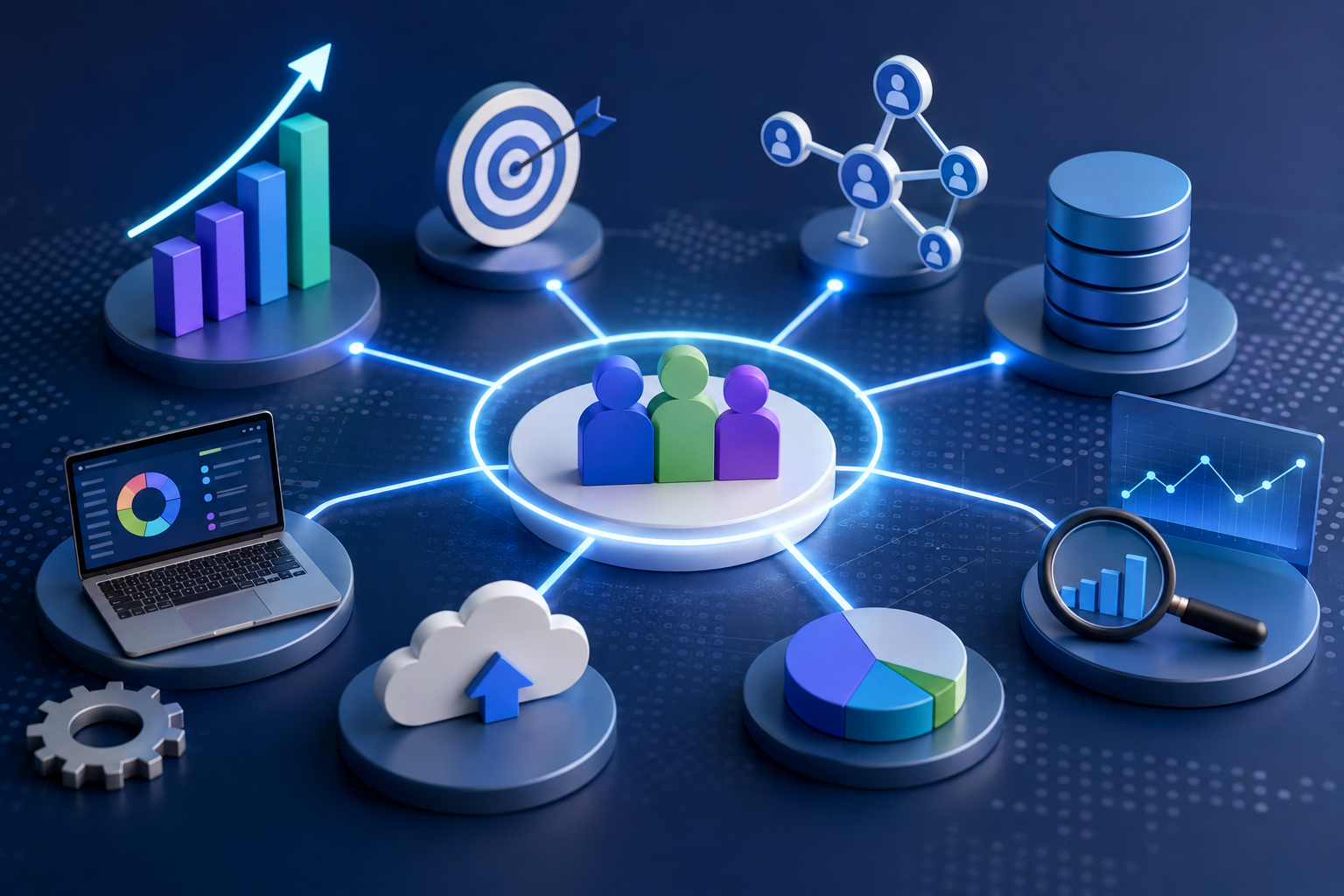
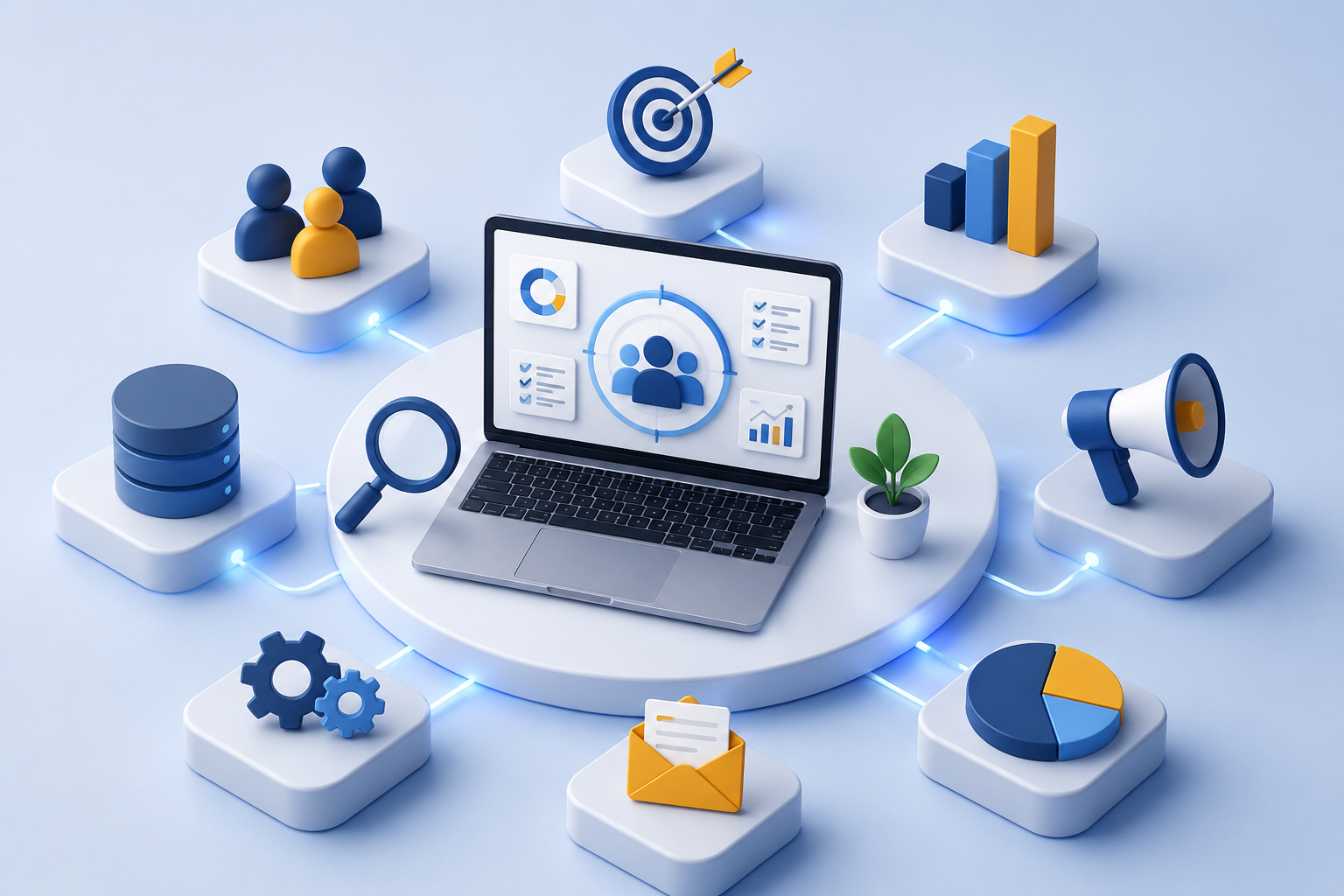
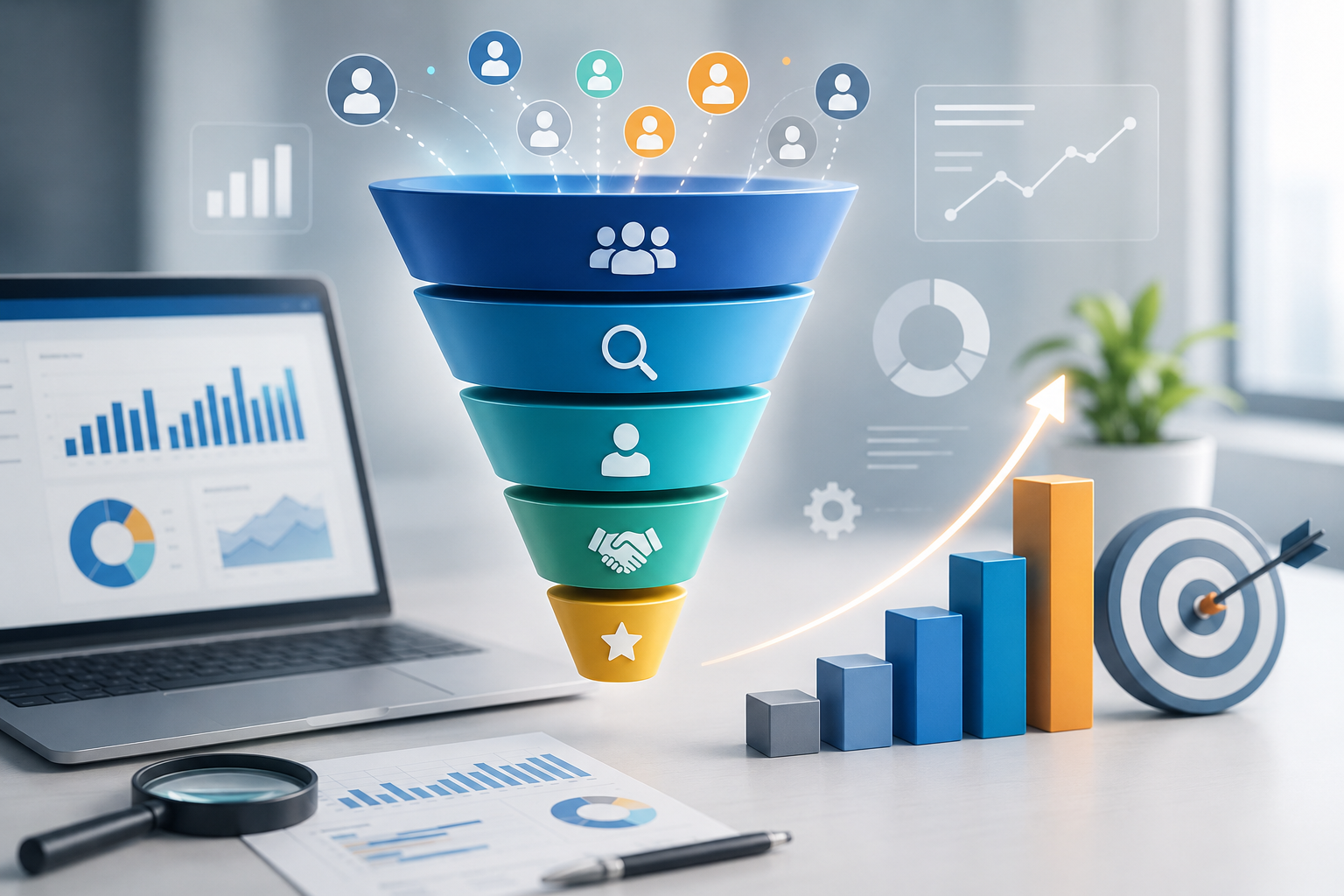
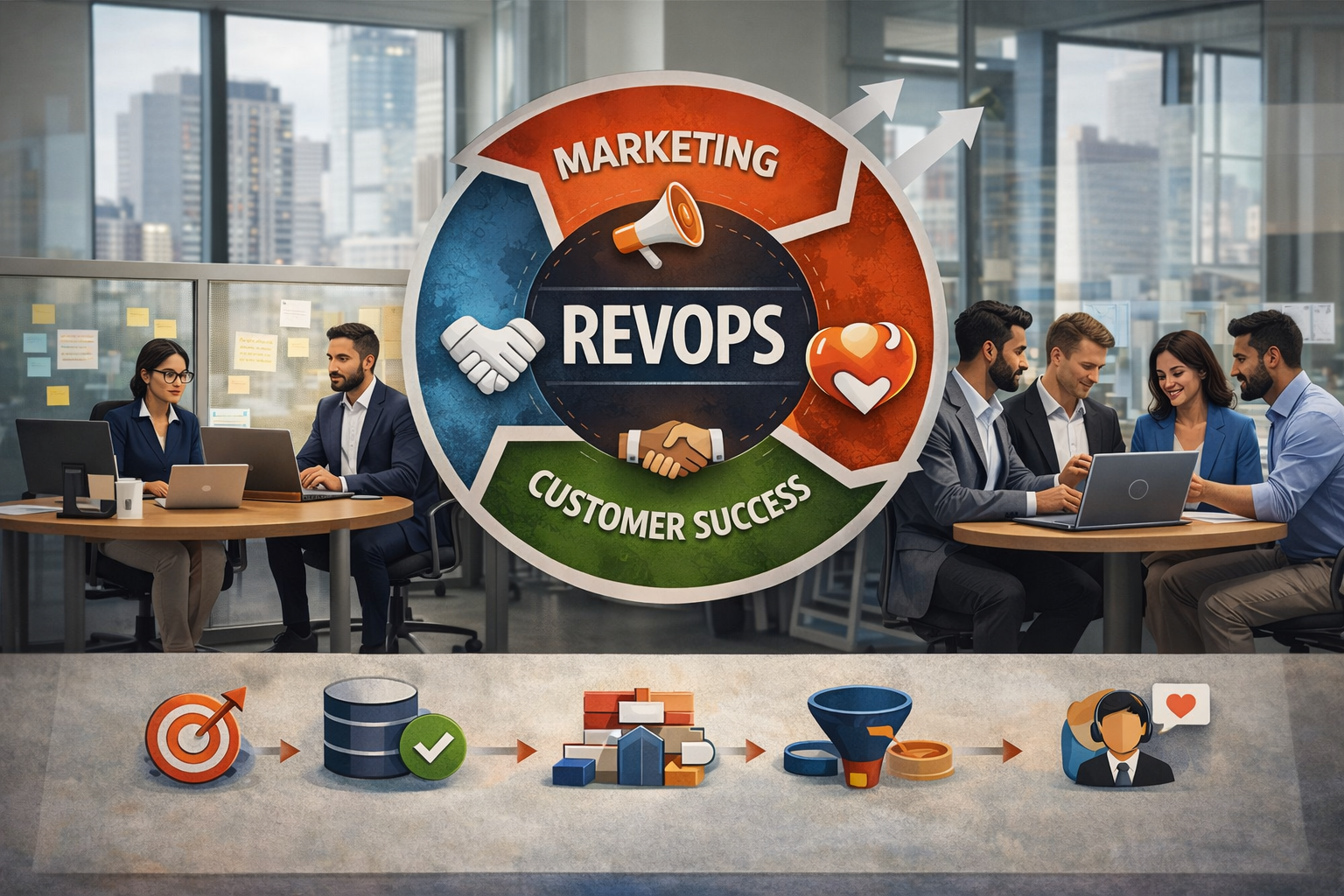
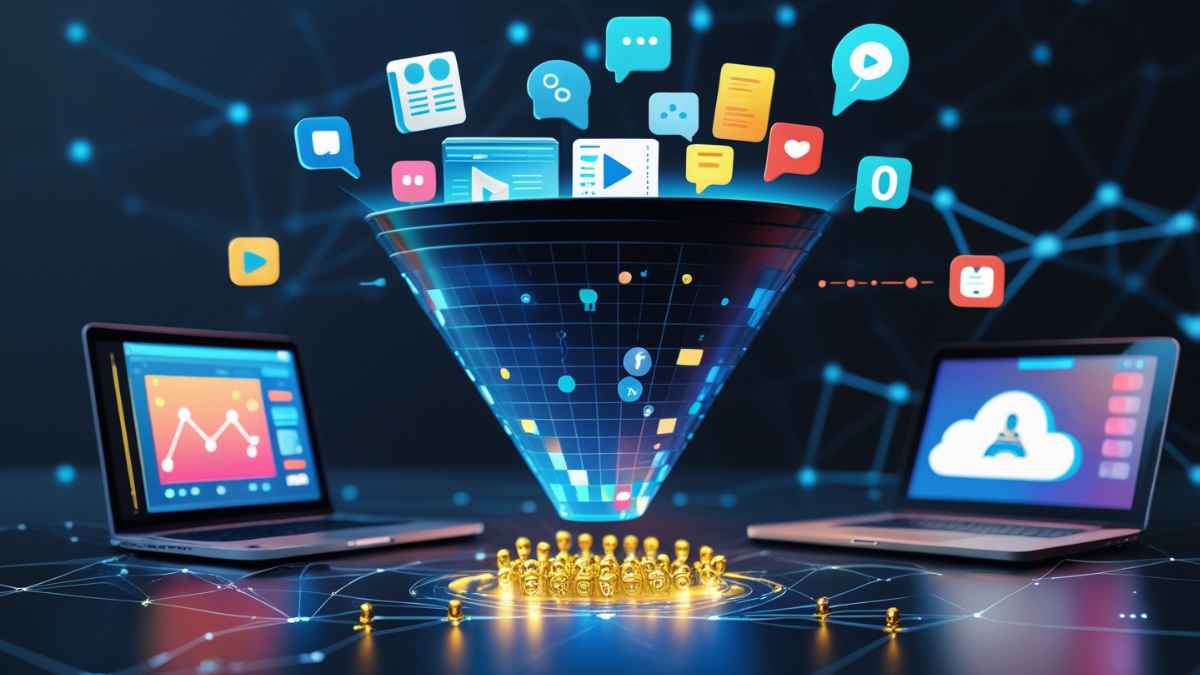
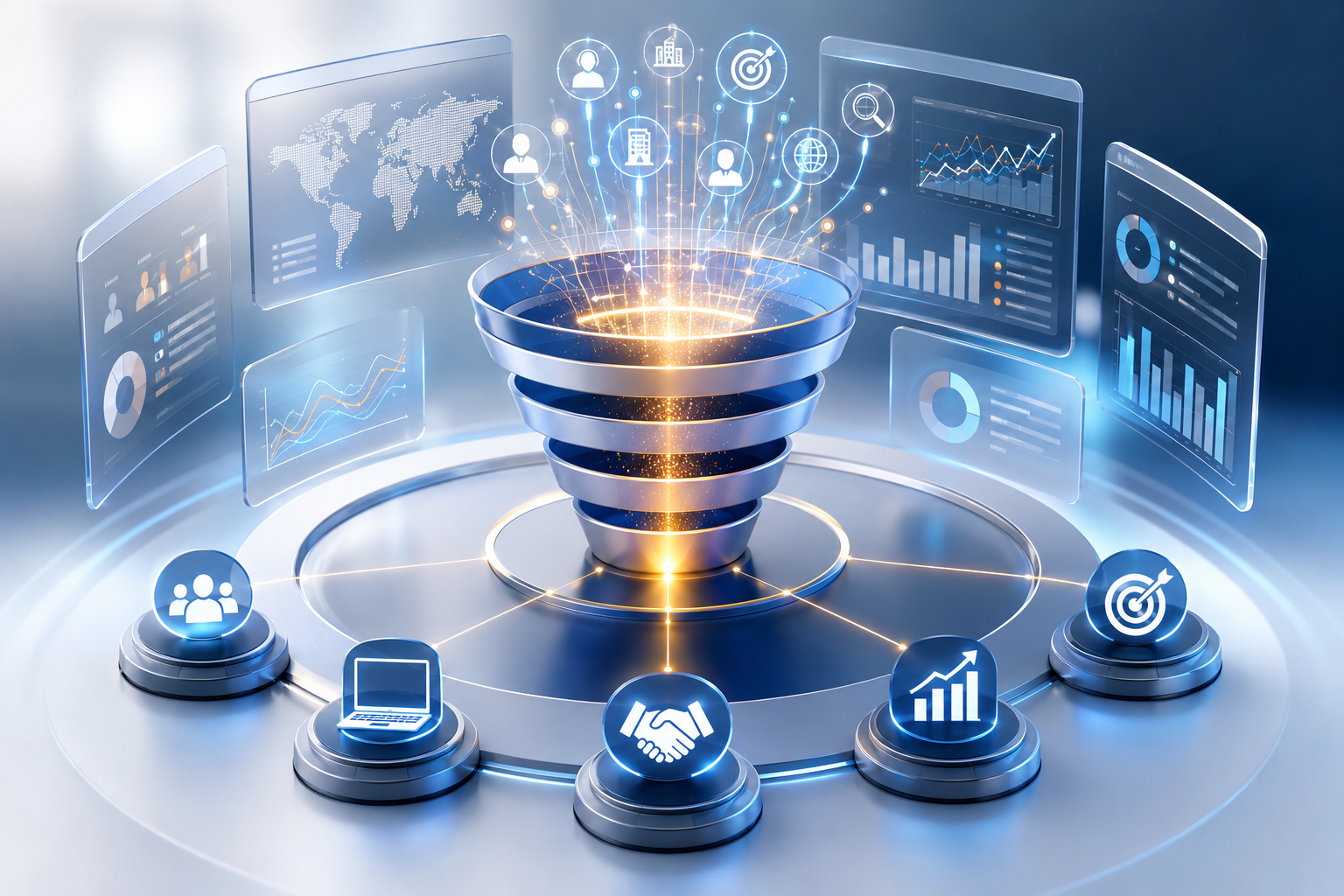
A demand generation engine is a systematic framework that attracts, nurtures, qualifies, and converts potential customers throughout the buying journey. It integrates marketing, sales, and customer success around shared goals and leverages data to optimize every interaction.
Unlike traditional lead generation, which often focuses on capturing contact information, demand generation builds awareness, trust, and engagement before asking prospects to buy.
The engine operates as a continuous cycle:
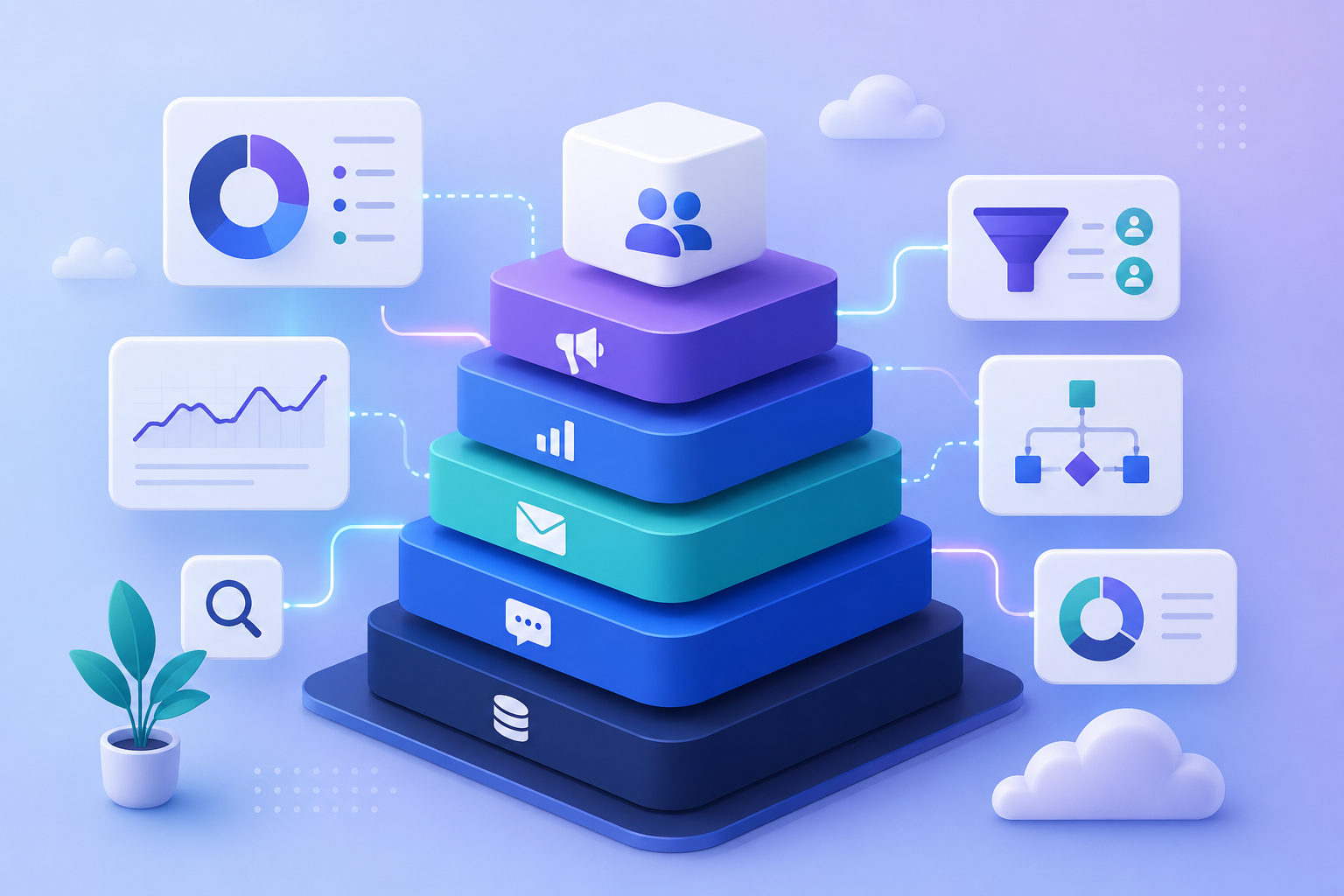
Data → Insights → Campaigns → Engagement → Measurement → Optimization
Every campaign generates new insights that improve future performance, creating a self-improving growth system.
Why Data Matters
Data transforms marketing from guesswork into a measurable business function. Organizations that make decisions based on customer behavior rather than assumptions can:
- Identify high-value customer segments
- Personalize messaging across channels
- Improve lead quality
- Increase marketing ROI
- Shorten sales cycles
- Forecast pipeline more accurately
The goal isn’t collecting more data—it’s collecting the right data and turning it into actionable insights.
The Core Components of a Data-Driven Demand Generation Engine
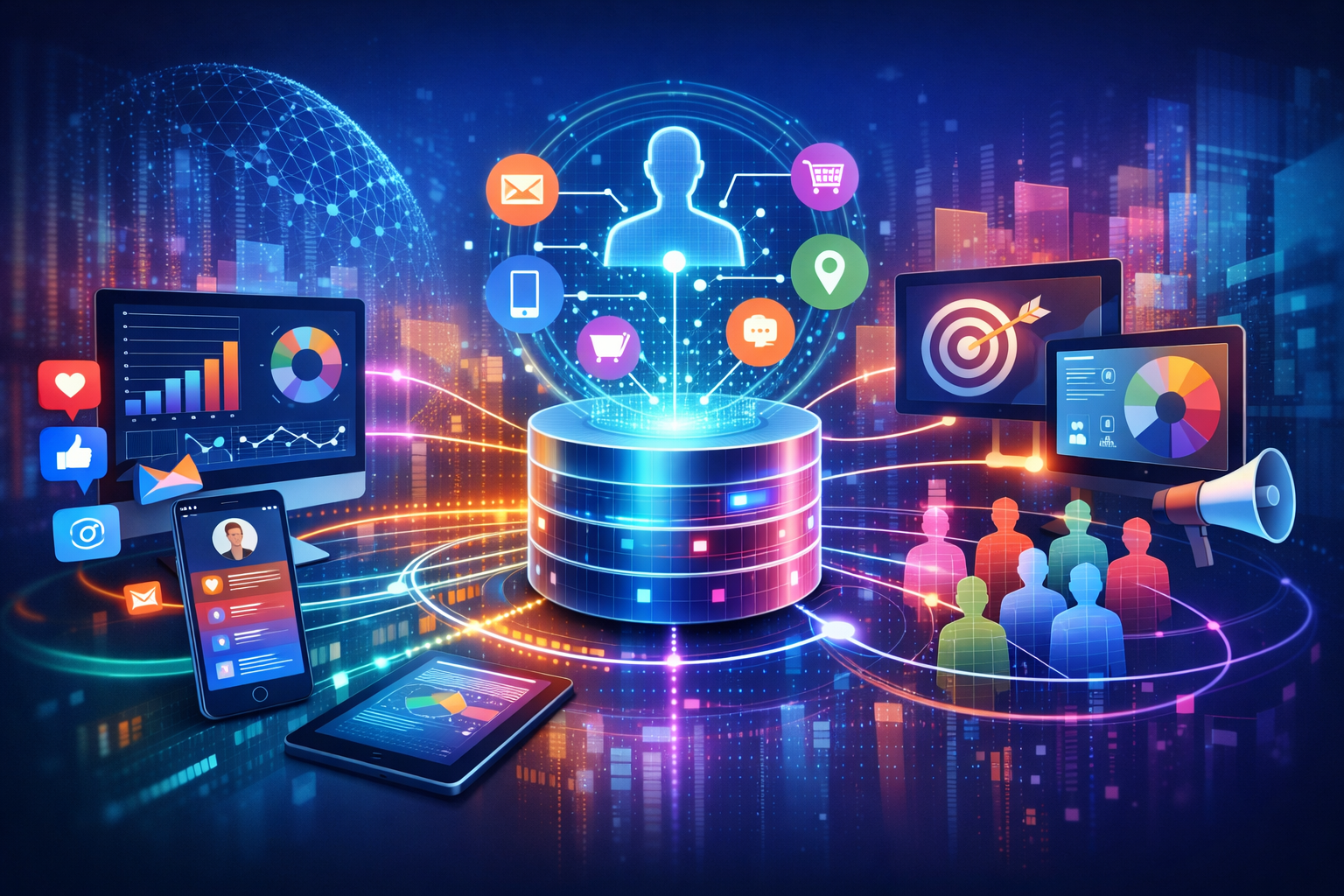
1. Build a Strong Data Foundation
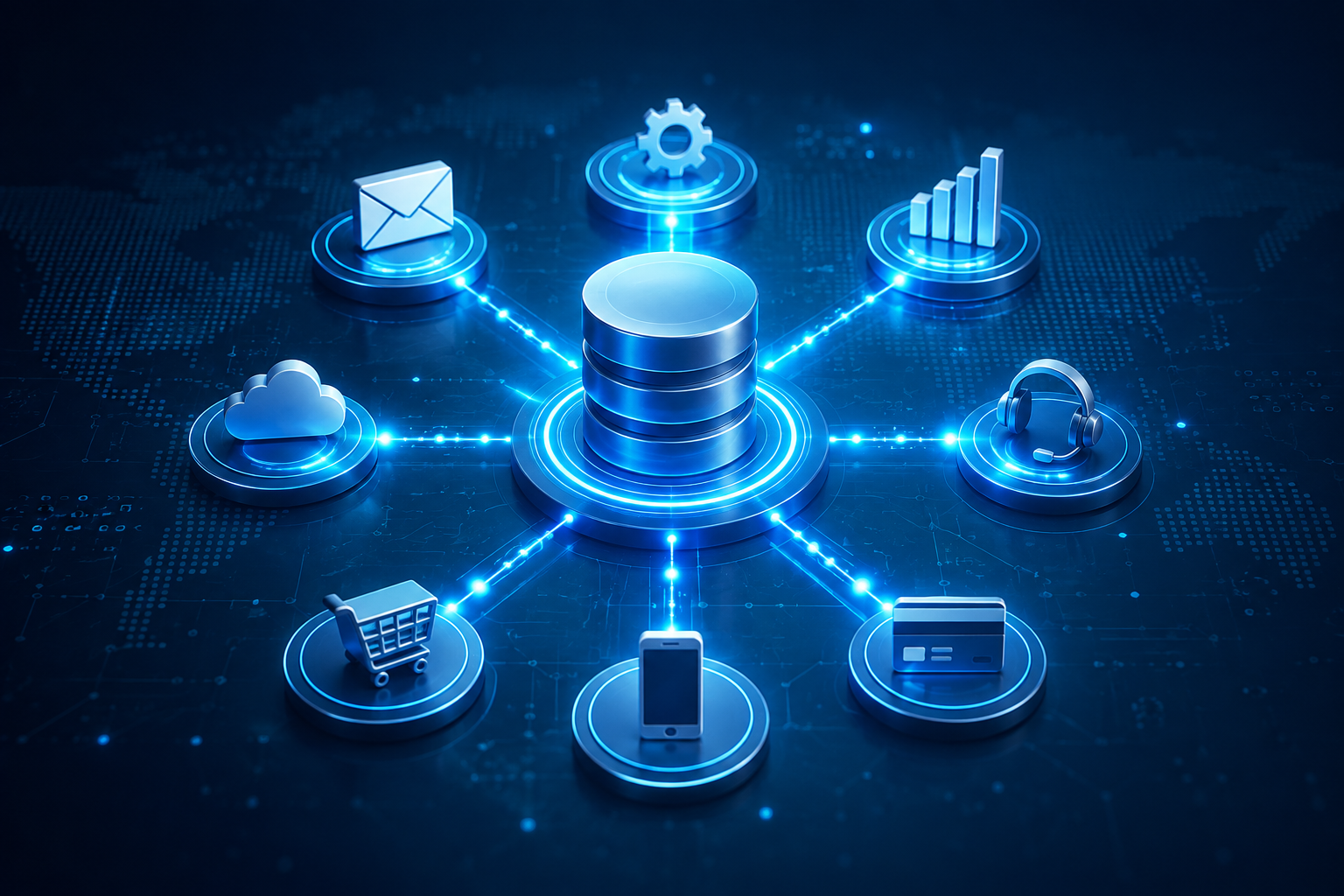
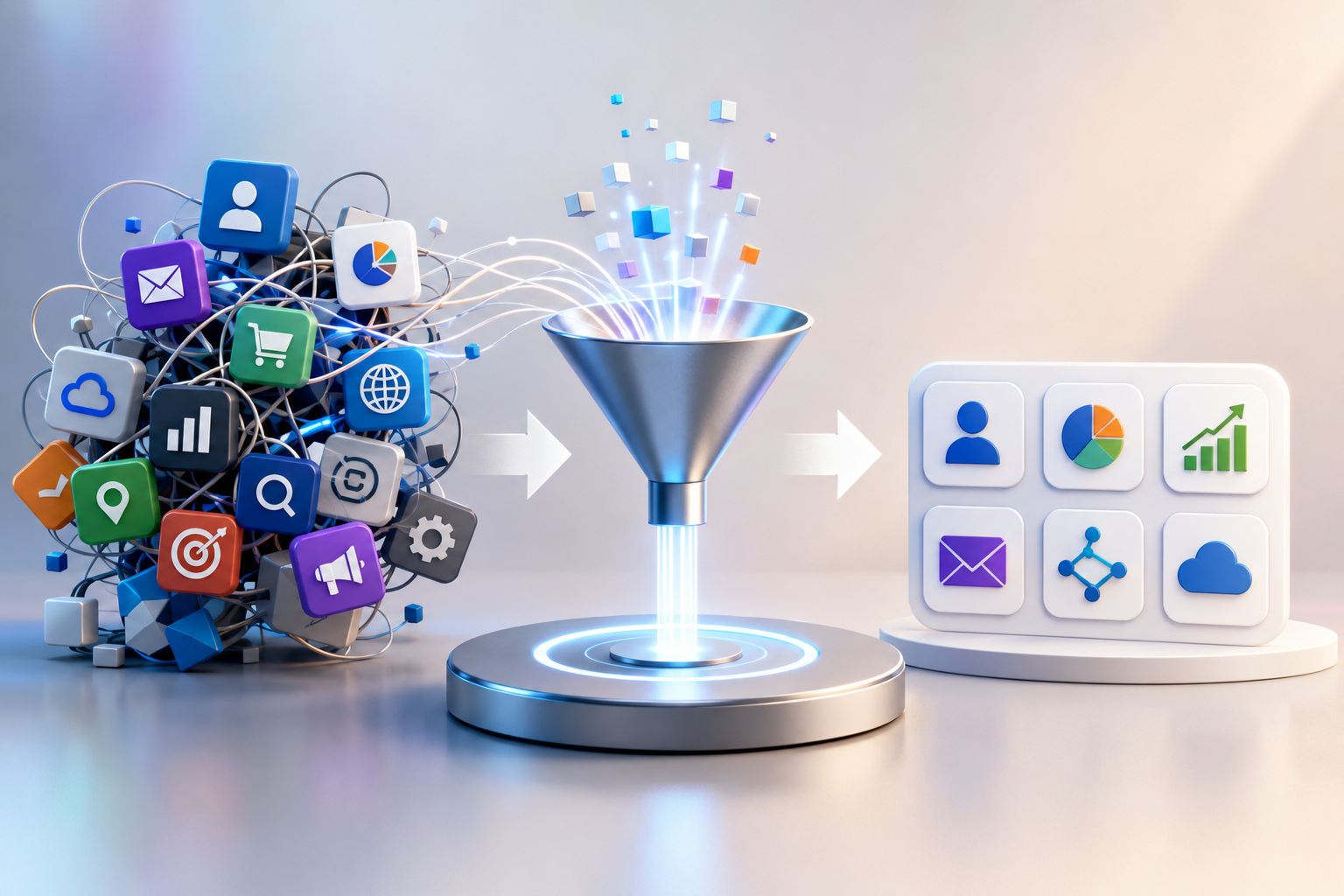
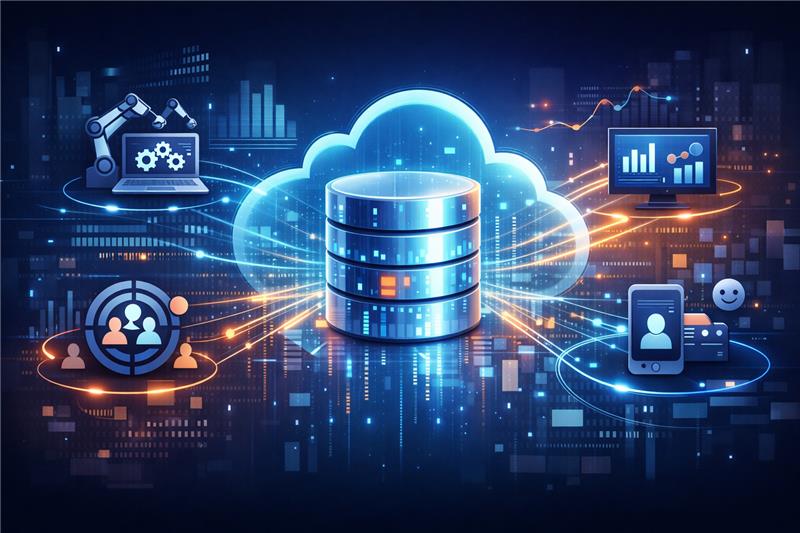
Everything starts with clean, reliable, and connected data.
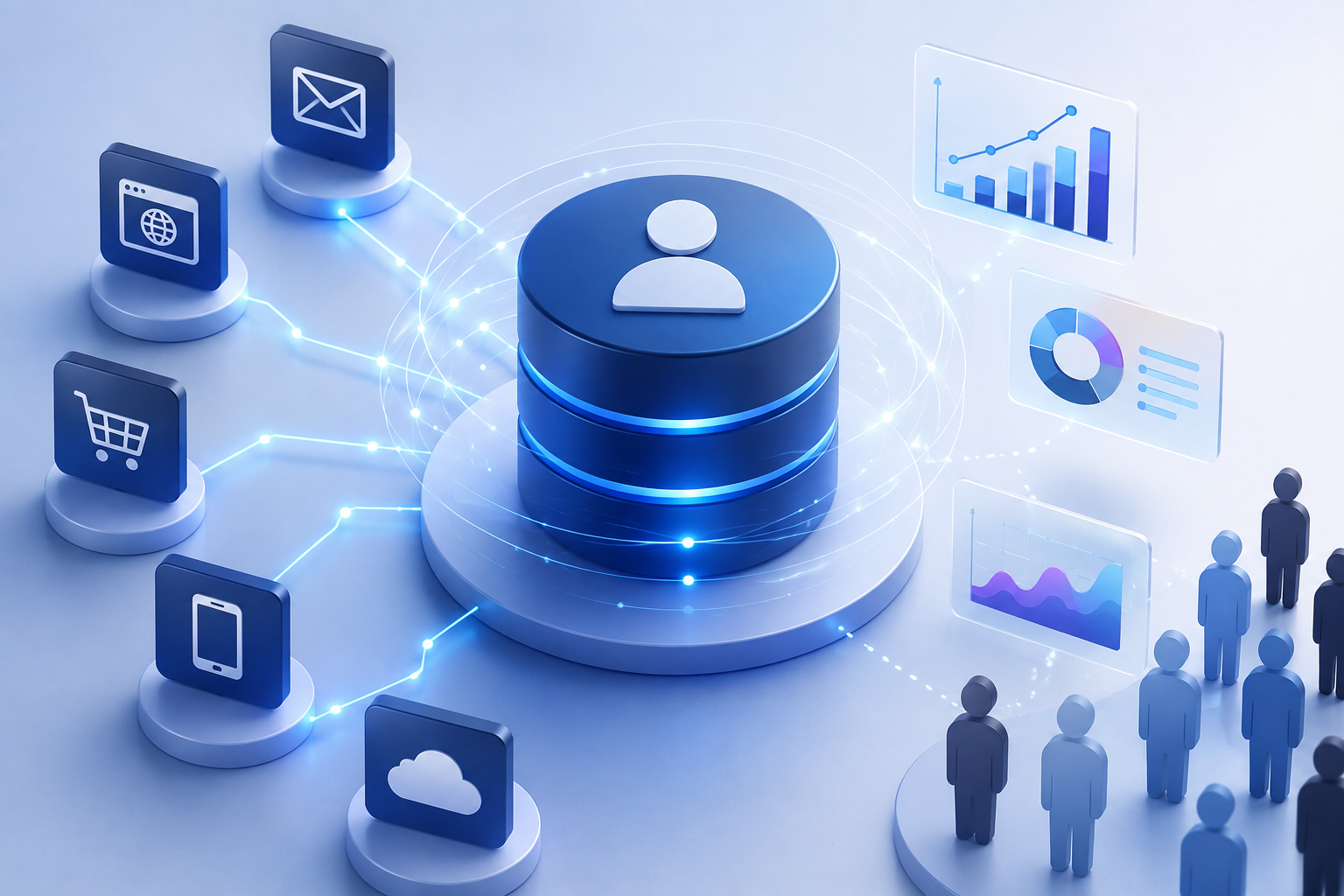
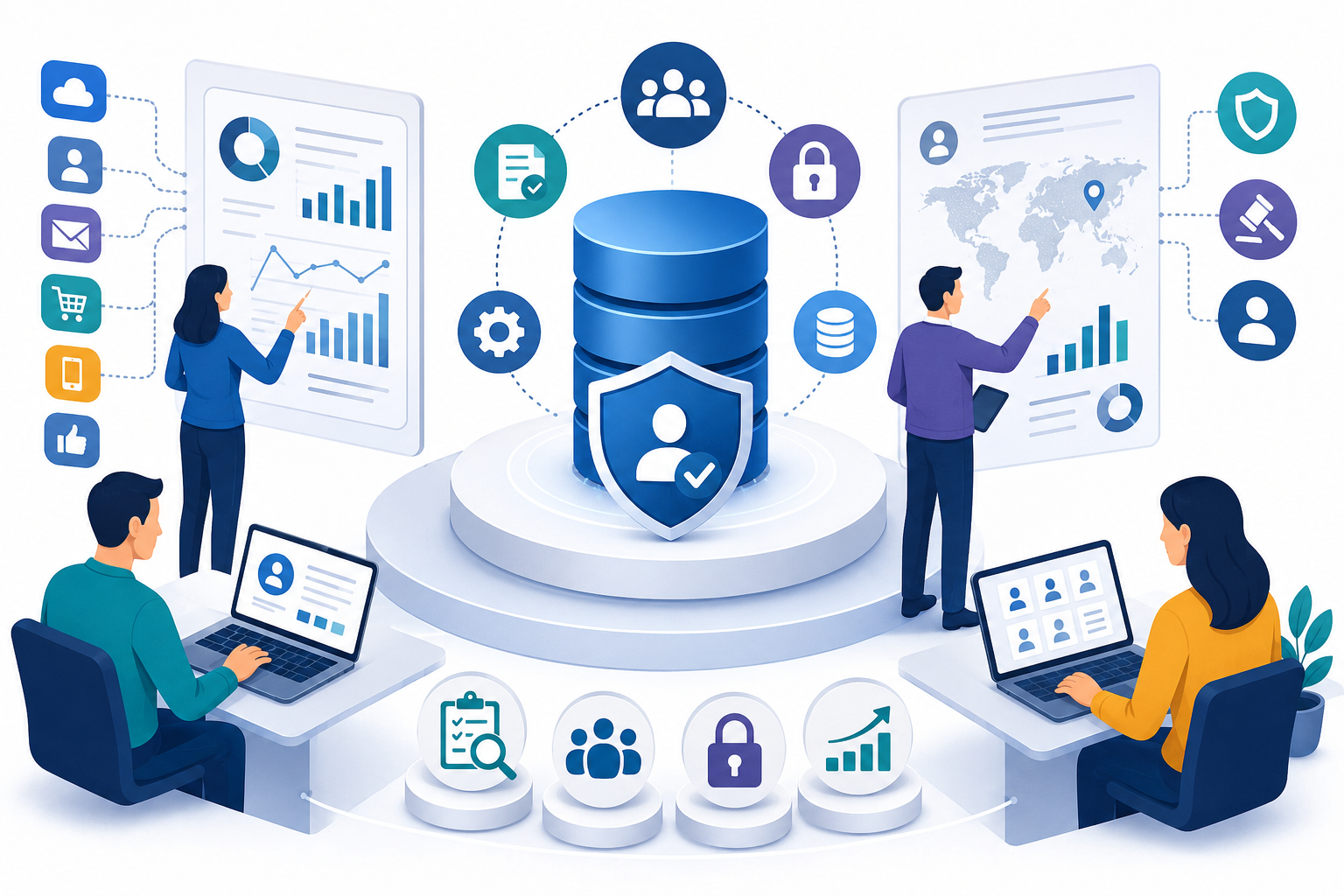
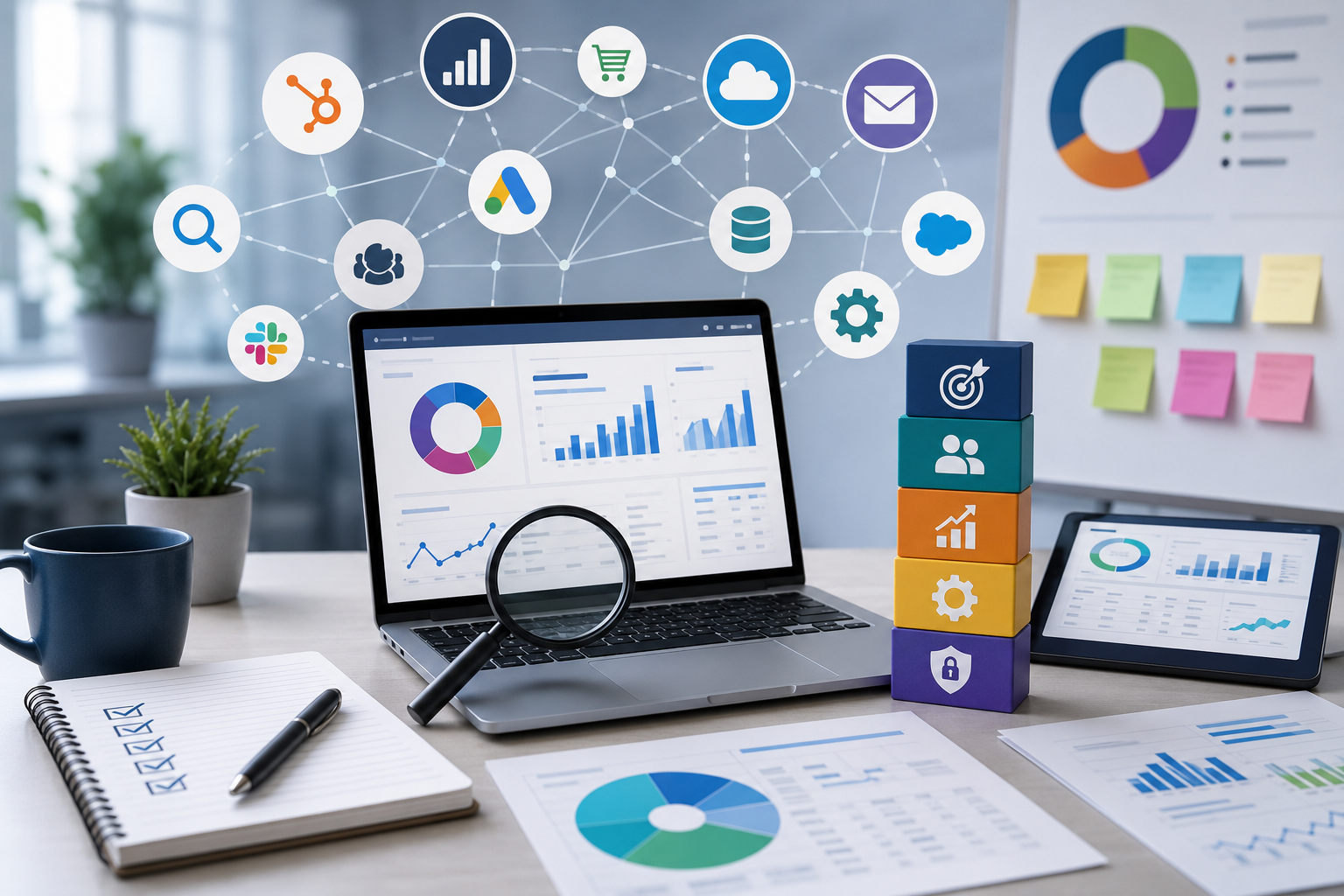
Your organization should consolidate information from:
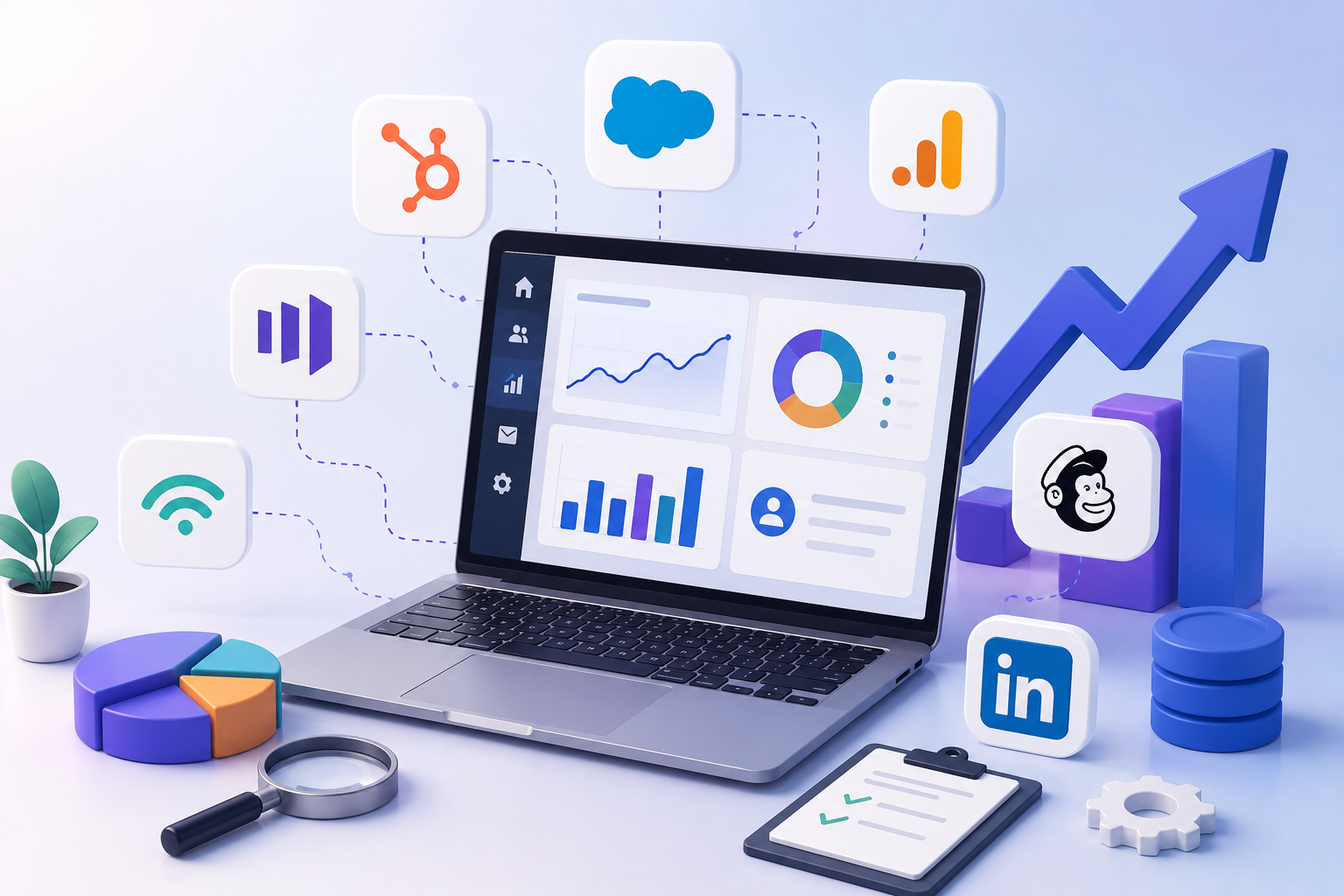
- CRM platforms
- Marketing automation systems
- Website analytics
- Product usage data
- Customer support interactions
- Social media engagement
- Third-party intent data
When these systems work together, marketers gain a complete view of every prospect and customer.
2. Define Your Ideal Customer Profile (ICP)
Not every lead is worth pursuing.
Analyze your best customers by evaluating factors such as:
- Industry
- Company size
- Revenue
- Geographic location
- Technology stack
- Business challenges
- Buying behavior
An accurate ICP enables marketing teams to focus resources where they will generate the highest return.
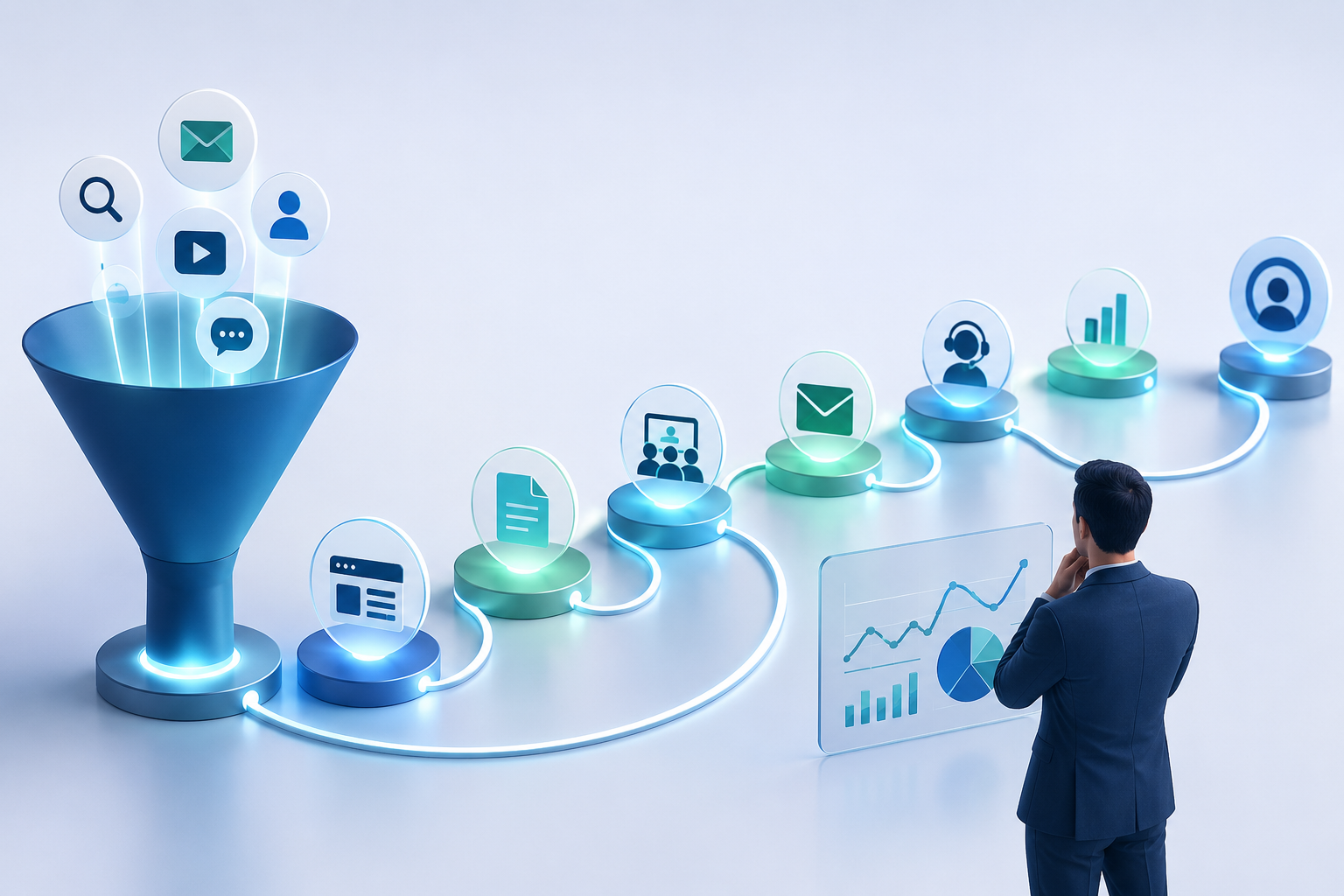
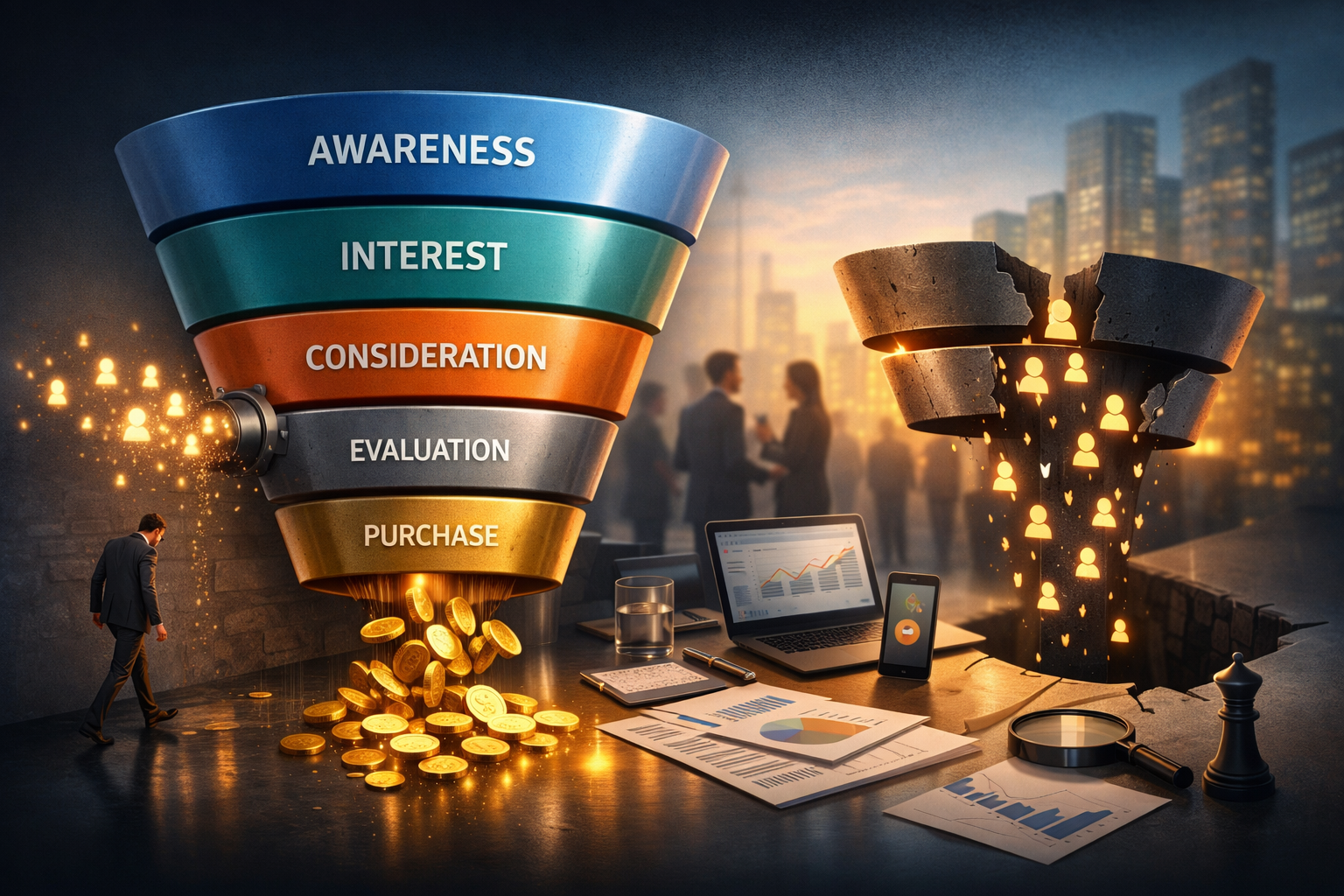
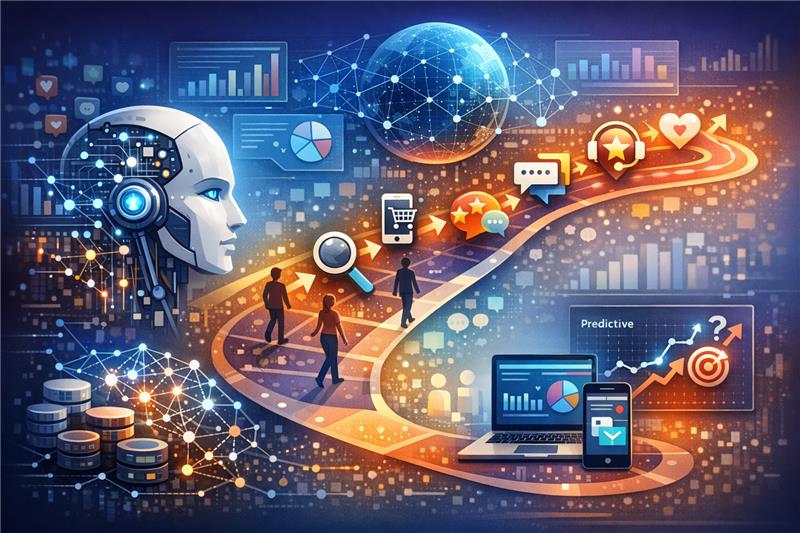
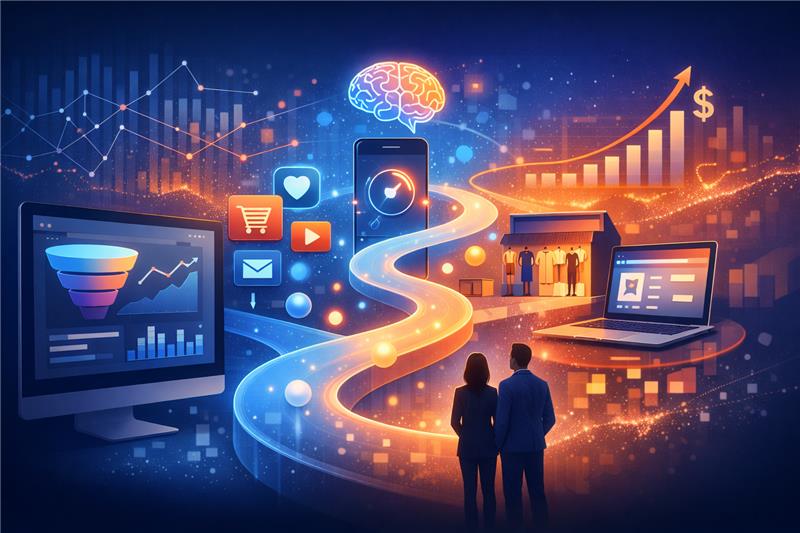
3. Map the Buyer Journey
Today’s buyers conduct extensive research before speaking with sales.
Understanding each stage helps create relevant content:
Awareness
Prospects recognize a challenge and seek educational content.
Consideration
Buyers compare different approaches and evaluate possible solutions.
Decision
Decision-makers assess vendors, pricing, case studies, and implementation plans.
Aligning content with buyer intent significantly improves engagement and conversion.
4. Use Intent and Behavioral Data
Behavior often reveals more than demographics.
Track signals such as:
- Website visits
- Content downloads
- Webinar attendance
- Email engagement
- Product page views
- Pricing page visits
- Search behavior
These signals help prioritize prospects who are actively researching solutions.
Behavioral scoring is typically more predictive than relying solely on form submissions.
5. Personalize Every Interaction
Generic campaigns rarely produce exceptional results.
Modern buyers expect personalized experiences based on their interests and challenges.
Examples include:
- Industry-specific landing pages
- Personalized email sequences
- Dynamic website content
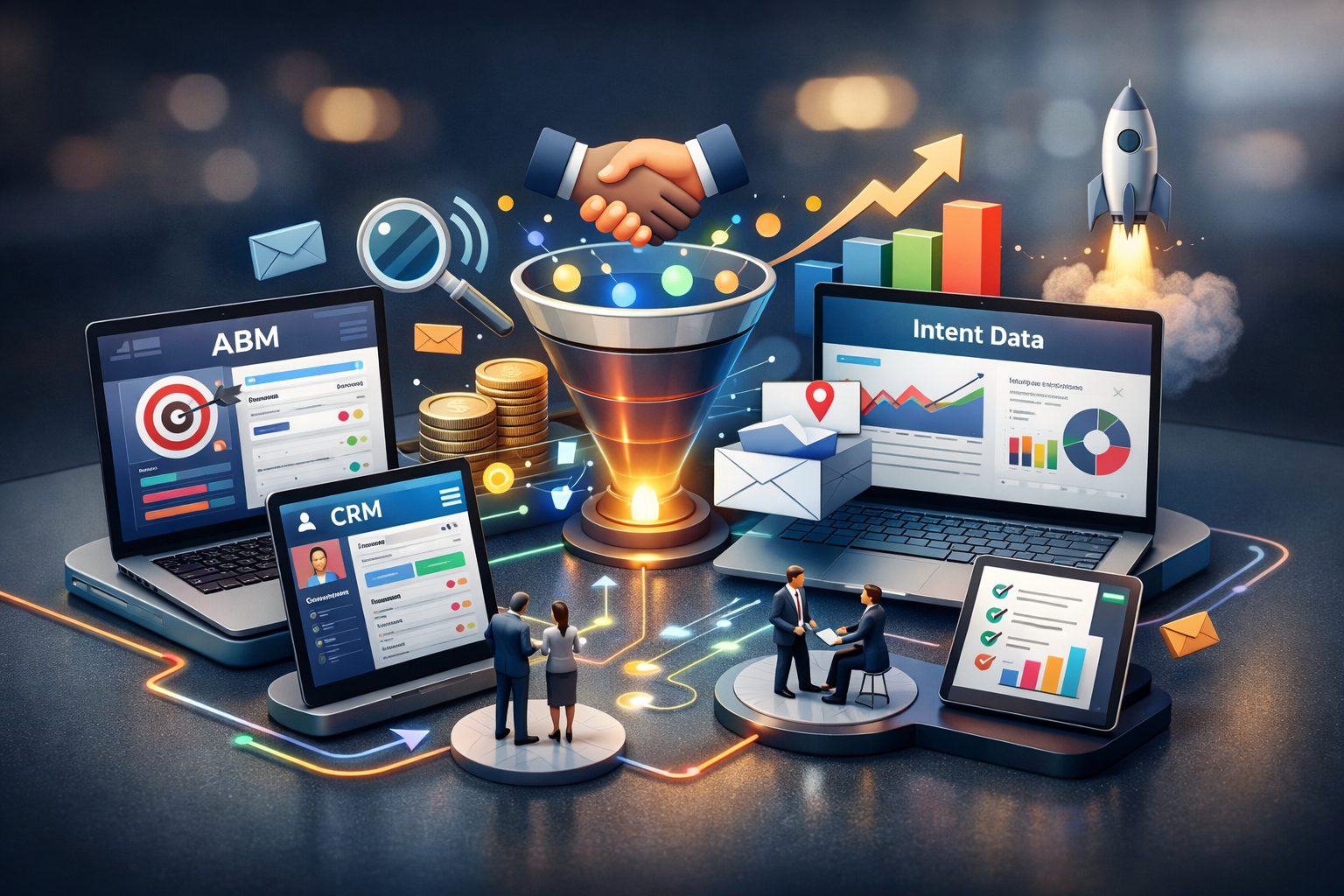
- Account-based marketing campaigns
- Customized case studies
- Product recommendations
Personalization increases engagement while improving trust and relevance.
6. Automate Without Losing the Human Touch
Automation enables scale, but relevance drives results.
Marketing automation should handle:
- Lead nurturing
- Email workflows
- Lead scoring
- Audience segmentation
- Campaign triggers
- Reporting
Human interaction becomes more valuable when automation handles repetitive tasks, allowing sales teams to focus on meaningful conversations.
Measuring What Matters
An effective demand generation engine tracks business outcomes instead of vanity metrics.
Key performance indicators include:
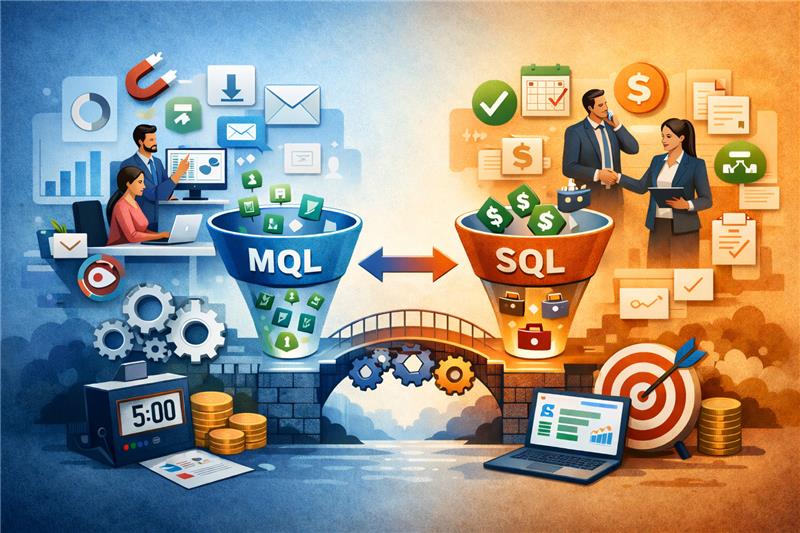
- Marketing Qualified Leads (MQLs)
- Sales Qualified Leads (SQLs)
- Pipeline contribution
- Cost per opportunity
- Customer Acquisition Cost (CAC)
- Customer Lifetime Value (CLV)
- Conversion rates by funnel stage
- Revenue influenced by marketing
- Pipeline velocity
- Return on Marketing Investment (ROMI)
These metrics provide a complete picture of marketing effectiveness.
Leveraging AI for Smarter Demand Generation
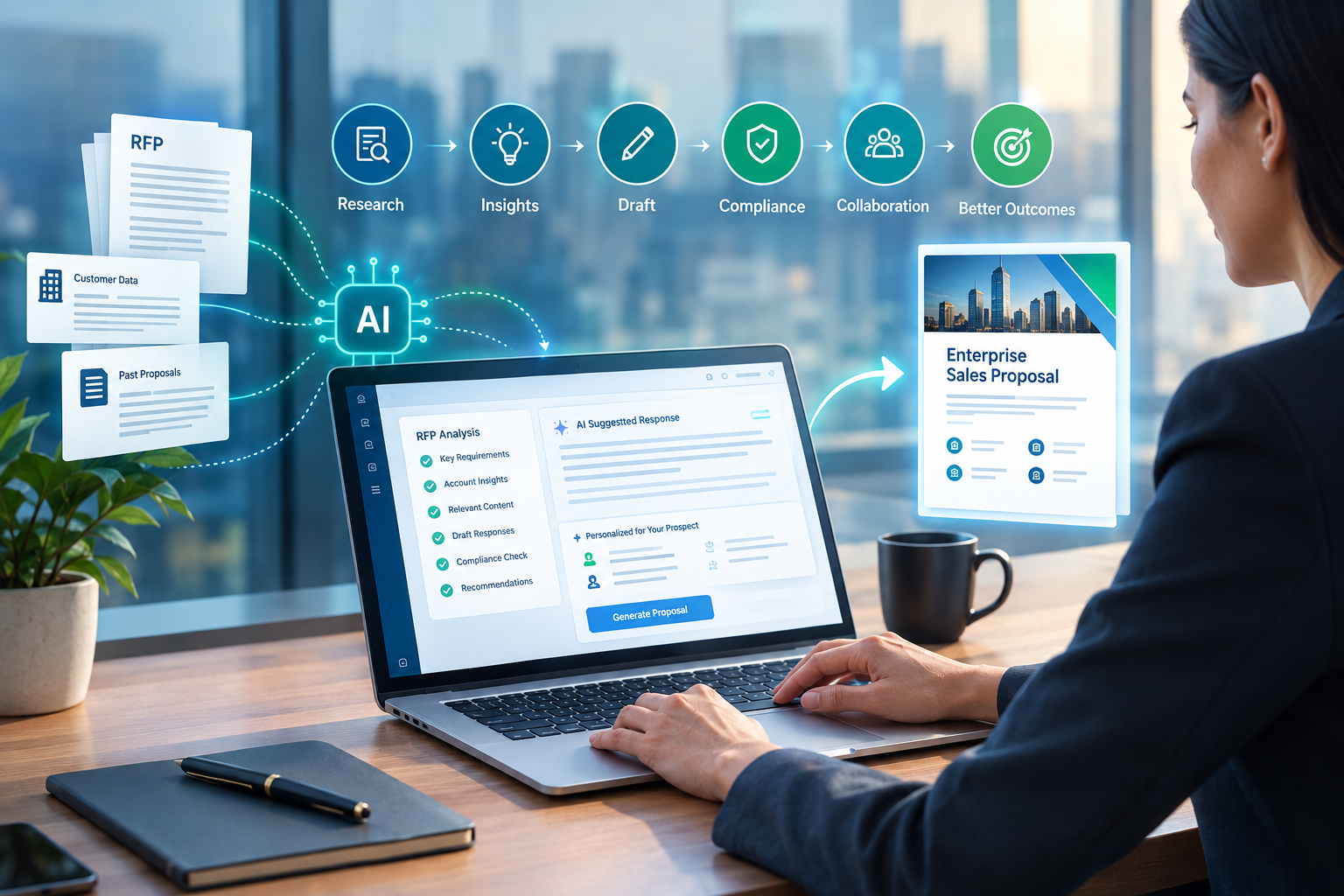
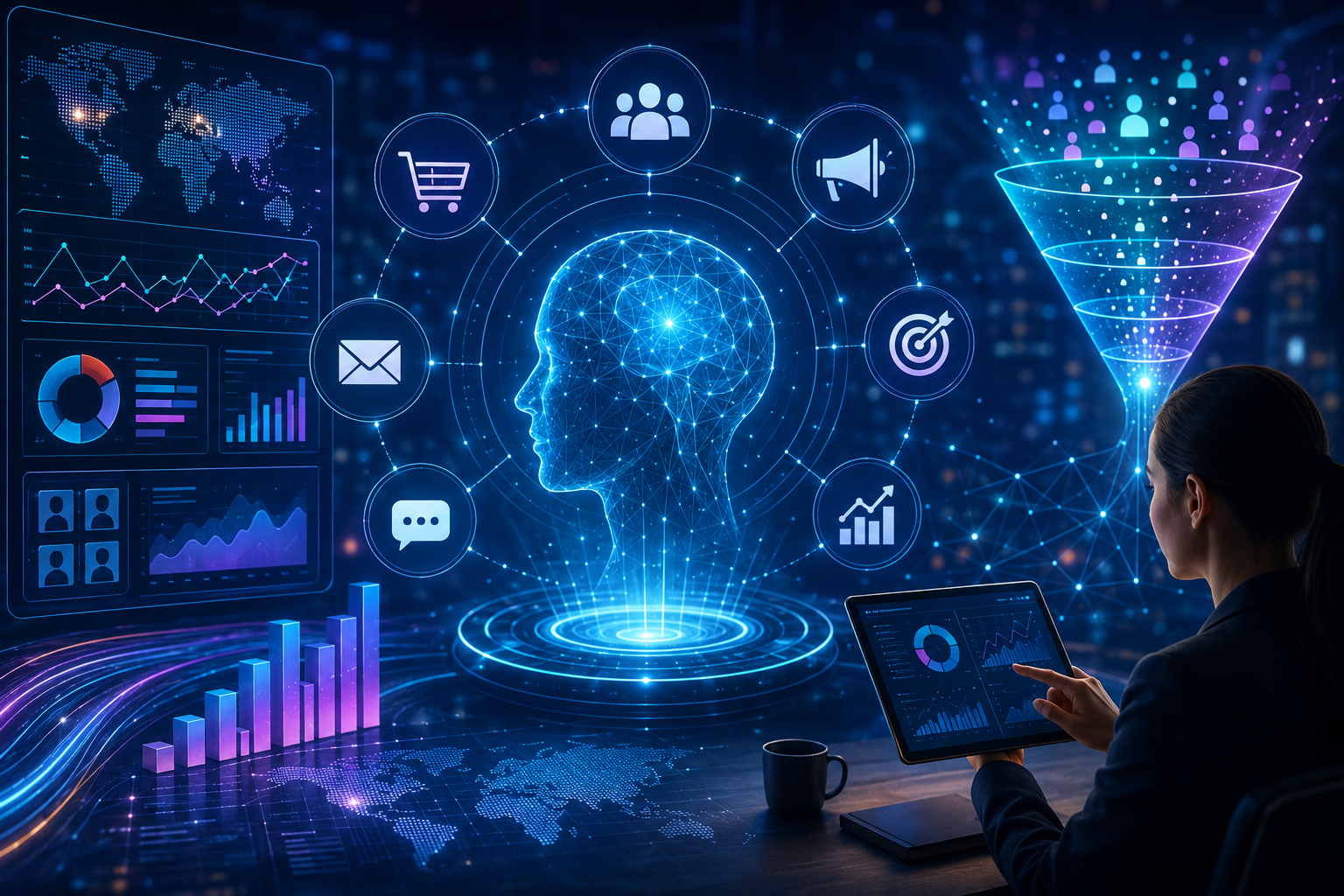
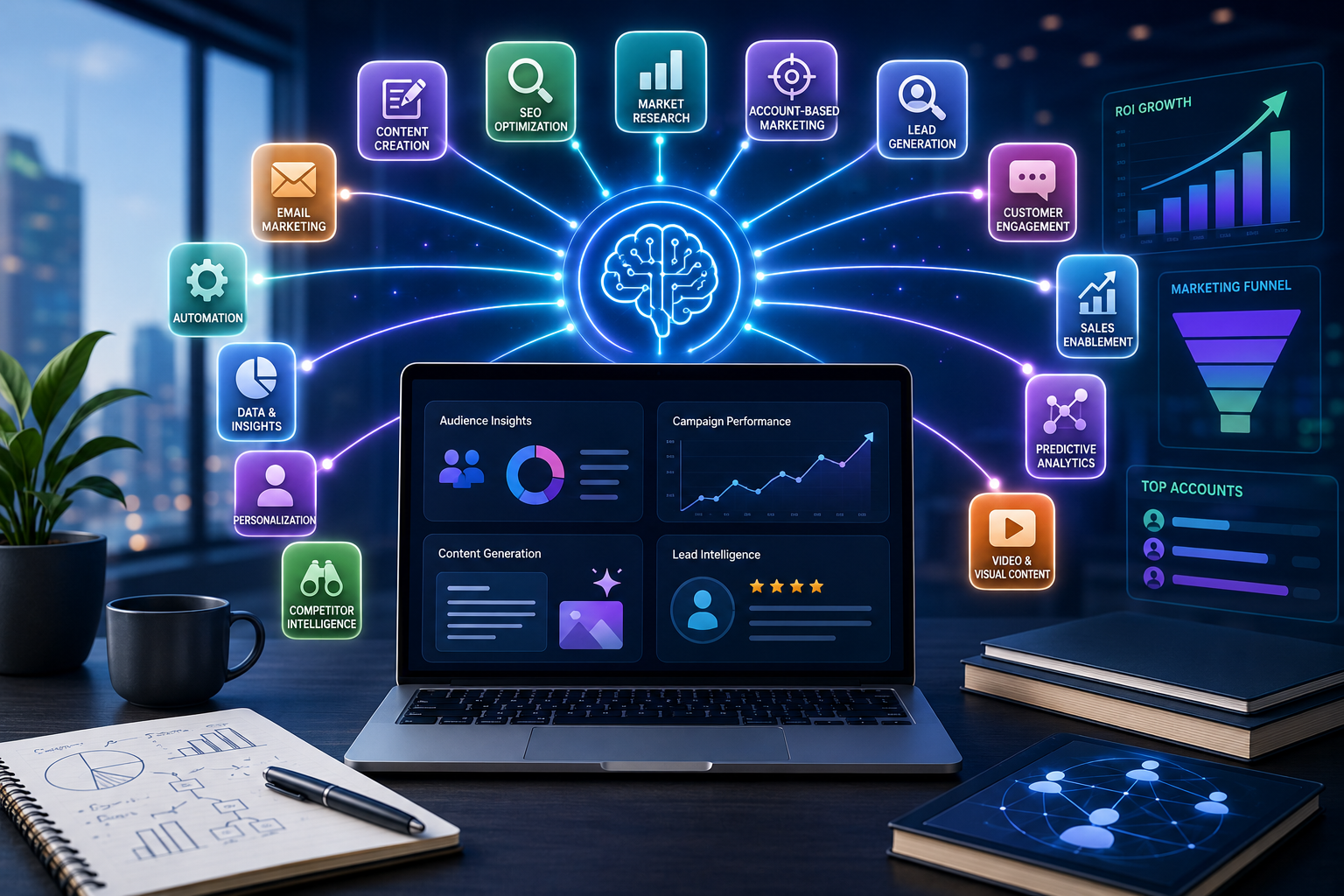
Artificial intelligence is reshaping demand generation by enabling marketers to:
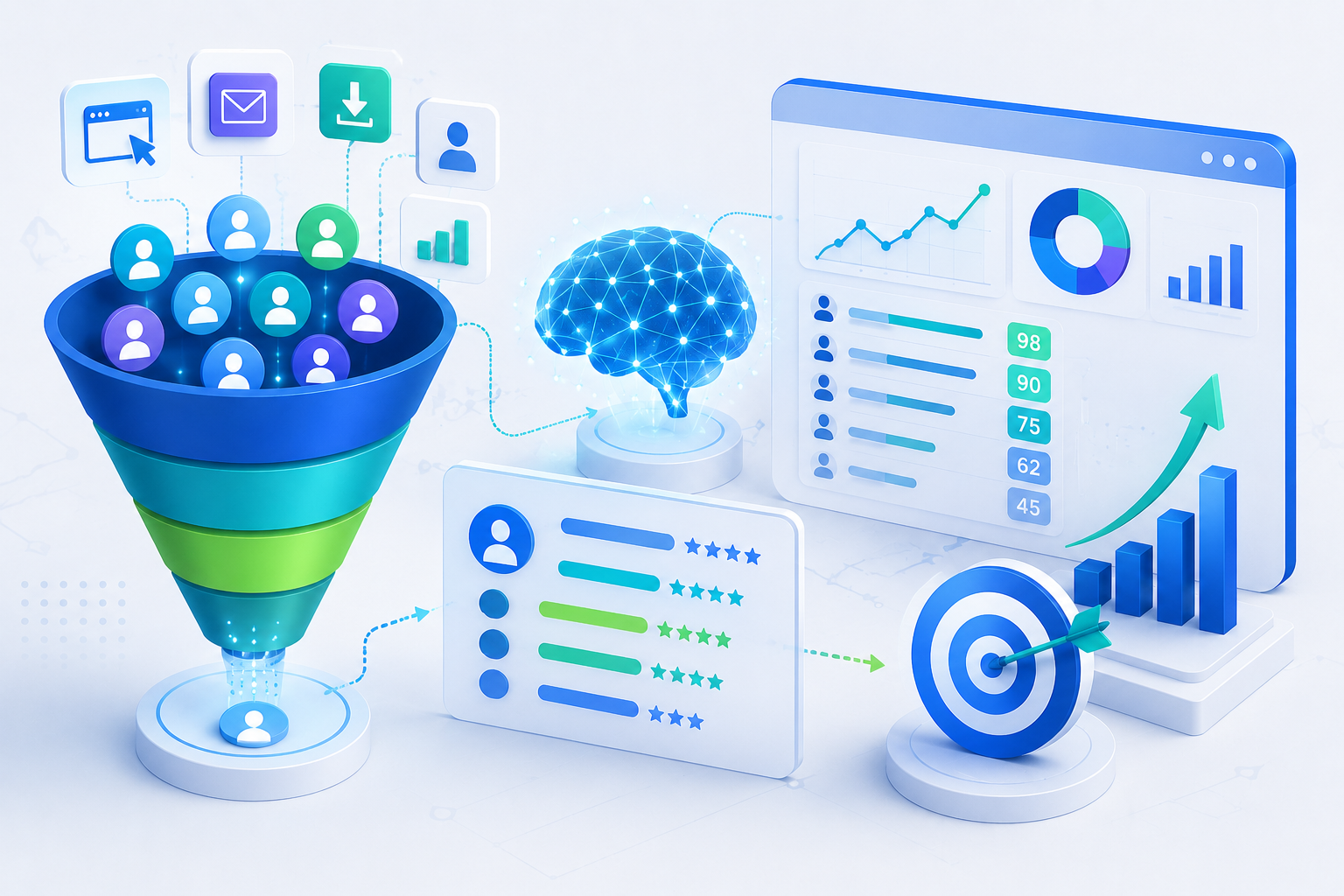
- Predict purchase intent
- Score leads more accurately
- Recommend next-best actions
- Optimize campaign timing
- Generate personalized content
- Forecast pipeline performance
- Detect churn risks
- Improve attribution models
Rather than replacing marketers, AI empowers teams to make faster, data-backed decisions.
Common Challenges
Many organizations struggle because of:
- Poor data quality
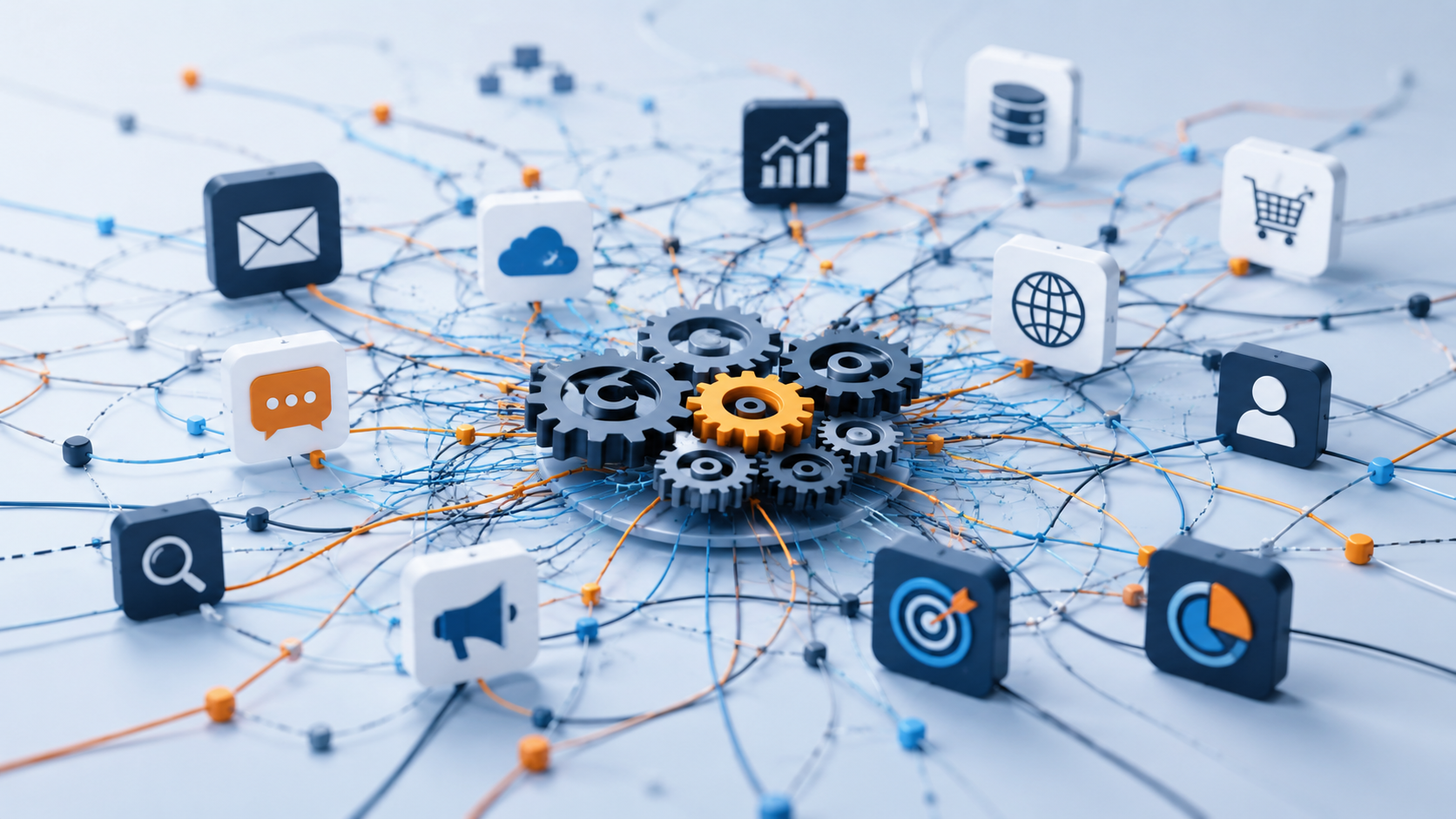
- Disconnected technology platforms
- Misalignment between sales and marketing
- Inconsistent lead scoring
- Lack of attribution visibility
- Measuring volume instead of revenue
Addressing these challenges requires collaboration, governance, and continuous optimization rather than one-time fixes.
Best Practices for Building a Sustainable Engine
To maximize long-term success:
- Establish a single source of truth for customer data.
- Align marketing and sales around shared revenue goals.
- Regularly review and refine lead scoring models.
- Continuously test messaging, creative assets, and campaign strategies.
- Invest in marketing automation and analytics capabilities.
- Create content tailored to each buying stage.
- Use dashboards to monitor pipeline health in real time.
- Treat every campaign as an opportunity to learn and improve.
The Future of Demand Generation
Demand generation is evolving beyond campaigns into intelligent revenue systems.
Organizations are increasingly combining first-party data, AI-driven analytics, predictive modeling, and account-based strategies to engage buyers with greater precision. Privacy-first marketing, cookieless measurement, and real-time personalization will further shape how businesses build relationships with customers.
Companies that invest in data quality, automation, and continuous optimization will be best positioned to create predictable pipeline and accelerate growth.
Read Also: Predictive Analytics for Better Lead Scoring and Conversion