
Why Personalization Is the Heart of Account-Based Marketing
In today’s competitive B2B landscape, decision-makers are overwhelmed with generic marketing messages. Traditional lead-generation tactics often struggle to capture attention because they focus on broad audiences instead of addressing the unique needs of individual organizations.
This is where Account-Based Marketing (ABM) stands apart. Rather than casting a wide net, ABM targets high-value accounts with tailored messaging, customized content, and personalized experiences. At the core of every successful ABM campaign is one critical element: personalization.
When organizations feel understood—not just marketed to—they’re more likely to engage, build trust, and move through the buying journey.
Understanding Personalization in ABM
Personalization in ABM goes beyond simply adding a prospect’s name to an email. It involves delivering relevant experiences based on an account’s industry, business challenges, goals, buying stage, and decision-makers’ roles.
Effective personalization aligns marketing and sales efforts to create meaningful interactions throughout the customer journey.
Key Personalization Strategies That Drive ABM Success
1. Build Detailed Account Profiles
Successful personalization begins with research. Develop comprehensive account profiles that include:
- Company size and revenue
- Industry and market trends
- Business objectives
- Pain points and challenges
- Technology stack
- Organizational structure
- Recent company news and initiatives
The more insights you gather, the more relevant your messaging becomes.
2. Segment Stakeholders Within Each Account
A single account often includes multiple decision-makers, each with different priorities.
For example:
- C-suite executives care about business growth and ROI.
- IT leaders focus on security, scalability, and integration.
- Marketing teams prioritize efficiency and campaign performance.
- Finance teams evaluate cost and long-term value.
Create role-specific messaging that addresses each stakeholder’s unique concerns.
3. Create Industry-Specific Content
Different industries face different challenges. Generic content rarely resonates with enterprise buyers.
Develop personalized assets such as:
- Industry-focused blogs
- Case studies
- Whitepapers
- Solution guides
- Webinars
- Customer success stories
When prospects see businesses like theirs succeeding with your solution, credibility increases significantly.
4. Personalize Every Communication Channel
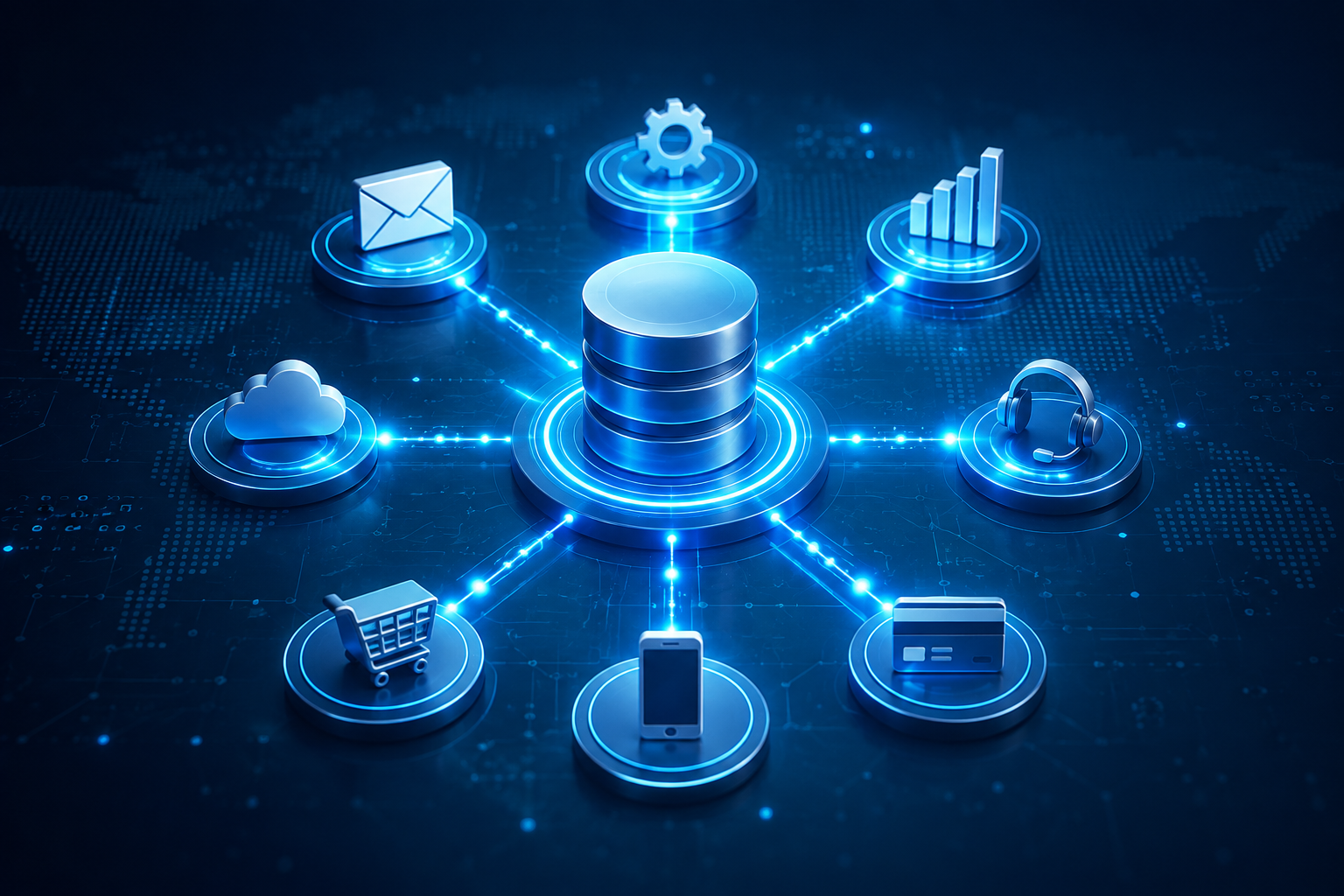
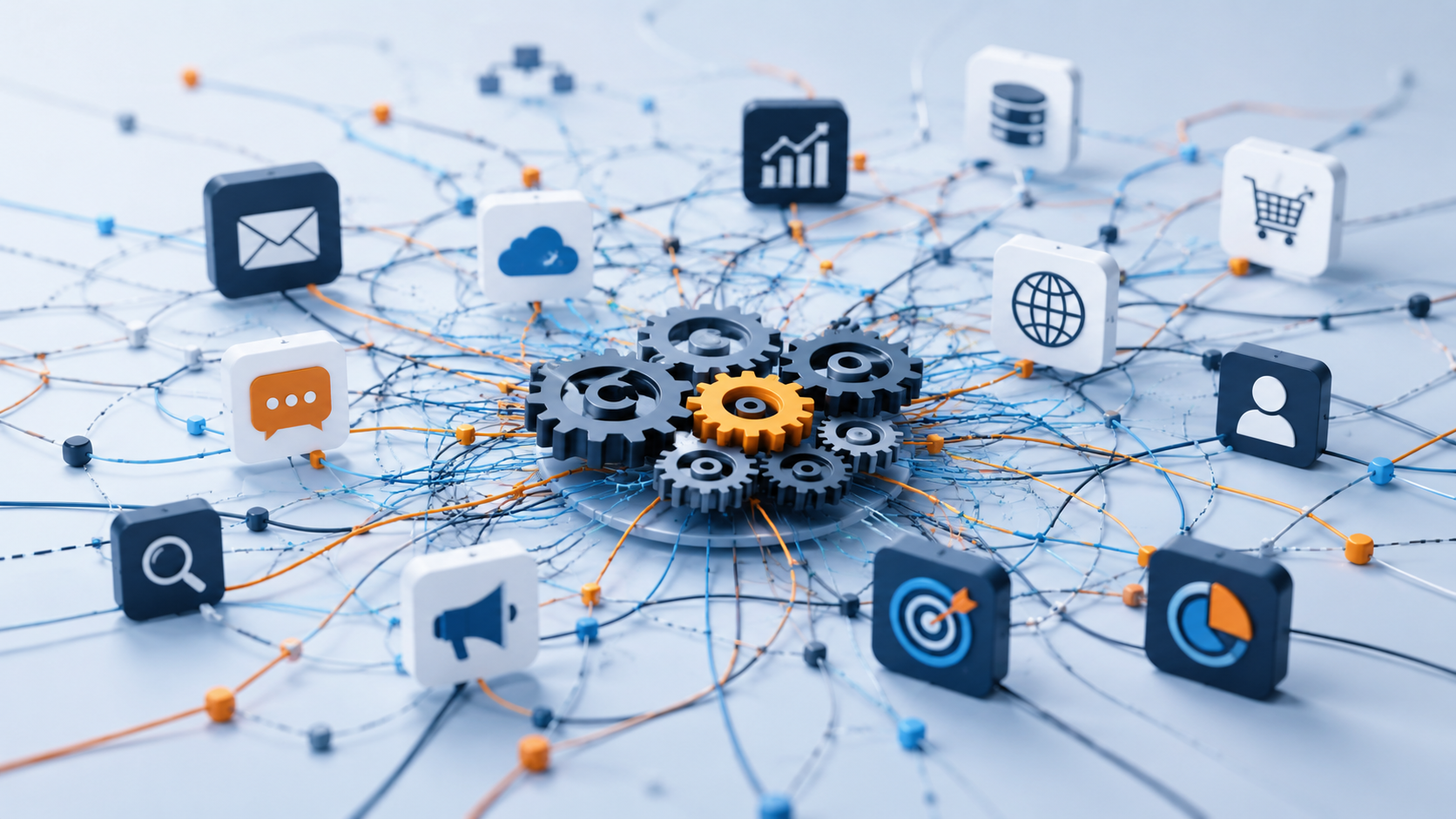
Consistency matters. Personalization should extend across every customer touchpoint, including:
- Email campaigns
- LinkedIn outreach
- Website experiences
- Landing pages
- Digital advertising
- Sales presentations
- Product demonstrations
A unified experience reinforces your understanding of the account’s needs.
5. Use Behavioral and Intent Data
Intent signals reveal what prospects are actively researching.
Track behaviors such as:
- Website visits
- Content downloads
- Webinar attendance
- Email engagement
- Search intent
- Product page activity
These insights allow marketing and sales teams to deliver highly relevant content at exactly the right moment.
6. Deliver Dynamic Website Experiences
Instead of showing every visitor identical content, personalize your website based on account characteristics.
Examples include:
- Customized homepage banners
- Industry-specific messaging
- Relevant customer logos
- Personalized calls-to-action
- Recommended resources
Dynamic experiences increase engagement and encourage deeper exploration.
7. Align Marketing and Sales Teams
Personalization is most effective when marketing and sales work together.
Shared account intelligence enables both teams to:
- Coordinate outreach
- Deliver consistent messaging
- Identify buying signals
- Prioritize high-value opportunities
- Create seamless customer experiences
Cross-functional collaboration strengthens relationships and accelerates deal progression.
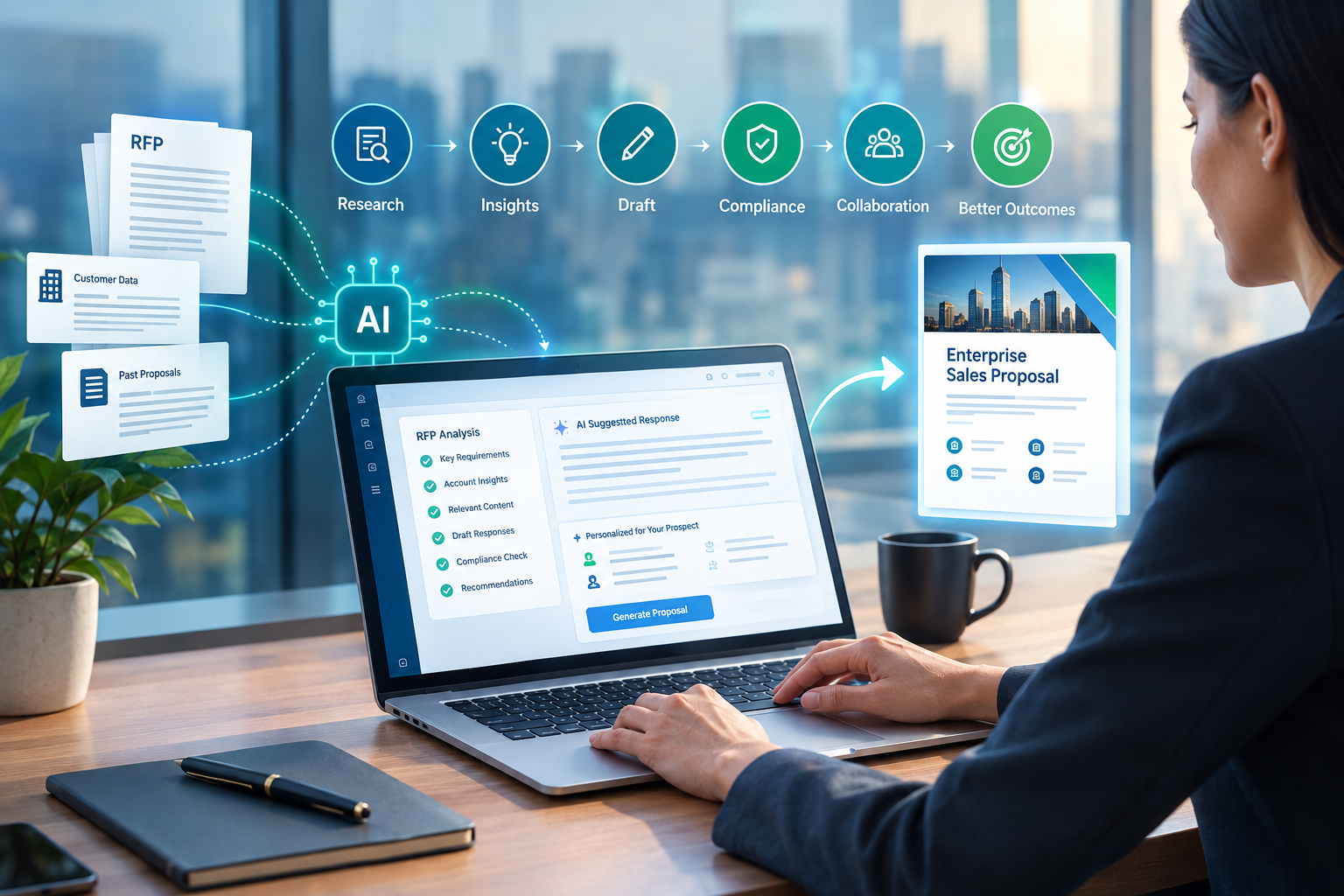
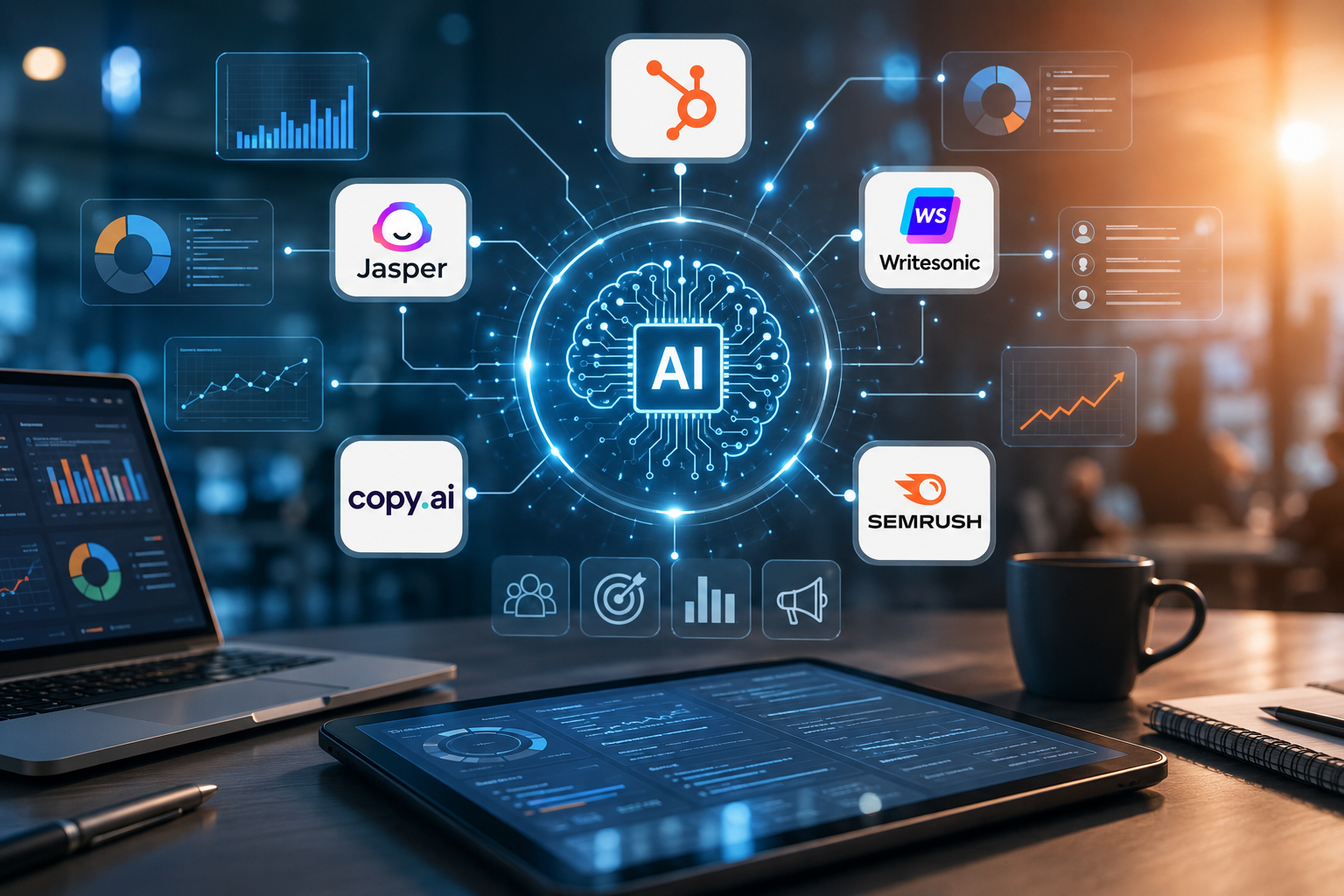
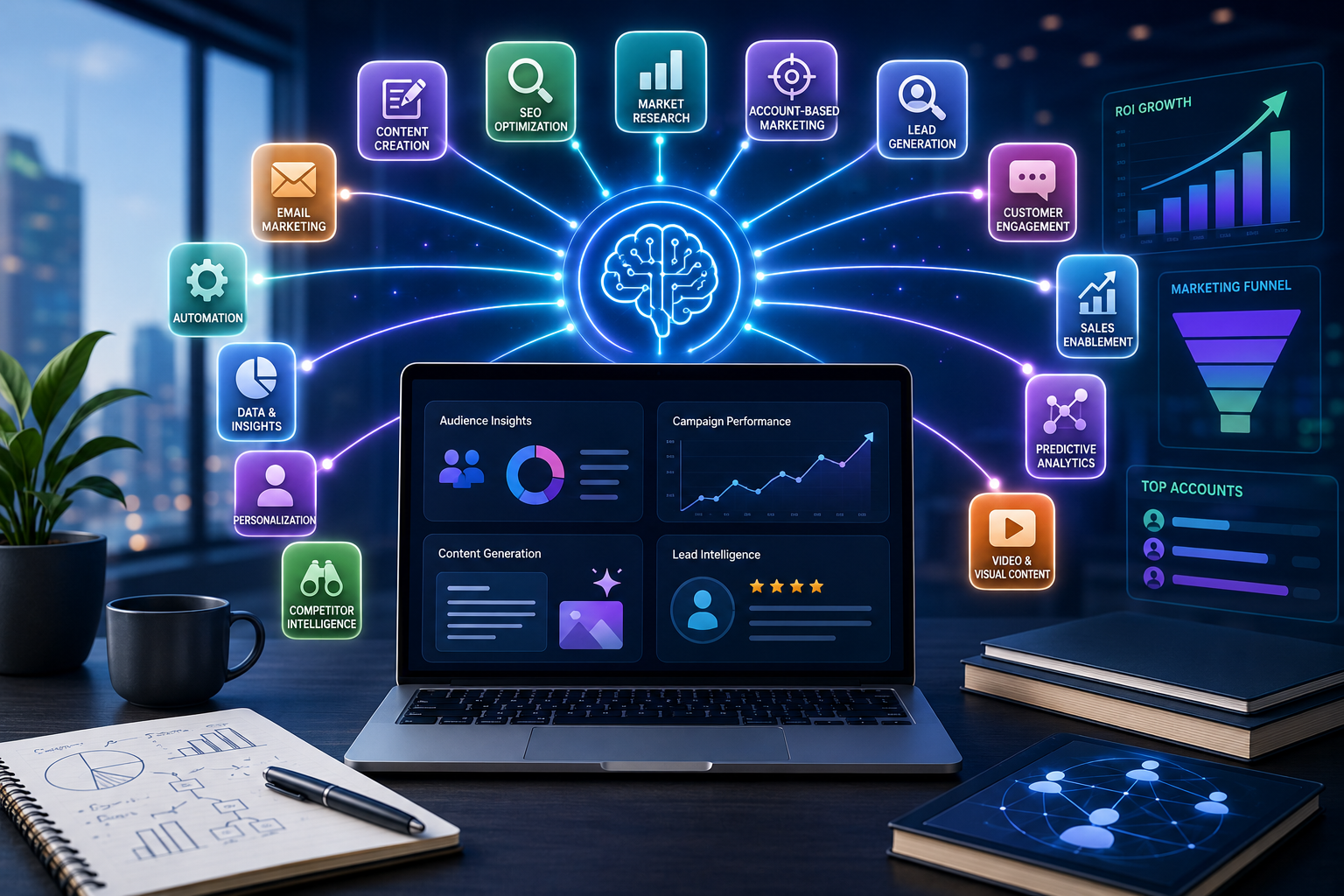
8. Leverage AI for Smarter Personalization
Artificial intelligence helps scale personalization without sacrificing relevance.
AI can assist by:
- Predicting buyer interests
- Recommending content
- Automating personalized email sequences
- Identifying intent signals
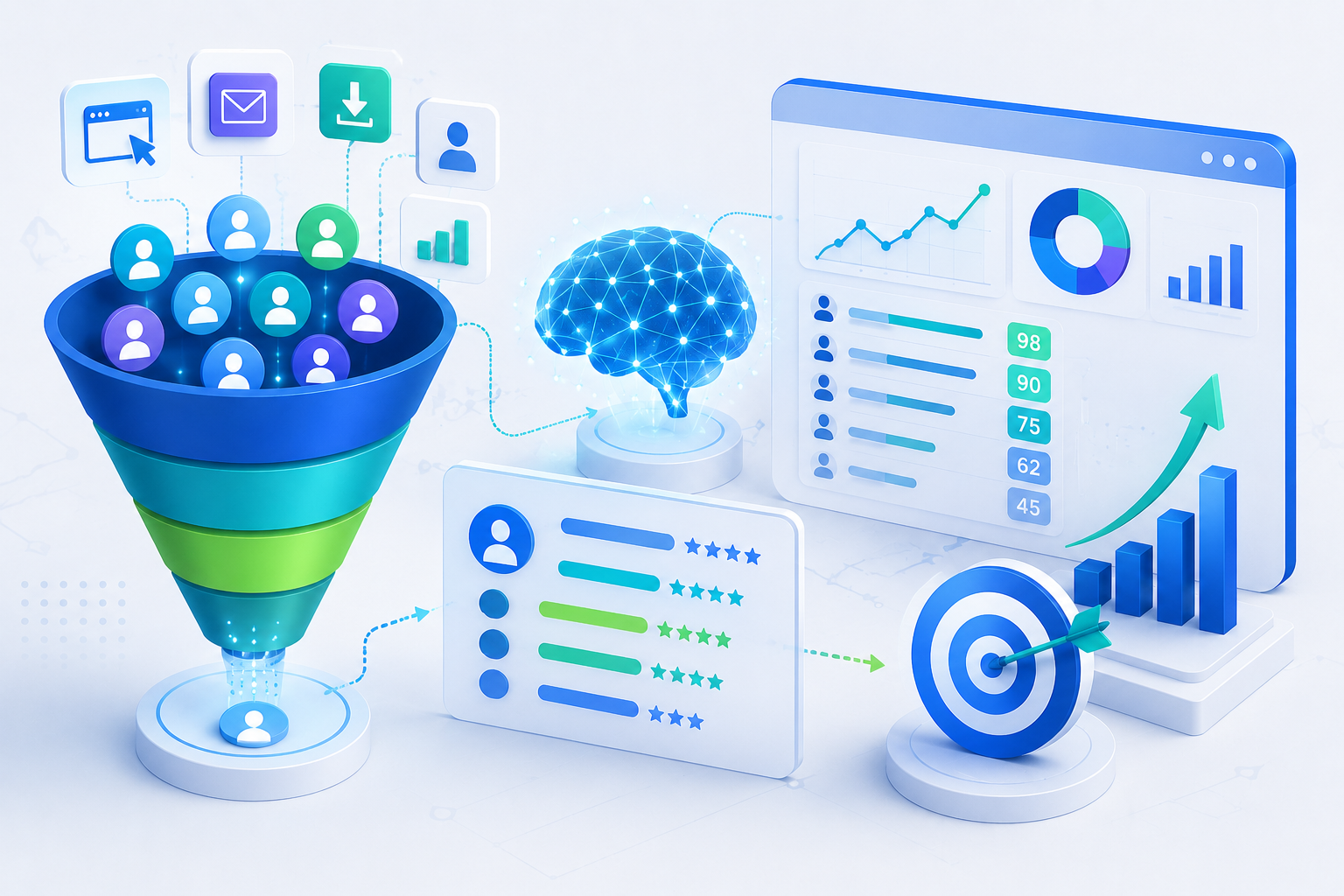
- Scoring account engagement
- Suggesting optimal outreach timing
Combining AI with human expertise creates highly efficient ABM campaigns.
Common Personalization Mistakes to Avoid
Even experienced marketers can undermine their ABM efforts by making avoidable mistakes.
Avoid:
- Over-personalizing without meaningful value
- Using outdated account information
- Sending identical messages to every stakeholder
- Ignoring customer intent signals
- Focusing only on acquisition instead of ongoing engagement
Effective personalization should feel helpful, relevant, and authentic—not intrusive.
Measuring Personalization Success
Track metrics that demonstrate the impact of your personalization efforts, including:
- Account engagement
- Email response rates
- Website engagement
- Content consumption
- Meeting bookings
- Pipeline growth
- Deal velocity
- Customer retention
- Expansion revenue
These metrics provide valuable insights for refining future campaigns.
The Future of Personalized ABM
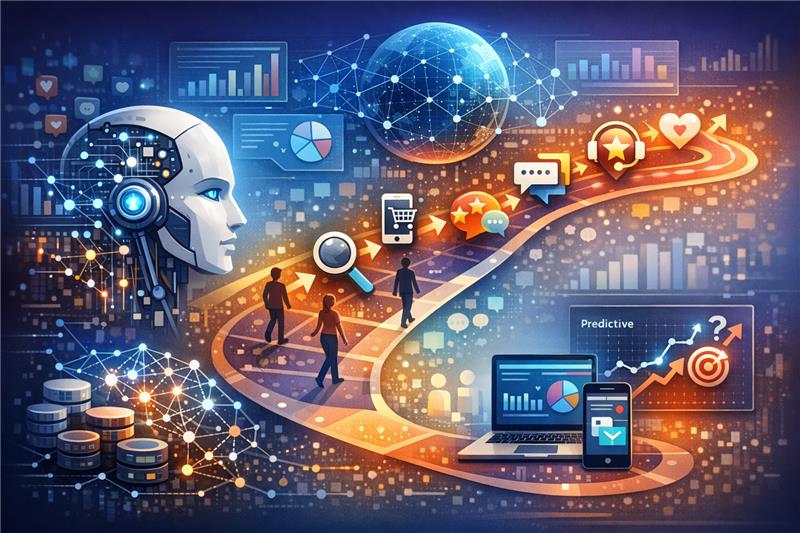
As buyer expectations continue to rise, personalization will become even more sophisticated. Advances in AI, predictive analytics, and real-time intent data will enable businesses to deliver highly relevant experiences at scale.
Organizations that invest in personalization today will be better positioned to build stronger relationships, shorten sales cycles, and drive sustainable revenue growth.
Read Also: Advanced Reporting Techniques for Marketing Operations Teams