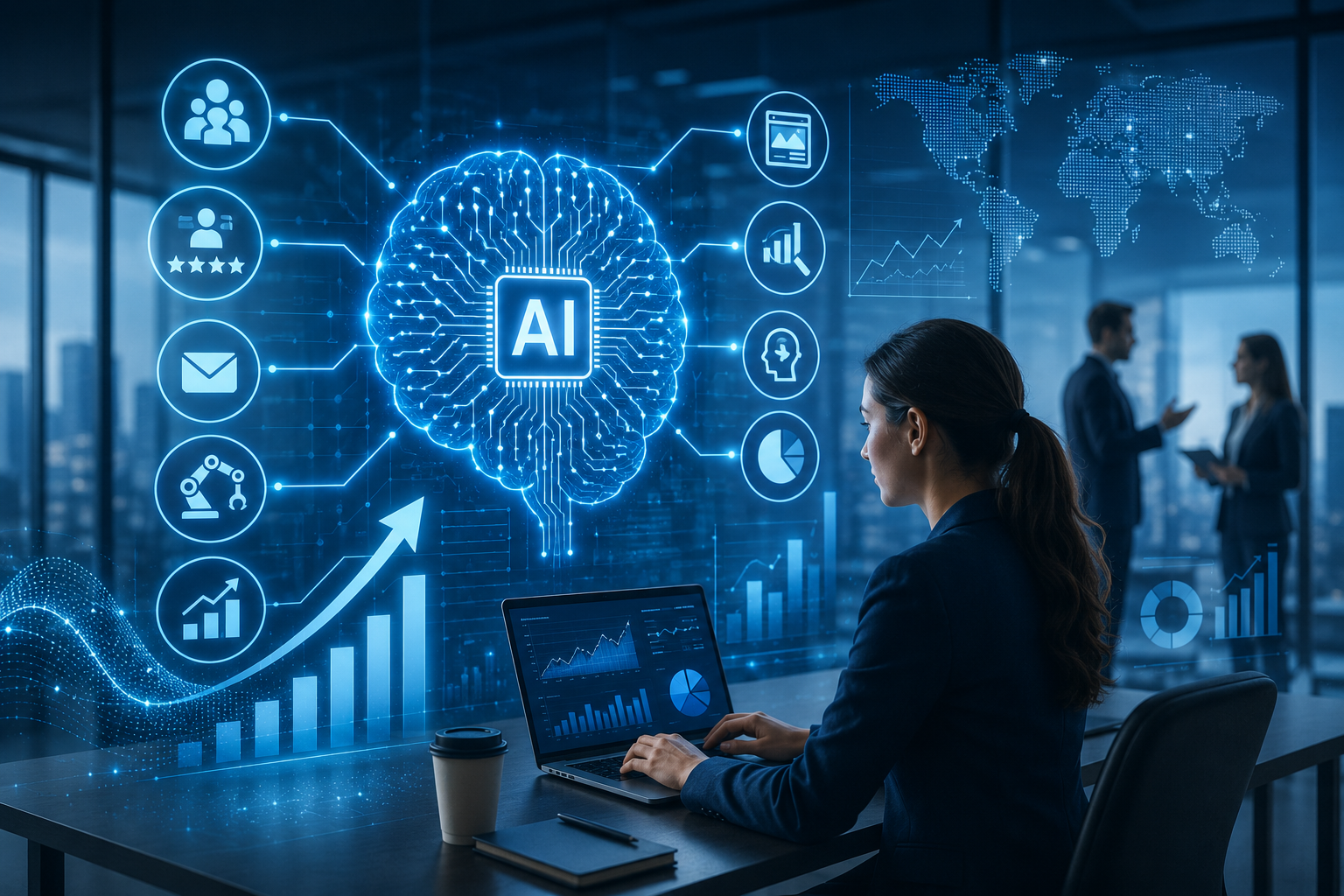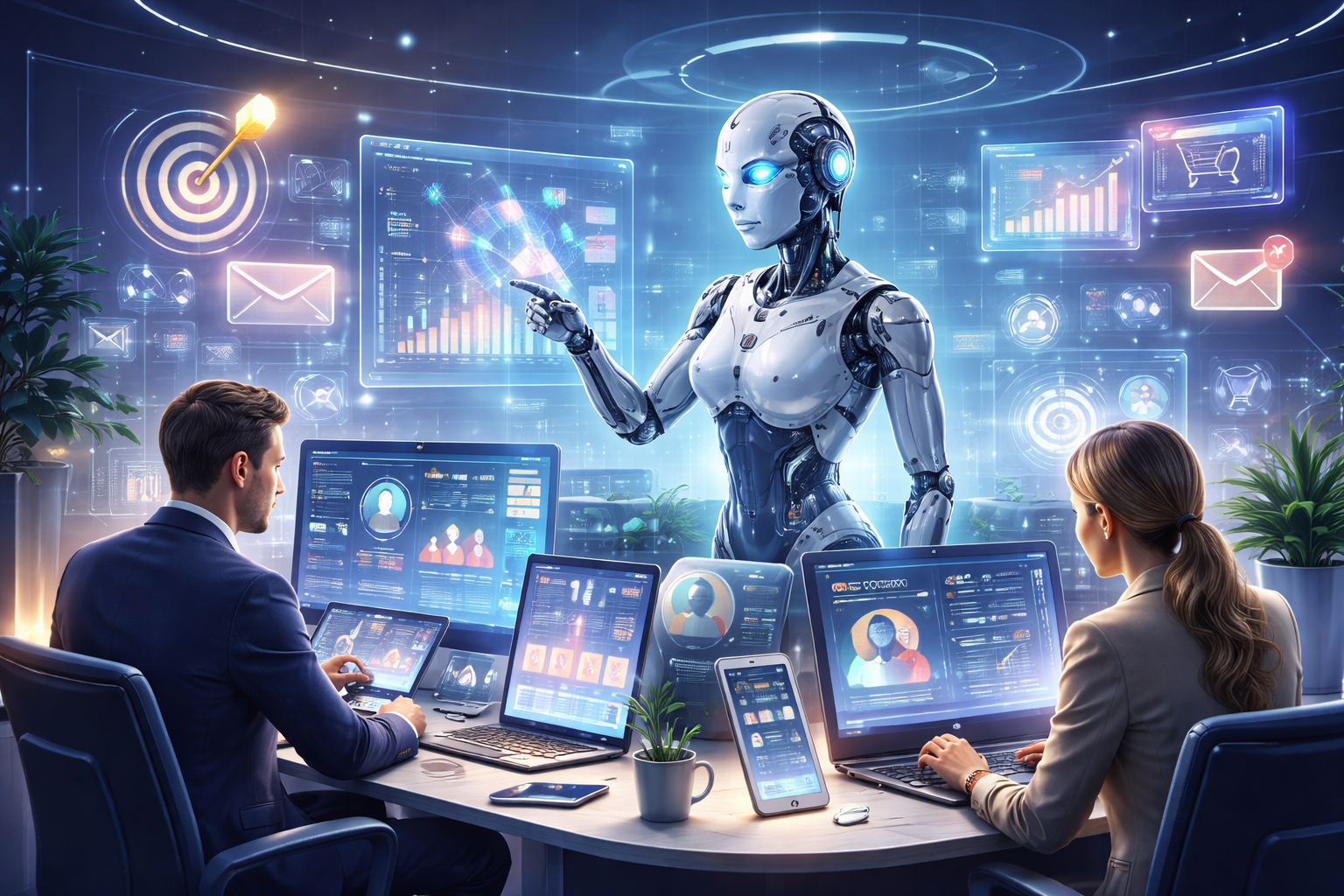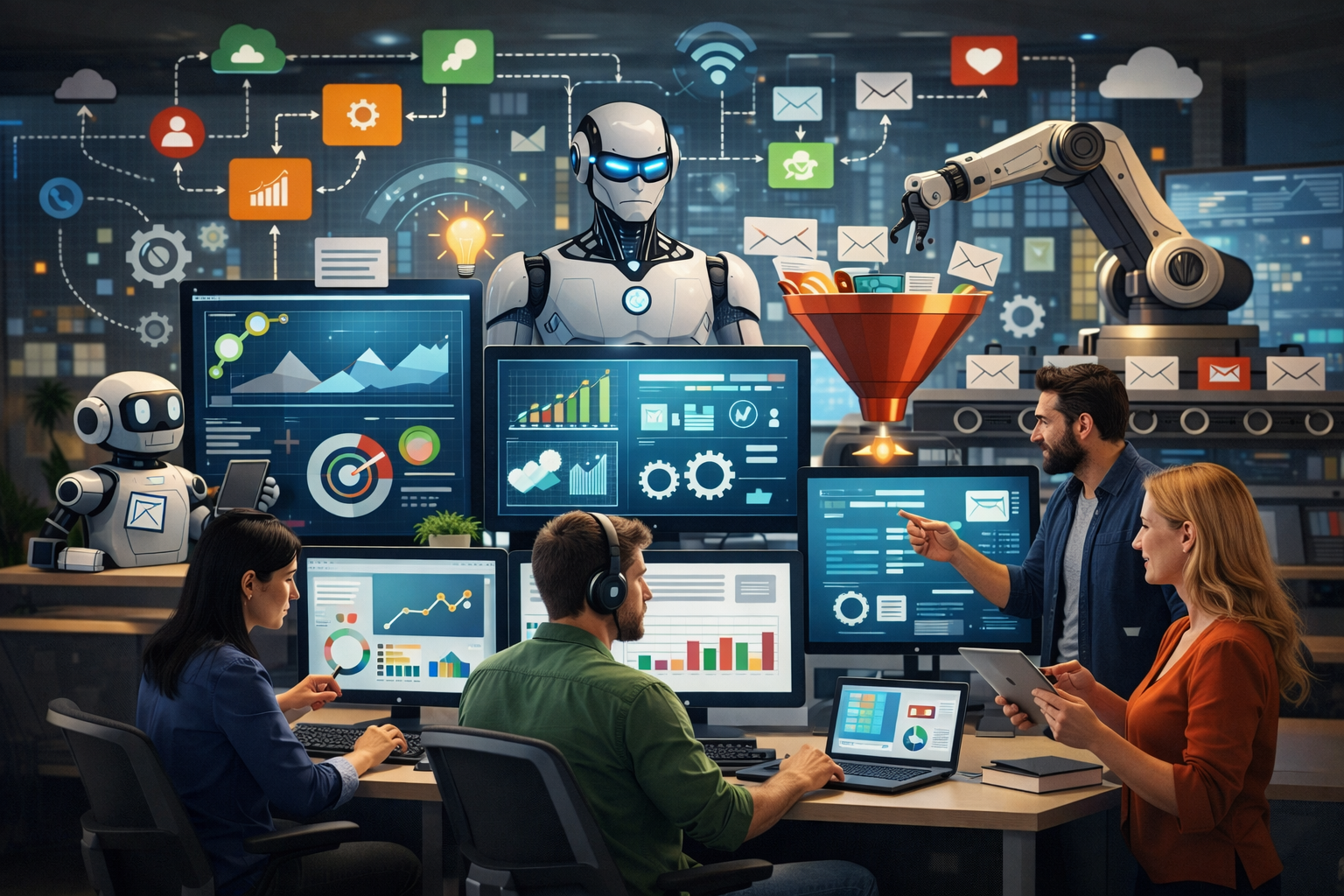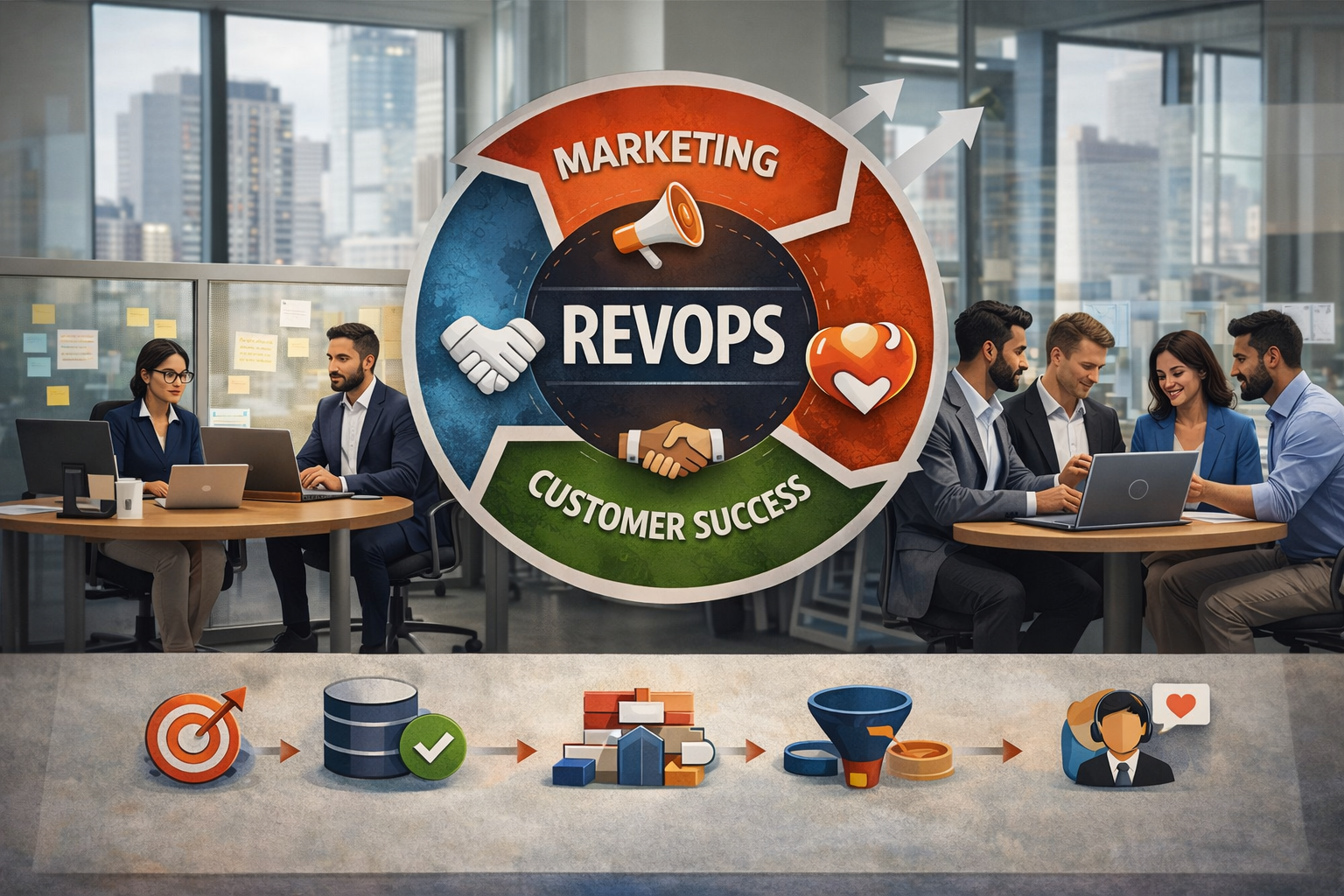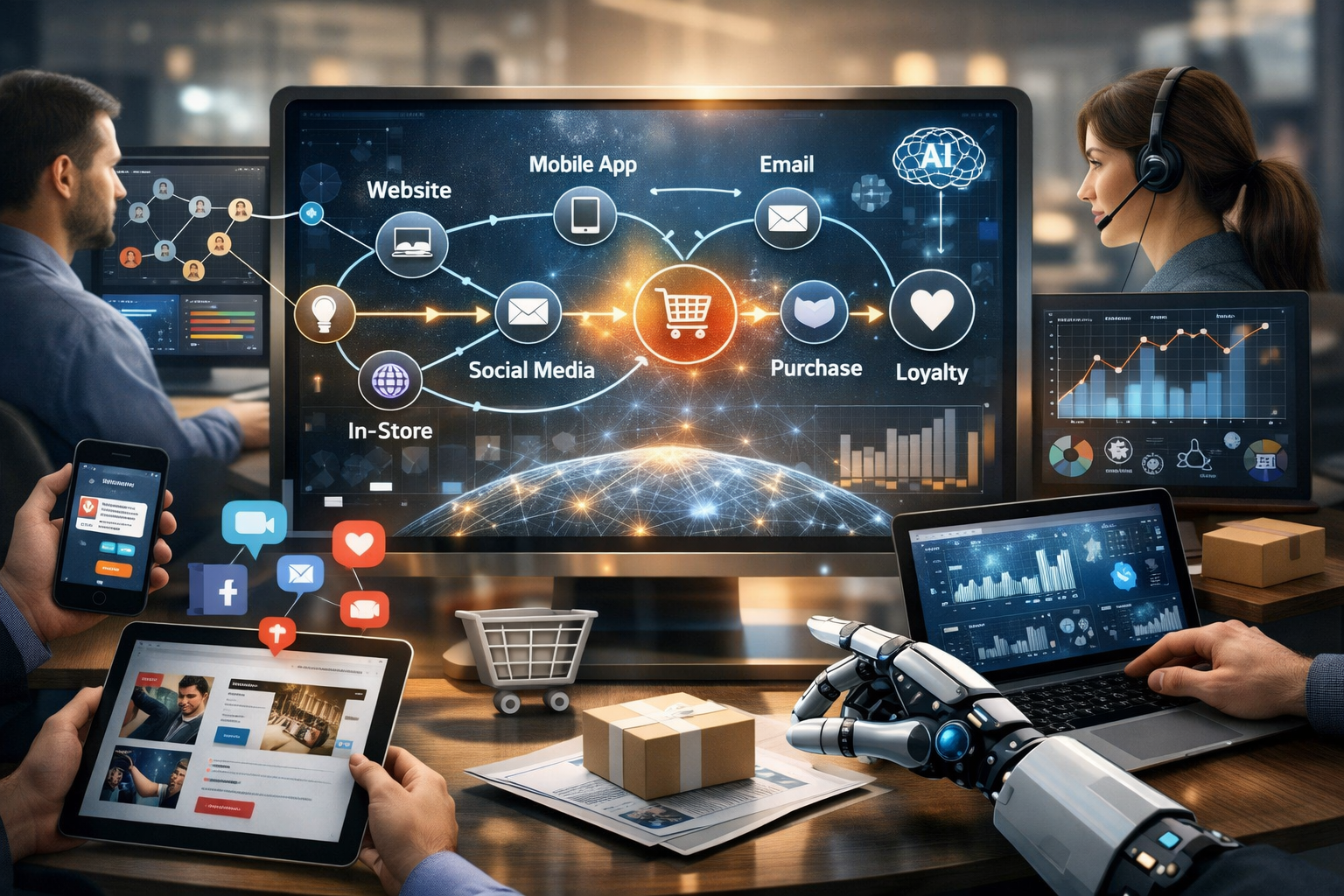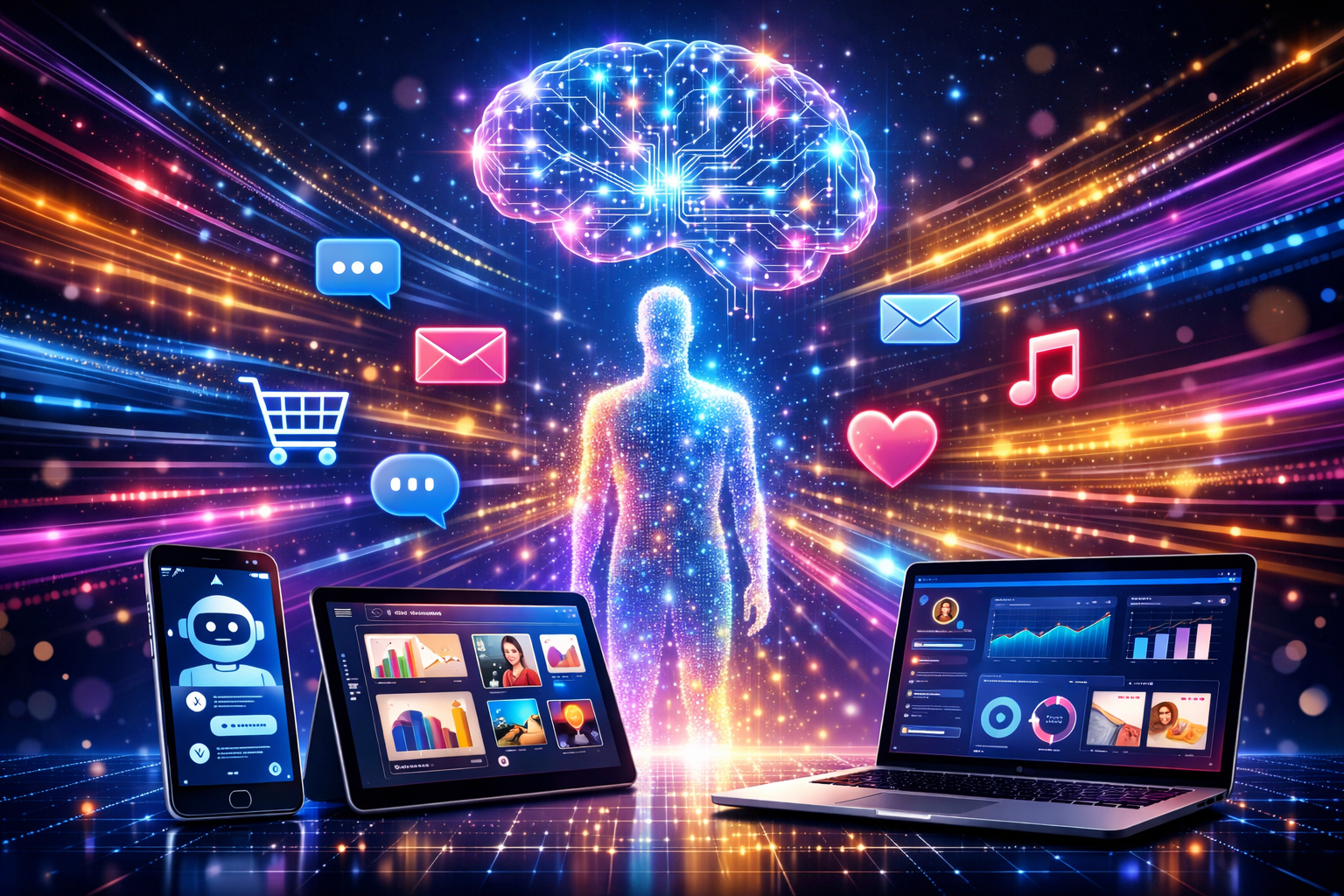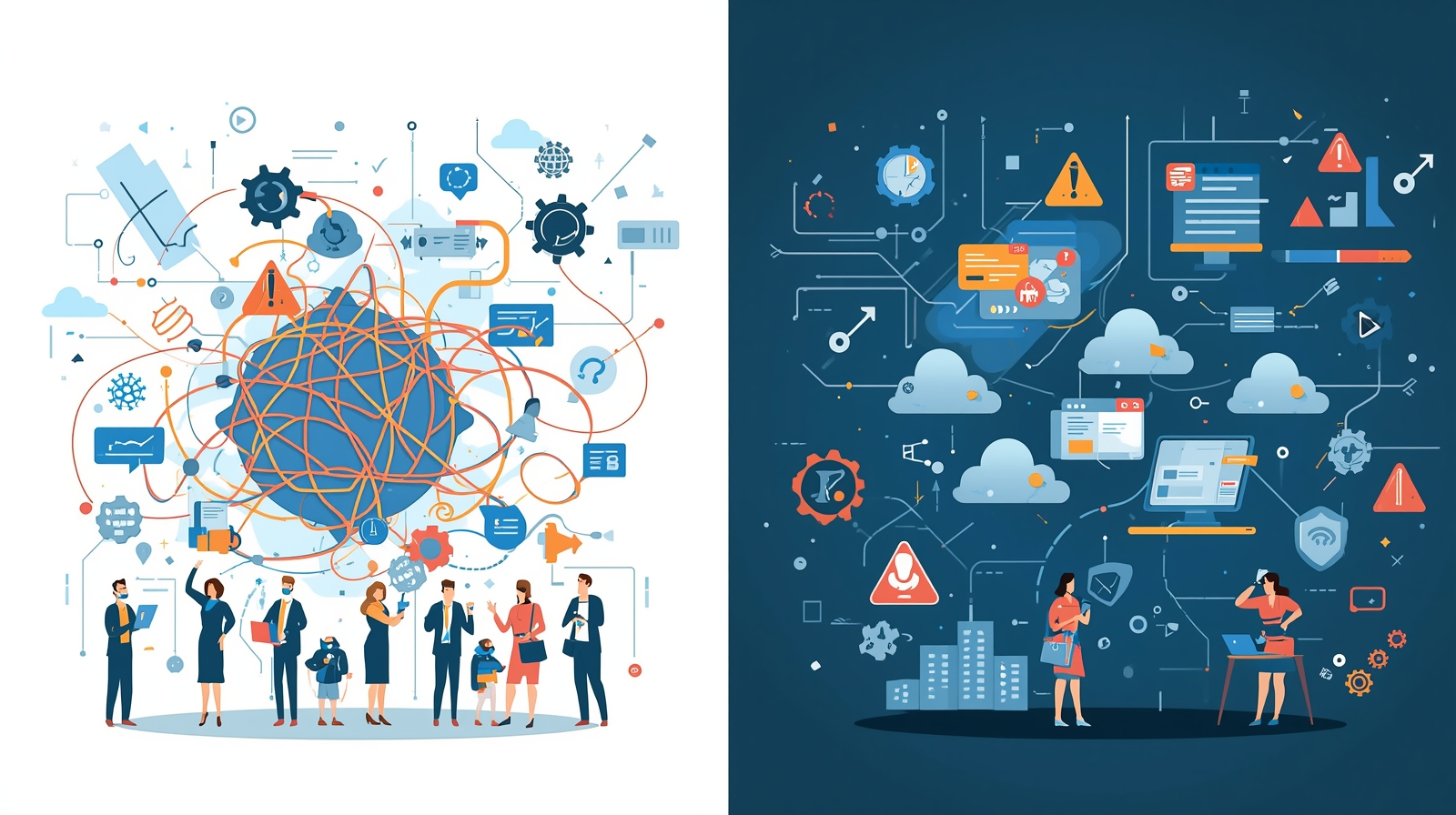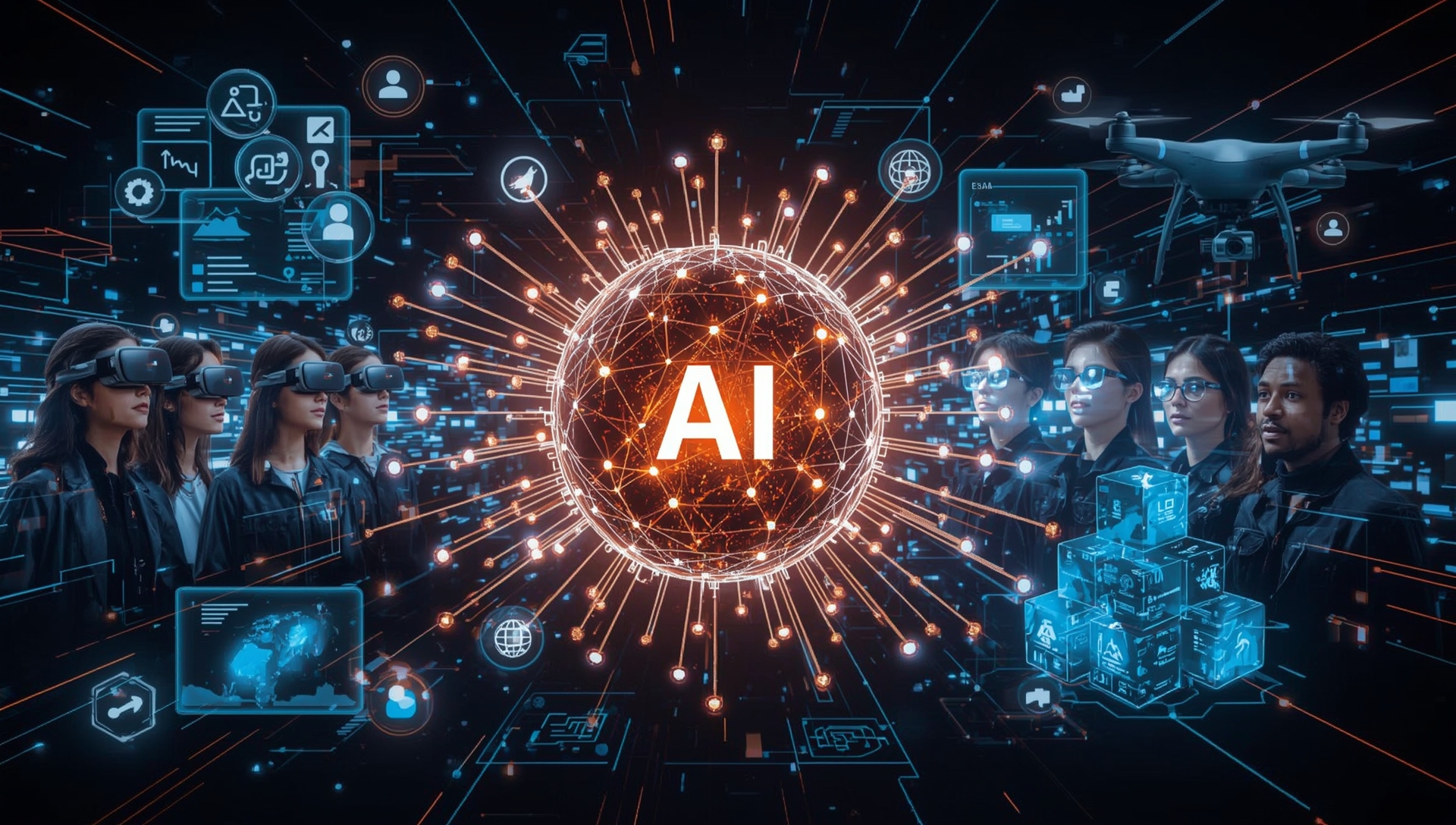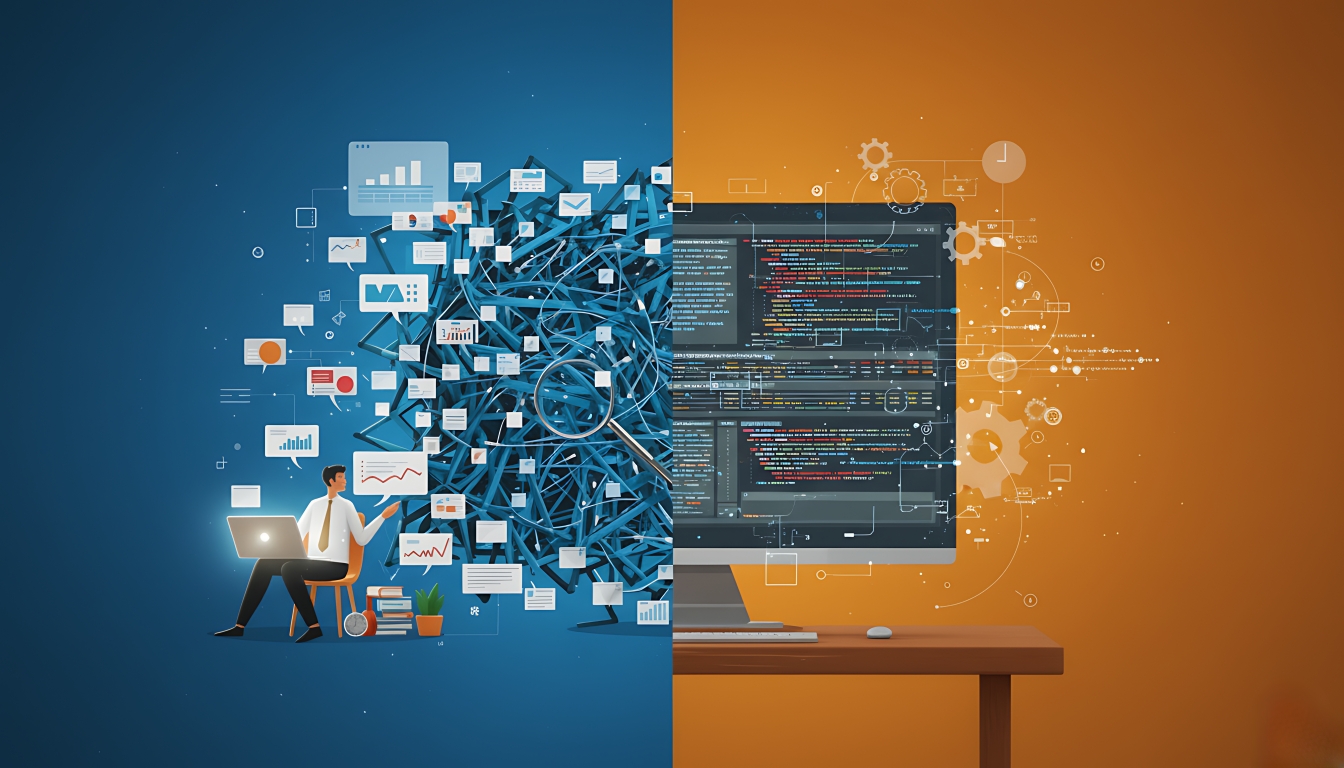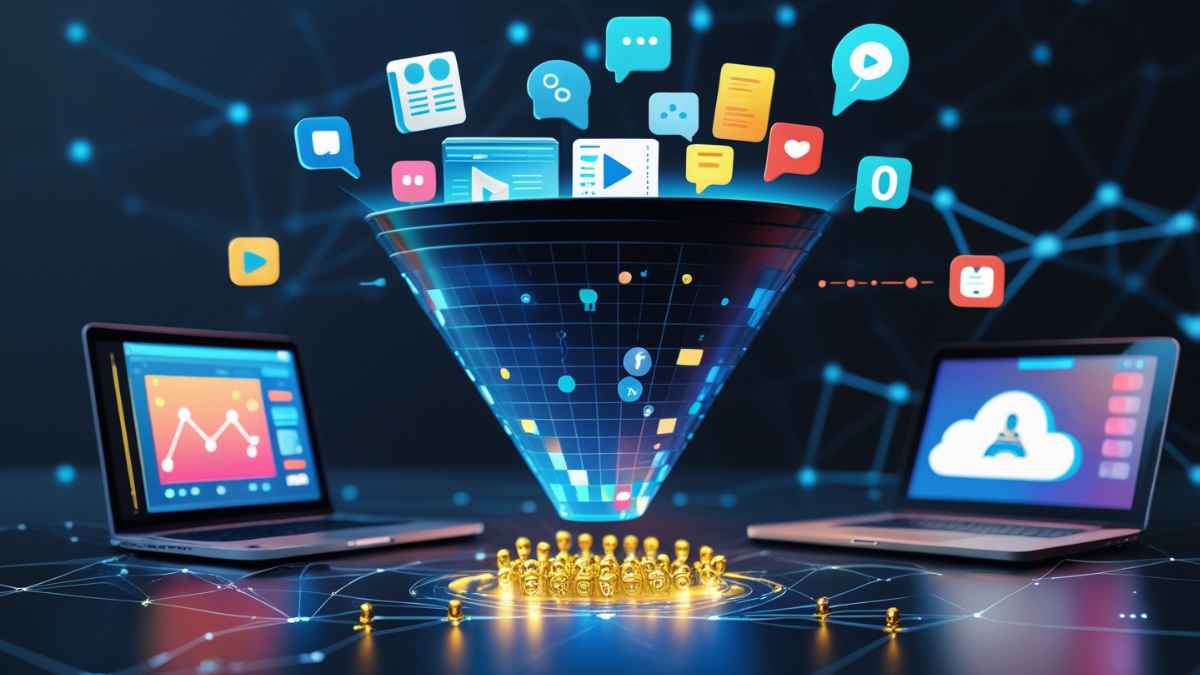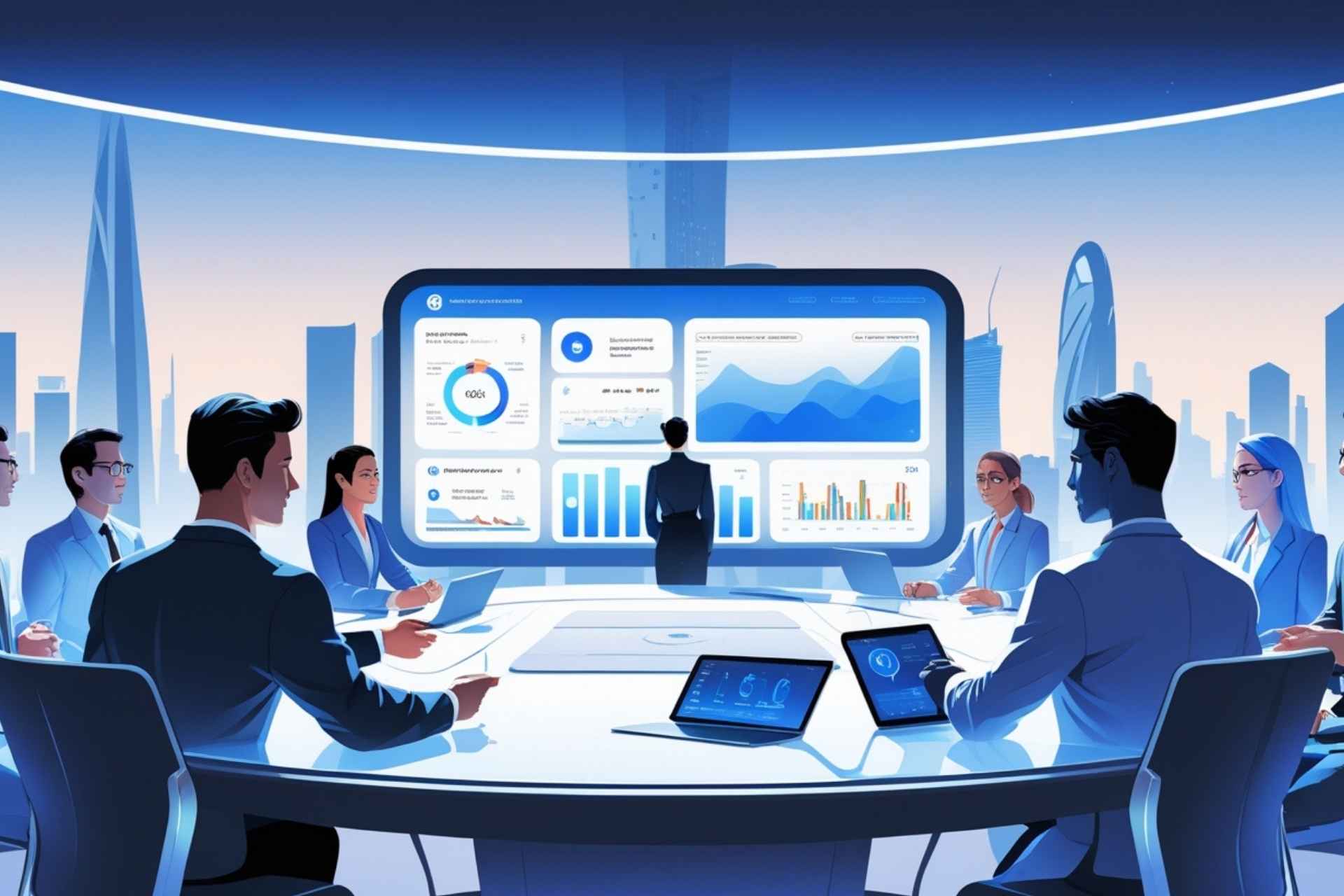
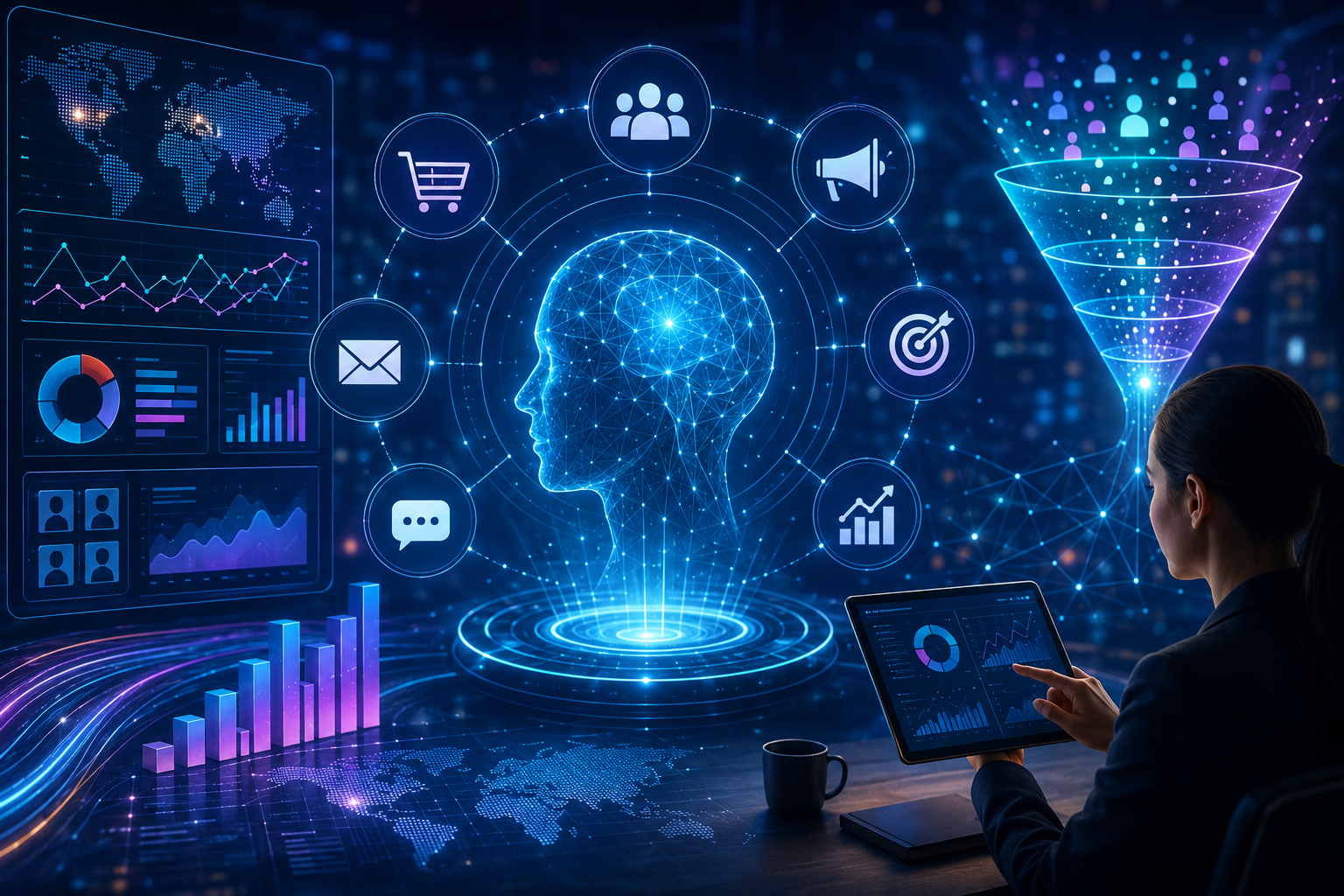
Marketing has always evolved alongside technology. From print advertisements to social media campaigns, every major innovation has changed how brands connect with customers. Today, we are entering the next phase of this evolution: Autonomous Marketing Systems (AMS).
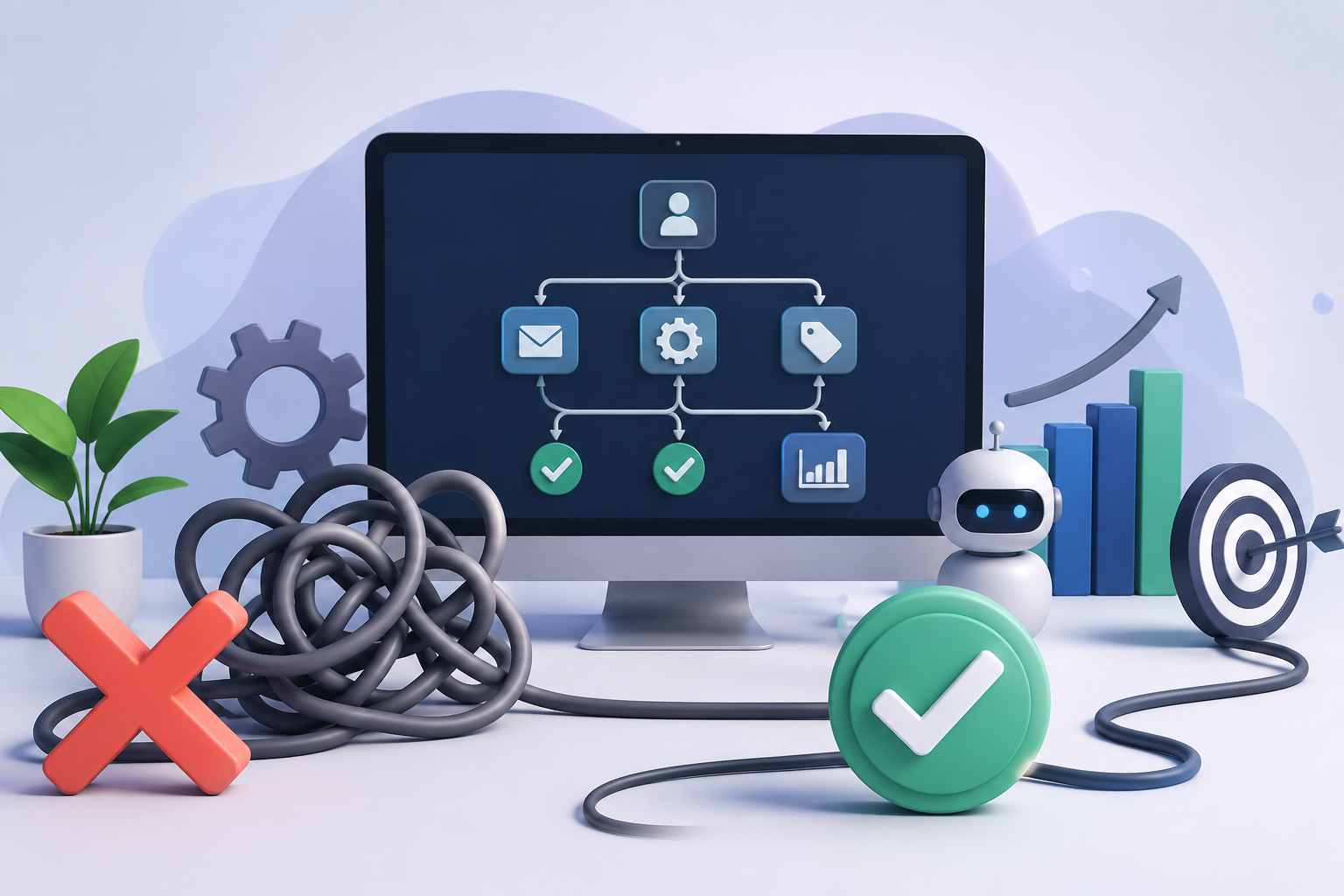
Unlike traditional marketing automation, which relies on predefined workflows and human intervention, autonomous marketing systems use artificial intelligence to analyze data, make decisions, execute campaigns, and continuously optimize performance with minimal human oversight. This shift has the potential to redefine how businesses approach customer engagement, personalization, and growth.
What Are Autonomous Marketing Systems?
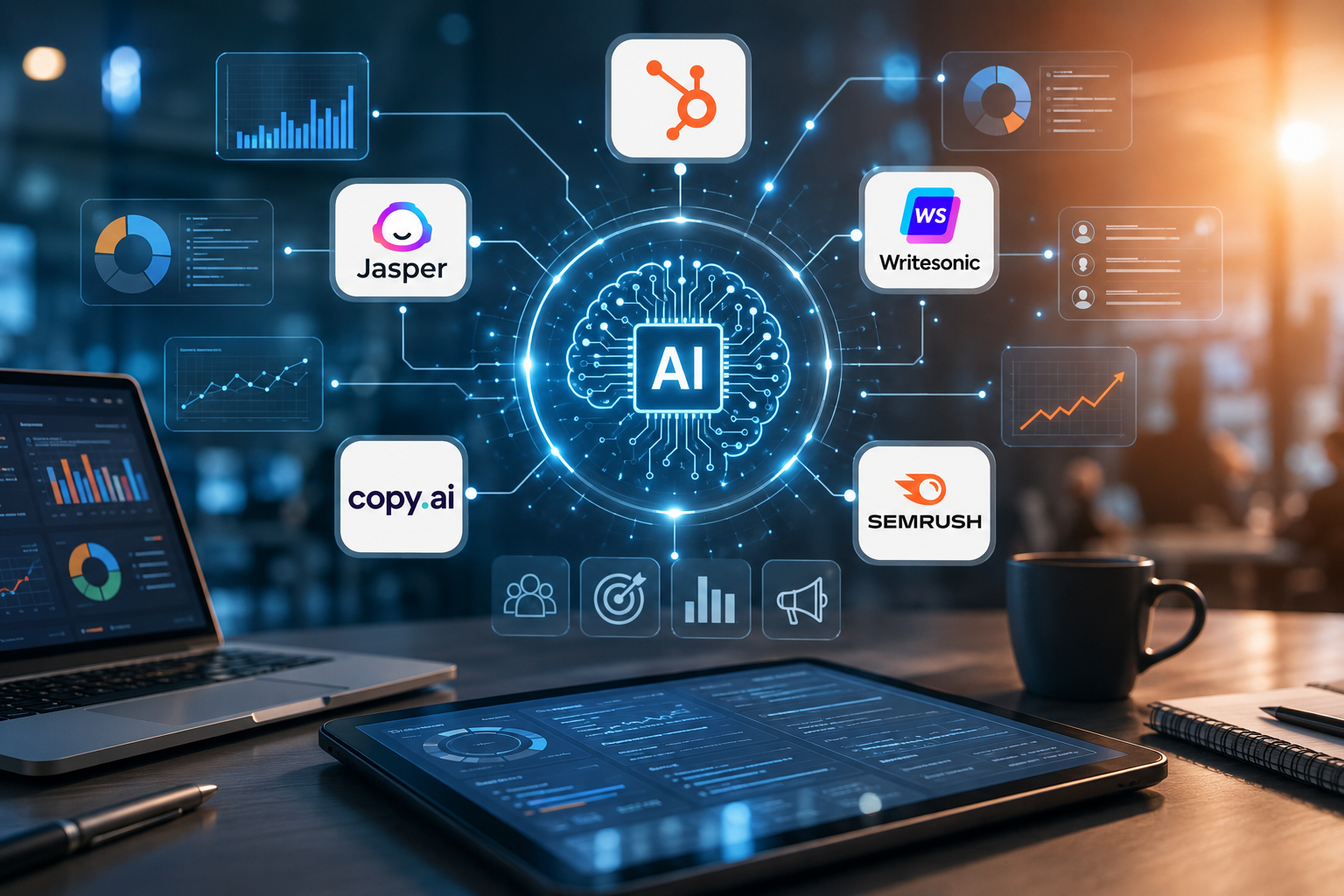
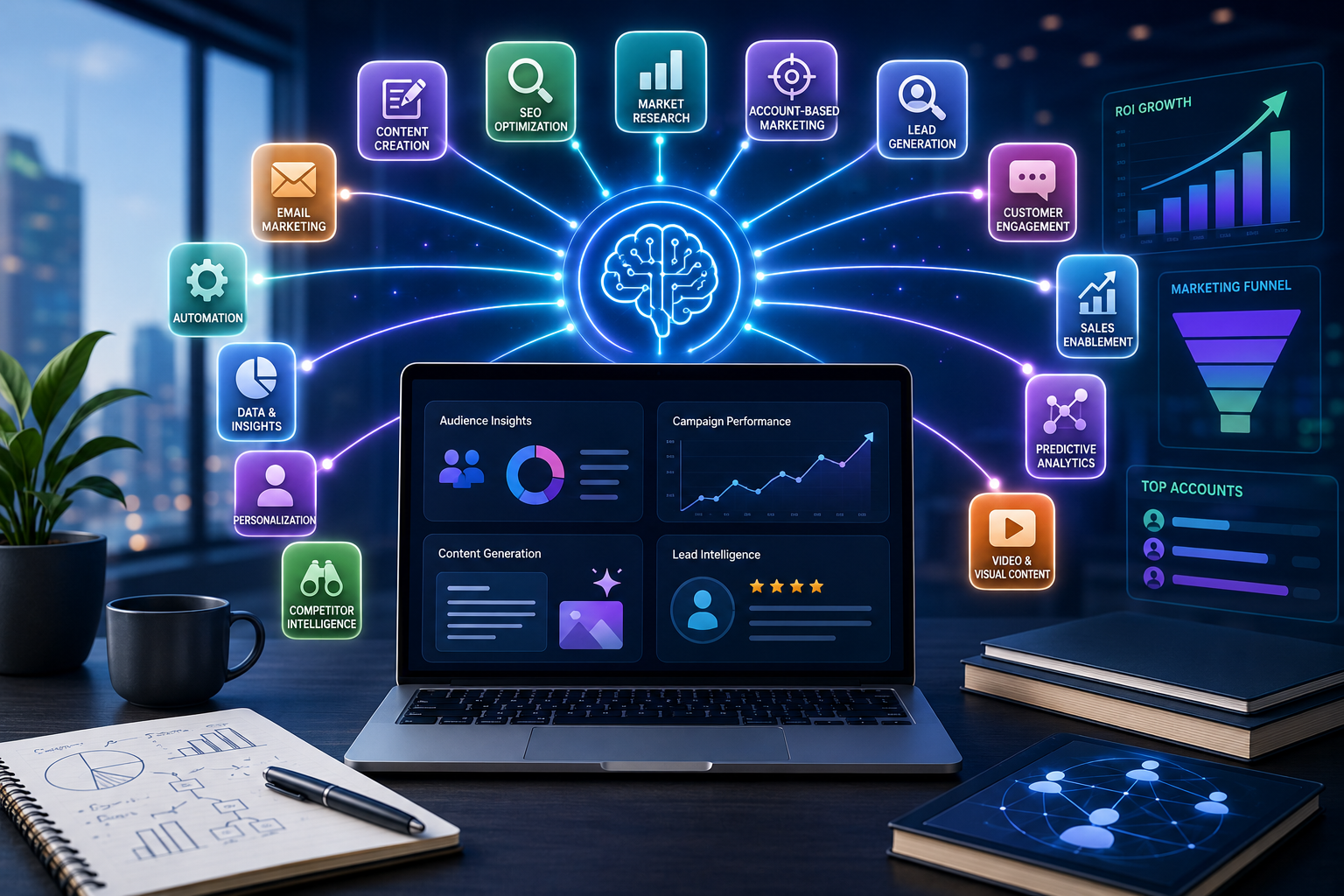
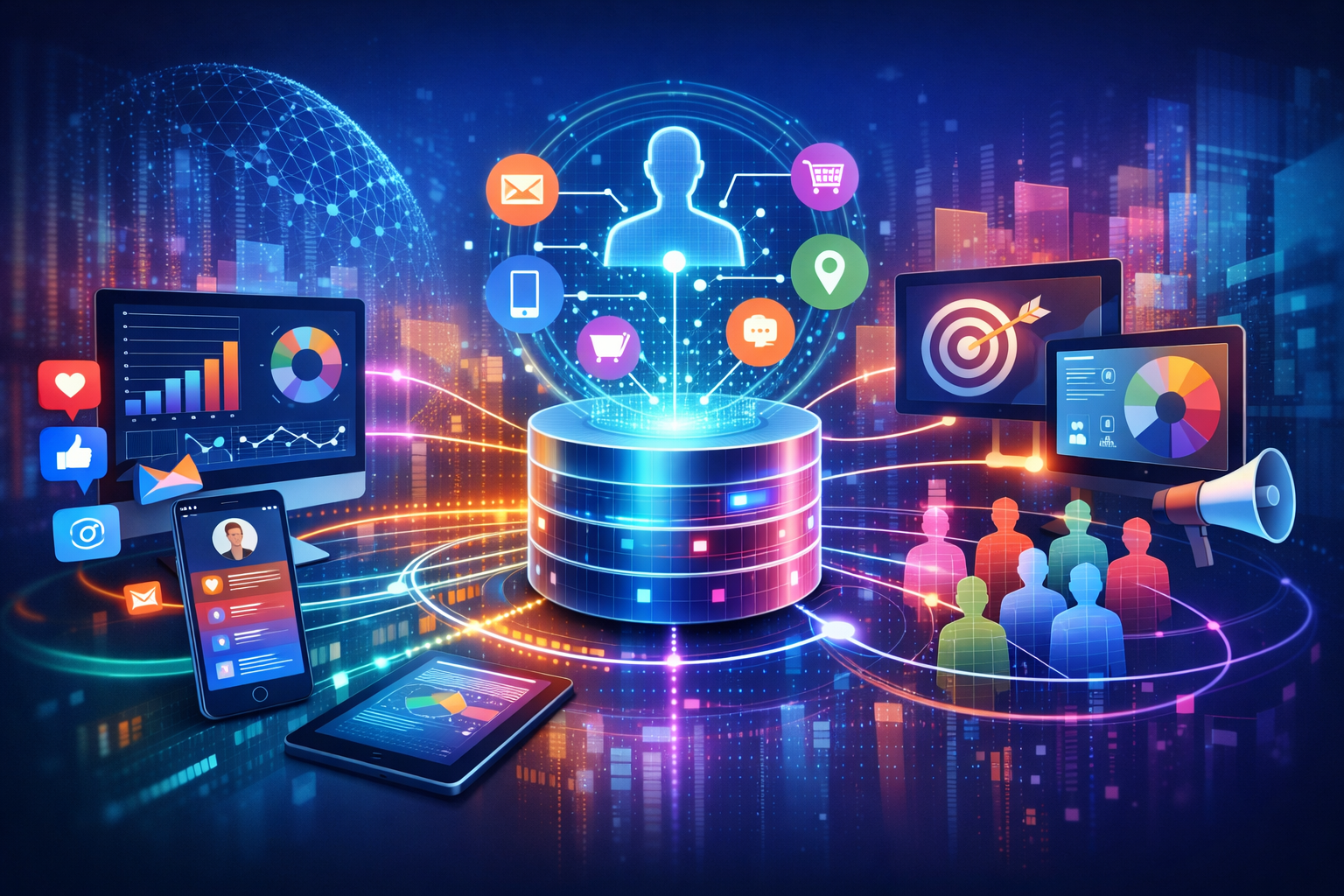
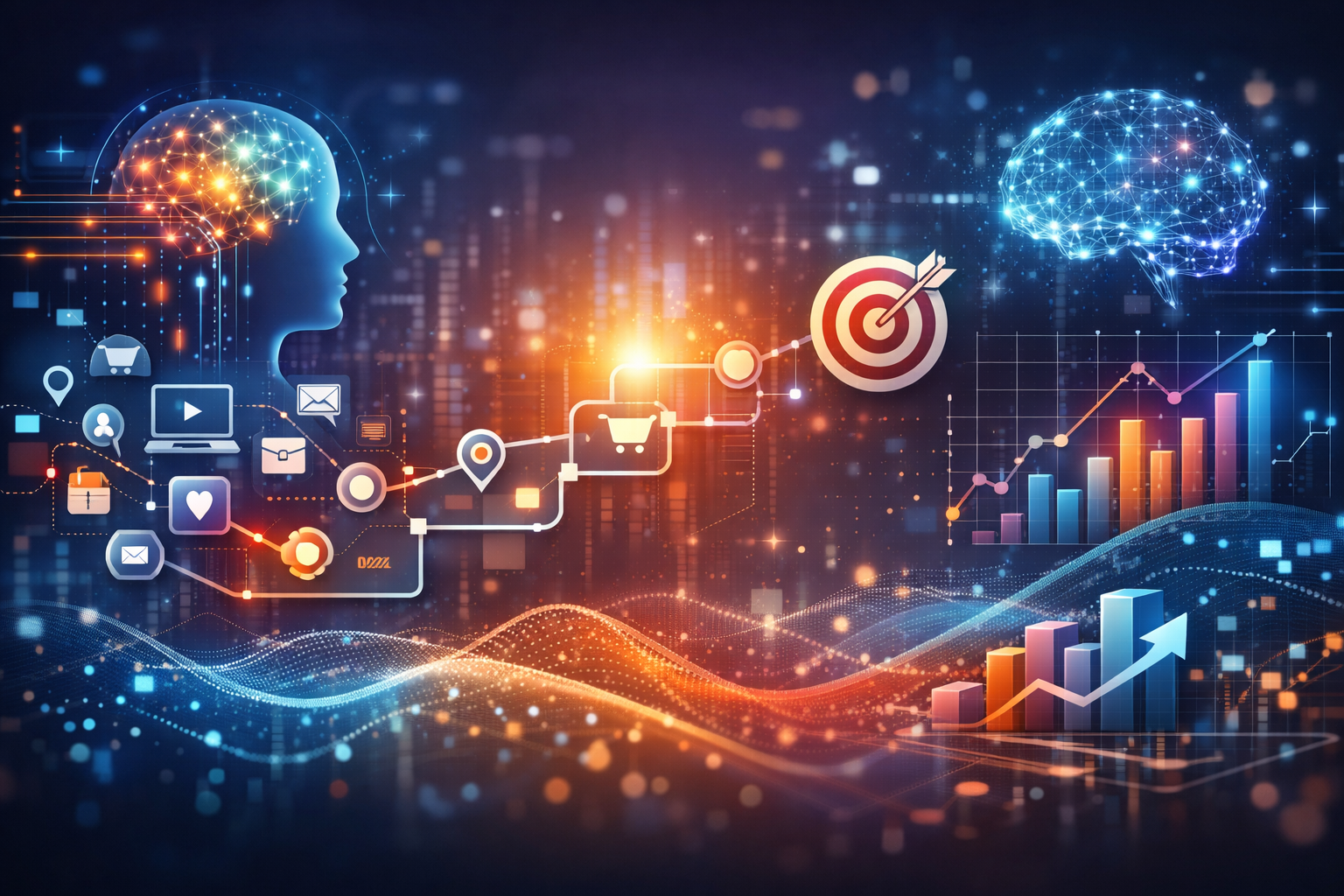
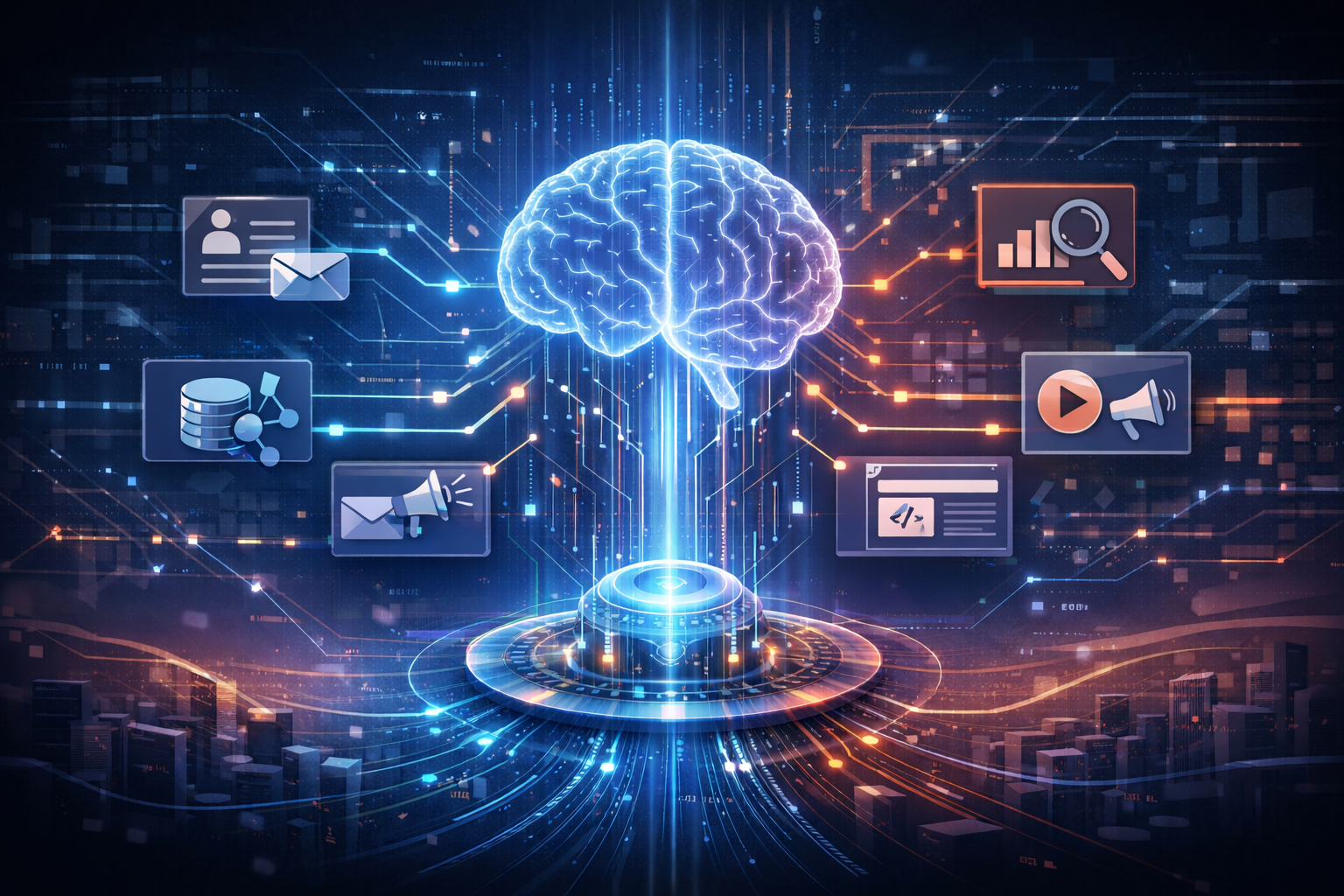
Autonomous marketing systems are AI-powered platforms capable of managing multiple aspects of marketing independently. They combine machine learning, predictive analytics, natural language processing, and real-time data processing to perform tasks that previously required teams of marketers.
These systems can:
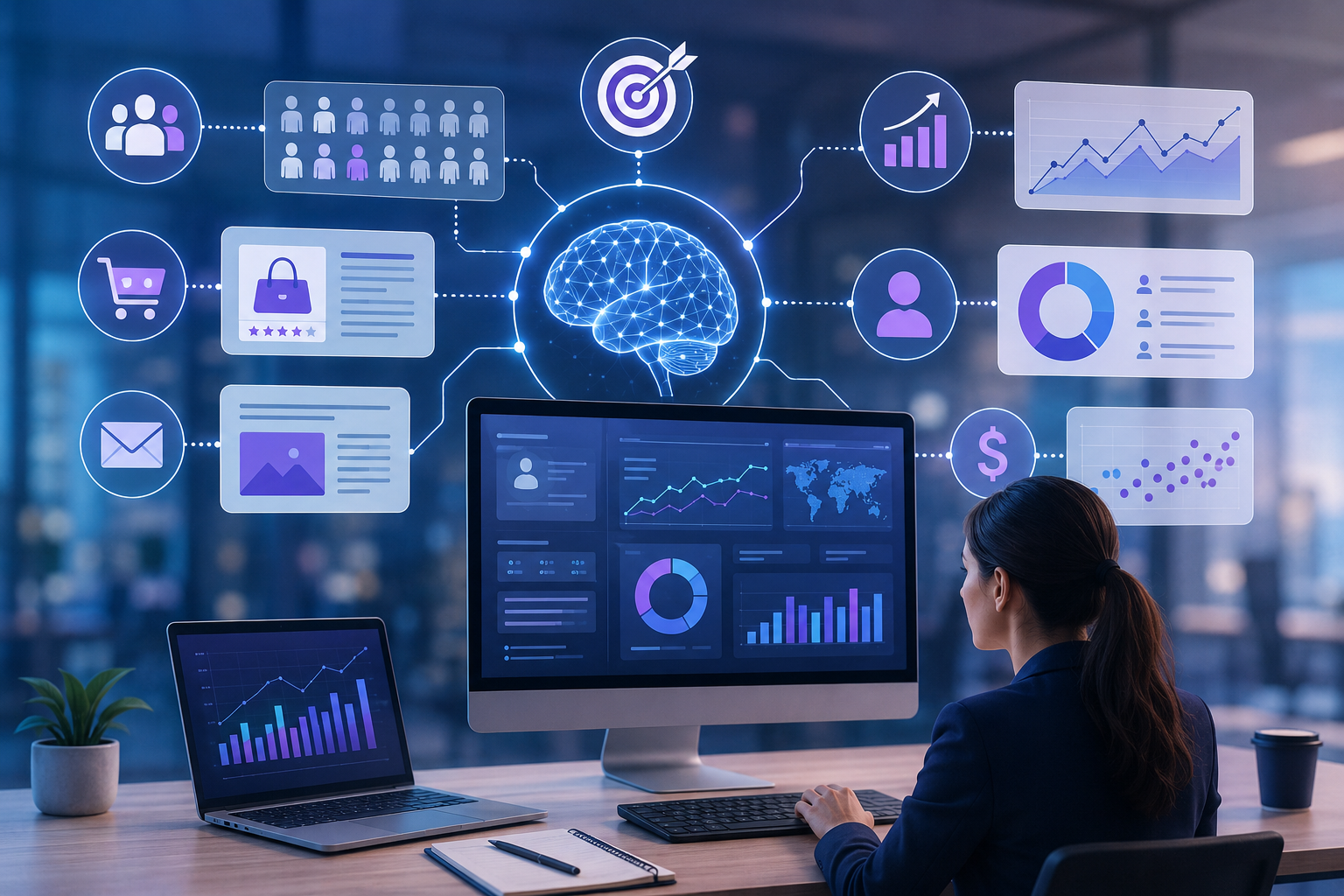
- Analyze customer behavior across multiple channels
- Predict customer intent and future purchasing decisions
- Generate personalized content
- Optimize advertising budgets automatically
- Conduct A/B testing at scale
- Recommend products and offers in real time
- Continuously improve campaign performance through learning
Rather than simply following preset rules, autonomous systems adapt to changing customer behavior and market conditions.
The Shift from Automation to Autonomy
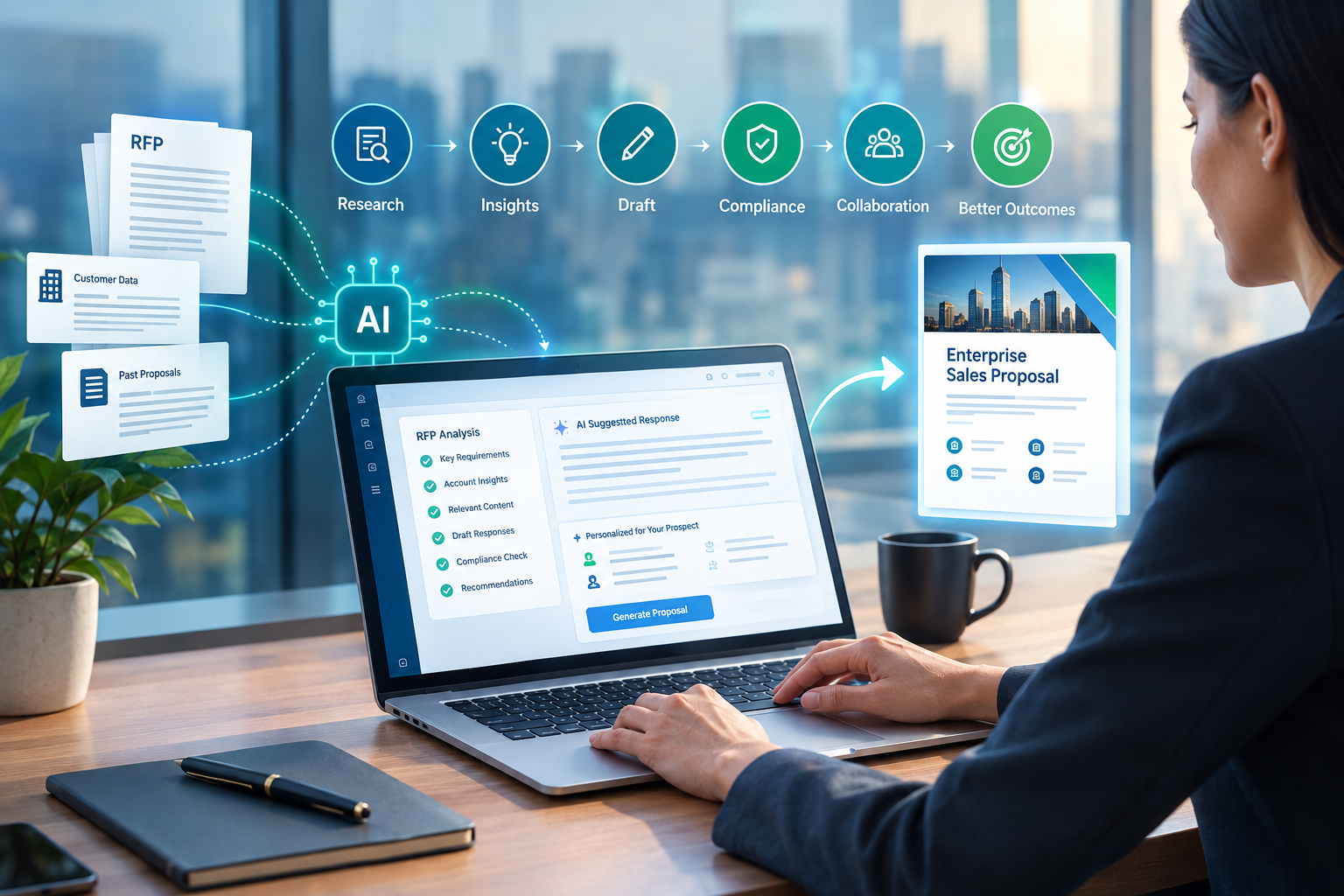
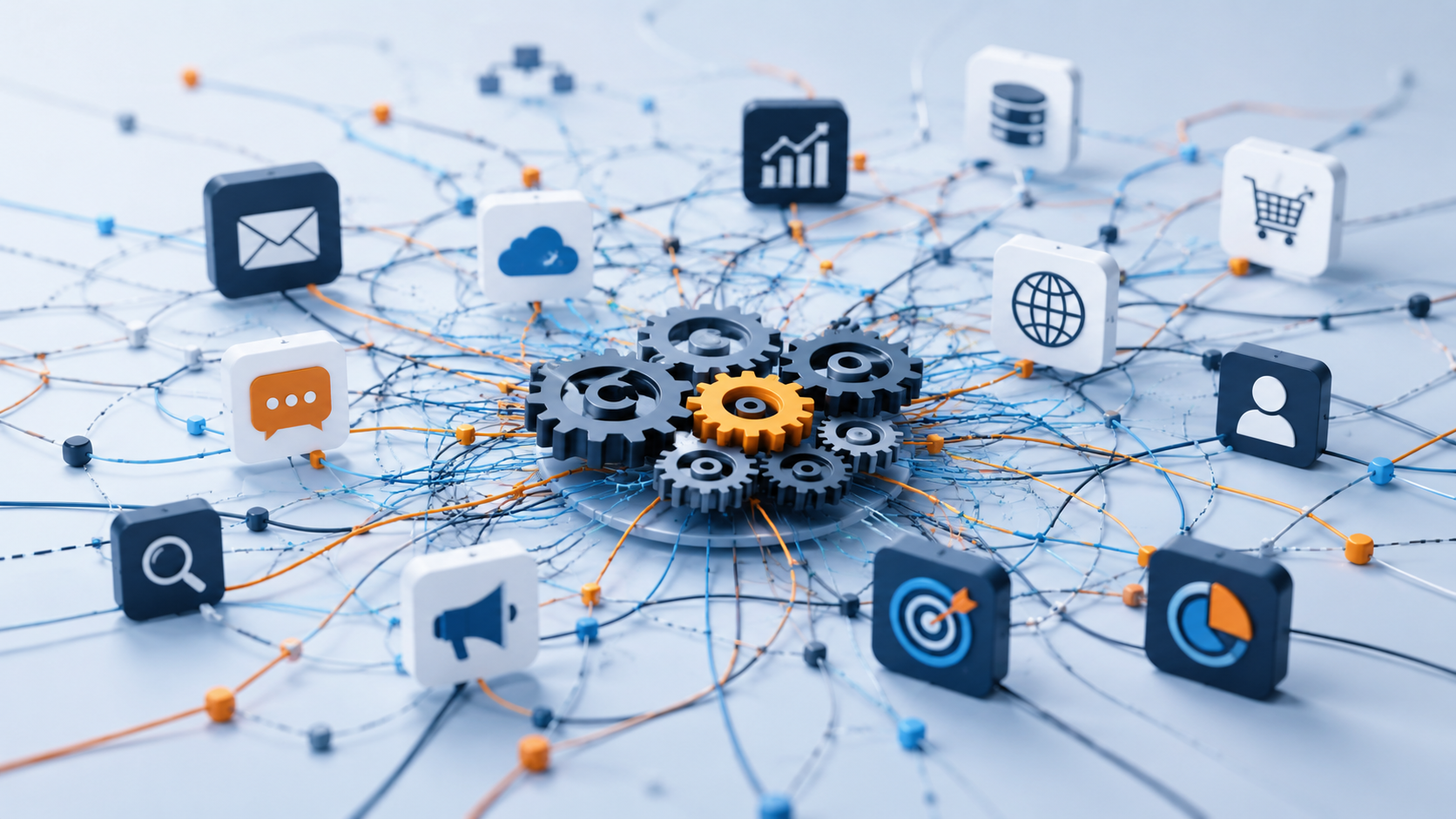
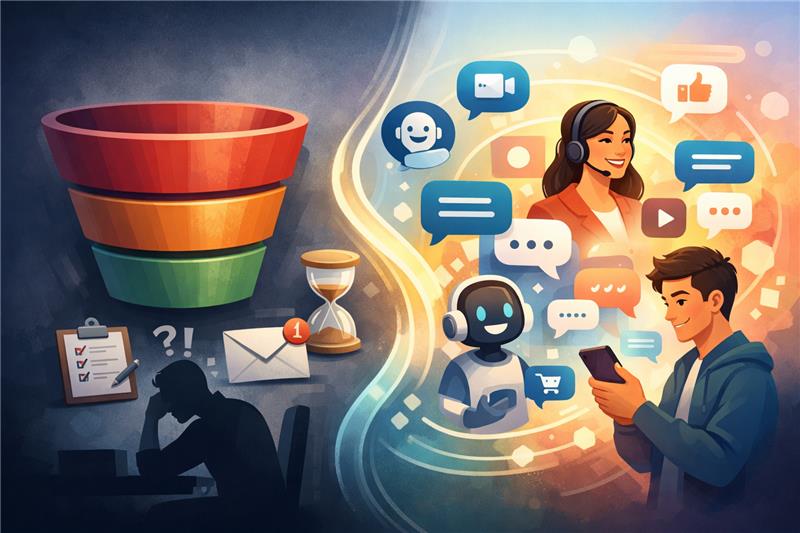
Marketing automation has existed for years, helping businesses schedule emails, publish social media posts, and nurture leads. However, automation still depends heavily on marketers to define workflows and strategies.
Autonomous marketing goes several steps further by allowing AI to:
- Identify emerging customer trends
- Decide the best communication channel
- Determine optimal timing
- Personalize messaging
- Allocate campaign budgets
- Measure outcomes
- Adjust strategies without manual intervention
This allows marketing teams to focus more on creativity, brand strategy, and innovation while AI handles repetitive optimization tasks.
Benefits of Autonomous Marketing Systems
1. Hyper-Personalization
Modern consumers expect personalized experiences. Autonomous systems analyze browsing history, purchasing behavior, demographics, and engagement patterns to create highly relevant customer journeys.
Instead of sending identical messages to thousands of customers, businesses can deliver unique experiences tailored to individual preferences.
2. Real-Time Decision Making
Markets change rapidly. AI-powered systems process massive amounts of data instantly and adjust campaigns in real time.
For example, if a particular advertisement begins underperforming, the system can automatically:
- Pause the campaign
- Test new creative assets
- Reallocate budget
- Target a different audience segment
without waiting for manual approval.
3. Improved Marketing ROI
Autonomous systems continuously optimize campaigns by identifying what works best.
Benefits include:
- Lower customer acquisition costs
- Higher conversion rates
- Better ad spending efficiency
- Increased customer lifetime value
As AI learns from each interaction, campaign performance often improves over time.
4. Scalability
Managing personalized campaigns across multiple countries, languages, and customer segments is difficult for human teams alone.
Autonomous marketing platforms can scale effortlessly, making enterprise-level personalization accessible even for growing businesses.
The Technologies Driving Autonomous Marketing
Several advanced technologies work together to power autonomous marketing systems:
Artificial Intelligence (AI) – Enables decision-making and predictive analysis.
Machine Learning (ML) – Learns from historical and real-time customer data.
Natural Language Processing (NLP) – Understands and generates human-like text for emails, chatbots, and content creation.
Predictive Analytics – Forecasts customer behavior and future purchasing trends.
Computer Vision – Analyzes images and videos to improve visual marketing strategies.
Generative AI – Produces personalized copy, advertisements, product descriptions, and creative assets.
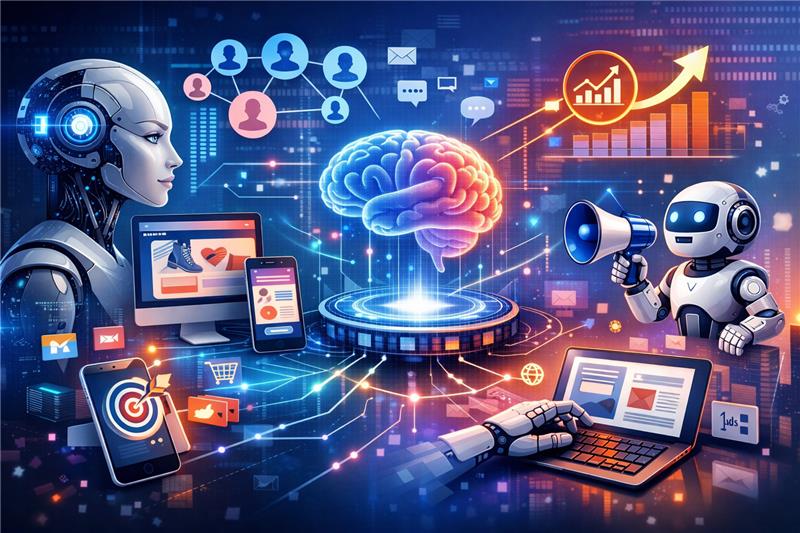
Together, these technologies create marketing systems capable of acting with increasing independence.
Challenges and Ethical Considerations
While autonomous marketing offers significant advantages, it also introduces important challenges.
Data Privacy
AI systems require large amounts of customer data. Businesses must ensure compliance with privacy regulations while maintaining customer trust.
Transparency
Consumers increasingly want to know when they are interacting with AI-generated content. Transparency helps build long-term credibility.
Bias in AI
If training data contains biases, autonomous systems may unintentionally produce unfair or discriminatory marketing decisions. Regular monitoring and model evaluation remain essential.
Human Oversight
Although AI can automate many decisions, strategic direction, ethical judgment, and brand identity should remain under human control.
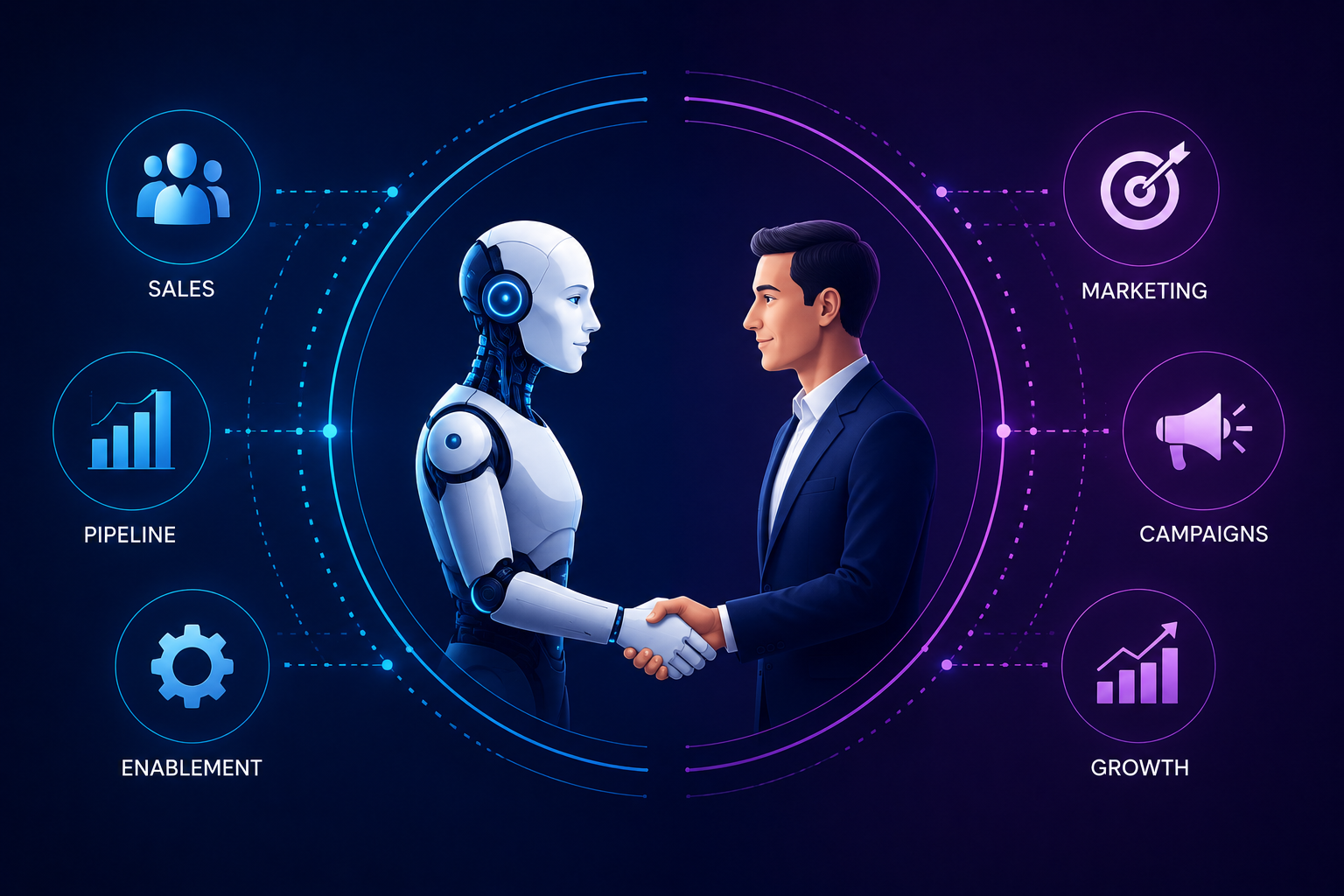
The future is not about replacing marketers—it is about empowering them with intelligent tools.
Industries Leading Adoption
Several industries are already benefiting from autonomous marketing systems:
- E-commerce
- Retail
- Banking and financial services
- Healthcare
- Travel and hospitality
- Telecommunications
- SaaS companies
- Media and entertainment
Organizations with large customer bases and extensive digital interactions stand to gain the most.
What the Future Looks Like
Over the next decade, autonomous marketing systems are expected to become more sophisticated. Future capabilities may include:
- Fully autonomous campaign planning
- AI-generated multimedia advertisements
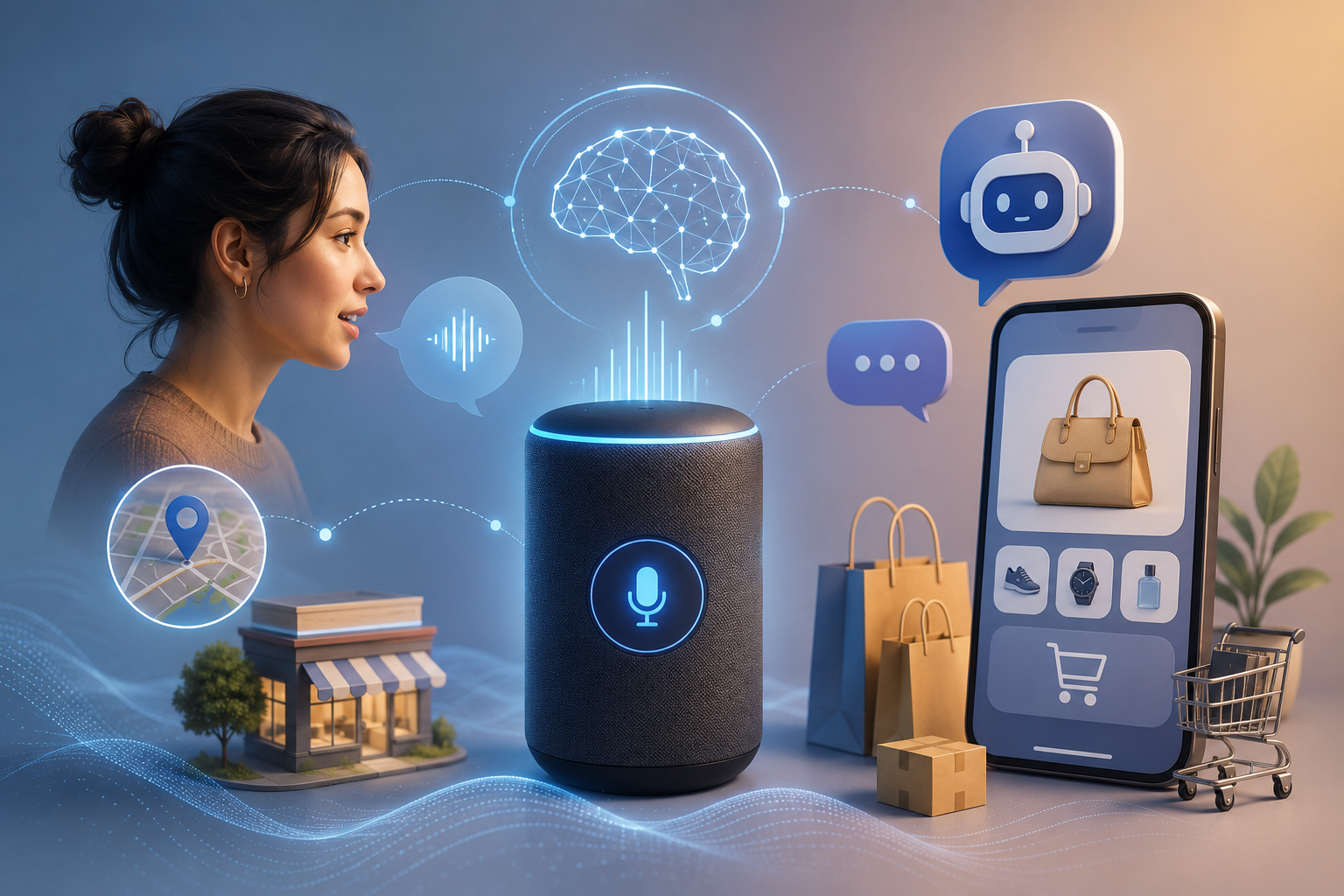
- Voice-based customer engagement
- Emotion-aware personalization
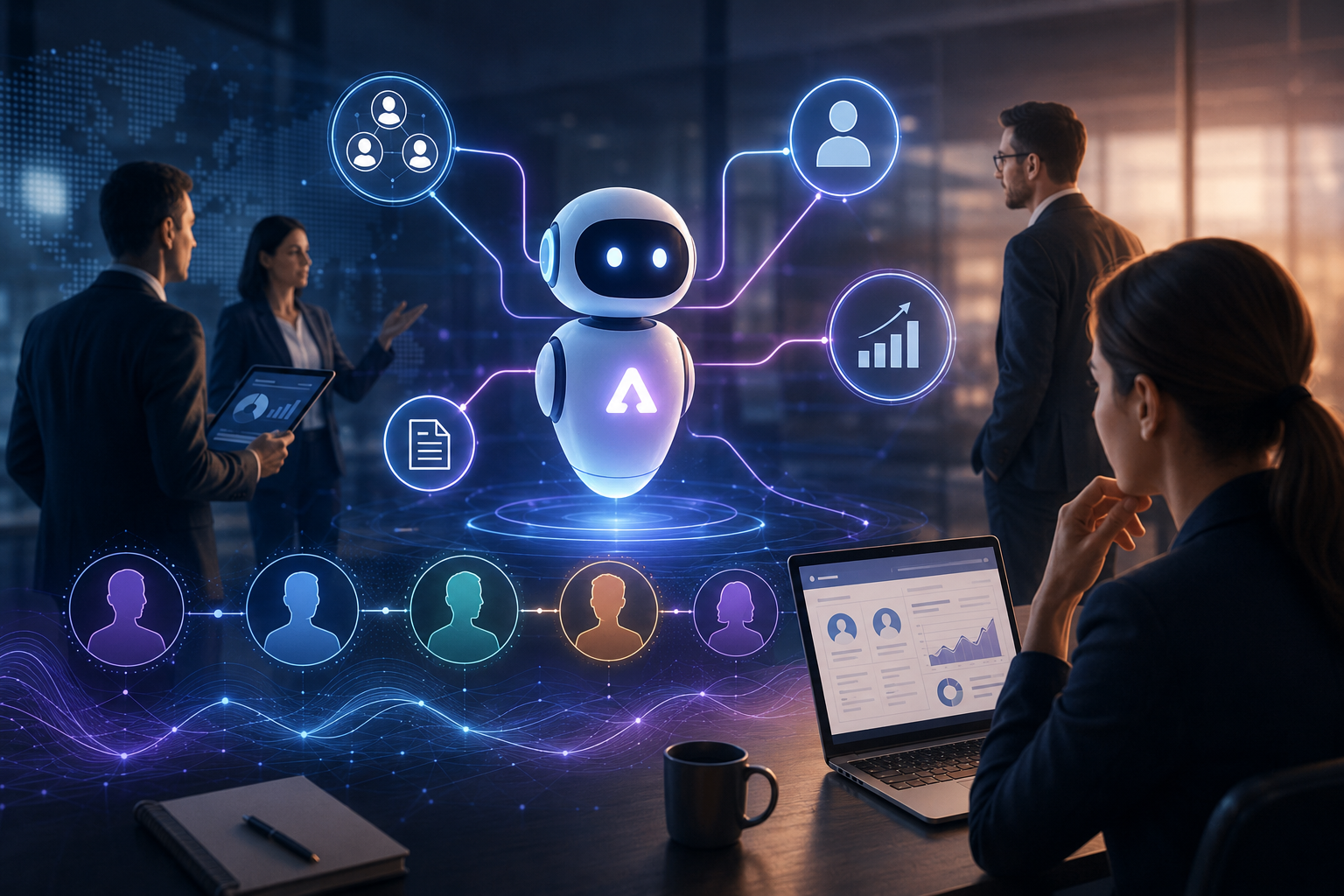
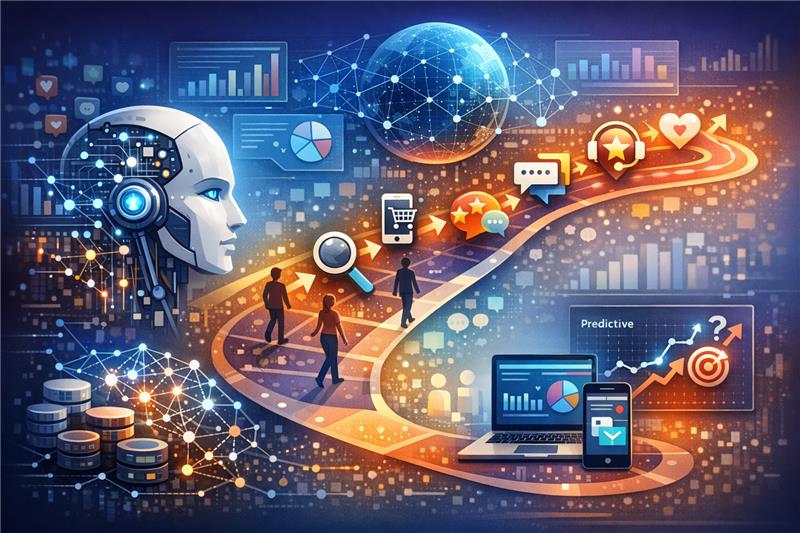
- Predictive customer journey orchestration
- Autonomous pricing and promotional optimization
- Cross-channel marketing managed entirely by AI agents
Rather than managing individual campaigns, marketers will increasingly oversee intelligent ecosystems that continuously learn, optimize, and evolve.
Preparing for the Autonomous Marketing Era
Businesses can prepare by:
- Investing in high-quality customer data
- Building strong AI governance frameworks
- Upskilling marketing teams in AI literacy
- Integrating marketing platforms for unified data
- Maintaining human oversight for strategic decisions
- Prioritizing ethical AI practices
Organizations that embrace these technologies thoughtfully will be better positioned to compete in an increasingly data-driven marketplace.
Read Also: How AI Is Revolutionizing B2B Marketing Operations