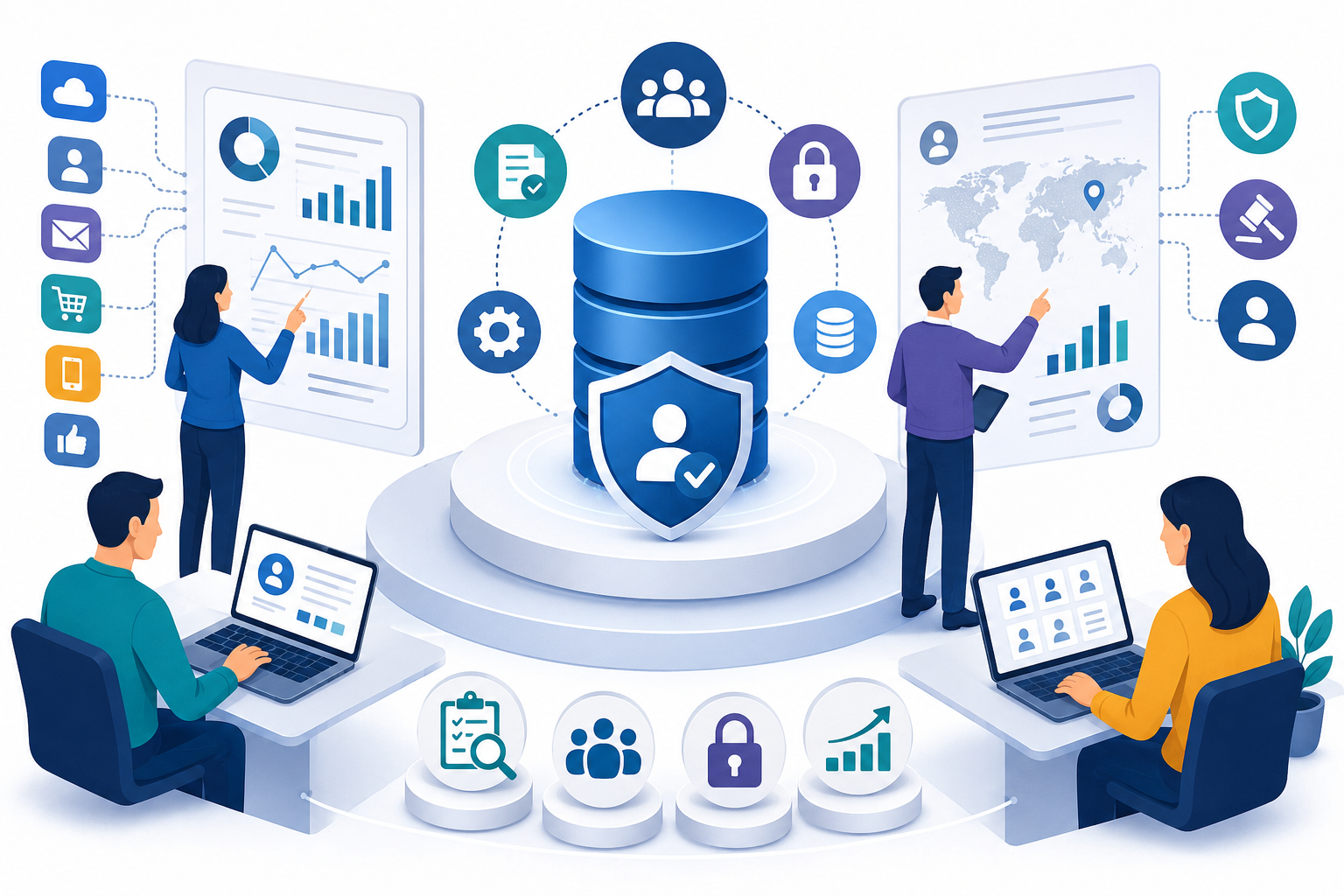
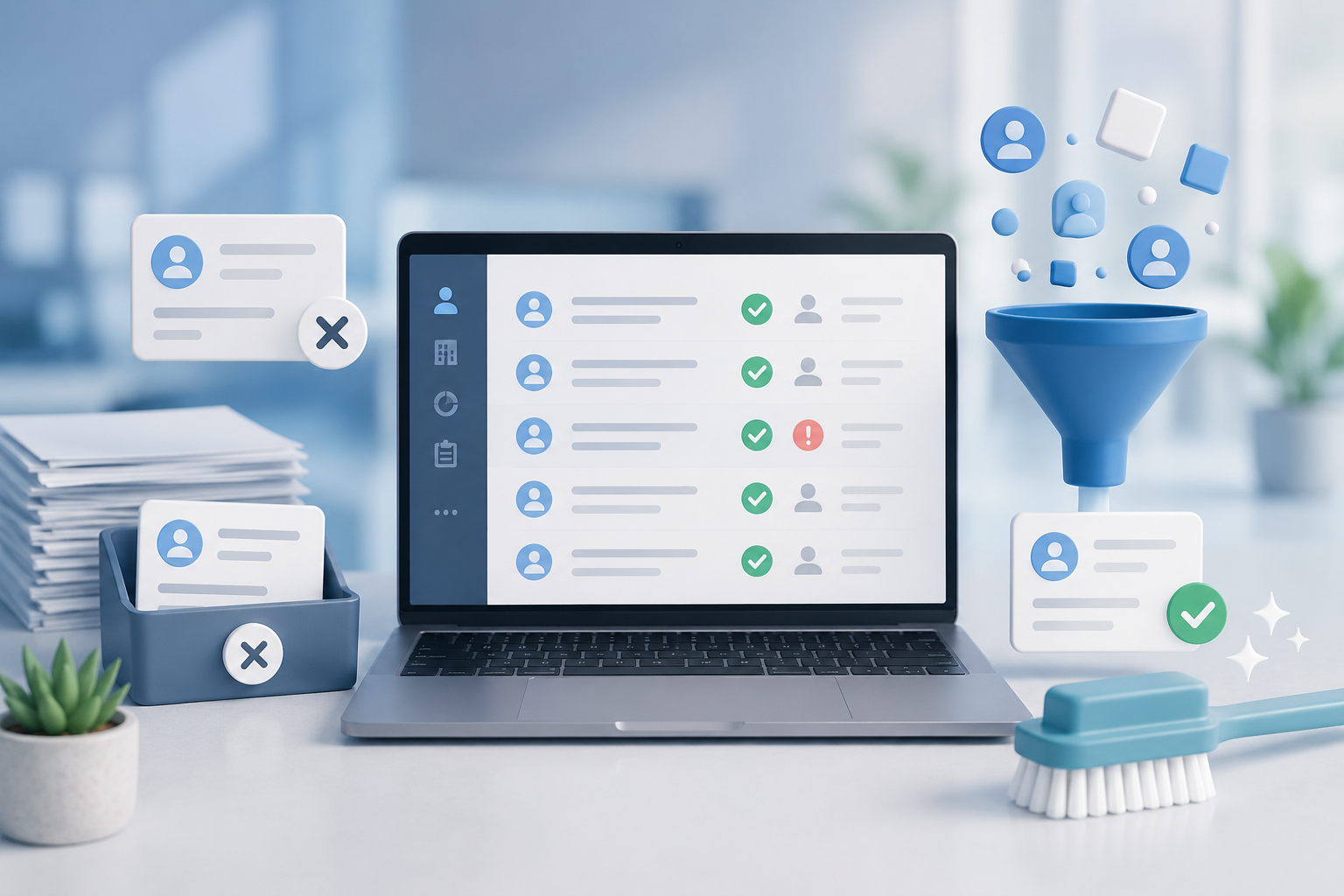
In today’s data-driven business environment, organizations rely heavily on Customer Relationship Management (CRM) systems to drive sales, improve customer experiences, and make strategic decisions. However, the effectiveness of a CRM is only as good as the quality of the data it contains. As businesses collect information from multiple channels, the challenge of maintaining clean, accurate, and reliable customer data has become more critical than ever.
What Is CRM Data Hygiene?
CRM data hygiene refers to the ongoing process of ensuring that customer data within a CRM system remains accurate, complete, consistent, and up to date. It involves identifying and correcting errors, removing duplicate records, standardizing information, and validating data to maintain its integrity over time.
Just as personal hygiene promotes health and prevents problems, CRM data hygiene ensures that organizations can trust their customer data and use it effectively to support business goals.
Why CRM Data Hygiene Matters More Than Ever
1. Data Volumes Are Growing Rapidly
Modern businesses collect customer information through websites, social media, email campaigns, customer support interactions, online purchases, events, and more. With so many touchpoints generating data, inaccuracies can quickly accumulate.
Without proper data hygiene practices, organizations risk building strategies based on incomplete or misleading information.
2. Customer Expectations Are Higher
Today’s customers expect personalized and relevant experiences. Sending communications to the wrong contact, using outdated information, or duplicating outreach efforts can damage customer trust and brand reputation.
Clean CRM data enables businesses to:
- Deliver personalized communications
- Improve customer engagement
- Enhance customer satisfaction
- Build stronger long-term relationships
3. Sales Teams Depend on Accurate Information
Sales representatives rely on CRM systems to prioritize leads, track opportunities, and manage customer interactions. Poor-quality data can lead to:
- Missed sales opportunities
- Incorrect lead assignments
- Inefficient prospecting
- Reduced productivity
When CRM data is clean and reliable, sales teams can focus on selling rather than correcting records.
4. Better Marketing Performance
Marketing campaigns are only as effective as the audience data behind them. Inaccurate contact information, duplicate records, and incomplete customer profiles can result in:
- Higher email bounce rates
- Lower campaign engagement
- Wasted advertising spend
- Inaccurate campaign reporting
Data hygiene helps marketers create targeted campaigns that reach the right audience with the right message.
5. Improved Decision-Making
Business leaders use CRM reports and dashboards to evaluate performance and make strategic decisions. Poor data quality can distort insights and lead to costly mistakes.
Clean data provides:
- More accurate forecasting
- Reliable customer analytics
- Better revenue projections
- Improved operational planning
Common CRM Data Quality Issues
Several challenges commonly affect CRM systems:
Duplicate Records
Duplicate contacts or accounts create confusion and can result in multiple team members contacting the same customer.
Incomplete Information
Missing phone numbers, email addresses, job titles, or company details reduce the effectiveness of customer engagement efforts.
Outdated Data
Customers change jobs, companies relocate, and contact information evolves. Old records can quickly become irrelevant.
Inconsistent Data Formats
Different users may enter data in various formats, creating inconsistencies that complicate reporting and analysis.
Examples include:
- Different date formats
- Variations in company names
- Inconsistent country or state abbreviations
Human Data Entry Errors
Simple mistakes such as misspellings, incorrect email addresses, or misplaced information can significantly impact data quality.
Benefits of Strong CRM Data Hygiene
Organizations that prioritize CRM data hygiene enjoy several advantages:
Increased Operational Efficiency
Employees spend less time searching for information, correcting errors, or managing duplicate records.
Higher Sales Conversion Rates
Accurate customer information allows sales teams to engage prospects more effectively and close deals faster.
Better Customer Experiences
Clean data helps businesses deliver seamless and personalized interactions across every touchpoint.
Enhanced Compliance and Security
Maintaining accurate customer records supports compliance with data privacy regulations and reduces risk associated with outdated or incorrect information.
Greater Return on CRM Investments
A CRM system represents a significant investment. Maintaining high-quality data ensures organizations maximize the value of their technology and resources.
Best Practices for Maintaining CRM Data Hygiene
Establish Data Entry Standards
Create clear guidelines for how information should be entered into the CRM, including naming conventions, required fields, and formatting rules.
Conduct Regular Data Audits
Schedule routine reviews to identify duplicates, incomplete records, and outdated information.
Automate Data Validation
Use validation rules and automated workflows to prevent incorrect or incomplete data from entering the system.
Deduplicate Records Regularly
Implement tools and processes that identify and merge duplicate contacts, accounts, and leads.
Integrate Data Sources Carefully
When connecting marketing, sales, and customer support platforms, ensure data synchronization rules maintain consistency across systems.
Train Employees
Educate users on the importance of data quality and provide ongoing training on CRM best practices.
Monitor Data Quality Metrics
Track key indicators such as:
- Duplicate rate
- Data completeness
- Email bounce rates
- Record accuracy
- User adoption
These metrics help identify potential issues before they become significant problems.
The Future of CRM Data Hygiene
As artificial intelligence, predictive analytics, and automation become more integrated into CRM platforms, the importance of clean data will continue to increase. AI-driven insights are only effective when based on accurate and reliable information.
Organizations that invest in CRM data hygiene today will be better positioned to leverage advanced technologies, improve customer experiences, and gain a competitive advantage in the future.
Read Also: Building a Future-Proof Martech Strategy: A Guide for Modern Businesses