
Email marketing remains one of the most effective channels in B2B marketing. However, sending the same message to your entire database rarely produces strong results. Businesses today expect relevant, personalized communication. This is where B2B email segmentation becomes essential.
Segmentation allows marketers to divide their email audience into smaller, targeted groups based on specific characteristics. By delivering tailored content to each segment, companies can significantly improve open rates, engagement, and ultimately revenue.
This blog explores the most effective B2B email segmentation strategies and how you can implement them successfully.
What is B2B Email Segmentation?
B2B email segmentation is the process of dividing your email subscribers into groups based on shared attributes such as:
- Industry
- Company size
- Job role
- Buying stage
- Engagement level
- Geographic location
Instead of sending generic emails, segmentation enables you to send highly relevant messages that address the unique needs of each group.
For example:
- A CEO might receive strategic insights.
- A marketing manager might receive tactical guides.
- A developer might receive product documentation.
This targeted approach increases the likelihood that recipients will find value in your emails.
Why Email Segmentation Matters in B2B Marketing
B2B buying cycles are longer and involve multiple decision-makers. Sending generalized messaging often fails because different stakeholders have different priorities.
Key benefits of segmentation include:
1. Higher Open Rates
Relevant subject lines tailored to a specific audience increase curiosity and improve open rates.
2. Better Engagement
Segmented campaigns generate higher click-through rates because the content aligns with recipient interests.
3. Improved Lead Nurturing
Different prospects are at different stages of the buying journey. Segmentation ensures each lead receives the right message at the right time.
4. Increased Conversions
Personalized communication builds trust and helps guide prospects toward purchase decisions.
Top B2B Email Segmentation Strategies
1. Firmographic Segmentation
Firmographics are the B2B equivalent of demographics. This segmentation categorizes companies based on their business characteristics.
Common firmographic variables include:
- Industry
- Company size
- Annual revenue
- Business model (B2B, B2C, SaaS, etc.)
- Location
Example
A SaaS company may send:
- Enterprise solutions content to large organizations
- Startup-focused resources to smaller companies
This ensures messaging matches the scale and challenges of each business.
2. Job Role or Decision-Maker Segmentation
In B2B, multiple stakeholders influence purchasing decisions. Segmenting by job role or department ensures your messaging resonates with the right person.
Common role-based segments:
- C-suite executives
- Marketing leaders
- Sales teams
- IT managers
- Procurement teams
Example
An email campaign promoting analytics software might include:
- ROI-focused messaging for executives
- Technical capabilities for IT managers
- Performance insights for marketing teams
3. Buyer Journey Stage Segmentation
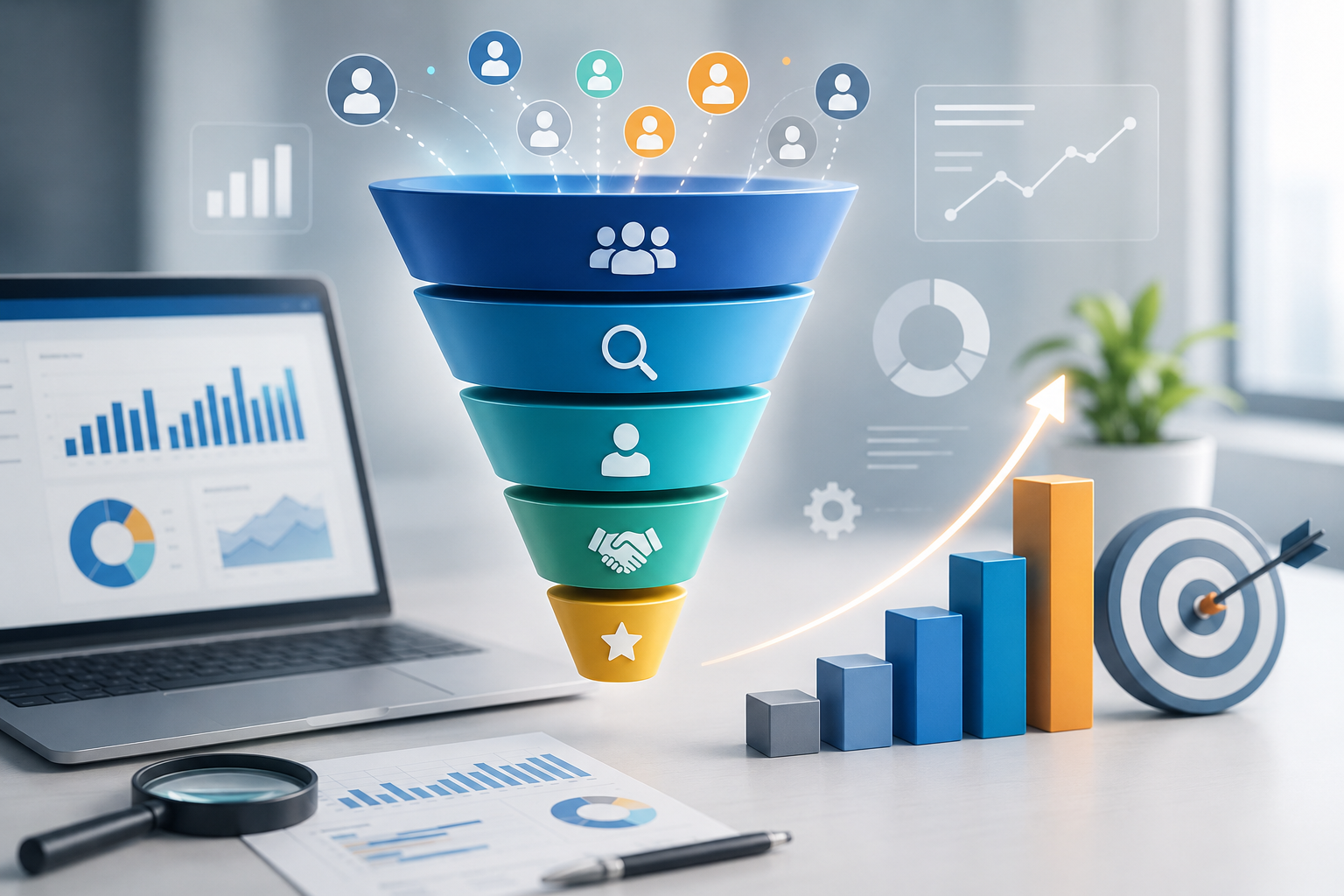
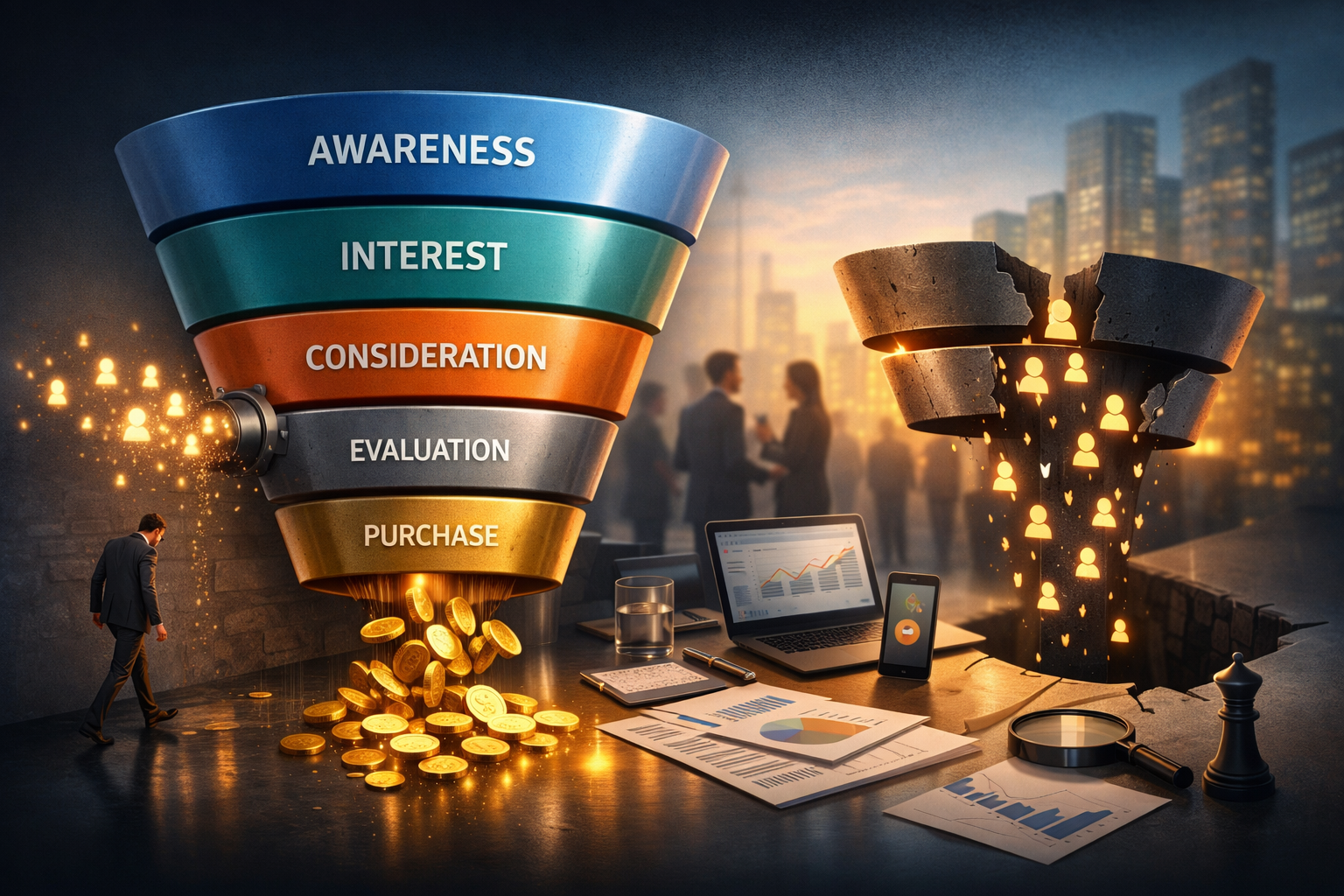
Not every lead is ready to buy. Segmenting based on the stage of the buyer journey allows you to deliver appropriate content.
Typical stages:
- Awareness
- Consideration
- Decision
Email Examples
Awareness Stage
- Educational blogs
- Industry reports
- Thought leadership content
Consideration Stage
- Product comparisons
- Case studies
- Webinars
Decision Stage
- Free trials
- Demo invitations
- Customer testimonials
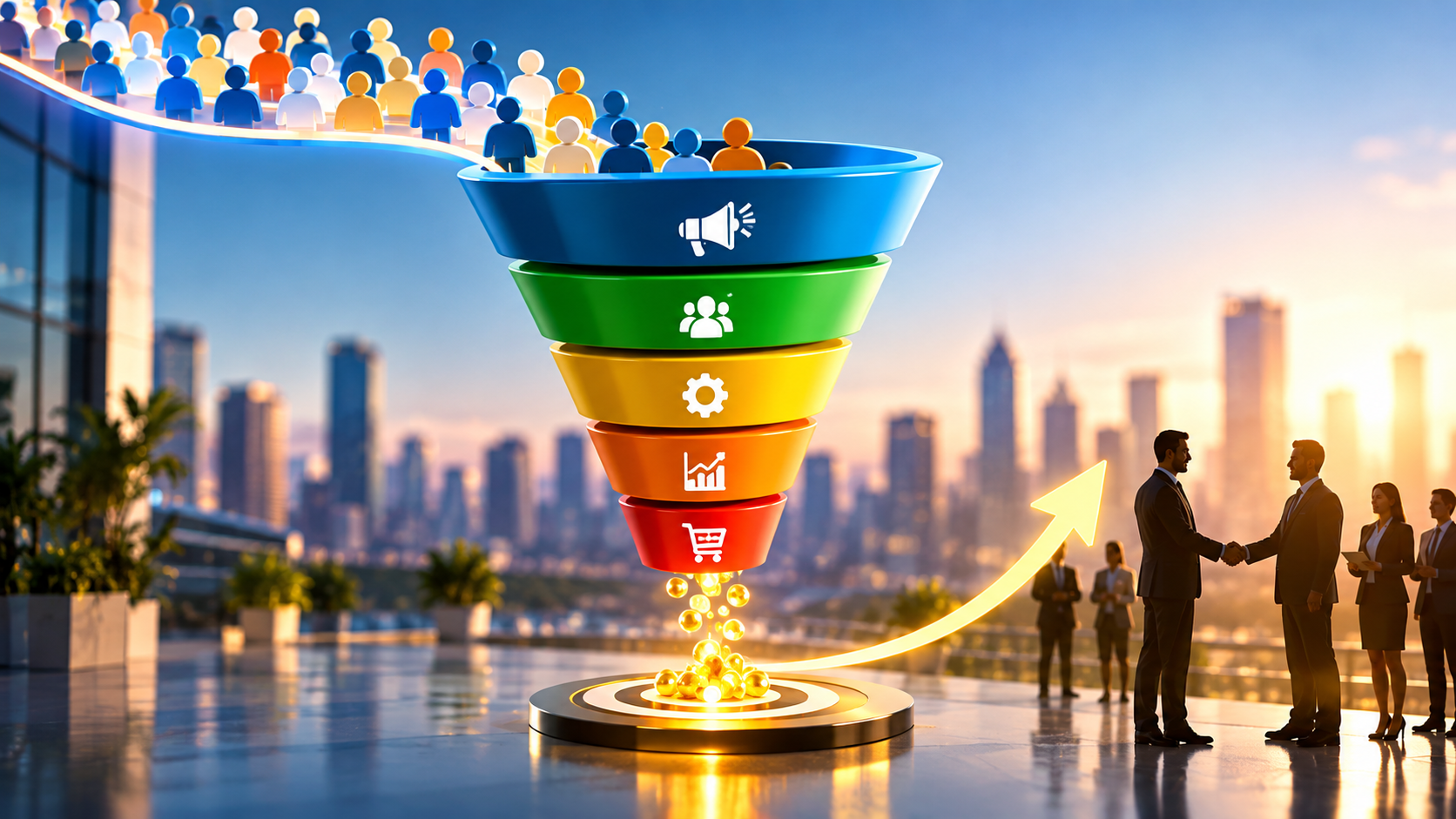
This ensures prospects move smoothly through the sales funnel.
4. Behavioral Segmentation
Behavioral data is one of the most powerful segmentation strategies.
You can segment users based on:
- Email opens
- Link clicks
- Website activity
- Content downloads
- Webinar attendance
Example
If a user downloads a cybersecurity guide, they can automatically receive follow-up emails about:
- Security best practices
- Product solutions
- Customer success stories
Behavior-based segmentation creates highly personalized experiences.
5. Engagement-Based Segmentation
Not all subscribers interact with your emails equally.
Segment your audience into:
- Highly engaged users
- Moderately engaged users
- Inactive subscribers
Strategy
Highly engaged users
- Send product launches
- Invite them to events
- Offer early access
Inactive subscribers
- Run re-engagement campaigns
- Offer valuable resources
- Ask for preference updates
This approach helps maintain a healthy email list and improves deliverability.
6. Account-Based Segmentation (ABM)
For high-value B2B deals, account-based marketing (ABM) segmentation is highly effective.
This approach targets specific companies with personalized email campaigns tailored to:
- Their industry
- Their challenges
- Their business goals
Example
Instead of sending generic content, you could send:
- Custom case studies from their industry
- Personalized product demos
- Strategic consultation offers
ABM-style segmentation works especially well for enterprise sales.
Best Practices for Successful B2B Email Segmentation
To maximize the effectiveness of segmentation, follow these best practices:
Collect the Right Data
Use signup forms, CRM systems, and analytics tools to capture meaningful subscriber data.
Start Simple
Begin with a few key segments before building more complex targeting strategies.
Automate Segmentation
Use marketing automation platforms to dynamically segment users based on behavior and attributes.
Continuously Optimize
Regularly analyze performance metrics such as open rates, click-through rates, and conversions to refine your segments.
Personalize Beyond the Name
True personalization means delivering relevant content, not just adding a first name to the subject line.
Read Also: The Role of Machine Learning in Customer Journey Mapping