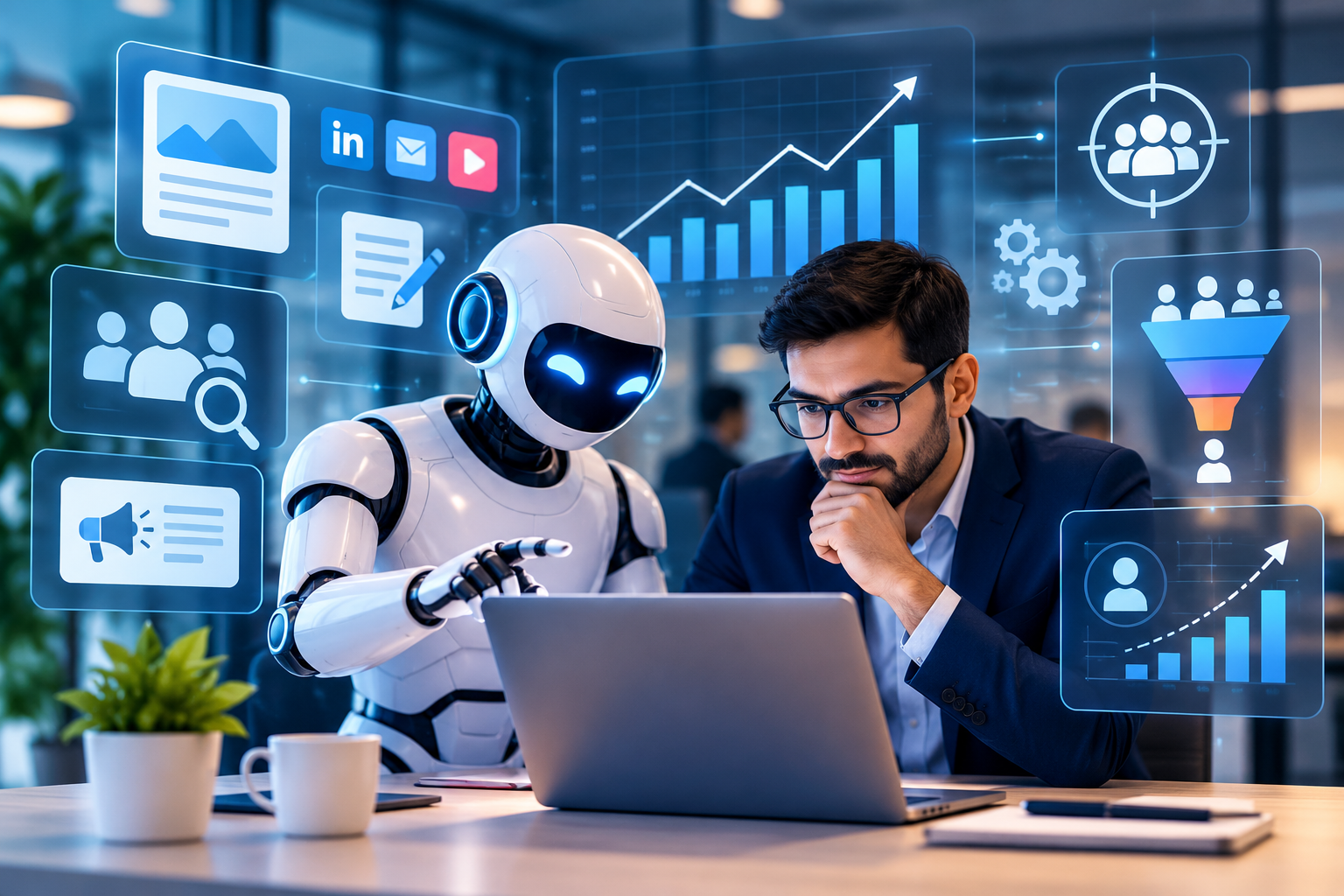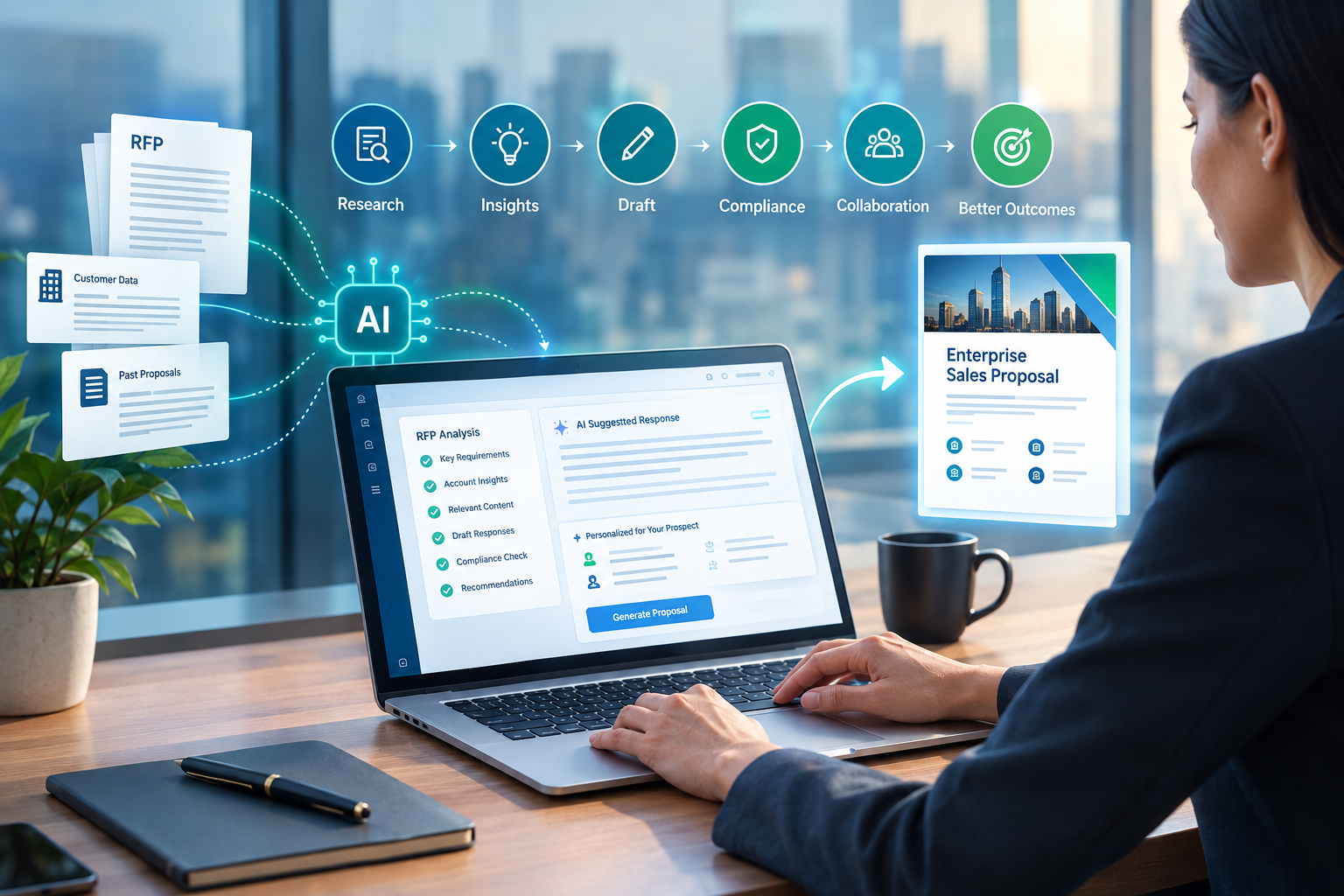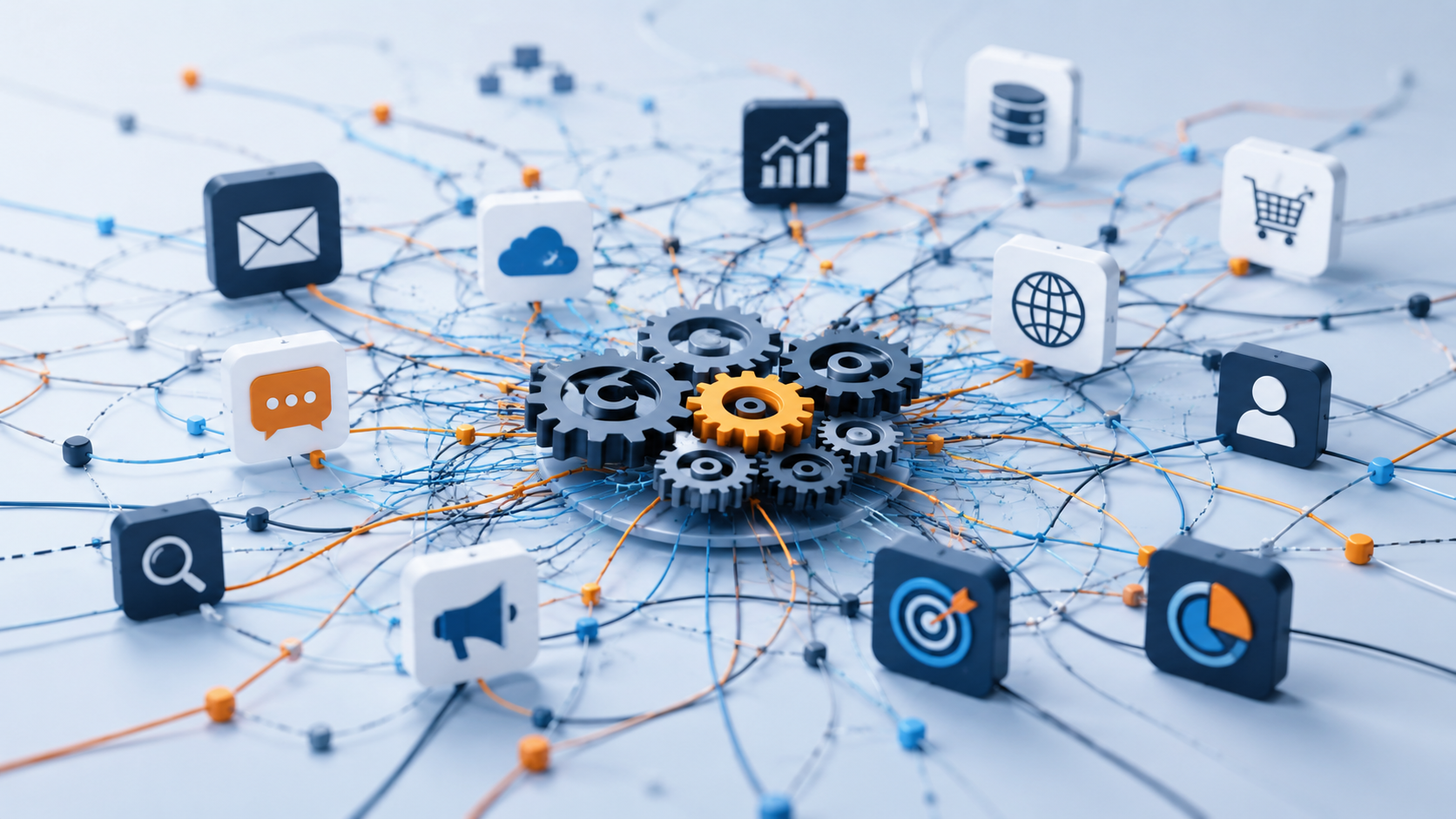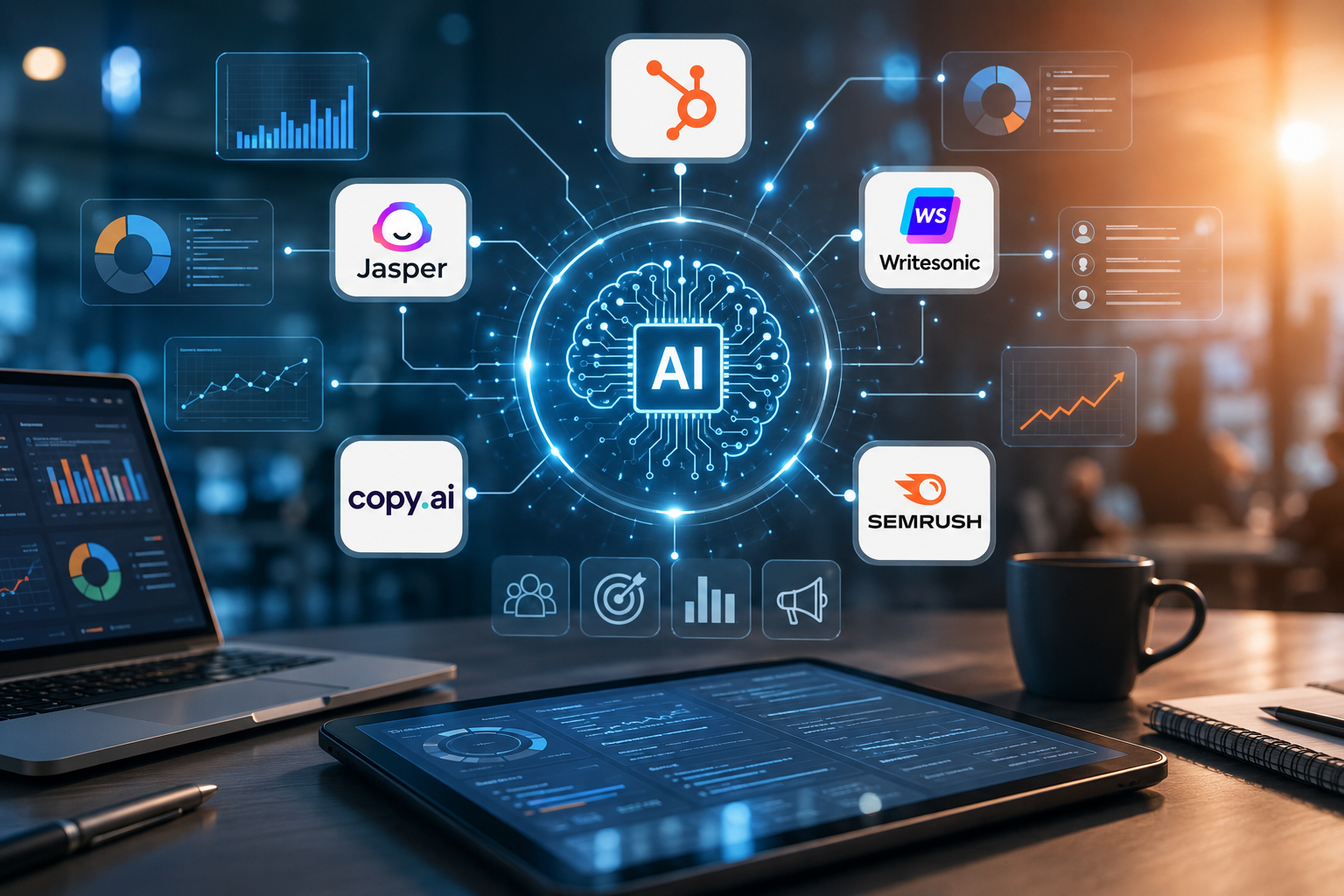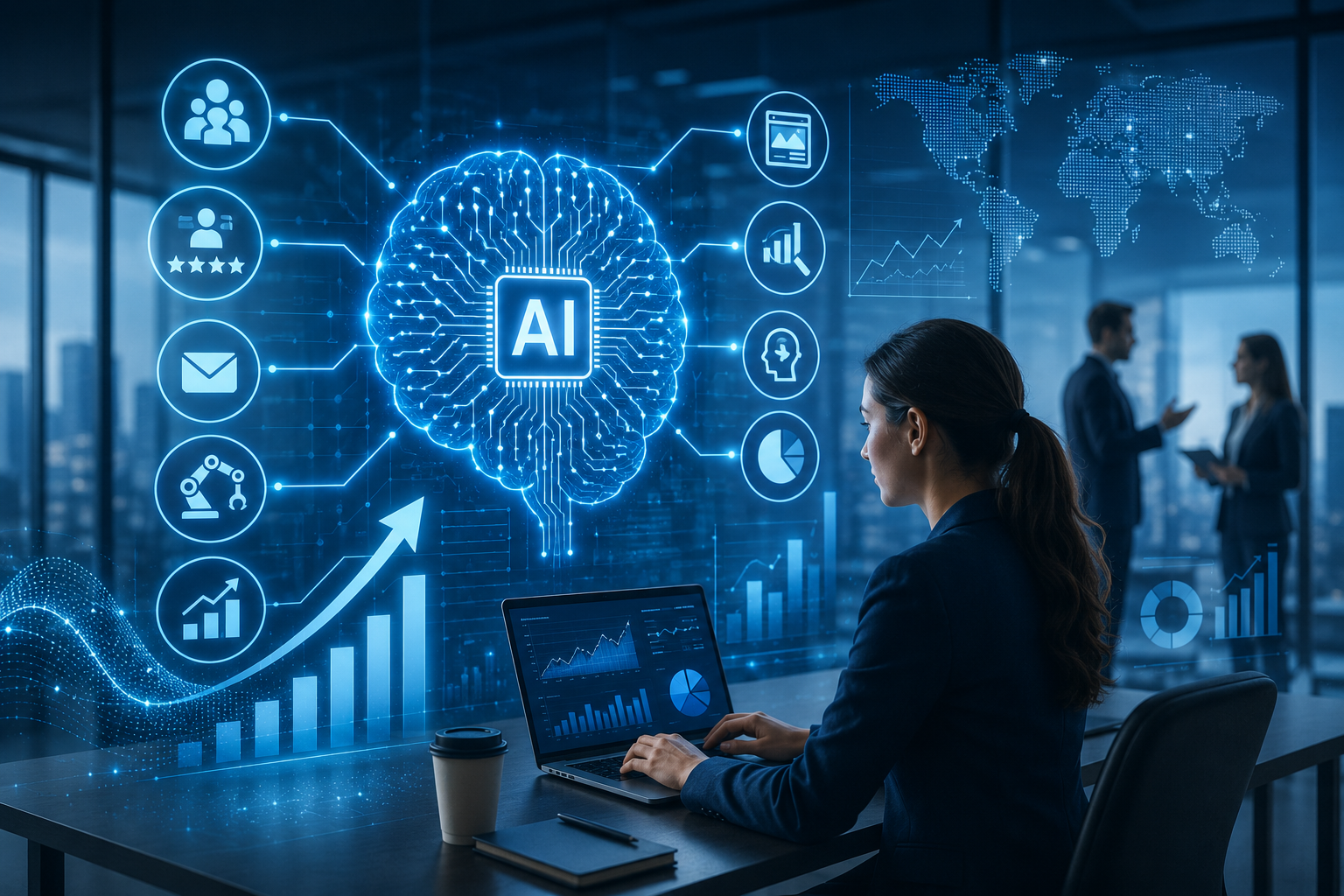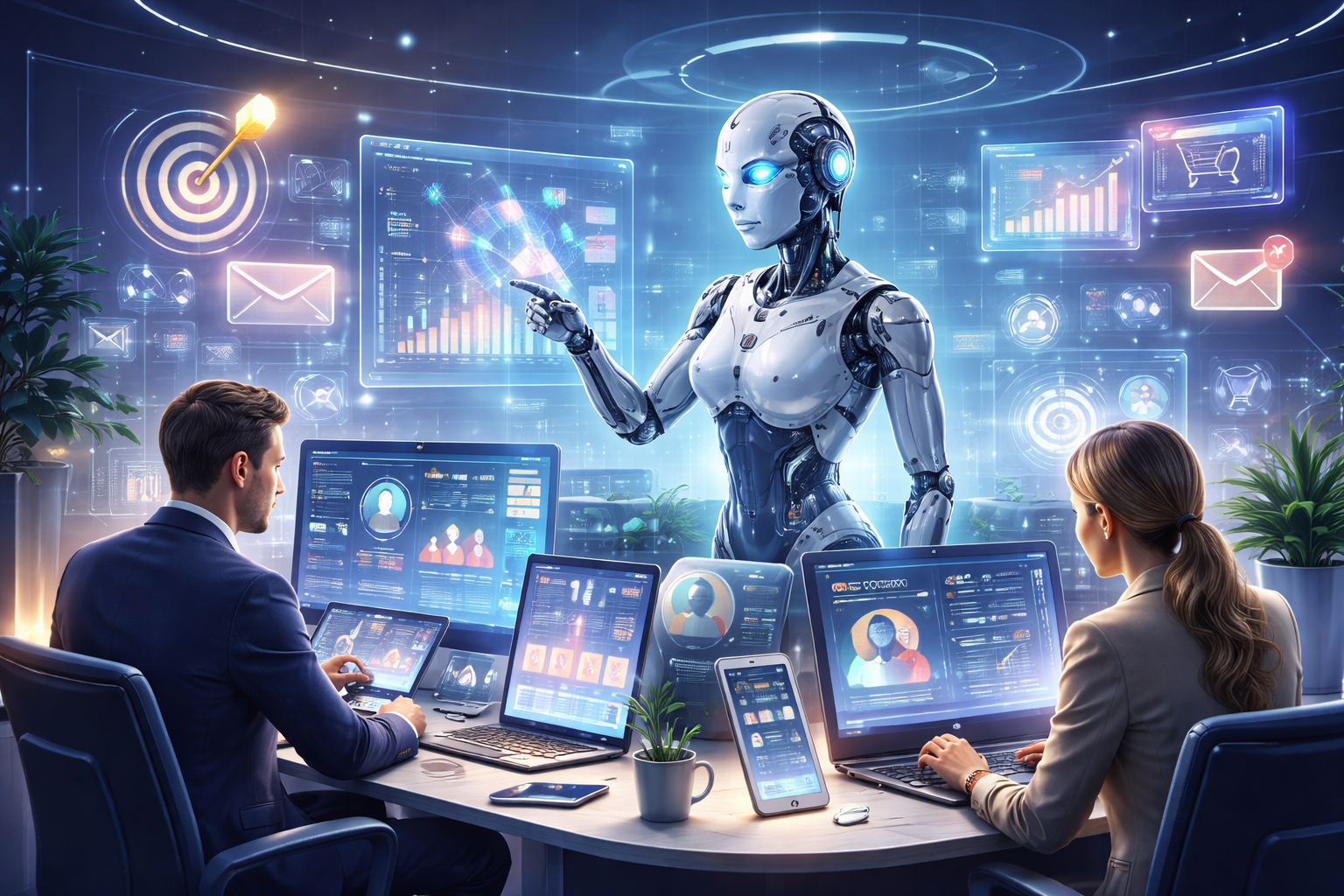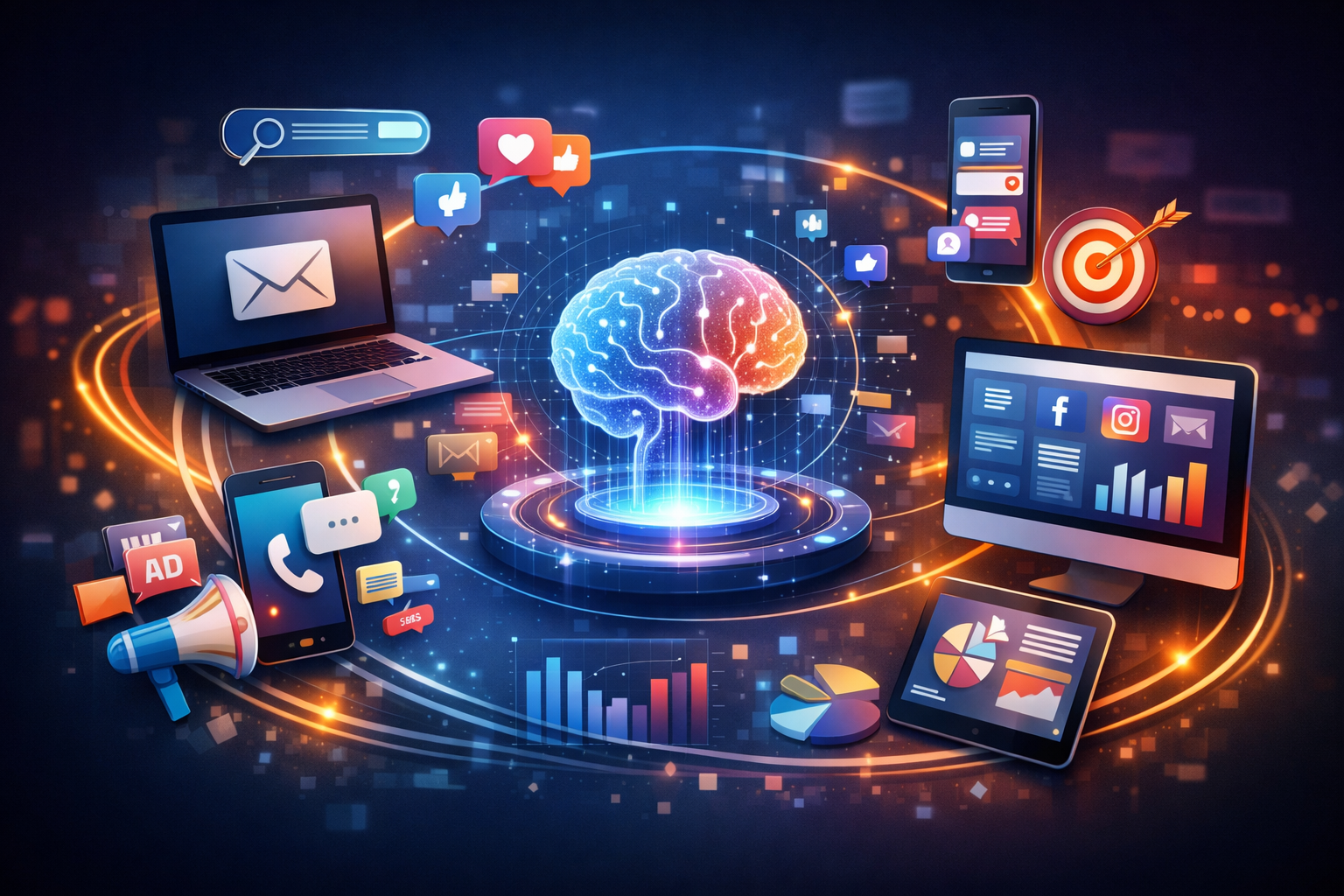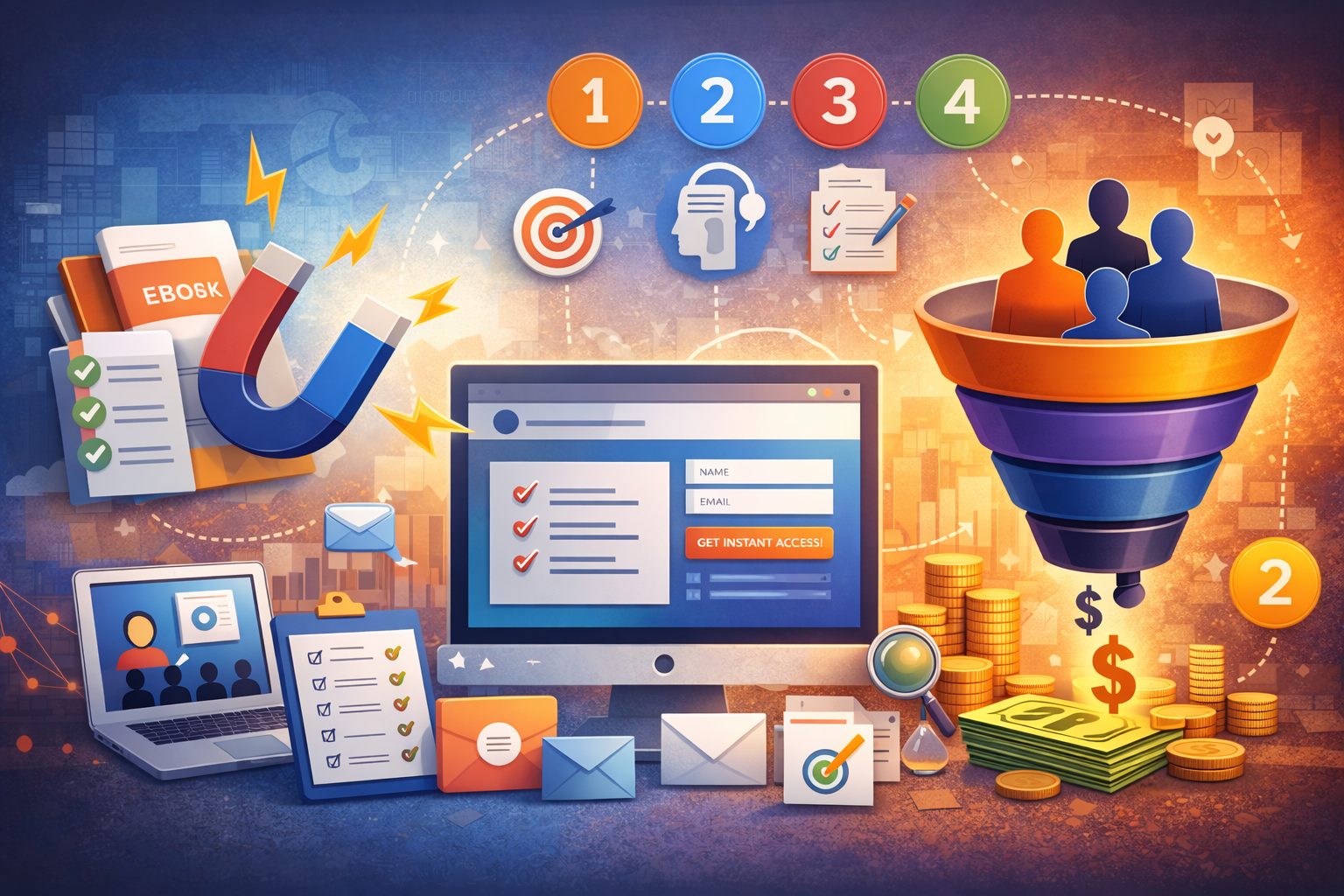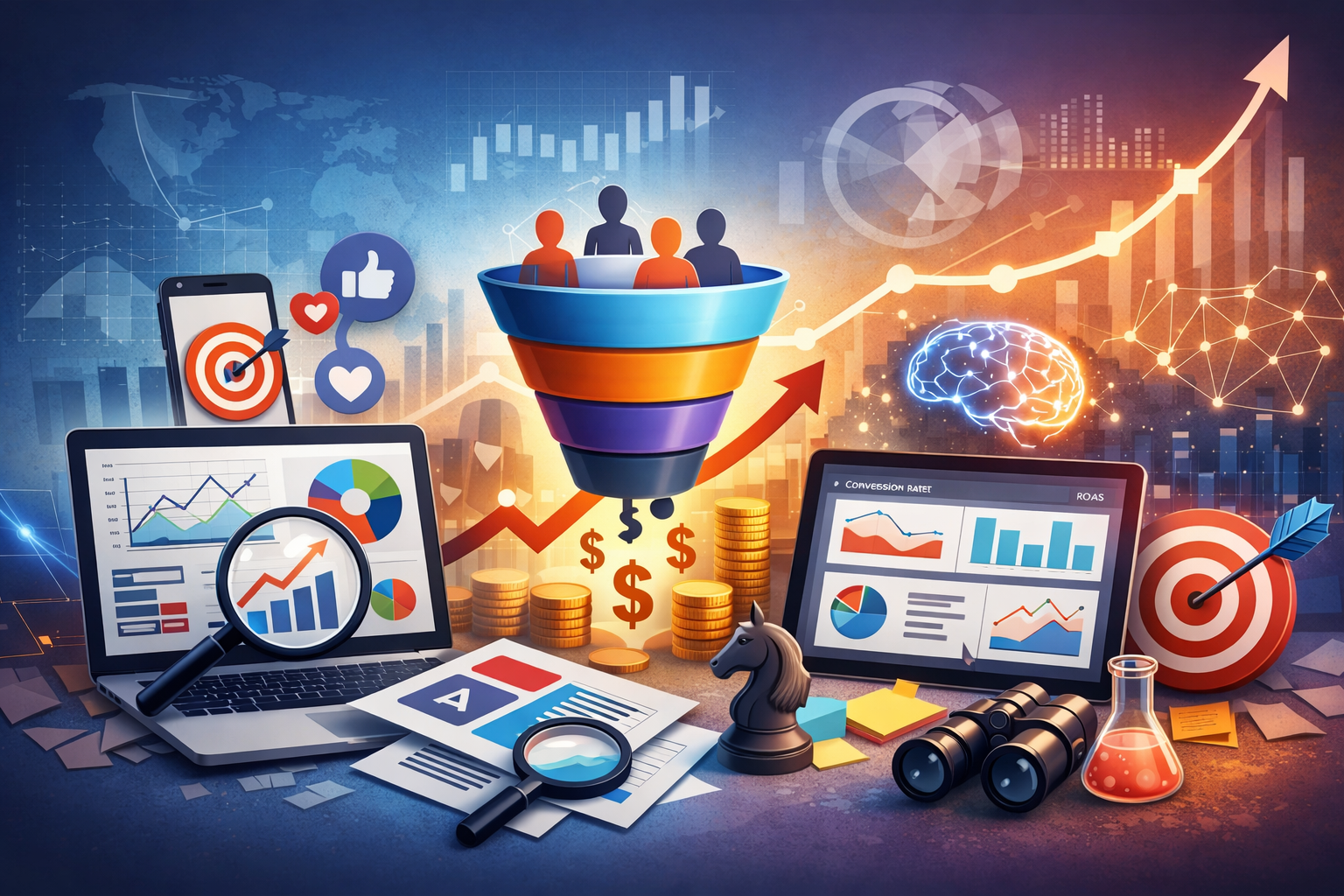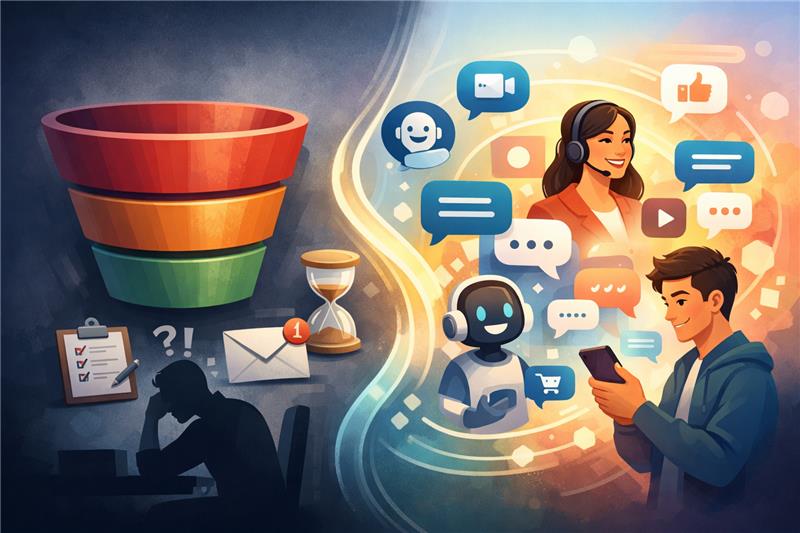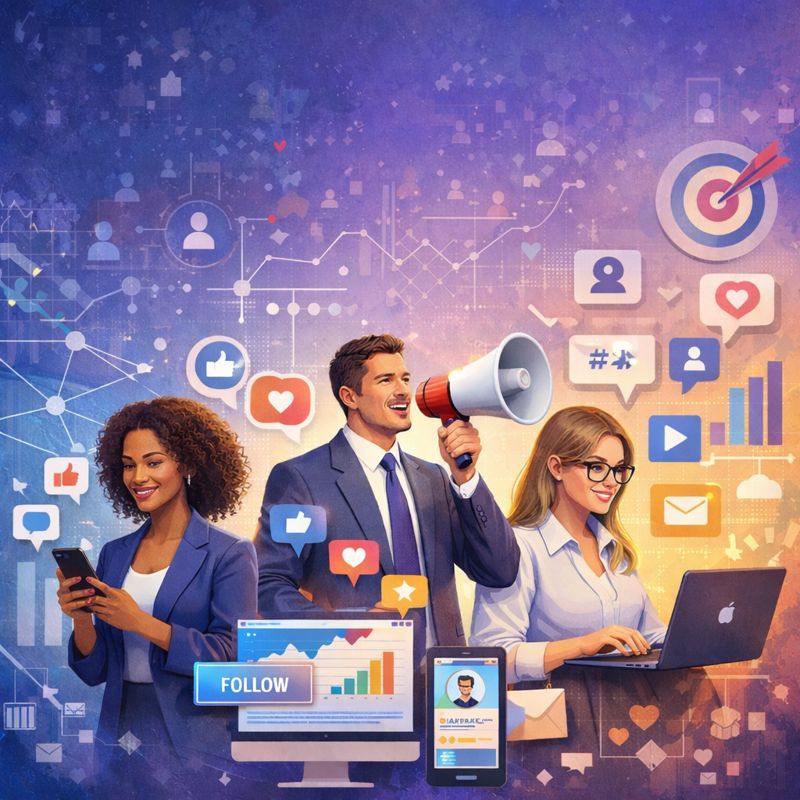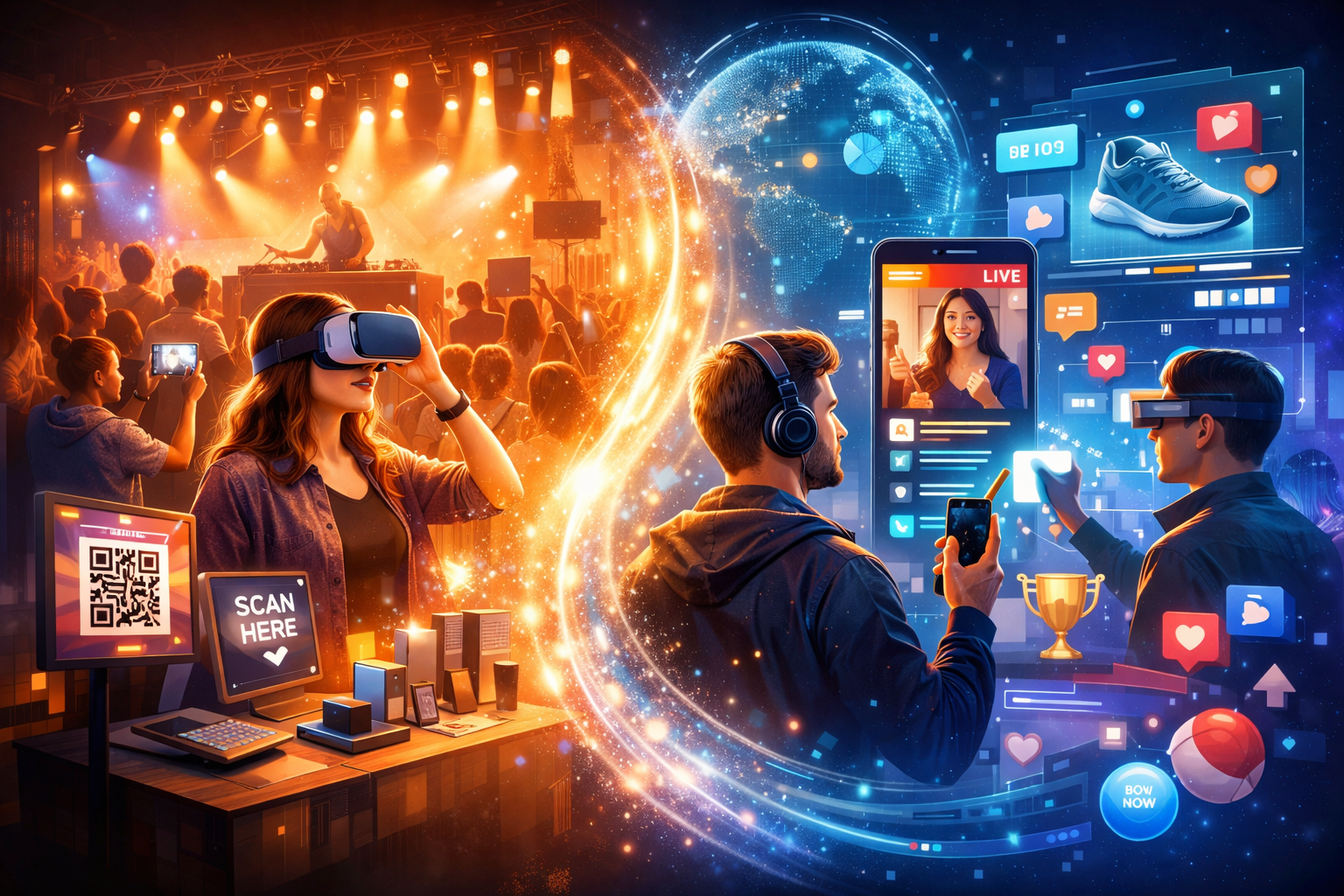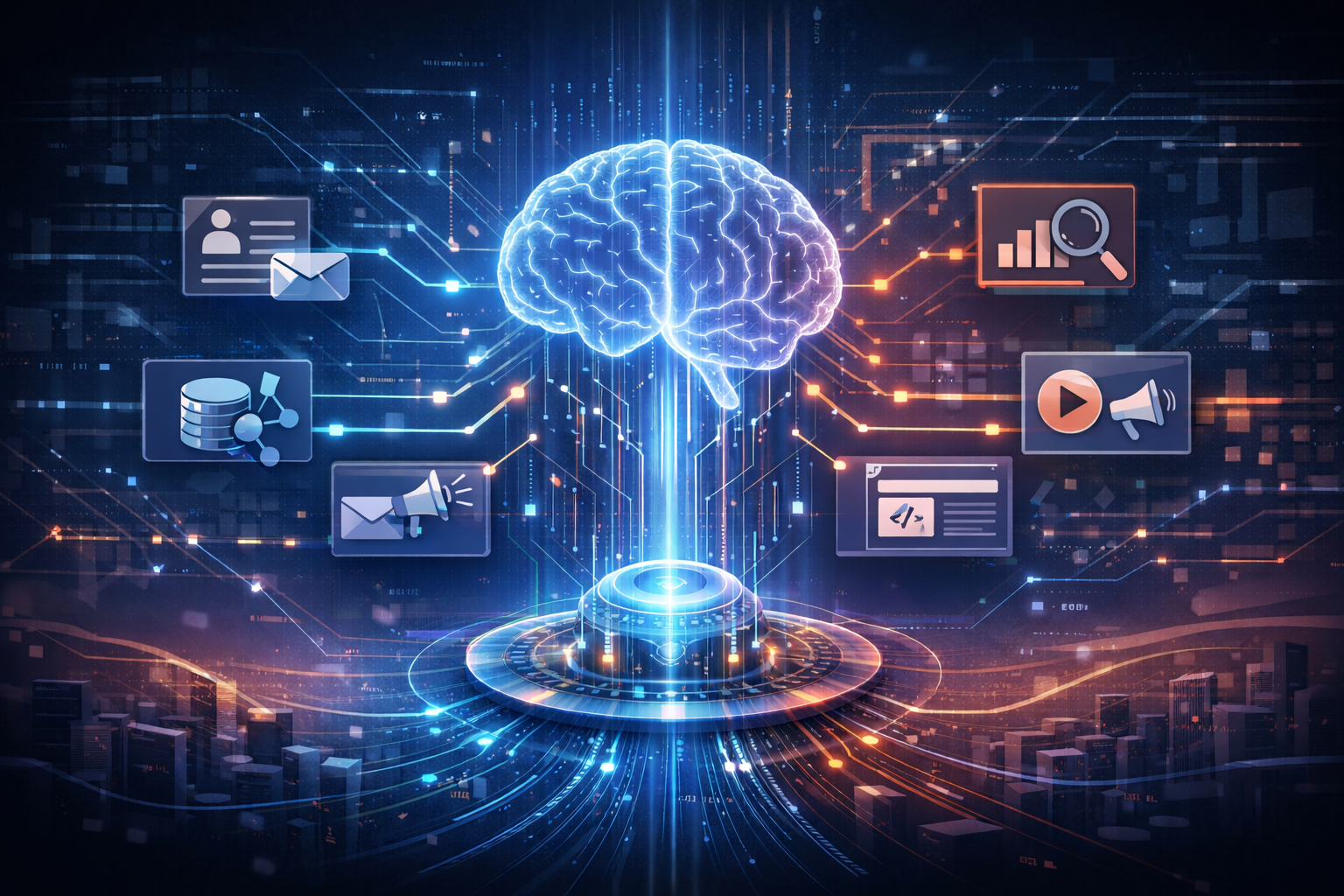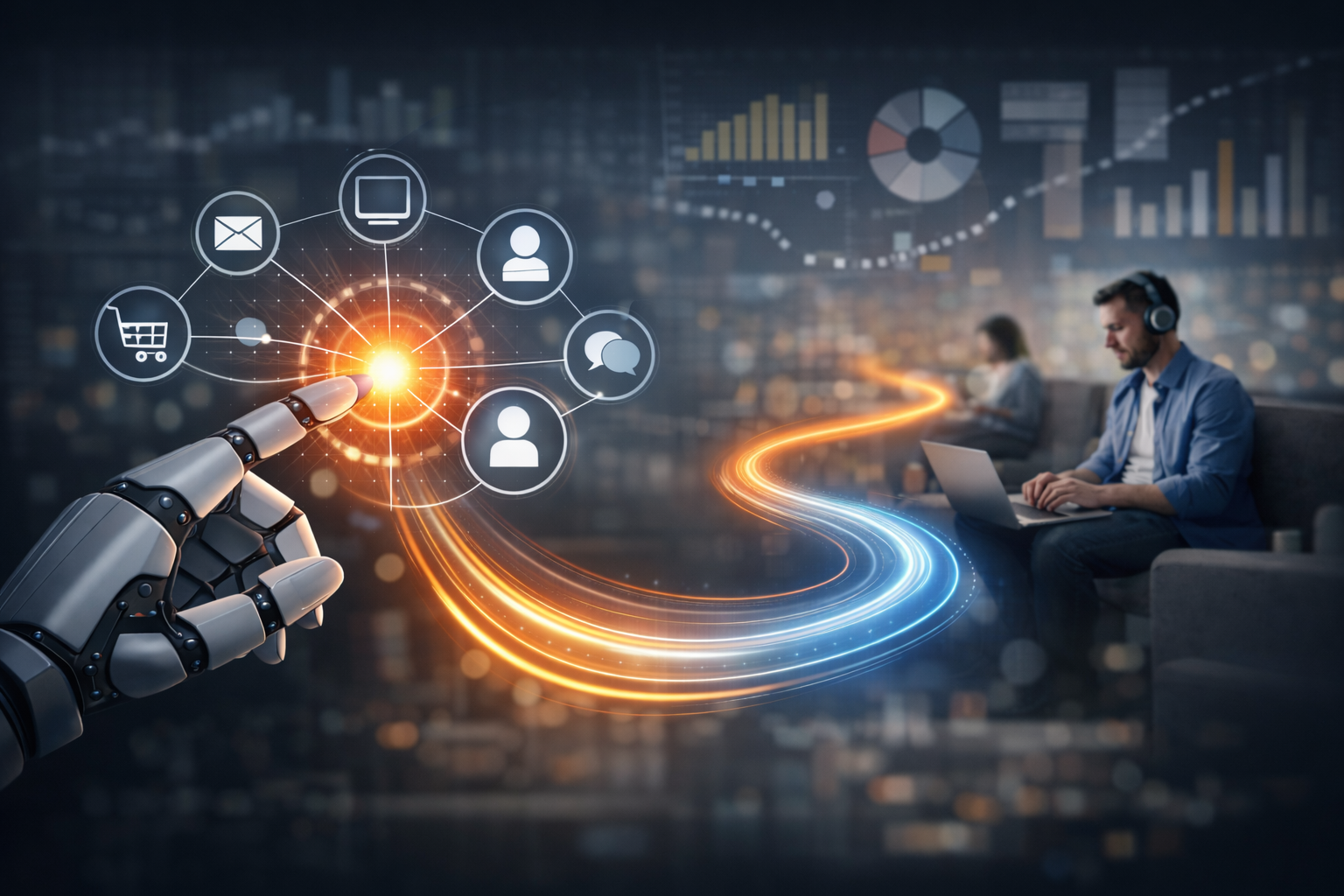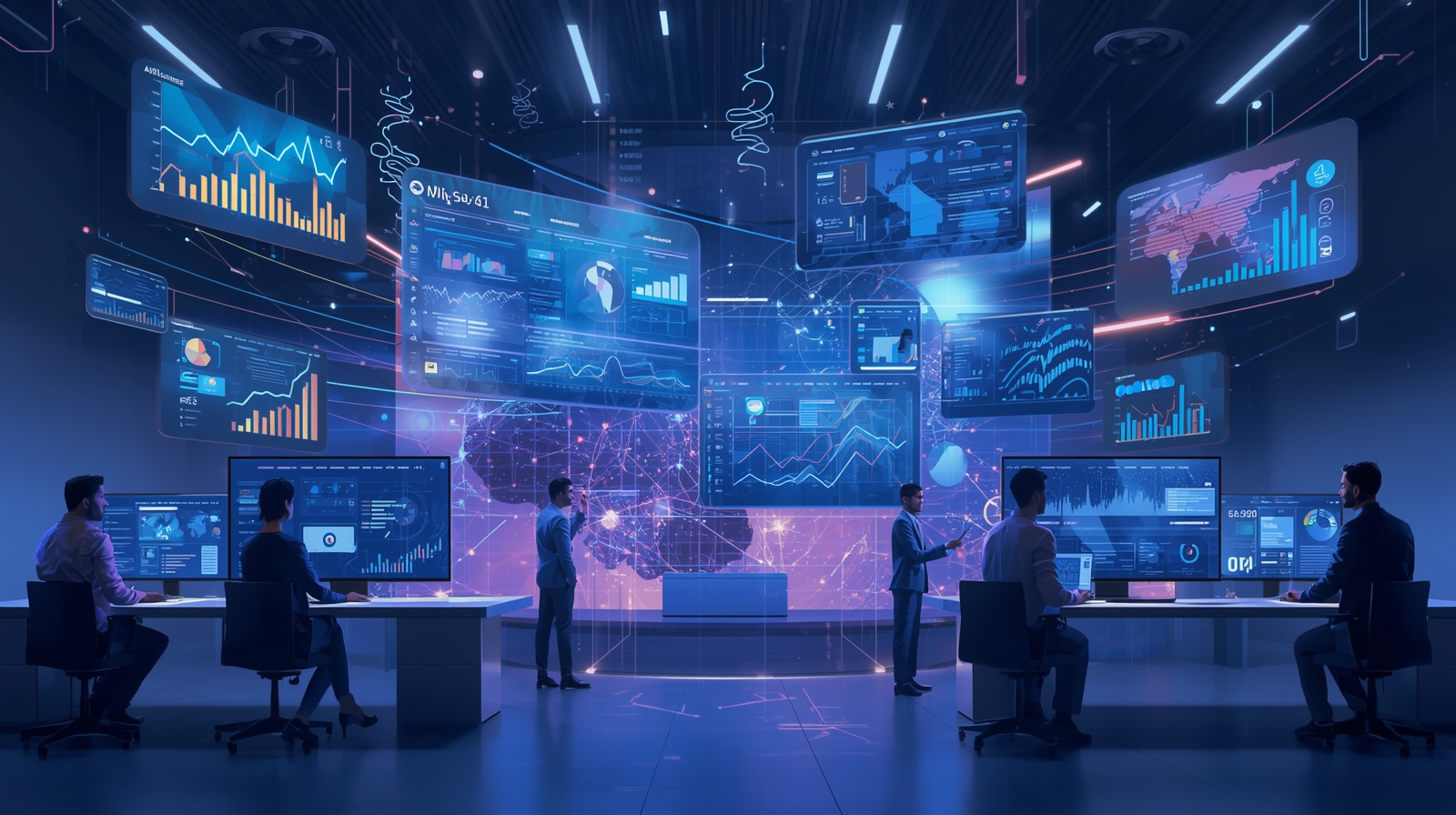
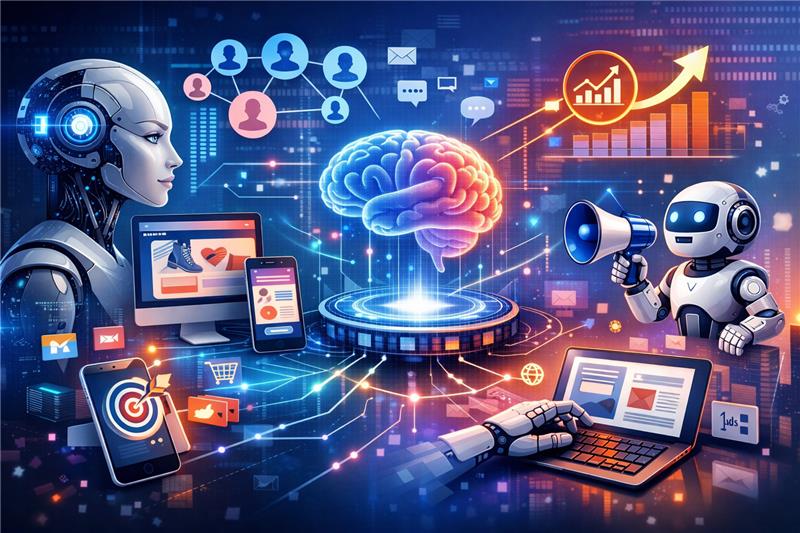
Artificial Intelligence (AI) is rapidly transforming the way businesses approach marketing. From personalized customer experiences to automated campaign management, AI-driven marketing automation is reshaping how companies attract, engage, and retain customers. As technology evolves, AI is expected to play an even more critical role in marketing strategies, enabling organizations to work smarter, faster, and more efficiently.
Understanding AI in Marketing Automation
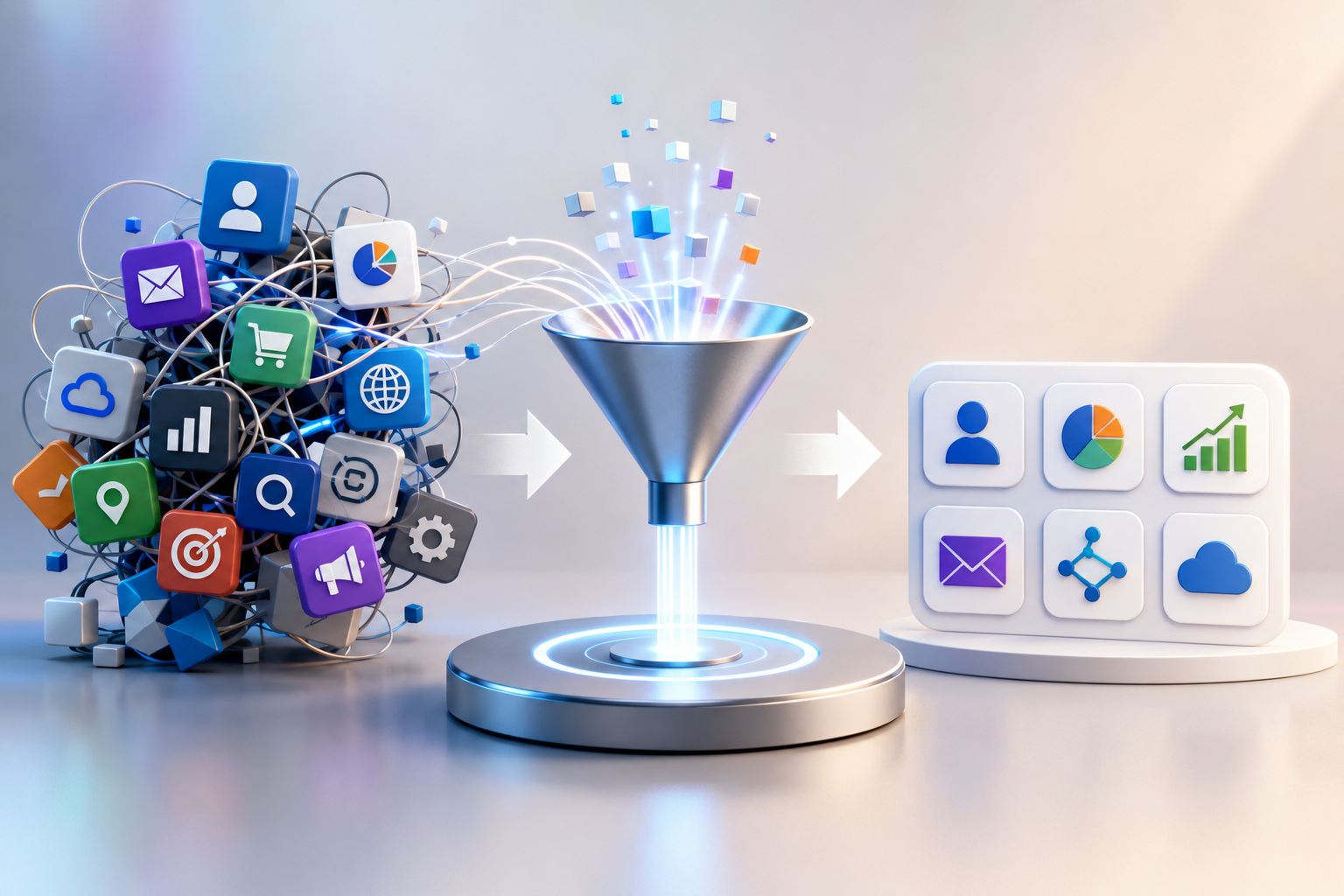
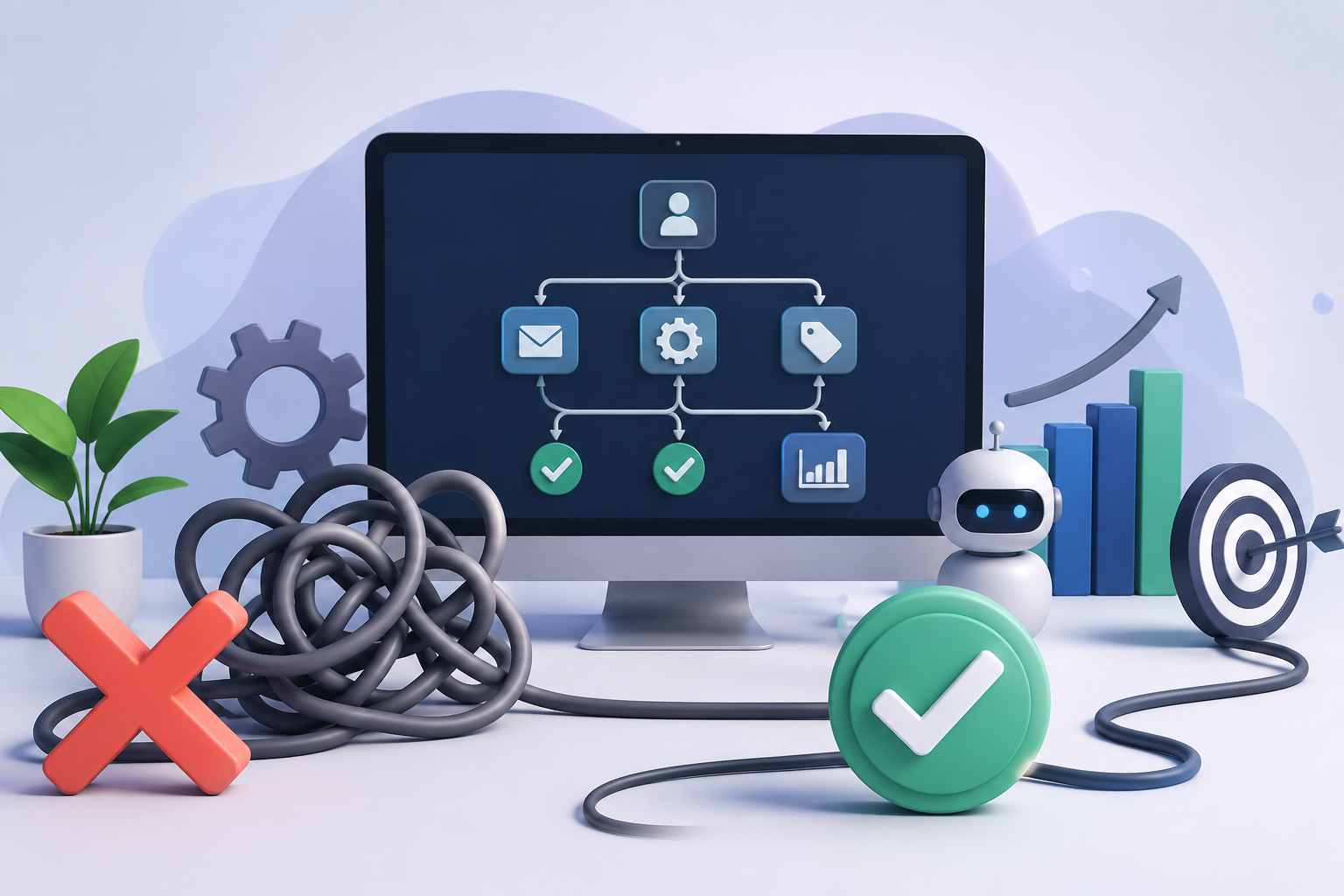
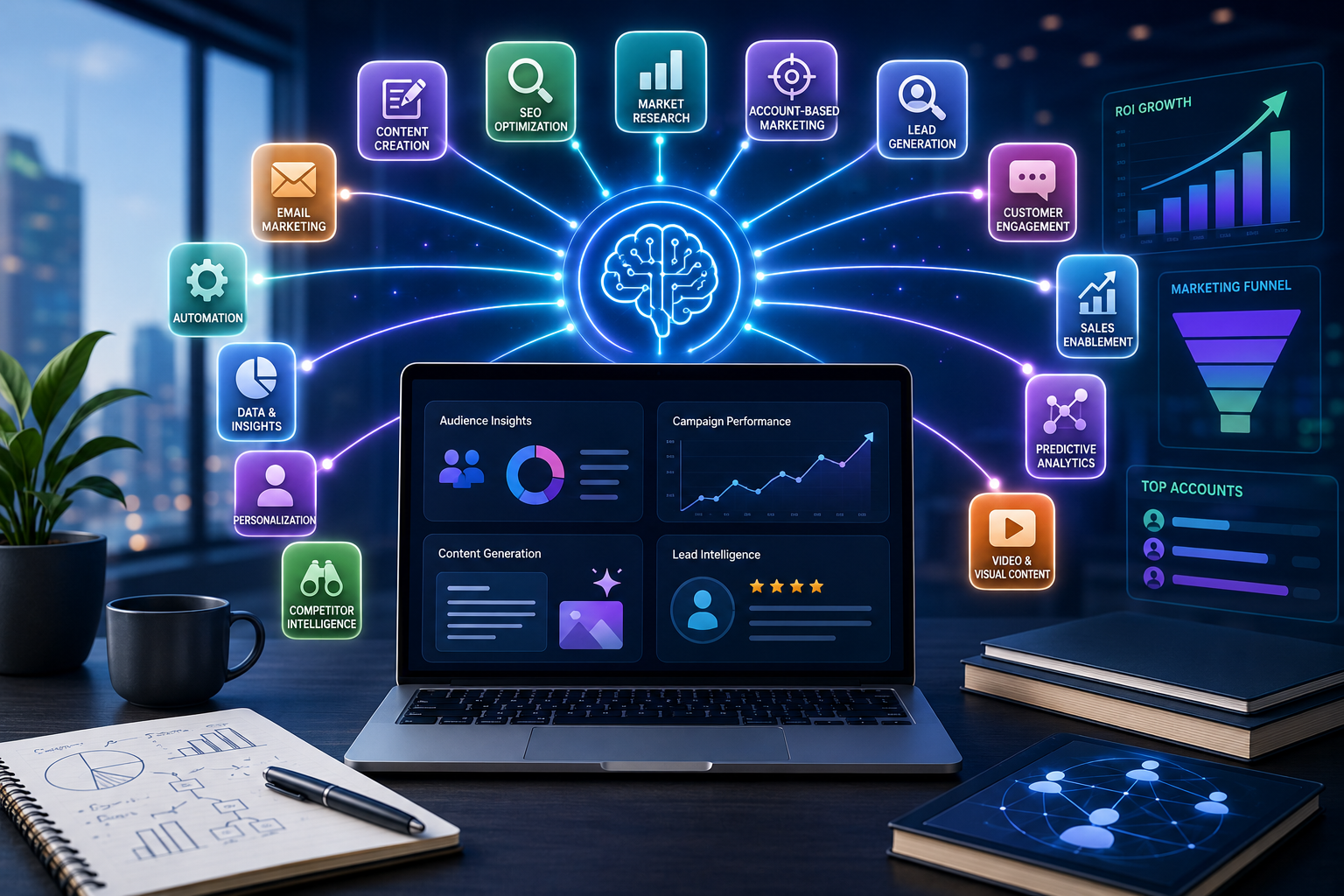
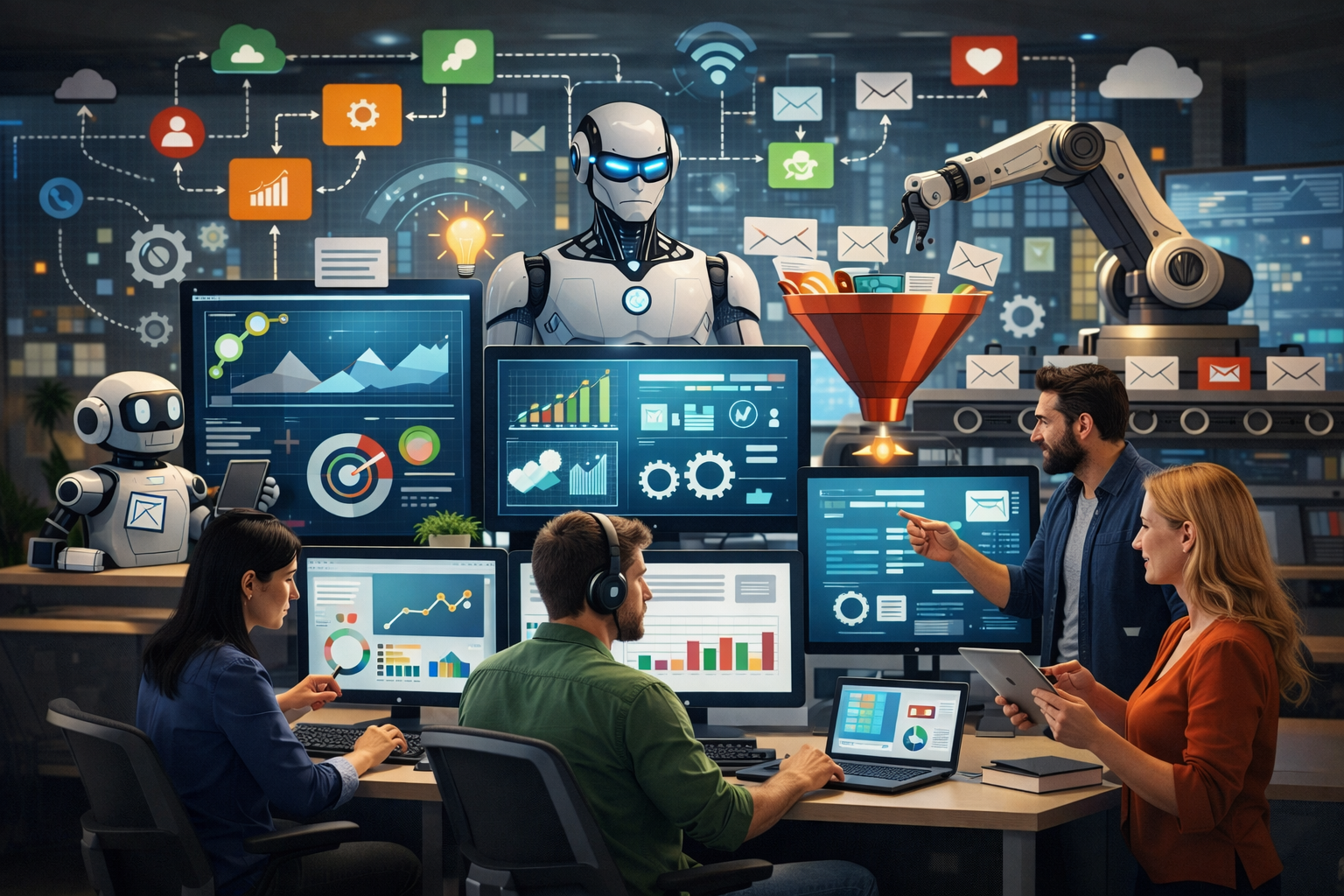
Marketing automation refers to the use of software and technology to automate repetitive marketing tasks such as email campaigns, social media posting, customer segmentation, and data analysis. When combined with AI, these systems become far more intelligent and adaptive.
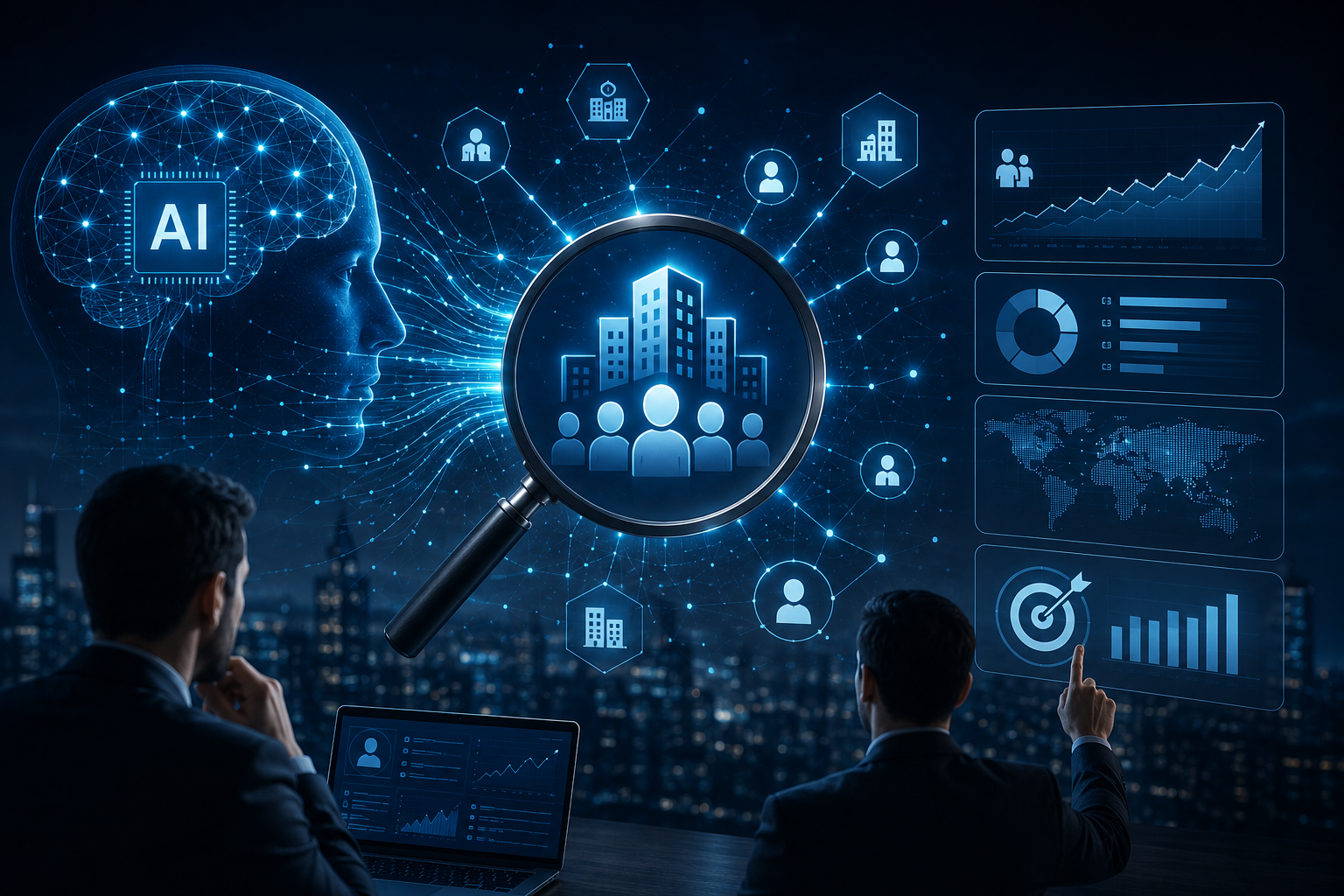
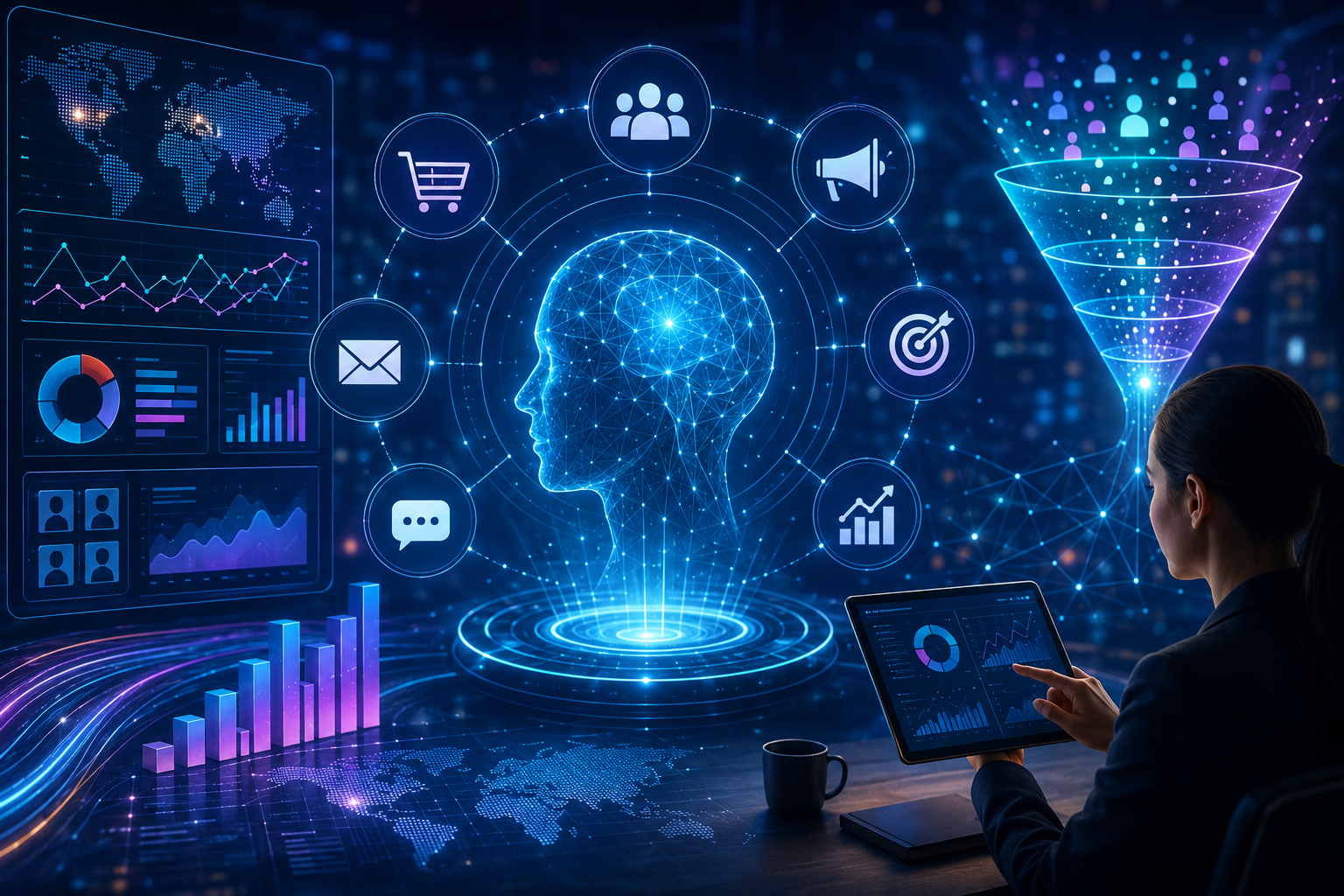
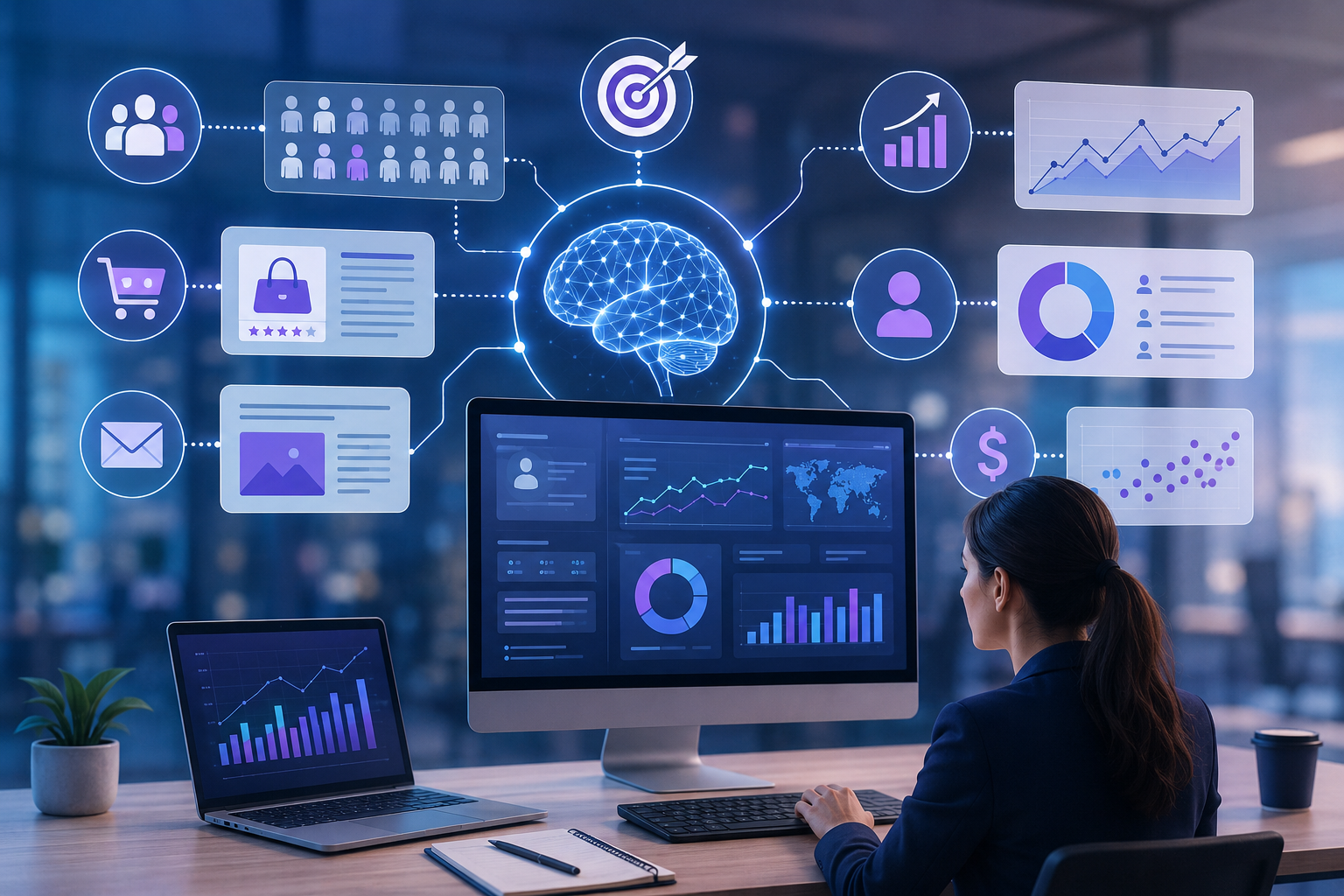
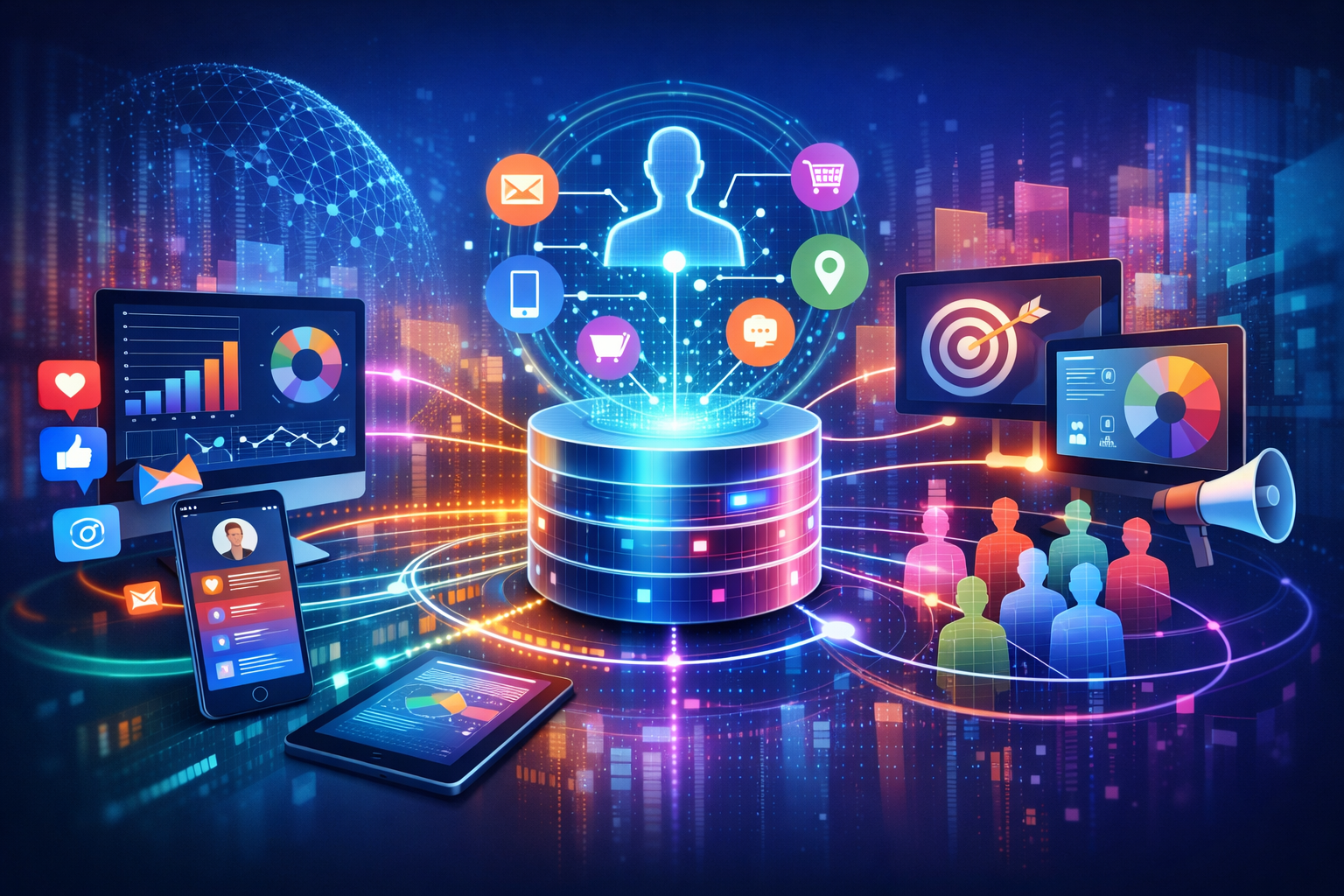
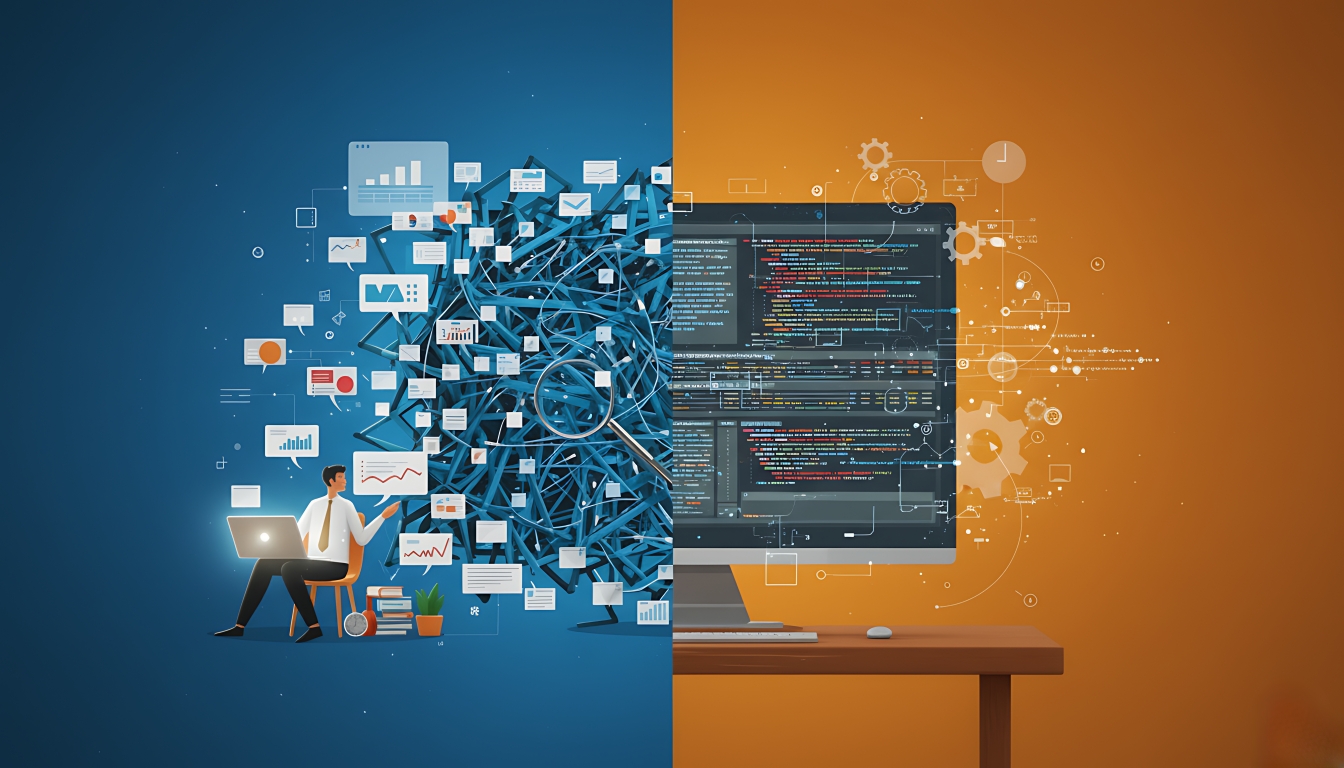
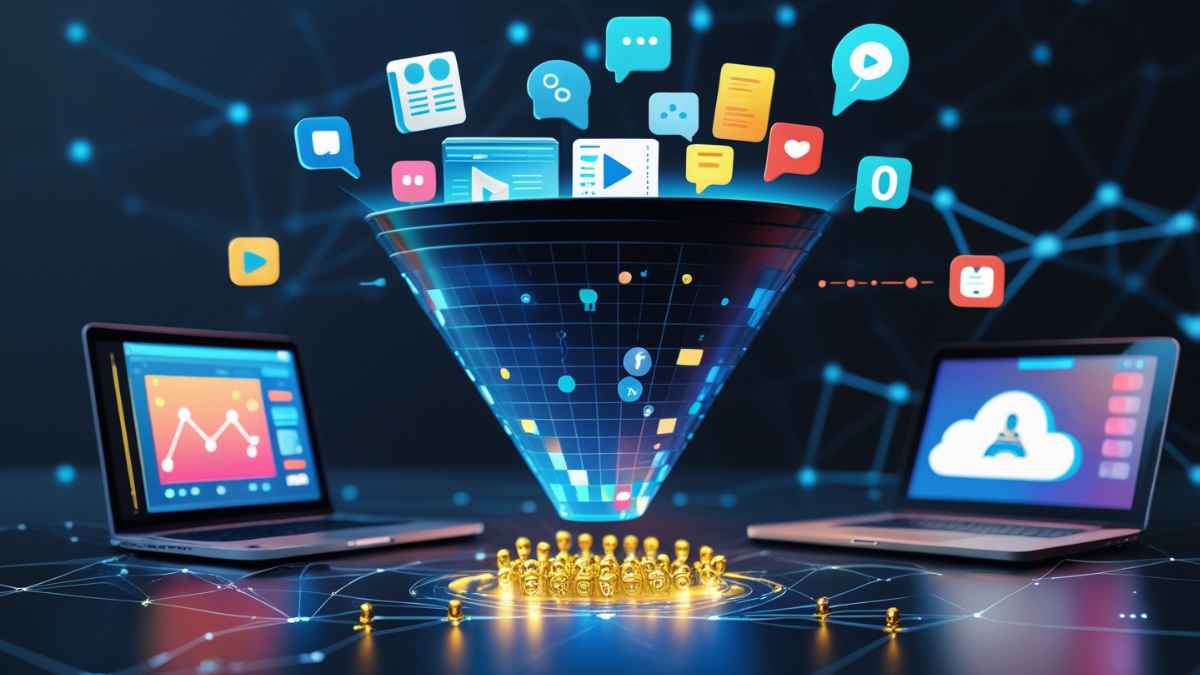
AI-powered marketing automation uses machine learning, predictive analytics, and natural language processing to analyze large volumes of customer data. This enables marketers to deliver highly personalized content, predict customer behavior, and optimize campaigns in real time. For example, AI systems can automatically segment audiences based on their browsing behavior and purchase history, ensuring that each customer receives tailored messaging and offers.
Key Trends Shaping the Future of AI in Marketing Automation
1. Hyper-Personalization at Scale
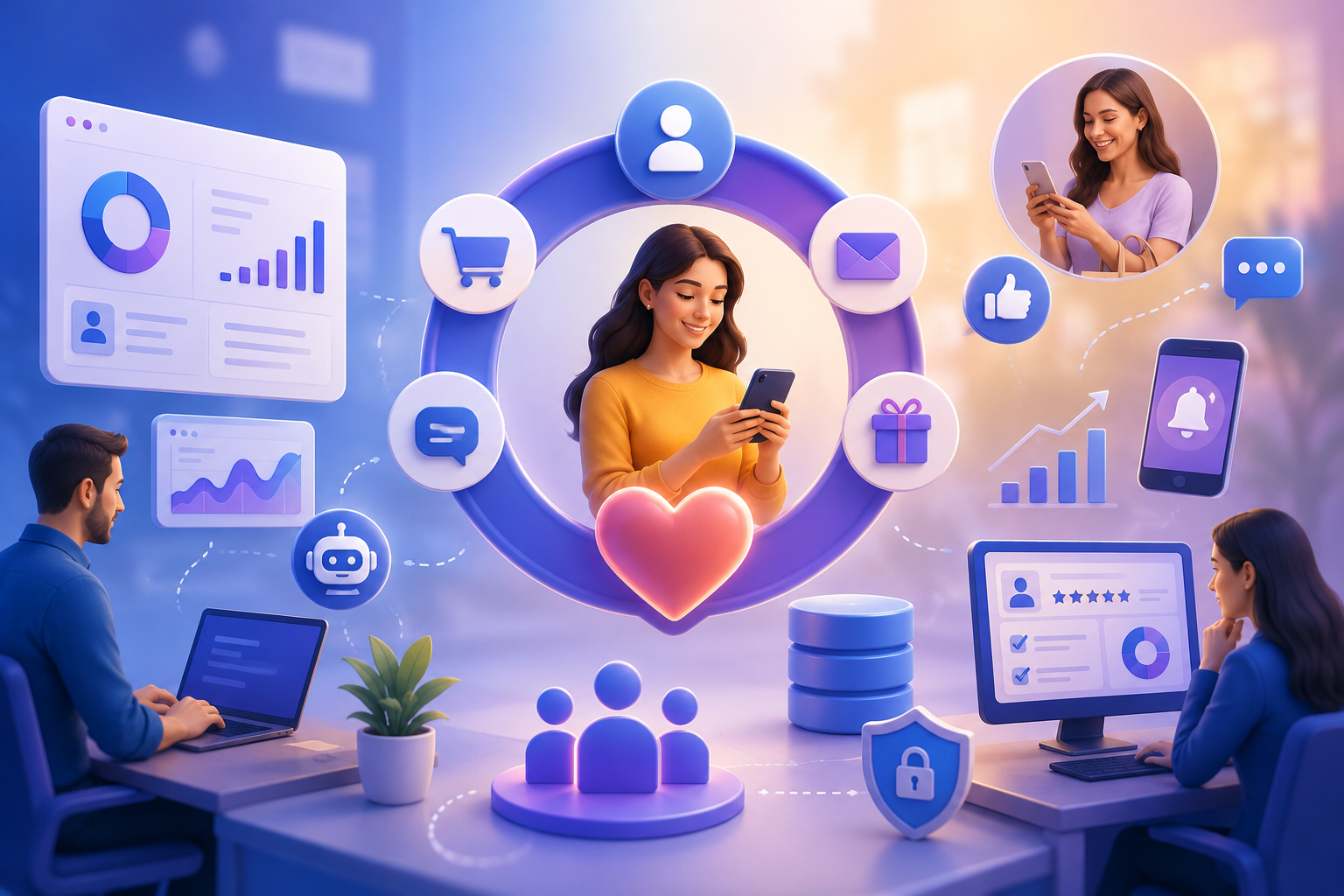
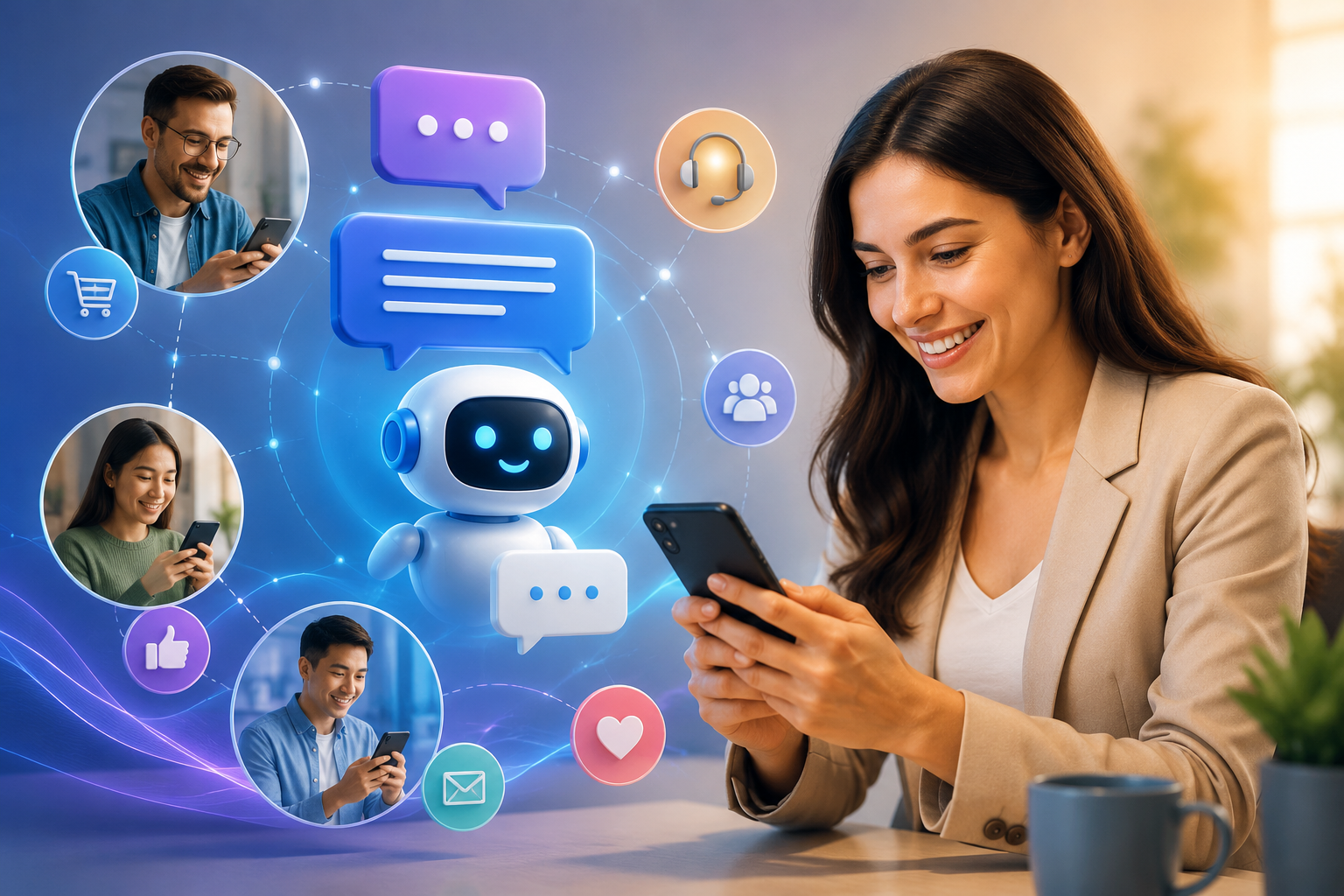
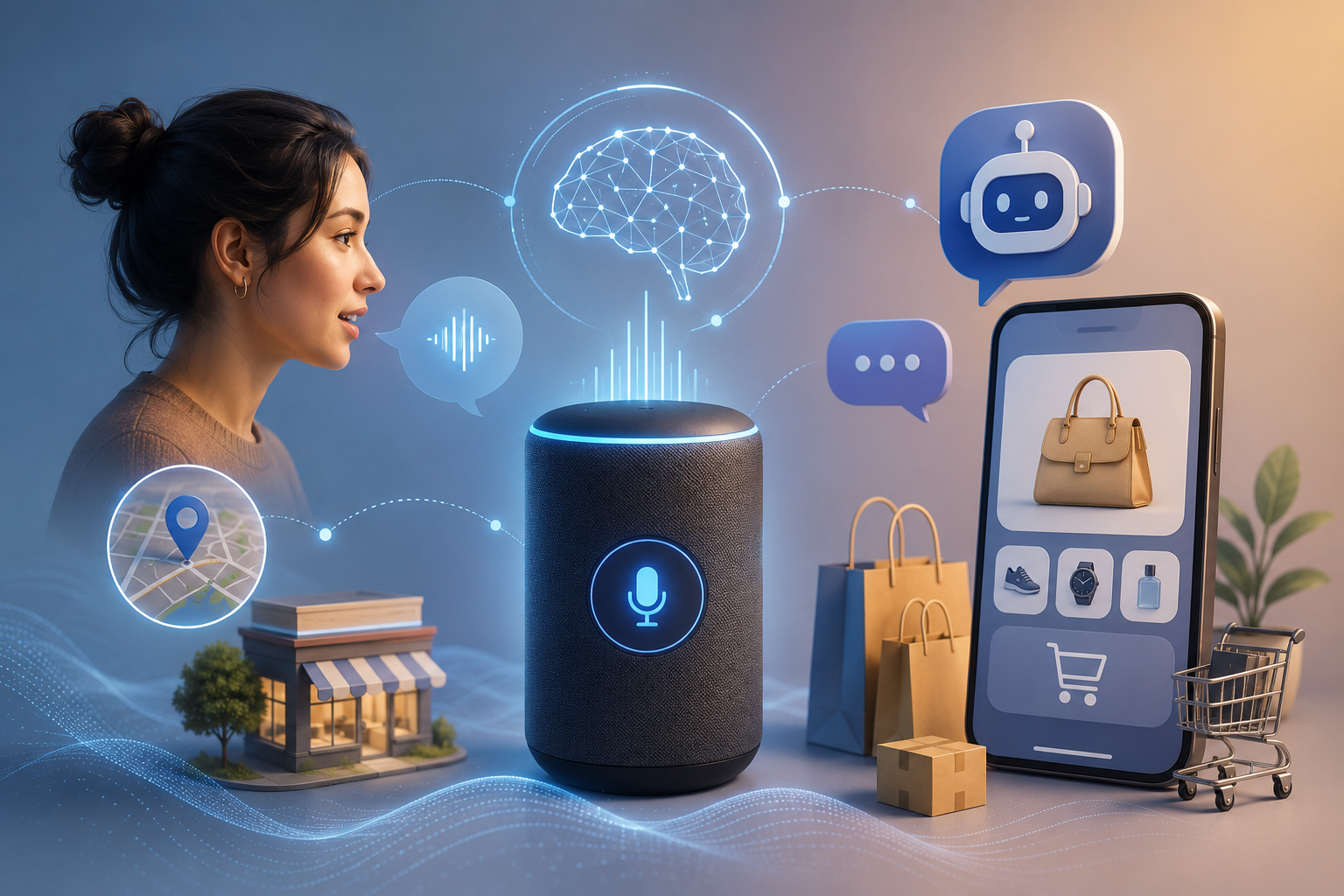
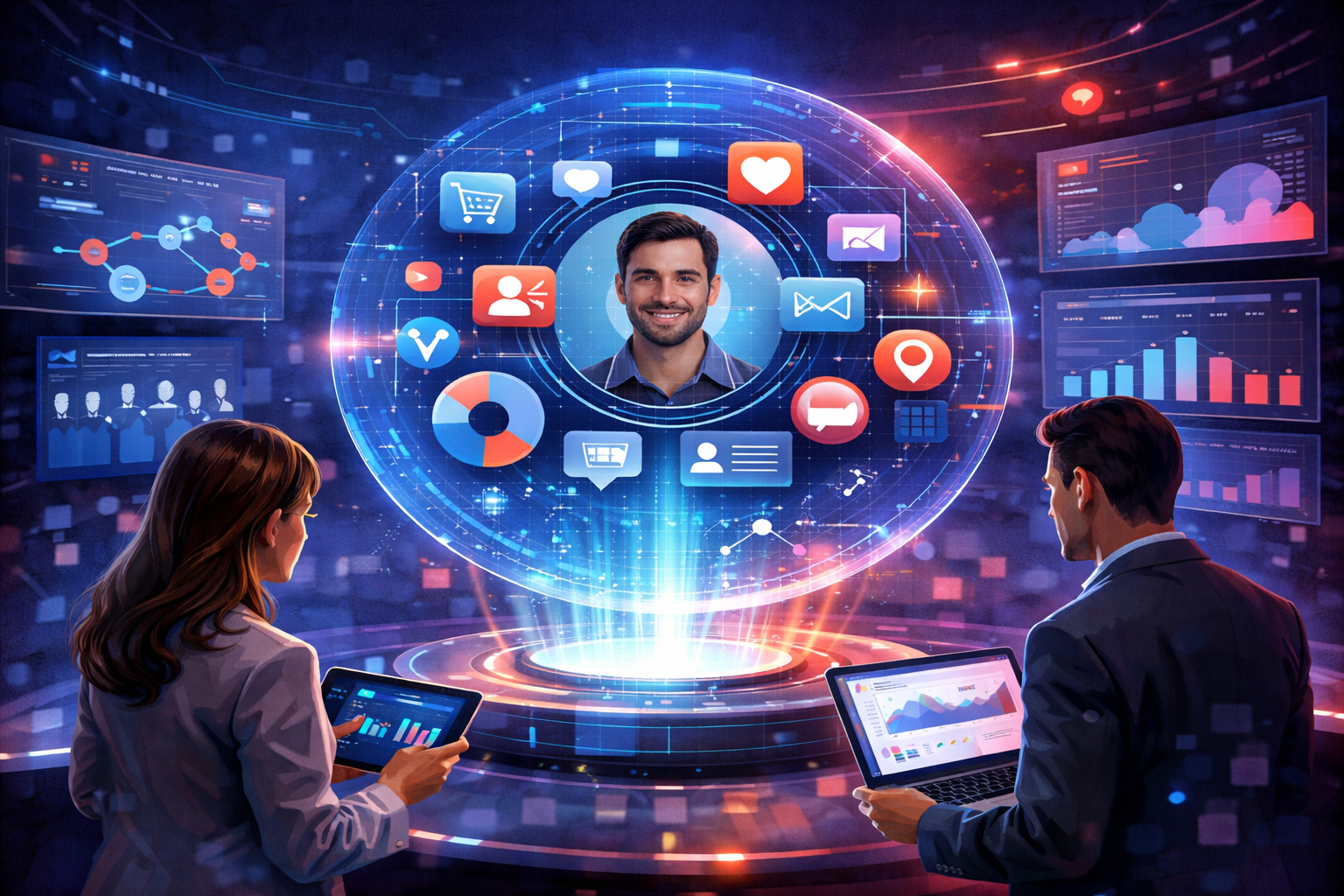
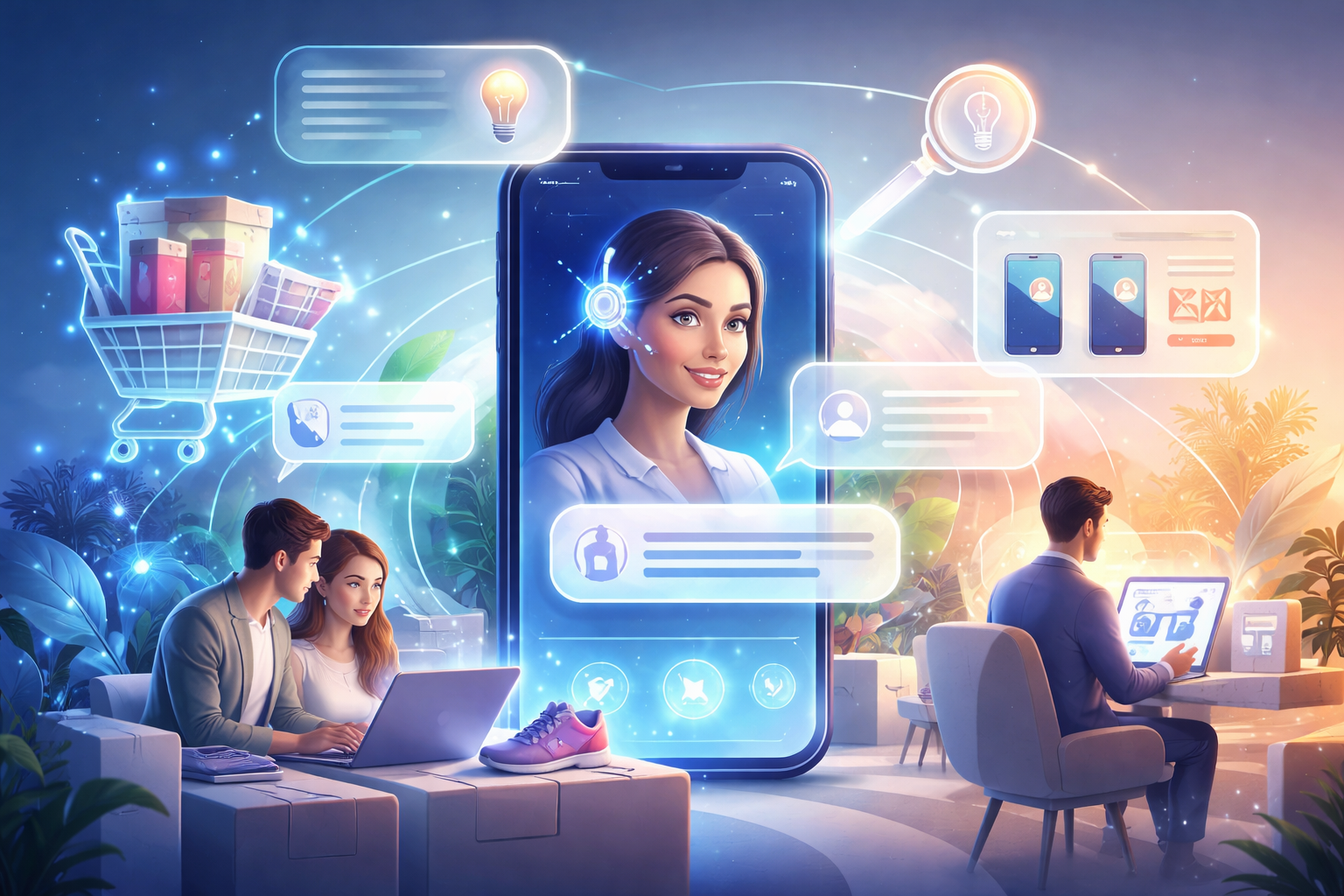
One of the most significant advantages of AI in marketing automation is its ability to deliver personalized experiences to millions of users simultaneously. AI analyzes customer data such as demographics, browsing patterns, and purchase behavior to create tailored recommendations and targeted campaigns.
Modern consumers increasingly expect personalized interactions, and AI allows companies to meet these expectations efficiently. Businesses can automatically adjust website content, emails, and product recommendations to match individual preferences, improving engagement and conversion rates.
2. Predictive Analytics and Smarter Decision-Making
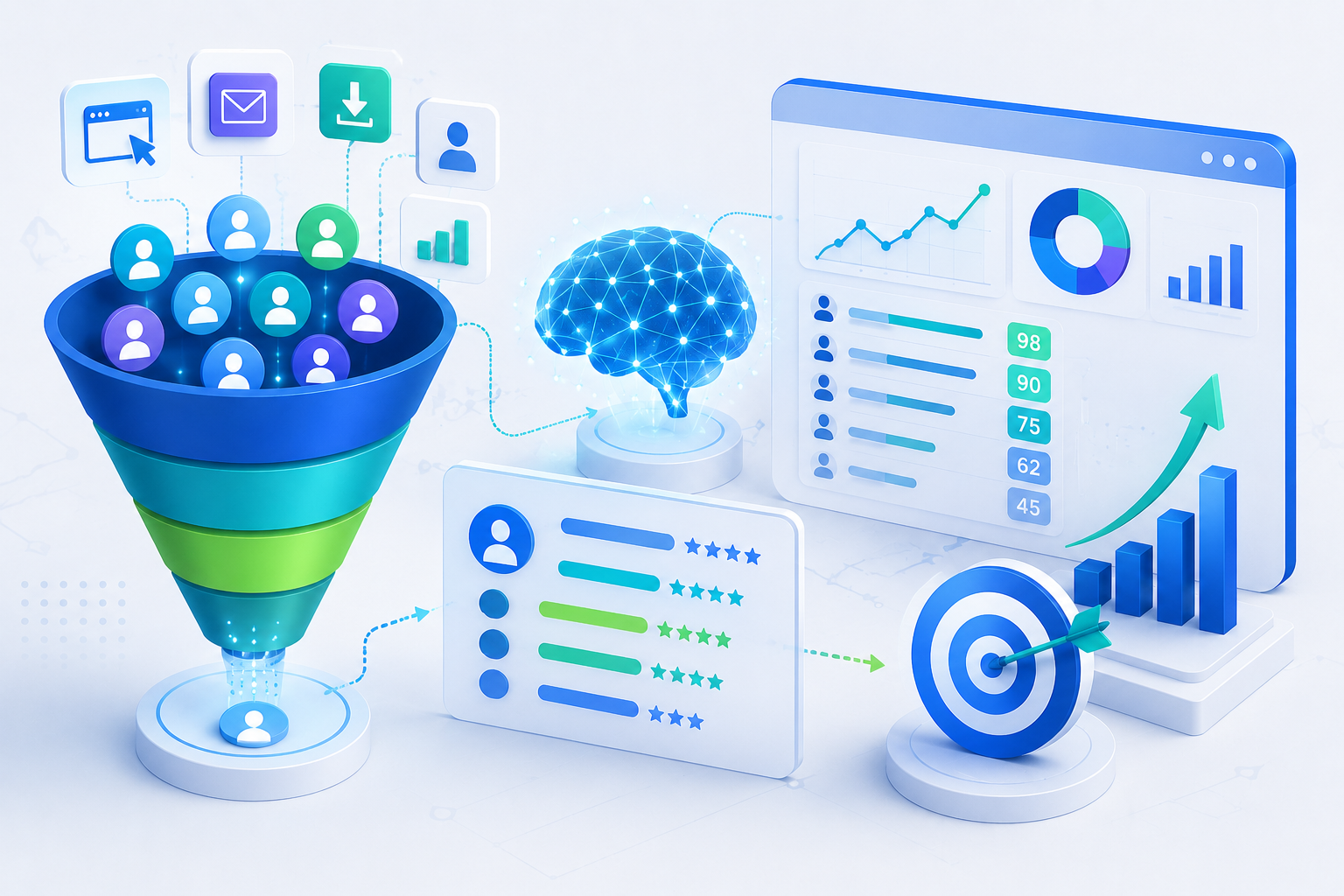
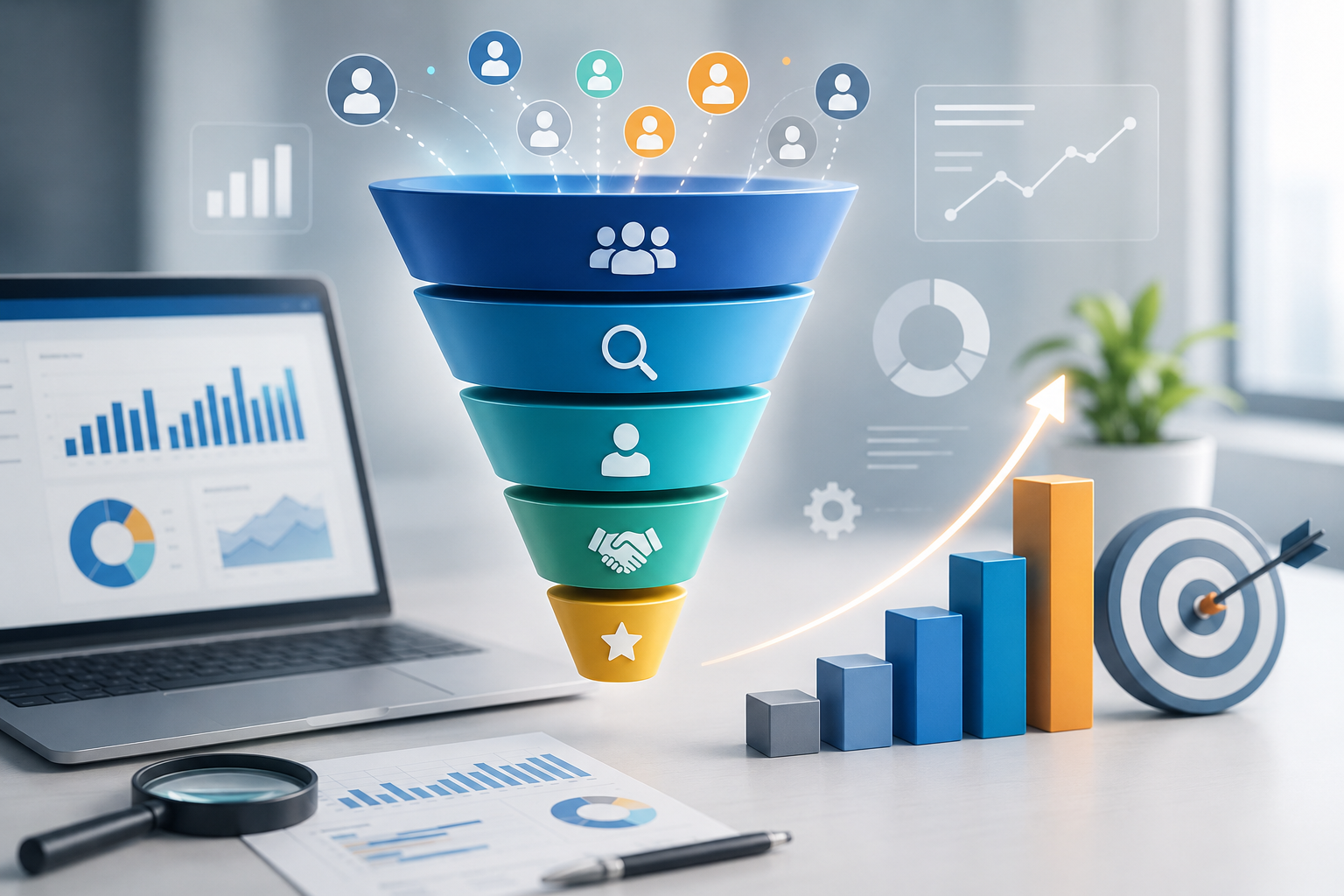
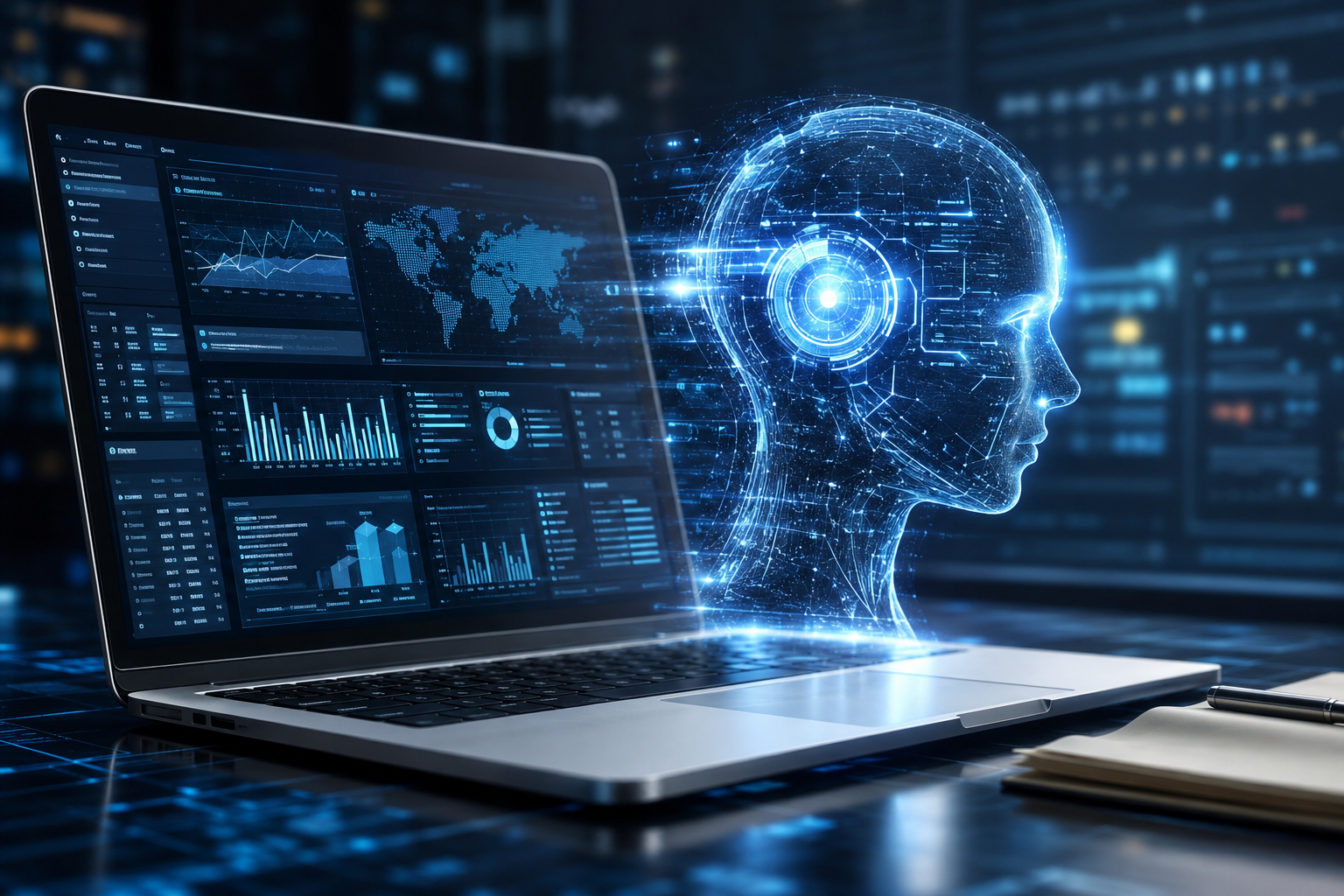
AI systems can analyze historical and real-time data to predict future customer behavior. Predictive analytics helps marketers identify potential leads, forecast demand, and anticipate customer needs.
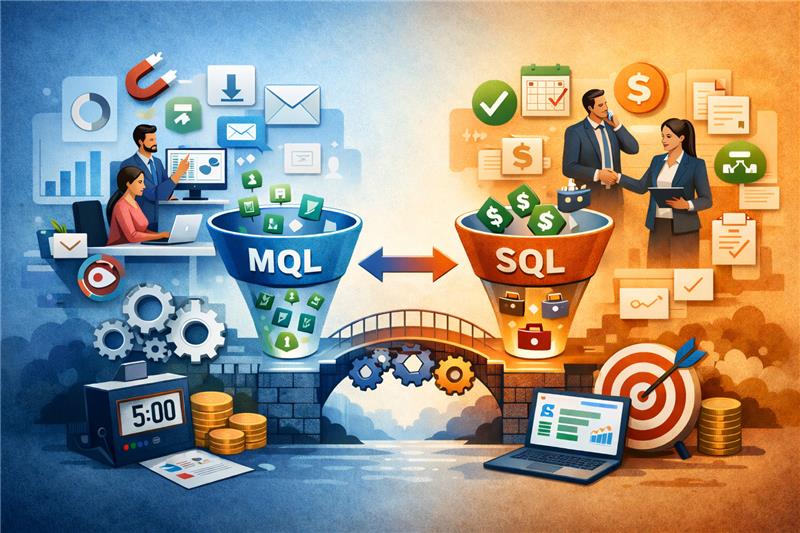
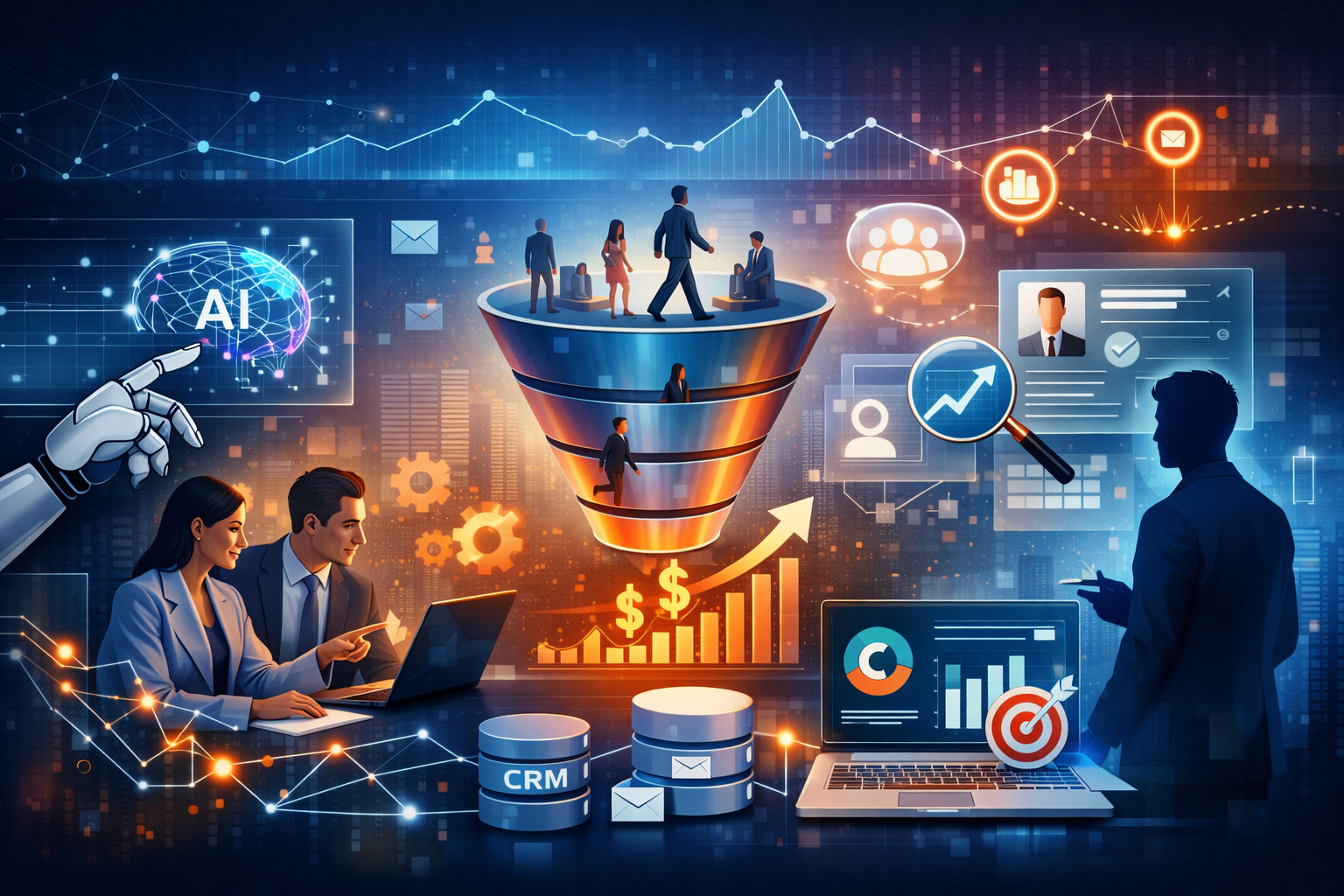
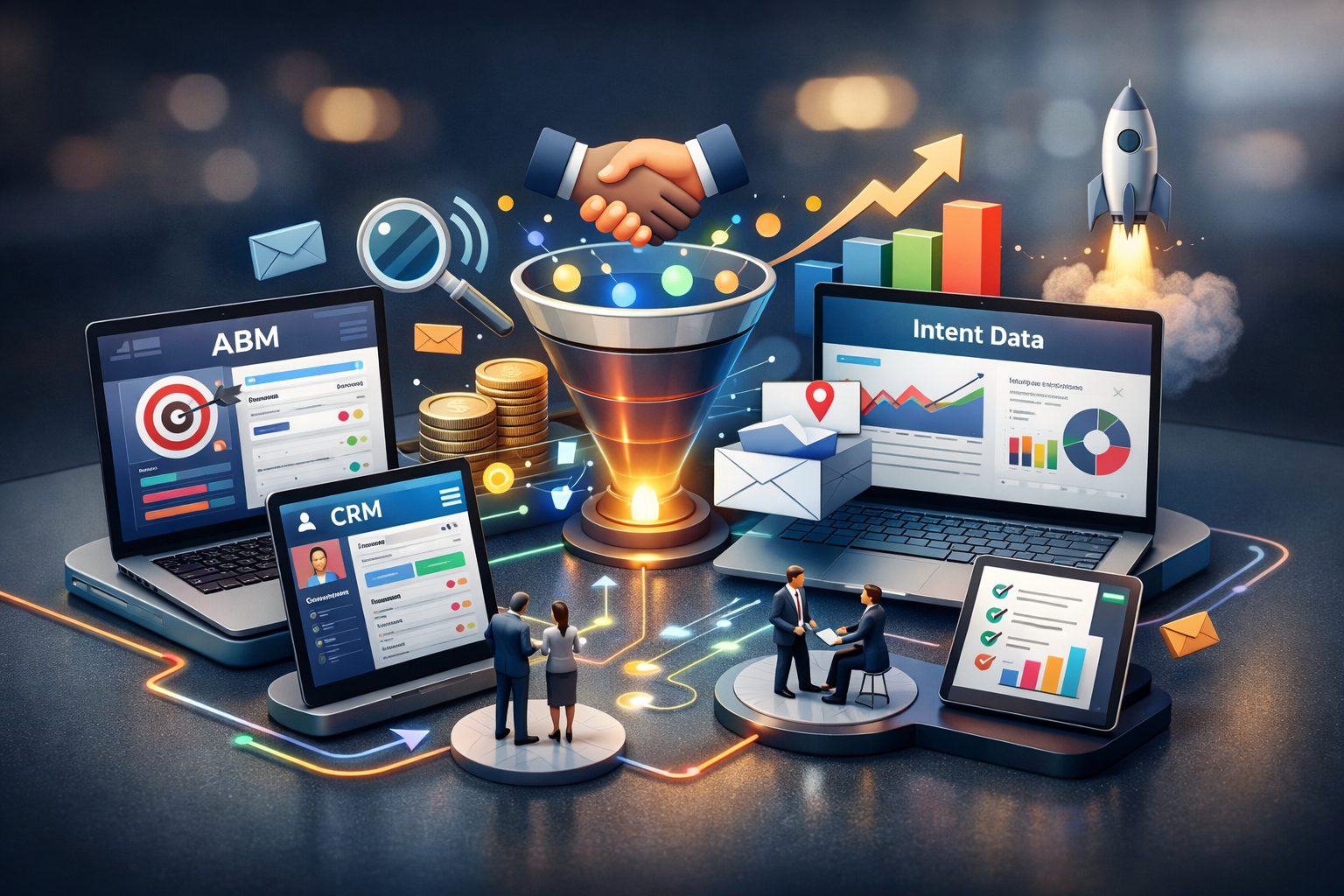
For example, AI-powered lead scoring models evaluate engagement patterns and identify prospects most likely to convert. This allows marketing and sales teams to focus on high-value opportunities, improving efficiency and sales productivity.
3. Automated Content Creation
Generative AI is revolutionizing content marketing by automatically producing marketing copy, blog posts, product descriptions, and social media captions. These tools can generate multiple variations of content optimized for different audiences and platforms.
As generative AI continues to advance, marketers will increasingly rely on AI systems to create and adapt content dynamically based on user behavior and campaign performance.
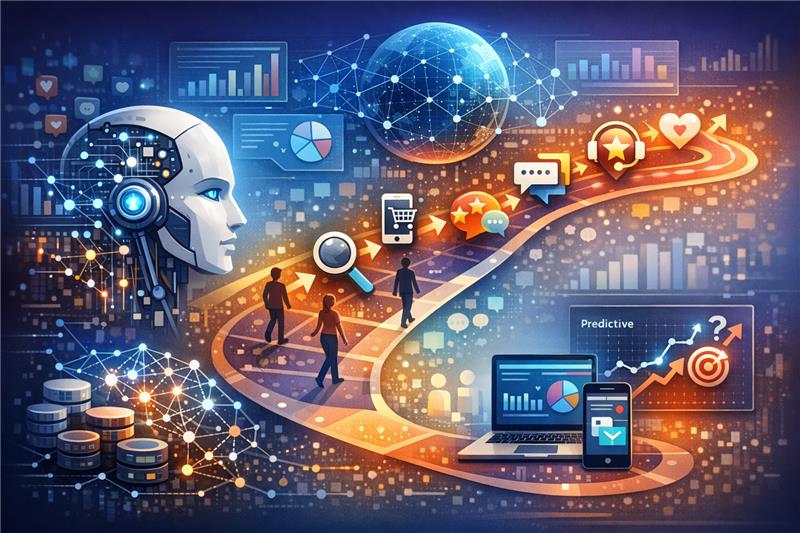
4. Intelligent Customer Journey Orchestration
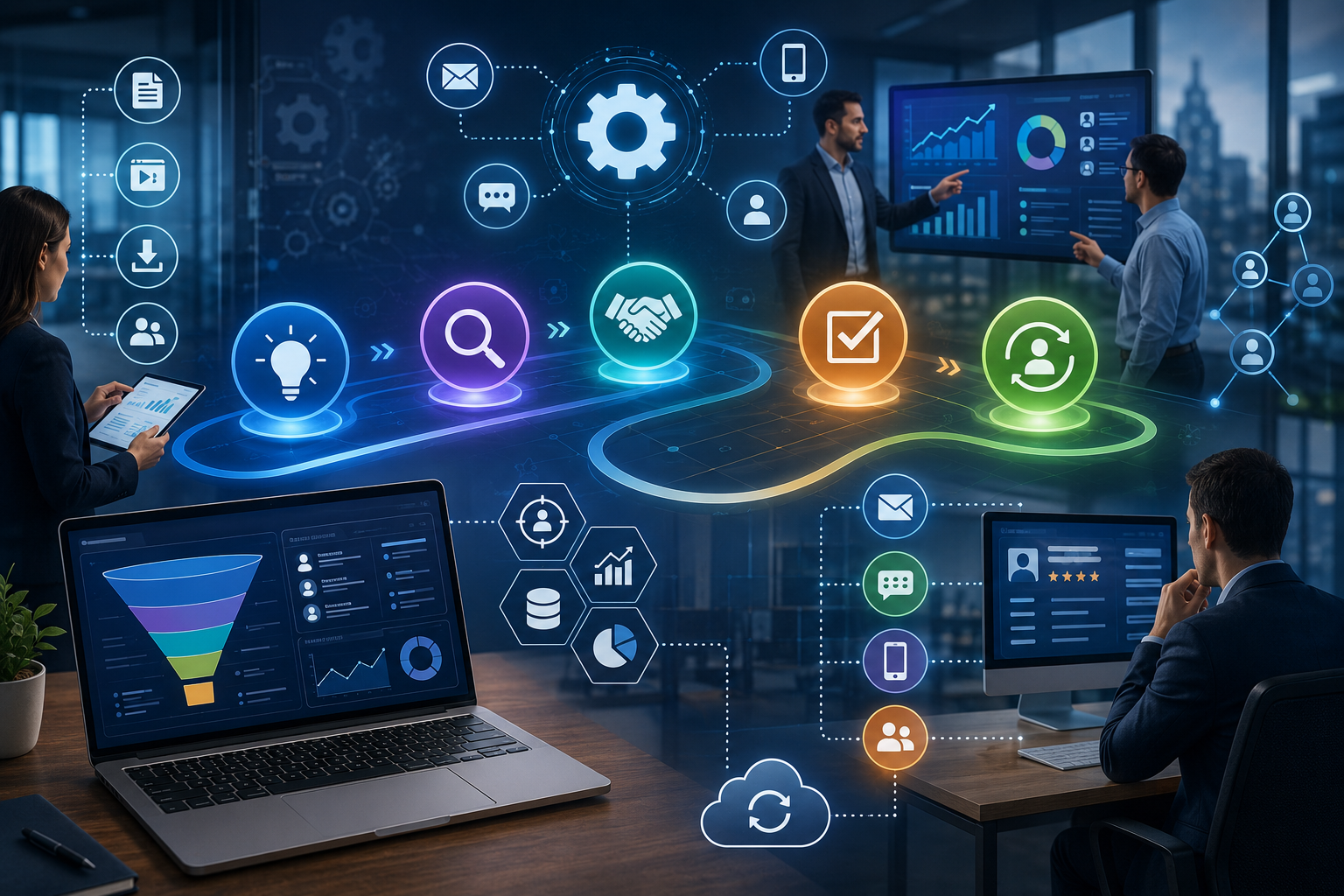
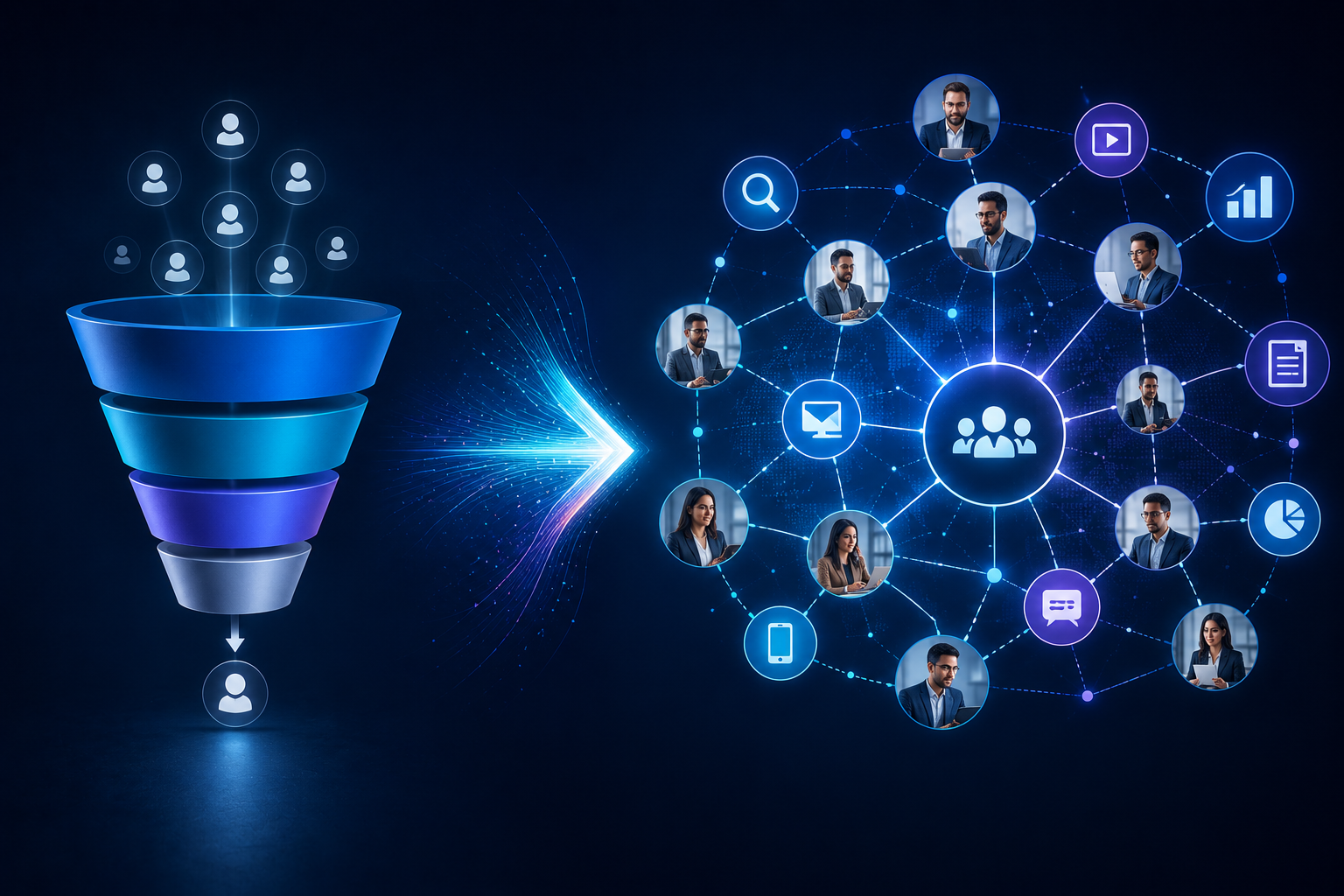
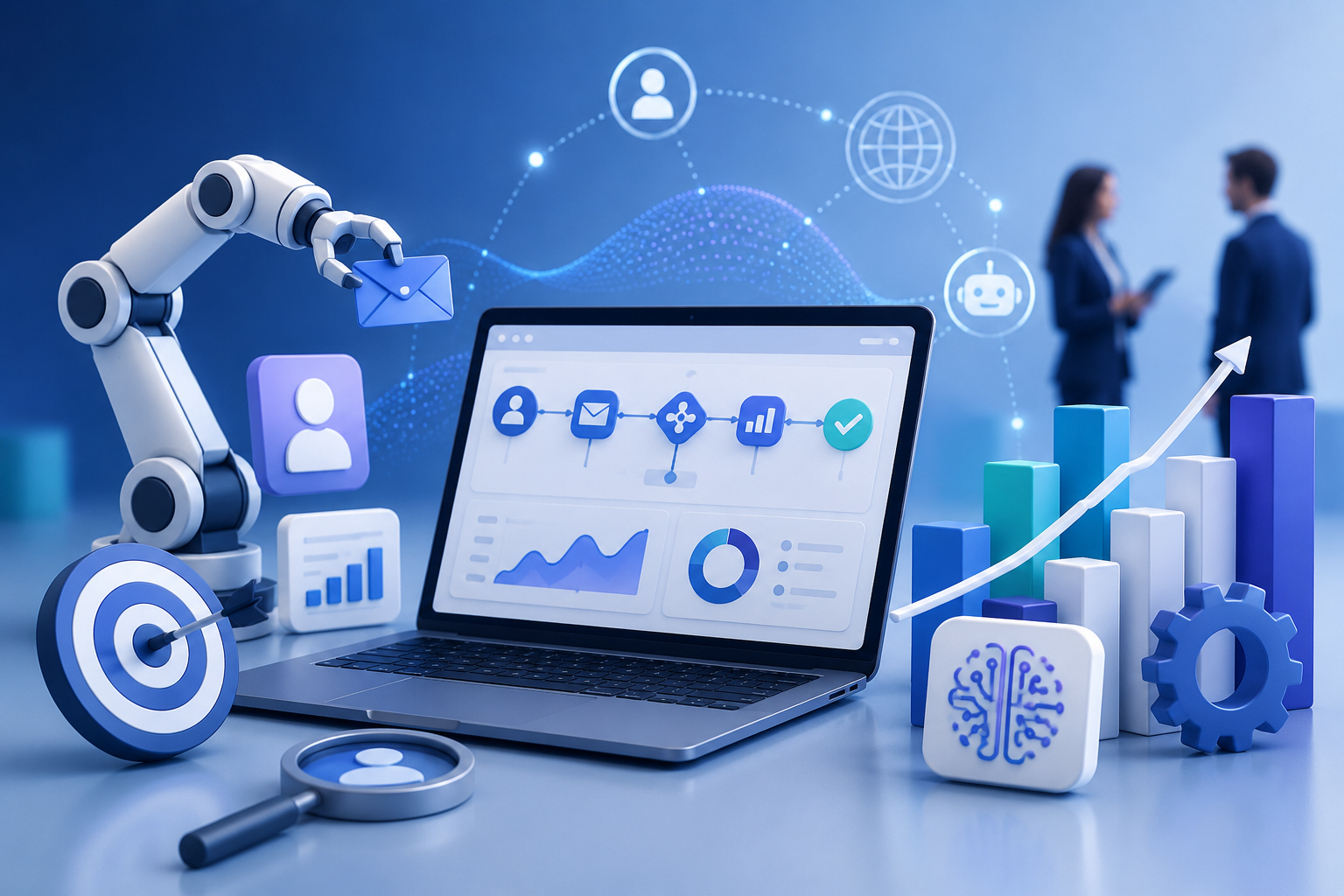
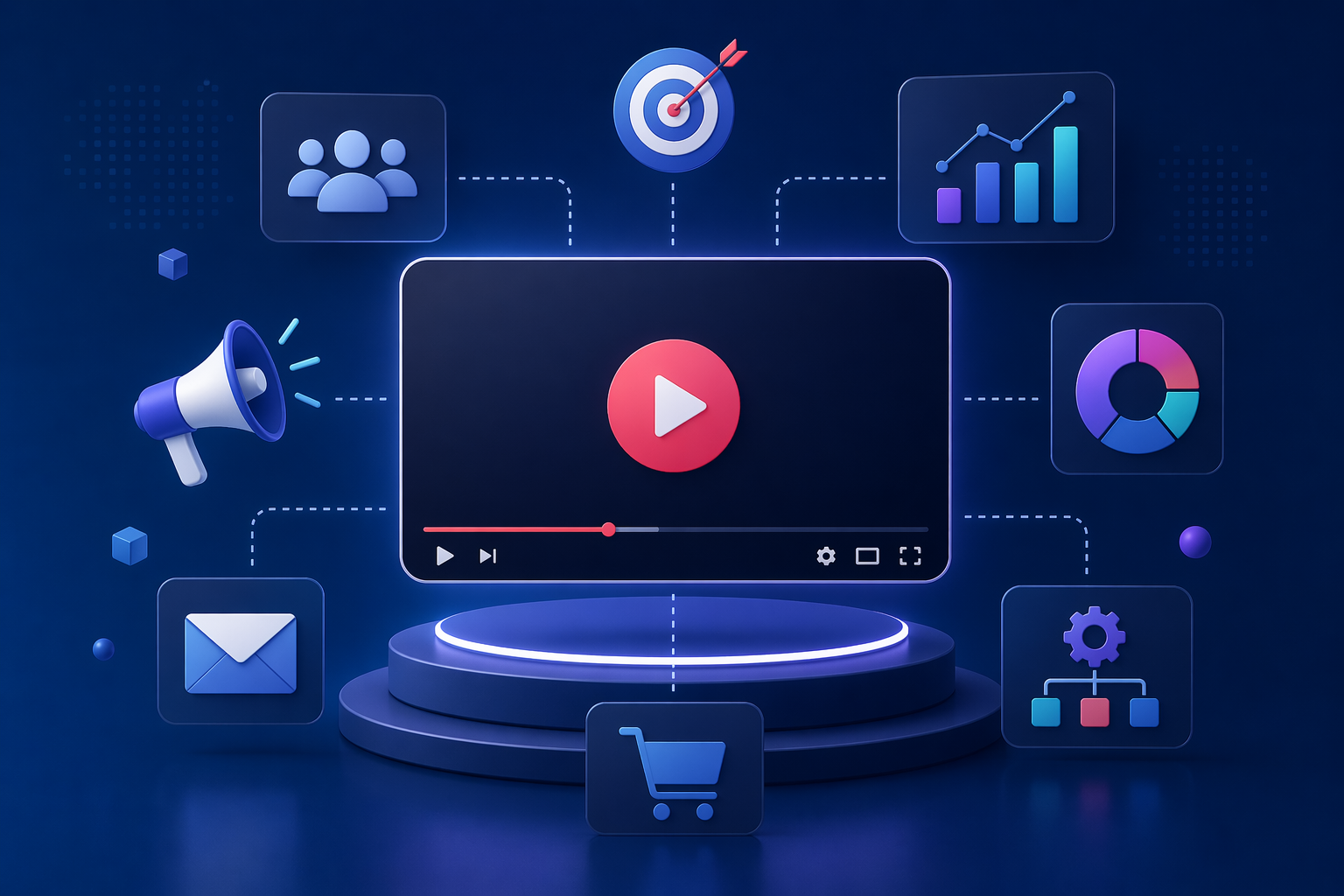
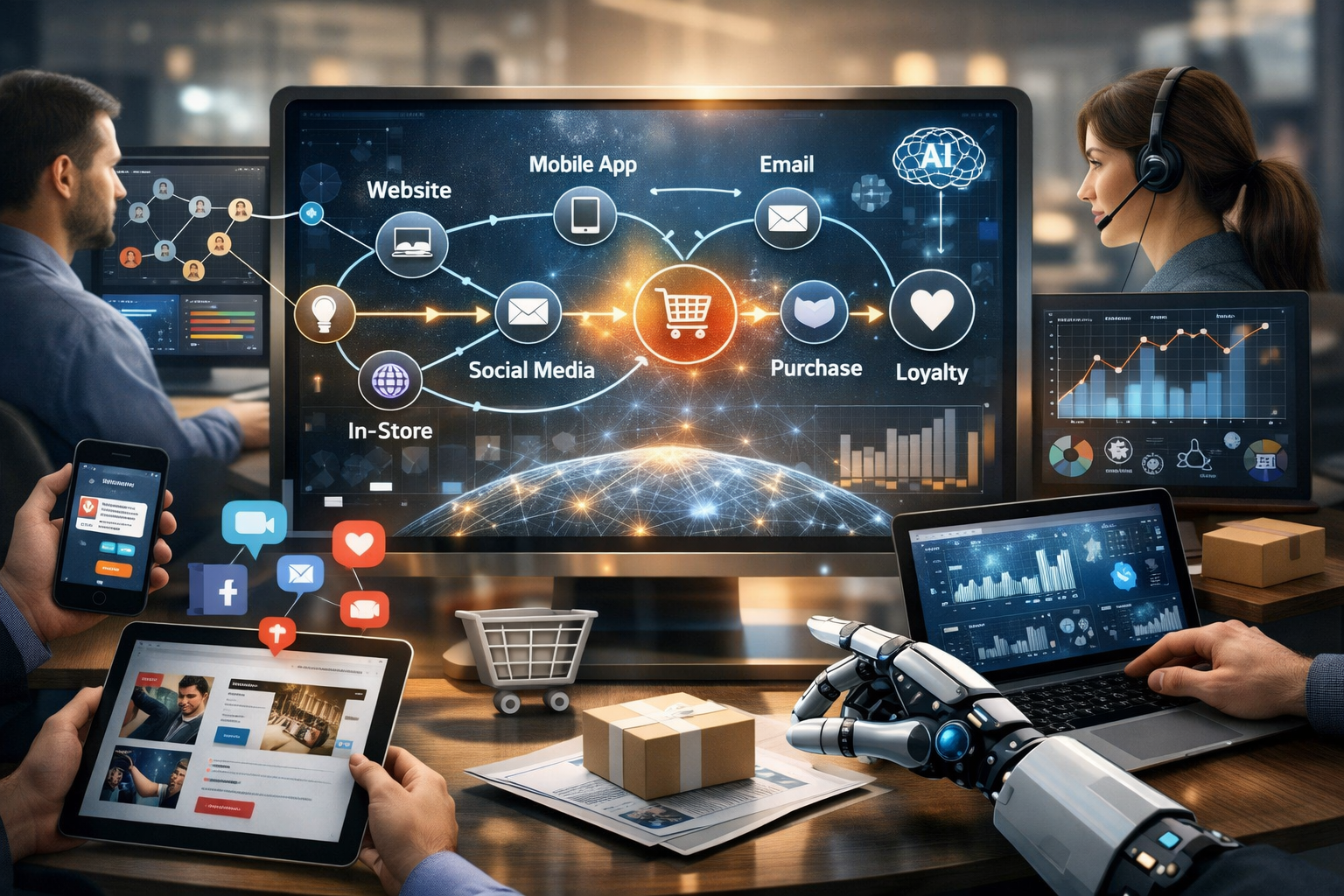
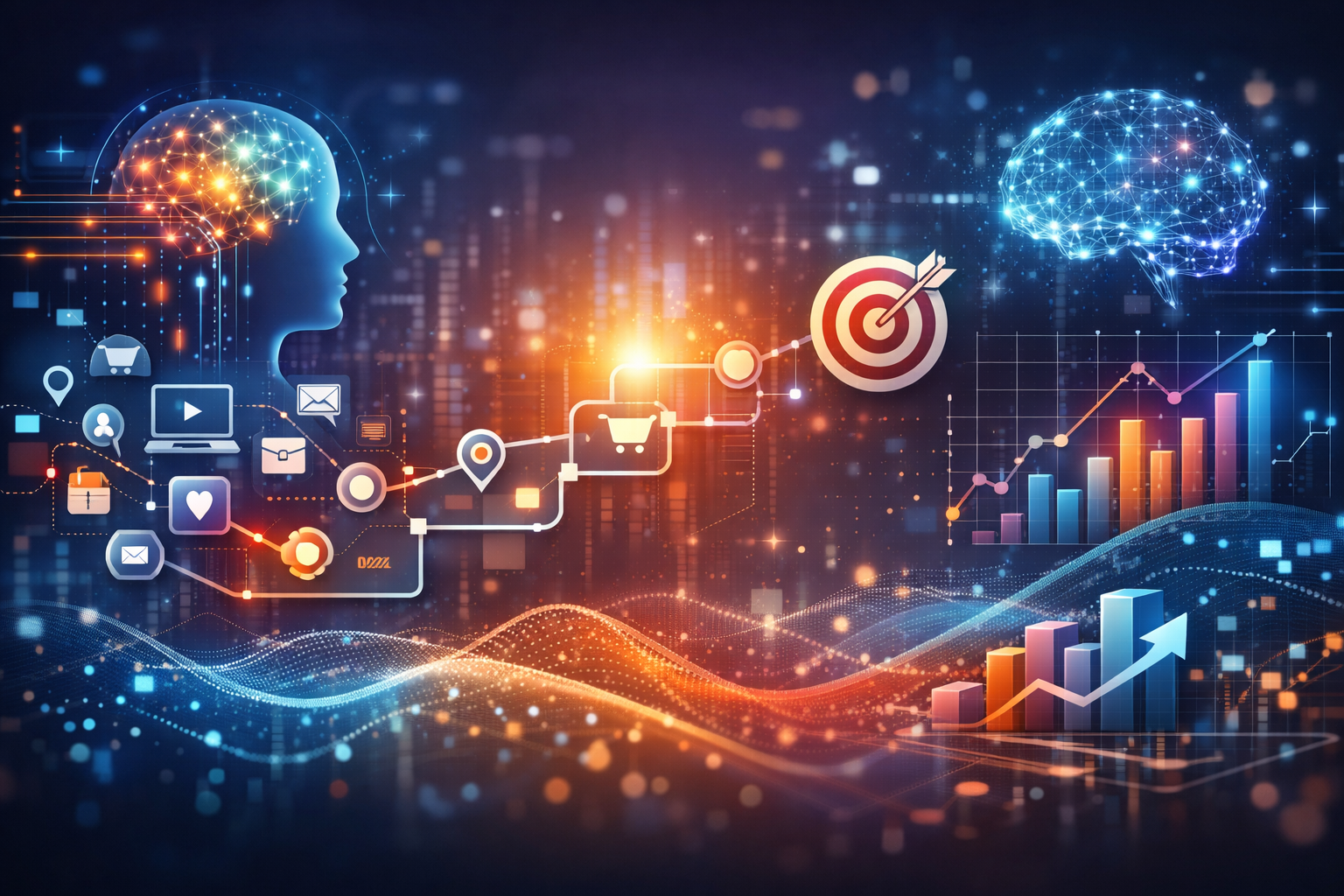
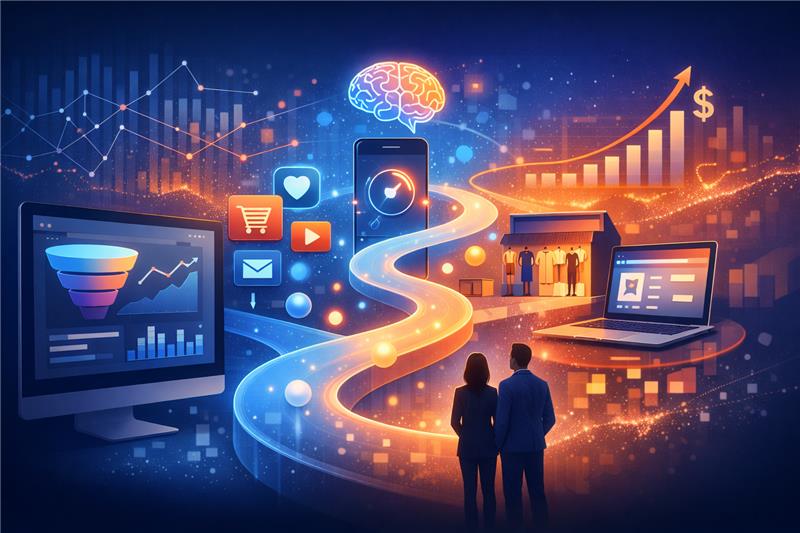
AI-powered marketing automation platforms can track customer interactions across multiple channels, including websites, social media, email, and mobile apps. These systems determine the “next best action” for each customer and automatically adjust marketing strategies accordingly.
Instead of static marketing campaigns, AI enables dynamic customer journeys that evolve based on real-time behavior and engagement signals.
5. Fully Automated Advertising Campaigns
The future of marketing automation may include fully AI-generated advertising campaigns. AI tools can create ad copy, design visuals, select target audiences, and optimize campaign budgets automatically.
Some companies are already working toward systems where marketers only need to provide a product image and budget, while AI handles the entire advertising process—from creative production to performance optimization.
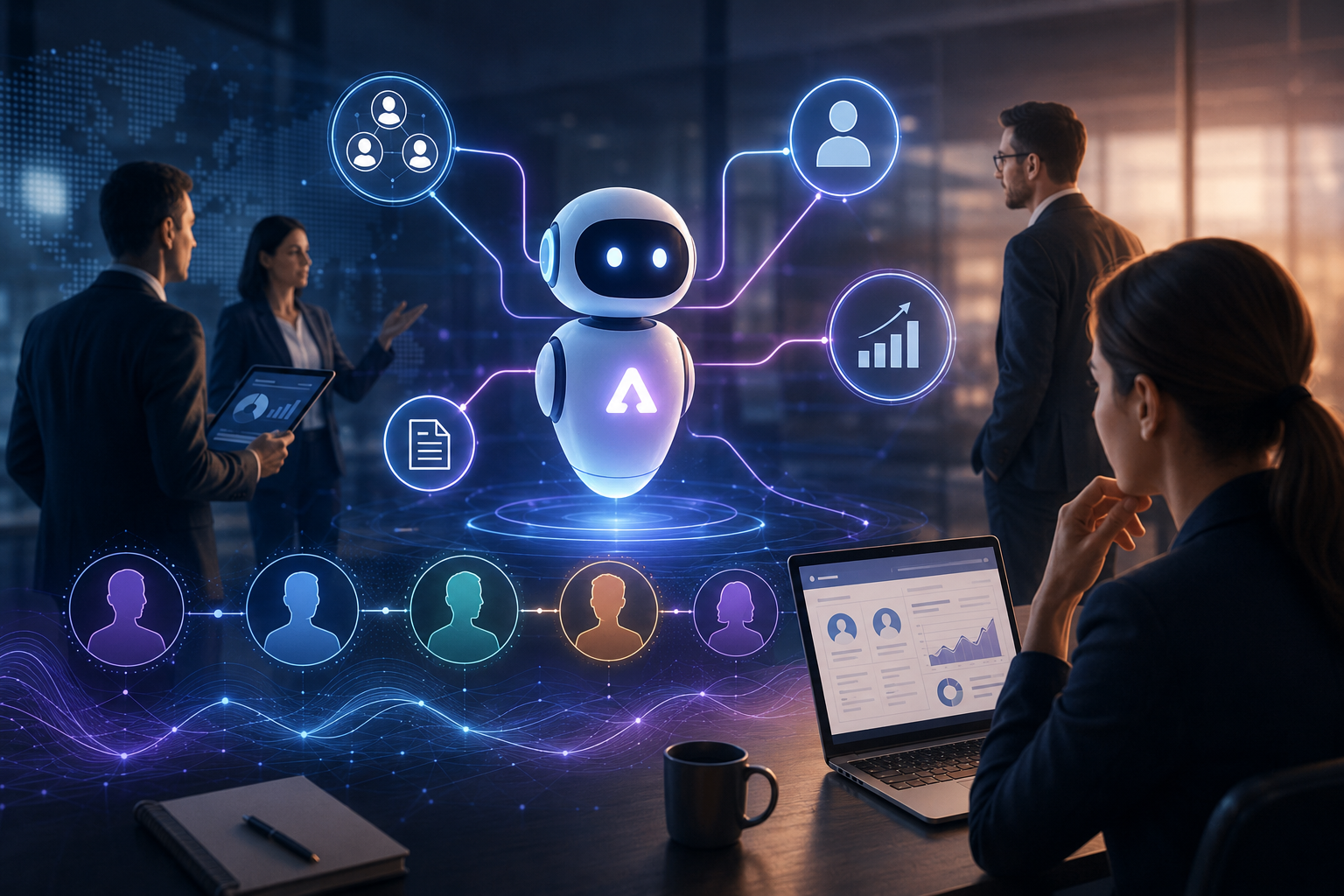
6. AI-Powered Marketing Agents
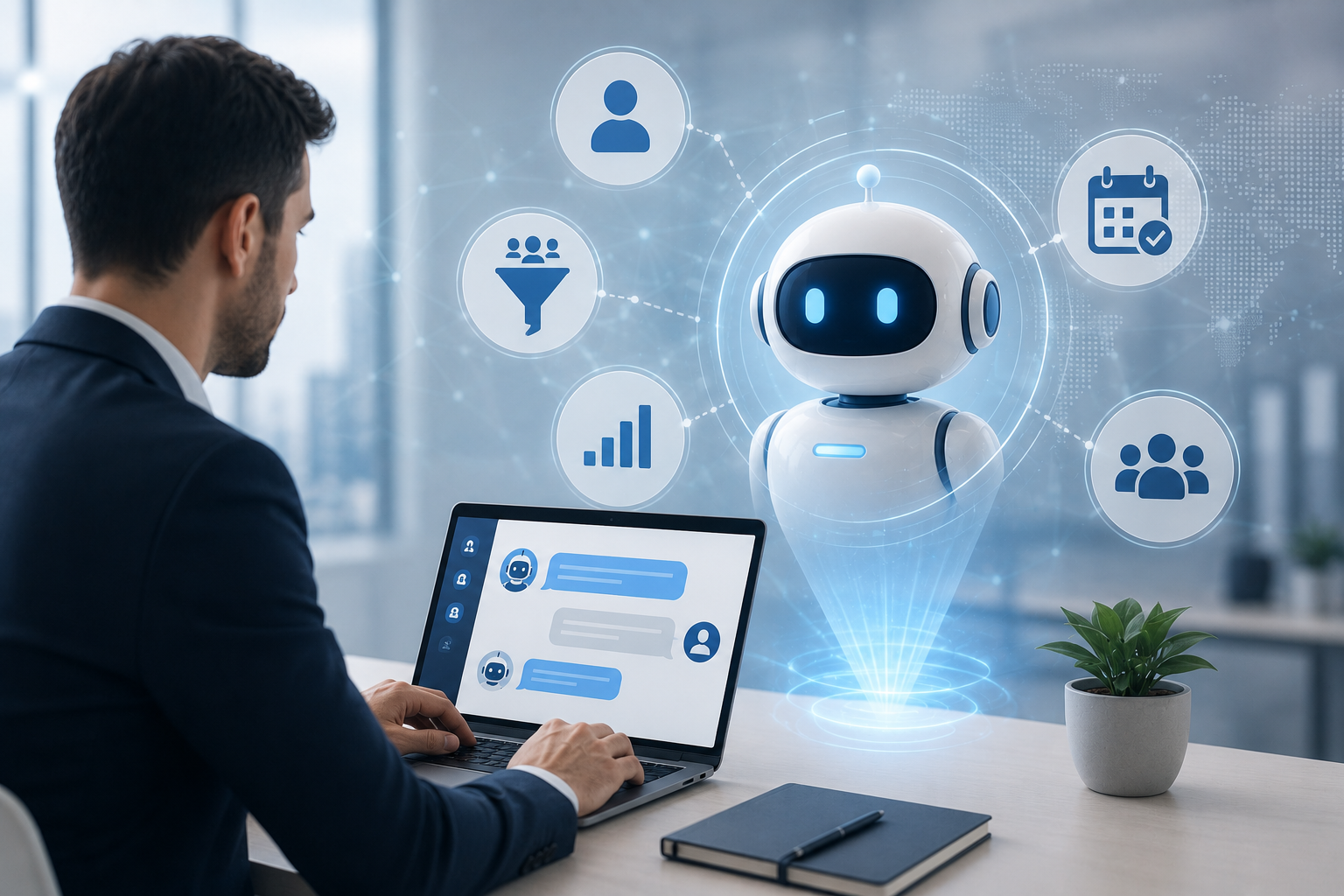
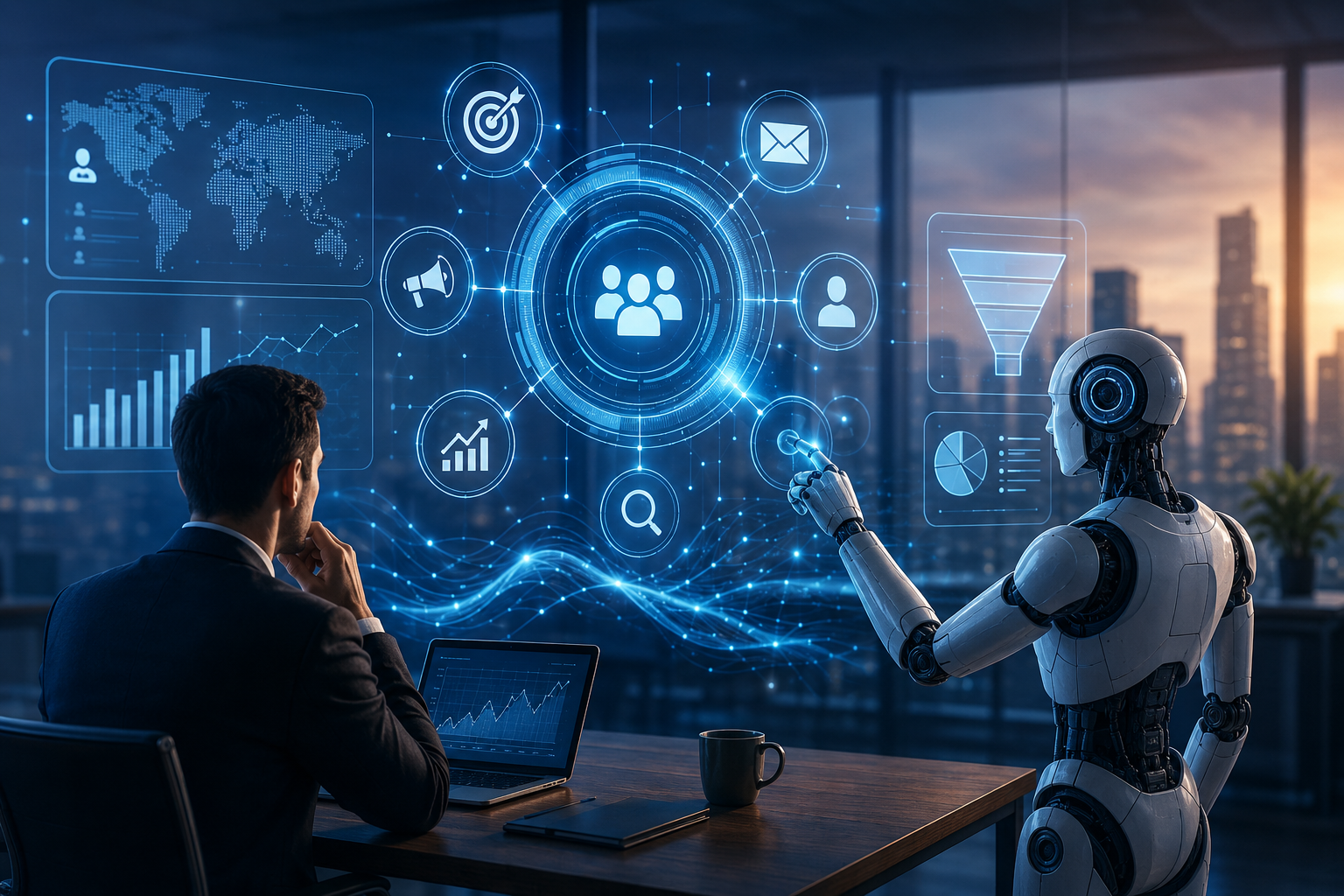
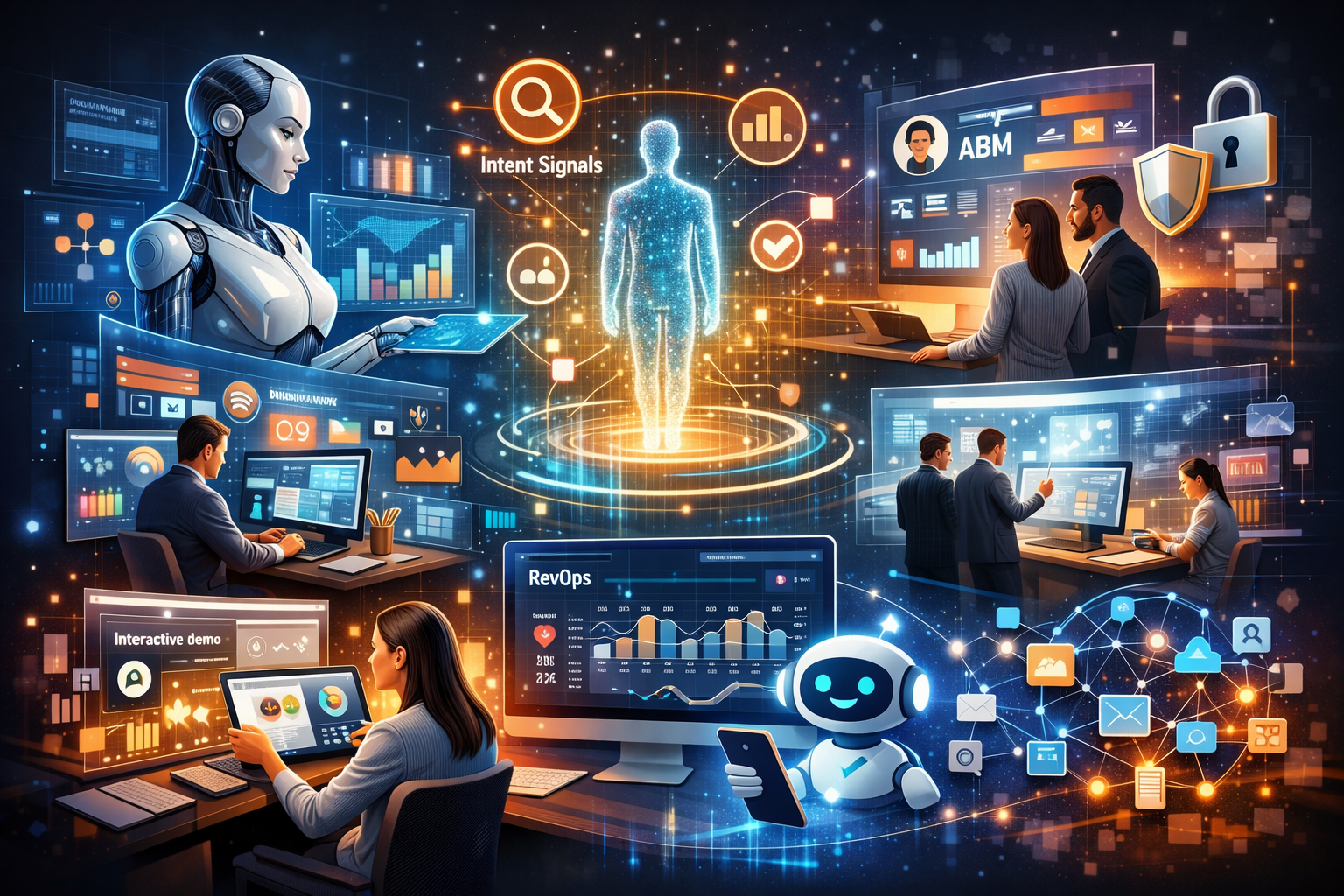
Emerging AI systems are moving beyond automation toward autonomous marketing agents. These agents can manage entire marketing workflows, including strategy planning, audience targeting, and campaign optimization.
Such systems analyze data continuously, learn from customer interactions, and refine marketing strategies without constant human intervention.
Benefits of AI in Marketing Automation
The integration of AI into marketing automation offers numerous advantages for businesses:
- Improved efficiency: Automates repetitive tasks such as email campaigns and data analysis.
- Enhanced personalization: Delivers tailored experiences to individual customers.
- Better insights: Provides deeper analytics and predictive customer behavior models.
- Higher ROI: Optimizes marketing campaigns and resource allocation.
- Scalability: Enables businesses to manage large marketing operations with fewer resources.
Challenges and Ethical Considerations
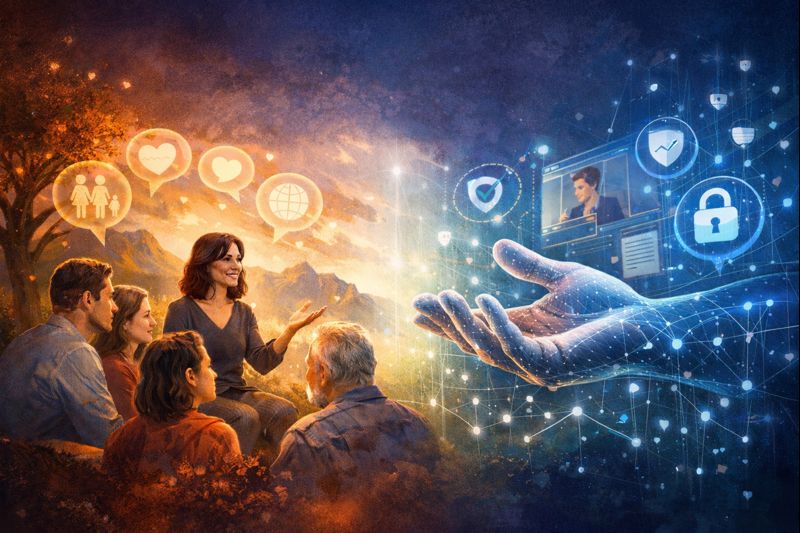
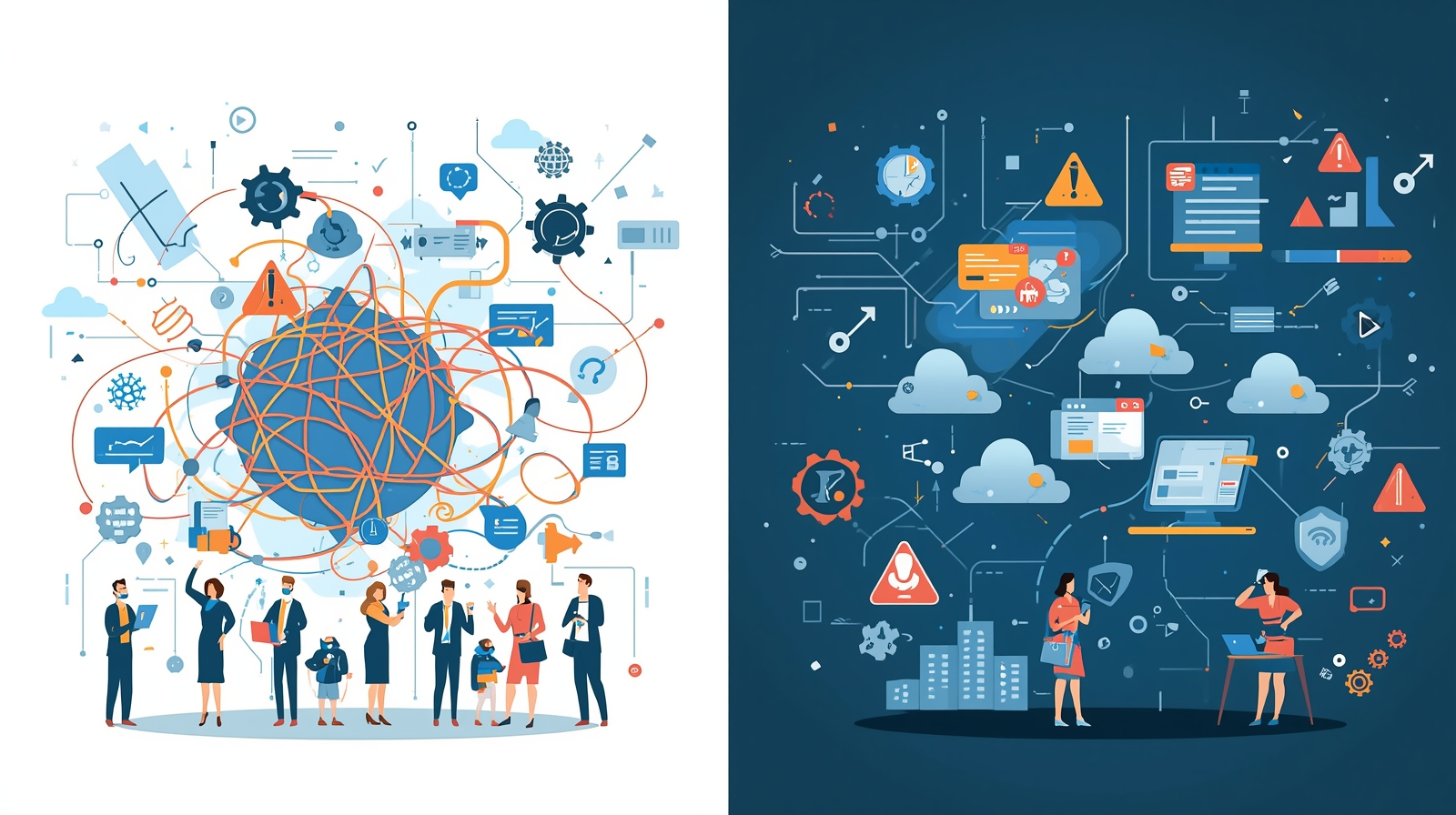
Despite its benefits, AI-driven marketing automation also presents challenges. Businesses must address issues such as data privacy, algorithmic bias, and transparency in AI decision-making. Additionally, over-automation may reduce the human creativity and emotional intelligence that are essential for authentic brand communication.
Organizations must strike a balance between automation and human oversight to ensure ethical and responsible use of AI technologies.
The Road Ahead
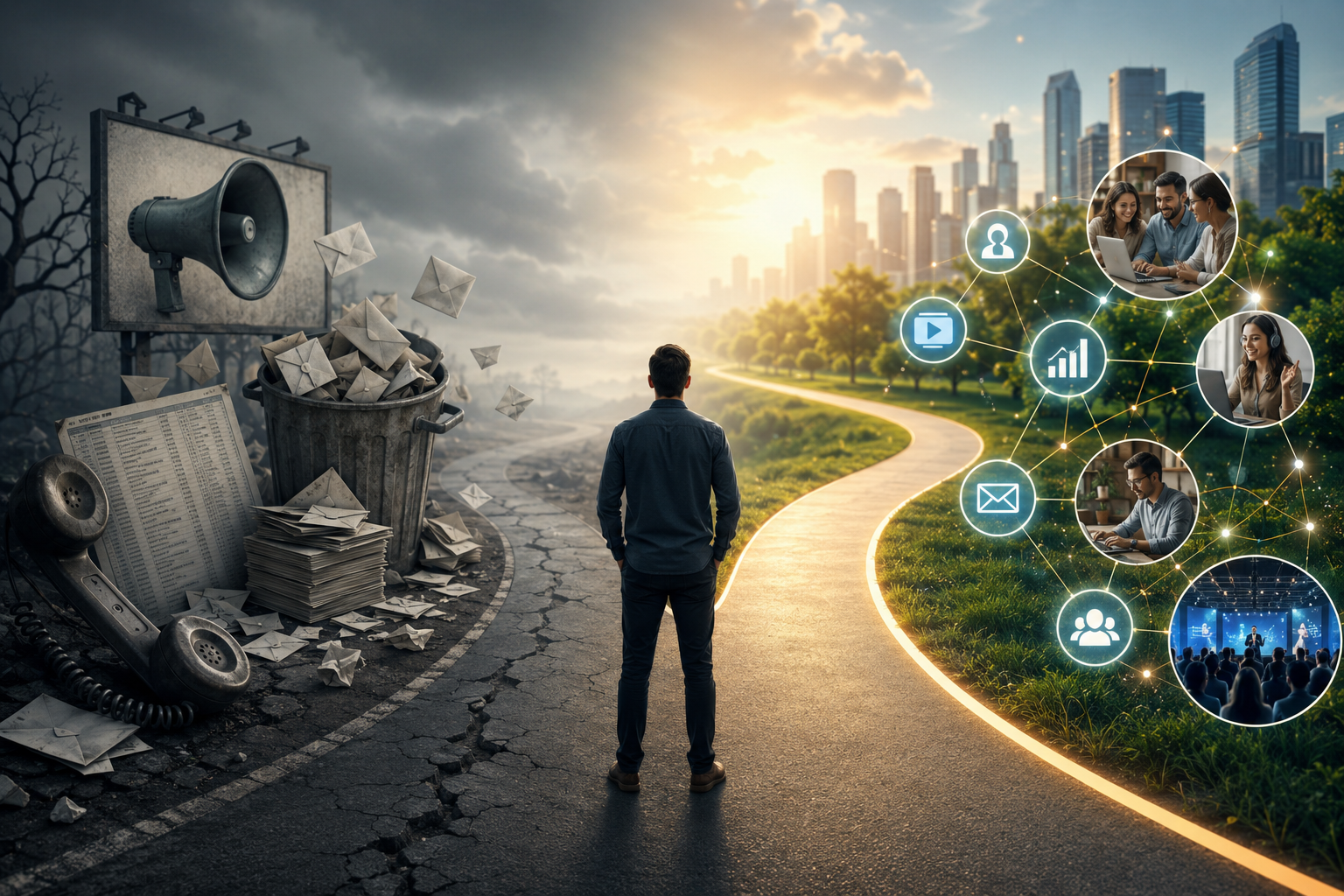
The future of AI in marketing automation is promising. As AI technologies become more advanced, marketing strategies will become increasingly data-driven, predictive, and personalized. Companies that adopt AI-powered marketing tools early will gain a significant competitive advantage.
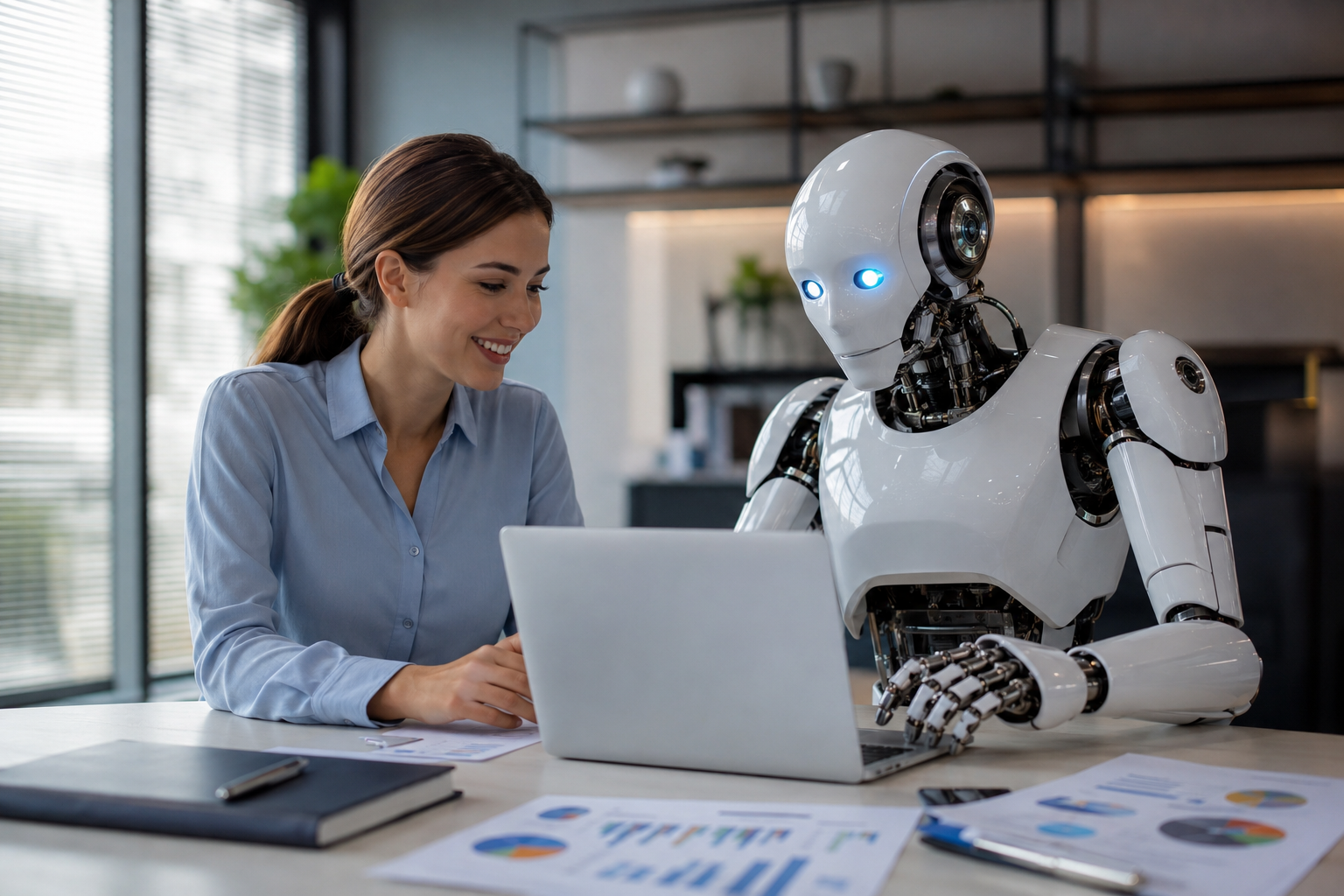
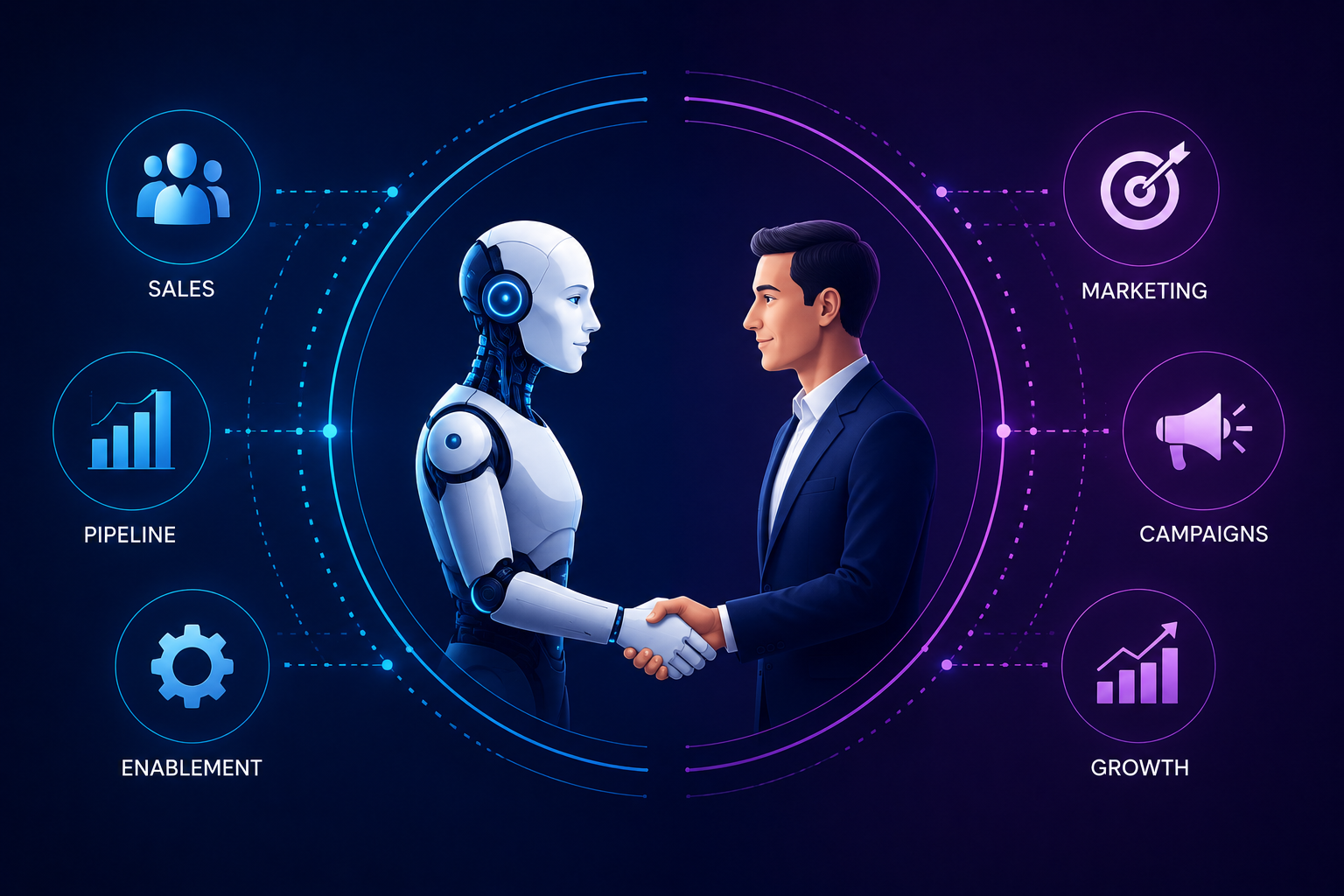
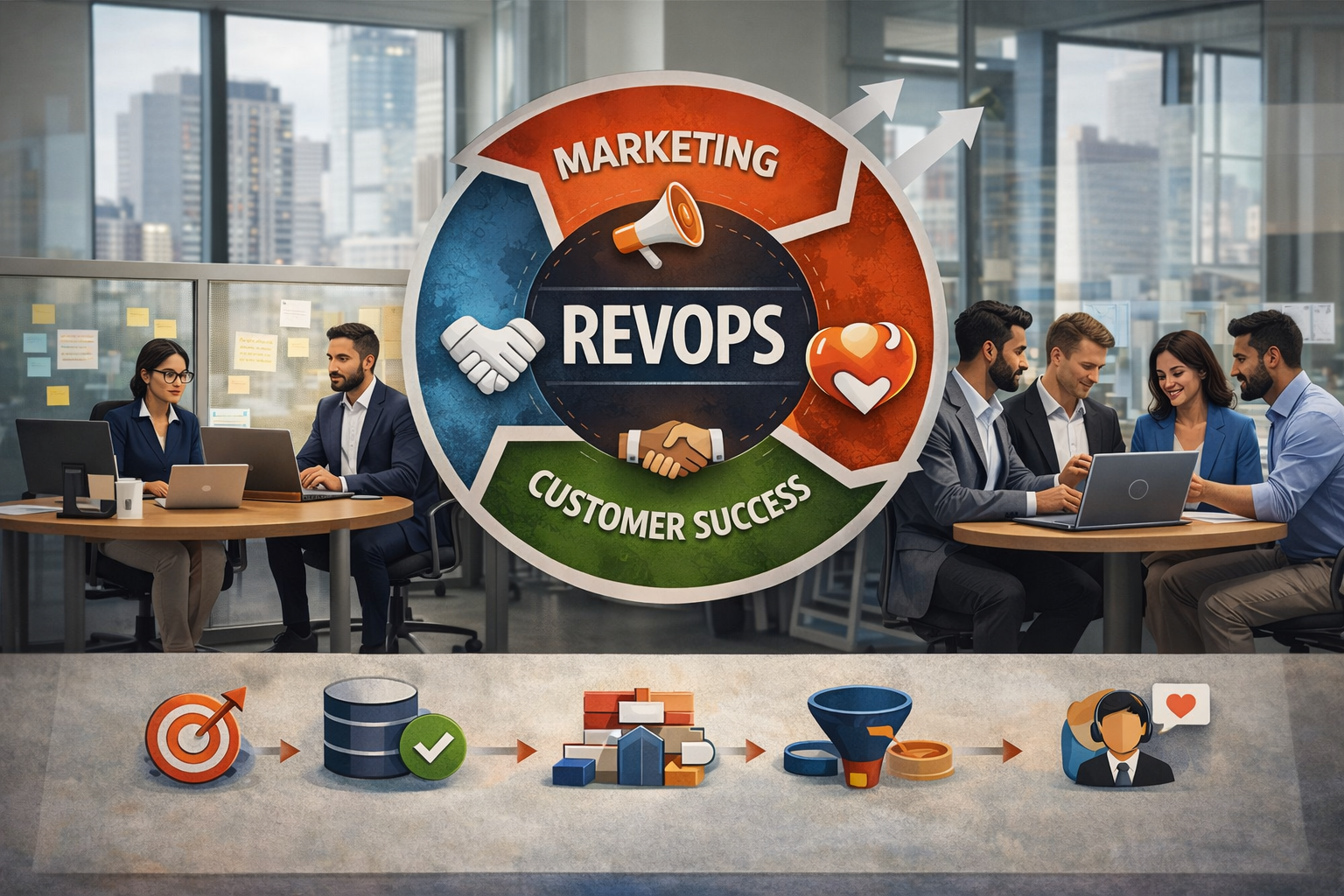
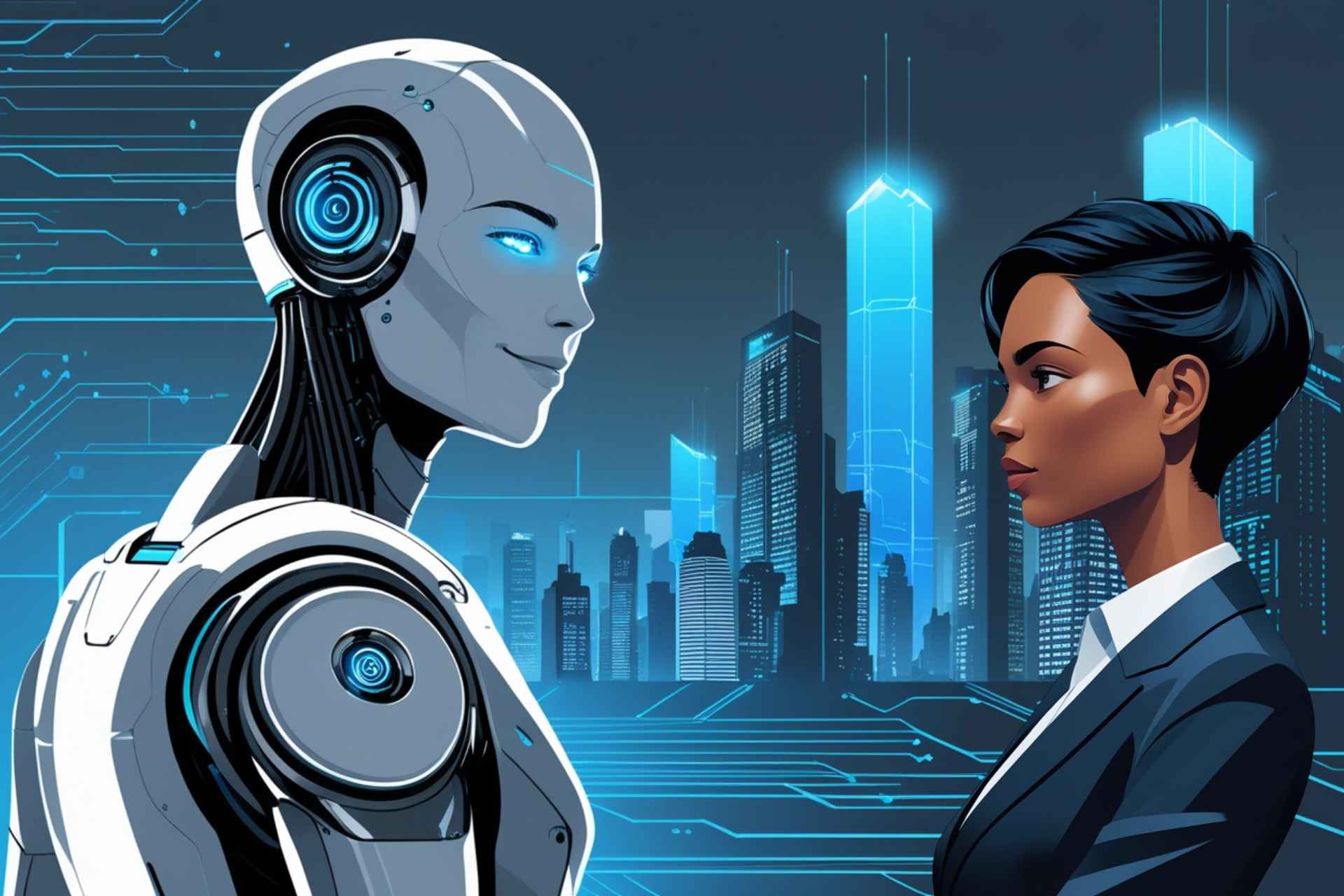
However, success will not come from automation alone. The most effective marketing strategies will combine the analytical power of AI with human creativity, strategic thinking, and emotional understanding of customers.
In the coming years, AI will not replace marketers—it will empower them to create smarter campaigns, build deeper customer relationships, and drive sustainable business growth.
Read Also: AI-Powered Personalization at Scale: The Future of Tailored Experiences