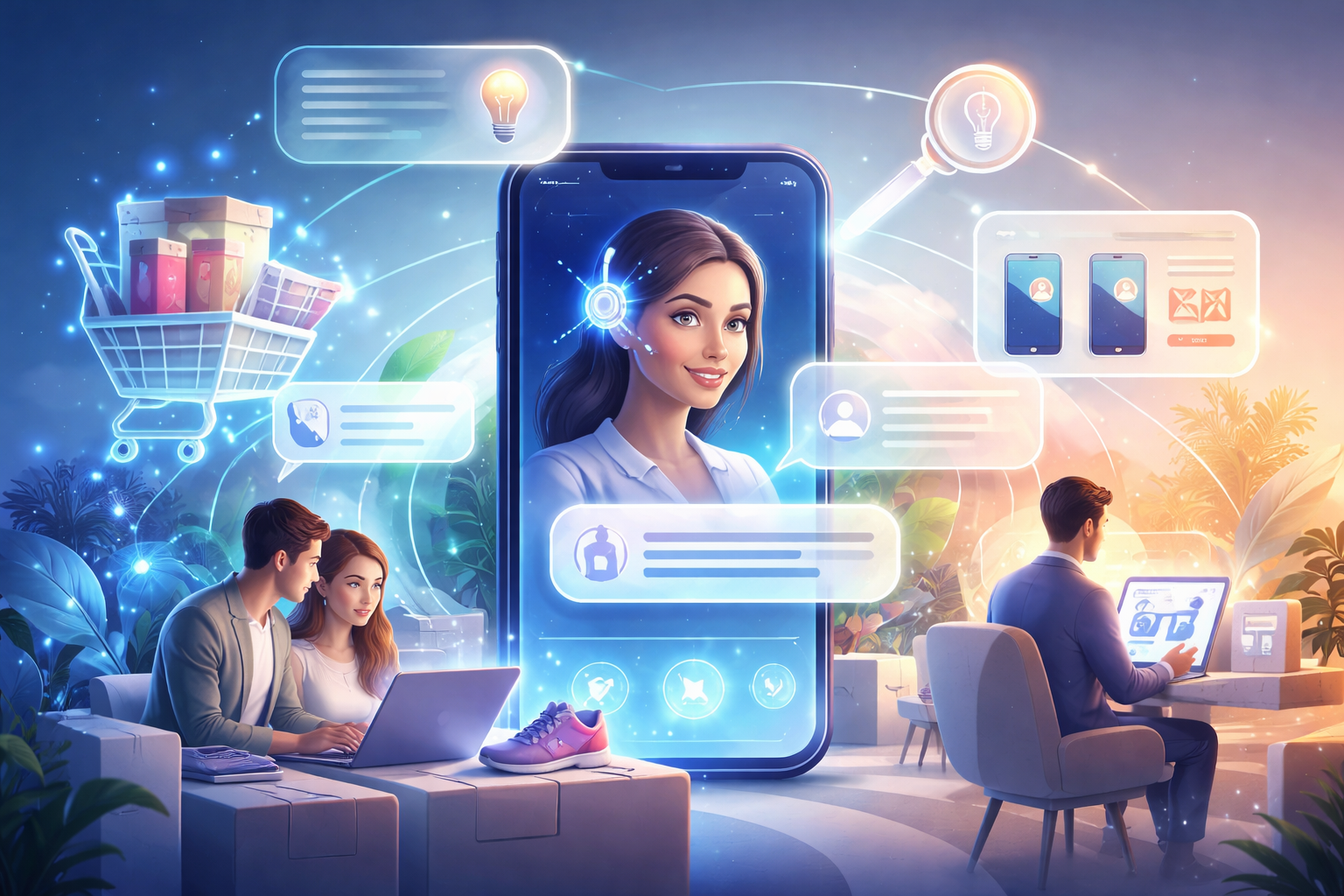
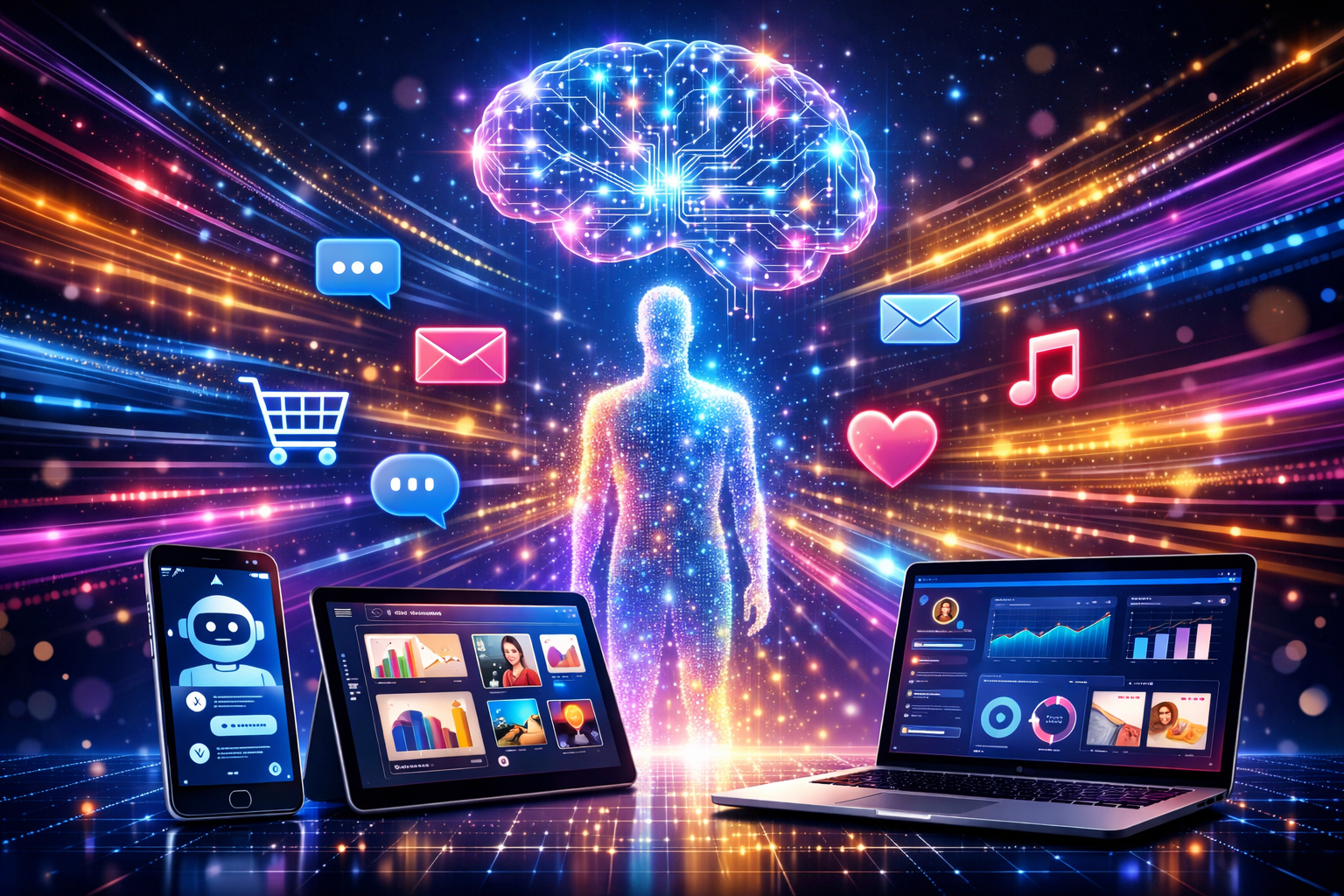
In the digital age, personalization isn’t just a “nice-to-have” — it’s a business imperative. Consumers today expect experiences that feel tailor-made, whether in the form of product recommendations, marketing messages, content feeds, or customer support interactions. But as the volume of users, data, and interaction channels explodes, traditional personalization approaches quickly fall short.
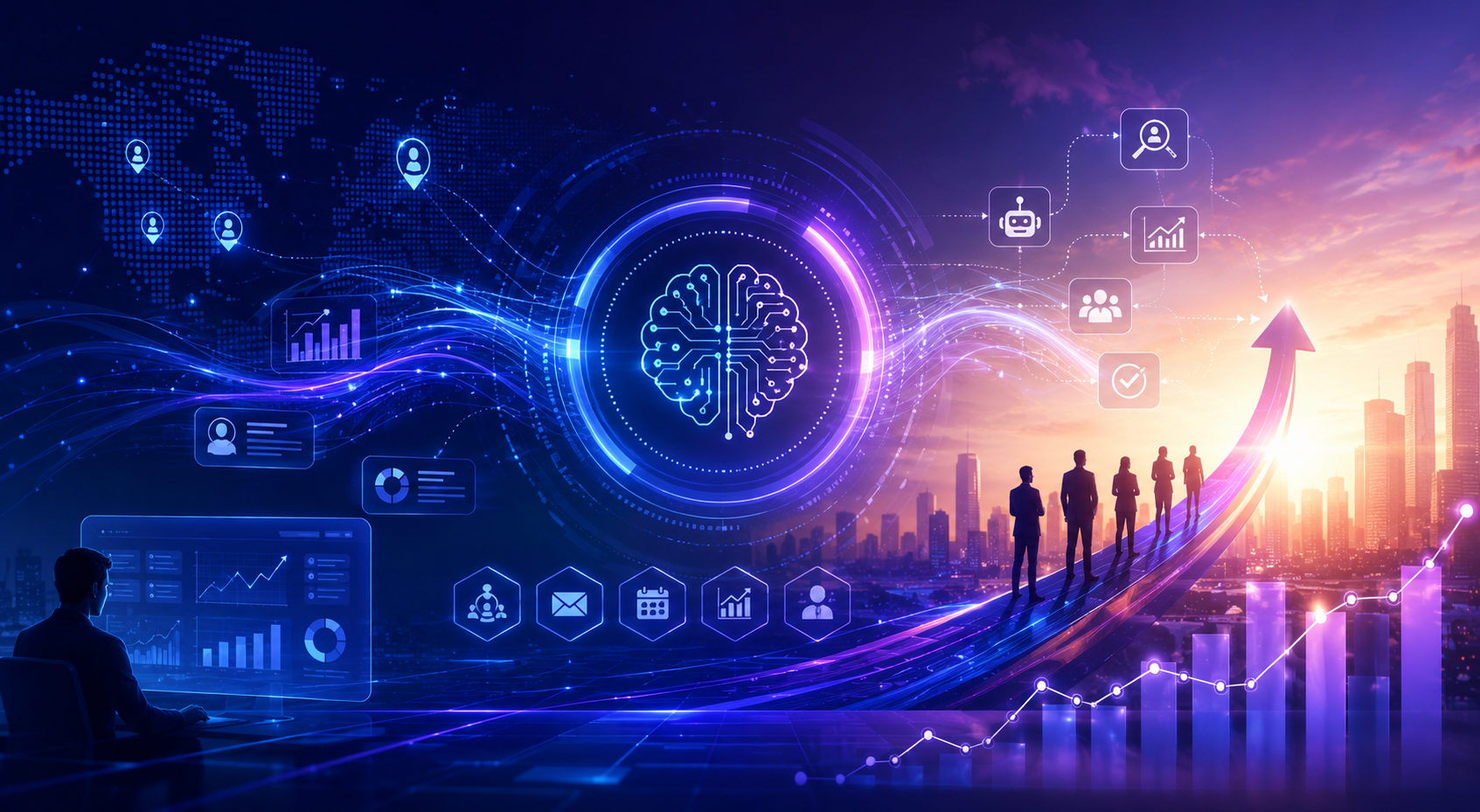
This is where AI-powered personalization at scale enters the picture — enabling organizations to deliver hyper-relevant experiences to millions of users in real time.
What Is AI-Powered Personalization?
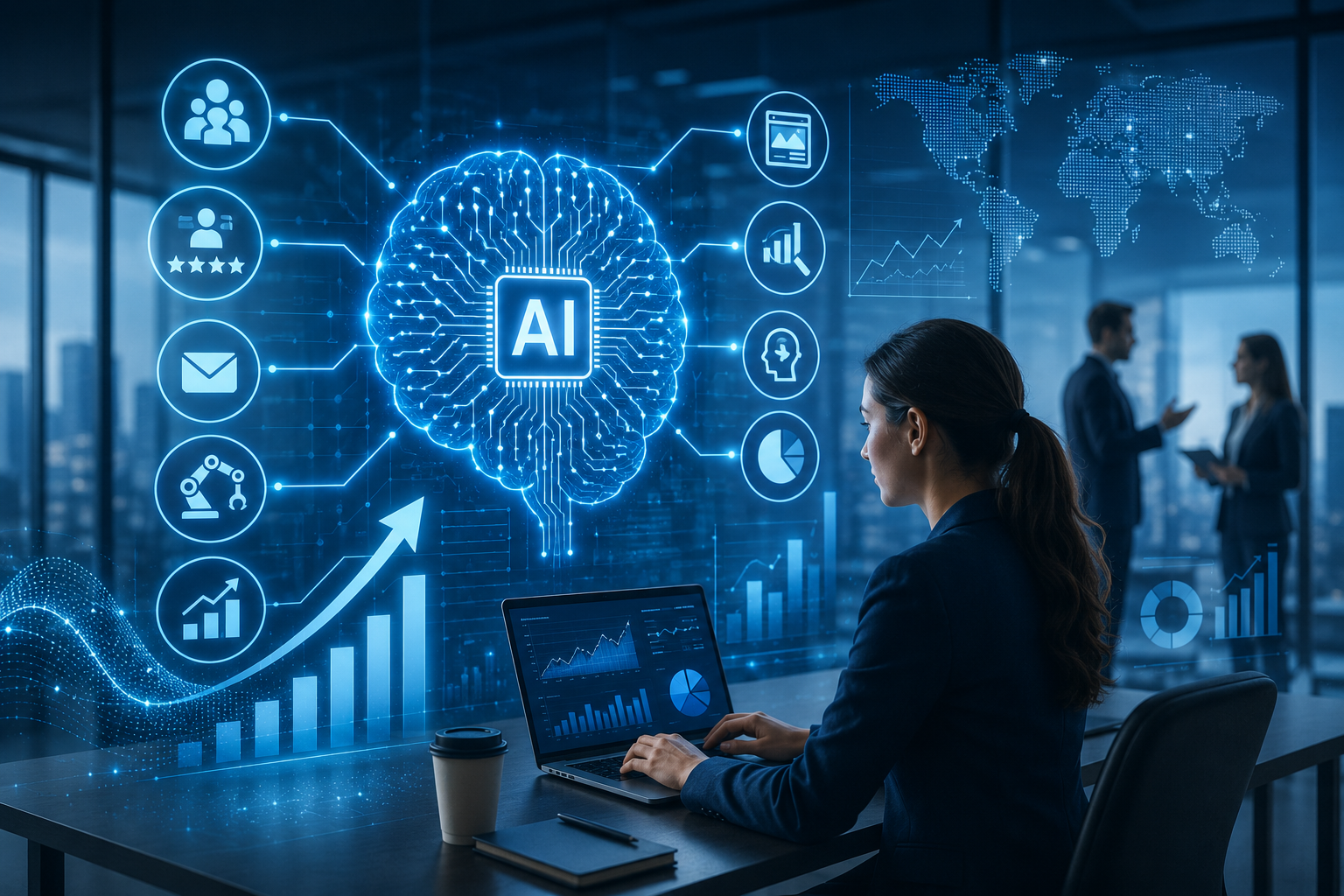
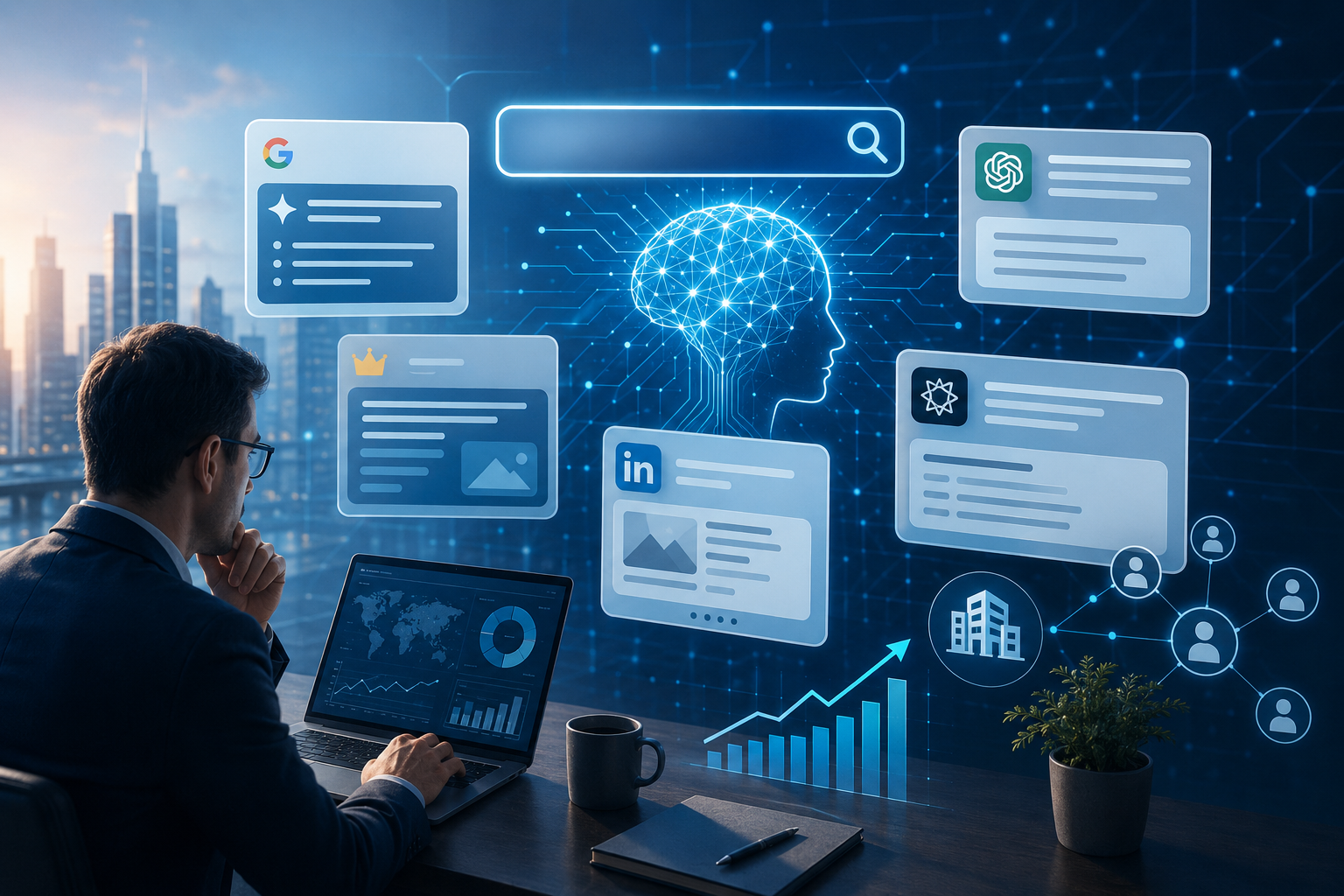
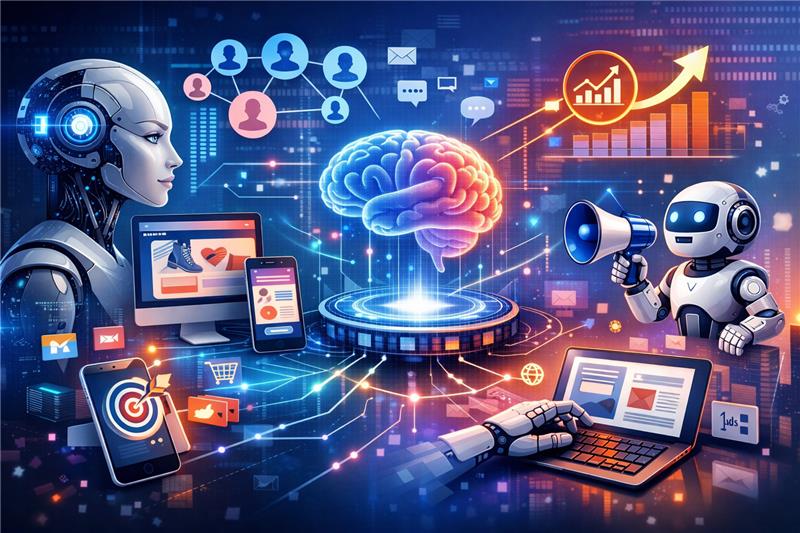
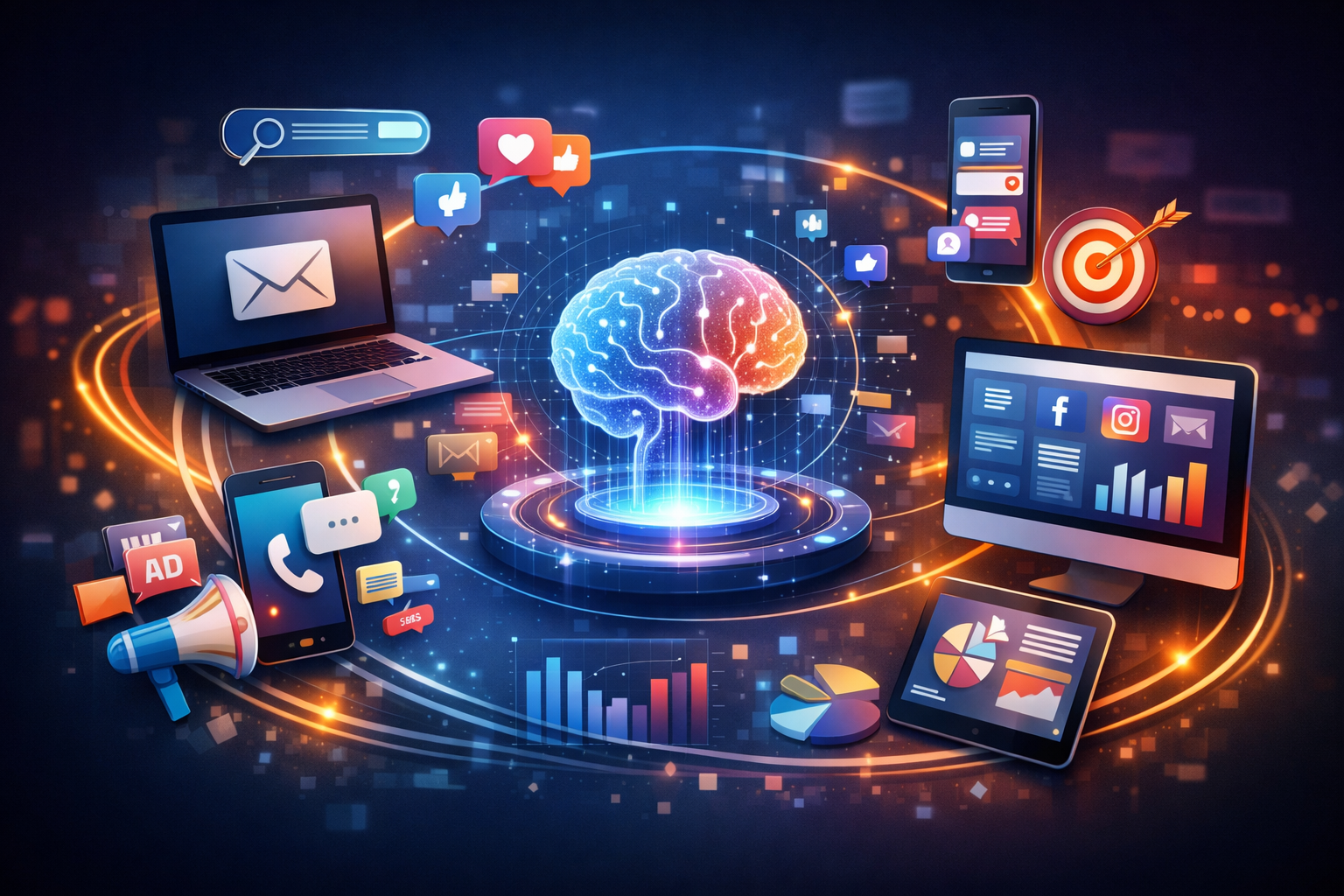
AI-powered personalization uses machine learning (ML) and artificial intelligence (AI) to understand user behavior, preferences, and context — and then dynamically tailor content or experiences accordingly.
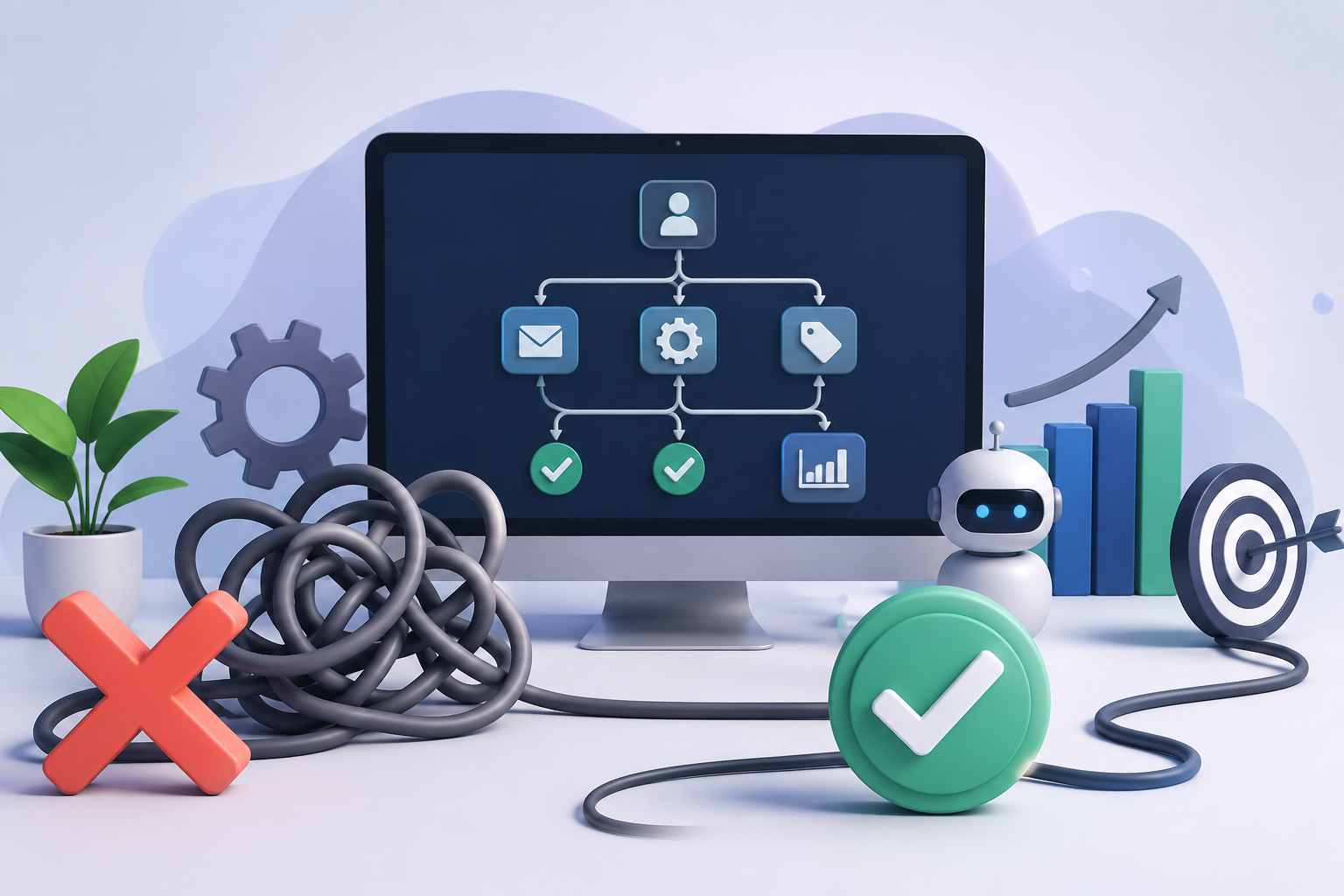
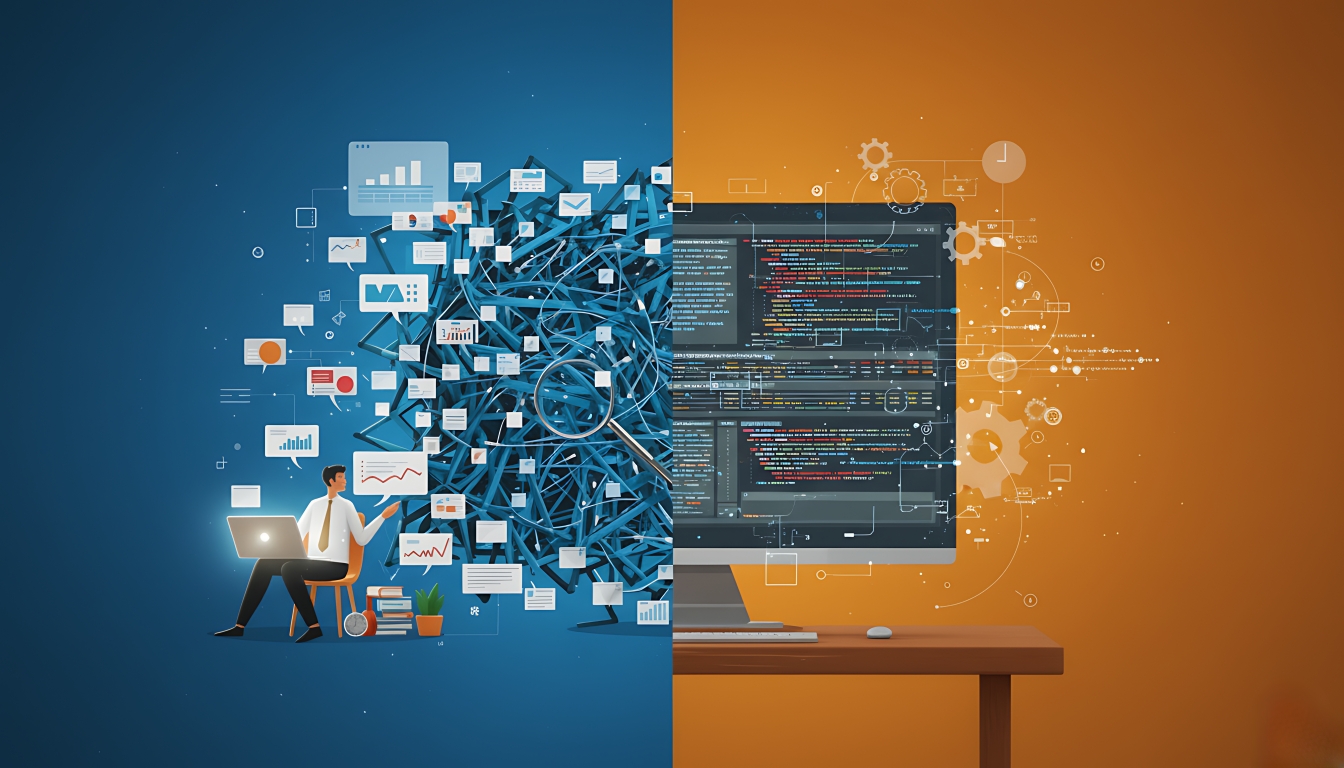
Unlike rule-based systems that rely on manual logic (e.g., “show this if user clicked that”), AI systems learn patterns from data, adapt over time, and make predictions about what each individual user wants.
Why Scaling Personalization Matters
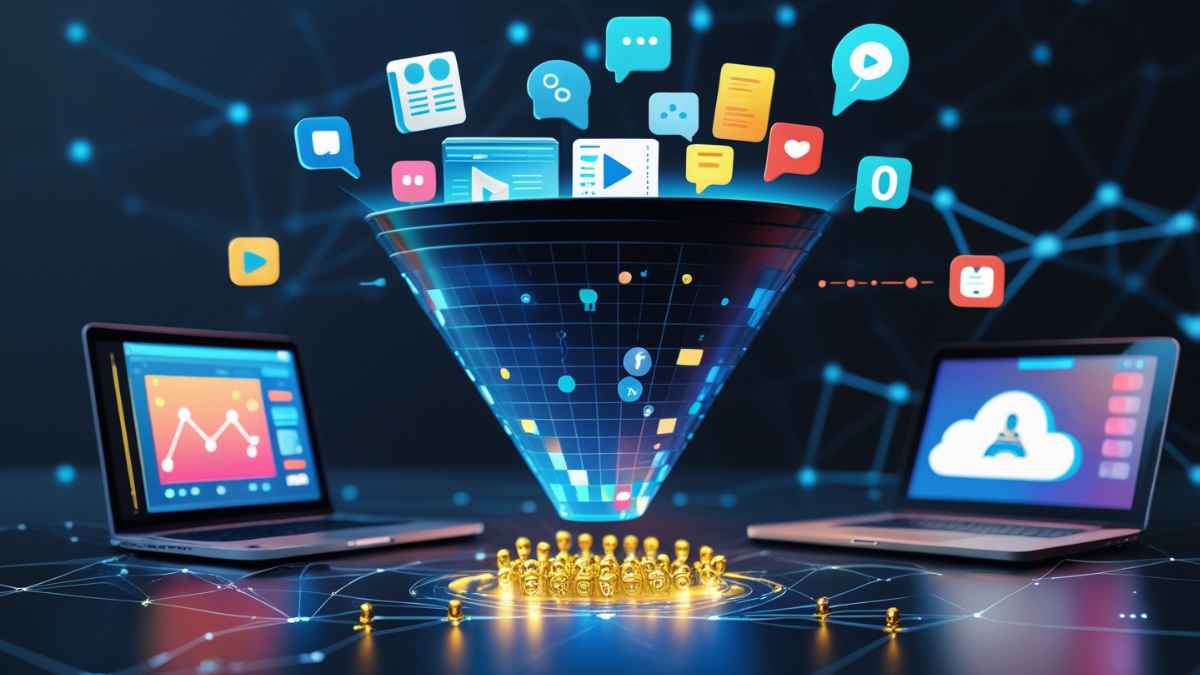
For small user bases, you might personalize manually or via simple rules. But for millions of users interacting across websites, apps, emails, chatbots, and IoT devices, traditional personalization becomes:
- Slow: Manual segments don’t keep pace with user behavior.
- Generic: Broad segments miss individual nuances.
- Inefficient: Teams can’t manually craft experiences at scale.
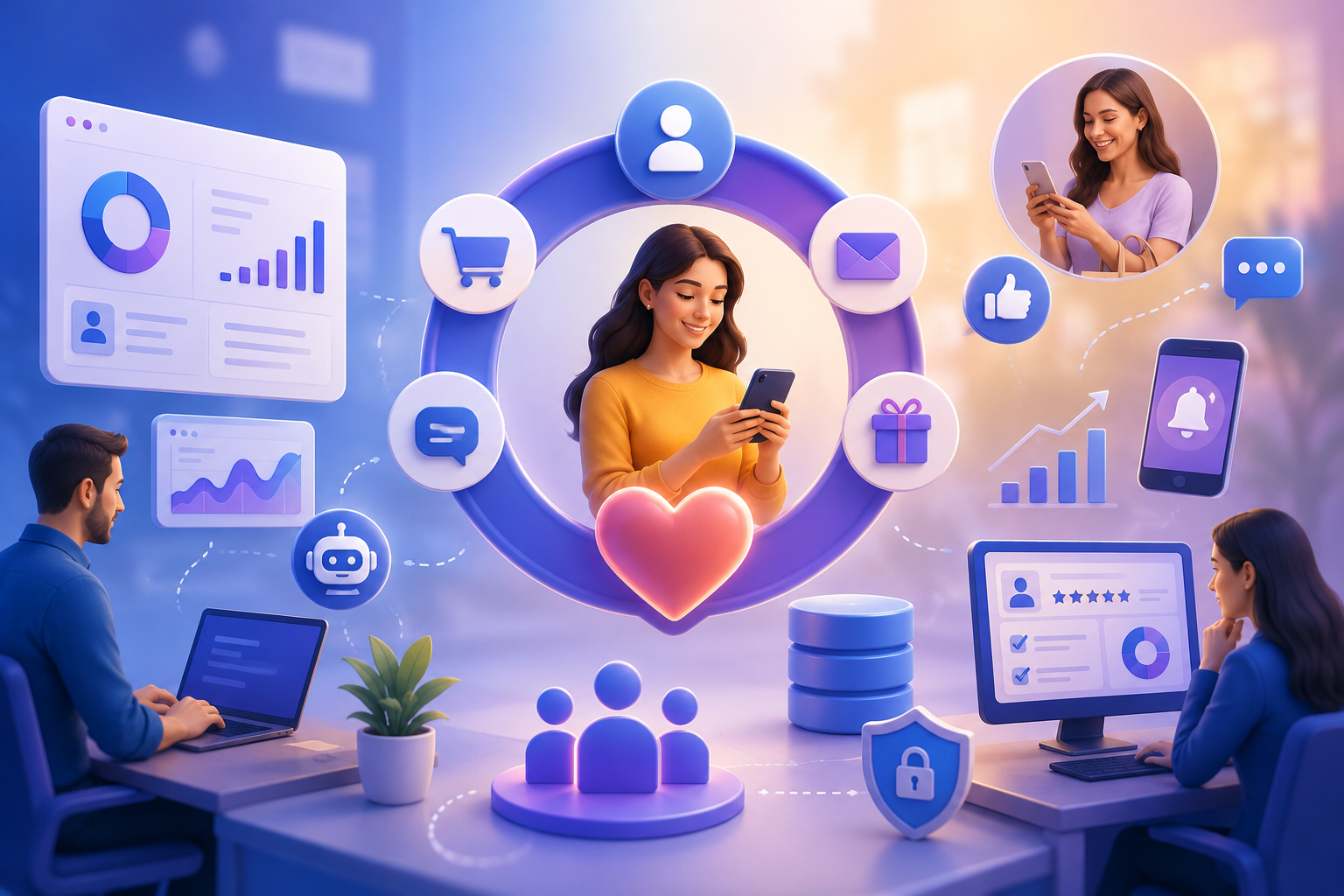
AI changes this: it delivers individualized experiences — not just audience segmentation — at global scale.
Core AI Technologies Powering Personalization
Let’s break down the key technologies enabling personalization at scale:
Machine Learning & Predictive Modeling
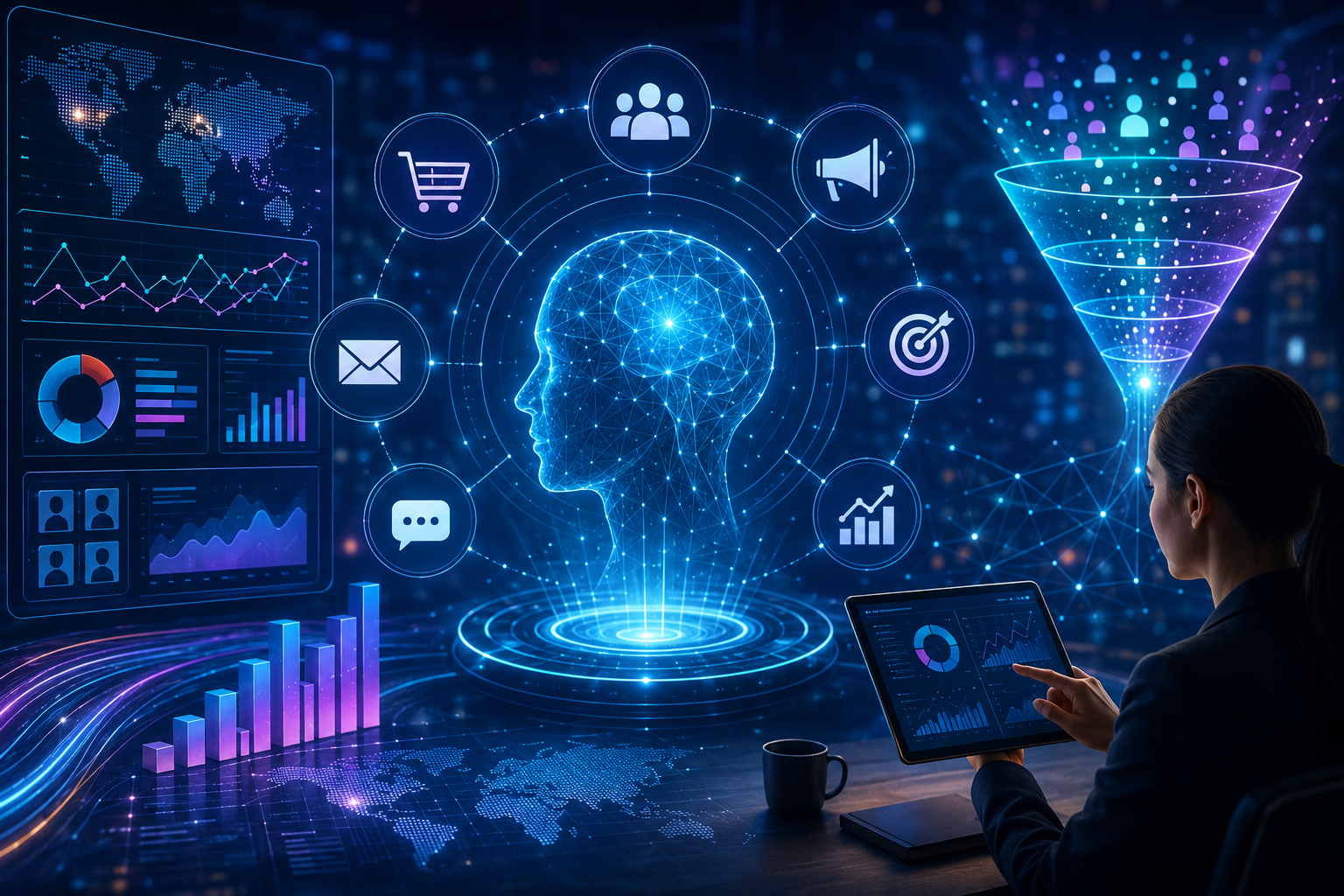
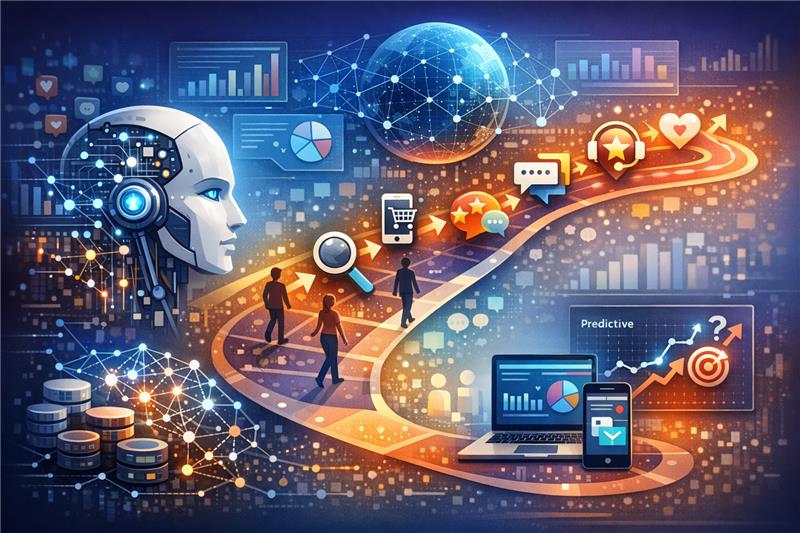
ML algorithms analyze vast datasets to predict what users are likely to want next — whether it’s a product, article, or feature.
Natural Language Processing (NLP)
By interpreting text, search terms, and conversational inputs, NLP enables systems to understand user intent and sentiment.
Reinforcement Learning
This allows personalization systems to continuously improve by learning from user actions in real time.
Deep Learning & Neural Networks
These are especially powerful for complex data types like images, audio, and unstructured interactions on social platforms.
Where AI Personalization Is Making Waves
AI-powered personalization isn’t limited to one area — it’s transforming industries across the board:
E-Commerce
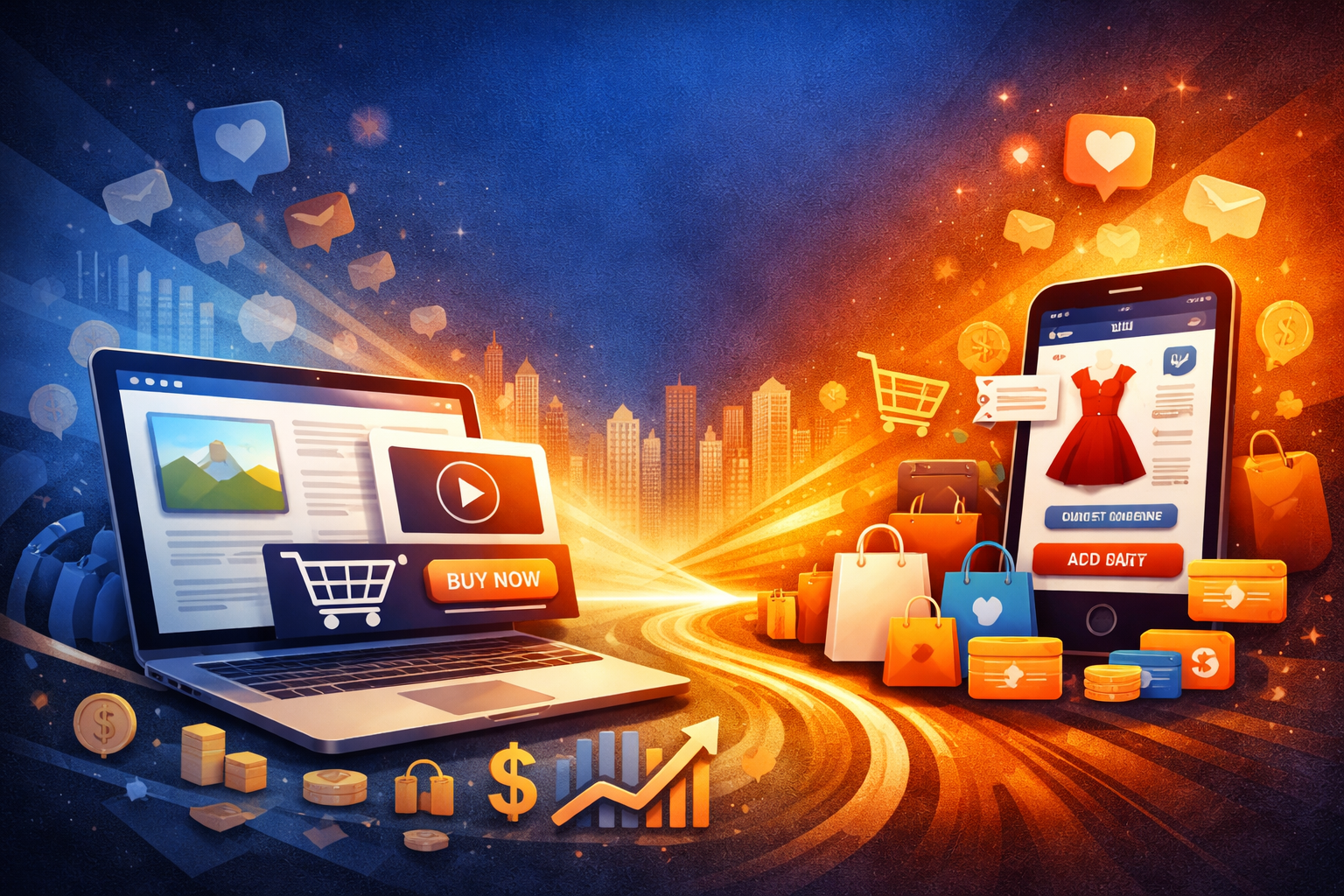
Personalized product recommendations increase conversion rates and customer satisfaction. AI can tailor offers based on browsing patterns, past purchases, and even current weather.
Mobile Apps & Streaming
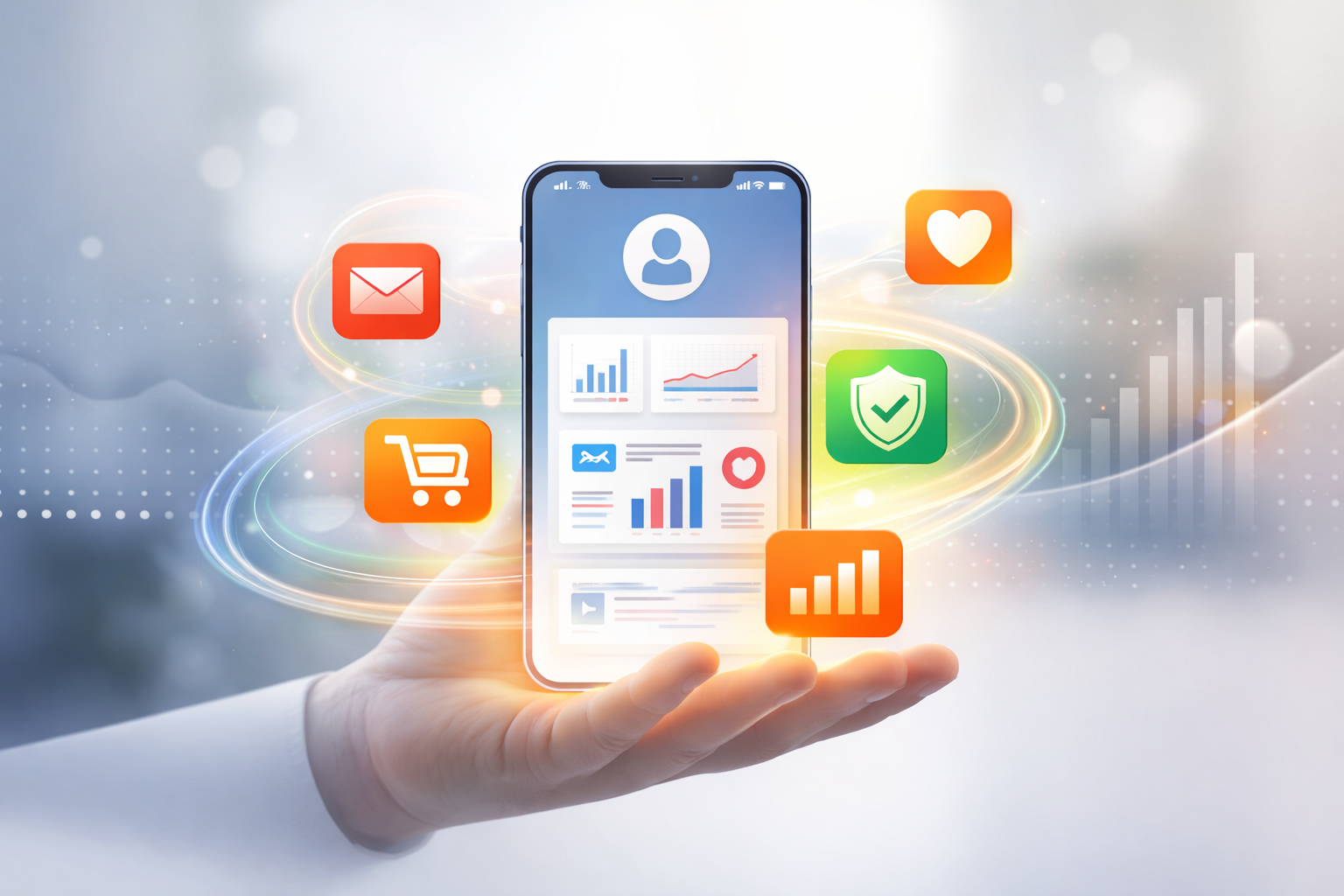
Apps like music and video streaming services use AI to curate playlists or content feeds uniquely suited to each user’s tastes.
Customer Support
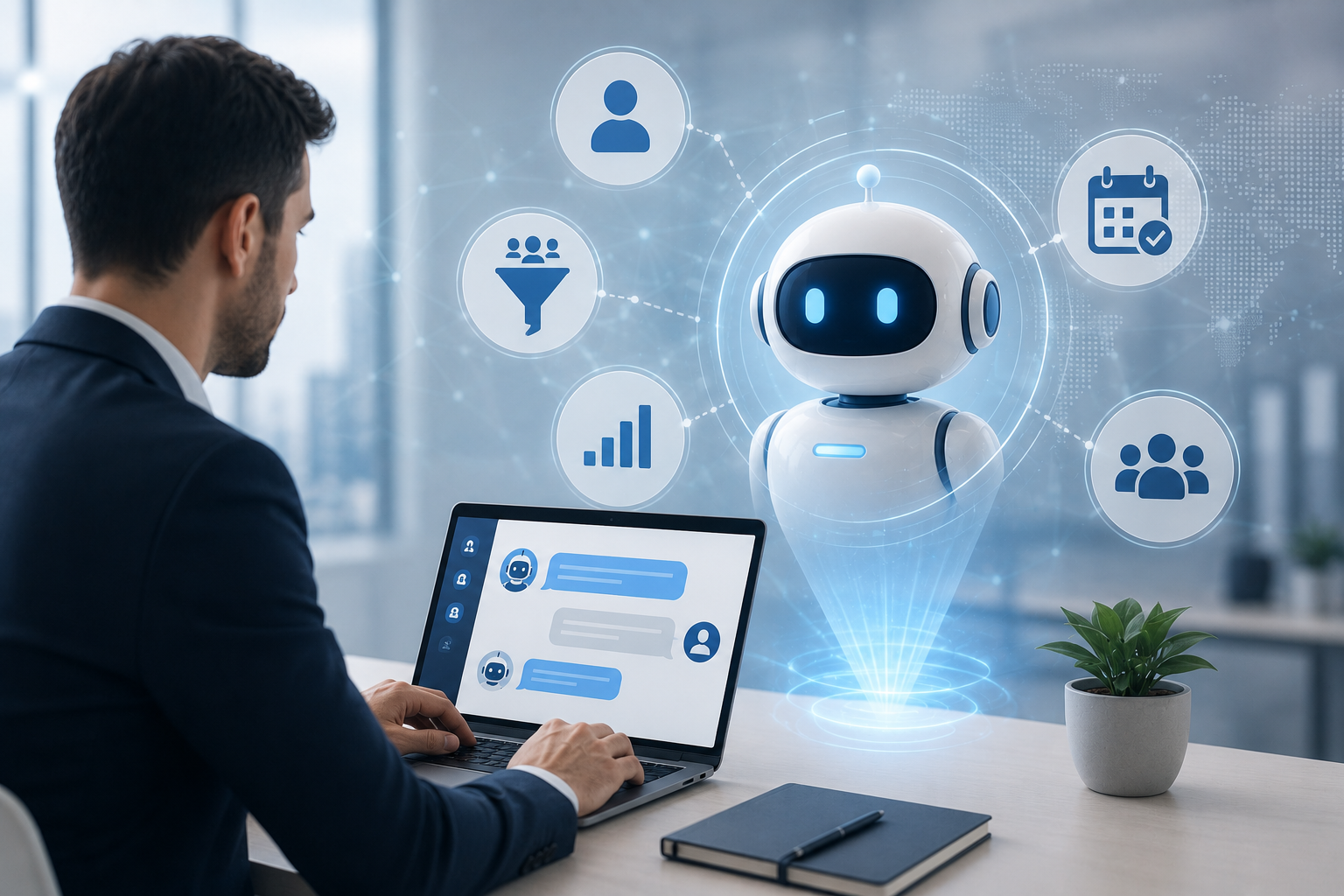
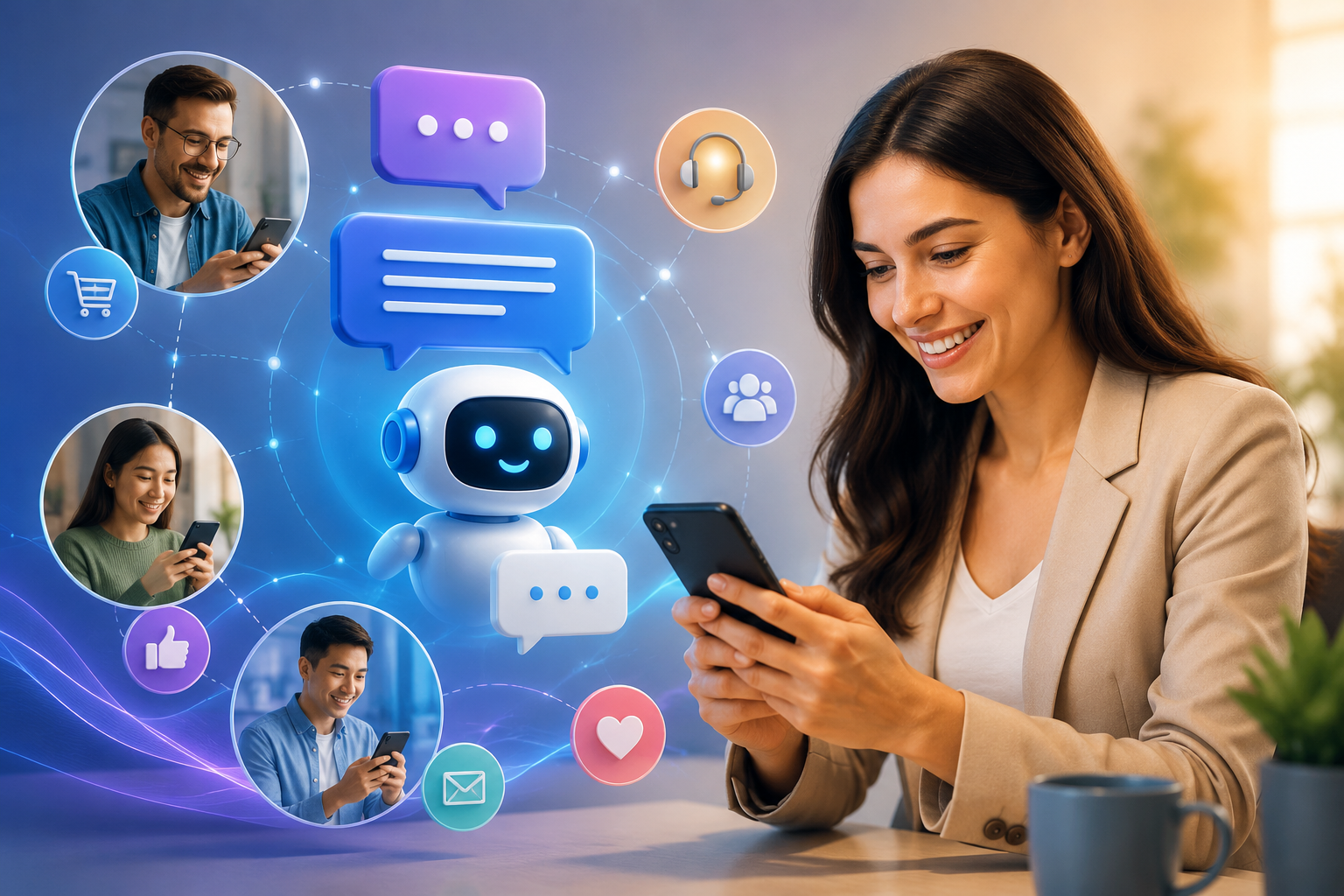
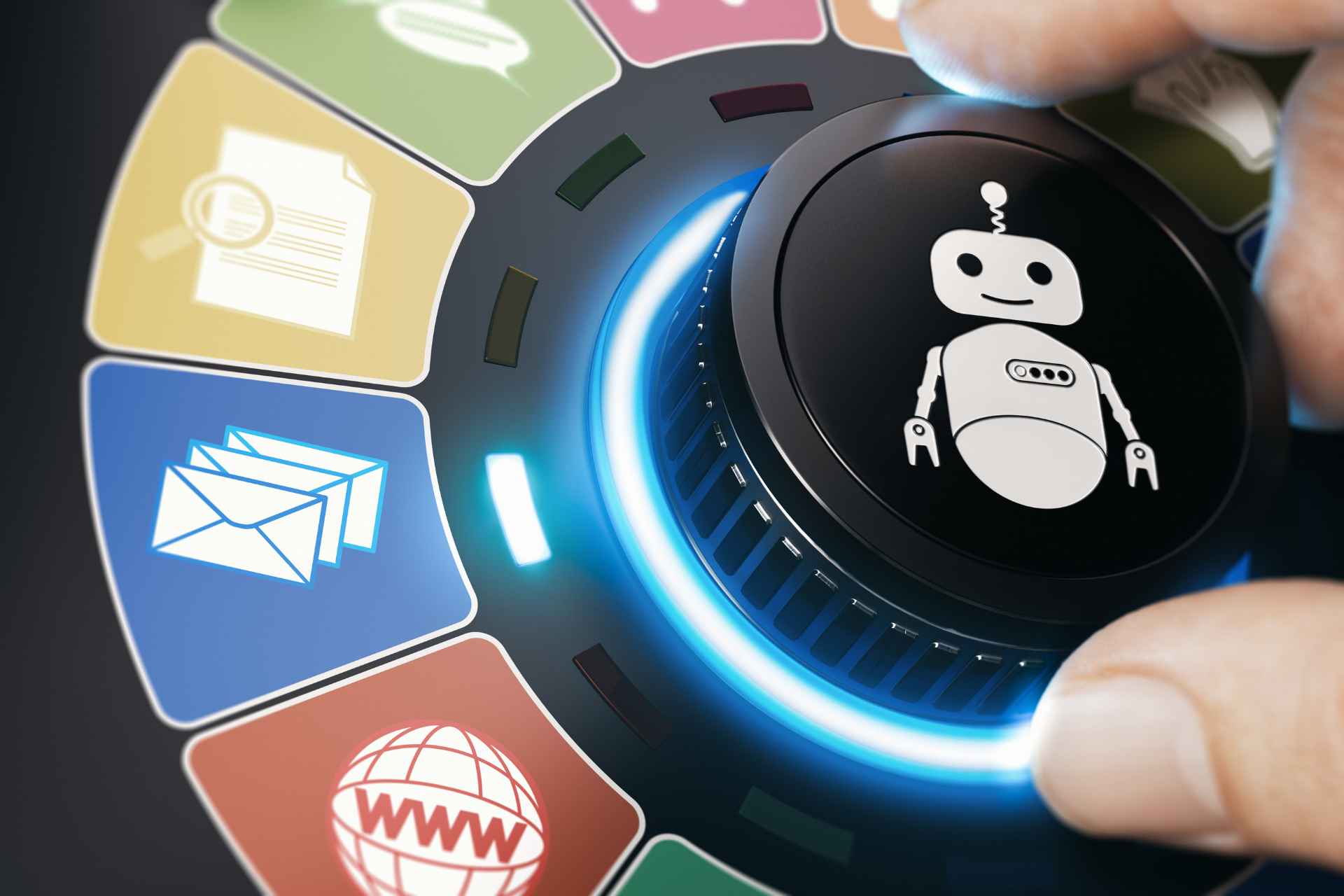
AI-driven chatbots and assistants personalize answers based on customer history, tone, and urgency.
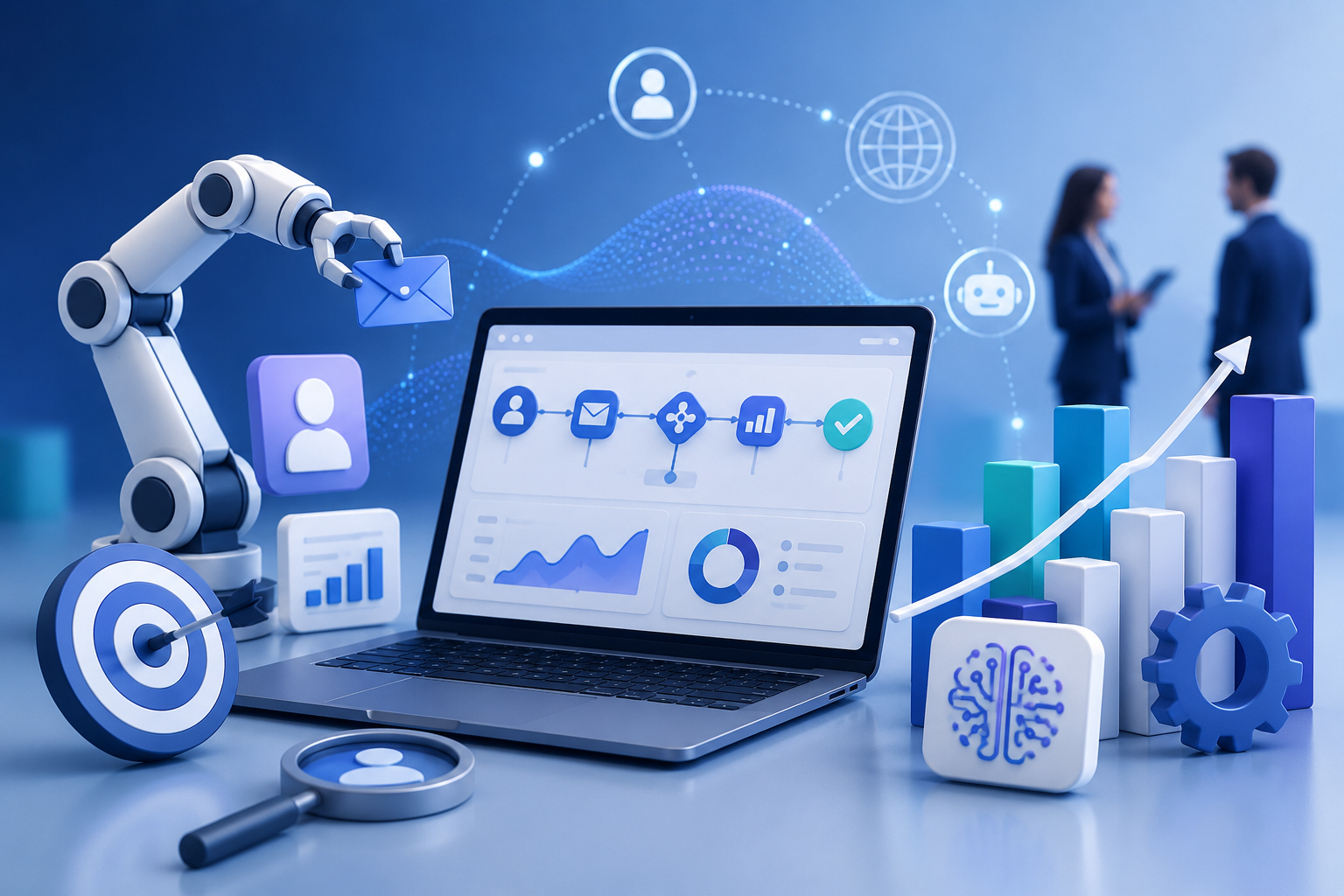
Marketing Automation
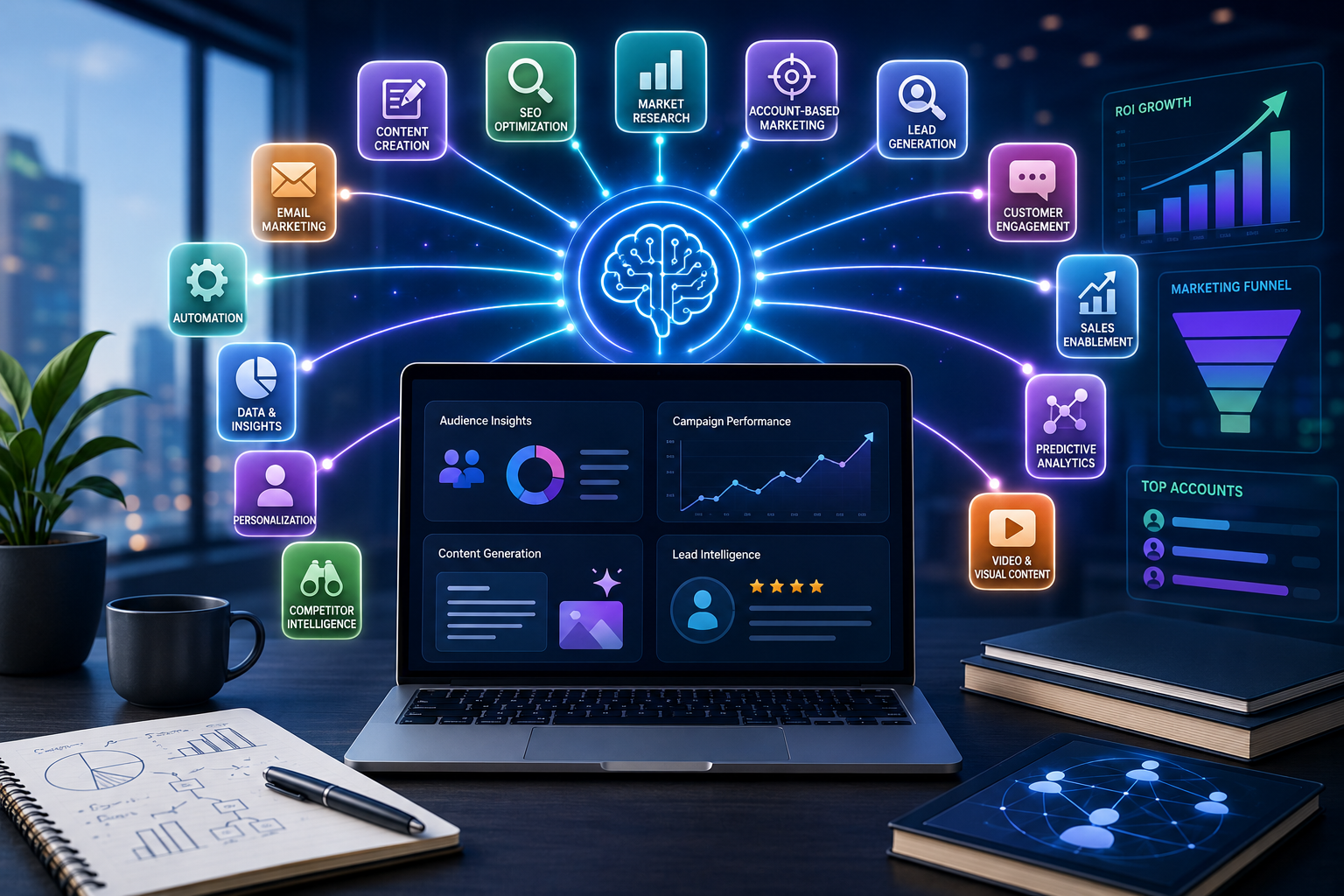
AI can optimize email send times, tailor messaging, and personalize content blocks in marketing campaigns — all at scale.
Benefits of Personalization at Scale
Organizations leveraging AI-powered personalization unlock several competitive advantages:
✔ Increased Engagement — Users spend more time when content feels relevant.
✔ Higher Conversions — Personalized recommendations drive sales.
✔ Improved Retention — Users continue returning to experiences that resonate.
✔ Stronger Customer Loyalty — Customers feel understood and valued.
✔ Operational Efficiency — AI automates what used to require manual segmentation.
Challenges to Implementing at Scale
AI personalization isn’t without its hurdles. Organizations must address:
Data Quality & Integration
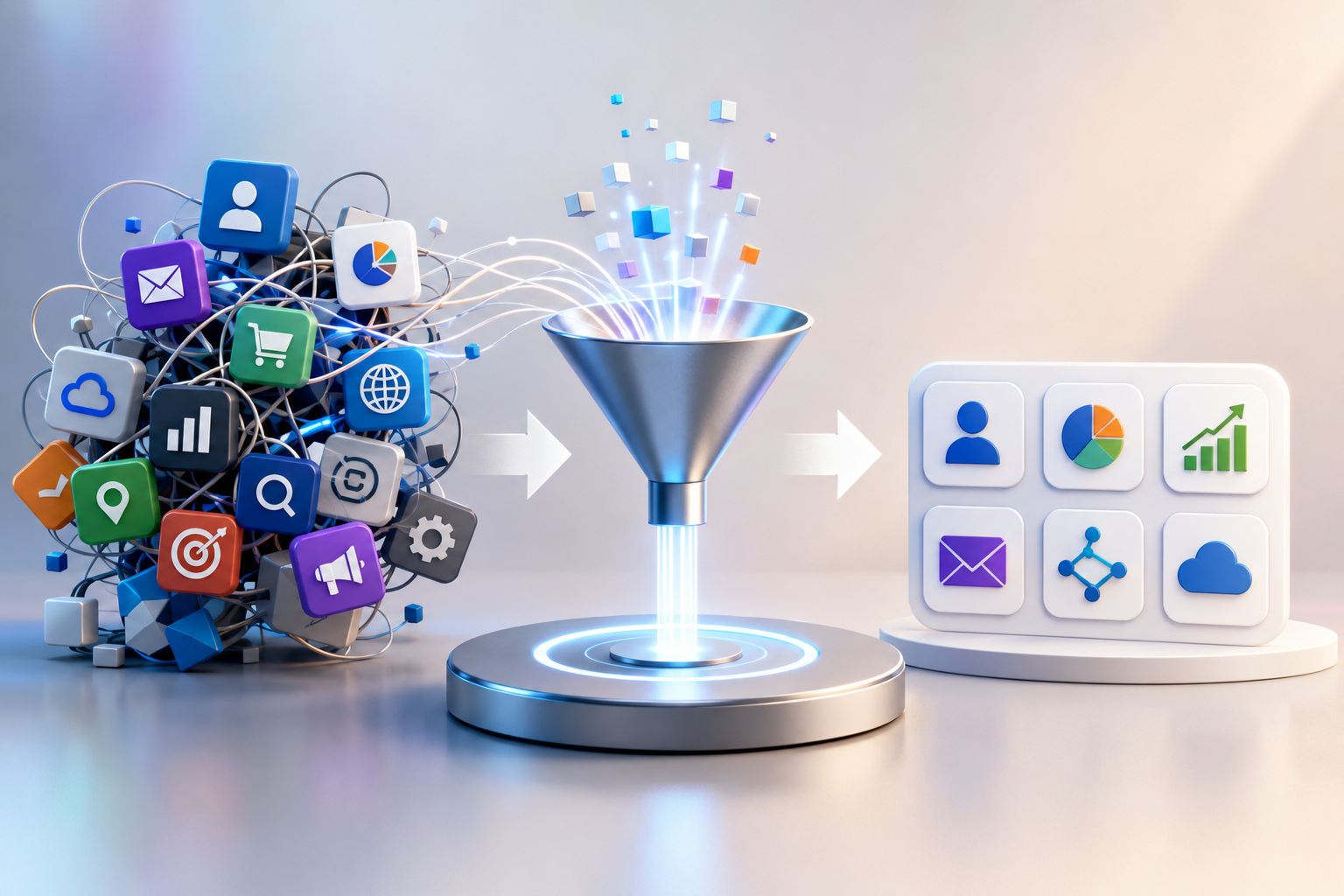
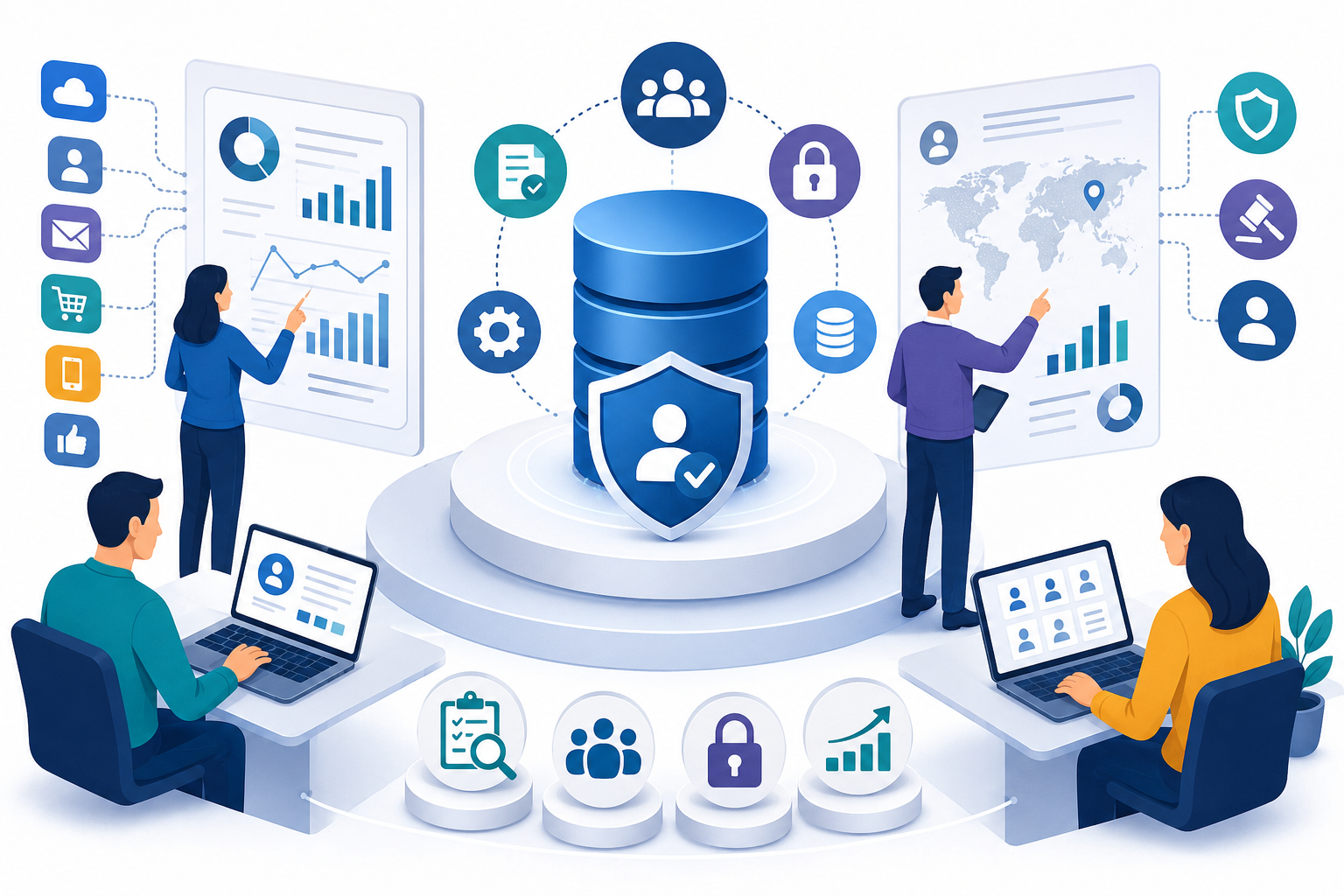
To personalize effectively, systems need clean, unified data from multiple touchpoints.
Privacy & Ethics
Balancing personalization with user privacy is essential — especially under regulations like GDPR and CCPA.
Bias in AI Models
AI systems trained on biased data can yield unfair or inaccurate personalization.
Infrastructure & MLOps
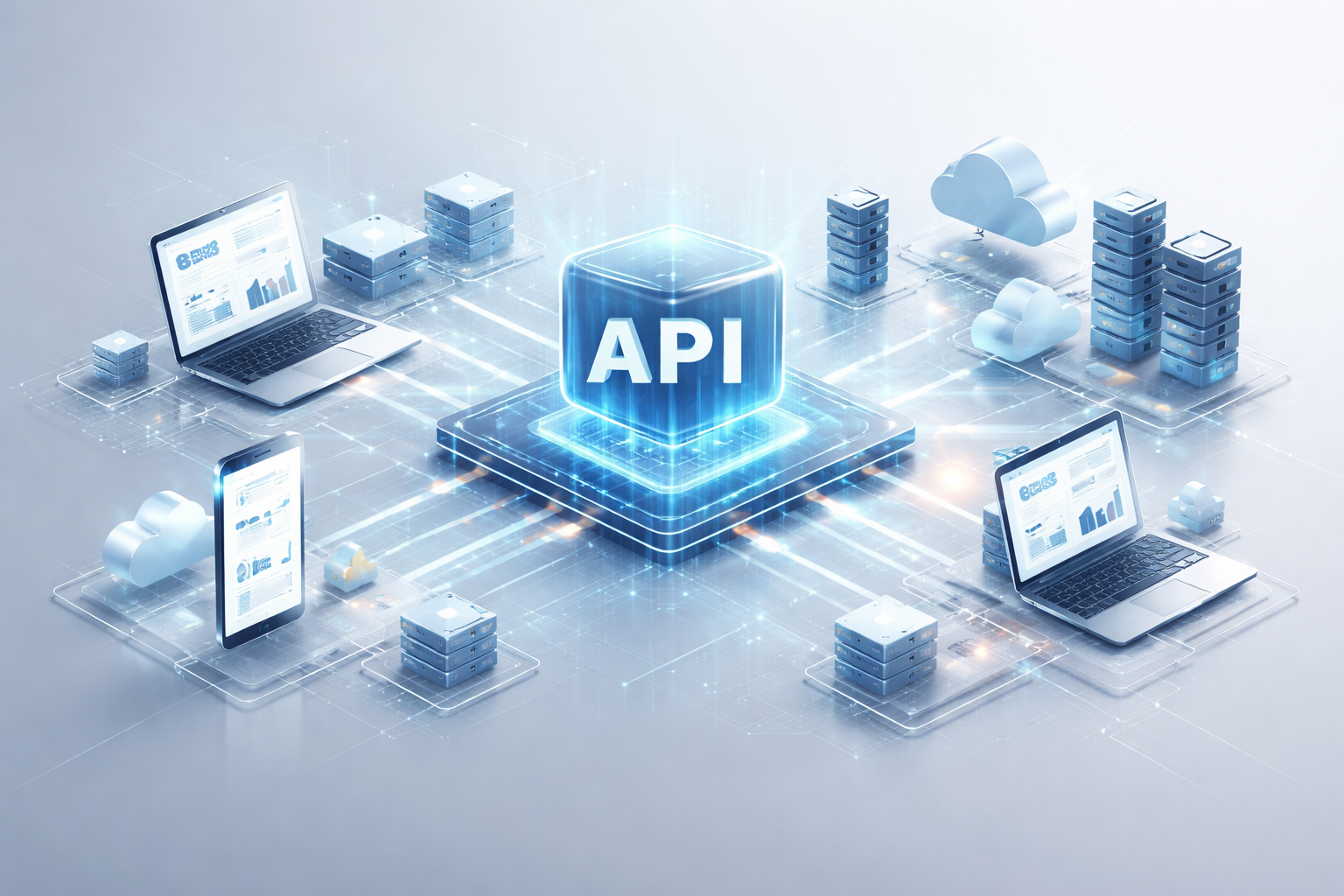
Operationalizing AI models requires robust infrastructure and scalable deployment practices.
Best Practices for Success
To get personalization right:
Start with Clear Business Goals
Define what you want personalization to achieve — engagement, conversions, retention, etc.
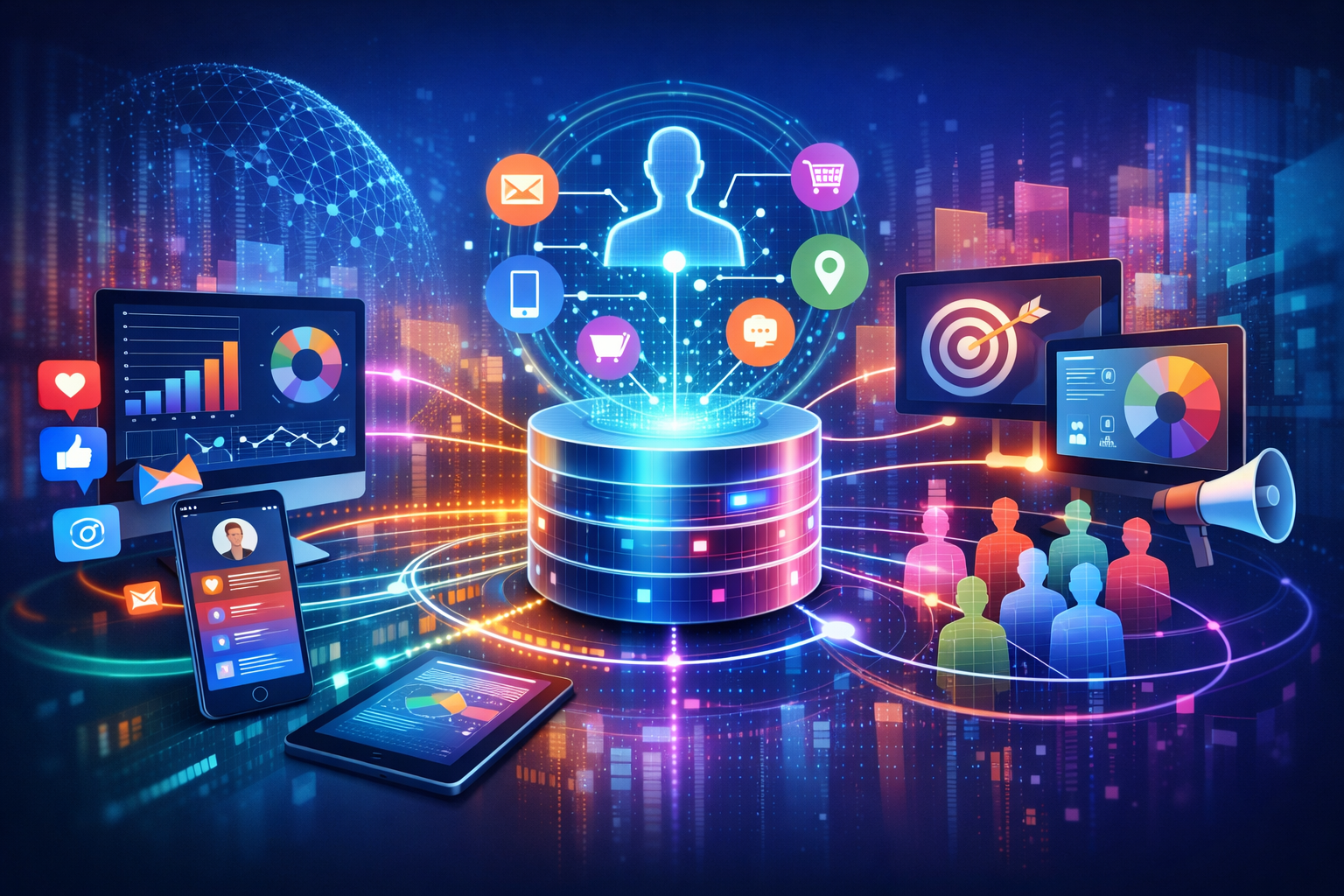
Build Unified Customer Profiles
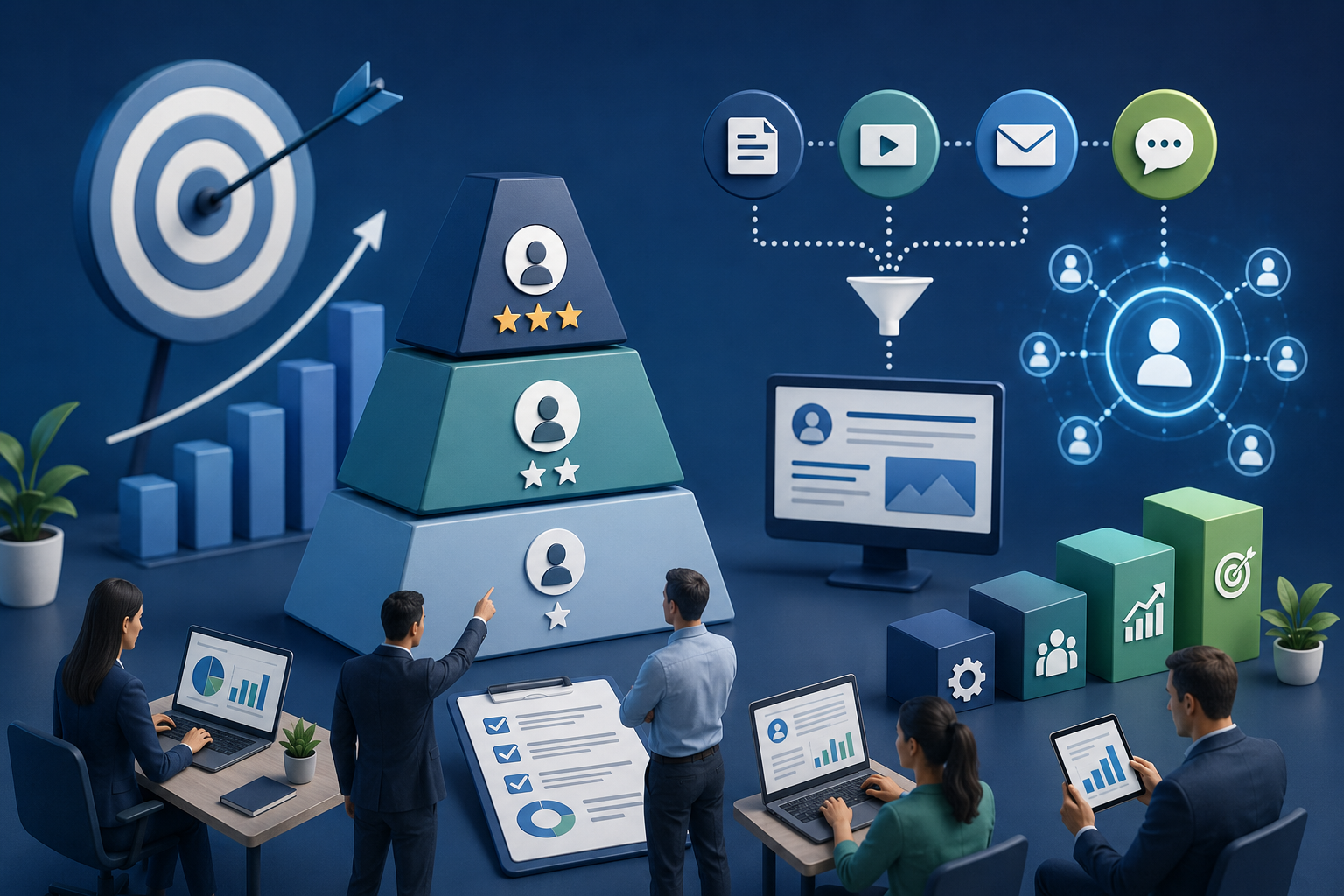
Consolidate data from every interaction into a single view.
Use Real-Time Feedback Loops
Ensure AI models learn from new data and adjust instantly.
Prioritize Transparency & Consent
Be clear with users about how their data is used — and offer opt-outs.
Measure and Optimize Constantly
Track performance metrics and refine algorithms over time.
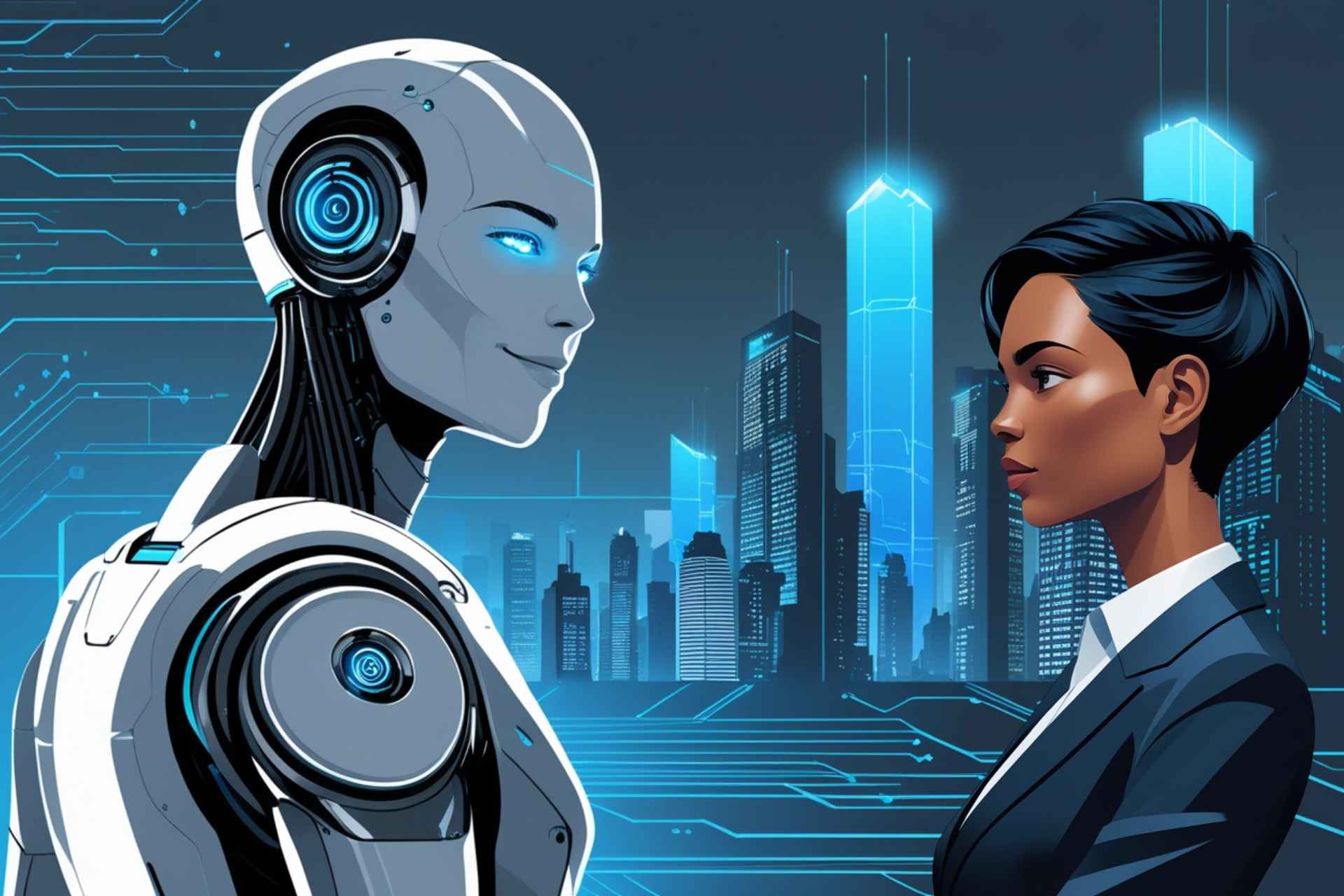
The Human + AI Equation
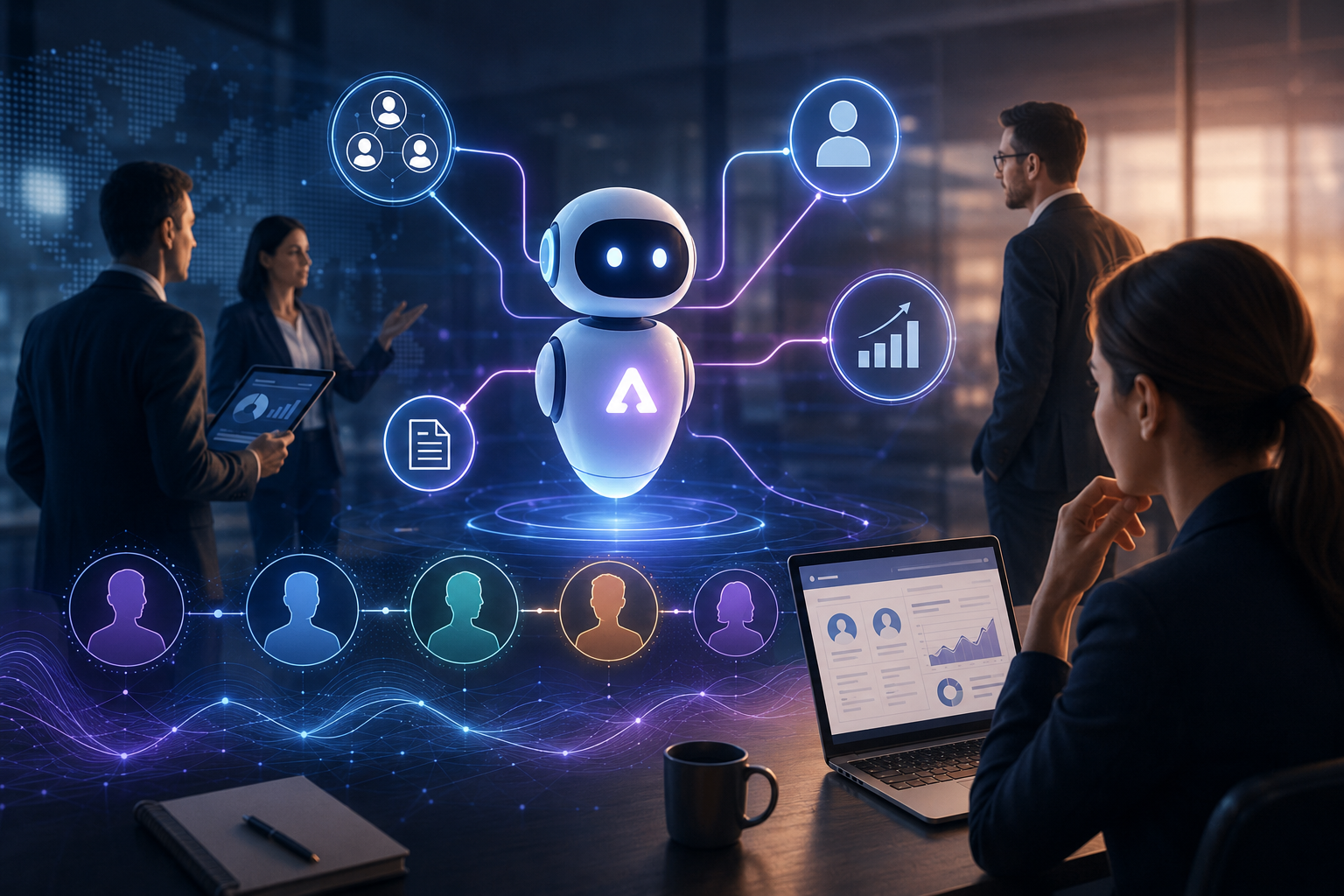
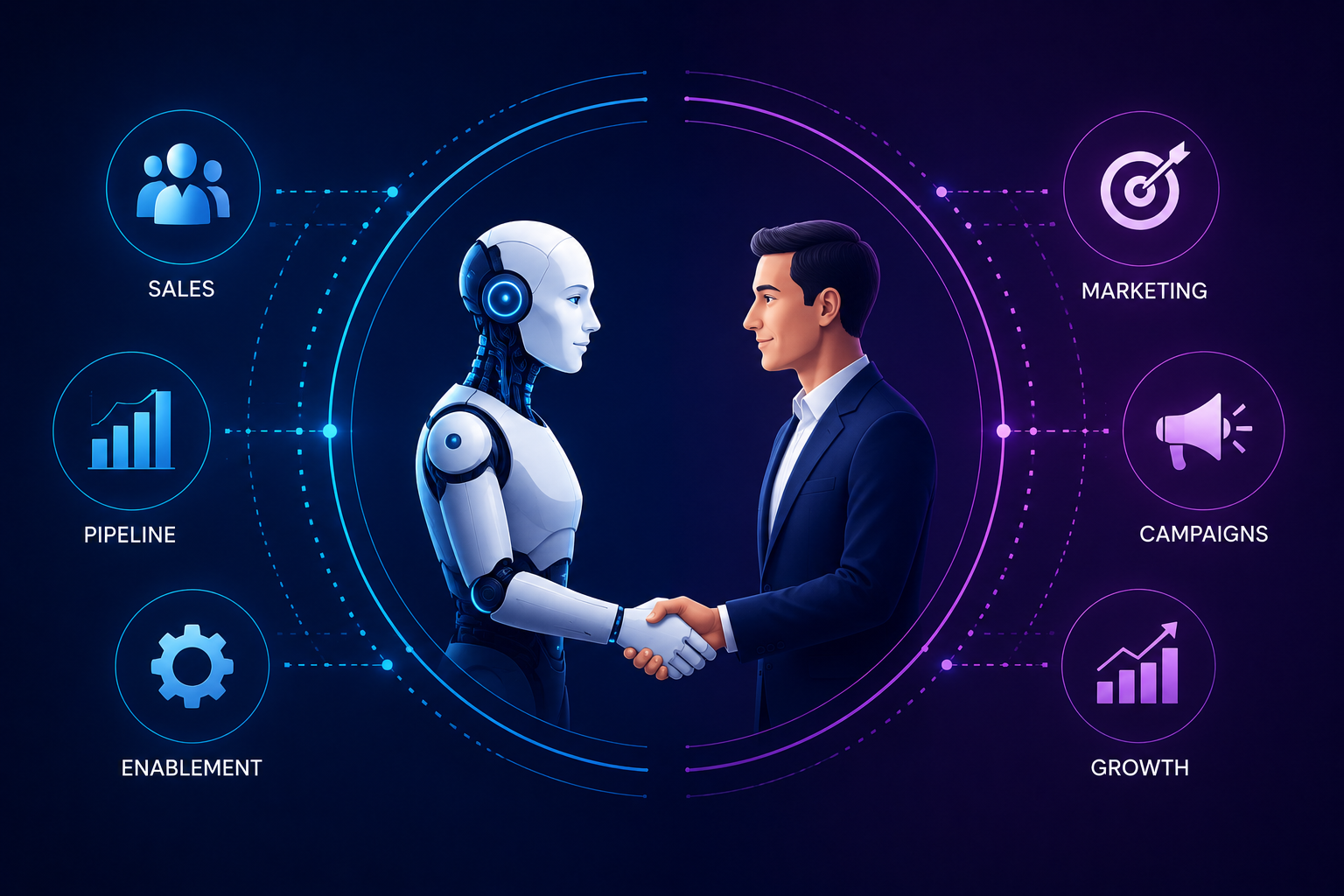
AI doesn’t replace human understanding — it amplifies it.
While AI identifies patterns and delivers recommendations at scale, human creativity and strategy remain indispensable for setting direction and crafting emotionally resonant experiences.
Together, humans and AI can create personalization that’s not only efficient, but meaningful.