
Aviz today announced the Deep Network Observability (DNO) Interop — a collaborative initiative enabling enterprises to validate a software-first observability stack across diverse, multi-vendor infrastructure, including data center, edge, and AI fabrics.
The interop addresses the growing demand for a new observability model among enterprises — one that is open, intelligent, and built to scale with the evolving needs of AI-driven infrastructure.
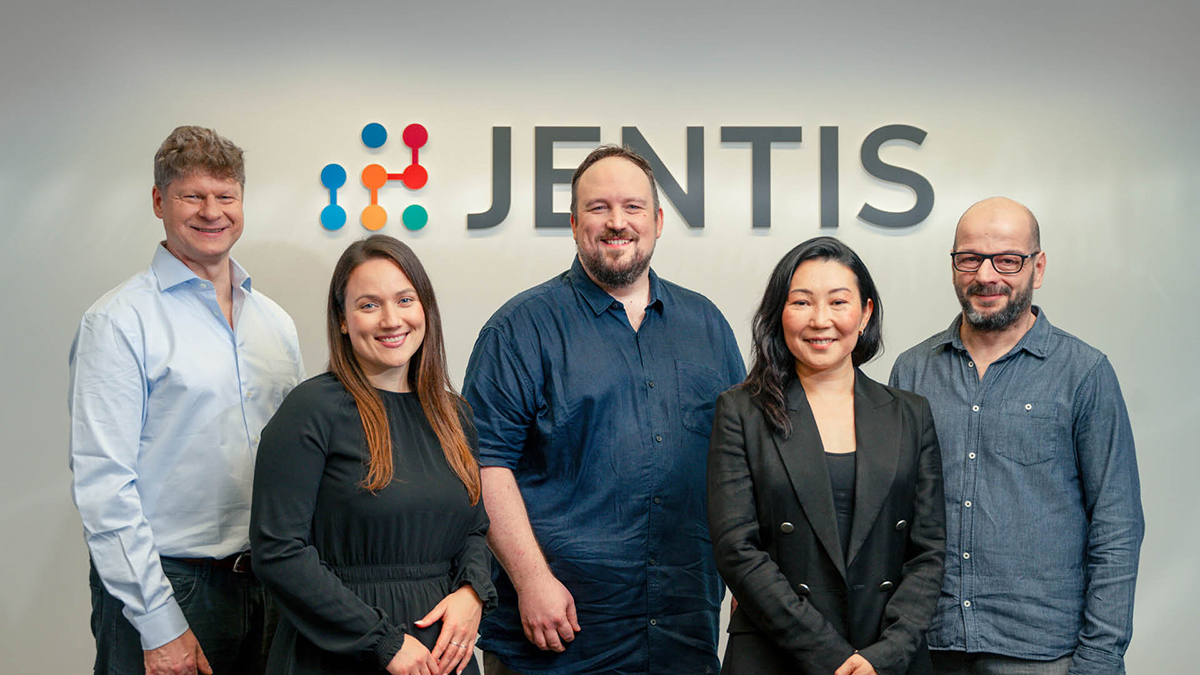
Observability must evolve for the AI era — open, software-first, and real-time,” said Thomas Scheibe, Chief Product Officer at Aviz Networks. “This Interop proves it’s not just possible. Enterprises can test their use cases, assess various deployment options, or join us live to see the results.”
Key Benefits for Participating:
Test your current use case on an open, software-first observability stack — and see how it complements or extends your existing tools with added flexibility and cost-efficiency.
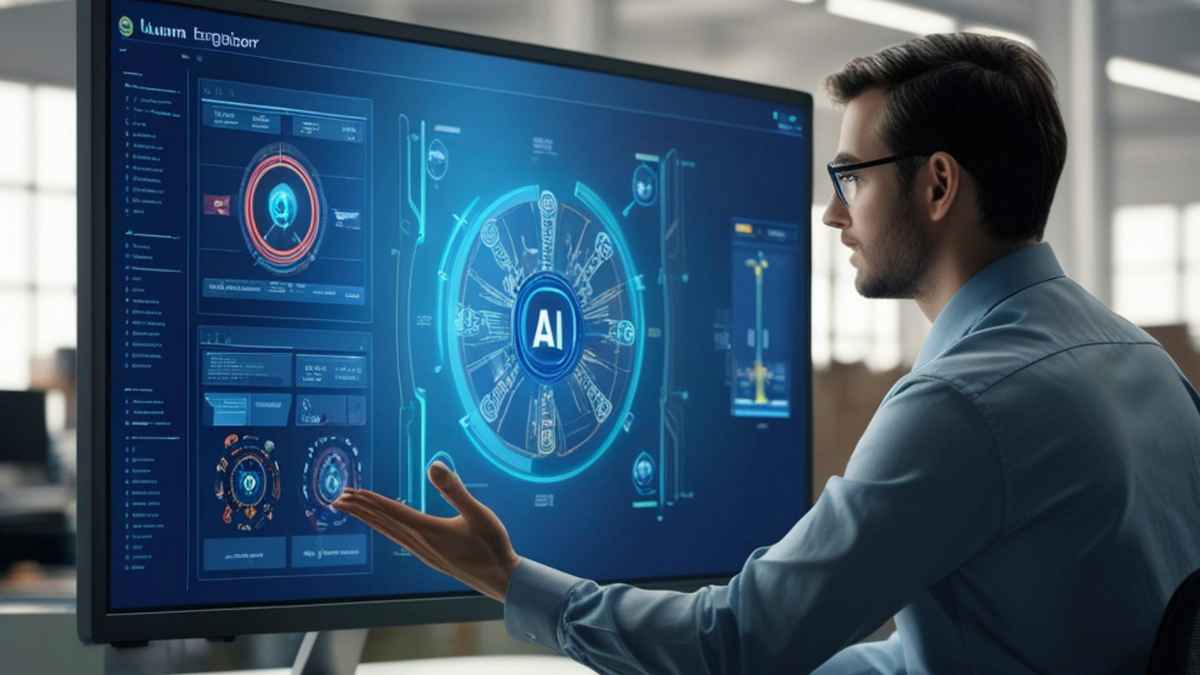
Experience AI-powered insights that transform observability — from click-based operations to a natural, conversational workflow.
Receive a custom TCO and migration report to guide your next observability refresh or infrastructure transition.
See Packet Broker and Service Nodes in action — tested live across Dell, Celestica, Cisco, Edgecore, and NVIDIA platforms.
The Interop features three software components tested across multiple HW platforms
- Open Packet Broker (OPB): A software-only, multi-vendor solution delivering line-rate packet processing, slicing, filtering, and tunnel termination. Open Packet Broker runs on standard network platforms.
- Aviz Service Node (ASN): A software-only, multi-vendor solution delivering line-rate Deep Packet Inspection, application and subscriber meta-data extraction, deduplication, and packet capture. Aviz Service Node runs on standard x86-based servers with optional DPU acceleration via NVIDIA BlueField®-3.
- Network Copilot™: A software-only LLM-powered private AI solution for enterprises with pre-build agents for compliance, troubleshooting, and capacity planning use cases.
Interop Outcome: Detailed Report on AI-Ready Observability Stack
Join us for the Interop Webinar on August 7th, where we’ll present the key outcomes, including:
- A technical report comparing legacy solutions with modern software-first observability stacks — covering packet brokers, service nodes, and insights.
- Real-world TCO analysis for customers evaluating infrastructure refresh options.
- Migration guides and a customer case study, showcasing the value realized and the step-by-step migration process.
Read Also: Omdia: Cloud Infrastructure Key to $12.9B Gaming Tech Ecosystem