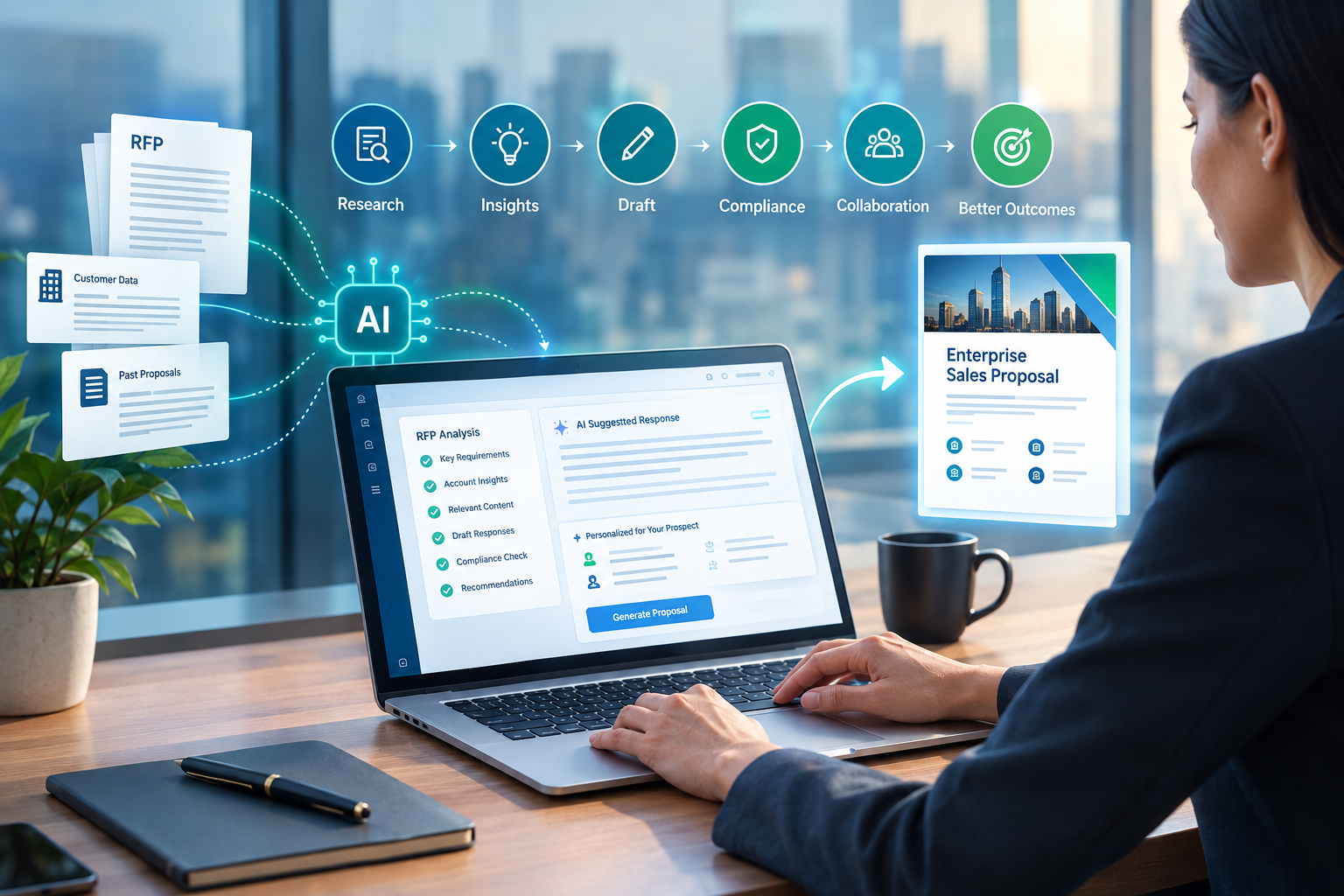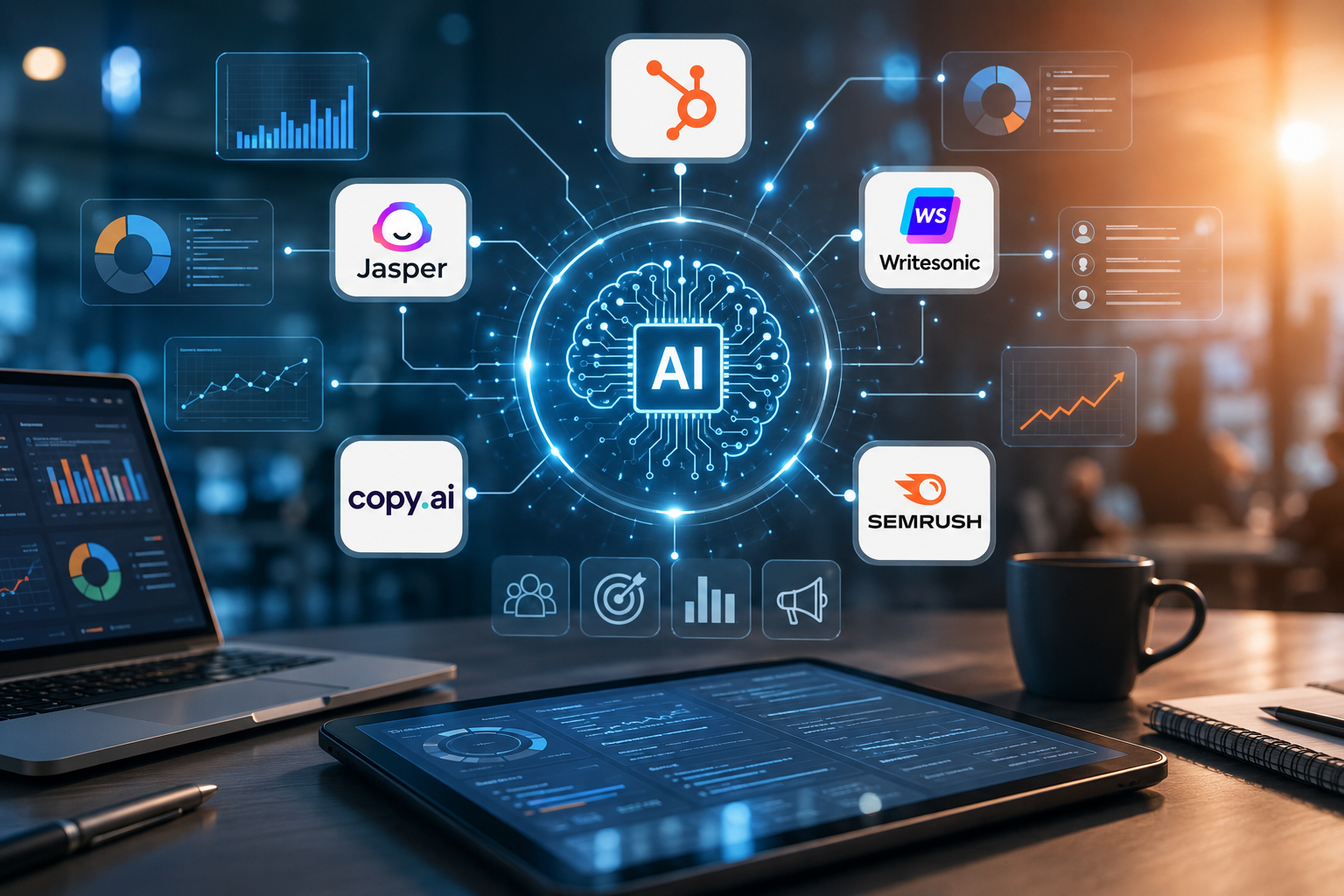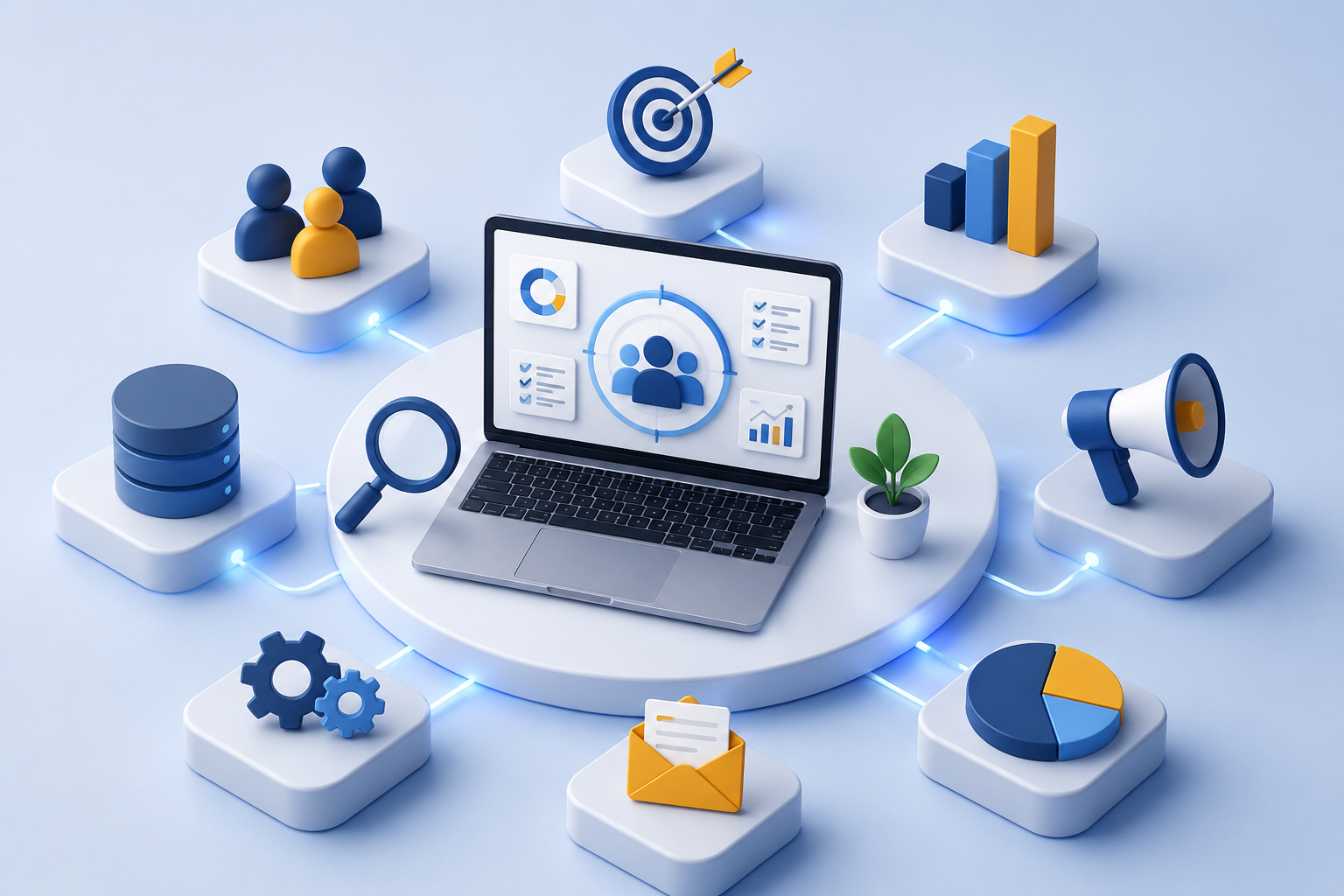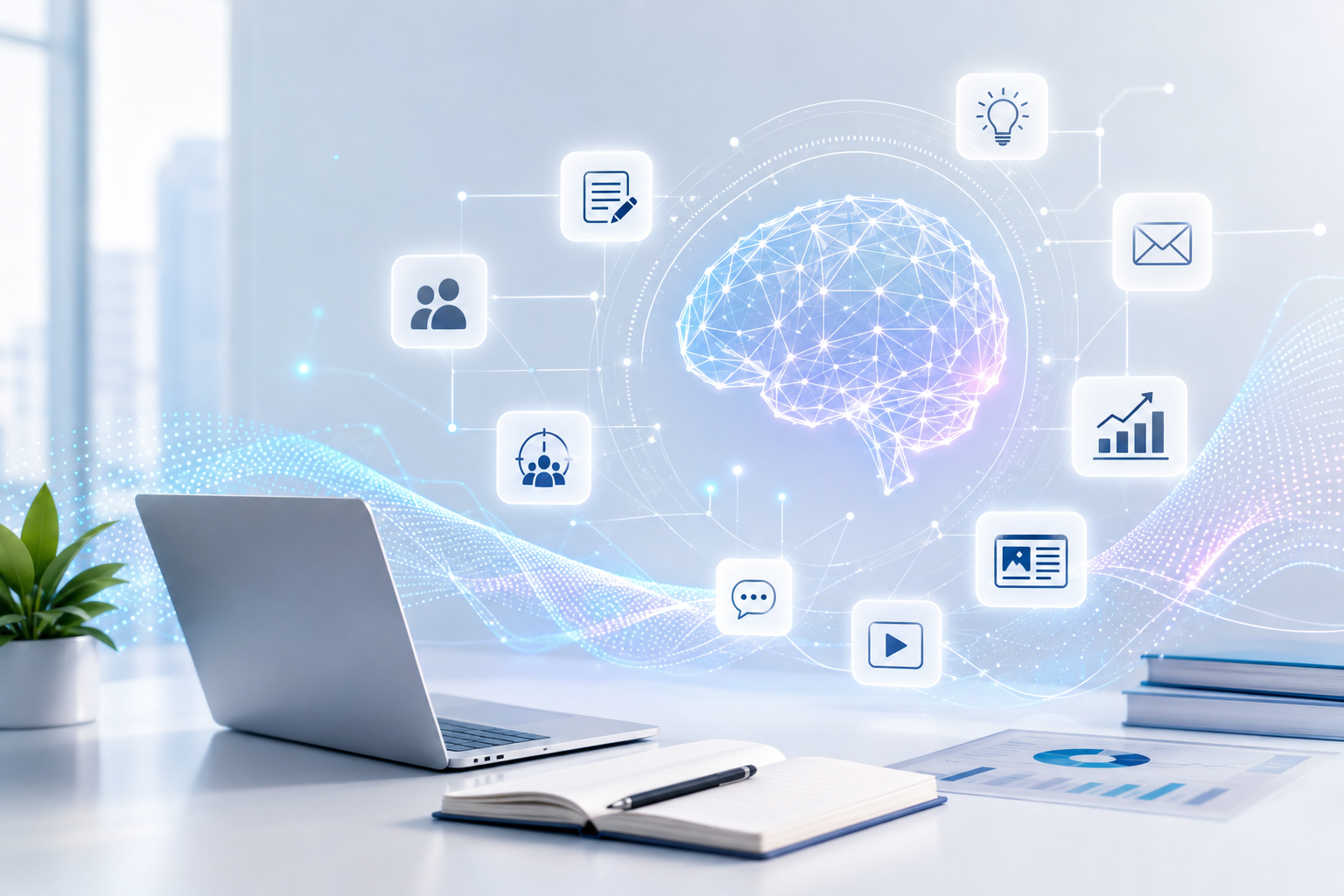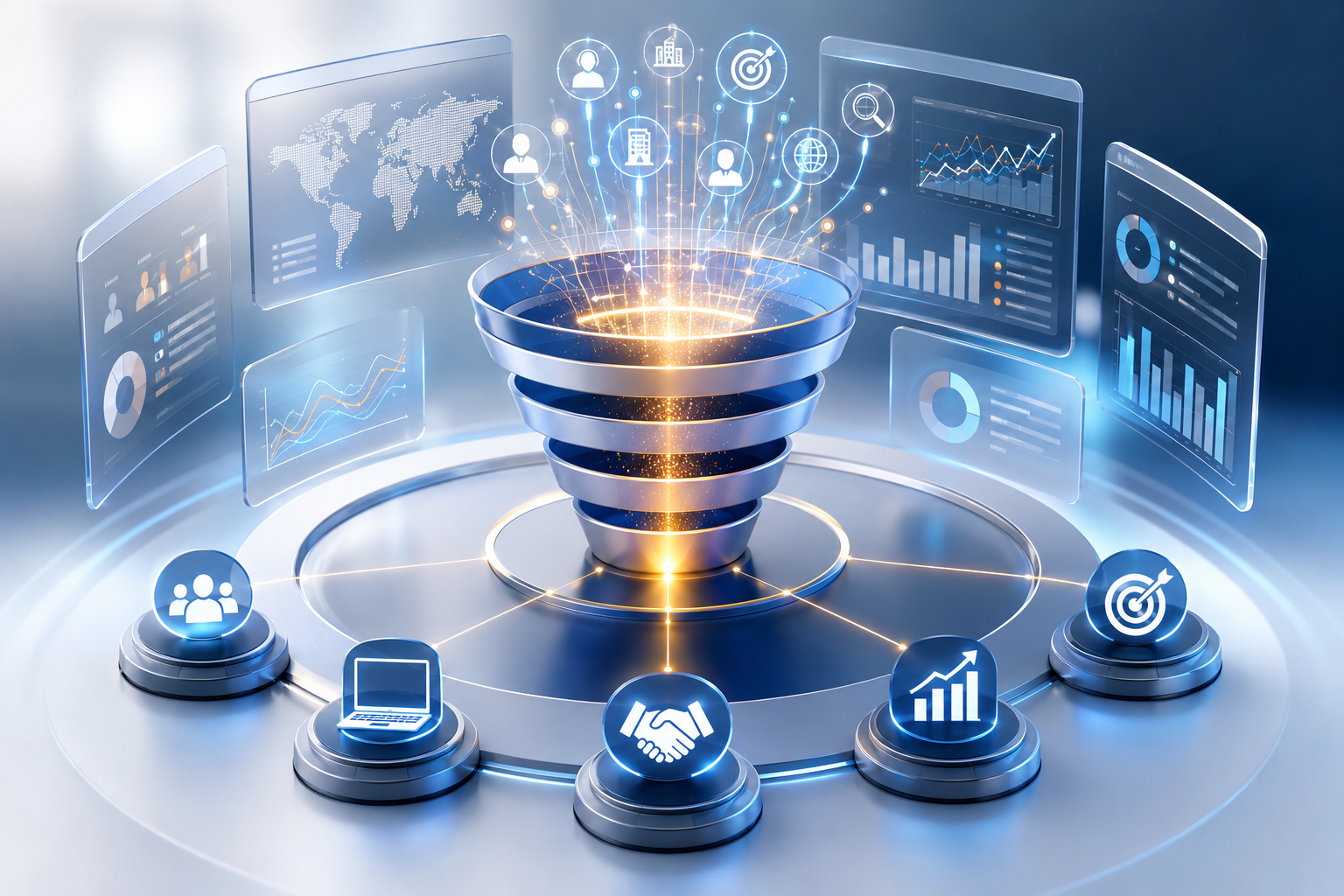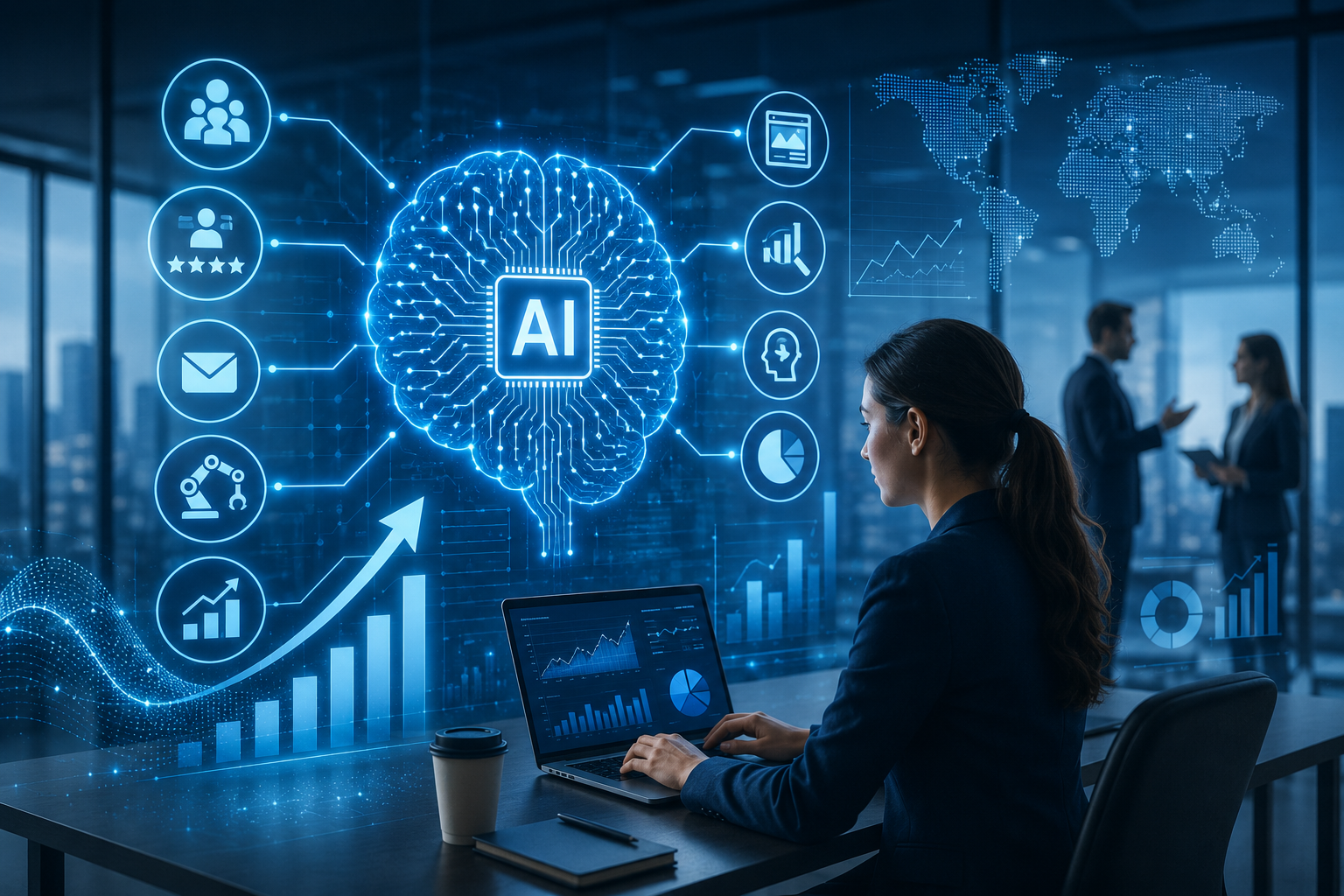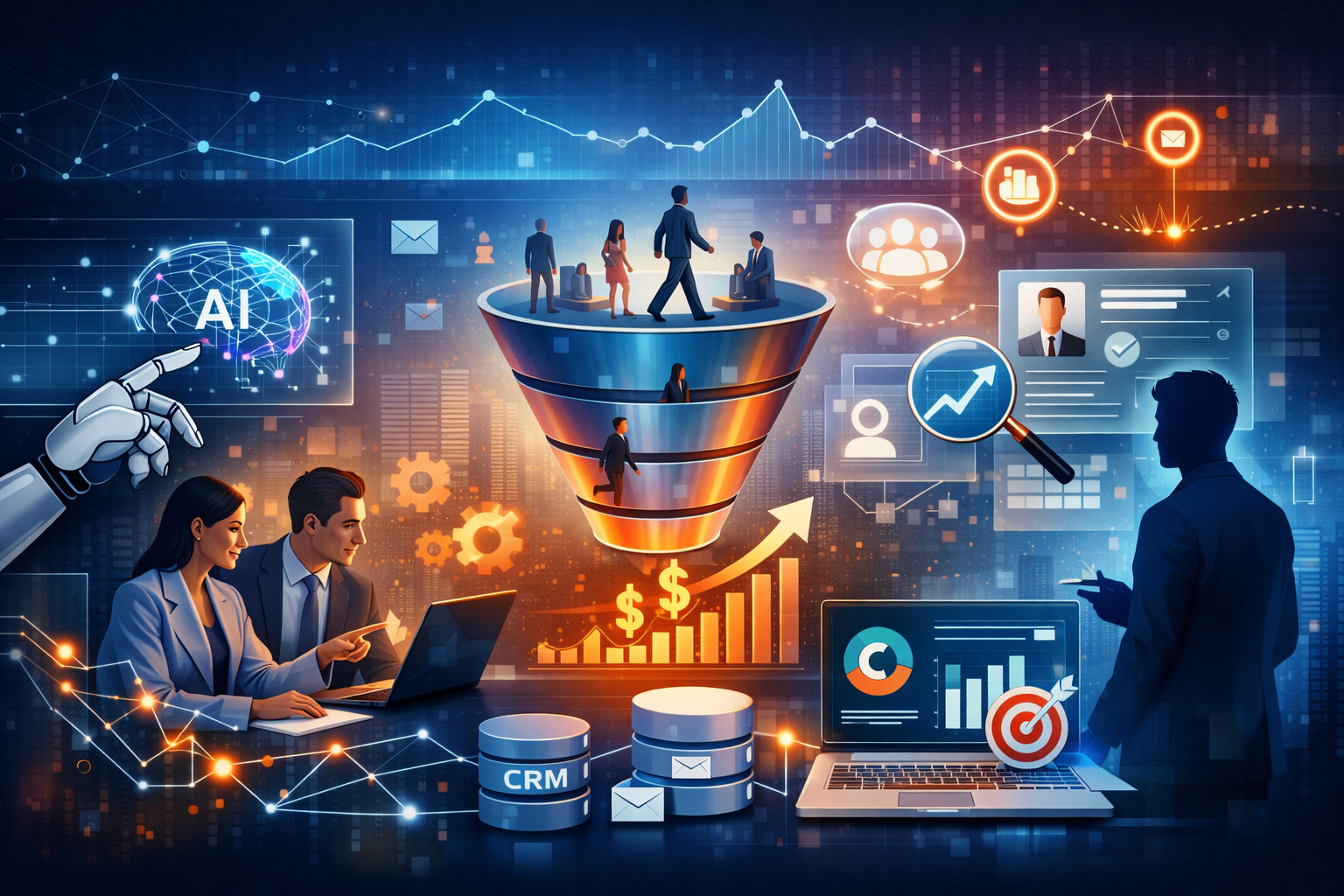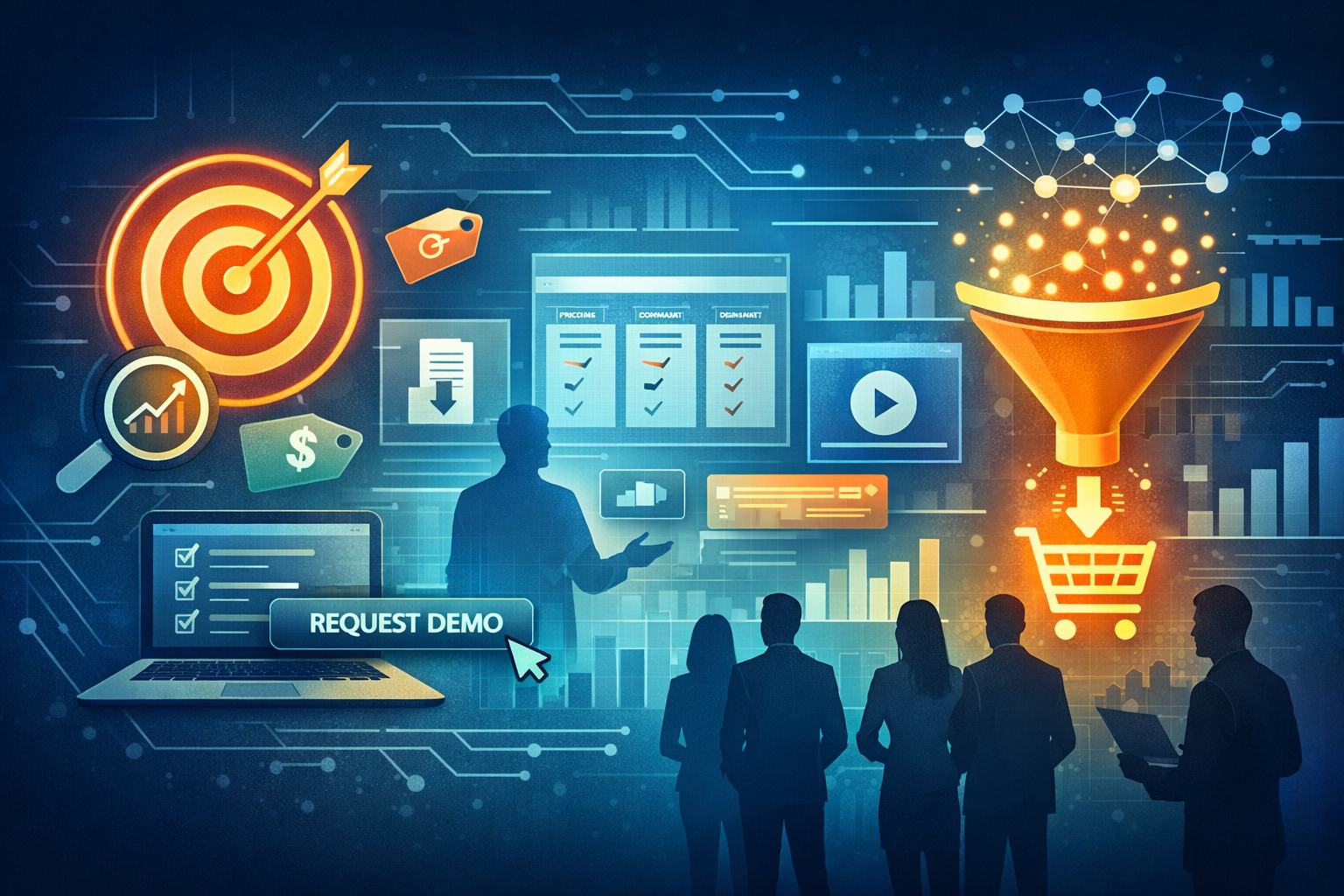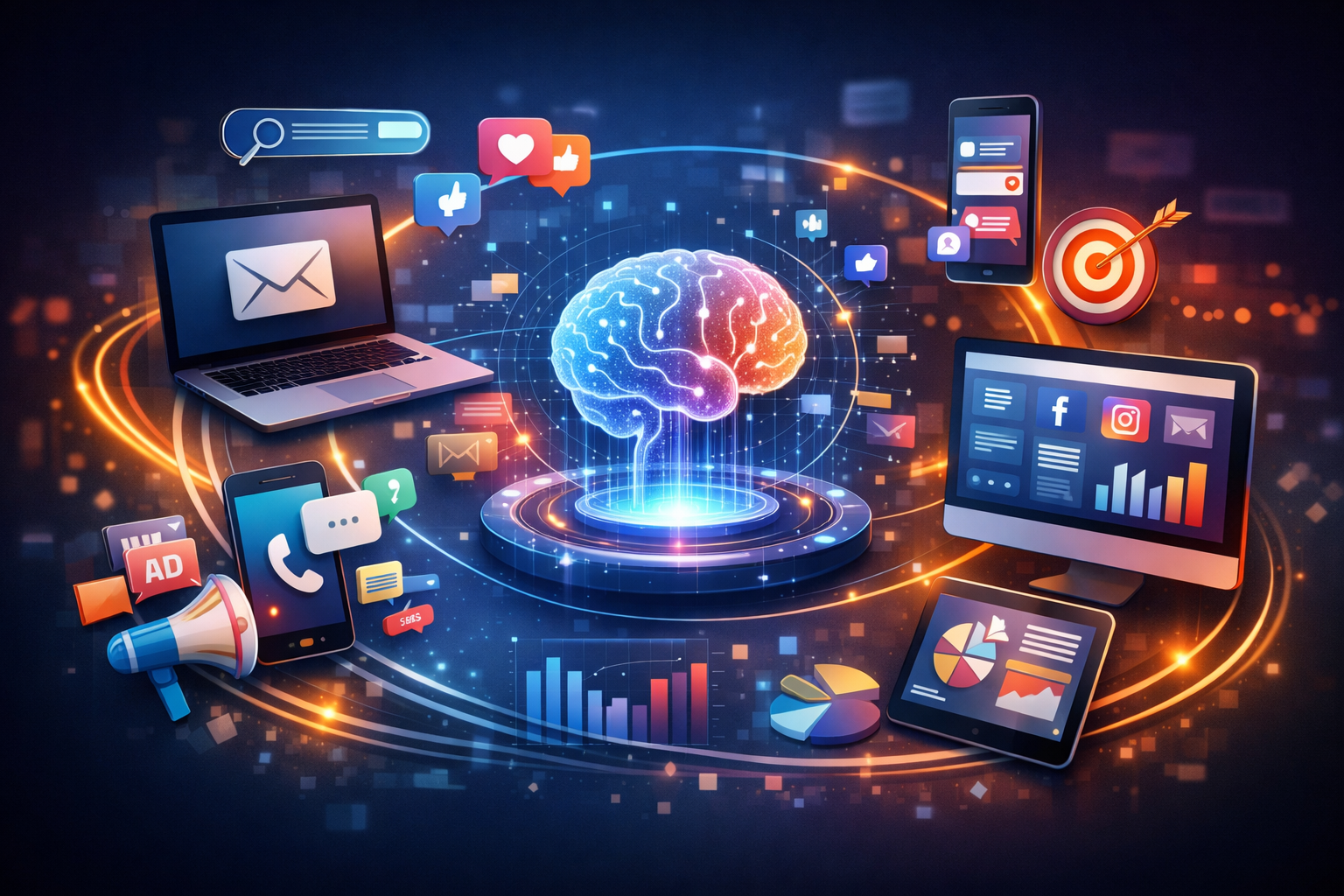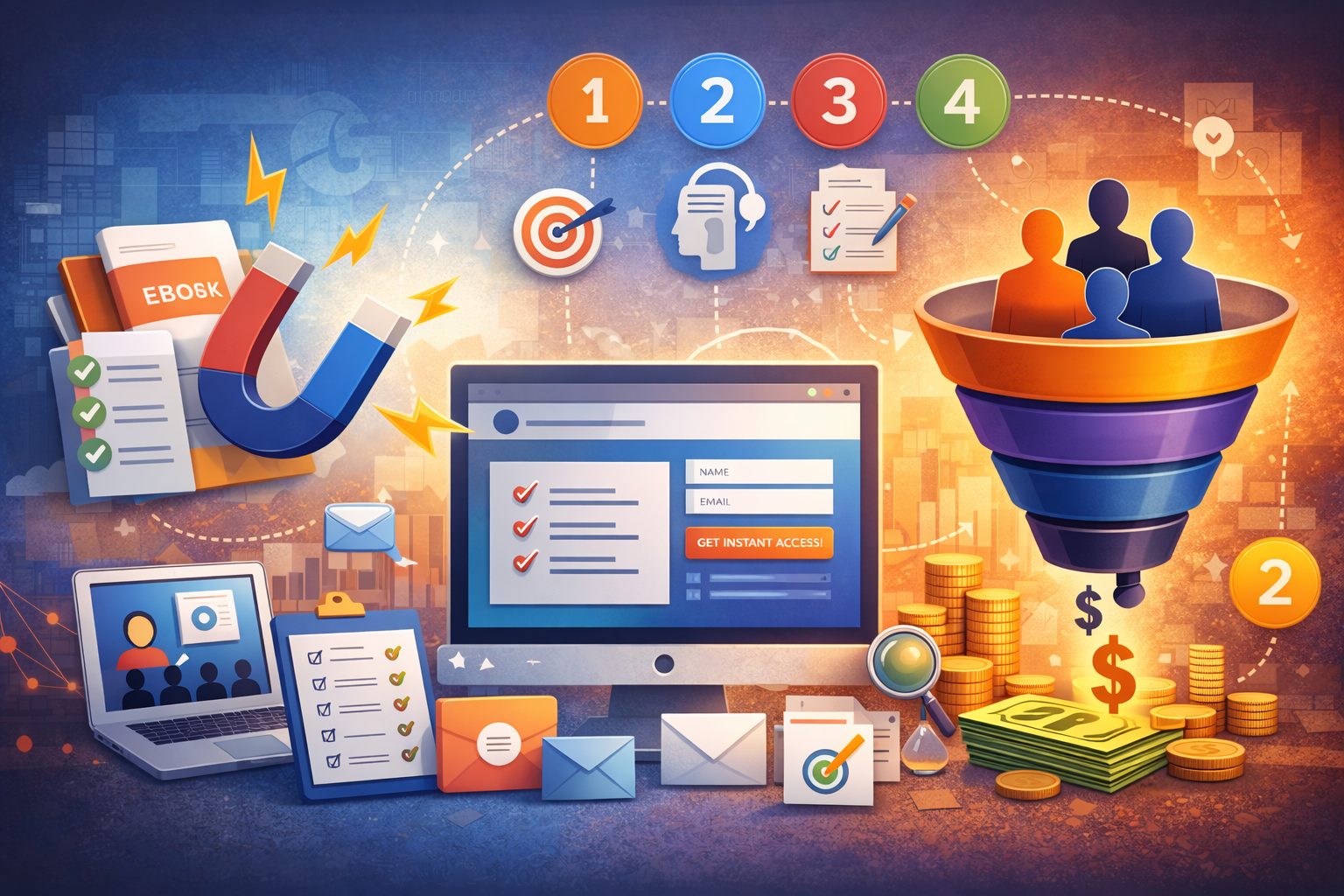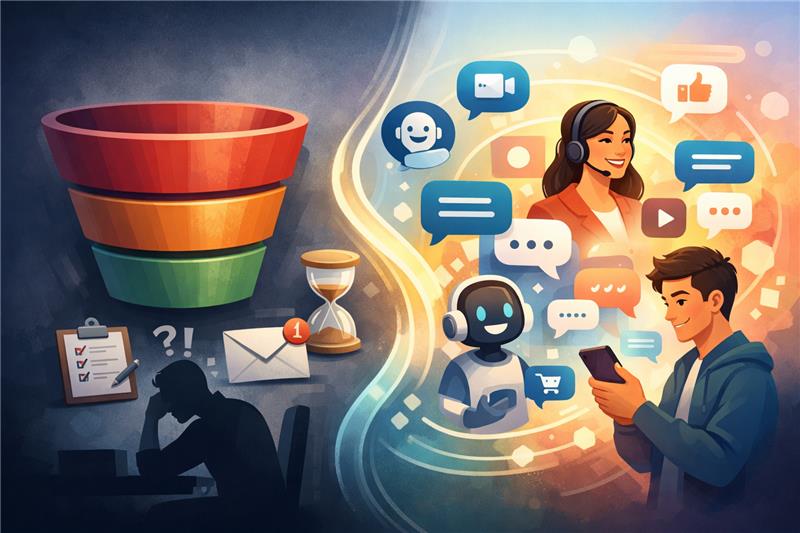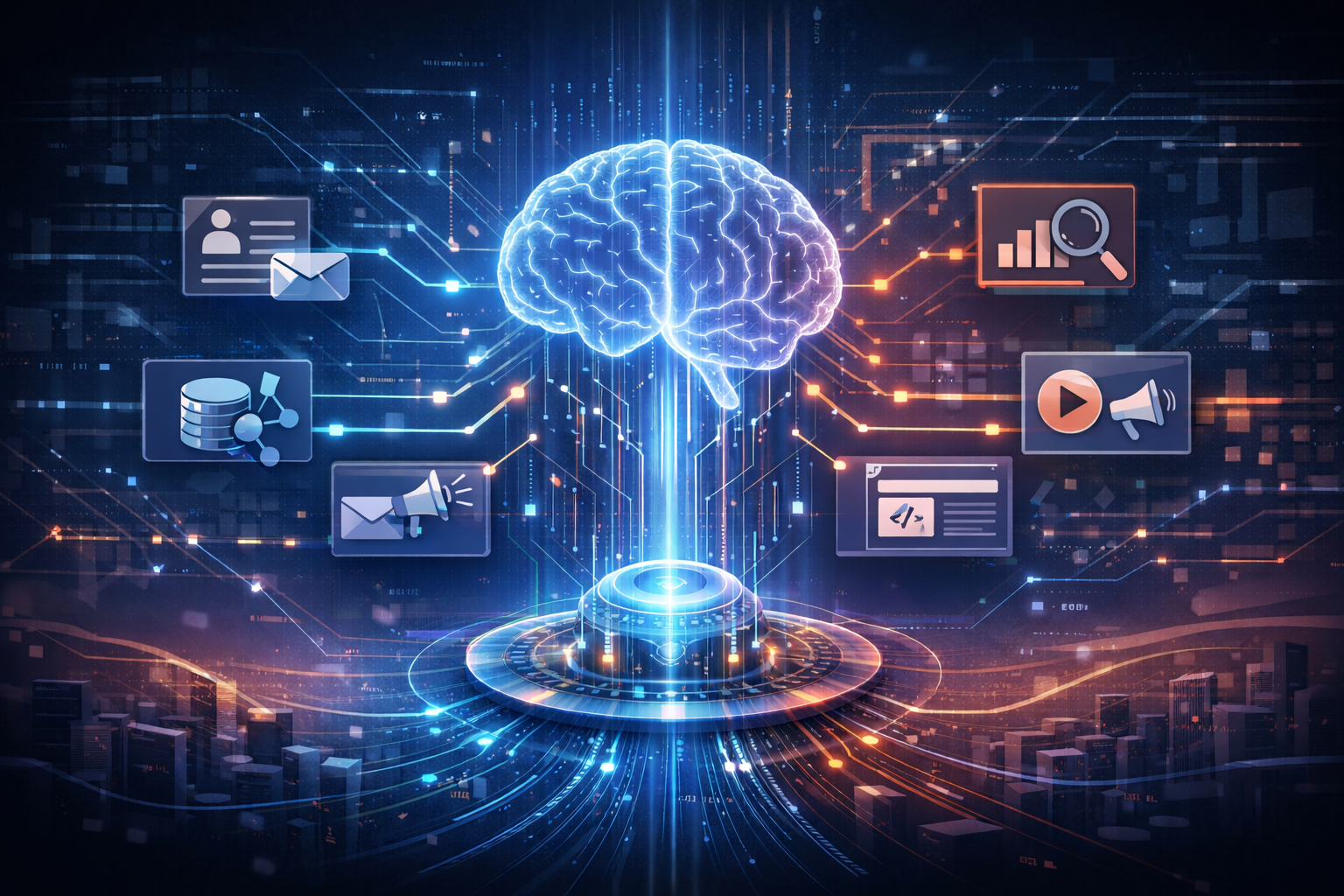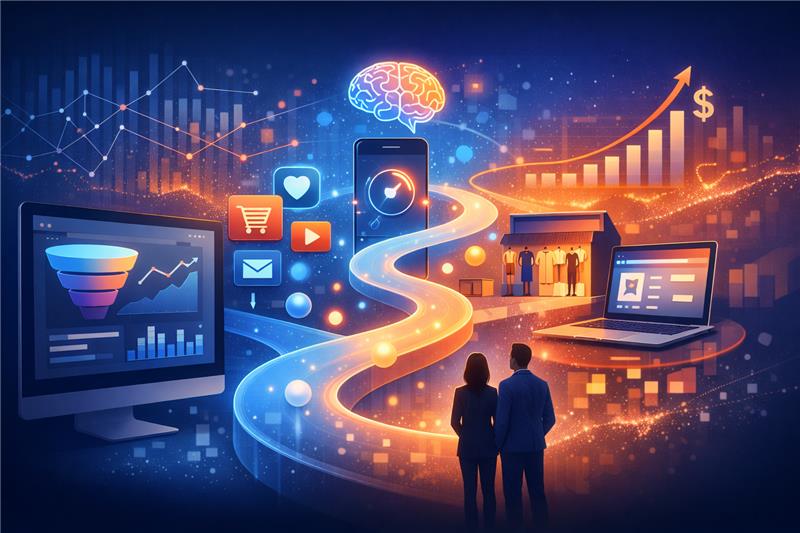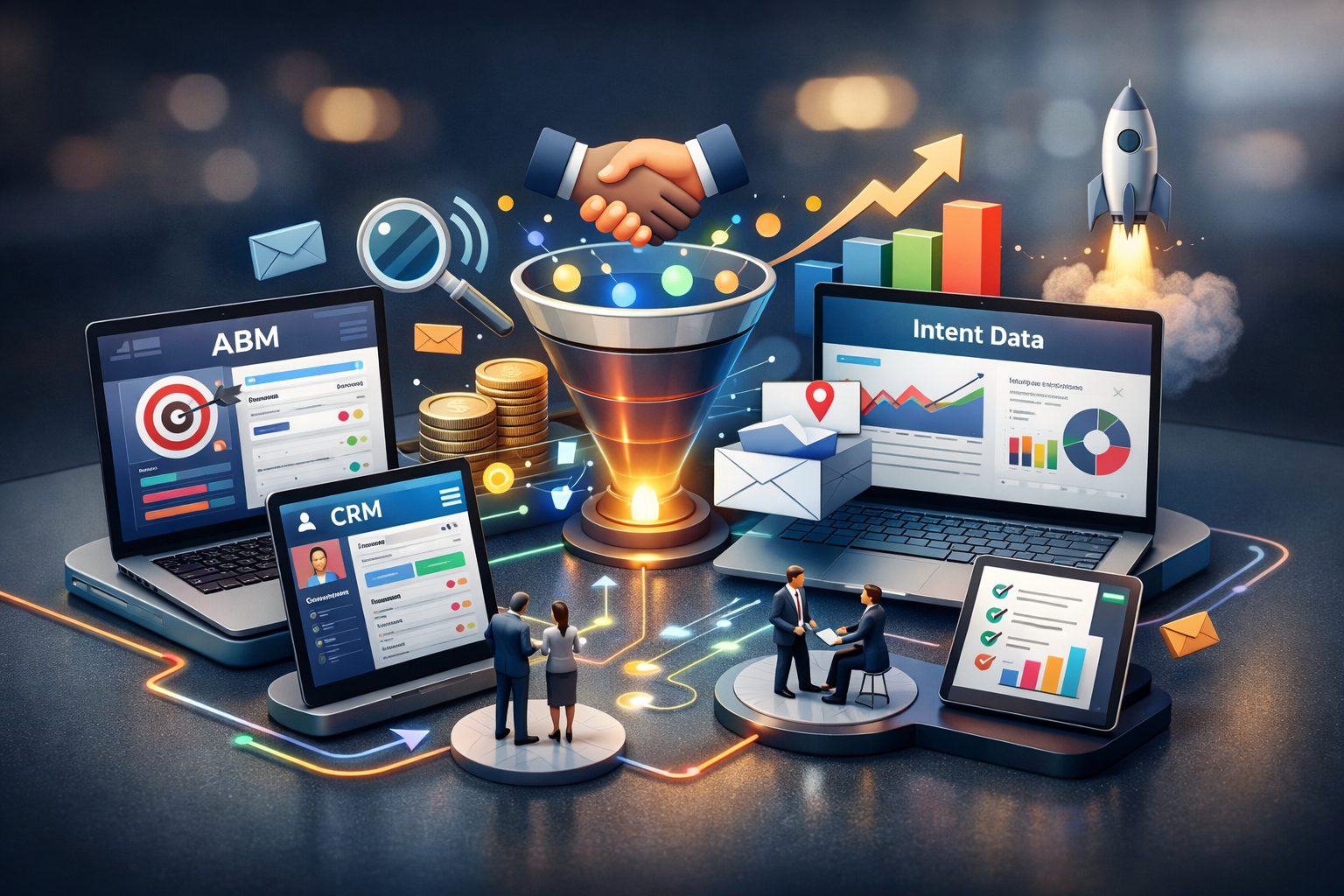

Artificial intelligence (AI) is changing the way businesses attract, engage, and retain customers. In B2B marketing, where buying cycles are often longer and multiple decision-makers are involved, AI is helping marketing teams work smarter, personalize experiences, and make better decisions using data.
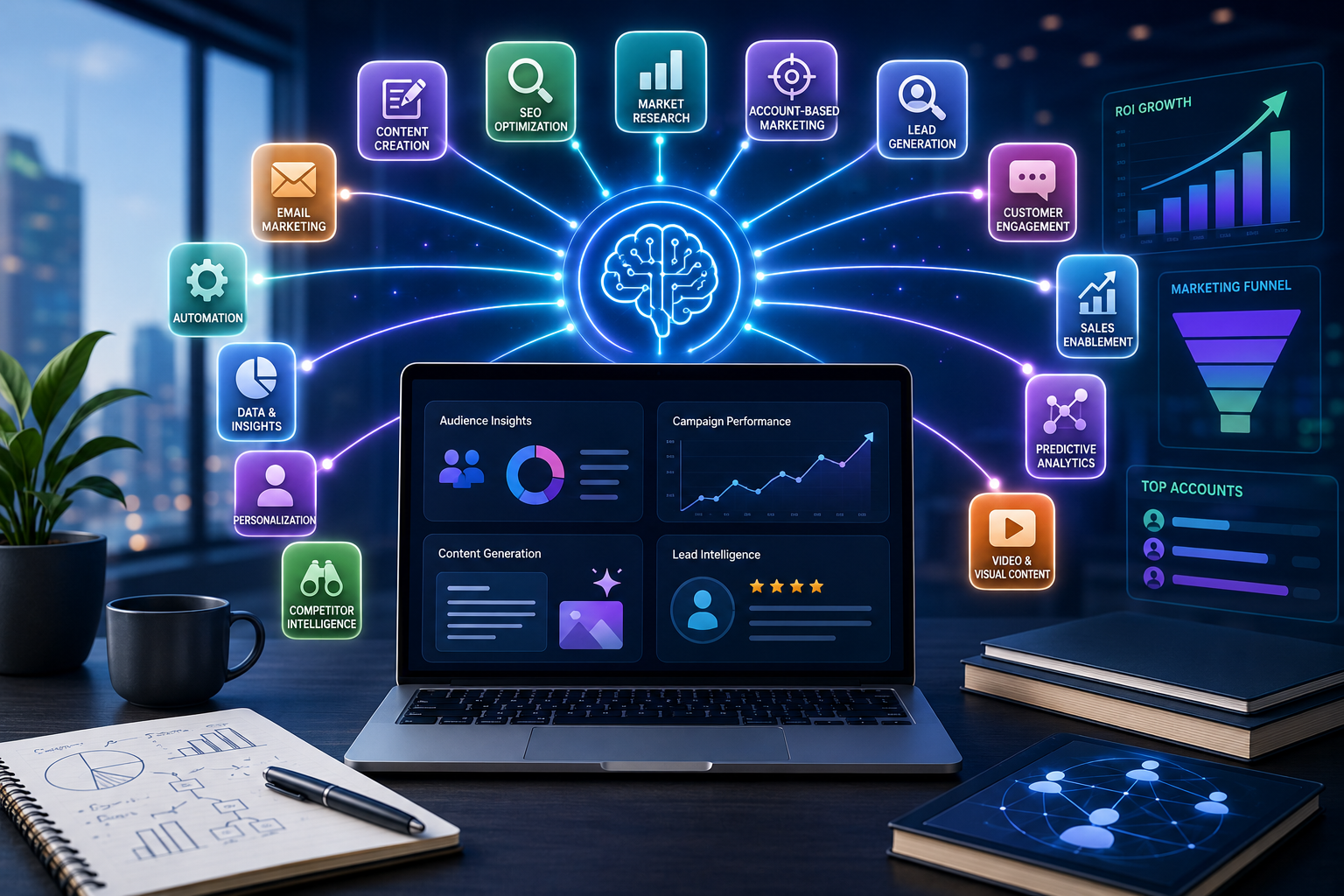
From content creation and lead generation to customer segmentation and predictive analytics, AI is becoming an important part of modern B2B marketing strategies.
What Is AI in B2B Marketing?
AI in B2B marketing refers to using artificial intelligence technologies to automate tasks, analyze large amounts of data, understand customer behavior, and deliver more relevant marketing experiences.
Unlike traditional marketing approaches that often rely heavily on manual research and assumptions, AI can process large datasets quickly and identify patterns that may be difficult for marketers to spot.
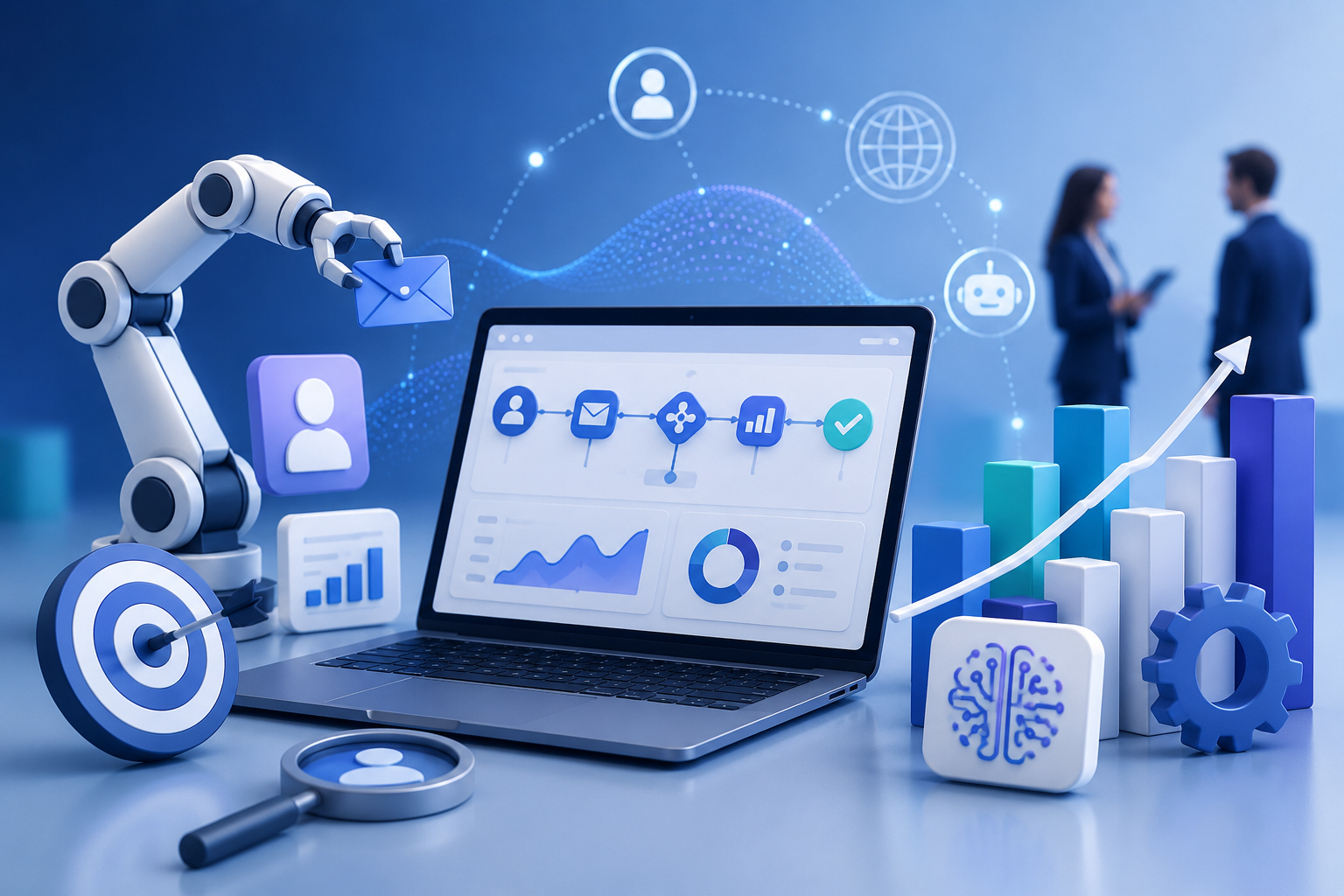
For B2B companies, this can mean better targeting, faster execution, improved personalization, and more efficient use of marketing resources.
1. AI Is Transforming B2B Content Creation
Creating high-quality content consistently is one of the biggest challenges for B2B marketing teams. AI tools can assist marketers with brainstorming topics, creating outlines, drafting content, repurposing existing material, and optimizing content for different channels.
For example, a single B2B whitepaper can be transformed into:
- Blog articles
- LinkedIn posts
- Email campaigns
- Short-form videos
- Infographics
- Sales enablement materials
However, AI should support human expertise rather than completely replace it. The most effective B2B content combines AI-assisted efficiency with industry knowledge, original insights, expert opinions, and human editing.
2. Smarter Lead Generation
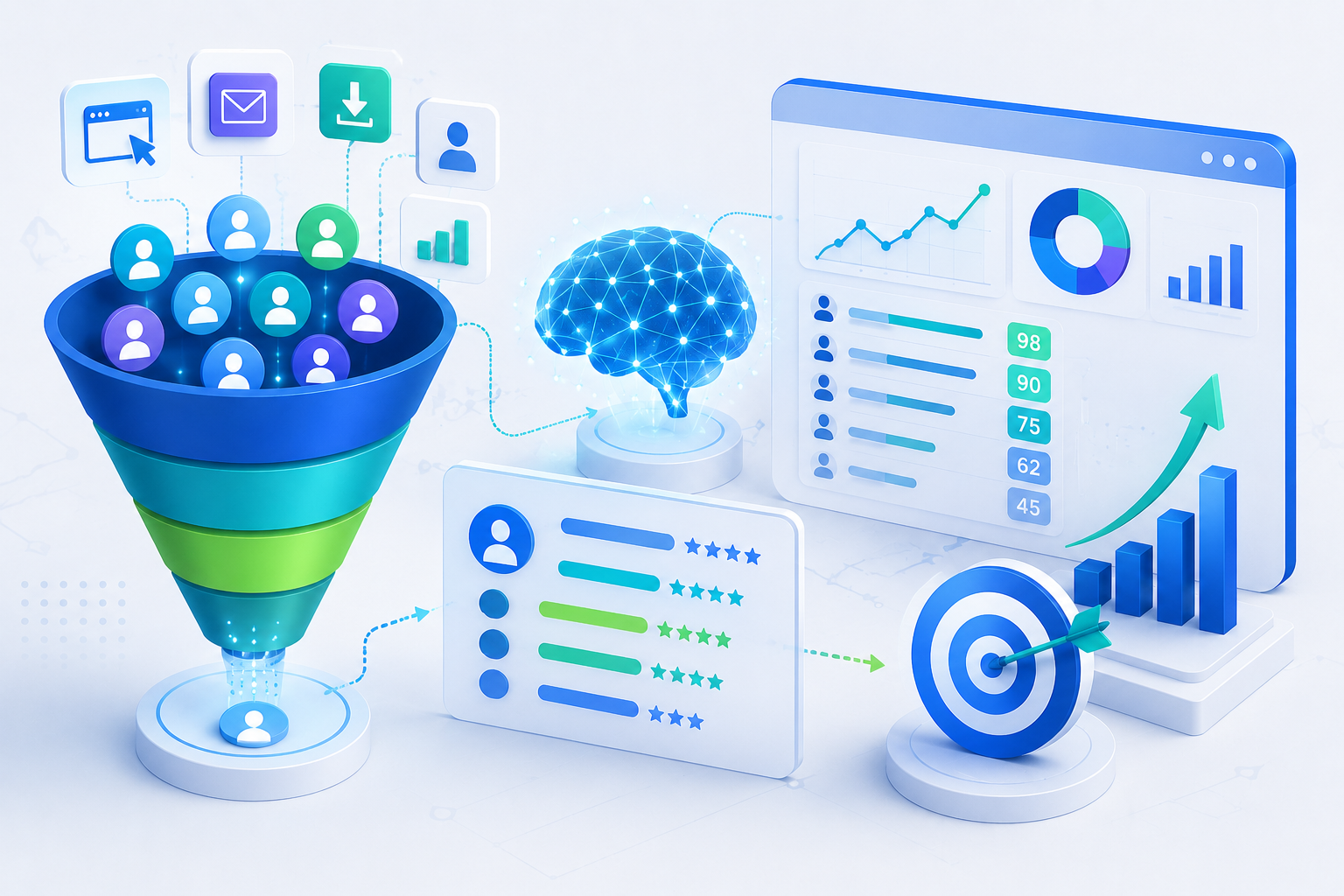
Finding the right prospects is critical for B2B businesses. AI can analyze customer and prospect data to help marketing teams identify potential high-value leads.
AI-powered systems can evaluate factors such as:
- Company size
- Industry
- Website behavior
- Content engagement
- Previous interactions
- Purchase intent
- Customer characteristics
This allows marketers to prioritize prospects who are more likely to become customers.
Instead of treating every lead equally, businesses can focus their resources on accounts and prospects with stronger buying signals.
3. Better Customer Segmentation
Traditional customer segmentation may rely on basic characteristics such as industry, company size, or location.
AI allows B2B marketers to create more sophisticated segments based on behavior and intent.
For example, an AI system might identify a group of prospects that:
- Frequently visit product pages
- Download technical resources
- Open multiple emails
- Attend webinars
- Compare pricing information
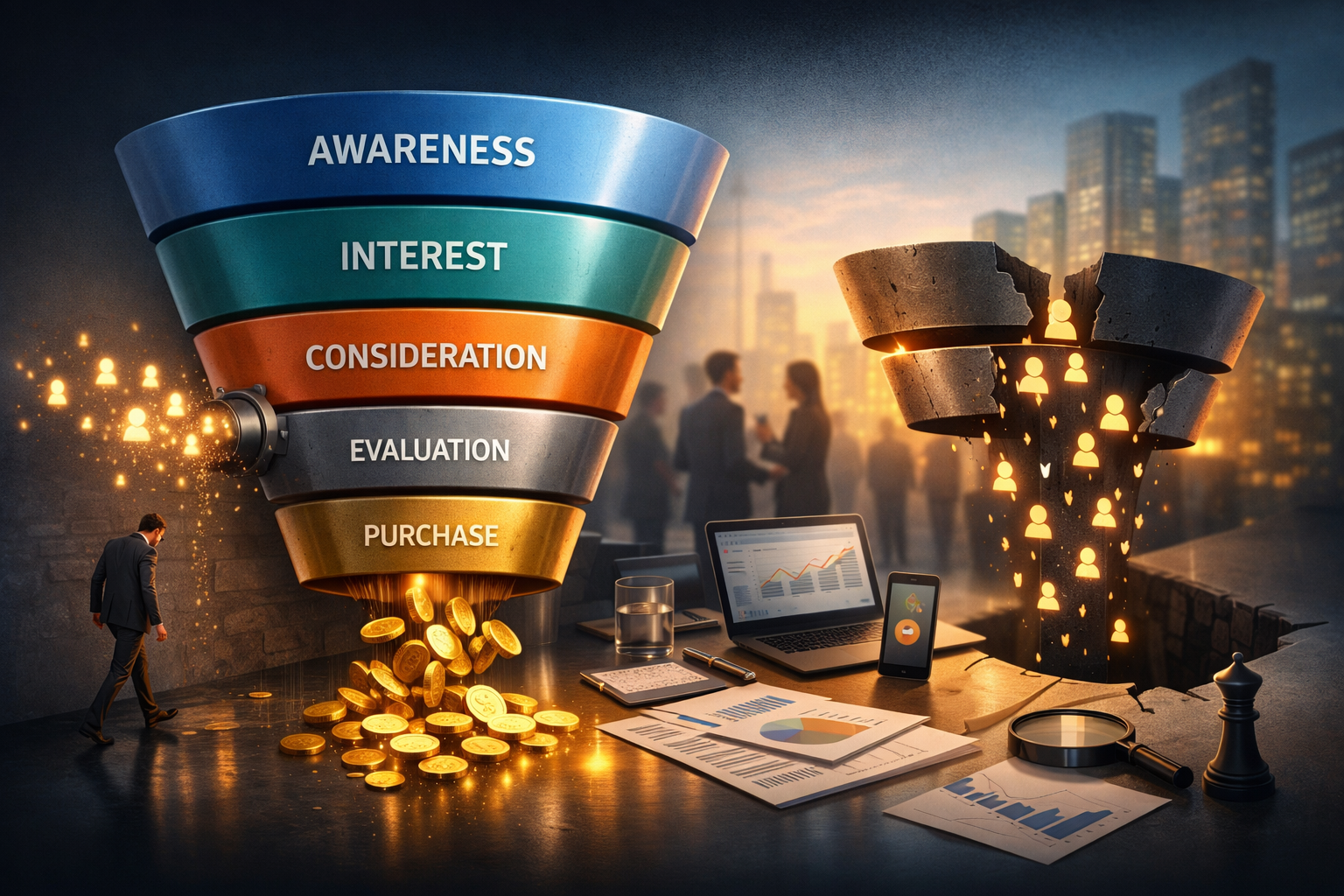
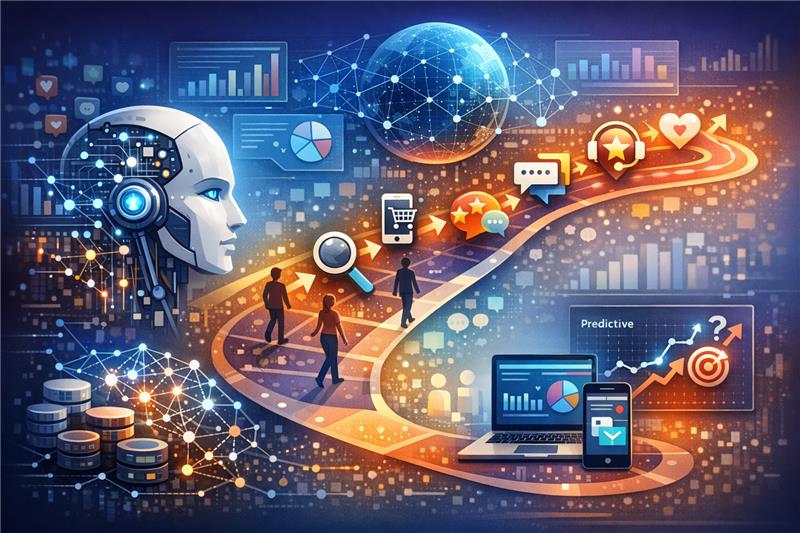
These behavioral signals can help marketers understand where prospects are in the buying journey and deliver more relevant campaigns.
4. Personalized B2B Marketing at Scale
Personalization has become increasingly important in B2B marketing. Buyers expect businesses to understand their needs rather than send generic messages.
AI makes it possible to personalize marketing across large audiences.
For example, a software company could show different website content to a startup, a mid-sized company, and an enterprise based on their needs and previous interactions.
AI can also help personalize:
- Email campaigns
- Website experiences
- Product recommendations
- Advertising
- Content
- Sales outreach
The result is a more relevant customer experience without requiring marketers to manually create every variation.
5. Predictive Analytics Helps Marketers Make Better Decisions
One of the most valuable applications of AI is predictive analytics.
AI can analyze historical and real-time data to identify patterns and estimate what might happen next. In B2B marketing, this can help businesses predict which leads are most likely to convert, which customers may leave, and which campaigns are likely to perform well.
For example, a company could use predictive models to identify leads with a high probability of conversion and prioritize them for sales follow-up.
This moves marketing from simply analyzing what happened to making more informed decisions about what could happen next.
6. AI Is Improving Marketing Automation
Marketing automation has existed for years, but AI is making automation more intelligent.
Traditional automation typically follows predefined rules. AI-powered automation can use customer behavior and data to determine what action may be most appropriate.
For example:
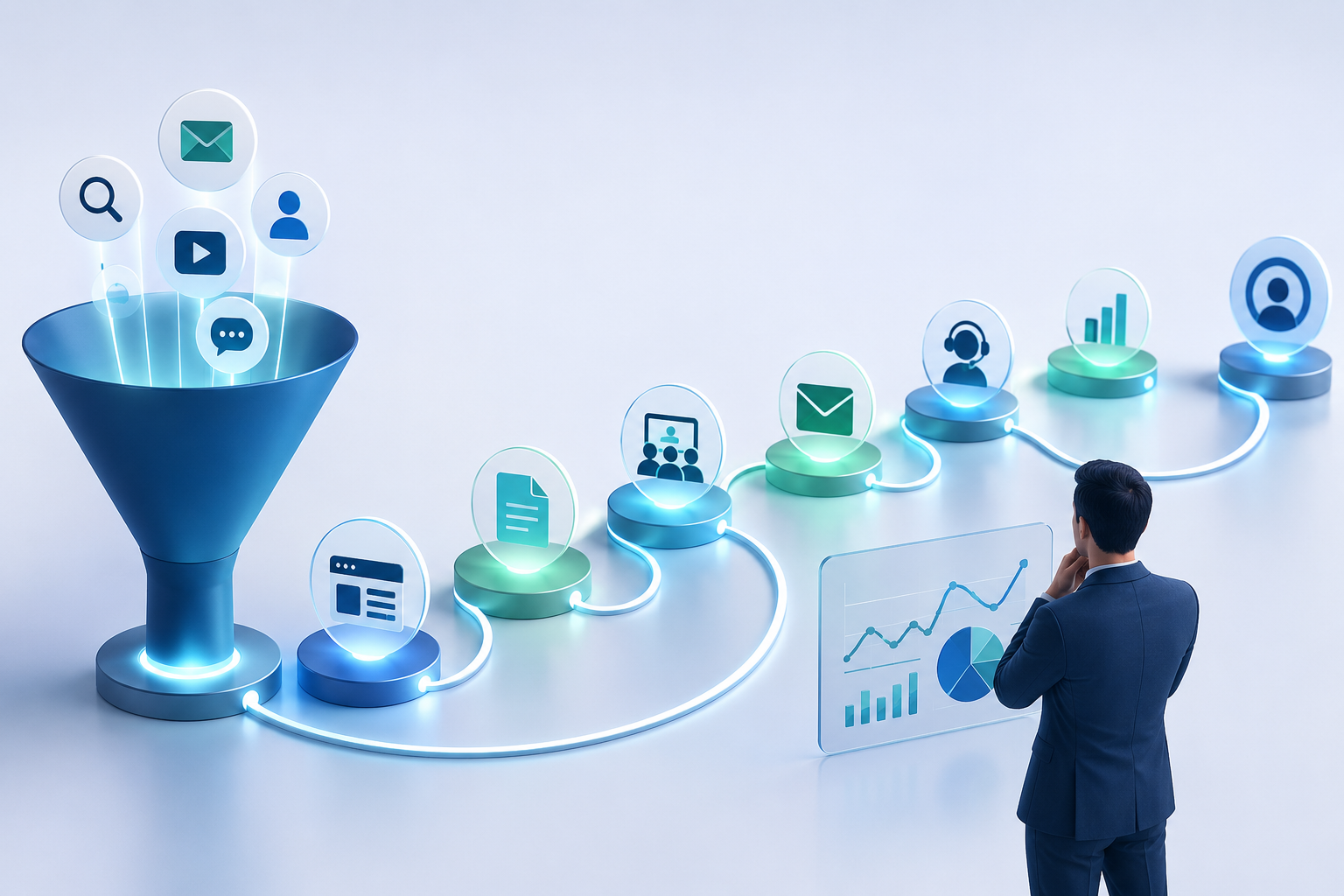
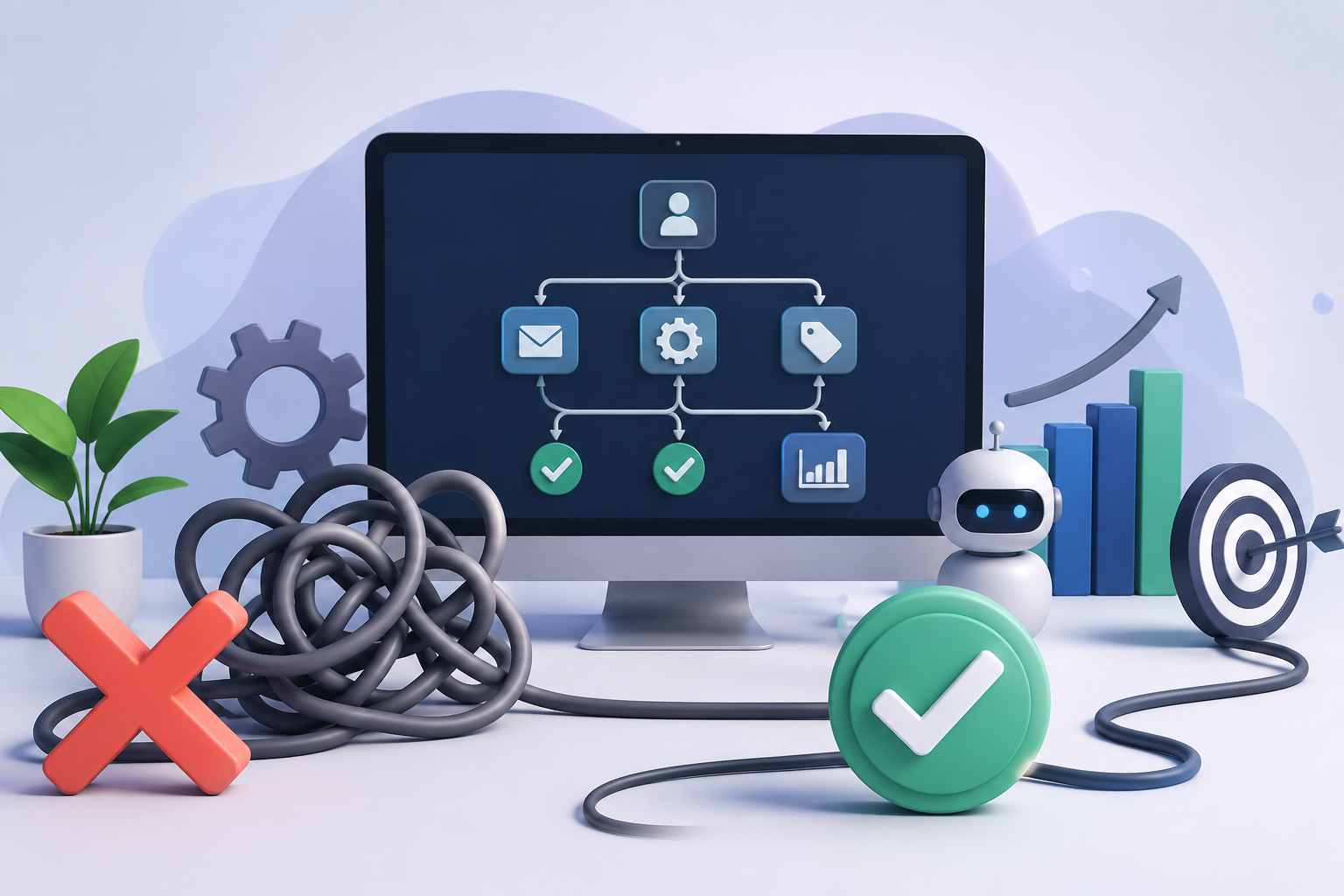
A prospect downloads an industry report → AI identifies their company and interests → the prospect is placed into a relevant segment → personalized content is delivered → a high-intent lead is identified → the sales team receives an alert.
This can reduce repetitive manual work and allow marketing teams to spend more time on strategy and creative activities.
7. AI-Powered Chatbots Are Improving Lead Engagement
B2B websites often receive visitors outside normal business hours. AI-powered chatbots can engage these visitors immediately.
Modern AI chatbots can answer common questions, recommend resources, collect lead information, and help visitors find relevant products or services.
For B2B companies, this can be particularly useful because potential buyers often conduct extensive research before speaking with a salesperson.
An AI chatbot can provide assistance during this research process and help move qualified prospects toward the next stage of the buying journey.
8. AI Is Changing Account-Based Marketing
Account-Based Marketing (ABM) focuses marketing efforts on specific high-value companies rather than broad audiences.
AI can make ABM more effective by helping marketers identify target accounts, analyze account behavior, discover relevant decision-makers, and determine when an account may be showing buying intent.
For example, if several employees from the same company begin visiting product pages and downloading resources, AI can identify the increased engagement and help the marketing and sales teams respond.
This creates a more coordinated approach between marketing and sales.
9. Faster Market and Competitor Research
B2B marketers regularly need to research competitors, industries, customer opinions, and market trends.
AI can help organize and analyze large volumes of information much faster than manual research alone.
Marketing teams can use AI to identify:
- Emerging industry trends
- Common customer concerns
- Competitor positioning
- Content opportunities
- Frequently discussed topics
- Gaps in existing solutions
However, AI-generated research should always be reviewed and validated before being used in business decisions or published content.
10. AI Is Changing the Role of the B2B Marketer
AI does not necessarily eliminate the need for marketers. Instead, it is changing what marketers spend their time doing.
Tasks such as basic research, reporting, content drafting, data analysis, and repetitive campaign management can increasingly be assisted by AI.
This gives marketers more time to focus on areas where human judgment remains essential:
- Strategy
- Brand positioning
- Creativity
- Customer understanding
- Relationship building
- Critical thinking
- Decision-making
The future B2B marketer is likely to be someone who knows how to combine marketing expertise with AI capabilities.
Challenges of Using AI in B2B Marketing
Despite its benefits, AI also creates challenges.
Data Privacy
B2B companies must be careful about how customer and prospect data is collected, stored, and processed.
Accuracy
AI can generate incorrect or misleading information. Human review remains important, particularly for technical, financial, legal, and industry-specific content.
Lack of Originality
If businesses rely too heavily on AI-generated content, their marketing can become repetitive and generic.
Brand Voice
AI-generated content may not automatically reflect a company’s unique personality, expertise, or positioning. Clear brand guidelines and human editing are important.
Over-Automation
Not every customer interaction should be automated. B2B purchasing often involves relationships, trust, and complex conversations that require human involvement.
How B2B Companies Can Start Using AI
Companies don’t need to transform their entire marketing operation overnight. A practical approach is to start with specific use cases.
Step 1: Identify Repetitive Tasks
Look for activities that consume significant time, such as reporting, research, content repurposing, or lead qualification.
Step 2: Choose High-Impact Use Cases
Start with applications where AI can produce measurable improvements.
Step 3: Keep Humans in the Loop
Use AI for assistance and automation while maintaining human oversight for important decisions and customer-facing content.
Step 4: Measure Results
Track metrics such as:
- Lead quality
- Conversion rates
- Cost per lead
- Content engagement
- Campaign ROI
- Marketing productivity
Step 5: Improve Continuously
AI adoption should be treated as an ongoing process. As teams learn what works, they can expand AI into additional marketing activities.
The Future of AI in B2B Marketing
AI is moving B2B marketing toward a more data-driven, personalized, and automated future.
The companies that benefit most will not necessarily be those that use the most AI. They will be the companies that use AI strategically while maintaining strong customer understanding, creative thinking, and human relationships.
AI can help marketers process information faster, identify opportunities, personalize experiences, and automate repetitive work. But technology alone does not create great marketing.
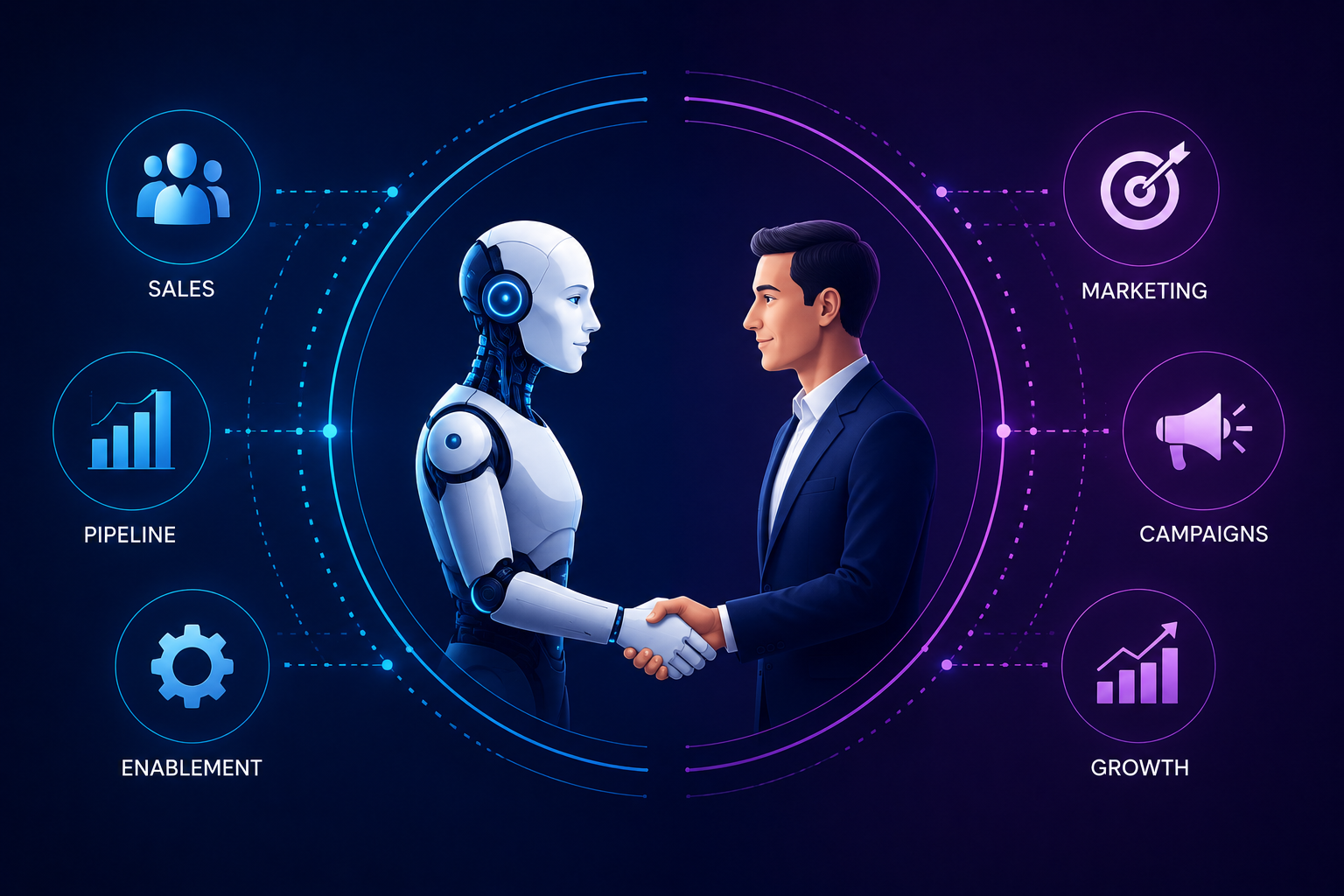
The winning combination is AI efficiency + human expertise + strong strategy.
Read Also: CRM Automation for B2B Companies: How to Streamline Sales, Marketing, and Customer Relationships